
Search History
Popular Searches
English
Dealer Login / Sign Up
On March 31, 2026, Hong Kong's eight-year-old "One-for-One" tax concession scheme for electric private cars officially came to an end. The buying rush triggered by the closing policy window left a dramatic imprint on the city's car sales figures for the first quarter of 2026. The latest statistics from the Transport Department not only record this "final frenzy" but also reveal profound structural shifts underway in Hong Kong's automotive market – as policy incentives fade, as domestic Chinese brands rise collectively, and as EV penetration exceeds 70%, the market stands at a brand new starting point.
Quarterly Review: A Slow Start in January, Building in February, Surging in March
The first quarter of 2026 saw a clear "slow start, strong finish" curve in new private car registrations.
In January, total registrations stood at 4,991 vehicles, a 21.2% drop from December 2025, missing a "red opening" for the new year. However, compared to January 2025 (2,983 units), it represented a significant 67.3% increase, indicating that the market's positive fundamentals remained unchanged. By brand, BYD topped the list with 607 units, Zeekr followed closely with 579, and Tesla took third with 367. The top three were all new energy brands, and Chinese brands occupied six of the top ten spots, accounting for over 60% of total sales.
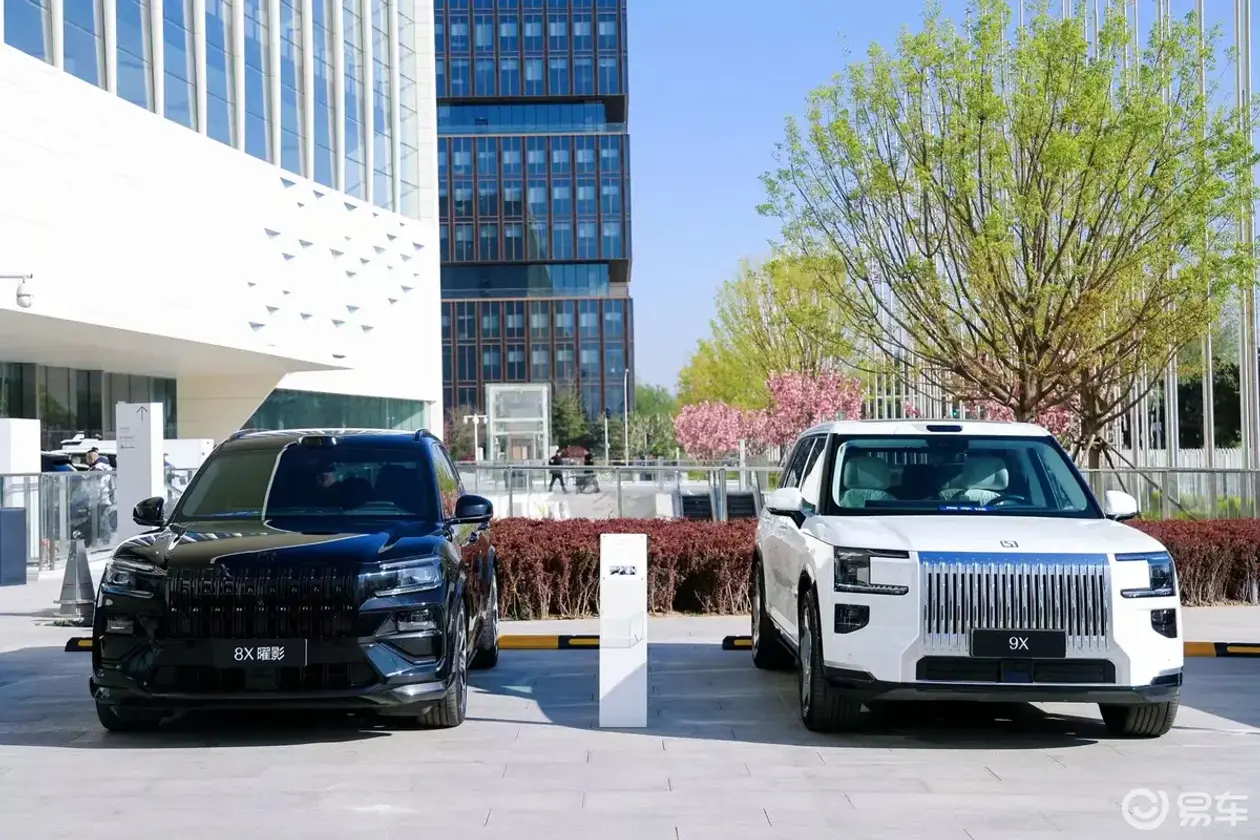
In February, the market heated up significantly under policy stimulus. According to the Transport Department's February brand ranking, Tesla regained the top spot with 1,001 units, becoming the only brand to break the thousand-unit mark for the month. BYD was second with 714, Aion surged to third with 352, Zeekr (291) and Xpeng (219) rounded out the top five. New energy brands dominated the top ten, with traditional fuel brand Toyota in sixth place at 214 units.
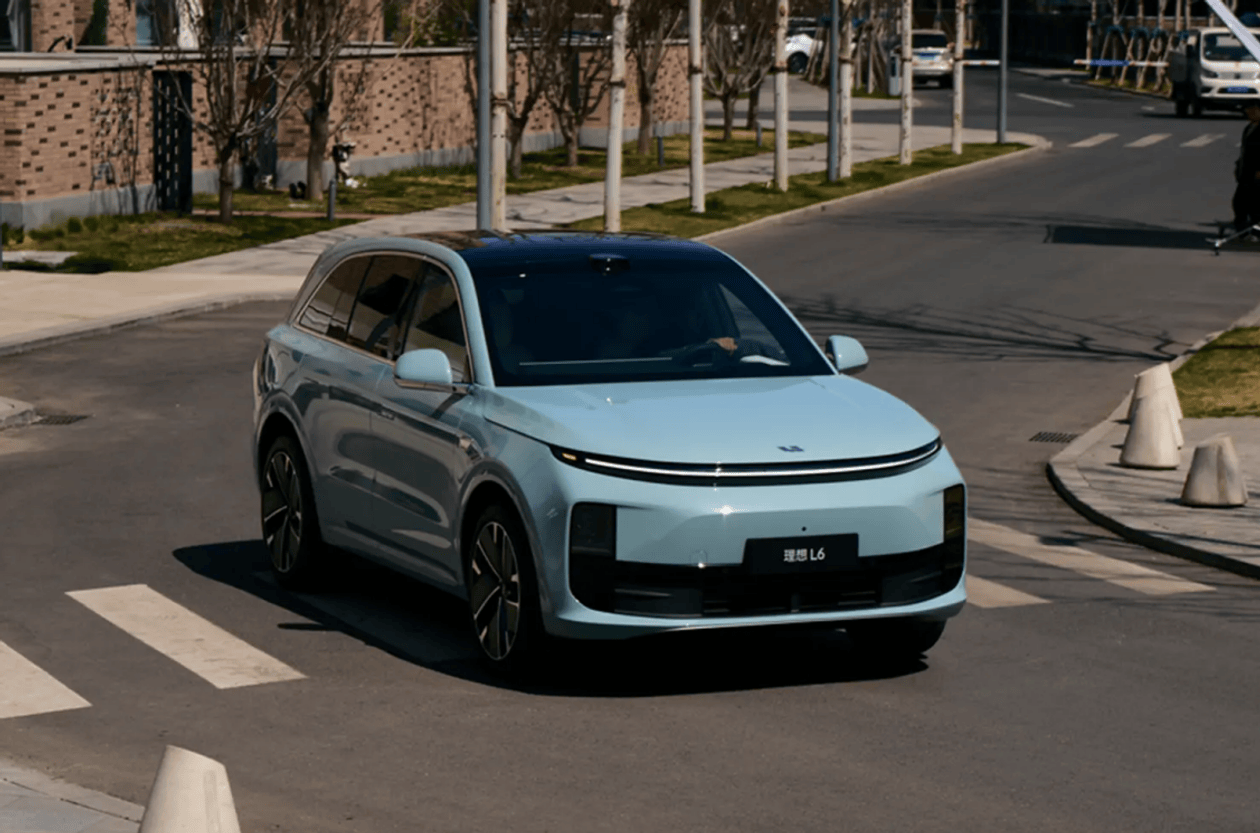
In March, as the "One-for-One" scheme entered its final countdown, the market experienced a "last frenzy." After the February 25 budget announcement that the scheme would end, showrooms in Kowloon Bay, Hung Hom, and elsewhere saw a surge in foot traffic; some dealers reported daily orders three to ten times higher than normal, with delivery dates for popular models already pushed to early 2027. This wave of panic buying provided a strong finish to the first quarter's sales curve.
Policy Window Closing: Market Dynamics After Tax Incentives Fade
Launched in 2018, the "One-for-One" scheme allowed owners to scrap an old fuel car and purchase a new electric private car, receiving a First Registration Tax concession of up to HKD 172,500. The policy has been a key driver of EV adoption in Hong Kong – by early 2026, about 132,000 EVs had been registered under the scheme, accounting for over 90% of total EV registrations. With the scheme ending, EVs registered from April 1 onward are subject to full progressive First Registration Tax rates: 46% on the first HKD 150,000, 86% on the next HKD 150,000, 115% on the following HKD 200,000, and 132% on any remaining amount.
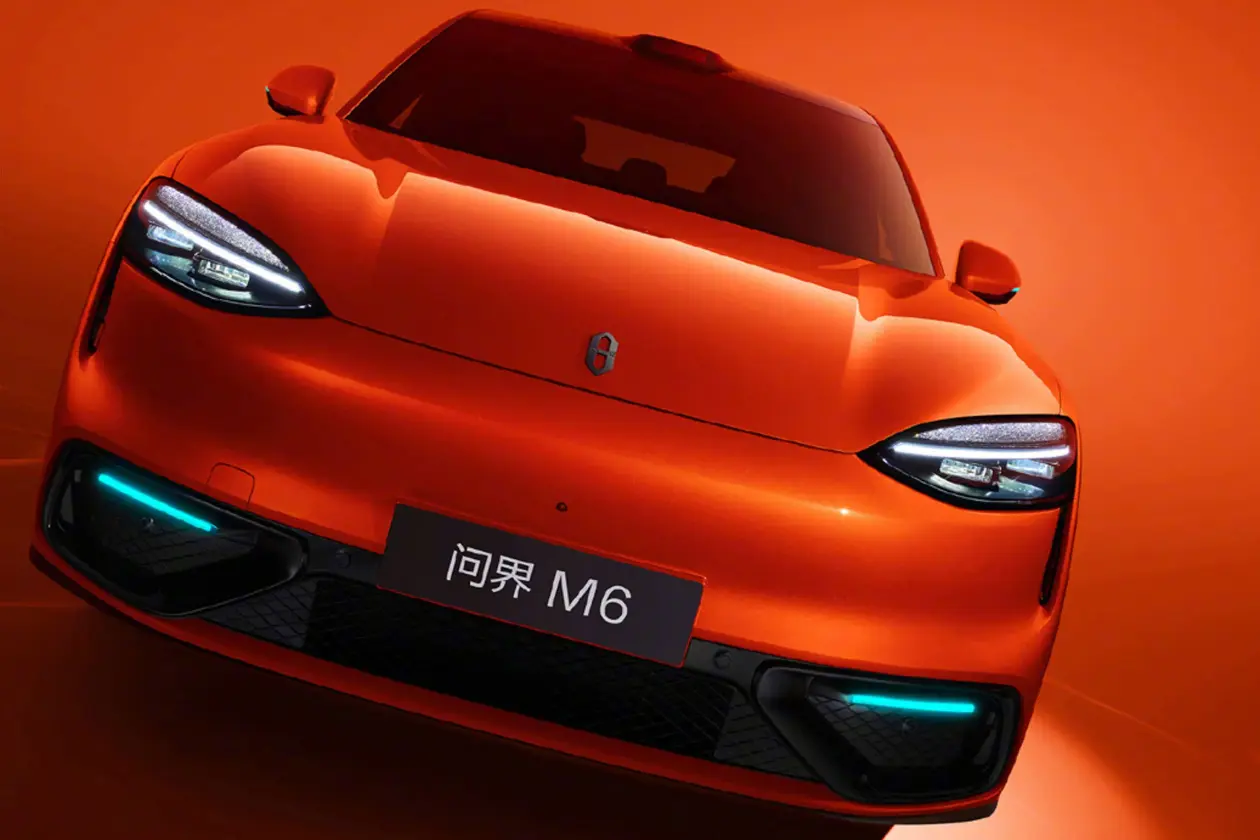
The March buying rush was essentially a rational response by consumers to the loss of fiscal benefits. Li Yaopei, Permanent Honorary President of the Hong Kong Motor Car Association, predicted that the EV market would face a "winter of more than half a year" after the policy's cancellation. However, the impact varies significantly across price segments. Entry-level EVs will see their on-road prices rise sharply, hitting price-sensitive consumers hardest. High-end buyers are less price-sensitive, so the impact will be relatively limited. Therefore, from the second half of 2026 to early 2027, Hong Kong's EV market may see a structural adjustment: stable at the high end, declining at the entry level.
Brand Landscape: Collective Breakthrough of Chinese Brands, Accelerated Transition of Traditional Luxury
In full-year 2025, BYD became Hong Kong's top-selling brand for the first time with 9,751 units, while the Sea Lion 07 EV was the best-selling model with 5,680 units, winning a "double championship." Chinese brands like Zeekr, Xpeng, and GAC Aion also ranked in the top sales charts, with Chinese brands taking four of the top five spots. This performance completely broke the long-standing dominance of foreign brands.
Entering 2026, the lead of Chinese brands has further consolidated. In January, Chinese brands occupied six of the top ten brand spots; in February, Aion surged to third overall and second among Chinese brands. Among traditional luxury brands, Mercedes ranked fourth in January with 336 units, BMW seventh with 217, while Japanese brands Toyota, Honda, and Nissan ranked lower, reflecting the continued contraction of traditional fuel vehicle market share.
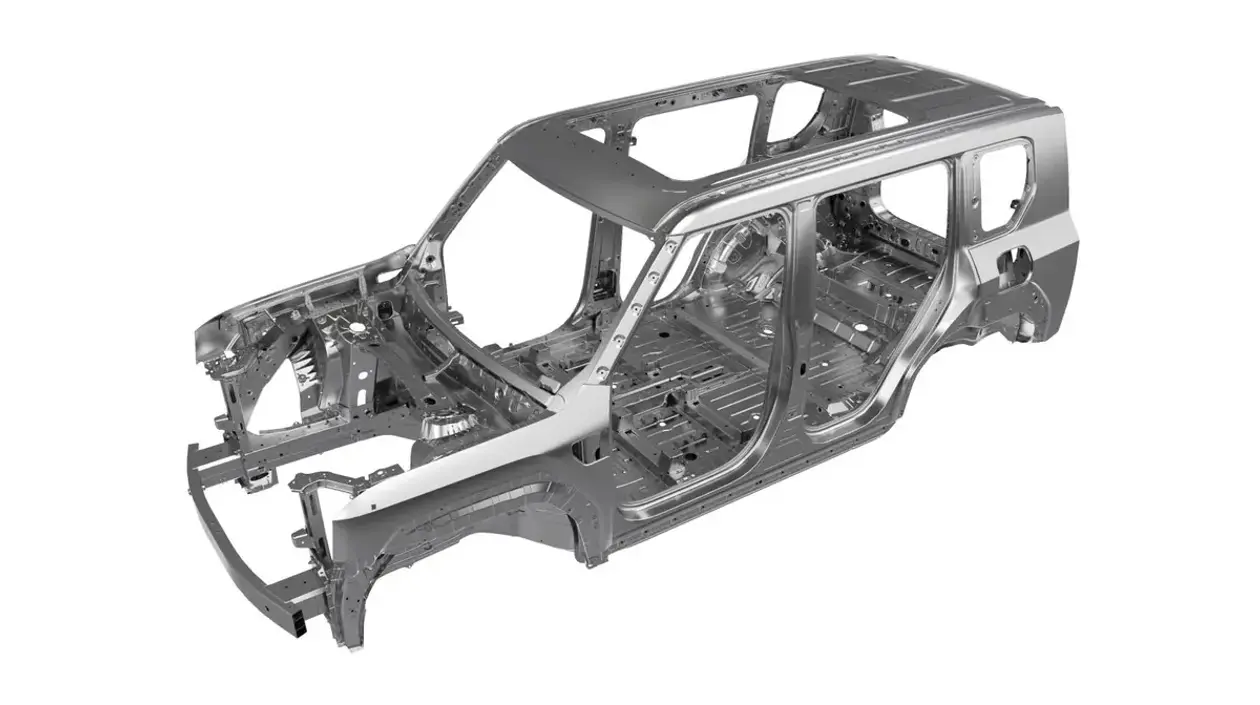
Notably, Tesla returned to the top spot in February with 1,001 units, showing that its brand appeal remains strong. However, Tesla's product line is relatively narrow (mainly Model 3 and Model Y), and with a wave of new models from Chinese brands, its market share is under sustained pressure. Whether Tesla can regain market dominance through new models (such as the rumored six-seat Model Y L) will be a key point to watch this year.
Model Trends: SUVs and MPVs Dominate – Intelligence and Space as Core Competitiveness
Looking at model sales, pure electric vehicles have taken an absolute lead. All of the top 20 best-selling models in 2025 were pure electric, and the top 20 in January 2026 were also entirely NEVs. By segment, SUVs and MPVs were the main growth drivers.
The Zeekr 7X was the best-selling model in January with 500 units, followed closely by the BYD Sea Lion 07 EV with 466. MPVs like the Zeekr 009 and Xpeng X9 have comprehensively overtaken the Toyota Alphard in the luxury MPV segment, proving that Chinese brands have firmly established themselves in Hong Kong's "nanny car" market.
Behind this trend is a structural shift in the needs of Hong Kong families. With the "Northbound Travel for Hong Kong Vehicles" scheme becoming increasingly popular, more and more users need a vehicle that can handle both daily commuting and long-distance self-drive trips. Spaciousness, long range, and intelligent features are replacing traditional brand prestige as key purchase criteria.
Market Outlook After Policy Withdrawal: Challenges and Opportunities
With the end of the "One-for-One" scheme, Hong Kong's EV market enters a true "product-driven competition era." In the short term, the price advantage of entry-level EVs will be eroded, and the market may see a temporary adjustment. In the long run, several trends deserve attention:
First, the pace of charging infrastructure build-out will be a critical bottleneck for market growth. As of February 2026, Hong Kong had about 16,000 public charging points, of which only 20 were high-power (over 100kW). The government aims to have at least 4,000 high-power chargers by 2030. Whether this infrastructure gap can be closed quickly will directly affect the daily convenience of EV use.
Second, the development of the used EV market will provide new options for price-sensitive buyers. As early EVs enter the second-hand market, supporting services like battery health certification and residual value assessment will gradually mature, potentially lowering the entry barrier for EVs.
Third, the electrification counterattack of traditional luxury brands will intensify competition. Brands like Mercedes-Benz, BMW, and Audi are accelerating the introduction of next-generation electric models, leveraging their deep brand heritage and established after-sales networks to compete head-on with Chinese brands in the premium segment.
Fourth, the availability of right-hand drive (RHD) models will be key for Chinese brands to sustain growth in Hong Kong. Brands like BYD, Zeekr, and Xpeng have already set up sales and service networks in Hong Kong, but RHD development costs are high, forcing brands to balance market size against R&D investment.
Personal Opinion: Policy Fades, Product Strength Is the True Moat
Reflecting on the performance of Hong Kong's car market in the first quarter of 2026, my strongest impression is that "when the tide goes out, you see who is swimming naked." For the past eight years, the "One-for-One" scheme has acted as a giant umbrella, lowering the purchase threshold for EVs and masking the true competitiveness of some products. Now that the policy has ended, EVs will compete with fuel vehicles under the same tax system – a true test for every brand.
BYD's rise to the top, Zeekr's rapid growth, and Xpeng's breakthrough are not only the result of policy stimulus but also a reflection of improved product strength. The Sea Lion 07 EV's 5,680 annual sales, the Zeekr 7X's January sales crown, and Aion's top-three finish in February – these numbers represent user recognition of the technological capability, product quality, and service experience of Chinese brands. When consumers stop buying cars just to "save on taxes" and start buying because they are "good to drive," market competition truly returns to its essence.
For Hong Kong buyers considering a new car, the current market may be full of uncertainty, but the diversity of choices is unprecedented. From BYD's balanced practicality to Zeekr's performance and technology, from Xpeng's youthful intelligence to Aion's value-for-money breakthrough – each brand is responding to Hong Kong consumers' needs in its own way. The policy window has closed, but the door of competition has just opened. The future belongs to those who truly understand Hong Kong, understand its people, and understand all the expectations this city has for a "good car."

香港汽車內容平台 🚗 新車・買車・玩車・用車 用香港視角,睇世界嘅車
+ Follow 【新車速報】兩座車又殺返嚟?smart精靈#2今次有啲料喎
鍾意細車嘅香港車迷留意!全新 smart 精靈#2 配置公布,採用 ECA 電動緊湊型架構,搭載 35.8kWh 磷酸鐵鋰電池,CLTC 續航 410km,30%-80% 快充最快15分鐘。
車長約 2.75米、轉彎半徑僅3.35米,仲有前麥弗遜+後五連桿獨立懸架;安全配備最多7個氣袋及 ACC、盲區監測等功能。
0-50km/h 3.8秒,10月12日巴黎車展全球首發!
兩座純電+細車身,放落香港街道會唔會幾對味?
#smart #smart精靈2 #純電車 #BitAutoHongKong 2小时前
【新車速報】兩座車又殺返嚟?smart精靈#2今次有啲料喎
鍾意細車嘅香港車迷留意!全新 smart 精靈#2 配置公布,採用 ECA 電動緊湊型架構,搭載 35.8kWh 磷酸鐵鋰電池,CLTC 續航 410km,30%-80% 快充最快15分鐘。
車長約 2.75米、轉彎半徑僅3.35米,仲有前麥弗遜+後五連桿獨立懸架;安全配備最多7個氣袋及 ACC、盲區監測等功能。
0-50km/h 3.8秒,10月12日巴黎車展全球首發!
兩座純電+細車身,放落香港街道會唔會幾對味?
#smart #smart精靈2 #純電車 #BitAutoHongKong 2小时前  【揀車有路數】日產新車賣比亞迪價?仲有激光雷達
今集試一台好特別嘅日產新車——NX8,中國特供增程SUV。外觀似熟悉嘅日產味,但內籠同科技配備竟然唔晒傳統日產套路,駕乘感受又有幾多轉變?到底仲係咪你認識嗰部日產?一齊試畀你睇。
#日產 #NX8 #增程 #BitAutoHongKong #揀車有路數 1天前
【揀車有路數】日產新車賣比亞迪價?仲有激光雷達
今集試一台好特別嘅日產新車——NX8,中國特供增程SUV。外觀似熟悉嘅日產味,但內籠同科技配備竟然唔晒傳統日產套路,駕乘感受又有幾多轉變?到底仲係咪你認識嗰部日產?一齊試畀你睇。
#日產 #NX8 #增程 #BitAutoHongKong #揀車有路數 1天前  【新車速報】T-Top 回歸?Nissan Z Kaze 概念車現身!
90年代 JDM 味返晒嚟?Nissan 最近喺美國 ZCON 公開 Z Kaze 概念車,以現款 Nissan Z 為基礎,換上全新 T-Top 可拆式車頂,向經典 300ZX 等 Z 系列致敬。
配合碳纖維空力套件、NISMO LMGT2 18吋輪圈,以及 GReddy 排氣、進氣同 intercooler 升級,成部車都充滿 JDM 改裝味。
「Kaze」即係日文「風」,而呢部車係 one-off 概念作品,並非量產車。10月3日仲會現身加州長灘 Japanese Classic Car Show。
如果 T-Top Z 真係量產,你會唔會心動?
#NissanZ #ZKaze #TTop #JDM #BitAutoHongKong 1天前
【新車速報】T-Top 回歸?Nissan Z Kaze 概念車現身!
90年代 JDM 味返晒嚟?Nissan 最近喺美國 ZCON 公開 Z Kaze 概念車,以現款 Nissan Z 為基礎,換上全新 T-Top 可拆式車頂,向經典 300ZX 等 Z 系列致敬。
配合碳纖維空力套件、NISMO LMGT2 18吋輪圈,以及 GReddy 排氣、進氣同 intercooler 升級,成部車都充滿 JDM 改裝味。
「Kaze」即係日文「風」,而呢部車係 one-off 概念作品,並非量產車。10月3日仲會現身加州長灘 Japanese Classic Car Show。
如果 T-Top Z 真係量產,你會唔會心動?
#NissanZ #ZKaze #TTop #JDM #BitAutoHongKong 1天前 Get the latest car news first!
【新車速報】兩座車又殺返嚟?smart精靈#2今次有啲料喎
鍾意細車嘅香港車迷留意!全新 smart 精靈#2 配置公布,採用 ECA 電動緊湊型架構,搭載 35.8kWh 磷酸鐵鋰電池,CLTC 續航 410km,30%-80% 快充最快15分鐘。
車長約 2.75米、轉彎半徑僅3.35米,仲有前麥弗遜+後五連桿獨立懸架;安全配備最多7個氣袋及 ACC、盲區監測等功能。
0-50km/h 3.8秒,10月12日巴黎車展全球首發!
兩座純電+細車身,放落香港街道會唔會幾對味?
#smart #smart精靈2 #純電車 #BitAutoHongKong 2小时前 【揀車有路數】日產新車賣比亞迪價?仲有激光雷達
今集試一台好特別嘅日產新車——NX8,中國特供增程SUV。外觀似熟悉嘅日產味,但內籠同科技配備竟然唔晒傳統日產套路,駕乘感受又有幾多轉變?到底仲係咪你認識嗰部日產?一齊試畀你睇。
#日產 #NX8 #增程 #BitAutoHongKong #揀車有路數 1天前 【新車速報】T-Top 回歸?Nissan Z Kaze 概念車現身!
90年代 JDM 味返晒嚟?Nissan 最近喺美國 ZCON 公開 Z Kaze 概念車,以現款 Nissan Z 為基礎,換上全新 T-Top 可拆式車頂,向經典 300ZX 等 Z 系列致敬。
配合碳纖維空力套件、NISMO LMGT2 18吋輪圈,以及 GReddy 排氣、進氣同 intercooler 升級,成部車都充滿 JDM 改裝味。
「Kaze」即係日文「風」,而呢部車係 one-off 概念作品,並非量產車。10月3日仲會現身加州長灘 Japanese Classic Car Show。
如果 T-Top Z 真係量產,你會唔會心動?
#NissanZ #ZKaze #TTop #JDM #BitAutoHongKong 1天前  BAWToyotaBYDZeekrGACDongfengXPengMGMaxusLeapmotorDenzaIMiCAURDeepalWulingOraJuneyao AutoKYCSkyworthAvatrFotonFordGeelyHongqiJAECOOKGMOMODADFSKTeslaHondaBMWMercedes-BenzsmartMINIPorscheNissanLexusSuzukiVolvoSubaruMazdaKiaHyundaiLand RoverRolls-RoyceFerrariAudiLamborghiniRiddaraSeresFarizonfireflyLingboxKaiyiVoyahHIMAM-HeroIsuzuBentleyPolestarMcLarenMitsubishiMaseratiPeugeotAston MartinAcuraJeepJaguarLotusVolkswagenEpiclandJACLepasLi
 © 2024 Bitauto.com. All Rights Reserved.
Bitauto (www.yiche.com and www.bitauto.com) is one of the most visited automotive websites in China. We provide detailed info on Chinese car brands available in your area. Please note that the information provided on this website is based on publicly available data and is for reference only. It may not be fully updated or accurate at all times.
Help us improve our website


