
Search History
Popular Searches
English
Dealer Login / Sign Up
On May 6, NIO officially announced that its all-new flagship SUV, the NIO ES9, will begin global customer test drives on May 11, with official market launch and first deliveries scheduled for May 27. The ES9 first opened for pre-orders on April 9, with full-purchase pre-sale prices ranging from 528,000 to 658,000 RMB (approx. 73,000–91,000 USD). Under the BaaS (Battery as a Service) subscription model, pre-sale prices start at 420,000 RMB (capped at 550,000 RMB for the top trim).
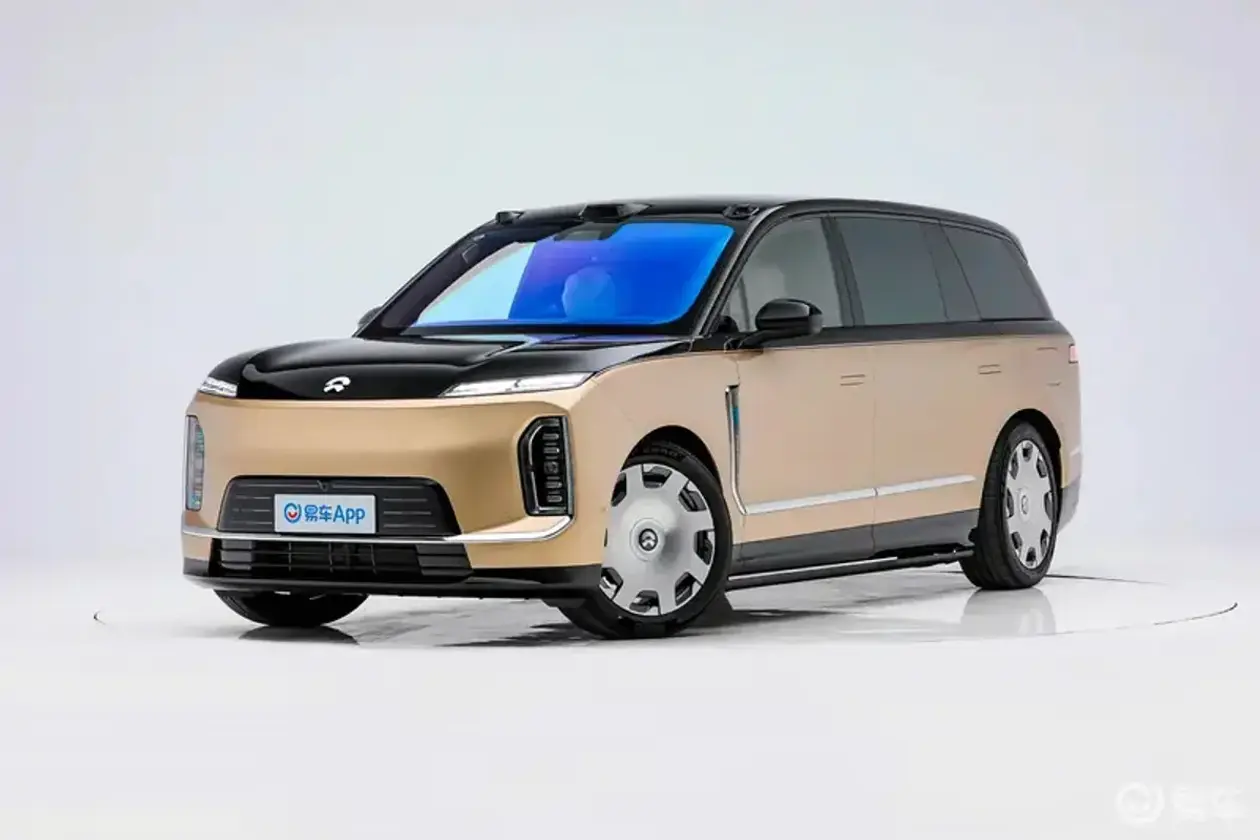
NIO founder William Li described the ES9 as “the culmination of 11 years of system innovation” and “the pioneer of the smart electric executive flagship SUV segment.” As NIO’s largest and highest-positioned production EV to date, the ES9 directly challenges the Li Auto L9 Livis, AITO M9, and extended-wheelbase luxury fuel SUVs from legacy brands.
Pricing Strategy: BaaS Lowers Entry Barrier
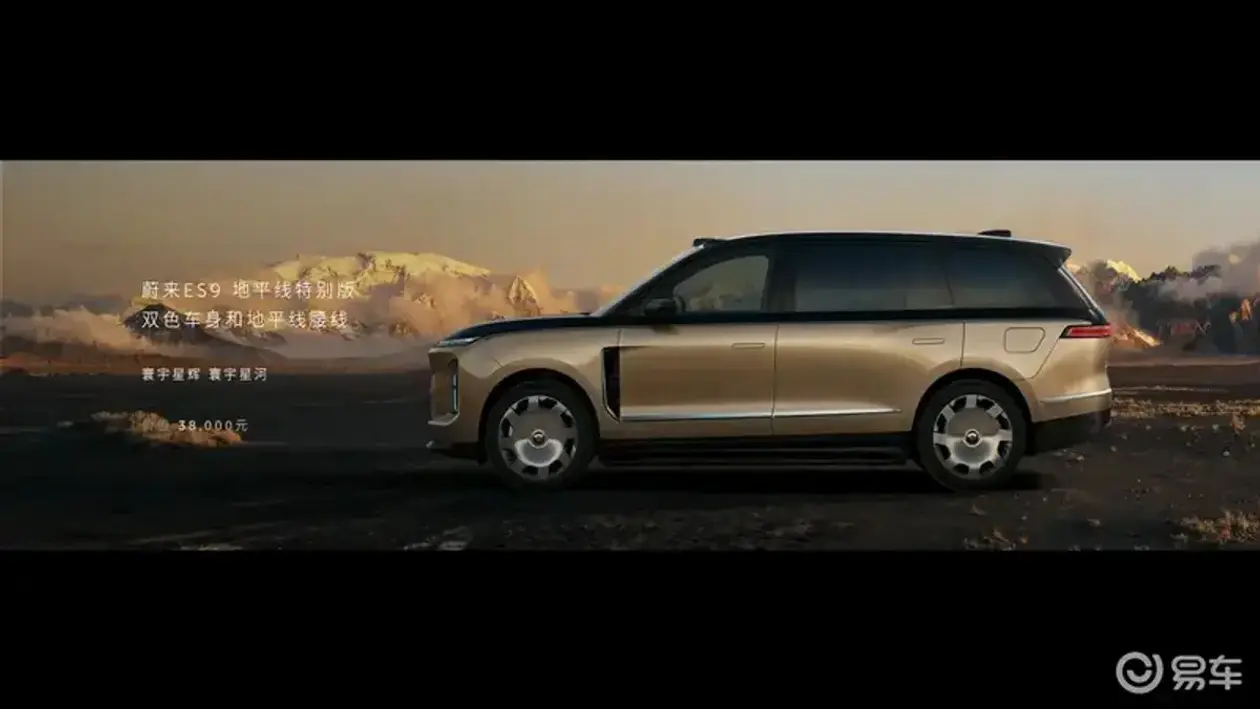
The ES9 lineup comprises three variants: Executive Luxury, Executive Signature, and Horizon Special Edition. Full-purchase prices are 528,000 RMB, 588,000 RMB, and 658,000 RMB respectively. With BaaS, the corresponding pre-sale prices drop to 420,000 RMB, 480,000 RMB, and 550,000 RMB, plus a monthly battery subscription fee (from 1,128 RMB for the 102 kWh pack).
Early-bird customers who paid a 5,000 RMB deposit between April 9 and the final order lock date receive a 10,000 RMB credit toward the purchase price. Existing NIO owners can obtain 6,000–10,000 RMB in loyalty rewards, while Onvo and Firefly owners each receive a 20,000-point rebate coupon.
Dimensions and Space: Largest Chinese Pure-EV SUV
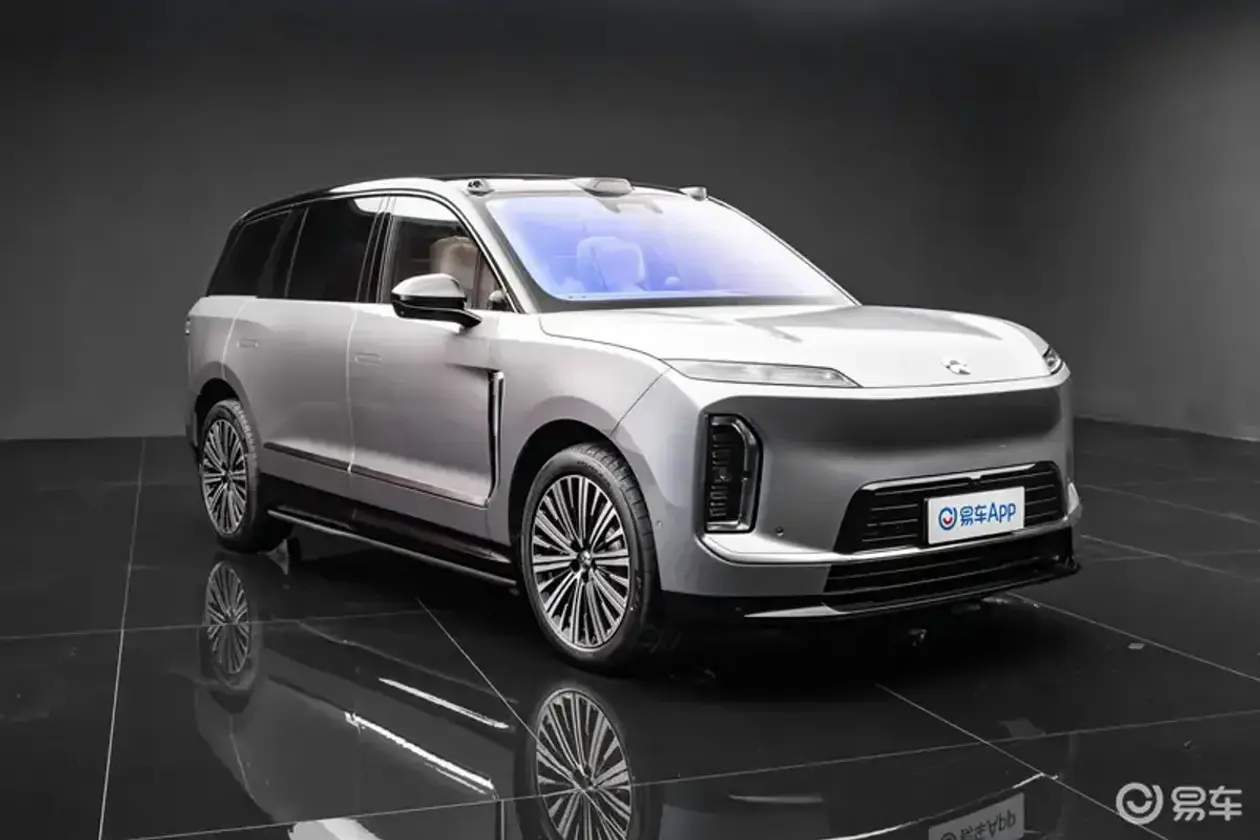
The ES9 measures 5,365 mm long, 2,029 mm wide, and 1,870 mm tall, with a class-dominating 3,250 mm wheelbase. NIO claims the cabin delivers “best-in-class” head, shoulder, and legroom across all three rows. Total front-and-rear luggage capacity reaches 816 liters, accommodating “six people with 13 suitcases.” Two seating configurations are offered: center-island (with fixed console) and walk-through (pass-through aisle). Maximum second-row legroom is 1.52 meters, and headroom exceeds one meter for every row.
Powertrain and Chassis: 900V Architecture with Steer-by-Wire
Built on NIO’s new-generation 900V high-voltage platform, the ES9 uses a front induction asynchronous (180 kW) and rear permanent-magnet synchronous (340 kW) dual-motor all-wheel-drive system. Combined output is 520 kW (approx. 707 hp) and 700 N·m of torque, enabling a 0–100 km/h time of 4.3 seconds.
The standard 102 kWh ternary lithium battery (supplied by CATL) delivers up to 620 km CLTC range. The ES9 supports third-generation battery swapping (under three minutes) and 5C ultra-fast charging. Notably, the ES9 is the first production vehicle in China to feature steer-by-wire technology, combined with eXtreme Active Suspension and rear-wheel steering, reducing the turning radius to just 5.4 meters. Self-developed six-piston brakes achieve a 100–0 km/h stopping distance of 35.3 meters.
Sensing and Autonomous Driving: Triple-Lidar Setup
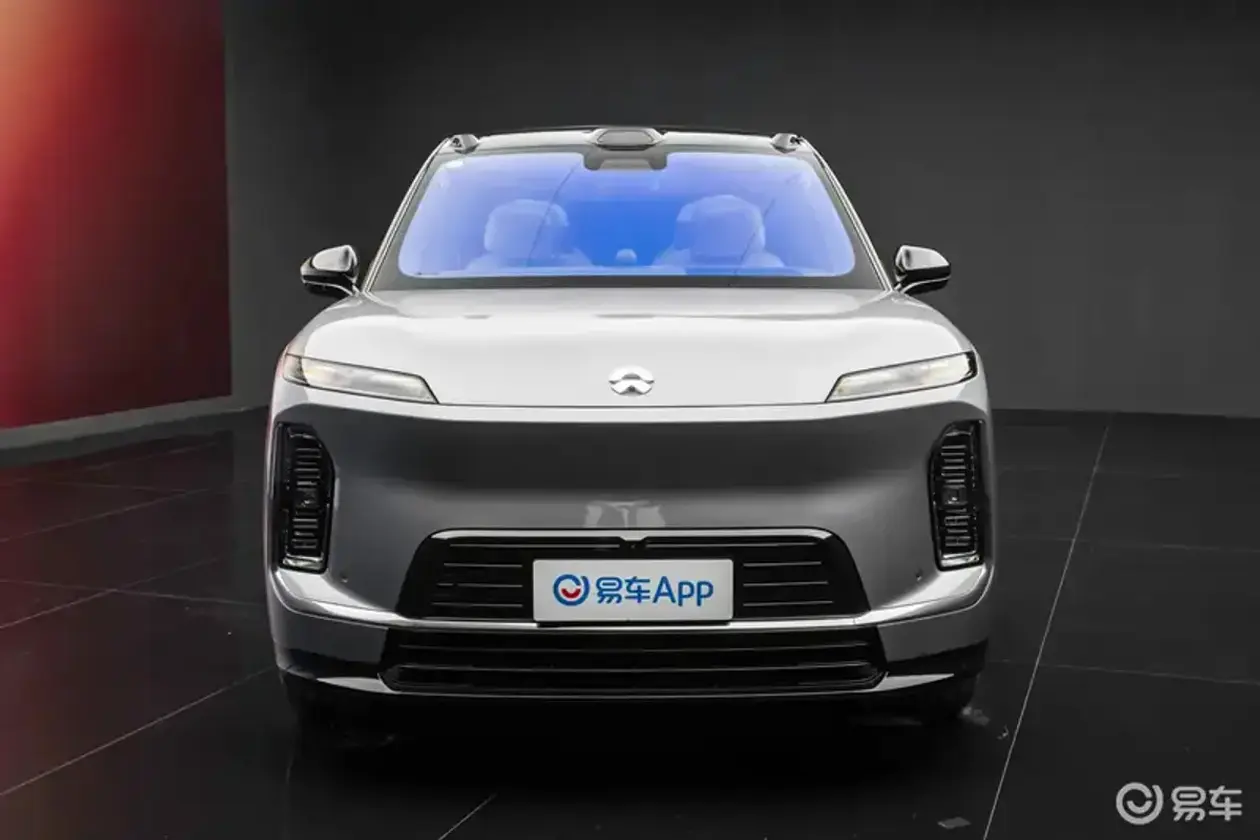
The ES9 sports three high-performance lidars on the roof, part of the AQUILA Super Sensing System comprising 31 perception units (including 4D imaging radar and multiple wide-angle cameras). Computing power comes from the Shenji NX9031, the world’s first 5 nm vehicle-grade autonomous driving chip, running NIO’s World Model (NWM) and SkyOS. NIO claims the ES9 is the world’s only production SUV capable of “urban navigation-guided battery swapping,” autonomously navigating to and through a swap station.
Cabin and Luxury Features: Executive-Class Rear Seats
Inside, the ES9 features a 15.6-inch AMOLED floating center display, a 48-inch Skyline screen, and an AR-HUD. The interior incorporates embroidered landscape accents and an optional “Xuanjin” (golden) package with chromed and wood details.
The rear cabin is the focal point of its executive positioning. An intelligent executive center island integrates dual wing-style foldable desks, an 8-inch AMOLED control screen, and dual 50 W cooled wireless chargers. Second-row zero-gravity seats include the industry’s first 20-point mechanical foot massage plus multi-point pneumatic massage. A smart five-zone independent climate control system is standard, along with two 16-inch 3.3K resolution dedicated executive screens that tilt with seat position. The sound system, named “Nine-Heaven Lute 9.2.4.8 Immersion,” features 47 speakers and 3,020 W of total power, earning the world’s first triple certification for Dolby Atmos, Dolby Vision, and Dolby Dynamic Enhanced Video across the entire cabin.
Market Context
In the run-up to the 2026 Beijing Auto Show, China’s premium flagship SUV segment has seen intense competition among “9-series” models: Li Auto L9 Livis, AITO M9, NIO ES9, Denza D9, Wey V9X, and Volkswagen ID. ERA 9X. While Leapmotor D19 targets the 200,000–250,000 RMB bracket, NIO ES9 starts at 420,000 RMB (BaaS). Xpeng GX tops out around 400,000 RMB, Li Auto L9 Livis is priced at 559,800 RMB, and the AITO M9 sits between 469,800 and 599,800 RMB. The launch of the ES9 strengthens the competitive position of pure-EV technology in the luxury SUV segment, complementing NIO’s first quarterly profit (Q4 2025).
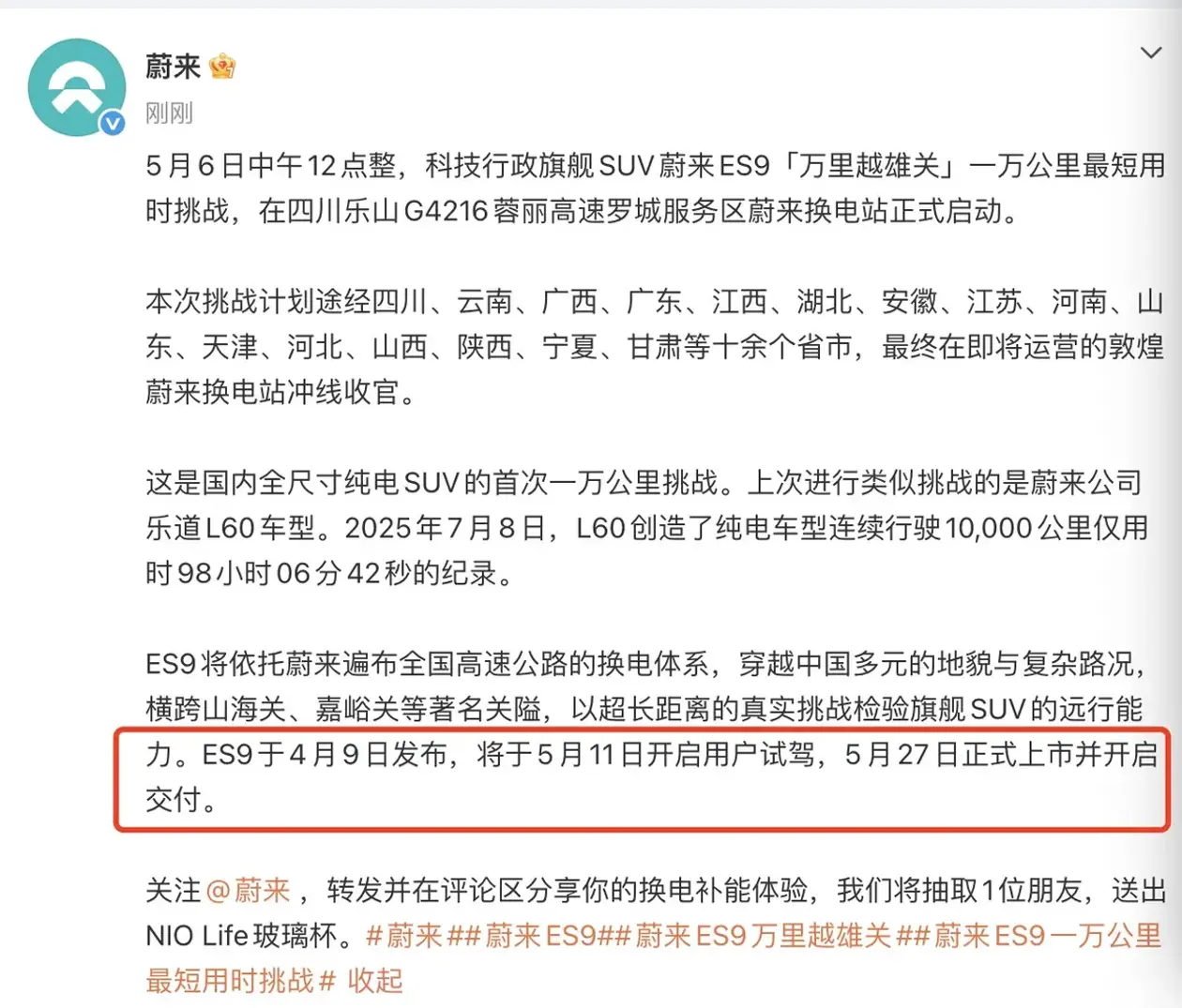
Deliveries of the NIO ES9 begin on May 27. For the Hong Kong market, if the ES9 becomes available through official import channels and the “One-for-One Replacement” EV tax scheme, its third-generation battery swap technology and over 600 km CLTC range would pose a significant challenge to rivals such as the Mercedes‑Benz EQS SUV, BMW iX, and Tesla Model X Plaid. However, NIO has not yet announced a sales timeline or distributor plan for Hong Kong.

香港汽車內容平台 🚗 新車・買車・玩車・用車 用香港視角,睇世界嘅車
+ Follow 【新車速報】Skyline 真係要返嚟喇!Nissan CEO:新一代12月登場
等咗咁耐,Skyline 終於有新消息!Nissan CEO Ivan Espinosa 接受《朝日新聞》專訪時透露,新一代 Skyline 將於今年12月亮相,亦係 Nissan 加快新車開發嘅代表作。
新車開發周期縮短至約 26個月,並利用生成式 AI、數碼模擬等工具加快開發流程。Nissan 官方亦已將 Skyline 列入 Heartbeat 車系,代表品牌工程技術、駕駛性能與情感。
至於動力、規格同最終量產設計,目前仍未全面公開。今次 Skyline 回歸,你最期待保留邊樣經典元素?
#Nissan #Skyline #新車速報 #BitAutoHongKong 5小时前
【新車速報】Skyline 真係要返嚟喇!Nissan CEO:新一代12月登場
等咗咁耐,Skyline 終於有新消息!Nissan CEO Ivan Espinosa 接受《朝日新聞》專訪時透露,新一代 Skyline 將於今年12月亮相,亦係 Nissan 加快新車開發嘅代表作。
新車開發周期縮短至約 26個月,並利用生成式 AI、數碼模擬等工具加快開發流程。Nissan 官方亦已將 Skyline 列入 Heartbeat 車系,代表品牌工程技術、駕駛性能與情感。
至於動力、規格同最終量產設計,目前仍未全面公開。今次 Skyline 回歸,你最期待保留邊樣經典元素?
#Nissan #Skyline #新車速報 #BitAutoHongKong 5小时前  【新車速報】升頂 30 秒!小米澎程變身兩房一廳
今集直擊小米全新SUV系列「澎程」(SKYNOMAD)三款實車!N70大五座、N90大七座,同埋最特別嘅探索版—電動升頂30秒自帶「兩房一廳」,變身雙人床模式,家庭露營氛圍拉滿。內地預售20.99萬起,探索版29.99萬起。
#小米澎程 #新車速報 #BitAutoHongKong 1天前
【新車速報】升頂 30 秒!小米澎程變身兩房一廳
今集直擊小米全新SUV系列「澎程」(SKYNOMAD)三款實車!N70大五座、N90大七座,同埋最特別嘅探索版—電動升頂30秒自帶「兩房一廳」,變身雙人床模式,家庭露營氛圍拉滿。內地預售20.99萬起,探索版29.99萬起。
#小米澎程 #新車速報 #BitAutoHongKong 1天前  【新車速報】Tesla Roadster再延期!10月15日再見?
原定10月1日舉行嘅第二代 Tesla Roadster 活動,因預測有惡劣天氣,加上活動只能喺戶外進行,官方宣布改至 10月15日。
等多兩星期,似乎都有嘢值得期待。據最新披露資料,新一代 Roadster 搭載 200kWh電池+三電機四驅,0-100km/h約 2.1秒、極速超過 400km/h,續航達 1,000km。
至於 Tesla 一直提到嘅 SpaceX推進器套件,據悉更可將加速提升至 1.1秒級,甚至有機會做到短時間「懸浮」,但 Tesla 暫未確認今次會否示範。
由2017年原型車亮相至今,第二代 Roadster 已經等咗接近9年。10月15日,今次終於見到新Roadster?�#Tesla #TeslaRoadster #Roadster #新車速報 #BitAutoHongKong 2天前
【新車速報】Tesla Roadster再延期!10月15日再見?
原定10月1日舉行嘅第二代 Tesla Roadster 活動,因預測有惡劣天氣,加上活動只能喺戶外進行,官方宣布改至 10月15日。
等多兩星期,似乎都有嘢值得期待。據最新披露資料,新一代 Roadster 搭載 200kWh電池+三電機四驅,0-100km/h約 2.1秒、極速超過 400km/h,續航達 1,000km。
至於 Tesla 一直提到嘅 SpaceX推進器套件,據悉更可將加速提升至 1.1秒級,甚至有機會做到短時間「懸浮」,但 Tesla 暫未確認今次會否示範。
由2017年原型車亮相至今,第二代 Roadster 已經等咗接近9年。10月15日,今次終於見到新Roadster?�#Tesla #TeslaRoadster #Roadster #新車速報 #BitAutoHongKong 2天前 Get the latest car news first!
【新車速報】Skyline 真係要返嚟喇!Nissan CEO:新一代12月登場
等咗咁耐,Skyline 終於有新消息!Nissan CEO Ivan Espinosa 接受《朝日新聞》專訪時透露,新一代 Skyline 將於今年12月亮相,亦係 Nissan 加快新車開發嘅代表作。
新車開發周期縮短至約 26個月,並利用生成式 AI、數碼模擬等工具加快開發流程。Nissan 官方亦已將 Skyline 列入 Heartbeat 車系,代表品牌工程技術、駕駛性能與情感。
至於動力、規格同最終量產設計,目前仍未全面公開。今次 Skyline 回歸,你最期待保留邊樣經典元素?
#Nissan #Skyline #新車速報 #BitAutoHongKong 5小时前 【新車速報】升頂 30 秒!小米澎程變身兩房一廳
今集直擊小米全新SUV系列「澎程」(SKYNOMAD)三款實車!N70大五座、N90大七座,同埋最特別嘅探索版—電動升頂30秒自帶「兩房一廳」,變身雙人床模式,家庭露營氛圍拉滿。內地預售20.99萬起,探索版29.99萬起。
#小米澎程 #新車速報 #BitAutoHongKong 1天前 【新車速報】Tesla Roadster再延期!10月15日再見?
原定10月1日舉行嘅第二代 Tesla Roadster 活動,因預測有惡劣天氣,加上活動只能喺戶外進行,官方宣布改至 10月15日。
等多兩星期,似乎都有嘢值得期待。據最新披露資料,新一代 Roadster 搭載 200kWh電池+三電機四驅,0-100km/h約 2.1秒、極速超過 400km/h,續航達 1,000km。
至於 Tesla 一直提到嘅 SpaceX推進器套件,據悉更可將加速提升至 1.1秒級,甚至有機會做到短時間「懸浮」,但 Tesla 暫未確認今次會否示範。
由2017年原型車亮相至今,第二代 Roadster 已經等咗接近9年。10月15日,今次終於見到新Roadster?�#Tesla #TeslaRoadster #Roadster #新車速報 #BitAutoHongKong 2天前  BAWToyotaBYDZeekrGACDongfengXPengMGMaxusLeapmotorDenzaIMiCAURDeepalWulingOraJuneyao AutoKYCSkyworthAvatrFotonFordGeelyHongqiJAECOOKGMOMODADFSKTeslaHondaBMWMercedes-BenzsmartMINIPorscheNissanLexusSuzukiVolvoSubaruMazdaKiaHyundaiLand RoverRolls-RoyceFerrariAudiLamborghiniRiddaraSeresFarizonfireflyLingboxKaiyiVoyahHIMAM-HeroIsuzuBentleyPolestarMcLarenMitsubishiMaseratiPeugeotAston MartinAcuraJeepJaguarLotusVolkswagenEpiclandJACLepasLi
 © 2024 Bitauto.com. All Rights Reserved.
Bitauto (www.yiche.com and www.bitauto.com) is one of the most visited automotive websites in China. We provide detailed info on Chinese car brands available in your area. Please note that the information provided on this website is based on publicly available data and is for reference only. It may not be fully updated or accurate at all times.
Help us improve our website


