Mercedes-Benz recorded a substantial surge in battery electric vehicle (BEV) sales during the first half of the year, yet overall market demand for the brand's vehicle models contracted rather than grew.
This trend, also observed by several other major European and American car manufacturers, has become a prevailing industry phenomenon.
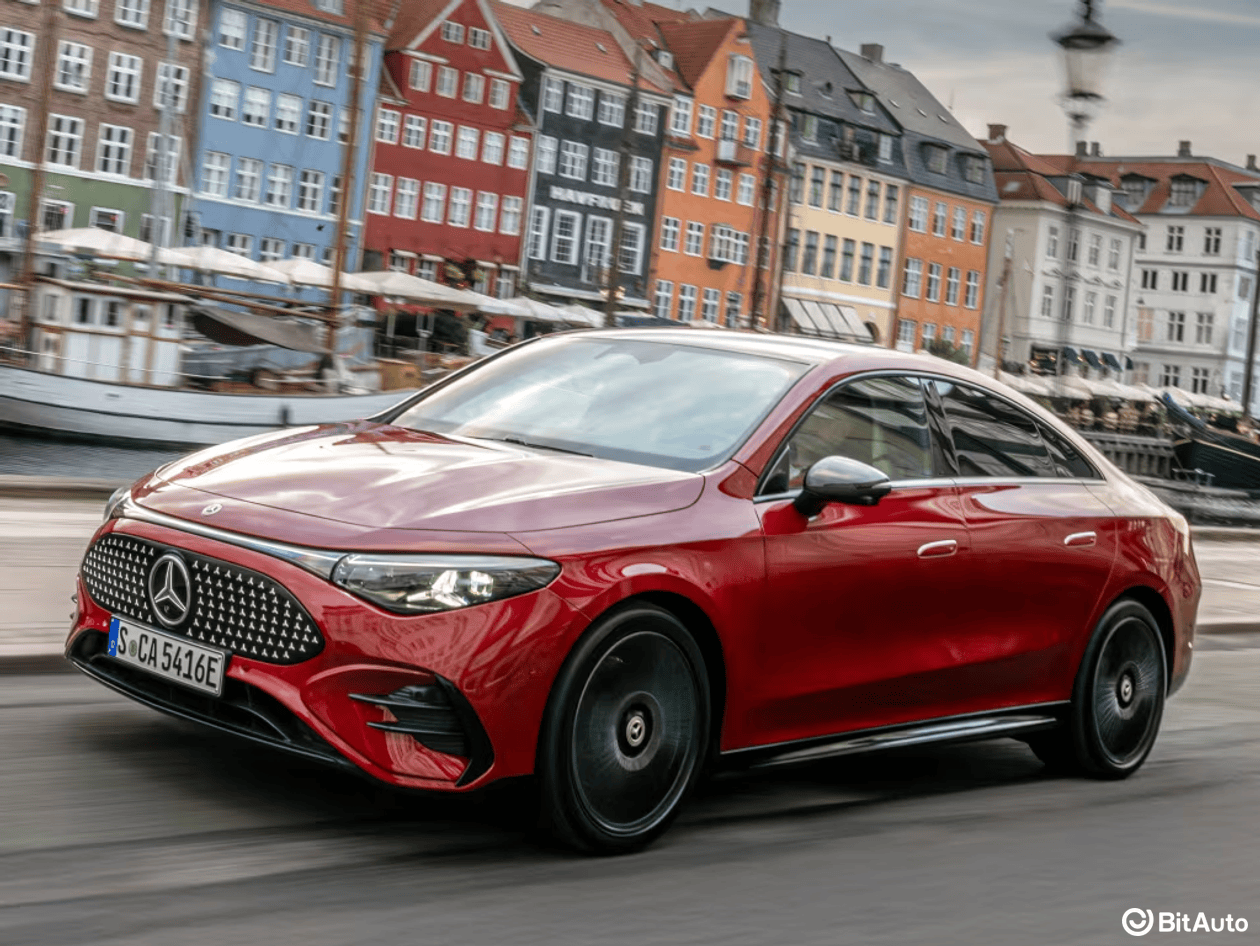
Mercedes-Benz sold a total of 97,100 electric cars this year, a 28% surge compared to the same period last year; the trajectory in the second quarter was even more impressive, with electric vehicle sales jumping 51% year-on-year to 52,900 units. Including electric vehicle sales from the Mercedes-Benz light commercial vehicle division, overall battery electric vehicle sales year-to-date rose to 113,300 units, a 30% year-on-year increase.
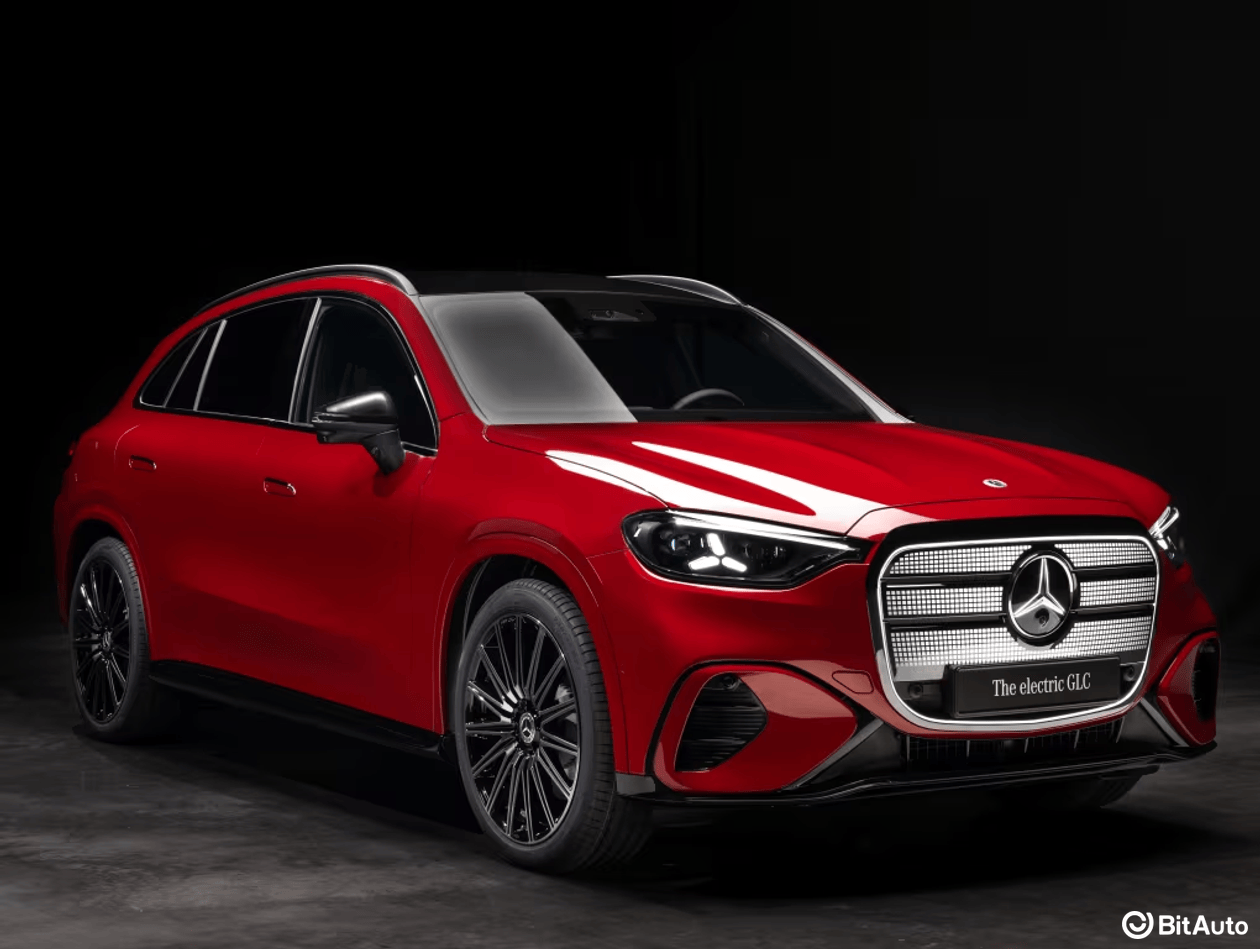
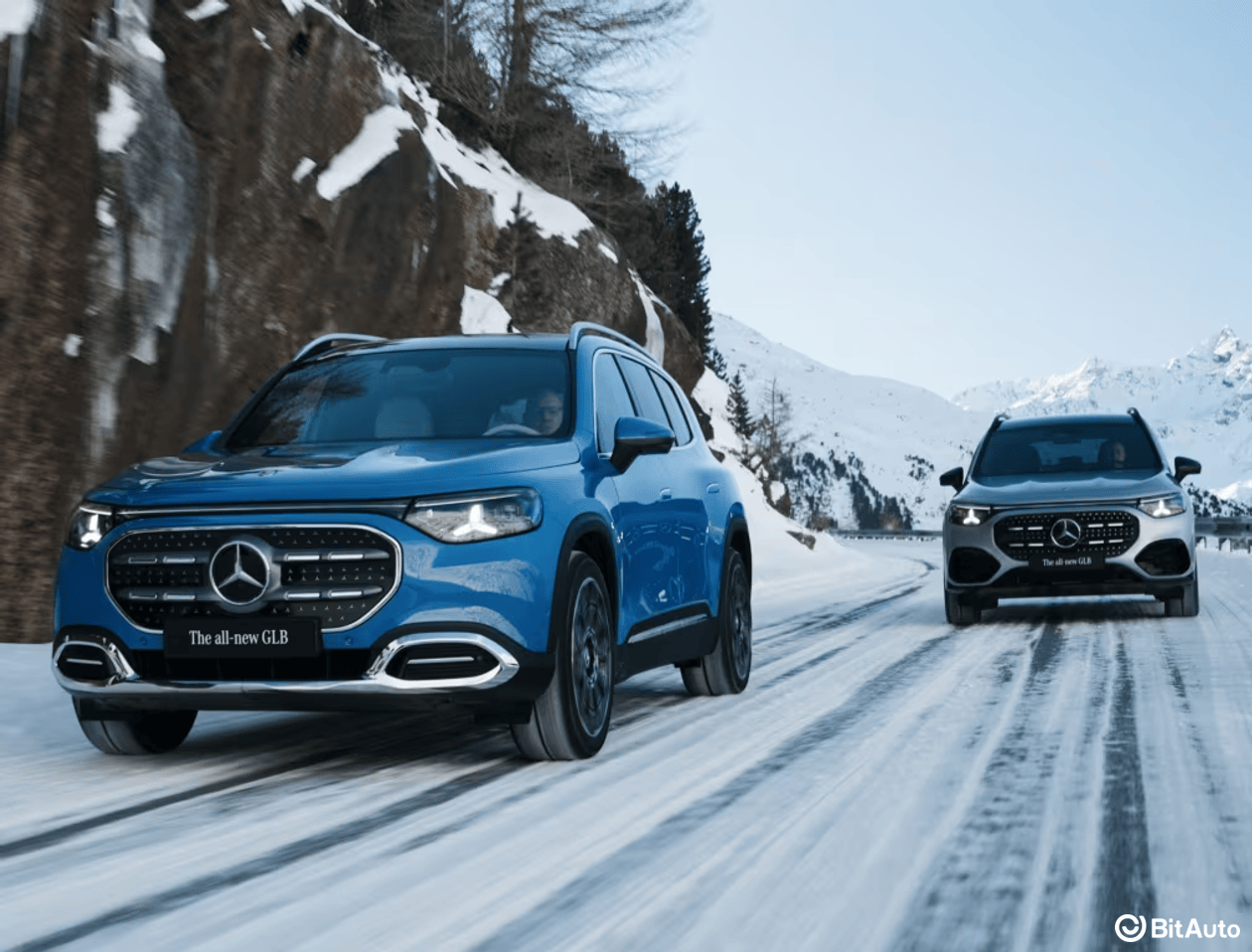
The brand noted that the all-electric CLA, all-electric GLC, and all-electric GLB models were the primary drivers of sales growth, while strong demand in the European market also served as a key factor underpinning overall electric vehicle deliveries.
In stark contrast to the impressive performance of electric vehicles, Mercedes-Benz traditional internal combustion engine vehicles and most non-electric models showed lacklustre sales. Sales for the brand's flagship model lineup, including AMG, Maybach, G-Class, S-Class, GLS, EQS, and EQS SUV, fell 8% year-on-year this year, recording 119,600 units.
Regarding core models, covering popular vehicles such as the C-Class, E-Class, EQE, and EQS SUV, sales fell 7% to 497,300 units; entry-level models like the A-Class, B-Class, EQA, and EQB saw sales drop 5% to 220,300 units.
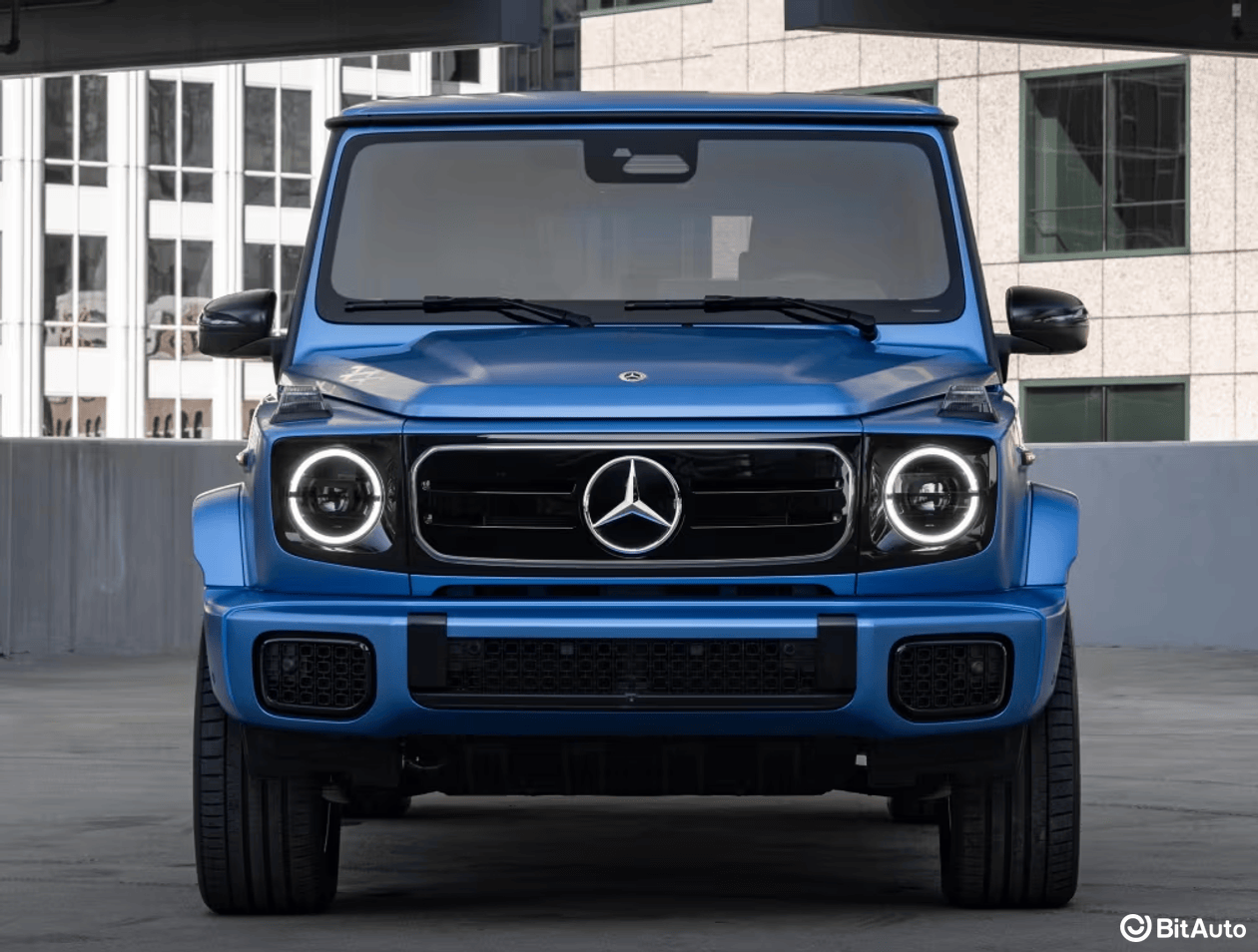
Mercedes-Benz explained that the decline in flagship model sales was partly due to the brand's regular product refresh cycles, alongside adjustments to the arrival and delivery schedules of new models. It was also noted that the G-Class maintained a steady performance, recording a 3% year-on-year increase in deliveries during the second quarter.
The group's overall sales decline was primarily dragged down by the Asian market. In the first half of the year, Mercedes-Benz passenger car sales in Asia plummeted 25% to 291,000 units. The Chinese Mainland saw the most significant drop, falling 28% year-on-year to 212,000 units; the second-quarter decline widened further, with quarterly sales down 30% to 98,600 units.
However, Mercedes-Benz revealed that several China-exclusive models designed specifically for the Chinese market, including the long-wheelbase electric GLC L SUV, will officially launch in the Mainland later this year, expected to help reverse the sales downturn.
Aside from the Asian market, overall sales in the brand's other overseas markets also fell by 11%. In contrast, performance in the European and North American markets was solid, with European sales increasing by 5% this year, and North American sales surging by 15%, making them the group's two major growth markets.


香港汽車內容平台 🚗 新車・買車・玩車・用車 用香港視角,睇世界嘅車
+ Follow 街頭撞見 Cybertruck?
今次偶遇 Tesla Cybertruck,車身採用能抵禦「子彈」嘅超強不鏽鋼外骨骼結構,配備裝甲玻璃,可抵禦時速112公里/小時嘅棒球或四級冰雹衝擊。
性能方面最快 2.7秒破百,配合線控轉向及後輪轉向,最大離地間隙達 433mm;實用性亦唔少,儲物空間達 3,423.5L,牽引能力接近5噸,仲有110V/220V對外供電能力。
如果你突然撞見一架 Cybertruck,第一眼會望邊樣?
#Tesla #Cybertruck #電動車 #越野車 #BitAutoHongKong 7小时前
街頭撞見 Cybertruck?
今次偶遇 Tesla Cybertruck,車身採用能抵禦「子彈」嘅超強不鏽鋼外骨骼結構,配備裝甲玻璃,可抵禦時速112公里/小時嘅棒球或四級冰雹衝擊。
性能方面最快 2.7秒破百,配合線控轉向及後輪轉向,最大離地間隙達 433mm;實用性亦唔少,儲物空間達 3,423.5L,牽引能力接近5噸,仲有110V/220V對外供電能力。
如果你突然撞見一架 Cybertruck,第一眼會望邊樣?
#Tesla #Cybertruck #電動車 #越野車 #BitAutoHongKong 7小时前  電動皮卡有幾誇張?街頭實拍 Tesla Cybertruck!
不鏽鋼外骨骼+棱角分明嘅未來感設計,行街真係好難唔望多兩眼。除咗外形夠搶眼,仲有 2.7 秒破百、線控轉向+後輪轉向,以及最大 433mm 離地間隙。
電動皮卡真車出現喺街頭,到底有幾震撼?一齊睇真啲!
#Tesla #Cybertruck #電動皮卡 #街頭實拍 #電動車 #BitAutoHongKong 9小时前
電動皮卡有幾誇張?街頭實拍 Tesla Cybertruck!
不鏽鋼外骨骼+棱角分明嘅未來感設計,行街真係好難唔望多兩眼。除咗外形夠搶眼,仲有 2.7 秒破百、線控轉向+後輪轉向,以及最大 433mm 離地間隙。
電動皮卡真車出現喺街頭,到底有幾震撼?一齊睇真啲!
#Tesla #Cybertruck #電動皮卡 #街頭實拍 #電動車 #BitAutoHongKong 9小时前  【車主有局】凌晨5點出發、仲要冒雨去車聚,究竟一部30年嘅EK9有幾癲?
今集直擊 JDM 車聚,帶大家睇下車主蛋姨嘅30年EK9,仲會講到佢由斯巴魯轉投本田嘅心路歷程。
點解玩開新車之後,反而會更加懷念以前嗰種機械感?一齊睇下車主點講。
#EK9 #JDM #Honda #車主有局 #BitAutoHongKong 11小时前
【車主有局】凌晨5點出發、仲要冒雨去車聚,究竟一部30年嘅EK9有幾癲?
今集直擊 JDM 車聚,帶大家睇下車主蛋姨嘅30年EK9,仲會講到佢由斯巴魯轉投本田嘅心路歷程。
點解玩開新車之後,反而會更加懷念以前嗰種機械感?一齊睇下車主點講。
#EK9 #JDM #Honda #車主有局 #BitAutoHongKong 11小时前 Get the latest car news first!
街頭撞見 Cybertruck?
今次偶遇 Tesla Cybertruck,車身採用能抵禦「子彈」嘅超強不鏽鋼外骨骼結構,配備裝甲玻璃,可抵禦時速112公里/小時嘅棒球或四級冰雹衝擊。
性能方面最快 2.7秒破百,配合線控轉向及後輪轉向,最大離地間隙達 433mm;實用性亦唔少,儲物空間達 3,423.5L,牽引能力接近5噸,仲有110V/220V對外供電能力。
如果你突然撞見一架 Cybertruck,第一眼會望邊樣?
#Tesla #Cybertruck #電動車 #越野車 #BitAutoHongKong 7小时前 電動皮卡有幾誇張?街頭實拍 Tesla Cybertruck!
不鏽鋼外骨骼+棱角分明嘅未來感設計,行街真係好難唔望多兩眼。除咗外形夠搶眼,仲有 2.7 秒破百、線控轉向+後輪轉向,以及最大 433mm 離地間隙。
電動皮卡真車出現喺街頭,到底有幾震撼?一齊睇真啲!
#Tesla #Cybertruck #電動皮卡 #街頭實拍 #電動車 #BitAutoHongKong 9小时前 【車主有局】凌晨5點出發、仲要冒雨去車聚,究竟一部30年嘅EK9有幾癲?
今集直擊 JDM 車聚,帶大家睇下車主蛋姨嘅30年EK9,仲會講到佢由斯巴魯轉投本田嘅心路歷程。
點解玩開新車之後,反而會更加懷念以前嗰種機械感?一齊睇下車主點講。
#EK9 #JDM #Honda #車主有局 #BitAutoHongKong 11小时前  BAWToyotaBYDZeekrGACDongfengXPengMGMaxusLeapmotorDenzaIMiCAURDeepalWulingOraJuneyao AutoKYCSkyworthAvatrFotonFordGeelyHongqiJAECOOKGMOMODADFSKTeslaHondaBMWMercedes-BenzsmartMINIPorscheNissanLexusSuzukiVolvoSubaruMazdaKiaHyundaiLand RoverRolls-RoyceFerrariAudiLamborghiniRiddaraSeresFarizonfireflyLingboxKaiyiVoyahHIMAM-HeroIsuzuBentleyPolestarMcLarenMitsubishiMaseratiPeugeotAston MartinAcuraJeepJaguarLotusVolkswagenEpiclandJACLepasLi
© 2024 Bitauto.com. All Rights Reserved.
Bitauto (www.yiche.com and www.bitauto.com) is one of the most visited automotive websites in China. We provide detailed info on Chinese car brands available in your area. Please note that the information provided on this website is based on publicly available data and is for reference only. It may not be fully updated or accurate at all times.
Help us improve our website


