
Search History
Popular Searches
English
Dealer Login / Sign Up
Hong Kong's auto market started 2026 on a softer note, with January private car registrations reaching 4,991 units, a 21.2% decline from December 2025. Electric vehicles accounted for 3,704 registrations, maintaining a strong 74.2% market share despite a 28.2% month-on-month decline. BYD continued its momentum, securing the top spot for the second consecutive January, followed closely by Zeekr, which achieved its highest-ever ranking. With the "One-for-One" EV tax concession scheme ending on March 31, these January figures provide a crucial snapshot of the market landscape before the policy shift.
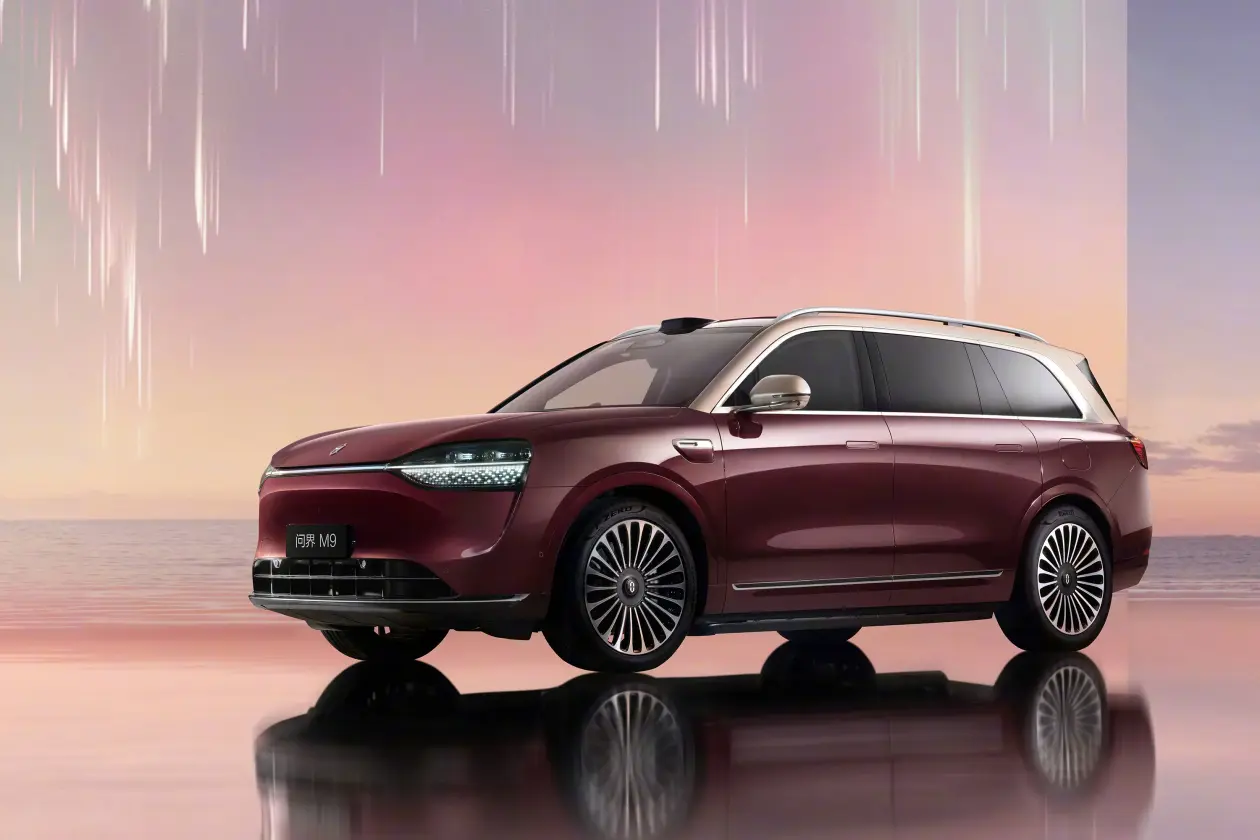
For Hong Kong users, the January data reveals several clear trends: EVs remain dominant, but the impact of policy changes is emerging; Chinese brands continue to gain strength, with BYD, Zeekr, and Xpeng holding top positions; and traditional luxury brands like Mercedes-Benz are showing signs of recovery, hinting at a more competitive market ahead.
BYD Leads, Zeekr Hits Record High
BYD topped the January rankings with 607 registrations, continuing its strong performance. Zeekr followed closely with 579 units, marking its best-ever ranking. The close competition between these two Chinese brands underscores the growing strength of domestic premium EVs in Hong Kong. Tesla secured third place with 367 units, though its performance dropped significantly from December, reflecting the challenges of product cycle timing. Toyota ranked fourth with 337 units, showing the slower electrification pace of traditional Japanese brands in an EV-dominated market.
Mercedes-Benz Rebounds Strongly
One of the most notable January developments was Mercedes-Benz's strong rebound. The German luxury brand recorded 336 registrations, a 166.7% increase, landing just one unit behind fourth place. This recovery signals renewed demand for traditional luxury marques and suggests the competitive landscape may be shifting. BMW followed with 217 units, maintaining a steady performance.
Market Structure: EV Share at 74.2%, Policy Impact Awaits
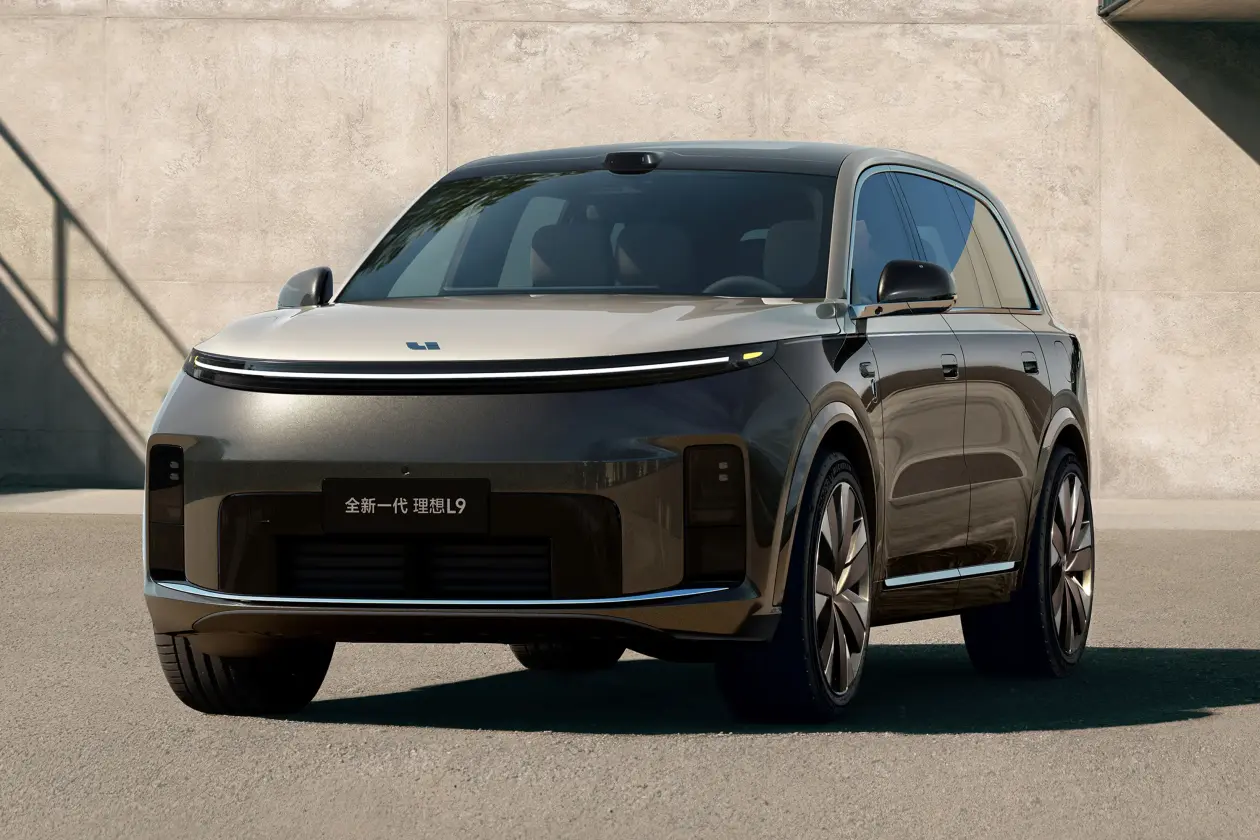
January's EV market share stood at 74.2%. While registrations fell 28.2% month-on-month, they surged 93.1% year-on-year, indicating that EVs remain the dominant force. However, the full impact of the "One-for-One" scheme's expiry will not be reflected until April's data. Industry observers expect higher EV prices in the short term, but the long-term advantages of lower operating costs and improving product competitiveness will likely sustain demand.
New Model Launches: Tesla and Xpeng Unveil New Vehicles
Despite the policy shift, automakers are pressing ahead with new launches. Tesla and Xpeng will hold events on April 1 and April 2, respectively, with Tesla expected to unveil a six-seat Model Y L long-wheelbase variant, while Xpeng will introduce an upgraded X9 luxury seven-seat MPV. These launches signal continued commitment to the Hong Kong market, where product strength will increasingly determine success.
Hong Kong Perspective: A New Era of Product-Driven Competition
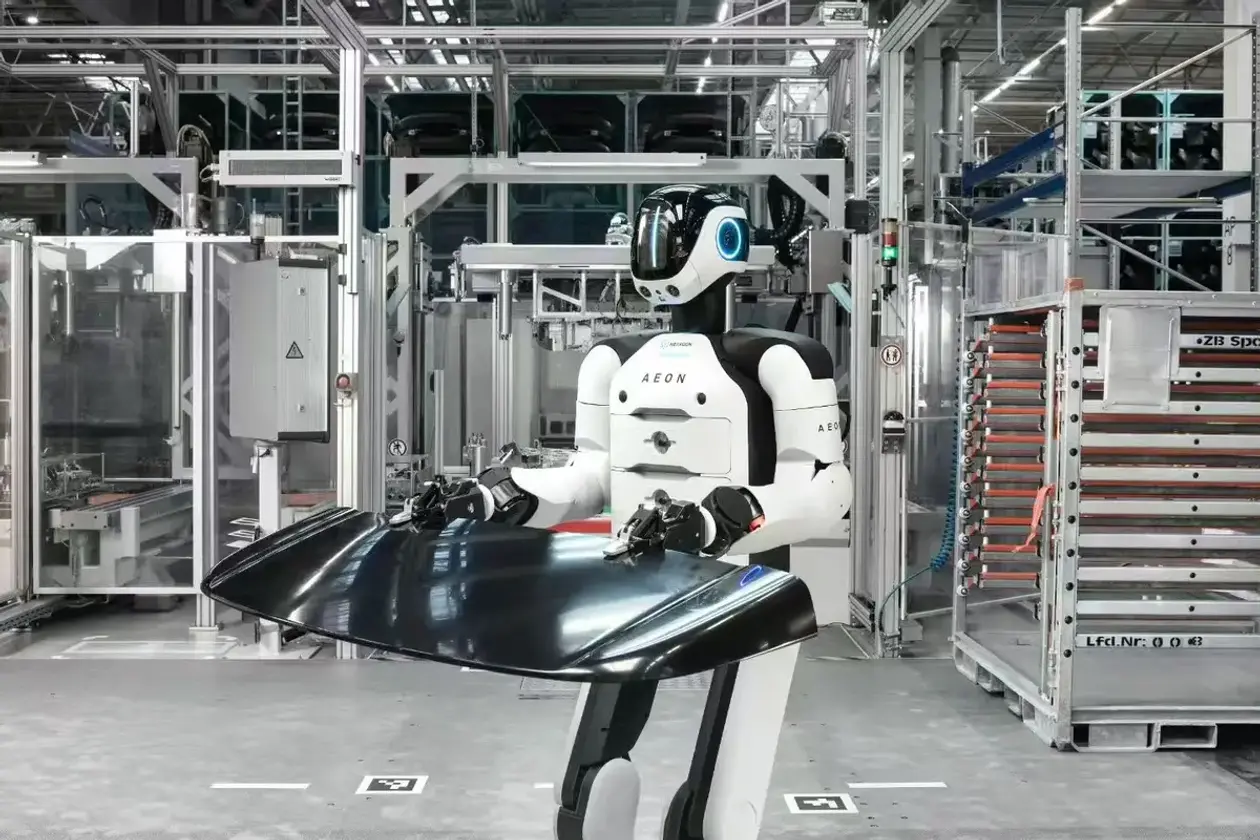
The end of the "One-for-One" scheme marks a new chapter for Hong Kong's EV market. After eight years of policy-driven growth, the market now enters an era where product capability will be the decisive factor. For Hong Kong buyers, January's data offers a preview of a more diverse and competitive landscape, shaped by the strengths of brands like BYD, Zeekr, Mercedes-Benz, and Tesla. As new models arrive and charging infrastructure continues to expand, the future of Hong Kong's EV market remains promising.
Personal Opinion: Policy Fades, Product Strength Endures
The January market data underscores a fundamental truth: when policy incentives fade, product strength becomes paramount. BYD's range, Zeekr's technology, Mercedes-Benz's brand heritage, and Tesla's ecosystem—these are the factors that will ultimately drive consumer choice. For Hong Kong buyers, the post-policy era may offer more diverse options, whether from Chinese tech-focused brands or traditional luxury marques.
The upcoming new model launches in April will set the stage for this new phase of competition. The market's ability to adapt and thrive will depend not on subsidies, but on the quality and appeal of the vehicles themselves. This is a shift worth watching for any Hong Kong car buyer considering their next move. The days of policy-driven sales are giving way to a new era where product excellence will be the ultimate currency. The January data shows the market is ready for that transition. The brands that deliver the best combination of range, technology, and driving experience will lead the way. For Hong Kong, this promises a more dynamic and consumer-friendly market in the years ahead.
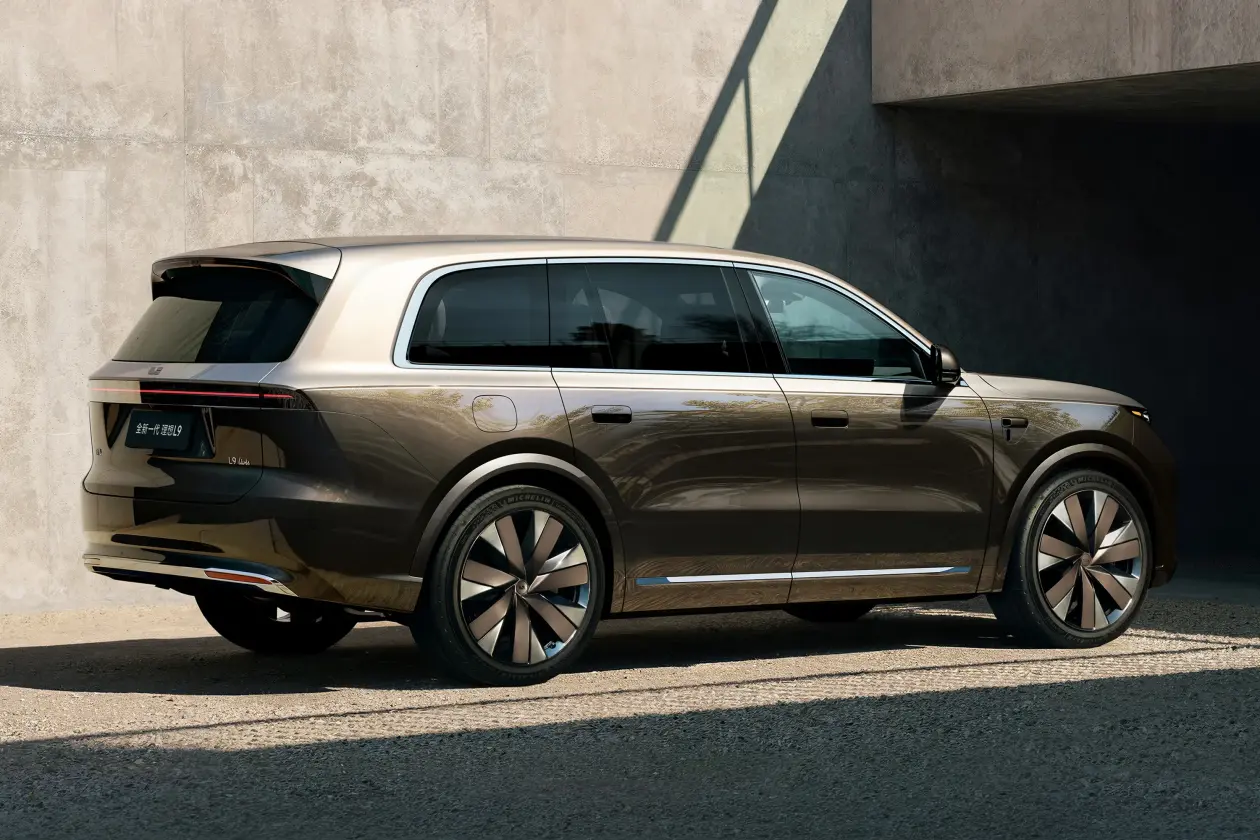
The end of the "One-for-One" scheme is not a conclusion but a transition, and the next chapter will be written by the vehicles themselves. The competition is now squarely focused on innovation, value, and performance—and that is ultimately good news for buyers. The Hong Kong market has matured, and its future will be shaped by the quality of the cars on offer.
The January figures are a snapshot of that evolving landscape, and they suggest a future where choice, competition, and consumer satisfaction will be the defining features. The road ahead is clear: the best cars will win. And for Hong Kong buyers, that means more compelling options than ever before.

香港汽車內容平台 🚗 新車・買車・玩車・用車 用香港視角,睇世界嘅車
+ Follow 【新車速報】兩座車又殺返嚟?smart精靈#2今次有啲料喎
鍾意細車嘅香港車迷留意!全新 smart 精靈#2 配置公布,採用 ECA 電動緊湊型架構,搭載 35.8kWh 磷酸鐵鋰電池,CLTC 續航 410km,30%-80% 快充最快15分鐘。
車長約 2.75米、轉彎半徑僅3.35米,仲有前麥弗遜+後五連桿獨立懸架;安全配備最多7個氣袋及 ACC、盲區監測等功能。
0-50km/h 3.8秒,10月12日巴黎車展全球首發!
兩座純電+細車身,放落香港街道會唔會幾對味?
#smart #smart精靈2 #純電車 #BitAutoHongKong 1小时前
【新車速報】兩座車又殺返嚟?smart精靈#2今次有啲料喎
鍾意細車嘅香港車迷留意!全新 smart 精靈#2 配置公布,採用 ECA 電動緊湊型架構,搭載 35.8kWh 磷酸鐵鋰電池,CLTC 續航 410km,30%-80% 快充最快15分鐘。
車長約 2.75米、轉彎半徑僅3.35米,仲有前麥弗遜+後五連桿獨立懸架;安全配備最多7個氣袋及 ACC、盲區監測等功能。
0-50km/h 3.8秒,10月12日巴黎車展全球首發!
兩座純電+細車身,放落香港街道會唔會幾對味?
#smart #smart精靈2 #純電車 #BitAutoHongKong 1小时前  【揀車有路數】日產新車賣比亞迪價?仲有激光雷達
今集試一台好特別嘅日產新車——NX8,中國特供增程SUV。外觀似熟悉嘅日產味,但內籠同科技配備竟然唔晒傳統日產套路,駕乘感受又有幾多轉變?到底仲係咪你認識嗰部日產?一齊試畀你睇。
#日產 #NX8 #增程 #BitAutoHongKong #揀車有路數 1天前
【揀車有路數】日產新車賣比亞迪價?仲有激光雷達
今集試一台好特別嘅日產新車——NX8,中國特供增程SUV。外觀似熟悉嘅日產味,但內籠同科技配備竟然唔晒傳統日產套路,駕乘感受又有幾多轉變?到底仲係咪你認識嗰部日產?一齊試畀你睇。
#日產 #NX8 #增程 #BitAutoHongKong #揀車有路數 1天前  【新車速報】T-Top 回歸?Nissan Z Kaze 概念車現身!
90年代 JDM 味返晒嚟?Nissan 最近喺美國 ZCON 公開 Z Kaze 概念車,以現款 Nissan Z 為基礎,換上全新 T-Top 可拆式車頂,向經典 300ZX 等 Z 系列致敬。
配合碳纖維空力套件、NISMO LMGT2 18吋輪圈,以及 GReddy 排氣、進氣同 intercooler 升級,成部車都充滿 JDM 改裝味。
「Kaze」即係日文「風」,而呢部車係 one-off 概念作品,並非量產車。10月3日仲會現身加州長灘 Japanese Classic Car Show。
如果 T-Top Z 真係量產,你會唔會心動?
#NissanZ #ZKaze #TTop #JDM #BitAutoHongKong 1天前
【新車速報】T-Top 回歸?Nissan Z Kaze 概念車現身!
90年代 JDM 味返晒嚟?Nissan 最近喺美國 ZCON 公開 Z Kaze 概念車,以現款 Nissan Z 為基礎,換上全新 T-Top 可拆式車頂,向經典 300ZX 等 Z 系列致敬。
配合碳纖維空力套件、NISMO LMGT2 18吋輪圈,以及 GReddy 排氣、進氣同 intercooler 升級,成部車都充滿 JDM 改裝味。
「Kaze」即係日文「風」,而呢部車係 one-off 概念作品,並非量產車。10月3日仲會現身加州長灘 Japanese Classic Car Show。
如果 T-Top Z 真係量產,你會唔會心動?
#NissanZ #ZKaze #TTop #JDM #BitAutoHongKong 1天前 Get the latest car news first!
【新車速報】兩座車又殺返嚟?smart精靈#2今次有啲料喎
鍾意細車嘅香港車迷留意!全新 smart 精靈#2 配置公布,採用 ECA 電動緊湊型架構,搭載 35.8kWh 磷酸鐵鋰電池,CLTC 續航 410km,30%-80% 快充最快15分鐘。
車長約 2.75米、轉彎半徑僅3.35米,仲有前麥弗遜+後五連桿獨立懸架;安全配備最多7個氣袋及 ACC、盲區監測等功能。
0-50km/h 3.8秒,10月12日巴黎車展全球首發!
兩座純電+細車身,放落香港街道會唔會幾對味?
#smart #smart精靈2 #純電車 #BitAutoHongKong 1小时前 【揀車有路數】日產新車賣比亞迪價?仲有激光雷達
今集試一台好特別嘅日產新車——NX8,中國特供增程SUV。外觀似熟悉嘅日產味,但內籠同科技配備竟然唔晒傳統日產套路,駕乘感受又有幾多轉變?到底仲係咪你認識嗰部日產?一齊試畀你睇。
#日產 #NX8 #增程 #BitAutoHongKong #揀車有路數 1天前 【新車速報】T-Top 回歸?Nissan Z Kaze 概念車現身!
90年代 JDM 味返晒嚟?Nissan 最近喺美國 ZCON 公開 Z Kaze 概念車,以現款 Nissan Z 為基礎,換上全新 T-Top 可拆式車頂,向經典 300ZX 等 Z 系列致敬。
配合碳纖維空力套件、NISMO LMGT2 18吋輪圈,以及 GReddy 排氣、進氣同 intercooler 升級,成部車都充滿 JDM 改裝味。
「Kaze」即係日文「風」,而呢部車係 one-off 概念作品,並非量產車。10月3日仲會現身加州長灘 Japanese Classic Car Show。
如果 T-Top Z 真係量產,你會唔會心動?
#NissanZ #ZKaze #TTop #JDM #BitAutoHongKong 1天前  BAWToyotaBYDZeekrGACDongfengXPengMGMaxusLeapmotorDenzaIMiCAURDeepalWulingOraJuneyao AutoKYCSkyworthAvatrFotonFordGeelyHongqiJAECOOKGMOMODADFSKTeslaHondaBMWMercedes-BenzsmartMINIPorscheNissanLexusSuzukiVolvoSubaruMazdaKiaHyundaiLand RoverRolls-RoyceFerrariAudiLamborghiniRiddaraSeresFarizonfireflyLingboxKaiyiVoyahHIMAM-HeroIsuzuBentleyPolestarMcLarenMitsubishiMaseratiPeugeotAston MartinAcuraJeepJaguarLotusVolkswagenEpiclandJACLepasLi
 © 2024 Bitauto.com. All Rights Reserved.
Bitauto (www.yiche.com and www.bitauto.com) is one of the most visited automotive websites in China. We provide detailed info on Chinese car brands available in your area. Please note that the information provided on this website is based on publicly available data and is for reference only. It may not be fully updated or accurate at all times.
Help us improve our website


