
Search History
Popular Searches
English
Dealer Login / Sign Up
Chinese new energy vehicle giant BYD Company Limited released its full-year 2025 financial report on March 27, with multiple core metrics reaching historic highs and further cementing its global NEV leadership position. For Hong Kong capital markets, this dual-listed company—trading under code "1211" on the HKEX Main Board and on the Shenzhen Stock Exchange—delivers performance that extends beyond shareholder returns to reflect China's manufacturing transformation and the shifting global automotive power structure.
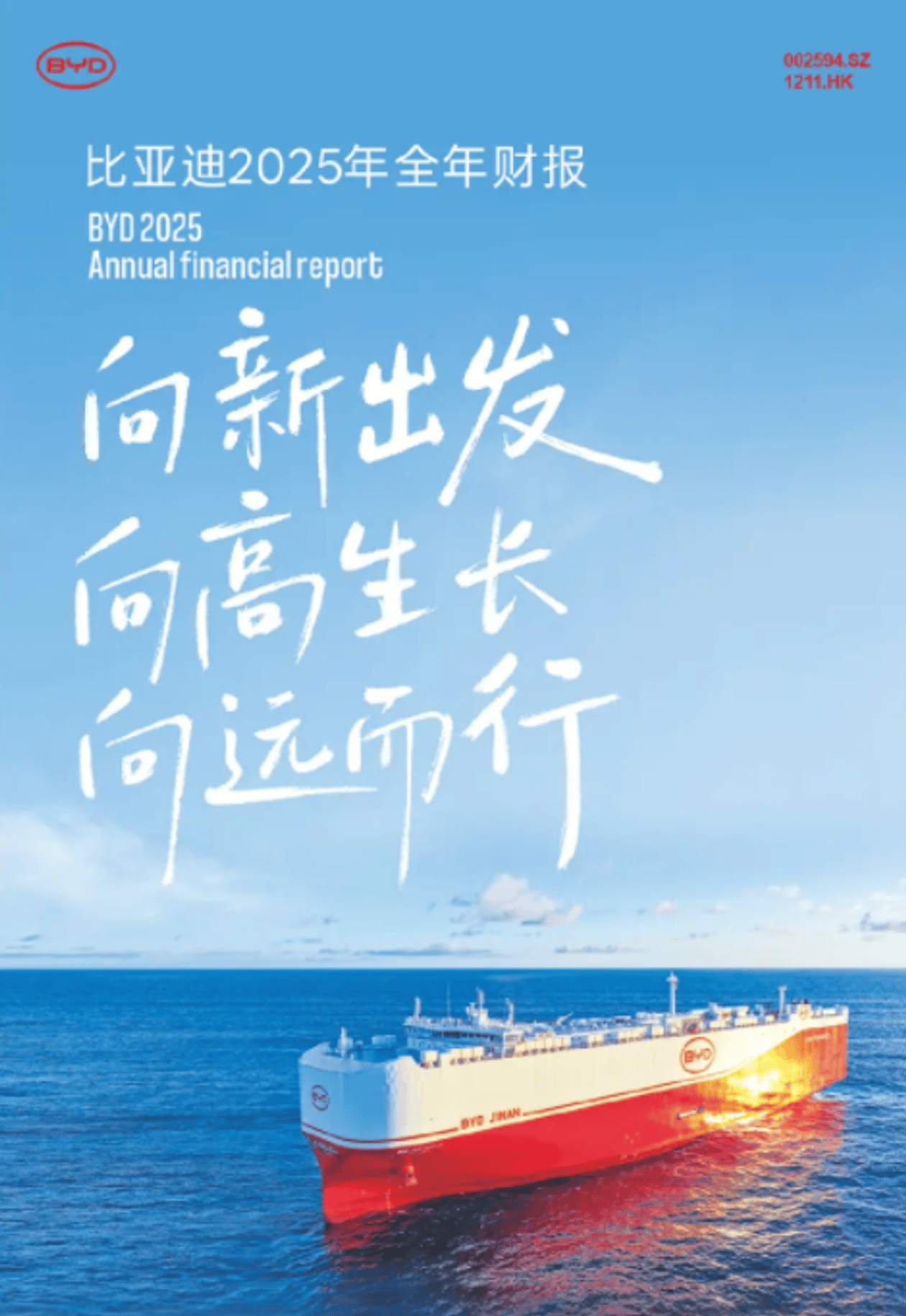
BYD's official data reveals 2025 total revenue reached RMB 804 billion (approximately HK870 billion), ranking among Hong Kong-listed companies by scale. Net profit attributable to parent company shareholders hit RMB 32.6 billion (about HK35.3 billion)—impressive considering the intense price competition and rapid technology iteration pressures facing the NEV industry. Domestic tax contributions totaled RMB 53.3 billion, confirming operational scale and business vitality.
R&D expenditure reached RMB 63.4 billion (approximately HK68.6 billion), representing 7.9% of revenue—a high intensity for manufacturing reflecting sustained technology commitment. From batteries and electric motors to intelligent driving systems, BYD's vertical integration strategy maintains core technology in-house, providing both cost advantages and supply chain risk mitigation.
Financial robustness is equally notable. Cash reserves reached RMB 167.8 billion (about HK181.6 billion), providing solid foundations for navigating industry cycles, capturing M&A opportunities, and funding frontier R&D amid global economic uncertainty. Additionally, BYD completed a lightning H-share placement raising 5.6 billion (approximately HK43.7 billion), demonstrating international capital market confidence in the company's prospects while funding globalization and new business expansion.
Sales data represents the earnings highlight. BYD delivered 4,602,436 NEVs in 2025, securing the global sales championship and becoming the first automaker worldwide to surpass 15 million cumulative NEV sales—a milestone carrying multiple symbolic meanings.
The 15-million figure signals NEVs' transition from "niche alternative" to "mainstream adoption," with BYD leading this historical transformation. The massive user data accumulation and service network沉淀lay foundations for future intelligent services and ecosystem monetization. For Hong Kong investors, this indicates BYD's competitive moat is evolving from "product strength" toward "ecosystem power," requiring adjusted valuation logic.
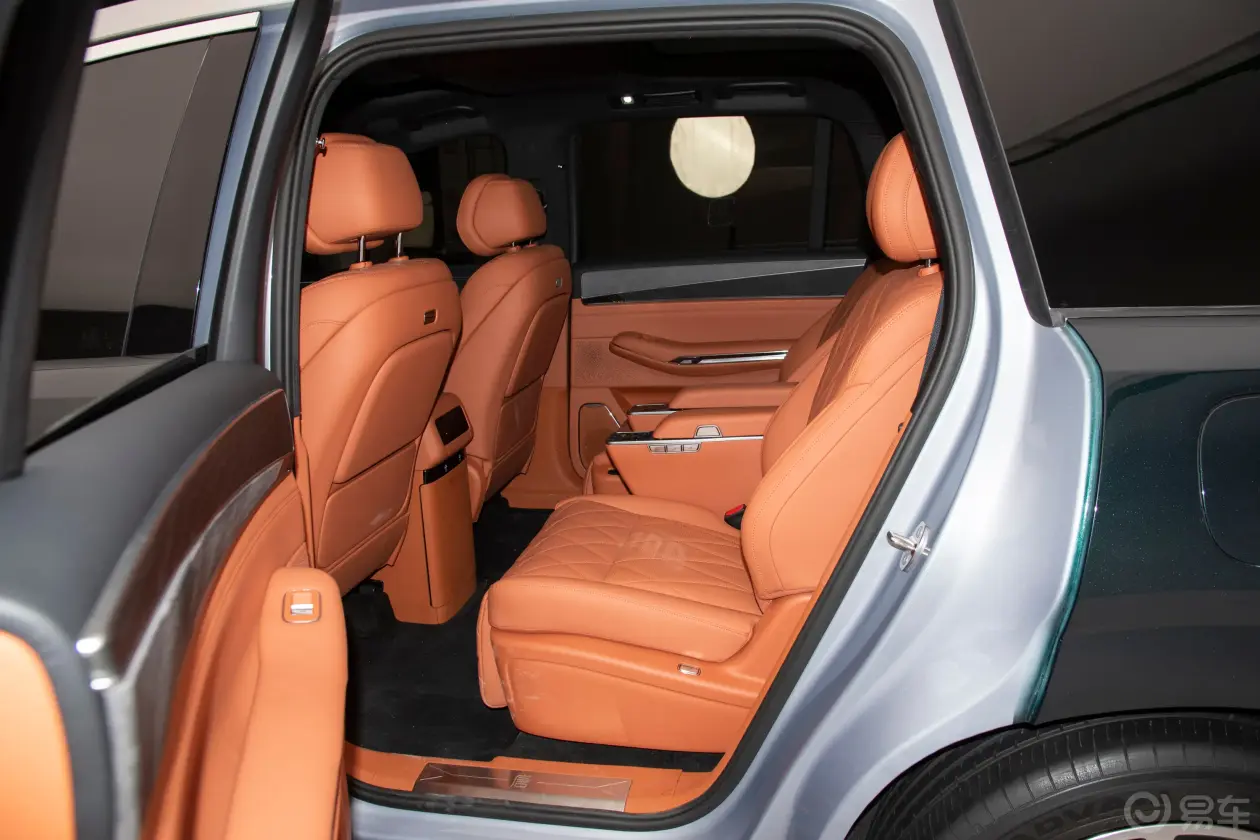
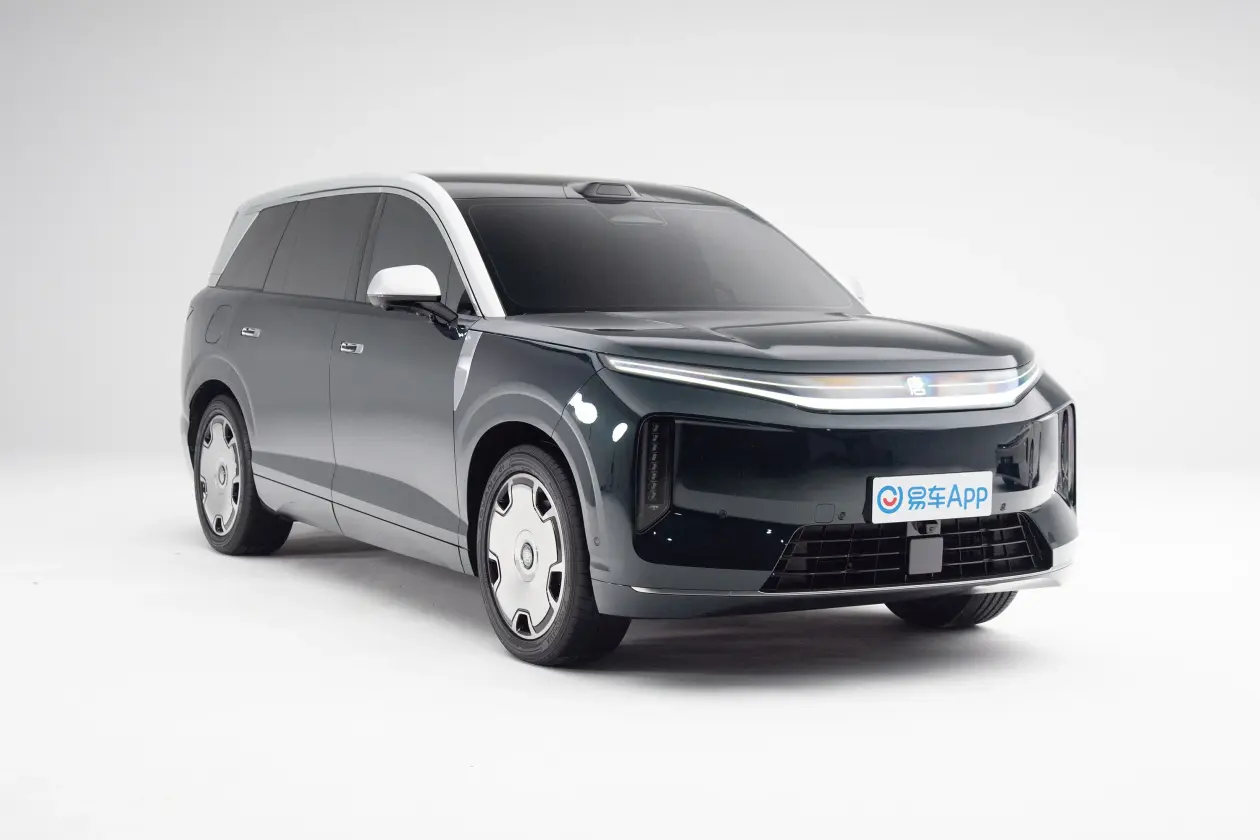
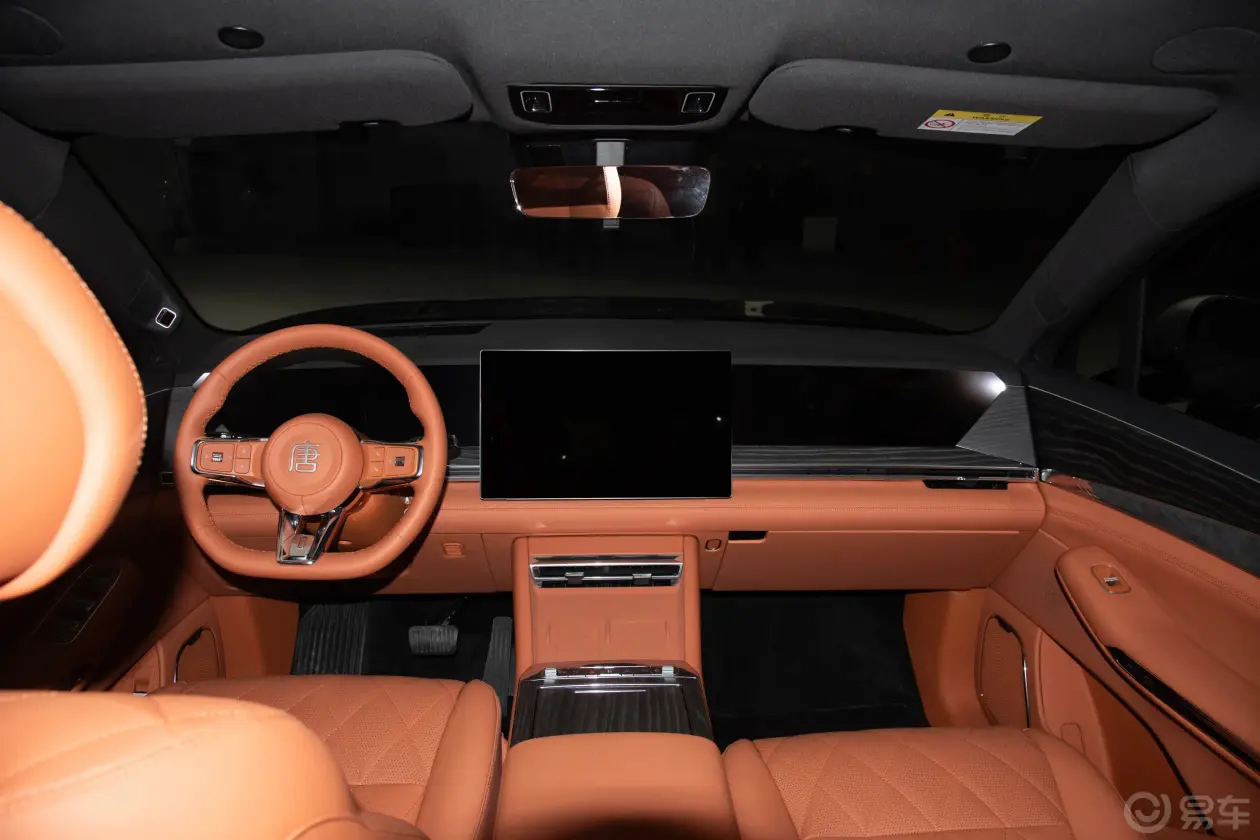
BYD's "Triple Crown"—global NEV sales champion, China automotive market sales champion, and Chinese brand overseas sales champion—reflects systematic advantages across product portfolio, distribution networks, and supply chain management. From entry-level "Dolphin" series to premium "Yangwang" brand, BYD achieves full price coverage; from domestic markets to Southeast Asia, Europe, and Latin America, globalization progresses steadily.
For Hong Kong investors, this earnings report provides opportunity to reassess BYD's investment value. Valuation-wise, BYD H-shares (1211) trade at reasonable multiples relative to earnings growth. Considering absolute NEV sector leadership, sustained innovation capabilities, and emerging scale effects, current valuations understate long-term growth potential. Compared to Tesla and international peers, BYD trades at significant discounts, offering potential value arbitrage for investors.
From dividend perspective, BYD has gradually enhanced shareholder returns. While conservative payout ratios reflect growth company characteristics, stable profitability and abundant cash flow suggest future dividend growth potential—positive signals for Hong Kong long-term investors seeking stable income.
Risk diversification also strengthens as BYD's business structure diversifies beyond vehicle sales into battery external supply, energy storage systems, rail transit, and electronics manufacturing—smoothing single-market volatility risks and enhancing anti-cyclical resilience.
However, Hong Kong investors must monitor risk factors. Geopolitical tensions may affect overseas expansion, with rising tariff and non-tariff barriers in Europe and America targeting Chinese EVs. Intensifying domestic NEV market competition and price war pressures threaten profit margins. Technologically, solid-state batteries and hydrogen fuel cells could disrupt existing competitive landscapes.
BYD's strong performance carries symbolic significance for Hong Kong capital markets beyond individual stock implications. BYD reinforces Hong Kong's position as the preferred listing venue for quality Chinese manufacturing enterprises. Amid Sino-U.S. capital market decoupling risks, more Chinese companies prefer Hong Kong for international financing. As an "A+H" dual-listing model, BYD's liquidity and valuation directly influence subsequent listing decisions.
BYD's earnings provide important allocation targets for Stock Connect investors. As mainland-Hong Kong capital market interconnectivity deepens, southbound capital's pricing influence grows. BYD as NEV leader combines growth and certainty, matching mainland institutional investor preferences and expecting sustained capital favorability.
BYD's globalization also supports Hong Kong's international financial center status. Overseas financing, cross-border M&A, and foreign exchange risk management needs drive development of Hong Kong's professional services. Simultaneously, BYD's rising global brand influence enhances Hong Kong's "super-connector" value.
Looking forward, BYD's growth momentum should continue, though challenges persist. Product-wise, premiumization represents strategic focus—"Yangwang" and "Denza" brand performance will determine whether BYD breaks through brand ceilings, achieving qualitative leaps beyond quantitative growth. Technology-wise, intelligent driving capability strengthening is urgent; facing aggressive competition from Huawei and XPeng, BYD must accelerate smart transformation. Market-wise, overseas localized production speed directly impacts globalization strategy success.
For Hong Kong investors, a "core holding plus tactical trading" strategy is recommended. Given BYD's industry position and earnings certainty, core portfolio allocation is justified; considering industry cycles and market sentiment volatility, tactical trading can enhance efficiency. Long-term investors should focus on quarterly delivery data, overseas expansion progress, and new technology commercialization as position adjustment benchmarks.
BYD's 2025 earnings present more than corporate operational results—they encapsulate China's NEV industry rise. For Hong Kong markets, behind ticker "1211" lies historical opportunity within global automotive transformation. Through electrification, intelligentization, and globalization waves, BYD has proven its navigation capabilities. Whether Hong Kong investors fully capture this era's dividends depends on deep industrial trend understanding and independent enterprise value judgment. RMB 804 billion revenue and 15 million vehicle sales represent both past summaries and future starting points.

香港汽車內容平台 🚗 新車・買車・玩車・用車 用香港視角,睇世界嘅車
+ Follow 【新車速報】兩座車又殺返嚟?smart精靈#2今次有啲料喎
鍾意細車嘅香港車迷留意!全新 smart 精靈#2 配置公布,採用 ECA 電動緊湊型架構,搭載 35.8kWh 磷酸鐵鋰電池,CLTC 續航 410km,30%-80% 快充最快15分鐘。
車長約 2.75米、轉彎半徑僅3.35米,仲有前麥弗遜+後五連桿獨立懸架;安全配備最多7個氣袋及 ACC、盲區監測等功能。
0-50km/h 3.8秒,10月12日巴黎車展全球首發!
兩座純電+細車身,放落香港街道會唔會幾對味?
#smart #smart精靈2 #純電車 #BitAutoHongKong 1小时前
【新車速報】兩座車又殺返嚟?smart精靈#2今次有啲料喎
鍾意細車嘅香港車迷留意!全新 smart 精靈#2 配置公布,採用 ECA 電動緊湊型架構,搭載 35.8kWh 磷酸鐵鋰電池,CLTC 續航 410km,30%-80% 快充最快15分鐘。
車長約 2.75米、轉彎半徑僅3.35米,仲有前麥弗遜+後五連桿獨立懸架;安全配備最多7個氣袋及 ACC、盲區監測等功能。
0-50km/h 3.8秒,10月12日巴黎車展全球首發!
兩座純電+細車身,放落香港街道會唔會幾對味?
#smart #smart精靈2 #純電車 #BitAutoHongKong 1小时前  【揀車有路數】日產新車賣比亞迪價?仲有激光雷達
今集試一台好特別嘅日產新車——NX8,中國特供增程SUV。外觀似熟悉嘅日產味,但內籠同科技配備竟然唔晒傳統日產套路,駕乘感受又有幾多轉變?到底仲係咪你認識嗰部日產?一齊試畀你睇。
#日產 #NX8 #增程 #BitAutoHongKong #揀車有路數 1天前
【揀車有路數】日產新車賣比亞迪價?仲有激光雷達
今集試一台好特別嘅日產新車——NX8,中國特供增程SUV。外觀似熟悉嘅日產味,但內籠同科技配備竟然唔晒傳統日產套路,駕乘感受又有幾多轉變?到底仲係咪你認識嗰部日產?一齊試畀你睇。
#日產 #NX8 #增程 #BitAutoHongKong #揀車有路數 1天前  【新車速報】T-Top 回歸?Nissan Z Kaze 概念車現身!
90年代 JDM 味返晒嚟?Nissan 最近喺美國 ZCON 公開 Z Kaze 概念車,以現款 Nissan Z 為基礎,換上全新 T-Top 可拆式車頂,向經典 300ZX 等 Z 系列致敬。
配合碳纖維空力套件、NISMO LMGT2 18吋輪圈,以及 GReddy 排氣、進氣同 intercooler 升級,成部車都充滿 JDM 改裝味。
「Kaze」即係日文「風」,而呢部車係 one-off 概念作品,並非量產車。10月3日仲會現身加州長灘 Japanese Classic Car Show。
如果 T-Top Z 真係量產,你會唔會心動?
#NissanZ #ZKaze #TTop #JDM #BitAutoHongKong 1天前
【新車速報】T-Top 回歸?Nissan Z Kaze 概念車現身!
90年代 JDM 味返晒嚟?Nissan 最近喺美國 ZCON 公開 Z Kaze 概念車,以現款 Nissan Z 為基礎,換上全新 T-Top 可拆式車頂,向經典 300ZX 等 Z 系列致敬。
配合碳纖維空力套件、NISMO LMGT2 18吋輪圈,以及 GReddy 排氣、進氣同 intercooler 升級,成部車都充滿 JDM 改裝味。
「Kaze」即係日文「風」,而呢部車係 one-off 概念作品,並非量產車。10月3日仲會現身加州長灘 Japanese Classic Car Show。
如果 T-Top Z 真係量產,你會唔會心動?
#NissanZ #ZKaze #TTop #JDM #BitAutoHongKong 1天前 Get the latest car news first!
【新車速報】兩座車又殺返嚟?smart精靈#2今次有啲料喎
鍾意細車嘅香港車迷留意!全新 smart 精靈#2 配置公布,採用 ECA 電動緊湊型架構,搭載 35.8kWh 磷酸鐵鋰電池,CLTC 續航 410km,30%-80% 快充最快15分鐘。
車長約 2.75米、轉彎半徑僅3.35米,仲有前麥弗遜+後五連桿獨立懸架;安全配備最多7個氣袋及 ACC、盲區監測等功能。
0-50km/h 3.8秒,10月12日巴黎車展全球首發!
兩座純電+細車身,放落香港街道會唔會幾對味?
#smart #smart精靈2 #純電車 #BitAutoHongKong 1小时前 【揀車有路數】日產新車賣比亞迪價?仲有激光雷達
今集試一台好特別嘅日產新車——NX8,中國特供增程SUV。外觀似熟悉嘅日產味,但內籠同科技配備竟然唔晒傳統日產套路,駕乘感受又有幾多轉變?到底仲係咪你認識嗰部日產?一齊試畀你睇。
#日產 #NX8 #增程 #BitAutoHongKong #揀車有路數 1天前 【新車速報】T-Top 回歸?Nissan Z Kaze 概念車現身!
90年代 JDM 味返晒嚟?Nissan 最近喺美國 ZCON 公開 Z Kaze 概念車,以現款 Nissan Z 為基礎,換上全新 T-Top 可拆式車頂,向經典 300ZX 等 Z 系列致敬。
配合碳纖維空力套件、NISMO LMGT2 18吋輪圈,以及 GReddy 排氣、進氣同 intercooler 升級,成部車都充滿 JDM 改裝味。
「Kaze」即係日文「風」,而呢部車係 one-off 概念作品,並非量產車。10月3日仲會現身加州長灘 Japanese Classic Car Show。
如果 T-Top Z 真係量產,你會唔會心動?
#NissanZ #ZKaze #TTop #JDM #BitAutoHongKong 1天前  BAWToyotaBYDZeekrGACDongfengXPengMGMaxusLeapmotorDenzaIMiCAURDeepalWulingOraJuneyao AutoKYCSkyworthAvatrFotonFordGeelyHongqiJAECOOKGMOMODADFSKTeslaHondaBMWMercedes-BenzsmartMINIPorscheNissanLexusSuzukiVolvoSubaruMazdaKiaHyundaiLand RoverRolls-RoyceFerrariAudiLamborghiniRiddaraSeresFarizonfireflyLingboxKaiyiVoyahHIMAM-HeroIsuzuBentleyPolestarMcLarenMitsubishiMaseratiPeugeotAston MartinAcuraJeepJaguarLotusVolkswagenEpiclandJACLepasLi
 © 2024 Bitauto.com. All Rights Reserved.
Bitauto (www.yiche.com and www.bitauto.com) is one of the most visited automotive websites in China. We provide detailed info on Chinese car brands available in your area. Please note that the information provided on this website is based on publicly available data and is for reference only. It may not be fully updated or accurate at all times.
Help us improve our website


