
Search History
Popular Searches
English
Dealer Login / Sign Up
On March 24, Xiaomi Group released its 2025 annual report, with a set of figures shaking both the technology and automotive industries. Total revenue reached RMB 457.3 billion, up 25.0% year-on-year; adjusted net profit was RMB 39.2 billion, up 43.8% year-on-year; revenue from smart EVs and AI innovation businesses hit RMB 106.1 billion, skyrocketing 223.8% and surpassing RMB 100 billion for the first time.

For Hong Kong users, the Xiaomi name is far from unfamiliar. From smartphones to smart homes, from the AIoT ecosystem to smart cars, every step Xiaomi takes influences local consumer choices. With auto business revenue exceeding RMB 100 billion and strong orders for the new SU7, this report reflects the initial success of Xiaomi's strategic transition from a "phone company" to a "human-car-home ecosystem." The key question for Hong Kong users remains: when will a right-hand-drive (RHD) Xiaomi car be available?
Auto Business: 410,000 Deliveries + RMB 100 Billion Revenue Milestone
In 2025, Xiaomi's auto business delivered its first full-year report. The company delivered 411,082 new vehicles, up 200.4% year-on-year. The SU7 ranked as the best-selling sedan priced above RMB 200,000 in China in 2025, while the YU7 was the top-selling large SUV in China for seven consecutive months. Orders for the new SU7 were strong, with over 15,000 locked orders in 34 minutes and over 30,000 in three days.
These numbers represent Xiaomi's leap from zero to one. From its first model launch in 2024 to 410,000 deliveries in 2025, Xiaomi has covered in two years a path that took new automakers five years. Auto business revenue of RMB 106.1 billion accounted for 23.2% of total revenue, making it Xiaomi's second growth engine.
For Hong Kong users, this performance proves Xiaomi's product capability and market appeal. The SU7's success in the mainland market validates its design, performance, and intelligent features. An RHD version would be a highly competitive option in Hong Kong's EV market.
Premium Strategy: #2 in Smartphone Sales + 27.1% Premium Share
Xiaomi's globalization and premium strategy also made strides in 2025. Smartphone shipments ranked in the global top three for five consecutive years, ranking in the top three in 58 countries and regions and top five in 70. In mainland China, smartphone sales ranked second, with premium models accounting for 27.1% of sales.
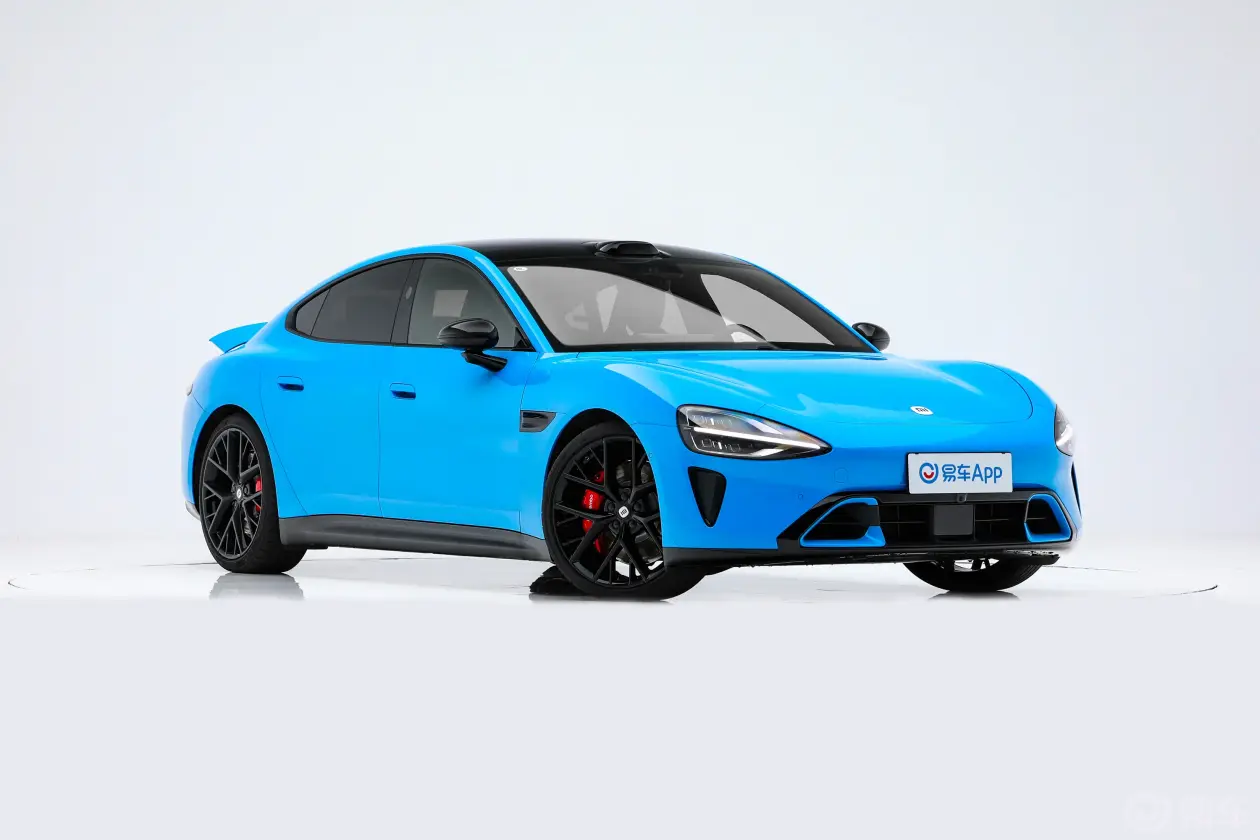
This signals that Xiaomi has evolved beyond being just a "value brand." In the premium market, its products now compete head-on with global giants like Apple and Samsung. For Hong Kong users, this brand perception shift directly influences their acceptance of Xiaomi cars. If Xiaomi phones can stand alongside iPhones, its cars have the credentials to compete with Tesla and BMW.
AIoT Ecosystem: A Moat of 1.079 Billion Connected Devices
Xiaomi's AIoT ecosystem is a core competitive advantage in the auto sector. In 2025, IoT revenue reached RMB 123.2 billion, up 18.3% year-on-year, with connected devices surpassing 1.079 billion. Xiaomi AI glasses ranked third globally and first in China. Smart appliance revenue hit record highs, with air conditioner shipments exceeding 8.5 million units.
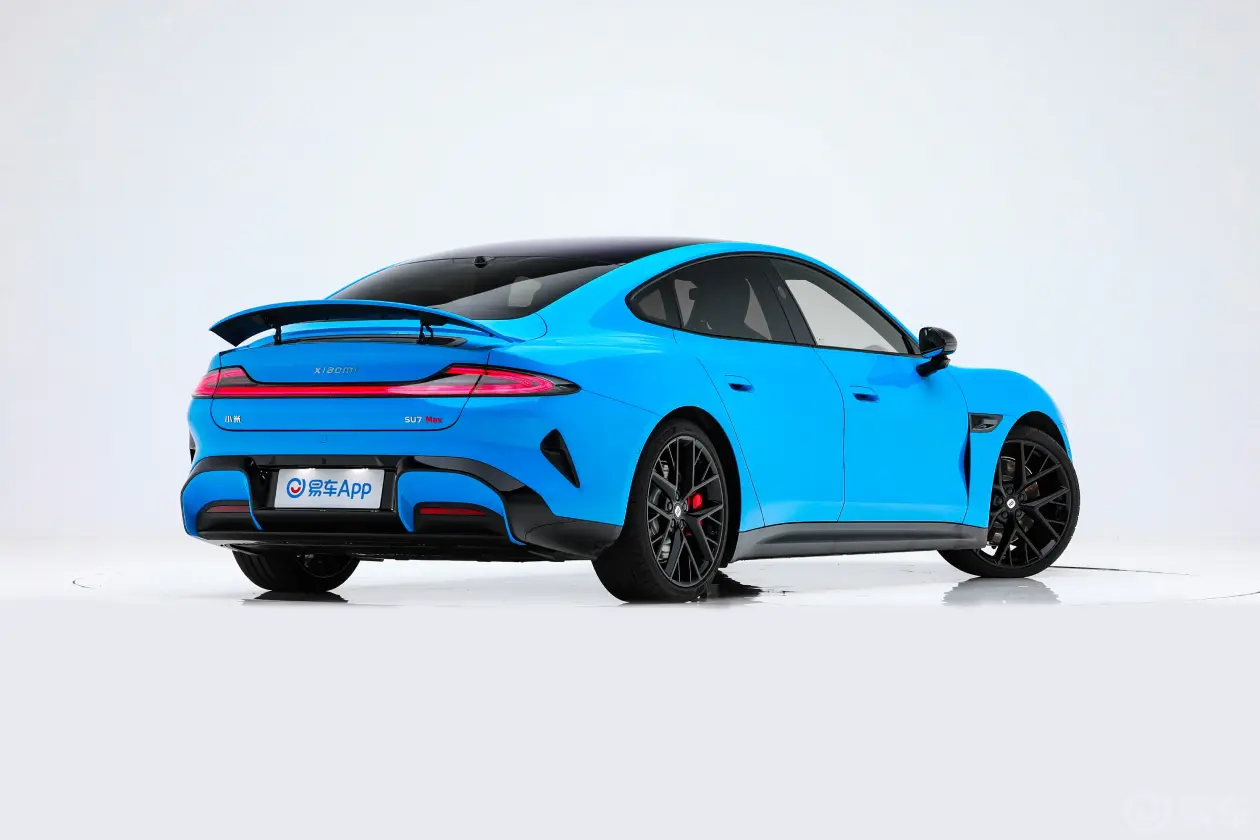
For Hong Kong users, this signals a vast smart ecosystem extending from phones and wearables to home appliances and cars. The seamless "human-car-home" experience—unlocking your car with your Xiaomi phone, controlling home appliances from your car—is a key differentiator.
R&D Investment: RMB 33.1 Billion as a Technological Moat
Xiaomi invested RMB 33.1 billion in R&D in 2025, with total investment over the past five years reaching RMB 105.5 billion. Its self-developed MiMo-V2-Pro large model was released, ranking eighth globally and second in China on the Artificial Analysis large model intelligence index. Xiaomi plans to invest RMB 60 billion in AI over the next three years.
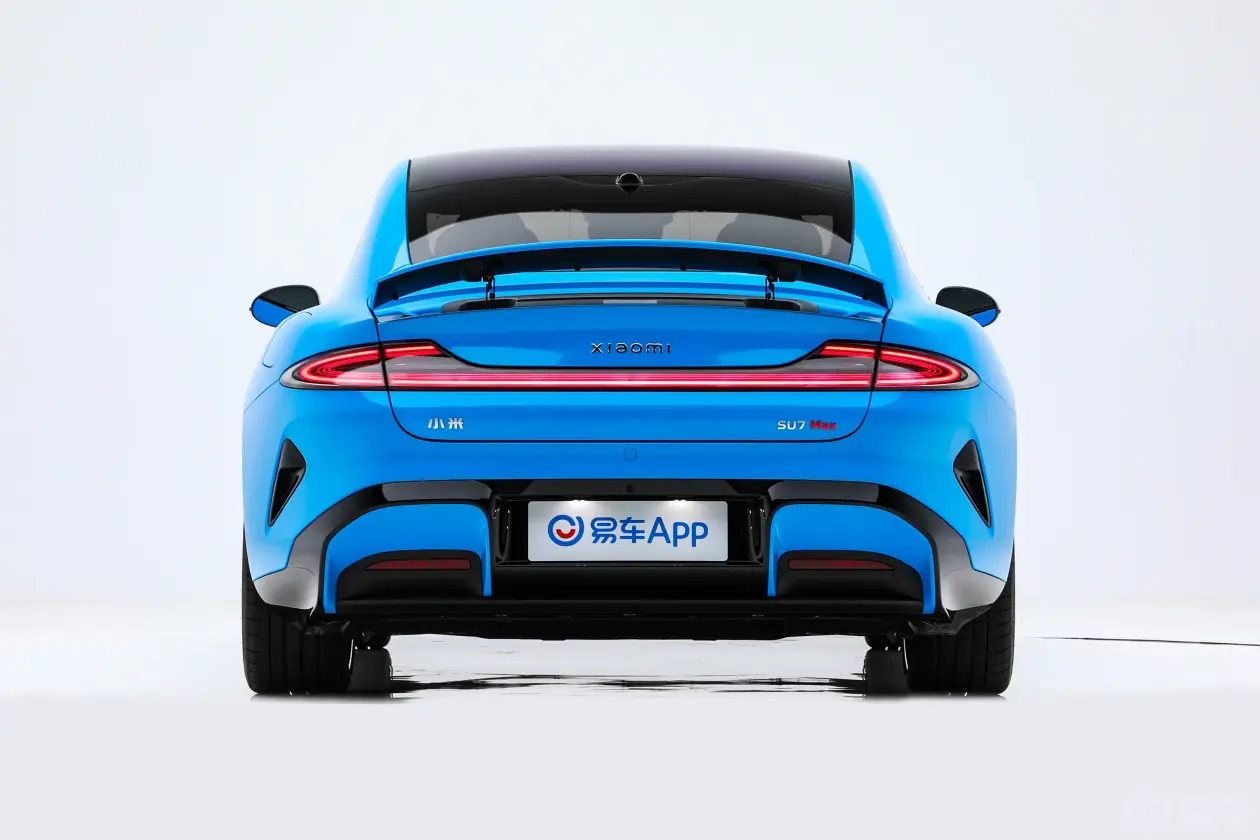
These numbers place Xiaomi in China's top tier for technology. From chips to operating systems, from large models to intelligent driving, Xiaomi is building a comprehensive technology moat. For Hong Kong users, this ensures that the intelligent experience in Xiaomi cars will continue to evolve through OTA updates.
Hong Kong Perspective: Potential for RHD Introduction
Several aspects of Xiaomi's report are relevant for Hong Kong.
RHD Version Potential: Hong Kong, like the UK and Australia, is an RHD market. Xiaomi's increasing R&D investment and global expansion suggest RHD development is a matter of time if the mainland market is successful.
Product-Market Fit: Hong Kong's growing EV demand (over 70% penetration in 2025) aligns with the SU7's coupe styling and YU7's SUV practicality. A competitively priced RHD version would be a strong contender.
Charging Infrastructure: Xiaomi's 800V ultra-fast charging requires compatible high-power chargers. Currently, Hong Kong has limited high-power GB/T chargers (only 10). While government targets aim for 4,000 fast chargers by 2030, infrastructure is still developing.
Brand Recognition: Xiaomi's established brand presence in Hong Kong, spanning phones and smart home products, provides a strong foundation. Its successful premium strategy further supports the auto business's brand premium potential.
Personal Opinion: Xiaomi's "Third Curve"
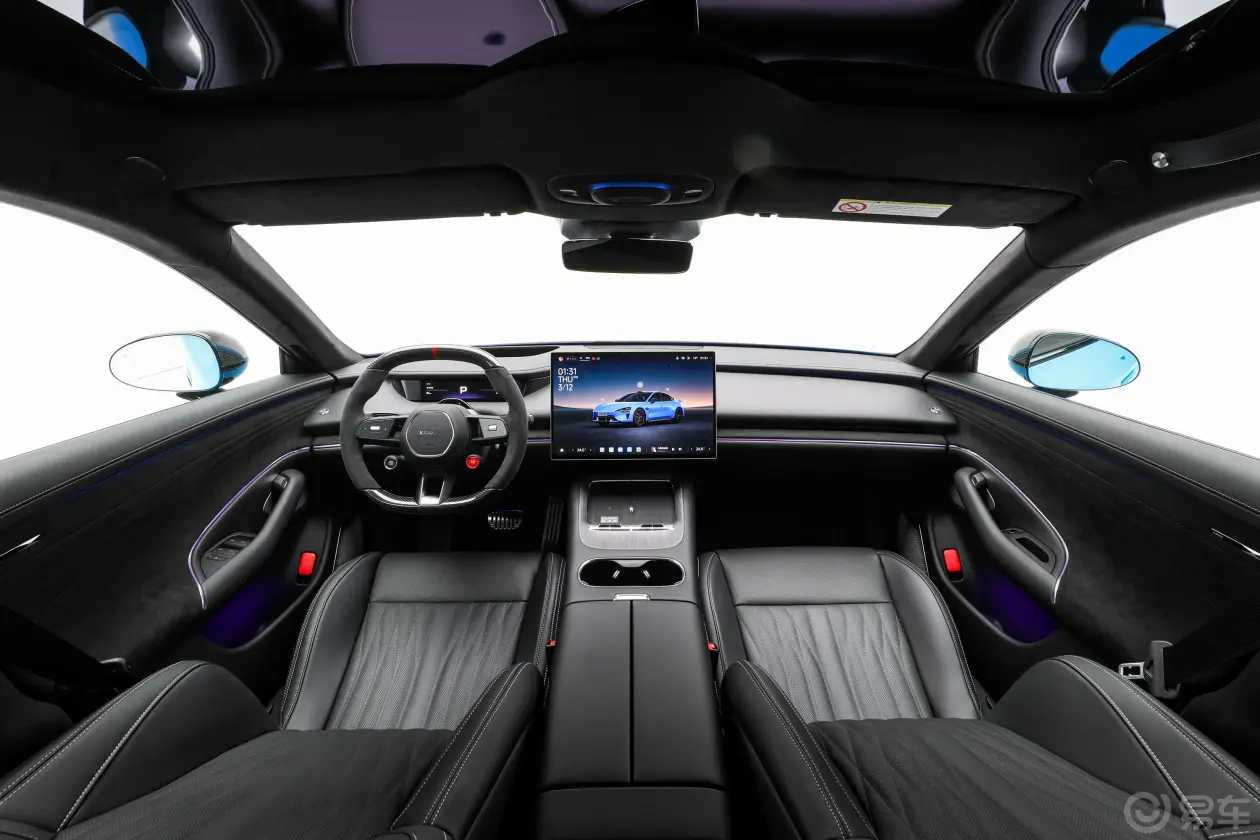
The Xiaomi report highlights the successful launch of its "third curve." The first curve is phones, globally top three. The second is AIoT, with over 1 billion connected devices. The third is autos, achieving RMB 100 billion in revenue in just two years. This "curve succession" defines Xiaomi's strategic transition.
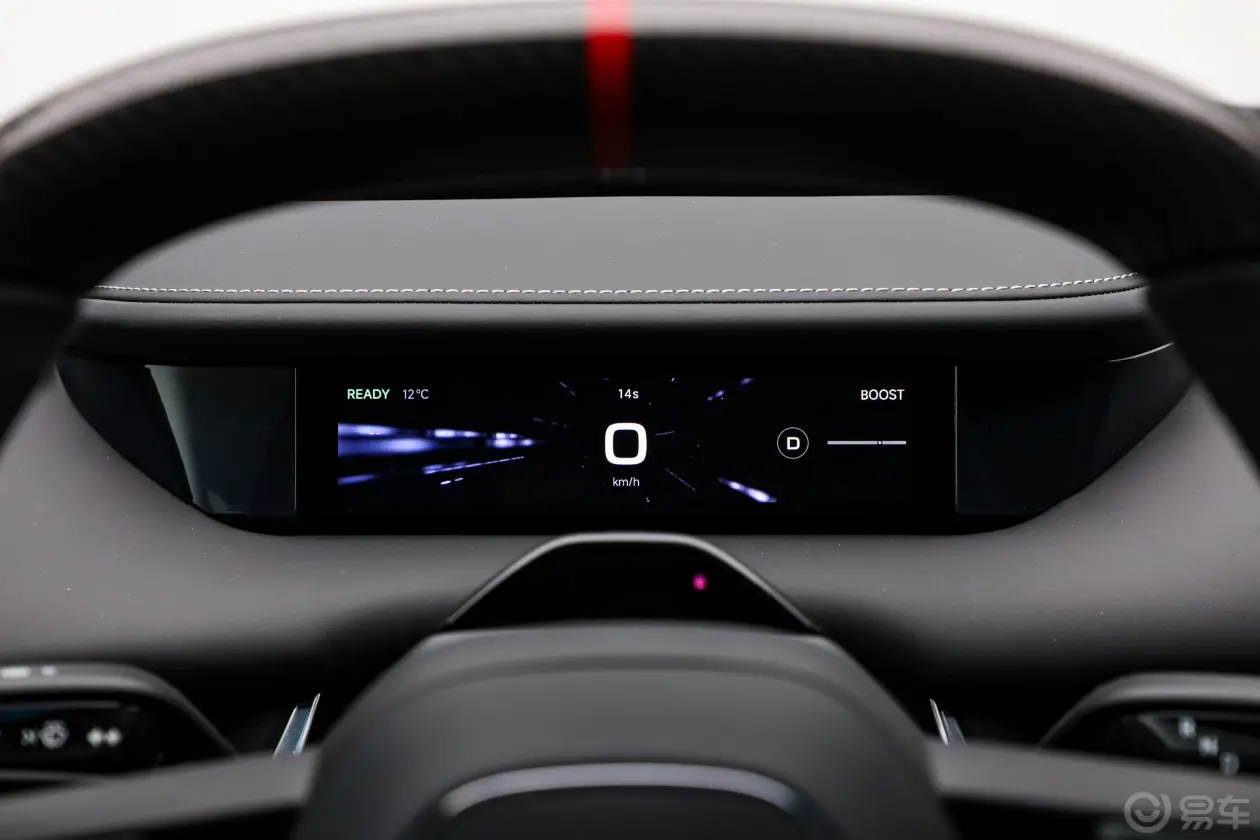
For Hong Kong users, Xiaomi's auto success signals the growing competitiveness of Chinese technology companies. The new SU7's strong orders reflect market recognition. Whether and when an RHD version arrives in Hong Kong remains to be seen, but the product strength validated in the mainland market serves as a compelling reference for potential Hong Kong buyers.

香港汽車內容平台 🚗 新車・買車・玩車・用車 用香港視角,睇世界嘅車
+ Follow 【新車速報】兩座車又殺返嚟?smart精靈#2今次有啲料喎
鍾意細車嘅香港車迷留意!全新 smart 精靈#2 配置公布,採用 ECA 電動緊湊型架構,搭載 35.8kWh 磷酸鐵鋰電池,CLTC 續航 410km,30%-80% 快充最快15分鐘。
車長約 2.75米、轉彎半徑僅3.35米,仲有前麥弗遜+後五連桿獨立懸架;安全配備最多7個氣袋及 ACC、盲區監測等功能。
0-50km/h 3.8秒,10月12日巴黎車展全球首發!
兩座純電+細車身,放落香港街道會唔會幾對味?
#smart #smart精靈2 #純電車 #BitAutoHongKong 1小时前
【新車速報】兩座車又殺返嚟?smart精靈#2今次有啲料喎
鍾意細車嘅香港車迷留意!全新 smart 精靈#2 配置公布,採用 ECA 電動緊湊型架構,搭載 35.8kWh 磷酸鐵鋰電池,CLTC 續航 410km,30%-80% 快充最快15分鐘。
車長約 2.75米、轉彎半徑僅3.35米,仲有前麥弗遜+後五連桿獨立懸架;安全配備最多7個氣袋及 ACC、盲區監測等功能。
0-50km/h 3.8秒,10月12日巴黎車展全球首發!
兩座純電+細車身,放落香港街道會唔會幾對味?
#smart #smart精靈2 #純電車 #BitAutoHongKong 1小时前  【揀車有路數】日產新車賣比亞迪價?仲有激光雷達
今集試一台好特別嘅日產新車——NX8,中國特供增程SUV。外觀似熟悉嘅日產味,但內籠同科技配備竟然唔晒傳統日產套路,駕乘感受又有幾多轉變?到底仲係咪你認識嗰部日產?一齊試畀你睇。
#日產 #NX8 #增程 #BitAutoHongKong #揀車有路數 1天前
【揀車有路數】日產新車賣比亞迪價?仲有激光雷達
今集試一台好特別嘅日產新車——NX8,中國特供增程SUV。外觀似熟悉嘅日產味,但內籠同科技配備竟然唔晒傳統日產套路,駕乘感受又有幾多轉變?到底仲係咪你認識嗰部日產?一齊試畀你睇。
#日產 #NX8 #增程 #BitAutoHongKong #揀車有路數 1天前  【新車速報】T-Top 回歸?Nissan Z Kaze 概念車現身!
90年代 JDM 味返晒嚟?Nissan 最近喺美國 ZCON 公開 Z Kaze 概念車,以現款 Nissan Z 為基礎,換上全新 T-Top 可拆式車頂,向經典 300ZX 等 Z 系列致敬。
配合碳纖維空力套件、NISMO LMGT2 18吋輪圈,以及 GReddy 排氣、進氣同 intercooler 升級,成部車都充滿 JDM 改裝味。
「Kaze」即係日文「風」,而呢部車係 one-off 概念作品,並非量產車。10月3日仲會現身加州長灘 Japanese Classic Car Show。
如果 T-Top Z 真係量產,你會唔會心動?
#NissanZ #ZKaze #TTop #JDM #BitAutoHongKong 1天前
【新車速報】T-Top 回歸?Nissan Z Kaze 概念車現身!
90年代 JDM 味返晒嚟?Nissan 最近喺美國 ZCON 公開 Z Kaze 概念車,以現款 Nissan Z 為基礎,換上全新 T-Top 可拆式車頂,向經典 300ZX 等 Z 系列致敬。
配合碳纖維空力套件、NISMO LMGT2 18吋輪圈,以及 GReddy 排氣、進氣同 intercooler 升級,成部車都充滿 JDM 改裝味。
「Kaze」即係日文「風」,而呢部車係 one-off 概念作品,並非量產車。10月3日仲會現身加州長灘 Japanese Classic Car Show。
如果 T-Top Z 真係量產,你會唔會心動?
#NissanZ #ZKaze #TTop #JDM #BitAutoHongKong 1天前 Get the latest car news first!
【新車速報】兩座車又殺返嚟?smart精靈#2今次有啲料喎
鍾意細車嘅香港車迷留意!全新 smart 精靈#2 配置公布,採用 ECA 電動緊湊型架構,搭載 35.8kWh 磷酸鐵鋰電池,CLTC 續航 410km,30%-80% 快充最快15分鐘。
車長約 2.75米、轉彎半徑僅3.35米,仲有前麥弗遜+後五連桿獨立懸架;安全配備最多7個氣袋及 ACC、盲區監測等功能。
0-50km/h 3.8秒,10月12日巴黎車展全球首發!
兩座純電+細車身,放落香港街道會唔會幾對味?
#smart #smart精靈2 #純電車 #BitAutoHongKong 1小时前 【揀車有路數】日產新車賣比亞迪價?仲有激光雷達
今集試一台好特別嘅日產新車——NX8,中國特供增程SUV。外觀似熟悉嘅日產味,但內籠同科技配備竟然唔晒傳統日產套路,駕乘感受又有幾多轉變?到底仲係咪你認識嗰部日產?一齊試畀你睇。
#日產 #NX8 #增程 #BitAutoHongKong #揀車有路數 1天前 【新車速報】T-Top 回歸?Nissan Z Kaze 概念車現身!
90年代 JDM 味返晒嚟?Nissan 最近喺美國 ZCON 公開 Z Kaze 概念車,以現款 Nissan Z 為基礎,換上全新 T-Top 可拆式車頂,向經典 300ZX 等 Z 系列致敬。
配合碳纖維空力套件、NISMO LMGT2 18吋輪圈,以及 GReddy 排氣、進氣同 intercooler 升級,成部車都充滿 JDM 改裝味。
「Kaze」即係日文「風」,而呢部車係 one-off 概念作品,並非量產車。10月3日仲會現身加州長灘 Japanese Classic Car Show。
如果 T-Top Z 真係量產,你會唔會心動?
#NissanZ #ZKaze #TTop #JDM #BitAutoHongKong 1天前  BAWToyotaBYDZeekrGACDongfengXPengMGMaxusLeapmotorDenzaIMiCAURDeepalWulingOraJuneyao AutoKYCSkyworthAvatrFotonFordGeelyHongqiJAECOOKGMOMODADFSKTeslaHondaBMWMercedes-BenzsmartMINIPorscheNissanLexusSuzukiVolvoSubaruMazdaKiaHyundaiLand RoverRolls-RoyceFerrariAudiLamborghiniRiddaraSeresFarizonfireflyLingboxKaiyiVoyahHIMAM-HeroIsuzuBentleyPolestarMcLarenMitsubishiMaseratiPeugeotAston MartinAcuraJeepJaguarLotusVolkswagenEpiclandJACLepasLi
 © 2024 Bitauto.com. All Rights Reserved.
Bitauto (www.yiche.com and www.bitauto.com) is one of the most visited automotive websites in China. We provide detailed info on Chinese car brands available in your area. Please note that the information provided on this website is based on publicly available data and is for reference only. It may not be fully updated or accurate at all times.
Help us improve our website


