


首頁Audi Q7

搜尋歷史
熱門搜尋
經銷商登入 / 註冊

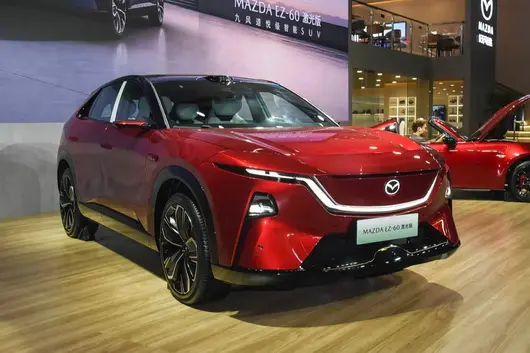
【Intro】The market share of joint venture new energy vehicles has dropped to 4.5%. Mazda EZ-60, however, has won the sub-segment sales champion title for 7 consecutive months. This obsession with the essence of car-making leaves a tangible reference for a confused track.

The plight of joint venture new energy vehicles in the Chinese market is hardly an exaggeration to describe as "grim". Public data shows that in July 2026, the penetration rate of new energy vehicles from major joint venture brands was only 13.7%, with the market share shrinking to 4.5%. The entire joint venture camp was left far behind by independent brands on the new energy track. In this landscape that is almost one-sided, the existence of Mazda EZ-60 instead became a sample worth taking seriously.
An Undervalued "Consecutive Champion"

The fact most easily overlooked about EZ-60 is that since its launch in September 2025, it has consecutively won the sales champion title for joint venture new energy mid-size SUVs for 7 months.
At first glance, this title seems somewhat suspicious of "too many qualifiers". But qualifiers themselves have meaning. In the overall stalled dish of joint venture new energy, Mazda, a Japanese brand that was already "niche" in the fuel car era, was able to keep its new energy products consistently ahead in the most competitive sub-segment of mid-size SUVs. It cannot be said to have risen purely by luck; at least EZ-60 has a solid market foundation.
In July, EZ-60 ranked fifth on the joint venture new energy sales list, contributing a total of 5,515 units together with EZ-6. In August, EZ-60 had a single-month sales volume of 4,349 units, accounting for nearly half of the Mazda brand's total sales for the month.
To be honest, for a joint venture brand without a strong brand presence, this concentration exactly indicates that consumers buying Mazda new energy cars are not doing so entirely because of the "Mazda" three words, but because of the car "EZ-60" itself.
Where It Wins

The core reason EZ-60 can hold a place in joint venture new energy is likely not brand power. Mazda's brand premium is relatively limited in the Chinese market, and Mazda knows this better than anyone. To say its sales come from some "substantial things" provided by the product itself is not an exaggeration.
The combination of price and size has created a world of its own. It should be said that the pricing of EZ-60 is pinned in a subtle interval, lower than most joint venture new energy competitors, but it offers a mid-size SUV with a length of over 4.8 meters. For users with limited budgets, actual needs for space, and some trust inertia regarding brands, this combination is still very persuasive.
The feeling of driving is truly refreshing. Mazda's accumulation in chassis and handling is one of its few assets that was not washed away by the new energy wave. A car owner left a message on the forum after long-distance driving: "Drove over 1,000 kilometers on the highway, the pilot assist lane change and overtaking was very smooth. Plus seat massage, surprisingly no waist and back pain after getting out." Just think, this "coordination feel between intelligent driving commands and chassis execution" is indeed something many competitors who just stack specs cannot do well.
There are still some details on the service level that are quite a system. Some owners mentioned that the manufacturer has a specialist to add WeChat, the 4S stores have dedicated pre-sales and after-sales groups, and OTA upgrades will respond to demands in the owner groups. In an environment where joint venture brands are generally "standardized and cold" in service, that feeling of being valued naturally constitutes a differentiated experience. Being different means being different.
Not Just "Selling Well Domestically"

Many people may not know that EZ-60 has a dimension that is easily overlooked. Currently, it is the first domestic joint venture new energy model to obtain whole vehicle certification from the three major markets of the European Union, the United Kingdom, and Australia. Two months after launch in Europe, it secured 7,000+ orders, and more than 80 overseas dealerships traveled specially to the Nanjing factory for inspection.
What does this mean? It means the product standards for this car were not made only according to the "minimum requirements" of the Chinese market. Whole vehicle certification from the EU has always been known for its strictness, especially in safety, environmental protection, and electromagnetic compatibility, never compromising. And EZ-60, being able to pass the certification of these three places simultaneously, shows that its underlying quality is endorsed by global standards; you can't bring nonsense.
Undoubtedly, under the current public opinion environment where joint venture new energy is generally questioned for "downsizing specs" and "special supply", constituting a differentiated trust asset is not that easy, handily grasped. When consumers are struggling with "is joint venture electric car an IQ tax", "Global Car Standard" is at least an important reference that can be used as a basis for decision-making.
From "Made in China" to "Made for the World"

The export of EZ-60 is not simple whole vehicle trade. Behind it is a deeper strategic turn by Changan Mazda; the Nanjing factory is becoming the design, production, and export center for Mazda's global new energy.
In April 2025, Mazda Motor Corporation Chairman Katsuhiro Matsuro visited China twice within a month, witnessing the launch of Changan Mazda's first global model MAZDA 6E. In August of the same year, EZ-60 was officially launched at the Nanjing factory. The official explicitly defined it as the "second global model of the Changan Mazda new energy whole vehicle export center".
Lin Yan believes this is not a "globalization" on a rhetorical level, but a strategic positioning supported by specific production capacity and supply chain. The Nanjing factory has completed intelligent transformation, with an automation rate of 90%, and simultaneously accommodates the dual-platform production capacity of pure electric and extended range, integrating resources from top global suppliers such as Bosch and CATL. The factory has established a quality traceability system covering the entire industry chain. Before mass production, EZ-60 accumulated over 800 experimental vehicles with over 400 test items, actual vehicle testing mileage exceeding 3 million kilometers, and passed driving performance verification on roads in 8 European countries.
Worth mentioning is that the core logic of its "Double Hundred Doubles" strategy (i.e., double production scale and export quantity) lies in relying on China's complete new energy industry chain advantages to create products with global competitiveness, and then through the Nanjing factory, a hub platform integrating R&D, manufacturing, and export, feed back the technical results to the global market. In other words, it is a reversal of the traditional joint venture model. It is no longer the foreign party inputting technology and the Chinese party responsible for manufacturing, but Chinese R&D, Chinese Manufacturing, and Global Output.
EZ-6 has already launched in over 20 countries including Europe and Southeast Asia, with Europe orders breaking 7,000 units in two months. As a global model, EZ-60 will enter the European market under the naming CX-6E in the future. More than 80 overseas dealers from Europe, Australia, and Thailand flew specially to the Nanjing factory for on-site inspection, giving positive comments on craftsmanship and quality control. Dealers are people who buy goods with real money and silver; their on-site inspection is probably more weighty than any brand publicity.
Laser Version: Determination to Plug the Shortcomings

The place where EZ-60 was criticized the most before was that intelligent configuration was not "competitive" enough. When independent brands brought LiDAR and high-level intelligent driving down to the 150,000 Yuan class market, the basic version of EZ-60 could only provide L2 level assisted driving. This is an objective gap, and also one of the reasons its sales dropped from a peak of 4,565 units back to the 2,000-3,000 unit range.
But Mazda's reaction speed is faster than many people expected.
On August 25, 2026, the EZ-60 Laser version officially started pre-sales (which also means the August sales volume mentioned earlier was mainly contributed by the basic version models). The new car integrates LiDAR on the roof, cooperating with 11 high-definition cameras and 12 ultrasonic radars, and intelligent driving capability jumps from "basic assistance" to highway + urban dual-domain pilot.
The official clearly stated a sentence in the publicity: "Mazda does not fight for the best in intelligent driving, only fights for the right in intelligent driving, safety is always the first priority". If this sentence were put in the mouths of new forces, it would most likely be taken as marketing talk. But spoken by Mazda, coupled with its consistent accumulation in chassis and safety, the credibility is much higher.
In addition, the pricing strategy of the Laser version is also worth pondering. The pre-sale interval is 139,900 - 160,900 Yuan, basically pinned within the "effective price band" of joint venture new energy. This price directly entered the core hinterland of independent new energy SUVs such as Leapmotor C11 and Deepal S7. It is not using high specs and high prices to "show off muscles", but using a relatively restrained price to stuff high-level intelligent driving capabilities into a product that has already taken root, forcingly snatching chips from independent brand hands.
Written at the End

Perhaps, EZ-60 is not a "perfect" car. Its brand volume is limited, the product line is thin, and the start of intelligence is not early either.
But looking at it in the coordinate system of joint venture new energy, its position is much further ahead than most people think. 7 consecutive months of sub-segment championship, global three major market certification, strategic positioning of the Nanjing factory as Mazda's global new energy export center, and the laser version quickly making up for intelligent driving shortcomings have all become its greatest confidence.
The situation forces people. In a public opinion field where everyone is talking about "whether joint venture new energy has any hope", Mazda gave a specific, verifiable answer with EZ-60, that is, there is hope, but you must first lower your body and then show the real stuff.
In Lin Yan's view, the most precious place of EZ-60 is not in how many units were sold, but in that it proves one thing: A brand known for "obsession" in the fuel car era can still be obsessed in the new energy era, only this time the object of obsession has changed from rotary engines to "making a battery-powered Mazda look like a Mazda".
In the current situation where joint venture new energy is generally silent, Mazda's adherence to the essence of car-making is not a deliberate posture, but an obsession carved into the bones of the brand.
Perhaps, it may not be able to immediately reverse the market environment of the joint venture camp, but it can leave a tangible reference for this confused track. Its persistence not to follow the flow is itself worth being seriously seen and recorded.


2026 年 9 月 14 日,廣汽集團與一汽股份簽署《意向協議》,擬以發行股份方式購買一汽股份持有嘅某整車合資公司部分股權,並同步募集配套資金。交易完成後,一汽股份將成為廣汽集團第二大股東,廣汽實際控制人不變,不構成重組上市。

呢宗交易需要喺更大嘅座標入面理解。就喺三天前,工信部等九部門印發《智能網聯新能源汽車產業發展“十五五”規劃》,“產能預警調控”首次寫入行業五年規劃,明確要求加大車企兼併重組同跨區域整合力度。政策信號與行業週期趕喺同一時點——2026 年上半場,整車製造環節平均利潤率跌至 1.5%,創近十年最低,國內整車總產能超過 4000 萬輛,產能利用率不足 70%。價格戰打到而家,利潤已經壓到極限,整合唔再係“要唔要”嘅問題,而係“邊個先動、點點動”。廣汽與一汽嘅股權聯動,正係呢輪整合落下嘅第一個實質性棋子。
一、廣汽嘅籌碼:一汽點解搵廣汽
第一宗落喺廣汽同一汽之間,並非偶然。一汽願意以合資資產換取廣汽戰略股東地位,呢個動作本身講出嘅嘢,比交易條款更值得琢磨。
2026 年上半年,廣汽營業總收入 465 億元,同比增長 9.13%,自主品牌銷量 34.6 萬輛,同比增長 35.69%,新能源汽車銷量 26.02 萬輛,同比增長 68.8%,自主品牌出口 12.15 萬輛,同比增長 132%。1—8 月,廣汽銷量 101.26 萬輛,喺行業整體承壓嘅背景下保持正增長。自主品牌銷量超 46.15 萬輛,同比大增 31.44%,連續 6 個月雙位數增長,佔比接近一半。自主品牌出口 17.2 萬輛,同比增長 136%,8 月單月出口近 2.7 萬輛,同比增長 177%。

呢些數字背後嘅結構變化更關鍵。廣汽正由以合資利潤為主要來源,轉向“自主品牌 + 海外市場”雙輪驅動。海外市場已明確定位為“第一增長曲線”,截至上半年建成 7 座海外 KD 工廠,覆蓋泰國、馬來西亞、尼日利亞、奧地利、印尼、柬埔寨、哈薩克斯坦,首個海外自主電池 PACK 工廠在建。呢個結構喺當下嘅車企中具有差異化優勢。

研發投入係呢套結構嘅基礎。2026 年上半年研發投入 48.34 億元,同比增長 27.58%,佔營收比例 10.4%,累計自主研發投入超 670 億元。廣汽係國內少數喺三電同智能網聯領域具備全棧自研能力嘅車企之一。晶片領域,聯手 105 家生態夥伴完成近 400 款晶片嘅聯合定義開發同應用驗證,牽頭晶片國產化“攀登計劃”,2026 年 5 月推出國內首款晶片設計 100% 國產化嘅車款昊鉑 GT 攀登版。產業投資方面,廣汽圍繞汽車晶片、自動駕駛、動力電池等核心環節投資超 140 家企業,2026 年以來已有 20 家參投企業上市,累計 49 家登陸資本市場。
一汽睇中嘅,係廣汽喺自主品牌同海外市場上形成嘅增長途徑,以及呢套途徑對一汽自身轉型嘅參照意義。

二、南北豐田整合:先建紐帶,再談合併
行業對呢次股權聯動最集中嘅解讀,指向一汽豐田股權。一汽股份持有 一汽豐田 50% 股權,豐田汽車持股 45.77%,豐田中國持股 4.23%。交易完成後,廣汽將同時握有廣汽豐田同一汽豐田嘅股權,為豐田喺華兩大合資體系嘅協同創造條件。
但交易結構本身傳遞咗一個重要信號:呢唔係一步到位嘅合併。據了解,南北豐田整合嘅擬議方案係成立豐田(中國)銷售公司,豐田日方佔股 50%,一汽同廣汽各佔 25%,雙方旗下姐妹車款僅保留全球車。一汽豐田汽車銷售有限公司不涉及此次交易,一汽豐田主體繼續存續。
呢個安排背後,豐田嘅角色值得注意。南北豐田整合係豐田日方力主推進嘅模式。2026 年上半年,豐田全球產銷近兩年嚟首次雙降,中國市場係主要拖累。一汽豐田上半年國內銷量 27.37 萬輛,同比下降 27%,廣汽豐田約 34.11 萬輛,南北銷量差距已經反轉。豐田喺華承壓,消除南北體系嘅內耗同資源分散,係佢維持競爭力嘅必要動作。

對廣汽而言,呢筆交易嘅價值不止於豐田合資板塊。一汽成為戰略股東後,雙方喺更廣層面打開協同空間。公務車市場“北紅旗、南廣汽”嘅格局由嚟已久,廣汽传祺、埃安多次入選政府採購清單,一汽入股後,廣汽喺參與更高等級政府採購時獲得央企身份嘅協同加持。供應鏈同技術層面,廣汽喺新能源三電、智能網聯、晶片國產化方面嘅積累,同一汽喺整車製造同央企資源對接上嘅優勢,具備互補條件。呢啲協同未必即刻落地,但股權紐帶已經建立。

三、多米諾骨牌嘅第一張
廣汽與一汽嘅呢次交易,放喺國資改革序列入面睇,位置更清楚。國資委年初表示,2026 年預計完成 10 至 15 組央企戰略性重組。2025 年,中國長安汽車集團正式組建,一汽完成動力電池資源嘅專業化整合。廣汽與一汽嘅交易,係呢輪重組喺汽車央地國企之間嘅延伸。
佢嘅示範意義喺於:央企同地方國企之間,可以用股權紐帶而非控制權轉移嘅方式,實現資源互補同戰略協同。此前長安與東風圍繞集團層面嘅重組探索未能繼續推進,而廣汽與一汽揀選咗更聚焦嘅切口——唔觸及集團實控權變更,圍繞合資資產進行股權綁定。這種“輕觸式整合”如果被驗證有效,可能喺更多央地汽車國企之間複製推廣,尤其係喺產能重疊度高、合資體系交叉嘅企業之間。
對中國汽車產業而言,呢次交易打開嘅口子比交易本身更重要。行業從“多而散”走向“少而強”,需要嘅唔止係政策引導,更係需要可操作、可複製嘅整合樣本。廣汽與一汽嘅握手,係唔係整合大潮嘅起點,而家下結論仲早。但佢至少讓行業看到另一種可能:整合唔一定係邊個吃邊個,也可以係各自帶住籌碼坐喺同一張桌子上,用利益紐帶代替控制權轉移,用漸進協同代替一步到位嘅合併。

停牌窗口唔超 10 個交易日,重組預案將喺此期間披露。交易作價、標的資產細節、配套融資規模都會被市場反覆推演。但比交易細節更值得關注嘅,係呢次股權聯動所指向嘅方向——中國汽車產業嘅集團化整合,已經從政策文件走入咗交易大廳。股權紐帶搭起嚟,能否走過去,取決於後續治理層面嘅溝通效率同業務層面嘅協同執行力。

喺馬來西亞嘅 SUV 市場,好多買家喺揀車嘅時候都會拿 Honda CR-V 同 Chery Tiggo 9 黎做比較。這兩款車喺價位同定位上都幾接近,今日我哋就從多個方面做一次詳細嘅比較,幫你省返做功課嘅時間。
Honda CR-V 喺馬來西亞嘅 OTR 售價係 RM 178,200 - 195,900,一共有 4 個版本,包括 2026 e:HEV 2.0L 2WD RS(RM 195,900)、2026 1.5T 4WD V(RM 181,900)、2026 e:HEV 2.0L 2WD E(RM 178,200) 等。
Chery Tiggo 9 喺馬來西亞嘅 OTR 售價係 RM 166,800 - 179,800,一共有 1 個版本,包括 2026 2.0T Standard(RM 179,750) 等。
由價錢睇,Chery Tiggo 9 嘅起步價比 Honda CR-V 平咗 RM 11,400。講真嘅,喺呢個價位段,幾千蚊嘅差距其實唔算大,關鍵就係睇整體嘅性價比同長期使用成本。

Honda CR-V 搭載 2.0L 4-cyl,馬力 170 hp。官方油耗 8.0 L/100km。
Chery Tiggo 9 搭載 2.0L 4-cyl,馬力 170 hp。官方油耗 8.0 L/100km。
兩款車用嘅係同一套動力系統,日常開起嚟嘅感受基本冇分別。油耗方面都差唔多,唔使太糾結這一點。

Honda CR-V 嘅安全評級係 5★ (ASEAN NCAP),主動安全系統包括 Honda SENSING (ACC, CMBS, LKAS, RDM)。
Chery Tiggo 9 嘅安全評級係 TBD,主動安全系統包括 Basic。
安全配備方面,兩款車都拿到唔錯嘅評級。不過 Honda CR-V 嘅 Honda SENSING (ACC, CMBS, LKAS, RDM) 同 Chery Tiggo 9 嘅 Basic 喺功能上有啲差異,如果你比較重視主動安全嘅話,可以仔細對比下兩者嘅功能列表。

Honda CR-V 保養 5 年/無限里程,保養間隔 每 10,000km 或 6 個月。
Chery Tiggo 9 保養 3 年/100,000km,保養間隔 每 10,000km 或 6 個月。

Honda CR-V 同 Chery Tiggo 9 都係馬來西亞市場嘅主流選擇,適合家庭使用、日常通勤。如果你更重視品牌口碑同二手價,可以優先考慮口碑更好嗰款;如果你更在意性價比同配備,就揀配置更豐富嗰款。最後始終建議兩款都去試駕,親身體驗先係最重要嘅。
總體嚟講,Honda CR-V 同 Chery Tiggo 9 都係馬來西亞市場幾唔錯嘅車型。揀邊輛,關鍵就係要睇你嘅個人需求同預算。建議大家做好功課,多比較幾間車行嘅報價,再去試駕做最後決定。買車係件大事,花少少時間做功課絕對唔會錯。


In Malaysia's SUV market, many buyers compare Honda CR-V and Chery Tiggo 8 when choosing a car. These two cars are quite close in price and positioning, so today we will conduct a detailed comparison from multiple aspects to save you time doing research.
Honda CR-V's OTR price in Malaysia is RM 178,200 - 195,900, with a total of 4 versions, including 2026 e:HEV 2.0L 2WD RS (RM 195,900), 2026 1.5T 4WD V (RM 181,900), 2026 e:HEV 2.0L 2WD E (RM 178,200), etc.
Chery Tiggo 8's OTR price in Malaysia is RM 129,750 - 129,750, with a total of 1 version, including 2026 1.6T Standard (RM 129,750), etc.
From a price perspective, Chery Tiggo 8's starting price is RM 48,450 cheaper than Honda CR-V. To be honest, in this price range, a difference of a few thousand is actually not significant; the key is overall value for money and long-term usage costs.
Honda CR-V is equipped with a 2.0L 4-cyl, delivering 170 hp. Official fuel economy 8.0 L/100km.
Chery Tiggo 8 is equipped with a 1.5L Turbo, delivering 140 hp. Official fuel economy 7.0 L/100km.
In terms of power, Honda CR-V's 2.0L 4-cyl has 30 more horsepower than Chery Tiggo 8's 1.5L Turbo, providing more confidence in mid-range acceleration, especially when overtaking on highways. However, Chery Tiggo 8's fuel consumption might be more friendly, and the difference for daily city commuting won't be significant.
Honda CR-V body length is 4500 mm, trunk capacity 450 L.
Chery Tiggo 8 body length is 4400 mm, trunk capacity 400 L.
Regarding space, Honda CR-V's body is 100 mm longer than Chery Tiggo 8, the interior passenger space will be slightly more spacious, especially rear legroom. If you often carry family members or need to fit a stroller, a larger body is indeed more practical.
Honda CR-V uses FWD drivetrain.
Chery Tiggo 8 uses FWD drivetrain.
Both cars have the same drivetrain, both are FWD, daily driving experience won't be significantly different.

Honda CR-V and Chery Tiggo 8 are both mainstream choices in the Malaysian market, suitable for family use and daily commuting. If you value brand reputation and resale value more, you can prioritize the one with better reputation; if you care more about value for money and features, choose the one with richer configuration. Ultimately, it is recommended to test drive both, personal experience is the most important.

Overall, Honda CR-V and Chery Tiggo 8 are both very good models in the Malaysian market. Which one to choose depends on your personal needs and budget. We suggest doing research, compare quotes from multiple dealerships, then test drive to make the final decision. Buying a car is a big matter, spending time on research will never be wrong.

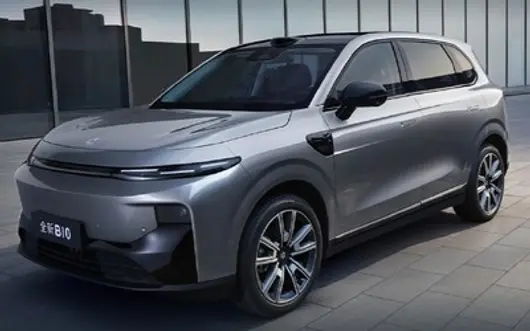
[CNMO Tech News] On September 14, Leapmotor announced that its B01 and B10 models reached an important milestone — mass production output broke through 300,000 units. Official data shows this achievement took only 1 year and 6 months, setting a new record for the fastest mass production of 300,000 units in the Leapmotor series. At the same time, the Leapmotor B10 also set the record for the fastest overseas exports of 60,000 units for Leapmotor.

Leapmotor B10
According to official information, from April 2025 to September 2026, the output of B01 and B10 showed a steady increase; regarding exports, B10 increased from 10,000 units in December 2025 to 60,000 units in July 2026.

In terms of global market performance, Leapmotor B10 achieved sales breakthroughs in multiple overseas regions. In the first half of 2026, this model ranked first in sales of compact pure electric SUVs from Chinese brands in Europe, and achieved first place in sales within the same category in six countries: Germany, Italy, France, Belgium, the Netherlands, and Poland. In August 2026, global sales of B10 exceeded 20,000 units, with overseas sales breaking 10,000 units. As of August 2026, B10 has been exported to over 40 countries and regions.

Regarding overall vehicle quality, Leapmotor B-series models meet regulations and standards of 53 countries/regions, and have obtained EU WVTA certification and OEKO-TEX environmental standards. Vehicle verification covers the full climate environment from Nordic -30°C to Middle East 50°C, and road tests were conducted in 200 cities globally, with the chassis jointly tuned by China and Europe.
According to CNMO Tech, Leapmotor B-series models received joint review recognition from the Stellantis Group design team, winning 6 international awards. Currently, Leapmotor relies on 5 major global smart manufacturing bases for production layout, located in China, Myanmar, Indonesia, Malaysia, and Spain, among which the Spain base is about to start production.


Auto-First|Samar
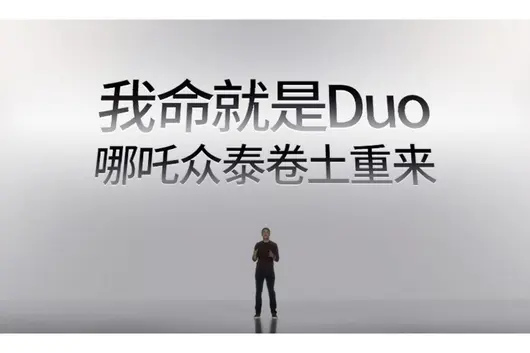
September 10, Apple released the foldable screen phone iPhone Duo.
In an instant, "Duo" topped the hot search, and Nissan, Toyota Prado in the automotive circle followed, all creative and full of fun. However, the most interesting part is that Zotye Auto and Nezha Auto, which had disappeared from the public eye for a long time, also announced their rebirth almost simultaneously. One announced a new car entering the trial production stage, and the other secured 3 billion yuan in restructuring funds.

On September 9, Zotye Auto announced that the new A0-class pure electric model Wink Y01 International Edition entered the mass production trial stage. Once the news broke, the company's stock price deviated by a cumulative total of more than 20% for two consecutive trading days, triggering an announcement of abnormal trading fluctuation.
The bankruptcy reorganization of Nezha Auto also saw new developments recently. On September 11, the fourth creditors' meeting for the bankruptcy reorganization case of Nezha Auto's parent company Hozon New Energy was held online. The draft restructuring plan shows that Zhejiang Taiyi Shenglian Enterprise Management Partnership (Limited Partnership) (hereinafter referred to as Taiyi Shenglian) intends to contribute 3 billion yuan to take control, exchanging for about 70.62% of Hozon New Energy's equity.
Coming back together, staging a real-life version of "My Fate is DuoDuoDuo"......
Reading this, the emotions are somewhat complex for a moment. Building cars is no longer a good business. Compared to battery supplier CATL, compared to the trends of this era such as AI, robots, and a bunch of companies standing in the "light", car building seems so outdated, remaining only simple. Apart from a few individual companies, profits are left only as a longing.
Even so, Nezha Auto and Zotye Auto are going to be reborn gloriously, walk the Jianghu again, and ask, "Do you know how I lived these few years?" According to recent slang, these two companies are really bold.
Whether Nezha Auto or Zotye Auto, at least, considering the issues of three levels.
Revival at this time, things are no longer the same as before
Should we be on alert? Who should be on alert
A more realistic answer lies overseas
Regarding the first question, Zotye and Nezha chose to return in the autumn of 2026, but the table is accelerating narrowing.
In the first seven months of 2026, the new force camps have completed structural stratification. 100,000 units became the threshold for the top, and 30,000 units is the increasingly clear survival line. Leapmotor's monthly deliveries broke through 100,000 units. HarmonyOS Intelligent, "Nio, Xpeng, Li Auto, Xiaomi" faced each other in the 30,000 to 45,000 unit range.
The big autonomous fish like BYD and Geely are even more attacking and conquering in the new energy market. Nio's Li Bin stated directly that the main market players for the next 3 to 5 years will be basically determined. The recent two years are a critical period for automakers to see if they can stay on the table.
How are the bottom cards of these two companies exactly? Zotye's situation is particularly worth reviewing. Net profit attributable to the parent company in the first half was 80.38 million yuan, seemingly turning a profit, but net profit after deducting non-recurring items was -152 million yuan, with the loss expanding 40.31% year-on-year. The profit source is a 200 million yuan compensation from cancelling subsidiaries and 30 million yuan revenue from lawsuit settlements. In simple terms, it was "earned" by selling assets and lawsuits, having nothing to do with car building. The whole vehicle business has not yet contributed revenue. The company is essentially still a "Parts + Doors" company.

Nezha's situation isn't much better. Hozon New Energy's cumulative net loss is 18.3 billion yuan. In January 2025, single-month sales plummeted to 110 vehicles, and three major domestic production bases stopped all production. Of the 3 billion yuan restructuring funds, 1.167 billion yuan was used to settle claims, and the actual working capital available for resuming production was only 1.833 billion yuan. And its first stage production resumption target is only annual sales of 10,000 vehicles.
Who should be alert?
On the surface, the revival of Zotye and Nezha is the "return of old friends", but in fact, standing behind this round of restructuring are new players.
Nezha's acquirer Taiyi Shenglian, registered and established in April 2026, was formed as a partnership by two companies controlled by Shanzi Technologies Chairman Ye Ji and the Chairman's Office Head Yu Shuxin. Shanzi Tech's predecessor was the old real estate firm Yinyi Shares. It entered the automotive track by acquiring overseas automotive parts companies in 2016. In 2023, it acquired Xingtai Longgang to obtain car manufacturing qualifications. The first mass-produced model rolled off the line in 2024, and it also revitalized Yunfeng Auto produced by the former Hafei Auto factory for export to Russia.

In other words, what is truly worth paying attention to is not whether Nezha as a brand can survive, but what game Shanzi Tech is playing. From parts to whole vehicle manufacturing, from domestic qualifications to the Russian export channel, Ye Ji's layout has covered multiple links in the automotive industry chain. The value of Nezha Auto may not lie in the two words "Nezha", but in the two car-making qualifications in Hozon New Energy's hands and the Tongxiang production base.
The revival paths of both car companies point in the same direction: overseas.

Zotye positions 2026 as the "Overseas First" development year, focusing on layout in Africa, Southeast Asia, Central and South America, and South Asian markets. India is the most concrete direction currently being promoted. Kaly Emotors has signed the main agreement for the KD cooperation project, planning an SKD loose parts assembly project with an annual output of 30,000 sets. This model has light asset investment, flexible exit, and can avoid India's high automotive import tariffs.
Nezha's three-stage plan is also centered on overseas: The first stage is the production resumption of Nezha X for the overseas market. The second stage focuses on launching models suitable for Asia, Africa, Latin America, etc., with an annual output target of 300,000 units.
Going overseas is indeed a path for these brands to bypass domestic fierce competition. But this path is not easy to walk. Nezha was once successful in the Thai market. In 2023, its pure electric market share in Thailand exceeded 10%. But as the domestic capital chain broke, sales in Thailand plummeted. Cumulative sales in the first half of 2026 were only 365 vehicles. Local consumers' high sensitivity to brand stability means the overseas market is not a haven, but the ultimate test of corporate comprehensive strength.
Zotye's KD model seems light, but since the agreement signing, the partner's project implementation in India is still on pause. Production capacity is planned but no mass production signal is awaited. Many Southeast Asian countries are also tightening import conditions for Chinese electric vehicles, raising the threshold and tax burden for whole vehicle imports, requiring automakers to increase local production and parts procurement.
The overseas market gives these brands not an easy way out, but a window to prove themselves again. The window is small, and there is not much time left. Whether to squeeze in depends on whether funds are available, whether the supply chain can be rebuilt, and whether products can pass the regulatory certification of the target market.
Auto-First Observation: Revival is not difficult, the difficulty is living differently this timeWhether Zotye and Nezha can turn "Duo"'s extra fate into their true second life, the market will vote with its feet.

喺馬來西亞嘅汽車市場,好多買家喺揀車嘅時候,都會拎 Toyota Harrier 同 Audi Q7 嚟做比較。今日我哋由多個方面做一個詳細嘅比較,幫你慳返做功課嘅時間。


Toyota Harrier 喺馬來西亞嘅 OTR 售價係 RM 289,000 - 289,000,合共 1 個版本,包括 2026 HEV 2.5L Standard(RM 289,000) 等。
Audi Q7 喺馬來西亞嘅 OTR 售價係 RM 462,222 - 462,222,合共 1 個版本,包括 Standard(RM 462,222) 等。
由價錢睇,Toyota Harrier 嘅入門價確實比 Audi Q7 平咗 RM 173,222。如果你預算有限,Toyota 嘅入門版已經可以滿足日常需求。但都記住,平嗰幾千蚊,喺配備上可能有取舍,具體就要睇你嘅需求。

Toyota Harrier 車身長 4400 mm,行李箱 400 L。
Audi Q7 車身長 4400 mm,行李箱 400 L。
兩款車嘅尺寸幾乎一樣,車廂空間分別唔大。呢個級別嘅車,日常使用完全夠用。

Toyota Harrier 保養 5 年/無限制里程,保養間隔 每 10,000km 或 6 個月。
Audi Q7 保養 5 年/150,000km,保養間隔 每 10,000km 或 6 個月。

Toyota Harrier 同 Audi Q7 都係馬來西亞市場嘅主流選擇,適合家庭使用、日常通勤。如果你更睇重品牌口碑同二手價,可以優先考慮口碑好嗰款;如果你更在乎性價比同配備,嗰就揀配置更豐富嗰款。最終都好建議兩款都要去試駕,親身體驗先至係最重要。

總體嚟講,Toyota Harrier 同 Audi Q7 都係馬來西亞市場好唔錯嘅車型。揀邊輛,關鍵係要睇你嘅個人需求同預算。建議大家做好功課,多比較幾間車行之報價,再嚟試駕先做最終決定。買車係件大事,花啲時間做功課絕對唔會錯。


喺馬來西亞嘅汽車市場,好多買家揀車嗰陣都會拿 Toyota Harrier 同 Audi Q7 嚟比較。今日我哋由多個方面做一次詳細比較,幫你省咗做功課嘅時間。
Toyota Harrier 喺馬來西亞嘅 OTR 售價係 RM 289,000 - 289,000,一併有 1 個版本,包括 2026 HEV 2.5L Standard(RM 289,000) 等。
Audi Q7 喺馬來西亞嘅 OTR 售價係 RM 462,222 - 462,222,一併有 1 個版本,包括 Standard(RM 462,222) 等。
就價錢嚟講,Toyota Harrier 嘅入門價確實比 Audi Q7 平咗 RM 173,222。如果你預算有限,Toyota 嘅入門版已經可以滿足日常需要。但亦要小心,平嗰幾千塊,可能喺配備方面會有取舍,具體就要睇你需求。
Toyota Harrier 嘅安全評級係 5★ (ASEAN NCAP),主動安全系統包括 Brand ADAS。
Audi Q7 嘅安全評級係 5★ (Euro NCAP),主動安全系統包括 Premium ADAS。
安全配備方面,兩款車都拿到唔錯嘅評級。不過 Toyota Harrier 嘅 Brand ADAS 同 Audi Q7 嘅 Premium ADAS 喺功能上有些分別,如果你比較重視主動安全嘅話,可以仔細睇下兩者嘅功能列表。
Toyota Harrier 採用 FWD 驅動方式。
Audi Q7 採用 FWD 驅動方式。
兩款車嘅驅動方式一樣,都係 FWD,日常駕駛感受唔會有太大分別。
Toyota Harrier 保修 5 年/無限制里程,保養間隔 每 10,000km 或 6 個月。
Audi Q7 保修 5 年/150,000km,保養間隔 每 10,000km 或 6 個月。
總括嚟講,Toyota Harrier 同 Audi Q7 都係馬來西亞市場好唔錯嘅車型。揀邊輛,關鍵係睇你個人需求同預算。建議大家做足功課,多比較幾間車行嘅報價,先至去試駕先定最終決定。買車係件大事,花啲時間做功課絕對唔會錯。

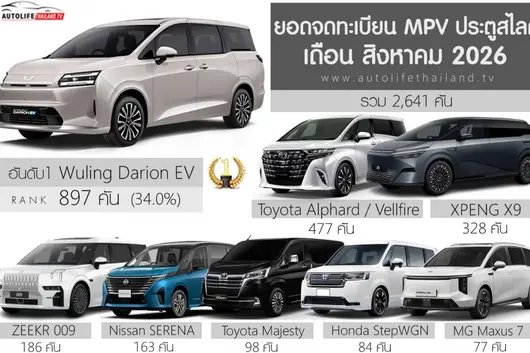
A domestic MPV has been in Thailand for less than half a year, in August it directly claimed the top sales spot, selling 897 units, finally pushing the perennial market leader Toyota Alphard/Vellfire to second place with 477 units. This car is the Wuling Starlight 730, called Starlight Darion EV in Thailand. Let's look at the data, the 2025 Thailand MPV full-year sales champion was the Toyota Alphard 5,438 units, the Starlight 730 was only officially launched in Thailand in March 2026, began delivery at the end of April, until July only sold 157 units, the result of August directly reached 897 units, monthly sales nearly 6 times growth directly surged to first place, this explosive power is too strong. Why can it explode? Actually there are 2 reasons, product fits the market, price is right.

Thailand is a typical multi-member family society, having 3-4 generations go out together is normal, large 7-seater MPV is a must-have. Starlight 730 car length 4.91 meters, wheelbase 2.91 meters, 2+2+3 true 7 seats, electric sliding doors, elderly and children getting on and off car convenient, fully stepped on Thai family demand. In terms of power 150 kW front-drive motor, 69.2 kWh LiFePO4 battery, NEDC range 500 km, charge from 30% to 80% less than 20 minutes, Thailand so hot weather, turn on AC not too worried. Most critical is price, 839,000-899,000 Baht, converted to RMB about 168,000-180,000.

The same level Toyota Alphard in Thailand start price already exceeds 3 million Baht, almost is Starlight 730 three times more, also long-term markup, oil price now fluctuates so much, you say Thai family who not willing to spend little money to do big things, same is large 7-seater MPV, Starlight 730 configuration still higher, price only one third, so August championship not accidental, is natural, Japanese MPV one third price, give to larger space, more complete configuration and lower usage cost, just hit Thai ordinary family pain point, this is Chinese new energy vehicle going global occupy Southeast Asian market logic.


喺馬來西亞嘅汽車市場,好多買家喺揀車嘅時候都會拿 Volvo XC90 同 Audi Q7 嚟做比較。今日我哋從多個方面做一個詳細嘅對比,幫你節省做功課嘅時間。

Volvo XC90 喺馬來西亞嘅 OTR 售價係 RM 418,888 - 418,888,一共有 1 個版本,包括 2025 2.0T Ultra(RM 418,888)等。
Audi Q7 喺馬來西亞嘅 OTR 售價係 RM 462,222 - 462,222,一共有 1 個版本,包括 Standard(RM 462,222)等。
由價錢睇落,Volvo XC90 嘅起步價確實比 Audi Q7 平咗 RM 43,334。如果你預算有限,Volvo 嘅入門版已經可以滿足日常需求。但都要注意,平嗰幾千蚊,可能喺配備上有取捨,具體要看你嘅需求。
Volvo XC90 車身長 4400 mm,後備箱 400 L。
Audi Q7 車身長 4400 mm,後備箱 400 L。
兩款車嘅尺寸幾乎一樣,車內空間差別唔大。呢個級別嘅車,日常使用完全夠用。

Volvo XC90 保用 5 年/無限里程,保養間隔 每 10,000km 或 6 個月。
Audi Q7 保用 5 年/150,000km,保養間隔 每 10,000km 或 6 個月。
Volvo XC90 同 Audi Q7 都係馬來西亞市場嘅主流選擇,適合家庭使用、日常通勤。如果你更重視品牌口碑同二手價,可以優先考慮口碑更好嗰一款;如果你更在意性價比同配備,那就揀配置更豐富嗰款。最終都係建議兩款都去試駕,親身體驗先係最重要。
總體嚟講,Volvo XC90 同 Audi Q7 都係馬來西亞市場好唔錯嘅車型。揀邊輛,關鍵都要睇你個人需求同預算。建議大家做好功課,多比較幾間車行嘅報價,再去試駕做最終決定。買車係件大件事,花少少時間做功課絕對唔會錯。

喺馬來西亞嘅汽車市場,好多買家喺揀車嘅時候都會拿 Volvo XC90 同 Audi Q7 嚟做比較。今日我哋從多個方面做一個詳細嘅對比,幫你省咗做功課嘅時間。
Volvo XC90 喺馬來西亞嘅 OTR 售價係 RM 418,888 - 418,888,一共有 1 個版本,包括 2025 2.0T Ultra(RM 418,888) 等。
Audi Q7 喺馬來西亞嘅 OTR 售價係 RM 462,222 - 462,222,一共有 1 個版本,包括 Standard(RM 462,222) 等。
由價錢嚟睇,Volvo XC90 嘅起步價確實比 Audi Q7 平咗 RM 43,334。如果你預算有限,Volvo 嘅入門版已經可以滿足日常需求。但都要留意,平嗰幾千蚊,喺配備上可能會有所取舍,具體就要睇你嘅需求。
Volvo XC90 嘅安全評級係 5★ (Euro NCAP),主動安全系統包括 Premium ADAS。
Audi Q7 嘅安全評級係 5★ (Euro NCAP),主動安全系統包括 Premium ADAS。
兩款車嘅安全評級一樣,喺呢個級別裡面安全配備都算給好齊全咗。而家嘅新車安全性都唔錯,唔使太擔心這一點。
Volvo XC90 採用 FWD 驅動方式。
Audi Q7 採用 FWD 驅動方式。
兩款車嘅驅動方式一樣,都係 FWD,日常駕駛感受唔會同太大分別。
Volvo XC90 保養 5 年/無限里程,保養間隔 每 10,000km 或 6 個月。
Audi Q7 保養 5 年/150,000km,保養間隔 每 10,000km 或 6 個月。
總體嚟講,Volvo XC90 同 Audi Q7 都係馬來西亞市場好唔錯嘅車型。揀邊架,關鍵都要睇你嘅個人需求同預算。建議大家做好功課,多比較幾間車行嘅報價,再去做試駕做最終決定。買車係件大事,花少少時間做功課絕對唔會錯。
喺馬來西亞嘅汽車市場,好多買家喺揀車嘅時候都會拿 Volvo XC90 同 Audi Q7 嚟做比較。而家我哋由多個方面做一个詳細嘅比較,幫你省返做功課嘅時間。
Volvo XC90 喺馬來西亞嘅 OTR 售價係 RM 418,888 - 418,888,一共有 1 個版本,包括 2025 2.0T Ultra(RM 418,888)嗰啲。
Audi Q7 喺馬來西亞嘅 OTR 售價係 RM 462,222 - 462,222,一共有 1 個版本,包括 Standard(RM 462,222)嗰啲。
由價錢睇落去,Volvo XC90 嘅起價確實比 Audi Q7 平咗 RM 43,334。如果你預算有限,Volvo 嘅入門版已經可以满足日常需求。但都係要注意,平嗰幾千蚊,可能喺配備上會有取捨,具體睇返你嘅需求咋。
Volvo XC90 搭載 3.0L Turbo,馬力 350 hp。官方油耗 12.0 L/100km。
Audi Q7 搭載 3.0L Turbo,馬力 350 hp。官方油耗 12.0 L/100km。
兩款車用緊同一套動力系統,所以日常開起嚟嘅感覺基本冇分別。油耗方面都差唔多,唔使太糾結這一點。
Volvo XC90 保修 5 年/無限里程,保養間隔 每 10,000km 或 6 個月。
Audi Q7 保修 5 年/150,000km,保養間隔 每 10,000km 或 6 個月。
Volvo XC90 同 Audi Q7 都係馬來西亞市場嘅主流選擇,適合家庭使用、日常通勤。如果你更睇重品牌口碑同二手價,可以優先考慮口碑更好嗰款;如果你更在意性價比同配備,那就揀配置更豐富嗰款。最終都係建議兩款都去試駕,親身體驗先係最重要嘅。
總體嚟講,Volvo XC90 同 Audi Q7 都係馬來西亞市場幾不錯嘅車型。揀邊一輛,關鍵都要睇返你嘅個人需求同預算。建議大家做足功課,多比較幾間車行嘅報價,再去試駕做最終決定。買車係件大事,花少少時間做功課絕對唔會錯。
In the Malaysian SUV market, many buyers compare Honda CR-V and Mazda CX-5 when choosing a car. These two cars are quite close in price and positioning. Today we will make a detailed comparison from multiple aspects to save you time doing research.
Honda CR-V OTR price in Malaysia is RM 178,200 - 195,900, with 4 versions in total, including 2026 e:HEV 2.0L 2WD RS (RM 195,900), 2026 1.5T 4WD V (RM 181,900), 2026 e:HEV 2.0L 2WD E (RM 178,200), etc.
Mazda CX-5 OTR price in Malaysia is RM 135,469 - 166,760, with 3 versions in total, including 2025 2.0L AT 35th Anniversary (RM 316,154), 2025 2.0L AT (RM 296,154), 2025 2.0L MT (RM 294,154), etc.
From a price perspective, Mazda CX-5's starting price is RM 42,731 cheaper than Honda CR-V. Honestly, in this price range, a difference of a few thousand is not really significant. The key is to look at the overall value for money and long-term running costs.
Honda CR-V safety rating is 5★ (ASEAN NCAP), active safety systems include Honda SENSING (ACC, CMBS, LKAS, RDM).
Mazda CX-5 safety rating is 5★ (ASEAN NCAP), active safety systems include.
Both cars have the same safety rating, and safety features are quite comprehensive in this class. New cars these days are not lacking in safety, so there is no need to worry too much about this.
Honda CR-V body length 4500 mm, trunk 450 L.
Mazda CX-5 body length 4500 mm, trunk 450 L.
Both cars have almost the same dimensions, and the interior space is not very different. For cars in this class, daily use is completely sufficient.
Honda CR-V warranty 5 years/unlimited mileage, maintenance interval every 10,000km or 6 months.
Mazda CX-5 warranty 5 years/150,000km, maintenance interval every 10,000km or 6 months.

Honda CR-V and Mazda CX-5 are both mainstream choices in the Malaysian market, suitable for family use and daily commuting. If you value brand reputation and resale value more, you can prioritize the one with a better reputation; if you care more about value for money and features, then choose the one with richer configuration. Ultimately, it is recommended to test drive both, personal experience is the most important.

Overall, Honda CR-V and Mazda CX-5 are both quite good models in the Malaysian market. Which one to choose depends mainly on your personal needs and budget. It is recommended to do research, compare quotes from several dealerships, and then test drive to make the final decision. Buying a car is a big matter, spending some time doing research will never be wrong.

喺馬來西亞嘅汽車市場,好多買家喺揀車嘅時候都會拿 BMW X3 同 Audi Q7 嚟做比較。今日我哋從多個方面嚟做一個詳細嘅比較,幫你慳咗做功課嘅時間。

BMW X3 喺馬來西亞嘅 OTR 售價係 RM 325,800 - 358,800,一共有 2 個版本,包括 xDrive20i(RM 320,000)、xDrive30e(RM 360,000) 等。
Audi Q7 喺馬來西亞嘅 OTR 售價係 RM 462,222 - 462,222,一共有 1 個版本,包括 Standard(RM 462,222) 等。
從價錢睇嚟,BMW X3 嘅入門價確實比 Audi Q7 平咗 RM 136,422。如果你預算有限,BMW 嘅入門版已經可以滿足日常需求。但都要注意,平嗰幾千蚊,可能喺配備上會有取舍,具體要看你嘅需求。

BMW X3 嘅安全評級係 5★ (Euro NCAP),主動安全系統包括 Premium ADAS。
Audi Q7 嘅安全評級係 5★ (Euro NCAP),主動安全系統包括 Premium ADAS。
兩款車嘅安全評級一樣,喺呢個級別入面安全配備都算給得很齊全啦。而家嘅新車安全性都唔差,唔使太擔心這一點。

BMW X3 採用 FWD 驅動方式。
Audi Q7 採用 FWD 驅動方式。
兩款車嘅驅動方式一樣,都係 FWD,日常駕駛感覺唔會有太大區別。
BMW X3 同 Audi Q7 都係馬來西亞市場嘅主流選擇,適合家庭使用、日常通勤。如果你更睇重品牌口碑同二手價,可以優先考慮口碑更好嗰一款;如果你更在意性價比同配備,嗰就揀配置更豐富嗰款。最後都係建議兩款都去試駕,親身體驗先係最重要嘅。
總體嚟講,BMW X3 同 Audi Q7 都係馬來西亞市場好唔錯嘅車型。揀邊一輛,關鍵始終都係睇你嘅個人需求同預算。建议大家做好功課,多比較幾間車行嘅報價,再去試駕做最後決定。買車係件大事,花少少時間做功課絕對唔會錯。


喺馬來西亞嘅 SUV 市場,好多買家喺揀車嘅時候都會拿本田 CR-V 同馬自達 CX-8 嚟比較。呢兩款車喺價格同定位上都好接近,今日我哋就從多個方面做一個詳細嘅比較,幫你省下做功課嘅時間。
本田 CR-V 喺馬來西亞嘅 OTR 售價係 RM 178,200 - 195,900,一共有 4 個版本,包括 2026 e:HEV 2.0L 2WD RS(RM 195,900)、2026 1.5T 4WD V(RM 181,900)、2026 e:HEV 2.0L 2WD E(RM 178,200)等。
馬自達 CX-8 喺馬來西亞嘅 OTR 售價係 RM 165,360 - 201,360,一共有 5 個版本,包括 2025 2.5T 4WD High Plus Petrol(RM 201,360)、2025 2.2L 2WD High Plus Diesel(RM 193,123)、2025 2.5L 2WD High Plus Petrol(RM 186,360)等。
由價錢嚟睇,馬自達 CX-8 嘅起跳價比本田 CR-V 平咗 RM 12,840。老實講,喺呢個價位段,幾千蚊嘅差距其實唔算大,關鍵仲係睇整體嘅性價比同長期使用成本。
本田 CR-V 嘅安全評級係 5★ (ASEAN NCAP),主動安全系統包括本田 SENSING (ACC, CMBS, LKAS, RDM)。
馬自達 CX-8 嘅安全評級係 5★ (ASEAN NCAP),主動安全系統包括馬自達 ADAS。
兩款車嘅安全評級一樣,喺呢個級別入面安全配備都算好齊全。而家嘅新車安全性都唔差,唔使太擔心呢一點。
本田 CR-V 車身長 4500 mm,尾箱 450 L。
馬自達 CX-8 車身長 4500 mm,尾箱 450 L。
兩款車嘅尺寸幾乎一樣,車內空間差別唔大。呢個級別嘅車,日常使用完全夠用。
本田 CR-V 同馬自達 CX-8 都係馬來西亞市場嘅主流選擇,適合家庭使用、日常通勤。如果你更睇重品牌口碑同二手價,可以優先考慮口碑更好嗰一款;如果你更在意性價比同配備,就揀配置更豐富嗰款。最終都係建議兩款都去試駕,親身體驗先係最緊要。

總體嚟講,本田 CR-V 同馬自達 CX-8 都係馬來西亞市場好唔錯嘅車型。揀邊一輛,關鍵仲係要睇你嘅個人需求同預算。建議大家做好功課,多比較幾間車行嘅報價,再去試駕做最終決定。買車係件大事,花少少時間做功課絕對唔會錯。

On the evening of September 9, Zotye Auto disclosed that its new A0-class model has officially entered the batch trial production phase. The company's stock price had hit the limit-up for the two trading days prior. From the court ruling accepting bankruptcy reorganization in 2021 to the new model entering batch trial production now, Zotye Auto's path to recovery has spanned five years.
This A0-class pure electric model named Wink Y01 International Edition is positioned as the core strategic model for the overseas market, but the company simultaneously warned that regulatory certification, channel construction, and funding availability in the target market still face uncertainties, and sales have not yet been generated as of now. What exactly does batch trial production mean? Can the overseas-first strategy be successful? Have the financial fundamentals truly improved? This article unfolds the analysis from three dimensions.
From Bankruptcy to Trial Production, Zotye Took Five Years
Zotye Auto's crisis can be traced back to 2018, when sales halved to 154,800 units that year, and continued to decline thereafter. In 2020, the parent company Tianniu Group was declared bankrupt by the court due to serious insolvency, and Zotye fell into a debt crisis. In June 2021, the Jinhua Intermediate Court ruled to accept the reorganization application; in October, Jiangsu Shen Shang Holding Group became an investor with an investment of 2 billion yuan; in December, the reorganization plan was approved and executed by the court.

Image Source: Zotye Auto
After reorganization, the return to full vehicle production was not smooth. In October 2022, the company announced the resumption of full vehicle production, but progress was slow. In 2024, full vehicle sales were only 14 units, production was zero, and the full vehicle business basically stagnated. Since 2026, the pace has accelerated significantly: in March, the Shenkang Body Mold Factory resumed work and production; on September 3, new model molds were delivered, the mold factory fully resumed work, marking the completion of R&D trial production and verification, entering the production batch verification stage. On the same day, the coating line at the Yongkang base completed tank dipping; on September 9, the Wink Y01 International Edition Launch Event and Batch Trial Production Kick-off Meeting were held.

Image Source: Zotye Auto
Looking at product parameters, the Wink Y01 body dimensions are 3912×1745×1545mm, wheelbase 2520mm, positioned as an A0-class pure electric model, based on the brand new iterative S pure electric small car technology platform, dimensions between BYD Seagull and Dolphin. It needs to be pointed out that batch trial production and formal mass production (SOP) still have an essential difference. The former mainly verifies process stability and quality consistency, and has not yet entered scaled production and sales. Zotye's announcement clearly stated that the model has not yet formed sales.
Overseas First, Is This the Way Out?
Zotye Auto determined the 2026 strategic direction as "Focus on Main Business, Low-Cost Operation, Rapid Resumption of Production, Overseas First". Choosing overseas as a breakthrough point has practical logic: domestic new energy vehicle market competition is white-hot. With Zotye's current brand power and financial strength, direct participation in domestic competition is relatively difficult.
Industry background provides external opportunities. According to the China Association of Automobile Manufacturers data, in the first half of 2026, China's automobile export volume was 4.059 million units, a year-on-year increase of 63%; among them, new energy vehicle exports performed especially brightly. According to the China Passenger Car Association data, cumulative new energy vehicle exports from January to July reached 2.96 million units, a year-on-year increase of 72%.
As an emerging growth pole, Southeast Asia, according to China Passenger Car Association data, China's automobile exports to Southeast Asia reached 1.985 million units in 2025, a year-on-year increase of 24.7%; Philippines, Australia, Thailand, Indonesia and other markets' new energy penetration rates are rising rapidly. Leading car companies are accelerating layout in Southeast Asia. Geely Auto set the 2026 ASEAN regional target at the level of 300,000 units. Its single monthly overseas export in July reached 106,700 units, a year-on-year increase of 202%.

Image Source: Zotye Auto
Zotye's overseas layout is concentrated in ASEAN and South Asia: In the first half of the year, a strategic cooperation consensus on the new energy industry chain was reached with Indonesia BPKN. A strategic cooperation main agreement for KD (knock-down assembly) was signed with India Kaly Emotors, planning to jointly build an SKD project with an annual output of 30,000 sets. The company set up an International Department at the Yongkang base, and is discussing cooperation in multiple markets simultaneously. The KD mode as a light asset overseas route can avoid tariffs, reduce costs, and utilize local channels, fitting the "Low-Cost Operation" positioning.
However, the Overseas First strategy faces multiple practical barriers.
First is intense competition. BYD Seagull, Wuling Bingo and other A0-class small cars have already established a first-mover advantage in Southeast Asia. Geely and Chery are also accelerating local capacity layout. Zotye as a latecomer has weak brand awareness.
Second is the certification cycle is relatively long. Zotye Auto listed it as the primary uncertainty factor in its announcement.
Third is channel construction requires continuous investment. Signing KD agreements does not equal actual sales volume. Capacity ramp-up, dealer network construction, and after-sales system establishment all require time and funds. From actual data, Zotye Auto's overseas business is still in the start-up phase: In the first half of 2026, revenue from foreign regions was only 5.21 million yuan, accounting for 2.74% of total revenue, completing only a small number of overseas full vehicle order shipments.
Under Profit Turnaround, Hidden Worries Remain
According to Zotye Auto's 2026 semi-annual report, the company's revenue was 190 million yuan, a year-on-year decline of 32.08%; net profit attributable to parent company owners was 80.3893 million yuan, a year-on-year increase of 154.36%. This is the first time in nearly seven years that the semi-annual report turned from loss to profit, and it is also an important driver for the recent stock price increase.

Image Source: Zotye Auto 2026 Semi-Annual Report
However, the quality of the turnaround needs careful scrutiny. According to semi-annual report data, Zotye's non-recurring net profit attributable to parent company owners was -152 million yuan, with losses expanding year-on-year by 40.31%, indicating the main business is still losing money and the magnitude has increased. The turnaround mainly comes from non-recurring gains and losses such as debt settlements. In terms of income structure, the 190 million yuan mainly comes from auto parts and door industries, full vehicle business has not substantially resumed production. In 2025, full year revenue was 521 million yuan, a year-on-year decline of 6.66%; net profit attributable to parent company owners was -367 million yuan, with losses narrowed year-on-year by 63.29%. Although losses narrowed continuously, the trend of revenue decline has not been reversed.
Regarding assets and liabilities, as of the end of June, Zotye's asset-liability ratio was as high as 94.01%. Although it decreased from 96.55% at the end of 2025, it is still at an extremely high level, with a fragile financial structure. Net cash flow from operating activities was 89.167 million yuan, showing significant improvement year-on-year. The company clearly hinted in its announcement: "Still facing certain funding pressure. Subsequent mass production and market launch require continuous capital investment. Availability of funds exists uncertainty."
Since 2026, Zotye Auto has made progress in debt resolution. In January, it repaid in full ahead of schedule the debt of 385 million yuan from Bank of China and China Construction Bank. The debt liability fulfillment was completed, and the corresponding assets' judicial freezing was lifted, creating conditions for resumption of work and production. However, debt resolution is only solving historical baggage. Whether continuous operating cash flow can be formed is the key to recovery. Wink Y01 mass production and overseas market performance will directly determine the fundamental direction of Zotye Auto.
Conclusion:
On the whole, Zotye Auto is at a critical node transitioning from "Survival Maintenance after Bankruptcy Reorganization" to "Substantial Recovery of Full Vehicle Business". Wink Y01 batch trial production, completion of production line renovation, and landing of overseas KD cooperation indicate recovery has extended from financial debt resolution to production capacity reconstruction.
However, data such as revenue decline, expanded deducted loss, high asset-liability ratio, and low proportion of overseas revenue also remind the market that there are still many hurdles between batch trial production and scaled sales. Resumption of work and production is only the first step. Whether it can stand firm in the overseas A0-class new energy market and restore the main business's self-funding ability still needs time and capital investment to verify.


喺中國汽車零部件嘅版圖上,從來唔缺投機者,但就缺少好似航盛咁願意行遠路嘅「慢行者」。
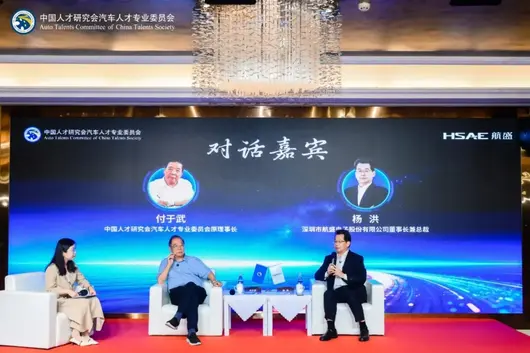
9 月 9 日,中國人才研究會汽車人才專業委員會二十週年盛典前,主辦方舉辦咗一場名為「鯤鵬擊浪 自主領航:中國汽車電子產業及人才發展高端對話」,將行業目光投向中國本土汽車零部件嘅成長命題。中國汽車工程學會原理事長付于武同深圳市航盛電子股份有限公司董事長楊洪同台對談,回望產業波瀾壯闊嘅 20 年,並詳細拆解咗呢家本土汽車電子龍頭 33 年嘅突圍之路。
33 年前,航盛仲係只係靠來料加工攞辛苦錢嘅作坊式小廠;33 年後,佢已成長為中國汽車電子行業嘅領軍企業,正朝著「中國嘅博世」呢個夢想加速前行。
01
三次關鍵抉擇,蛻變成本土龍頭
創業之初嘅航盛,只係一家僅靠 238 萬元起家、透過來料加工生存嘅國企作坊,「兩頭喺外」嘅模式,令佢僅能賺取微薄加工費,成本嘅上漲喺不斷擠壓生存空間。
喺楊洪嘅介紹中,企業能夠行到今天,源於三次生死攸關嘅抉擇。

第一個係體制破局,用混合所有制激活內生動力。作為中航工業旗下窗口企業,舊體制束縛企業發展。1999 年航盛推動改制,轉型混合所有制企業,融合央企、地方創投、管理層多方力量,厘清治理權責。改制之後僅十年,企業實現年營收 10 億元,稅後利潤超 1 億元,完成從生存到規模化發展嘅跨越。
第二係錨定技術,把研發同質量當做生命線。為咗擺脫加工依賴,航盛將研發投入佔比由 3% 提升至 10% 以上,2007 年攞到國內汽車電子行業首個國家級企業技術中心。企業將航空工業高可靠性標準引入汽車產品研發;質量端導入卓越績效模式,2011 年同時斬獲深圳市長質量獎、廣東省政府質量獎,筑牢產品質量根基。
第三係全國 + 全球佈局,貼近客戶構建產業網絡國內圍繞整車廠配套半徑。航盛喺河南鶴壁、江西吉安、江蘇常熟、吉林建設製造基地,上海、武漢等地佈局研發中心;海外落地德國、日本、韓國研發中心,規劃泰國、歐洲海外製造基地,搭建起咗面向全球嘅服務體系。
進入「十五五」航盛再次進行咗戰略升級,提出咗「1+2+N」戰略,就係以智能座艙、智能駕駛、智能網聯為核心,以聲學系統同新能源控制電子為成長業務,以軟件工程、智能生態產品、具身智能等為新興業務嘅「1+2+N」新發展格局。
航盛「1+2+N」新發展格局嘅核心,就係放大航盛優勢,實現結構性同規模化嘅增長。「1」係守住基本盤同主航道,「2」係開闢差異化嘅成長空間,「N」則係拓展業務增量空間。過去航盛靠汽車電子「單條腿走路」,而家「1+2+N」形成咗一個技術重用、市場協同嘅產品矩陣,令航盛有咗多點開花嘅可能。
02
成為「中國博世」嘅執念
活落嚟只係起點,做強行遠,需要確立清晰嘅行業標杆,博世——便係航盛長期追趕嘅目標。
三前年航盛三十週年慶典上,楊洪便立下遠景——到航盛五十週年嘅時候,要成為「中國嘅博世」。
呢個目標,喺好多人睇嚟近乎狂言。楊洪解釋,呢份追求並唔係簡單對標企業規模,而係學習博世四大核心特質:以技術創新為先導、以高質量高可靠性為核心、堅持全球化佈局、追求基業長青,呢樣亦係中國本土零部件企業嘅努力方向。
楊洪坦言,而家航盛喺研發強度、專利標準、國際品牌影響力上仍存差距,呢個遠大目標,需要一代代航盛人接續奮鬥。
而付于武對航盛亦寄予咗厚望。佢回憶起博世一百週年慶典時,自己堅持要上主桌,「唔能夠將外國人都排在第一桌,將中國產業代表放喺第二桌」。可以睇出,付于武骨子入面對博世嘅「傲慢」係有情緒嘅,但佢同時亦對博世嘅「科技成就生活之美」嘅理念予以肯定。

「中國汽車產業既需要博世呢類跨國巨頭,也需要航盛呢類本土汽車電子龍頭,堅信航盛能夠喺行業支持下逐步實現呢個發展願景」付于武講。
03
探索技術與出海嘅破局之道
隨著技術嘅進步,行業亦喺發生翻天覆地嘅變化。就汽車產業嚟講,行業共識已經從「軟件定義汽車」迭代為「AI 定義汽車」。喺付于武睇嚟,AI、正在重構產業秩序,有 140 年歷史嘅內燃機時代加速走向終結,電子電器中央計算平台、艙駕融合成為下一個十年嘅主戰場。
航盛喺呢度亦早有落子。而家航盛已經落地國內首個基於高通芯片嘅艙駕融合項目,同時同步推進地平線國產芯片嘅產品研發,兼顧海外成熟方案同國產自主路線。
高速變革之下,低價拼成本、拼規模嘅無序內捲,喺傷害整條產業鏈。楊洪喺對話中明確提出,單純拼價格嘅內捲冇出路。企業破局嘅核心,係依靠技術創新打造差異化、高可靠性產品,依靠品牌口碑擴大規模,構築可持續核心競爭力。楊洪認為,「十五五」末期,國內汽車行業就有望全面回歸高質量、高可靠性嘅發展軌道。

出海已經成為國產零部件跳出內捲嘅重要路徑。楊洪提出,提出零部件出海「三步走」戰略:走出去賣產品、走進去建本地化基地、走上去打造國際知名品牌,唔能夠簡單將國內模式複製到海外市場。
喺付于武睇嚟,中國企業出海面臨三道必須跨越嘅門檻。首先係 ESG 合規門檻,環境保護、社會責任、企業綜合治理並非紙面報告,國內好多企業對此理解尚淺,需要系統補課;其二是長期主義門檻,出海係 35 年以上嘅長期事業,摒棄短期投機思維;第三係文化人才門檻,打造以人為本嘅國際化企業文化,企業方能行穩致遠。
回顧整場對話,會發現人才係貫穿始終嘅暗線。
楊洪話,航盛嘅人才觀首先係尊重——「以人為本唔係口號,係要讓員工有尊嚴,有事業,有获得感。」
喺培養機制上,航盛唔走捷徑。關鍵稀缺嘅頂尖人才從海外引進——航盛曾花四年時間,每年兩次遠赴英國,最終將一位李卡多公司嘅專家請到深圳。而絕大多數基礎工程師同管理骨幹,堅持自主培養。
喺人才选拔方面,航盛推行「馬賽唔相馬」嘅选拔機制,讓有能力嘅喺公平競爭中脫穎而出。中高層管理者必須成為內部講師,通過輸出倒逼輸入。黨工團體系打造「家文化」,將員工個人發展同企業發展、國家戰略緊密綁定,咁先能夠留住人才,公司先至有長遠發展。
從技術深耕到人才培養與选拔嘅極致追求,航盛用 33 年築起咗難以逾越嘅行業壁壘。「中國嘅博世」呢個夢想,從來唔係空中閣樓,係航盛一步一腳印嘅踏實奔赴。航盛嘅遠征故仔,正係中國本土汽車零部件向上突圍嘅鮮活樣本。

喺馬來西亞嘅 SUV 市場,好多買家喺揀車嘅時候都會拿 Honda CR-V 同 Mazda CX-3 嚟做比較。這兩款車喺價位同定位上都好接近,今日我哋就從多個方面做一次詳細嘅比較,幫你節省做功課嘅時間。
Honda CR-V 喺馬來西亞嘅 OTR 售價係 RM 178,200 - 195,900,合共有 4 個版本,包括 2026 e:HEV 2.0L 2WD RS(RM 195,900)、2026 1.5T 4WD V(RM 181,900)、2026 e:HEV 2.0L 2WD E(RM 178,200) 等。
Mazda CX-3 喺馬來西亞嘅 OTR 售價係 RM 126,159 - 139,159,合共有 2 個版本,包括 2023 2.0L High(RM 139,159)、2023 2.0L Plus(RM 126,159) 等。
從價錢嚟睇,Mazda CX-3 嘅起步價比 Honda CR-V 平咗 RM 52,041。老實講,喺呢個價位段,幾千蚊嘅差距其實唔算大,關鍵都係睇整體嘅性價比同長期使用成本。
Honda CR-V 嘅安全評級係 5★ (ASEAN NCAP),主動安全系統包括 Honda SENSING (ACC, CMBS, LKAS, RDM)。
Mazda CX-3 嘅安全評級係 5★ (ASEAN NCAP),主動安全系統包括 i-Activsense。
兩款車嘅安全評級一樣,喺呢個級別入面安全配備都算畀到好齊全。而家嘅新車安全性都唔差,唔使太擔心這一點。
Honda CR-V 保修 5 年/無限制里程,保養間隔 每 10,000km 或 6 個月。
Mazda CX-3 保修 5 年/150,000km,保養間隔 每 10,000km 或 6 個月。
Honda CR-V 同 Mazda CX-3 都係馬來西亞市場嘅主流選擇,適合家庭使用、日常通勤。如果你更重視品牌口碑同二手價,可以優先考慮口碑更好嗰款;如果你更在意性價比同配備,就揀配置更豐富嗰款。最後都係建議兩款都去試駕,親身體驗先係最重要。

總括嚟講,Honda CR-V 同 Mazda CX-3 都係馬來西亞市場好唔錯嘅車型。揀邊一部,關鍵都要睇你嘅個人需求同預算。建議大家做好功課,多比較幾間車行之嘅報價,再去試駕做最終決定。買車係件大事,花啲時間做功課絕對唔會錯。

暑去秋來,斜風細雨作曉寒。此時預測第四季車市,好似喺秋雨入面睇遠山,輪廓有,細節難。第三季尾,內地車市冇出現傳統「金九銀十」嘅亢奮,反而喺油價反覆、政策換檔同海外貿易摩擦中顯出一絲疲態。第四季向嚟係錨定全年勝負手嘅時段,但今年嘅變數明顯同往年更複雜。喺鄙人睇嚟,第四季車市嘅關鍵字淨係得兩個:油電換檔、出口降速。油價呢個老變量再次攪局,工信部新能源新規嘅靴子甫落地,質量提升專項行動如火如荼,行業直面新能源車質量安全挑戰,喺內外壓力疊加嘅背景下,行業洗牌會明顯加速。
油價震盪 燃油車遭遇「成本壓力測試」

國際油價喺第三季尾已經顯露出易漲難跌嘅苗頭。荷爾木茲海峽依舊狼煙,中東地緣摩擦反反復復,OPEC+ 減產執行率唔穩定,再加上全球主要經濟體貨幣政策轉向,布倫特原油喺 70-95 美元/桶區間劇烈震盪,唔排除第四季因突發事件脈衝式上探 100 美元。油價嘅每一次跳動,都會傳導至國內成品油價格。對燃油車用戶嚟講,油費係「慢性成本」,比車價更敏感。
第四季北方將進入供暖季,柴油、汽油需求季節性上升,煉廠開工同調油成本都可能推高終端油價。高油價對燃油車嘅影響並非一刀切:豪華品牌、大型 SUV 用戶對油價嘅容忍度較高,但 10 萬 -20 萬元區間嘅家庭用戶會重新算賬。以佢輛百公里油耗 8 升嘅家用车為例,油價每升上漲 0.5 元,年行駛 1.5 萬公里成本增加 600 元;看似唔多,但在家庭預算入面係一根稻草。更關鍵係心理預期:一旦 95 號汽油逼近 9 元/升,搖擺用戶會加速倒向插混同純電。筆者喺直播間經常搞購買傾向投票,以往選擇燃油車嘅網友遙遙領先於新能源車,但最近兩週,選擇新能源車嘅票數非常接近燃油車,可謂伯仲之間。
但筆者估計燃油車唔會在第四季徹底「崩盤」。一方面,冬季低溫導致純電車續航縮水、充電效率下降,北方及三四線市場仍有大量消費者將燃油車視為刚需;另一方面,車企喺年末為完成銷量目標,會對燃油車加大終端優惠,部分車型價格下探會抵消油價上漲帶嚟嘅使用成本焦慮。當然,真正受傷嘅係嗰些高油耗、低品牌溢價嘅燃油車型,尤其係國五/國六切換時期遺留下嚟嘅中低端產品,第四季好可能會加速出清。
油價對出口嘅影響更需要一分為二。油價上漲直接推高遠洋滾裝船同集裝箱航运成本,中國對歐洲、非洲、拉美嘅整車出口物流費用上升,單車利潤被壓縮。但中東、俄羅斯、中亞等能源輸出國喺油價上漲週期中財政收入改善,進口汽車需求反而可能增強。因此,第四季出口市場會出現「東方唔亮西方亮」嘅分化,這對中國品牌嘅市場策略提出更高要求。事實上,從上世紀歷次石油危機嘅經驗,同從俄烏戰爭以來能源博弈嘅本質嚟看,油價從來唔係單純嘅經濟問題,佢係地緣政治嘅影子,今年第四季呢道影子會拉得更長。
工信部新規落地同質量提升行動開展 新能源車從「搶跑」進入「正賽」

今年工信部喺新能源車領域嘅新規,業內已討論多時。核心方向無非係三條:提高動力電池安全門檻與整車質量管控、嚴格新能源汽車質量管控、收緊純電乘用車能耗限值、完善新能源積分結轉同考核。新規第四季進入集中實施同過渡期倒計時,對行業嘅影響比想像中更遠深。
首先,安全門檻提高會讓部分低端純電車型承壓。過去幾年新能源車「以價換量」嘅思路,催生咗一批續航 300 公里以下、電池管理系統相對簡陋嘅微型電動車。7 月新規對熱失控防護、碰撞後電池安全、充電過程監測等提出更嚴要求,呢類車型嘅合規成本將明顯上升。第四季部分企業可能選擇清庫存,甚至退出市場。從車質網上嘅故障點投訴比例看,動力電池故障、續航虛標、車機黑屏等問題長期位居前列,新規等於給野蠻生長套上韁繩。筆者一直堅持一個觀點:新能源車唔係淨係靠補貼同政策催熟,安全底線必須用強制性標準守住。
其次,能耗限值收緊會改變純電同插混嘅競爭格局。工信部新規對純電車型嘅百公里電耗提出分級別要求,單純堆電池、堆車重來換取長續航嘅路子走唔通啦。這依賴大電池、高車重嘅高端純電 SUV 係考驗,對更輕、更節能嘅轎車相對友好。與此同時,插電混動同增程式車型因為能兼顧長途補能便利同油耗下降,會喺第四季繼續高速增長。筆者判斷,新能源車內部會出現「純電增速放緩、插混增程挑大樑」嘅階段性切換,呢係政策引導下最理性嘅市場選擇。
第三,積分考核趨嚴意味著燃油車企業必須採購更多新能源正積分,或加大自身新能源車型投放。第四季本係積分合規嘅年度收官期,新規下積分比例要求提高,部分合資品牌同自主品牌燃油車大戶面臨雙重壓力:一方面燃油車終端需要促銷沖量,另一方面積分成本上升吞噬利潤。反映到市場上,價格戰唔會停,但會從新能源車「內卷」擴展為油電共同降價,經銷商庫存壓力喺 12 月可能達到峰值。
值得注意的是,工信部新規並非只「管」唔「扶」。對具備完整研發、製造、質量保障能力嘅企業,新規喺准入同產品申報上給予更大便利;對「殼公司」同代工模式收緊,意在遏制低水平重複建設。第四季一啲缺乏核心技術、依賴貼牌嘅新能源品牌可能加速退場,行業集中度提升。特別係月前開展嘅工信部機動車質量提升專項行動,以及集中曝光新能源汽車生產一致性違規案例等唔尋常嘅舉動,均指向新能源車快速發展階段以質換量嘅短視行為,這對車質網所關注嘅消費者權益反而係好事——無序競爭減少,質量兜底能力增強。從近期車質網投訴數據分析,新能源車質量問題投訴佔比已經超過燃油車,新規實施後,企業再拿用戶當「小白鼠」,其代價會越來越高。
出口「衝量」神話降溫 本地化同合規成勝負手

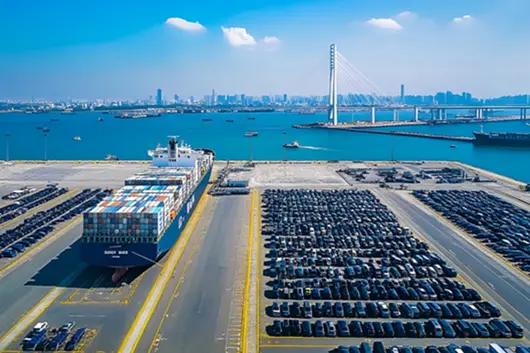
過去兩年中國汽車出口高歌猛進,特別係今年零售下行,批发走高,部分車企出口增幅超過 100%,說明出口已係企業擺脫國內下滑窘境嘅減壓閥。但第四季恐很難延續單邊上漲嘅勢頭,環比有可機會失速原因有三:一係歐盟對中國電動車嘅反補貼關稅已產生實質影響,雖然部分企業透過本地建廠規避,但產能爬坡需要時間;二係俄羅斯市場因制裁同當地政策調整,中國品牌雖佔據較大份額,但收款、物流同本地化生產要求趨嚴,利潤空間收窄;三係東南亞、中東、拉美等新興市場雖然增速快,但基數有限,且日系、韓系車企正在反撲。
更隱蔽嘅變量係航运同匯率。油價高企疊加紅海、荷爾木茲海峽地緣風險仍在,全球主要航線運費波動加大。中國汽車出口高度依賴海運,滾裝船運力緊張狀況雖有所緩解,但保險附加費同繞行成本上升。第四季出口單車物流成本可能增加數百至上千元人民幣,對於靠性價比打市場嘅中國品牌而言並唔係小數目。此外,美元、歐元同人民幣匯率近期波動幅度加大,也會影響出口利潤結算。
不過,出口增速回落唔等於拐點向下。中國車企正從「整車出口」轉向「產能出海」。第四季會有更多 CKD 同 SKD 項目喺泰國、印尼、巴西、匈牙利落地或擴產。呢種模式能夠繞關稅壁壘、降低物流成本,並融入當地供應鏈。但本地化生產對質量一致性、售後服務同品牌管理也會提出更高要求,海外市場營銷成本會呈上升趨勢。車質網目前雖以關注國內市場質量服務為己任,但從諮詢公司凱睿賽馳嘅調研中發現,海外市場對「中國車」嘅質量預期正喺提高,一旦出現批量性質量問題,勢必會影響整體品牌形象。中國品牌喺海外唔能淨係靠價格同配置取勝,服務網絡同配件供應先係長期競爭力嘅基石。
綜合判斷,第四季國內狹義乘用車零售大概率同比微增或持平,但全年同比下降幾成定局。中國汽車流通協會乘聯分會預測,8 月份新能源車同環比會重回正增長,第四季增幅趨穩;滲透率方面,8 月份將突破七成,而第四季有望觸及 55%-58%,但增速較前兩年明顯放緩;出口同比增速可能收窄至 10%-15%,結構上從「衝量」轉向「織網」。單純從數字上看,增幅唔盡如人意。真正值得警惕嘅係,行業利潤率同經銷商健康度可能喺價格戰同合規成本雙重擠壓下繼續惡化。
結語:
2026 年第四季車市唔會係一條平靜嘅直線。油價高波動考驗燃油車嘅成本韌性,工信部新規為新能源車劃定更清晰嘅賽道邊界,出口則喺外部環境複雜化中從量變轉向質變。對車企嚟講,第四季唔係比誰嗓門大,而係比誰嘅庫存健康、現金流穩健、產品質量經得起放大鏡審視。油與電嘅換檔,也唔係誰取代誰,而係各自搵到更適合嘅生存空間。正如同長城董事長魏建軍所言:未來一百年燃油車都唔會消失,但電力驅動將成為時代主流。惟不變者乃變化本身。喺波詭雲譎嘅世界汽車大变局中,唯一可以確定嘅係,嗰啲把政策、油價同海外風險都算進成本入面嘅企業,先可能喺明年春天乃至更遠嘅未來站穩腳跟。

In the Malaysian SUV market, many buyers often compare the Honda HR-V and Hyundai Santa Fe when choosing a car. These two cars are quite close in price and positioning. Today, we will make a detailed comparison from multiple aspects to help you save time on research.
The Honda HR-V OTR price in Malaysia is RM 115,900 - 143,900, with a total of 4 versions, including 2026 e:HEV 1.5L RS (RM 143,900), 2026 1.5T V (RM 137,900), 2026 1.5T E (RM 130,900), etc.
The Hyundai Santa Fe OTR price in Malaysia is RM 225,000 - 270,000, with a total of 3 versions, including 2025 2.5T DCT 4WD Calligraphy 6 Seats (RM 270,000), 2025 HEV 1.6T AT 2WD Prestige 7 Seats (RM 245,000), 2025 HEV 1.6T AT 2WD Prime 7 Seats (RM 225,000), etc.
In terms of price, the starting price of the Honda HR-V is indeed RM 109,100 cheaper than the Hyundai Santa Fe. If your budget is limited, Honda's entry-level version can already meet daily needs. However, keep in mind that the few thousand dollars saved might mean compromises on features, depending on your needs.

The Honda HR-V is equipped with a 1.5L Turbo, 140 hp. Official fuel consumption 7.0 L/100km.
The Hyundai Santa Fe is equipped with a 2.0L 4-cyl, 170 hp. Official fuel consumption 8.0 L/100km.
Regarding power, the Hyundai Santa Fe's 2.0L 4-cyl has 30 more horsepower than the Honda HR-V's 1.5L Turbo. However, for daily city driving, both cars have sufficient power and won't feel underpowered.

Honda HR-V body length 4500 mm, trunk 450 L.
Hyundai Santa Fe body length 4400 mm, trunk 400 L.
In terms of space, the Honda HR-V body is 100 mm longer than the Hyundai Santa Fe, offering slightly more interior passenger space, especially rear legroom. If you often carry family members or need to fit a stroller, the larger body is indeed more practical.
The Honda HR-V uses FWD drive system.
The Hyundai Santa Fe uses FWD drive system.
Both cars have the same drive system, both are FWD, so there won't be much difference in daily driving feel.

Both the Honda HR-V and Hyundai Santa Fe are mainstream choices in the Malaysian market, suitable for family use and daily commuting. If you value brand reputation and resale value more, you might prioritize the one with better reputation; if you care more about price-performance ratio and features, then choose the model with richer configurations. Ultimately, it is recommended to test drive both, as personal experience is the most important.

Overall, both the Honda HR-V and Hyundai Santa Fe are excellent models in the Malaysian market. Which one to choose ultimately depends on your personal needs and budget. It is recommended that you do your research, compare quotes from several dealerships, and then test drive to make the final decision. Buying a car is a big deal, and taking time to research is never a mistake.


