


首頁Audi Q7

搜尋歷史
熱門搜尋
經銷商登入 / 註冊

車型概覽

奇瑞瑞虎8 Pro 值唔值得睇,第一步唔係望牌子或者外形,而係睇佢能唔能夠配合你嘅香港日常。 呢篇會集中講高速巡航、併線同超車信心,幫你用買家角度篩走唔適合嘅選擇。
售價仍待確認,買家可以先把佢放入候選名單,等價格落實後再同同級車逐項比較。
購車價格指南
奇瑞瑞虎8 Pro 目前售價仍未清晰,較理性嘅做法係先睇版本、車身大小同動力形式,等價格落實後再決定值唔值得落訂。
如果有幾個版本可揀,可以先將 2025 1.6T 雙離合版(價格待確認)、2025 2.0T 雙離合版(價格待確認)、2025 2.0T 自動版(價格待確認) 放喺同一張清單。日常通勤重視舒適同易用,家庭買家就要優先睇後排、尾箱同安全配置。
核心規格重點
睇 奇瑞瑞虎8 Pro 嘅規格,重點唔係背數字,而係理解佢喺香港用車場景會帶嚟咩分別。
渦輪增壓、4 個 汽缸、1598/1998 mL 排量 嘅動力底子,重點係市區跟車夠唔夠順、高速巡航會唔會吃力。 197 Ps / 145 kW / 254 Ps / 187 kW、290/390 N·m 嘅輸出,對滿載、上斜同超車都比單睇馬力數字更有意思。 車長 4745 mm、車闊 1860 mm、車高 1745 mm、軸距 2710 mm 可以幫你預判商場停車場、屋苑車位同後排腿部空間。 濕式雙離合(DCT) / 手自一體(AT)、前置前駆 會影響起步順滑度、濕地穩定感同長途巡航性格。
優缺點分析
奇瑞瑞虎8 Pro 嘅優點唔需要講到天花龍鳳,真正有價值係佢能唔能夠令日常用車更省心:動力輸出對高速同上斜更有底氣、空間同車身尺寸方便家庭買家預判實用性。
要留意嘅係,香港停車場同窄路使用要留意車身闊度、售價未清晰前唔應該太早用性價比落結論。呢啲唔一定係缺點,但係落訂前應該先諗清楚。
買家常見問題
買 奇瑞瑞虎8 Pro 之前,真正要問嘅唔係單一規格,而係佢可唔可以融入你每日嘅生活節奏。
常見疑問係「奇瑞瑞虎 8 Pro 的動力同燃油效率表現係點樣?」簡單講,搭1.6T/2.0T 引擎,綜合油耗約7.2–8.0L/100km,動力夠用又慳油。 放到實際用車,就係要睇佢對通勤、泊車、家庭乘坐同長期成本有幾大幫助。
同級對比內容
將 奇瑞瑞虎8 Pro 放入同級車清單時,唔建議只用外形或者品牌光環決定。比較順序可以係:先等售價落實,再決定佢應該同邊個級距比較、再睇動力係咪足夠應付高速併線同滿載、最後睇車身大小、座位同尾箱是否適合家人。
咁樣篩選會貼近香港買家真實生活:平日塞車、商場泊車、周末去新界、甚至一家人出入,先係一部車每日要面對嘅考驗。
用車全周期指南
擁有 奇瑞瑞虎8 Pro 唔係買車一刻就完結,之後仲有保險、輪胎、保養、泊車同日常能源成本要處理。
如果你主要喺市區行,視野、低速順滑度同泊車輔助會好影響心情;如果經常行高速或跨區,座椅舒適度、隔音同動力從容感會更重要。


Folks, today let's talk about big news on going global—not selling cars, but selling "drivers". On June 2, WeRide and Uber jointly announced a plan: to launch the country's first commercial Robotaxi pilot service in Madrid, Spain. In other words: Spanish residents will soon be able to hail a driverless taxi via Uber. This is the first time WeRide and Uber are partnering to enter the European market. Madrid also becomes the 12th city globally where WeRide's Robotaxi arrives.
According to official news, with the support of the Madrid regional government, this service will officially launch within this year. At that time, friends in Madrid can open the Uber App and call WeRide's Robotaxi with one click. It's just like calling an ordinary ride-hailing service, the difference is the arriving car has no driver—at least initially, there is still a difference. In the initial operation phase, a professionally trained safety monitor will be on board, as it's just launched, safety comes first.
This company, WeRide, you might have heard of it, or you might not. A brief introduction: Established in 2017, it has been dedicated to Robotaxi technology R&D and commercialization. Currently, its Robotaxis cover Guangzhou, Beijing, Singapore, Abu Dhabi, Dubai, Riyadh, Zurich... plus Madrid now, totaling 12 cities. Spain is also the 5th European market WeRide has entered—previously entered Switzerland, France, Belgium, Slovakia. According to the plan agreed by WeRide and Uber in May 2025, they plan to deploy Robotaxi services in 15 new international cities within five years, deploying tens of thousands of Robotaxis globally. With the Madrid launch, the deployment in 4 cities has been completed, and 11 more will be covered successively before 2030.
To be honest, it's not the first time Chinese autonomous driving companies are going global, but the combination of Chinese technology + global mobility platform + European market is quite interesting. Madrid is one of the European Robotaxi markets with the most commercial potential, with a large population, high travel demand, and friendly local policies. Being able to take root in this market is a significant milestone for WeRide. For Uber, introducing Robotaxis is also a way to reduce costs—after all, drivers don't need salaries. For Madrid residents, hailing a taxi might be cheaper in the future.


車型概覽

東風小康E5 Plus 值唔值得睇,第一步唔係望牌子或者外形,而係睇佢能唔能夠配合你嘅香港日常。 呢篇會集中講值唔值得繼續觀望,幫你用買家角度篩走唔適合嘅選擇。 近期市場討論到「大空間+230km純電續航 DFSK發佈插電混能SUV E5 PLUS」,代表呢類車型仍然有一定關注度。
售價仍待確認,買家可以先把佢放入候選名單,等價格落實後再同同級車逐項比較。
購車價格指南
東風小康E5 Plus 目前售價仍未清晰,較理性嘅做法係先睇版本、車身大小同動力形式,等價格落實後再決定值唔值得落訂。
如果有幾個版本可揀,可以先將 2026 PHEV 1.5L 135km 標準版 5座(價格待確認)、2026 PHEV 1.5L 135km 標準版 6座(價格待確認)、2026 PHEV 1.5L 135km 標準版 7座(價格待確認)、2026 PHEV 1.5L 135km 智能版 5座(價格待確認) 放喺同一張清單。日常通勤重視舒適同易用,家庭買家就要優先睇後排、尾箱同安全配置。
核心規格重點
睇 東風小康E5 Plus 嘅規格,重點唔係背數字,而係理解佢喺香港用車場景會帶嚟咩分別。
25.3 kWh 嘅電池容量,真正意義係可以幫你估算一星期通勤同周末出車要唔要中途補電。 92 Ps / 68 kW / 160 kW、130/280 N·m 嘅輸出,令高速併線同短距離超車更有信心。 車長 4760 mm、車闊 1865 mm、車高 1710 mm、軸距 2785 mm 可以幫你預判商場停車場、屋苑車位同後排腿部空間。 電子無級變速(E-CVT)、前置前駆 會影響起步順滑度、濕地穩定感同長途巡航性格。
優缺點分析
東風小康E5 Plus 嘅優點唔需要講到天花龍鳳,真正有價值係佢能唔能夠令日常用車更省心:電池同續航資訊有助安排通勤同補電、動力輸出對高速同上斜更有底氣、空間同車身尺寸方便家庭買家預判實用性。
要留意嘅係,要先確認屋苑、公司或常去商場嘅充電條件、香港停車場同窄路使用要留意車身闊度。呢啲唔一定係缺點,但係落訂前應該先諗清楚。
買家常見問題
買 東風小康E5 Plus 之前,真正要問嘅唔係單一規格,而係佢可唔可以融入你每日嘅生活節奏。
常見疑問係「賽力斯 Seres E5 Plus 適合大家庭嗎?」簡單講,非常適合,賽力斯 Seres E5 Plus 嘅大空間同多座選擇專為家庭而設。 放到實際用車,就係要睇佢對通勤、泊車、家庭乘坐同長期成本有幾大幫助。
同級對比內容
將 東風小康E5 Plus 放入同級車清單時,唔建議只用外形或者品牌光環決定。比較順序可以係:先等售價落實,再決定佢應該同邊個級距比較、再睇動力係咪足夠應付高速併線同滿載、再比較能源成本同補能便利、最後睇車身大小、座位同尾箱是否適合家人。
咁樣篩選會貼近香港買家真實生活:平日塞車、商場泊車、周末去新界、甚至一家人出入,先係一部車每日要面對嘅考驗。
用車全周期指南

擁有 東風小康E5 Plus 最重要係先諗清楚充電節奏。屋苑、公司或者常去商場只要有穩定充電選項,電動化用車就會容易相處好多。
如果你主要喺市區行,視野、低速順滑度同泊車輔助會好影響心情;如果經常行高速或跨區,座椅舒適度、隔音同動力從容感會更重要。


車系概覽

富寶利 拉霍雅值唔值得買,關鍵唔係佢睇落幾吸引,而係佢有冇解決你嘅真實用車需求。呢篇文章會把重點放喺佢同同級車相比嘅生活適應度。
版本方面,富寶利 拉霍雅目前可圍繞 2025 2.7L 標準來比較。
買車價格指南
評估富寶利 拉霍雅嘅買車預算時,建議先由版本定位同後續用車成本下手。價格唔係唯一重點,真正決定係唔係抵嘅係成日會唔會用到嗰啲配備。
如果你係幾款版本之間猶豫,可以將 2025 2.7L 標準放喺同一張清單入面比較。日常通勤買家優先睇舒適同安全,成日跑高速嘅買家則更應重視動力、輔助駕駛同車廂便利。
核心參數匯總
睇富寶利 拉霍雅嘅核心規格,最重要係把數字轉譯成生活入面嘅感受。
自然進氣、6 缸嘅動力底子,適合拿嚟判斷市區跟車同高速巡航係咪輕鬆。170 Ps、245 N·m嘅輸出,真正意義係喺滿載、爬坡同超車時唔會咁吃力。車長 4330 mm、車寬 1365 mm、車高 1807 mm、軸距 2800 mm,可以幫助你預判泊車難度同後排乘坐空間。SMG 變速箱、後輪驅動佈局 嘅設定,會影響起步順滑度、濕地穩定性同長途巡航感。
優點缺點分析
富寶利 拉霍雅嘅優點唔必誇張,真正有價值嘅係佢可令日常使用更省心:動力輸出能支撐高速同超車需求、空間同車身尺寸方便家庭買家預判實用性。
需要留意嘅係,市區泊車同狹窄路段仲要看個人駕駛習慣。呢啲唔係扣分項,而係落訂前應該先知嘅生活細節。
購車常見問題解答
購買富寶利 拉霍雅前,買家最常問嘅唔係單一規格,而係佢有冇融入自己嘅生活。
呢部車適合邊個?適合把佢同同級車相比嘅生活適應度放在首位嘅買家。家庭用戶要看咩?優先睇後排乘坐、兒童座椅、行李同日常上下車係咪順手。成日開會唔會麻煩?如果能源成本、泊車便利同版本配備都符合你嘅生活節奏,佢就會比較容易相處。
競爭對手對比內容
將富寶利 拉霍雅放喺同級車名單入面時,唔建議只睇品牌或外形。真正有用嘅比較順序係:再睇動力夠唔夠應付高速同滿載,最後睇空間係咪適合家人同行李。
咁樣篩選出嚟嘅結果更貼近日常生活。你會更清楚佢係適合城市通勤、家庭代步、長途巡航,定係更適合作為一輛講求個性嘅選擇。
用車全周期指南

擁有富寶利 拉霍雅嘅重點,係確認保險、路稅、保養同輪胎成本都喺可接受範圍內。買車唔係一次付款結束,而係成日都要相處。
如果你成日跑南北大道,動力同車廂舒適度會比單純低價更重要;如果主要係市區,泊車靈活性、視野同低速順滑度會更影響心情。


車型概覽

智己汽車LS7 值唔值得睇,第一步唔係望牌子或者外形,而係睇佢能唔能夠配合你嘅香港日常。 呢篇會集中講家庭乘坐、行李同舒適度,幫你用買家角度篩走唔適合嘅選擇。
售價仍待確認,買家可以先把佢放入候選名單,等價格落實後再同同級車逐項比較。
購車價格指南
智己汽車LS7 目前售價仍未清晰,較理性嘅做法係先睇版本、車身大小同動力形式,等價格落實後再決定值唔值得落訂。
如果有幾個版本可揀,可以先將 2025 700km 四驅版(價格待確認) 放喺同一張清單。日常通勤重視舒適同易用,家庭買家就要優先睇後排、尾箱同安全配置。
核心規格重點
睇 智己汽車LS7 嘅規格,重點唔係背數字,而係理解佢喺香港用車場景會帶嚟咩分別。
100 kWh 嘅電池容量,真正意義係可以幫你估算一星期通勤同周末出車要唔要中途補電。 700 km 嘅續航參考,對住喺新界、九龍同港島之間跨區行車嘅用家會更實際。 15.9 kWh/100km 嘅耗電表現,會影響你去快充站或者屋苑充電位嘅頻率。 579 kW、800 N·m 嘅輸出,令高速併線同短距離超車更有信心。
優缺點分析
智己汽車LS7 嘅優點唔需要講到天花龍鳳,真正有價值係佢能唔能夠令日常用車更省心:日常能源成本有基本參考、電池同續航資訊有助安排通勤同補電、動力輸出對高速同上斜更有底氣。
要留意嘅係,要先確認屋苑、公司或常去商場嘅充電條件、香港停車場同窄路使用要留意車身闊度。呢啲唔一定係缺點,但係落訂前應該先諗清楚。
買家常見問題
買 智己汽車LS7 之前,真正要問嘅唔係單一規格,而係佢可唔可以融入你每日嘅生活節奏。
常見疑問係「智己汽車 IM LS7 嘅座椅有咩特別?」簡單講,智己汽車 IM LS7 擁有零重力浮感座椅,可以實現 121 度零壓力姿態。 放到實際用車,就係要睇佢對通勤、泊車、家庭乘坐同長期成本有幾大幫助。
同級對比內容
將 智己汽車LS7 放入同級車清單時,唔建議只用外形或者品牌光環決定。比較順序可以係:先等售價落實,再決定佢應該同邊個級距比較、再睇動力係咪足夠應付高速併線同滿載、再比較能源成本同補能便利、最後睇車身大小、座位同尾箱是否適合家人。
咁樣篩選會貼近香港買家真實生活:平日塞車、商場泊車、周末去新界、甚至一家人出入,先係一部車每日要面對嘅考驗。
用車全周期指南
擁有 智己汽車LS7 最重要係先諗清楚充電節奏。屋苑、公司或者常去商場只要有穩定充電選項,電動化用車就會容易相處好多。
如果你主要喺市區行,視野、低速順滑度同泊車輔助會好影響心情;如果經常行高速或跨區,座椅舒適度、隔音同動力從容感會更重要。


Have you ever seen the roads in India?
I've seen them online.
The scene is usually like this: a sedan blocked behind a cow, motorcycles running wild nearby, even milk tea vendors nearby, so "clean and hygienic".

However, in a place where many feel physically uncomfortable after watching, Toyota, Suzuki, Honda and other Japanese car companies decided to bet on India.
According to the Indian "Brand Quality Foundation" website, the three car companies will invest nearly $11 billion to build factories, increase capacity, and develop exports in India.
Some netizens commented: Did the three Japanese car companies have too much money?
In fact, they didn't have endless money to spend, nor were they bewildered by Indian curry. These Japanese car executives are much clearer than us.
Current Japanese car revenue and market share are declining. Raw material costs are soaring. Looking at the world map, finding a market that can accommodate capacity, expand share, and has gentle competition is not easy.
So, it wasn't that Japanese car companies chose India, but because they had no choice.
The Pain of Japanese Car Companies
Past Japanese cars were truly the envy of others.
Ask old drivers who drove Japanese cars over ten years ago, talking about Japanese cars, almost no one doesn't give a thumbs up, cheap price, fuel saving, durable...
Even many Japanese cars needed to be bought at a markup, but who would think this iron fortress would be beaten out of sight in a few short years.
With the wave of new energy vehicles coming, electrification and intelligence became the goal for many domestic car companies to "leapfrog". Relying on China's strong new energy vehicle industry chain advantages and car companies' own persistence on R&D and technology, Chinese independent brands quickly achieved "leapfrogging".
Domestic cars once criticized are now becoming more and more common on the roads, even surpassing joint ventures in share.
According to CPCA data, in April 2026, the share of independent brands reached as high as 62.5%, far exceeding Japan's 13.1%.

You need to know, the Chinese car market is the largest car market in the world. Losing speed in the Chinese market is like losing a huge piece of cake.
Meanwhile, the main theme of the Chinese market in recent years is still price wars. Racing on configuration, price, and service has become a normal state, which also had a huge impact on Japanese cars' profits.
Apart from China, Japanese cars are also not doing well in the US.
On January 20, 2025, Trump swore in as the 47th US President, starting a series of chaotic operations, including imposing additional car tariffs in the name of national security, causing the tariff rate for imported Japanese cars to reach as high as 27.5% at one point. Although it decreased later, it was still far higher than the initial tax rate.
This operation directly led to a tariff loss of over 2 trillion yen for seven Japanese car companies in fiscal year 2025.
Looking at Japan itself, it is actually not easy either.
Middle East geopolitical conflicts blocked shipping in the Strait of Hormuz, transportation costs and raw material costs soared, Japanese car companies also had to suffer in silence.

Executives looking at the reports, their backs went cold, only to find a new growth curve.
So, Japanese car companies didn't fall in love with India, there was nowhere else to go.
Deep Thought on Choosing India
So, what magic does India have, to make Japanese car companies invest heavily?
The first advantage is big. In 2025, the Indian car market achieved 5.517 million new car sales, up 6% year-on-year, breaking the historical record, ranking as the third largest car market in the world, exceeding Japan for four consecutive years, second only to China and the United States.
The value of this doesn't need me to say much. India achieved this result mainly because India has been promoting tax reduction policies to promote consumption, which led to a significant increase in domestic consumption willingness.
The second advantage is close, meaning it is close to places where Japanese cars sell well, such as Africa.
So, India for Japanese car companies is more like a convenience store built in the center of a crossroad. You don't need to ship cars to eight countries separately, just build well at this stop in India, then unload ship by ship, and you can save a lot of costs.

The Nikkei also believes that India is expected to become its global car supply center.
The third advantage is stability. You know, Japanese cars' advantage is fuel cars, after all, the three major components of engines, gearboxes, and chassis, they have played for many years, technology accumulation is number one in the world.
But the Chinese car market has fully promoted electrification and intelligence development, leading to Japanese cars' advantage becoming weaker and weaker, impossible to play out. But India is different, it has the characteristics of few charging piles and slow electrification process. Indian old people buying cars still look for cheap, fuel saving, easy to fix, and these three points are exactly Japanese cars' old trade.
Especially Suzuki, always been India's car market evergreen, almost always sitting on the best-selling model throne, reputation of being worry-free, better than any advertisement.
So, Japanese car companies' vigorous layout of the Indian market is obviously carefully considered.
But, is the Indian market really that easy to mix?
The Hard-to-Bite Indian Market
Of course, India is not perfect like a hot commodity, its disadvantages are as obvious as its advantages, and every one is enough for Japanese car companies to face a hard time.
First talk about electrification. Yes, right now India has few charging piles and electric cars don't sell well, it is indeed a shelter for Japanese fuel cars. But you have to think, how long can this "shelter" avoid?
India previously shouted the slogan of 30% of new cars being electric vehicles by 2030. Although it sounds like bragging, but can't help but they really give subsidies, really build charging stations.
Imagine, what if one day India suddenly wakes up, starts vigorously promoting electrification, doing infrastructure, charging piles popping out like mushrooms after rain, then Japanese cars will be dumbfounded?
Isn't this a version of the Thai market?
Back then Japanese cars in Thailand won easily. The entire Southeast Asian market was called Japanese cars' backyard. Result Thailand took the lead in promoting electrification. Chinese electric vehicles came in, directly became a hot commodity. Look at Japanese cars again, share in Thailand falling down rapidly.

If India accelerates electrification, history will likely repeat, and this time, Japanese cars don't even have a place to flee, how to prevent will become the first problem for Japanese car companies.
Next talk about policy. India's policy is like a pot of curry, you never know if you will eat chicken or potato next time.
This magical country, today low tariff encourages building factories, tomorrow may fine you a huge amount. What's more annoying is mandatory joint venture. Foreign car companies want to sell cars in India, have to find local partners to partner up. When your factory is built, supply chain is done, India directly backstabs you. At that time whether adding money or withdrawing capital, what you get is heartache.
So you see, this market like India is like a mango that looks very sweet, bite the first mouth it's okay, chew two more mouths hit the hard core.
Japanese cars now is calculating, while the core hasn't bit the tooth, hurry up to nibble a few more mouths, but the core will bite sooner or later, just don't know which day.
Epilogue
Japanese cars this trip to India, not go for tourism, is go to make a living.
Chinese and Southeast Asian dining tables are more crowded, production and transportation costs have risen. Looking around the world, only this pot in India is still steaming, even if what is boiling inside is curry-flavored stones, have to bite hard and chew down.
Japanese car companies want to expand market, India wants to pull economy, solve employment, both sides have their own thoughts.
As for the ending is Japanese cars in India regain their glory, or like past competitors shamefully walk away, then is not known.
But no matter how, this play just started, we slowly watch is okay.
Anyway India's story, never bored.

BYD officially released the May 2026 production and sales flash report, with new energy vehicles from all brands reaching a monthly sales volume of 383,453 vehicles, a slight increase of 0.26% year-on-year, achieving year-on-year positive growth in monthly sales after ten months; among them, passenger car deliveries reached 376,990 units, surging 19.4% month-on-month, wiping out the pain of previous model iterations, presenting a new pattern where the domestic base is stable, overseas sales are soaring, and high-end brands are scaling up across the board. Amidst the market environment of intensified competition in the domestic new energy sector, Tesla FSD entering China, and an intense launch of independent new products, it has forged a unique structural growth path.

The Dynasty and Ocean main brands combined sold 330,215 vehicles in May, accounting for over 80% of the group's total sales, remaining the stabilizer for BYD's sales volume. The full series had 8 models exceeding 20,000 units in monthly sales, covering products from 50,000 entry-level commuter to 200,000 home SUV.

Inside the Dynasty Network, the Yuan family sold 56,691 units, and the Song family 51,370 units. Both crossed the 50,000 threshold, becoming two major sales pillars for the brand, catering to home commuter and urban-rural travel needs; the Qin family followed closely with a stable performance of 28,360 units. The Han and Tang series maintained a volume in the six-thousand range, deeply cultivating the mid-to-large home sedan and SUV niche markets; the brand new model Xia is in the market cultivation phase, delivering 1,810 units monthly, with potential for steady volume growth as channels expand.
The Ocean Network's growth momentum is even more rapid, with 5 models entering the 20,000 club across the series: Sealion 42,615 units, Seal 34,117 units, Seagull 39,919 units, Dolphin 22,260 units, and Song PLUS 27,755 units. Among them, Seagull remains the best-selling entry-level commuter model thanks to its affordable pricing of 60,000-80,000. Sealion, as a new volume model, stands firm at the 40,000 level upon launch, filling the mid-size SUV product gap in the Ocean Network and perfecting the Ocean product tier layout. From commuter small cars to compact SUVs, the two main brands rely on DM-i hybrid and pure electric dual-line technologies to牢牢锁住 the mainstream home market share within 150,000 domestically.
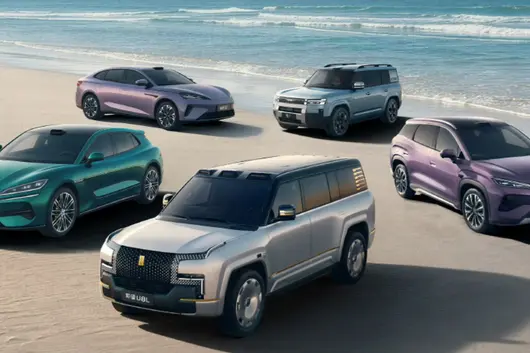
Fang Cheng Bao Year-on-Year Surges 139.7%, Brand Upward Positioning Takes EffectThe high-end matrix of Denza, Fang Cheng Bao, and Yangwang sold a combined 46,489 vehicles in May, officially breaking away from the niche positioning to become a new pivot for BYD's brand premium and profit growth, breaking the industry curse of difficulty in high-end breakthrough for domestic brands.

The off-road brand Fang Cheng Bao sold 30,186 units monthly, surging 139.7% year-on-year, creating a new high in monthly sales since the brand launched. Its Titanium 7 model sold 18,280 units monthly, while Leopard 5 and Leopard 8 output remained stable, continuously squeezing the survival space for joint venture and imported models in the 250,000-400,000 hardcore off-road niche market.

Denza delivered 16,303 units in May, with the MPV benchmark D9 selling 6,721 units, and the Z9 series close to 6,000 units. MPV and mid-to-large sedan dual-line efforts helped them stand firm in the luxury new energy track; the million-level ultra-luxury brand Yangwang continued its steady climb, delivering 286 units that month, a year-on-year increase of 105.8%, completing market verification of the domestic brand ceiling product and forming a full price range product layout from 100,000+ home, 300,000-400,000 off-road, 500,000 luxury MPV to million-level flagship.

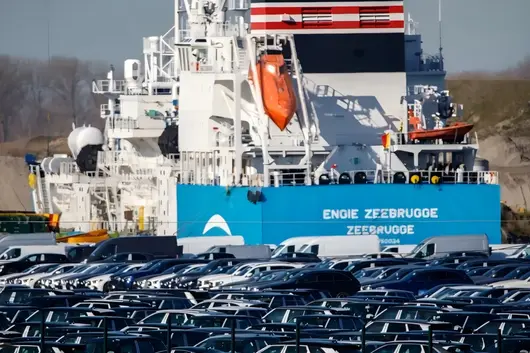
In May, BYD's overseas sales of passenger cars and pickup trucks reached 160,177 units, surging 80.7% year-on-year. Exports accounted for over 42% of the full series total sales, setting a new historical high for brand export and becoming the core driving force to stabilize May overall sales and achieve year-on-year positive growth.
Southeast Asia, Europe, and Latin America became the main incremental markets. Seagull, Song PLUS, and Yuan series continued to top new energy best-seller lists in multiple countries; the SHARK pickup truck exceeded 4,000 units in monthly exports for two consecutive months. Relying on the completion of localization production in Thailand, Brazil, Hungary, and Uzbekistan with four overseas vehicle factories, localized production continues to land, avoiding tariffs while rapidly penetrating terminal channels. Against the background of stock market competition in the domestic auto industry and normalized price wars, the rapidly expanding overseas market effectively counteracts sales volatility brought by domestic model iterations, officially upgrading from a supplementary market to BYD's core growth engine. As of now, BYD's global cumulative new energy vehicle sales have exceeded 16.5 million units, with the globalization map continuously broadening.
Intelligent Driving Empowers Product Iteration, H2 New Products Prepare to Surge VolumeMay marked a key node in BYD's intelligent driving landing, with the God's Eye intelligent driving system becoming a core bonus point for models: the number of vehicles with advanced intelligent driving across all brands exceeded 3.15 million, with daily road test data exceeding 200 million kilometers; that month, BYD implemented City Pilot and Smart Parking dual safety backup services, becoming the world's first auto manufacturer to achieve dual intelligent driving backups. Three days after policy implementation, the activation rate of models equipped with the God's Eye system in cities surged 50%. Intelligent driving experience upgrades directly drove in-store order conversion, solidifying product competitiveness for subsequent models to continue volume sales, and facing the intelligent driving market shock brought by FSD entering China.
From data details, BYD's cumulative sales from January to May 2026 were 1,405,039 units, down 20.32% year-on-year. The core reason is that the full series of main models were concentratedly iterated, and the capacity ramp-up of the 2nd Gen Fast Charge Blade Battery was restricted. The new Flash Charge Battery upgraded fast charging and low-temperature performance. Full series iteration models prioritized installing new batteries, but production line retrofitting dragged down capacity release. Order backlogs on popular models and delayed deliveries compressed the May delivery volume to a certain extent.
As the end of the second quarter approaches and the 2nd Gen Blade Battery capacity continues to release, coupled with new models such as Denza N8L, Fang Cheng Bao Titanium 7 Pure Electric Version, Sealion 05, and Xia L landing the market, the industry generally predicts that BYD's full brand sales in June are expected to exceed 400,000 vehicles. Relying on the four-dimension development logic of low-end volume locking share, high-end raising profit, overseas pushing volume, and intelligence improving product power, amidst the intensified new energy elimination round in the domestic market, BYD's full category layout advantage continues to amplify, securing its status as the domestic new energy leader, accelerating steadily towards global top auto manufacturers.

日前,北汽車株州超級工廠入面,BJ30 旅行家迎嚟第十五萬台下線。呢個數字背後有個值到關注嘅行業座標——佢係中國輕越野 SUV 品類入面最快達到 15 萬台銷量嘅車型。
從市場邏輯睇,15 萬台代表住產品已經經過咗大規模用戶檢驗,唔係期貨式嘅新車承諾,而係實打實嘅口碑沉澱。北京越野喺呢個時候推出高光版,並且將全系價格透過 3 萬元超級置換政策拉到 6.99 萬元起,意圖好明顯:趁住市場熱度,將輕越野嘅門檻再壓低一檔,令更多人由轎車換 SUV 嘅時候,唔使為了預算放棄通過性。

價格永遠係 C 端用戶最敏感嘅神經。6.99 萬元起係咩概念?放喺而家市場,呢基本上係一台小型合資轎車嘅入門價,而 BJ30 旅行家畀到係一台軸距 2820 毫米、帶三排七座佈局嘅方盒 SUV。即使是高光版,超級置換價都得 8.29 萬元起。
更關鍵係,呢次置換政策唔限於舊車換新車嘅傳統邏輯,置換用戶同新購用戶都享受到,相當於將補貼面放寬咗。
喺呢個基礎上,五重禮遇嘅含金量亦唔低:首任車主整車終身質保、0 首付金融方案、終身 OTA 免費升級、基礎流量終身免費、娛樂流量兩年唔限量——呢啲政策直接切中咗家庭用戶驚壞、驚貴、驚過時嘅痛點。尤其係整車終身質保,對於一台帶混合動力嘅 SUV 嚟講,很大程度上消解咗用戶對後期維修成本嘅顧慮。

當然,價格只係敲門磚,產品有冇得打先係留客嘅關鍵。BJ30 旅行家之前喺市場上能跑量,靠係超野、超大、超省三個標籤,呢三個標籤並唔係營銷話術,而係有具體技術參數支撐嘅。
超野嘅核心係套三擎四驅六模 HEV 混合動力架構,41% 熱效率嘅混合動力專用發動機搭配前後雙電機,智能四驅響應速度 30 毫秒,0.5 秒就能爆發出峰值扭矩。

對於普通用戶嚟講,呢啲數據翻譯過嚟就係:遇到雨雪天嘅濕滑路面,或者周末去郊外遇到嘅泥地、沙地,呢套系統能自動切換最優模式,唔使似開硬派越野車咁手動鎖止差速器。輕越野嘅精髓喺呢度——唔係叫你去爬石頭坡,而係令你在面對爛路時有底氣,平日又唔犧牲公路舒適性。
超大係家庭用戶更在意嘅點。2820 毫米軸距、66% 得房率、1496 升超大後尾箱,後排純平放倒後能形成 1.92 米嘅大床。三排七座佈局喺同價位 SUV 入面並唔多見,B 級方盒嘅寬體設計令第三排都能坐落 1.8 米嘅成年人,全車 38 處儲物空間。
呢啲數字背後係一個實用場景:一家五口周末露營,帳篷、摺疊椅、細路嘅自行車都能塞入去,晚景將後排放倒,直接喺車入面休息。對於預算 10 萬以內、又需要大空間嘅家庭,呢個尺寸利用率確實好有競爭力。
超省則係長期使用成本嘅保障。五個國家汽車博主喺南非、印尼、阿聯酋、波蘭、墨西哥嘅實測入面,BJ30 旅行家都跑出咗百公里唔超 5 升嘅成績,一箱油續航超過 1000 公里。作為 HEV 車型,佢唔使搵充電樁,加油即走,對於冇固定停車位、裝唔到家充樁嘅用戶嚟講,呢種無感節能比插電混合動力更實用。首任車主整車終身質保嘅政策,亦進一步降低咗持有成本。

呢次上市嘅高光版,係喺上述基礎上做咗針對性升級。外觀上增加咗電感潮改套件、專屬星環輪轂、前後同色運動保險桿,內飾換咗橙色配色同金屬紋理飾板。
性能方面,換裝高性能 AGM 電池,循環壽命係普通電池嘅 3 倍;後電機功率由 55 千瓦提升到 70 千瓦,匝道口匯入同路口起步時嘅響應更快。
體驗層面,感應雨刷自動關窗、64 色氛圍燈隨音樂律動、座椅加熱通風同方向盤加熱,呢啲配置將輕越野往精緻通勤方向拉咗一把。講白點話,高光版唔係叫你去更野嘅地方,而係令你在城裡開嘅時候,更似一台有品質嘅 SUV。

最有說服力嘅係發佈會嗰場 15 萬公里拆解直播。喺央視財經嘅鏡頭下,一台行駛咗 15 萬公里嘅 BJ30 旅行家被拆開,發動機渦輪積碳好少,動力輸出依舊充沛;變速箱外殼完好無漏油,內部齒輪無明顯磨損;電池包冇鼓包、漏液或衰減;底盤副車架同懸掛擺臂無生鏽、無滲油,平整度接近新車。
15 萬公里相當於普通家庭近十年嘅使用強度,呢個拆解結果比任何廣告詞都直接:用料紮實、工藝可靠,代表住更低嘅維修頻率同更長嘅換車周期。

拆解嘅底氣來自製造端。北汽車株州超級工廠嘅焊接車間實現咗百分百自動化,塗膠誤差唔超過一根頭髮絲;沖壓車間用五千多噸巨型設備一次性壓制車身板材;噴塗車間採用環保水性漆,有害揮發物質降低六成以上,新車異味細,漆面耐腐蝕性更強。每道工序都設有品控檢查關口,呢種製造標準放喺 6.99 萬元起嘅價位上,性價比邏輯係成立嘅。
回到消費者視角,BJ30 旅行家高光版適合邊個?如果你預算 10 萬左右,需要一台空間大、油耗低、偶爾能行爛路嘅 SUV,同時對新能源充電條件有顧慮,咁呢台 HEV 輕越野係個務實嘅選擇。6.99 萬元起嘅入門價降低咗試錯成本,8.29 萬元起嘅高光版則喺顏值同體驗上做咗加法。世界盃期間仲有猜冠軍同比分贏 5 萬元購車補貼嘅活動,雖然命中概率唔高,但算係額外嘅營銷噱頭。
十五萬台係一個里程碑,但更重要係佢證明咗一個市場邏輯:中國家庭唔使為越野支付過高嘅溢價,一台價格實在、品質可靠、使用成本低嘅輕越野 SUV,完全可以成為主流選擇。BJ30 旅行家高光版嘅上市,將呢個邏輯又往前推咗一步。


6 月初,2026 中國環塔國際拉力賽完賽。
首次以廠商隊身份出征嘅 212 越野車車隊,用接近原廠狀態嘅 T01 量產車跑曬 7500 公里全程——T2.1 量產組廠商隊中唯一 100% 完賽嘅品牌,SS10~SS13 賽段斬獲兩冠一亞,最終獲得組別廠商隊亞軍。

參賽車輛基本就係市售 T01 嘅動力總成:2.0T 引擎(185kW/410N·m)+ 采埃孚 8AT + 博格華納分時四驅,4L 模式扭力放大 2.64 倍。非承載式車身、前後整體橋(五連桿)係佢敢跑環塔嘅底子——呢種結構公路舒適性吃虧,不過喺戈壁炮彈坑、交叉軸路段抗扭性強,車身唔容易變形。
連續 17 日高負載、高溫、沙塵環境下無重大機械故障完賽,至少說明呢套動力同底盤嘅基礎可靠性經住咗比日常用車嚴苛得多嘅考驗,而不單係宣傳話術。

212 宣佈即將上線官方商城嘅環塔改裝套件(車底護甲、防脫輪轂、越野胎等),並啟動 2027 環塔用戶車手招募,聯手韓魏成立冠軍越野培訓學院——試圖將賽事資源同普通用戶打通,而不單係停留在品牌曝光層面。

達喀爾、馬來西亞沙巴雨林賽、阿拉善 T3 亦已列入規劃,"以賽促研"能否反哺量產車品質提升,先係 212 真正要證明嘅下一篇章。
一句話總結:如果你明確想要一臺帶大樑嘅硬派越野、一年真係能跑幾次非鋪裝路,T01 係目前 15 萬級少數堅持前後整體橋嘅正經選項。


一億輛車,是什麼概念?
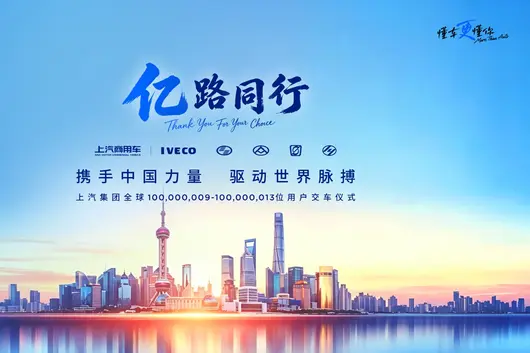
1 億輛汽車連起來,差不多能繞地球赤道整整 10 圈。如果交給一個中國汽車集團,它叫上汽。
2026 年 5 月,上汽集團正式交付全球第一億位用戶,成為中國汽車史上首家累計產銷量突破一億輛的汽車集團。這不是單一品牌的獨角戲,而是一場體系級的集體亮相。
在這一刻,上汽大通作為上汽集團輕型商用車的核心主體,帶著旗下大通主品牌和躍進品牌一起站上了接力交付區:大通品牌交付第一億零 9 輛,躍進品牌交付第一億零 12 輛。兩個品牌,共同撐起了集團一億里程碑中輕型商用車的半邊天。

不同於乘用車品牌的單兵突進,上汽大通走的是一條「雙品牌協同、新能源雙線增長」的路子。大通品牌以「世界大通」的視野,完成品牌煥新;躍進品牌則以「一路躍進」的黑馬姿態,在新能源輕卡賽道快速突圍。各有所長,打出了 1+1>2 的效果。
世界大通:品牌煥新,新能源領跑
「全球大通、品質大通、科技大通、生態大通」——這四大核心實力,正在將大通推向「全球輕型商用車領導者」的位置。
2025 年 11 月,大通品牌發布全新「眾輝標」LOGO,同步煥新品牌使命:「用領先技術和全生態鏈打造用戶型企業」。這不是簡單的一次視覺升級,而是從產品思維向用戶思維的徹底轉身。隨後,生態大通戰略全面落地,成立全球改裝生態聯盟,深化與華為、寧德時代的戰略合作,並行業首創「7 天免費試用」、8S 店用戶體驗中心等創新服務模式。
在新能源轉型上,大通品牌同樣一馬當先。國內新能源滲透率單月屢破 50%,在傳統輕型商用車企中遙遙領先。2026 年 4 月,行業首款超級增程大輕客——大拿超級增程上市,搭載寧德時代 50 度天行電池,CLTC 純電續航 312 公里,綜合續航 1260 公里,配合體積減半、重量不足 70kg 的星湃超級增程器,1 升油可發 3.3 度電,百公里能耗低至 2.65L,真正實現了「電動車低成本 + 油車無焦慮」。

全球化層面,大通輕客出口量穩居中國品牌第一,高端皮卡出口量同樣位列榜首。在歐洲、澳洲、新加坡等高端市場,市佔率持續領先中國品牌。2026 年 5 月,海外銷量單月破萬,同比增長 40%,DHL、極兔物流等全球巨頭持續復購,印證了「世界大通」的硬核實力。
一路躍進:黑馬之姿,新能源輕卡綠色突圍
如果說大通品牌代表著「穩」與「遠」,那麼躍進品牌則詮釋了「快」與「銳」。作為上汽大通旗下輕卡核心載體,躍進品牌以「2025 年熱銷 4 萬輛、同比增幅近 128%,新能源輕卡佔比近 57%、同比激增 222%」的銷量增速,成為集團一億用戶里程碑中不可忽視的「黑馬力量」。
躍進品牌的增长並非盲目衝刺,而是建立在扎實的技術與產品底座之上。2026 年 3 月,躍進全球首發「天元架構」。作為上汽商用車全球新能源智慧輕卡架構,該架構以電驅後橋為核心,兼容充/換/增程多種補能模式,融合智能駕駛與智能座艙,精準順應並引領行業智能化、網際化趨勢。在傳承 68 年軍工品質基礎之上,躍進依托前瞻的「天元架構」,推出了大拿 T2/T3 等系列新能源輕卡,覆蓋快遞快運、商超配送、市政作業、城際運輸等全場景。其中,大拿 T3 更斬獲「2025 年度小卡銷量 TOP 獎」,以硬核實力領跑細分賽道。

渠道和服務更是躍進品牌發展的硬底氣,在終端渠道方面,上汽大通躍進品牌構建了「場景化 + 數字化」渠道網絡,針對不同物流場景優化渠道佈局,在 B 端市場推行「批量定制 + 長期合作」模式,快速搶占大客戶市場。2025 年,品牌新建一級渠道 44 家,2026 年將繼續深化地級市覆蓋。這種「精細化運營」的模式,讓躍進得以用更低成本、更高效率完成市場下沉,真正服務於廣大小微創富群體。
兩個戰場,一種底色
上汽大通厲害的地方在於:左手能跟 DHL 簽歐洲大單,右手能幫縣城快遞小哥省錢。
在國內市場,大通大拿系列銷量不斷創新高,5 月月銷近 6000 輛,是新能源輕客市場名副其實的「大爆款」,成為城配物流市場和寵物車、奶茶車等創業創新領域的明星車型;在全球市場,大通品牌在歐洲、澳洲、東盟正面硬撼百年老牌,DHL、極兔物流這些全球巨頭用腳投票,買大通的車是真跑出了營運效率。

躍進品牌也不玩虛的,實實在在幫跑貨運的小微用戶算細賬:極致 TCO 意味著每公里省幾毛錢,一年落嚟多賺一台車。2025 年地上鐵就交付了近萬台大拿 T 系列,中國郵政、順豐的車隊裡躍進的身影越來越多。
一邊是「民生創富」,一邊是「全球巨頭」,不論用戶喺邊度,不論用戶什麼體量,上汽大通兩大品牌始終抓牢用戶「賺錢、省錢」的需求,堅守「創富夥伴」的底色。
結語:一億只是起點,雙品牌繼續向前
一億輛,是中國工業車的一個新座標。但對上汽大通來說,這更像一聲發令槍。
大通品牌持續深耕輕客、皮卡和 MPV 市場,躍進品牌在輕卡市場繼續精細化運營,但終點一致——讓商用車的創富能力,真正落地到每一位用戶身上,助力用戶更好地賺錢和生活。
輕帆已過萬重浪,前方仍是海闊天空。

你睇過印度嘅馬路嗎?
我喺網上見過。
畫面通常係咁,一輛轎車俾牛尾擋住,旁邊仲有亂竄嘅摩托,甚至周圍仲有賣奶茶嘅小夥,嗰叫一個“乾淨又衛生”。
然而,喺呢啲睇完好多人覺得生理不適嘅地方,豐田、鈴木、本田等日本車廠,卻決定將籌碼押落印度。
據印度“品牌質量基金會”網站顯示,三家車廠將喺印度投資近110 億美元建廠、提產能、搞出口。
對此有网友表示,三家日本車廠係咪錢多到無處花?
事實上,佢哋唔係錢多到花唔完,亦唔係被印度嘅咖哩蒙蔽咗心竅,呢啲日本車廠高層遠比我哋清醒。
而家嘅日系車,營業額、市場份額都喺下滑,原材料成本仲係升得飛起,打開世界地圖,搵一個能夠容納產能、拓充份額、競爭溫和嘅市場,唔係咁容易嘅事。
所以,唔係日本車廠選擇咗印度,而係因為冇得揀。
日本車廠之痛
曾經嘅日系車,嗰時妥妥係人哋個仔。
你問下十幾年前開過日系車嘅老司機,一提起日系車,幾乎就冇唔豎大拇指嘅,價錢平、省油、耐用又抵撞……
甚至好多日系車,仲要加價購買,但邊個諗到,呢個鐵打嘅江山,短短幾年時間就俾佢哋打得找唔著北。
隨著新能源汽車浪潮嚟到,電動化、智能化變成好多自主車廠“彎道超車”嘅目標,依托於中國強大嘅新能源汽車產業鏈優勢同車廠自身對研發、技術嘅堅持,中國自主品牌迅速實現咗“彎道超車”。
曾經被人吐槽嘅國產車,而家喺馬路越來越多人,甚至份額超越咗合資。
根據乘聯會嘅數據,喺2026 年4 月,自主品牌嘅份額已經高達62.5%,遠超日系嘅13.1%。
要知道,中國汽車市場係全球最大嘅汽車市場,喺中國市場失速,就相當於丟咗一塊巨大嘅蛋糕。
同時,中國市場近年嚟嘅主旋律依舊係價格戰,捲配置、捲價格、捲服務已經成為一種常態,亦對日系車嘅利潤產生咗巨大嘅影響。
除咗中國,日系車喺美國過得亦唔太好。
2025 年 1 月 20 日,特朗普宣誓就職第 47 任美國總統,自此開啟咗一連串搞搞震,其中就包括以國家安全為理由徵收額外嘅汽車關稅,導致進口日本汽車嘅關稅稅率一度高達 27.5%,雖然後嚟有所降低,但亦遠高於最初嘅稅率。
呢個操作,直接導致七大日本車廠喺2025 財政年度嘅關稅損失超2 萬億日元。
再睇日本本土,其實亦唔容易。
中東地緣衝突導致霍爾木茲海峽航運受阻,運輸成本、原材料成本暴漲,日本車廠都有苦難言。
高管們看著報表,背後發涼,只能尋找全新嘅增長曲線。
所以,日本車廠唔係愛上印度,係冇地方去。
揀選印度嘅深思熟慮
咁,印度點解咁有魔力,先至令日本車廠重資投入呢?
第一個優勢就係大。喺2025 年,印度汽車市場取得咗551.7 萬輛嘅新車銷量,同比增長 6%,刷新咗歷史紀錄,位居全球第三大汽車市場,已经连续四年超越日本,僅次於中國同美國。
呢個含金量唔使多講啦,而印度取得呢一成績,主要係因為印度一直喺推動減稅政策,促進消費,這導致國內消費意願出現咗明顯增強。
第二個優點係近,就係離日系車賣得動嘅地方近,如非洲等其他地區。
所以,印度對於日本車廠,更似一個建喺十字路口中央嘅便利店,你唔使將車分別運去八個國家,只需要喺印度呢站造好,然後一船一船甩去,就能削減唔少成本。
《日本經濟新聞》亦認為,印度有望轉變為佢哋全球嘅汽車供應中心。
第三個優點係穩。要知道,日系車嘅優勢就係燃油車,畢竟引擎、變速箱、底盤三大件,佢哋已經玩咗好多年,技術積累喺全球都係數一數二。
但係中國汽車市場已經全力推動電動化、智能化發展,導致日系車嘅優勢越來越弱,根本無法發揮出嚟,但印度唔一樣,佢擁有充電樁少、電動化進程緩慢嘅特點,印度老百姓買車,都仲係盯住平、省油、易修,而呢三點正係日系車嘅老本行。
尤其係鈴木,一直係印度汽車市場嘅常青樹,幾乎年年穩坐暢銷車型寶座,口碑好,勝過任何廣告。
所以,日本車廠大力佈局印度市場,顯然是經過深思熟慮嘅。
但,印度市場真係咁好混咩?
難啃嘅印度市場
當然,印度亦唔係完美得似個香口格,佢嘅缺點同佢嘅優點一樣明顯,而且每一個都夠日本車廠喝一壺。
先講電動化,冇錯,眼睇下印度充電樁少、電動車賣唔動,確實係日系燃油車嘅避風港。但你得諗諗,呢個“避風港”能避幾耐?
印度此前可係喊出咗 2030 年電動車佔新車 30% 嘅口號,雖然聽落似吹水,但抵唔住人哋真補錢、真建充電站。
試諗下,萬一有日印度突然開竅,開始大力推動電動化、搞基建,充電樁似雨後春筍咁冒出來,嗰日系車唔就傻眼?
呢唔係泰國市場嘅翻版咩?
當年日系車喺泰國都係躺贏,整個東南亞市場,都被稱為日系車嘅後花園,結果泰國率先推動電動化,中國電動車一嚟,直接就成咗香口格,再睇日系車,喺泰國嘅市場份額嘩嘩嚟咗落。
如果印度係電動化一加速,歷史大概率會重演,而而家呢次,日系車連逃嘅地方都快冇咗,點樣預防,將成為日本車廠嘅首要問題。
再講政策,印度嘅政策就似一鍋咖哩,你永遠唔知下一口食到係雞肉定係馬鈴薯。
呢個魔幻嘅國家,今日係低關稅鼓勵建廠,明日就可能罰你一筆巨款,更令人頭痛嘅係強制合資,外國車廠想喺印度賣車,要搵本地夥伴搭檔,等你工廠建好咗、供應鏈搭完咗,印度直接背刺你,到嗰陣無論係加錢定撤資,換嚟嘅都係心痛。
所以你看,印度呢個市場,就好似一個睇落好甜嘅芒果,咬落去第一口仲行,再啃幾口就摸著硬核。
日系車而家嘅算盤係,趁住核都未硌牙,趕緊多啃幾口,但核遲早會硌到,只係唔知係邊一日。
尾聲
日系車呢趟印度之旅,唔係去旅遊,係去搵食。
中國同東南亞嘅飯桌更擁擠,生產、運輸嘅成本又提高咗,放眼全球,就印度呢口鍋仲冒住熱氣,哪怕入面煮嘅係咖哩味嘅石頭,都要硬著頭皮啃落去。
日本車廠想擴大市場,印度想嘅係拉動經濟、解決就業,雙方都有各自嘅心思。
至於結局係日系車喺印度重新封神,定係好似當年嘅部分友商一樣灰溜溜走人,那就唔知啦。
但無論點樣,呢場戲先至開始,我哋慢慢睇就得啦。
反正印度嘅故事,從來唔會悶。

BYD officially released the May 2026 production and sales flash report, with new energy vehicles from all brands reaching a monthly sales volume of 383,453 vehicles, a slight increase of 0.26% year-on-year, achieving year-on-year positive growth in monthly sales after ten months; among them, passenger car deliveries reached 376,990 units, surging 19.4% month-on-month, wiping out the pain of previous model iterations, presenting a new pattern where the domestic base is stable, overseas sales are soaring, and high-end brands are scaling up across the board. Amidst the market environment of intensified competition in the domestic new energy sector, Tesla FSD entering China, and an intense launch of independent new products, it has forged a unique structural growth path.
The Dynasty and Ocean main brands combined sold 330,215 vehicles in May, accounting for over 80% of the group's total sales, remaining the stabilizer for BYD's sales volume. The full series had 8 models exceeding 20,000 units in monthly sales, covering products from 50,000 entry-level commuter to 200,000 home SUV.
Inside the Dynasty Network, the Yuan family sold 56,691 units, and the Song family 51,370 units. Both crossed the 50,000 threshold, becoming two major sales pillars for the brand, catering to home commuter and urban-rural travel needs; the Qin family followed closely with a stable performance of 28,360 units. The Han and Tang series maintained a volume in the six-thousand range, deeply cultivating the mid-to-large home sedan and SUV niche markets; the brand new model Xia is in the market cultivation phase, delivering 1,810 units monthly, with potential for steady volume growth as channels expand.
The Ocean Network's growth momentum is even more rapid, with 5 models entering the 20,000 club across the series: Sealion 42,615 units, Seal 34,117 units, Seagull 39,919 units, Dolphin 22,260 units, and Song PLUS 27,755 units. Among them, Seagull remains the best-selling entry-level commuter model thanks to its affordable pricing of 60,000-80,000. Sealion, as a new volume model, stands firm at the 40,000 level upon launch, filling the mid-size SUV product gap in the Ocean Network and perfecting the Ocean product tier layout. From commuter small cars to compact SUVs, the two main brands rely on DM-i hybrid and pure electric dual-line technologies to牢牢锁住 the mainstream home market share within 150,000 domestically.
Fang Cheng Bao Year-on-Year Surges 139.7%, Brand Upward Positioning Takes EffectThe high-end matrix of Denza, Fang Cheng Bao, and Yangwang sold a combined 46,489 vehicles in May, officially breaking away from the niche positioning to become a new pivot for BYD's brand premium and profit growth, breaking the industry curse of difficulty in high-end breakthrough for domestic brands.
The off-road brand Fang Cheng Bao sold 30,186 units monthly, surging 139.7% year-on-year, creating a new high in monthly sales since the brand launched. Its Titanium 7 model sold 18,280 units monthly, while Leopard 5 and Leopard 8 output remained stable, continuously squeezing the survival space for joint venture and imported models in the 250,000-400,000 hardcore off-road niche market.
Denza delivered 16,303 units in May, with the MPV benchmark D9 selling 6,721 units, and the Z9 series close to 6,000 units. MPV and mid-to-large sedan dual-line efforts helped them stand firm in the luxury new energy track; the million-level ultra-luxury brand Yangwang continued its steady climb, delivering 286 units that month, a year-on-year increase of 105.8%, completing market verification of the domestic brand ceiling product and forming a full price range product layout from 100,000+ home, 300,000-400,000 off-road, 500,000 luxury MPV to million-level flagship.
In May, BYD's overseas sales of passenger cars and pickup trucks reached 160,177 units, surging 80.7% year-on-year. Exports accounted for over 42% of the full series total sales, setting a new historical high for brand export and becoming the core driving force to stabilize May overall sales and achieve year-on-year positive growth.
Southeast Asia, Europe, and Latin America became the main incremental markets. Seagull, Song PLUS, and Yuan series continued to top new energy best-seller lists in multiple countries; the SHARK pickup truck exceeded 4,000 units in monthly exports for two consecutive months. Relying on the completion of localization production in Thailand, Brazil, Hungary, and Uzbekistan with four overseas vehicle factories, localized production continues to land, avoiding tariffs while rapidly penetrating terminal channels. Against the background of stock market competition in the domestic auto industry and normalized price wars, the rapidly expanding overseas market effectively counteracts sales volatility brought by domestic model iterations, officially upgrading from a supplementary market to BYD's core growth engine. As of now, BYD's global cumulative new energy vehicle sales have exceeded 16.5 million units, with the globalization map continuously broadening.
Intelligent Driving Empowers Product Iteration, H2 New Products Prepare to Surge VolumeMay marked a key node in BYD's intelligent driving landing, with the God's Eye intelligent driving system becoming a core bonus point for models: the number of vehicles with advanced intelligent driving across all brands exceeded 3.15 million, with daily road test data exceeding 200 million kilometers; that month, BYD implemented City Pilot and Smart Parking dual safety backup services, becoming the world's first auto manufacturer to achieve dual intelligent driving backups. Three days after policy implementation, the activation rate of models equipped with the God's Eye system in cities surged 50%. Intelligent driving experience upgrades directly drove in-store order conversion, solidifying product competitiveness for subsequent models to continue volume sales, and facing the intelligent driving market shock brought by FSD entering China.
From data details, BYD's cumulative sales from January to May 2026 were 1,405,039 units, down 20.32% year-on-year. The core reason is that the full series of main models were concentratedly iterated, and the capacity ramp-up of the 2nd Gen Fast Charge Blade Battery was restricted. The new Flash Charge Battery upgraded fast charging and low-temperature performance. Full series iteration models prioritized installing new batteries, but production line retrofitting dragged down capacity release. Order backlogs on popular models and delayed deliveries compressed the May delivery volume to a certain extent.
As the end of the second quarter approaches and the 2nd Gen Blade Battery capacity continues to release, coupled with new models such as Denza N8L, Fang Cheng Bao Titanium 7 Pure Electric Version, Sealion 05, and Xia L landing the market, the industry generally predicts that BYD's full brand sales in June are expected to exceed 400,000 vehicles. Relying on the four-dimension development logic of low-end volume locking share, high-end raising profit, overseas pushing volume, and intelligence improving product power, amidst the intensified new energy elimination round in the domestic market, BYD's full category layout advantage continues to amplify, securing its status as the domestic new energy leader, accelerating steadily towards global top auto manufacturers.


