首頁Audi Q7

搜尋歷史
熱門搜尋
經銷商登入 / 註冊

喺馬來西亞嘅 SUV 市場,好多買家喺揀車嗰陣都會拎本田 HR-V 同三菱 Xforce 嚟比較。呢兩款車喺價位同埋定位上幾接近,今日我哋就由多個方面做個詳細比較,幫翻你省返做功課嘅時間。
本田 HR-V 喺馬來西亞嘅 OTR 售價係 RM 115,900 - 143,900,一共有 4 個版本,包括 2026 e:HEV 1.5L RS(RM 143,900)、2026 1.5T V(RM 137,900)、2026 1.5T E(RM 130,900) 等。
三菱 Xforce 喺馬來西亞嘅 OTR 售價係 RM 109,930 - 119,930,一共有 2 個版本,包括 2026 1.5L Ultimate(RM 119,930)、2026 1.5L Urban(RM 109,930) 等。
睇返價錢,三菱 Xforce 嘅起價比本田 HR-V 平咗 RM 5,970。講真,喺呢個價位級,幾千蚊嘅差距其實唔算大,重點係睇整體嘅性價比同埋長期使用成本。

本田 HR-V 嘅安全評級係 5★ (ASEAN NCAP),主動安全系統包括本田 SENSING (ACC, CMBS, LKAS, RDM)。
三菱 Xforce 嘅安全評級係 5★ (ASEAN NCAP),主動安全系統包括 MI-PILOT。
兩款車嘅安全評級一樣,喺呢個級別入面安全配備都算好齊全。而家嘅新車安全性都唔差,唔使太擔心呢一點。

本田 HR-V 採用 FWD 驅動方式。
三菱 Xforce 採用 FWD 驅動方式。
兩款車嘅驅動方式一樣,都係 FWD,日常駕駛感受唔會有太大分別。

本田 HR-V 保養保修 5 年/無限里程,保養間隔 每 10,000km 或 6 個月。
三菱 Xforce 保養保修 3 年/100,000km,保養間隔 每 10,000km 或 6 個月。

本田 HR-V 同三菱 Xforce 都係馬來西亞市場嘅主流選擇,適合家庭用、日常通勤。如果你更重視品牌口碑同二手價,可以優先考慮口碑更好嗰一款;如果你更重視性價比同配備,就揀配置更豐富嗰款。最終都係建議兩款都去試駕,親身體驗先係最重要嘅。
總括嚟講,本田 HR-V 同三菱 Xforce 都係馬來西亞市場幾唔錯嘅車型。揀邊一輛,重點係睇你嘅個人需求同預算。建議大家做好功課,多比較幾間車行嘅報價,再去試駕做最終決定。買車係件大事,花少少時間做功課絕對唔會錯。


In Malaysia's SUV market, many buyers compare the Honda HR-V and GWM Haval H6 when choosing a car. These two cars are quite close in price and positioning. Today we will make a detailed comparison from multiple aspects to help you save time on research.
The OTR price of the Honda HR-V in Malaysia is RM 115,900 - 143,900, with a total of 4 versions, including 2026 e:HEV 1.5L RS (RM 143,900), 2026 1.5T V (RM 137,900), 2026 1.5T E (RM 130,900) etc.
The OTR price of the GWM Haval H6 in Malaysia is RM 139,750 - 139,750, with a total of 2 versions, including 1.5L Turbo Standard (RM 140,000), 1.5L Turbo Premium (RM 155,000) etc.
From the price perspective, the starting price of the Honda HR-V is indeed RM 23,850 cheaper than the GWM Haval H6. If your budget is limited, the entry-level version of Honda can already meet daily needs. But also note, the few thousand difference might involve trade-offs in features, specifically depends on your needs.
The safety rating of the Honda HR-V is 5★ (ASEAN NCAP), active safety systems include Honda SENSING (ACC, CMBS, LKAS, RDM).
The safety rating of the GWM Haval H6 is TBD, active safety systems include Basic.
Regarding safety features, both cars received good ratings. However, there are some differences in function between the Honda HR-V's Honda SENSING (ACC, CMBS, LKAS, RDM) and the GWM Haval H6's Basic. If you value active safety, you can carefully compare the function lists of both.
Honda HR-V body length 4500 mm, trunk 450 L.
GWM Haval H6 body length 4400 mm, trunk 400 L.
Regarding space, the Honda HR-V's body is 100 mm longer than the GWM Haval H6, so the interior seating space will be slightly more spacious, especially the rear legroom. If you often carry family or need to fit a stroller, a slightly larger body is indeed more practical.
Honda HR-V and GWM Haval H6 are both mainstream choices in the Malaysian market, suitable for family use and daily commuting. If you value brand reputation and resale value more, you can prioritize the one with better reputation; if you care more about value for money and features, then choose the model with richer configuration. Ultimately, it is recommended to test drive both models, as personal experience is the most important.
Overall, the Honda HR-V and GWM Haval H6 are both very good models in the Malaysian market. Choosing which one depends mainly on your personal needs and budget. We suggest you do your homework well, compare quotes from several dealers, and then go for a test drive to make the final decision. Buying a car is a big matter, spending some time doing research will never be wrong.

你绝对想不到,2025年50万以上级MPV的销冠是谁。是的,理想MEGA。

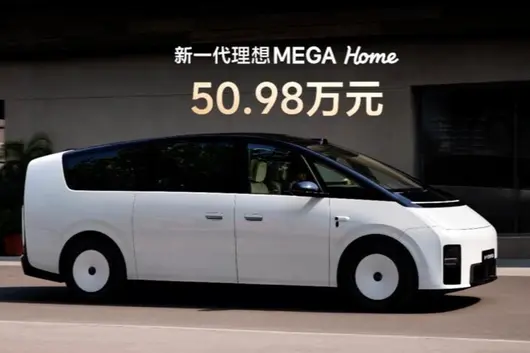
9月2日新一代理想MEGA正式上市,50.98万元,只推Home一个版本。

虽然MPV市场不算大(年销百万辆左右),但也极度内卷。从腾势D9、极氪009、小鹏X9、岚图梦想家,到智界V9、尊界V800等等,一个一个既要家庭,又要商务。但新MEGA让人看到了不一样的东西:李想和理想的坚持——死磕家庭,不谈商务。
既然独树一帜死磕家庭,首先就得让每一个座位上的“主人”都满意——首当其冲就是驾驶者。
MPV也是用来“开”的MPV谈驾驶感?你没听错。在MEGA用户净推荐值中,排名第一的就是驾驶体验。

MPV最大的痛点是“开起来像船”,尤其是车长超5.3米的大家伙。上一代MEGA已经做得足够好了,配有双腔空悬和双阀CDC减震。
但是这次新一代车型直接标配了800V主动防倾杆和后轮转向,加上线控转向,让底盘机械素质更上层楼,也让“家”的男主更能喜欢上驾驶,而不只是个“开车的”。

高速紧急变线,主动防倾杆能把车身侧倾按住了,后排家人不至于被甩得头晕。
日常窄路掉头,转弯半径从6.2米缩到了5.5米,基本就是一辆B级轿车的灵活度。
这种“大车开起来像小车”的体验,也让MEGA能在盘山路上跑一跑。
“家”的本质是舒服感内饰同样针对用户的呼声做了升级。车顶增加了Home Light客厅主灯,396颗LED灯珠营造的高端家居氛围、以及夜间的点点星光。

座椅更是下了血本。前排双零重力座椅安排上了,二排旋转座椅保留了,三排也终于补上了座椅通风。

全车31处加热点位,从扶手到头枕腿托全覆盖。二排那个能随靠背角度自动调平的小桌板,配上对坐模式下的组合大餐桌,无论是亲子互动还是临时办公,场景感都拉满了。
智驾和出海,也都有了交代智驾硬件同步升级,搭载双马赫M100芯片和四颗激光雷达,配合马赫VLA 2.0系统,硬件到位,就等新版本OTA了。

让人有些意外的是右舵版的推出,理想终于要“出国”了。预计年底进入香港、澳门、新加坡等市场,中国品牌的高端纯电MPV敢于去丰田埃尔法的腹地抢份额,值得点赞。
关于李想对外形和Home的坚持当然,绕不开那个话题——外观——依然没变,李想说,不会因为噪音改变对产品的坚持。
这种坚持对吗?50万以上MPV市场本身就比较小,在这样一个细分市场,与其讨好所有人,不如服务好那些能接受甚至喜欢它的人。新一代MEGA只保留Home版,就是这种思路的体现——不需要取悦所有人,只需要让目标用户觉得“这就是我想要的”。

价格有下探,更务实了,也更符合“Home”的理念;但仍坚守了50万以上级,“高端”这个标签不能丢。

新一代MEGA,保留了其一眼MEGA外观、最低风阻系数、超低能耗、静谧性等,也是一次彻底的驾驶感和舒服感全面进化。
看起来完美了。那么,如果您是潜在用户,愿不愿意为这个“家”买单呢?
欢迎关注、点赞、评论、转发。

In Malaysia's SUV market, many buyers compare Honda HR-V and MG MG HS when choosing a car. These two models are quite close in price and positioning. Today, we will make a detailed comparison from multiple aspects to help you save time on research.
Honda HR-V's OTR price in Malaysia is RM 115,900 - 143,900, coming in 4 versions, including 2026 e:HEV 1.5L RS (RM 143,900), 2026 1.5T V (RM 137,900), 2026 1.5T E (RM 130,900), and others.
MG MG HS's OTR price in Malaysia is RM 130,450 - 146,450, coming in 2 versions, including 1.5L Standard (RM 105,000), 1.5L Executive (RM 115,000), and others.
From a price perspective, the starting price of Honda HR-V is indeed RM 14,550 cheaper than MG MG HS. If your budget is limited, Honda's entry-level version can already meet daily needs. However, keep in mind, the few thousand saved might involve trade-offs in features, it depends on your specific needs.
Honda HR-V is equipped with 1.5L Turbo, 140 hp. Official fuel consumption 7.0 L/100km.
MG MG HS is equipped with 1.5L Turbo, 140 hp. Official fuel consumption 7.0 L/100km.
Both cars use the same powertrain, the driving experience is basically the same in daily use. Fuel consumption is also similar, no need to worry too much about this point.
Honda HR-V's safety rating is 5★ (ASEAN NCAP), active safety systems include Honda SENSING (ACC, CMBS, LKAS, RDM).
MG MG HS's safety rating is TBD, active safety systems include Basic.
In terms of safety features, both cars received good ratings. However, there are some differences in function between Honda HR-V's Honda SENSING (ACC, CMBS, LKAS, RDM) and MG MG HS's Basic. If you value active safety more, you can compare the feature lists of both closely.
Honda HR-V warranty 5 years/unlimited mileage, maintenance interval every 10,000km or 6 months.
MG MG HS warranty 7 years/150,000km, maintenance interval every 10,000km or 6 months.
Overall, Honda HR-V and MG MG HS are both very good models in the Malaysian market. Which one to choose mainly depends on your personal needs and budget. We recommend doing your research, comparing quotes from several dealerships, and test driving before making a final decision. Buying a car is a big matter, spending some time on research will definitely not be wrong.

In Malaysia's SUV market, many buyers compare the Honda HR-V and Chery Tiggo 9 when choosing a car. These two cars are quite close in price and positioning. Today, we will make a detailed comparison from multiple aspects to help you save time on research.
The OTR price of the Honda HR-V in Malaysia is RM 115,900 - 143,900, with a total of 4 versions, including 2026 e:HEV 1.5L RS (RM 143,900), 2026 1.5T V (RM 137,900), 2026 1.5T E (RM 130,900), etc.
The OTR price of the Chery Tiggo 9 in Malaysia is RM 166,800 - 179,800, with a total of 1 version, including 2026 2.0T Standard (RM 179,750), etc.
From a price perspective, the Honda HR-V's starting price is indeed RM 50,900 cheaper than the Chery Tiggo 9. If your budget is limited, Honda's entry-level version can already meet daily needs. But also note that the savings of a few thousand might involve compromises in features, depending on your specific needs.
The Honda HR-V body length is 4500 mm, trunk 450 L.
The Chery Tiggo 9 body length is 4400 mm, trunk 400 L.
Regarding space, the Honda HR-V body is 100 mm longer than the Chery Tiggo 9, and the interior seating space will be slightly more spacious, especially the rear legroom. If you frequently carry family or need to fit a stroller, the larger body is indeed more practical.
The Honda HR-V adopts FWD drive mode.
The Chery Tiggo 9 adopts FWD drive mode.
The drive mode of both cars is the same, both are FWD, and there won't be much difference in daily driving experience.
Both the Honda HR-V and Chery Tiggo 9 are mainstream choices in the Malaysian market, suitable for family use and daily commuting. If you value brand reputation and resale value more, you can prioritize the one with better reputation; if you care more about value for money and features, choose the one with richer configuration. Ultimately, it is recommended to test drive both, and personal experience is the most important.

Overall, the Honda HR-V and Chery Tiggo 9 are both very good models in the Malaysian market. Which one to choose depends on your personal needs and budget. We suggest doing your research, comparing quotes from several car dealerships, and then test driving to make the final decision. Buying a car is a big matter, taking time to do research will definitely not be wrong.

喺馬來西亞嘅 SUV 市場,好多買家喺揀車嘅時候都會拿 Honda HR-V 同 GWM Haval H6 嚟做比較。呢兩款車喺價位同定位上都好接近,而家我哋就從多個方面做一個詳細嘅對比,幫到你省下做功課嘅時間。
Honda HR-V 喺馬來西亞嘅 OTR 售價係 RM 115,900 - 143,900,合共有 4 個版本,包括 2026 e:HEV 1.5L RS(RM 143,900)、2026 1.5T V(RM 137,900)、2026 1.5T E(RM 130,900) 等。
GWM Haval H6 喺馬來西亞嘅 OTR 售價係 RM 139,750 - 139,750,合共有 2 個版本,包括 1.5L Turbo Standard(RM 140,000)、1.5L Turbo Premium(RM 155,000) 等。
從價錢嚟睇,Honda HR-V 嘅入門價確實比 GWM Haval H6 平咗 RM 23,850。如果你預算有限,Honda 嘅入門版已經可以滿足日常需求。但都要注意,平嗰幾千蚊,可能喺配備上面會有取舍,具體要睇你嘅需求。
Honda HR-V 嘅安全評級係 5★ (ASEAN NCAP),主動安全系統包括 Honda SENSING (ACC, CMBS, LKAS, RDM)。
GWM Haval H6 嘅安全評級係 TBD,主動安全系統包括 Basic。
安全配備方面,呢兩款車都拿到唔錯嘅評級。不過 Honda HR-V 嘅 Honda SENSING (ACC, CMBS, LKAS, RDM) 同 GWM Haval H6 嘅 Basic 喺功能上有啲差異,如果你比較看重主動安全嘅話,可以仔細對比下兩者嘅功能列表。
Honda HR-V 採用 FWD 驅動方式。
GWM Haval H6 採用 FWD 驅動方式。
呢兩款車嘅驅動方式一樣,都係 FWD,日常駕駛感覺唔會有太大區別。
Honda HR-V 保修 5 年/無限制里程,保養間隔 每 10,000km 或 6 個月。
GWM Haval H6 保修 7 年/150,000km,保養間隔 每 10,000km 或 6 個月。
總括嚟講,Honda HR-V 同 GWM Haval H6 都係馬來西亞市場幾唔錯嘅車型。揀邊一輛,關鍵都要睇你嘅個人需求同預算。建議大家做好功課,多比較幾間車行嘅報價,再去試駕做最終決定。買車係件大事,攞少少時間做功課絕對唔會錯。

喺馬來西亞嘅 SUV 市場,好多買家喺揀車嘅時候都會拿本田 HR-V 同奇瑞 瑞虎 7 PHEV 嚟作比較。這兩款車喺價位同定位上都幾接近,今日我哋就由多個方面做一個詳細嘅對比,幫你節省做功課嘅時間。
本田 HR-V 喺馬來西亞嘅 OTR 售價係 RM 115,900 - 143,900,一共有 4 個版本,包括 2026 e:HEV 1.5L RS(RM 143,900)、2026 1.5T V(RM 137,900)、2026 1.5T E(RM 130,900) 等。
奇瑞 瑞虎 7 PHEV 喺馬來西亞嘅 OTR 售價係 RM 129,750 - 129,750,一共有 2 個版本,包括 2025 1.5T 90km CSH(RM 129,750)、Tiggo 7 PHEV 支持咩充電方法?可唔可以用家用電源插座充電?(RM 117,478) 等。
由價錢睇落,本田 HR-V 嘅起步價真係比奇瑞 瑞虎 7 PHEV 平咗 RM 13,850。如果你預算有限,本田嘅入門版已經可以滿足日常需求。但都要注意,平嗰幾千塊,可能喺配備上會有取舍,具體要看你嘅需求。
本田 HR-V 搭載 1.5L Turbo,馬力 140 匹。官方油耗 7.0 公升/100 公里。
奇瑞 瑞虎 7 PHEV 搭載 Hybrid,馬力 170 匹。官方油耗 4.5 公升/100 公里。
動力方面,奇瑞 瑞虎 7 PHEV 嘅 Hybrid 比本田 HR-V 嘅 1.5L Turbo 多咗 30 匹馬力。不過日常喺市區開,兩款車嘅動力都夠用,唔會覺得唔夠力。
本田 HR-V 嘅安全評級係 5★ (東盟 NCAP),主動安全系統包括本田 Sensing (ACC, CMBS, LKAS, RDM)。
奇瑞 瑞虎 7 PHEV 嘅安全評級係 TBD,主動安全系統包括基本。
安全配備方面,兩款車都拿到唔錯嘅評級。不過本田 HR-V 嘅本田 Sensing (ACC, CMBS, LKAS, RDM) 同奇瑞 瑞虎 7 PHEV 嘅基本喺功能上有些差異,如果你比較重視主動安全嘅話,可以仔細對比一下兩者嘅功能列表。
本田 HR-V 保養 5 年/無限里程,保養間隔 每 10,000 公里或 6 個月。
奇瑞 瑞虎 7 PHEV 保養 3 年/100,000 公里,保養間隔 每 10,000 公里或 6 個月。

本田 HR-V 同奇瑞 瑞虎 7 PHEV 都係馬來西亞市場嘅主流選擇,適合家庭使用、日常通勤。如果你更重視品牌聲譽同二手價,可以優先考慮聲譽好嗰一款;如果你更在意性價比同配備,就揀配備更豐富嗰款。最終都係建議兩款都去試駕,親身感受先係最重要嘅。

總體嚟講,本田 HR-V 同奇瑞 瑞虎 7 PHEV 都係馬來西亞市場幾唔錯嘅車型。揀邊一輛,關鍵都要睇你嘅個人需求同預算。建議大家做足功課,多比較幾間車行嘅報價,再去試駕做最終決定。買車係件大事,花少少時間做功課絕對唔會錯。
In Malaysia's SUV market, many buyers compare Honda HR-V and Chery Tiggo 8 PHEV when choosing a car. These two cars are quite close in price and positioning. Today, we will make a detailed comparison from multiple aspects to help you save time on research.
Honda HR-V's OTR price in Malaysia is RM 115,900 - 143,900, with a total of 4 versions, including 2026 e:HEV 1.5L RS (RM 143,900), 2026 1.5T V (RM 137,900), 2026 1.5T E (RM 130,900), etc.
Chery Tiggo 8 PHEV's OTR price in Malaysia is RM 159,750 - 159,750, with a total of 2 versions, including 1.6L Turbo Standard (RM 130,000), 1.6L Turbo Premium (RM 145,000), etc.
In terms of price, the Honda HR-V is indeed RM 43,850 cheaper to start than the Chery Tiggo 8 PHEV. If your budget is limited, Honda's entry-level model can already meet daily needs. However, be aware that the few thousand ringgit saved may come with trade-offs in features, depending on your specific requirements.
Honda HR-V's safety rating is 5★ (ASEAN NCAP), active safety systems include Honda SENSING (ACC, CMBS, LKAS, RDM).
Chery Tiggo 8 PHEV's safety rating is TBD, active safety systems include Basic.
In terms of safety features, both cars have received good ratings. However, there are some differences in functionality between Honda HR-V's Honda SENSING (ACC, CMBS, LKAS, RDM) and Chery Tiggo 8 PHEV's Basic. If you value active safety, you can compare the feature lists of both carefully.
Honda HR-V uses FWD drive system.
Chery Tiggo 8 PHEV uses FWD drive system.
Both cars have the same drive system, which is FWD, so there won't be much difference in daily driving experience.
Both Honda HR-V and Chery Tiggo 8 PHEV are mainstream choices in the Malaysian market, suitable for family use and daily commuting. If you value brand reputation and resale value more, prioritize the one with better reputation; if you care more about cost-performance ratio and features, choose the one with richer configuration. In the end, it is recommended to test drive both, as firsthand experience is the most important.
Overall, Honda HR-V and Chery Tiggo 8 PHEV are both very good models in the Malaysian market. Choosing which one depends mainly on your personal needs and budget. It is recommended that you do your research, compare quotes from several car dealerships, and then test drive to make the final decision. Buying a car is a big matter, spending time on research will definitely not be wrong.

In Malaysia's SUV market, many buyers compare Honda HR-V and Chery Tiggo 8 Pro when choosing a car. These two cars are quite close in price and positioning. Today, we will make a detailed comparison from multiple aspects to help you save time on research.
Honda HR-V is sold OTR in Malaysia for RM 115,900 - 143,900, there are a total of 4 versions, including 2026 e:HEV 1.5L RS (RM 143,900), 2026 1.5T V (RM 137,900), 2026 1.5T E (RM 130,900), etc.
Chery Tiggo 8 Pro is sold OTR in Malaysia for RM 159,750 - 159,750, there are a total of 2 versions, including 1.6L Turbo Standard (RM 130,000), 1.6L Turbo Premium (RM 145,000), etc.
From a price perspective, the starting price of Honda HR-V is indeed RM 43,850 cheaper than Chery Tiggo 8 Pro. If your budget is limited, Honda's entry-level version can already meet daily needs. But be aware, the few thousand cheaper might involve trade-offs in features, depending on your specific needs.
Honda HR-V is equipped with 1.5L Turbo, horsepower 140 hp. Official fuel consumption 7.0 L/100km.
Chery Tiggo 8 Pro is equipped with 2.0L 4-cyl, horsepower 170 hp. Official fuel consumption 8.0 L/100km.
Regarding power, Chery Tiggo 8 Pro's 2.0L 4-cyl has 30 more horsepower than Honda HR-V's 1.5L Turbo. However, for daily city driving, both cars have sufficient power, you won't feel underpowered.
Honda HR-V's safety rating is 5★ (ASEAN NCAP), active safety systems include Honda SENSING (ACC, CMBS, LKAS, RDM).
Chery Tiggo 8 Pro's safety rating is TBD, active safety systems include Basic.
In terms of safety features, both cars received good ratings. However, Honda HR-V's Honda SENSING (ACC, CMBS, LKAS, RDM) and Chery Tiggo 8 Pro's Basic have some differences in functionality. If you value active safety, you can carefully compare the feature lists of both.
Honda HR-V adopts FWD drive mode.
Chery Tiggo 8 Pro adopts FWD drive mode.
The drive mode of both cars is the same, both are FWD, daily driving experience will not be significantly different.
Overall, Honda HR-V and Chery Tiggo 8 Pro are both very good models in the Malaysian market. Which one to choose depends on your personal needs and budget. We suggest doing your homework, comparing quotes from several dealerships, and then test driving to make a final decision. Buying a car is a major event, spending time researching is never wrong.

喺馬來西亞嘅 SUV 市場,好多買家喺揀車嘅時候都會拿 Honda HR-V 同 Chery Tiggo 7 PHEV 嚟做比較。呢兩款車喺價位同定位上都幾接近,今日我哋就從多個方面做一個詳細嘅比較,幫你省下做功課嘅時間。
Honda HR-V 喺馬來西亞嘅 OTR 售價係 RM 115,900 - 143,900,一共有 4 個版本,包括 2026 e:HEV 1.5L RS(RM 143,900)、2026 1.5T V(RM 137,900)、2026 1.5T E(RM 130,900) 等。
Chery Tiggo 7 PHEV 喺馬來西亞嘅 OTR 售價係 RM 129,750 - 129,750,一共有 2 個版本,包括 2025 1.5T 90km CSH(RM 129,750)、Tiggo 7 PHEV 支援咩充電方法?可以喺家用電源插座充電嗎?(RM 117,478) 等。
由價錢睇,Honda HR-V 嘅起價確實比 Chery Tiggo 7 PHEV 平咗 RM 13,850。如果你預算有限,Honda 嘅入門版已經可以滿足日常需求。但都需要注意,平嗰幾千蚊,可能喺配備上要有取舍,具體要看你嘅需求。
Honda HR-V 搭載 1.5L Turbo,馬力 140 hp。官方油耗 7.0 L/100km。
Chery Tiggo 7 PHEV 搭載 Hybrid,馬力 170 hp。官方油耗 4.5 L/100km。
動力方面,Chery Tiggo 7 PHEV 嘅 Hybrid 比 Honda HR-V 嘅 1.5L Turbo 多咗 30 匹馬力。不過日常喺市區開,兩款車嘅動力都夠用,唔會覺得唔夠力。
Honda HR-V 車身長 4500 mm,後備箱 450 L。
Chery Tiggo 7 PHEV 車身長 4400 mm,後備箱 400 L。
空間方面,Honda HR-V 嘅車身比 Chery Tiggo 7 PHEV 長咗 100 mm,車內坐人空間會稍微寬鬆啲,尤其係後座腳位空間。如果你經常載家人或者要放嬰兒車,大啲嘅車身確實更實用。
Honda HR-V 保修 5 年/無限制里程,保養間隔 每 10,000km 或 6 個月。
Chery Tiggo 7 PHEV 保修 3 年/100,000km,保養間隔 每 10,000km 或 6 個月。
總括嚟講,Honda HR-V 同 Chery Tiggo 7 PHEV 都係馬來西亞市場好好嘅車型。揀邊一輛,關鍵仲係睇你嘅個人需求同預算。建議大家做好功課,多比較幾間車行嘅報價,然後再去試駕先做最終決定。買車係件大事,花少少時間做功課絕對唔會錯。

On September 1st, Geely unveiled the August 2026 performance report: sales 270,194 units, double-digit growth month-over-month and year-over-year for 6 consecutive months; New Energy 175,877 units, share surged to 65%; overseas exports 110,094 units, year-on-year surge of 205%. With these three sets of numbers combined, it can no longer be called "warming up", it is clearly taking a corner with the accelerator pressed. As an old media person who has covered car enterprises for years, my first reaction was not that Geely had won big, but: on what grounds does it actually do it? After looking down clearly, I found this offensive is far more structured than imagined.

I. Understanding Geely's Surge with Three Sets of Numbers
Wind the clock back to August, Geely sells over 8,700 units on average per day, 6 owners order every minute. More inspiring is, this is not relying on a single hit product to carry it all — Geely Galaxy sold 119,115 units in August, the mainstream new energy base is becoming more stable; Lynk & Co sold 17,027 units, month-over-month up another 4%; Zeekr delivered 36,981 units, year-on-year doubling is not enough, Zeekr 7X global orders have already exceeded 200,000 units. The whole market from premium to mainstream, from pure electric to hybrid, each has its flag bearer. The fuel vehicle side didn't drag the leg down, China Star series steadily sold 97,071 units, month-over-month growth 8%. Multi-line advancement while maintaining rhythm without losing order, Geely's system strength is unhidden.

II. New Energy Penetration Rate 65%, This is Not Just Fake Fire
New energy sales stand at 175,000 units, accounting for 65% of total sales, this ratio is shocking enough for any major factory. Some might think, is this relying on ride-hailing or wholesale to brush data? Really not. Geely Xingyuan sold 60,955 units in August, breaking 50,000 units for 3 consecutive months, selling over 1,200 units on average per day, cumulative sales approaching 900,000 units; Galaxy E5 also steadily contributes 14,132 units. Terminal users voting with real money is the most persuasive footnote. More worthy of play is, Geely didn't kick fuel vehicles aside with one foot. 4th Gen Boyue L i-HEV, Xingyue L PLUS successively debuted, using fuel-hybrid technology to let classic fuel vehicles shine. Two legs alternating acceleration, can run steady and far.

III. Export Surge 205%, Real Skill or Luck?
Many still argue if Chinese cars going overseas only know how to fight price wars, Geely directly responds with structure: August overseas exports 110,094 units, among them new energy exports 70,629 units, year-on-year surge 446%, share 64%. In other words, what Geely hits overseas is no longer low-end oil cars with thin gross margins, but high-value new energy vehicles. Zeekr topped the Australia January-July luxury pure electric sales list, Geely Xingyuan became the EV sales champion in Thailand, Galaxy Starship 7 EM-i also bloomed at multiple points in Poland, Spain, Mexico. 3 consecutive months exports breaking 100,000 units, not luck, is the result of product, channel, brand operating together. Precisely for this reason, Geely dares to pull the annual export target from 640,000 units directly to 920,000 units, surge to 1,000,000 units. This hand of cards is indeed hard.


From domestic monthly sales of 270,000 units to overseas single-month exports of 110,000 units, Geely delivered not just a set of pretty numbers, but a microcosm of the Chinese auto industry from big to strong. New energy penetration rate 65%, indicates transformation has no way back; exports doubled year-on-year, indicates globalization has no ceiling. Hold technology in hand, spread market to global, Geely this operation gave all car enterprises a sample.


In the SUV market in Malaysia, many buyers compare the Honda HR-V and Mazda CX-3 when choosing a car. These two cars are quite close in terms of price and positioning. Today, we will make a detailed comparison from multiple aspects to help you save time on research.
The OTR price of the Honda HR-V in Malaysia is RM 115,900 - 143,900, with a total of 4 versions, including the 2026 e:HEV 1.5L RS (RM 143,900), 2026 1.5T V (RM 137,900), 2026 1.5T E (RM 130,900), etc.
The OTR price of the Mazda CX-3 in Malaysia is RM 126,159 - 139,159, with a total of 2 versions, including the 2023 2.0L High (RM 139,159), 2023 2.0L Plus (RM 126,159), etc.
From a price perspective, the starting price of the Honda HR-V is indeed RM 10,259 cheaper than the Mazda CX-3. If your budget is limited, Honda's entry-level version can already meet daily needs. But note that the few thousand dollars difference might involve trade-offs in features, which depends on your specific needs.
The safety rating of the Honda HR-V is 5★ (ASEAN NCAP), with active safety systems including Honda SENSING (ACC, CMBS, LKAS, RDM).
The safety rating of the Mazda CX-3 is 5★ (ASEAN NCAP), with active safety systems including i-Activsense.
Both cars have the same safety rating, and safety features are quite comprehensive for this level. New cars these days are generally safe, so there is no need to worry too much about this.
The Honda HR-V body length is 4500 mm, with a trunk capacity of 450 L.
The Mazda CX-3 body length is 4500 mm, with a trunk capacity of 450 L.
The dimensions of both cars are almost the same, and there is not much difference in interior space. Cars in this class are more than enough for daily use.
Honda HR-V warranty is 5 years/unlimited mileage, maintenance interval every 10,000km or 6 months.
Mazda CX-3 warranty is 5 years/150,000km, maintenance interval every 10,000km or 6 months.

Both the Honda HR-V and Mazda CX-3 are mainstream choices in the Malaysian market, suitable for family use and daily commuting. If you value brand reputation and resale value more, you might prioritize the one with the better reputation; if you care more about cost-performance ratio and features, then choose the one with richer configuration. Ultimately, it is recommended to test drive both models, as personal experience is the most important.

In general, both the Honda HR-V and Mazda CX-3 are very good models in the Malaysian market. Which one to choose mainly depends on your personal needs and budget. We suggest doing your homework, comparing quotes from several dealers, and then test driving to make a final decision. Buying a car is a big matter, and spending some time on research will never go wrong.

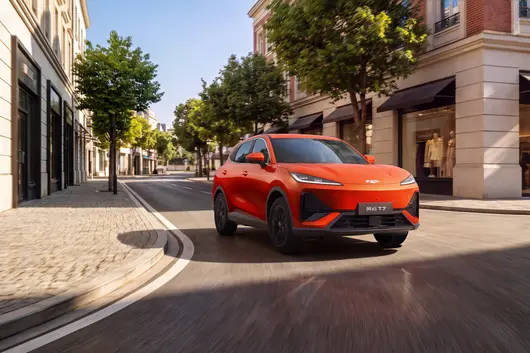
August 26, 2026, Chery Fengyun T7 officially launched, official guide price 97,900-118,900 RMB, early trade-in price starts from 94,900 RMB, immediate delivery upon launch. Amidst the fierce competition in the domestic new energy market characterized by "fast iterations, spec stacking, and downgraded entry-level", the Fengyun T7 walks a path distinct from others a common route: Native global vehicle, validate overseas first, then return to the domestic market, with a three-year R&D cycle and rigorous global verification, focusing on the real usage demands of household family users, attempting to reshape the value benchmark for the 100,000-level pure electric SUV.
Reverse overseas expansion: A home electric SUV built for the world
Currently, the logic for the vast majority of Chinese new energy models is: complete R&D and launch domestically, verify in the market, then make local modifications to adapt to overseas regulations to achieve exports. The Fengyun T7 chooses a reverse path: the homologous model Lepas L6 has already launched in South Africa and Thailand, followed by the EU, UK, Australia, Israel and other markets, to withstand global market testing before being sold to domestic consumers.

Created based on Chery's global 1+7+N R&D system, the Fengyun T7 has an R&D cycle of up to three years, benchmarked against the 2026 Version E-NCAP 5-Star Safety Standard, adapted for driving environments in 210 countries and regions. The R&D phase invested in 81 durability test vehicles, cumulatively completed 1.45 million km durability verification and 6 million km global road tests, covering 21 countries, encompassing most typical road conditions globally; at the same time, over 5,000 domestic and international users were invited to participate in co-creation, balancing aesthetics and usage habits of different regions.

Chery's proposal "Global Vehicle, No Rushing Allowed" is exactly the product DNA of the Fengyun T7. It does not pursue rapid updates, but places safety, durability, and reliability as the top priority, directly transferring overseas rigorous standards to the domestic version, which is also the core differentiation point distinguishing it from many models at the same price point.
Product Capability Analysis: Range Equality, Giving Core Hardware to Every User
The Fengyun T7 is positioned as a compact pure electric SUV, body dimensions 4570×1852×1694mm, wheelbase 2700mm, 5-seat layout, body dimensions balance easy driving and parking in the city, while meeting the daily travel space needs of a 3-person family.
Three-Electric System: All Models 600km, Refuse Range Shrinkage on Entry-Level
A common phenomenon in the 100,000-level pure electric market: entry-level versions reduce battery capacity, lower range, using low prices to attract users, while long-range versions require significant price hikes. The Fengyun T7 directly achieves range equality: all three configurations are equipped with the 65.05kWh Rhino LFP battery, CLTC range unified at 600km, energy consumption 12.9 kWh/100km, 30%-80% DC fast charging only takes 20 minutes, supports 6.6kW V2L (Vehicle to Load), meeting camping outdoor scenarios.

Powertrain uses the 12-in-1 Kunpeng Super Electric Drive, front single motor max power 178kW, peak torque 275 N·m, max speed 180 km/h, balancing city commuting and highway overtaking capabilities. Chassis is Front MacPherson + Rear Multi-link independent suspension, tuned by an overseas chassis expert team, 560mm low center of gravity design, bringing good driving stability; the vehicle has 500mm wading depth, battery pack has complete liquid cooling, PTC pre-heating, wide temperature range heat pump AC, balancing range performance in low-temperature environments.
Exterior and Cabin: Family-Oriented, Practical Configurations Not Stingy
Fengyun T7 adopts the Oriental Wind Aesthetics Family Design, closed front grille paired with L-shaped daytime running lights, overall vehicle lines are simple and steady, balancing global market aesthetics. All models standard equip AGS Intelligent Active Grille Shutter, 14 items of low drag optimization for the whole car, effectively reducing wind noise and improving range performance; full-width taillights, all models standard equip power tailgate, which is very practical configuration at this price point.

Market Landscape: 100,000-Level Pure Electric SUV, A Pragmatic Challenger
Current 100,000-120,000 RMB pure electric SUV track competition is hyper-competitive, with products from Aion, Leapmotor, MG and others competing on the same stage. Users in this niche market are mostly buying their first family car, demands are very realistic: stable range, reliable safety, sufficient configurations, low ownership costs, not interested in flashy gimmick configurations.

Fengyun T7 and Fengyun T9L positioning form differentiation: T7 is a city home pure electric SUV, suitable for daily commuting, families with convenient charging conditions; T9L is a PHEV large 5-seater, suitable for frequent long-distance travel, users without fixed charging conditions, complementing each other, perfecting the Fengyun brand's home new energy matrix.

The launch of Fengyun T7 represents a product strategy of the Chery Fengyun brand: not mindlessly stacking parameters, not doing trimmed-down entry-level, implementing global standards on home models, using warranty and safety guarantees, serving ordinary family real-world usage scenarios.
When many models blindly pursue acceleration, large screens, and flashy functions, the Fengyun T7 returns to the family essence: sufficient range, reliable safety, solid chassis, worry-free after-sales. The development model of "Overseas First, Then Home" also provides a reference for the domestic new energy industry: good cars not only serve the domestic market, but must withstand the test of the global market.
For ordinary consumers, if the budget falls between 90,000-120,000 RMB, wanting a 600km range, with lifetime warranty, pure electric SUV balancing city commuting and short trips, the Fengyun T7 is a pragmatic choice worth considering in depth.
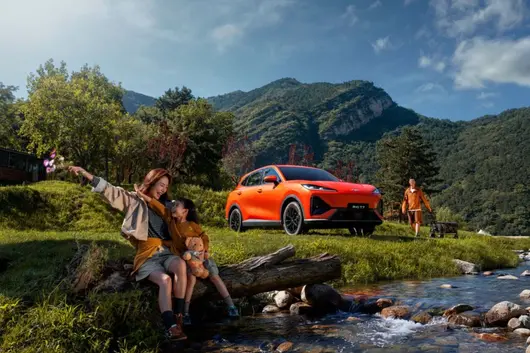

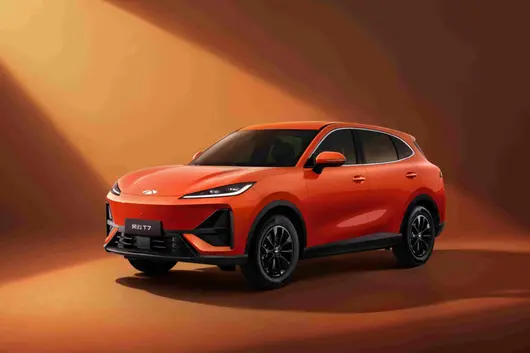
On August 26, Chery Fengyun T7 officially launched. All three models come standard with a 600-kilometer range. The guide price is 97,900 to 118,900 yuan, and the advance trade-in price is 94,900 to 115,900 yuan. Deliveries started simultaneously at the launch event, with the first batch of owners including foreign nationals residing in China.
Before launching, the car completed something uncommon: it ran across the globe before returning to sell domestically. 81 durability test cars conducted simultaneous road tests, with a total cumulative testing distance exceeding 6 million kilometers. The dedicated durability test covered 1.45 million kilometers. Test sites covered more than 100 extreme road conditions including the EU, Australia/New Zealand, Middle East, South Africa, Russia, Mexico, Brazil, with temperature ranges from minus 40 degrees to plus 55 degrees, covering 95% of global road types.

These are not data generated in a laboratory. The speed bumps in Brazil, the cobblestone roads in Mexico, deep water wading during the rainy season in Southeast Asia, cold starts in extreme cold in Northern Europe, equipment overheating protection under intense heat exposure in the Middle East—each item is a verification result from actual cars running on real roads. Even before officially facing domestic consumers, test vehicles had already been spotted by local passersby in multiple continents across the globe.
Chery calls this logic "Native Global Car". Unlike the industry common path of "selling domestically first, then modifying for export", Fengyun T7 has been conducting forward development for vehicle needs in 210 countries and regions since the project initiation. Global regulations were researched two years in advance, and design follows the 2026 version E-NCAP five-star standard. The R&D cycle is 3 years. Relying on the global "1+7+N" R&D system, it gathered 10 major design centers, hundreds of designers working collaboratively, and completed in-depth research co-creation with over 5,000 global users.

The industry background behind this choice is that the current new energy market has a strong trend of "rapid car making". Some models go from initiation to launch in less than two years, and some radical designs are applied to vehicles without sufficient verification, leading to quality and safety incidents from time to time. Fengyun T7 went against the trend, using a 3-year R&D cycle plus 6 million kilometers of global road tests to establish quality credibility. The cost was that the launch rhythm was significantly slower than competitors.
From the product itself, the core strategy of Fengyun T7 is "Range Equality". All three configurations come standard with 600 kilometers of CLTC range, without downsizing the entry version. Equipped with a 65.05 kWh Rhino Lithium Iron Phosphate battery, the official tested range reaches over 667 kilometers. Fast charging from 30% to 80% takes about 20 minutes. Battery cycle life exceeds 2,500 times, with a designed service life of 15 years. Powertrain uses the 12-in-1 Kunpeng Electric Drive, peak power 178 kW, maximum torque 275 N·m, electric drive comprehensive efficiency 90.8%. All series come standard with dual-source wide-temperature range heat pump air conditioning and high-pressure PTC. Officially, the range can be increased by 30% in minus 10-degree environments, to some extent alleviating range anxiety for northern users during winter.

In terms of safety, the body adopts a nine-horizontal five-vertical cage structure. High-strength steel accounts for 80%, hot-formed steel accounts for 18.84%. It is equipped with a unique shotgun structure in its class to disperse collision energy, with 9 airbags standard across the series. The battery uses a 31-layer protection structure. IP68 waterproofing capability is 96 times the national standard. Side anti-crushing capability is 2 times the national standard. Worth mentioning, Chery provides two bottom-line benefits for this car: if the power battery suffers thermal runaway damage due to its own reasons, a new car of the same model is compensated; if an accident is caused by the assisted driving system, compensation up to 5 million yuan. These two bottom-line protections are relatively rare in the 100,000-class models, and to some extent, it is using real money to endorse the product's safety.
In terms of intelligence, the Smart Enjoyment version is equipped with a 4-nanometer process 8775 cockpit-integrated chip, 72 TOPS computing power, with system response latency of 80 milliseconds. A 15.6-inch 2.5K screen runs Lingxi Smart Cockpit 2.0 and connects to the Doubao large model, providing 6 AI interaction personas. The Falcon 500 Intelligent Driving System integrates 22 sensors, supporting automatic parking and highway pilot assistance for over 300 scenarios.

Looking at market feedback, pre-sale data provides some reference. After pre-sales opened on August 12, large fixed orders locked 10,937 units within 72 hours, and pre-sale orders broke 16,787 units in 9 days. During the Chengdu Auto Show, overseas car viewing groups arrived to check in, and foreign influencers placed orders on-site.
The overseas homologous model of Fengyun T7, Lepas L6, is currently available in South Africa and Thailand. It enters Indonesia in August, EU in September, and pushes into Australia/New Zealand, UK, Israel, and Malaysia markets in October. This model previously debuted at Milan Design Week and gained some international attention. The Associated Press also reported on Fengyun T7. Chery has ranked first in Chinese brand passenger car exports for 23 consecutive years. Global users have exceeded 20 million, and products are sold to more than 130 overseas markets. These accumulations provide basic support for Fengyun T7's "Global Car" positioning.

However, it needs to be seen objectively that although the concept of "Native Global Car" has differentiated value at the marketing level, consumers ultimately pay for the cost-performance ratio and user experience of the product itself. The starting price of 97,900 yuan faces very fierce competition in the 100,000-class pure electric SUV market. BYD Yuan PLUS, Geely Galaxy E5, Changan CS55 Pure Electric and other models have already established solid market recognition in this price segment. Fengyun T7's global verification system indeed provides persuasiveness at the quality level, but whether it can be converted into actual sales depends on comprehensive factors such as channel coverage, after-sales service networks, and user reputation accumulation.
In addition, whether the concept of "Global Car" truly lands will depend on whether overseas markets can continue to open up. The number of markets currently covered by Lepas L6 is limited. Subsequent access and sales performance in high-regulation markets such as the EU and Australia/New Zealand will directly test the actual return capability of this globalized R&D system.

At the launch event, Chery Automotive Executive Vice President Li Xueyong said a sentence: "A real global car cannot be fast at all." This judgment seems somewhat alternative in the current industry environment that pursues speed, but it does point to a neglected issue: when the new car iteration cycle is compressed to one and a half years or even shorter, how many verification miles that should be run on the road have actually been saved?

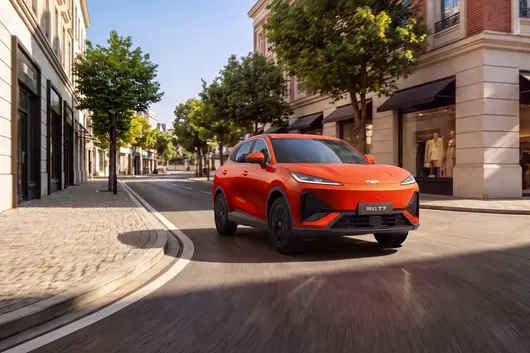
The current 100,000-level home pure electric SUV market has long fallen into fierce involution. Many models, to compress costs, generally suffer from shortened range in entry-level versions, reduced safety configurations, and high-end intelligent functions requiring additional payment for selection, causing ordinary consumers to frequently fall into traps when choosing a car.

On August 26, Chery Fengyun officially launched the new compact pure electric SUV — Fengyun T7, entering the market heavily with the attitude of breaking industry conventions. The new car comes in three configuration versions, with an official guide price range of 97,900 to 118,900 CNY, and a limited-time early trade-in price as low as 94,900 to 115,900 CNY, plus multiple car-buying benefits such as a 3,000 CNY trade-in subsidy and ultra-long interest-free financial schemes. As a new masterpiece of Chery Fengyun targeting the home market, the new car's hard power is indeed impressive. It not only comes standard across the range with 65.05 kWh Rhino batteries and 600 km CLTC pure electric range, equipped with a 178 kW high-performance motor, but the high-spec version also features the Qualcomm 8775 Cockpit-Cum-Driving integrated chip and Falcon 500 intelligent driving assistance system. In terms of hardware configuration, it can be said to be fully maxed out.

Even more surprisingly, unlike the rhythm of most models launching domestically first then trying the overseas market, Fengyun T7 has long completed its global market layout. Its global sibling Lepas L6 has already launched in South Africa and Thailand, and will subsequently land in Indonesia, EU, Australia and New Zealand, the UK, Malaysia, and many other countries. In other words, Fengyun T7 is a global car that first took the test in overseas markets before coming back to submit the paper — this strategy is not common in 100,000-level pure electric SUVs.

So, what is the real product power of this global quality pure electric SUV? Can it break through among the competition and become the annual best-seller of 100,000-level pure electric SUVs?
Fengyun T7 is good-looking, but not bland
In the current era where "looks are justice", a car's appearance determines whether consumers are willing to approach it. However, it should be noted that in this era of "small eyes + big mouth" pure electric vehicles, it is not easy to achieve something that is unforgettable. The Fengyun T7 launched this time is not that kind of "mass-produced concept car" model that piles lines just to attract eyes, but rather a design that truly blends international minimal aesthetics and Eastern elegance together. What it truly achieves is good-looking, but not bland.

Specifically in details, Fengyun T7's front face is the most eye-catching. Its front end adopts the family's latest closed wind-chasing front face design, which is a classic mainstream layout for pure electric vehicles, paired with slender and sharp wind-blade LED headlight clusters. The built-in L-shaped light source structure supports adaptive high/low beam and headlight delay-off functions, with very high identification value after lighting up. The brand-exclusive LOGO is inlaid in the center of the front face, paired with large-sized air ducts on both sides and a smoked trapezoidal lower bumper, outlining a tense X-shaped sports posture. At the same time, the new car comes standard with AGS intelligent intake grille. You know, this is not just a decoration; it can be closed at high speeds to reduce wind resistance and opened at low speeds to ensure heat dissipation, providing real help to range and energy consumption.

The body side lines are smooth and full, adopting a youthful fastback crossover styling. Body details are smoked, paired with 17/18-inch multi-spoke sports wheels, balancing dynamics and stability. In terms of body dimensions, the new car's length, width, and height are 4,570/1,852/1,694 mm, and the wheelbase reaches 2,700 mm. This three-dimensional volume belongs to the middle-to-upper level in compact classes, and it doesn't look small when parked on the roadside.

And Fengyun T7's side has a detail worth praising; it adopts traditional-style door handles instead of the currently popular hidden door handle design. Don't underestimate this; as a car to be sold in 100 countries globally, traditional handles can avoid regulatory risks in different countries. They don't freeze hands in winter or fail to pop out, making practicality and reliability more stable.

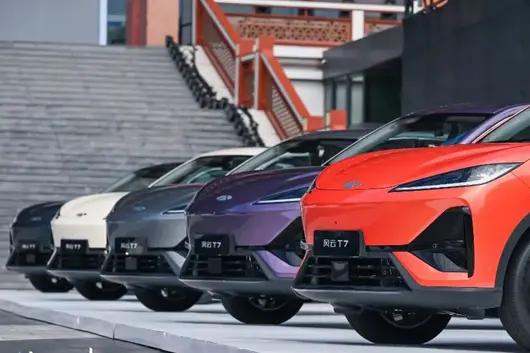
The rear end is the place with the most design sense for Fengyun T7. Its overall design is simple and powerful. The through-point matrix taillights are paired with a roof spoiler and high-position brake light; after lighting up, the identification value is maxed out. In the central part of the rear end, the new car also embeds the "FULWIN" letter logo. The bottom is equipped with a sporty diffuser structure, further strengthening the overall sports attributes. At the same time, the new car provides six exclusive colors: Blaze Orange, Mountain Smoke Purple, Cloud Pink Beige, Flowing Silver, Bamboo Green Grey, and Ink Stone Black. Among them, Blaze Orange adopts the Tri-coat three-layer luxury-grade car paint craft unique to the same level, with texture far exceeding most models in the same price range, meeting the aesthetic needs of consumers of different ages.

Turning "Over-Standard Configurations" into 100,000-level Standard Features
If the appearance is Fengyun T7's bonus, then the all-round class-leading performance in interior, space, intelligence, safety, and power is its core killer feature against same-level competitors. Each of its items fits the core driving needs of family users, with practicality and value-for-money directly maxed out.

The interior adopts a minimalist high-end Cloud Wing Encircling Cockpit design, offering Black-Brown and Pure Black two interior color schemes. Large-area soft wrap materials cover the cockpit, paired with exquisite diamond quilted craftsmanship and pebble floating speakers, making detail quality maxed out. In terms of tech configuration, the cabin is equipped with an 8.8-inch full LCD instrument cluster + 15.6-inch 2.5K HD floating central control screen. Screen brightness reaches up to 1000 nits, able to display the image clearly under strong light. Anti-glare and anti-fingerprint coating design balances daily practicality. In addition, what deserves great praise is that the cabin also retains high-frequency physical keys, balancing the operation habits of the elderly and kids, while also adopting electronic column shifters and three-spoke flat-bottom multifunction steering wheels, simplifying cockpit layout and greatly improving operation convenience.

Of course, intelligent experience is one of Fengyun T7's core highlights. In this aspect, the new car adopts the 4nm Qualcomm 8775 Cockpit-Cum-Driving integrated chip with 72 TOPS ultra-high computing power, system response speed as low as 80 ms, and car machine operations are smooth without lag. At the same time, the new car also pairs Lingxi Cockpit 2.0 system and Doubao Large Language Model, supporting dual-zone voice wake-up and full-scenario fuzzy semantic interaction.

Not only that, the new car can also adapt to three major mainstream mobile phone interconnects CarPlay, HiCar, and CarLink, covering the vast majority of models on the market. And built into the cabin are six scenario modes: Nap, Camping, Sentry, Baby, Pet, and Wake-up. One-key switch adapts to different travel scenarios, perfectly adapting to home, camping, commute, and other diverse vehicle use scenarios.


On the intelligent driving level, high-spec models are equipped with Falcon 500 intelligent driving assistance system, equipped with 3 millimeter-wave radars, 7 cameras, and 12 ultrasonic radars totaling 22 high-precision sensors, hardware configuration maxed out. Supports Highway NOA Pilot Assist, 300+ full-scenario automatic parking, multi-floor memory parking, 100-meter one-key trace reverse. Whether for highway long-distance commute or neighborhood narrow parking, it can effectively reduce driving pressure, and novices can easily drive.

In terms of space performance, Fengyun T7 achieves class-leading driving and riding experience with an 84% ultra-high interior usable space ratio. The 2,700 mm ultra-long wheelbase brings spacious rear legroom. At the same time, it adopts pure flat rear floor design, and the rear is not cramped even with three passengers full load. Storage capability is also excellent. The whole car is equipped with 38 storage locations. The conventional trunk volume is 450 L, able to easily accommodate a family's travel luggage and children's items. After folding down the rear seats, it can be expanded to 1,550 L. Whether for daily grocery shopping and commute, or self-drive camping and loading large items, there is no pressure at all.

Regarding other configurations, the new car comes standard with 9-layer cloud-feel comfortable seats. Multi-layer composite structure balances softness and support, without fatigue after long-term sitting. Front seats support heating and ventilation functions. Large-area heating area warms up fast. Ventilation suction design says goodbye to summer back sweat. Four-season driving and riding can maintain comfort. At the same time, it is equipped with 8-speaker SONY audio, 50 W mobile phone wireless charging, openable panoramic sunroof, 64-color ambient lights, rear independent air conditioning, etc., further improving whole-vehicle driving and riding quality.

As for the safety level consumers care about, Fengyun T7's body adopts a 9 transverse 5 longitudinal cage structure, supported by 80% high-strength steel + 18.84% thermal forming steel. Pairing with same-level unique Shotgun structure, dual-frame subframe, and PACK anti-collision beam, multiple force transmission paths disperse collision impact force, protecting occupant cabin safety to the maximum extent. Even more rare is, it comes standard with 9 airbags across the whole vehicle, including far-side secondary collision prevention airbags, making it one of the models with the most airbags in the same price range.

Of course, besides body hard power, battery safety on Fengyun T7 also achieved the extreme. Its all-series equipped with 65.05 kWh Rhino Lithium Iron Phosphate battery, adopts 31-layer 6D Lock-plate armor protection structure, IP68 grade waterproof and dust-proof ability. Waterproof performance reaches 96 times the national standard, side crush resistance ability is 2 times the national standard, successfully passing 1,008 hours salt spray test, 105 seconds fire test, fearless of wading, bumps, high temperature, humidity and other complex conditions.

In addition, the official also launched two major backstop benefits: if the whole vehicle suffers thermal runaway damage due to power battery itself reasons, Chery will compensate for the same model new car or new cars not lower than original car configuration; from the date of purchase, within one year, in "Parking Scenario", "Intelligent Pilot Scenario" determined as "Intelligent Driving Assistance System Reason" causing accident, causing injuries to personnel on the car and third-party loss compensation, maximum compensation is 5 million, from hardware guarantee to after-sales backstop, thoroughly removing user vehicle use concerns.

Finally in terms of power and range, Chery Fengyun T7 adopts pure electric drive, equipped with max power 178 kW motor, peak torque 275 N·m, top speed 180 km/h. Chassis adopts front MacPherson rear multi-link independent suspension, and has undergone Maserati front chassis expert team tuning. In terms of range, the new car comes standard with 65.05 kWh Rhino battery capacity. CLTC pure electric range 600 km, SOC 30%-80% fast charge only requires 22 minutes, and supports max 6.6 kW external discharge power.
Final Thoughts:
Overall, Fengyun T7 is a very "down-to-earth" vehicle: It does not heap those flashy but useless configurations, but rather put all the cost into safety, range, quality, and these most core places for home vehicles. 94,900 CNY starting price, paired with all-series 600 km range, maxed-out safety redundancy, globally verified quality, plus whole-vehicle lifetime warranty, lifetime maintenance, trade-in subsidy, etc. launch benefits, value-for-money is indeed very outstanding.
Of course, the market is cruel. The opponents Fengyun T7 faces are not pushovers, each has its own devoted fanbase. Whether it can become this market's best-seller "dark horse", let us hand it over to time and the market to give the final answer!

Fu Rong, Interns Fang Weibo, Cheng Siyu
On the evening of August 26, Sunwoda (300207.SZ) released its 2026 Semi-Annual Report. In the first half of the year, the company achieved revenue of 381.79 billion yuan, a year-on-year increase of 41.48%, setting a historical high for the same period; however, net profit attributable to shareholders was 6.03 billion yuan, a year-on-year decline of 29.59%, and deducted non-recurring net profit was only 0.97 billion yuan, a sharp year-on-year drop of 83.32%. The company exhibited the characteristic of "revenue growth without profit growth", and the profitability of the battery main business is under pressure.

From the perspective of business structure, Sunwoda is accelerating the shift away from dependence on a single business. As the core business, consumer batteries achieved revenue of 144.52 billion yuan in the first half of the year, up 4% year-on-year, firmly ranking first in global mobile phone battery market share. However, affected by weak global consumer electronics demand and rising upstream material prices, the gross margin of this sector declined year-on-year.
Power battery and energy storage businesses have become the core engines driving revenue. Regarding power batteries, the company's HEV hybrid battery installation volume jumped to first place globally in the second quarter, with 28.36GWh shipments in the first half of the year, revenue reaching 141.34 billion yuan, a year-on-year surge of 85.87%. The energy storage business is also in a period of accelerated scale release, benefiting from the explosion of global AIDC backup power demand, with relevant orders reaching a historical high. However, despite the significant increase in shipments of the power and storage businesses, profits are yet to be realized in the future, affected by industry price wars and high capital expenditures during the scale expansion period.
In the first half of the year, the company's R&D investment reached 23.63 billion yuan, with an R&D expense ratio exceeding 6%, continuously delving into electrochemical basic research and material innovation. At the same time, Phase I of the Thailand base has been put into production, and Phase II has also been launched simultaneously. The Hungary and Vietnam bases are currently in the orderly construction phase, the proportion of overseas customers continues to increase, and the company's profit elasticity is also expected to be released further. However, high R&D investment and globalization layout also test the company's cash flow.
Looking ahead to the second half of the year, Liang Rui, Vice President and Chief Sustainability Officer of Sunwoda Electronics Co., Ltd., stated in an interview with media that the consumer market is basically saturated, and the combined proportion of Sunwoda electric vehicle batteries and energy storage system businesses will exceed that of consumer batteries.
Under industry cycle fluctuations, whether Sunwoda can improve deducted non-recurring net profit, convert the high market share of HEV into more pure electric design wins, and whether AIDC energy storage orders can continue to land, will be the key points to watch for its subsequent breakthrough.


In China's 2026 new energy market, an opinion regarding "quick-made cars" is continuing to ferment. Some automakers, to seize market windows, compress real-vehicle verification cycles, heavily relying on AI simulation testing to replace physical road tests, rapidly pushing products that haven't undergone sufficient extreme condition testing to the market, making consumers de facto real-vehicle testers.
Against this media backdrop, on August 25, Chery Fengyun T7 went on sale officially. At the launch event, Chery directly revealed its attitude towards car manufacturing: "Global cars cannot be rushed". The slogan doesn't sound particularly novel, but in the 100,000 yuan level race where price wars are rampant, making a statement requires solid products as backing.
Pricing Targets Mainstream Home Market, 600km Range Becomes Standard Across All Models
Fengyun T7 launched three models. Official guide price 97,900 to 118,900 yuan, limited-time early replacement price as low as 94,900 yuan. Delivery starts simultaneously with launch, no long pre-order waiting period. This pricing falls precisely within the most mainstream budget range for domestic family car buying, and is also the battleground with the most intense competition for pure electric SUVs.

The core breakthrough point lies in the range strategy. Three models are uniformly equipped with 65.05kWh Lithium Iron Phosphate Rhino batteries, CLTC comprehensive range all reaches 600 km, no operation of reducing battery capacity or cutting range for low-spec models.
Looking at the industry, the common practice for 100,000 yuan level pure electric SUVs is to give 430-510 km range for the entry version, versions above 600 km require premium payment to reach mid-to-high specs. Users often pay an extra 10,000 to 20,000 yuan cost to alleviate anxiety for daily commuting and weekend short trips.
Fengyun T7 directly achieves range equity. The 90,000+ yuan entry version and the top version get completely consistent battery hardware. 30%-80% fast charging takes only 20 minutes. Official test range can reach 681.6 km. Battery cycle life exceeds 2500 times. For daily commuting and cross-city short trips, no need to frequently worry about finding charging piles.

For ordinary family users, range is not a benefit of high specs, but a basic capability that a home electric car should possess. In this regard, Fengyun T7 turned the industry's high-spec standard into the entry threshold for the entire series.
Not Just Range Breaking the "Entry-Level Cutbacks"
Range equity is just the first step. What Fengyun T7 wants to challenge is the unwritten rule of entry-level cutbacks commonly found in 100,000 yuan level models. Many models look attractive in entry-level price tags, but actually cut airbags, simplify chassis, and strip basic comfort configurations. Users only discover compromises everywhere after receiving the car.
This car was developed positively from the start according to an original global car, not simply a domestic model modified for export to overseas. It benchmarks 2026 E-NCAP five-star safety standards. Whole vehicle accumulated over 6 million km real-vehicle testing. Traveled to global extreme environments such as extreme cold, high temperature, high salinity/alkalinity to complete durability verification.

80% high-strength steel body, multi-airbag protection, IP68 level battery protection, dual-source heat pump air conditioning, front MacPherson plus rear multi-link independent suspension. These hardware components oriented towards the global market were not deleted because of the affordable domestic pricing.
Multi-dimensional product redundancy is the underlying logic distinguishing this car from competitors. Safety level sets battery thermal runaway compensation, intelligent driving accident coverage policies, giving family users extra psychological assurance; chassis tuned by professional teams, balancing urban commuting and complex road conditions; infotainment system equipped with 4nm cabin and driving integrated chip, screen sizes unified across the system, basic intelligent experience not differentiated by car model.
Of course, it is not perfect. High-end intelligent driving functions are concentrated in the top version. The entry version focuses on basic auxiliary capabilities, the trade-off is very clear. Its product logic is very clear: basic safety, range, chassis texture, these parts concerning life and daily car usage experience are absolutely not shrinked. Personalized high-end functions are left for users to choose as needed. In the past, global quality was often bound with high price. Fengyun T7's doing is to move this set of rigorous standards to the 100,000 yuan level home market.
Fengyun Brand Needs a "Standable" Pure Electric SUV
For Chery Fengyun series, the significance of Fengyun T7 is far from adding just one volume-selling SUV. After the Fengyun series restarted, it has been looking for its own labels. It cannot fall into bottomless low-price involution, and must be close to ordinary families' real consumption ability.
In the past, domestic brand 100,000 yuan level products easily fell into two dilemmas. Some models only pursued paper low prices, sacrificing durability and safety redundancy for sales; another part attacked high-end, pricing detached from the tolerance range of most ordinary families. Fengyun T7 walked a third path, backed by a global R&D system, no special export cut versions, use real-vehicle massive testing to fight against the quick-made car manufacturing trend, establish "stable, reliable" product labels for Fengyun brand.

Outside the domestic market, this car's homologous model has launched first in overseas markets like Thailand. One car balances domestic home needs and overseas strict regulations. Chery's years of accumulated export R&D experience counter-feed domestic consumers. It wants to move those who pursue pragmatism, value long-term car usage reliability, and refuse to pay for marketing gimmicks family users. The task Fengyun T7 undertakes is to prove that at the 100,000 yuan price point, consumers can also buy reliable electric cars forged by global standards, helping Fengyun complete the consolidation of brand positioning.
Written at the End: Product Bottom Line is Long-term Competitiveness Outside of Price Wars
Fengyun T7 launch, placed in the current new energy big environment, is more like a cold thinking of the industry. The whole industry crazily pursues faster iteration, lower selling prices. Price wars one after another. But we need to distinguish, true cost-performance ratio does not equal low price of cutting core hardware.
Quick-made car manufacturing can exchange for faster new product rhythm, short-term harvesting market hotness, but hardware defects cannot rely on OTA repair, final price will be transferred to consumers. Fengyun T7 did not participate in malignant involution on parameters, but returned to a few dimensions of the car most essentially.

It will not completely rewrite the whole market, but it provides a benchmark for the industry: Entry version shouldn't be "amputated version", the core experience of a home car should not require users to pay extra to unlock.
Market competition will eventually return to the product itself. Short-term fight price, long-term fight bottom line, this may be the most important inspiration Fengyun T7 leaves for the 100,000 yuan level pure electric market.


作者:管宏業
用十餘年時間,中國新能源汽車完成咗一場波瀾壯闊嘅換道超車。滲透率逼近48%、年產銷躍上千萬級,全球汽車工業嘅坐標軸因此而重定。
然而規模登頂之後,賽道開始變奏。
「十五五」開局之年嘅夏末,工信部用咗不尋常嘅措辭——「非理性競爭問題仍然突出」,「必須加力解決」。監管層嚴厲表態,這不是規勸,係警示。
行業利潤持續壓縮,市場整體劇烈動盪。中國新能源車正在告別野蠻生長,迎嚟價值重構嘅大時代。喺呢場變奏中,智己汽車嘅「二次創業」恰好踩咗喺時代節拍上。

2026 年 8 月,智己召開員工幹部大會,定調「二次創業」,統一戰略節奏。成都車展上亮出底牌——「NEXT·2028」戰略:三款即將落地嘅純電車型,以及一句來自管理層嘅直言,「市場卷,但上汽智己拿著最好嘅牌。」
一
2020 年 12 月創立,智己嘅前五年,係典型嘅國家隊新品牌歷練史。早期嘅產品更多係技術能力嘅驗證,喺市場震盪起伏中打磨用戶認知。
去年,智己打出關鍵嘅一步棋:推出恆星超級增程,以大電池增程開闢差異化賽道。呢套兼顧純電體驗同長途無憂嘅技術方案,迅速拿到市場反饋,全年 8 萬台以上嘅銷量,穩穩躋身增程市場第一梯隊,收獲「增程新王」嘅行業評價。LS6、LS8、LS9 增程版喺各自細分賽道站穩腳跟,市場用訂單完成咗對智己產品定義、製造能力嘅第一輪大考。

增程賽道嘅突圍,畀智己打開咗寶貴嘅窗口期,但管理層看得清楚,市場嘅底層結構正在發生變化。外部環境信號,叠加內部技術沉澱,推動智己把重心重新壓返純電主戰場。
內部幹部大會上,「二次創業」成為全員共識:告別小步試錯,進入主動進攻週期。過去增程業務積累嘅渠道、用戶認知、供應鏈經驗,全部轉化爲純電反攻嘅彈藥,NEXT·2028 戰略,正係呢場進攻嘅總綱領。
2026 年 8 月至 10 月,智己將連環出擊三款純電車型:全新一代 LS6、L6,以及 LS8 純電版。呢三款車全系标配三項核心資產——NEO 三電架構、全線控底盤、IM Claw 智能體。

這唔係一次簡單嘅新品發布,而係一次技術儲備嘅集中釋放。
線控底盤係乜?對於普通用戶,佢或者係一個陌生嘅技術詞彙。但對於行業而言,佢係從「人開車」到「車自己開」嘅分水嶺。按照智己此前透露,線控轉向嘅可靠性已達到航空級 10FIT 標準(10 億小時失效低於 10 次),響應速度僅 20 毫秒,比人類本能反應快 10 倍以上。更重要嘅係,上汽正係線控轉向國家標準嘅牽頭制定者之一。
「全系标配」呢四個字,喺汽車行業通常意味著將高配配置下放,但喺智己嘅語境下,佢更像是用「國家隊」嘅底蘊,對市場進行一場技術平權。
二
「市場卷,但上汽智己拿著最好嘅牌。」智己汽車副總經理徐崟嘅呢句話,喺採訪間度拋出嚟,聲音唔大,分量唔輕。呢句話唔係即興發揮,而係一個背靠萬億級汽車集團嘅品牌,喺行業低迷時刻亮出嘅底牌。

呢張牌,係上汽 70 年造車積累嘅工程體系。從臨港數字化工廠嘅製造精度,到全球頂級供應鏈嘅議價能力,再到覆蓋全國嘅經銷商網絡——呢啲看似笨重嘅重資產,喺行業從「輕裝上陣」轉向「體系決勝」時,反而成為護城河。當新勢力為產能爬坡焦頭爛額時,智己嘅上游製造已喺按節奏排產;當市場為供應鏈斷裂惴惴不安時,上汽嘅全球採購網絡早已完成多源備份。
呢張牌,係定義規則嘅技術話語權。2026 年 7 月,由上汽牽頭制定嘅線控轉向國家標準正式實施。從行業跟隨者到標準制定者,這係一次產業地位嘅宣示。線控底盤對於智能汽車,同底盤對於燃油車——邊個掌握底層架構嘅定義權,邊個就喺下一代競爭中佔據制高點。

呢張牌嘅意義,喺行業上行時或許唔明顯,但喺市場下行、融資收縮嘅週期里,卻係一道實實在在嘅安全墊。所以,當徐崟說出「拿著最好嘅牌」時,佢說嘅唔係自信,係事實。
三
發布會現場,一個細節值得玩味:徐崟首次以智己副總經理身份公開亮相。
喺呢之前,佢喺泰國市場操盤 MG 品牌已有六年。喺日系車壟斷嘅泰國,佢帶領團隊將 MG 保有量推至 22 萬輛,並畀智己順利落地成為出海首站。
佢毫不迴避市場嘅殘酷。上半年國內有 527 款新車發布,1-7 月市場整體下降咗 20%。但佢也看到增長嘅信號——純電市場喺漲,正係智己下半年嘅發力方向。

「習慣『慢慢來』嘅市場,要跑出中國品牌嘅『快快快』。」呢係徐崟喺泰國總結嘅經驗。如今回到國內,節奏更快,但佢並唔急。佢說:「我更關注嘅係,消費者對細節是否滿意。如果呢啲都能做到,銷量自然係水到渠成嘅。」
務實,但唔怯戰。
四
6 月份先至返嚟國內,徐崟講咗一句旁觀者清嘅說話:「唔好一味只講參數,要多諗下畀用戶提供乜情緒價值。」
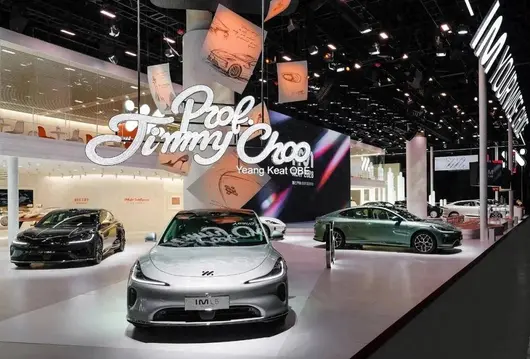
全新一代 L6 同高定大師 Prof. Jimmy Choo 嘅合作,畀外界睇到智己「情緒」嘅一面。
佢唔再淨係強調 2.74 秒加速或 800 伏快充,而係開始講述「水晶標」、「高定藍」同"Not For Everyone"嘅設計敘事。

喺呢同質化嚴重嘅新能源市場,幾乎係一種「反內卷」嘅嘗試。當大家比拼雪櫃、彩電、大沙發嘅數量嘅時候,智己試圖用審美同情緒價值劃出一道分界線。
從技術立身到溫度共情,智己嘅溝通正喺升維。
五
今日嘅中國汽車,喺宏大地歷史節點之上。一方面,中國製造走向全球,新能源成為國家名片;另一方面,同質化內卷、非理性競爭,成為必須跨過嘅關口。工信部強調要「煞住車」,意味著行業必須由「比邊個跑得快」轉向「比邊個煞得住、行得遠」。
2026 年正係分水嶺。喺呢一個時間節點,智己嘅「二次創業」選擇咗一條艱難但清晰嘅路:將未來兩到三年嘅技術,提前放喺當下嘅產品度,用「技術普惠」對抗低水平內卷。

8 月全新一代 L6 預售,9 月全新 LS6 上市,10 月 LS8 純電版亮相——三款純電連環出擊。大時代嘅產業競爭,短期睇營銷造勢,長期回歸產品同體系。NEXT·2028 戰略拉開序幕,智己要喺變奏中,重新定義自己嘅節拍。

呢幾年中國汽車最大嘅特點,就係快。過往一輛車三年中期改款、六七年換代好正常,而家啱上市一年,車主可能已經開始擔心自己買嘅係唔係舊款。
風雲 T7 上市之後,我反而對佢講嘅一件事比較感興趣:慢。
風雲 T7 今次一齊推出三個版本,指導價 9.79 萬—11.89 萬元,搶先置換價 9.49 萬—11.59 萬元。更關鍵嘅係三個版本全部搭載 65.05kWh 電池,CLTC 續航都係 600km,冇用一個短續航版本將起售價做低。
 十萬級別純電 SUV 競爭已經好激烈,好多車睇落起售價好低,但仔細研究配置表就會發現,入門版可能最初先從電池同續航下手。風雲 T7 嘅做法簡單粗暴:600km 全系標配。
動力亦冇因為車價便宜而做得特別保守。178kW 電機,最高車速 180km/h,四輪獨立懸掛,前後軸荷比 50.8:49.2,仲有 70mm 大襯套同 26mm 前穩定桿。
呢啲參數放埋一齊,我覺得比單純強調零百加速更有意思。
因為對一輛家用 SUV 嚟講,真正日日能感受到嘅唔係紅綠燈衝別,而係高速穩唔穩、過彎車身動態點樣、爛路上底盤係唔係鬆散。尤其係一輛要賣到全球唔同市場嘅車,底盤面對嘅絕唔止係中國城市裏面嘅柏油路。

呢就講到風雲 T7 比較特別嘅地方。佢由產品定義開始就係按照全球車嚟做嘅。
研發週期 3 年,按照 2026 版 E-NCAP 五星安全標準開發,做咗 5000 多名全球用戶調研同 15 個典型國家嘅深度走訪。同源全球車型 LEPAS L6 已經進入南非同泰國,後續仲要進入歐盟、澳新、英國等市場。
而全球車真正麻煩嘅,其實正正係配置表上睇唔到嘅嘢。
例如東南亞雨季積水多,風雲 T7 做到 500mm 涉水;中東要面對長期高溫暴曬;巴西有砂石路;墨西哥有大量鵝卵石路;北歐唔只係冷,仲有極夜環境。整車驗證覆蓋 -40℃到 55℃嘅極端溫域以及 95% 嘅道路類型。

甚至用戶習慣都得好諗。
泰國用戶鍾意重啲嘅轉向手感,土耳其同以色列用戶鍾意實體按鈕,東南亞、南非同澳新陽光強,所以方向盤同中控台要使用低反光材質。歐洲用戶習慣車頭入庫,距離障礙物 70cm 嗰陣,前攝像頭就要自動顯示。

呢啲嘢單獨拎出嚟,都算唔上咩“黑科技”。
但我一直覺得,汽車真正難做嘅地方,原本就唔係將某一項參數做到特別誇張,而係將幾千個不起眼嘅嘢都做對。
安全亦係呢個思路。
風雲 T7 車身高強度鋼占比 80%,有雙框式副車架、Pack 防撞梁、貫穿式門檻防撞梁,全車 9 個安全氣囊。電池包做咗 31 層防護,側邊抗擠壓做到 200kN,仲進行咗 1008 小時鹽霧同 105 秒火燒測試。
而家先係今日大家最關心嘅智能化。
風雲 T7 用咗 4nm 嘅 8775 艙駕一體晶片,算力 72TOPS,座艙接入豆包大模型;全車 22 顆感知硬件,可以實現高速領航輔助同 300 多種自動泊車場景。

空間都係比較標準嘅中國家庭車思路。4570mm 車長,2700mm 軸距,後備廂常規 450L,最大可以擴展到 1550L。後排摺倒之後仲可以形成 1955x1310mm 嘅純平空間。
所以如果淨係睇配置同價格,風雲 T7 其實都好容易理解:
十萬左右,600km 純電續航,178kW 電機,獨立懸掛,智能座艙同輔助駕駛,再將家庭用戶需要嘅空間、安全同舒適配置盡量補齊。
但我覺得佢更值得討論嘅,都係呢啲配置背後嘅開發方式。
為咗耐久驗證,風雲 T7 投入咗 81 台專屬耐久試驗車,耐久專項實測 145 萬公里。制動做咗一萬多次專項驗證,滿打轉向超過 19000 次,底盤衝擊 400 多次。
呢就回到咗文章開頭嗰個“慢”字。
中國汽車過往十幾年最大嘅優勢之一就係快。供應鏈快、研發快、決策快、技術量產快。呢啲當然唔好丟。
但汽車又有一個好特別嘅地方:
有啲事可以靠效率縮短,有啲事真係只能用時間換。
軟件可以 OTA,晶片可以升級,智能座艙半年就發生好大變化。但係車身結構、底盤匹配、材料老化、密封、耐久、高低温適應性,唔可能靠發布會嗰幾個參數證明。
你真係要將佢扔到零下幾十度,再扔到五十多度;跑高速、跑砂石、跑爛路、跑積水;今日跑,明日跑,一直跑到嗰啲平時唔會出現嘅問題自己冒出嚟。

過往中國汽車已經證明自己跑得足夠快。
下一階段真正難嘅,可能係明明有得跑得好快,但知道咩時候應該慢落嚟。
慢落嚟,比跑得快更難。
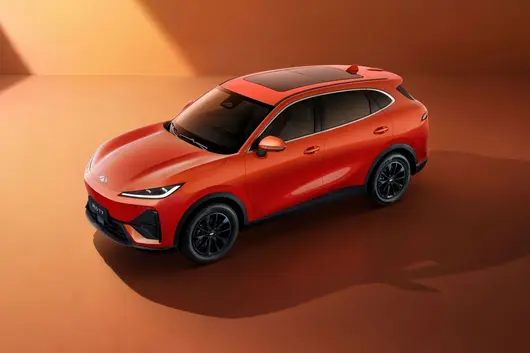
當下新能源賽道內捲愈演愈烈,不少車企陷入「求快」怪圈:壓縮研發週期,追逐快速迭代,比拼紙面參數,恨不得短短數月就推出一款全新車型。但汽車作為陪伴家庭多年的出行工具,堆砌硬件配置並不难,想要打磨出穩定可靠的品質,卻需要足夠時間沉澱。8 月 26 日正式登場的奇瑞風雲 T7,走出了一條與眾不同的產品路線:先完成全球多場景嚴苛測試驗證,再回歸國內市場,以 9.49 萬起的搶先置換價,把具備原生全球品質的純電 SUV 帶入十萬級主流消費區間。

何為真正的全球車型?絕非把國內在售車型簡單微調就出口海外。市面上不少出海產品,本質就是國內特供車,僅做少量本地化改動就銷往海外,面對不同地區路況、氣候、法規,很容易出現水土不服。風雲 T7 從項目之初就錨定全球化定位,2 年產品策劃疊加 3 年完整研發,依托奇瑞 1+7+N 全球研發體系,完成 5000 余份全球用戶調研,實地走訪 15 個代表性國家,提前兩年開展全球法規適配工作,整車對標 2026 版 E‑NCAP 五星安全標準開發。其同源車型 Lepas L6 已經登陸南非、泰國市場,後續還將進軍歐盟、澳新等地區,米蘭設計週的亮相,也讓這款車獲得了國際市場對設計美學的認可車家號。
慢不等於低效,而是把潛在故障與風險,全部消解在正式上市之前。為檢驗整車可靠性,奇瑞投入 81 台試驗車輛開展耐久測試,專項耐久測試里程達到 145 萬公里,整車累計測試里程突破 600 萬公里。試驗車輛跑過巴西顛簸減速坎、墨西哥鵝卵石爛路、南非泥濘非鋪裝道路;直面中東五十多度高溫暴曬、北歐零下四十度極寒低溫、東南亞 500mm 深度積水涉水考驗,-40℃至 55℃的極端環境全部完成實車通關,測試中暴露的問題做到 100% 閉環整改。正如發布會現場吳克群與李學用交流所言,出行裡穩穩的幸福,來源於慢功造好車的底氣,無論嚴寒酷暑,車輛都能够穩定輸出,讓用戶用車無需時刻提心吊膽車家號。
在續航這件事上,風雲 T7 在十萬級市場做出大膽突破,實現了全系續航平權。目前很多同價位車型慣用續航分層策略,入門版本電池容量縮水,想要拿到長續航版本,就要增加購車預算。風雲 T7 三款配置全部搭載 65.05kWh 犀牛電池,CLTC 續航統一達到 600km,實際測試最高跑出 681.6km 的成績;30%-80% 快充仅需 20 分鐘,一杯咖啡的時間就可以補充 300 公里續航,電池循環壽命超 2500 次,普通家庭使用場景下,十五年無需更換電池。

針對北方純電車主頭疼的冬季續航衰減難題,風雲 T7 全系配備雙源寬溫域熱泵空調,零下 10℃環境下續航可以提升 15%-20%,即便低至‑30℃低溫依舊可以穩定運轉。配合 12 合 1 鯤鵬電驅,綜合效率 90.8%,峰值功率 178kW,兼顧動力性能與能耗表現;再加上 14 項低風阻優化以及 AGS 智能進氣格柵,進一步壓低整車能耗。一台優秀的純電 SUV,不該讓南北方用戶擁有截然不同的用車體驗,寒冬不趴窩、酷暑續航不跳水,才是用戶真正期待的續航表現。
作為家用 SUV,風雲 T7 把空間實用性落到位。2700mm 軸距帶來 84% 車內得房率,後排地板做到純平,成年人乘坐腿部空間寬裕,不會產生局促壓抑感。後排座椅放倒之後,可拓展出 1955mm×1310mm 純平大空間,露營休息、長途駐車休整都能輕鬆應對。車內搭載 9 層結構雲感座椅,通風、加熱功能一應俱全,夏季久坐不悶,冬天上車快速升溫。常規狀態後備箱容積 450L,採用分層儲物設計,配備下沉儲物格、雨傘槽以及多處掛鉤,把家庭用車細碎的收納需求充分考慮到位。家用車不只是追求漂亮的賬面參數,懂得體察用戶日常瑣碎,才算是讀懂家庭用戶真實訴求。
外觀設計上風雲 T7 摒棄過度浮誇的設計取向,全球十大設計中心上百名設計師協同打磨,結合五千多份用戶共創反饋,打造東方馭風美學,兼顧東方審美與海外市場接受度,風阻係數低至 0.286Cd。整車一共提供六款車漆可選,其中熾焰橙採用豪車級 Tri‑coat 三層噴塗工藝,不同光線之下呈現豐富色彩變化;截至 9 月 30 日購車,這款價值 6000 元的特殊車漆可以免費選裝。座艙採用雲翼環抱式佈局,線條柔和舒展,搭配鵝卵石揚聲器、菱格縫紉工藝,不堆砌廉價鍍鉻裝飾,長時間駕駛乘坐也不容易審美疲勞。

純電車型,安全永遠是繞不開的核心話題,風雲 T7 從車身硬件結構和後期兜底保障兩個維度築牢安全防線。車身採用 80% 高強度鋼、18.84% 熱成型鋼,九橫五縱籠式車身結構,配備同級獨有的 shotgun 結構,首發雙框副車架搭配 Pack 防撞梁,共計 15 條碰撞傳力路徑,發生碰撞事故時高效分散衝擊力,最大限度保護乘員艙完整。頂配版本給到 9 氣囊配置,後排側氣囊、遠端氣囊均沒有做減配。電池搭載 6D 鎖子甲 31 層防護結構,IP68 防水能力達到國標 96 倍,側邊抗擠壓能力為國標兩倍,鹽霧、火燒等嚴苛測試全部加碼通過。
硬件配置到位之外,奇瑞還拿出行業罕見的兜底保障政策。如果動力電池因自身質量原因發生熱失控損毀,直接賠付同款或者更高配置新車;購車一年內,泊車、智能領航場景,若經判定是智駕系統故障引發事故,最高可享受 500 萬賠付。疊加首任車主整車終身質保(含三電系統),僅需 666 元就可享有每年一次終身基礎保養,直指純電用戶兩大焦慮點:電池安全風險、後期養車成本。安全不只是宣傳頁上的數據,出事之後有實在兜底,才是對家庭出行最大尊重。
智能化層面,新車搭載同級首發 4nm 8775 艙駕一體芯片,算力 72TOPS,系統響應低至 80ms,艙駕一體硬件儲備充足。車內配備 15.6 英寸 2.5K 防眩光大屏,靈犀智艙 2.0 接入豆包大模型,模糊語音識別無需記憶固定指令,還擁有多款趣味語音人設;小憩、寶寶、露營等專屬場景模式一鍵切換。全車佈置 22 顆高精度傳感器,支持 300 + 全場景自動泊車,跨樓層泊車、100 米循跡倒車、高速領航輔助全部配齊,不管是新手還是老司機,都能够有效降低駕駛負擔。
價格方面,風雲 T7 官方指導價 9.79‑11.89 萬元,搶先置換價 9.49‑11.59 萬元。截至 9 月 30 日下訂可享受 8 重購車權益;1000 訂金抵 2000 元的預售膨脹禮延續至 8 月 31 日。免費特殊車漆、0 息金融方案、不限品牌 3000 元置換補貼、安全兜底保障、終身質保保養、流量權益等福利全部配齊,同時做到上市即交付,已有外籍在華用戶成為首批車主。
纵观如今十萬級純電市場,不少產品靠縮減電池規格、砍掉安全配置,用低价博取關注度。風雲 T7 反其道而行,依靠碰撞安全、電池安全、續航平權、全域節能、操控性能、整車驗證六大冗餘實力,把用戶需要的配置與保障完整給到消費者。
車子承載的是一家人出行的幸福,所謂全球品質,不在於銷往多少國家,而是無論身處酷寒北方、潮濕南方,或是路況複雜的地區,車輛都能穩定可靠,拒絕配置套路。風雲 T7 給行業帶來全新啟示:造車不必一味追求速度,沉下心打磨產品,逐一化解用戶真實用車焦慮,慢下來,方能走得更遠。