


首頁鱼

搜尋歷史
熱門搜尋
經銷商登入 / 註冊

Lotus Cars announced its latest 2030 Strategy, which is a major push for sales and profitability, as well as a strategic adjustment of technology and routes.
By 2030, Lotus Cars aims to achieve annual production and sales of 30,000 units.
At the same time, it is no longer stubbornly adhering to the pure electric route, but moving forward with pure electric, hybrid, and fuel options.

However, performance cars are currently facing unprecedented changes: numerous new brands are flooding in, and traditional narrative styles are declining.
Consumers are redefining the standards for what constitutes a true performance car.
In this changing landscape, how Lotus Cars reshapes its brand and recreates its products to break through from the changes is self-evidently challenging.
To implement the 2030 Strategy, Lotus Cars is already laying out plans in earnest.
A major trump card Lotus Cars holds now is leaning on the Geely Group system, enabling it to secure more strategic resources to fight continuously.
Additionally, advancing along pure electric, hybrid, and fuel lines simultaneously can also help Lotus Cars expand its consumer base and open up markets in more countries or regions.
For Lotus, a more pragmatic and global chessboard is gradually unfolding.
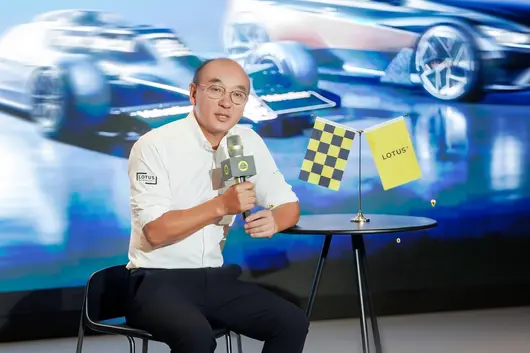
The following are the core contents of the interview; we edited them without changing the original meaning.

Core Interview Content
Question: For 2030 to achieve an annual production and sales scale of 30,000 units, what will be the approximate sales distribution ratio between domestic and overseas markets? Will the brand subsequently deepen its investment in fuel models? Is there any information you can reveal on this?
Feng Qingfeng: At this stage, Lotus's sales in the US market mainly rely on sports cars produced in the UK, where tariff levels are relatively low.
China-made models face higher tariff barriers. Although adjusted down from previous peaks, the overall resistance remains significant.
Regarding fuel vehicles, the main layout for sports cars in the future will be hybrid, but in markets with strong demand for fuel vehicles, hybrid models can switch to pure fuel versions, such as in the Middle East and Saudi Arabia. Fuel prices are low, charging infrastructure is weak, and there is still some demand for pure fuel models locally.
The overall plan is hybrids accounting for 60%, pure electric 40%, with limited demand for pure fuel models.

Question: What is the specific pace of hybrid models in the overseas market? Lotus Cars has entered the US, Canada, and Brazil markets in the Americas so far. What are the expansion plans for other regions next? Recent US-Canada-Mexico races have seen high popularity, and the Geely Group is also involved. Could you ask if Lotus plans to carry out related market actions?
Feng Qingfeng: Regarding the Canadian market, delivery will start very soon. We seized a great market opportunity because when we were doing global product development certification, we completed all North American certifications in 2024.
Previously, when we entered the US market, the Eletre model had already announced its price and opened orders. Order performance was very good; once prices were announced, orders reached 6,000 units at one point.
With the recent China-Canada trade agreement lowering tariffs, we were able to enter the Canadian market at the fastest speed.
The South American market will gradually unfold starting with Brazil.
Let's talk about the European market pace. We will officially announce prices and open reservations in Europe this June, with formal delivery in the fourth quarter.
The overseas launch schedule for For Me has been delayed. The main reason is that the vehicle is equipped with an engine and needs to complete new Euro 7 emission standard certification. The certification cycle is longer than in China.
Next year, we will complete more global market certifications and enter markets in Australia, Malaysia, etc.

Question: Lotus has previously outsourced or cooperated on custom powertrains. Will Type 135 continue the outsourced model, or develop engines independently, or develop jointly with Geely?
Feng Qingfeng: For over 70 years, Lotus has never developed its own engines; power is entirely outsourced. The classic 3.5-liter model was procured from Toyota, and the 2.0-liter model was also outsourced.
However, after all outsourced engines arrive, Lotus performs secondary performance modifications: removing redundant non-performance parts and installing self-developed components. This improves power output on one hand, and optimizes overall durability on the other. However, the outsourced modification model has long constrained brand development.
After joining the Geely system and coordinating with this Focus 2030 Strategy transformation, Geely is assisting Lotus in engine development.
HORSE Power released the V6 model at the Beijing Auto Show. In the future, V6 and V8 models will be jointly developed by Lotus, Geely, and HORSE.
High-performance sports cars have another major technical difficulty, known as the pearl on top of the automotive industry crown: high-torque DCT transmission.
High-torque AT is relatively easier to implement. High-performance DCT that can bear hundreds or even over a thousand Newton meters of torque has an extremely high R&D threshold.
Relying on the collaboration among Geely, HORSE, and Lotus, we have already conquered this transmission technology.
Holding a full set of self-developed power resources, we have the confidence to implement the Type 135 project.
High-end high-performance powertrains are basically monopolized by top manufacturers and are not sold externally. Key power cannot be outsourced; it must be independently developed within the group.

Question: Many competitors are now launching intelligent shooting brake and intelligent sports car models. Many brands that originally did not涉足 this field are also joining in. How do you view this phenomenon?
Feng Qingfeng: More and more brands entering the performance car market indicates that the high-end performance consumer market truly exists and has considerable potential. This is a good thing and can drive more consumers to pay attention to and recognize the performance car track.
Lotus has a unique advantage. The essence of performance cars is lightweighting. Whether the body weight can be reduced directly determines the performance ceiling.
If a sports car body is too heavy, the overall performance, especially handling performance, will not go up.
We also have a first-mover advantage in electrification. The Evija pure electric supercar we launched has 2,000 horsepower, 400-plus kilometers of pure electric range, an overall weight as low as 1.6 tons, and air downforce up to 1.8 tons.
So performance cars have very high barriers. It is not simply stacking horsepower that creates a true performance car. Performance in all dimensions such as steering, braking, chassis, and aerodynamics must match.
In the fuel era, automakers could stack up high horsepower, and basically all supporting performance would be maximized simultaneously. So horsepower was basically equivalent to performance then.
But now many new cars only stack up high horsepower. Core performance such as chassis, braking, lightweighting, and aerodynamics cannot keep up completely. This is a common industry misunderstanding.
For example, our For Me vehicle weight reaches 2.5 tons. Yet we can still achieve a braking distance of over 33 meters because we have taken all supporting performance to the extreme. This is a true performance car.
Lotus's moat and barriers are deep chassis tuning skills and extreme lightweighting technology. This is our unique differentiated advantage.
Question: In what aspects will you deepen collaboration and simplify redundancies with the Geely Group?
Feng Qingfeng: Looking at the global automotive industry, ultra-luxury brands developing relying on large groups generally have more stable development. For example, Ferrari belongs to the Stellantis Group, and Lamborghini belongs to the Volkswagen Group.
In contrast, ultra-luxury brands developing independently from the group system, their development status is also visible to all.
The main reason is that the group can share huge R&D costs.
It is now the era of software-defined vehicles. Electronic architecture and software R&D investment are extremely high.
If Lotus independently develops a new electronic architecture, the investment would need to reach at least the level of billions.
With our 30,000 units annual sales volume, we simply cannot cover costs and achieve profitability.
So in the future, we will fully rely on group collaboration on mechanical architecture, electronic architecture, and software systems, sharing R&D costs according to sales volume.
If all technologies are independently invested, the business model will not work at all. 30,000 units in sales simply cannot achieve profitability.
Based on group collaboration, Lotus will continue to focus on its own field, deepening chassis intelligence. Active chassis technology, which is currently popular, Lotus has already deep layout. For Me is equipped with a full set of active chassis, supporting personalized selection and intelligent dynamic adjustment.
Once traditional chassis tuning is completed, it is in a fixed state. Active chassis is "alive" and can actively adjust in real-time based on road conditions, driving style, road surface environments like rain and snow, and changes in road adhesion. This is the technology we continue to deepen.

Question: In the new 2030 plan, will Lotus release more affordable models as scheduled? Do affordable products fit the super-luxury brand positioning of Lotus?
Feng Qingfeng: It does not mean a low price represents low positioning.
Especially within the personalized market, some products have low prices but can satisfy personalized consumer groups.
Why can't Lotus launch a 300,000 to 400,000 RMB one, like Elise and Eletre? It is very compact, but still has high premiums.
Actually, we have always had a dream, which is to restore a product like Elise. Small, two-seater, very agile.
But do not be like the past where there were no life scenarios other than driving.
For example, when I was in the UK, I drove an Elise. Even the luggage compartment couldn't fit a suitcase, and I had to change to another car to go to the airport. So, some life scenarios need to be integrated.
From a product dimension perspective, we hope that after Type 135 is realized in the future, we can make a small product similar to Elise.
Question: In the 2030 Strategic Plan, does Lotus have plans to return to F1 racing?
Feng Qingfeng: For Lotus, including for me personally, I dream of getting in because the Lotus DNA in F1 is too strong.
We have also had a lot of communication with these F1 organizations. They also hope Lotus can return to F1.
However, I think we still need to adjust based on our commercial development. We are exploring and contacting. Especially how to enter becomes very important.
Everyone knows F1 has newly approved the Cadillac team. As for whether China can get a new team approved, this needs further discussion. It is not something that can be decided at once. But this is Lotus's dream. We still need to work hard for such a dream.

Question: Ferrari launched its first electric car. There were many negative reviews, even internal reactions were not optimistic, triggering questions about whether super-luxury brands should continue to launch pure electric cars. In this situation, how do we think about the prospect of Lotus Cars?
Feng Qingfeng: Beauty is in the eye of the beholder because everyone has their own beauty in their hearts.
I think Ferrari is also at the transition of eras and needs to do some exploration. Whether it is successful will be verified by the market in the future.
But I think it needs to do such exploration, just like Lotus.
We are now returning to hybrid power. Actually, this is also exploration we did for many years in the pure electric field.
I think any enterprise should pay the tuition fee when it's time to explore.
In the past, I heard from various sources that Ferrari would not do pure electric. But it could not resist the tide of the times and eventually entered this field.
How to enter, each enterprise has its own strategy.
Question: We possess advanced technologies such as motor lightweighting, motor non-heating, chassis, etc. Can these technologies be opened up? Can we also move towards the supply chain direction to perform technology reverse output and supply products or technologies to other OEMs?
Feng Qingfeng: These advanced technologies are not entirely developed independently by Lotus. Most are developed jointly with suppliers.
For example, V8, V6, hybrid power systems, and motors with higher energy density were all completed with supplier cooperation.
Regarding reverse output, we are certainly very open. In fact, Lotus announced in 2024 that it is willing to open our chassis technology to society comprehensively.
Question: Historically, it seems no automaker could achieve slight profit or balanced profit with an annual sales of 30,000 units. So for Lotus, this may be a very big challenge.
Feng Qingfeng: It is not that only selling 30,000 units can generate profit. Ferrari made a profit of 700 million Euros with sales of 10,000 units. Of course, it is a relatively special brand, with sales slightly over 10,000 units. It already had high profitability when reaching 8,000 units.
Look at Porsche again. When it first did not enter the life vehicle field, sales were only 30,000 to 50,000 units. It also achieved very good profitability.
So for Lotus, the key is how to build the brand well.
The first pillar is actually how to build the brand well to obtain better premiums and higher gross margins.
As for the cost aspect, let me give an example.
Production in Wuhan and in the UK, the cost difference is huge.
This is exactly because of synergy. With Geely's synergy in manufacturing and procurement, and the sharing of manufacturing expenses. In the UK, we can only share ourselves, so manufacturing costs are very high.
Let's say an exaggerated figure, it might be five times the cost of manufacturing in China.
Therefore, we hope to reduce manufacturing costs through massive synergy.
In fact, compared to 2024, our overall costs in 2025 have already decreased significantly. Next, we will still use this synergy to create a "small and beautiful" company. "Small" refers to low costs, and "beautiful" refers to profitability.
Past calculations indicated around 60,000 units because expenses were very high then. Now with more synergy support from Geely, our costs can drop significantly.
For example, electronic architecture. If we had to invest ourselves, we would need to invest over 10 billion. But through Geely's synergy, we only need to bear a part of the shared expense.

Question: From now on to achieve a sales target of 30,000 units, what changes do you think need to be made?
Feng Qingfeng: If we want to make Lotus like other competitors by pushing down prices from the start, our costs cannot do it. We simply cannot do it.
This is not just an issue of economies of scale. It is not that if scale goes up, it can be done.
The key is that our requirements for products are very high. If we were to lower requirements, we certainly could bring costs down.
I mean, if I scored 80 points, I could do it with a little effort. But as a performance car, our requirement must be above 98 points.
We will not lower requirements to control costs. This is not what Lotus can do, and our whole system cannot do such things.
Of course, we also conducted a review. Therefore, we launched hybrid models. This is a correction of the past.
As for sales growth, I believe this year and next year, with the launch of the Lotus For Me model, there will be a significant increase.
Because the market is expanding. For example, in China, those who bought Lotus in the past were mainly small business owners and bosses.
Now it has expanded to corporate executives, especially executives in the financial sector. This is an expansion of the crowd.
Additionally, our markets are also expanding. We will enter Europe this year. Next year we will enter Australia, the UK, Malaysia, and other countries.
At the same time, our electric vehicles sold poorly in the Middle East. The main reason is that oil prices there are very cheap.
But after For Me entered the Middle East, the response was very good. Plus our future Type 135 and other sports car plans, we hope these new products keep up with the times and can change our current sales situation.

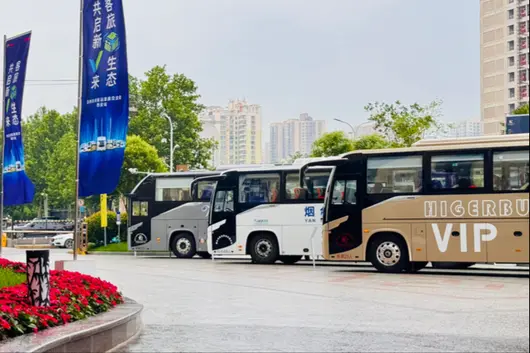
2026 年 5 月 21 日,「客旅新生態 共啟新 V 來」蘇州金龍客運旅遊產品交流會在西北文旅重鎮、陝西西安舉行。以新 V 系客車高端 + 純電車型為引領,全新升級的蘇州金龍旅遊客運整體解決方案,將為西北文旅客運帶來怎樣的升級體驗?
適配西北旅遊升級,旅遊客車向新向綠
作為「一帶一路」的關鍵連接點和國際化旅遊樞紐城市,西安旅遊客運市場的研學團體、景區包車、跨省定制出行需求持續增長,對旅遊客車提出了更高要求。

全新升級的蘇州金龍旅遊客運整體解決方案,正是基於市場新趨勢與營運新環境,以高端 + 純電車型破局!
3 款蘇州金龍新 V 系車型在本次交流會現場亮相,分別是 37 座配裝商務座椅的 V12「陸地頭等艙」、26 座"2+1"座椅佈局的 V9 和一款純電車型 V11E。

蘇州金龍國內銷售總監孫鴻翔
蘇州金龍國內銷售總監孫鴻翔強調,旅遊客運行業正經歷深刻變革,高端化、定制化、電動化和智能化趨勢加速到來。「我們將以更優的產品和服務,助推陝西乃至全國旅遊客運行業的發展升級,更希望成為旅遊客車電動車型在西安及西北應用推廣的新起點。」
據介紹,目前繼公交領域率先全面電動化後,國內市場班車租賃、公路客運領域,電動客車滲透率持續攀升。蘇州金龍 2025 年國內銷售 8 米以上的公路客車,電動車型已佔比 49%!

孫鴻翔介紹,大電量旅遊客車已在山東、廣東和西南等區域率先應用。一位廣東老客戶將搭載 176 度電的通勤客車升級到了 352 度電,日常通勤之外,可以套班跑廣深線、廣佛線的定制客運,利用電動車的成本優勢來增加收入。
此次現場展出的新 V 系 V11E 電動客車,就是來自山東煙台客戶,由司機一路從煙台駕駛到西安的。
產品 + 服務,新 V 系方案全覆蓋
蘇州金龍旅遊客運整體解決方案包括「新車型 + 新服務」,不僅是駕乘體驗的新升級,更引領行業營運管理邁進新階段。

蘇州金龍技術中心產品經理黃蘇杭
當天交流會上,蘇州金龍技術中心產品經理黃蘇杭介紹,蘇州金龍新 V 系是蘇州金龍耗時 3 年、集結超千人研發力量、正向研發的傾心之作,擁有蝶翼全新外觀設計及高品質、高安全、高智能、高舒適度。
作為全系車型率先標配智能座艙系統的產品平台,蘇州金龍新 V 系智能化水平領跑行業。基於全新架構配置高算力芯片,新 V 系實現智能語音控制燈光、多媒體、空調等功能,有利於駕駛員專心駕駛,還能提高與乘客娛樂互動體驗。

黃蘇杭表示,蘇州金龍新 V 系純電車型提供多品牌多種電量選擇,全面適配旅遊客運多種場景需求:包括適用於企業班車、高鐵接駁的 163 度/175 度電產品方案,適用於周邊遊、相鄰城際客運的 310 度/352 度電產品方案,適用於跨區域旅遊運營的 399 度/450 度/528 度大電量產品方案。他還介紹了面向定制化私人小團的 1+1 大商務 7~9 座輕客產品睿星。

蘇州金龍大區服務經理王科強
蘇州金龍大區服務經理王科強詳細講解海格客車的售後服務體系、保障措施與服務優勢。
蘇州金龍在全國範圍內共有 800 餘家服務站,建成 7 家區域中心站。在西北區域,以甘肅蘭州金龍集團服務中心和敦煌蘇州金龍服務中心、烏魯木齊蘇州金龍服務中心為核心,提供高規格服務保障。
與此同時,蘇州金龍「海格智行」小程序已全面上線,目前在全國多地推廣使用,幫助旅遊客運企業實現精細管理與成本控制。「海格智行」小程序可實現 7×24 小時線上一鍵報修,提供實時調度、油耗/電耗監控、駕駛行為分析、AI 智能服務等數字化運營支持。
新 V 系助力轉型,西北旅遊客運新樣本
蘇州金龍新 V 系客車自 2024 年上市以來,全球交付已超 1.3 萬輛,得到廣大客戶的高度認可。
陝西宇諾旅遊汽車有限責任公司總經理葉萬軍分享了該公司攜手蘇州金龍海格新 V 系推動企業轉型升級的實踐與思考。

陝西宇諾旅遊汽車有限責任公司總經理葉萬軍
葉萬軍表示,2025 年 3 月到今年,公司持續追加採購海格新 V 系共 20 餘輛,堅定選擇海格新 V 系主要是因為:乘坐體驗高端舒適、智能安全配置領先、營運管理高效便捷這三大優勢。「特別是 2+1 座椅佈局新 V 系高端車型,打造移動貴賓室,主打精品小包團與高端商務接待,顯著提升了旅客出行的舒適體驗。」
憑藉高端車型 + 高標準服務,陝西宇諾客戶口碑持續攀升,先後獲得了北京重點中學和西安多所院校研學遊師生的一致好評,更贏得了新加坡、吉隆坡等涉外團隊及國內高端客戶的高度認可。

搶占西北文旅發展風口,海格新 V 系以技術迭代與服務升級,打造高端智慧出行新生態,助力旅遊客運產業提质進階!
(本文由企業提供)

6 月 3 日,乘聯分會公布了一組數據:5 月 1-31 日,全國乘用車市場新能源零售滲透率 63%。
63%!係你冇睇錯,呢個係歷史新高,歷史第二高係上個月,4 月係 61.4%,就問你誇張唔誇張。
按照近兩年滲透率嘅升幅趨勢,未來嘅金九銀十,預計 9 月突破 65% 應該都係輕鬆鬆嘅。
咁,就喺呢個宏觀背景下,油車真係頂唔順了嗎?近期有啲咩大事件?未來新車往邊行?車企又點樣打好呢場硬仗?文章有少少長,我哋一齊來深度回顧一下。

•
唔係電車太強,係油車頂唔順
先看一組關鍵數據:5 月全國乘用車總零售 154.5 萬輛,同比下降 20%;新能源零售 97.4 萬輛,同比下降 5%。滲透率 63% 嘅反推結果係,燃油車 5 月零售僅 57 萬輛左右,而去年同時期呢個數字喺 85 萬以上。行業里面有個判斷好到位,“唔係電車太強,而係燃油車出現咗系統性衰退”。
油價係把最直接嘅刀。2026 年 3 月以來,國內汽油先后調價五次,累計每噸上漲 2115 元,折算落嚟每升漲咗 1.7 元。開油車嘅朋友每月多掏幾百塊,換車嘅念頭自然就湧現咗。

再加上 5 月車企借着“五一”節點集中上新、推終端權益,熱度真係炒高咗一波。但從周度走勢看,5 月零售呈現“前高後低再翹尾”嘅典型特徵:第一周日均 3.1 萬輛,第二周沖到 5.1 萬輛(節日訂單集中釋放),第三周回落係 3.9 萬輛,第五周又沖到 7.9 萬輛。
呢啲數據說明而家嘅消費者好理性,有促銷就睇睇,冇動靜就等等,而唔係衝動消費。

另一個關鍵信號係純電喺 4 月首次“單殺”燃油車:純電上險量 57.3 萬輛,超出燃油車近 2 萬輛,呢個係歷史第一次。銷量前十車型中,燃油車只餘吉利繽越一款,“九電一油”嘅結構第一次具體化。
底層邏輯係電池成本從 2018 年嘅 180 美元/度電降到 2026 年嘅約 70 美元/度電,降幅超六成;7 萬級純電續航已超 400 公里,800V 高壓平台把快充壓到“十幾分鐘喝杯咖啡”嘅量級。唔係消費者突然唔愛油車了,而係電車真係變得易開、好用、仲平咗。

•近期五件大事,邊係行業嘅轉捩點
事件一:比亞迪×中石化聯手“建網”
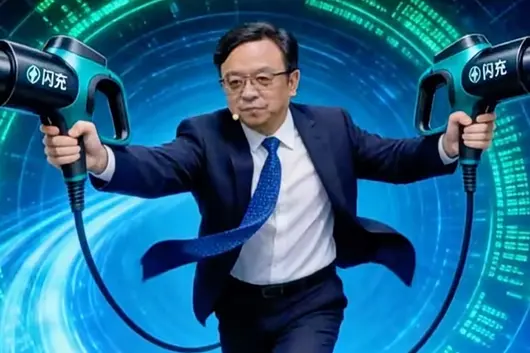
6 月初,比亞迪與中石化簽署戰略合作,核心八個字:“萬站聚能、加油閃充”。比亞迪已有超 6100 座閃充站,目標 2026 年末 2 萬座;中石化手中有全國超 3 萬座綜合加能站、1.4 萬座充換電站。呢兩個一聯手,補能密度直接上階梯。幾乎同時,廣汽亦宣佈同中石化合作,聚焦縣域一站式服務。
滲透率過 60% 後,頭部嘅競爭範圍已經從“邊嘅車更好”延伸到“邊嘅補能網絡更密、邊嘅後市場生態更全”。邊控制咗“補能入口”,邊就鎖定咗用戶全生命週期價值。

事件二:大眾亮出新世代插混
被自主品牌壓咗三年,大眾終於打出新一代 PHEV 牌:途觀 L ePro、帕薩特 ePro 已上市,探岳 L PHEV 同邁騰 PHEV 6 月底跟進。核心係 EA211 1.5T 混合動力專用引擎加 TQ251 波箱。並且喺上汽大眾 ID. ERA 9X 仲搭載咗品牌首款 EA211 黃金增程器,上市首小時落單 11079 台。態度好明確:合資唔打算認輸。
有意思係,豐田靠 HEV 喺國內活得唔算差,電動化佔比逼近 50%,純利潤持續走强。
呢個說明唔係所有人都認定純電係唯一出路,喺燃油車殘餘市場入面,“混合動力化”係合資最後嘅護城河。

事件三:增程退潮,插混反而在漲
理想增程佔比從一年前嘅 97.5% 驟降到 33.4%,L6 月銷從 2.58 萬輛跌到 4900 輛。原因唔複雜:高速服務區超充網絡覆蓋率超 98%、全國公共充電樁達 490.7 萬個,增程“沒電了仲有油”嘅核心賣點被大幅淡化。
但注意一個反直覺現象:5 月插混零售同比仲增長 29.7%,係整個乘用車入面唯一高增長嘅核心品類。點解?因為佢搶嘅唔係純電嘅份額,而係燃油車嘅。喺充電條件唔完善嘅三四線城市同鄉鎮,插混仍然係“油轉電”最務實嘅那座橋。

事件四:政策“收口”,野蠻生長嘅日子結束咗
GB 38031-2025《電動汽車用動力蓄電池安全要求》將喺 2026 年 7 月 1 日實施,業內稱“史上最嚴”,覆蓋 7 項單體試驗加 17 項系統試驗,核心就四個字:唔起火、唔爆炸。
同時,國補按 20% 退坡、插混補貼取消,政策奶正在撤,市場奶必須自己產。係好事:真正有實力嘅企業,從來唔靠補貼活住。

事件五:出口新能源成出海主力
4 月新能源出口 40.6 萬輛,首次超過燃油車出口,喺乘用車總出口中佔比過半,但歐盟對中國純電車揮舞關稅大棒,而插混仍適用 10% 基礎關稅,反而讓中國 PHEV 搵到打開歐洲嘅突破口,插混歐洲銷量同比激增 368%。
2026 年自主新能源乘用車海外市場份額已躍升至 23%,全球化成咗對沖國內紅海嘅核心閥門。

•未來新車往邊走?三條主線已經清晰
主線一:動力路線三層固化,唔係純電一統天下
未來會穩定喺三層結構:第一層純電主航道,800V+ 碳化矽成本持續下探,10-20 萬級全面純電化;
第二層插混過渡層,尤其係喺三線以下同無家用充電場景,插混仍係油轉電最務實嘅選擇;
第三層小眾場景,增程退守高端越野,燃油收縮到商用同極致下沉。增程退潮≠插混退潮,後者 5 月 29.7% 嘅增長已經說明問題。

主線二:產品迭代從“年更”到“季更”,硬件戰變軟件戰
滲透率 63% 意味著“係咪新能源”已被移出決策樹,選車重新回到性價比、智能化、品牌信任三件事。硬件同質化加速,同價位純電 SUV 續航都 600km+、都有 800V,堆料邊際收益遞減。迭代周期被迫壓縮到“一年一中改甚至季更”,但呢條路成本極高。
真正嘅決勝點喺軟件同服務:智駕體驗一致性、OTA 迭代質素、車機生態黏性、補能權益便利性。嵐圖盧放嗰句說話好到位:“未來出路,一條係加速替代燃油車,另一條係把產能、品牌、產品走出去。”

主線三:供應鏈垂直整合唔係可選項,係生存項
2026 年 1-4 月汽車行業銷售利潤率降到 3.4%,做一輛車賺唔到一部中端手機嘅錢。電池佔 BOM 成本 30%-40%,唔自己攪電芯就等於把利潤拱手讓人。
比亞迪、吉利嘅自研電池路線已驗證咗呢條路。同時補能生態掌控力越來越好關鍵,比亞迪綁中石化、蔚來堅持換電、華為攪超充聯盟,充電體驗就係品牌體驗,唔能夠全部外包。做不到垂直整合或規模化議價嘅二線品牌,利潤會被雙向擠壓直到出局。

•車企又點樣打好呢場硬仗?
頭部自主(比亞迪/吉利/長安/奇瑞):守擂加出海兩條線。繼續垂直整合三電,把成本優勢釘死;從“賣車”轉向“營運用戶”,補能網絡、金融保險、殘值管理全生命週期鎖客;加速出海本地化,泰國、匈牙利、巴西嘅廠要真正運作落嚟,避開關稅、拿當地補貼。
新勢力(理想/蔚來/小鵬/小米):理想們最緊迫係戒斷增程依賴,完成純電第二曲線嘅規模化驗證,否則估值同現金流會被雙重壓縮。蔚來要跑通換電嘅盈虧平衡點。小米證明咗品牌勢能 + 軟件體驗可打破內捲,但需要證明唔止一輛車能打。共同命題:必須喺某個細分做到持續性正毛利,燒錢換份額嘅故事資本市場已經唔信。

合資品牌(大眾/豐田等):混合動力化續命,智能化借力。大眾路徑清晰:新一代 PHEV+ 本土智駕合作(入股小鵬、牽手地平線),用混合動力過渡保銷量,用中國智駕補體驗差。豐田靠 HEV 賺利潤短期有效,但長期需要 bZ 系列真正翻身。通用、福特、韓系如果仲未拿出中國專屬嘅新能源平台,窗口期剩唔到 24 個月。
二三線自主同邊緣品牌:要么抱團,要么出局。冇有百萬輛規模、冇有三電自研、冇有差異化定位,喺 3.4% 嘅利潤率下現金流撐唔過一個完整週期。出路只有三條:被頭部整合、聚焦超窄細分(硬派越野/商用定制)、或轉做出海貼牌代工。

•電動 EV:
滲透率 63%,宣告增量狂歡結束,存量絞肉開場。
從政策驅動到市場驅動,從價格戰到價值戰,從單打獨鬥到生態對決。
70% 嘅天花板隱隱可見,但真正嘅戰爭,唔喺滲透率數字入面,而喺每一個充電樁、每一次 OTA、每一份用戶信任入面。
呢場劇變,你準備好了嗎?

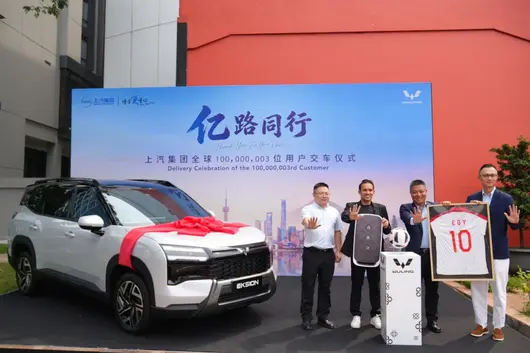
May 28, SAIC Motor Group delivered its 100 millionth vehicle, becoming the first domestic automotive group to have cumulative production and sales volume exceeding 100 million. Among these, SAIC-GM-Wuling contributed more than 32 million units. On the same day, SAIC-GM-Wuling's global model EKSION was delivered to its first batch of users in Jakarta, Indonesia.

"Whatever the people need, Wuling will build it." This saying is not empty talk. Wuling always grasps users' real needs and launches hit models. For example, Wuling Hongguang, which can carry cargo and passengers, is durable and tough, becoming a reliable helper for countless entrepreneurs and families. Later, as living standards improved, Baojun 730 broke the monopoly of joint venture brands in the MPV market with its flexible space and affordable price. In 2020, catching the window of opportunity for new energy transition, Hongguang Mini EV went viral and became one of the pioneers among domestic small electric commuter cars. This May, Wuling partnered with Huawei Qukun to launch the first technological flagship large six-seater SUV — Huajing S, breaking down the price threshold for high-end intelligent driving.
Wuling is not only accelerating its layout in new energy and intelligence, but its overseas market is also going deeper. Currently, Wuling's cumulative overseas sales have exceeded 1.5 million units, covering business in over 110 countries and regions worldwide.

The reason Wuling has come this far lies in three "skills": First, the globally first intelligent island manufacturing system, simply put, is "vehicles find workstations, materials find vehicles", using flexible production methods to improve efficiency and reduce costs; Second, launching different models for different countries, such as EKSION (Starlight 560), DARION (Starlight 730), BINGO (Wuling Bingo), BINGO S (Bingo S), etc., covering SUVs, MPVs, and sedans to meet the diverse needs of users in various places; Third, the unique "moving supply chain overseas" model, deeply binding the five chains of manufacturing, supply, sales, finance, and talent, no longer simply selling cars, but pushing the entire system and standards of Chinese smart manufacturing to the globe.

This global car EKSION delivered in Indonesia this time is the latest achievement of Wuling's globalization strategy. Taking Indonesia as the core, Wuling continues to deeply cultivate the "Indonesia-Malaysia-Thailand" integrated regional strategy, gradually covering new energy products and localized supply chains to Malaysia and Thailand, and will radiate to ASEAN countries such as Vietnam and the Philippines in the future, forming a globalization pattern of regional linkage and common development.

Folks, today let's talk about big news on going global—not selling cars, but selling "drivers". On June 2, WeRide and Uber jointly announced a plan: to launch the country's first commercial Robotaxi pilot service in Madrid, Spain. In other words: Spanish residents will soon be able to hail a driverless taxi via Uber. This is the first time WeRide and Uber are partnering to enter the European market. Madrid also becomes the 12th city globally where WeRide's Robotaxi arrives.
According to official news, with the support of the Madrid regional government, this service will officially launch within this year. At that time, friends in Madrid can open the Uber App and call WeRide's Robotaxi with one click. It's just like calling an ordinary ride-hailing service, the difference is the arriving car has no driver—at least initially, there is still a difference. In the initial operation phase, a professionally trained safety monitor will be on board, as it's just launched, safety comes first.
This company, WeRide, you might have heard of it, or you might not. A brief introduction: Established in 2017, it has been dedicated to Robotaxi technology R&D and commercialization. Currently, its Robotaxis cover Guangzhou, Beijing, Singapore, Abu Dhabi, Dubai, Riyadh, Zurich... plus Madrid now, totaling 12 cities. Spain is also the 5th European market WeRide has entered—previously entered Switzerland, France, Belgium, Slovakia. According to the plan agreed by WeRide and Uber in May 2025, they plan to deploy Robotaxi services in 15 new international cities within five years, deploying tens of thousands of Robotaxis globally. With the Madrid launch, the deployment in 4 cities has been completed, and 11 more will be covered successively before 2030.
To be honest, it's not the first time Chinese autonomous driving companies are going global, but the combination of Chinese technology + global mobility platform + European market is quite interesting. Madrid is one of the European Robotaxi markets with the most commercial potential, with a large population, high travel demand, and friendly local policies. Being able to take root in this market is a significant milestone for WeRide. For Uber, introducing Robotaxis is also a way to reduce costs—after all, drivers don't need salaries. For Madrid residents, hailing a taxi might be cheaper in the future.


BYD officially released the May 2026 production and sales flash report, with new energy vehicles from all brands reaching a monthly sales volume of 383,453 vehicles, a slight increase of 0.26% year-on-year, achieving year-on-year positive growth in monthly sales after ten months; among them, passenger car deliveries reached 376,990 units, surging 19.4% month-on-month, wiping out the pain of previous model iterations, presenting a new pattern where the domestic base is stable, overseas sales are soaring, and high-end brands are scaling up across the board. Amidst the market environment of intensified competition in the domestic new energy sector, Tesla FSD entering China, and an intense launch of independent new products, it has forged a unique structural growth path.

The Dynasty and Ocean main brands combined sold 330,215 vehicles in May, accounting for over 80% of the group's total sales, remaining the stabilizer for BYD's sales volume. The full series had 8 models exceeding 20,000 units in monthly sales, covering products from 50,000 entry-level commuter to 200,000 home SUV.

Inside the Dynasty Network, the Yuan family sold 56,691 units, and the Song family 51,370 units. Both crossed the 50,000 threshold, becoming two major sales pillars for the brand, catering to home commuter and urban-rural travel needs; the Qin family followed closely with a stable performance of 28,360 units. The Han and Tang series maintained a volume in the six-thousand range, deeply cultivating the mid-to-large home sedan and SUV niche markets; the brand new model Xia is in the market cultivation phase, delivering 1,810 units monthly, with potential for steady volume growth as channels expand.
The Ocean Network's growth momentum is even more rapid, with 5 models entering the 20,000 club across the series: Sealion 42,615 units, Seal 34,117 units, Seagull 39,919 units, Dolphin 22,260 units, and Song PLUS 27,755 units. Among them, Seagull remains the best-selling entry-level commuter model thanks to its affordable pricing of 60,000-80,000. Sealion, as a new volume model, stands firm at the 40,000 level upon launch, filling the mid-size SUV product gap in the Ocean Network and perfecting the Ocean product tier layout. From commuter small cars to compact SUVs, the two main brands rely on DM-i hybrid and pure electric dual-line technologies to牢牢锁住 the mainstream home market share within 150,000 domestically.
Fang Cheng Bao Year-on-Year Surges 139.7%, Brand Upward Positioning Takes EffectThe high-end matrix of Denza, Fang Cheng Bao, and Yangwang sold a combined 46,489 vehicles in May, officially breaking away from the niche positioning to become a new pivot for BYD's brand premium and profit growth, breaking the industry curse of difficulty in high-end breakthrough for domestic brands.

The off-road brand Fang Cheng Bao sold 30,186 units monthly, surging 139.7% year-on-year, creating a new high in monthly sales since the brand launched. Its Titanium 7 model sold 18,280 units monthly, while Leopard 5 and Leopard 8 output remained stable, continuously squeezing the survival space for joint venture and imported models in the 250,000-400,000 hardcore off-road niche market.

Denza delivered 16,303 units in May, with the MPV benchmark D9 selling 6,721 units, and the Z9 series close to 6,000 units. MPV and mid-to-large sedan dual-line efforts helped them stand firm in the luxury new energy track; the million-level ultra-luxury brand Yangwang continued its steady climb, delivering 286 units that month, a year-on-year increase of 105.8%, completing market verification of the domestic brand ceiling product and forming a full price range product layout from 100,000+ home, 300,000-400,000 off-road, 500,000 luxury MPV to million-level flagship.

In May, BYD's overseas sales of passenger cars and pickup trucks reached 160,177 units, surging 80.7% year-on-year. Exports accounted for over 42% of the full series total sales, setting a new historical high for brand export and becoming the core driving force to stabilize May overall sales and achieve year-on-year positive growth.
Southeast Asia, Europe, and Latin America became the main incremental markets. Seagull, Song PLUS, and Yuan series continued to top new energy best-seller lists in multiple countries; the SHARK pickup truck exceeded 4,000 units in monthly exports for two consecutive months. Relying on the completion of localization production in Thailand, Brazil, Hungary, and Uzbekistan with four overseas vehicle factories, localized production continues to land, avoiding tariffs while rapidly penetrating terminal channels. Against the background of stock market competition in the domestic auto industry and normalized price wars, the rapidly expanding overseas market effectively counteracts sales volatility brought by domestic model iterations, officially upgrading from a supplementary market to BYD's core growth engine. As of now, BYD's global cumulative new energy vehicle sales have exceeded 16.5 million units, with the globalization map continuously broadening.
Intelligent Driving Empowers Product Iteration, H2 New Products Prepare to Surge VolumeMay marked a key node in BYD's intelligent driving landing, with the God's Eye intelligent driving system becoming a core bonus point for models: the number of vehicles with advanced intelligent driving across all brands exceeded 3.15 million, with daily road test data exceeding 200 million kilometers; that month, BYD implemented City Pilot and Smart Parking dual safety backup services, becoming the world's first auto manufacturer to achieve dual intelligent driving backups. Three days after policy implementation, the activation rate of models equipped with the God's Eye system in cities surged 50%. Intelligent driving experience upgrades directly drove in-store order conversion, solidifying product competitiveness for subsequent models to continue volume sales, and facing the intelligent driving market shock brought by FSD entering China.
From data details, BYD's cumulative sales from January to May 2026 were 1,405,039 units, down 20.32% year-on-year. The core reason is that the full series of main models were concentratedly iterated, and the capacity ramp-up of the 2nd Gen Fast Charge Blade Battery was restricted. The new Flash Charge Battery upgraded fast charging and low-temperature performance. Full series iteration models prioritized installing new batteries, but production line retrofitting dragged down capacity release. Order backlogs on popular models and delayed deliveries compressed the May delivery volume to a certain extent.
As the end of the second quarter approaches and the 2nd Gen Blade Battery capacity continues to release, coupled with new models such as Denza N8L, Fang Cheng Bao Titanium 7 Pure Electric Version, Sealion 05, and Xia L landing the market, the industry generally predicts that BYD's full brand sales in June are expected to exceed 400,000 vehicles. Relying on the four-dimension development logic of low-end volume locking share, high-end raising profit, overseas pushing volume, and intelligence improving product power, amidst the intensified new energy elimination round in the domestic market, BYD's full category layout advantage continues to amplify, securing its status as the domestic new energy leader, accelerating steadily towards global top auto manufacturers.
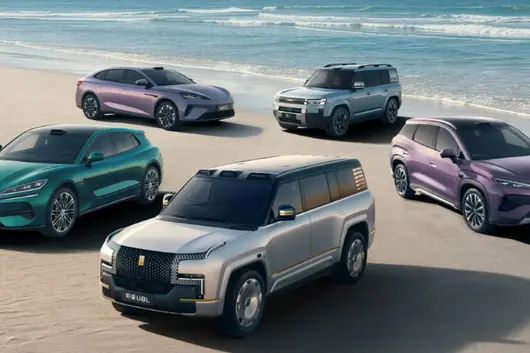


港交所網站掛出一咗一份熟悉嘅招股書。
5 月 28 日,繼去年 10 月首次遞表失效後,智能駕駛解決方案提供商蘇州天瞳威視電子科技股份有限公司(天瞳威視)再次向港股主板發起重衝,由匯豐及華泰國際聯席保薦。

喺智能駕駛賽道從「講故事」轉向「拼量產」嘅 2026 年,天瞳威視嘅二次遞表唔單止係一次資本試探,更係一場關於中國智駕供應商生存現狀嘅集中檢閱。
呢間被認為係「算力效率派」代表嘅公司,一邊連住從采埃孚到上汽、北汽嘅豪華產業資本陣營,一邊卻面臨住現金流緊繃、海外明顯回落嘅現實困境。喺呢場 IPO 嘅博弈中,光鮮同陣痛並存。
01
邊個係「天瞳威視」?
天瞳威視嘅創辦人王曦係一位典型嘅「回國」技術派。佢畢業於北京航空航天大學,後喺英國雷丁大學攻讀計算機科學博士學位。
喺決定創業之前,王曦曾經喺汽車零部件供應商天合汽車(TRW)及采埃孚擔任算法工程師同技術負責人,深度參與咗早期 ADAS 系統嘅開發。
2016 年,王曦捕捉到國內汽車智能化嘅風口,回國喺蘇州創立咗天瞳威視,定位係「以軟件算法驅動智能駕駛」嘅本土解決方案提供商。
公司嘅名字「天瞳」寓意「天之眼」,意在打造車輛感知萬物嘅視覺中樞。佢從最初嘅視覺感知算法起步,逐步擴展至行泊一體域控制器、L4 級自動駕駛系統等軟硬件結合嘅整體方案。

天瞳威視融資情況。資料來源:企查查
成立後不久,天瞳威視就獲得德聯資本、盛世投資嘅天使輪融資。此後十年時間,天瞳威視累計完成咗超過 10 輪融資,融資總額近 10 億元。
從招股書披露嘅股權結構嚟睇,天瞳威視構建咗深度綁定嘅「產業 + 資本」生態圈。
一方面,產業夥伴站台,全球汽車零部件巨頭采埃孚唔單止係其 C 輪領投方,亦係其戰略合作夥伴,持有天瞳威視 6.93% 嘅股份,位列第四大股東;國內方面,上汽集團通過上汽北美產投持股,北汽集團通過北汽產投佈局其中,地平線同商湯科技亦係戰略投資者。
另一方面,地方國資護航,唐山機器人基金、吳中金控等國資背景基金喺 D 輪及 D+ 輪入場,提供咗約 5.23 億元嘅資金支持。

截至最後實際可行日期股權架構
截至目前,王曦透過直接持股同員工持股平台合共控制公司約 40.84% 嘅權益,依然保持住對公司嘅控制權。
02
「兩條腿」行路
天瞳威視喺業務佈局上採取咗「雙軌並行」嘅策略。

喺 L2-L2+ 級輔助駕駛領域,天瞳威視嘅選擇非常務實。佢並冇盲目追逐算力堆疊嘅「軍備競賽」,而係走咗一條高性價比路線。
作為典型嘅視覺派智駕供應商,佢喺 L2 量產方案上以視覺感知為主,融合毫米波雷達同超聲波雷達,能夠喺較低算力平台上實現高級功能。例如,基於地平線 J6B 芯片(約 20TOPS)嘅方案即可支持行泊一體、高速 NOA。
呢種打法擊中咗 10 萬 -20 萬級主流車款對成本敏感嘅痛點。根據灼識諮詢嘅數據,按 2024 年裝機量計,天瞳威視係中國第二大同時提供行車同泊車解決方案嘅以軟件為核心嘅 L2-L2+ 級方案提供商,市場份額為 14.3%。

2024 年中國具備行泊一體能力嘅以軟件為核心供應商格局
截至最後實際可行日期,天瞳威視獲得 23 個汽車品牌嘅 198 款車款嘅 L2-L2+ 級解決方案定點函,並實現 6 個汽車品牌嘅 105 款車款嘅量產;獲得定點函嘅 198 款車款中有 87 款覆蓋海外市場,其中 59 款已實現量產。
但值得注意嘅係,L2-L2+ 市場正在經歷劇烈嘅「紅海化」。
一方面,經緯恆潤、福瑞泰克等本土 Tier1 正在加速追趕;另一方面,部分頭部車廠開始將低階智駕方案從外購轉為內部集成。
天瞳威視能否維持佢喺「性價比方案」領域嘅領先地位,取決於佢能否持續保持算法對低算力平台嘅優化能力,而這需要喺研發投入上持續加碼。

喺高級 L4 級自動駕駛領域,天瞳威視更多扮演「先鋒」角色。這亦係佢近兩年增長最快嘅板塊。
早在 2019 年,佢就參與咗上海洋山港嘅 5G 智能重卡項目。目前佢嘅 L4 方案覆蓋 Robobus、Robotaxi 同 Robotruck。其中,Robobus 係佢最具代表性嘅產品線,已喺蘇州、天津等城市嘅公開道路投入常態化試營運。
2025 年,天瞳威視從 L4 級解決方案產生收入 3.75 億元,佔公司總收入嘅 68% 以上,大部分收入來自 L4 級軟件解決方案。
然而,硬幣嘅另一面係商業化嘅曲折。雖然 L4 業務營收暴增,但佢嘅交付形態目前以「軟硬件一體解決方案」為主,呢種模式本質上接近「項目制交付」或「小規模車隊部署」,與 L2 業務中「純軟件授權 + 白盒交付」嘅高毛利、大規模複製邏輯存在顯著差異。
呢就直接導致 L4 業務毛利率嘅大幅波動:喺部分自研硬件佔比较高嘅項目中,毛利率一度低至 15%。

截至遞表日,公司雖手握超 10 億元嘅 L4 意向訂單,涵蓋 2500 架車,但呢啲訂單預計要喺未來三至五年內先會陸續交付,短期內對現金流嘅改善作用有限。
此外,天瞳威視仲有部分應收來自工程服務,主要涉及道路測試、數據收集支援及數據標註服務以及公司嘅專有工具鏈。
03
財務嘅雙面鏡
招股書嘅財務部分,展現咗智駕行業最真實嘅「B 面」:規模同虧損嘅極限拉扯,同埋賬面現金同營運消耗之間嘅緊張博弈。

營收高增長,但結構劇烈波動。
財務數據顯示,公司嘅營收呈現爆發式增長,從 2022 年嘅 1.72 億元增長至 2024 年嘅 4.83 億元,複合年增長率高達 67.7%。2025 年全年營收進一步增長至 5.5 億元。
但收入結構嘅變化明顯。2023 年,公司依賴 L2-L2+ 業務,佔比 90.2%;去到 2024 年,L4 業務佔比升至 50.2%;2025 年,L4 業務佔比進一步拉高至 68%。呢種「斷崖式」嘅結構切換,雖然證明佢 L4 技術搵到咗落地場景,但亦令市場質疑佢 L2 業務係咪已觸及天花板。
毛利率同純利潤嘅背離,呢係天瞳威視面臨嘅最大挑戰。
從毛利睇,整體毛利率喺 30% 左右徘徊,喺呢個技術密集型嘅智駕行業屬於中等水平。但細拆睇嚟,L2-L2+ 業務嘅毛利率通常能維持喺 40% 以上,純軟件授權模式,而 L4 業務嘅毛利率則因「軟硬件一體」交付中硬件佔比提高而被顯著拉低。
從純利潤睇,雖然表面虧損額較大,2024 年虧損 4.63 億、2025 年虧損約 2 億,呢度包含大量因優先股公平值變動帶來嘅「紙面虧損」。剔除呢個因素後嘅經調整純利潤更能反映公司嘅真實經營狀況:2024 年已收窄至 -438 萬元,但 2025 年並未如市場預期實現轉正,而係錄得約 -1086 萬元,虧損較 2024 年有所擴大。
呢個背後有一個不可回避嘅關鍵前提:調整後嘅「減虧」乃至「接近盈虧平衡」,係喺公司持續壓縮研發投入嘅基礎上實現嘅,研發費用從 2024 年嘅 1.17 億元降至 2025 年嘅 9231 萬元,研發費用率從 2024 年嘅 24.3% 進一步降至 16.8%,而 2022 年呢個數字曾高達 108.7%。對於一家科技公司嚟講,研發強度嘅「退坡」是否會影響未來嘅技術護城河,係一個潛在風險點。
現金流持續告急,最令人擔憂嘅信號。
根據最新招股書,截至 2025 年 12 月 31 日,公司賬上嘅現金及現金等价物為 2.35 億元,較 2025 年 6 月 30 日嘅 3.74 億元淨減少 1.39 億元,現金消耗速度較快。

更值得警惕嘅係經營現金流由正轉負且缺口持續擴大嘅趨勢。2023 年,公司經營活動現金流淨額為正向流入 1.15 億元,但 2024 年迅速轉為淨流出 1.89 億元,2025 年進一步惡化至淨流出 2.93 億元。
與此同時,應收賬款周轉急劇惡化。公司嘅貿易應收款項從 2023 年嘅 0.89 億元升至 2025 年嘅 5.48 億元,三年增長超過五倍,而同期營收增幅僅約 2.7 倍。
更令人擔憂嘅係應收款項周轉天數從 2023 年嘅 191 天同 2024 年嘅 166 天,到 2025 年驟升至 300 天,意味著公司從完成交付到收回款項平均需要接近一年時間。呢相當於變相為客戶提供長期無息墊資,喺資金本就緊張嘅情況下進一步加劇咗流動性壓力。

此外,雖然天瞳威視係首家出海嘅中國智駕軟件供應商,但 2025 年佢嘅海外業務遭遇咗明顯回落。2023 年天瞳威視海外收入為 1.27 億元,佔總營收比重達到 62.2%;到 2025 年海外收入降至 1100 萬元,佔比僅 2.0%。
喺而家全球地緣政治複雜、部分國家對智能汽車數據監管趨嚴嘅背景下,為佢嘅全球化故事增添咗一絲不確定性。
04
結語
天瞳威視嘅二次闖關,係智能駕駛行業進入「淘汰賽」階段嘅一個縮影。
從好嘅方面睇,佢踩準咗 L2 性價比同 L4 場景化落地嘅雙重節奏,且經調整純利潤喺特定口徑下已接近盈虧平衡,呢啲都畀投資者提供咗「有亮點可講」嘅故事線。
但從風險嘅角度睇,情況遠比首次遞表時更為嚴峻。業務重心嘅急速漂移、L4 業務商業化初期嘅盈利磨難、研發投入嘅被動收縮,呢啲此前就已存在嘅問題並未緩解。

天瞳威視 L4 級智能巴士
而真正令此次 IPO 帶「求生」色彩嘅,係現金流數據嘅實質性惡化:2.35 億元嘅賬面現金,面對每年近 3 億元嘅经营性現金淨流出,安全邊際已不足一年。疊加 300 天嘅應收賬款周轉天數,意味著公司每交付一筆訂單,都要墊付近一年嘅資金成本。
換言之,天瞳威視正處喺一個危險嘅財務窗口期:賬上嘅錢僅夠維持唔足一年嘅正常運作,而 L4 業務嘅大規模交付同回款卻需要更長時間。喺呢個智駕資本熱潮退去、一級市場融資邊際收緊嘅時刻,公司已冇太多等待嘅餘地。
首次遞表失效後僅隔半年便再次衝擊港股,對天瞳威視而言,與其話係戰略選擇,唔如話係現金倒逼下嘅必然之舉。
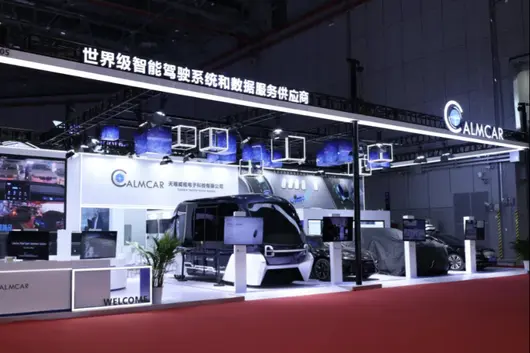

[Vanguard Auto/Original] Recently, the live test of the BJ30 Traveler fuel-saving challenge gave us a new perspective on this 70,000 RMB-class light off-road SUV.

Besides domestic real-road condition support, earlier it collaborated with automotive bloggers from five countries: South Africa, Poland, Indonesia, UAE, and Mexico for cross-border long-distance trials, completing verification of the whole vehicle and hybrid system across different climates and terrains. Domestic and overseas two-way testing closed the loop, honestly measuring fuel consumption dropping below 5L per 100km across multiple road conditions. Real-world verification confirms low fuel consumption; the three-engine hybrid builds a fuel-saving benchmark.

The entire test followed GLTC Global Life Test, OLTC Off-road Life Test dual-circuit standards. The live stream split into three real driving scenarios: urban congestion, highway long-distance, country road off-roading, comprehensively testing the vehicle's "Ultra-Economical, Ultra-Spacious, Ultra-Wild" three product attributes. First, let's talk about the fuel consumption performance everyone cares about most. Urban congestion is a major fuel consumption disaster zone for fuel vehicles; frequent start-stop, low-speed crawling easily increase energy consumption. The BJ30 Traveler is equipped with an exclusive three-engine HEV hybrid system, adopting three-engine six-mode + electric four-wheel drive combination. Driving prioritizes motor drive, engine intervenes to do work as needed, avoiding idle fuel consumption problems from the root. Model two-wheel drive official combined fuel consumption 5.85L/100km, four-wheel drive 6.45L/100km, real-world urban congestion test directly broke the 5L threshold, changing the stereotype of hard-core box SUVs with high fuel consumption, daily commuting can save a substantial amount on car maintenance costs.

In terms of space, relying on the 2820mm extra-long wheelbase, the BJ30 Traveler optimizes the whole vehicle cabin space across classes, with no sense of crowding for front and rear passengers when fully loaded. The boxy body maximizes storage capacity, large items like camping tents and cookware can be easily put in the trunk. With rear seats folded down, it forms a 1.92-meter flat large bed. Previously, Polish overseas bloggers performed real-world vehicle loading tests; even after fully loading outdoor supplies, one can still lie flat in the trunk, perfectly adapting to family self-driving and near-suburban camping loading needs.

For unpaved off-road sections, the BJ30 Traveler's 215mm super-high ground clearance, paired with the ATS All-Terrain Control System and professional four-wheel drive chassis, can reasonably distribute four-wheel power by switching terrain modes with one key when facing potholed country roads, gravel rough roads, and mild uphill climbs. It easily completes light off-road crossings, accommodating both city commuting and outdoor fun dual needs.
Priced at the 70,000 RMB level, gathering the three advantages of hybrid fuel saving, large space, and all-scenario off-roading, this BJ30 Traveler model has ranked first in domestic light hybrid SUV sales for 23 consecutive months. The 72% retention value over three years stays firmly at the top of the same price range, and the nationwide dense after-sales network also safeguards owners' daily car use.
Finally, highlighting the key points, on June 12, the BJ30 Traveler Highlight Edition will be launched. The new car's power, interior, and smart configurations are comprehensively upgraded, and the high-spec release also adds exclusive custom car paint. After enduring five-country long-distance trials and strict domestic all-road real-world tests, the BJ30 Traveler relies on the hard power of the three-engine hybrid to firmly secure the benchmark position for 70,000 RMB-level fuel-saving box SUVs.
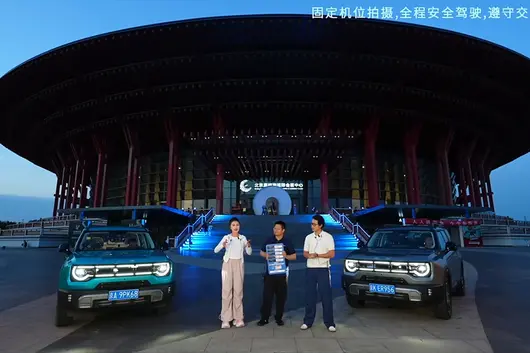

Folks, today let's talk about big news on going global—not selling cars, but selling "drivers". On June 2, WeRide and Uber jointly announced a plan: to launch the country's first commercial Robotaxi pilot service in Madrid, Spain. In other words: Spanish residents will soon be able to hail a driverless taxi via Uber. This is the first time WeRide and Uber are partnering to enter the European market. Madrid also becomes the 12th city globally where WeRide's Robotaxi arrives.
According to official news, with the support of the Madrid regional government, this service will officially launch within this year. At that time, friends in Madrid can open the Uber App and call WeRide's Robotaxi with one click. It's just like calling an ordinary ride-hailing service, the difference is the arriving car has no driver—at least initially, there is still a difference. In the initial operation phase, a professionally trained safety monitor will be on board, as it's just launched, safety comes first.
This company, WeRide, you might have heard of it, or you might not. A brief introduction: Established in 2017, it has been dedicated to Robotaxi technology R&D and commercialization. Currently, its Robotaxis cover Guangzhou, Beijing, Singapore, Abu Dhabi, Dubai, Riyadh, Zurich... plus Madrid now, totaling 12 cities. Spain is also the 5th European market WeRide has entered—previously entered Switzerland, France, Belgium, Slovakia. According to the plan agreed by WeRide and Uber in May 2025, they plan to deploy Robotaxi services in 15 new international cities within five years, deploying tens of thousands of Robotaxis globally. With the Madrid launch, the deployment in 4 cities has been completed, and 11 more will be covered successively before 2030.
To be honest, it's not the first time Chinese autonomous driving companies are going global, but the combination of Chinese technology + global mobility platform + European market is quite interesting. Madrid is one of the European Robotaxi markets with the most commercial potential, with a large population, high travel demand, and friendly local policies. Being able to take root in this market is a significant milestone for WeRide. For Uber, introducing Robotaxis is also a way to reduce costs—after all, drivers don't need salaries. For Madrid residents, hailing a taxi might be cheaper in the future.

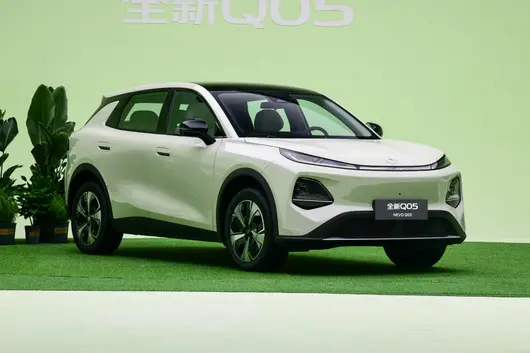
唔知有幾多朋友最近期關注 10 萬內純電 SUV 市場?近段時間睇嚟,呢個細分市場好熱鬧。就講長安啟源全新 Q05 同零跑 A10,上個月銷量分別達 15814 輛同 14372 輛,全部挺進 2026 年 4 月銷量排行全品類前 10,長安啟源全新 Q05 甚至奪得緊緊湊型純電 SUV 市場嘅銷冠。

(長安啟源全新 Q05)
值得留意係,兩款大熱門產品亮點亦唔少,9 萬級可以得到 500km+嘅續航,零跑 A10 甚至配備激光雷達,有高級智駕輔助需求嘅朋友嚟講,呢架車吸引力的確唔低。但係喺價格上,同為高配嘅長安啟源全新 Q05 506Max+ 同零跑 A10 505 激光雷達版,終端價格分別係 9.59 萬同 8.68 萬,手握 9 萬左右預算嘅朋友都可以考慮。明顯係,又去到決賽圈二揀一環節。
 (零跑 A10)
如果對預算比較敏感,咁喺長安啟源全新 Q05 同零跑 A10 之間,後者可能更受歡迎,畢竟終端價格實打實平咗幾千元。而且,高配 A10 配有激光雷達,市區/高速情況均能啟動領航輔助駕駛,呢個就係佢嘅優勢所在。當然,如果預算允許,揀長安啟源全新 Q05 高配,都有帶激光雷達嘅高級輔助駕駛。
 (長安啟源全新 Q05)
但既然係買車前嘅橫評,唔少全方位對比。首先從尺寸睇,作為緊湊型 SUV,長安啟源全新 Q05 長寬高分別係 4435*1855*1595mm,軸距為 2735mm。而零跑 A10 車型級別就係小型 SUV,長寬高分別係 4270*1810*1635mm,軸距為 2605mm。
 (零跑 A10)
如果只係考慮代步、通勤,零跑 A10 嘅細個嘅略有優勢,方便行街串巷。但實際上,好多人買車都要兼顧家用,10 萬內預算也多以剛需用車群體為主。既然係剛需,且有家用需求,嗰空間自然唔好掉鏈子。
 (長安啟源全新 Q05)
 (零跑 A10)
講返日常家庭出行嚟講,兩車之間 130mm 軸距差異,直接反映喺後排體驗。坐入長安啟源全新 Q05 後排,腿部空間平整兼寬敞,一齊坐 3 位成年人都唔會太擠;但係坐入零跑 A10 後排,無論坐寬定係腿部空間都會細少少。媽咪喺後排照顧孩子,長安啟源全新 Q05 後排更加寬敞嘅空間會更加方便佢操作,孩子都能有更大嘅活動空間。
 (長安啟源全新 Q05)
 (零跑 A10)
除咗空間,通勤黨同家庭用戶對舒適配置都比較關注。睇嚟對比,兩車都有配電動尾門、無匙進入、自適應遠近光等外部配置。但係從車廂內睇,零跑 A10 副駕無法電動調節,後排靠背都唔支援角度調節,同埋缺少後排空調出風口、車內 PM2.5 過濾裝置等。
 (長安啟源全新 Q05)
 (零跑 A10)
反觀長安啟源全新 Q05,除咗副駕支持電動調節,前排仲集成咗加熱/通風/按摩/副駕腿托功能,對比零跑 A10 只提供前排座椅加熱,佢嘅品質無疑更上一層樓。包括後排乘員都有少少照顧,例如靠背角度可調、配有後排空調出風口、後排中央扶手/杯架等,更加適合家人同行呢類場景。
 (長安啟源全新 Q05)
 (零跑 A10)
除咗舒享體驗,行駛系統嘅對比我哋都唔好忽略。首先從大家關注嘅續航睇,長安啟源全新 Q05 同零跑 A10 分別搭載 51.9kWh、53kWh 電池,CLTC 純電續航做到 506km、505km,差異大可忽略。但從電芯供應鏈睇,前者出自寧德時代,後者就係國軒高科/江蘇正力,若論品牌含金量,“寧王”順位自然靠前,更值得信賴。另外,兩車都有全球品質,按照全球嚴苛嘅標準打造,零跑 A10 符合國內、歐盟雙標準,長安啟源全新 Q05 已經喺泰國上市,未來仲會相繼落地多個國家地區,最終開拓歐洲區域,此外仲有央企背書,質量品質都好可靠。
因為本文討論嘅係 A10 嘅 505 版本,採用電池液冷技術,溫控較好,而如果係 403 版本,採用成本低嘅風冷技術,散熱效果較差。呢點上,全新 Q05 做得更好,入門就採用電池直冷技術,高配用嘅係液冷技術,能更好地實現熱管理,保證電池安全。
 (長安啟源全新 Q05)
 (零跑 A10)
動力方面,長安啟源全新 Q05 同零跑 A10 都係前置單電機佈局,電機最大動力輸出分別係 120kW/190N·m、90kW/150N·m,0-100km/h 加速時間分別做到 8.9 秒同 10.6 秒。坦率嚟講,兩款車喺純電陣營加速性能都中規中矩;但係相對嚟講,長安啟源全新 Q05 嘅 8 秒級零百加速,喺山路行駛、高速超車等情況下會比零跑 A10 更加分。
 (長安啟源全新 Q05)

(零跑 A10)
總結嚟講,零跑 A10 505 激光雷達版優勢突出:價格更低、智駕輔助覆蓋範圍更廣,適合預算優先 + 科技嘗鮮嘅消費者。而長安啟源全新 Q05 更強調“全面”二字:加少少預算同樣可以獲得高級輔助駕駛,而且尺寸更大、舒適配置更高、採用頭部電芯供應鏈,動力亦更強,綜合表現更全能。總括嚟講,預算 9 萬級追求面面俱到嘅家用體驗,長安啟源全新 Q05 506Max+ 更加值得考慮。

Folks, today let's talk about big news on going global—not selling cars, but selling "drivers". On June 2, WeRide and Uber jointly announced a plan: to launch the country's first commercial Robotaxi pilot service in Madrid, Spain. In other words: Spanish residents will soon be able to hail a driverless taxi via Uber. This is the first time WeRide and Uber are partnering to enter the European market. Madrid also becomes the 12th city globally where WeRide's Robotaxi arrives.
According to official news, with the support of the Madrid regional government, this service will officially launch within this year. At that time, friends in Madrid can open the Uber App and call WeRide's Robotaxi with one click. It's just like calling an ordinary ride-hailing service, the difference is the arriving car has no driver—at least initially, there is still a difference. In the initial operation phase, a professionally trained safety monitor will be on board, as it's just launched, safety comes first.
This company, WeRide, you might have heard of it, or you might not. A brief introduction: Established in 2017, it has been dedicated to Robotaxi technology R&D and commercialization. Currently, its Robotaxis cover Guangzhou, Beijing, Singapore, Abu Dhabi, Dubai, Riyadh, Zurich... plus Madrid now, totaling 12 cities. Spain is also the 5th European market WeRide has entered—previously entered Switzerland, France, Belgium, Slovakia. According to the plan agreed by WeRide and Uber in May 2025, they plan to deploy Robotaxi services in 15 new international cities within five years, deploying tens of thousands of Robotaxis globally. With the Madrid launch, the deployment in 4 cities has been completed, and 11 more will be covered successively before 2030.
To be honest, it's not the first time Chinese autonomous driving companies are going global, but the combination of Chinese technology + global mobility platform + European market is quite interesting. Madrid is one of the European Robotaxi markets with the most commercial potential, with a large population, high travel demand, and friendly local policies. Being able to take root in this market is a significant milestone for WeRide. For Uber, introducing Robotaxis is also a way to reduce costs—after all, drivers don't need salaries. For Madrid residents, hailing a taxi might be cheaper in the future.

比亞迪正式發布 2026 年 5 月產銷快報,全品牌新能源汽車單月銷量 383453 輛,同比微增 0.26%,時隔十個月實現單月銷量同比轉正;其中乘用車交付 376990 輛,環比大漲 19.4%,一掃前期車型換代陣痛,呈現國內基本盤穩固、海外銷量狂飆、高端品牌全線放量的全新格局,在國內新能源內捲加劇、特斯拉 FSD 入華、自主新品密集上市的市場環境中,走出獨有的結構性增長路線。
王朝 + 海洋兩大主力品牌 5 月合計售出 330215 輛,佔據集團總銷量超八成,仍是比亞迪銷量壓艙石,全系列共 8 款車型單月銷量突破 2 萬台,產品從 5 萬入門代步到 20 萬家用 SUV 實現全覆蓋。
王朝網內部,元家族 56691 輛、宋家族 51370 輛。雙雙跨過五萬門檻,成為品牌兩大銷量支柱,兼顧家用代步與城鄉出行需求;秦家族緊隨其後交出 28360 台穩定表現,漢、唐系列月銷維持六千級體量,深耕中大型家用轎車、SUV 細分市場;全新車型夏處於市場培育期,單月交付 1810 台,後續隨渠道鋪開有望穩步上量。
海洋網增長勢頭更為迅猛,全系五款車型跨入兩萬俱樂部:海獅 42615 台、海豹 34117 台、海鷗 39919 台、海豚 22260 台、宋 PLUS 27755 台。其中海鷗憑藉 6-8 萬親民定價穩居入門代步銷冠,海獅作為全新走量車型上市即站穩四萬量級,補齊海洋網中型 SUV 產品空白,完善海洋產品梯隊佈局。從代步小車到緊湊 SUV,兩大主品牌依托 DM-i 混動與純電雙線技術,牢牢鎖住 15 萬以內國內主流家用市場份額。
方程豹同比暴漲 139.7% 品牌向上落地見效騰勢、方程豹、仰望組成的高端矩陣 5 月合計銷售 46489 輛,正式擺脫小眾定位,成為比亞迪品牌溢價與利潤增長新支點,打破自主品牌高端化難破局的行業魔咒。
越野品牌方程豹單月 30186 輛,同比暴漲 139.7%,創下品牌上市以來月度銷量新高,旗下鎦 7 單月 18280 台,豹 5、豹 8 穩定輸出,在 25-40 萬硬派越野細分市場持續擠壓合資、進口車型生存空間。
騰勢 5 月交付 16303 台,MPV 標桿 D9 售出 6721 台,Z9 系列近 6000 台,MPV、中大型轎車雙線發力,站穩豪華新能源賽道;百萬元級超豪華品牌仰望穩步爬坡,當月交付 286 台,同比增幅 105.8%,完成自主品牌天花板產品的市場驗證,形成從十幾萬家用、三四十萬越野、五十萬豪華 MPV 到百萬元級旗艦的全價格帶產品佈局。
5 月比亞迪乘用車和皮卡海外銷量 160177 輛,同比大漲 80.7%,出口佔全系總銷量突破 42%,創下品牌出海歷史新高,成為穩住 5 月整體銷量、實現同比轉正的核心驅動力。
東南亞、歐洲、拉美成為主力增量市場,海鷗、宋 PLUS、元系列持續登頂多國新能源熱銷榜單,SHARK 皮卡連續兩月單月出口突破 4000 台;依托泰國、巴西、匈牙利、烏茲別克斯坦四大海外整車工廠落地投產,本地化生產持續落地,規避關稅同時快速下沉終端渠道。在國內車市存量競爭、價格戰常態化背景下,高速擴容的海外市場有效對沖國內車型換代帶來的銷量波動,正式從補充市場升級為比亞迪核心增長引擎。截至當前,比亞迪新能源汽車全球累計銷量已經突破 1650 萬輛,全球化版圖持續拓寬。
智駕賦能產品迭代 下半年新品蓄力衝量5 月比亞迪智能化落地迎來關鍵節點,天神之眼智駕系統成為車型核心加分項:全品牌搭載高級智駕車型保有量突破 315 萬輛,日均路測數據超 2 億公里;當月比亞迪落地城市領航、智能泊車雙安全兜底服務,成為全球首家實現兩項智駕兜底的車企,政策落地三天後,搭載天神之眼系統車型的城市 NOA 激活率暴漲 50%,智能化體驗升級直接拉動終端到店訂單轉化,為後續車型持續走量築牢產品競爭力,直面 FSD 入華帶來的智駕市場衝擊。
從數據細節來看,2026 年 1-5 月比亞迪累計銷量 1405039 輛,同比下滑 20.32%,核心誘因是全系主力車型集中換代、第二代閃充刀片電池產能爬坡受限。新款閃充電池升級快充與低溫性能,全系換代車型優先換裝新電池,但產線改造拖累產能釋放,熱門車型訂單積壓、交付延後,一定程度壓縮 5 月交付體量。
隨著二季度末二代刀片電池產能持續釋放,疊加騰勢 N8L、方程豹鎦 7 純電版、海獅 05、夏 L 等多款新車陸續登陸市場,業內普遍預判比亞迪 6 月全品牌銷量有望突破 40 萬輛。依托低端走量鎖份額、高端提利潤、海外衝增量、智能化提產品力的四維發展邏輯,在國內新能源淘汰賽加劇的當下,比亞迪全品類佈局優勢持續放大,坐穩國內新能源龍頭,加速向著全球頭部車企穩步邁進。

港交所網站掛出一咗一份熟悉嘅招股書。
5 月 28 日,繼去年 10 月首次遞表失效後,智能駕駛解決方案提供商蘇州天瞳威視電子科技股份有限公司(天瞳威視)再次向港股主板發起重衝,由匯豐及華泰國際聯席保薦。
喺智能駕駛賽道從「講故事」轉向「拼量產」嘅 2026 年,天瞳威視嘅二次遞表唔單止係一次資本試探,更係一場關於中國智駕供應商生存現狀嘅集中檢閱。
呢間被認為係「算力效率派」代表嘅公司,一邊連住從采埃孚到上汽、北汽嘅豪華產業資本陣營,一邊卻面臨住現金流緊繃、海外明顯回落嘅現實困境。喺呢場 IPO 嘅博弈中,光鮮同陣痛並存。
01
邊個係「天瞳威視」?
天瞳威視嘅創辦人王曦係一位典型嘅「回國」技術派。佢畢業於北京航空航天大學,後喺英國雷丁大學攻讀計算機科學博士學位。
喺決定創業之前,王曦曾經喺汽車零部件供應商天合汽車(TRW)及采埃孚擔任算法工程師同技術負責人,深度參與咗早期 ADAS 系統嘅開發。
2016 年,王曦捕捉到國內汽車智能化嘅風口,回國喺蘇州創立咗天瞳威視,定位係「以軟件算法驅動智能駕駛」嘅本土解決方案提供商。
公司嘅名字「天瞳」寓意「天之眼」,意在打造車輛感知萬物嘅視覺中樞。佢從最初嘅視覺感知算法起步,逐步擴展至行泊一體域控制器、L4 級自動駕駛系統等軟硬件結合嘅整體方案。
天瞳威視融資情況。資料來源:企查查
成立後不久,天瞳威視就獲得德聯資本、盛世投資嘅天使輪融資。此後十年時間,天瞳威視累計完成咗超過 10 輪融資,融資總額近 10 億元。
從招股書披露嘅股權結構嚟睇,天瞳威視構建咗深度綁定嘅「產業 + 資本」生態圈。
一方面,產業夥伴站台,全球汽車零部件巨頭采埃孚唔單止係其 C 輪領投方,亦係其戰略合作夥伴,持有天瞳威視 6.93% 嘅股份,位列第四大股東;國內方面,上汽集團通過上汽北美產投持股,北汽集團通過北汽產投佈局其中,地平線同商湯科技亦係戰略投資者。
另一方面,地方國資護航,唐山機器人基金、吳中金控等國資背景基金喺 D 輪及 D+ 輪入場,提供咗約 5.23 億元嘅資金支持。
截至最後實際可行日期股權架構
截至目前,王曦透過直接持股同員工持股平台合共控制公司約 40.84% 嘅權益,依然保持住對公司嘅控制權。
02
「兩條腿」行路
天瞳威視喺業務佈局上採取咗「雙軌並行」嘅策略。
喺 L2-L2+ 級輔助駕駛領域,天瞳威視嘅選擇非常務實。佢並冇盲目追逐算力堆疊嘅「軍備競賽」,而係走咗一條高性價比路線。
作為典型嘅視覺派智駕供應商,佢喺 L2 量產方案上以視覺感知為主,融合毫米波雷達同超聲波雷達,能夠喺較低算力平台上實現高級功能。例如,基於地平線 J6B 芯片(約 20TOPS)嘅方案即可支持行泊一體、高速 NOA。
呢種打法擊中咗 10 萬 -20 萬級主流車款對成本敏感嘅痛點。根據灼識諮詢嘅數據,按 2024 年裝機量計,天瞳威視係中國第二大同時提供行車同泊車解決方案嘅以軟件為核心嘅 L2-L2+ 級方案提供商,市場份額為 14.3%。
2024 年中國具備行泊一體能力嘅以軟件為核心供應商格局
截至最後實際可行日期,天瞳威視獲得 23 個汽車品牌嘅 198 款車款嘅 L2-L2+ 級解決方案定點函,並實現 6 個汽車品牌嘅 105 款車款嘅量產;獲得定點函嘅 198 款車款中有 87 款覆蓋海外市場,其中 59 款已實現量產。
但值得注意嘅係,L2-L2+ 市場正在經歷劇烈嘅「紅海化」。
一方面,經緯恆潤、福瑞泰克等本土 Tier1 正在加速追趕;另一方面,部分頭部車廠開始將低階智駕方案從外購轉為內部集成。
天瞳威視能否維持佢喺「性價比方案」領域嘅領先地位,取決於佢能否持續保持算法對低算力平台嘅優化能力,而這需要喺研發投入上持續加碼。
喺高級 L4 級自動駕駛領域,天瞳威視更多扮演「先鋒」角色。這亦係佢近兩年增長最快嘅板塊。
早在 2019 年,佢就參與咗上海洋山港嘅 5G 智能重卡項目。目前佢嘅 L4 方案覆蓋 Robobus、Robotaxi 同 Robotruck。其中,Robobus 係佢最具代表性嘅產品線,已喺蘇州、天津等城市嘅公開道路投入常態化試營運。
2025 年,天瞳威視從 L4 級解決方案產生收入 3.75 億元,佔公司總收入嘅 68% 以上,大部分收入來自 L4 級軟件解決方案。
然而,硬幣嘅另一面係商業化嘅曲折。雖然 L4 業務營收暴增,但佢嘅交付形態目前以「軟硬件一體解決方案」為主,呢種模式本質上接近「項目制交付」或「小規模車隊部署」,與 L2 業務中「純軟件授權 + 白盒交付」嘅高毛利、大規模複製邏輯存在顯著差異。
呢就直接導致 L4 業務毛利率嘅大幅波動:喺部分自研硬件佔比较高嘅項目中,毛利率一度低至 15%。
截至遞表日,公司雖手握超 10 億元嘅 L4 意向訂單,涵蓋 2500 架車,但呢啲訂單預計要喺未來三至五年內先會陸續交付,短期內對現金流嘅改善作用有限。
此外,天瞳威視仲有部分應收來自工程服務,主要涉及道路測試、數據收集支援及數據標註服務以及公司嘅專有工具鏈。
03
財務嘅雙面鏡
招股書嘅財務部分,展現咗智駕行業最真實嘅「B 面」:規模同虧損嘅極限拉扯,同埋賬面現金同營運消耗之間嘅緊張博弈。
營收高增長,但結構劇烈波動。
財務數據顯示,公司嘅營收呈現爆發式增長,從 2022 年嘅 1.72 億元增長至 2024 年嘅 4.83 億元,複合年增長率高達 67.7%。2025 年全年營收進一步增長至 5.5 億元。
但收入結構嘅變化明顯。2023 年,公司依賴 L2-L2+ 業務,佔比 90.2%;去到 2024 年,L4 業務佔比升至 50.2%;2025 年,L4 業務佔比進一步拉高至 68%。呢種「斷崖式」嘅結構切換,雖然證明佢 L4 技術搵到咗落地場景,但亦令市場質疑佢 L2 業務係咪已觸及天花板。
毛利率同純利潤嘅背離,呢係天瞳威視面臨嘅最大挑戰。
從毛利睇,整體毛利率喺 30% 左右徘徊,喺呢個技術密集型嘅智駕行業屬於中等水平。但細拆睇嚟,L2-L2+ 業務嘅毛利率通常能維持喺 40% 以上,純軟件授權模式,而 L4 業務嘅毛利率則因「軟硬件一體」交付中硬件佔比提高而被顯著拉低。
從純利潤睇,雖然表面虧損額較大,2024 年虧損 4.63 億、2025 年虧損約 2 億,呢度包含大量因優先股公平值變動帶來嘅「紙面虧損」。剔除呢個因素後嘅經調整純利潤更能反映公司嘅真實經營狀況:2024 年已收窄至 -438 萬元,但 2025 年並未如市場預期實現轉正,而係錄得約 -1086 萬元,虧損較 2024 年有所擴大。
呢個背後有一個不可回避嘅關鍵前提:調整後嘅「減虧」乃至「接近盈虧平衡」,係喺公司持續壓縮研發投入嘅基礎上實現嘅,研發費用從 2024 年嘅 1.17 億元降至 2025 年嘅 9231 萬元,研發費用率從 2024 年嘅 24.3% 進一步降至 16.8%,而 2022 年呢個數字曾高達 108.7%。對於一家科技公司嚟講,研發強度嘅「退坡」是否會影響未來嘅技術護城河,係一個潛在風險點。
現金流持續告急,最令人擔憂嘅信號。
根據最新招股書,截至 2025 年 12 月 31 日,公司賬上嘅現金及現金等价物為 2.35 億元,較 2025 年 6 月 30 日嘅 3.74 億元淨減少 1.39 億元,現金消耗速度較快。
更值得警惕嘅係經營現金流由正轉負且缺口持續擴大嘅趨勢。2023 年,公司經營活動現金流淨額為正向流入 1.15 億元,但 2024 年迅速轉為淨流出 1.89 億元,2025 年進一步惡化至淨流出 2.93 億元。
與此同時,應收賬款周轉急劇惡化。公司嘅貿易應收款項從 2023 年嘅 0.89 億元升至 2025 年嘅 5.48 億元,三年增長超過五倍,而同期營收增幅僅約 2.7 倍。
更令人擔憂嘅係應收款項周轉天數從 2023 年嘅 191 天同 2024 年嘅 166 天,到 2025 年驟升至 300 天,意味著公司從完成交付到收回款項平均需要接近一年時間。呢相當於變相為客戶提供長期無息墊資,喺資金本就緊張嘅情況下進一步加劇咗流動性壓力。
此外,雖然天瞳威視係首家出海嘅中國智駕軟件供應商,但 2025 年佢嘅海外業務遭遇咗明顯回落。2023 年天瞳威視海外收入為 1.27 億元,佔總營收比重達到 62.2%;到 2025 年海外收入降至 1100 萬元,佔比僅 2.0%。
喺而家全球地緣政治複雜、部分國家對智能汽車數據監管趨嚴嘅背景下,為佢嘅全球化故事增添咗一絲不確定性。
04
結語
天瞳威視嘅二次闖關,係智能駕駛行業進入「淘汰賽」階段嘅一個縮影。
從好嘅方面睇,佢踩準咗 L2 性價比同 L4 場景化落地嘅雙重節奏,且經調整純利潤喺特定口徑下已接近盈虧平衡,呢啲都畀投資者提供咗「有亮點可講」嘅故事線。
但從風險嘅角度睇,情況遠比首次遞表時更為嚴峻。業務重心嘅急速漂移、L4 業務商業化初期嘅盈利磨難、研發投入嘅被動收縮,呢啲此前就已存在嘅問題並未緩解。
天瞳威視 L4 級智能巴士
而真正令此次 IPO 帶「求生」色彩嘅,係現金流數據嘅實質性惡化:2.35 億元嘅賬面現金,面對每年近 3 億元嘅经营性現金淨流出,安全邊際已不足一年。疊加 300 天嘅應收賬款周轉天數,意味著公司每交付一筆訂單,都要墊付近一年嘅資金成本。
換言之,天瞳威視正處喺一個危險嘅財務窗口期:賬上嘅錢僅夠維持唔足一年嘅正常運作,而 L4 業務嘅大規模交付同回款卻需要更長時間。喺呢個智駕資本熱潮退去、一級市場融資邊際收緊嘅時刻,公司已冇太多等待嘅餘地。
首次遞表失效後僅隔半年便再次衝擊港股,對天瞳威視而言,與其話係戰略選擇,唔如話係現金倒逼下嘅必然之舉。
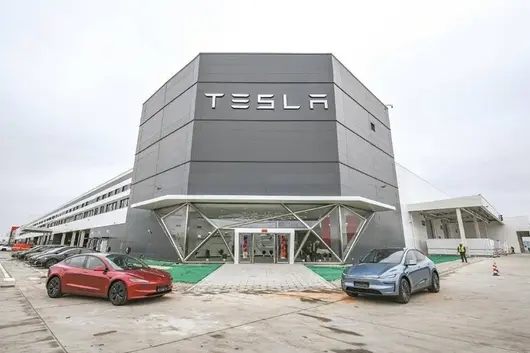
At the beginning of each month, major automakers reveal their report cards, and the "good student" Tesla is no exception.
According to the latest data from the China Passenger Car Association, Tesla Shanghai Factory deliveries in May exceeded 85,000 units, the highest single-month delivery this year.

This Tesla Shanghai Gigafactory was established in Lingang in 2019, completing the entire process of groundbreaking, production launch, and delivery in that year. It is now already Tesla's global production powerhouse, contributing more than half of the brand's deliveries. Whether sold domestically or exported overseas, most originate from here. The local parts rate exceeds 95%, with a car rolling off the line every 30-plus seconds on average. The so-called "Tesla Speed" is no mere talk.

So, what contributed to this record-breaking delivery this time?
First, the overseas market contributed significantly. The main models Model 3 and Model Y have consistently ranked high in premium pure electric rankings in Thailand, South Korea, Hong Kong and Macao, etc., so demand is naturally substantial.
Returning to the domestic market, regarding auto financing plans, Tesla recently launched an "Easy Loan" service, lowering the purchase threshold and stimulating many hesitant users to place orders.
Additionally, the charging network. Tesla has opened its Superchargers to vehicles of other brands, with over 1,000 stations, starting from 1.5 yuan/kWh, usable nationwide. No matter what brand of car you drive, having an extra charging option on the road allows many consumers hesitant about recharging to put their worries aside.

To be honest, in the current highly competitive environment for new energy vehicles, Tesla being able to achieve this result indeed shows some real skill.
However, after capacity and speed increase, the test on quality will be greater. Whether subsequent quality control remains stable is also a concern for many.
Plus, there are many uncertain factors overseas such as policies and tariffs, so export business may not always go smoothly.

So, do you think it can maintain this good performance in the second half of the year? Let's chat in the comments.

Folks, today let's talk about big news on going global—not selling cars, but selling "drivers". On June 2, WeRide and Uber jointly announced a plan: to launch the country's first commercial Robotaxi pilot service in Madrid, Spain. In other words: Spanish residents will soon be able to hail a driverless taxi via Uber. This is the first time WeRide and Uber are partnering to enter the European market. Madrid also becomes the 12th city globally where WeRide's Robotaxi arrives.
According to official news, with the support of the Madrid regional government, this service will officially launch within this year. At that time, friends in Madrid can open the Uber App and call WeRide's Robotaxi with one click. It's just like calling an ordinary ride-hailing service, the difference is the arriving car has no driver—at least initially, there is still a difference. In the initial operation phase, a professionally trained safety monitor will be on board, as it's just launched, safety comes first.
This company, WeRide, you might have heard of it, or you might not. A brief introduction: Established in 2017, it has been dedicated to Robotaxi technology R&D and commercialization. Currently, its Robotaxis cover Guangzhou, Beijing, Singapore, Abu Dhabi, Dubai, Riyadh, Zurich... plus Madrid now, totaling 12 cities. Spain is also the 5th European market WeRide has entered—previously entered Switzerland, France, Belgium, Slovakia. According to the plan agreed by WeRide and Uber in May 2025, they plan to deploy Robotaxi services in 15 new international cities within five years, deploying tens of thousands of Robotaxis globally. With the Madrid launch, the deployment in 4 cities has been completed, and 11 more will be covered successively before 2030.
To be honest, it's not the first time Chinese autonomous driving companies are going global, but the combination of Chinese technology + global mobility platform + European market is quite interesting. Madrid is one of the European Robotaxi markets with the most commercial potential, with a large population, high travel demand, and friendly local policies. Being able to take root in this market is a significant milestone for WeRide. For Uber, introducing Robotaxis is also a way to reduce costs—after all, drivers don't need salaries. For Madrid residents, hailing a taxi might be cheaper in the future.

6 月 1 日,吉利汽車控股有限公司(shturl.)發布 5 月銷量數據,當月銷量達 237637 輛,實現連續三個月同環比雙增長,新能源、海外出口、各品牌板塊均交出亮眼成績單,展現強勁增長勢能。
銷量全面攀升 新能源佔比持續領跑
5 月吉利汽車整體銷量穩步增長,旗下三大核心品牌協同發力:
集團新能源銷量(含吉利、領克、極氪)達 133355 輛,佔比 56.1%,連續四個月超 50%,新能源轉型成效顯著。
海外市場再突破,5 月出口銷量 85144 輛創歷史新高,其中新能源產品出口 40803 輛,佔比 47.9%,全球化佈局持續深化。

多品牌齊發力 產品矩陣持續升級
極氪:豪華純電量價齊升 旗艦新品實力領跑
煥新極氪 009 於 5 月 19 日正式上市,權益後限時售價 41.38 萬元起,七座 Ultra+“齊家版”訂單佔比超 60%。新車搭載全棧 900V 高壓架構,CLTC 續航 720 公里,充電 10 分鐘補能 510 公里,零百加速僅 3.9 秒,搭配 700TOPS 算力 Thor-U 晶片,智能與性能雙巔峰。
極氪 7X 全球累計交付超 16 萬輛,出海一週年佈局 40 多個地區;極氪 9X 累計交付突破 6 萬輛,獵裝車型大定訂單持續破萬。
領克:電動化轉型提速 運動性能再定義
領克 5 月新能源車型銷量 14688 輛,佔比 70.8%。領克 10、領克 10 + 於 5 月底正式上市並開啟首批交付,以極致駕控重新定義中大型運動純電轎車標準。
恰逢品牌成立十週年,領克全國近百家門店完成形象煥新,渠道新能源轉型規模化落地;同時簽約韓東君為汽車運動大使,賽事戰績頻傳,TCR China、CTCC 賽事斬獲多項冠軍。

吉利品牌:爆款頻出 覆蓋全細分市場
全球化與智能化雙突破 築牢發展根基
海外市場多點開花,極氪、吉利銀河多款车型登頂澳洲、墨西哥、馬來西亞等多國細分市場銷量榜首;5 月吉利汽車與英格蘭隊達成戰略合作,全球化“朋友圈”持續擴大。

智能化領域,千里浩瀚輔助駕駛累計里程達 13.8 億公里,開啟率 93.8%,年同比增長 215%,累計避險 890 萬次,安全實力行業領先。吉利銀河星艦 7 EM-i 完成極限碰撞測試,以硬核安全彰顯中國汽車製造實力。
依託“一個吉利”戰略,吉利汽車將持續深化新能源、智能化轉型,加速全球化佈局,以產品、技術、品牌全方位升級,驅動中國汽車產業持續向上。

Folks, today let's talk about big news on going global—not selling cars, but selling "drivers". On June 2, WeRide and Uber jointly announced a plan: to launch the country's first commercial Robotaxi pilot service in Madrid, Spain. In other words: Spanish residents will soon be able to hail a driverless taxi via Uber. This is the first time WeRide and Uber are partnering to enter the European market. Madrid also becomes the 12th city globally where WeRide's Robotaxi arrives.
According to official news, with the support of the Madrid regional government, this service will officially launch within this year. At that time, friends in Madrid can open the Uber App and call WeRide's Robotaxi with one click. It's just like calling an ordinary ride-hailing service, the difference is the arriving car has no driver—at least initially, there is still a difference. In the initial operation phase, a professionally trained safety monitor will be on board, as it's just launched, safety comes first.
This company, WeRide, you might have heard of it, or you might not. A brief introduction: Established in 2017, it has been dedicated to Robotaxi technology R&D and commercialization. Currently, its Robotaxis cover Guangzhou, Beijing, Singapore, Abu Dhabi, Dubai, Riyadh, Zurich... plus Madrid now, totaling 12 cities. Spain is also the 5th European market WeRide has entered—previously entered Switzerland, France, Belgium, Slovakia. According to the plan agreed by WeRide and Uber in May 2025, they plan to deploy Robotaxi services in 15 new international cities within five years, deploying tens of thousands of Robotaxis globally. With the Madrid launch, the deployment in 4 cities has been completed, and 11 more will be covered successively before 2030.
To be honest, it's not the first time Chinese autonomous driving companies are going global, but the combination of Chinese technology + global mobility platform + European market is quite interesting. Madrid is one of the European Robotaxi markets with the most commercial potential, with a large population, high travel demand, and friendly local policies. Being able to take root in this market is a significant milestone for WeRide. For Uber, introducing Robotaxis is also a way to reduce costs—after all, drivers don't need salaries. For Madrid residents, hailing a taxi might be cheaper in the future.

BYD officially released the May 2026 production and sales flash report, with new energy vehicles from all brands reaching a monthly sales volume of 383,453 vehicles, a slight increase of 0.26% year-on-year, achieving year-on-year positive growth in monthly sales after ten months; among them, passenger car deliveries reached 376,990 units, surging 19.4% month-on-month, wiping out the pain of previous model iterations, presenting a new pattern where the domestic base is stable, overseas sales are soaring, and high-end brands are scaling up across the board. Amidst the market environment of intensified competition in the domestic new energy sector, Tesla FSD entering China, and an intense launch of independent new products, it has forged a unique structural growth path.
The Dynasty and Ocean main brands combined sold 330,215 vehicles in May, accounting for over 80% of the group's total sales, remaining the stabilizer for BYD's sales volume. The full series had 8 models exceeding 20,000 units in monthly sales, covering products from 50,000 entry-level commuter to 200,000 home SUV.
Inside the Dynasty Network, the Yuan family sold 56,691 units, and the Song family 51,370 units. Both crossed the 50,000 threshold, becoming two major sales pillars for the brand, catering to home commuter and urban-rural travel needs; the Qin family followed closely with a stable performance of 28,360 units. The Han and Tang series maintained a volume in the six-thousand range, deeply cultivating the mid-to-large home sedan and SUV niche markets; the brand new model Xia is in the market cultivation phase, delivering 1,810 units monthly, with potential for steady volume growth as channels expand.
The Ocean Network's growth momentum is even more rapid, with 5 models entering the 20,000 club across the series: Sealion 42,615 units, Seal 34,117 units, Seagull 39,919 units, Dolphin 22,260 units, and Song PLUS 27,755 units. Among them, Seagull remains the best-selling entry-level commuter model thanks to its affordable pricing of 60,000-80,000. Sealion, as a new volume model, stands firm at the 40,000 level upon launch, filling the mid-size SUV product gap in the Ocean Network and perfecting the Ocean product tier layout. From commuter small cars to compact SUVs, the two main brands rely on DM-i hybrid and pure electric dual-line technologies to牢牢锁住 the mainstream home market share within 150,000 domestically.
Fang Cheng Bao Year-on-Year Surges 139.7%, Brand Upward Positioning Takes EffectThe high-end matrix of Denza, Fang Cheng Bao, and Yangwang sold a combined 46,489 vehicles in May, officially breaking away from the niche positioning to become a new pivot for BYD's brand premium and profit growth, breaking the industry curse of difficulty in high-end breakthrough for domestic brands.
The off-road brand Fang Cheng Bao sold 30,186 units monthly, surging 139.7% year-on-year, creating a new high in monthly sales since the brand launched. Its Titanium 7 model sold 18,280 units monthly, while Leopard 5 and Leopard 8 output remained stable, continuously squeezing the survival space for joint venture and imported models in the 250,000-400,000 hardcore off-road niche market.
Denza delivered 16,303 units in May, with the MPV benchmark D9 selling 6,721 units, and the Z9 series close to 6,000 units. MPV and mid-to-large sedan dual-line efforts helped them stand firm in the luxury new energy track; the million-level ultra-luxury brand Yangwang continued its steady climb, delivering 286 units that month, a year-on-year increase of 105.8%, completing market verification of the domestic brand ceiling product and forming a full price range product layout from 100,000+ home, 300,000-400,000 off-road, 500,000 luxury MPV to million-level flagship.
In May, BYD's overseas sales of passenger cars and pickup trucks reached 160,177 units, surging 80.7% year-on-year. Exports accounted for over 42% of the full series total sales, setting a new historical high for brand export and becoming the core driving force to stabilize May overall sales and achieve year-on-year positive growth.
Southeast Asia, Europe, and Latin America became the main incremental markets. Seagull, Song PLUS, and Yuan series continued to top new energy best-seller lists in multiple countries; the SHARK pickup truck exceeded 4,000 units in monthly exports for two consecutive months. Relying on the completion of localization production in Thailand, Brazil, Hungary, and Uzbekistan with four overseas vehicle factories, localized production continues to land, avoiding tariffs while rapidly penetrating terminal channels. Against the background of stock market competition in the domestic auto industry and normalized price wars, the rapidly expanding overseas market effectively counteracts sales volatility brought by domestic model iterations, officially upgrading from a supplementary market to BYD's core growth engine. As of now, BYD's global cumulative new energy vehicle sales have exceeded 16.5 million units, with the globalization map continuously broadening.
Intelligent Driving Empowers Product Iteration, H2 New Products Prepare to Surge VolumeMay marked a key node in BYD's intelligent driving landing, with the God's Eye intelligent driving system becoming a core bonus point for models: the number of vehicles with advanced intelligent driving across all brands exceeded 3.15 million, with daily road test data exceeding 200 million kilometers; that month, BYD implemented City Pilot and Smart Parking dual safety backup services, becoming the world's first auto manufacturer to achieve dual intelligent driving backups. Three days after policy implementation, the activation rate of models equipped with the God's Eye system in cities surged 50%. Intelligent driving experience upgrades directly drove in-store order conversion, solidifying product competitiveness for subsequent models to continue volume sales, and facing the intelligent driving market shock brought by FSD entering China.
From data details, BYD's cumulative sales from January to May 2026 were 1,405,039 units, down 20.32% year-on-year. The core reason is that the full series of main models were concentratedly iterated, and the capacity ramp-up of the 2nd Gen Fast Charge Blade Battery was restricted. The new Flash Charge Battery upgraded fast charging and low-temperature performance. Full series iteration models prioritized installing new batteries, but production line retrofitting dragged down capacity release. Order backlogs on popular models and delayed deliveries compressed the May delivery volume to a certain extent.
As the end of the second quarter approaches and the 2nd Gen Blade Battery capacity continues to release, coupled with new models such as Denza N8L, Fang Cheng Bao Titanium 7 Pure Electric Version, Sealion 05, and Xia L landing the market, the industry generally predicts that BYD's full brand sales in June are expected to exceed 400,000 vehicles. Relying on the four-dimension development logic of low-end volume locking share, high-end raising profit, overseas pushing volume, and intelligence improving product power, amidst the intensified new energy elimination round in the domestic market, BYD's full category layout advantage continues to amplify, securing its status as the domestic new energy leader, accelerating steadily towards global top auto manufacturers.


