首頁blogger

搜尋歷史
熱門搜尋
經銷商登入 / 註冊

进入2026年下半场,商用车行业高管调整仍在持续,人事棋局的每一步落子都暗含着企业战略方向的深度锚定。7月以来,从潍柴动力的核心管理层换帅,到上汽集团副总裁、广汽领程董事长履新,再到斯堪尼亚中国的本土化掌舵人更迭,多起重磅人事变动接连落地。既有老将功成身退的交棒,也有体系内成长起来的熟手担纲重任,更有本土干将的破格提拔,勾勒出行业转型关键期企业谋篇布局的清晰脉络。
潍柴动力:袁宏明辞任执行董事,刘义接棒
7月3日,潍柴动力(02338.HK)宣布,袁宏明已辞任公司执行董事、战略发展及投资委员会委员等职务,辞去上述职务后,袁宏明将不再担任公司(含控股子公司)任何职务。经公司2026年第五次临时董事会会议审议通过,同意选举刘义为公司第七届董事会执行董事,该事项尚需提交公司股东会审议,任期自股东会决议作出之日起至第七届董事会届满之日止。

另外,在7月17日晚间,潍柴动力股份有限公司发布关于变更董事会秘书的公告。潍柴动力董事会于近日收到王丽提交的书面辞职报告,因工作调动,王丽申请辞去公司董事会秘书职务,并将不再担任公司(含控股子公司)任何职务,王丽的原定任期至第七届董事会届满之日止。截至本公告披露日,王丽未持有公司股份,不存在应当履行而未履行的承诺事项。

经公司2026年第六次临时董事会会议审议通过,同意聘任郝庆贵为公司董事会秘书,任期自董事会决议作出之日起至第七届董事会届满之日止。
上汽集团:杨怀景升任副总裁
7月8日,上汽集团召开第九届董事会第十一次会议,经总裁提名、董事会审议,聘任杨怀景担任集团副总裁,任期与本届董事会一致。董事会8人全票通过该项任命。

公开资料显示,杨怀景,1972年6月出生,中共党员,研究生学历,工商管理硕士、工程硕士,是上汽体系内成长起来的资深管理者。曾任上海汽车股份有限公司中国弹簧厂商务部经理、人事信息部经理、厂长助理,上海汽车集团股份有限公司经济运行部副经理、质量和经济运行部副经理,上海汽车集团股份有限公司商用车事业部总经理等职务。现任上海汽车集团股份有限公司副总裁,上汽大通汽车有限公司总经理、党委副书记、南京分公司总经理,上海汽车集团股份有限公司商用车技术中心主任,南京汽车集团有限公司汽车工程研究院院长。
在杨怀景的带领下,上汽商用车板加速推进大通、依维柯、跃进三大品牌的深度整合。据公开数据显示,2026年上半年,上汽商用车累计销售14.76万辆,同比增长24%,其中新能源销量同比增长69%,海外销量同比增长33%。
东风股份:董秘履新 营销公司法定代表人变更
7月13日晚间,东风汽车股份有限公司发布关于变更董事会秘书的公告。公告显示,公司原董事会秘书周方平因工作调整,不再担任公司董事会秘书职务。经董事长提名,公司第七届董事会第二十七次会议审议,同意聘任李夏为公司董事会秘书,任期自本次董事会审议通过之日起至第七届董事会届满之日止。

此外,据企查查平台显示,7月下旬,东风汽车股份有限公司的全资子公司东风轻型商用车营销有限公司完成工商变更,法定代表人由李军智变更为李旸。据悉,李旸此前担任东风股份的副总经理。他1979年9月出生,曾担任东风股份的轻型商用车分公司副总经理、综合管理部副部长、新能源事业部党总支书记兼副总经理等职,后来调任神龙汽车,今年1月,他重回东风股份。
广汽领程:董事长卸任 法定代表人变更
7月中旬,据企查查平台显示,广汽领程新能源商用车有限公司完成工商变更,黄永强卸任该公司董事长、法定代表人,由高锐接替。

据悉,高锐此前担任广汽集团常务副总经理,并曾担任广汽集团资产管理部部长,中隆投资有限公司董事长、总经理,骏威汽车有限公司总经理,广汽集团(中国香港)有限公司董事长、总经理等职务。
斯堪尼亚:NEXT ERA重卡迎来新任本土掌舵人
7月8日,斯堪尼亚集团中国正式任命宋黎辉为 NEXT ERA重卡销售服务新任总经理,该任命将于2026年7月15日正式生效。宋黎辉将接替贺文凯(Volker Hillmann)的职务;贺文凯将继续留在上海,在传拓集团内部出任新职。此次战略性的领导层交接,充分彰显了斯堪尼亚对中国市场长期承诺的坚定决心。据悉,在新的职位上,宋黎辉将向斯堪尼亚集团执行副总裁、斯堪尼亚集团中国总裁柯木兰(Camilla Dewoon)汇报工作。

谈及此次任命,柯木兰对贺文凯打下的坚实基础表示感谢,并指出:“宋黎辉深厚的本土根基与精湛的商业专长,对于NEXT ERA重卡在中国发展的下一阶段至关重要。这将使我们更贴近中国客户与合作伙伴,高度契合集团既定的愿景、商业模式及运营理念。”
远程新能源商用车:旗下公司法定代表人变更
7月中旬,据企查查平台显示,隶属吉利远程新能源商用车集团的吉利四川商用车有限公司全资控股的南充吉利新能源商用车公司完成工商变更,法定代表人由周建群变更为丁鼎,担任该公司经理、董事。该公司2021年成立,注册资本9.1亿元,主要经营业务是汽车新车销售、新能源汽车整车销售等。
结语
纵观7月商用车行业的人事调整,“实干派”与“本土化”成为最鲜明的关键词。自主品牌选择深耕体系多年、熟悉业务脉络的内部人才接棒,外资品牌加速启用本土高管贴近中国市场,所有调整最终都指向同一个目标——在新能源转型与全球化竞争的深水区,用更懂市场、更懂客户的团队打赢下半场。人事更迭从来不是终点,而是企业新一轮战略进攻的“发令枪”。随着这些新高管团队就位,下半年商用车市场的竞争势必会更加激烈。

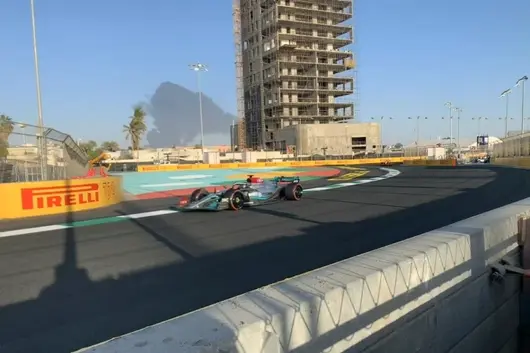
Due to the well-known reasons regarding the Middle East, the Bahrain and Saudi races in the original 2026 F1 schedule of 24 races have been confirmed for cancellation, and the hope for hosting the last two races in Qatar and Abu Dhabi is becoming increasingly bleak.

Rumors claim there is a "minimum guarantee clause" in the contracts between F1 and some partners requiring at least 21 races to be held in 2026. If all four Middle Eastern races are cancelled, that would be a major trouble, so there have always been reports that the F1 side is looking for a suitable track to add a race. During the F1 Hungarian Grand Prix last weekend, they finally announced an extra race will be held at the Sepang Circuit in Malaysia between October 2nd and October 4th, but the name of this Grand Prix is very special: F1 Bahrain Grand Prix Malaysia.

The Sepang Circuit in Malaysia was one of the official F1 rounds a long time ago, the last time hosting an F1 race was in 2017. After 9 years, why would Sepang have a "limited-time return", why does the Malaysian race have to do with Bahrain, there are actually quite a few details behind this.
A "Super Substitute" with Suitable Time and Space
First, let's talk about why the Sepang Circuit in Malaysia was chosen. The core principle for F1 this time in selecting an extra race venue is: do not affect the existing race schedule, and have the ability to organize races quickly. There were three proposals in previous rumors: adding races in European tracks such as Portugal and Spain; wrapping up with a double race in Las Vegas at the end of the year; adding a race at Sepang, Malaysia.

According to the original calendar, after the summer break in July and August, F1 will race three more stages in the Netherlands, Italy, and Spain at the end of August and beginning of September, then leave the European continent for Asia and the Americas. Organizing a race in Europe within such a short time is really too difficult. As for letting the 11 teams jump back and forth between Asia, Europe, and America after September, it is also unrealistic, so the option of adding a race in Europe can basically be ruled out.

As for the end-of-year Las Vegas double race plan, not to mention whether they are willing to pay two hosting fees, just the timing is a bit too late, reaching the end of November. If anything happens in between, the situation will become even more complex, so the Las Vegas double race plan can only be said to be a last resort.

Sepang just happens to be the choice with suitable time and space. The race period from October 2nd to October 4th is more than two months away from now, enough to complete race organization. Spatially, Malaysia is right next to the next host Singapore, logistics are easy to schedule.

The key is that although Sepang Circuit hasn't hosted F1 in these years, top events like MOTO GP are still being hosted there, the track still retains FIA Grade 1 track status, which is much more convenient compared to those old European tracks that haven't hosted races for years and need renovation.
Bahrain Pays the Bills, Malaysia Does the Work
As for why the Malaysian race is sponsored by Bahrain? Simply put, Bahrain pays the money, Malaysia does the work. This leads to the reason why Malaysia withdrew from the F1 calendar back then: Money.

The reason Malaysia withdrew from F1 back then was simply that they felt the income didn't cover the expenses. The high hosting fees were not proportional to the additional income from tickets and tourism generated by the races. Afterwards, the Malaysian side expressed multiple times that they do not exclude F1, but the prerequisite is that someone must pay the hosting fee, so this matter has stagnated here.

And this time, Malaysia waited for that money-rich patron: Bahrain. For this major oil-producing country in the Middle East, money has never been a problem, the problem is they want to maintain F1 exposure. Since they cannot host at home for the time being, paying to sponsor a race in another place is not impossible.
For Malaysia, someone is paying the hosting fee, and the derived tourism income and so on is basically free money. So F1 mediated, and the "F1 Bahrain Grand Prix Malaysia" which had no precedent and may not have successors was formed.
"Tremendous Wealth" for Chinese Fans: No Need to Ask for Leave and Visa-Free
With Malaysia's return to F1, there is no one happier than Chinese fans. The timing of this Malaysian stage is simply too good.

For fans who want to watch live, the Malaysian race falls during the National Day Holiday period, no extra leave needed. Moreover, Malaysia is visa-free for us, the distance is not far and ticket prices are relatively friendly. Watching live, whether in terms of time cost or economic cost, is quite friendly.

Even if not going to the scene and watching live at home, the Malaysian stage is also quite friendly. Malaysia and China belong to UTC+8, no time difference problem, and Malaysia does not hold night races like Singapore. This means you sleep naturally at home, watch the race comfortably in the afternoon, and go out for dinner with friends at night without delaying anything. Moreover, Malaysia has a lot of rain, whenever it rains, the race always produces famous scenes. Watching the race comfortably at home, eating with friends at night and talking about the famous scenes of the race, how nice.
However, Sepang's "limited-time return" this time is a coincidence where all favorable circumstances aligned. Whether there will be more in the future is hard to say. So for friends who really want to go to the venue, get ready to grab tickets. If you miss this chance this year, it is really unknown if it will exist next year.

In the Malaysian SUV market, many buyers compare Proton X50 and Kia Sportage when selecting a car. These two cars are very close in price and positioning. Today, we will make a detailed comparison from multiple aspects to help you save time on research.
The Proton X50 OTR price in Malaysia is RM 89,800 - 113,300, with 4 versions in total, including 1.5T Executive (RM 89,800), 1.5T Premium (RM 101,800), 1.5T Flagship (RM 113,300) etc.
The Kia Sportage OTR price in Malaysia is RM 129,639 - 179,320, with 4 versions in total, including 2025 1.6T DCT 4WD High (RM 179,320), 2025 1.6T DCT 2WD High (RM 159,320), 2025 2.0L AT 2WD High (RM 139,639) etc.
From a price perspective, Proton X50's starting price is indeed RM 39,839 cheaper than Kia Sportage. If your budget is limited, Proton's entry-level version can already meet daily needs. But also note, the price difference of a few thousand might involve trade-offs in features, depending on your specific needs.

Proton X50 comes with 1.5L 4-cyl, 105 hp. Official fuel consumption 6.0 L/100km.
Kia Sportage comes with 1.5L Turbo, 140 hp. Official fuel consumption 7.0 L/100km.
In terms of power, Kia Sportage's 1.5L Turbo has 35 more horsepower than Proton X50's 1.5L 4-cyl. However, for daily city driving, power for both cars is sufficient, you won't feel underpowered.

Proton X50 safety rating is 5★ (ASEAN NCAP), active safety systems include ADAS (ACC, AEB, LKA, LDA, BSM, RCTA).
Kia Sportage safety rating is 5★ (ASEAN NCAP), active safety systems include Drive Wise.
Both cars have the same safety rating, safety features are quite complete in this class. New cars today generally do not have poor safety, no need to worry too much about this.

Proton X50 uses 4WD drive system.
Kia Sportage uses FWD drive system.
Proton's 4WD and Kia's FWD will feel different in handling, test drive comparison is recommended.

Overall, Proton X50 and Kia Sportage are both very good models in the Malaysian market. Which one to choose mainly depends on your personal needs and budget. We suggest doing research, comparing quotes from several dealerships, and then test driving to make a final decision. Buying a car is a big matter, spending time on research is never wrong.


In the Malaysian SUV market, many buyers compare the Proton X50 and Hyundai Tucson when choosing a car. These two vehicles are quite close in price and positioning. Today we will make a detailed comparison from multiple aspects to help you save time on research.
The Proton X50 OTR price in Malaysia is RM 89,800 - 113,300, with a total of 4 versions, including 1.5T Executive (RM 89,800), 1.5T Premium (RM 101,800), 1.5T Flagship (RM 113,300), etc.
The Hyundai Tucson OTR price in Malaysia is RM 143,888 - 197,888, with a total of 5 versions, including 2025 HEV 1.6T AT 2WD Prestige (RM 197,888), 2025 1.6T DCT 4WD Prestige (RM 186,888), 2025 1.6T DCT 2WD Prime (RM 164,888), etc.
From a price perspective, the starting price of the Proton X50 is indeed RM 54,088 cheaper than the Hyundai Tucson. If your budget is limited, the entry-level Proton can already meet daily needs. However, also note that the few thousand cheaper might mean compromises in features, it depends on your specific needs.
Proton X50 safety rating is 5★ (ASEAN NCAP), active safety systems include ADAS (ACC, AEB, LKA, LDA, BSM, RCTA).
Hyundai Tucson safety rating is 5★ (ASEAN NCAP), active safety systems include SmartSense.
Both cars have the same safety rating, safety features are quite comprehensive in this class. New cars nowadays are not lacking in safety, no need to worry too much about this.
Proton X50 body length 4400 mm, boot 400 L.
Hyundai Tucson body length 4400 mm, boot 400 L.
Both cars are almost the same size, cabin space is not much different. Cars in this class are more than enough for daily use.
Proton X50 and Hyundai Tucson are both mainstream choices in the Malaysian market, suitable for family use and daily commuting. If you value brand reputation and resale value more, prioritize the one with better reputation; if you care more about value for money and features, choose the one that is better equipped. Ultimately, it is recommended to test drive both, personal experience is the most important.

Overall, Proton X50 and Hyundai Tucson are both quite good models in the Malaysian market. Which one to choose depends mainly on your personal needs and budget. It is recommended to do your research, compare quotes from several dealerships, and then test drive to make a final decision. Buying a car is a big matter, spending time researching will never be wrong.

In the Malaysian SUV market, many buyers compare the Proton X50 and Mitsubishi Xforce when choosing a car. These two models are quite close in price and positioning. Today, we will make a detailed comparison from multiple aspects to help you save time on research.
The OTR price of the Proton X50 in Malaysia is RM 89,800 - 113,300, with a total of 4 versions, including 1.5T Executive (RM 89,800), 1.5T Premium (RM 101,800), 1.5T Flagship (RM 113,300), etc.
The OTR price of the Mitsubishi Xforce in Malaysia is RM 109,930 - 119,930, with a total of 2 versions, including 2026 1.5L Ultimate (RM 119,930), 2026 1.5L Urban (RM 109,930), etc.
From a price perspective, the starting price of the Proton X50 is indeed RM 20,130 cheaper than the Mitsubishi Xforce. If your budget is limited, the Proton entry-level version can already meet daily needs. However, note that the few thousand ringgit difference may involve trade-offs in features, depending on your specific needs.
Proton X50 comes with a 1.5L 4-cylinder engine, 105 hp. Official fuel consumption is 6.0 L/100km.
Mitsubishi Xforce comes with a 1.5L Turbo engine, 140 hp. Official fuel consumption is 7.0 L/100km.
In terms of power, the Mitsubishi Xforce's 1.5L Turbo has 35 more horsepower than the Proton X50's 1.5L 4-cylinder. However, for daily city driving, both cars have sufficient power, and you won't feel underpowered.
Proton X50 body length is 4400 mm, trunk 400 L.
Mitsubishi Xforce body length is 4400 mm, trunk 400 L.
The dimensions of both cars are almost identical, with little difference in interior space. For this class of cars, daily use is more than sufficient.
Proton X50 adopts 4WD drive mode.
Mitsubishi Xforce adopts FWD drive mode.
Proton's 4WD and Mitsubishi's FWD will feel different in handling; test drive comparison is recommended.

Overall, Proton X50 and Mitsubishi Xforce are both excellent models in the Malaysian market. Which one to choose depends mainly on your personal needs and budget. We recommend doing your research, comparing quotes from multiple dealerships, and then test driving to make a final decision. Buying a car is a big matter; spending time on research will never be wrong.

喺馬來西亞嘅 SUV 市場,好多買家喺揀車嘅時候都會拿 Proton X50 同 Hyundai Tucson 嚟做比較。呢兩款車喺價位同定位上都幾接近,今日我哋就從多個方面做一个詳細嘅對比,幫你省下做功課嘅時間。
Proton X50 喺馬來西亞嘅 OTR 售價係 RM 89,800 - 113,300,合共有 4 個版本,包括 1.5T Executive(RM 89,800)、1.5T Premium(RM 101,800)、1.5T Flagship(RM 113,300) 等。
Hyundai Tucson 喺馬來西亞嘅 OTR 售價係 RM 143,888 - 197,888,合共有 5 個版本,包括 2025 HEV 1.6T AT 2WD Prestige(RM 197,888)、2025 1.6T DCT 4WD Prestige(RM 186,888)、2025 1.6T DCT 2WD Prime(RM 164,888) 等。
從價錢睇落,Proton X50 嘅起價真係比 Hyundai Tucson 平咗 RM 54,088。如果你預算有限,Proton 嘅入門版已經可以滿足日常需求。但都要注意,平嗰幾千蚊,可能喺配備上面會有所取捨,具體要看你嘅需求。
Proton X50 搭載 1.5L 4-cyl,馬力 105 hp。官方油耗 6.0 L/100km。
Hyundai Tucson 搭載 1.5L Turbo,馬力 140 hp。官方油耗 7.0 L/100km。
動力方面,Hyundai Tucson 嘅 1.5L Turbo 比 Proton X50 嘅 1.5L 4-cyl 多咗 35 匹馬力。不過日常喺市區開,兩款車嘅動力都夠用,唔會覺得唔夠力。
Proton X50 嘅安全評級係 5★ (ASEAN NCAP),主動安全系統包括 ADAS (ACC, AEB, LKA, LDA, BSM, RCTA)。
Hyundai Tucson 嘅安全評級係 5★ (ASEAN NCAP),主動安全系統包括 SmartSense。
兩款車嘅安全評級一樣,喺呢個級別裡面安全配備都算好齊全啦。而家嘅新車安全性都唔差,唔使太擔心呢一點。
Proton X50 車身長 4400 mm,行李箱 400 L。
Hyundai Tucson 車身長 4400 mm,行李箱 400 L。
兩款車嘅尺寸差唔多一樣,車內空間差異唔大。呢個級別嘅車,日常使用完全夠用。
Proton X50 採用 4WD 驅動方式。
Hyundai Tucson 採用 FWD 驅動方式。
Proton 嘅 4WD 同 Hyundai 嘅 FWD 喺操控上會有唔同感受,建議試駕對比。

總體嚟講,Proton X50 同 Hyundai Tucson 都係馬來西亞市場幾唔錯嘅車型。揀邊一輛,關鍵都係要看你嘅個人需求同預算。建議大家做好功課,多比較幾間車行嘅報價,先至去試駕做最後決定。買車係件大事,花少少時間做功課絕對唔會錯。

喺馬來西亞嘅 SUV 市場,好多買家喺揀車嘅時候都會用 寶騰 X50 同 現代 Tucson 做比較。呢兩款車喺價位同定位上都好接近,今日我就從多個方面做一次詳細嘅比較,幫到你省返做功課嘅時間。
寶騰 X50 喺馬來西亞嘅 OTR 售價係 RM 89,800 - 113,300,合共有 4 個版本,包括 1.5T Executive(RM 89,800)、1.5T Premium(RM 101,800)、1.5T Flagship(RM 113,300) 等。
現代 Tucson 喺馬來西亞嘅 OTR 售價係 RM 143,888 - 197,888,合共有 5 個版本,包括 2025 HEV 1.6T AT 2WD Prestige(RM 197,888)、2025 1.6T DCT 4WD Prestige(RM 186,888)、2025 1.6T DCT 2WD Prime(RM 164,888) 等。
單睇價錢嚟講,寶騰 X50 嘅起價真係比 現代 Tucson 平咗 RM 54,088。如果你預算有限,寶騰嘅入門版已經可以滿足日常需要。但都要留意,平嗰幾千蚊,喺配備上面會有取舍,具體睇你嘅需要。
寶騰 X50 裝載 1.5L 4 缸,馬力 105 hp。官方油耗 6.0 L/100km。
現代 Tucson 裝載 1.5L Turbo,馬力 140 hp。官方油耗 7.0 L/100km。
單睇動力方面,現代 Tucson 嘅 1.5L Turbo 比 寶騰 X50 嘅 1.5L 4 缸多咗 35 匹馬力。不過日常喺市內開,兩款車嘅動力都夠用,唔會覺得唔夠力。
寶騰 X50 嘅安全評級係 5★ (ASEAN NCAP),主動安全系統包括 ADAS (ACC, AEB, LKA, LDA, BSM, RCTA)。
現代 Tucson 嘅安全評級係 5★ (ASEAN NCAP),主動安全系統包括 SmartSense。
兩款車嘅安全評級一樣,喺呢個級數入面安全配備都算好齊全。而家嘅新車安全性都唔差,唔使太擔心呢一點。
寶騰 X50 保修 5 年/150,000km,保養間隔 每 10,000km 或 6 個月。
現代 Tucson 保修 5 年/300,000km,保養間隔 每 10,000km 或 6 個月。
總括嚟講,寶騰 X50 同 現代 Tucson 都係馬來西亞市場好唔錯嘅車型。揀邊一輛,關鍵仲係要睇你嘅個人需要同預算。建議大家做足功課,多比較幾間車行嘅報價,先至去試駕做最終決定。買車係件大事情,花少少時間做功課絕對唔會錯。

喺馬來西亞嘅 SUV 市場,好多買家喺揀車嘅時候都會拿 寶騰 X50 同 三菱 Xforce 嚟做比較。呢兩款車喺價位同定位上都好接近,今日我哋就從多個方面做一個詳細嘅比較,幫你慳咗做功課嘅時間。
寶騰 X50 喺馬來西亞嘅 OTR 售價係 RM 89,800 - 113,300,一共有 4 個版本,包括 1.5T Executive(RM 89,800)、1.5T Premium(RM 101,800)、1.5T Flagship(RM 113,300) 等。
三菱 Xforce 喺馬來西亞嘅 OTR 售價係 RM 109,930 - 119,930,一共有 2 個版本,包括 2026 1.5L Ultimate(RM 119,930)、2026 1.5L Urban(RM 109,930) 等。
從價錢嚟睇,寶騰 X50 嘅起步價真係比 三菱 Xforce 平咗 RM 20,130。如果你預算有限,寶騰嘅入門版已經可以滿足日常需要。但係都要注意,平嗰幾千元,可能喺配備上會有取捨,具體要睇你嘅需求。
寶騰 X50 嘅安全評級係 5★ (ASEAN NCAP),主動安全系統包括 ADAS (ACC, AEB, LKA, LDA, BSM, RCTA)。
三菱 Xforce 嘅安全評級係 5★ (ASEAN NCAP),主動安全系統包括 MI-PILOT。
兩款車嘅安全評級一樣,喺呢個級別入面安全配備都算畀得好齊全。而家嘅新車安全性都唔差,唔使太擔心呢一點。
寶騰 X50 車身長 4400 mm,車尾箱 400 L。
三菱 Xforce 車身長 4400 mm,車尾箱 400 L。
兩款車嘅尺寸幾乎一樣,車內空間差別唔大。呢個級別嘅車,日常使用完全夠用。
寶騰 X50 保修 5 年/150,000km,保養間隔 每 10,000km 或 6 個月。
三菱 Xforce 保修 3 年/100,000km,保養間隔 每 10,000km 或 6 個月。
總體嚟講,寶騰 X50 同 三菱 Xforce 都係馬來西亞市場好好嘅車型。揀邊一款,關鍵始終都要睇你嘅個人需要同預算。我建議大家做足功課,多比較幾間車行嘅報價,再去試駕做最後決定。買車係件大事,花啲時間做功課絕對唔會錯。

喺馬來西亞嘅 SUV 市場,好多買家喺揀車嘅時候都會拎 寶騰 X50 同 三菱 Xforce 嚟做比較。這兩款車喺價位同定位上都幾相近嘅,今日本日我哋就由多個方面做一個詳細嘅比較,幫你攞返時間省做功課。
寶騰 X50 喺馬來西亞嘅 OTR 售價係 RM 89,800 - 113,300,一共 4 個版本,包括 1.5T Executive(RM 89,800)、1.5T Premium(RM 101,800)、1.5T Flagship(RM 113,300) 等。
三菱 Xforce 喺馬來西亞嘅 OTR 售價係 RM 109,930 - 119,930,一共 2 個版本,包括 2026 1.5L Ultimate(RM 119,930)、2026 1.5L Urban(RM 109,930) 等。
由價錢睇,寶騰 X50 嘅入場價真係比 三菱 Xforce 平咗 RM 20,130。如果你預算有限,寶騰嘅入門版已經可以滿足日常需求。但要注意,平嗰幾千蚊,可能會喺配備上有取捨,具體要睇你嘅需求。
寶騰 X50 嘅安全評級係 5★ (ASEAN NCAP),主動安全系統包括 ADAS (ACC, AEB, LKA, LDA, BSM, RCTA)。
三菱 Xforce 嘅安全評級係 5★ (ASEAN NCAP),主動安全系統包括 MI-PILOT。
兩款車嘅安全評級一樣,喺呢個級距入面安全配備都算給得好齊全了。而家嘅新車安全性都唔差,唔使太擔心呢一點。
寶騰 X50 車身長 4400 毫米,行李廂 400 公升。
三菱 Xforce 車身長 4400 毫米,行李廂 400 公升。
兩款車嘅尺寸幾乎一樣,車內空間分別唔大。呢個級距嘅車,日常使用完全夠用。
寶騰 X50 採用 4WD 驅動方式。
三菱 Xforce 採用 FWD 驅動方式。
寶騰嘅 4WD 同三菱嘅 FWD 喺操控上會有唔同感覺,建議試駕比較。
總括嚟講,寶騰 X50 同 三菱 Xforce 都係馬來西亞市場好唔錯嘅車款。揀邊一輛,關鍵係要看你嘅個人需求同預算。建議大家做好功課,多比較幾間車行嘅報價,再去試駕做最後決定。買車係件大事,花少少時間做功課絕對唔會錯。

喺馬來西亞嘅 SUV 市場,好多買家在揀車嘅時候都會將 寶騰 X50 同 GWM 哈弗 H6 做比較。呢兩款車喺價錢同定位上都幾接近,今日我哋就從多個角度做一個詳細比較,幫大家省做功課嘅時間。
寶騰 X50 喺馬來西亞嘅 OTR 售價係 RM 89,800 - 113,300,合共 4 個版本,包括 1.5T Executive(RM 89,800)、1.5T Premium(RM 101,800)、1.5T Flagship(RM 113,300) 等。
GWM 哈弗 H6 喺馬來西亞嘅 OTR 售價係 RM 139,750 - 139,750,合共 2 個版本,包括 1.5L Turbo Standard(RM 140,000)、1.5L Turbo Premium(RM 155,000) 等。
睇返價錢,寶騰 X50 嘅起價確實比 GWM 哈弗 H6 平咗 RM 49,950。如果你預算有限,寶騰嘅入門版已經足夠滿足日常需要。但亦要留意,便宜嗰幾千蚊,喺配備方面會有取捨,具體要睇你嘅需要。
寶騰 X50 配備 1.5L 4-cyl,馬力 105 hp。官方油耗 6.0 L/100km。
GWM 哈弗 H6 配備 Hybrid,馬力 170 hp。官方油耗 4.5 L/100km。
動力方面,GWM 哈弗 H6 嘅 Hybrid 比 寶騰 X50 嘅 1.5L 4-cyl 多咗 65 匹馬力。不過日常喺市區行,兩款車嘅動力都夠用,唔會覺得唔夠力。
寶騰 X50 車身長度 4400 mm,後廂 400 L。
GWM 哈弗 H6 車身長度 4400 mm,後廂 400 L。
兩款車嘅尺寸幾近一樣,車內空間差別唔大。呢個級別嘅車,日常使用完全夠用。
寶騰 X50 採用 4WD 驅動方式。
GWM 哈弗 H6 採用 FWD 驅動方式。
寶騰嘅 4WD 同 GWM 嘅 FWD 喺操控方面感受會唔同,建議試駕比較。
寶騰 X50 保養 5 年/150,000km,保養間隔 每 10,000km 或 6 個月。
GWM 哈弗 H6 保養 7 年/150,000km,保養間隔 每 10,000km 或 6 個月。
總體嚟講,寶騰 X50 同 GWM 哈弗 H6 都係馬來西亞市場幾唔錯嘅車型。揀邊一輛,關鍵都係睇你嘅個人需要同預算。建議大家做好功課,多比較幾間車行嘅報價,先至去試駕先做最終決定。買車係件大事,花少少時間做功課絕對唔會錯。
In the Malaysian SUV market, many buyers compare the Proton X50 and Chery Tiggo 9 when choosing a car. These two cars are quite close in price and positioning. Today, we will make a detailed comparison from multiple aspects to help you save time doing research.
The OTR price for Proton X50 in Malaysia is RM 89,800 - 113,300, with a total of 4 versions, including 1.5T Executive (RM 89,800), 1.5T Premium (RM 101,800), 1.5T Flagship (RM 113,300), etc.
The OTR price for Chery Tiggo 9 in Malaysia is RM 166,800 - 179,800, with a total of 1 version, including 2026 2.0T Standard (RM 179,750), etc.
From a price perspective, the starting price of the Proton X50 is indeed RM 77,000 cheaper than the Chery Tiggo 9. If your budget is limited, Proton's entry-level version can already meet daily needs. But also note that those few thousand cheaper might have compromises in equipment, depending on your needs.
The Proton X50 is equipped with a 1.5L 4-cyl, with 105 hp. Official fuel consumption is 6.0 L/100km.
The Chery Tiggo 9 is equipped with a 2.0L 4-cyl, with 170 hp. Official fuel consumption is 8.0 L/100km.
Regarding power, the Chery Tiggo 9's 2.0L 4-cyl has 65 more horsepower than the Proton X50's 1.5L 4-cyl. However, for daily city driving, the power of both cars is sufficient, you won't feel it's underpowered.
Proton X50 warranty is 5 years/150,000km, maintenance interval every 10,000km or 6 months.
Chery Tiggo 9 warranty is 3 years/100,000km, maintenance interval every 10,000km or 6 months.
Both the Proton X50 and Chery Tiggo 9 are mainstream choices in the Malaysian market, suitable for family use and daily commuting. If you value brand reputation and resale value more, you can prioritize the one with better reputation; if you care more about cost-performance and equipment, choose the one with more features. Ultimately, it is recommended to test drive both, as personal experience is the most important.

Overall, the Proton X50 and Chery Tiggo 9 are both quite good models in the Malaysian market. Which one to choose depends mainly on your personal needs and budget. It is recommended to do your homework, compare quotes from several car dealers, and then test drive before making a final decision. Buying a car is a big matter, spending some time doing research will definitely not go wrong.

In the SUV market in Malaysia, many buyers compare Proton X50 and Chery Tiggo 8 PHEV when choosing a car. These two cars are quite close in price and positioning. Today, we will make a detailed comparison from multiple aspects to help you save the time of doing research.
Proton X50 has an OTR price in Malaysia of RM 89,800 - 113,300, with a total of 4 versions, including 1.5T Executive (RM 89,800), 1.5T Premium (RM 101,800), 1.5T Flagship (RM 113,300), etc.
Chery Tiggo 8 PHEV has an OTR price in Malaysia of RM 159,750 - 159,750, with a total of 2 versions, including 1.6L Turbo Standard (RM 130,000), 1.6L Turbo Premium (RM 145,000), etc.
From a price perspective, Proton X50's starting price is indeed RM 69,950 cheaper than Chery Tiggo 8 PHEV. If your budget is limited, Proton's entry-level version can already meet daily needs. But be aware, the few thousand cheaper price may involve trade-offs in features, depending on your specific needs.
Proton X50 is equipped with a 1.5L 4-cyl, 105 hp. Official fuel consumption 6.0 L/100km.
Chery Tiggo 8 PHEV is equipped with Hybrid, 170 hp. Official fuel consumption 4.5 L/100km.
In terms of power, Chery Tiggo 8 PHEV's Hybrid has 65 more horsepower than Proton X50's 1.5L 4-cyl. However, for daily city driving, both cars have enough power and you won't feel underpowered.
Proton X50's safety rating is 5★ (ASEAN NCAP), active safety systems include ADAS (ACC, AEB, LKA, LDA, BSM, RCTA).
Chery Tiggo 8 PHEV's safety rating is TBD, active safety systems include Basic.
Regarding safety features, both cars have received good ratings. However, there are some differences in function between Proton X50's ADAS (ACC, AEB, LKA, LDA, BSM, RCTA) and Chery Tiggo 8 PHEV's Basic. If you value active safety, you can compare their feature lists carefully.
Proton X50 warranty 5 years/150,000km, maintenance interval every 10,000km or 6 months.
Chery Tiggo 8 PHEV warranty 3 years/100,000km, maintenance interval every 10,000km or 6 months.
Proton X50 and Chery Tiggo 8 PHEV are both mainstream choices in the Malaysia market, suitable for family use and daily commuting. If you value brand reputation and resale value more, you can prioritize the one with better reputation; if you care more about value for money and features, then choose the one with richer configuration. Ultimately, it is recommended to test drive both, as personal experience is the most important.
In general, Proton X50 and Chery Tiggo 8 PHEV are both very good models in the Malaysia market. Which one to choose, the key still depends on your personal needs and budget. We suggest everyone do their research, compare quotes from several car dealerships, then go test drive to make the final decision. Buying a car is a big matter, spending some time doing research will definitely not be wrong.

In the Malaysia SUV market, many buyers compare Proton X50 and Chery Tiggo 8 PHEV when choosing a car. These two cars are quite close in price and positioning. Today we will do a detailed comparison from multiple aspects to help you save time on research.
Proton X50's OTR price in Malaysia is RM 89,800 - 113,300, there are 4 versions in total, including 1.5T Executive (RM 89,800), 1.5T Premium (RM 101,800), 1.5T Flagship (RM 113,300), etc.
Chery Tiggo 8 PHEV's OTR price in Malaysia is RM 159,750 - 159,750, there are 2 versions in total, including 1.6L Turbo Standard (RM 130,000), 1.6L Turbo Premium (RM 145,000), etc.
Looking at the price, Proton X50's starting price is indeed RM 69,950 cheaper than Chery Tiggo 8 PHEV. If your budget is limited, Proton's entry-level model can already meet daily needs. But also note, the cheaper few thousand might involve trade-offs in features, specifically see your needs.
Proton X50 is equipped with 1.5L 4-cyl, horsepower 105 hp. Official fuel consumption 6.0 L/100km.
Chery Tiggo 8 PHEV is equipped with Hybrid, horsepower 170 hp. Official fuel consumption 4.5 L/100km.
In terms of power, Chery Tiggo 8 PHEV's Hybrid has 65 more horsepower than Proton X50's 1.5L 4-cyl. However, for daily driving in the city, the power of both cars is sufficient, you won't feel it's lacking.
Proton X50's safety rating is 5★ (ASEAN NCAP), active safety systems include ADAS (ACC, AEB, LKA, LDA, BSM, RCTA).
Chery Tiggo 8 PHEV's safety rating is TBD, active safety systems include Basic.
Regarding safety features, both cars have received good ratings. However, Proton X50's ADAS (ACC, AEB, LKA, LDA, BSM, RCTA) and Chery Tiggo 8 PHEV's Basic have some differences in functions. If you value active safety more, you can compare their function lists carefully.
Proton X50 warranty 5 years/150,000km, maintenance interval every 10,000km or 6 months.
Chery Tiggo 8 PHEV warranty 3 years/100,000km, maintenance interval every 10,000km or 6 months.
Overall, Proton X50 and Chery Tiggo 8 PHEV are both quite good models in the Malaysia market. Which one to choose mainly depends on your personal needs and budget. We suggest doing your research, compare quotes from several dealerships, and then test drive to make the final decision. Buying a car is an important matter, spending some time doing research will definitely not be wrong.

In the Malaysian SUV market, many buyers compare Proton X50 and Chery Tiggo 8 PHEV when choosing a car. These two cars are quite close in price and positioning. Today, we will make a detailed comparison from multiple aspects to help you save time on research.
Proton X50 OTR price in Malaysia is RM 89,800 - 113,300, there are a total of 4 versions, including 1.5T Executive (RM 89,800), 1.5T Premium (RM 101,800), 1.5T Flagship (RM 113,300), etc.
Chery Tiggo 8 PHEV OTR price in Malaysia is RM 159,750 - 159,750, there are a total of 2 versions, including 1.6L Turbo Standard (RM 130,000), 1.6L Turbo Premium (RM 145,000), etc.
In terms of price, the starting price of Proton X50 is indeed RM 69,950 cheaper than Chery Tiggo 8 PHEV. If your budget is limited, Proton's entry-level version is sufficient for daily needs. However, note that saving a few thousand may involve trade-offs in equipment, depending on your specific needs.
Proton X50 is equipped with 1.5L 4-cyl, power 105 hp. Official fuel consumption 6.0 L/100km.
Chery Tiggo 8 PHEV is equipped with Hybrid, power 170 hp. Official fuel consumption 4.5 L/100km.
In terms of power, the Hybrid of Chery Tiggo 8 PHEV has 65 more horsepower than the 1.5L 4-cyl of Proton X50. However, for daily city driving, the power of both cars is sufficient, you won't feel it's lacking.
Proton X50 body length 4400 mm, trunk 400 L.
Chery Tiggo 8 PHEV body length 4400 mm, trunk 400 L.
The dimensions of both cars are almost identical, the difference in interior space is negligible. For cars in this class, they are fully sufficient for daily use.
Proton X50 uses 4WD drivetrain.
Chery Tiggo 8 PHEV uses FWD drivetrain.
Proton's 4WD and Chery's FWD will feel different in handling; a test drive comparison is recommended.
Overall, Proton X50 and Chery Tiggo 8 PHEV are both excellent models in the Malaysian market. Which one to choose ultimately depends on your personal needs and budget. We recommend doing your research, comparing quotes from several dealerships, and then test-driving for a final decision. Buying a car is a major decision; spending time researching will never be wrong.

喺馬來西亞嘅 SUV 市場,好多買家喺揀車嗰陣都會拿 Proton X50 同 Chery Tiggo 9 嚟做比較。呢兩款車喺價位同定位上都幾接近,今日我哋就從多個方面做一次詳細嘅比較,幫你省返做功課嘅時間。
Proton X50 喺馬來西亞嘅 OTR 售價係 RM 89,800 - 113,300,一共有 4 個版本,包括 1.5T Executive(RM 89,800)、1.5T Premium(RM 101,800)、1.5T Flagship(RM 113,300)等。
Chery Tiggo 9 喺馬來西亞嘅 OTR 售價係 RM 166,800 - 179,800,一共有 1 個版本,包括 2026 2.0T Standard(RM 179,750)等。
從價錢嚟睇,Proton X50 嘅起步價的確比 Chery Tiggo 9 平咗 RM 77,000。如果你預算有限,Proton 嘅入門版已經可以滿足日常需求。但亦都要注意,平嘅嗰幾千蚊,可能喺配備上面會有取捨,具體要看你嘅需求。
Proton X50 搭載 1.5L 4-cyl,馬力 105 hp。官方油耗 6.0 L/100km。
Chery Tiggo 9 搭載 2.0L 4-cyl,馬力 170 hp。官方油耗 8.0 L/100km。
動力方面,Chery Tiggo 9 嘅 2.0L 4-cyl 比 Proton X50 嘅 1.5L 4-cyl 多咗 65 匹馬力。不過日常喺市區開,兩款車嘅動力都夠用,唔會覺得唔夠力。
Proton X50 嘅安全評級係 5★ (ASEAN NCAP),主動安全系統包括 ADAS (ACC, AEB, LKA, LDA, BSM, RCTA)。
Chery Tiggo 9 嘅安全評級係 TBD,主動安全系統包括 Basic。
安全配備方面,兩款車都攞到唔錯嘅評級。不過 Proton X50 嘅 ADAS (ACC, AEB, LKA, LDA, BSM, RCTA) 同 Chery Tiggo 9 嘅 Basic 喺功能上面有啲差異,如果你比較看重主動安全嘅話,可以仔細比較吓兩者嘅功能列表。
Proton X50 保用 5 年/150,000km,保養間隔 每 10,000km 或 6 個月。
Chery Tiggo 9 保用 3 年/100,000km,保養間隔 每 10,000km 或 6 個月。
Proton X50 同 Chery Tiggo 9 都係馬來西亞市場嘅主流選擇,適合家庭使用、日常通勤。如果你更看重品牌口碑同二手價,可以優先考慮口碑更好嗰一款;如果你更在意性價比同配備,那就選配置更豐富嗰款。最終都係建議兩款都去試駕,親身體驗先係最重要嘅。

總而言之,Proton X50 同 Chery Tiggo 9 都係馬來西亞市場好唔錯嘅車型。選擇邊一輛,關鍵都係要看你嘅個人需求同預算。建議大家做好功課,多比較幾間車行嘅報價,再去試駕做最終決定。買車係件大事,花啲時間做功課絕對唔會錯。

喺馬來西亞嘅 SUV 市場,好多買家喺揀車嘅時候都會拿 Proton X50 同 Chery Tiggo 7 PHEV 嚟做比較。呢兩款車喺價位同定位上都好接近,今日我哋就由多個方面做一個詳細嘅對比,幫你省返做功課嘅時間。
Proton X50 喺馬來西亞嘅 OTR 售價係 RM 89,800 - 113,300,合共 4 個版本,包括 1.5T Executive(RM 89,800)、1.5T Premium(RM 101,800)、1.5T Flagship(RM 113,300)等等。
Chery Tiggo 7 PHEV 喺馬來西亞嘅 OTR 售價係 RM 129,750 - 129,750,合共 2 個版本,包括 2025 1.5T 90km CSH(RM 129,750)、Tiggo 7 PHEV 支援邊種充電方法?可以用家居電源插座充電嗎?(RM 117,478)等等。
睇返價錢,Proton X50 嘅起步價的確比 Chery Tiggo 7 PHEV 平咗 RM 39,950。如果你預算有限,Proton 嘅入門版已經可以滿足日常需要。但都要留意,嗰幾千蚊,可能喺配備上會有取捨,具體要視乎你嘅需求。
Proton X50 裝載 1.5L 4-cyl,馬力 105 hp。官方油耗 6.0 L/100km。
Chery Tiggo 7 PHEV 裝載 Hybrid,馬力 170 hp。官方油耗 4.5 L/100km。
動力方面,Chery Tiggo 7 PHEV 嘅 Hybrid 比 Proton X50 嘅 1.5L 4-cyl 多咗 65 匹馬力。不過日常喺市區開,兩款車嘅動力都夠用,唔會覺得唔夠力。
Proton X50 車身長 4400 mm,尾箱 400 L。
Chery Tiggo 7 PHEV 車身長 4400 mm,尾箱 400 L。
兩款車嘅尺寸幾乎一樣,車內空間差別唔大。呢級別嘅車,日常使用完全夠用。
Proton X50 採用 4WD 驅動方式。
Chery Tiggo 7 PHEV 採用 FWD 驅動方式。
Proton 嘅 4WD 同 Chery 嘅 FWD 喺操控上會有唔同感受,建議試駕對比。

Proton X50 保修 5 年/150,000km,保養間隔 每 10,000km 或 6 個月。
Chery Tiggo 7 PHEV 保修 3 年/100,000km,保養間隔 每 10,000km 或 6 個月。

總括嚟講,Proton X50 同 Chery Tiggo 7 PHEV 都係馬來西亞市場幾唔錯嘅車型。揀邊一輛,關鍵都要睇你嘅個人需求同預算。建議大家做好功課,多比較幾間車行嘅報價,再試駕做最終決定。買車係件大事,花少少時間做功課絕對唔會錯。

[Car Insight Industry] Let's review the major events that occurred in the automotive sector on July 23, 2026.
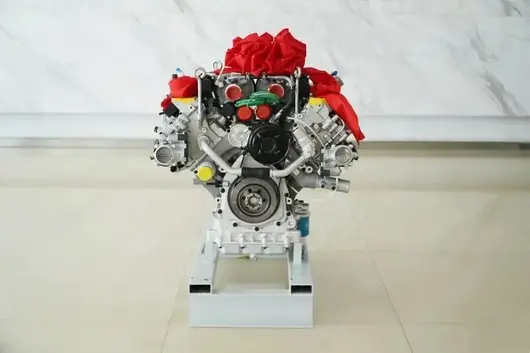
Automotive Event One: Horse Power V6 Engine Prototype Successfully Ignited

Recently, the first prototype of Horse Power HORSE W30 successfully ignited. This model is expected to be paired with the Lotus sports car product line, further perfecting its full-spectrum product matrix from home efficient power to high-end performance power.
As a core product designed for the high-performance hybrid market, HORSE W30 balances ultimate performance, multi-scenario adaptation, and platform expansion capabilities. It can meet the demand for continuous power output in track scenarios and adapt to diverse scenarios such as complex terrain and daily commuting thanks to its flexible hybrid architecture, providing a new technical choice for high-performance hybrid vehicles.
Automotive Event Two: Tesla Releases Q2 Financial Report

On July 23, Tesla released its Q2 2026 financial report. Tesla produced over 451,000 pure electric vehicles globally this quarter, a year-over-year increase of about 10%; deliveries exceeded 480,000, a year-over-year increase of about 25%. The Shanghai Super Factory delivered over 89,000 electric vehicles in June, up 24.4% year-over-year, setting a new high for the year; deliveries in the first half of the year totaled nearly 468,000, up 28.4% year-over-year. Tesla's total revenue for the second quarter increased by 26% year-over-year, reaching $28.2 billion.
As of the second quarter, Tesla's global paid assisted driving users have reached 1.48 million, with the assisted driving option rate in the North American market reaching a historic high, and over half of new vehicles subscribed to assisted driving upon delivery.
Automotive Event Three: The First iCAR V23 Officially Rolls Off the Line in Malaysia

On July 22, ICAR Automotive officially announced that the first iCAR V23 in Malaysia officially rolled off the line, and the new car will arrive at dealerships by the end of July. According to previous reports, in November 2025, the sub-brand iCaur under Chery Automobile Group officially launched the iCaur V23 in Malaysia (domestically iCAR V23), launching a total of 2 models, priced at 119,800-132,800 Malaysian Ringgit (approximately 205,300-227,600 RMB).
'Daily Car News', here you have the latest daily car news, please continue to follow 'Car Insight'

16 年前,吉利從福特手入買走咗富豪。
當時好多人的第一反應唔係佩服,而係擔心:一間中國民間車廠,突然接手一家歐洲豪華品牌,這到底係海外併購,定係搵錢買咗個祖宗返嚟供住?

16 年後,故事故事又兜返咗去福特。唔過呢一次,坐喺談判桌兩邊的人,位置已經有啲唔一樣啦。
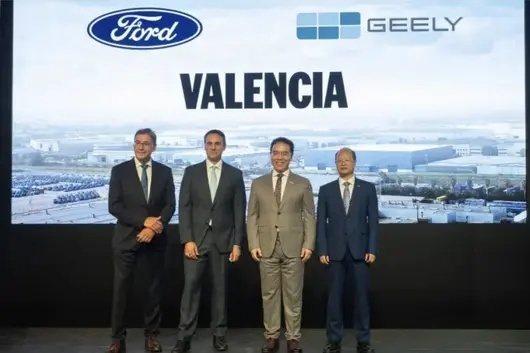
7 月 23 號,福特同吉利宣佈,將圍繞西班牙瓦倫西亞工廠成立一間面向歐洲市場嘅合營公司。福特持股約 66%,吉利持股約 34%,雙方將喺度生產福特同吉利品牌嘅多能源車款。按照規劃,兩款吉利新能源 SUV 將喺 2028 年落廠,雙方仲會聯合開發一款同時提供純電、插電混合同增程版本嘅新车。

所以嚴格嚟講,吉利並冇將福特工廠連人帶地打包買走。
但一件事最值得睇嘅,本來就唔係股權表格上邊邊多咗幾個百分點,而係邊個更需要邊個。
瓦倫西亞工廠年產能大約 50 萬輛,曾經係福特喺歐洲最重要嘅製造基地之一,生產過嘉年華、蒙迪歐、Galaxy 等一大串歐洲消費者耳熟能詳嘅車款。可而家,工廠主要靠 Kuga 維持生產,產能利用率只得大約三成,產量相比 2019 年已經跌咗超過七成。

一座可造 50 萬輛車嘅工廠,而家大部分時間都在等落單。機器仲在,工人仲在,供應鏈也在,得車唔夠賣。
就好似一間曾經排隊兩小時先食到嘅老酒樓,廚房、桌椅、服務員一個都冇少,最後發現大廳淨係坐咗三桌客。
呢個時候,吉利推門進來啦。唔係嚟食飯,而係帶住菜單、廚師同埋一班新顧客,問福特一句:你間廚房閒住都係閒住,不如我哋一齊搞?
呢條新聞真正好玩嘅地方就係呢度。以前中國車廠去歐洲,通常都係去學習。學歐洲人點樣搞設計,學德國人點樣調底盤,學百年車廠點樣管供應鏈。真係學唔到,就直接挖返幾個設計師、底盤工程師同埋銷售高層返來。

嗰時嘅中國汽車,好似一個突然賺錢嘅學生,成個世界搵名師。歐洲車廠坐喺講台上,一邊收學費,一邊仲帶少少居高臨下。
2010 年吉利收購富豪,就係呢個時代背景下最有代表性嘅一筆交易。福特當年點解賣富豪?因為金融危機之後缺錢,需要收縮戰線。吉利點解買?因為需要品牌、技術同埋成熟嘅全球體系。
嗰係一場標準嘅中國資本換歐洲技術。
但而家嘅瓦倫西亞合作,邏輯已經反轉過嚟。福特需要吉利帶嚟嘅,唔止係錢,而係新能源產品、車款平台、開發速度,同埋可以令工廠重新填满嘅訂單。
換句話講,16 年前吉利從福特手入買走咗一間歐洲豪華品牌;16 年後,福特開始邀請吉利返嚟,幫助自己解決歐洲工廠究竟該造乜車。

呢唔係簡單嘅「風水輪流轉」,而係汽車工業權力關係一次重新排列。因為對於一家汽車公司嚟講,真正危險嘅從來唔係少賣一款車,而係逐漸失去定義下一款車嘅能力。
工廠閒置,只係表象。表象背後,係福特喺歐洲新能源轉型中嘅尷尬。
過去幾年,福特喺歐洲做咗唔少嘢。佢同福斯合作,基於福斯 MEB 平台推出 Explorer EV 同 Capri EV;又同雷諾合作,希望共同開發更便宜嘅細型電動車;而家再請吉利入瓦倫西亞。

合作當然冇錯。汽車工業本來就係一個高度協作嘅行業,冇邊間車廠可以從芯片到輪胎全部自己造。
但當一家百年車廠嘅新產品越嚟越依賴人哋提供平台、技術或者產能方案,事情就唔止係「開放合作」咁輕鬆啦。佢哋話福特而家正係用合作伙伴,補返喺歐洲新能源產品上嘅速度同成本短板。

過去嘅福特,係人哋嚟借平台、借工廠、借品牌。而家嘅福特,開始四處搵拍檔。福斯負責一部分純電平台,雷諾幫手解決細型電動車,而家吉利帶住新能源 SUV 同新平台進入西班牙工廠。
唔知嘅,仲以為福特喺汽車行業拉咗個群,群名就叫「歐洲業務自救互助會」。
而吉利揀選呢個時候進入瓦倫西亞,都絕對唔係去歐洲做慈善。
中國車廠出海,最簡單嘅階段,係把車由國內裝上船,運到歐洲賣。但隨著關稅、本地製造規則同政治審查越嚟越多,單純出口正變成一門成本更高、確定性更低嘅生意。
歐盟而家仲對中國生產嘅純電動車實施反補貼措施,同時亦喺度討論更明確嘅「歐洲製造」要求。

所以而家中國車廠想嘅,已經唔係「點樣把車賣到歐洲」,而係「點樣令自己變做歐洲本地產業嘅一部分」。比亞迪前腳挖走匈牙利前外長嘅目的係咁,吉利今日同福特合作西班牙瓦倫西亞工廠都係一樣。
畢竟自己從零建廠,好似重新註冊一個新帳戶。但進入福特已經營運多年嘅工廠,就好似接手一個實名認證、有信用記錄,仲有當地政府同工友好關係嘅老號。

真正值錢嘅亦唔係廠房入面嗰幾部沖壓機,而係背後嘅工人、供應商、認證經驗,同同當地政府同社區形成嘅利益關係。
過去歐洲最擔心嘅係,中國汽車會唔會搶走歐洲人嘅飯碗。而家卻出現咗一個有點尷尬嘅畫面,中國車廠要係唔嚟,一啲歐洲工人嘅飯碗反而更难保住。
歐洲一邊同中國電動車加關稅,擔心中國品牌衝擊本土產業;一邊又歡迎中國車款進入本地工廠,因為工廠需要訂單,地方需要稅收,工人需要上班。
嘴上話係「防止產業空心化」,身體卻好誠實問咗一句,你哋嗰兩款 SUV,幾時可以先上生產線?
不過,睇到呢度都唔好急住開香檳。
中國車廠走進歐洲工廠,並唔等於從此拿到咗永久樓契。正相反,中國企業最近一年多喺海外遇到嘅麻煩,已經多到快可以單獨拍一部國際商戰連續劇。

英國政府強行將中國敬業集團旗下嘅英國鋼鐵國有化;荷蘭政府對聞泰科技旗下安世半導體實施罕見經營干預;巴拿馬最高法院裁定和記黃埔旗下公司營運兩座運河港口嘅合同無效;澳大利亞政府明確推動達爾文港回歸本國控制,持有 99 年租約嘅藍橋集團已經啟動法律行動。
資源國嗰邊都冇閒住。尼日爾驅逐三名中國石油企業高層,想賴賬;印尼喺依賴中國資本同技術成為全球鎳產業中心之後,又開始收緊礦石配額、提高稅費、調整定價方式,希望將更多利潤同資源控制權留喺自己手入面。

最難頂嘅係印度,計劃長期對中國企業保持嚴格審查,比亞迪最近就因進口零部件關稅問題遭到調查。印度政府仲幫比亞迪開咗張 6.5 億嘅徵稅單。
呢啲事情放埋一齊睇,確實容易令人有一種風雨欲來嘅感覺。
好似中國企業剛準備大規模走出去,世界各地就開始關門、換鎖,然後同你講,唔好意思,最近「國家安全」四個字有點忙,港口歸佢管,芯片歸佢管,鋼鐵歸佢管,礦都歸佢管。
但這恰恰亦係中國企業真正開始全球化嘅證明。
以前中國公司在海外存在感冇咁強,當然都冇咁多摩擦。你只係賣啲商品,人哋把你當供應商;當你開始買工廠、拿港口、控資源、建供應鏈,甚至影響一個國家嘅就業同產業安全,人哋睇你嘅眼神自然變咗。

一個從來唔出海嘅人,確實唔會喺海上遇到風浪。但這唔能說明岸上更安全,只能說明佢永遠到唔到對岸。
所以問題從來唔係中國企業仲要不要出海,而係出海嘅方式必須升級。
以前中國企業最擅長計生产成本,一塊電池幾多錢,一輛車幾時落廠,效率仲可以提高幾個百分點。
以後仲要學識計政治成本,政府會唔會換屆,產業政策會唔會轉向,「國家安全」嘅邊界會唔會突然擴大,合同出現爭議之後,當地法律同仲裁機制到底靠唔靠得住。
由呢個角度再睇吉利同福特嘅合營,反而更有意思啦。
福特持股 66%、吉利持股 34%,表面上睇吉利冇控制權,唔夠「揚眉吐氣」。但這可能恰恰係一種勇氣同智慧並存嘅設計。

吉利冇獨自買落一座歐洲工廠,再喺門口掛塊牌宣布插旗成功,而係把福特留喺船上,把西班牙工人留喺生產線上,把當地供應商、政府稅收同就業都綁進項目入面。
以後真有人想掀枱,先被砸到腳嘅唔止係吉利,仲有福特、當地工會、零部件企業,同埋依賴呢間工廠食飯嘅家庭。
這先係成熟嘅全球化。唔係走到一個國家,宣布呢度以後歸我;而係令越嚟越多本地人發現,呢個項目要係冇咗,佢哋都會肉痛。
所以最近呢啲海外摩擦,當然值得警惕,但唔值因此得出「中國企業唔該出海」嘅結論。

接觸面越大,摩擦點自然越多。中國企業走出去嘅資產越重、進入嘅行業越關鍵,遇到嘅阻力就越唔會只係商業競爭,而會變做法律、政治、輿論同國家安全嘅混合題。
呢樣好麻煩,但都係必經之路。
16 年前,吉利從福特手入買走咗富豪,買入嘅係一張進入全球汽車工業嘅門票。
16 年後,吉利走進福特嘅歐洲工廠,帶去嘅已經唔止係錢,而係產品、技術、效率同訂單。
以前中國汽車出海,賣嘅係車。接下來真正要輸出嘅,係一套造車方式,同喺陌生規則入面生存嘅能力。
歐洲汽車最擔心嘅事,確實發生咗。中國車廠唔只係把車開進咗歐洲市場,仲開始把自己嵌進歐洲汽車工業嘅生產線。
但對中國企業嚟講,真正嘅考驗先至開始。
賣車只係第一步。真正嘅全球化,係一邊向外走,一邊挨打,一邊學識點樣唔白挨打。

In the previous article, we discussed that the consumption tax on lithium batteries will formally begin to be levied starting from September 2026. It starts at 2%, rising to 4% after one year. Calculated out, the cost of a car increases by a few hundred yuan, at most about a thousand yuan, having a negligible impact on the final selling price.

I left a question at the end of the article: "What Remains for Car Manufacturers When Privileges Are Gone?" Over the past decade, new energy vehicles developed like the sun in the sky with the support of various policy benefits, such as tax exemption on purchase and unrestricted green license plates, making fuel car owners extremely envious. In such an environment, it was relatively easy for a new energy car manufacturer to survive.
Therefore, various industries and sectors all wanted to get a share, thus creating a strange scene. In the early years, there were cumulative hundreds of companies declaring they would start making cars, phone makers making cars, real estate developers making cars, appliance manufacturers making cars, as if making cars suddenly had no threshold.
Making cars is not easy. Only after Xiaomi Auto's Lei Jun started making cars did he exclaim "Making cars is too hard", and that was when there was still policy support. Now, the truly surviving new force car manufacturers can be counted on the fingers of two hands, let alone the fact that the policy support is being withdrawn step by step now, making the survival of new energy car manufacturers even more difficult.
So what is left? Rather than saying what is left, perhaps it's about how to survive?
Those with confidence and ability to survive are those car manufacturers that still poured money into R&D and quality during the policy bonus period, focusing solely on product strength.
Take BYD as an example. Many see it selling millions of units a year, the global new energy sales champion. But looking back more than ten years, when others were lying on the "credit book" of fuel cars to make money, BYD was self-developing batteries, chips, and DM hybrid systems. These things seemed hard, tiring, and unappreciable at the time, but when battery costs became the deciding factor of competition, Blade Batteries became the ace in hand.

Therefore, when privileges are gone, what car manufacturers are left with is product strength. The three words "Product Strength" look light, but they are actually a combination of technology, cost, efficiency, quality control, etc. Each item requires time and real money to accumulate.
Some brands, established for three to five years, have iterated seven or eight models. But look closely, the tri-electric system is bought, the smart driving solution is from suppliers, the chassis is tuned by others, the only self-developed capability lies in the UI design of the vehicle system. Tell them what to compete with BYD, when BYD becomes a price butcher, who isn't gritting their teeth to follow? Everything is from others, so the cost cannot be reduced.
Previously, policy support could offer some relief, but what about after fuel and electricity truly have equal rights? Those car manufacturers without core technology, relying on low prices to stay alive, will fall one after another. Competition among top brands will shift from "who discounts more" to "who has stronger technology". The new energy vehicle industry is shifting from "policy-driven" to "technology-driven". You see, lithium batteries are taxed starting September 1st this year, but solid-state batteries and sodium-ion batteries don't require this. CPCA's Cui Dongshu said clearly, lithium battery policy adjustments mean the new energy vehicle tax "protection period" is exiting in phases and rhythmically.
Tesla's Q2 financial report shows that the reason they almost incurred losses was that they invested all the money earned from selling cars into future technologies, AI infrastructure, Robotaxi, Humanoid Robot Optimus, all hard-core high-tech work. Back then, no one was optimistic about FSD, but now aren't some car manufacturers taking it as a benchmark?

Technical barriers are the real moat.
Besides product strength, there is another dimension where a real gap has emerged in recent years — going overseas. No matter how big the domestic new energy market is, it's a bowl of over 20 million vehicles a year, and it has already become so competitive that profit margins are thin as cicada wings. If you want to break out of the internal competition and really make money, you still have to go overseas.

But going overseas is two completely different logics compared to selling cars domestically. Domestically, if the product is passable, prices are in place, and channels are spread, the basic foundation is set. Going overseas? Just the market access standards in various markets can strip a team's skin. The EU's WVTA certification, the US's FMVSS standards, tax policies of various Southeast Asian countries, every link is a hard bone to chew. Not to mention how to build after-sales networks, how to solve spare parts supply cycles, how to eliminate the natural distrust local consumers have for Chinese brands.
To be honest, these things are much harder than discounting 20,000 yuan domestically. And for enterprises that can chew through these things one by one, the gap with those who only compete on price domestically will only grow larger.
BYD exported over 400,000 units last year, being the pure electric sales champion in Thailand, Brazil, and Israel. Do you think it was sold cheap? The BYD factory in Thailand went from start to production in less than a year and a half, the factory in Uzbekistan is also running, overseas dealer networks spread to over 70 countries. This landing speed, behind it is the joint action of supply chain management capabilities, localization operation capabilities, and various comprehensive strengths.
MG sold well in Europe, last month's sales in Europe were 38,640 units, ranking high among Chinese brands, not relying on the price card. Besides the inherent European local brand awareness, a large part is also local operation. Great Wall in Russia, Chery in Brazil, also can only stand firm after rooting down.

Going overseas is like a magnifying glass. However strong your comprehensive capabilities are domestically, when put overseas, they are either amplified or reduced to their original state. What car manufacturers ultimately compete on is actually comprehensive strength.
Why is BYD dare to shout "Electricity is cheaper than Oil"? Not because of subsidies, but because it makes its own batteries, makes its own chips, vertically integrated down to the teeth. This cost capability, whether policies are opened or not, it's not afraid. Why does Tesla dare to repeatedly adjust prices in the global market? Because its manufacturing efficiency and supply chain management can support profit margins. These are the real trump cards.
Weaning is certainly unpleasant, but truly solid enterprises actually don't need that milk. Policy privileges are a crutch, leaning on it walking is naturally less effort, but there will always be the day to throw it away. And those enterprises that spent their energy polishing products, accumulating technology, and building brands during the protection period will instead thank that day for coming early enough. Because once privileges are gone, those insubstantial things will scatter. What remains are all real things.




撰文 | 張霖郁
編輯 | 張 南
設計 | 甄尤美
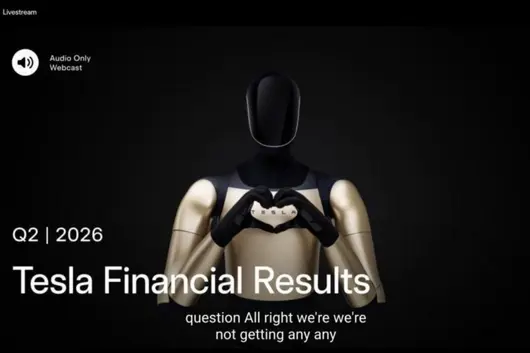
美國中部時間 7 月 22 日下午 4:30,特斯拉第二季度財報會開始,幾乎冇涉及傳統汽車業務。
問答環節,分析師們不再追問外界俗稱 Model 2 嘅廉價車型何時量產兌現,呢個名特斯拉從未正式用過,亦不再過問新一代車型嘅進展。
馬斯克本人以及佢嘅核心高層同大家分享嘅,係 FSD(Full Self-Driving,特斯拉嘅完全自動駕駛軟件,當前版本仍要求駕駛員全程監督)、Robotaxi、機器人 Optimus 以及芯片工廠。
呢樣同特斯拉當下嘅收入結構形成某種反差。
增收不增利
2026 年第二季度,特斯拉喺全球共交付 480126 輛汽車,同比增長 25%,環比增長 34%,創下公司史上最好嘅第二季度交付成績,僅次於 2025 年第三季度創下嘅 497099 輛歷史記錄。
其中,Model 3 同 Model Y 交付 467762 輛,佔總交付量嘅 97.4%;包括 Model S、Model X、Cybertruck 同 Semi 卡車在內嘅其他車型合計交付 12364 輛,只佔 2.6%。

同期產量 451758 輛。交付比產量多出 28368 輛,全球整車庫存天數從上一季度嘅 27 日降到 15 日。
特斯拉冇公佈第二季度各地區嘅絕對銷量,但首席財務官瓦伊巴夫·塔內賈(Vaibhav Taneja)透露,與第一季度相比,美洲地區交付量增長 60%,亞太地區增長 27%,歐洲、中東同非洲地區增長 12%。佢仲講,特斯拉退出第二季度時,持有 2023 年以來最大嘅在手訂單積壓。

股東信列出的第二季度交付創紀錄市場係韓國、澳大利亞、哥倫比亞、日本、中國台灣、泰國、葡萄牙、菲律賓、智利、斯洛文尼亞同立陶宛。塔內賈另外提到,Model Y 喺荷蘭、澳大利亞同新西蘭創下銷售紀錄。
銷量增長,利潤卻冇同步嚟。
第二季度,特斯拉總營收為 282.36 億美元,同比增長 26%,過去十二個月營收首次突破 1000 億美元。其中,汽車業務收入 205.16 億美元,同比增長 23%,佔公司總收入嘅 72.7%;能源發電與儲能業務收入 31.39 億美元,同比增長 13%;服務及其他業務收入 45.81 億美元,同比增長 50%,成為增長最快嘅業務。

特斯拉當季毛利潤為 47.51 億美元,同比增長 23%;GAAP 毛利率為 16.8%,同去年同期嘅 17.2% 下降 41 個基點。
營業利潤只有 3.98 億美元,同比下降 57%;營業利潤率從去年同期嘅 4.1% 降至 1.4%。
換句話講,特斯拉營收同比增加 57.40 億美元,營業利潤卻減少咗 5.25 億美元。
利潤受到嘅一重壓力來自費用。第二季度,特斯拉研發費用達到 23.71 億美元,同比增長 49%;銷售、一般同管理費用達到 19.82 億美元,同比增長 45%。兩項費用合計 43.53 億美元,幾乎食晒全部毛利潤。
股東信把費用增長歸為三處:AI 等研發項目、股權激勵(含 2025 年 CEO 薪酬方案)、銷售同管理費用。當季股權激勵費用稅前 11.51 億美元,去年同期為 6.35 億美元。
汽車監管積分收入從去年同期嘅 4.39 億美元降至 1.46 億美元,同比下降 67%,上一季度仲有 3.80 億美元。7500 美元嘅美國聯邦電動車稅收抵免已於 2025 年 9 月 30 日到期;聯邦法律修改後,車企未達標燃油經濟性標準嘅罰款被歸零,購買特斯拉積分嘅動機隨之消失。
汽車業務 GAAP 毛利率為 16.9%,扣除監管積分收入後嘅汽車毛利率為 16.3%,高於去年同期嘅 15.0%,但明顯低於今年第一季度嘅 19.2%。
塔內賈解釋,第一季度嘅汽車毛利率曾受到約 2.3 億美元質保準備金回撥同關稅減免幫助,呢啲利好冇喺第二季度重複出現;剔除呢啲影響,扣除積分嘅汽車毛利率與上一季度基本持平。
股東信喺營收同利潤嘅歸因入面,兩處把「單車平均售價下降」列為負面因素。
能源業務亦出現咗「增收不增利」。
第二季度,特斯拉儲能部署量達到 13.5GWh,同比增長 41%,環比增長 53%,為歷史第二高季度,但由於供應商電芯問題帶來約 2.4 億美元質保費用,能源業務毛利率從第一季度嘅 39.5% 下降至 20.4%。
服務及其他業務成為少數明確嘅利潤增長點。
該業務毛利潤由去年同期嘅 1.66 億美元增長至 6.48 億美元,環比增加 3.02 億美元;毛利率由去年同期嘅 5.5%、上一季度嘅 9.2% 升至 14.1%,創歷史新高。
特斯拉當季 GAAP 淨利潤為 11.14 億美元,同比下降 5%;攤薄後每股盈餘為 0.32 美元,同比下降 3%。
呢 11.14 億美元入面包含一筆 SpaceX 股權投資未實現收益,稅前 10.05 億美元,稅後 7.63 億美元。特斯拉喺 2026 年第一季度以 20.02 億美元買入呢筆 SpaceX 股權,一個季度後浮盈 10.05 億美元。
塔內賈講,呢筆約 10 億美元嘅收益被約 3 億美元匯兌損失同約 1 億美元比特幣損失抵銷。利潤表上,當季「其他收益(費用)淨額」合計 5.90 億美元。
剔除股權激勵、SpaceX 浮盈、數字資產波動同特殊稅務項目後,特斯拉非 GAAP 淨利潤為 11.53 億美元,同比下降 17%;非 GAAP 攤薄後每股盈餘為 0.33 美元,同比下降 18%。
第二季度,特斯拉經營現金流為 46.97 億美元,同比增長 85%;資本開支達到 57.89 億美元,同比增長 142%,由此產生 10.92 億美元負自由現金流。
公司預計,2026 年全年資本開支將超過 250 億美元,未來兩三年資本開支仲會繼續增長。
截至 6 月底,特斯拉持有 435.24 億美元現金、現金等價物及短期投資,較第一季度減少 12.19 億美元。
汽車依然係特斯拉最大嘅收入來源,亦係支撐現金流同資本開支嘅基本盤,但財報會已唔係一場關於汽車嘅財報會。
馬斯克只講咗三件事
財報會開始後,馬斯克嘅聲音聽起嚟情緒唔佳,佢其後向分析師解釋,自己當日病咗,「如果聽起嚟有點唔對,係因為我今日生病,有些唔舒服。」
佢簡單講咗三件事。
第一件事係 Cybercab。佢宣佈,Cybercab 已喺德克萨斯超級工廠開始生產。作為一款冇方向盤同踏板、專門為 Robotaxi 設計嘅兩座車型,Cybercab 視為特斯拉從賣車轉向運營自動駕駛車隊嘅核心載體。特斯拉 7 月起已喺得州工廠園區內為員工提供 Cybercab 乘坐體驗。

不過,Cybercab 短期內唔會迅速放量。
由於佢採用全新底盤,特斯拉必須先讓配備方向盤、加速踏板同制動踏板嘅測試車積累足夠多嘅行駛數據,完成針對 Cybercab 底盤嘅自動駕駛系統校準。
第二件事係機器人 Optimus。
馬斯克再次把 Optimus 稱呼為「可能係有史以來最大嘅產品」,但佢同時承認,呢將係特斯拉迄今最難實現規模化生產嘅產品。

汽車至少擁有成熟嘅輪胎、玻璃、後視鏡同車身零部件供應鏈,Optimus 卻幾乎所有部件都需要重新設計同建立供應體系。
特斯拉已經拆除弗里蒙特工廠嘅 Model S 同 Model X 生產線,開始安裝第一代 Optimus 生產線,得州工廠嘅 Optimus 廠房亦喺建設緊。

股東信講,首批 Optimus 將投入特斯拉內部嘅 Optimus Academy,用於採集訓練數據同開發功能。
馬斯克稱,Optimus 生產爬坡將遵循常見嘅 S 形曲線,但由於大量零部件係全新嘅,曲線最初嘅平緩階段會非常漫長。
馬斯克希望第三代 Optimus 最終達到年產 100 萬台,第四代達到年產 1000 萬台。不過,佢隨即強調,呢啲只係理想目標,真正實現規模化生產「難度高得驚」。
第三件事係芯片工廠。
呢係特斯拉同 SpaceX 合作嘅巨型芯片製造項目。Terafab 不僅生產邏輯芯片,仲要覆蓋存儲芯片、先進封裝、測試同光刻掩膜製造。
馬斯克冇喺財報會上公佈選址,只講好快會有一場單獨嘅發布活動,因為呢一項目「值得擁有自己嘅一天」,而不應該被塞入財報會。
佢設想將光刻掩膜製造、邏輯芯片、存儲芯片、封裝同測試放喺同一座建築物中,以縮短芯片設計同驗證週期。Terafab 嘅主要任務並唔係畀汽車生產傳統芯片,而係解決未來 Optimus 大規模量產所需要嘅 AI 計算能力。
馬斯克認為,如果冇自己嘅芯片製造能力,Optimus 最終會受到 AI 芯片供應限制。
股東信入面另有一處芯片表述:特斯拉喺奧斯汀嘅半導體晶圓廠正喺推進建設同設備採購,項目仍處早期,目的係自建芯片製造能力,保障邏輯芯片同存儲芯片嘅長期供應。股東信全文冇出現 Terafab。
2026 年 6 月 4 日,中國台灣新竹,台積電 2026 年度股東常會。
一位法人機構股東代表問台積電董事長兼行政總裁魏哲家點睇馬斯克自建晶圓廠。魏哲家講:「我唯一嘅說法就係『祝福佢』。」佢同時講,台積電一直唔缺對手,唯一能面對嘅方式就係持續努力持續贏。

Cybercab、Optimus 同 Terafab,構成咗呢場財報會上馬斯克全部敘事嘅主軸。傳統汽車業務只係作為現金來源同 AI 落地平台存在。
限制產量嘅唔係需求,係電池包
股東信兩處寫明,電池包產能係近期整車產量提升嘅主要限制因素。塔內賈喺會上補充,產量增長將受供應鏈限制,唔只係電池,仲包括電子元器件。

同一個季度,特斯拉面臨 2023 年以來最大嘅在手訂單積壓。
截至第二季度尾,特斯拉付費 FSD 訂閱數 148 萬份,同比增長 56%;全球付費用戶接近 150 萬,其中 55% 為一次性買斷,45% 為訂閱。北美超過 55% 嘅新車喺交付時已開通 FSD 訂閱。
股東信稱,特斯拉已同美國同韓國搭載 AI3 硬件嘅車輛推送 FSD v14 lite,做法係把 AI4 上 v14 系列嘅駕駛行為蒸餾進 AI3 嘅攝像頭同算力配置。
Hardware 3、Hardware 4 對應嘅正係 AI3、AI4。馬斯克喺問答環節講,升級低於 Hardware 4 嘅車輛「最終會擁有經濟合理性」,特斯拉公開文件入面冇硬件升級計劃。
股東信列出九個 Robotaxi 都會區:加州舊金山灣區配備安全員;得克萨斯州奧斯汀、達拉斯、休斯頓同佛羅里達州邁阿密、奧蘭多、坦帕處於無監督運營爬坡階段;亞利桑那州菲尼克斯、內華達州拉斯維加斯籌備緊。

特斯拉稱 Robotaxi 已喺 7 個主要都會區上線,累計安全行駛超過 38 萬英里,無事故記錄。
分析師問答實錄
以下係特斯拉 2026 年第二季度財報會嘅回答環節實錄,本刊據電話會錄音編譯,有刪節。
財報會現場高層名單
主持人:特拉維斯·阿克塞爾羅德(Travis Axelrod,特斯拉投資者關係主管)
馬斯克(Elon Musk,特斯拉聯合創始人、行政總裁)
瓦伊巴夫·塔內賈(Vaibhav Taneja,特斯拉首席財務官)
阿肖克·埃盧斯瓦米(Ashok Elluswamy)
卡恩·布迪拉傑(Karn Budhiraj)
拉爾斯·莫拉維(Lars Moravy,特斯拉車輛工程副總裁)
布蘭登·爾哈特(Brandon Ehrhart,特斯拉總法律顧問兼公司秘書)
Q1:目前實際上並唔存在一條成熟嘅 Optimus 供應鏈,因此特斯拉不得不將好多工作轉為內部完成。喺推進呢項工作嘅過程中,有無供應商願意同你哋共同投資,喺美國建立本土製造能力,從而幫助特斯拉更快實現規模化?從投資週期睇,讓合作夥伴共同推進可能會提高資本效率。你哋點樣考慮呢個問題?
馬斯克:我哋嘅供應商表現非常非常出色。為咗支持 Optimus、Robotaxi 以及其他項目,佢哋已經投入,正喺投入巨額資金。
尤其係三星電子同台積電,佢哋都喺建設晶圓廠。台積電正喺亞利桑那州建廠,三星則喺得州建廠,並投入數百億美元,為 Optimus 同 Robotaxi 生產 AI 計算芯片。
松下亦投入咗數十億美元,用於擴大電池生產。
唔好意思,我今日身體有些唔舒服,有一點生病。如果我嘅聲音聽起嚟唔太啱,係因為我今日確實有些唔舒服。
我哋嘅合作夥伴都非常出色。我要多謝佢哋給予我哋嘅支持,多謝佢哋所做嘅投資同付出嘅辛勤勞動。
卡恩·布迪拉傑:我想喺呢個基礎上補充一啲。三星嘅晶圓廠將有相當大一部分產能用於未來項目。呢係一筆規模巨大嘅投資,涉及數十億美元。
我哋仲看到,存儲芯片領域亦喺進行同等規模嘅投資。此外,一啲新嘅專用零部件領域亦出現咗投資,例如金屬注射成型零部件、柔性印刷電路,同各種非傳統技術。呢啲技術更多係為機器人設計嘅,同我哋過去嘅傳統汽車供應鏈唔同。
喺某些領域,如果我哋搵唔到合適嘅合作夥伴,我哋從來唔會猶豫是否將其轉為內部生產。我哋擁有一支能力非常強嘅製造工程團隊同設計團隊,可以幫助我哋擴大呢啲產品嘅生產規模。
馬斯克:我仲要感謝美光科技(Micron Technology,美國存儲芯片製造商)為我哋分配存儲芯片產能。佢哋必須喺存儲芯片產能分配方面做出一些非常艱難嘅決定。考慮到如今存儲芯片價格高得瘋狂,我哋非常感謝美光願意喺未來幾年為特斯拉留出空間,並合理條件向我哋分配相當可觀嘅產能。
Q2:美國各州嘅監管規定似乎正喺發生變化,其中可能涉及傳感器配置要求。對於 Robotaxi 部署,你哋希望監管機構採取咩做法?為咗避免過度監管,同時確保 Robotaxi 以正確方式落地,你哋希望睇到咩樣嘅監管環境?
拉爾斯·莫拉維:當我哋討論監管,尤其係美國嘅監管環境時,已經取得咗好大進展。聯邦政府圍繞《聯邦機動車安全標準》(FMVSS)採取咗一啲非常積極嘅舉措,開始接受同推動專門設計嘅自動駕駛汽車。我哋非常感謝美國國家公路交通安全管理局(NHTSA)喺呢方面給予嘅支持。
至於各州嘅情況,新澤西州最近出現嘅某啲動向顯然有些令人失望。
但正如阿肖克喺開場發言中所講,我哋真正關注嘅係車輛本身嘅表現。最終,正係產品表現推動監管機構同公眾接受呢項技術。
我認為,最好嘅監管方式係同企業同創新者設定一個目標或任務,然後讓我哋自己搵解決方案。如果某啲監管規定已經未明確問題係咩,就預先規定咗解決方案,我哋確實唔會歡迎呢種做法。
特斯拉過去一直、未來亦會繼續用實際表現證明自己。呢亦會成為我哋未來繼續擴張嘅基礎。
Q3:接下來,投資者應該關注邊啲里程碑?達到邊啲里程碑後,你哋會加快 Robotaxi 車隊擴張或市場部署?係進一步嘅安全驗證,例如每發生一次意外對應嘅行駛里程,定係其他指標?另外,你哋會否考慮同網約車平台等第三方合作,以提高車輛利用率?定係繼續保持完全垂直整合?
馬斯克:我哋預計 Robotaxi 將採用垂直整合模式,好似特斯拉嘅其他業務一樣。我唔認為 Robotaxi 會面對需求不足嘅問題。佢嘅經濟性將極具吸引力,希望使用呢項服務嘅人會非常多,需求將超過我哋嘅服務能力。喺呢種情況下,顯然可以選擇垂直整合。
真正嘅問題只係我哋所謂嘅可靠性「多個 9 嘅進階」。即係話,為咗擴大規模,系統究竟需要達到幾多個 9 嘅可靠性?
理想情況下,我哋希望可靠性達到 99.999999%。我認為,Robotaxi 增長真正受到嘅唯一限制,就係不斷向更多個 9 嘅可靠性邁進。
Q4:外界一直喺討論 SpaceX 同特斯拉以某種方式合併嘅可能性。兩間公司目前已經進行咗大量合作。最終將兩間公司合併會否產生協同效應?隨著時間推移,咁樣做係唔係合理?
馬斯克:正如大家從兩間公司喺眾多領域開展嘅大量合作中看到那樣,雙方業務之間嘅重合度越來越高,尤其係 Terafab 項目。呢將係一個真正嘅巨型項目。
但好明顯,我哋唔能喺財報電話會上討論公司合併之類嘅事情。呢類事項必須按照適當程序進行。
布蘭登·爾哈特:我哋一直從同 SpaceX 嘅關係中受益。SpaceX 係一位非常出色嘅合作夥伴,我哋同佢哋開展咗許多對雙方都有利嘅交易。
今年早些時候,我哋透過一筆投資同一份框架協議进一步深化咗雙方關係。呢將使我哋能夠繼續同 SpaceX 合作推進埃隆剛才提到嘅項目,例如 Terafab 同數字 Optimus。
馬斯克:此外仲有好多其他合作。而家車入面已經接入咗 Grok(馬斯克旗下人工智能公司 xAI 嘅大模型),Grok 亦喺幫助驅動數字 Optimus。Starlink(SpaceX 嘅衛星互聯網服務)正喺集成到 Cybercab 中。未來,Starlink 仲將集成到我哋所有嘅汽車產品中,至少喺 Starlink 已經運營嘅市場會咁樣做。
因為喺 Robotaxi 嘅應用場景中,網絡必須覆蓋所有地方。
即使係喺矽谷,亦有許多地方嘅流動網絡信號非常差,有時甚至完全冇信號。我開車上班時,最初 10 分鐘到 15 分鐘實際上無法打電話,因為流動網絡連接實在太差。
我哋唔能讓 Robotaxi 進入呢啲缺少流動網絡連接嘅「百慕大三角」,然後被困喺嗰度。Starlink 能夠喺任何地方提供網絡連接,因此好重要。咁樣可以避免 Robotaxi 失聯。
如果人坐喺車入面,可能會想高效處理工作,亦可能希望獲得娛樂體驗。有咗 Starlink,人可以喺車內睇 4K 直播體育賽事,而且每 GB 數據嘅成本非常低。呢透過流動網絡實際上好難實現。
瓦伊巴夫·塔內賈:可以從 Cybercab 嘅乘坐體驗理解呢一點。喺一個唔需要專注於駕駛嘅世界入面,你坐喺車入面嘅全部時間都可以用於其他野,無論係參加電話會議、睇電影,定係從事其他活動。
因此,如果觀察 Cybercab 嘅設計,就會睇到佢配備咗一塊好大嘅屏幕。
我哋已經開始喺奧斯汀工廠內提供 Cybercab 乘坐體驗。喺唔遠嘅未來,消費者亦將能夠體驗到。等你真正體驗過之後,就會明白點解網絡連接會變得如此重要。
Q5:而家 Robotaxi 一直喺增加運營城市,但根據媒體報道,車輛數量似乎仍然只有幾十架,而唔係幾百架。點解唔先集中擴大奧斯汀或一兩座城市嘅規模?要想喺一座主要城市實現更高投放量,你哋仲要解決邊種問題?
阿肖克·埃盧斯瓦米:我哋之所以選擇向不同城市擴張,而唔係只集中發展一座城市,係因為我哋希望確保技術棧具備好強嘅通用性。
佢確實係一套通用系統。我哋只係希望向自己同外界證明,呢套系統能夠喺許多不同嘅城市運行,而且進入每座城市唔需要投入太多額外工作。正係我哋喺內部睇到嘅情況。
正如埃隆剛才提到嘅,增長率實際上已經呈現指數級上升,只係而家仲處於指數曲線嘅早期階段,因此外界好難理解呢種增長。
至於應該關注行駛里程定係車輛數量,由於 Robotaxi 車隊中嘅車輛基本上會持續行駛,而人類駕駛員可能每日只使用車輛幾個小時,所以兩者存在好大差異。
呢啲車輛喺絕大多數時間都會持續運營。這代表,即使車輛數量唔多,亦能產生大量行駛里程。因此,我哋更關注無人監督行駛里程,而唔係單純關注車輛數量。
我哋希望運營一支效率非常高嘅車隊。所有提高運營效率嘅工作,都會進一步提升車隊中每架車能夠貢獻嘅行駛里程。
瓦伊巴夫·塔內賈:我哋正喺嘗試擴大呢項業務,同时要確保解決其中可能存在嘅各種問題。呢啲問題唔僅涉及軟件,仲涉及運營,我哋亦努力處理。因此,我哋希望先擴大地理覆蓋範圍,喺真正大規模部署之前,透過規模較細、可控嘅車隊解決呢啲問題。
馬斯克:關於 Cybercab,有一點需要特別說明。因為 Cybercab 採用咗全新嘅車輛底盤,喺大量投放之前,我哋必須積累專門針對 Cybercab 嘅行駛數據。
Model 3、Model Y 以及其他車型已經有數百萬輛汽車喺道路上行駛,我哋擁有大量數據,但 Cybercab 仲未具備咗咁樣嘅數據基礎。
我哋必須先讓配備方向盤、加速踏板同制動踏板等裝置嘅 Cybercab 累計行駛里程,從而對 Cybercab 底盤完成系統校準。
當我哋對此建立足夠信心後,大家將會睇到,各城市中嘅 Cybercab 數量出現大幅增長。
拉爾斯·莫拉維:另一個需要指出嘅原因係,總擁有成本以及交通運輸監管環境,喺不同城市、不同州之間都唔同。而家並唔存在統一嘅聯邦監管框架。
我哋之所以逐個城市擴張,係為咗確保能夠分別滿足呢啲要求,並盡一切可能回應每座城市提出嘅具體要求。
我哋必須進入每一座城市,才能滿足當地要求。我哋會繼續咁樣做,滿足所有條件後再進一步擴大規模。
Q6:美國國家公路交通安全管理局正喺推動取消踏板同方向盤。呢啲會否成為限制 Cybercab 擴產嘅因素?喺聯邦層面,仲有無其他問題需要解決,才能真正釋放我哋擴大 Cybercab 規模嘅能力?
拉爾斯·莫拉維:簡單嘅回答係,冇。我哋同美國國家公路交通安全管理局,特別是同喬納森·莫里森(Jonathan Morrison)局長,保持著非常好嘅關係。
我認為,佢哋只係喺順應公眾需求,以及全世界都知道即將到嚟嘅趨勢。佢哋試圖走喺趨勢前面,確保制定適當嘅措施。
過去幾年入面,我哋一直坦白地向佢哋介紹我哋嘅計劃同正喺推進嘅工作。
我唔想講雙方完全步調一致,但我感覺我哋喺嗰度擁有一位合作夥伴,雙方正喺共同推進相關工作。
〔編者注:莫里森 2025 年 9 月 18 日經美國參議院確認出任 NHTSA 局長。佢曾於 2017 年至 2021 年任 NHTSA 總法律顧問,2025 年重返 NHTSA 之前,喺蘋果特別項目組(Special Projects Group,即蘋果造車項目)負責法務、監管、政府事務同政策〕
Q7:Starlink 已經集成到 Cybercab 中。Cybercab 能否倒轉成為 Starlink 移動服務嘅遠程熱點?另外,你哋預計幾時開始為 Tesla Semi 開發自動駕駛?考慮到卡車司機短缺,自動駕駛卡車似乎亦係一個好大嘅市場。
馬斯克:正如你提到嘅,而家確實存在非常嚴重嘅卡車司機短缺問題。願意駕駛卡車嘅人唔夠多,而卡車對於美國嘅貨物運輸至關重要。自動駕駛 Semi 對於解決卡車司機短缺問題將非常重要,亦有助於提高安全性。
對於仍然由卡車司機駕駛嘅 Tesla Semi 來說,自動駕駛功能亦會顯著提高駕駛安全性同舒適性。
由於 Tesla Semi 而家嘅數量仍然好少,即使到今年年底,佢喺特斯拉全部車輛中嘅佔比仍然會非常低,因此,將自動駕駛研發資源優先投入高銷量車型係合理嘅。
我哋會優先解決 Model 3、Model Y 同 Cybercab 嘅自動駕駛問題,真正使呢啲車型實現通用嘅、無人監督嘅自動駕駛。
我哋預計,Tesla Semi 嘅自動駕駛功能可能喺今年年底或明年初實現。我只係唔希望 Semi 項目分散我哋喺 Model 3、Model Y 同 Cybercab 上不斷提高安全可靠性、向更多個 9 邁進嘅注意力。
因此,喺未來大約六個月入面,自動駕駛 Semi 項目嘅優先級會稍微靠後。不過,佢明年肯定可以實現,並能夠趕上 Tesla Semi 大規模提高產量嘅進程。
至於通訊,我哋或許可以把特斯拉汽車中嘅 Starlink 終端當作流動網絡基站,或者某種網絡連接中繼塔,為地面上海機同任何希望使用 Wi-Fi 嘅人提供網絡中繼。
好明顯,固定式 Starlink 終端都可以提供類似服務。〔編者注:股東信稱,Tesla Semi 今年將喺內華達州新工廠投產〕
Q8:Optimus 將使用微處理器、微控制器、執行器同其他半導體。特斯拉可以從市場採購,可以自己設計後畀第三方晶圓廠製造,也可以自己設計同生產。對於呢啲零部件,你哋更傾向於採取點種方式?
馬斯克:Optimus 使用咗大量高度專用嘅電力電子設備同電路板。呢啲全部由特斯拉設計,但製造工作由供應商完成。
第四代 Optimus 將喺奧斯汀生產。與第三代產品相比,第四代 Optimus 嘅供應體系將實現更高程度嘅垂直整合。
我哋嘅目標係,第四代 Optimus 嘅產量比第三代產品高一個數量級。理想情況下,第三代 Optimus 嘅年產量為 100 萬台,第四代產品達到每年 1000 萬台。
當然,呢度需要附加所有相關嘅謹慎說明,因為擴大生產規模係一件極其困難嘅事情。
第四代 Optimus 將採用更高程度嘅垂直整合。因此,到時我哋可能會喺內部完成大量印刷電路板相關工作。
Q9:特斯拉是否仍計劃把 Hardware 3 升級至 Hardware 4,以便運行 V15 及未來版本嘅 FSD?現有車輛是否還會進行硬件升級?
馬斯克:我認為,升級所有低於 Hardware 4 嘅車輛最終會擁有經濟合理性,基本上係所有已經配備攝像頭嘅汽車。
如果連攝像頭系統都冇,所需要嘅改動可能太多。對於任何已經圍繞攝像頭系統設計嘅車輛,喺某個時間點進行升級,喺經濟上都係合理嘅。我認為,我哋希望直接將呢啲車輛升級到下一代 AI 計算板。
具體而言,可能有兩種選擇。我哋有一款升級版 AI4 芯片,相比 AI4 有一定幅度嘅提升,可能會喺明年年尾左右投入生產。然後係 AI5,我哋希望 AI5 亦能喺明年年尾左右實現量產。AI5 最初將應用於 Optimus。
而家,我哋喺 AI5 方面取得咗非常好嘅進展。特斯拉芯片團隊嘅工作非常非常出色,正以難以置信嘅速度推進 AI5 研發。
我對特斯拉 AI6 芯片嘅設計感到非常興奮。我認為,佢將成為全世界最優秀嘅邊緣計算芯片。如果有咗更優秀嘅芯片,我好想見佢,並與佢握手,因為 AI6 芯片實在太出色。
芯片方面嘅進展非常順利。再次感謝台積電、三星同美光給予我哋嘅支持。
Q10:喺目前呢輪資本開支週期中,投資速度喺多大程度上受到效率限制?如果繼續增加投資,會否導致資本效率下降?資本開支速度喺多大程度上決定咗特斯拉解除供應限制嘅進度?
馬斯克:我向特斯拉團隊提出嘅要求係,只要唔會造成過度浪費,我哋就應該盡可能快進行資本開支。
我哋唔係要追求資本投入嘅極致高效率,因為嗰會拖慢項目進度。我哋需要喺資本效率同時間之間取得平衡。
如果能夠讓項目更早完成,那麼資本效率略低係可以接受嘅,因為從公司嘅角度睇,呢實際會帶來更高嘅淨現值。
總體而言,我對而家嘅進展相當滿意。我哋正喺多個完全不同嘅領域,同時進行規模驚人嘅建設同產能擴張。
我認為,此前從來冇有一間公司以如此大嘅規模同時推進咗這麼多工作。或許當年亨利·福特擴大 Model T 生產時,喺相對規模上接近呢種情況;或者喺第二次世界大戰期間,企業曾經嘗試大規模擴充武器生產。
我認為,呢可能係第二次世界大戰以來,美國速度最快嘅一次工業規模擴張。
瓦伊巴夫·塔內賈:如果觀察我哋嘅資本開支,就會發現,所有支出都用於建設能夠投入生產嘅資產。我哋正喺擴大各種工廠,包括 Optimus 工廠、Cybercab 工廠、今年早些時候已經投產嘅磷酸鋰鐵電池工廠、Semi 工廠,甚至仲包括半導體晶圓廠。
此外,我哋仲計劃喺美國建設大規模太陽能製造能力,把美國嘅太陽能製造規模提高一個數量級。呢一點好重要,太陽能製造嘅重要性被低估咗。
呢啲工作都唔容易。要建設一座工廠,必須從頭開始。由於正喺進行嘅建設項目實在太多,特斯拉最終成為幾乎所有建設項目嘅總承包商。
我哋正喺以非常快嘅速度擴大規模。這代表我哋需要同時推進好多野。因此,我哋只能以人類所能達到嘅最快速度前進,確保呢啲項目能夠喺現實世界真正運轉起嚟。
馬斯克:我認為,我哋嘅資本開支效率高得好超出常規尺度。
Q11:喺可預見嘅未來,儲能業務喺多大程度上會受到供應限制?而家嘅儲能項目入面,有幾多用於公用事業削峰填谷,有幾多用於解決數據中心因用電量劇烈波動帶來嘅電能質量問題?數據中心同公用事業領域嘅需求分別處於點咩狀態?
馬斯克:呢唔僅僅係削峰填谷,仲包括電網平衡。電池包唔只喺短時間內啟用。對於平衡風力發電同太陽能發電產生嘅電力,電池係一種非常出色嘅工具。
未來,全球絕大多數能源都將透過太陽能同電池嘅組合生產。所有 Starlink 衛星亦係透過太陽能電池板同電池供電。你完全可以把地球想像成一顆巨大嘅衛星。
太陽所能提供嘅能源遠遠超過其他任何能源。我哋認為,電力限制將成為 AI 面對嘅一項重大問題。事實上,佢而家已經係一個重大問題。
僅僅係啟動 AI 電腦,就需要消耗大量電力。AI 算力嘅電力需求非常高,就算係超大型雲端計算公司,都好難為 AI 算力搵到足夠嘅電力並順利啟用相關設備。
此外,仲必須平抑電力波動。尤其係喺 AI 模型訓練過程入面,電力需求會喺極短時間內發生劇烈變化。
喺一次訓練過程中,耗電量可能會喺 100 毫秒內下降 70%。呢就非常需要反應迅速嘅先進電力電子設備,以平抑大幅度嘅電力變化,尤其係 AI 模型訓練過程中嘅變化。
呢就係 Space 為什麼喺数据中心購買大量 Megapack(特斯拉大型儲能產品)嘅原因。佢哋主要用於平抑訓練過程中出現嘅電力波動。電池仲可以幫助數據中心從電網獲得更多電力。
如果你話話公用事業公司,喺一年中用電狀況最糟糕嘅幾個小時或幾日入面,唔需要佢哋向你供電,因為電池可以承擔供電任務,那麼佢哋就容易向你提供電力接入。
事實上,提高美國能源產出總量嘅最佳方式,可能就係大規模使用電池。美國大約擁有 1.2 太瓦至 1.3 太瓦嘅發電能力,但平均用電功率只有大約 0.5 太瓦。即係話,美國嘅發電能力約為平均用電量嘅 2.5 倍。
這代表,僅僅係透過使用電池,美國嘅能源輸出量就有可能增加一倍。因此,我哋認為,未來市場對 Megapack 嘅需求將會非常高。