首頁香港

搜尋歷史
熱門搜尋
經銷商登入 / 註冊

喺馬來西亞嘅 SUV 市場,好多買家喺揀車嘅時候都會拿 本田 CR-V 同 奇瑞 Tiggo 8 PHEV 嚟做比較。呢兩款車喺價位同定位上都幾接近,今日我哋就由多個方面嚟做一個詳細嘅比較,幫你省下做功課嘅時間。
本田 CR-V 喺馬來西亞嘅 OTR 售價係 RM 178,200 - 195,900,一共有 4 個版本,包括 2026 e:HEV 2.0L 2WD RS(RM 195,900)、2026 1.5T 4WD V(RM 181,900)、2026 e:HEV 2.0L 2WD E(RM 178,200) 等。
奇瑞 Tiggo 8 PHEV 喺馬來西亞嘅 OTR 售價係 RM 159,750 - 159,750,一共有 2 個版本,包括 1.6L Turbo Standard(RM 130,000)、1.6L Turbo Premium(RM 145,000) 等。
從價錢嚟睇,奇瑞 Tiggo 8 PHEV 嘅起步價比本田 CR-V 平咗 RM 18,450。實講,喺呢個價位段,幾千塊嘅差距其實唔算大,關鍵仲係睇整體性價比同長期使用成本。

本田 CR-V 搭載 2.0L 4-cyl,馬力 170 hp。官方油耗 8.0 L/100km。
奇瑞 Tiggo 8 PHEV 搭載 Hybrid,馬力 170 hp。官方油耗 4.5 L/100km。
動力方面,奇瑞 Tiggo 8 PHEV 嘅 Hybrid 比本田 CR-V 嘅 2.0L 4-cyl 多咗 0 匹馬力。不過日常喺市區開,兩款車嘅動力都夠用,唔會覺得唔夠力。

本田 CR-V 嘅安全評級係 5★ (ASEAN NCAP),主動安全系統包括 Honda SENSING (ACC, CMBS, LKAS, RDM)。
奇瑞 Tiggo 8 PHEV 嘅安全評級係 TBD,主動安全系統包括 Basic。
安全配備方面,兩款車都拿到唔錯嘅評級。不過本田 CR-V 嘅 Honda SENSING (ACC, CMBS, LKAS, RDM) 同 奇瑞 Tiggo 8 PHEV 嘅 Basic 喺功能上有啲差異,如果你比較重視主動安全嘅話,可以仔細對比一下兩者嘅功能列表。

本田 CR-V 採用 FWD 驅動方式。
奇瑞 Tiggo 8 PHEV 採用 FWD 驅動方式。
兩款車嘅驅動方式一樣,都係 FWD,日常駕駛感受唔會有太大分別。
本田 CR-V 同 奇瑞 Tiggo 8 PHEV 都係馬來西亞市場嘅主流選擇,適合家庭使用、日常通勤。如果你更重視品牌口碑同二手價,可以優先考慮口碑更好嗰一款;如果你更在意性價比同配備,那就揀配置更豐富嗰款。最終仲係建議兩款都去試駕,親身體驗先係最重要。
總體嚟講,本田 CR-V 同 奇瑞 Tiggo 8 PHEV 都係馬來西亞市場幾唔錯嘅車型。揀邊一輛,關鍵仲係睇你嘅個人需求同預算。建議大家做好功課,多比較幾間車行嘅報價,再去試駕做最終決定。買車係件大事,花少少時間做功課絕對唔會錯。



Revenue broke 10 billion but profit fell 17%, CIMC Vehicles led by Ding Zhengxiang is trapped in a gross margin dilemma.
After market hours on September 4, CIMC Vehicles (301039.SZ) announced the appointment of Senior Vice President Ding Zhengxiang as Company President, filling the vacancy left by former President Wang Zhujian's resignation due to personal health reasons.
Ding Zhengxiang joined CIMC Group in 1991 and entered the CIMC Vehicles system in 2004. He rose from production scheduling to President, dedicating 35 years to the CIMC system.
Behind the personnel changes lies a half-year report with increased revenue but no profit growth.
In the first half of 2026, CIMC Vehicles realized revenue of 10.737 billion yuan, up 10.09% year-on-year, but net profit attributable to shareholders was only 334 million yuan, down 17.04% year-on-year. Excluding non-recurring gains and losses, net profit decreased 13.13% year-on-year.
To truly improve the gross margin, one must rely on product structure upgrades, increasing the proportion of high-value-added products, and shifting from price competition to value competition.

The Counterattack of a 35-Year Production Veteran
From Workshop Scheduling to President of the Semi-Trailer Leader
Revenue exceeded 10 billion, yet profit is shrinking.
The problem lies in the gross margin. Global semi-trailer business revenue grew, but market competition intensified, product gross margins declined, causing profit levels to drop year-on-year. Ding Zhengxiang, a veteran from the production frontline, takes over not an easy legacy, but a battle for gross margins.
Ding Zhengxiang's resume is a typical history of CIMC's growth.

Born in 1967, he joined China International Marine Containers (Group) Ltd. in 1991, starting from the most basic production scheduling.
In the 1990s, CIMC was in the golden period of global expansion of container business. Ding Zhengxiang struggled and worked hard on the production frontline, accumulating solid manufacturing management skills.
2004 was the turning point in Ding Zhengxiang's career.
That year, he officially joined the CIMC Vehicles system, entering Shenzhen CIMC Special Purpose Vehicle Co., Ltd., successively serving as Deputy Manager of Production Department and Deputy Manager of Quality Control Department. From containers to special vehicles, Ding Zhengxiang completed a leap in business areas, but what remained unchanged was his deep investment in production and manufacturing.
From 2007 to 2010, Ding Zhengxiang was assigned to CIMC Vehicles Thailand Co., Ltd. as General Manager Assistant, then returned to Shenzhen CIMC Special Purpose Vehicle Co., Ltd., successively serving as General Manager Assistant and Vice General Manager.
Thereafter, he successively led CIMC Vehicles Jiangmen Company, Shenzhen CIMC Special Purpose Vehicle Company, Shandong Wanshida Special Automotive Company. His footsteps covered the core capacity bases of CIMC Vehicles in South China, East China, and North China.
In February 2023, Ding Zhengxiang served as Assistant President of the company, officially entering the group's core management. In December of the same year, he concurrently served as CEO of Starlink LTP Group, responsible for the operations of this innovative business segment.
After stepping down as CEO of Starlink LTP Group in June 2026, Ding Zhengxiang became Senior Vice President of the company and concurrently served as the Coordinating Leader of the Star LTP segment. From the production frontline to Group President, the 35-year resume has no weak links.
This type of President emerging from the workshop is not common among A-share listed companies. Most listed company Presidents are either from finance, marketing, or are returnee elites.
Ding Zhengxiang is different. Every step of his promotion was grounded in production and manufacturing. This background is exactly what CIMC Vehicles currently needs most.

The Real Challenge for Ding Zhengxiang
The interim report data has already explained the problem. In the first half of 2026, CIMC Vehicles realized revenue of 10.737 billion yuan, up 10.09% year-on-year, but net profit attributable to shareholders was only 334 million yuan, down 17.04% year-on-year.
Net profit excluding non-recurring gains and losses was 334 million yuan, down 13.13% year-on-year. Net cash flow from operating activities was 778 million yuan, down 16.14% year-on-year. Revenue was rising, while profit and cash flow were both falling.

The explanation given by the company itself was very straightforward. Global semi-trailer business revenue achieved growth, but market competition intensified, product gross margins declined slightly, causing profit levels to drop year-on-year.
In a word, sold more, but earned less. This is not a problem unique to CIMC Vehicles, but a common dilemma faced by the entire semi-trailer industry.
Gross margin decline is not a short-term fluctuation, but a deep change in the industry competition landscape. The semi-trailer industry has relatively low technical barriers, and the problem of overcapacity exists for a long time.
When demand growth slows, price wars become the most direct means of competition. As a global semi-trailer leader, CIMC Vehicles has obvious scale advantages, but it is also difficult to stay out of the trouble. Volume increase, price reduction, is a curse even the leader cannot avoid.
Ding Zhengxiang's production background is exactly the key to cracking the gross margin dilemma. People who come from the production frontline understand cost control and efficiency improvement best.
Thirty-five years of manufacturing management experience made him know the costs of every production link like the back of his hand. Against the background of raw material price fluctuations and rising labor costs, refined production management is the most direct means to improve gross margin.
But the gross margin dilemma is not just a problem at the production end, but also at the market and product ends. Cost reduction and efficiency improvement at the production end can solve internal efficiency problems. But if external market prices continue to decline, the space for internal cost reduction is ultimately limited.
The Starlink LTP business that Ding Zhengxiang previously led may well be one of the directions to break the deadlock. LTP is an innovative model of logistics transport equipment. Through digital and platform methods, it reconstructs the production, sales, and operation ecosystem of semi-trailers.
If this innovative business can succeed, it will open up new growth space for CIMC Vehicles and can fundamentally improve the gross margin structure. Ding Zhengxiang's familiarity with this business is his unique advantage.
The 35-year production veteran takes over a family business with revenue exceeding 10 billion but declining profit.
Whether Ding Zhengxiang can convert 35 years of production experience into a gross margin rebound, whether he can convert the innovative model of Starlink LTP into a new growth engine, is the real standard to test the success or failure of this leadership change.
Whether the President who walked out of the workshop can sit steadily in the boardroom, the market will give the answer.


喺馬來西亞嘅 SUV 市場,好多買家喺揀車嗰陣都拿 Honda CR-V 同 Chery Tiggo 8 PHEV 嚟比較。呢兩款車喺價位同定位上都幾近,今日我哋就從多個方面做一個詳細嘅比較,幫你節省咗做功課嘅時間。
Honda CR-V 喺馬來西亞嘅 OTR 售價係 RM 178,200 - 195,900,一共有 4 個版本,包括 2026 e:HEV 2.0L 2WD RS(RM 195,900)、2026 1.5T 4WD V(RM 181,900)、2026 e:HEV 2.0L 2WD E(RM 178,200) 等。
Chery Tiggo 8 PHEV 喺馬來西亞嘅 OTR 售價係 RM 159,750 - 159,750,一共有 2 個版本,包括 1.6L Turbo Standard(RM 130,000)、1.6L Turbo Premium(RM 145,000) 等。
由價錢睇落去,Chery Tiggo 8 PHEV 嘅起價比 Honda CR-V 平咗 RM 18,450。講真嘅,喺呢個價位段,幾千蚊嘅差距其實不算大,重點依然係睇整體嘅性價比同長期使用成本。
Honda CR-V 嘅安全評級係 5★ (ASEAN NCAP),主動安全系統包括 Honda SENSING (ACC, CMBS, LKAS, RDM)。
Chery Tiggo 8 PHEV 嘅安全評級係 TBD,主動安全系統包括 Basic。
安全配備方面,兩款車都拿到唔錯嘅評級。不過 Honda CR-V 嘅 Honda SENSING (ACC, CMBS, LKAS, RDM) 同 Chery Tiggo 8 PHEV 嘅 Basic 喺功能上有啲分別,如果你比較鍾意主動安全嘅話,可以仔細對比下兩者嘅功能列表。
Honda CR-V 保養保修 5 年/無限制里程,保養間隔 每 10,000km 或 6 個月。
Chery Tiggo 8 PHEV 保養保修 3 年/100,000km,保養間隔 每 10,000km 或 6 個月。
Honda CR-V 同 Chery Tiggo 8 PHEV 都係馬來西亞市場嘅主流選擇,適合家庭使用、日常通勤。如果你更睇重品牌口碑同二手價,可以優先考慮口碑更好嗰一款;如果你更在意性價比同配備,那就揀配置更豐富嗰款。最終都係建議兩款都去試駕,親身體驗先最緊要。
總體嚟講,Honda CR-V 同 Chery Tiggo 8 PHEV 都係馬來西亞市場好唔錯嘅車型。揀邊輛,關鍵仲要睇你嘅個人需求同預算。建議大家做好功課,多比較幾間車行嘅報價,再去試駕做最後決定。買車係件大事,花啲時間做功課絕對唔會錯。

In the Malaysian SUV market, many buyers compare the Honda CR-V and Chery Tiggo 8 Pro when choosing a car. These two cars are quite close in price and positioning, so today we will make a detailed comparison from multiple aspects to help you save time on research.
The OTR price of the Honda CR-V in Malaysia is RM 178,200 - 195,900, with a total of 4 versions, including 2026 e:HEV 2.0L 2WD RS (RM 195,900), 2026 1.5T 4WD V (RM 181,900), 2026 e:HEV 2.0L 2WD E (RM 178,200) etc.
The OTR price of the Chery Tiggo 8 Pro in Malaysia is RM 159,750 - 159,750, with a total of 2 versions, including 1.6L Turbo Standard (RM 130,000), 1.6L Turbo Premium (RM 145,000) etc.
From a price perspective, the starting price of the Chery Tiggo 8 Pro is RM 18,450 cheaper than the Honda CR-V. Honestly, in this price range, a difference of a few thousand is not really significant; the key is still to look at overall cost-performance and long-term usage costs.
The Honda CR-V is equipped with a 2.0L 4-cyl, 170 hp. Official fuel consumption is 8.0 L/100km.
The Chery Tiggo 8 Pro is equipped with a 2.0L 4-cyl, 170 hp. Official fuel consumption is 8.0 L/100km.
Both cars use the same powertrain system, and the driving experience is basically the same in daily use. Fuel consumption is also about the same, no need to worry too much about this.
The Honda CR-V body length is 4500 mm, trunk 450 L.
The Chery Tiggo 8 Pro body length is 4400 mm, trunk 400 L.
In terms of space, the Honda CR-V body is 100 mm longer than the Chery Tiggo 8 Pro, and the interior seating space will be slightly more spacious, especially the rear legroom. If you often carry family or need to put in a stroller, a larger body is indeed more practical.
Both the Honda CR-V and Chery Tiggo 8 Pro are mainstream choices in the Malaysian market, suitable for family use and daily commuting. If you value brand reputation and resale value more, you can prioritize the one with better reputation; if you care more about cost-performance and equipment, then choose the one with richer configuration. Ultimately, it is recommended to test drive both, as personal experience is the most important.
Overall, both the Honda CR-V and Chery Tiggo 8 Pro are quite good models in the Malaysian market. Which one to choose mainly depends on your personal needs and budget. It is recommended to do your homework, compare quotes from several car dealerships, and then test drive to make the final decision. Buying a car is a major matter, spending time doing homework will never go wrong.

2026 年,中國汽車嘅智能化競爭進入咗一個有些微妙嘅階段。
工業和信息化部裝備工業一司披露,2026 年以來,國內搭載 L2 級組合駕駛輔助功能嘅乘用車滲透率已經達到 70.5%,NOA 功能滲透率達到 34.2%。對今日嘅購車者而論,輔助駕駛正從高配車型上嘅加分項,變成越來越常見嘅基礎能力。
行業已經開始為下個階段做準備。2025 年底,首批兩款 L3 級有條件自動駕駛車型獲得准入許可,喺北京、重慶嘅指定道路同限定條件下開展試點。與此同時,唔少新車喺發佈時強調面向 L3 預留感知、計算、供電、轉向同制動冗餘。硬件準備好啦,唔代表消費者而家就能使用 L3,卻說明車企已經喺為法規同責任邊界嘅變化提前投入。

車上嘅鏡頭、激光雷達同晶片越來越多,另一個問題亦變得突出:呢啲汽車究竟由邊個去思考?
從供給端睇,智駕能力並唔似車型數量咁分散。喺車企自研之外,華為乾崑、Momenta 同地平線分別從整套系統、硬件軟件同計算平台進入唔同品牌,成為傳統車企智能化落地嘅重要支撐。
中國汽車工業協會發佈嘅《2025 城市 NOA 汽車輔助駕駛研究報告》顯示,2025 年前 11 個月,國內城市 NOA 乘用車銷量約 312.9 萬輛,其中採用第三方合作方案嘅約 67.9 萬輛;喺呢部分市場中,Momenta 同華為 HI 模式合計佔比約八成。地平線則從晶片同計算底座覆蓋更廣泛嘅車型,唔單止說明智駕功能正在快速普及,更顯示出底層能力仍集中喺少數供應商同具備自研能力嘅主機廠手中。

對傳統汽車企業嚟講,採購成熟方案好自然。過去幾十年,車企本來就係借助全球供應鏈組織零部件,再完成整車定義、集成同製造。只係當車輛體驗開始由算法持續改寫,供應商掌握嘅就唔止係一個零部件,仲包括數據、迭代速度,以及一部分產品定義權。
呢就令長安嘅選擇變得值得討論。
首先,2025 年底,中國長安第 3000 萬輛中國品牌汽車下線,長安擁有嘅龐大產品同用戶基礎迎嚟新台階。而成為“新央企”之後,長安仍喺推進 2017 年提出嘅目標:向智能低碳出行科技公司轉型。

第二,長安旗下嘅智駕並唔係單一路線。阿維塔以及部分深藍車型採用華為乾崑方案,深藍 L06 由長安、深藍同地平線共同開發,啟源 E07 則係長安全棧自研高級輔助駕駛較早嘅量產落點。
開放合作可以快速填補產品能力,但一家希望成為科技公司嘅大型車企,仲需要建立自己嘅核心能力。
因此,當天樞領航隨長安啟源 Q06 進入 15 萬—20 萬元級新能源 SUV 市場時,值得睇嘅唔止係呢輛車增加咗邊啲功能。長安仲要驗證一件更難嘅事:自研智駕能否進入主流價位,並依靠足夠大嘅量產規模跑出自己嘅數據閉環。

Q06,喺家用 SUV 市場多爭少少咩
15 萬—20 萬買輛新能源 SUV,消費者已經好難缺選擇。零跑 C11、深藍 S07、比亞迪海獅 06 等產品,都在爭奪要求越來越全面嘅家庭用戶。空間要大,續航要夠,舒適配置唔能少,輔助駕駛亦都逐漸變成購車時需要比較嘅一項。
9 月 4 日晚開啟預訂嘅長安啟源 Q06 共推出 9 款車型,預售價 14.99 萬—19.19 萬元,覆蓋純電與增程兩種動力。呢個區間好難再靠某一項配置決定勝負。看重空間嘅用戶仲要比較舒適性,關心續航嘅人也會計算補能時間,輔助駕駛係咪好用,則需要真正開嚟先至能夠判斷。
Q06 嘅產品組合帶住呢種野心。4837 毫米嘅車長同 2940 毫米嘅軸距,先回應家庭用車嘅空間需求;純電與增程兩條路線,讓充電條件同出行半徑唔同嘅用戶都有選擇。高配純電車型採用總功率 330 千瓦嘅後雙馬達方案,800V 高壓平台同 6C 快充則把競爭延伸到駕駛同補能體驗。前雙叉臂、後五連桿懸掛,以及零壓座椅、後排娛樂屏同冷暖雪櫃,繼續补足家庭用戶能夠直接感知嘅部分。
呢啲配置並唔需要逐項拎嚟決勝負。佢哋放埋一齊,說明 Q06 要麼爭空間同性價比用戶,亦都想令啟源多啲性能、舒適同科技方面嘅識別度。同價位產品越來越全面,Q06 必須令消費者記住具體嘅唔同。
而作為首款搭載咗天樞領航嘅量產車,啟源 Q06 喺智能輔助駕駛上提供咗一個天樞領航提供咗一個感知較強嘅切入點——駕駛員可以係自然語言向車輛表達臨時嘅駕駛意圖。
長安汽車首席智能駕駛技術官陶吉將佢類比為一個需要偶爾溝通嘅司機。例如,用戶希望喺一段路上少變道,或者喺熟悉嘅通勤路線上面表達自己嘅車道偏好,傳統設定入面嘅幾個檔位好難覆蓋呢啲需求。
交互式領航透過多模態理解銜接端到端駕駛,令表達意圖嘅方式更加自然。陶吉同時提及世界模型、心智模型同本體模型,分別涉及道路環境、其他交通參與者嘅意圖以及車輛自身嘅運動邊界。呢啲仍有一部分屬於繼續探索嘅技術方向。對當前 Q06 嚟講,更加現實嘅任務係將已經開放嘅交互能力同駕駛輔助體驗做扎實。

家用车入面嘅科技感,最終要落喺每日點用、邊減免操作負擔上。用戶願唔願意持續使用,比發佈會上能演示幾多條指令更有說服力。
而根據長安喺溝通會上嘅披露,Q06 預訂兩小時訂單達到 1.1 萬輛,Ultra 版本佔比 53%,後雙馬達版本佔比約三成。呢個係一個積極嘅早期信號,說明新技術同新動力方案受到關注。
從大眾侃車嘅試駕感受嚟睇,Q06 喺操控、舒適配置同輔助駕駛體驗上都很有競爭力。真正嘅考驗,係呢啲優勢喺日常使用入面能夠保持一致。
一家大車企,點解仲要自己做
對 Q06 嚟講,“自研”本身唔會自動變成賣點。佢嘅價值取決於長安能夠將自己嘅產品想法落實喺車上,並喺用戶用車過程中持續改進。
長安汽車執行副總裁、長安品牌事業部總經理楊大勇喺現場話:“原因好簡單,就係兩個字,品牌。”佢其後補充:“我哋係希望長安啟源也好,長安汽車也好,長安品牌產品嘅核心技術要出自長安自己嘅手。”

這並非臨時起意。長安喺 2018 年發佈“北鬥天樞”計劃,2025 年又推出“北鬥天樞 2.0",明確採用“自主研發 + 合作共創”兩條路線。此前全棧自研高級輔助駕駛已經喺啟源 E07 量產,天樞領航則繼續將呢條路線推向覆蓋面更大嘅產品。
因此而家嚟睇,天樞領航並唔意味著長安放棄同華為、地平線等企業合作。唔同品牌、價格同產品定位可以選擇唔同方案;長安需要補返嘅,係自己定義功能、發現問題同決定迭代次序嘅能力。交互式領航就係一次具體嘗試:佢來自長安對用戶點樣使用車輛嘅判斷,亦要求算法同整車工程共同完成。
溝通會現場,除咗品牌同智駕負責人,產品、研發、座艙、製造同服務負責人都輪番回答問題。一套駕駛輔助系統裝進量產車,要經過整車定義、工程開發、生產灌裝、驗證同售後,遠唔止算法部門完成一次模型訓練。

長安汽車副總裁、首席網絡安全官、首席數字官,同時擔任長安科技董事、總裁嘅賀剛,從整車工程角度解釋咗呢一點。智能駕駛出現問題,原因可能喺感知同決策,也可能來自轉向、制動或動力。佢喺現場反問:“係眼睛出咗問題、腦出咗問題,定係腳出咗問題?”

對用戶嚟講,呢啲最終表現為車輛開得是否順暢、動作是否符合預期。對研發團隊嚟講,就要將整車數據、算法同執行機構放埋一齊分析。搵到問題後,再收集相關案例、訓練模型,經過驗證後推送新版本。賀剛話:“只有你搵到問題之後,你才能够自己快速地改進。”
據賀剛介紹,長安已把跨城市嘅泛化測試納入開發體系,喺 45 個城市開展路測,並透過仿真、實車同虛實融合驗證打磨系統。呢係長安喺溝通會上嘅披露,最終仍要由唔同城市、唔同用戶嘅長期使用嚟檢驗。
長安同時推出天樞領航安心包,提供相關補償同專屬服務,具體保障以條款為準。而家開放嘅仍係 L2 級輔助駕駛,駕駛員需要承擔相應責任;企業則要接住用戶使用中暴露嘅問題。賀剛嘅表述係:“我哋會為整個結果嚟兜底、嚟負責,包括後面嘅持續使用期。”
自研仲要面對投入同回報。長安汽車 2026 年半年報顯示,上半年歸屬母公司淨利潤 8.17 億元,同比下降 64.32%。呢份財報信息放喺呢度嘅意義好直接:技術必須進入主流產品並獲得用戶認可,長期投入先至有更加穩固嘅基礎。Q06 承擔嘅正係今次規模化驗證。
開出中國,天樞領航仲要過邊關
出海仍係技術溝通會上嘅熱點話題,但討論天樞領航出海之前,需要先睇長安已經把車賣咗去邊度。
長安嘅“海納百川”計劃把全球市場分為五大區域。截至 2025 年 4 月,長安披露已建成 9 個海外工廠,全球渠道網點超過 9000 個,泰國新能源整車基地亦進入投產階段。銷量方面,長安海外銷量從 2022 年嘅 24.9 萬輛增長到 2025 年嘅 63.73 萬輛,2026 年上半年出口 45.5 萬輛。海外已經成為長安擴大規模嘅重要來源。
渠道、工廠同銷量鋪開以後,智能駕駛必須跟上產品走出去嘅速度。喺中國好用嘅系統,換咗一個國家是否仍然好用?呢亦係大眾侃車喺現場追問長安嘅問題,涉及當地道路、法規、數據處理,以及左右軚交通環境變化帶來嘅適應工作。
賀剛舉咗一個好具體嘅例子:巴西、墨西哥一些道路上嘅減速帶,對識別同減速提出咗唔同要求。有啲地區網絡條件有限,交通標誌、道路參與者同駕駛習慣亦同國內唔同。呢啲差異都需要車輛喺當地重新學習同驗證。

長安巴西工廠
智能駕駛出海唔能只靠更換界面語言,亦唔能將國內表現直接當咗海外體驗嘅保證。當地道路嘅數據從邊度嚟,點樣發現新问题,更新後點樣驗證,都需要一套能夠持續運轉嘅辦法。
談到本地算力,賀剛喺現場話:“你要做全球化嘅業務,你就應該喺全球對應呢啲地區建本地嘅算力中心。”長安提出喺當地開展數據閉環,佢嘅考慮既包括適應當地道路,亦包括滿足數據處理嘅法律要求。
海外數據合規唔等於所有數據一律禁止跨境。多數市場允許滿足條件嘅跨境傳輸,但企業需要說明采集目的同範圍、數據接收方,以及用咩機制提供保護。
例如,歐盟 GDPR 要求目的限制同數據最小化,向第三國傳輸個人數據仲要滿足相應條件。車輛位置、駕駛習慣、車內語音一旦能夠關聯個人,就不能因為訓練模型需要而無限采集。沙地、阿聯酋同巴西嘅具體規則唔同,同樣要求企業為個人數據跨境傳輸建立合法途徑,唔能默認全部回傳總部。

本地算力、數據閉環同驗證體系會增加短期投入,亦決定咗系統能否真正適應當地道路。按照賀剛喺溝通會上嘅判斷,海外高速領航可能先於城區能力鋪開,阿聯酋則可能成為較早嘗試城區領航嘅市場。呢仍然係推進方向,具體落地要跟隨當地測試同法規條件。
令技術成為買車嘅理由
翻過嚟 Q06,天樞領航俾佢增加嘅底氣,首先係一種更加鮮明嘅智能體驗。空間、補能同舒適性構成產品基礎,駕駛輔助同自然語言交互則提供咗新嘅識別度。
長安有多年整車研發、製造同服務積累,可以從整輛車嘅角度處理智能化問題;自研令產品定義同軟件迭代之間嘅距離更短。接落嚟需要證明嘅係,呢啲能力能否喺 Q06 上配合好,令用戶每日開得順手,更新之後仲能感到具體改進。
如果 Q06 能夠建立咗咁樣嘅口碑,啟源收穫嘅就會超過一款新車嘅熱度。長安可以將經過量產檢驗嘅能力用到更多車型上,令研發積累得到重用,亦令品牌逐漸形成更加清晰嘅技術標籤。
Q06 值得期待嘅地方,就係因為佢將長安嘅整車經驗同自研智駕帶到主流家庭能夠考慮嘅價位。當天樞領航從試駕時嘅新鮮感,變成日常用車中願意打開、用得順手嘅功能,佢俾 Q06 增加嘅底氣,先至會真正變成消費者買車嘅理由。


哪吒汽車可能真係要「復活」喇。
最有趣嘅係,嚟救佢嘅公司,名就係太乙聖蓮。

睇到呢度,我諗好多人都同我有同樣嘅第一反應:個名係咪專登整定嘅?
結果一查,真係係咁一回事。
太乙聖蓮今年 4 月成立,就係為呢次重整設立嘅主體。而家佢準備掏 30 億蚊,拿下哪吒汽車母公司合眾新能源大約 70.62% 嘅股權。神話入面太乙真人拿蓮花俾哪吒重塑肉身,到咗 2026 年,資本市場居然將呢個故事重新演咗一次。

只得一句講,汽車圈搞咗咁多年營銷,呢次最有力嘅一波傳播,居然係工商註冊處完成。
不過玩完呢個梗,我都幾好奇,點解而家仲有人願意花 30 億救哪吒?
放喺幾年前,有人往一家新能源車企投 30 億,好似都冇咩奇怪。可去到而家,市場已經完全唔一樣。
而家中國仲缺汽車品牌嗎?
大家隨便打開銷量榜往下翻,比亞迪、吉利銀河、零跑、長安啟源、奇瑞、埃安,再加上一堆仲在努力往桌上擠嘅品牌,10 萬、15 萬、20 萬,每個價格帶都快坐唔落。

結果就喺而家呢個時候,有人端住 30 億返嚟,要將一個已經停擺好耐嘅哪吒重新拎起嚟。
我只有可以講,朋友,你真係頭硬啊。
畢竟行業而家討論最多嘅話題之一,早已經由邊個仲可以入來變成「到底仲要淘汰幾多家」。
咁我先來看看佢呢 30 億到底打算點花。
按照目前披露嘅重整草案,太乙聖蓮出資 30 億蚊,其中大約 11.67 億蚊要拎去償還相關債權同支付破產費用,真正能夠補進公司、支持復產同經營嘅,大約 18.33 億蚊。太乙聖蓮最後拿到合眾新能源約 70.62% 嘅股權。

所以大家都唔好被「30 億復活哪吒」呢個數字震住,真正能夠拿返嚟重新幹嘢嘅錢,18 億多啲。
18 億多唔多?如果放我銀行卡度,夠我這輩子研究點花。但放汽車公司度,咁就得稍微收斂少少。
亦正因為呢樣,我睇到呢份重整計劃第一階段嘅時候,反倒覺得佢哋呢次起手仲算收住嚟。
先復產哪吒 X,主要賣海外,年銷量目標 1 萬輛,同時恢復官方備件、維修保養同現有服務網絡。

尤其係睇到「一萬輛」嘅時候,我甚至都有啲欣慰,總算冇人一上來就喊幾十上百萬銷量啦。
哪吒而家最急嘅事,可能都仲輪唔到「重回主流新能源品牌」咁宏大。先把工廠重新轉起嚟,把供應商叫返嚟,把老車主壞咗嘅車有人修,呢幾樣嘢能幹順,就已經算邁咗出去好大一步啦。
其實老車主呢一塊,都幾容易被大家忽略。
一個汽車品牌倒下之後,尷尬嘅從來都唔係圍觀群眾。圍觀群眾最多貢獻一句:「我早就算講過。」

真正頭痛嘅始終係已經將十幾萬蚊交咗出去嘅人。我嘅車邊個修?配件仲有唔有?出咗問題仲有無可以搵到廠家?
所以呢次重整方案把恢復售後服務同官方備件供應放喺第一階段,我諗呢個順序至少都係對嘅。
畢竟你想重新賣車,總得先讓已經買過你車嘅人唔咁慌。
但講到呢度,問題都嚟喇。哪吒到底仲剩下咩,值得別人花 30 億來接?
如果單講「哪吒汽車」呢四個字,我諗大家都唔好將佢諗得太抵錢。
哪吒曾經確實風光過,2022 年銷量超過 15 萬輛,仲拿過新勢力年度銷量第一。可汽車呢樣嘢比較殘酷,品牌聲量掉下去之後,消費者嘅記憶刷新得特別快。
兩三年前你仲係銷冠,今日商場入面重新擺一臺哪吒 X,消費者照樣可能先問一句:「佢哋而家恢复正常未?」
呢句話就幾傷。因為好多車企恢復產能,花錢就得。品牌信用掉下去,再想搵返嚟就冇咁簡單,特別係汽車呢種準備開好多年嘅大件。

所以哪吒而家仲抵錢嘅嘢,我諗要往品牌後面睇。包括工廠、生產線、模具、研發體系、供應鏈關係、整車製造能力,仲有過去搭好嘅海外體系,呢啲嘢可能比「哪吒」呢個名本身更令投資人有興趣。
尤其唔好忘咗太乙聖蓮背後嗰邊邊係咩人。
太乙聖蓮雖然係呢次專門成立嘅投資主體,背後幾層股權同人員關係都指向山子高科體系。山子高科而家嘅主營業務,本嚟就包括汽車零部件同整車兩大板塊,旗下仲有做動力總成嘅比利時邦奇,以及做安全氣囊氣體發生器嘅美國 ARC。

而且呢幾年,山子高科一直冇放棄往整車呢邊行。
佢以前收過紅星汽車,做過整車工廠盤活,而家旗下仲有山子有謙呢套整車業務。負責山子有謙嘅朱人傑,以前仲喺特斯拉做過製造工程總監,參與過上海超級工廠車身製造團隊嘅組建。
咁樣一串嘢擺到一起,事情大概就通咗。
哪吒缺錢,山子高科缺一台「現成嘅整車公司」。
山子高科手上有零部件,有製造經驗,都有一啲海外資源,可由「我會俾人造嘢」,行到「我能做出一台完整嘅車,再把它賣出去」,中間仲隔住一條好寬嘅溝。
研發體系要搭,供應鏈要搭,生產、認證、銷售、售後全都得搭。真係由零開始搞,錢先放一邊,時間就夠飲一壺。
哪吒剛好將呢啲嘢基本都走過一遍。哪怕而家唔少環節已經殘,佢至少曾經做到過年銷 15 萬輛,有真正量產過嘅產品,有供應鏈,有工廠,亦把車賣到過海外。

所以站喺山子高科嘅角度,花 30 億救一個掉隊嘅新勢力,聽起來幾冒險。
可如果係花 30 億拿下個已經擁有整車研發、生產、供應鏈、海外業務同「雙資質」基礎嘅汽車公司,再把自己手上有嘅零部件、製造同海外資源往入面塞,係咪突然就冇咁離譜?
尤其此前合眾新能源搵经营管理受托方嗰時,就專門提過要維持「造車雙資質」,後來山子體系又在桐鄉成立咗整車銷售相關公司。
呢樣基本已經將心思寫喺面度。佢真正看重嘅,從來都唔止係哪吒呢個牌子,更多仲係哪吒已經搭好嘅整車製造、銷售同海外業務底子。
一個缺錢,一個缺整車平台。咁一看,太乙聖蓮「救哪吒」,也就由神話故事慢慢回到咗生意。
而且我諗,呢件事幾能代表接下來汽車行業一種玩法。
以前資本有錢嗰陣,大家都係幾十億、上百億由零開始造一個新品牌。
而家第一輪淘汰賽打到呢度,好多品牌可能唔得活,但工廠仲在,設備仲在,供應鏈仲在,研發體系少少都剩一啲。

於是失敗嘅一個汽車品牌,最平嗰陣,反而可能係佢留低嗰套造車能力最有吸引力嘅時候。
哪吒呢次,大概就係咁個情況。
呢樣解釋咗點解重整計劃第一步冇急住重打國內市場,而是把希望放喺海外。
哪吒喺國內已經掉隊,但海外少少仲留咗少少家底。2024 年上半年海外交付超過 1.7 萬輛,泰國、印尼都佈局過本地生產,哪吒 X 本身就有海外銷售基礎。
而家拎住 18 億多重新殺返國內呢個卷破天嘅市場,我都替呢筆錢緊張。
先把已經跑過一遍嘅海外生意接返起,讓工廠、供應鏈同現金流重新轉起嚟,至少比返嚟硬剛國內靠譜得多。
咁,返返最開始嗰個問題。中國汽車品牌已經咁多,仲有必要花錢復活哪吒嗎?
如果只係將哪吒重新拉返國內,繼續跟零跑、比亞迪、長安、吉利卷十幾萬蚊新能源車,我諗意義都係幾大。
但係先把喺海外嘅哪吒產品線復產起嚟,作為打開海外市場嘅敲門磚,呢門生意都係有嚼頭。
至於以後呢個品牌將來有無機會腳踩風火輪殺返國內……
先看看太乙聖蓮,有無能把自己盤活先說吧。

In Malaysia's SUV market, many buyers compare Honda CR-V and Chery Tiggo 8 when selecting a car. These two cars are quite similar in price and positioning. Today we will conduct a detailed comparison from multiple aspects to save you time doing research.
The Honda CR-V OTR price in Malaysia is RM 178,200 - 195,900, with a total of 4 versions, including 2026 e:HEV 2.0L 2WD RS (RM 195,900), 2026 1.5T 4WD V (RM 181,900), 2026 e:HEV 2.0L 2WD E (RM 178,200), etc.
The Chery Tiggo 8 OTR price in Malaysia is RM 129,750 - 129,750, with a total of 1 version, including 2026 1.6T Standard (RM 129,750), etc.
From a price perspective, the Chery Tiggo 8 starting price is RM 48,450 cheaper than the Honda CR-V. Honestly, in this price segment, a difference of a few thousand is not significant; the key is to look at overall value for money and long-term usage costs.
Honda CR-V is equipped with 2.0L 4-cyl, horsepower 170 hp. Official fuel consumption 8.0 L/100km.
Chery Tiggo 8 is equipped with 1.5L Turbo, horsepower 140 hp. Official fuel consumption 7.0 L/100km.
In terms of power, Honda CR-V's 2.0L 4-cyl has 30 more horsepower than Chery Tiggo 8's 1.5L Turbo, providing more confidence in mid-range acceleration, especially when overtaking on highways. However, Chery Tiggo 8's fuel consumption might be more favorable, and the difference in daily city commuting will not be too large.
Honda CR-V's safety rating is 5★ (ASEAN NCAP), active safety systems include Honda SENSING (ACC, CMBS, LKAS, RDM).
Chery Tiggo 8's safety rating is TBD, active safety systems include Basic.
Regarding safety equipment, both cars have received good ratings. However, Honda CR-V's Honda SENSING (ACC, CMBS, LKAS, RDM) and Chery Tiggo 8's Basic have some differences in functionality. If you value active safety more, you can compare the feature lists of both carefully.
Honda CR-V adopts FWD drive type.
Chery Tiggo 8 adopts FWD drive type.
Both cars have the same drive type, both are FWD, there will not be a huge difference in daily driving experience.

Honda CR-V and Chery Tiggo 8 are both mainstream choices in the Malaysian market, suitable for family use and daily commuting. If you value brand reputation and resale value more, you can prioritize the one with better reputation; if you care more about value for money and features, choose the one with richer configuration. Finally, it is recommended to test drive both models; personal experience is the most important.

Overall, Honda CR-V and Chery Tiggo 8 are both very good models in the Malaysian market. Which one to choose depends mainly on your personal needs and budget. We suggest doing your research, compare quotes from several dealerships, and then test drive to make a final decision. Buying a car is a big matter; spending some time doing research will definitely not be wrong.

In the Malaysian SUV market, many buyers compare the Honda CR-V and Chery Tiggo 8 when choosing a car. Both cars are quite close in price and positioning, so today we will make a detailed comparison from multiple aspects to help you save time on research.
Honda CR-V OTR price in Malaysia is RM 178,200 - 195,900, with a total of 4 variants, including 2026 e:HEV 2.0L 2WD RS (RM 195,900), 2026 1.5T 4WD V (RM 181,900), 2026 e:HEV 2.0L 2WD E (RM 178,200), etc.
Chery Tiggo 8 OTR price in Malaysia is RM 129,750 - 129,750, with a total of 1 variant, including 2026 1.6T Standard (RM 129,750), etc.
In terms of price, the starting price of Chery Tiggo 8 is RM 48,450 cheaper than Honda CR-V. Honestly, in this price range, a difference of a few thousand is actually not significant; the key lies in the overall cost-performance ratio and long-term maintenance costs.
Honda CR-V is equipped with a 2.0L 4-cyl, 170 hp. Official fuel consumption 8.0 L/100km.
Chery Tiggo 8 is equipped with a 1.5L Turbo, 140 hp. Official fuel consumption 7.0 L/100km.
In terms of power, Honda CR-V's 2.0L 4-cyl has 30 more horsepower than Chery Tiggo 8's 1.5L Turbo, offering more confidence in mid-range acceleration, especially when overtaking on highways. However, Chery Tiggo 8's fuel consumption might be more favorable, and the difference in daily city commuting won't be significant.
Honda CR-V safety rating is 5★ (ASEAN NCAP), active safety system includes Honda SENSING (ACC, CMBS, LKAS, RDM).
Chery Tiggo 8 safety rating is TBD, active safety system includes Basic.
Regarding safety features, both cars have received good ratings. However, there are some functional differences between Honda CR-V's Honda SENSING (ACC, CMBS, LKAS, RDM) and Chery Tiggo 8's Basic. If you value active safety more, you can compare the feature lists of both carefully.
Honda CR-V Warranty 5 years/unlimited mileage, service interval every 10,000km or 6 months.
Chery Tiggo 8 Warranty 3 years/100,000km, service interval every 10,000km or 6 months.
Both Honda CR-V and Chery Tiggo 8 are mainstream choices in the Malaysian market, suitable for family use and daily commuting. If you value brand reputation and resale value more, you can prioritize the one with a better reputation; if you care more about value for money and features, choose the one with richer configurations. Ultimately, it is recommended to test drive both, as personal experience is the most important.
Overall, both Honda CR-V and Chery Tiggo 8 are very good models in the Malaysian market. Choosing which one depends mainly on your personal needs and budget. We recommend doing your homework, comparing quotes from several dealers, and then test driving to make the final decision. Buying a car is a big matter; spending some time on research will definitely not be wrong.
In Malaysia's SUV market, many buyers compare Honda CR-V and Chery Tiggo 8 when choosing a car. These two cars are quite close in terms of price and positioning. Today, we will make a detailed comparison from multiple aspects to help you save time on research.
Honda CR-V has an OTR selling price in Malaysia of RM 178,200 - 195,900, with a total of 4 versions, including 2026 e:HEV 2.0L 2WD RS (RM 195,900), 2026 1.5T 4WD V (RM 181,900), 2026 e:HEV 2.0L 2WD E (RM 178,200), etc.
Chery Tiggo 8 has an OTR selling price in Malaysia of RM 129,750 - 129,750, with a total of 1 version, including 2026 1.6T Standard (RM 129,750), etc.
Looking at the price, the starting price of Chery Tiggo 8 is RM 48,450 cheaper than Honda CR-V. To be honest, in this price range, a difference of a few thousand isn't really significant; the key is to look at the overall value for money and long-term usage costs.
Honda CR-V is equipped with a 2.0L 4-cylinder, horsepower 170 hp. Official fuel consumption 8.0 L/100km.
Chery Tiggo 8 is equipped with a 1.5L Turbo, horsepower 140 hp. Official fuel consumption 7.0 L/100km.
In terms of power, Honda CR-V's 2.0L 4-cyl has 30 more horsepower than Chery Tiggo 8's 1.5L Turbo, giving more confidence in mid-range acceleration, especially when overtaking on highways. However, Chery Tiggo 8's fuel economy might be better, with little difference in daily city commuting.
Honda CR-V's safety rating is 5★ (ASEAN NCAP), active safety systems include Honda SENSING (ACC, CMBS, LKAS, RDM).
Chery Tiggo 8's safety rating is TBD, active safety systems include Basic.
In terms of safety features, both cars have received decent ratings. However, there are some differences in functions between Honda CR-V's Honda SENSING (ACC, CMBS, LKAS, RDM) and Chery Tiggo 8's Basic. If you value active safety, you can compare their feature lists carefully.
Honda CR-V adopts FWD drive mode.
Chery Tiggo 8 adopts FWD drive mode.
Both cars have the same drive mode, which is FWD, so there won't be much difference in daily driving feel.
Overall, Honda CR-V and Chery Tiggo 8 are both very good models in the Malaysian market. Which one to choose depends on your personal needs and budget. We recommend doing your research, comparing quotes from several car dealerships, and test driving before making a final decision. Buying a car is a big deal, spending time doing research will never be wrong.
In Malaysia's SUV market, many buyers compare Honda CR-V and Chery Tiggo 8 when choosing a car. These two models are quite close in price and positioning. Today, we will make a detailed comparison from multiple aspects to help you save time doing research.
The OTR price of Honda CR-V in Malaysia is RM 178,200 - 195,900, with a total of 4 versions, including 2026 e:HEV 2.0L 2WD RS (RM 195,900), 2026 1.5T 4WD V (RM 181,900), 2026 e:HEV 2.0L 2WD E (RM 178,200), etc.
The OTR price of Chery Tiggo 8 in Malaysia is RM 129,750 - 129,750, with a total of 1 version, including 2026 1.6T Standard (RM 129,750), etc.
From a price perspective, the starting price of Chery Tiggo 8 is RM 48,450 cheaper than Honda CR-V. Honestly, in this price segment, a gap of a few thousand is not really significant; the key is to look at overall value for money and long-term usage costs.
Honda CR-V's safety rating is 5★ (ASEAN NCAP), active safety systems include Honda SENSING (ACC, CMBS, LKAS, RDM).
Chery Tiggo 8's safety rating is TBD, active safety systems include Basic.
In terms of safety features, both cars have received good ratings. However, there are some functional differences between Honda CR-V's Honda SENSING (ACC, CMBS, LKAS, RDM) and Chery Tiggo 8's Basic. If you value active safety, you can carefully compare the feature lists of both.
Honda CR-V body length is 4500 mm, trunk 450 L.
Chery Tiggo 8 body length is 4400 mm, trunk 400 L.
In terms of space, Honda CR-V's body is 100 mm longer than Chery Tiggo 8, so the interior seating space is slightly more spacious, especially the rear legroom. If you frequently carry family members or need to fit a stroller, a larger body is indeed more practical.
Honda CR-V warranty is 5 years/unlimited mileage, maintenance interval every 10,000km or 6 months.
Chery Tiggo 8 warranty is 3 years/100,000km, maintenance interval every 10,000km or 6 months.
Overall, Honda CR-V and Chery Tiggo 8 are both very good models in the Malaysian market. Choosing which one depends mainly on your personal needs and budget. We suggest doing your research, comparing quotes from several car dealerships, and then test driving to make a final decision. Buying a car is a big matter; spending time researching is never a mistake.
In the Malaysian SUV market, many buyers often compare Honda CR-V and Chery Tiggo 7 Pro when selecting a car. These two models are quite close in price and positioning. Today we will conduct a detailed comparison from multiple aspects to help you save time on research.
Honda CR-V OTR price in Malaysia is RM 178,200 - 195,900, with a total of 4 versions, including 2026 e:HEV 2.0L 2WD RS (RM 195,900), 2026 1.5T 4WD V (RM 181,900), 2026 e:HEV 2.0L 2WD E (RM 178,200), etc.
Chery Tiggo 7 Pro OTR price in Malaysia is RM 123,750 - 123,750, with a total of 2 versions, including 1.6L Turbo Standard (RM 125,000), 1.6L Turbo Premium (RM 140,000), etc.
From a price perspective, the starting price of Chery Tiggo 7 Pro is RM 54,450 cheaper than Honda CR-V. Honestly, in this price range, a difference of a few thousand doesn't count as much; the key is to look at overall value and long-term usage costs.
Honda CR-V is equipped with 2.0L 4-cyl, 170 hp. Official fuel consumption 8.0 L/100km.
Chery Tiggo 7 Pro is equipped with 1.5L Turbo, 140 hp. Official fuel consumption 7.0 L/100km.
In terms of power, the 2.0L 4-cyl of Honda CR-V has 30 more horsepower than the 1.5L Turbo of Chery Tiggo 7 Pro, offering more confidence in mid-range acceleration, especially when overtaking on highways. However, Chery Tiggo 7 Pro's fuel consumption might be more favorable, with little difference in daily city commuting.
Honda CR-V body length 4500 mm, trunk 450 L.
Chery Tiggo 7 Pro body length 4400 mm, trunk 400 L.
Regarding space, Honda CR-V's body is 100 mm longer than Chery Tiggo 7 Pro, interior passenger space will be slightly more spacious, especially rear legroom. If you often carry family or need to place a stroller, a larger body is indeed more practical.
Honda CR-V uses FWD drive method.
Chery Tiggo 7 Pro uses FWD drive method.
The drive method of both cars is the same, both are FWD, daily driving feel will not have too much difference.
Both Honda CR-V and Chery Tiggo 7 Pro are mainstream choices in the Malaysian market, suitable for family use and daily commuting. If you value brand reputation and resale value more, you can prioritize the one with better reputation; if you care more about cost-performance ratio and equipment, then choose the one with more configurations. Ultimately, it is suggested to test drive both, experiencing it personally is the most important.
Overall, Honda CR-V and Chery Tiggo 7 Pro are both very good models in the Malaysian market. Which one to choose depends mainly on your personal needs and budget. It is recommended that everyone do their research, compare quotes from several dealerships, and then go for a test drive to make the final decision. Buying a car is a big matter, spending some time doing research will never be wrong.
In the Malaysian SUV market, many buyers compare the Honda CR-V and Chery Tiggo 7 Pro when choosing a car. These two cars are quite close in price and positioning. Today, we will make a detailed comparison from multiple aspects to help you save time on research.
The Honda CR-V's OTR price in Malaysia is RM 178,200 - 195,900, with a total of 4 versions, including 2026 e:HEV 2.0L 2WD RS (RM 195,900), 2026 1.5T 4WD V (RM 181,900), 2026 e:HEV 2.0L 2WD E (RM 178,200), etc.
The Chery Tiggo 7 Pro's OTR price in Malaysia is RM 123,750 - 123,750, with a total of 2 versions, including 1.6L Turbo Standard (RM 125,000), 1.6L Turbo Premium (RM 140,000), etc.
In terms of price, the starting price of the Chery Tiggo 7 Pro is RM 54,450 cheaper than the Honda CR-V. Honestly, in this price range, a difference of a few thousand doesn't count as much. The key is looking at overall value for money and long-term usage costs.
The Honda CR-V is equipped with a 2.0L 4-cyl engine, 170 hp. Official fuel consumption 8.0 L/100km.
The Chery Tiggo 7 Pro is equipped with a 1.5L Turbo, 140 hp. Official fuel consumption 7.0 L/100km.
In terms of power, the Honda CR-V's 2.0L 4-cyl has 30 more horsepower than the Chery Tiggo 7 Pro's 1.5L Turbo, providing more confidence in mid-range acceleration, especially when overtaking on highways. However, the Chery Tiggo 7 Pro's fuel consumption might be friendlier, and the difference in daily city commuting won't be significant.
The Honda CR-V uses a FWD drive system.
The Chery Tiggo 7 Pro uses a FWD drive system.
Both cars have the same drive system, both are FWD, so there won't be much difference in daily driving feel.
Honda CR-V warranty 5 years/unlimited mileage, maintenance interval every 10,000km or 6 months.
Chery Tiggo 7 Pro warranty 3 years/100,000km, maintenance interval every 10,000km or 6 months.
The Honda CR-V and Chery Tiggo 7 Pro are both mainstream choices in the Malaysia market, suitable for family use and daily commuting. If you value brand reputation and resale value more, prioritize the one with better reputation; if you care more about value for money and equipment, choose the one with richer features. Ultimately, it is recommended to test drive both models, as personal experience is the most important.
Overall, the Honda CR-V and Chery Tiggo 7 Pro are both very good models in the Malaysia market. Which one to choose mainly depends on your personal needs and budget. We recommend doing your research, comparing quotes from several car dealerships, and then test driving to make a final decision. Buying a car is a big deal, spending time researching is never a wrong move.

In the Malaysian SUV market, many buyers often compare Honda CR-V and Chery Tiggo 7 Pro when choosing a car.
The OTR price of Honda CR-V in Malaysia is RM 178,200 - 195,900, with a total of 4 versions, including 2026 e:HEV 2.0L 2WD RS (RM 195,900), 2026 1.5T 4WD V (RM 181,900), 2026 e:HEV 2.0L 2WD E (RM 178,200), etc.
The OTR price of Chery Tiggo 7 Pro in Malaysia is RM 123,750 - 123,750, with a total of 2 versions, including 1.6L Turbo Standard (RM 125,000), 1.6L Turbo Premium (RM 140,000), etc.
From the price perspective, Chery Tiggo 7 Pro is RM 54,450 cheaper in starting price than Honda CR-V. Honestly, in this price segment, a difference of a few thousand is not significant, the key lies in the overall value for money and long-term running costs.
Honda CR-V comes with 2.0L 4-cyl, 170 hp. Official fuel consumption 8.0 L/100km.
Chery Tiggo 7 Pro comes with 1.5L Turbo, 140 hp. Official fuel consumption 7.0 L/100km.
In terms of power, Honda CR-V's 2.0L 4-cyl has 30 more horsepower compared to Chery Tiggo 7 Pro's 1.5L Turbo, offering more confidence in mid-range acceleration, especially when overtaking on highways. However, Chery Tiggo 7 Pro's fuel consumption might be more friendly, and the difference in daily city commuting won't be significant.
Honda CR-V safety rating is 5★ (ASEAN NCAP), active safety systems include Honda SENSING (ACC, CMBS, LKAS, RDM).
Chery Tiggo 7 Pro safety rating is TBD, active safety systems include Basic.
Regarding safety features, both cars received good ratings. However, there are some differences in function between Honda CR-V's Honda SENSING (ACC, CMBS, LKAS, RDM) and Chery Tiggo 7 Pro's Basic. If you value active safety more, you can carefully compare the feature lists of both.
Honda CR-V warranty 5 years/unlimited mileage, maintenance interval every 10,000km or 6 months.
Chery Tiggo 7 Pro warranty 3 years/100,000km, maintenance interval every 10,000km or 6 months.
Honda CR-V and Chery Tiggo 7 Pro are both mainstream choices in the Malaysian market, suitable for family use and daily commuting. If you value brand reputation and resale value more, you can prioritize the one with better reputation; if you care more about value for money and features, then choose the one with richer configuration. Ultimately, it is recommended to test drive both, as personal experience is the most important.
Overall, Honda CR-V and Chery Tiggo 7 Pro are both very good models in the Malaysian market. Which one to choose depends on your personal needs and budget. We suggest you do your research, compare quotes from several car dealers, and then test drive to make the final decision. Buying a car is a big deal, spending time on research will never be wrong.
In the Malaysian SUV market, many buyers compare the Honda CR-V and Chery Tiggo 7 Pro when choosing a car. These two models are quite close in price and positioning. Today, we will make a detailed comparison from multiple aspects to help you save time doing research.
The OTR price of Honda CR-V in Malaysia is RM 178,200 - 195,900, with a total of 4 versions, including 2026 e:HEV 2.0L 2WD RS (RM 195,900), 2026 1.5T 4WD V (RM 181,900), 2026 e:HEV 2.0L 2WD E (RM 178,200), etc.
The OTR price of Chery Tiggo 7 Pro in Malaysia is RM 123,750 - 123,750, with a total of 2 versions, including 1.6L Turbo Standard (RM 125,000), 1.6L Turbo Premium (RM 140,000), etc.
From a price perspective, the starting price of Chery Tiggo 7 Pro is RM 54,450 cheaper than Honda CR-V. Honestly, in this price range, a difference of a few thousand is not that big. The key is to look at overall value for money and long-term usage costs.
The safety rating of Honda CR-V is 5★ (ASEAN NCAP). Active safety systems include Honda SENSING (ACC, CMBS, LKAS, RDM).
The safety rating of Chery Tiggo 7 Pro is TBD. Active safety systems include Basic.
Regarding safety features, both cars have received good ratings. However, there are some differences in function between Honda CR-V's Honda SENSING (ACC, CMBS, LKAS, RDM) and Chery Tiggo 7 Pro's Basic. If you value active safety more, you can carefully compare the function lists of both.
Honda CR-V warranty is 5 years/unlimited mileage, maintenance interval is every 10,000km or 6 months.
Chery Tiggo 7 Pro warranty is 3 years/100,000km, maintenance interval is every 10,000km or 6 months.
Both Honda CR-V and Chery Tiggo 7 Pro are mainstream choices in the Malaysian market, suitable for family use and daily commuting. If you value brand reputation and resale value more, you can prioritize the one with better reputation; if you care more about value for money and features, choose the one with more features. Ultimately, it is recommended to test drive both, as firsthand experience is the most important.
Overall, both Honda CR-V and Chery Tiggo 7 Pro are very good models in the Malaysian market. Which one to choose depends on your personal needs and budget. It is recommended to do your research, compare quotes from several dealerships, and then test drive to make a final decision. Buying a car is a major affair, taking time to do research will never be wrong.

【Auto Market Insider】BYD's factory construction plan in Malaysia has changed. According to reports, BYD has shelved the plan to build its own vehicle assembly plant in Malaysia and instead entered into "in-depth negotiations" with local partners to achieve local production goals. This decision was revealed by Jacob Ma, Managing Director of BYD Malaysia.
Previously, BYD announced in August 2025 that it planned to build an assembly plant in Tanjung Malim, Perak, Malaysia. Now, Ma clearly stated: "The Tanjung Malim plant will not proceed."

BYD's alternative is to cooperate with a "mature local enterprise".
Ma stated that this partner "has the capacity and capability to meet BYD's requirements and support a complete local assembly business", and discussions have "entered a very deep stage".
According to reports from May this year, this partner is likely Sime Motors, the official distributor of BYD in Malaysia. Cooperation might utilize a factory owned by a subsidiary of Sime Motors located in Kulim, Kedah, for contract assembly.
Shifting from "Self-Build Plant" to "Local Contract Manufacturing", BYD's logic is very pragmatic: not bearing the heavy assets of building a factory, yet quickly achieving local assembly, bypassing policy thresholds.

Why did BYD give up building its own factory? The answer lies in policy.
Malaysian financial media "The Edge" reported in March this year that BYD failed to reach an agreement with the Ministry of Investment, Trade and Industry of Malaysia on relevant conditions. One of the disputes involved the export quota requirement for locally assembled vehicles—the highest requirement may be to export 80% of locally assembled vehicles.
An 80% export requirement means if BYD builds its own factory, most capacity must be used for exports rather than supplying the local Malaysian market. For a car company wanting to "dig deep" locally, this cost structure is not cost-effective.
Another background is: Starting from July 1 this year, Malaysia requires the minimum CIF (Cost, Insurance, and Freight) for imported complete electric vehicles to reach 200,000 Ringgit (approximately $49,000 USD), and the minimum power output must be 245 horsepower. Some of BYD's main electric vehicle models sold in Malaysia are priced below 200,000 Ringgit—this means if these cars continue to be imported, they will be blocked by policy thresholds, highlighting the importance of local assembly even further.

Despite the adjustment to the factory construction plan, BYD's performance in Malaysia is not bad.
Since entering the Malaysian market in 2022, BYD has cumulatively sold over 35,000 electric vehicles. Last year, BYD sold 14,407 electric vehicles locally, becoming the highest-selling electric vehicle brand in Malaysia. In the first half of this year, sales exceeded 7,000 units.
Premium brands are also advancing: In July this year, the Denza Z9GT was launched in Kuala Lumpur with a price of 358,800 Ringgit, and the first batch sold out.
Ma emphasized that BYD "will continue to dig deep in Malaysia": "The specific location of the factory and the method of cooperation may change, but our goal has not changed."

BYD canceling the self-built factory in Malaysia is a pragmatic adjustment from "Heavy Assets to Light Cooperation".
Its logic is very clear: Malaysia's "80% export requirement" and "200,000 Ringgit CIF threshold" make the economic math of self-building a factory not add up, and make local assembly a necessity. Rather than carrying heavy assets to meet export requirements, it is better to borrow existing capacity from local partners to quickly achieve localized production.
This is actually a microcosm of Chinese automakers going global: Going global is not simply copying the domestic model abroad, but adapting to the target market's policies, costs, and localization rules. BYD's shift in Malaysia is "flexible adjustment" rather than "retreat"—its sales foundation (number one locally) remains, and the premiumization of Denza is also advancing.
From "Self-Build" to "Cooperation", it reflects the maturity of BYD's global strategy: no longer pursuing the form of "building a factory oneself", but result-oriented, obtaining localization benefits in a lighter way.
In the Malaysian SUV market, many buyers compare Honda CR-V and Mazda CX-80 when choosing a car. These two cars are quite close in price and positioning. Today, we will make a detailed comparison from multiple aspects to help you save time on research.
Honda CR-V OTR price in Malaysia is RM 178,200 - 195,900, with a total of 4 versions, including 2026 e:HEV 2.0L 2WD RS (RM 195,900), 2026 1.5T 4WD V (RM 181,900), 2026 e:HEV 2.0L 2WD E (RM 178,200), etc.
Mazda CX-80 OTR price in Malaysia is RM 296,610 - 296,610, with a total of 1 version, including 2025 2.5L 65km High Plus (RM 296,610), etc.
Looking at the price, Honda CR-V's starting price is indeed RM 118,410 cheaper than Mazda CX-80. If your budget is limited, Honda's entry-level version can already meet daily needs. However, regarding the difference of a few thousand, there might be trade-offs in specifications, which depends on your specific needs.
Honda CR-V is equipped with 2.0L 4-cyl, horsepower 170 hp. Official fuel consumption 8.0 L/100km.
Mazda CX-80 is equipped with 2.0L Turbo, horsepower 220 hp. Official fuel consumption 9.5 L/100km.
In terms of power, Mazda CX-80's 2.0L Turbo has 50 more horsepower than Honda CR-V's 2.0L 4-cyl. However, for daily driving in the city, the power of both cars is sufficient, you won't feel it's lacking.
Honda CR-V's safety rating is 5★ (ASEAN NCAP), active safety systems include Honda SENSING (ACC, CMBS, LKAS, RDM).
Mazda CX-80's safety rating is 5★ (ASEAN NCAP), active safety systems include Brand ADAS.
The safety ratings of both cars are the same, safety features in this class are quite complete. New car safety nowadays is not bad, no need to worry too much about this.
Honda CR-V adopts FWD drive configuration.
Mazda CX-80 adopts FWD drive configuration.
The drive configuration of both cars is the same, both are FWD, there won't be a big difference in daily driving feel.

Overall, Honda CR-V and Mazda CX-80 are both excellent models in the Malaysian market. Which one to choose, it depends on your personal needs and budget. We recommend doing your homework, compare quotes from several dealerships, then test drive to make the final decision. Buying a car is a major matter, spending some time doing research will never go wrong.

In the SUV market in Malaysia, many buyers compare Honda CR-V and Mazda CX-80 when choosing a car. These two models are quite close in terms of price and positioning. Today, we will make a detailed comparison from multiple aspects to help you save time on research.
The Honda CR-V OTR price in Malaysia is RM 178,200 - 195,900. There are 4 versions in total, including 2026 e:HEV 2.0L 2WD RS (RM 195,900), 2026 1.5T 4WD V (RM 181,900), 2026 e:HEV 2.0L 2WD E (RM 178,200), etc.
The Mazda CX-80 OTR price in Malaysia is RM 296,610 - 296,610. There is 1 version in total, including 2025 2.5L 65km High Plus (RM 296,610), etc.
In terms of price, the Honda CR-V starting price is indeed RM 118,410 cheaper than the Mazda CX-80. If you have a limited budget, Honda's entry-level version is sufficient for daily needs. However, note that the few thousand cheaper might involve trade-offs in features, depending on your specific needs.
The Honda CR-V safety rating is 5★ (ASEAN NCAP). Active safety systems include Honda SENSING (ACC, CMBS, LKAS, RDM).
The Mazda CX-80 safety rating is 5★ (ASEAN NCAP). Active safety systems include Brand ADAS.
Both cars have the same safety rating. In this class, safety features are quite comprehensive. New cars nowadays have good safety, so there is no need to worry too much about this.
The Honda CR-V body length is 4500 mm, trunk 450 L.
The Mazda CX-80 body length is 4500 mm, trunk 450 L.
The dimensions of both cars are almost the same, and the interior space difference is not significant. For this class of car, daily use is more than enough.
Honda CR-V warranty 5 years/unlimited mileage, servicing interval every 10,000km or 6 months.
Mazda CX-80 warranty 5 years/150,000km, servicing interval every 10,000km or 6 months.
Honda CR-V and Mazda CX-80 are both mainstream choices in the Malaysian market, suitable for family use and daily commuting. If you value brand reputation and resale value more, you can prioritize the one with better reputation; if you care more about value for money and features, choose the one with richer configuration. Ultimately, it is recommended to test drive both, as experiencing it firsthand is the most important.

Overall, Honda CR-V and Mazda CX-80 are both very good models in the Malaysian market. Which one to choose mainly depends on your personal needs and budget. It is recommended to do your homework, compare quotes from several dealerships, and then test drive to make a final decision. Buying a car is a big matter, spending time on research will never be wrong.
In the Malaysian SUV market, many buyers compare the Honda CR-V and Mazda CX-80 when choosing a car. These two models are quite close in price and positioning. Today, we will make a detailed comparison from multiple aspects to help you save time on research.
The OTR price of the Honda CR-V in Malaysia is RM 178,200 - 195,900, with a total of 4 versions, including 2026 e:HEV 2.0L 2WD RS (RM 195,900), 2026 1.5T 4WD V (RM 181,900), 2026 e:HEV 2.0L 2WD E (RM 178,200), etc.
The OTR price of the Mazda CX-80 in Malaysia is RM 296,610 - 296,610, with a total of 1 version, including 2025 2.5L 65km High Plus (RM 296,610), etc.
Looking at the price, the Honda CR-V's starting price is indeed RM 118,410 cheaper than the Mazda CX-80. If your budget is limited, Honda's entry-level version is already sufficient for daily needs. However, do note that the few thousand dollars saved might involve compromises on features, depending on your specific needs.
The Honda CR-V has a body length of 4500 mm and a trunk capacity of 450 L.
The Mazda CX-80 has a body length of 4500 mm and a trunk capacity of 450 L.
The dimensions of both cars are almost identical, with little difference in interior space. Cars in this class are more than adequate for daily use.
The Honda CR-V comes with a 5-year/unlimited mileage warranty, with maintenance intervals every 10,000km or 6 months.
The Mazda CX-80 comes with a 5-year/150,000km warranty, with maintenance intervals every 10,000km or 6 months.
Both the Honda CR-V and Mazda CX-80 are mainstream choices in the Malaysian market, suitable for family use and daily commuting. If you value brand reputation and resale value more, prioritize the one with better reputation; if you care more about value for money and features, choose the one with richer configuration. Ultimately, it is suggested to test drive both, as personal experience is the most important.
Overall, both the Honda CR-V and Mazda CX-80 are excellent models in the Malaysian market. Which one to choose depends mainly on your personal needs and budget. We suggest doing thorough research, comparing quotes from several car dealerships, and then test driving to make a final decision. Buying a car is a big matter; spending time doing research will never be wrong.
In the Malaysian SUV market, many buyers compare Honda CR-V and Mazda CX-9 when choosing a car. The price and positioning of these two cars are quite close, so today we will do a detailed comparison from multiple aspects to help you save time on research.
Honda CR-V's OTR price in Malaysia is RM 178,200 - 195,900, there are a total of 4 versions, including 2026 e:HEV 2.0L 2WD RS (RM 195,900), 2026 1.5T 4WD V (RM 181,900), 2026 e:HEV 2.0L 2WD E (RM 178,200), etc.
Mazda CX-9's OTR price in Malaysia is RM 328,810 - 345,810, there are a total of 2 versions, including 2023 2.5T 4WD (RM 345,810), 2023 2.5T 2WD (RM 328,810), etc.
From a pricing perspective, the Honda CR-V's starting price is indeed RM 150,610 cheaper than Mazda CX-9. If your budget is limited, Honda's entry-level version can already meet daily needs. But you should also note, the savings of a few thousand ringgit might involve trade-offs in specifications, it depends on your specific needs.
Honda CR-V is equipped with a 2.0L 4-cyl, 170 hp. Official fuel consumption 8.0 L/100km.
Mazda CX-9 is equipped with a 2.0L Turbo, 220 hp. Official fuel consumption 9.5 L/100km.
Regarding power, the Mazda CX-9's 2.0L Turbo has 50 more horsepower than the Honda CR-V's 2.0L 4-cyl. However, for daily city driving, the power of both cars is sufficient, you won't feel underpowered.
The Honda CR-V's safety rating is 5★ (ASEAN NCAP), active safety systems include Honda SENSING (ACC, CMBS, LKAS, RDM).
The Mazda CX-9's safety rating is 5★ (ASEAN NCAP), active safety systems include Brand ADAS.
Both cars have the same safety rating. In this class, safety features are quite comprehensive. New cars nowadays have good safety, no need to worry too much about this point.
Honda CR-V body length 4500 mm, trunk 450 L.
Mazda CX-9 body length 4500 mm, trunk 450 L.
The dimensions of both cars are almost identical, interior space difference is not significant. Cars in this class are fully sufficient for daily use.

Honda CR-V warranty 5 years/unlimited mileage, maintenance interval every 10,000km or 6 months.
Mazda CX-9 warranty 5 years/150,000km, maintenance interval every 10,000km or 6 months.

Overall, Honda CR-V and Mazda CX-9 are both very good models in the Malaysian market. Choosing which one depends mainly on your personal needs and budget. We suggest doing research, comparing quotes from several car dealerships, and test driving to make a final decision. Buying a car is a big matter, spending time doing research will definitely not be wrong.

買車嘅時候,你會介意「呢部車拿到歐洲能夠賣嗎」?絕大多數人唔會。但恰恰係呢個問題,決定咗一台車嘅安全底線、耐久品質同真實續航。一台能夠賣到歐洲嘅車,同你身邊嗰啲「只喺國內跑」嘅車,從根上就唔一樣。
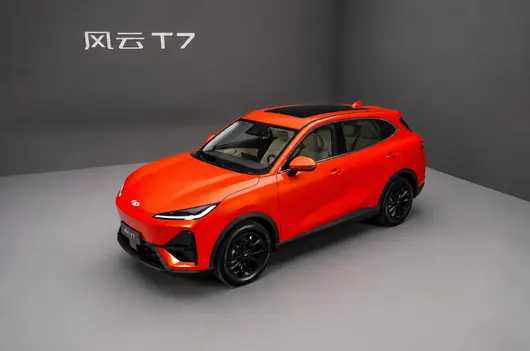
二零二六年八月二十六日,風雲 T7 正式上市。呢款車嘅特別之處在於——佢先完成咗海外市場嘅嚴苛考驗,再回到國內。而支撐佢走向全球嘅,係一套遠超同級嘅安全標準體系。

Euro NCAP(歐洲新車安全評鑑協會)係全球最嚴苛嘅安全測試體系之一。2026 版標準高於當前歐洲市場法規要求。
風雲 T7 提前 2 年開始預研呢套標準。功能安全達到 ASIL D 最高等級。即將進入歐洲高法規市場。
這唔係「夠用就得」嘅安全,而係安全有餘量。
風雲 T7 嘅安全配備,全系都一樣磐石車身:九橫五縱籠式結構高強度鋼佔比 80%,熱成型鋼佔比 18.84%。
九橫五縱籠式車身結構。Shotgun 結構(同級獨有) ——增加傳力通道,分散碰撞能量。雙框副車架+Pack 防撞梁(同級首發) ——兼顧整車抗衝擊與電池底部防托底。
1088mm 貫穿式軋壓門檻加強梁。前碰 6 條傳力路徑、側碰 9 條傳力路徑。
9 個安全氣囊:同級最多前排氣囊×2、前側氣囊×2、後排側氣囊×2、側氣簾×2、遠端氣囊×1。
48L 雙腔遠端氣囊、1778mm 一體式側氣簾。突發意外時,最大程度守護每一位家庭成員嘅生存空間。
6D 鎖子甲電池防護:31 層防護31 層防護結構,三橫一縱設計。全方位抵禦擠壓、穿刺、衝擊。
IP68 防水,國標 96 倍——無懼雨季內澇、路面積水、戶外涉水。
側邊抗擠壓 200kN,國標 2 倍——遭遇側面撞擊時電池包唔易變形破損。
1008 小時鹽霧測試、105 秒火燒測試(國標 1.5 倍) 。
風雲 T7 安全配備一覽安全配備
風雲 T7
安全標準
2026 版 E-NCAP 五星
功能安全等級
ASIL D
高強度鋼佔比
80%
熱成型鋼佔比
18.84%
車身結構
九橫五縱籠式
安全氣囊
9 個(同級最多)
電池防護
6D 鎖子甲 31 層
防水等級
IP68(國標 96 倍)
側邊抗擠壓
200kN(國標 2 倍)
「六大餘量」:安全唔係及格,係留足餘量風雲 T7 嘅「六大餘量」產品優勢中,前兩條直接關係安全:
碰撞安全餘量:唔止達標,預留充足結構安全餘量。按 2026 版 E-NCAP 五星標準開發,九橫五縱籠式車身+80% 高強度鋼+9 個安全氣囊,搭建起碉堡級安全空間。
電池安全餘量:超额安全閾值。6D 鎖子甲 31 層防護+IP68 防水 + 國標 2 倍抗擠壓+1008 小時鹽霧測試+105 秒火燒測試,多維防護筑牢安全防線。
另外四項餘量同樣間接保障安全:續航平權餘量(全系 600km 唔縮水)、全域節能餘量(-30℃到 55℃穩定運行)、操控性能餘量(極限路況從容駕馭)、整車驗證餘量(全球嚴苛測試前置跑完風險)。
驗證數據背後嘅安全底氣81 台耐久試驗車專項驗證。145 萬公里耐久驗證里程。600 萬公里整車綜合路試。
覆蓋全球 100 多種極限路況。-40℃到 55℃極端溫域。100% 問題閉環。
安全兜底:兩項行業首創保障動力電池安全兜底:因動力電池自身原因導致整車發生熱失控損毀,奇瑞將賠付同款新車或唔低於原車配置新車。
輔助駕駛兜底:自買車之日起一年內,喺「泊車場景」「智能領航場景」判定為「智能駕駛輔助系統原因」導致事故,造成車上人員傷害與第三者損失賠償嘅,最高賠償 500 萬。
十萬級價位,全球安全標準唔再係奢望風雲 T7 用 2026 版 E-NCAP 五星標準重新定義咗十萬級純電 SUV 嘅安全底線。同源車型 Lepas L6 已登陸南非、泰國等海外市場。適配全球 210 個國家同地區用車需求。
這唔係「國內特供」嘅安全,而係能夠賣到歐洲嘅安全。
FAQQ1:2026 版 E-NCAP 同而家嘅標準嚴喺邊度?
2026 版 E-NCAP 標準高於當前歐洲市場法規要求,對主動安全、被動安全、行人保護等維度都有更嚴苛嘅測試標準。
Q2:風雲 T7 嘅 9 個安全氣囊具體點分佈?
前排氣囊×2、前側氣囊×2、後排側氣囊×2、側氣簾×2、遠端氣囊×1。
Q3:咩叫「遠端氣囊」?有咩用?
遠端氣囊位於主副駕之間,側面碰撞時防止主副駕人員互相撞擊造成二次傷害,48L 雙腔設計。
Q4:風雲 T7 嘅電池安全兜底具體點賠?
因動力電池自身原因導致整車發生熱失控損毀,奇瑞賠付同款新車或唔低於原車配置新車。
Q5:IP68 防水係咩水平?
IP68 係最高防水等級之一,風雲 T7 達到國標 96 倍,可應對雨季內澇、路面積水、戶外涉水等場景。
Q6:風雲 T7 嘅輔助駕駛兜底賠咗邊幾種情況?
買車一年內,喺「泊車場景」「智能領航場景」因智駕系統原因導致事故,最高賠償 500 萬。