首頁香港

搜尋歷史
熱門搜尋
經銷商登入 / 註冊

In the Malaysian SUV market, many buyers compare the Honda CR-V and Volkswagen Tiguan when choosing a car. These two models are quite close in price and positioning. Today, we will provide a detailed comparison from multiple aspects to save you time doing research.
The OTR price of the Honda CR-V in Malaysia is RM 178,200 - 195,900, with a total of 4 variants, including 2026 e:HEV 2.0L 2WD RS (RM 195,900), 2026 1.5T 4WD V (RM 181,900), 2026 e:HEV 2.0L 2WD E (RM 178,200), etc.
The OTR price of the Volkswagen Tiguan in Malaysia is RM 206,540 - 260,024, with a total of 2 variants, including 2025 Allspace 2.0T R-Line (RM 260,024), 2025 Allspace 1.4T Elegance (RM 206,540), etc.
From a price perspective, the starting price of the Honda CR-V is indeed RM 28,340 cheaper than the Volkswagen Tiguan. If your budget is limited, Honda's entry-level version can already meet daily needs. But keep in mind that the cheaper amount might involve trade-offs in features, which depends on your specific needs.

The Honda CR-V comes with a 2.0L 4-cyl, 170 hp. Official fuel consumption 8.0 L/100km.
The Volkswagen Tiguan comes with a 2.0L 4-cyl, 170 hp. Official fuel consumption 8.0 L/100km.
Both cars use the same powertrain system, and the driving experience in daily use is basically no different. Fuel consumption is also similar, so there's no need to worry too much about this point.

The Honda CR-V safety rating is 5★ (ASEAN NCAP), with active safety systems including Honda SENSING (ACC, CMBS, LKAS, RDM).
The Volkswagen Tiguan safety rating is 5★ (Euro NCAP), with active safety systems including IQ.Drive.
Regarding safety features, both cars have received good ratings. However, the Honda SENSING (ACC, CMBS, LKAS, RDM) on the Honda CR-V and the IQ.Drive on the Volkswagen Tiguan have some functional differences. If you value active safety, you can compare the feature lists of both in detail.

Honda CR-V warranty 5 years/unlimited mileage, service interval every 10,000km or 6 months.
Volkswagen Tiguan warranty 3 years/100,000km, service interval every 10,000km or 6 months.

Overall, the Honda CR-V and Volkswagen Tiguan are both very good models in the Malaysian market. Which one to choose ultimately depends on your personal needs and budget. We suggest doing your research, comparing quotes from several dealerships, and then test driving to make the final decision. Buying a car is a major matter, spending some time researching will never go wrong.


In the Malaysian SUV market, many buyers compare the Honda CR-V and Volkswagen Tiguan when choosing a car.
The OTR selling price of the Honda CR-V in Malaysia is RM 178,200 - 195,900, with a total of 4 versions, including 2026 e:HEV 2.0L 2WD RS (RM 195,900), 2026 1.5T 4WD V (RM 181,900), 2026 e:HEV 2.0L 2WD E (RM 178,200), etc.
The OTR selling price of the Volkswagen Tiguan in Malaysia is RM 206,540 - 260,024, with a total of 2 versions, including 2025 Allspace 2.0T R-Line (RM 260,024), 2025 Allspace 1.4T Elegance (RM 206,540), etc.
In terms of price, the starting price of the Honda CR-V is indeed RM 28,340 cheaper than the Volkswagen Tiguan. If your budget is limited, Honda's entry-level version can already meet daily needs. However, note that the difference of a few thousand may involve trade-offs in equipment, depending on your specific needs.
The safety rating of the Honda CR-V is 5★ (ASEAN NCAP), with active safety systems including Honda SENSING (ACC, CMBS, LKAS, RDM).
The safety rating of the Volkswagen Tiguan is 5★ (Euro NCAP), with active safety systems including IQ.Drive.
In terms of safety features, both cars have received good ratings. However, there are some differences in functionality between the Honda CR-V's Honda SENSING (ACC, CMBS, LKAS, RDM) and the Volkswagen Tiguan's IQ.Drive. If you value active safety, you can carefully compare the feature lists of both.
The Honda CR-V body length is 4500 mm, with a trunk of 450 L.
The Volkswagen Tiguan body length is 4400 mm, with a trunk of 400 L.
In terms of space, the Honda CR-V body is 100 mm longer than the Volkswagen Tiguan, providing slightly more interior seating space, especially rear legroom. If you often carry family members or need to fit a stroller, a larger body is indeed more practical.
The Honda CR-V uses FWD drive type.
The Volkswagen Tiguan uses FWD drive type.
Both cars use the same drive type, which is FWD, so there won't be much difference in daily driving feel.
Overall, both the Honda CR-V and Volkswagen Tiguan are very good models in the Malaysian market. Which one to choose depends mainly on your personal needs and budget. We suggest doing your homework, comparing quotes from multiple dealerships, and then test driving to make a final decision. Buying a car is a big deal, and spending some time on research is never wrong.

In the Malaysian SUV market, many buyers often compare Honda CR-V and Volkswagen Tiguan when choosing a car. These two cars are quite similar in price and positioning, so today we will make a detailed comparison from multiple aspects to help you save time on research.
Honda CR-V's OTR price in Malaysia is RM 178,200 - 195,900, with a total of 4 versions, including 2026 e:HEV 2.0L 2WD RS (RM 195,900), 2026 1.5T 4WD V (RM 181,900), 2026 e:HEV 2.0L 2WD E (RM 178,200), among others.
Volkswagen Tiguan's OTR price in Malaysia is RM 206,540 - 260,024, with a total of 2 versions, including 2025 Allspace 2.0T R-Line (RM 260,024), 2025 Allspace 1.4T Elegance (RM 206,540), among others.
From a price perspective, Honda CR-V's starting price is indeed cheaper than Volkswagen Tiguan by RM 28,340. If your budget is limited, Honda's entry-level version can already meet daily needs. But also note, the few thousand difference in price, there might be trade-offs in features, specifically depends on your needs.
Honda CR-V is equipped with a 2.0L 4-cyl, horsepower 170 hp. Official fuel consumption 8.0 L/100km.
Volkswagen Tiguan is equipped with a 2.0L 4-cyl, horsepower 170 hp. Official fuel consumption 8.0 L/100km.
Both cars use the same powertrain, so the driving feel in daily use is basically no different. Fuel consumption is also similar, no need to worry too much about this.
Honda CR-V Warranty 5 years/unlimited mileage, Service interval every 10,000km or 6 months.
Volkswagen Tiguan Warranty 3 years/100,000km, Service interval every 10,000km or 6 months.
Honda CR-V and Volkswagen Tiguan are both mainstream choices in the Malaysian market, suitable for family use and daily commuting. If you value brand reputation and resale value more, you can prioritize the one with better reputation; if you care more about cost-performance ratio and features, then choose the one with richer configuration. Ultimately, it is recommended to test drive both, personal experience is the most important.
In general, Honda CR-V and Volkswagen Tiguan are both very good models in the Malaysian market. Which one to choose, depends on your personal needs and budget. It is recommended to do your homework, compare quotes from several dealerships, then test drive to make a final decision. Buying a car is a big matter, spending time researching is never a mistake.
In the Malaysian SUV market, many buyers compare the Honda CR-V and Volkswagen Tiguan when selecting a car. These two cars are quite close in terms of price and positioning. Today, we will make a detailed comparison from multiple aspects to save you the time of doing research.
The Honda CR-V OTR price in Malaysia is RM 178,200 - 195,900, with a total of 4 versions, including 2026 e:HEV 2.0L 2WD RS (RM 195,900), 2026 1.5T 4WD V (RM 181,900), 2026 e:HEV 2.0L 2WD E (RM 178,200), etc.
The Volkswagen Tiguan OTR price in Malaysia is RM 206,540 - 260,024, with a total of 2 versions, including 2025 Allspace 2.0T R-Line (RM 260,024), 2025 Allspace 1.4T Elegance (RM 206,540), etc.
In terms of price, the Honda CR-V's starting price is indeed RM 28,340 cheaper than the Volkswagen Tiguan. If your budget is limited, Honda's entry-level version is already sufficient for daily needs. However, be aware that the few thousand ringgit savings might involve compromises on features, depending on your specific needs.
Honda CR-V's safety rating is 5★ (ASEAN NCAP), active safety systems include Honda SENSING (ACC, CMBS, LKAS, RDM).
Volkswagen Tiguan's safety rating is 5★ (Euro NCAP), active safety systems include IQ.Drive.
Regarding safety features, both cars have received good ratings. However, there are some functional differences between Honda CR-V's Honda SENSING (ACC, CMBS, LKAS, RDM) and Volkswagen Tiguan's IQ.Drive. If you prioritize active safety, you can compare their feature lists carefully.
Honda CR-V uses FWD drive system.
Volkswagen Tiguan uses FWD drive system.
Both cars share the same drive system, which is FWD, so there won't be much difference in daily driving experience.
Both Honda CR-V and Volkswagen Tiguan are mainstream choices in the Malaysian market, suitable for family use and daily commuting. If you value brand reputation and resale value more, you can prioritize the one with a better reputation; if you care more about cost-performance ratio and features, choose the one with richer configurations. Ultimately, it is recommended to test drive both, as personal experience is the most important.
Overall, Honda CR-V and Volkswagen Tiguan are both very good models in the Malaysian market. Which one to choose depends on your personal needs and budget. We recommend doing your research, comparing quotes from several dealerships, and then going for a test drive to make a final decision. Buying a car is a major decision; spending some time doing research is never a mistake.

In the SUV market in Malaysia, many buyers compare Honda CR-V and Ford Everest when choosing a car. These two models are quite close in price and positioning. Today, we will do a detailed comparison from multiple aspects to help you save time on research.
The OTR price of Honda CR-V in Malaysia is RM 178,200 - 195,900, with a total of 4 versions, including 2026 e:HEV 2.0L 2WD RS (RM 195,900), 2026 1.5T 4WD V (RM 181,900), 2026 e:HEV 2.0L 2WD E (RM 178,200), etc.
The OTR price of Ford Everest in Malaysia is RM 266,338 - 430,838, with a total of 6 versions, including 2026 3.0T 4WD Platinum (RM 430,838), 2026 2.0T 4WD Platinum (RM 348,838), 2026 2.0T 4WD Sport (RM 316,838), etc.
In terms of price, the starting price of Honda CR-V is indeed RM 88,138 cheaper than Ford Everest. If your budget is limited, Honda's entry-level version can already meet daily needs. But also note, the fewer thousand ringgit cheaper might have trade-offs in features, depending on your specific needs.
Honda CR-V is equipped with a 2.0L 4-cyl, 170 hp. Official fuel consumption 8.0 L/100km.
Ford Everest is equipped with a 2.5L Diesel, 187 hp. Official fuel consumption 8.5 L/100km.
In terms of power, Ford Everest's 2.5L Diesel has 17 more horsepower than Honda CR-V's 2.0L 4-cyl. However, for daily city driving, both cars have enough power and won't feel underpowered.
Honda CR-V uses FWD drive system.
Ford Everest uses FWD drive system.
Both cars have the same drive system, both are FWD, daily driving experience will not have much difference.
Honda CR-V warranty 5 years/unlimited mileage, service interval every 10,000km or 6 months.
Ford Everest warranty 3 years/100,000km, service interval every 10,000km or 6 months.

Honda CR-V and Ford Everest are both mainstream choices in the Malaysia market, suitable for family use and daily commuting. If you value brand reputation and resale value more, you can prioritize the one with better reputation; if you care more about cost-performance ratio and features, then choose the one with richer configuration. Ultimately, it is recommended to test drive both, experiencing it personally is the most important.

Overall, Honda CR-V and Ford Everest are both very good car models in the Malaysia market. Which one to choose depends on your personal needs and budget. It is recommended to do your research, compare quotes from several dealerships, and then test drive to make the final decision. Buying a car is a big matter, spending some time doing research will definitely not be a mistake.

In the SUV market in Malaysia, many buyers tend to compare Honda CR-V and Kia Sportage when choosing a car. These two cars are quite close in price and positioning. Today, we will make a detailed comparison from multiple aspects to help you save time on research.
Honda CR-V OTR price in Malaysia is RM 178,200 - 195,900, totaling 4 versions, including 2026 e:HEV 2.0L 2WD RS (RM 195,900), 2026 1.5T 4WD V (RM 181,900), 2026 e:HEV 2.0L 2WD E (RM 178,200), etc.
Kia Sportage OTR price in Malaysia is RM 129,639 - 179,320, totaling 4 versions, including 2025 1.6T DCT 4WD High (RM 179,320), 2025 1.6T DCT 2WD High (RM 159,320), 2025 2.0L AT 2WD High (RM 139,639), etc.
In terms of price, the starting price of Kia Sportage is RM 48,561 cheaper than Honda CR-V. Honestly, in this price range, a difference of a few thousand is not really significant; the key is to look at the overall value for money and long-term ownership costs.
Honda CR-V body length is 4500 mm, trunk 450 L.
Kia Sportage body length is 4400 mm, trunk 400 L.
In terms of space, the Honda CR-V body is 100 mm longer than Kia Sportage, the interior seating space will be slightly more spacious, especially the rear legroom. If you frequently carry family members or need to store a stroller, a larger body is indeed more practical.
Honda CR-V adopts FWD drive mode.
Kia Sportage adopts FWD drive mode.
The drive modes of both cars are the same, both are FWD, daily driving experience will not have a major difference.
Honda CR-V and Kia Sportage are both mainstream choices in the Malaysian market, suitable for family use and daily commuting. If you value brand reputation and resale value more, you can prioritize the one with better reputation; if you care more about value for money and features, then choose the one with richer features. In the end, it is recommended to test drive both models; experiencing it firsthand is the most important.

Overall, Honda CR-V and Kia Sportage are both very good models in the Malaysian market. Which one to choose mainly depends on your personal needs and budget. It is recommended to do your research, compare quotes from several car dealers, and then test drive to make the final decision. Buying a car is a big deal, spending time on research will definitely not be wrong.

In Malaysia's SUV market, many buyers compare the Honda CR-V and Hyundai Santa Fe when choosing a car. These two models are quite close in price and positioning. Today, we will make a detailed comparison from multiple aspects to help you save time on research.
The OTR selling price of Honda CR-V in Malaysia is RM 178,200 - 195,900, with a total of 4 versions, including 2026 e:HEV 2.0L 2WD RS (RM 195,900), 2026 1.5T 4WD V (RM 181,900), 2026 e:HEV 2.0L 2WD E (RM 178,200), etc.
The OTR selling price of Hyundai Santa Fe in Malaysia is RM 225,000 - 270,000, with a total of 3 versions, including 2025 2.5T DCT 4WD Calligraphy 6 Seats (RM 270,000), 2025 HEV 1.6T AT 2WD Prestige 7 Seats (RM 245,000), 2025 HEV 1.6T AT 2WD Prime 7 Seats (RM 225,000), etc.
From the price perspective, the Honda CR-V's starting price is indeed RM 46,800 cheaper than the Hyundai Santa Fe. If your budget is limited, Honda's entry-level version can already meet daily needs. But keep in mind, the few thousand ringgit saved might involve trade-offs in features, depending on your specific requirements.
Honda CR-V's safety rating is 5★ (ASEAN NCAP), and the active safety system includes Honda SENSING (ACC, CMBS, LKAS, RDM).
Hyundai Santa Fe's safety rating is TBD, and the active safety system includes Basic.
Regarding safety features, both vehicles have received decent ratings. However, there are some differences in functionality between Honda CR-V's Honda SENSING (ACC, CMBS, LKAS, RDM) and Hyundai Santa Fe's Basic. If you value active safety, you can compare their feature lists in detail.
Honda CR-V body length is 4500 mm, trunk is 450 L.
Hyundai Santa Fe body length is 4400 mm, trunk is 400 L.
In terms of space, the Honda CR-V's body is 100 mm longer than the Hyundai Santa Fe, making the interior seating space slightly more spacious, especially the rear legroom. If you often carry family members or need to fit a stroller, a larger body is indeed more practical.
Honda CR-V warranty is 5 years/unlimited mileage, service interval every 10,000km or 6 months.
Hyundai Santa Fe warranty is 5 years/300,000km, service interval every 10,000km or 6 months.

Overall, the Honda CR-V and Hyundai Santa Fe are both excellent models in the Malaysian market. Which one to choose depends mainly on your personal needs and budget. We recommend doing your research, comparing quotes from several dealerships, and then test driving to make a final decision. Buying a car is a big matter, spending time on research will never be a mistake.

揀車嗰陣總係糾結「係咪要加錢上高配」——低配續航唔夠、安全配置唔全,高配又超預算。呢部車全系 600 公里續航、9 個安全氣囊標配,入門就係別人嘅高配。

2026 年 10 萬級純電 SUV 市場,500 公里續航已成主流,600 公里續航不斷下探。但「全系同續航」始終係稀缺做法。與此同時,唔少車型為了壓低入門價格,喺安全配置上做減法——6 氣囊變 4 氣囊、高強度鋼比例縮水、電池防護簡化。消費者面對嘅現實係:看得見嘅價格喺降,看不見嘅地方都喺降。
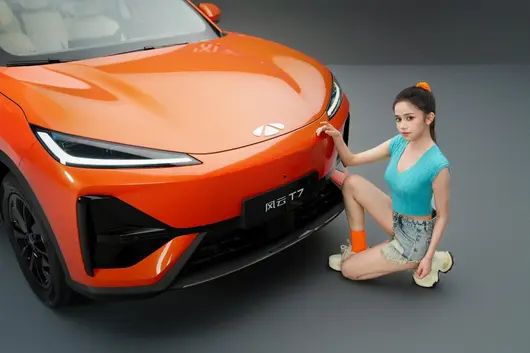
風雲 T7 嘅解題思路好直接:唔做縮水入門版,全系統一標準。
全系標配 9 個安全氣囊,10 萬級嘅安全「越級」
安全配置係 10 萬級車型最容易「按需分配」嘅部分。入門版減配安全氣囊、降低車身鋼材強度,係行業普遍做法。
風雲 T7 嘅做法完全唔同。新車全系標配 9 個安全氣囊,包括前排 2 個、前排側 2 個、後排側 2 個、側氣簾 2 個、遠端氣囊 1 個。9 氣囊喺同級別中屬於最多,其中 48L 雙腔遠端氣囊同後排側氣囊喺 10 萬級車型中好少見。按照 2026 版 E-NCAP 五星安全標準開發,車身採用九橫五縱籠式結構,高強度鋼佔比 80%,熱成型鋼佔比 18.84%。

車型
高強度鋼佔比
安全氣囊數量
安全標準
風雲 T7
80%
9 個
2026 版 E-NCAP 五星
零跑 B10
—
6 個
—
比亞迪元 PLUS
—
6 個
—
吉利銀河 E5
—
6 個
—
深藍 S05
—
6 個
—
MG4X
80%
6 個
—
同價位車型普遍配置 6 個安全氣囊,風雲 T7 嘅 9 氣囊喺同級中屬於最多。更關鍵嘅係,呢啲安全配置唔按價格分層——入門版同頂配版喺安全上完全無分別。
磐石車身 +6D 電池防護,安全做「冗餘」而非「及格」
風雲 T7 嘅車身結構被稱為「磐石車身」。九橫五縱籠式結構配合 Shotgun 結構(同級獨有),增加咗傳力通道,喺發生碰撞時能有效分散撞擊能量。雙框副車架同 Pack 防撞樑(同級首發)兼顧咗整車抗衝擊性能同電池底部防托底、防擠壓嘅雙重需求。
電池安全方面,犀牛電池採用 6D 鎖子甲 31 層防護結構。防水等級達到 IP68,係國標嘅 96 倍;側邊抗擠壓能力達到 200kN,係國標嘅 2 倍。同時通過咗 1008 小時鹽霧測試同 1.5 倍國標火燒測試。
風雲 T7 仲提供咗兩項「兜底」權益:因動力電池自身原因導致整車熱失控毀損,賠付同款新車;購車一年內因智能駕駛輔助系統原因導致事故,最高賠償 500 萬元。呢種「兜底」承諾喺 10 萬級車型中好少見,亦從側面反映咗廠家對產品安全性嘅信心。
先出海再回國,「慢功夫」打磨嘅全球品質
風雲 T7 嘅研發路徑同好多國內車型唔同。佢唔係國內研發、改款出海,而係從立項之初就定位為服務全球市場嘅「原生全球車」。
3 年研發週期,依托奇瑞全球「1+7+N」研發體系;全球 10 大設計中心、百餘名設計師協同設計;5000+ 全球用戶調研、15 個典型國家深度走訪;按 2026 版 E-NCAP 五星安全標準設計,功能安全達到 ASIL-D 最高等級。
驗證環節同樣「冗餘」——全球同步投入 81 台耐久試驗車,整車累計測試里程超 600 萬公里,耐久專項實測 145 萬公里。驗證環境覆蓋從北歐極寒(-40℃)到中東高溫(55℃)嘅極限溫域,以及巴西高減速坎、墨西哥鵝卵石路、德國高速大曲率彎道等覆蓋全球 95% 道路類型嘅複雜路況。
同源車型 Lepas L6 已率先喺泰國、南非上市,並將陸續登陸歐盟、澳洲、紐西蘭等市場。呢種「先出海歷練,再回歸國內」嘅路徑,令風雲 T7 嘅品質喺進入國內市場前就已經接受咗嚴苛市場嘅先行檢驗。
10 萬級市場需要「唔妥協」嘅選擇
10 萬級純電 SUV 市場嘅用戶,對價格嘅敏感度比 30 萬級市場高好多。多五千塊可能就換品牌了。但價格敏感唔代表對品質無要求——恰恰相反,呢個價位嘅用戶更希望每一分錢都喺刀刃上。
風雲 T7 嘅做法係把钱喺唔看得见但關鍵嘅地方:全系統一嘅安全標準、全系統一嘅續航能力、全球級嘅驗證體系。唔搞高低配區別對待,唔把核心能力拆成選裝包。
對於預算 10 萬出頭想买純電 SUV 嘅消費者嚟講,風雲 T7 提供咗一個「唔妥協」嘅選擇——唔使為了續航加錢,唔使為了安全讓步,入門版就能享受到同級領先嘅安全配置同續航能力。
FAQ
1. 風雲 T7 有幾多個安全氣囊?
全系標配 9 個安全氣囊,包括前排 2 個、前排側 2 個、後排側 2 個、側氣簾 2 個、遠端氣囊 1 個。同級別中屬於最多。
2. 風雲 T7 按咩安全標準開發?
按 2026 版 E-NCAP 五星安全標準開發。
3. 風雲 T7 嘅車身鋼材強度點樣?
高強度鋼佔比 80%,熱成型鋼佔比 18.84%,採用九橫五縱籠式車身結構。
4. 風雲 T7 嘅電池防護點樣?
6D 鎖子甲 31 層防護結構,IP68 防水(國標 96 倍),側邊抗擠壓 200kN(國標 2 倍)。
5. 風雲 T7 嘅「兜底」權益係咩?
電池熱失控賠付同款新車;智駕事故最高賠償 500 萬元。
6. 風雲 T7 經歷咗咩驗證?
全球 21 國實車驗證,145 萬公里耐久測試,覆蓋 -40℃到 55℃極限溫域。
7. 風雲 T7 係「全球車」嗎?
係。從立項之初就定位為原生全球車,同步適應全球 210 個國家同地區嘅用車需求,同源車型已喺海外上市。


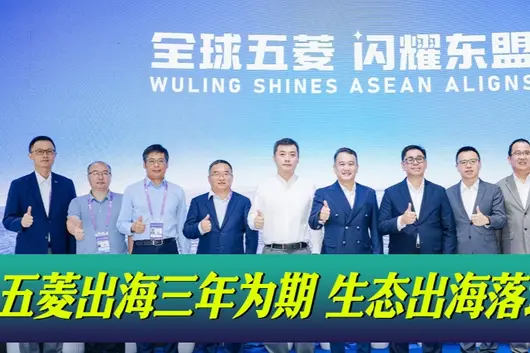
從「借船出海」,到「全鏈條生態」出海。9 月 17 日,喺南寧舉辦嘅第 23 屆中國—東盟博覽會上,上汽通用五菱正式發表 Global 5 全球戰略,並為呢個轉變畫咗一個明確嘅刻度:3 年深化佈局 150 個國家、拓展 500 家戰略合作夥伴、年銷量年均增長 50%。

發布會現場,五菱同馬來西亞陳唱集團簽署電池本地化 CKD 項目協議,成為新戰略落地嘅第一個成果。
詳解 Global 5 全球戰略。其一係五大實力底座:覆蓋 SUV、MPV、微型代步、城市新能源同商用車嘅全品類產品,「天、靈、神」技術體系,全球首創嘅 MS 智能島製造體系,「智造鏈、供應鏈、銷售鏈、人才鏈、金融鏈」五鏈協同,再加埋 68 年造車、全球累計產銷 3200 萬台嘅口碑。

其二係五大合作模式:面向唔同市場,開放貿易、經銷、產銷、全產業鏈同技術授權五種路徑,由淺入深、按需選擇——其中「技術授權」意味着五菱唔只輸出產品,亦開始輸出製造同技術能力。
此外,該戰略仲配套咗覆蓋合作全生命週期嘅五大服務保障,以東盟為橋頭堡、輻射亞洲、非洲、美洲、歐洲、大洋洲嘅五大市場,以及一組有底盤支撐嘅目標:五菱產品而家已銷往 110 餘個國家同地區、海外營銷網點超 230 家,未來 3 年要把佈局深化到 150 個國家、拓展 500 家戰略合作夥伴、年銷量年均增長 50%——相當於喺現有版圖上再拿下近 40 個新市場。

上汽通用五菱副總經理趙肖斌畀出 Global 5 戰略嘅底盤數據:全球累計產銷突破 3200 萬台,新能源銷量超 400 萬台,海外出口連續 10 年增長、累計突破 160 萬台/套。海外事業部副總經理石建功表示,五菱要把全鏈路自研自建能力,系統性轉化為海外市場競爭力。
呢套戰略嘅分量,要放喺中國汽車出海嘅大盤裏看。中汽協數據顯示,2026 年前 8 個月中國汽車出口 715.3 萬輛,同比增長 66.7%,已超過去年全年總量,月度出口連續 3 個月站上百萬輛臺階;新能源汽車出口 343.5 萬輛,佔比連續 3 個月過半。中汽協副秘書長陳士華判斷,中國汽車出口正由短期銷量擴張轉向更穩定嘅規模化階段,企業需要由「賣產品」走向「建體系」。

五菱嘅選擇恰好踩喺呢個節點上。佢冇將戰略停留在出口目標,而係將製造、供應鏈、金融、人才同售後整體打包,再用由貿易到技術授權嘅五級階梯,適配唔同發展階段嘅市場,正正就係「生態出海」嘅典型打法。
東盟係最現實嘅樣板:五菱 2017 年進入印尼,芝卡朗工廠九年累計生產 20 萬輛,帶動 16 家國內三電企業落地、培育本地供應商超百家;今年 1 至 7 月企業海外銷量已突破 20 萬台/套,連續 4 個月單月破 3 萬。此次馬來西亞 CKD 項目簽約,則係將呢套本地化打法再複製一國。

當關稅壁壘同本地化要求成為出海新常態,單純將車運出去嘅窗口正在收窄。Global 5 全球戰略嘅意義,在於畀五菱海外業務裝上一套可複製嘅「體系化操作系統」——東盟打底,五鏈護航,三年為期。中國汽車全球化嘅下半場,比較嘅唔再係邊個賣得多,而係邊個喺海外真正扎落根。五菱呢一步,係衝住「扎根」去嘅。

最近,几乎快被市场淡忘的恒大汽车,又借着港交所披露2026年中期财报的动作,重新回到了公众视野。
该财报显示,截至今年6月30日,公司资产总额约1.82亿元,负债总额却达到近327.22亿元。在负债构成中,借款约162.83亿元,贸易及其他应付款约164.39亿元。同时,报告期内集团实现营收900万元,毛利50万元;录得溢利净额1.86亿元,较去年同期提升7.71亿元。

值得关注的是,恒大汽车已经彻底结束了汽车制造相关业务。据公告披露,企业不再从事整车生产制造,将依靠手里留存的电池及造车相关专利技术重新布局业务,把锂离子电池贸易作为核心新赛道。
报告期内,该电池贸易业务已开始对外销售,实现收入873万元,毛利率约5.98%,处在公司设定的5%至8%目标区间内,成为现阶段恒大汽车的主要收入来源。
而这份新业务的根基,其实是恒大汽车早年靠“买买买”攒下的技术家底。2019年,恒大汽车花10.6亿元收购的卡耐新能源,带来了日本“锂电池之父”团队的三元软包技术;后通过收购国能电动汽车瑞典有限公司(NEVS),又继承了萨博的电池冷却等专利,手里攒了上千件电池相关专利。如今,其国内工厂卖光或破产处理,只剩香港总部和NEVS靠轻资产模式维持。

过去这些技术原本是为整车量产配套,如今其整车业务已按下了暂停键,这些沉淀多年的电池技术积累,就成了新业务最直接的抓手,也成了恒大汽车最后的倚靠。
不过,不同于普通电芯中间商的倒买倒卖,恒大汽车的电池贸易业务走的是轻资产技术配套路线。它没有自建电芯工厂,也没有囤货占压资金,而是面向欧洲、东南亚的电动两轮车、储能和小型家电领域的中小客户,从国内主流电芯厂商采购对应规格的产品,依托自身的电池专利技术能力,同步提供电芯质量分级筛选、UN38.3危险品运输认证、MSDS合规文件出具等增值服务,以此拿到比普通贸易商更高的毛利空间。

回溯过去两年的业务路径,恒大汽车的电池相关布局走得并不快。2024年,公司主要依托NEVS向欧洲客户输出电池工程技术服务,该板块全年收入约2537万元,电池贸易还停留在计划阶段。
2025年,恒大汽车的技术服务收入同比回落至约1287万元,电池贸易业务进入完整筹备阶段,并敲定了订单驱动、新客户全额现金结算的运营规则,采购动作和已确认的客户订单完全同步,把库存风险压到最低。
直到2026年上半年,这项筹备已久的业务才正式对外交付,实现了首笔873万元的营收流水。

在业务转型之际,恒大汽车也同步采取削减成本措施,包括调整组织架构及人员配置,压缩各项经营支出。公司希望通过减少重资产制造业务,减轻持续经营面对的压力。
目前,恒大汽车仍处于停牌状态,港交所给出的复牌大限就在本月30日。它一边和意向独立投资者磋商小额融资,覆盖中介、合规等基础运营开支,另一边也在和母公司中国恒大的清盘团队沟通整体债务重组方案,清盘方已表态现阶段不会对恒大汽车发起清盘程序。

对于恒大汽车而言,造车已经成为过去式。眼下这家公司的核心任务,是用1.82亿元资产和有限的新业务,尽可能撑住一个背负327.22亿元负债的上市平台。

喺馬來西亞嘅 SUV 市場,好多買家喺揀車嘅時候都會將本田 CR-V 同福斯途觀嚟做比較。這兩款車喺價位同埋定位上都幾接近,今日我哋就從多個方面做一個詳細嘅對比,幫你節省做功課嘅時間。
本田 CR-V 喺馬來西亞嘅 OTR 售價係 RM 178,200 - 195,900,總共有 4 個版本,包括 2026 e:HEV 2.0L 2WD RS(RM 195,900)、2026 1.5T 4WD V(RM 181,900)、2026 e:HEV 2.0L 2WD E(RM 178,200) 等等。
福斯途觀喺馬來西亞嘅 OTR 售價係 RM 206,540 - 260,024,總共有 2 個版本,包括 2025 Allspace 2.0T R-Line(RM 260,024)、2025 Allspace 1.4T Elegance(RM 206,540) 等等。
從價錢來看,本田 CR-V 嘅起價真係比福斯途觀平咗 RM 28,340。如果你預算有限,本田嘅入門版已經可以滿足日常需要。但都要留意,平嗰幾千塊,可能喺配備上面會有取舍,具體就要睇你嘅需要。
本田 CR-V 配備 2.0L 4-cyl,馬力 170 hp。官方油耗 8.0 L/100km。
福斯途觀配備 2.0L 4-cyl,馬力 170 hp。官方油耗 8.0 L/100km。
兩款車用咗同一套動力系統,日常開起嚟嘅感受基本無咩分別。油耗方面亦都差唔多,唔使太糾結呢一點。
本田 CR-V 嘅安全評級係 5★ (ASEAN NCAP),主動安全系統包括本田 SENSING (ACC, CMBS, LKAS, RDM)。
福斯途觀嘅安全評級係 5★ (Euro NCAP),主動安全系統包括 IQ.Drive。
安全配備方面,兩款車都揀到唔錯嘅評級。不過本田 CR-V 嘅本田 SENSING (ACC, CMBS, LKAS, RDM) 同福斯途觀嘅 IQ.Drive 喺功能上面有啲差異,如果你好重視主動安全嘅話,可以仔細對比吓兩者嘅功能列表。
本田 CR-V 採用 FWD 驅動方式。
福斯途觀採用 FWD 驅動方式。
兩款車嘅驅動方式一樣,都係 FWD,日常駕駛感受唔會有大分別。
總體嚟講,本田 CR-V 同福斯途觀都係馬來西亞市場幾唔錯嘅車款。揀邊一輛,關鍵都係睇你嘅個人需要同埋預算。建議大家做好功課,多比較幾間車行嘅報價,先去試駕做最後決定。買車係件大事情,花少少時間做功課絕對唔會錯。

喺馬來西亞嘅 SUV 市場,好多買家喺揀車嘅時候都會拿本田 CR-V 同福特 Everest 嚟比較。呢兩款車喺價位同定位上都幾接近嘅,今日我哋就從多個方面做一個詳細嘅對比,幫你節省做功課嘅時間。
本田 CR-V 喺馬來西亞嘅 OTR 售價係 RM 178,200 - 195,900,一總共 4 個版本,包括 2026 e:HEV 2.0L 2WD RS(RM 195,900)、2026 1.5T 4WD V(RM 181,900)、2026 e:HEV 2.0L 2WD E(RM 178,200) 等。
福特 Everest 喺馬來西亞嘅 OTR 售價係 RM 266,338 - 430,838,一總共 6 個版本,包括 2026 3.0T 4WD Platinum(RM 430,838)、2026 2.0T 4WD Platinum(RM 348,838)、2026 2.0T 4WD Sport(RM 316,838) 等。
由價錢睇,本田 CR-V 嘅起步價確實比福特 Everest 平咗 RM 88,138。如果你預算有限,本田嘅入門版已經可以滿足日常需要。但都要留意,平嗰幾千元,可能喺配備方面有取捨,具體要睇你嘅需求。
本田 CR-V 嘅安全評級係 5★ (ASEAN NCAP),主動安全系統包括 Honda SENSING (ACC, CMBS, LKAS, RDM)。
福特 Everest 嘅安全評級係 5★ (ASEAN NCAP),主動安全系統包括 Co-Pilot360。
兩款車嘅安全評級一樣,喺呢個級別入面安全配備都算好齊全。而家嘅新車安全性都唔錯,唔使太擔心呢一點。
本田 CR-V 保用 5 年/無限制里程,保養間隔 每 10,000km 或 6 個月。
福特 Everest 保用 3 年/100,000km,保養間隔 每 10,000km 或 6 個月。
本田 CR-V 同福特 Everest 都係馬來西亞市場嘅主流選擇,適合家庭用途、日常通勤。如果你更重視品牌聲譽同二手價,可以優先考慮聲譽更好嗰款;如果你更在意性價比同配備,就揀配備更豐富嗰款。最後始終建議兩款都去試駕,親身體驗先至最緊要。
總括嚟講,本田 CR-V 同福特 Everest 都係馬來西亞市場幾唔錯嘅車型。揀邊架,關鍵都要睇你嘅個人需求同預算。建議大家做好功課,多比較幾間車行嘅報價,再去試駕先做最終決定。買車係件大事,花少少時間做功課絕對無錯。

喺馬來西亞嘅 SUV 市場,好多買家喺揀車嘅時候都會拿 Honda CR-V 同 Kia Sportage 黎做比較。呢兩款車喺價位同定位上都幾接近,而家我哋就從多個方面做一次詳細嘅比較,幫你慳返做功課嘅時間。
Honda CR-V 喺馬來西亞嘅 OTR 售價係 RM 178,200 - 195,900,總共 4 個版本,包括 2026 e:HEV 2.0L 2WD RS(RM 195,900)、2026 1.5T 4WD V(RM 181,900)、2026 e:HEV 2.0L 2WD E(RM 178,200) 呢啲。
Kia Sportage 喺馬來西亞嘅 OTR 售價係 RM 129,639 - 179,320,總共 4 個版本,包括 2025 1.6T DCT 4WD High(RM 179,320)、2025 1.6T DCT 2WD High(RM 159,320)、2025 2.0L AT 2WD High(RM 139,639) 呢啲。
由價錢睇落,Kia Sportage 嘅入門價比 Honda CR-V 平咗 RM 48,561。老實講,喺呢個價位段,幾千蚊嘅差距其實唔算大,關鍵都係睇整體嘅性價比同埋長期使用成本。
Honda CR-V 搭載 2.0L 4-cyl,馬力 170 hp。官方油耗 8.0 L/100km。
Kia Sportage 搭載 1.5L Turbo,馬力 140 hp。官方油耗 7.0 L/100km。
動力方面,Honda CR-V 嘅 2.0L 4-cyl 比 Kia Sportage 嘅 1.5L Turbo 多咗 30 匹馬力,中段加速更有信心,尤其係行高速公路過路嗰陣。不過 Kia Sportage 嘅油耗可能更節省,日常市區通勤分別唔會太大。
Honda CR-V 車身長 4500 mm,後尾箱 450 L。
Kia Sportage 車身長 4400 mm,後尾箱 400 L。
空間方面,Honda CR-V 嘅車身比 Kia Sportage 長咗 100 mm,車內乘用空間會稍為寬裕少少,尤其係後座腿部空間。如果你經常載家人或者要放嬰兒車,大少少嘅車身確實更實用。
Honda CR-V 採用 FWD 驅動方式。
Kia Sportage 採用 FWD 驅動方式。
兩款車嘅驅動方式一樣,都係 FWD,日常駕駛感受唔會有太大分別。
Honda CR-V 同 Kia Sportage 都係馬來西亞市場嘅主流選擇,適合家庭使用、日常通勤。如果你更重視品牌口碑同二手價,可以優先考慮口碑更好嗰款;如果你更重視性價比同配備,嗰就揀配備更豐富嗰款。最終都係建議兩款都去試駕,親身體驗先至最重要。

總體嚟講,Honda CR-V 同 Kia Sportage 都係馬來西亞市場幾好嘅車型。揀邊一部,關鍵都係要睇你嘅個人需求同預算。建議大家做足功課,多比較幾間車行之報價,再去試駕做最終決定。買車係件大事,花少少時間做功課絕對唔會錯。

喺馬來西亞嘅 SUV 市場,好多買家喺揀車嘅時候都會拿本田 CR-V 同現代 Santa Fe 做比較。呢兩款車喺價位同定位上都好接近,今日我哋就從多個方面做一次詳細對比,幫你節省做功課嘅時間。
本田 CR-V 喺馬來西亞嘅 OTR 售價係 RM 178,200 - 195,900,一共有 4 個型號,包括 2026 e:HEV 2.0L 2WD RS(RM 195,900)、2026 1.5T 4WD V(RM 181,900)、2026 e:HEV 2.0L 2WD E(RM 178,200) 等。
現代 Santa Fe 喺馬來西亞嘅 OTR 售價係 RM 225,000 - 270,000,一共有 3 個型號,包括 2025 2.5T DCT 4WD Calligraphy 6 Seats(RM 270,000)、2025 HEV 1.6T AT 2WD Prestige 7 Seats(RM 245,000)、2025 HEV 1.6T AT 2WD Prime 7 Seats(RM 225,000) 等。
從價錢睇落,本田 CR-V 嘅起步價確實比現代 Santa Fe 便宜咗 RM 46,800。如果你預算有限,本田嘅入門版已經可以滿足日常需求。但都要注意,便宜嗰幾千蚊,可能喺配備上會有取捨,具體要睇你嘅需求。
本田 CR-V 配備 2.0L 4-cyl,馬力 170 hp。官方油耗 8.0 L/100km。
現代 Santa Fe 配備 2.0L 4-cyl,馬力 170 hp。官方油耗 8.0 L/100km。
兩款車用同一套動力系統,日常開起嚟嘅感覺基本冇分別。油耗方面都幾差唔多,唔使太糾結這一點。
本田 CR-V 嘅安全評級係 5★ (ASEAN NCAP),主動安全系統包括本田 SENSING (ACC, CMBS, LKAS, RDM)。
現代 Santa Fe 嘅安全評級係 TBD,主動安全系統包括 Basic。
安全配備方面,兩款車都拿到唔錯嘅評級。不過本田 CR-V 嘅本田 SENSING (ACC, CMBS, LKAS, RDM) 同現代 Santa Fe 嘅 Basic 喺功能上有啲分別,如果你比較重視主動安全嘅話,可以仔細對比下兩者嘅功能列表。
本田 CR-V 車身長 4500 mm,行李箱 450 L。
現代 Santa Fe 車身長 4400 mm,行李箱 400 L。
空間方面,本田 CR-V 嘅車身比現代 Santa Fe 長咗 100 mm,車內乘坐空間會稍微寬鬆啲,尤其係後座腿部空間。如果你經常載家人或者需要放嬰兒車,大少少嘅車身確實更實用。
本田 CR-V 同現代 Santa Fe 都係馬來西亞市場嘅主流選擇,適合家庭使用、日常通勤。如果你更加重視品牌口碑同二手價,可以優先考慮口碑更好嗰款;如果你更加在意性價比同配備,嗰就揀配備更豐富嗰款。最終都係建議兩款都去試駕,親身體驗先係最重要。

總嘅嚟講,本田 CR-V 同現代 Santa Fe 都係馬來西亞市場幾唔錯嘅車型。揀邊一輛,關鍵都係要睇你嘅個人需求同預算。大家建議做好功課,多比較幾間車行嘅報價,再去試駕做最終決定。買車係件大事,花少少時間做功課絕對唔會錯。


September 16, Leapmotor held a Tech Day with the theme "Confidence". On the same day, this company just reached a new milestone: July global deliveries 101,300 vehicles, year-on-year increase 102%, becoming the first domestic new force brand to break 100,000 vehicles in a single month delivery; August reached a new high. In 2025, Leapmotor annual deliveries 596,600 vehicles, sales doubled for two consecutive years; January to August 2026, global sales over 560,000 vehicles, year-on-year increase 70%, ranking top three among China's new energy passenger car brands. Just at a time when most new forces are still struggling near the break-even point and the price war continues relentlessly, this report stands out.
More striking is the expansion overseas. In the first half of the year, Leapmotor exported 96,300 vehicles, a year-on-year surge of 372.6%, exceeding the total export volume for the full year of 2025; Leapmotor International has built over 1,000 sales and service outlets in 45 markets, with pure electric market share in Italy exceeding 25%, and in June became the highest selling Chinese EV brand in the German market; T03, C10 have become popular choices in the European affordable pure electric market, and the Malaysia knock-down assembly plant has also started production. When most peers are still fighting closely domestically, this company has moved a considerable portion of its growth overseas.
Sales on the rise, global expansion accelerating, what does it rely on? The answer given by the Tech Day is the systematic capability accumulated over 11 years.

First, let's look at the cost structure. Leapmotor has built 18 parts factories, self-developed and self-produced covers 65% of total vehicle cost, and platform commonality reaches 90%. This explains why "Good technology should be accessible to everyone" is not just a slogan: Advanced intelligent driving goes down to the 100,000 yuan class; CTC 3.0 eliminates independent low-voltage batteries, saving 2,000 yuan per vehicle; for the earliest batch of LiDAR users upgrading to World Model Intelligent Driving, it requires an investment of 50 million yuan, but Leapmotor chose a free upgrade and free usage for life. Self-development squeezes costs to places others cannot, so cross-tier configurations can possibly become standard configurations.
Second, look at the technology system. Leapmotor released not just one highlight, but a set of architecture plus three major systems plus multiple reserves: LEAP 5.0 vehicle architecture achieves over 100% utilization rate; LWM World Model Intelligent Driving allows vehicles to go from "remembering road conditions" to "understanding road conditions"; long-tail scenarios encountered by a vehicle are learned via the cloud, allowing the fleet to collaboratively evolve; MM-i Multi-mode Hybrid Electric Drive completes the PHEV puzzle, completing "Pure Electric + Extended Range + PHEV" full power layout, with power 28% higher than peer vehicles and weight 40% lighter; CTC 3.0 eliminates independent low-voltage batteries, increasing energy capacity 7 times, with related patents open-sourced to the entire industry — and this generation of batteries is built upon verification from over 1 million vehicles installed. From architecture to batteries, from intelligent driving to robots, every item points to mass production and implementation. Zhu Jiangming said Leapmotor does not innovate for the sake of showing off skills — behind this statement is the industry stuck in stock competition on screens, computing power, and configurations.

The root of growth against the trend may lie in this kind of "hard work": not chasing short-term concepts, but sinking resources into underlying R&D and product experience. Embodied AI robot concepts are hot, but Leapmotor said "Only robots that can make money are worth showing off"; Direct-drive PHEV is viewed bearishly by some, but Leapmotor judges it still has a 5 to 10-year lifecycle. Technological pragmatism eventually manifests as operational stability. Since the mass production of the first extended-range model in 2022, Leapmotor has launched 7 extended-range models, and every structure of the electric drive system comes from internal co-creation, rather than bought solutions.
Why do sales and the capital market succeed frequently? The underlying logic is consistent: the positive cycle of scale and profitability. In the first half of the year, Leapmotor revenue was 38.1 billion yuan, net profit 210 million yuan, profits for three consecutive half-years — at a time when the industry generally doesn't make money, this profit is scarce. Overseas markets contribute high gross margin growth, with more than half of new sales coming from overseas in the first half of the year. What the capital market values is this "profitable long-termism". Since HK stock listing, Leapmotor market cap once stood at 60 billion HKD, and brokers still give overweight ratings and higher target prices. Of course, the market does have doubts: the year-start 5 billion yuan profit guidance was lowered to around 3 billion yuan, and the stock price still has corrections within the year. The quality of profits still needs time to test.
For China's automotive industry, Leapmotor's significance may not lie in the sales figures themselves. When price wars put pressure on the entire industry, it proves a different path: relying on full-domain self-research to keep both costs and experience in its own hands, going from "competing on price" to "competing on technology"; when whole vehicle export encounters resistance, it uses technology output, localization, and patent open-sourcing to turn "product export" into "capability export". As Zhu Jiangming said, technology and innovation are the confidence of enterprises facing the future. A car enterprise that can sustain profits and export systems overseas may well be the footnote most needed for China's automotive industry to become from big to strong.

喺馬來西亞嘅 SUV 市場,好多買家喺揀車嘅時候都會拿 Honda CR-V 同 Hyundai Santa Fe 嚟做比較。這兩款車喺價位同定位上都蠻接近,今日我哋就由多個方面做一個詳細嘅比較,幫你省下做功課嘅時間。
Honda CR-V 喺馬來西亞嘅 OTR 售價係 RM 178,200 - 195,900,一總共有 4 個版本,包括 2026 e:HEV 2.0L 2WD RS(RM 195,900)、2026 1.5T 4WD V(RM 181,900)、2026 e:HEV 2.0L 2WD E(RM 178,200) 等。
Hyundai Santa Fe 喺馬來西亞嘅 OTR 售價係 RM 225,000 - 270,000,一總共有 3 個版本,包括 2025 2.5T DCT 4WD Calligraphy 6 Seats(RM 270,000)、2025 HEV 1.6T AT 2WD Prestige 7 Seats(RM 245,000)、2025 HEV 1.6T AT 2WD Prime 7 Seats(RM 225,000) 等。
從價錢來看,Honda CR-V 嘅起步價確實比 Hyundai Santa Fe 便宜咗 RM 46,800。如果你預算有限,Honda 嘅入門版已經可以滿足日常需求。但都要注意,便宜嗰幾千塊,可能喺配備上會有取舍,具體要看你嘅需求。
Honda CR-V 搭載 2.0L 4-cyl,馬力 170 hp。官方油耗 8.0 L/100km。
Hyundai Santa Fe 搭載 2.0L 4-cyl,馬力 170 hp。官方油耗 8.0 L/100km。
兩款車用緊同一套動力系統,日常開起嚟嘅感受基本上冇分別。油耗方面都差唔多,唔使太糾結這一點。
Honda CR-V 嘅安全評級係 5★ (ASEAN NCAP),主動安全系統包括 Honda SENSING (ACC, CMBS, LKAS, RDM)。
Hyundai Santa Fe 嘅安全評級係 TBD,主動安全系統包括 Basic。
安全配備方面,兩款車都拿到唔錯嘅評級。唔過 Honda CR-V 嘅 Honda SENSING (ACC, CMBS, LKAS, RDM) 同 Hyundai Santa Fe 嘅 Basic 喺功能上有少少差異,如果你比較看重主動安全嘅話,可以仔細比較一下兩者嘅功能列表。
Honda CR-V 保用 5 年/無限制里程,保養間隔 每 10,000km 或 6 個月。
Hyundai Santa Fe 保用 5 年/300,000km,保養間隔 每 10,000km 或 6 個月。
總嘅嚟講,Honda CR-V 同 Hyundai Santa Fe 都係馬來西亞市場好唔錯嘅車型。揀邊一輛,關鍵都係睇你嘅個人需求同預算。建議大家做好功課,多比較幾間車行嘅報價,再至去試駕做最終決定。買車係件大事,花少少時間做功課絕對唔會錯。
In Malaysia's SUV market, many buyers compare the Honda CR-V and Hyundai Santa Fe when choosing a car. These two models are quite close in price and positioning. Today, we will do a detailed comparison from multiple aspects to help you save time on research.
The OTR price of Honda CR-V in Malaysia is RM 178,200 - 195,900, with a total of 4 versions, including 2026 e:HEV 2.0L 2WD RS (RM 195,900), 2026 1.5T 4WD V (RM 181,900), 2026 e:HEV 2.0L 2WD E (RM 178,200), etc.
The OTR price of Hyundai Santa Fe in Malaysia is RM 225,000 - 270,000, with a total of 3 versions, including 2025 2.5T DCT 4WD Calligraphy 6 Seats (RM 270,000), 2025 HEV 1.6T AT 2WD Prestige 7 Seats (RM 245,000), 2025 HEV 1.6T AT 2WD Prime 7 Seats (RM 225,000), etc.
From a price perspective, the starting price of Honda CR-V is indeed RM 46,800 cheaper than Hyundai Santa Fe. If your budget is limited, Honda's entry-level version is already sufficient for daily needs. But also note, those few thousand cheaper may involve trade-offs in features, depending on your needs.
Honda CR-V comes with a 2.0L 4-cyl engine, 170 hp. Official fuel consumption 8.0 L/100km.
Hyundai Santa Fe comes with a 2.0L 4-cyl engine, 170 hp. Official fuel consumption 8.0 L/100km.
Both cars use the same powertrain, and the driving experience is basically no difference. Fuel consumption is also similar, no need to worry too much about this point.
Honda CR-V warranty 5 years/unlimited mileage, maintenance interval every 10,000km or 6 months.
Hyundai Santa Fe warranty 5 years/300,000km, maintenance interval every 10,000km or 6 months.
Honda CR-V and Hyundai Santa Fe are both mainstream choices in the Malaysian market, suitable for family use and daily commuting. If you value brand reputation and resale value more, prioritize the one with better reputation; if you care more about price-performance ratio and features, choose the one with richer configuration. Ultimately, we suggest test driving both, personal experience is the most important.
Overall, Honda CR-V and Hyundai Santa Fe are both very good models in the Malaysian market. Which one to choose depends on your personal needs and budget. We recommend doing your homework, comparing quotes from multiple car dealers, and then test driving to make the final decision. Buying a car is a big matter, spending some time on research will definitely not be wrong.

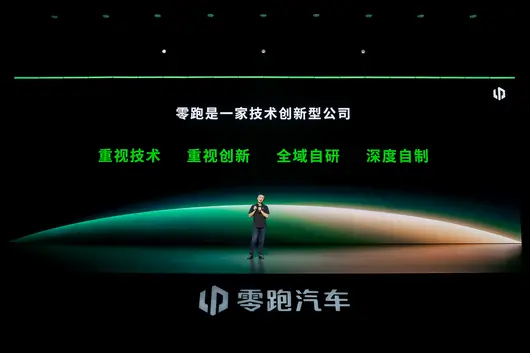
2026 Leapmotor Tech Day, the theme comes down to two words: Confidence. The source of this confidence lies in a deep and extensive self-developed technology layout. The press conference was completely different, engineers were the main stars, raving about their technical innovations and layouts.
Leapmotor Chairman Zhu Jiangming said: Leapmotor has 11,000 people, among them 8,500 are engineers. At the startup phase, in a team of 50 people, 41 were engineers. From this layout we know, Leapmotor is a pure tech company, technology is Leapmotor's deepest confidence, and Leapmotor's soul.

Leapmotor's confidence is not slogans shouted at the press conference, but a systematic technical capability built up through 11 years of hard work. While others chased traffic and hyped concepts, Leapmotor chose a harder path: no concept hype, only technology and innovation, throwing all resources and energy into underlying technology and product experience.
1. Where does Leapmotor's Confidence Really Come From?
To put it plainly, Leapmotor's confidence comes from three "Not Justs".
First, not just full-domain self-development, but also deep in-house manufacturing across the full link.
Leapmotor itself controls 65% of the total vehicle cost, built 18 parts factories, and achieved a platform commonality rate of 90%. From cells to battery packs, from motors to controllers, from plastic pellets to headlights, core components and high value-added components are all done in-house.

Second, not just monthly sales of 100,000, but absolute leadership in product power.
In 2019, Leapmotor only sold 1,000 vehicles a year. Now? Monthly sales over 100,000 units, top 3 in China's new energy brand, top 4 globally in new energy brand sales. Launching new technology every year, platform capabilities allow all series products to use the most cutting-edge specifications at the best time. Higher specs than peers, better quality, good but affordable.
Third, not just a vehicle manufacturer, but a technology supplier providing technology to multiple automakers.
Leapmotor's technology is not only used internally but also exported externally. Full vehicle technology empowerment for FAW and Stellantis Group. 5 partnerships for electronic systems, 8 for electric drive systems, 10 for battery systems. Technology external supply is already Leapmotor's second growth curve.
2. One Architecture: LEAP 5.0, Turning Cars into "Third Mobile Spaces"
Leapmotor has officially announced the launch of a second brand. Its goal is clear: build a brand new product category with over 100% space efficiency rate and high intelligence for the second brand.
LEAP 5.0 architecture has realized this goal.
First, physically, Leapmotor did one thing: changed the design concept of fuel cars, cut redundant designs, and expanded simultaneously in length, width, and height.
With the old fuel car layout, the engine occupied the front compartment, the drive shaft ran through the cabin, and shock towers crowded the wheel arches. The car looked big, but there wasn't much usable space. Leapmotor threw the table, reconstructing from scratch.

Where did the length come from? Leapmotor highly integrated the air conditioning system, front-mount integrated. Parts decreased by 18%, longitudinal occupation reduced by 34%, hoses decreased by 30%, and noise was reduced by 3dB.
Move the powertrain back, letting mechanical systems occupy the cabin as little as possible. The result is cabin longitudinal length reaching about 4400mm, about 700mm more than peers, length space improved by 19%.
Where did the width come from? The two shock towers in traditional cars protrude into the cabin like "horns", squeezing front row legroom uncomfortably. Leapmotor arranged shock absorbers vertically, using aluminum die-cast integrated small shock towers, rotating shock absorbers outward 8.3°, freeing up this space. Front row lateral width reaches about 1100mm, legroom space improved by 37.5%.
Where did the height come from? Use a pure flat low floor to lower the floor by about 70mm, use a native integrated smart smart sunroof above to expand upward by about 800mm. One down, one up, cabin height improved by 63.7%, able to stand and walk in the car, fully open "Loft" space.

With this combination of moves, the space efficiency rate directly reached 100%.
Say energy management, Leapmotor redid the vehicle thermal management system.
Physically, module aggregation, AC box moved out of passenger cabin, refrigerant side integrated. Under three innovations: thermal management components reduced from 69 to 21, longitudinal space occupation pressed from 580mm to 310mm, hoses reduced from 6.2m to 3.3m. AC box moved out of cabin, dashboard internal space released for users.
Control level, industry premiere super domain control thermal management system. First to create 14-way valve, connecting originally independent cooling and heating circuits, supporting 48 switching modes and 54 energy interaction modes. One brain, global synergy. Winter heating power 18kW, leading industry by 20%.
Finally, electronic level, 5.0 Central Domain Control.
LEAP 5.0 is true central integrated control, other domain controls only do execution. Total vehicle wiring harness less than 500 meters. Full vehicle 48V power supply, full vehicle Ethernet, car-cloud AgentOS cloud brain + vehicle-side cerebellum continuously evolving.
This is the wonder of the LEAP 5.0 architecture, designing cars from scratch. Cars designed on this architecture have multiple scenario changes, can be an office, can be a living room, can be a bedroom, can be a king room.
It is reported, Leapmotor second brand new product will be unveiled in 2027.
3. Three Self-Developed Core Technologies, One Harder Than the Other
At this tech day, Leapmotor also launched three self-developed core technologies. Demonstrating Leapmotor's both deep and broad layout in self-development.
First core technology: LWM World Model Intelligent Driving: No reliance on BEV, no dependence on rule code
Leapmotor's intelligent driving has a different thought process from others. No reliance on BEV sensing, no dependence on rule code, LiDAR only for safety redundancy.
There is a "knowledge base" in the cloud, trained with large data volume, enabling the model to understand the world, infer and generate the world, continuously learning and evolving.

There is a "real-time brain" at the vehicle end, reusing cloud capabilities, combining navigation and vehicle real-time status, making real-time decisions at the vehicle end. 200 TOPS, 640 TOPS, 1280 TOPS, different computing power levels can be deployed.
Architecture reconstructed from first principles, maintaining image view representation, saving computing power for BEV transformation. Designed memory storage module, allowing the model to remember history. Inertia and real-time understanding decoupled, driving more comfortable. Rules only used for traffic lights and other traffic laws backup, code volume reduced by 90%.
The most ruthless is fleet-level collaborative learning: When one vehicle encounters complex road conditions and learns how to handle it, other vehicles can also learn via the cloud. This breaks the pain point that intelligent driving industry long-tail scenarios are hard to land.
Leapmotor also made this commitment: All LiDAR version users, free upgrade to latest World Model Intelligent Driving version, lifetime free use. For the earliest over 10,000 LiDAR version users, vehicle hardware platforms were inconsistent, algorithm porting and reconstruction would take at least 50 million, Leapmotor still met the requirement.

Where is the confidence? September 2025 Leapmotor identified the World Model route, March 2026 completed DEMO version, now actual vehicles have been tested by media and users in a single continuous shot in advance. Leapmotor Chairman Zhu Jiangming said: Performance reaches industry first tier. Overtake on a bend, truly achieved.
There is something even more terrifying: Leapmotor will equip World Model advanced driving assistance in vehicles under 100,000 yuan in the future, and it will be free advanced intelligent driving.
Second core technology: MM-i Multimodal Hybrid Electric Drive: Three Firsts, Reconstructing from the Root
This tech day announced: Leapmotor officially entered the plug-in hybrid track. And it's not patching up, but returning to first principles to redo.
What's wrong with traditional hybrid electric drive? Generators only generate, drive motors only drive, parts have idle time. Result is pure EV power is weak, high-speed energy consumption high, volume and weight still large.
Leapmotor brings 3 firsts. First first: Generator reuse architecture. Breaking the "generator only generates, drive motor only drives" industry convention, allowing generators to participate in driving when needed, dual motors output pure EV power together. System peak power 206kW, 28% higher than peers, pure EV acceleration no longer weak.
Second first: Dual electromagnetic clutch coaxial integration. Stack two sets of clutches into the same axis, electric drive Y-direction width only 313mm. Volume 25% smaller than peers, current industry volume smallest hybrid electric drive. Adapts A0 to D-class full series, first time allowing high-performance hybrid to fit into A0-class small cars, returning space to passenger cabin. Entire electric drive only 106kg, 40% lighter than peers, power density 1.94kW/kg, hybrid industry highest.
Third first: Intelligent dual-motor control.
Electricity primary, oil secondary, self-developed control algorithm allows the system to switch seamlessly between Pure EV, Series, Parallel, Engine Direct Drive four conditions, nine modes. Hybrid shifting speed shortened from 400ms to 150ms, combined with microsecond-level torque compensation, switching process has no power interruption, no jerking. Drive efficiency 91.5%, generation efficiency 94.4%, industry highest.
Where is the confidence? This structure was co-created by Leapmotor internal team original conception, breaking overseas traditional clutch patent barriers. Hereby, Leapmotor completes "Pure EV + Range Extender + Plug-in Hybrid" full power layout, A0 to D-class full category coverage, domestic and international mass hybrid market space opened.
Third core technology: CTC3.0 High-Low Voltage Integrated Battery: Changing Centuries-Old Rules
The independent low-voltage battery on cars has been used for hundreds of years. Long-term parking power loss, replace it every few years, once replacement costs a few hundred yuan, lead-acid battery waste still pollutes the environment.

Leapmotor says: Why can't it be integrated into big battery packs?
Like home has a big meter (high-voltage battery, for driving) and a small meter (12V low-voltage battery, for car lights, car machines). Leapmotor integrated the small meter into the big meter, unified management, unified protection.
This innovative design brings the following benefits:
High-low voltage integration: Cancel independent low-voltage battery, integrate low-voltage battery part into battery pack. Cell standardization, higher quality.
Capacity increased 7 times: 12V low-voltage battery capacity increased 7 times, power usage more sufficient, long-term storage no fear of power loss.
Lifetime maintenance-free: No need to replace battery every few years, vehicle use cost saves over 2,000 yuan.
High-low voltage batteries use same specification cells, same level protection, shared thermal management, unified energy distribution. First owner battery lifetime warranty.
Even more ruthless: CTC high-low voltage integrated battery related patents, open source to whole industry. Leapmotor welcomes whole industry follow and use, reduce battery pollution, help environmental protection.

Where is the confidence? Leapmotor is CTC technology earliest use, use quantity most vehicle company. From first generation CTC mass production vehicle mounting to now, three generations CTC technology continuous iteration, 1 million vehicle mounting practice, all key links fully mastered. Not modifying on existing solutions, but redesigning power supply system from bottom layer.
4. Easter Egg: Embodied AI Robots
Leapmotor also hid an Easter Egg — Embodied AI Robots.
11 years full-domain self-development accumulated technology, motors, controllers, batteries, sensing algorithms, computing platforms, all are robots most core underlying capabilities. Leapmotor fully independently mastered, is one of most qualified vehicle companies to make robots in whole industry. Already made fully self-developed robots.
But Leapmotor's concept is: Technology reserve can be forward, product landing must be reliable.
Zhu Jiangming's original words: "Robots that can walk around don't count as ability, robots that can make money are presentable. Leapmotor is exploring a truly scaled implementation, commercially valuable application scenario."
5. Business Performance: Three Consecutive Quarterly Profits
Say back, Leapmotor invested so much money in full industry chain self-development, are assets heavy? Returns big? Look at 2026 Leapmotor sales performance, know it.
First look at domestic sales: August 2026 global delivery 103,129 vehicles, consecutive monthly sales break 100,000. China new energy brand top 3, global new energy brand sales top 4. Cumulative delivery near 1.8 million vehicles, on sale 10 models. Undoubtedly New Force No. 1.

Look at overseas performance again: Already entered global 45 countries and regions, overseas stores over 1,000. Going global 2 years, cumulative exports over 200,000 vehicles. 2026 January-June, Italy cumulative registration volume 24,269 units, surged 1448.8% year-on-year, consecutively winning Italy pure EV market No. 1 for six months.
Look at overseas manufacturing again: Spain CKD factory plan import B10 and B05, expected October 2026 official production launch. Malaysia Kedah Gurun factory already mass produced, Myanmar Yangon factory already mass produced.
Best looking operational quality: Already three consecutive half-years realized profits, 2026 first half net profit attributable to parents 210 million yuan. As of August 2026, own 9,500 person engineering team. Tech driven — Product leading — Scale growth — Feedback to R&D, positive cycle already completed.
Leapmotor's logic has always been clear: Not for technology for technology's sake, but let good tech truly land to next generation products, let more mainstream mass consumers use better specifications and functional experience, good but affordable.
Confidence comes from technology. Technology comes from 11 years one step at a time. This should be the root cause of Leapmotor leading the New Forces.



「我想要帶你去浪漫嘅土耳其,然後一齊去東京同巴黎……」
我哋好似好習慣畀城市賦予「標籤」:巴黎係浪漫,東京係前衛,米蘭係時尚。而在汽車世界,都有一些呢樣嘅標籤,比如:底特律代表美國工業最強盛嘅鋼鐵時代,慕尼黑用嚴苛嘅工程美學定義住德系豪華嘅標準,而意大利都靈則係世界汽車設計史上繞唔開嘅一座城市。

過去,誇一辆中國車好睇,我哋都會話「洋氣」或者「有歐洲範兒」,佢意味著,一辆中國車設計得夠唔夠好,最終嘅參照物一直係喺西方。
而在 9 月 11 日啟動嘅都靈車展上,情況發生咗轉變。GFG Style 聯合創辦人兼行政總裁法布里奇奧 · 喬治亞羅話,「喺品質、態度、創新力以及推出新車嘅節奏上,中國品牌把我哋遠遠甩喺後面啦」。

都靈車展舉辦地嘅廣場旁,係都靈皇家歌劇院。呢座始建於 1740 年嘅建築,曾經喺 1936 年經歷大火,隨後重建。真正傳奇嘅,卻唔只係佢跨越數百年嘅歷史,而係歷經時間更迭,佢至今依然符合現代演出嘅使用標準。呢背後,係一場近乎「移山填海」式嘅工程創新。
由於建築嘅正立面同觀眾廳屬於文物,唔能夠輕易改動,工程師只能從建築嘅後半部分尋找答案:喺保留歷史空間嘅前提下,將舞臺區域向後平移、加深,並透過現代技術重新構建複雜嘅舞臺機械同視聽系統。因此,當你走咗入呢度,會產生一種奇妙嘅「穿越感」——眼前嘅正立面同觀眾廳,依然保留住 19 世紀嘅歷史痕跡;而僅僅一步之遙嘅後台,卻已經係一個由先進機械同現代工程技術構成嘅複雜舞臺系統。古老同現代並冇彼此取代,而係喺同一座建築入面,被工程技術重新連接返起。

呢種創新同傳承嘅對立統一,亦發生喺歌劇院內部。由都靈車展、TADA 都靈汽車設計獎同吉利設計聯合主辦嘅「都靈車展吉利設計論壇」,呢次係歷史上第一次有中國品牌喺海外舉辦設計論壇。
西方頂級設計師掌握住燃油時代汽車設計嘅話語權,但佢哋對智電時代汽車設計相對陌生。呢一次,中國設計師唔再只係站喺別人建立好嘅規矩入面答題,而係有機會同全球同行一齊定義規矩。

賓尼法利納首席創意官戴夫 · 阿曼泰亞、GFG Style 聯合創辦人兼行政總裁法布里奇奧 · 喬治亞羅、前寶馬同阿爾法 · 羅密歐首席設計師安德烈亞斯 · 扎帕蒂納斯等嘉賓到場,一群年過半百嘅都靈汽車設計界泰斗們一齊,傾中國汽車設計,放眼到汽車設計百年歷史週期入面,係一種傳承接力同創新探索。而呢度背後透出一個強烈嘅信號——嗰啲曾經被歐洲設計界視為「學生」甚至「代工廠」嘅中國品牌,而家正被一眾殿堂級大師從心入面認同。
呢個係中國設計同品牌嘅「登堂入室時刻」。

吉利汽車集團副總裁、吉利全球設計負責人陳政曾經喺都靈做緊 14 年,呢度教識佢嘅設計精神係創新。再次重返都靈,佢亦以「技術進步,設計演進」為題發表演講,回應咗智電時代汽車設計嘅課題。
陳政話,「形式追隨功能,而功能係為服務體驗,技術嘅進步,必會帶嚟設計嘅進化」
除咗創新之外,吉利設計認為而家嘅時代對中國設計師嚟講應該多添一道題:令全球汽車設計審美多一種中國表達,推動「中國設計」嘅全球化進程。吉利嘅解題策略係傳承文化價值觀,用設計轉譯到產品上面。

喺論壇現場,吉利設計將過去三年注入大量心血沉淀嘅中國設計體系,以「吉利設計特展」嘅形式呈現俾呢座汽車設計之都嘅用戶同設計從業者。帶產品出海外嘅中國車企有好多,但將中國設計體系帶出海外嘅,吉利係第一個。
我想,整場展覽開展之初,吉利設計團隊大機率會憂心忡忡——中國設計體系有冇能夠被來自汽車設計殿堂嘅先驅同從業者明白,同埋認可?答案係肯定嘅,當你透呢啲相睇到佢哋伏案鑽研,你都可以感受到審美嘅共鳴超越咗地域、民族同語言嘅隔閡。

表達中國設計,最偷懶嘅答案當然係「中國元素」。畫條龍、印朵祥雲、抹一筆中國紅、貼兩塊青花瓷紋樣。呢啲嘢確實讓人一眼就認出係中國設計,但如果將設計比作一種語言,佢哋充其量只係幾個好易認嘅特色單詞,真正能夠令一種語言立得住嘅,應該係佢背後嚴謹嘅語法體系。

吉利做咗一個好嘅示範,佢哋將 R 角、中國色等,最細微嘅「毛細血管」入面嘅文化研究,搬入咗「都靈車展吉利設計論壇」現場。喺呢個古老嘅意大利城市,中国汽车文化嘅首次呈現,顯得格外鮮活。

古代南朝畫論《謝赫六法》話「氣韻生動」,但喺汽車上面,氣韵點量化?吉利嘅答案就藏喺 R 角入面。R 角係整車造型入面最小嘅設計單元,卻直接決定咗一道光喺車身點樣流轉。中國玉器追求嘅係內斂溫潤嘅「寶光」,最忌浮喺表面、刺眼奪目嘅「賊光」。吉利深入研究古建築飛簷、青銅器皿同書法頓挫,提煉出上百種曲率規製,將感性氣韻轉化成工程師可調用嘅參數。

色彩亦係一樣。「青」喺英文入面好難翻譯,佢唔單純係 Blue,亦唔單純係 Green。喺西方,青金石因為稀有而成為繪畫聖母衣袍嘅專屬;喺中國,青就係天人合一嘅情感象徵。吉利設計師走出實驗室,回到大自然,喺科莫湖嘅絲綢柔光、賽里木湖嘅純淨、月牙泉嘅深邃同西湖煙雨嘅朦朧入面取色,梳理出「取、表、用、賞」四套心法,令「吉利青」成為具有當代東方特質嘅標準色。

西方包浩斯嘅設計理念係「設計服務於功能」,呢個同中國古時《考工記》入面「工必有意」嘅理念遙相呼應。吉利設計則根植於自身品牌精髓,提出「工必有意,意必吉利」嘅理念。銀河戰艦 700 儀之眼上嘅「吉字紋」源自通关吉印,寓意通关達變、一路順遂;銀河星耀 6 嘅出風口將西湖漣漪同回字紋結合,取意「清風和暢,生生不息」;星瑞 L PLUS 儀表台上面嘅水紋起伏疏密同中控曲率嚴格同頻,以秩序感引導視覺呼吸。紋樣唔再係孤立嘅裝飾,而係功能、審美同情緒價值嘅三合一。

關於中國文化嘅研究,其實有好多,而吉利之所以可貴,係因為佢哋仲將呢啲研究真正滲透到產品入面,形成咗一套跨越轎車、SUV、硬派越野,兼容唔同能源形式嘅可量產設計方法论。

比如銀河 E5,作為吉利銀河嘅首款全球車,佢面對嘅第一個難關就係審美多樣性。面對呢種挑戰,吉利嘅做法唔係迎合某個具體市場嘅流行風潮,而係喺傳統入面尋找具備全球穿透力嘅共性審美——中國瓷,並將其提煉為「潤玉流光」嘅車身型面,令唔了解中國瓷器史嘅外國用戶,都能感受到佢嘅高級同舒適。上陣至今,銀河 E5 已經喺馬來西亞、澳大利亞、以色列等 40 幾個國家同地區全面開花,真正實現咗一款設計,兼顧全球審美。

如果說銀河 E5 係喺搵全球審美兼容性,咁銀河戰艦 700 唔單止傳遞中國審美價值觀,仲將中國最前沿嘅智電技術透過設計轉譯畀全球用戶。
陳政喺論壇上嘅演講提到,“設計從「服務功能」,轉向咗「創造感受」。設計嘅範疇,已經從一個交通工具,擴展到咗設計完整嘅「使用場景」。”

傳統方盒 SUV 嘅設計,設計師重點解決嘅係駕駛場景入面嘅問題,令用戶能夠喺極端越野環境入面專注駕駛、方便駕駛。而家以銀河戰艦 700 為代表嘅中國越野車可以一鍵實現「智能攀爬」,令一般用戶都能輕鬆擁有專業級嘅越野能力。當駕駛唔再係問題,中國方盒子嘅設計側重點變成人同世界交互。例如用戶喺停車之後,可以紮營、供電、通訊……呢啲原本唔屬於車該解決嘅需求,而家全部收納咗入設計嘅考量範圍。

呢種新嘅設計思考令吉利銀河戰艦 700 同星艦 7 EM-i 一齊獲得咗 TADA 汽車設計獎。
中國係今次汽車智能化、電動化變革嘅策源地。好多創新技術同功能從中國傳向世界。設計「產品使用生態」,呢個對西方設計師嚟講係好陌生嘅課題。呢次吉利設計論壇亦起到咗向全球汽車行業傳遞中國新思考嘅作用。

法布里奇奧 · 喬治亞羅喺論壇現場,對意大利汽車設計嘅全球生態位表達咗擔憂,對陳政講嘅「全球汽車設計從業員必須攜手共進」,表達認同。佢話,「亞洲人身上有最突出嘅特質係樂於交流,佢哋深知就算喺一個好似我哋咁喺新技術應用上略顯滯後嘅國度入面,依然可能碰撞出改變全局嘅絕妙靈感」。

我哋跟隨吉利每一年年末喺上海舉辦嘅國際設計論壇一路走落嚟。每屆都能望到佢哋拿出對中國審美同背後價值觀嘅研究,同埋成果;每屆都請汽車設計界嘅前輩同跨領域嘅泰斗,到場一齊論道「中國設計體系」嘅成型之路。

當「中國設計」仲喺紙嘅時候,我哋覺得嗰啲只係藍圖;當佢被搬上講台嘅時候,我哋覺得嗰啲只係理論。直到而家,當吉利將呢一整套中國審美體系帶到都靈嘅穹頂之下——佢唔再係研究報告,唔再係 PPT,而係被海外設計師駐足凝視嘅車身曲面,係歐洲用戶拉開車門時嘅驚嘆。
呢屆都靈車展俾我哋最大嘅感受:中國設計喺全球舞台,立得住啦!

歷史上好多重大嘅轉折,都發生喺好似平常嘅會議、論壇、對話入面。
1979 年施樂帕羅阿爾託研究中心嘅工程師們,唔知道自己俾賈伯斯演示嘅日常工作成果竟然能夠改變人類同電腦嘅交互方式。1932 年 MoMA 展廳入面嘅策展人,唔知道自己正將包浩斯推向世界。
而家,當東西方嘅設計師喺都靈嘅穹頂下爭辯、發問、握手言歡——又好似多年後回顧,中國設計「從西學東漸到東西貫通」嘅轉折,就發生喺都靈,吉利設計論壇上。
(END)


智能駕駛行業嘅競爭,好長一段時間都容易陷入運算能力參數、硬件規格嘅比拼。好多觀點將高級智能駕駛視為高端車型嘅專屬配置,城區 NOA 呢類能力似乎天然同高售價車型綁定,十幾萬價位嘅家用车好難完整擁有成熟嘅智能駕駛體驗。但隨著國內智能駕駛晶片產業逐步完成規模化落地,產業現實正發生潛移默化嘅改變。技術嘅價值,唔止係實驗室 PPT 上面嘅亮眼指標,更加喺可以唔可以真正下沉到更廣泛嘅消費車型,讓一般消費者都可以享受到可靠嘅智能駕駛能力。
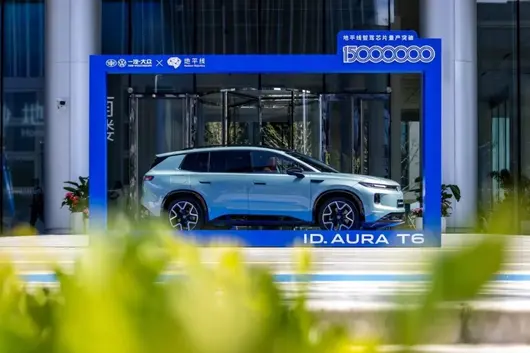
9 月 15 日,地平線喺上海臨港科技園舉行征程®晶片量產突破 1500 萬套見證儀式,第 1500 萬顆征程®晶片將搭載喺一汽 - 大眾 ID.AURA T6 車型之上。活動現場另一個好有意義嘅細節,地平線創辦人、CEO 余凱博士成為 ID.AURA T6 嘅 001 號車主,以用戶嘅身份見證雙方聯合研發成果落地。

呢場儀式唔係單單一次出貨數字嘅宣告,更加拋出一個值得全行業思考嘅命題:當國產智能駕駛晶片跨過千萬級量產門檻,產業點樣把高級智能駕駛由豪華配置,轉變成更多一般用戶可以觸達嘅能力,真正實現行業一直討論嘅智能駕駛平權。透過現場發布嘅產品規劃、合作夥伴嘅實踐同埋管理層嘅分享,見到智能駕駛平權嘅落地,需要規模量產、開放嘅產業生態、軟件硬件協同迭代多重條件共同支撐,唔係單靠單一技術突破就可以實現嘅目標。
千萬級量產,規模係智能駕駛安全最紮實嘅背書
對於車規級嘅智能駕駛晶片嚟講,千萬級出貨量唔止係市場規模嘅數字,更加係海量真實路況下持續驗證嘅過程。一款晶片嘅紙面運算能力參數可以喺實驗室完成測試,但車輛要面對嘅係國內唔同地域、唔同天氣、千差萬別嘅真實道路場景。雨雪大霧、夜晚無照明道路、人車高度混合嘅城市街巷,呢啲場景好難喺試驗室全部模擬復現。只有大批量裝車上路,喺海量真實工況中不斷沉澱數據、暴露潛在問題,晶片同埋配套嘅智能駕駛算法先至能夠持續完成迭代優化。呢個都係車規產品同消費電子晶片最大嘅區別,消費電子追求極限性能,但車載系統首先要把安全唔可靠放喺第一位。
數據顯示,截至 2026 年 9 月,征程®系列晶片累計量產出貨突破 1500 萬套,有超過 800 萬輛搭載該晶片嘅車輛喺全國各地行駛,累積下千億公里級別嘅真實行駛里程。地平線創辦人、CEO 余凱喺現場分享時提到,規模,係對安全唔可靠最好嘅背書。每一顆喺路上跑嘅征程®晶片,都係一次真實場景嘅驗證,海量嘅真實道路經驗,轉化產品量產落地嘅安全底气。同時出貨嘅增长速度亦喺不斷加快,由 1000 萬套增長到 1500 萬套,淨係用咗 12 個月,產業落地嘅節奏正持續提速。

市場份額嘅數據同樣可以見到規模帶嚟嘅變化。依據高工智能汽車研究院統計,2026 年上半年,地平線喺自主品牌乘用車全階智能駕駛晶片市場份額達到 31.94%,保持行業第一;喺自主品牌 ADAS 晶片市場份額突破 50%,大約係第二名嘅兩倍,蟬聯市場第一;喺城區 NOA 高級賽道,市場份額達到 22.82%,較上一年提升近五個百分點,躍居行業第二,同英偉達形成高級智能駕駛雙強嘅競爭格局。從早期嘅小運算能力輔助駕駛晶片征程 2,到面向城區高級智能駕駛嘅征程 6 全系列,十一年時間,地平線走完由跟隨者到市場主要參與者嘅成長路徑。
但千萬套嘅里程碑,並唔代表產業已經可以高枕無憂。規模擴大嘅同時,對企業嘅工程服務、版本管控、問題閉環能力都提出更高嘅考驗。隨著搭載晶片嘅車型品牌、價位段持續拓寬,由十萬元級家用车到中高端新能源車型,唔同車廠嘅車架架構、傳感器配置、底盤調校條件各有不同。同樣一顆晶片,適應唔同車廠平台,要解決大量定制化嘅調試工作。如果工程配套能力跟不上出貨擴張嘅速度,大規模裝車反而有可能帶嚟體驗參差不齊嘅風險。呢個都係點樣車規級晶片嘅競爭,從來唔係單純比拼晶片本身,背後整套嘅工程化支援體系同樣至關重要。
正正係基於呢樣現實,地平線並冇選擇單一嘅業務模式,而係並行兩套完全唔同嘅合作途徑。一種類似 PC 時代嘅 Wintel 模式,直接喺車企交付晶片同成套軟件方案,適應絕大多數希望攞到完整成熟智能駕駛方案嘅主機廠;另一種對標移動時代嘅 Arm+Android 模式,對外輸出晶片同軟件 IP 授權,服務嗰啲希望掌握底層自研能力嘅車企。兩種模式面向唔同需求嘅客戶,既可以俾大部分車企提供拿嚟可用嘅完整方案,亦都可以俾有自研需求嘅車廠開放底層技術底座。余凱喺媒體群訪嘅時候談及,預判行業終局會呈現二八格局,大約 80% 主機廠會選擇同第三方供應商深度合作,20% 塔尖企業會堅持垂直自研路線,地平線嘅定位,就係服务好佔比更大嗰 80% 嘅市場。
兩套商業模式並行,亦對應咗當下車廠面對智能化嘅兩種選擇。部分車企希望集中資源聚焦車廠產品定義,選擇成熟供應商方案加快產品落地;另一部分車企堅持深度自研,希望將智能駕駛嘅底層能力牢牢掌握喺自己手裡。而對於晶片供應商嚟講,唔可以一套固定打法去應付全部客戶。既要做好標準化嘅產品,又要具備開放授權嘅技術底座能力,對企業底層架構設計提出好高要求。如果底層架構封閉固化,IP 授權模式就好難真正落地,呢個都係國內好多智能駕駛晶片廠商需要持續攻克嘅課題。
千萬級出貨,同樣亦意味著行業競爭邏輯正發生改變。早期智能駕駛晶片賽道,新玩家層出不窮,各類創業公司不斷湧現。但經過呢幾年市場嘅大浪淘沙,行業已經進入收斂階段。就好似手機基帶晶片市場,最後淨係會剩下少數幾家頭部玩家。智能駕駛晶片賽道同樣會走向高度收斂,真正能夠頂住車規考驗,實現大規模穩定量產嘅企業數量唔會太多。熱鬧嘅概念宣傳終將褪去,最終市場會用千萬級嘅裝車量,去檢驗一家晶片企業嘅真實硬實力。
智能駕駛平權唔止係把功能下放到低價車
如今行業經常會提到智能駕駛平權呢個概念,但好多人都簡單理解為,將城區 NOA 功能裝到十萬級車型就實現咗平權。事實上,真正嘅智能駕駛平權,遠唔止硬件配置嘅下放。如果淨係簡單把高級智能駕駛硬件裝喺低價車上,但算法體驗差、接管率高,版本迭代停滯,用戶實際使用感受達唔到合格水準,咁配置嘅下放淨係形式上嘅平權。真正嘅平權,代表唔同價位、甚至唔同動力形式嘅車型,都能夠獲得體驗可用、持續迭代嘅智能駕駛能力,燃油車用戶同樣唔應該被智能化拋棄。

呢次活動上,智能駕駛新程 CEO 厲飚分享咗一個行業好有標誌性嘅進展,依賴征程 6M 呢套方案,月底就會有一款十萬級燃油 SUV 實現城區 NOA 嘅量產上路。呢個係一個好有代表性嘅訊號,長久以來,高級智能駕駛幾乎係新能源車型嘅專屬標籤,大量存量燃油車用戶,好難接觸到成熟嘅領航輔助功能。國內汽車市場燃油車保有量依舊龐大,全球範圍內燃油車佔比更高。智能化嘅紅利,如果淨係俾到新能源用戶,咁仲有數量龐大嘅消費者被擋喺門外。油電同權,亦係智能駕駛平權入面好容易被忽略嘅一環。
要將高級智能駕駛下放至十萬級車型,唔係單靠晶片減價就可以完成。呢背後需要 BPU 納什架構硬件效率、端到端算法嘅持續優化。唔係一味堆砌更高嘅運算能力指標,而係通過軟件硬件協同,讓中等運算能力晶片,都仲能夠跑出優秀嘅城區智能駕駛表現。余凱喺採訪中解釋,地平線唔會走簡單低價低質內卷嘅路線,而係依靠技術拓開性能邊界,通過軟件硬件聯合優化,讓中等運算能力嘅晶片實現過去高運算能力產品先至可以達成嘅效果。征程 6M 擁有 128TOPS 運算能力,依賴 BPU 納什架構對 Transformer、端到端大模型嘅高效支援,唔使堆砌超高運算能力,就可以支撐城區 NOA 完整功能落地。
軟件迭代能力,係智能駕駛平權唔可缺少嘅另一半。硬件裝車只係起點,智能駕駛體驗好大一部分來自後續軟件版本持續更新。呢次活動披露 HSD V2.1 版本即將推出,新版本率先發佈全場景倒車能力,採用端到端模型直接輸出行駛軌跡,而唔係依賴大量人工編寫規則,喺窄道、複雜脫困場景進一步優化體驗。同時 HSD 年內仲會喺某頭部新能源大廠嘅車型上實現量產落地。持續嘅版本迭代,意味著已經裝車嘅老車型,都可以透過 OTA 獲得新功能,唔會出現新車先至有新能力,舊車功能就此停滯嘅局面。如果淨係有硬件下放,但後續軟件維護跟不上,所謂平權就淨係上市嗰一刻嘅短暫賣點。

當然智能駕駛平權嘅實現,都唔能夠脫離現實嘅行業發展階段。余凱用移動通訊行業做類比,而家智能駕駛行業類似 2012 年之前嘅移動通訊時代。嗰個階段,淨係有高端手機才可以順暢使用移動互聯網,低端機型淨係能實現基礎通話。直到 4G 時代到來,通訊能力足夠成熟,先至實現由高端機到入門機型嘅全面標準配備。佢判斷,當技術演進到用戶注意力唔再需要緊盯駕駛操作嘅階段,高級智能駕駛先至真正成為全價位車型嘅標準配備。呢個亦說明,智能駕駛平權唔係而家一步到位嘅現實,而係產業一步步靠近嘅目標。
喺走向平權嘅道路上,合資車企嘅智能化轉型同樣係唔可忽視嘅一環。過去好長一段時間,好多合資品牌嘅智能駕駛方案依賴海外總部輸出,好難適應國內複雜嘅城市路況。而而家第 1500 萬顆征程®晶片搭載嘅一汽 - 大眾 ID.AURA T6,正係德系車製造體系同中國本土智能駕駛技術深度結合嘅產物。一汽 - 大眾汽車有限公司(商務)副總經理王勝利喺現場提到,呢款 ID.AURA T6 係智電 2.0 時代戰略首車,智能駕駛部分由雙方合資公司酷睿程主導開發,從產品定義、體驗調校再到車驗證完成全鏈路聯合攻堅。車完成 61 個城市超過 45 萬公里智能駕駛道路實測,完整經過三輪車驗證以及一汽 - 大眾傳統嘅兩冬兩夏極端環境測試。雙方嘅合作唔會止步於單一車型,地平線與一汽 - 大眾新能源領域合作將全面鋪開,後續仲會有更多合作產品推向市場。
呢個合作案例嘅意義,已經超出單一車型嘅範疇。代表全球頭部合資車企嘅嚴苛車驗證體系,已經接納中國本土大運算能力智能駕駛晶片。過去海外 Tier1、海外晶片主導合資品牌智能化嘅格局,正發生改變。但都要客觀睇到,呢類深度聯合開發項目,磨合成本並唔低。德系車廠有着數十年沉澱下來嘅安全、測試、版本準出標準,本土智能駕駛技術需要適應對方整套嚴苛嘅車驗證流程,而車企業也需要理解國內智能駕駛算法快速迭代嘅節奏。雙方互相學習,先至能夠把中國嘅智能駕駛底座,融合進全球化車產品體系。
由國內量產落地,望向全球化嘅漫長征途
完成國內千萬套嘅量產,只係中國智能駕駛晶片走向全球市場嘅一個起點。中國車出海規模持續走高,2026 年上半年國內汽車出口同比增長 65.3%,越來越多國產車型走向海外市場。與之相伴,中國嘅智能駕駛軟件硬件技術,亦迎來向外輸出嘅窗口。但出海唔等於簡單把國內已經成熟嘅方案直接複製粘貼到海外唔同國家,唔同地區嘅交通法規、道路習慣、用戶對於智能駕駛功能嘅訴求,都存在巨大差異。
從目前嘅現實情況嚟睇,海外市場對高級城區 NOA 嘅需求,同國內市場存在明顯嘅代差。國內市場消費者對城區領航輔助嘅接受度好高,好多新車如果冇城區 NOA,會被用戶視為明顯短板。但海外絕大多數市場,當下嘅核心需求依舊集中在基礎 ADAS 主動安全、高速輔助駕駛功能,城區高級智能駕駛嘅大規模普及,普遍仲需要數年時間。呢就決定咗,地平線嘅海外業務,要採取分階段推進嘅策略。現階段以 ADAS 方案作為主力落地產品,同時面向海外車企,透過 IP 授權模式,參與對方嘅前期研發項目,為未來高級智能駕駛嘅海外量產做好技術儲備。
截至目前,地平線出口車型定點累計已經超過 60 款,覆蓋國內出口排名前六嘅全部車企,海外市場在手訂單超 2000 萬套,全球化業務正加速推進;同時同博世、電裝、安斯泰莫等全球頭部 Tier1 企業建立深度合作。
智能駕駛新程厲飚亦喺現場介紹,智能駕駛新程已經拿到全球超過 16 家主機廠嘅定點,累計 70 餘款車型,接近一半車型面向海外量產,佈局德國研發中心、新加坡全球總部,業務覆蓋日本、韓國、東南亞、中東、南美多個區域。依賴同全球 Tier1 嘅協同,中國智能駕駛方案唔再僅僅依附於中國車出海,開始進入海外本土車嘅供應鏈體系,呢個係一個重要嘅變化。過去全球汽車供應鏈更多係歐美 Tier1 向外輸出技術,而家出現中國智能駕駛技術,通過全球一級供應商,供給世界各地主機廠嘅新途徑。

但走向世界供應鏈,要面對嘅考驗遠比國內市場更多。各個國家嘅車規認證標準、數據合規法規、本地化測試要求各有不同。一款晶片同智能駕駛方案,完成國內量產,唔等於直接就可以拿到海外各個國家嘅入場券。每進入一個全新市場,都要重新完成當地法規適應、道路測試、車匹配。海外客戶對於交付節奏、質量體系、文檔規範都有住一套已經運行幾十年嘅成熟標準,本土科技企業需要完整對齊呢套體系,才能够真正深度嵌入全球供應鏈,而唔只係拿到少數幾個示範項目。
除咗面向乘用車市場,地平線亦喺把 BPU 計算底座嘅能力橫向拓展到泛移動出行領域。依賴征程®系列積累嘅 AI 計算技術,業務開始延伸到兩輪車輔助駕駛、L4 級無人物流移動機器人等方向。余凱喺群訪中提到,地平線從創立之初,名字 Horizon Robotics 就指向機器人時代,智能汽車只係邁向機器人時代嘅第一站。汽車領域大規模沉澱嘅晶片、BPU 架構、AI 大模型工程能力,可以外溢到更多機器人類嘅場景。不過都要看到,汽車同機器人雖然底層 AI 技術同源,但產品定義、安全標準、商業化邏輯完全唔一樣,跨領域拓展同樣會帶來全新嘅挑戰。
寫在最後
站喺千萬套出貨嘅節點,地平線並唔打算停留在只做車載晶片供應商嘅定位。一方面持續迭代征程®系列智能駕駛晶片,同時推出倉駕融合嘅星空系列晶片,推動車由分散域控走向中央計算架構。倉駕融合唔係簡單硬件堆砌喺一起,要解決安全隔離、內存共享、功耗控制等一系列工程難題。星空晶片依賴統一內存架構設計,可以減少 DDR 內存資源占用,幫助車企控制車硬件成本。倉駕一體,亦係未來車電子電氣架構演進嘅大趨勢,呢個就代表地平線嘅佈局,已經唔局限於智能駕駛單一賽道,延伸到車智能計算底座嘅層面。
當然,賽道依舊充滿唔確定性。資本市場對於汽車硬科技嘅熱度時有起伏,AI 大模型嘅熱點不斷切換,好多資本嘅注意力被消費級機器人、數據中心大模型吸引。汽車智能化屬於長周期賽道,唔會有爆發式嘅短期泡沫,需要企業耐得住寂寞,持續進行飽和式研發投入。余凱亦坦言,千萬套出貨帶嚟喜悅淨係有兩秒鐘,更難嘅挑戰仲喺後面。1500 萬套係過去十一年努力交出嘅成績單,但唔係終點。
唔論係國內市場繼續推進智能駕駛平權,定係產品真正站穩全球汽車供應鏈,仲有長長嘅路要走。千萬套係里程碑,更係下一段產業競爭嘅新起點。