首頁香港

搜尋歷史
熱門搜尋
經銷商登入 / 註冊

喺馬來西亞嘅 SUV 市場,好多買家喺揀車嘅時候都會拎本田 CR-V 同豐田 Yaris Cross 嚟比較。呢兩款車喺價錢同定位上都好好接近,今日我哋就由多個方面做一個詳細嘅對比,幫你省咗做功課嘅時間。
本田 CR-V 喺馬來西亞嘅 OTR 售價係 RM 178,200 - 195,900,一共 4 個版本,包括 2026 e:HEV 2.0L 2WD RS(RM 195,900)、2026 1.5T 4WD V(RM 181,900)、2026 e:HEV 2.0L 2WD E(RM 178,200) 等。
豐田 Yaris Cross 喺馬來西亞嘅 OTR 售價係 RM 99,900 - 109,900,一共 2 個版本,包括 2026 1.5L Standard(RM 99,900)、2026 HEV 1.5L Standard(RM 109,900) 等。
從價錢嚟睇,豐田 Yaris Cross 嘅起步價比本田 CR-V 平咗 RM 78,300。實講,喺呢個價位段,幾千塊嘅差距其實唔算大,關鍵仲係睇整體嘅性價比同長期使用成本。

本田 CR-V 車身長 4500 mm,後備箱 450 L。
豐田 Yaris Cross 車身長 4400 mm,後備箱 400 L。
空間方面,本田 CR-V 嘅車身比豐田 Yaris Cross 長咗 100 mm,車內乘坐空間會稍微寬裕一啲,尤其係後座腿部空間。如果你經常載家人或者需要放嬰兒車,大啲嘅車身確實更實用。

本田 CR-V 保修 5 年/無限制里程,保養間隔 每 10,000km 或 6 個月。
豐田 Yaris Cross 保修 5 年/無限制里程,保養間隔 每 10,000km 或 6 個月。
兩款車嘅保修條件一樣,呢方面唔使糾結。實際保養成本仲要睇品牌嘅服務網絡同零件價格,建議去車友群問下真實車主嘅經驗。

本田 CR-V 同豐田 Yaris Cross 都係馬來西亞市場嘅主流選擇,適合家庭使用、日常通勤。如果你更睇重品牌聲譽同二手價,可以優先考慮聲譽更好嗰款;如果你更在意性價比同配備,就揀配備更豐富嗰款。最終都係建議兩款都去試駕,親身體驗先係最重要。

總體嚟講,本田 CR-V 同豐田 Yaris Cross 都係馬來西亞市場好唔錯嘅車型。揀邊輛,關鍵仲係睇你嘅個人需求同預算。建議大家做好功課,多比較幾間車行嘅報價,再去試駕做最終決定。買車係件大事,花少少時間做功課絕對唔會錯。


喺馬來西亞嘅 SUV 市場,好多買家喺揀車嗰陣都會拿本田 HR-V 同斯巴魯 Crosstrek 嚟做比較。這兩款車喺價位同定位上都相當接近,今日我哋就從多個方面做一次詳細比較,幫你省下做功課嘅時間。
本田 HR-V 喺馬來西亞嘅 OTR 售價係 RM 115,900 - 143,900,一共有 4 個版本,包括 2026 e:HEV 1.5L RS(RM 143,900)、2026 1.5T V(RM 137,900)、2026 1.5T E(RM 130,900)等。
斯巴魯 Crosstrek 喺馬來西亞嘅 OTR 售價係 RM 145,000 - 160,000,一共有 1 個版本,包括 2.0L e-Boxer(RM 150,000)等。
由價錢睇落,本田 HR-V 嘅起步價確實比斯巴魯 Crosstrek 平咗 RM 29,100。如果你預算有限,本田嘅入門版已經可以滿足日常需求。但都要注意,平嗰幾千塊,可能喺配備上會有取舍,具體要看你嘅需求。

本田 HR-V 嘅安全評級係 5★ (ASEAN NCAP),主動安全系統包括本田 SENSING (ACC, CMBS, LKAS, RDM)。
斯巴魯 Crosstrek 嘅安全評級係 5★ (Euro NCAP),主動安全系統包括 EyeSight。
安全配備方面,兩款車都拿到唔錯嘅評級。不過本田 HR-V 嘅本田 SENSING (ACC, CMBS, LKAS, RDM) 同斯巴魯 Crosstrek 嘅 EyeSight 喺功能上有啲差異,如果你比較看重主動安全嘅話,可以仔細對比下兩者嘅功能列表。

本田 HR-V 車身長 4500 mm,車尾箱 450 L。
斯巴魯 Crosstrek 車身長 4400 mm,車尾箱 400 L。
空間方面,本田 HR-V 嘅車身比斯巴魯 Crosstrek 長咗 100 mm,車內乘坐空間會稍微寬敞少少,尤其是後排腿部空間。如果你經常載家人或者需要放嬰兒車,大少少嘅車身確實更實用。

本田 HR-V 採用 FWD 驅動方式。
斯巴魯 Crosstrek 採用 FWD 驅動方式。
兩款車嘅驅動方式一樣,都係 FWD,日常駕駛感受唔會有太大分別。

總嘅嚟講,本田 HR-V 同斯巴魯 Crosstrek 都係馬來西亞市場好唔錯嘅車型。揀邊一部,關鍵係睇你嘅個人需求同預算。建議大家做好功課,多比較幾間車行嘅報價,再去試駕做最終決定。買車係件大事,花少少時間做功課絕對唔會錯。


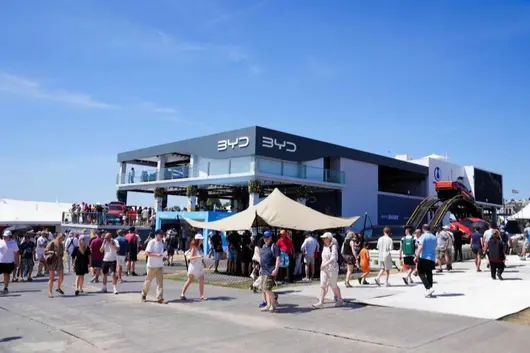
U.S. Treasury Secretary Bessent's remarks at the Charlotte Economic Club unexpectedly became the best "endorsement" for BYD: "The best cars worth $70,000 for $35,000." This evaluation from a Western statesman carries far more weight than commercial reviews—it signifies that the value benchmark of the global automotive industry is being completely reconstructed by BYD, winning global recognition through product strength.
For a long time, car pricing followed the ancient laws of brand history and social circle premiums. BYD's breakthrough lies in returning product value to the technical core and real experience. When Yangwang U8's disruptive technology made California Governor Newsom exclaim "crossing an era", when the President of Uzbekistan personally awarded the "Order of Friendship", when senior officials from countries like Brazil and Thailand publicly praised its green transition contributions, these authoritative endorsements from different political spectrums converged into a consensus: BYD's value has surpassed the commodity itself, becoming a key force in the global new energy transition.
The market is the most honest response. From January to August this year, BYD's cumulative overseas sales reached 1.158 million units, exceeding the total volume of last year, topping the new energy sales charts in more than ten countries including Thailand, Singapore, Brazil, Saudi Arabia, etc. The heated discussion triggered by Bessent's remarks among American netizens—"Let them come build factories in the US"—precisely reveals a deeper transformation: consumers are voting with their choices, proving that car quality perception no longer relies on brand myths, but depends on core technology, real configurations, and daily experience.
From technology going global to brand going global, BYD is reshaping the global industrial value chain with "value beyond its class". This is no longer a lone fight by a Chinese enterprise, but the collective rise of "China Smart Manufacturing" as a world-class card. When a Chinese car can win the respect of political figures while also entering ordinary households, the value logic of the global automotive industry has already been rewritten.

On September 8, Yueda Kia announced August 2026 sales data: sales volume was 19,588 units; cumulative sales for January to August were 162,734 units; August production was 20,600 units, with cumulative production for January to August totaling 16,700 units. Sales levels are comparable to joint venture brands such as Honda and SAIC-GM Buick at this stage. Although Yueda Kia's "presence" as a joint venture brand is not very strong, its market performance has shown a contrasting change.

Regarding exports, Yueda Kia started its export business in November 2018, making it one of the earlier joint venture automakers to explore overseas markets. As of now, Yueda Kia has cumulatively exported 650,600 complete vehicles, with export value exceeding $7.22 billion; the product lineup consists of Seltos, Sportage, Sonet, Ray, K5, and other models, serving 92 countries and regions including Australia, Mexico, and Saudi Arabia.
Furthermore, Yueda Kia exports not only complete vehicles but also engines. Its engine export sales volume is 544,110 units, targeting countries such as South Korea, Vietnam, India, Malaysia, Kazakhstan, Uzbekistan, Turkey, and Russia.
Kia Automotive belongs to the Hyundai Motor Group. In the first half of 2026, the Hyundai Motor Group ranked third with sales of 3.579 million units.

Whether the concept of joint-venture car manufacturing is right or wrong, whether it is conservative or sluggish, perhaps it cannot be easily concluded; although the momentum of independent brand rise is very strong, the top five in the global auto sales ranking for the first half of 2026 are still established international automakers. Apart from Hyundai Motor Group, the other four are Toyota, Volkswagen, Stellantis Group, and General Motors; Suzuki and Nissan, which were not highly expected, are also among the top ten; of course, BYD, Geely, and Chery, three local automakers, are also on the list, but their total sales are slightly lower than Toyota's.
Cars, as one of the most complex industrial products, seem to still require sufficient accumulation.
Moreover, new energy vehicles are not yet the only option, whether in the global market or the local market. For a considerable part of car consumers, fuel-powered vehicles are still an irreplaceable option. Therefore, joint venture cars like Yueda Kia that persist in the fuel-powered vehicle camp while gradually advancing the electrification of automotive products are actually more worth attention.
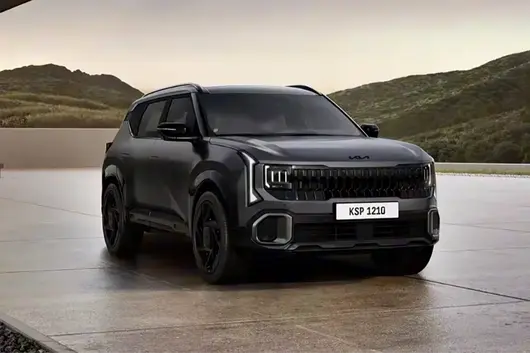
Among the new cars launched recently, the most eye-catching one is Yueda Kia's all-new Seltos.


The facelifted Kia Seltos has good design aesthetics, appearing to have strong sportiness and fashion sense, embodying a "urban trendy SUV" vibe; additionally, the vehicle utilizes a high-computing chip, and its infotainment intelligence level does not lose to any new energy vehicle in the same class, even supporting some small games. At the same time, the vehicle is equipped with an L2-level assisted driving system. Only the low-spec version uses ordinary cruise control, and the cockpit design is also unique.


Regarding power, this car provides two series options: 1.5L and 1.5T.
The 1.5L version is matched with a CVT transmission. Its maximum power of 84.4kW can satisfy daily commuting; the limited-time price for this series is 79,900 to 99,900 CNY. The 1.5T version is matched with an 8AT transmission. Its maximum power reaches up to 147kW, possessing a high level among engines of the same displacement; the limited-time price for this series is 99,900 to 119,900 CNY.
Such a compact SUV is still a good family car option.


喺馬來西亞嘅 SUV 市場,好多買家在揀車嘅時候都會拿本田 HR-V 同速霸陸 Forester 黎做比較。呢兩款車喺價位同定位上都好接近,今日我哋就從多個方面做一次詳細嘅對比,幫你節省咗做功課嘅時間。
本田 HR-V 喺馬來西亞嘅 OTR 售價係 RM 115,900 - 143,900,一共有 4 個版本,包括 2026 e:HEV 1.5L RS(RM 143,900)、2026 1.5T V(RM 137,900)、2026 1.5T E(RM 130,900) 等。
速霸陸 Forester 喺馬來西亞嘅 OTR 售價係 RM 174,000 - 197,000,一共有 3 個版本,包括 2024 2.0L S EyeSight GT Edition(RM 189,538)、2024 2.0L S EyeSight(RM 177,538)、2024 2.0L L EyeSight(RM 167,538) 等。
從價錢嚟睇,本田 HR-V 嘅起步價確實比速霸陸 Forester 平咗 RM 58,100。如果你預算有限,本田嘅入門版已經可以滿足日常需求。但都要注意,平嗰幾千蚊,可能在配備上有取舍,具體要看你嘅需求。
本田 HR-V 搭載 1.5L Turbo,馬力 140 hp。官方油耗 7.0 L/100km。
速霸陸 Forester 搭載 2.0L 4-cyl,馬力 170 hp。官方油耗 8.0 L/100km。
動力方面,速霸陸 Forester 嘅 2.0L 4-cyl 比本田 HR-V 嘅 1.5L Turbo 多咗 30 匹馬力。不過日常喺市區開,兩款車嘅動力都夠用,唔會覺得唔夠力。
本田 HR-V 嘅安全評級係 5★ (ASEAN NCAP),主動安全系統包括本田 SENSING (ACC, CMBS, LKAS, RDM)。
速霸陸 Forester 嘅安全評級係 5★ (Euro NCAP),主動安全系統包括 EyeSight。
安全配備方面,兩款車都攞到唔錯嘅評級。不過本田 HR-V 嘅本田 SENSING (ACC, CMBS, LKAS, RDM) 同速霸陸 Forester 嘅 EyeSight 喺功能上有少少差異,如果你比較睇重主動安全嘅話,可以仔細對比下兩者嘅功能列表。
本田 HR-V 車身長 4500 mm,後備箱 450 L。
速霸陸 Forester 車身長 4400 mm,後備箱 400 L。
空間方面,本田 HR-V 嘅車身比速霸陸 Forester 長咗 100 mm,車內乘坐空間會稍微寬裕少少,尤其係後座腿部空間。如果你經常載家人或者需要放嬰兒車,大少少嘅車身確實更實用。

本田 HR-V 採用 FWD 驅動方式。
速霸陸 Forester 採用 FWD 驅動方式。
兩款車嘅驅動方式一樣,都係 FWD,日常駕駛感受唔會有太大區別。
總嘅嚟講,本田 HR-V 同速霸陸 Forester 都係馬來西亞市場好唔錯嘅車型。揀邊一部,關鍵始終係睇你嘅個人需求同預算。建議大家做好功課,多比較幾間車行嘅報價,再去試駕做最終決定。買車係件大事,花少少時間做功課絕對唔會錯。

【懂车之道 产业】我们来盘点一下2026年9月9日,汽车圈都发生了一些什么大事件。
汽车事件一:北汽集团8月销量超121900辆 1-8月累计销量超103万辆

日前,北汽集团公布8月销量超121900辆,1-8月累计销量超1034200辆,其中自主品牌1-8月累计销量超708200辆,同比增长13%。
新能源产品8月销量超33900辆,同比增长17%;1-8月累计销量超254200辆,同比增长27%;海外市场8月销量超29500辆,同比增长14%;1-8月累计销量超2429000辆,同比增长28%。
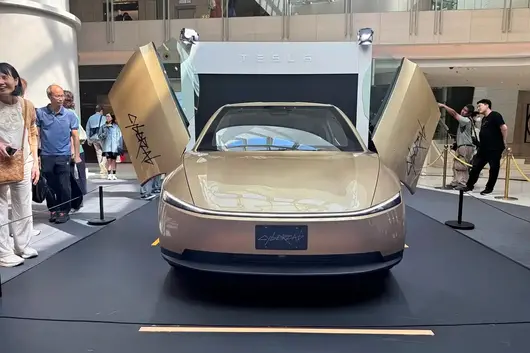
汽车事件二:特斯拉Cybercab在中国香港亮相

近日,特斯拉Cybercab在香港特别行政区迎来亮相。据悉,新车将于9月中旬开始,在北京、上海等多个城市陆续展出,迎来内地首次公开亮相。目前,特斯拉Cybercab已正式在美国奥斯汀投入运营。
汽车事件三:何阔出任沃尔沃大中华区销售公司负责人
9月8日,据报道,自2026年9月8日起,何阔正式加入沃尔沃汽车,担任大中华区销售公司负责人。沃尔沃方面表示,此次调整不影响中国区业务战略,公司将继续与经销商伙伴紧密合作,推动业务稳健发展。

公开资料显示,何阔拥有二十余年豪华品牌销售管理经验,曾先后任职宝马、英菲尼迪、奔驰,执掌奔驰南北区销售业务,擅长渠道运营。
据悉,前任沃尔沃汽车大中华区销售公司总裁于柯鑫已经向公司主动提出离职。
这是沃尔沃今年在华的第二次核心管理层调整。今年5月,沃尔沃汽车大中华区总裁兼CEO袁小林决定卸任公司日常运营管理工作,将更多的时间留给家庭。
汽车事件四:传南北奥迪将分治

据国内媒体蓝鲸新闻报道,近日,奥迪被曝在中国市场重新分配品牌资源,未来,上汽奥迪将只运营不带四环标识的AUDI品牌,而四环品牌将完整划归一汽奥迪。
对此,有接近一汽奥迪的知情人士告诉记者,后续四环品牌归一汽奥迪的这个方向是没问题的,“目前应该是奥迪中国和一汽集团合资合作事业部在谈落地细节。”
上汽大众方面则表示,这个事目前统一由奥迪中国做对外沟通。奥迪中国方面并未置评,仅向记者表示,目前没有更多的信息可以披露。
《每天车闻》,这里有最新的当天汽车新闻,请继续关注《懂车之道》。

喺馬來西亞嘅 SUV 市場,好多買家喺揀車嗰陣都會拿 Honda HR-V 同 Volkswagen Tiguan 嚟做比較。兩款車喺價錢同定位上都幾接近,今日我哋就從多個方面嚟做一個詳細嘅比較,幫你節省做功課嘅時間。
Honda HR-V 喺馬來西亞嘅 OTR 售價係 RM 115,900 - 143,900,一共有 4 個版本,包括 2026 e:HEV 1.5L RS(RM 143,900)、2026 1.5T V(RM 137,900)、2026 1.5T E(RM 130,900) 等。
Volkswagen Tiguan 喺馬來西亞嘅 OTR 售價係 RM 206,540 - 260,024,一共有 2 個版本,包括 2025 Allspace 2.0T R-Line(RM 260,024)、2025 Allspace 1.4T Elegance(RM 206,540) 等。
從價錢嚟睇,Honda HR-V 嘅起步價確實比 Volkswagen Tiguan 平咗 RM 90,640。如果你預算有限,Honda 嘅入門版已經可以滿足日常需要。但都要留意,平嗰幾千蚊,喺配備上可能會有所取捨,具體就要睇你嘅需求。
Honda HR-V 搭載 1.5L Turbo,馬力 140 hp。官方油耗 7.0 L/100km。
Volkswagen Tiguan 搭載 2.0L 4-cyl,馬力 170 hp。官方油耗 8.0 L/100km。
動力方面,Volkswagen Tiguan 嘅 2.0L 4-cyl 比 Honda HR-V 嘅 1.5L Turbo 多咗 30 匹馬力。不過日常喺市區開,兩款車嘅動力都夠用,唔會覺得唔夠力。
Honda HR-V 車身長 4500 mm,後尾箱 450 L。
Volkswagen Tiguan 車身長 4400 mm,後尾箱 400 L。
空間方面,Honda HR-V 嘅車身比 Volkswagen Tiguan 長咗 100 mm,車內乘坐空間會稍微闊啲,尤其係後排腿部空間。如果你經常載家人或者需要放嬰兒車,大啲嘅車身確實更實用。
Honda HR-V 採用 FWD 驅動方式。
Volkswagen Tiguan 採用 FWD 驅動方式。
兩款車嘅驅動方式一樣,都係 FWD,日常駕駛感受唔會有太大分別。

Honda HR-V 保養保修 5 年/無限里程,保養間隔 每 10,000km 或 6 個月。
Volkswagen Tiguan 保養保修 3 年/100,000km,保養間隔 每 10,000km 或 6 個月。

總括嚟講,Honda HR-V 同 Volkswagen Tiguan 都係馬來西亞市場都好唔錯嘅車型。揀邊一輛,關鍵都要睇你嘅個人需要同預算。建議大家做功課,多比較幾間車行嘅報價,再去試駕做最終決定。買車係件大事,花少少時間做功課絕對唔會錯。

Recently, US Treasury Secretary Bessent mentioned BYD during a speech at the Charlotte Economics Club (Charlotte Economics Club), stating that BYD is the best car in the $70,000 class that consumers can buy for $35,000. This indirectly indicates that in the eyes of Western political figures like Bessent, the value of BYD products far exceeds the price itself; consumers feel a value experience far beyond the same level after using the product. This is the most authentic and most authoritative endorsement of BYD.

Bessent's remarks continue to spark heated discussion among US netizens: "(Bessent) is BYD's best salesman" "I want a car like this" "Let them build a factory in the US, this will ignite our innovation and competition". These public opinion consensuses signify that the global automotive value logic has been rewritten by BYD: users' perception of automotive quality is no longer defined by brand history, social circle premiums, but returns to core technologies, real configurations, and actual user experiences. BYD is continuously reconstructing the global automotive industry value chain and seizing industry discourse power in the new energy era.

Besides Bessent, BYD's technical strength and industrial value continue to receive high recognition and authoritative endorsement from political figures and industry celebrities from many countries. US California Governor Newsom personally experienced Yangwang U8, highly praising it as a breakthrough technology spanning generations; the President of Uzbekistan bestowed the national-level "Friendship Medal" upon BYD, recognizing its industrial contribution; high-level officials from multiple countries, including Brazilian President Lula, Thai Prime Minister Anutin, and former Chilean President Piñera, also praised BYD's technological innovation, green transformation value, and local development achievements. Multiple national official positive evaluations confirm BYD's global credibility and world-class product strength.

This evaluation by Bessent reflects BYD's unstoppable sales momentum overseas. From January to August this year, BYD's cumulative overseas sales reached 1.158 million vehicles, surpassing the 1.0496 million overseas sales volume of the entire year of 2025. BYD topped the local new energy vehicle sales list in countries such as Thailand, Singapore, Italy, Spain, Brazil, Saudi Arabia, UAE, and South Africa. Today's BYD, relying on its superior quality and upgraded experience, is becoming a household car seen everywhere on streets globally, truly realizing the overseas expansion of technology, products, and brands, becoming the core business card for Chinese Smart Manufacturing to go global.

This heavy overseas sales achievement is by no means solely relying on price advantages, but rather a hardcore result precipitated from full-industry chain independent research. BYD achieves complete independent control of the three core technologies: battery, motor, and electronic control. Relying on continuous technical iteration and large-scale refined manufacturing, based on sticking to product quality, it reshapes the value logic of the automotive industry. High-end car experiences that cost about $70,000 in overseas markets, BYD offers to global consumers with a pricing of only $35,000, breaking the brand premium barriers long held by overseas car companies and reconstructing the global automotive value system.

Stunning market data further confirms the solid reputation. BYD insists on compliance and deep cultivation in overseas markets, relying on the choices of tens of millions of overseas users and actual delivery results to respond to external noise, using hardcore product strength to vindicate Chinese Smart Manufacturing and becoming a vivid model for Chinese industries standing on the international stage.


原创|二手车小胖说
最近特斯拉降价对二手车影响比较大,大家都很关注,为什么坚持了19个月不降价的特斯拉,这次官方降价了呢?
一大早,二手车商同行群、新能源车主群、媒体老师群,齐刷刷刷屏仨字:特斯拉,降了。
紧接着就是一连串灵魂拷问:我刚收的Model Y咋办?我刚提车的哥们咋办?我手里压着的准新车咋办?
Model 3全系现金激励5000元,Model Y全系10000元。再叠8000元保险补贴、5年0息金融方案、8000元限时车漆选装权益——几个政策摞一块儿,Model 3起步价干到22.25万,Model Y起步价25.35万,全系历史最低。活动截止9月30号。
注意俩限定词: "现车" 和 "9月30日前提车" 。定制排产的,不参与;磨磨蹭蹭过了9月底的,也不参与。
消息出来两个小时,两个画面同时上演——
画面一:门店罕见爆单。济南一家店一天60多单,店长手机消息没停过,首日全国订单突破4000单。销售朋友圈从"找我订车"变成"别打电话了,在忙,自己官网下单"。
画面二:老车主集体破防。四川一位Model Y车主说:"昨天提车,今天就降价,和一万块擦肩而过了!"广东一位车主更绝——"9月5号提的车,电都没充过一次。"销售说也是当天早上才知道。特斯拉客服回应:已完成提车的订单无法追溯享受本次优惠。
各位,别慌。小胖先把这事捋清楚,再告诉您这刀到底砍在谁身上。

特斯拉这次的动作,官方话术叫"限时现车现金激励"。说白了,就是官方指导价一根手指头没动——面子上挂得住;但钱包是诚实的,该让的利一分没少。
跟北京爷们儿吵架似的,嘴上说着"我没急",嗓门已经高了八度。
上次特斯拉玩这手现车优惠,还是2024年11月25号,Model Y部分现车尾款减1万。这19个月里,全靠0息、低息这些金融招数撑着公开售价,死活不肯动现金优惠。这回一出手就是Model 3、Model Y全系铺开——憋了19个月的大招,说明是真急了。
这招有个学名,叫"价格锚定"。指导价不动,消费者心里就有个"原价"的锚点,叠再多权益也觉得自己是"占便宜"而不是"买降价货"。二手车市场也一样——指导价稳着,二手定价就有参照,残值曲线不至于断崖式坍塌。
19个月,特斯拉靠这招扛下来了。但9月7号,锚松了。 现金激励直接从尾款里扣,等于实打实降价。这不是"权益叠加",这是真金白银往桌上拍。
为什么扛不住了?

小胖干这行23年,见过太多"嘴硬"的车企。特斯拉这回破功,三重压力叠一块儿,扛不住了。
第一重:国内零售,是真拉胯了。
乘联会数据摆在这儿——

Model 3跌了三成多,这不是波动,这是塌方。
再拆细了看7月:批发93579辆,看着同比+37.8%挺风光——可出口占了66330辆,国内零售才27249辆。出口给工厂撑了面子,国内零售这块里子,早就漏风了。
8月也一样:出口36119辆连续第八个月同比增长,2026年1-8月出口量331443辆,已经超过国内零售量316251辆。兄弟们,什么时候一家车企国内销量被出口反超了?当它在中国市场打不过的时候。
特斯拉全球交付Q2同比增长25%,还行吧?同期营业利润同比下降57%。 量上去了,钱没了。
第二重:20到30万赛道,挤成粥了。
Model 3优惠后22.25万,对面的牌面——
Model Y优惠后25.35万,对面的牌面——
Model 3三年没大改,Model Y也一样。国产竞品一年迭代顶过去三年。小米SU7上市28个月累计交付突破50万辆,超过Model 3同期。以前是"不知道买啥就买特斯拉",现在是"凭啥买特斯拉"。
FSD呢?5月21日官宣"监督版FSD入华",同时官网把"完全自动驾驶"改名叫 "特斯拉辅助驾驶" ——落地的是L2不是L4,选装3.2万起,对手要么标配要么月费不到200。
能耗和操控还是特斯拉的,但智能座舱、后排舒适、配置丰富度——国产车已经把它围了。 麦肯锡今年5月发了个5月报告: "价值竞争的效益是价格竞争的七倍。" 69%受访者将城市NOA视为购车标配。特斯拉这波降价,是在"值"打不过的情况下退回"便宜"这条线——防守,不是进攻。
第三重:季度冲量,窗口不等人。
优惠窗口卡在9月30日——三季度最后一天。上海工厂节奏是季度首月紧着出口,季末产能转回国内交付;国庆前后门店办不了交付。
算来算去,三季度集中交车窗口就落在9月。所以这一刀,本质是"清库存+冲季度交付"的脉冲式促销,不是成本下降带来的永久降价。
金融政策也已经刺激不动了。 5年0息听着香,但很多人算完账觉得不如直接降车价实在。现金激励叠保险补贴,等于把暗降变成明降——我认真了。

前面这些新车圈的事儿,网上铺天盖地。作为一个二手车老炮,小胖得跟您说句实话——
砍的不是新车主。 新车主顶多"破防"两天,网上骂两句"提车一天被背刺",然后该开开。
砍的也不是特斯拉自己。 以价换量,Q3交付数据好看了,资本市场说不定还涨。
砍的是我们二手车人的定价锚。
记住小胖一句话:特斯拉,就是新能源二手车的锚。
Model 3、Model Y长期霸榜新能源保值率前三——2026年6月数据,三年车龄保值率,Model X 61.7%、Model 3 61.4%、Model Y 55.0%,前三名全让特斯拉包了。
全国二手车商估新能源车价,甭管嘴上服不服,心里那杆秤都是拿特斯拉当定盘星的。
现在这颗定盘星,自己往下坠了一截。
胖哥给你算笔账——
新车Model Y,25.35万起,5年0息、首付门槛低到尘埃里;二手准新Model Y,2024年后的车源,挂牌价18到20万。新车历史最低价+金融贴息,落地价差被压到只剩两三万,人家凭什么不买新车?图你二手车里那口陈年空气?
再拆细——之前一台2022款Model Y后驱版,车况正常,收车价17-18万。现在新车落地往23万出头走,你二手收18万整备完卖19万,客户加4万买新车得了,还有官方质保和全新电池。这车怎么卖?

收车报价必须往下调,至少再压5到8个点。原来敢报17万的车,现在只能报15万出头。冷门颜色直接再砍5000。
更深的影响在于整个残值曲线的锚点移动。 之前特斯拉"不降指导价"的叙事,给二手车商一个心理支撑——"官方价没动,我这台车没跌"。现在这个叙事破了。新车让利1万,二手车定价基准下探的,从来不止1万。
因为收车还得折进两个风险:一是9月30日到期后万一10月延续甚至加码呢?二是压库的每一天,新车都可能再出幺蛾子。所以收车报价必须先砍一刀,留出安全边际。
这就是小胖常说的:新车是锚,锚一动,整条船上的估值都得重算。 特斯拉这一哆嗦,整个新能源二手车池子的水位线,跟着往下出溜。

曾经特斯拉是二手车里的"理财产品"。2021-2022年那会儿,新车涨价二手车跟着涨,有人开了半年还能原价卖出去。
现在呢?Model 3准新车,一年亏8万不是段子。Model Y稍微好点,保值率从85%以上一路滑到70%左右甚至更低。三年车龄Model Y保值率只剩55%——一半都没了。
这次官降之后,保值率还会再下一个台阶。因为保值率计算分母是新车指导价,指导价没动,但实际成交价降了,二手车价跟着实际成交价走。反映到数据上,就是二手价格再探底。
胖哥说句扎心的话:特斯拉现在就是台消耗品,不是资产。你想靠它理财,不如去买黄金。
五、给车商的几句实在话光讲道理不干活,那不是小胖的风格。分三拨人说——
收车的车商:
想卖特斯拉的车主:
新车这波"历史最低价",您手里的车残值已经跟着缩水了。真想置换,别光盯着新车便宜那1万——您的旧车也在掉价,算总账,别算单笔账。
不急用钱的,等9月30日政策到期后看走势。政策收回,二手价喘口气;政策延续或加码……那就当小胖没说过这话。
想买二手特斯拉的消费者:
现在别急着出手买准新车——新车在搞历史最低价,您这时候买二手准新,等于给车商送利润。真想捡漏,盯着两个节点:9月30日政策到期前后,以及10月Q4政策走向明朗之后。 新车价格稳了,二手价格才稳。
六、19个月扛价,一朝松手——这意味着什么?有人说:这不就降了一万块吗?Model Y一万,Model 3五千,至于这么大动静?
至于。 不是因为绝对金额大,是因为信号意义大。
特斯拉19个月扛价,等于在告诉市场:我的产品值这个价。一旦降了,市场读到的信息就是——我也得靠降价冲量了。 这对品牌溢价的伤害,远超一万块。
更关键的是,这次降价解决不了特斯拉的根本问题。根本问题是什么?产品周期太长了。 Model 3和Model Y两款车打了快十年,中间只改款没换代。FSD落地遥遥无期,座舱配置被追平,品牌护城河正在收窄。降价能短期止血,但不能改变节奏。
马斯克不是不知道。8月底港澳悄悄上了廉价版Model 3——香港20.5万港元折合17.59万人民币,砍掉氛围灯真皮座椅电动调节,保留三电和15.4寸屏。市场叫它"毛坯房"。 会不会进内地?客服说"没有相关信息"。但所有人都知道——这是在试水。
9月3号Cybercab无人驾驶出租车奥斯汀首秀,没方向盘没踏板。听起来很未来?首秀次日股价跌5.92%,市值蒸发近6000亿人民币。资本市场要的不是概念,是"能赚钱的规模"。
特斯拉正处在新旧业务转换的关键期: Model 3/Y扛着基本盘,自动驾驶和机器人承载增长预期。基本盘一松,未来业务就没了投入基础。这波降价,是基本盘松动的信号。
有人问小胖:特斯拉这回降价,是不是新能源价格战又要开打了?
我的判断:短期打不起来。 国产车企这回反应平淡得很——不是不想跟,是真没肉可让了。崔东树秘书长说得明白,下半年价格下探趋势会大幅收敛。大家都改玩"限时权益+金融贴息"组合拳,指导价那层窗户纸能别捅破就别捅破。
但二手车人心里得有本账:特斯拉的"保值神话",正在一点点变成"电子产品逻辑"。 新车频繁调价、新款迭代加速,老车残值曲线越来越陡。这不是特斯拉一家的毛病,是电动化时代所有车都得认的命——车从"资产"变成了"消费品",买定离手,早买早享受,晚买享折扣。
新车降一千,二手降三千。 收车有风险,囤车需谨慎。这年头,能活着把车倒腾出去的,都是高手。
还有一把剑悬在头上没落地——廉价版Model 3,哪天杀进内地市场,那才是对特斯拉整个价格体系、连带二手车残值体系的一记深水炸弹。
到那天,小胖再跟老几位细聊。
——二手车小胖说,说的都是大实话。
数据来源:乘联会2026年1-8月终端零售数据、特斯拉中国官方活动页面、界面新闻、中新经纬、新浪二手车频道、汽车之家2026年9月行情、麦肯锡《2026中国汽车消费者洞察》、Cazana英国二手车价格指数


[CNMO Tech News] Recently, data organized by "EV Overseas" shows that Xpeng tops the sales charts for Chinese new force pure electric brands in 5 overseas countries. According to CNMO Tech, Xpeng Automotive's overseas sales in the second quarter of 2026 exceeded 20,000 units for the first time, an 81% year-on-year increase; in the first half of this year, its overseas business revenue reached 8.23 billion yuan, a 62.2% year-on-year increase, accounting for over 25% of the group's total revenue.

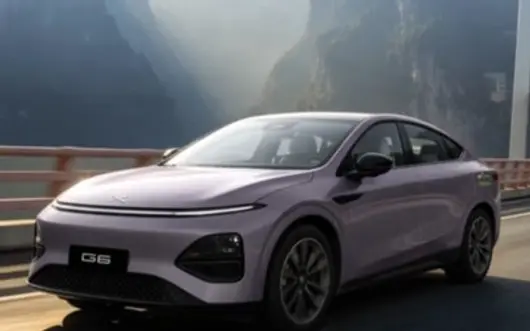
Xpeng G6
From specific markets, Xpeng has topped the sales charts for Chinese new force pure electric brands in five countries: France, Norway, Israel, Denmark, and Portugal. Among them, Q2 sales were 2,138 in France, 1,791 in Norway, 1,733 in Israel, 1,625 in Denmark, and 617 in Portugal. As of the end of August, Xpeng's global footprint covers 79 countries and regions, with over 500 overseas stores, and over 3 million charging piles globally.

In terms of models, multiple points also bloomed. Xpeng G6 ranked first in sales for Chinese brands in the pure electric mid-size SUV market in 7 countries including France, Israel, Denmark, and Germany, with France sales reaching 3,333 units from January to July; G9 topped the full brand sales in the mid-to-large pure electric SUV market in 4 countries: Norway, Denmark, Portugal, and Israel, even defeating traditional luxury brands like Volvo and Audi; X9 also secured the top spot in the Southeast Asian high-end pure electric MPV market, including Thailand, Indonesia, Malaysia, etc.


Looking to the future, Xpeng's overseas offensive is still accelerating. In July, MONA L03 was unveiled globally at Munich, Germany, expected to start overseas deliveries in the fourth quarter, potentially driving the group's overseas quarterly sales to exceed 40,000 units. In 2027, Xpeng Group also plans to launch several range-extended models overseas.

暑去秋來,斜風細雨作曉寒。此時預測第四季車市,好似喺秋雨入面睇遠山,輪廓有,細節難。第三季尾,內地車市冇出現傳統「金九銀十」嘅亢奮,反而喺油價反覆、政策換檔同海外貿易摩擦中顯出一絲疲態。第四季向嚟係錨定全年勝負手嘅時段,但今年嘅變數明顯同往年更複雜。喺鄙人睇嚟,第四季車市嘅關鍵字淨係得兩個:油電換檔、出口降速。油價呢個老變量再次攪局,工信部新能源新規嘅靴子甫落地,質量提升專項行動如火如荼,行業直面新能源車質量安全挑戰,喺內外壓力疊加嘅背景下,行業洗牌會明顯加速。
油價震盪 燃油車遭遇「成本壓力測試」

國際油價喺第三季尾已經顯露出易漲難跌嘅苗頭。荷爾木茲海峽依舊狼煙,中東地緣摩擦反反復復,OPEC+ 減產執行率唔穩定,再加上全球主要經濟體貨幣政策轉向,布倫特原油喺 70-95 美元/桶區間劇烈震盪,唔排除第四季因突發事件脈衝式上探 100 美元。油價嘅每一次跳動,都會傳導至國內成品油價格。對燃油車用戶嚟講,油費係「慢性成本」,比車價更敏感。
第四季北方將進入供暖季,柴油、汽油需求季節性上升,煉廠開工同調油成本都可能推高終端油價。高油價對燃油車嘅影響並非一刀切:豪華品牌、大型 SUV 用戶對油價嘅容忍度較高,但 10 萬 -20 萬元區間嘅家庭用戶會重新算賬。以佢輛百公里油耗 8 升嘅家用车為例,油價每升上漲 0.5 元,年行駛 1.5 萬公里成本增加 600 元;看似唔多,但在家庭預算入面係一根稻草。更關鍵係心理預期:一旦 95 號汽油逼近 9 元/升,搖擺用戶會加速倒向插混同純電。筆者喺直播間經常搞購買傾向投票,以往選擇燃油車嘅網友遙遙領先於新能源車,但最近兩週,選擇新能源車嘅票數非常接近燃油車,可謂伯仲之間。
但筆者估計燃油車唔會在第四季徹底「崩盤」。一方面,冬季低溫導致純電車續航縮水、充電效率下降,北方及三四線市場仍有大量消費者將燃油車視為刚需;另一方面,車企喺年末為完成銷量目標,會對燃油車加大終端優惠,部分車型價格下探會抵消油價上漲帶嚟嘅使用成本焦慮。當然,真正受傷嘅係嗰些高油耗、低品牌溢價嘅燃油車型,尤其係國五/國六切換時期遺留下嚟嘅中低端產品,第四季好可能會加速出清。
油價對出口嘅影響更需要一分為二。油價上漲直接推高遠洋滾裝船同集裝箱航运成本,中國對歐洲、非洲、拉美嘅整車出口物流費用上升,單車利潤被壓縮。但中東、俄羅斯、中亞等能源輸出國喺油價上漲週期中財政收入改善,進口汽車需求反而可能增強。因此,第四季出口市場會出現「東方唔亮西方亮」嘅分化,這對中國品牌嘅市場策略提出更高要求。事實上,從上世紀歷次石油危機嘅經驗,同從俄烏戰爭以來能源博弈嘅本質嚟看,油價從來唔係單純嘅經濟問題,佢係地緣政治嘅影子,今年第四季呢道影子會拉得更長。
工信部新規落地同質量提升行動開展 新能源車從「搶跑」進入「正賽」

今年工信部喺新能源車領域嘅新規,業內已討論多時。核心方向無非係三條:提高動力電池安全門檻與整車質量管控、嚴格新能源汽車質量管控、收緊純電乘用車能耗限值、完善新能源積分結轉同考核。新規第四季進入集中實施同過渡期倒計時,對行業嘅影響比想像中更遠深。
首先,安全門檻提高會讓部分低端純電車型承壓。過去幾年新能源車「以價換量」嘅思路,催生咗一批續航 300 公里以下、電池管理系統相對簡陋嘅微型電動車。7 月新規對熱失控防護、碰撞後電池安全、充電過程監測等提出更嚴要求,呢類車型嘅合規成本將明顯上升。第四季部分企業可能選擇清庫存,甚至退出市場。從車質網上嘅故障點投訴比例看,動力電池故障、續航虛標、車機黑屏等問題長期位居前列,新規等於給野蠻生長套上韁繩。筆者一直堅持一個觀點:新能源車唔係淨係靠補貼同政策催熟,安全底線必須用強制性標準守住。
其次,能耗限值收緊會改變純電同插混嘅競爭格局。工信部新規對純電車型嘅百公里電耗提出分級別要求,單純堆電池、堆車重來換取長續航嘅路子走唔通啦。這依賴大電池、高車重嘅高端純電 SUV 係考驗,對更輕、更節能嘅轎車相對友好。與此同時,插電混動同增程式車型因為能兼顧長途補能便利同油耗下降,會喺第四季繼續高速增長。筆者判斷,新能源車內部會出現「純電增速放緩、插混增程挑大樑」嘅階段性切換,呢係政策引導下最理性嘅市場選擇。
第三,積分考核趨嚴意味著燃油車企業必須採購更多新能源正積分,或加大自身新能源車型投放。第四季本係積分合規嘅年度收官期,新規下積分比例要求提高,部分合資品牌同自主品牌燃油車大戶面臨雙重壓力:一方面燃油車終端需要促銷沖量,另一方面積分成本上升吞噬利潤。反映到市場上,價格戰唔會停,但會從新能源車「內卷」擴展為油電共同降價,經銷商庫存壓力喺 12 月可能達到峰值。
值得注意的是,工信部新規並非只「管」唔「扶」。對具備完整研發、製造、質量保障能力嘅企業,新規喺准入同產品申報上給予更大便利;對「殼公司」同代工模式收緊,意在遏制低水平重複建設。第四季一啲缺乏核心技術、依賴貼牌嘅新能源品牌可能加速退場,行業集中度提升。特別係月前開展嘅工信部機動車質量提升專項行動,以及集中曝光新能源汽車生產一致性違規案例等唔尋常嘅舉動,均指向新能源車快速發展階段以質換量嘅短視行為,這對車質網所關注嘅消費者權益反而係好事——無序競爭減少,質量兜底能力增強。從近期車質網投訴數據分析,新能源車質量問題投訴佔比已經超過燃油車,新規實施後,企業再拿用戶當「小白鼠」,其代價會越來越高。
出口「衝量」神話降溫 本地化同合規成勝負手

過去兩年中國汽車出口高歌猛進,特別係今年零售下行,批发走高,部分車企出口增幅超過 100%,說明出口已係企業擺脫國內下滑窘境嘅減壓閥。但第四季恐很難延續單邊上漲嘅勢頭,環比有可機會失速原因有三:一係歐盟對中國電動車嘅反補貼關稅已產生實質影響,雖然部分企業透過本地建廠規避,但產能爬坡需要時間;二係俄羅斯市場因制裁同當地政策調整,中國品牌雖佔據較大份額,但收款、物流同本地化生產要求趨嚴,利潤空間收窄;三係東南亞、中東、拉美等新興市場雖然增速快,但基數有限,且日系、韓系車企正在反撲。
更隱蔽嘅變量係航运同匯率。油價高企疊加紅海、荷爾木茲海峽地緣風險仍在,全球主要航線運費波動加大。中國汽車出口高度依賴海運,滾裝船運力緊張狀況雖有所緩解,但保險附加費同繞行成本上升。第四季出口單車物流成本可能增加數百至上千元人民幣,對於靠性價比打市場嘅中國品牌而言並唔係小數目。此外,美元、歐元同人民幣匯率近期波動幅度加大,也會影響出口利潤結算。
不過,出口增速回落唔等於拐點向下。中國車企正從「整車出口」轉向「產能出海」。第四季會有更多 CKD 同 SKD 項目喺泰國、印尼、巴西、匈牙利落地或擴產。呢種模式能夠繞關稅壁壘、降低物流成本,並融入當地供應鏈。但本地化生產對質量一致性、售後服務同品牌管理也會提出更高要求,海外市場營銷成本會呈上升趨勢。車質網目前雖以關注國內市場質量服務為己任,但從諮詢公司凱睿賽馳嘅調研中發現,海外市場對「中國車」嘅質量預期正喺提高,一旦出現批量性質量問題,勢必會影響整體品牌形象。中國品牌喺海外唔能淨係靠價格同配置取勝,服務網絡同配件供應先係長期競爭力嘅基石。
綜合判斷,第四季國內狹義乘用車零售大概率同比微增或持平,但全年同比下降幾成定局。中國汽車流通協會乘聯分會預測,8 月份新能源車同環比會重回正增長,第四季增幅趨穩;滲透率方面,8 月份將突破七成,而第四季有望觸及 55%-58%,但增速較前兩年明顯放緩;出口同比增速可能收窄至 10%-15%,結構上從「衝量」轉向「織網」。單純從數字上看,增幅唔盡如人意。真正值得警惕嘅係,行業利潤率同經銷商健康度可能喺價格戰同合規成本雙重擠壓下繼續惡化。
結語:
2026 年第四季車市唔會係一條平靜嘅直線。油價高波動考驗燃油車嘅成本韌性,工信部新規為新能源車劃定更清晰嘅賽道邊界,出口則喺外部環境複雜化中從量變轉向質變。對車企嚟講,第四季唔係比誰嗓門大,而係比誰嘅庫存健康、現金流穩健、產品質量經得起放大鏡審視。油與電嘅換檔,也唔係誰取代誰,而係各自搵到更適合嘅生存空間。正如同長城董事長魏建軍所言:未來一百年燃油車都唔會消失,但電力驅動將成為時代主流。惟不變者乃變化本身。喺波詭雲譎嘅世界汽車大变局中,唯一可以確定嘅係,嗰啲把政策、油價同海外風險都算進成本入面嘅企業,先可能喺明年春天乃至更遠嘅未來站穩腳跟。

In Malaysia's SUV market, many buyers compare the Honda HR-V and Volkswagen Tiguan when choosing a car. The pricing and positioning of these two models are quite close. Today, we will conduct a detailed comparison from multiple aspects to help you save time on research.
The Honda HR-V OTR price in Malaysia is RM 115,900 - 143,900, with a total of 4 versions, including 2026 e:HEV 1.5L RS (RM 143,900), 2026 1.5T V (RM 137,900), 2026 1.5T E (RM 130,900), etc.
The Volkswagen Tiguan OTR price in Malaysia is RM 206,540 - 260,024, with a total of 2 versions, including 2025 Allspace 2.0T R-Line (RM 260,024), 2025 Allspace 1.4T Elegance (RM 206,540), etc.
From a price perspective, the Honda HR-V's starting price is indeed RM 90,640 cheaper than the Volkswagen Tiguan. If your budget is limited, Honda's entry-level version can already meet daily needs. However, also note that the few thousand cheaper might involve compromises in features, depending on your needs.
The Honda HR-V is powered by a 1.5L Turbo engine, 140 hp. Official fuel consumption 7.0 L/100km.
The Volkswagen Tiguan is powered by a 2.0L 4-cylinder, 170 hp. Official fuel consumption 8.0 L/100km.
In terms of power, the Volkswagen Tiguan's 2.0L 4-cylinder has 30 hp more than the Honda HR-V's 1.5L Turbo. However, for daily city driving, the power of both cars is sufficient and won't feel lacking.
The Honda HR-V body length is 4500 mm, trunk 450 L.
The Volkswagen Tiguan body length is 4400 mm, trunk 400 L.
In terms of space, the Honda HR-V's body is 100 mm longer than the Volkswagen Tiguan, providing slightly more interior passenger space, especially rear legroom. If you frequently carry family members or need to fit a stroller, a larger body is indeed more practical.
The Honda HR-V uses FWD drive mode.
The Volkswagen Tiguan uses FWD drive mode.
The drive mode of both cars is the same, both are FWD, and there won't be much difference in daily driving experience.
Overall, both the Honda HR-V and Volkswagen Tiguan are excellent models in the Malaysian market. Which one to choose depends mainly on your personal needs and budget. We suggest doing your research, comparing quotes from several dealerships, and test driving before making a final decision. Buying a car is a big deal, spending time on research will never be wrong.

In the SUV market in Malaysia, many buyers compare the Honda HR-V and Kia Sportage when choosing a car. These two cars are quite close in price and positioning. Today, we will make a detailed comparison from multiple aspects to help you save time on research.
The OTR price for the Honda HR-V in Malaysia is RM 115,900 - 143,900, with a total of 4 versions, including 2026 e:HEV 1.5L RS (RM 143,900), 2026 1.5T V (RM 137,900), 2026 1.5T E (RM 130,900), etc.
The OTR price for the Kia Sportage in Malaysia is RM 129,639 - 179,320, with a total of 4 versions, including 2025 1.6T DCT 4WD High (RM 179,320), 2025 1.6T DCT 2WD High (RM 159,320), 2025 2.0L AT 2WD High (RM 139,639), etc.
From a price perspective, the starting price of the Honda HR-V is indeed RM 13,739 cheaper than the Kia Sportage. If your budget is limited, Honda's entry-level version can already meet daily needs. However, note that the few thousand dollars cheaper might involve trade-offs in features, depending on your specific requirements.
The Honda HR-V is equipped with a 1.5L Turbo, producing 140 hp. Official fuel consumption is 7.0 L/100km.
The Kia Sportage is equipped with a 1.5L Turbo, producing 140 hp. Official fuel consumption is 7.0 L/100km.
Both cars use the same powertrain, so the driving experience is basically the same. Fuel consumption is also similar, so there is no need to worry too much about this.
The Honda HR-V safety rating is 5★ (ASEAN NCAP), with active safety systems including Honda SENSING (ACC, CMBS, LKAS, RDM).
The Kia Sportage safety rating is 5★ (ASEAN NCAP), with active safety systems including Drive Wise.
Both cars have the same safety rating, and safety features are quite comprehensive in this segment. New car safety is generally good nowadays, so there is no need to worry too much about this.
The Honda HR-V uses FWD drive mode.
The Kia Sportage uses FWD drive mode.
Both cars have the same drive mode, which is FWD, so there shouldn't be a big difference in daily driving experience.

Both the Honda HR-V and Kia Sportage are mainstream choices in the Malaysian market, suitable for family use and daily commuting. If you value brand reputation and resale value more, prioritize the one with better reputation; if you care more about cost-performance ratio and features, choose the one with richer configurations. Ultimately, it is recommended to test drive both, as personal experience is the most important.

Overall, both the Honda HR-V and Kia Sportage are excellent models in the Malaysian market. Which one to choose depends on your personal needs and budget. We suggest doing your research, comparing quotes from several dealerships, and then test driving to make the final decision. Buying a car is a big matter; spending time on research will never be a mistake.

In the Malaysian SUV market, many buyers compare the Honda HR-V and Kia Sportage when choosing a car. These two cars are quite close in price and positioning. Today we will make a detailed comparison from multiple aspects to save you the time of doing research.
The OTR price of Honda HR-V in Malaysia is RM 115,900 - 143,900, with a total of 4 versions, including 2026 e:HEV 1.5L RS (RM 143,900), 2026 1.5T V (RM 137,900), 2026 1.5T E (RM 130,900), etc.
The OTR price of Kia Sportage in Malaysia is RM 129,639 - 179,320, with a total of 4 versions, including 2025 1.6T DCT 4WD High (RM 179,320), 2025 1.6T DCT 2WD High (RM 159,320), 2025 2.0L AT 2WD High (RM 139,639), etc.
Looking at the price, the Honda HR-V's starting price is indeed RM 13,739 cheaper than Kia Sportage. If your budget is limited, Honda's entry-level version can already meet daily needs. But also note, the few thousand Ringgit cheaper may have trade-offs in features, depending on your specific needs.
Honda HR-V body length is 4500 mm, trunk 450 L.
Kia Sportage body length is 4400 mm, trunk 400 L.
In terms of space, Honda HR-V's body is 100 mm longer than Kia Sportage, the interior seating space will be slightly more spacious, especially the rear legroom. If you often carry family or need to fit a stroller, a larger body is indeed more practical.
Honda HR-V uses FWD drive mode.
Kia Sportage uses FWD drive mode.
Both cars have the same drive mode, both are FWD, daily driving experience will not differ much.
Honda HR-V and Kia Sportage are both mainstream choices in the Malaysian market, suitable for family use, daily commuting. If you value brand reputation and resale value more, you can prioritize the one with better reputation; if you care more about cost-performance and features, then choose the one with richer specifications. Ultimately, it is recommended to test drive both, personal experience is the most important.
Overall, Honda HR-V and Kia Sportage are both quite good models in the Malaysian market. Which one to choose, the key depends on your personal needs and budget. It is recommended that everyone do their research, compare quotes from several car dealerships, then go test drive to make the final decision. Buying a car is a big matter, spending some time doing research will definitely not be wrong.

In the Malaysian SUV market, many buyers compare Honda HR-V and Kia Sportage when selecting a car. These two cars are quite close in price and positioning. Today we will make a detailed comparison from multiple aspects to help you save time on research.
Honda HR-V's OTR price in Malaysia is RM 115,900 - 143,900, with a total of 4 versions, including 2026 e:HEV 1.5L RS (RM 143,900), 2026 1.5T V (RM 137,900), 2026 1.5T E (RM 130,900), etc.
Kia Sportage's OTR price in Malaysia is RM 129,639 - 179,320, with a total of 4 versions, including 2025 1.6T DCT 4WD High (RM 179,320), 2025 1.6T DCT 2WD High (RM 159,320), 2025 2.0L AT 2WD High (RM 139,639), etc.
From a price perspective, Honda HR-V's starting price is indeed RM 13,739 cheaper than Kia Sportage. If your budget is limited, Honda's entry-level model can already meet daily needs. But also note, that few thousand cheaper might involve trade-offs in features, it depends on your specific needs.
Honda HR-V's safety rating is 5★ (ASEAN NCAP), active safety systems include Honda SENSING (ACC, CMBS, LKAS, RDM).
Kia Sportage's safety rating is 5★ (ASEAN NCAP), active safety systems include Drive Wise.
Both cars have the same safety rating, and safety features in this class are quite comprehensive. New car safety is generally not bad, so no need to worry too much about this point.
Honda HR-V body length is 4500 mm, trunk is 450 L.
Kia Sportage body length is 4400 mm, trunk is 400 L.
In terms of space, Honda HR-V's body is 100 mm longer than Kia Sportage, interior seating space will be slightly more spacious, especially rear seat legroom. If you often carry family or need to put in a stroller, a slightly larger body is indeed more practical.
Honda HR-V uses FWD drive method.
Kia Sportage uses FWD drive method.
Both cars have the same drive method, both are FWD, daily driving experience will not differ much.
Overall, Honda HR-V and Kia Sportage are both very good models in the Malaysian market. Which one to choose depends on your personal needs and budget. We suggest doing thorough research, comparing quotes from several dealerships, and then test driving to make the final decision. Buying a car is a big matter, spending some time on research will definitely not be wrong.

In the Malaysian SUV market, many buyers compare the Honda HR-V and Kia Sportage when choosing a car. Both cars are quite close in price and positioning. Today, we will make a detailed comparison from multiple aspects to help you save time doing research.
The Honda HR-V's OTR price in Malaysia is RM 115,900 - 143,900, with a total of 4 versions, including 2026 e:HEV 1.5L RS (RM 143,900), 2026 1.5T V (RM 137,900), 2026 1.5T E (RM 130,900), etc.
The Kia Sportage's OTR price in Malaysia is RM 129,639 - 179,320, with a total of 4 versions, including 2025 1.6T DCT 4WD High (RM 179,320), 2025 1.6T DCT 2WD High (RM 159,320), 2025 2.0L AT 2WD High (RM 139,639), etc.
From a price perspective, the Honda HR-V's starting price is indeed RM 13,739 cheaper than the Kia Sportage. If your budget is limited, Honda's entry-level version can already meet daily needs. However, be aware that the savings of a few thousand Ringgit might involve compromises in features, depending on your specific needs.
The Honda HR-V is equipped with a 1.5L Turbo, 140 hp. Official fuel consumption is 7.0 L/100km.
The Kia Sportage is equipped with a 1.5L Turbo, 140 hp. Official fuel consumption is 7.0 L/100km.
Both cars use the same powertrain system, and the driving experience is basically the same in daily use. Fuel consumption is also similar, so there is no need to worry too much about this point.
The Honda HR-V's safety rating is 5★ (ASEAN NCAP), with active safety systems including Honda SENSING (ACC, CMBS, LKAS, RDM).
The Kia Sportage's safety rating is 5★ (ASEAN NCAP), with active safety systems including Drive Wise.
Both cars have the same safety rating, and safety features are quite comprehensive for this class. New cars today generally have good safety, so there is no need to worry too much about this.
The Honda HR-V uses a FWD drive configuration.
The Kia Sportage uses a FWD drive configuration.
Both cars have the same drive configuration, both are FWD, and the daily driving experience will not differ much.
Overall, the Honda HR-V and Kia Sportage are both excellent models in the Malaysian market. Choosing which one depends on your personal needs and budget. We recommend doing your research, comparing quotes from several dealerships, and test driving before making a final decision. Buying a car is a big matter, taking time to research is never wrong.

In the Malaysian SUV market, many buyers often compare the Honda HR-V and Hyundai Santa Fe when choosing a car. These two cars are quite close in price and positioning. Today, we will make a detailed comparison from multiple aspects to help you save time on research.
The Honda HR-V OTR price in Malaysia is RM 115,900 - 143,900, with a total of 4 versions, including 2026 e:HEV 1.5L RS (RM 143,900), 2026 1.5T V (RM 137,900), 2026 1.5T E (RM 130,900), etc.
The Hyundai Santa Fe OTR price in Malaysia is RM 225,000 - 270,000, with a total of 3 versions, including 2025 2.5T DCT 4WD Calligraphy 6 Seats (RM 270,000), 2025 HEV 1.6T AT 2WD Prestige 7 Seats (RM 245,000), 2025 HEV 1.6T AT 2WD Prime 7 Seats (RM 225,000), etc.
In terms of price, the starting price of the Honda HR-V is indeed RM 109,100 cheaper than the Hyundai Santa Fe. If your budget is limited, Honda's entry-level version can already meet daily needs. However, keep in mind that the few thousand dollars saved might mean compromises on features, depending on your needs.
The Honda HR-V is equipped with a 1.5L Turbo, 140 hp. Official fuel consumption 7.0 L/100km.
The Hyundai Santa Fe is equipped with a 2.0L 4-cyl, 170 hp. Official fuel consumption 8.0 L/100km.
Regarding power, the Hyundai Santa Fe's 2.0L 4-cyl has 30 more horsepower than the Honda HR-V's 1.5L Turbo. However, for daily city driving, both cars have sufficient power and won't feel underpowered.
Honda HR-V body length 4500 mm, trunk 450 L.
Hyundai Santa Fe body length 4400 mm, trunk 400 L.
In terms of space, the Honda HR-V body is 100 mm longer than the Hyundai Santa Fe, offering slightly more interior passenger space, especially rear legroom. If you often carry family members or need to fit a stroller, the larger body is indeed more practical.
The Honda HR-V uses FWD drive system.
The Hyundai Santa Fe uses FWD drive system.
Both cars have the same drive system, both are FWD, so there won't be much difference in daily driving feel.

Both the Honda HR-V and Hyundai Santa Fe are mainstream choices in the Malaysian market, suitable for family use and daily commuting. If you value brand reputation and resale value more, you might prioritize the one with better reputation; if you care more about price-performance ratio and features, then choose the model with richer configurations. Ultimately, it is recommended to test drive both, as personal experience is the most important.

Overall, both the Honda HR-V and Hyundai Santa Fe are excellent models in the Malaysian market. Which one to choose ultimately depends on your personal needs and budget. It is recommended that you do your research, compare quotes from several dealerships, and then test drive to make the final decision. Buying a car is a big deal, and taking time to research is never a mistake.

In the Malaysian SUV market, many buyers compare Honda HR-V and Hyundai Santa Fe when choosing a car. The pricing and positioning of these two cars are quite close. Today, we will make a detailed comparison from multiple aspects to help you save time on research.
The OTR price of Honda HR-V in Malaysia is RM 115,900 - 143,900, with a total of 4 versions, including 2026 e:HEV 1.5L RS (RM 143,900), 2026 1.5T V (RM 137,900), 2026 1.5T E (RM 130,900), etc.
The OTR price of Hyundai Santa Fe in Malaysia is RM 225,000 - 270,000, with a total of 3 versions, including 2025 2.5T DCT 4WD Calligraphy 6 Seats (RM 270,000), 2025 HEV 1.6T AT 2WD Prestige 7 Seats (RM 245,000), 2025 HEV 1.6T AT 2WD Prime 7 Seats (RM 225,000), etc.
From a price perspective, the starting price of Honda HR-V is indeed RM 109,100 cheaper than Hyundai Santa Fe. If your budget is limited, Honda's entry-level version can already meet daily needs. However, also note that the few thousand ringgit cheaper may involve trade-offs in features, depending on your specific requirements.
Honda HR-V's safety rating is 5★ (ASEAN NCAP), active safety systems include Honda SENSING (ACC, CMBS, LKAS, RDM).
Hyundai Santa Fe's safety rating is TBD, active safety systems include Basic.
Regarding safety features, both cars have received good ratings. However, there are some differences in function between Honda HR-V's Honda SENSING (ACC, CMBS, LKAS, RDM) and Hyundai Santa Fe's Basic. If you value active safety more, you can carefully compare the function lists of both.
Honda HR-V uses FWD drive system.
Hyundai Santa Fe uses FWD drive system.
Both cars have the same drive system, both are FWD, daily driving experience will not differ much.
Honda HR-V warranty 5 years/unlimited mileage, maintenance interval every 10,000km or 6 months.
Hyundai Santa Fe warranty 5 years/300,000km, maintenance interval every 10,000km or 6 months.
Overall, Honda HR-V and Hyundai Santa Fe are both very good car models in the Malaysian market. Choosing which one depends mainly on your personal needs and budget. We recommend doing your research, comparing quotes from several dealerships, and then test driving to make the final decision. Buying a car is a major matter, spending some time on research will definitely not go wrong.

In the Malaysian SUV market, many buyers compare the Honda HR-V and Hyundai Tucson when selecting a car. These two cars are quite close in price and positioning. Today, we will conduct a detailed comparison from multiple aspects to help you save time on research.
The Honda HR-V's OTR price in Malaysia is RM 115,900 - 143,900, totaling 4 versions, including 2026 e:HEV 1.5L RS (RM 143,900), 2026 1.5T V (RM 137,900), 2026 1.5T E (RM 130,900), etc.
The Hyundai Tucson's OTR price in Malaysia is RM 143,888 - 197,888, totaling 5 versions, including 2025 HEV 1.6T AT 2WD Prestige (RM 197,888), 2025 1.6T DCT 4WD Prestige (RM 186,888), 2025 1.6T DCT 2WD Prime (RM 164,888), etc.
In terms of price, the starting price of the Honda HR-V is indeed RM 27,988 cheaper than the Hyundai Tucson. If your budget is limited, Honda's entry-level version can already meet daily needs. However, note that the lower price of a few thousand might involve trade-offs in features, depending on your requirements.
Honda HR-V is equipped with a 1.5L Turbo, 140 hp. Official fuel consumption 7.0 L/100km.
Hyundai Tucson is equipped with a 1.5L Turbo, 140 hp. Official fuel consumption 7.0 L/100km.
Both cars use the same powertrain, and the driving experience is basically the same. Fuel consumption is also similar, no need to worry too much about this.
Honda HR-V's safety rating is 5★ (ASEAN NCAP), active safety systems include Honda SENSING (ACC, CMBS, LKAS, RDM).
Hyundai Tucson's safety rating is 5★ (ASEAN NCAP), active safety systems include SmartSense.
Both cars have the same safety rating, and safety features are quite comprehensive in this class. New cars nowadays have good safety, no need to worry too much about this.
Honda HR-V warranty 5 years/unlimited mileage, maintenance interval every 10,000km or 6 months.
Hyundai Tucson warranty 5 years/300,000km, maintenance interval every 10,000km or 6 months.

Overall, Honda HR-V and Hyundai Tucson are both excellent models in the Malaysian market. Choosing one depends mainly on your personal needs and budget. We recommend doing your research, comparing quotes from several dealerships, and then test driving to make a final decision. Buying a car is a major decision, spending time on research will definitely not be wrong.

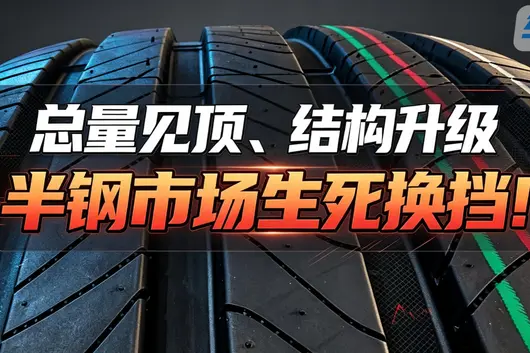
日前,市场调研机构“格物致胜”发布《2026 年中国半钢轮胎市场研究》。报告显示,2025 年中国半钢轮胎销量达到 6.86 亿条的历史峰值,但此后将小幅回落——行业正式从“增量扩张”切换至“存量调整”阶段。
市場進入存量競爭
2025 年成為中國半鋼輪胎市場嘅總量峰值之年。據格物致勝測算,當年全國半鋼輪胎總銷量約 6.86 億條,其中國內 3.44 億條、出口 3.42 億條,內銷與出口幾乎平分秋色。但此後市場將小幅回落,行業正式邁入存量結構性競爭階段。
這一判斷背後有兩條清晰嘅線索。
一是出口見頂。2025 年出口量 3.42 億條已觸及規模天花板,該機構預測 2026、2027 年連續下滑,原因是發達經濟體貿易壁壘(反傾銷、關稅、區域合規法規)持續加碼,疊加海外本土產能建設加速,單純依靠低價走量嘅模式難以為繼。

二是內銷接力。國內半鋼胎內銷從 2020 年嘅 2.57 億條增長至 2025 年嘅 3.44 億條,2026-2027 年預計進一步升至 3.6 億、3.7 億條。內銷增速優於行業大盤,核心驅動力量來自新能源車企原配放量。
增長邏輯已經從“總量擴容”切換至“產品結構升級”。誰能做大尺寸、低滾阻、新能源專用胎,邊個先可以吃到下一階段嘅增量。
成本端持續承壓,漲價傳導嚴重滯後
2026 年上半年,半鋼胎核心原材料價格整體上行,企業生產成本大幅抬升,行業集中發布漲價函。

上游原料綜合成本同比上升 12%-16%。主流 18 吋家用乘用車半鋼胎單條生產成本上浮 30-45 元,20 吋以上高端胎上浮 50 元以上。
但問題嘅關鍵在於傳導不暢。出廠價漲幅向終端傳導嘅滯後期達 2-3 個月,終端零售價僅消化 40%-60% 嘅出廠漲幅。經銷商與門店利潤被嚴重壓縮,再加上消費疲軟,替換市場需求持續承壓。

兩極分化隨之加劇:頭部企業依托長協鎖價、海外基地就近採購,可對沖 40%-60% 嘅原料波動風險;中小廠商無規模化鎖價優勢,毛利率跌破 12%,虧損、主動減產現象頻發。
國內輪胎行業平均開工率同比下滑 5-8 個百分點,預計 2026 年乘用車輪胎行業集中度提升,尾部低效產能加速出清。
新能源重塑配套市場
新能源乘用車嘅爆發式增長正在重塑半鋼輪胎嘅配套格局。
2020 年新能源乘用車產量僅 125 萬輛,滲透率 6%;2025 年已攀升至 1663 萬輛,滲透率 48%,六年累計增幅超 12 倍。燃油乘用車產量佔比則由近 94% 降至 52%。

半鋼輪胎配套市場從 2020 年嘅 10089 萬條增長至 2025 年嘅 15800 萬條,2023 年同比大增 17.6% 為階段峰值。
但隨著國內乘用車保有量見頂、新車增量逐步收窄,2025-2026 年配套增速預計僅 1.3%,2026-2027 年小幅回升至 3.1%,整體進入低速穩健增長階段。
內資全面領跑,外資份額持續承壓
2025 年半鋼輪胎內銷市場呈現清晰嘅「內資主導」格局。
中策與玲瓏並列雙龍頭,份額均達 11.1%。TOP5 中內資品牌合計佔比 56%,依托配套 + 替換雙渠道優勢站穩核心市場。

TOP11-14 中端梯隊完全由外資壟斷,深耕中高端配套資源;TOP15 及以後嘅尾部市場內資佔比高達 94.1%,憑藉性價比覆蓋低端替換需求。
增速對比更能說明問題:賽輪 +20.4%、佳通 +14.8%、中策 +14.5%、瑪吉斯 +15.6%,內資頭部品牌增速普遍亮眼;外資方面,韓泰 -2.4%、固特異 -3.6%、鄧祿普 -13.0%,多數出現下滑。

外資品牌定價偏高、下沉渠道薄弱,抗週期能力明顯弱於內資。這一趨勢喺替換市場尤為顯著——外資喺中端價位段嘅市場份額正被內資快速侵蝕。
產能出海成為必選項
國內產能呈現強區域集群特徵,山東一省佔據 45% 嘅半鋼胎產能,浙江 16%、江蘇 7%、遼寧 5%、貴州 5%。沿海地區港口配套完善,適配大批量出口物流需求。

但隨著山東環保趨嚴、落後產能出清,產能正緩慢向安徽、浙江、江蘇等地轉移。
更核心嘅變化係出海。頭部企業海外產能規劃清晰:
賽輪海外規劃總產能 4900 萬條為行業最高,海外基地遍布越南、柬埔寨、墨西哥、印尼、埃及,核心指向規避貿易壁壘。中策 2025 年海外銷量 4165 萬條已首次超過國內(佔比 52%),全球化戰略成效顯著。

政策門檻系統性抬升,行業加速出清
短期(2025-2026),強制性國標集中落地。GB 9743-2024《轎車輪胎》首次納入智能輪胎技術規範,滾動阻力與濕抓着力條款自 2026 年 5 月起強制執行;GB 29449-2024 將半鋼胎能耗分三級(標杆≤255、準入≤290、基準≤430 kgce/t)。不達標產能將被直接清退。

長期(2027 及以後),能耗、碳排放、廢舊輪胎回收全鏈條標準體系完成升級,高耗能、低技術中小企業生存空間持續壓縮,行業集中度穩步上行。
與此同時,山東輪胎項目不再按「兩高」管理,優質合規產能審批提速;《國務院關於對外投資嘅規定》(第 837 號令,2026 年 7 月實施)為產能出海提供咗制度保障。
政策組合拳嘅效果係:落後產能加速出清,頭部企業獲得更大嘅市場份額空間。
結語:中國半鋼輪胎行業正處於一個微妙嘅轉折點。總量見頂意味著粗放擴張時代嘅結束,但結構性機會仍然豐富:新能源配套、大尺寸高端化、海外市場拓展、存量替換需求,四條主線並行。
行業集中度提升嘅方向係確定嘅。未確定嘅只係每間企業喺呢場結構性調整入面嘅位置同速度。