Audi is planning to invest around US$4 billion (HK$31 billion) in its first US production plant. The proposed factory in Georgia is expected to create around 4,500 jobs and eventually build up to 200,000 vehicles a year.
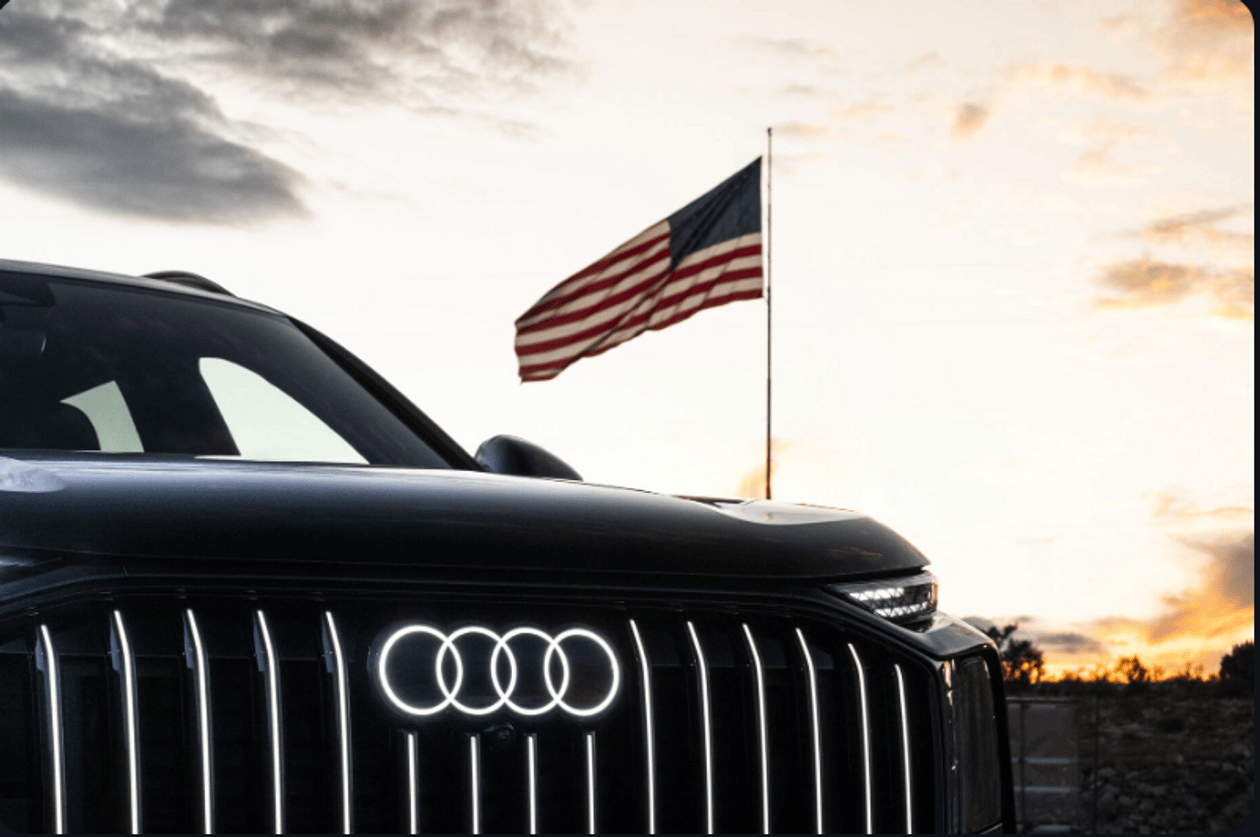
The plan comes as the US imposes additional tariffs on imported vehicles. For Audi, which relies heavily on overseas factories to supply the American market, local production could help reduce some import costs and strengthen its position in the country.
But what does the investment mean for the brand and its customers?
Under the proposed timeline, the new factory will be built at the Middle Georgia Mega Site in central Georgia. Ground preparation is scheduled to begin in 2027, followed by construction in 2028, with full production targeted for 2031.
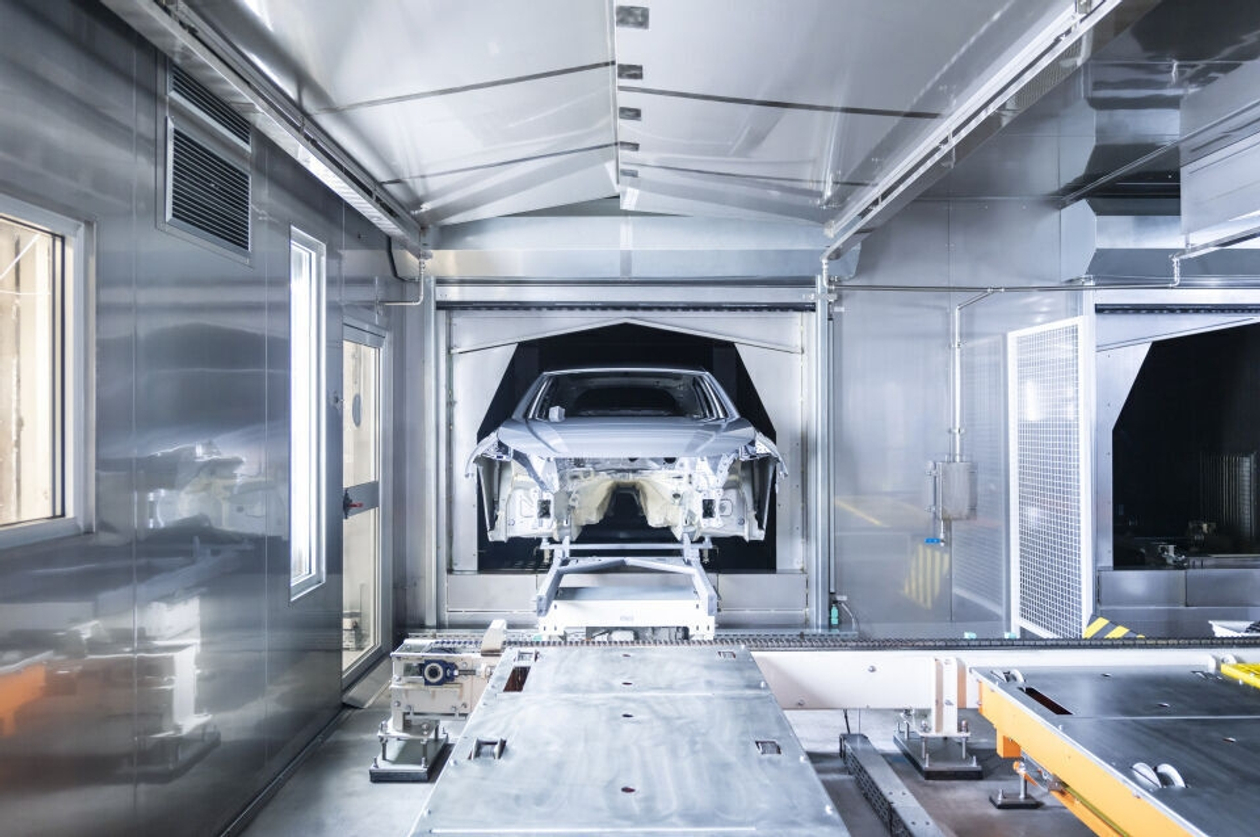
The plant will focus on large luxury SUVs for the North American market, with planned annual capacity of up to 200,000 vehicles. That is the facility's maximum planned capacity, however, rather than an indication of how many vehicles it will build in its early years.
The US announced a 25% tariff on imported vehicles in 2025, with the measure taking effect on 3 April that year. For Audi, the additional duty increases the cost of bringing vehicles built overseas into the US.
Take a hypothetical imported car with a customs value of US$50,000. If it is subject to an additional 25% tariff, the extra duty would amount to US$12,500. This is an illustration of how the tariff works, not a figure for Audi's actual tax bill; the applicable rate and calculation depend on the relevant rules.
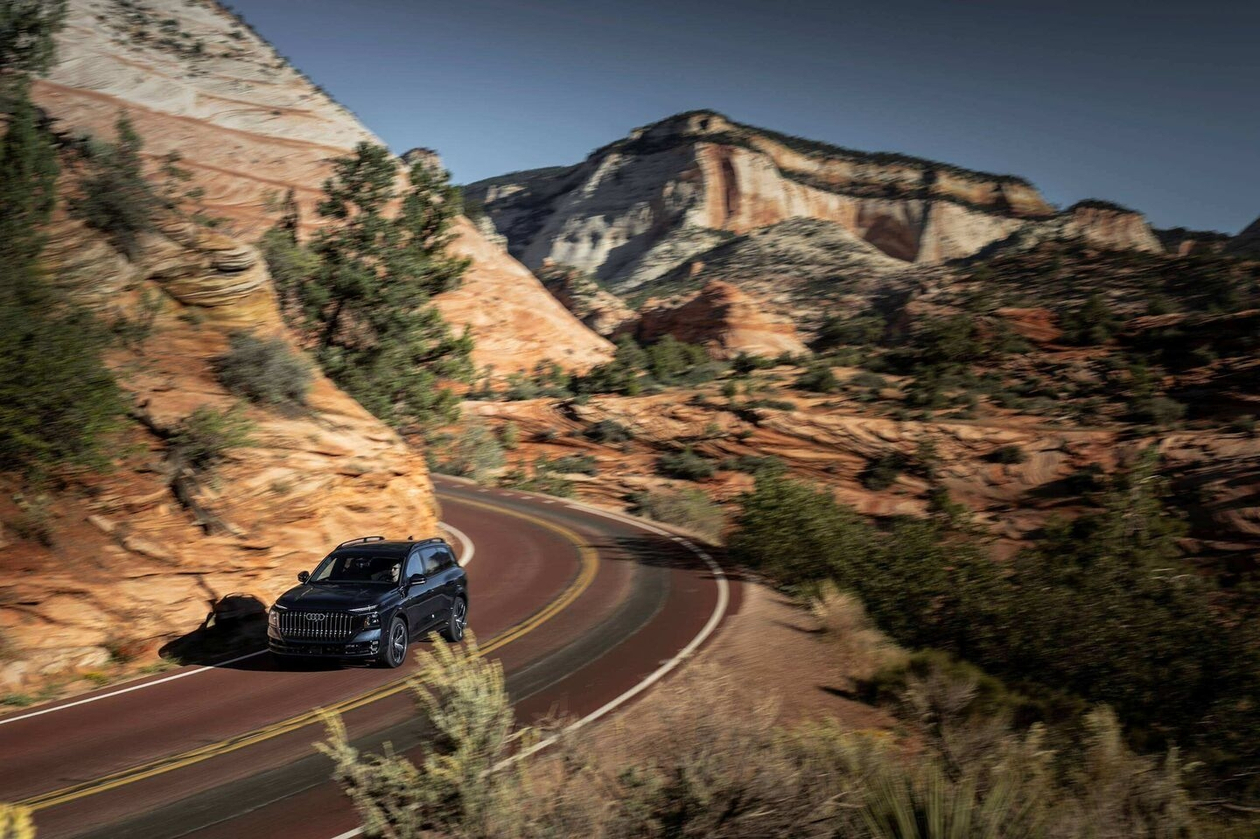
Automakers facing higher import costs have several options: absorb some of the extra expense, raise prices or shift production closer to the market. Building vehicles in the US could help Audi avoid the additional tariffs applicable to imported finished vehicles and reduce its reliance on cross-border supply chains.
Local production would not eliminate all tariff exposure, though.
Imported batteries, electronics and other components could still incur duties, while building and operating a factory brings its own costs. Any savings will depend on where parts are sourced, how much the plant produces and how efficiently it operates.
Reducing exposure to import duties is only part of the picture. Audi also sees room for long-term growth in the US, and local manufacturing could help it compete more effectively while reducing some of the risks associated with trade policy and exchange-rate movements.
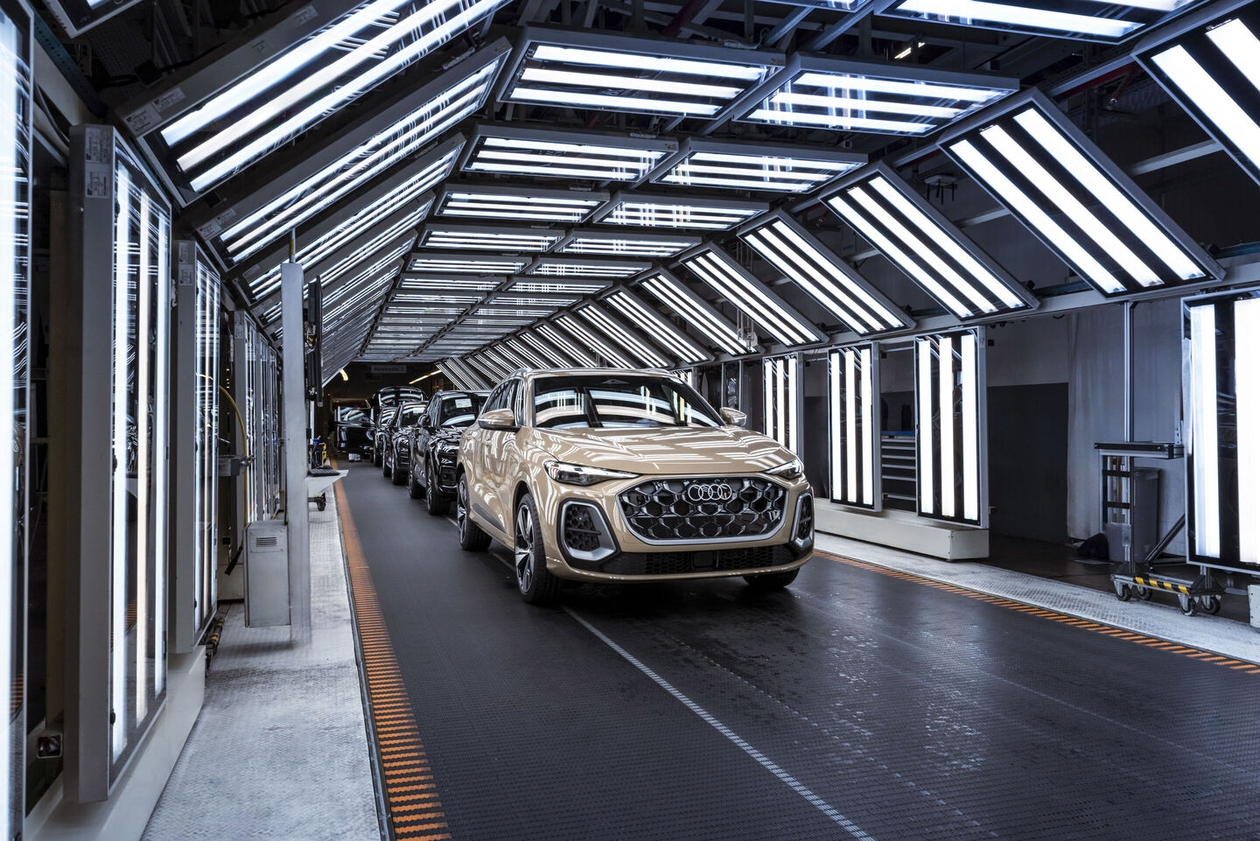
Relying on overseas factories leaves Audi vulnerable to changes in tariffs and international supply costs. A US production base would give the company greater flexibility in how it builds and supplies vehicles, particularly large luxury SUVs aimed at North American buyers.
The investment will take years to come to fruition, however, and a new factory does not guarantee an immediate improvement in profitability. Its eventual returns will depend on sales, how much of its production capacity is used and the cost of running the facility.
With full production not expected until 2031, the factory is unlikely to have an immediate effect on Audi's US prices. In the meantime, costs will continue to depend on where individual models are built, how they are imported and the trade rules in force.
Even once US-built models reach the market, lower production or import costs would not automatically translate into lower showroom prices. Audi would also have to consider competition, positioning and other operating expenses when setting prices.
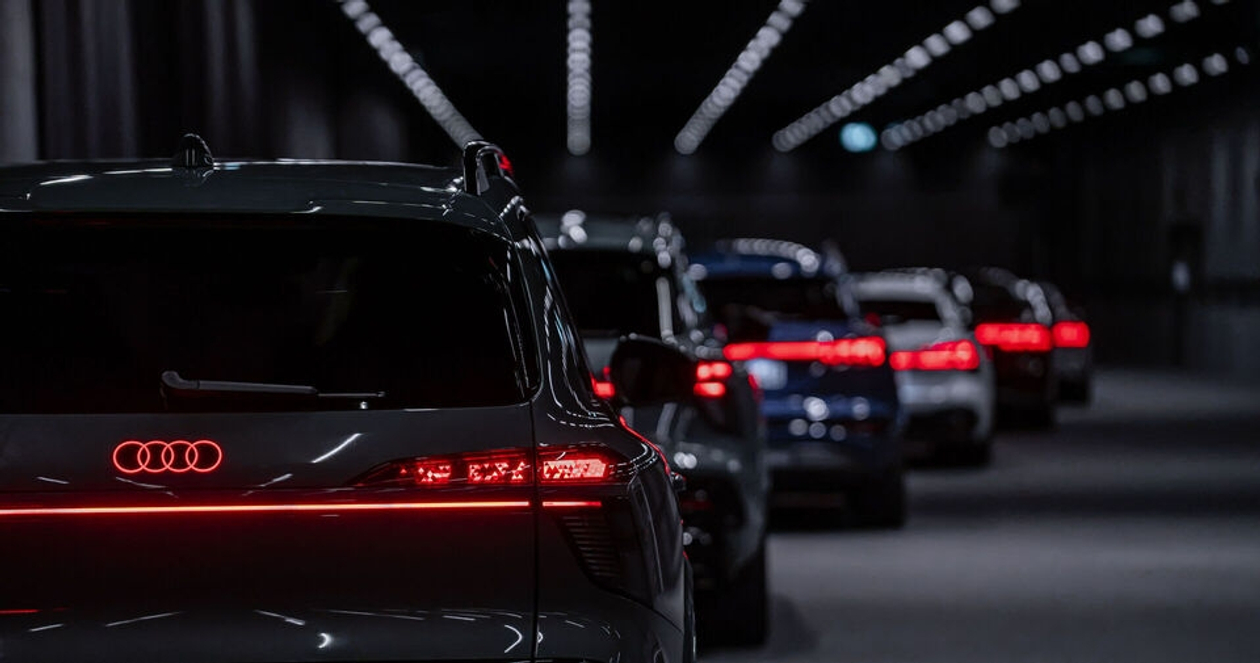
For Hong Kong buyers, the direct impact is even less clear. The planned factory is intended primarily to serve North America, and there is currently no indication that it will change Audi prices in Hong Kong. Local prices and vehicle supply will still depend on the brand's own arrangements for this market.
Audi's planned US$4 billion investment highlights how automakers are reassessing where they build vehicles as trade barriers reshape the industry. Producing cars locally could help Audi limit its exposure to US import tariffs while strengthening its position in a key market.
With the factory not due to reach full production until 2031, the models it will build and the savings it may deliver remain to be seen.
Sources: Audi press releases; Office of the Governor of Georgia
Web: http://www.bitauto.hk/
YouTube: http://www.youtube.com/@bitautohk
Facebook: https://www.facebook.com/bitautohongkong/

香港汽車內容平台 🚗 新車・買車・玩車・用車 用香港視角,睇世界嘅車
+ Follow 【新車速報】硬派方盒 SUV,真係可以同時兼顧香港日常駕駛?
全新抵港 BAIC B30e,由香港代理 APMG 引進,今次試駕四驅混能版本,綜合最大輸出達 407 PS、685 N·m,0–100 km/h 加速只需 6.9 秒!配備 1.5T 雙檔 DHT 混能系統及電控四驅,既有充足動力,亦兼顧低速行駛嘅平順感。
車身離地間隙達 215 mm,支援多種全地形模式,具備一定輕越野能力;車高只有 1,790 mm,亦方便出入香港不少地庫停車場。加上 1,496L 行李廂空間、Apple CarPlay、540° 全景影像及 V2L 外放電,日常代步、週末露營都照顧得到。
試駕實車影片即將上線,記得關注 BitAuto HongKong,睇埋更多實際駕駛表現!
#BAICB30e #北汽B30e #混能SUV #新車速報 #BitAutoHongKong 1分钟前
 【車主有局】睇車唔止睇參數!Tesla可以咁改?BitAuto帶你發現汽車更多可能
今集帶你認識三款特色車型:車長超過6米嘅Tesla Model 3、四電機超過1,100匹嘅仰望U8,以及完成10萬公里長期駕駛體驗嘅小米YU7。從改裝設計到性能表現,帶你探索汽車更多精彩!
#Tesla #BitAuto #體驗展 16小时前
 港島電動車車主有新選擇!比亞迪 BYD Flash 閃充站進駐西營盤,最高功率達 1,500kW!
繼屯門黃金海岸後,比亞迪香港第二個兆瓦級閃充站已於西營盤中山紀念公園政府停車場投入服務,亦是全港首個設於政府停車場的兆瓦級閃充設施。
充電站採用 CCS2 歐標制式,支援比亞迪及其他品牌電動車。配合第二代刀片電池車型,官方資料提及由 10% 充至 70% 約需 5 分鐘,充至 97% 約需 9 分鐘。初步收費約 HK$3.5/kWh,實際收費視乎時段。
📍 地點:西營盤中山紀念公園政府停車場
最高功率:1,500kW|初步收費:約 HK$3.5/kWh
比亞迪更預計於 2027 年在香港建設多達 100 座閃充站。香港電動車充電配套會否迎來新一輪升級?
#BitAutoHongKong #BYD #BYDFlash #電動車 17小时前
Get the latest car news first!
【新車速報】硬派方盒 SUV,真係可以同時兼顧香港日常駕駛?
全新抵港 BAIC B30e,由香港代理 APMG 引進,今次試駕四驅混能版本,綜合最大輸出達 407 PS、685 N·m,0–100 km/h 加速只需 6.9 秒!配備 1.5T 雙檔 DHT 混能系統及電控四驅,既有充足動力,亦兼顧低速行駛嘅平順感。
車身離地間隙達 215 mm,支援多種全地形模式,具備一定輕越野能力;車高只有 1,790 mm,亦方便出入香港不少地庫停車場。加上 1,496L 行李廂空間、Apple CarPlay、540° 全景影像及 V2L 外放電,日常代步、週末露營都照顧得到。
試駕實車影片即將上線,記得關注 BitAuto HongKong,睇埋更多實際駕駛表現!
#BAICB30e #北汽B30e #混能SUV #新車速報 #BitAutoHongKong 1分钟前 【車主有局】睇車唔止睇參數!Tesla可以咁改?BitAuto帶你發現汽車更多可能
今集帶你認識三款特色車型:車長超過6米嘅Tesla Model 3、四電機超過1,100匹嘅仰望U8,以及完成10萬公里長期駕駛體驗嘅小米YU7。從改裝設計到性能表現,帶你探索汽車更多精彩!
#Tesla #BitAuto #體驗展 16小时前 港島電動車車主有新選擇!比亞迪 BYD Flash 閃充站進駐西營盤,最高功率達 1,500kW!
繼屯門黃金海岸後,比亞迪香港第二個兆瓦級閃充站已於西營盤中山紀念公園政府停車場投入服務,亦是全港首個設於政府停車場的兆瓦級閃充設施。
充電站採用 CCS2 歐標制式,支援比亞迪及其他品牌電動車。配合第二代刀片電池車型,官方資料提及由 10% 充至 70% 約需 5 分鐘,充至 97% 約需 9 分鐘。初步收費約 HK$3.5/kWh,實際收費視乎時段。
📍 地點:西營盤中山紀念公園政府停車場
最高功率:1,500kW|初步收費:約 HK$3.5/kWh
比亞迪更預計於 2027 年在香港建設多達 100 座閃充站。香港電動車充電配套會否迎來新一輪升級?
#BitAutoHongKong #BYD #BYDFlash #電動車 17小时前 
© 2024 Bitauto.com. All Rights Reserved.
Bitauto (www.yiche.com and www.bitauto.com) is one of the most visited automotive websites in China. We provide detailed info on Chinese car brands available in your area. Please note that the information provided on this website is based on publicly available data and is for reference only. It may not be fully updated or accurate at all times.

Help us improve our website


