


首頁ZEEKR 9X

搜尋歷史
熱門搜尋
經銷商登入 / 註冊


36981辆,成交均价37万元。这是看极氪8月销量时,两个值得放在一起看的数字。
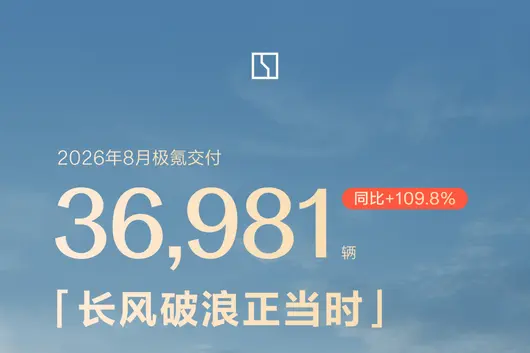
在刚刚过去的8月,极氪交付新车36981辆,同比增长109.8%,行业唯一连续7个月实现同环比双增长;今年1-8月累计交付超过25.1万辆,同比增长100.4%,已经超过去年全年交付量。
在今天的中国车市,这两个数字能够同时出现,其实并不容易。过去几年,中国新能源市场最明显的变化,是规模越来越容易被做大。一款新车上市,短时间内获得大量订单;一个品牌通过价格调整,迅速进入新的细分市场,已经成为行业常态。但对于豪华品牌来说,真正困难的并不是把销量做起来,而是在销量增长之后,依然保持品牌价值。
这也是今天很多新能源品牌正在面对的问题。价格可以帮助品牌快速获得用户,但价格体系一旦不断下探,品牌向上的空间也会随之受到影响。极氪目前比较特别的地方,就在于销量增长和价格表现并没有出现明显背离。
1-8月超过25.1万辆的交付,近90万的全球历史累计交付,让极氪已经具备相当规模;而37万元的成交均价,则说明它并不是单纯依靠价格下探换取销量。这背后,是极氪正在逐渐形成的一套产品结构。
| 从走量车型到旗舰产品,极氪正在形成自己的产品梯度

过去,一个豪华品牌要站稳市场,往往需要同时解决两个问题。一方面,要有足够覆盖面的产品,让更多用户接触品牌;另一方面,也要有旗舰车型不断抬高品牌高度。极氪正在沿着这样的路径推进。

这其中,7X、猎装系列首先负责的就是把规模做起来。极氪7X全球订单已经突破20万辆,8月月销继续破万;极氪猎装也已经连续3个月月销过万,累计销量突破40万,成为品牌稳定的销量基本盘。而009、8X和9X,则继续把极氪往更高的位置推。这两条线同时往前走,比单纯多一款爆款更重要。

因为豪华品牌真正难的地方,一直都不是“有没有一辆贵车”,而是能不能形成完整的产品梯度:既有能够扩大用户规模的产品,也有能够不断抬高品牌上限的旗舰。

极氪009、极氪9X,承担着向上的任务。其中,极氪9X的表现尤其值得关注。今年以来,50万元以上大型SUV市场进入密集竞争阶段。越来越多中国品牌推出旗舰车型,数字“9”也成为这一轮向上竞争中的高频符号。但旗舰市场真正比拼的,并不是谁上市时声量最大。因为热度可以制造,订单可以集中释放,但一款车能不能在热度过去之后继续被选择,才是真正考验产品价值的地方。

从目前表现来看,极氪9X正在展现出这样的持续性。2026年1—7月,在均价50万元以上的豪华SUV市场中,极氪9X连续7个月月销量超过3000辆;同时,9X在50万元以上SUV市场份额位居前列,并在懂车帝相关保值率榜单中取得较好表现,杰兰路调研显示,其NPS也位居50万元以上车型前列。五座版上市之后,Hyper版以上车型订单占比超过75%。这些数据背后的意义在于,9X并不是依靠低价版本降低门槛,而是在高配车型中依然获得高端用户认可。
过去,中国品牌进入高端市场,最大的难点不是造出一辆50万元的车,而是让用户愿意长期认可这辆50万元的车。而极氪9X正在验证另一种可能:豪华新能源不一定只能依靠传统品牌,也可以由中国品牌建立新的价值标准。
| 配置会普及,但底层技术无法轻易复制
与此同时,极氪9X的表现,其实也反映出新能源豪华竞争正在发生变化。
前几年,新能源汽车最容易创造差异。一块大屏、一套智能座舱、一个创新功能,都可能成为一款车最鲜明的标签。但随着行业快速发展,越来越多配置开始普及。冰箱、彩电、大沙发可以复制,智能座舱可以复制,很多辅助驾驶能力也正在快速下放。

当大家都拥有类似配置之后,真正拉开差距的,反而是那些更难被复制的东西。比如平台架构、三电系统、底盘、安全,以及一家企业长期积累的工程能力。极氪近年来持续强调“领先一代”,背后的逻辑也在于此。从900V高压架构,到主动稳定杆,再到围绕操控、安全建立的整车技术体系,极氪并不是简单增加几个配置,而是在底层能力上持续投入。
在汽车行业专家看来,当前很多品牌的创新更多集中在应用层,而真正能够形成长期竞争力的,仍然是底层技术创新。因为应用层的功能可能很快被复制,但底层技术需要时间积累。对于豪华产品而言,最终决定用户是否愿意支付溢价的,也不是参数表上的某一个数字,而是长期使用之后,车辆能否持续提供稳定体验。
极氪9X的市场反馈,某种程度上正是在回应这一点。
| 从卖向全球,到建立全球豪华认知
除了国内市场,极氪正在推进的另一件事,是全球化。目前,极氪已经进入全球50多个国家和地区,全球门店超过780家,其中海外门店超过220家。

极氪009已经在中国香港、马来西亚、泰国等市场进入豪华纯电MPV头部;极氪7X全球订单突破20万辆;澳大利亚市场累计交付超过1万辆;极氪007 GT在欧洲起售价达到45990欧元。在新加坡,极氪009的售价超过200万元人民币。
这些变化背后,是中国汽车出海逻辑正在改变。过去,中国汽车走向海外,更多依靠的是供应链优势和价格竞争。但豪华品牌的出海,逻辑完全不同。真正的挑战不是把车卖出去,而是让海外用户认可这辆车背后的品牌价值。如果一辆中国车只能依靠更低价格获得市场,它解决的是出口问题;如果它能够进入当地豪华市场的价格体系,并与传统豪华品牌展开竞争,才意味着中国品牌真正开始向全球价值链上游移动。
极氪背后的吉利体系,也在这一过程中提供了重要支撑。研发体系、供应链能力、全球渠道和本地化运营,这些长期积累的能力,让极氪的全球化并不是从零开始。而极氪需要完成的,是在这样的体系基础上,建立属于自己的豪华认知。

回看极氪8月的市场表现,“长风破浪正当时”并不只是一次销量表达,更像是对品牌当前阶段的一种注脚。过去,中国汽车品牌向上,更多是在证明“我们也可以做豪华”。但今天,随着产品实力、技术能力和全球布局不断成熟,中国品牌需要回答的是另一个问题:如何定义属于自己的豪华。
传统豪华更多建立在历史、品牌和身份之上,而新能源时代的豪华,正在增加新的维度——技术、创新以及长期价值。从1-8月的25.1万辆交付,到37万元成交均价;从7X、猎装扩大规模,到9X、009提升品牌高度;从中国市场竞争,到全球市场拓展。极氪正在尝试走出一条不同于过去的高质量增长路径。
36981辆,是极氪8月交付成绩。而更重要的是,在规模增长的同时,极氪正在逐渐建立属于自己的豪华品牌身份认知。
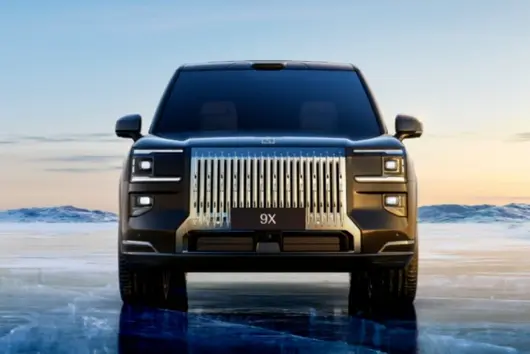

【CNMO科技消息】据CNMO科技了解,极氪9X已确认将于本月(9月)正式启动海外市场布局,首站锁定中东。这意味着这款定位超级电混旗舰SUV的车型,开始从国内市场走向全球市场。结合现有信息,极氪9X后续还将进入欧洲豪华插混SUV市场。市场消息显示,该车在德国的定价或接近10万欧元(约合人民币77.8万元),若最终价格落在这一范围,其竞争区间将覆盖保时捷卡宴之下,并与奔驰GLE、奥迪Q8等车型形成直接竞争。

极氪9X
从产品定位看,极氪9X主攻高端豪华SUV市场。该车目前已成为国内50万元以上全品类车型销量冠军,并获得超过八成用户主动推荐。此次开启出海,也被视为极氪继续推进全球化布局的重要一步。相较于以价格优势切入海外市场的常见路径,极氪9X选择进入欧洲豪华SUV核心价格带,显示出其在高端市场直接参与竞争的意图。

销量方面,极氪在9月1日公布的数据显示,8月共交付新车36981辆,创历史新高,同比增长109.8%,并连续7个月实现同比、环比双增长。2026年1月至8月,极氪累计交付25.1万辆,同比增长100.4%。


除极氪9X外,极氪其他车型的海外表现也在持续扩大。纯电MPV极氪009已成为中国香港、马来西亚、泰国等多个市场的豪华MPV销量冠军;极氪猎装车型已连续3个月月销破万,累计交付超过40万辆;极氪7X全球订单已突破20万辆,8月单月销量继续保持破万。随着极氪9X启动出海,其在插混与纯电两条产品线上的全球市场布局正进一步完善。
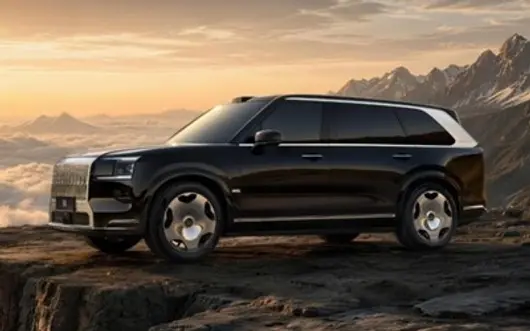

盖世汽车讯 9月1日,极氪汽车公布2026年8月交付数据。当月,极氪交付新车36981辆,同比增长109.8%,再创历史新高,并连续7个月实现同环比双增长。今年1-8月,极氪累计交付25.1万辆,同比增长100.4%。
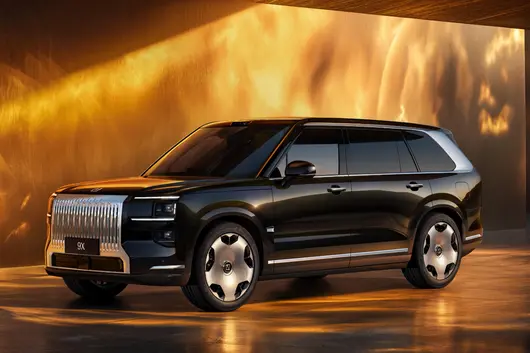
目前,极氪产品矩阵多点开花,多款车型领跑细分市场。作为超级电混旗舰SUV,极氪9X今年牢牢占据50万元以上全品类车型销冠,获超八成用户主动推荐。

图片来源:极氪
纯电方面,极氪009在中国香港、马来西亚、泰国等多个重要市场成为豪华MPV销冠;极氪猎装车型连续3个月月销破万,累计交付超40万辆;极氪7X全球订单突破20万辆,8月月销持续破万。
值得关注的是,极氪9X本月正式出海,首批已在中东开启预售。伴随9X五座版交付提速,以及9X光辉四季度上市,极氪品牌将迎来新一轮增长机遇。
技术实力是市场表现的核心支撑。 极氪在三电系统、900V高压架构、整车架构、安全技术等方面具备领先一代的代际性优势。在行业整体承压的背景下,极氪凭借稳健的价格政策和坦诚的用户沟通,保持了稳步向上的品牌势能。
截至目前,极氪全球累计用户已近90万。极氪方面表示,"长风破浪正当时",感谢全球近90万用户选择中国极氪。
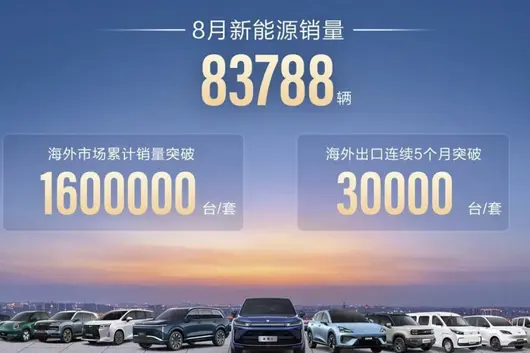

9月1日,极氪公布销量成绩:8月交付新车36981辆,再创历史新高,同比增长109.8%,连续7个月实现同环比双增长;1-8月共交付25.1万辆,同比增长100.4%。

作为超级电混旗舰SUV,今年极氪9X牢牢占据50万以上全品类车型销冠,获超八成用户主动推荐。纯电车型方面,极氪009成为中国香港、马来西亚、泰国等多个重要市场豪华MPV销冠;极氪猎装连续3个月月销破万,累计交付超40万辆,极氪7X全球订单已突破20万辆,8月月销持续破万,领跑中国品牌高质量出海。今日,极氪销量海报文案配用了“乘风破浪正当时”,藏有深意。业内人士分析,伴随极氪9X本月出海、五座版交付提速,叠加极氪9X光辉四季度上市,品牌将迎来新的上升机遇。
今年以来,在行业整体承压的背景下,极氪凭借稳健的价格政策、坦诚的用户沟通举措,保持了稳步向上、口碑向好的品牌势能。技术实力是市场表现的核心支撑,极氪在三电、900V高压架构、整车架构、安全技术等方面具备领先一代的代际性优势,全球用户已近90万。

2026First half of the year, China's vehicle manufacturing profit margin fell to 1.5%, reaching a new low in nearly a decade.
In this context, Geely's performance is very prominent.
Total sales volume in the first half reached 1.423 million units, a year-on-year increase of only 1%. However, revenue was 173.6 billion yuan, a year-on-year increase of 15%; core net profit attributable to shareholders was 9.68 billion yuan, a year-on-year increase of 46%. Gross margin increased from 16.2% in the same period last year to 17.9%.
Management summarized it in one sentence: "Revenue growth is faster than sales volume growth, and profit growth is faster than revenue growth."

Growth drivers come from two aspects.
Premiumization — Zeekr's sales volume in the first half reached 178,000 units, a year-on-year increase of 97%, accounting for 12.5% of total sales and contributing 31.7% of revenue. Zeekr's gross margin is approximately 20%, occupying about one-third of the domestic sub-market above 500,000 yuan.
Internationalization — It is the structural change in the financial report worth analyzing most closely. To understand Geely's profit explosion, one must first see the structural explosion of its overseas business.
No New Factories, Overseas Capacity Doubled Plus
In the first half, Geely's overseas export sales reached 474,200 units, a year-on-year increase of 158%, exceeding the full-year export volume of 2025. Among them, new energy vehicle exports reached 277,200 units, a year-on-year increase of 585%.
The proportion of overseas sales to total sales jumped from about 13% in the same period last year to about 33%. In June and July, overseas monthly sales broke through 100,000 units. The growth rate ranks first among mainstream automakers.
Regional markets are showing comprehensive blossoming. Latin America and Africa increased by 298% year-on-year, Europe increased by over 280%, ASEAN over 120%, Eastern Europe and Central/West Asia approached 100%.
Geely announced that it raised the full-year export target from 640,000 units to 920,000 units, and proposed challenging 1 million units.
With going global becoming a clear card and cure-all for Chinese automakers, more worth paying attention to than numbers is Geely's unique strategy for going global.

Zhejiang Geely Holding Group Chairman Li Shufu clearly stated: "In the new process of global transformation, we will not build new capacity. We insist on win-win cooperation with global peers and share capacity."
Behind this sentence, there are three specific details.
"1": One overseas Geely system. Back-end and middle-back-end are fully unified, not acting independently. The three brands Zeekr, Lynk & Co, and Geely maintain clear positioning — Zeekr focuses on tech luxury, Lynk & Co focuses on sports trends, and Geely plans the mainstream household market.
"23456": Five regional markets, totaling 2 million units. Europe 600,000, ASEAN 500,000, Latin America & Africa 400,000, Eastern Europe 300,000, Central Asia & Middle East 200,000.
The timeline is the next 2 to 3 years. Geely Automobile Holdings Ltd. Board Chairman An Conghui reiterated the long-term strategic goal: overseas markets will contribute two-thirds of sales.
The implementation of the strategy relies on three factories.
Volvo Europe Factory — Put into production in 2028, producing Geely's high-end cars.
An Conghui revealed at the earnings call that the Volvo Europe Factory will undertake the production of high-end luxury cars within the Geely Automobile Group, expected to start production in 2028. It specifically involves the Trollhättan factory in Gothenburg, Sweden, the Ghent factory in Belgium, and the newly built EV factory in Košice, Slovakia.
Previously, Volvo signed an agreement with Lynk & Co to be responsible for the exclusive import and operation of the Lynk & Co brand in the European market. Now, the production side is also included in the Volvo Europe system, forming a complete localized layout from manufacturing and import to sales and after-sales service.

Ford Spain Factory — 500,000 units capacity, Roll-off line in 2028.
On July 23, 2026, Geely and Ford signed an agreement to acquire 34% equity of Ford's Valencia plant in Spain for 221 million euros. This factory, put into production in 1976, has an annual capacity of about 500,000 units and is one of the largest manufacturing bases in Europe.
After the joint venture company is established, the Valencia factory will undertake the production tasks for 5 car models of Geely and Ford simultaneously. Geely will put into production two new energy vehicle models including EX2 (Domestic Xingyuan), with the first car rolling off the line in 2028.
It was clarified at this earnings call that the Spain factory will produce Geely Galaxy and Lynk & Co products.
Proton Malaysia Factory — From 200,000 to 500,000 units
The Proton Malaysia factory acquired by Geely is undergoing technical transformation. Capacity is increased from 200,000 units to 500,000 units, positioned as a Southeast Asia manufacturing base. In addition, the Brazil factory cooperated by Geely and Renault has an annual capacity of about 300,000 units, and the Korean factory is also continuing to increase capacity.
As of the first half, Geely's operational overseas manufacturing factories have reached 12, overseas capacity exceeds 650,000 units, and it is planned to be increased to over 840,000 units by the end of the year.
Three factories, three cooperation forms: Volvo is capacity synergy within the system, Ford is external joint venture sharing, Proton is acquisition renovation upgrade. In terms of overseas capacity layout, Geely appears to have almost no repetitive moves, possessing the flexibility of "One Place, One Policy", which exactly reflects the unified investment concept of integrating existing resources.
How the Brand Matrix Supports Overseas Expansion
"123456" Strategy, the core meaning of "1" is an overseas system, three brands with different divisions of labor. So to what extent have Geely's three brands achieved in the overseas market?

Zeekr is the highest-end brand for going global, with an average transaction price of 350,000 yuan, with a clear goal: to occupy one-third of the market in China priced above 500,000 yuan, and to also take one-third of the global high-end market.
In the first half of this year, Zeekr has entered markets such as Malaysia and the Middle East. Zeekr 7X and 007 are the current export mainstays. In the second half of the year, Zeekr 9X, 8X, and 009 will expand to more markets: Zeekr 9X lands in Central Asia in Q3 and enters Europe in Q4; Zeekr 8X enters Latin America and Europe in Q4; Zeekr 009 and 009 Glory launch European versions in the second half of the year.
According to reports, some overseas markets have already seen situations where dealers add markups to car purchases, indicating sufficient demand.
Lynk & Co is positioned as "Sports Trends + Volvo Entry-Level Supplement", has signed 10 dealers in Belgium, and the pace of entering Europe is accelerating. Europe focuses on plug-in hybrids as the main product direction, forming differentiation with Zeekr's pure electric positioning.
Galaxy and China Star are responsible for the mainstream mass market. Geely Automobile Holdings Ltd. CEO Gan Jiayue announced at the earnings call that Geely will no longer develop traditional fuel vehicles in the future; all fuel vehicle models will turn to i-HEV Smart Hybrid, and next year all i-HEV models will be launched to the overseas market.
The i-HEV engine thermal efficiency is 48.41%, breaking the global mass production record. This is Geely's trump card to compete head-on with Japanese hybrids overseas. In the first half of the year, China Star sales volume dropped 5.7% year-on-year, but market share increased from 8.7% last year to 10.4%, winning against the industry against the background of a 31.9% decline in the fuel vehicle market.
Conclusion
Geely is also bearing the pressure of shrinking overall volume in the domestic market.
At the earnings call, An Conghui openly shared: The brand power of Geely's system in the mainstream price range is still insufficient, lacking strong mid-range products.
In the downturn cycle of the industry, the core reason why Geely was able to submit a scorecard with 46% profit growth is that it completed two leaps in the strategic dimension: using Zeekr's premiumization to break through the profit ceiling, and using deep overseas localization cooperation to broaden survival space.
The domestic elimination race is far from over; globalization is a required course for survival. But in this interim report, Geely proved one thing to the industry: car companies that plant roots deeply into the global system early can better undertake the challenges of the times.
In addition, how to coordinate brand positioning and manufacturing standards when Volvo factories OEM Geely brand models? Can the joint venture model of Ford Spain factory be replicated to other markets? How to cope with the high uncertainty of geopolitical politics? It still needs time to test.


8月17日,吉利汽车控股(0175.HK)官宣两项大事,一是史上最佳中期业绩,上半年营收1736亿元,核心归母净利润96.8亿元,同比大增46%。
另一个是创始人李书福辞任董事会主席及执行董事,由老将安聪慧接任,80后淦家阅出任行政总裁。
业绩创纪录之日交棒,这不是突发变故,也不是被动调整,而是精心选择的时间窗口。
资本市场用脚投了票,当天吉利汽车港股涨4.77%,收报18.67港元,市值突破2000亿港元。

01、李书福退了,但没有完全退
先把这次人事调整的边界说清楚。
自2026年8月18日起,李书福辞任吉利汽车控股有限公司董事会主席及执行董事职务,获任终身荣誉主席。但他仍然担任浙江吉利控股集团有限公司董事长,而吉利控股集团持有吉利汽车控股36.62%的股份,是控股股东。李书福本人持有吉利控股集团82.23%的股权,同时直接持有上市公司2.04%股份。
换句话说,李书福放下的是上市公司的日常治理权,但没有放下控制权。他从"董事长"变成了"大股东加精神领袖",从台前走到了幕后。
这个安排意味深长。桂生悦在中期业绩发布会上说得很直白,这是吉利汽车"去家族化"的宣言,未来将减少对个人魅力和权威的依赖,转向制度驱动。李书福自己的说法是“积极培养职业人才,积极打造职业化团队”。
中国民营企业的传承有两种常见模式。一种是干不动了才交棒,往往伴随着业绩下滑和内部动荡。另一种是在状态最好的时候主动退,给接班人留出试错空间。李书福选了第二种。上半年营收创历史新高,核心利润大增46%,市值站上2000亿港元,这个时候交棒,新管理层接手的是一副好牌,而不是一个烂摊子。
这不是李书福第一次"退"。2021年他就把吉利汽车集团CEO的位置交给了淦家阅,自己逐步从日常经营中抽身。
但董事会主席这个位置,他一直坐到了现在。这次彻底退出董事会,意味着吉利汽车从"创始人治理"正式迈入"职业经理人治理"阶段。

02、接棒的安聪慧,是谁?
安聪慧这个名字,业内不陌生,但普通消费者可能不太熟悉。
他1996年加入吉利,那一年吉利还在造摩托车,李书福刚琢磨着要造汽车。安聪慧从摩托车厂审计员做起,一干就是30年,是吉利从小作坊长成数千亿车企的全程亲历者。

他的履历几乎就是吉利汽车工业的发展史。1999年牵头CVVT发动机项目,在自主动力总成技术上实现突破。2016年主导创建领克品牌,拉开吉利高端化序幕。
2021年主动请缨创办极氪,从零起步把极氪做成了均价35万元的豪华品牌。SEA浩瀚纯电架构也是在他主导下落地的。目前他同时担任浙江吉利控股集团CEO,是吉利体系内仅次于李书福的二号人物。
李书福对他的评价是"德才兼备,品学兼优,事业心坚定,意志力超强",并明确表示对安聪慧出任新职后的业绩表现"充满信心"。
新任行政总裁淦家阅是另一个关键角色。他是1981年出生的80后,2003年从郑州航空工业管理学院毕业后加入吉利,从财务经理做起,历任采购公司总经理、集团副总裁,2021年接任吉利汽车集团CEO。银河品牌从0做到半年近52万辆,就是在他任内完成的。他也是"一个吉利"战略整合的主要执行者。
新的治理结构很清晰。安聪慧作为董事会主席管战略方向和内部协同,淦家阅作为行政总裁管日常运营和业绩落地。桂生悦从行政总裁转任董事会副主席,专司董事会与管理层之间的沟通协调。董事会决策和经营执行拆开,各归各位。
03、吉利总收入1736亿元,为什么还要换帅?
人事调整的底气来自业绩。
8月17日发布的中期成绩单,是吉利汽车上市以来最好的一份中报。

先看几组核心数据。上半年总销量142.3万辆,同比微增1%。总收入1736亿元,同比增长15%。核心归母净利润96.8亿元,同比大增46%。毛利率提升至17.9%,单车核心归母净利润达到6806元,同比提升45%。单车收入提升至11.2万元,同比增长16%。
最值得玩味的是利润增速和营收增速的落差。核心利润增长46%,营收只增长15%,多出来的31个百分点不是靠涨价,也不是靠促销冲量,而是靠效率提升。
中报里有两个费用率很能说明问题。行政费用率降至1.7%,研发费率降至5.2%。但研发费率下降不是因为砍投入,恰恰相反,上半年研发投入91.99亿元,同比增长25.5%。费率下降是因为营收盘子做大了,费用被摊薄了。这就是规模效应和中后台整合的直接结果。

品牌结构也在往上走。极氪上半年销量17.84万辆,同比增长97%,平均客单价约35万元,在50万元以上市场,极氪9X卖出超过4.6万辆,拿下全品类销量第一。领克销量14.42万辆,新能源占比提升至65%。银河品牌半年卖出近52万辆,跻身全球新能源销量前三。燃油底盘由中国星58.1万辆守住。
出口是另一大亮点。上半年出口47.42万辆,同比增长158%,增速在中国主流车企中排名第一。其中新能源出口27.72万辆,同比暴增585%,占出口总量的58.5%。公司已将全年出口目标从64万辆上调至92万辆。
截至6月末,吉利汽车资金储备695.6亿元,7月已派息每股0.5港元,同比提升51.5%,连续五年核心利润派息率超过30%。账上有钱,还在分红,这是业绩质量最实在的证明。

写在最后
李书福在业绩最好的时候交出方向盘,不是退场,而是从亲自开飞机变成设计航线和培养机组。
2005年5月吉利汽车在香港上市时,市值只有16亿港元。21年后,市值站上2000亿港元,增长了约120倍。这个增长靠的是李书福一次次敢为人先的决断,造轿车、收沃尔沃、孵化领克极氪、推动"一个吉利"。但下一个20年,吉利不能只靠一个人的判断力。
从创始人驱动到制度驱动,从个人权威到职业经理人团队,这是中国民营企业传承中最难走的一段路。方洪波接棒何享健之后,美的成长为家电巨头。吉利能不能复制这条路,要看安聪慧和淦家阅这对组合的答卷。
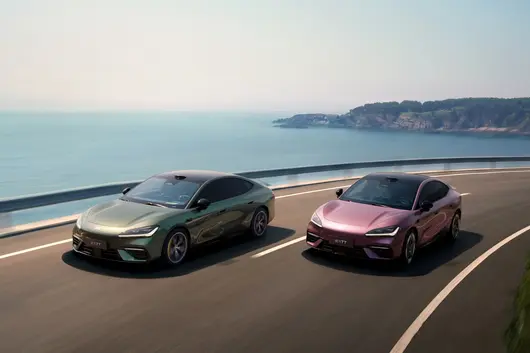

On August 17, Geely Automobile (0175.HK) released its 2026 interim results.

In the first half of the year, the company achieved total revenue of 173.6 billion yuan, a year-on-year increase of 15%, setting a new historic high; after deducting the impact of exchange gains and losses and impairment of non-financial assets, core net profit attributable to the parent company reached 9.68 billion yuan, a year-on-year increase of 46%; total sales volume was 1.423 million vehicles, setting a new historic high for the same period.
The industry backdrop for these results is not easy. Data from the National Bureau of Statistics shows that in January to May 2026, profits in the automotive manufacturing industry fell 19.8% year-on-year; the China Passenger Car Association estimated that the automotive industry sales profit margin for the first half of the year was about 3.8%, still at a historic low. Volume competition, rising raw materials, and investment in transformation simultaneously squeezing profits has become a common industry challenge.
Therefore, observing this interim report, what is most worth focusing on is not how many new highs revenue and profits have set, but the relationship formed between the numbers: sales volume remained basically flat, revenue grew by 15%, core profit grew by 46%, revenue growth speed was faster than sales volume, and profit growth speed was faster than revenue. At the same time, gross margin rose to 17.9%, an increase of about 1.6 percentage points year-on-year; core net profit margin was 5.6%, an increase of about 1.2 percentage points; revenue per vehicle was 112,000 yuan, a year-on-year increase of 16%; core net profit attributable to parent company per vehicle was 6,806 yuan, a year-on-year increase of 45%. These indicators all point to one thing: Geely's growth is shifting from scale expansion to structural improvement and efficiency enhancement.
Integrating "Synergy" Into the Interim Report
Behind the improvement in profitability, high-end products and overseas business are two direct drivers, while system synergy constitutes a deeper reason.

In the first half of the year, Geely's administrative expense ratio further dropped to 1.7%; the proportion of R&D investment to revenue fell from 5.5% to 5.2%, but the absolute value of R&D investment grew 8% year-on-year, reaching 9.06 billion yuan. The simultaneous occurrence of expense ratio decline and R&D investment increase means the company is reducing duplicate construction and inefficient expenditure, without contracting technical investment intensity.
The cash position also provides verification. In the first half of the year, net cash flow from operating activities approached 20 billion yuan; as of the end of June, capital reserves were about 69.6 billion yuan, at a historic high. Expense efficiency, R&D intensity, profit growth, and cash creation improved synchronously. This interim report presents not short-term elasticity brought by a certain vehicle model, but a comprehensive result after a management system gradually matures.
This also provides an entry point to re-understand "One Geely".
In September 2024, Geely Holding Group released the "Taizhou Declaration", proposing five initiatives: Strategic Focus, Strategic Integration, Strategic Synergy, Strategic Prudence, and Strategic Talent. At the beginning of 2026, "One Geely, Leading in All Aspects" was further clarified as a strategic goal for 2030, core to which is strengthening top-level planning and global synergy, forming a global "One Chessboard" of co-created technology, co-explored markets, and shared supply chains. The purpose is to recombine Geely's accumulated brands, platforms, technology, supply chains, and global resources into a unified system capable of efficient operation.
Over the past two years, Geely has successively promoted the strategic integration of Zeekr and Lynk & Co, completing Zeekr's privatization; it established large-scale procurement, R&D, and platform-based sales systems internally, and adjusted vehicle planning with overlapping models between brands. Management revealed at the results conference that after reorganization, the number of overlapping products between brands has decreased by more than 20%, and the administrative expense ratio and R&D investment ratio have also declined.
This adjustment has gradually formed a clear structure: the front office maintains brand differentiation, while the back office promotes the unification of technology, R&D, procurement, supply chain, and global resources.
Four Major Brands Form a Complete Value Ladder
"One Geely" does not mean all brands grow into the same face. After system integration, the division of labor among the four major brand sectors is rather clearer.

Geely China Star bears the scale basic board of the fuel and oil-mixed markets, with sales of 581,000 vehicles in the first half of the year, and plans to comprehensively promote i-HEV and intelligence; Geely Galaxy focuses on high-value mainstream new energy markets, with sales of 520,000 vehicles in the first half of the year, breaking through 2.5 million vehicles cumulatively after three years; Lynk & Co strengthens its positioning of sporty, trendy personalized high-end, with sales of 144,000 vehicles in the first half of the year, with the new energy proportion rising to 65%; Zeekr bears the task of technology luxury and brand upward movement, with sales of 178,000 vehicles in the first half of the year, a year-on-year increase of 97%. Thus, Geely has formed a complete product gradient from mainstream fuel, mainstream new energy, to personalized high-end, technology luxury.
The positioning of the four brands differs, while simultaneously sharing vehicle architecture, electronic and electrical architecture, intelligent driving, intelligent cockpit, battery, electric drive, and electric hybrid technical resources — reducing duplication between brands, underlying capabilities are reused, and the same technology can form scale effects across different price bands.
Zeekr is the part that best reflects the structural change. In the first half of the year, Zeekr contributed revenue of about 5.5 billion yuan, a year-on-year increase of 103%; vehicle sales above 300,000 yuan grew 578% year-on-year; accounting for about 12.5% of sales, it contributed about 31.7% of the group's revenue. Zeekr 9X delivered more than 46,000 vehicles in the first half of the year, ranking first in sales of vehicles above 500,000 yuan in the country. High-endization for Geely is no longer just a brand image project, but an operating variable that can enter revenue, gross margin, and per-vehicle profit.
Globalization Begins to Move from Sales Volume Increment to Profit Increment
Along with high-endization, overseas business is changing the revenue structure.

In the first half of the year, Geely's overseas sales were 474,000 vehicles, a 158% year-on-year increase, surpassing the full year of 2025 in half a year; among them, overseas new energy vehicle sales were 277,000 vehicles, a 585% year-on-year increase, accounting for about 59%; June single-month overseas sales broke 100,000 vehicles for the first time. The company subsequently raised the full-year overseas target from 640,000 vehicles to 920,000 vehicles, and proposed a challenge of 1 million vehicles.
The importance of this set of data is not just in growth speed. Management disclosed at the results conference that the export business comprehensive gross margin is significantly higher than domestic: domestic about 15%, overseas about 22% to 25%; the increase in the proportion of overseas high-end and new energy vehicles was an important driver for the gross margin in the second quarter rising from 17.5% to 18.4%. The overseas market has shifted from supplementing sales volume to lifting the profit center.
The outbound method is also changing synchronously. Geely proposed establishing "One Geely Overseas System", with Zeekr, Lynk & Co, and Geely brands maintaining clear positioning, and middle and back office resources unified synergy. In July this year, Geely and Ford announced the establishment of a joint venture in Spain, utilizing Ford's Valencia factory to produce models for both brands, with the factory's potential annual capacity about 500,000 vehicles; expansion of the Malaysia Proton base and cooperation with Renault in Brazil and Korea are also being promoted.
Acquiring Volvo, investing in Proton, partnering with Renault, in the past was more understood as the expansion of a global asset map. Entering the "One Geely" stage, these resources are being reorganized into local manufacturing, supply chain, channels, and brand operation capabilities. Management's summary is: products "Go Out", supply chains "Go In", brands and technology "Go Up".
AI Establishes the "One Geely" Common Foundation
Beyond the four brands and global markets, AI is another main thread to understand "One Geely".

In 2026, Geely released Full-domain AI 2.0, with the technical logic of connecting vehicle computing power, data, and models, forming a unified vehicle intelligent center, allowing intelligent cockpit, assisted driving, chassis, safety, and power systems to operate synergistically. This unified foundation is spreading on a large scale to the four brands: Qianli Haohan G-ASD will cover Zeekr, Lynk & Co, and Galaxy products, Super EVA 2.0 promotes cabin-vehicle integration, Robotaxi customized models and large-scale operations are also on the way.
The application scope of AI extends from cockpits and assisted driving to traditional automotive engineering. In the first half of the year, Geely released i-HEV Intelligent Hybrid, AI Digital Chassis, and 16-in-1 Intelligent Electric Drive; the next stage will apply large model capabilities to 900V high-voltage charging, battery thermal control, and lifecycle management.
This is exactly the value of "One Geely" at the technical level: underlying capabilities are unified for development, front-end products are differentiated for application according to brand positioning. One set of technology covers a larger sales volume and more price bands, the marginal efficiency of R&D investment continues to improve — this also explains why R&D investment is still increasing in the first half of the year, while the R&D investment ratio is falling.
"Leading in All Aspects", Entering the Quantifiable Verification Stage
Looking back from this semi-annual report, "One Geely" has a more concrete meaning than a strategic slogan.
It is a brand system: China Star, Galaxy, Lynk & Co, and Zeekr each bear clear tasks, covering from scale basic board to high-end value breakthrough.
It is a management system: R&D, procurement, sales, supply chain, and product planning reduce duplicate investment, system synergy begins to enter expense ratio, gross margin, and per-vehicle profit.
It is a global system: domestic and overseas synergy, vehicle export and localized operation proceed in parallel, global resources form a One Chessboard. Full-domain AI constitutes a common technical foundation, transforming intelligence from single-point configuration into a system capability across brands, energy forms, and markets.
And on August 17, it added the last piece: governance system. A few hours after the interim report release, Geely Automobile announced management adjustments — Li Shufu resigned as Chairman of the Board and Executive Director, and was appointed Lifetime Honorary Chairman; An Conghui succeeded as Chairman, Gan Jiayue became President, and Li Shufu continued to command Geely Holding Group. His statement at the results conference can serve as a footnote: "The automotive industry is a marathon without an end; corporate inheritance and value orientation determine a company's sustainable development capabilities." Thus, the "One Geely" integration has progressed from brand, organization, and technology to corporate governance itself — the continuity of strategy is formally handed to systems and teams.
Therefore, the value of this interim report is not just in 173.6 billion yuan revenue and 9.68 billion yuan core net profit attributable to the parent company. More worth focusing on is that capabilities previously scattered across different brands, technology platforms, and global markets are being organized into the same set of management logic, and are starting to act together on revenue structure, profit levels, and cash creation.
After the automotive industry entered a deep competition stage of electrification, intelligence, and globalization, the competition between companies is no longer about a certain hit model. Whether profitability can break dependence on price cuts, whether growth can cross a single market, whether technology can be reused on a large scale, whether brands can have clear division of labor, whether organizations can operate without relying on a single person — these factors collectively determine whether a vehicle enterprise can weather the cycle. In this sense, "Leading in All Aspects" is closer to a set of system indicators that need continuous verification, rather than a sales ranking for a certain stage.
What does "One Geely" intend to do?
The answer is walking from strategic text into financial statements, and also into governance structures: improving efficiency through system synergy, creating value through brand division of labor, opening growth space through global operations, and building long-term competitiveness through full-domain AI — and this time's management handover adds the last piece of the map to "Leading in All Aspects". After this map is fully pieced together, Geely's goal for 2030 truly has a way to run continuously.
This is perhaps also the most worth rereading part of this semi-annual report.
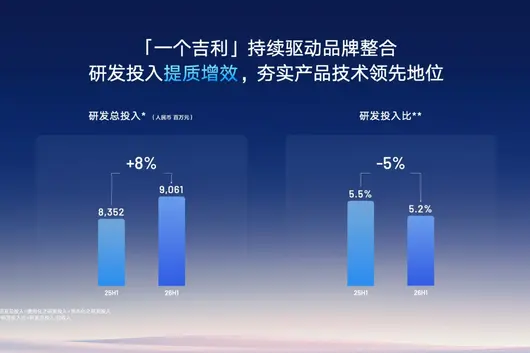

8 月 17 日,吉利汽車(0175.HK)發布 2026 年中期業績。
上半年,公司實現總收入 1736 億元,同比增長 15%,創歷史新高;剔除匯兌損益及非金融資產減值影響後,核心歸屬母公司股東淨利潤達到 96.8 億元,同比增長 46%;總銷量 142.3 萬輛,創歷史同期新高。
呢份成績單所處嘅行業背景並唔輕鬆。國家統計局數據顯示,2026 年 1—5 月汽車製造業利潤同比下降 19.8%;乘聯會測算,上半年汽車行業銷售利潤率約 3.8%,仍處歷史低位。銷量競爭、原材料上漲同轉型投入同時擠壓利潤,已經係行業嘅普遍課題。
因此,觀察呢份中期報告,最值得關注嘅唔係收入同利潤創下多少新高,而係數字之間形成嘅關係:銷量基本持平,營收增長 15%,核心利潤增長 46%,收入增速快過銷量,利潤增速又快過收入。與此同時,毛利率升至 17.9%,同比提升約 1.6 個百分點;核心歸屬母公司淨利率 5.6%,提升約 1.2 個百分點;每車收入 11.2 萬元,同比增長 16%;每車核心歸屬母公司淨利潤 6806 元,同比增長 45%。呢啲指標共同指向一件事:吉利嘅增長,正由規模擴張轉向結構改善同效率提升。
將「協同」寫進中期報告
盈利改善嘅背後,高端產品同海外業務係兩項直接驅動力,體系協同則構成咗更深層嘅原因。
上半年,吉利行政費用率進一步降至 1.7%;研發投入佔收入比重由 5.5% 降至 5.2%,但研發投入絕對值同比增長 8%,達到 90.6 億元。費用率下降同研發投入增加同時出現,意味著公司減少嘅係重複建設同低效支出,技術投入強度並未收縮。
現金端同樣提供咗驗證。上半年經營活動現金淨額接近 200 億元;截至 6 月末,資金儲備約 696 億元,處於歷史高位。費用效率、研發強度、利潤增長同現金創造同步改善,呢份中期報告呈現嘅並唔係某款車型帶來嘅短期彈性,而係一套經營體系逐漸成熟後嘅綜合結果。
這也提供咗一個重新理解「一個吉利」嘅入口。
2024 年 9 月,吉利控股發布《台州宣言》,提出戰略聚焦、戰略整合、戰略協同、戰略穩健、戰略人才五大舉措。2026 年年初,「一個吉利、全面領先」被進一步明確為面向 2030 年嘅戰略目標,核心係強化頂層統籌同全球協同,形成技術共創、市場共拓、供應鏈共享嘅全球「一盤棋」。其目的,係把吉利過去積累嘅品牌、平台、技術、供應鏈同全球資源,重新組合為一套能夠高效運轉嘅共同系統。
過去兩年,吉利先後推進極氪同領克戰略整合,完成極氪私有化;喺內部建立大採購、大研發同平台化銷售體系,並對品牌間存在交叉嘅車型規劃進行調整。管理層喺業績會上面透露,經過重新梳理,品牌間交叉產品數量已減少 20% 以上,行政費用率同研發投入比隨之下降。
呢套調整逐漸形成一個清晰結構:前台保持品牌差異,後台推動技術、研發、採購、供應鏈同全球資源合一。
四大品牌,構成一條完整嘅價值階梯
「一個吉利」唔代表所有品牌長成同一張臉。體系整合之後,四大品牌板塊嘅分工反而更加明確。
中國星承擔燃油同油混市場嘅規模基本盤,上半年銷量 58.1 萬輛,並計劃全面推進 i-HEV 化同智能化;吉利銀河聚焦高價值主流新能源市場,上半年銷量 52 萬輛,成立三年累計突破 250 萬輛;領克強化運動、潮流嘅個性化高端定位,上半年銷量 14.4 萬輛,新能源佔比提升至 65%;極氪承擔科技豪華同品牌向上嘅任務,上半年銷量 17.8 萬輛,同比增長 97%。由此,吉利形成從主流燃油、主流新能源,到個性高端、科技豪華嘅完整產品梯度。
四大品牌定位唔同,同時共享整車架構、電子電氣架構、智能駕駛、智能座艙、電池、電驅同電混等技術資源——品牌之間減少重複,底層能力得到複用,同一項技術喺不同價格帶上形成規模效應。
極氪係其中最能體現結構變化嘅部分。上半年極氪貢獻收入約 550 億元,同比增長 103%;30 萬元以上車型銷量同比增長 578%;以約 12.5% 嘅銷量貢獻咗集團約 31.7% 嘅收入。極氪 9X 上半年交付超過 4.6 萬輛,位居國內 50 萬元以上車型銷量首位。高端化對於吉利,已經唔只係品牌形象工程,而係能夠進入收入、毛利率同每車利潤嘅經營變量。
全球化開始從銷量增量走向利潤增量
同高端化一齊改變收入結構嘅,係海外業務。
上半年吉利海外銷量 47.4 萬輛,同比增長 158%,半年超過 2025 年全年;其中新能源海外銷量 27.7 萬輛,同比增長 585%,佔比約 59%;6 月單月海外銷量首次突破 10 萬輛。公司其後將全年海外目標由 64 萬輛上調至 92 萬輛,並提出挑戰 100 萬輛。
呢組數據嘅重要性唔只喺增速。管理層喺業績會上面披露,出口業務綜合毛利率明顯高於國內:國內約 15%,海外約 22% 至 25%;海外高端同新能源車型佔比提升,係二季度毛利率由 17.5% 繼續升至 18.4% 嘅重要驅動力。海外市場已經從補充銷量,轉向抬升盈利中樞。
出海方式亦喺同步變化。吉利提出建立「一個海外吉利體系」,極氪、領克同吉利品牌保持清晰定位,中後台資源統一協同。今年 7 月,吉利同福特宣布喺西班牙成立合資企業,利用福特瓦倫西亞工廠生產雙方品牌車型,該工廠潛在年產能約 50 萬輛;馬來西亞寶騰基地擴建、同雷諾喺巴西同韓國嘅合作亦喺推進。
收購沃爾沃、投資寶騰、牽手雷諾,過去更多被理解為全球資產版圖嘅擴張。進入「一個吉利」階段後,呢啲資源正被重新組織為本地製造、供應鏈、渠道同品牌運營能力。管理層嘅概括係:產品「走出去」、供應鏈「走進去」、品牌同技術「走上去」。
AI 基築「一個吉利」嘅共同底座
四大品牌同全球市場之外,AI 係理解「一個吉利」嘅另一條主線。
2026 年,吉利發布全域 AI 2.0,技術邏輯係打通整車算力、數據同模型,形成統一嘅整車智能中樞,令智能座艙、輔助駕駛、底盤、安全同動力系統協同運行。呢個統一底座正喺向四大品牌規模化鋪開:千里浩瀚 G-ASD 將覆蓋極氪、領克同銀河產品,超級 EVA 2.0 推進艙駕融合,Robotaxi 定制車型同規模化營運亦喺路上。
AI 嘅應用範圍仲由座艙同輔助駕駛延伸至傳統汽車工程。上半年,吉利發布 i-HEV 智擎混動、AI 數字底盤同 16 合 1 智能電驅,下階段將把大模型能力應用於 900V 高壓補能、電池溫度控制同壽命管理。
正係呢個「一個吉利」喺技術層面嘅價值:底層能力統一開發,前端產品按品牌定位差異化應用。一套技術覆蓋更大銷量同更多價格帶,研發投入嘅邊際效率便持續提高——呢亦都解釋咗點解上半年研發投入仲喺增加,研發投入佔比但係喺下降。
「全面領先」,進入可量化嘅驗證階段
從呢份半年報回睇,「一個吉利」已經有咗比戰略口號更具體嘅含義。
佢係一套品牌體系:中國星、銀河、領克同極氪各自承擔清晰任務,覆蓋由規模基本盤到高端價值突破。
佢係一套經營體系:研發、採購、銷售、供應鏈同產品規劃減少重複投入,體系協同開始進入費用率、毛利率同每車利潤。
佢係一套全球體系:國內同海外協同,整車出口同本地化營運並行,全球資源形成一盤棋。全域 AI 則構成共同嘅技術底座,將智能化由單點配置轉化為跨品牌、跨能源形式、跨市場嘅系統能力。
而 8 月 17 日嗰日,佢仲補上咗最後一塊:治理體系。中期報告發布數小時後,吉利汽車公告管理層調整——李書福辭任董事會主席同執行董事,獲任終身榮譽主席;安聰慧接任主席,淦家閱出任行政總裁,李書福繼續掌舵吉利控股集團。佢喺業績會上面嘅表態可以作為註腳:「汽車產業係冇盡頭嘅馬拉松,企業傳承同價值觀取向決定企業嘅可持續發展能力。」到而家,「一個吉利」嘅整合由品牌、組織、技術,推進到公司治理本身——戰略嘅延續性,被正式交落制度同團隊手入面。
因此,呢份中期報告嘅含金量並唔止於 1736 億元收入同 96.8 億元核心歸屬母公司淨利潤。更加值關注嘅係,過去分散喺不同品牌、技術平台同全球市場嘅能力,正被組織入咗同一套經營邏輯,並開始共同作用喺收入結構、利潤水平同現金創造。
汽車產業進入電動化、智能化同全球化嘅深度競爭階段後,企業之間比拼嘅早唔係某一款爆款。盈利能否擺脫減價依賴,增長能否跨越單一市場,技術能否規模化複用,品牌能否清晰分工,組織能否唔依賴某一個而運轉——呢啲因素共同決定一家車企能否穿越週期。喺呢個意義上嚟講,「全面領先」更接近一組需要持續驗證嘅體系指標,而唔係某個階段性嘅銷量排名。
「一個吉利」意欲何為?
答案正由戰略文本走進財務報表,亦走進治理結構:以體系協同提升效率,以品牌分工創造價值,以全球營運打開增長空間,以全域 AI 構建長期競爭力——而呢次嘅管理層交接,為「全面領先」補上咗最後一塊版圖。呢副版圖拼合完整之後,吉利面向 2030 年嘅目標,先至真正有咗可以一直行落去嘅承載方式。
呢或許亦都係呢份半年報最值得重讀嘅部分。


7月的中国车市,依然在烈火烹油的竞争中翻滚。
不少品牌仍在流量池里肉搏、在价格战中僵持。而此时的极氪,却在销量海报中,用王阳明《蔽月山房》里的“当见山高月更阔”给自己的7月之旅,写上了一个节点性的注释。

的确,7月交付35837台新车、同比增长111%、连续6个月实现同环比双增长的极氪,已经站在了更高处,有着更为长远的视野。而当我们把视线拉长,就会发现极氪在全球市场的累计交付量,也已突破85万台。
而这份7月的海报,与其说是极氪成绩单,不如说是一份关于“如何穿越周期”的哲学答案。极氪引用的诗句,实则是暗合着王守仁心学中“知行合一”的精髓——知是行之始、行是知之成。而极氪选择以技术为知,以交付为行,在行业深陷营销乱象、深陷价格战漩涡的当下,凿出了一条真正通往高处的道路。
信步行来皆坦道,极氪已悄然登顶
2025年到2026年的中国汽车行业,可以用“动荡中前进”这几个字来总结。尤其是在2026年上半年,国内乘用车市场表现持续疲软,前6个月累计零售销量同比下降20.2%。
在此背景下,极氪实现同环比双增长,更加凸显含金量十足。当然在漫长周期中,任何销量数据都会沉入历史烟海,而极氪在数据外展现出的韧性,更能展现其明朗的未来。
举例而言,极氪的高端车型展现出穿越周期的市场认可度。业内普遍认为,一款新车上市后的黄金红利期已经缩短至3-6个月,而在部分细分市场甚至仅有1-2个月。然而,极氪9X这款旗舰SUV上市后,7个月蝉联50万以上大型SUV销量和口碑冠军,连续数月交付破万,也说明极氪9X成功打破了“新车红利期魔咒”。

另外在权威调研机构杰兰路发布的《2026年度上半年新能源汽车品牌健康度研究》中,极氪9X以83.9的NPS得分,位列50万元以上全车型第一,这也证明极氪9X正在从“红利优势”过渡到“口碑优势”。

所以在口碑优势堆叠后,极氪9X这样的现象级车型也具备了更强的韧性。这股韧性,足以助力其长远的市场表现。
一方面,国内9系市场已相对饱和,对比前几个月多个品牌连续打出月交付过万的成绩,7月无一家车企明确推出50万以上车型月交付过万的相关传播,证明该价位市场总盘增量有所放缓。另一方面,据了解,极氪很早也在推进9X等旗舰车型的出海计划,充分承接中国豪华新能源车型在海外需求上涨的新市场格局,所以预计其车型将分流国产车型约50%的产能;此外再加上极氪9X五座版新车上市,不少用户也在持币观望。所以也有相关人士分析,极氪9X后续几个月的交付量可能会缩减至5000辆左右。
但是,即便未来数月极氪9X在国内的单月交付量有所波动,也是出口产能分流叠加新版本上市等多重因素共振的结果。
而这一现象,恰好也是极氪高端车型定力与韧性的体现。因为一款真正意义上的好车,总归要走出国门、受到各国用户的共同认可,当极氪9X稳稳穿越这一周期后,它大概率也会成为真正能比肩宝马X5、抗衡奔驰GLS的全球化豪华SUV。
而且从另一方面来看,极氪已经完成了豪华品牌力的构建,它在新能源豪华市场竞争,并不仅仅依靠极氪9X这一款车型,而是极氪009、极氪8X等高端旗舰车型共同发力。目前在中国市场,品牌单车成交均价提升至37万左右,这也超越了BBA三大品牌27万-34万的成交均价。而在国产新能源市场,极氪在认可度、交付数量上也居于领先位置,行业普遍认为,国产新能源豪华品牌已经构筑起“ZAN”新格局(极氪Zeekr、问界AITO、蔚来NIO)。

图源太平洋汽车比驾榜单
更重要的是,在登顶背后,我们看到了极氪不做“平均数”的价值。
在车海汹涌的市场中,当新品成功率不足18%,一款新车上市后很快就会被其他新车替代时,极氪的选择是用高价值的细分品类巩固自己的品牌特性。譬如在7月,极氪猎装车家族销量持续破万,极氪将小众情怀的猎装车做成自己的主打车之一,折射出极氪对用户需求有深度理解,并且具备定义市场的能力,不随波逐流的极氪,自然也手握着更多话语权。

从稳守豪华关口到把小众市场做成大众市场,极氪打破了当下“以价换量”的潜规则。当大多数品牌还在山脚下的隘口争夺时,极氪已悄然登顶,以更开阔的视野,自然展现出真正的含金量。
吾心自有光明月,极氪用技术代差写下豪华底气
“当见山高月更阔”的第二层,更深的积淀,带来更辽阔的视野。当极氪站在更高的技术山峦上,自然也就能看到更辽阔的市场明月。

当今的汽车行业,从不缺花样营销,真正稀缺的是底层技术。回望汽车百年历史,从V6发动机到V8发动机,从稀缺的木材到精密的手工腰线,豪华的身份认同感始终是独树一帜的技术。
而在极氪看来,豪华的竞争本质上就是技术较量,所以极氪从诞生起就用更广阔的视野,看清了技术代差的重要性。
首先可以确定的是,极氪的技术信仰,是从底层关键技术全栈自研开始构建的。因为在目前,冰箱彩电大沙发,在中国早已具备成熟的供应链模式,反观基于新能源的整车架构、动力系统、底盘系统等,提出了更高的技术要求。
而极氪最具优势性的护城河,便在于核心技术的突出。
简言之,极氪手握了全栈自研900V高压架构,为极氪9X带来行业首个三电机兆瓦电驱系统。自研2.0T发动机、自研超级电混解决方案,不仅为极氪9X带来了最快3.1秒破百的超级性能,同时它也无畏亏电,无论城区、高速还是漫长的山路爬坡,它都能带来强劲的性能。
而且在操控方面,极氪手握浩瀚AI数字底盘,以全自研体系在五十万级车型上落地了以往在百万级车型上都比较罕见的智能主动稳定杆等设备。出色的操控水平,也助力极氪在豪华体验上构建起了代差优势。
值得一提的是,在极氪的技术信仰中,安全可以说是核心中的核心。前不久极氪的一体化压铸用免热处理强韧铝/镁合金及其应用技术项目获得国家科学技术进步奖。对用户而言,这项技术的价值体现在每一次出行中,车身更轻、更静、更安全,极氪也因其极致的安全性被用户誉为“公路坦氪”。目前极氪旗下主流车型极氪9X、009、8X、7X、001、007GT等均已使用一体化压铸车身。
除此之外,“极氪式安全”由SEA浩瀚纯电、浩瀚-S超级电混架构、全栈900V高压架构、浩瀚AI数字底盘等核心技术共同铸就,构成了用户信任极氪产品、更愿意向身边人推荐极氪的根本理由。

在众多安全技术赋能下,无论是极氪007GT的E-NCAP五星成绩,还是极氪9X完成了行业首个单车四向连环极限碰撞测试,都足以见证极氪在主被动安全领域的持续创新能力,也让极氪的“技术豪华论”在高端市场能稳稳屹立。

前不久,极氪一体化压铸技术刚刚获得国内科技
最高级别奖项——国家科学技术进步奖
显然,对技术的执念与技术的代差优势,正是极氪“知行合一”的注脚。正如王阳明所说的一样,“知而不行,只是未知。”当行业深陷浮夸营销泥淖,疯狂炮制概念时,极氪却沉下心来做技术验证、做安全通关、做底层架构创新。这样的技术视野,自然撑开了一片“山高月更阔”的天地,让豪华的定义权回归到创造者与有需求的用户手中。
直挂云帆济沧海,极氪用全球化与新服务开启新序章
如果说技术是极氪向上攀爬的登山道,那么全球化和用户服务便是它抵达辽阔海域的大白帆。在极氪7月交付海报的诗句里,藏着一个更广阔的未来,而这个未来,正在由一场全球远征和服务革新共同写下。

此前我们提到,极氪9X在海外市场供不应求,甚至需要一半的国内产能来保障海外市场供应。
具体来看,目前极氪9X在荷兰阿姆斯特丹完成首秀,在阿联酋,它的起售价更是高于国内20万以上,并且已斩获超500辆订单。这也意味着,极氪的高端价值正在跨越国境和文化,获得越来越多全球高净值用户的认可。
除此之外,极氪7X这款全球明星车型,也实现了全球单月交付量持续破万的成果。在一年之内,极氪7X进入了超40个国际市场,并稳居中国香港、澳大利亚、墨西哥等多个核心区域的细分市场前列。当极氪成为中国高端车出海新名片,不仅开辟了新的增量市场,更让全世界看到了中国高端车的精气神。

而相比起地理疆域,极氪划出了更为广阔的用户口碑疆域,在消费者越来越注重情绪价值的当下,豪华车的服务与产品和技术几乎一样重要。
对此,极氪不仅通过《阳光服务公约》《极氪零距离》等常态化沟通机制,让服务透明化、可监督;同时,颇具创意的“鸡腿基金”,更将用户满意度与一线服务人员的激励直接绑定,用机制驱动温度。
就在不久前,针对用户跨境自驾时车机因地理围栏触发限制的痛点,极氪更是快速响应,通过多项举措优化出入境安全保障模块,将主动权真正交还给用户。
以技术堆叠高度、以服务和全球化拓展广度,至此,山海的磅礴便也化为了极氪的未来。
结语:
长期以来,浙江高端制造业都以“勇立潮头”为践行理念。当见山高月更阔,是吉利以及极氪过去几年向上攀登、格物致知的真实写照。如今的新能源豪华品牌、高端品牌并不罕见,但给自己划一个定位容易,但真正要让消费者接受并认可,需要的是技术产品与用户口碑双重认证。所以,如今或者今后的极氪,仍然会以扎实的技术、优秀的产品和稳健的价格体系,在纷纷扰扰的市场中展现出从容与自信。
我们也想补上一句 杭州“前市长”苏轼的名句 ——“何妨吟啸且徐行”。我们相信,以极氪为代表,更多浙江优质制造企业会将长期主义化作“竹杖芒鞋轻胜马”,更有定力穿越动荡的周期,以稳步向上之态攀上更高的峰顶。


Recently, an owner drove a Zeekr vehicle from Henan, entered Kazakhstan, and after that, smart functions such as vehicle navigation, audio-visual entertainment, etc., triggered backend security risk control strategies, resulting in a strong prompt interface. After the owner posted their experience to social media, it quickly triggered widespread discussion.
It needs to be clarified that this restriction only targets vehicle interface interaction functions. The vehicle's core driving systems such as power, steering, and braking operated normally throughout the journey. There was no situation of "unable to drive". The involved vehicle has completed verification, and the strong vehicle interface prompt has been resolved.

Facing user feedback, Zeekr official quickly launched optimization measures early on the morning of July 26. The brand acknowledged that although this vehicle interface restriction was intended to protect user property safety, there was indeed room for improvement in terms of user experience. Based on suggestions from users and netizens, Zeekr immediately promoted function iteration.
This attitude of "treating user voices as an evolution guide" reflects the brand's respect for real feedback. In the era of smart cars, every user feedback could become an opportunity to promote product and service upgrades.

The optimization plan launched by Zeekr this time is core to returning the "right of choice" to the vehicle owner:
Step 1, the Zeekr App officially launched the "Cross-border Guard" function entry. Owners only need one click to submit, quickly get the verification code, complete self-service unlocking, and significantly simplify the original verification process.
Step 2, the developing "Cross-border Guard Function Switch" will be pushed via OTA. This function will be turned off by default. Before crossing the border, owners can manually choose to turn it on or off on the mobile device according to their needs. If owners actively enable this function, they can still perform self-service unlocking through the App "Cross-border Guard" entry.
Step 3, for users who have already crossed the border or are about to cross the border, Zeekr opened a 24-hour customer service hotline 400-003-6036, providing a priority access channel. If unlocking fails or an emergency occurs, Zeekr will provide remote assistance immediately.
This series of measures balanced security guarantees and convenient experience, realizing the shift from "passive triggering" to "active service".
III. Industry Background: Cross-border risk control is not "overstepping one's authority"In fact, new energy vehicle enterprises deploying cross-border risk control systems is not redundant control, but a "firewall" to deal with cross-border automotive black and gray industry. In recent years, cross-border theft and robbery of new energy vehicles, dismantling and smuggling chaos are not uncommon. Previously, a flagship model of a new force brand was stolen and then transported overseas. The vehicle was transferred quickly, vehicle interface accounts and filing information were remotely tampered with, leading to owners having no way to defend their rights. Many places have also solved cases of mass new car cross-border loss, behind which are exactly the security loopholes left by the lack of security protection mechanisms.
Industry data shows that vehicle interface restriction is essentially a mature global vehicle security protection strategy of the vehicle enterprise. Mercedes-Benz, BMW, Porsche, Tesla and other global top vehicle enterprises have deployed similar mechanisms. During the Russia-Ukraine war, these brands, lacking backup communication mechanisms and intelligent fault tolerance design, caused the anti-theft system to trigger security control mechanisms due to external signal interruption or interference, thereby forcibly locking the vehicle.
Some lawyers pointed out that vehicle enterprise geographic fencing risk control only restricts vehicle interface entertainment, navigation and other auxiliary functions, and does not intervene in core hardware related to driving safety such as steering, braking, and power throughout the journey. Owners can unlock the restriction after providing materials such as passports, customs clearance certificates, and purchase proofs to complete verification, which does not constitute an infringement of property rights. Conversely, if vehicle enterprises let vehicles flow overseas without control, they will face high administrative penalties from customs.
IV. Safety Bottom Line: Protecting Property and Data Security is a Legal ResponsibilityAt a deeper level, vehicle positioning trajectories and vehicle-mounted surveying geographic information belong to nationally mandated important data. According to the "Data Security Law", "Several Provisions on the Safety Management of Automotive Data (Trial)", "Guidelines for Automotive Data Outbound Security (2026 Version)", "Surveying Law" and other relevant laws and regulations, relevant data is strictly prohibited from unauthorized cross-border transmission. Geographic fencing risk control is a necessary measure for vehicle enterprises to implement national data security and surveying confidentiality responsibilities. Moreover, in 2026, the domestic implementation of pure electric passenger car export license management system, vehicles without formal licenses are prohibited from flowing out, and vehicle enterprise risk control is also a necessary measure to cooperate with national import and export supervision and avoid compliance risks. In addition, overseas vehicle interface audio-visual and traffic services involve copyrights and local regulations of various places, and disorderly opening functions will also bring compliance troubles to owners.
Zeekr's optimization this time is not a concession to the safety bottom line, but finding a better solution between "safety backstop" and "convenient experience". The risk control logic remains unchanged, but the process is more transparent and the operation is more autonomous, truly achieving "safety not missing, experience not discounted".
V. Advanced Significance: The Inevitable Path for Chinese New Energy GlobalizationFrom a long-term industry perspective, this event was a "stress test" in the process of Chinese high-end new energy vehicle globalization. Currently, domestic high-end new energy brands are accelerating going global, and the huge price difference between domestic and foreign markets creates a huge arbitrage space: Zeekr 009 domestic selling price over 400,000 yuan, Singapore market over 2 million yuan; Zeekr 9X overseas terminals generally mark up 400,000 yuan, Mansory custom modified version overseas selling price reached 400,000 US dollars, equivalent to more than 2.7 million yuan RMB. The huge price difference bonus makes domestic high-end luxury cars the key target of cross-border black and gray industry and illegal resale dealers. Various illegal cross-border reselling, whole vehicle smuggling, and parts dismantling arbitrage behaviors are endless.
Perfect risk control mechanism is exactly the core confidence for Chinese vehicle brands to walk steadily and far. This Zeekr "listen to advice upgrade" made a positive demonstration for the whole industry: safety risk control is not unnecessary restraint, but indispensable infrastructure for Chinese vehicle brands globalization. In the future, with domestic high-end new energy vehicles continuously deepening cultivation of overseas markets such as Southeast Asia, Middle East, Singapore, the industry will surely refer to this optimization paradigm and unify and improve the standardized system of "risk control backstop + user autonomy + convenient unlocking".
VI. Brand Sincerity: User Voices are the Evolution CoordinatesThe Zeekr brand, known for global security, is hailed by users as "Highway Tank Zeekr". Not only pursuing leading technology configurations in body structure, intelligent obstacle avoidance, etc., but also walking in the forefront of the industry in privacy protection, anti-lost and anti-theft. But even the best original intention must avoid excessive protection similar to "There is a kind of cold called 'Mom fears you are cold'". Cars are essentially user property, and security strategies should not make users feel disturbed.
Reviewing the past year, Zeekr has continued to transform user voices into brand evolution drivers. From clarifying "model modifications need advance notice and no more than once a year", to launching "Zeekr Zero Distance" communication mechanism, releasing "Sunshine Service Convention", to this morning's rapid launch of "Cross-border Guard" — behind every measure is the sincerity of handing the right to speak back to users. It is this honest communication without evasion or buck-passing that has allowed the Zeekr brand NPS (Net Promoter Score) to rise significantly and formed a strong word-of-mouth effect in the market.
Market recognition is the most real. In the first half of this year, Zeekr cumulatively delivered 178,370 vehicles, an increase of 97% year-on-year, becoming the only enterprise among new force brands to complete more than half of the annual sales target. This is not only the victory of the product, but also the result of the "two-way rush" between the brand and users.
ConclusionAn overseas risk control trigger exchanged for an industry-leading outbound security guarantee system; one user feedback promoted a brand service upgrade. Zeekr proved with action: true "global security" lies not only in the hard protection of the vehicle structure, but more in the reverence for user voices. In the journey towards globalization, Chinese new energy vehicle enterprises need such confidence, and also need such warmth.
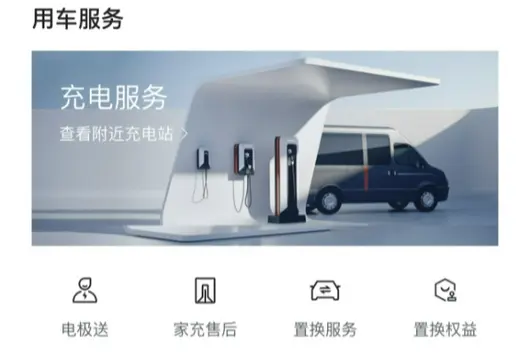

近日,一位車主駕駛極氪車輛從河南出發,駛入哈薩克斯坦後,車機導航、影音娛樂等智能功能觸發咗後台安全風控策略,出現強提示介面。車主將其經歷發布至社交平台後,迅速引發廣泛討論。
要釐清係,今次限制僅針對車機交互功能,車輛動力、轉向、制動等核心行車系統全程運轉正常,唔存在“無法駕駛”嘅情況。涉事車輛而家已完成核驗,車機強提示已解除。
面對用戶反饋,極氪官方喺7月26號凌晨迅速推出優化措施。品牌坦承,今次車機限制雖出於保護用戶財產安全嘅初衷,但喺用戶體驗層面確實存在改進空間。基於用戶同網友建議,極氪即刻推進咗功能迭代。
呢種“把用戶聲音當做進化指南”嘅態度,體現咗品牌對真實反饋嘅尊重。喺智能汽車時代,用戶每一次反饋,都可能會成為推動產品同服務升級嘅契機。
極氪今次推出嘅優化方案,核心在於將“選擇權”歸位畀車主:
第一歩,極氪App端正式上線“跨境守護”功能入口,車主只要一鍵提起,即可快速获取驗證碼,完成自助解鎖,大幅簡化咗原有核驗流程。
第二步,而家緊咗開發嘅“跨境守護功能開關”將透過OTA推送。呢個功能預設會處於關閉狀態,出境前車主可根據自己嘅需求,喺手機端手動選擇開啟或關閉。若車主主動開啟呢個功能,仍可透過App“跨境守護”入口進行自助解鎖。
第三步,針對已出境或即將出境嘅用戶,極氪開通24 小時客服熱線 400-003-6036,提供優先接入通道。如果遇到解鎖失敗或緊急情況,極氪將第一時間遠程協助。
呢一系列舉措,兼顧咗安全保障同便捷體驗,實現咗從“被動觸發”到“主動服務”嘅轉變。
三、行業背景:跨境風控並非“越俎代庖”其實,新能源車廠部署跨境風控體系並非冗餘管控,而係應對汽車跨境黑灰產嘅“防火牆”。近年嚟,新能源汽車跨境盜搶、拆解走私亂象屢見不鮮。此前,某新勢力品牌旗艦車型曾經遭盜搶後被拖運去境外,車輛被快速過戶,車機賬號同備案資訊被遠程篡改,導致車主維權無門。多個地方亦曾偵破批量新車跨境流失案件,背後正係安全防護機制缺失留下嘅安全漏洞。
行業資料顯示,車機限制本質係車廠成熟嘅全球車輛安全防護策略。奔馳、寶馬、保時捷、特斯拉等全球頭部車廠均部署類似機制,俄烏戰爭期間,呢啲品牌喺缺乏備用通信機制同智能容錯設計嘅情況下,因為外部信號中斷或干擾,導致防盜系統觸發咗安全防控機制,從而強制鎖住車輛。
有律師指出,車廠地理圍欄風控只限制車機娛樂、導航等附加功能,全程唔會幹預轉向、煞車、動力等行車安全相關嘅核心硬體。車主提供護照、通關憑證、購車證明等材料完成核驗後即可解鎖限制,並唔構成對財產權嘅侵犯。反之,若車廠放任車輛無管控流出境外,將面臨海關高額行政處罰。
四、安全底線:守護財產同數據安全係法定責任從更深層次睇,車輛定位軌跡、車載測繪地理資訊屬於國家法定重要數據。依據《數據安全法》《汽車數據安全管理若干規定(試行)》《汽車數據出境安全指引(2026 版)》《測繪法》等相關法律法規,相關數據嚴禁違規跨境傳輸。地理圍欄風控正係車廠落實國家數據安全、測繪保密責任嘅必要舉措。且 2026 年國內實施純電動乘用車出口許可證管理制度,無正規許可車輛禁止外流,車廠風控亦係配合國家進出口監管、規避合規風險嘅必要舉措。此外,境外車機影音、流量服務涉及各地版權同屬地法規,無序開放功能亦會畀車主帶嚟合規困擾。
極氪今次優化,並非對安全底線嘅退讓,而係喺“安全兜底”同“便捷體驗”之間搵到咗更優解。風控邏輯唔變,但流程更透明、操作更自主,真正做到咗“安全唔缺位、體驗唔打折”。
五、進階意義:中國新能源全球化嘅必經之路從行業長遠視角睇,今次事件係中國高端新能源汽車全球化進程中嘅一次“壓力測試”。而家,國產高端新能源品牌加速出海,國內外懸殊嘅售價差形成巨大套利空間:極氪 009 國內售價四十餘萬元,新加坡市場超 200 萬元;極氪 9X 境外終端普遍加價 40 萬元,邁莎銳定制改裝版境外售價達 40 萬美元,折合人民幣超 270 萬元。巨大嘅價差紅利,令國產高端豪車成為跨境黑灰產、非法倒賣經銷商嘅重點覬覦目標,各種非法跨境倒賣、整車走私、零件拆解套利行為層出不窮。
完善嘅風控機制,正正係中國汽車品牌行穩致遠嘅核心底氣。今次極氪“聽勸式升級”,為全行業做出咗積極示範:安全風控唔係多餘嘅束縛,而係中國汽車品牌全球化不可或缺嘅基建。將來,隨著國產高端新能源汽車持續深耕東南亞、中東、新加坡等境外市場,行業必將參考今次優化範式,統一完善“風控兜底 + 用戶自主 + 便捷解鎖”嘅標準化體系。
六、品牌誠意:用戶聲音就係進化坐標以全域安全著稱嘅極氪品牌,被用戶譽為“公路坦氪”,不僅喺車身結構、智能避障等方面追求科技配置領先,亦喺隱私保護、防丟防盜等方面走喺行業前列。但係再好嘅初心,都要避免類似“有一種冷叫做媽媽怕你冷”嘅過度保護。汽車本質上係用戶嘅財產,安全策略唔應該令用戶感到被打擾。
回顧過去一年,極氪持續將用戶聲音轉化為品牌進化驅動力。由明確“車型改款要提前預告而且一年唔超過一次”,到推出“極氪零距離溝通機制”、發布“陽光服務公約”,再到今次凌晨火速上線“跨境守護”——每一項舉措背後,都係將話語權交還畀用戶嘅誠意。正正係呢種唔迴避、唔推諉嘅誠懇溝通,令極氪品牌 NPS(用戶淨推薦值)大幅攀升,喺市場上形成咗強勁嘅口碑效應。
市場嘅認可最為真實。今年上半年,極氪累計交付 178,370 輛,同比增長 97%,成為新勢力品牌中唯一完成全年銷量目標過半嘅企業。呢唔單止係產品嘅勝利,更加係品牌同用戶“雙向奔赴”嘅成果。
結語一次境外風控觸發,換來一套行業領先嘅出境安全保護系統;一次用戶反饋,推動一次品牌服務升級。極氪用行動證明:真正嘅“全域安全”,唔單止喺車身結構嘅硬核防護,更喺對用戶聲音嘅敬畏之心。喺走向全球嘅征程中,中國新能源車企需要咁嘅底氣,亦需要咁嘅溫度。

One was scolded for being locked, one was scolded for not being locked. Whose interests are the automakers' "digital fences" actually protecting?
Recently, two strange things happened in the automotive circle, and they must be viewed together.
A Zeekr, the owner drove abroad themselves, got locked for over 30 hours right after entering Kazakhstan. A Li Auto L9, the owner said the car was stolen domestically, but the location also appeared in Kazakhstan.
One actively locked, one not locked. Regarding vehicle cross-border, should automakers lock them?
Zeekr: Self-driving abroad, locked for 30 hours
On July 16, Henan owner Mr. Liu drove a Zeekr 9X to start a Eurasian self-driving tour. As soon as the car entered Kazakhstan, the next day the car system popped up a bunch of prompts——
Navigation unusable, music unplayable, storage box stuck, documents cannot be retrieved. 
Even more extreme, the fuel cap won't open, cannot refuel. This car only has one basic driving function remaining.
Lasting over 30 hours, the in-car screen repeatedly popped up prompts "Vehicle status abnormal, please contact official customer service", to unlock must return to domestic authorized store.
Mr. Liu told the store he was going abroad before departure, but no one reminded him about locking the car. 
Zeekr responded: Vehicles sold domestically only have authorization for use within the country, triggering security protection mechanisms after leaving the border to prevent theft, robbery, and illegal export. Car owner wants to unlock? Yes, submit passport, customs documents, purchase contract, invoice, driver's license, visa... full set of materials.
Netizens exploded: I spent 500,000 to buy this car, and going abroad I still have to report to you?
Li Auto: L9 disappears into thin air, theft or debt?
Look at Li Auto again.
Hangzhou owner Mr. Luo, received system notification in March this year: Li Auto L9 APP control permissions expired.
Where is the car? Car is gone. Location shows, this car appeared in Kazakhstan.
Owner questioned: Did Li Auto remotely unlock it and smuggle the car out of the country? Public opinion rapidly fermented, "Disappearing Li Auto" topped the hot searches.
Interestingly, this came out exactly on the day of the Li Auto L6 launch, the timing was quite delicate.
But the situation quickly reversed — police and media investigation found: This car was mortgaged three times.
First time mortgaged to WeBank, loaned 300,000; second time mortgaged to Zhenong Microcredit, loaned 200,000; third time directly pledged to private lending party, even the physical key was handed over. 
This isn't over. The owner also did something: Replaced the third physical key, causing the keys in the pledge party's hand to fail directly. Pledge party found car keys unusable, drove the car away overnight, transported all the way to Horgos, cleared customs overnight. Upon arriving in Kazakhstan, to allow local buyers to use it normally, the pledge party also applied to unbind the original owner's account permissions. This is not car theft, this is a debt dispute.
Li Auto legal department issued a statement on April 22: Never participated in illegal transfer, no hacker cracking involved, remote operations were all executed by the actual registered person's own account.
Locked or Not Locked, Both Scolded
Putting two things together for comparison, it's interesting.
Zeekr locked — scolded.
Owner went abroad for self-driving, inexplicably locked for 30 hours, even fuel cap won't open, experience extremely poor.
Li Auto didn't lock — also scolded. 
Some comments said: Geely too proactive, locked as soon as going abroad; Li Auto too passive, watched the car drag from Hangzhou to the seaside, transported to Horgos, exited country. Later, to let overseas buyers use it, even unbound the original owner account permissions.
Locked gets scolded, not locked also gets scolded. Whatever automakers do is wrong. But is the problem really that simple?
Why do automakers set up "digital fences"?
This thing really isn't automakers being idle. Behind it there are three layers of logic:
First, black and gray industries are rampant
The price difference between domestic and foreign new energy vehicles is huge.
Zeekr 009 domestic over 400,000, Singapore sells over 2 million; BYD Han domestic over 200,000, Europe sells to over 500,000. Smuggling cars abroad, profit space is how big, you calculate. One car smuggled out, profit can double or triple. The black industry chain behind this is far bigger than imagined.

Second, regulatory hard requirements
February this year, Ministry of Industry and Information Technology and other eight departments jointly issued "Safety Guidelines for Automotive Data Outbound (2026 Edition)", vehicle location, trajectory, mapping data, cannot be casually sent abroad. Automakers without geographic fences, they violate the law themselves first.
Third, industry common practice
Tesla, BMW, Mercedes-Benz have similar restrictions in border areas. Same logic as remote locking phones lost — not to harm you, but to protect you. Prevent vehicles from being illegally sold, or stolen and then sold abroad.
July 26, Zeekr announced emergency rectification:
First, APP launched "Cross-border Protection" function, one-click self-service unlock.
Second, develop "Cross-border Protection Function Switch", default off, owner decides to open or not before leaving country.
Third, 24-hour customer service priority channel.
Say simply — return the initiative of locking car back to owner.
As for Li Auto, legal department clarified in April, but public opinion storm continues. 
The core contradiction of these two things is actually just one:
Automakers' geographic fences, are they protecting owners, or restricting owners? The answer might be — both.
Without this mechanism, smuggling, theft, data violations would be rampant. But execution methods are too crude, indeed let compliant users suffer losses in silence. 
So Zeekr's rectification direction is right: default no lock, let owner choose before leaving country. Handing choice rights to users is more reliable than any "thinking for you". After all, car belongs to user, not automaker.

一個鎖咗俾人鬧,一個冇鎖都俾人鬧。車廠嘅「數字圍欄」,到底喺保護邊個?
最近汽車圈出咗兩件怪事,得連埋一齊睇。
一部極氪,車主自駕出國,啱啱進哈薩克斯坦就被鎖咗 30 幾個鐘。一部理想 L9,車主講車喺國內俾偷咗,結果定位亦喺哈薩克斯坦出現。
一個主動鎖,一個唔鎖。車輛跨境,車廠到底該唔該鎖?
極氪:出國自駕,俾鎖 30 個鐘
7 月 16 日,河南車主劉先生駕駛極氪 9X 開啓歐亞自駕之旅。車啱啱進入哈薩克斯坦,第二日車機就彈出一堆提示——
導航用唔到、音樂播唔到、儲物箱打唔開,證件攞唔出。
更絕係,油箱蓋打唔開,加唔到油。呢部車淨係得一個基礎駕駛功能仲用得。
持續咗 30 幾個鐘,車內屏幕反覆彈窗提示「車輛狀態異常,請聯絡官方客服」,想解鎖必須返到國內授權門市。
劉先生出發前同門市講過要出國,但冇人提醒會有鎖車呢回事。
極氪回應:國內銷售車輛只有境內使用授權,出境後觸發安全保護機制,防止被盜搶同非法出口。車主想解鎖?可以,提交護照、通關文件、購車合約、發票、駕駛執照、簽證……全套材料。
網民炸咗:我花 50 萬買嘅車,出國仲要同你打報告?
理想:L9 憑空消失,係盜搶定係債務?
再睇理想嗰邊。
杭州車主羅先生,今年 3 月收到系統通知:理想 L9 嘅 APP 控制權限失效咗。
車呢?車冇咗。定位顯示,呢部車喺哈薩克斯坦出現。
車主質疑:係咪理想遠程解鎖,把車偷偷運出國?輿論迅速發酵,「消失的理想」衝上熱搜。
巧係,呢件事啱啱喺理想 L6 發布會當日爆咗出嚟,時間點相當微妙。
但事情好快出現反轉——警方同媒體調查發現:呢部車被抵押咗三次。
第一次抵押畀微眾銀行,貸咗 30 萬;第二次又抵押畀浙農小貸,貸咗 20 萬;第三次直接質押畀民間借貸方,連實體鑰匙都交俾佢咗。
呢個仲未完。車主仲做咗一件事:補辦咗第三把實體鑰匙,導致質押方手入面嘅鑰匙直接失效。質押方發現車鑰匙用唔到,過夜把車開走,一路運到霍爾果斯,過夜通關出境。到咗哈薩克斯坦,為咗能让當地買家正常使用,質押方仲申請解綁咗原車主嘅賬號權限。唔係偷車,呢係債務糾紛。
理想法務部 4 月 22 日就發過聲明:從未參與非法轉移,唔涉及黑客破解,遠程操作均係車輛實際登記人本人賬號執行。
鎖同唔鎖,都俾人鬧
兩件事放埋一齊對比,有意思咗。
極氪鎖咗——俾人鬧。
車主出國自駕,莫名其妙俾鎖 30 個鐘,連油箱蓋都打唔開,體驗極差。
理想冇鎖——都俾人鬧。
有評論講:吉利太主動,一出國就鎖;理想太唔主動,眼睇住車從杭州拖到海邊、運到霍爾果斯、出國。其後為咗境外買家能用,仲把原車主賬號權限解綁咗。
鎖咗挨鬧,唔鎖都挨鬧。車廠點做都係錯。但問題真係咁簡單嗎?
車廠點解要設「數字圍欄」?
呢件事真唔係車廠閒到發慌。背後有三重邏輯:
第一,黑灰產太猖獗
國內外新能源車價差巨大。
極氪 009 國內 40 幾萬,新加坡賣 200 幾萬;比亞迪漢國內 20 幾萬,歐洲賣到 50 幾萬。把車倒賣到境外,利潤空間有幾大,你計數。一部車偷運出境,利潤能翻幾倍。呢背後嘅黑色產業鏈,遠比想像中龐大。
第二,法規硬性要求
今年 2 月,工信部等八部門聯合頒佈《汽車數據出境安全指引(2026 版)》,車輛定位、軌跡、測繪數據,都唔可以隨便往國外傳。車廠唔設地理圍欄,自己先違法。
第三,行業通行做法
特斯拉、寶馬、奔馳喺邊境區域都有類似限制。同手機失咗遠程鎖定一個邏輯——為唔係為咗害你,係為咗保護你。 防止車輛被非法買賣、被盜搶後銷贓出境。
7 月 26 日,極氪宣布緊急整改:
第一,APP 上線「跨境守護」功能,一鍵自助解鎖。
第二,開發「跨境守護功能開關」,默認關閉,出境前車主自己決定開唔開。
第三,24 小時客服優先通道。
簡單講——把鎖車主動權攞返畀車主。
至於理想邊個,法務部 4 月就澄清過,但輿論風波仍繼續。
呢兩件事嘅核心矛盾其實就一個:
車廠嘅地理圍欄,到底係保護車主,定係限制車主?答案可能係——兩個都係。
冇呢個機制,走私、盜搶、數據違規會泛濫成災。但執行方式太粗暴,都的確俾合規用戶食咗啞巴虧。
所以極氪嘅整改方向係啱嘅:默認唔鎖,出境前俾車主自己選擇。 把選擇權交畀用戶,比任何「替你諗」都靠得住。始終,車係用戶嘅,唔係車廠嘅。

【导语:近日,极氪公布6月交付数据,单月交付35169辆,同比增长111%,连续5个月实现同环比双增长;上半年累计交付178370辆,同比增长97%。在行业整体承压的背景下,极氪今年30万辆目标完成率已接近60%,是多家披露数据的新能源品牌中唯一进度过半的车企。当其他新势力普遍困于30%-40%的完成率区间,极氪为何能跑赢大盘?】
作者:蔡言
当大多数新势力还在为年中目标焦灼时,极氪已相对轻松达标。猎装车、SUV、旗舰车型多点开花,客单价逼近37万元——这个成立刚刚五年的品牌,正在重新定义中国高端电动车的增长路径。它到底做对了什么?

△极氪2026年度30万辆目标完成率已接近60%
产品矩阵全面冲刺
极氪此番销量跃升绝非单一车型的偶然爆发,而是产品矩阵从“点状突破”走向“体系化放量”的必然结果。猎装家族是极氪最深厚的根基——由极氪001与极氪007GT组成的猎装车系,6月单月交付破万,全球累计交付已超38万辆,占据全球猎装车市场约七成份额。这个曾经被贴上“小众”标签的细分市场,被极氪硬生生做成了月销过万的主流品类,极氪001作为豪华纯电猎装市场的开创者,极氪007GT则以五大标准重新定义了猎装车。从“一年三剑”到“四年三代”的产品迭代节奏争议中,2026款极氪001上市47小时内锁单量突破1万台,市场的投票已经说明了一切。
在猎装基本盘之外,极氪的SUV产品线正在成为新的增长极,豪华SUV极氪7X累计交付已超16万辆,持续问鼎中国香港、澳洲、马来西亚等多个市场中型豪华SUV销量冠军。而真正让极氪实现量价齐升的,是旗舰产品的强势表现,超级电混豪华旗舰SUV极氪9X累计交付超6万辆,单车成交均价超53万元,连续7个月稳居中国50万级大型SUV市场销量与口碑双冠,每卖出3辆50万以上豪车就有1辆是极氪9X。极氪8X于4月17日上市,上市29分钟大定即破万台,5月首个完整交付月便以6103辆的成绩登顶成交均价30万至50万元混动SUV销量榜首。8系与9系的高端车型在极氪当月总销量中占比已接近50%,这意味着极氪不仅卖得多,更卖得贵——品牌客单价已接近37万元。

△极氪猎装家族热卖车型极氪001
从产品策略的底层逻辑来看,极氪的成功在于精准卡位了“20万至50万元纯电与混动市场”这个最具增长潜力的价格带。极氪7X主打25万级别纯电SUV市场,猎装家族覆盖25万至40万元区间,极氪8X切入30万至50万元混动SUV赛道,极氪9X则占据50万元以上的全尺寸SUV制高点。价格带的无缝衔接让极氪几乎锁定了每一个细分市场的增量空间,而吉利体系赋予的全栈900V高压架构、浩瀚AI数字底盘等核心技术优势,则让产品力本身经得起最挑剔的消费者的反复对比。

△极氪从“高性能猎装车”走向家庭用车
极氪为何能抢走BBA “蛋糕”?
在行业整体承压的背景下,极氪却能够逆势增长,这也引出了一个命题:中国高端新能源汽车品牌究竟靠什么打动消费者?2026年上半年,国内汽车行业受芯片、电池等原材料价格大幅上涨及终端价格战持续内卷的双重夹击。乘联分会数据显示,6月新能源零售量预计为105万辆左右,渗透率约63.6%。虽然新能源车增量仍在,但竞争烈度已不可同日而语。
极氪能在这样的环境中跑出97%的同比增速,本质上做对了一件事:用产品实力完成了对传统豪华品牌用户的系统性迁移。极氪9X超过80%的车主来自BBA等传统豪华品牌,极氪不是在和同价位的中国品牌抢份额,而是在直接分流奔驰、宝马、奥迪的存量用户。焕新极氪009在5月上市后,七座齐家版订单占比超六成,全国有门店日均新增近100个订单,这款连续两年蝉联中国40万以上MPV销量冠军的车型,正在用家庭用户的真实选择证明一件事:高端不是靠品牌溢价堆出来的,而是靠产品定义能力挣出来的。
随着极氪在产品策略上的调整,极氪的受众群体正在从“猎装车玩家”向“高净值家庭”快速扩展。极氪8X的用户中,40%为一胎家庭,30%为情侣或夫妻,30至50岁用户合计占比80%;极氪009的用户则以企业董事长、总经理及先锋创业者为主,多数为增购用户。数据显示,极氪与理想在有孩家庭中的优势显著,这说明极氪已经成功地将品牌认知从“高性能猎装车”拓展到了“高端家庭出行解决方案”,高端家庭恰是当前汽车消费中最具支付意愿和置换动力的核心群体。

△极氪正在与BBA抢夺客户
点评
今年上半年,极氪的攻势才刚开始,今年下半年随着推出更多新车而发起更猛烈的进攻。极氪9X五座版已于7月8日正式开启预售,进一步拓展高端SUV产品线;极氪9X将于三季度正式出海,首站登陆中东,后续进入中亚、欧洲等全球主要市场;极氪8X千里浩瀚G-ASD H9版型即将开启交付;焕新极氪007也已正式上市。极氪正在从“国内市场”向“全球市场”拓展,争夺新增量。
(本文系《禾颜阅车》原创,未经授权,不得转载)


The first half of 2026, China's car market produced a somewhat complex performance report.
Data from the CPCA shows that domestic passenger vehicle cumulative retail sales reached 8.701 million vehicles from January to June this year, a year-on-year decrease of 20.2%. Affected by the contraction in total market volume, the sales growth rate for the vast majority of automakers slowed down in the first half, and annual growth targets came under pressure.
This is because the era where "delivery volume" determines ranking and success or failure has passed. With the fuel vehicle base accelerating its momentum loss, volatility in overseas policies intensifying, and the industry's average profit margin dropping to the 3.4% warning line, the competitive dimension of China's car market is shifting from "scale competition" to "structural generation gap".
Behind the sales figures, the invisible gap that truly determines life or death has already widened.
The sales landscape has changed again
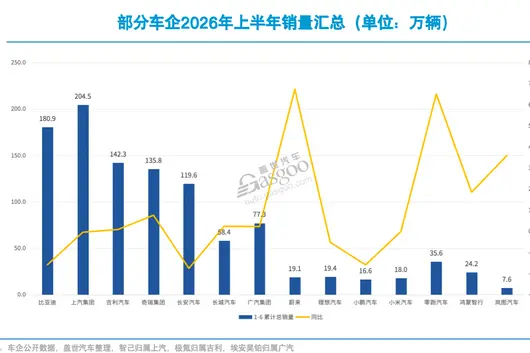
Gasgoo statistics on the sales situation of nearly 20 automakers in the first half showed a clear step-like distribution.
SAIC Group returned to the sales summit with 2.045 million vehicles, becoming the only full-vehicle group to break through 2 million vehicles so far. This time SAIC returned to first place, relying on the combined efforts of independent brands, new energy vehicles, and exports, achieved through a "radical reform" upon itself.
BYD cumulative sales for the first half reached 1.809 million vehicles. Although the domestic market had declined, relying on overseas market growth, it welcomed a recovery momentum of 403,500 vehicles in June.
Geely (1.423 million) and Chery (1.358 million) are accelerating the chase from behind, further narrowing the gap with the top two. The top tier formed by these four no longer competes on how many of a single blockbuster car was sold, but on whose full industry chain turns faster and whose overseas channels are deployed deeper.

Compared to the blossoming of the top tier, the survival status of the second sales tier exposes the cruelest side of this elimination race: the incremental volume of new energy vehicles is starting to fail to fill the gap left by the decline in fuel vehicles.
Changan is like this, selling 1.196 million vehicles in the first half, a year-on-year decrease of 17.4%. The problem it faces is that the speed of the decline in the fuel vehicle front exceeds the replacement speed of new energy brands.
GAC Group cumulative sales for the first half reached 773,000 vehicles, up 2.4% year-on-year, with moderate performance, urgently needing a new blockbuster. Perhaps the Qijing brand, built with Huawei, could be the breakthrough. Great Wall (584,000) increased slightly by 2.5%, but under the double-pronged attack from rivals on plug-in hybrids and pure electric, the shortcoming of a low proportion of new energy vehicles continues to drag down the overall market.
In this dramatic structural change, the confrontation between the camps of emerging new forces and joint venture brands is exposing deeper differences.
New forces have mostly achieved impressive growth rates. Leapmotor sold 356,000 vehicles in the first half, soaring 65% year-on-year. Zeekr, NIO, and Harmony Intelligent also had fierce offensives, especially the former two with year-on-year growth rates exceeding 60%. However, brands like Li Auto and XPeng encountered sales declines due to insufficient new product competition.
NIO's sales breakthrough was largely thanks to mutual support from three major brands: NIO, Onvo, and Firefly. For example, in an environment where the industry generally relies on aggressive pricing to exchange price for volume, Onvo delivered 42,000 vehicles in the first half, and the average transaction price held above 240,000 yuan, achieving a balance between sales growth and price stability, helping NIO achieve significant improvement in performance fundamentals.
Conversely, foreign brands continue to face pressure in China. CPCA data shows that retail sales of mainstream joint ventures decreased by 34% in June. Among them, SAIC Volkswagen shrank by over 30% in the first half, and GAC Honda was directly halved to 68,000 vehicles. The core issue foreign brands face in China remains how to break the inertia of momentum loss caused by the contraction of the fuel vehicle base and achieve scale effects in the new energy market.
Saying goodbye to broad rises, new energy vehicles enter the structural competition stage
No denying, new energy vehicles remain the deciding factor for the overall car market. In June this year, the retail penetration rate of domestic new energy passenger vehicles soared to a historical high of 62.8%, while pure fuel vehicles plummeted by 42%. But upon closer inspection, the bonus period of broad rise in the new energy market has ended.
As CPCA Secretary General Cui Dongshu put it, the new energy market is sliding towards a polarization of "high-end explosion, low-end pressure".
Data is the most direct microscope. In June, wholesale sales of Class B pure electric vehicles surged by 37% year-on-year, while sales in the A00 class pure electric market, serving as entry-level commuter tools, were directly halved by 50%. Consumers no longer buy simply for green license plates or cheapness, but have focused their gaze on products with higher configurations and stronger intelligent capabilities.
In this structural reshaping, resources are accelerating to converge at the top. Only 20 new energy automakers achieved wholesale sales over 10,000 in June, yet they accounted for 94% of the market share. Among them, independent brands took over more than 60% of the share, emerging new forces split 26%, while the share left for mainstream joint venture brands was only 4.3%.

But even within independent brands holding absolute advantages, differentiation is intensifying.
BYD locks the leading position thanks to coverage of the full price range. Geely advanced on dual lines of plug-in hybrids and pure electric vehicles, with new energy scale reaching 800,000 in the first half, and penetration rate approaching 60%. In contrast, while new energy transformation at companies like Chery, Changan, and Great Wall is accelerating, penetration rates still hover around 30%.
And in the new forces camp, the generation gap in growth rates often depends on who can trickle down high-end technologies to the mainstream market.
Leapmotor is a typical representative, with June sales reaching 93,000, far exceeding Li Auto, XPeng, NIO, etc. The explosion of Leapmotor is essentially based on full-domain in-house R&D cost control capabilities, building an SUV product matrix in the core market under 200,000 yuan, turning intelligence and high configuration into inclusive products. This extremely lethal cost-performance strategy allowed it to expand its market share under the general market pressure on the low end.
Different from Leapmotor relying on a full-spectrum blockbuster to break out upwards, NIO is achieving technology spillover downwards through sub-brands. For example, its sub-brand Onvo leverages NIO's system technology and battery swapping network, bringing 900V high-voltage architecture, self-developed chips, and operating systems, originally belonging to flagship models, into the 200,000 to 300,000 yuan family vehicle market, solving refueling anxiety for pure electric users.
In contrast, due to new products being in a replacement vacancy period or lacking sufficient competition, growth rates for some automakers like Li Auto and XPeng slowed to varying degrees in the first half.
Market increments are accelerating to concentrate at top automakers. Players who can continuously produce blockbusters and build full-spectrum matrices are building competitive barriers higher and higher.
Overseas competition has entered the "deep water zone"
While reshaping the domestic market competition landscape, the overseas market has become the second growth pole that almost all automakers are vying for.
In June this year, domestic passenger vehicle exports surged 82.3% year-on-year to 877,000 vehicles, with new energy exports soaring 152.7% even more. Exports are no longer garnishes on automaker financial reports, but have become key variables influencing the overall market.
However, in the second half of going overseas, the focus of competition has shifted from "how many cars were exported" to "whether one can establish global operations and risk resistance capabilities". In other words, single trade-type exports are entering a downward phase, while overseas localization production and globalization system construction are becoming the invisible gap that truly widens the generation gap between enterprises.
In this global leap, the differentiation at the top has already begun to show signs.
Among the automakers, Chery remains a typical "global harvestor" domestically, with cumulative exports reaching 944,000 vehicles in the first half, achieving a high-speed growth of 71.5%. Its export scale ranks first in the domestic automotive industry, with overseas sales accounting for nearly 70% of total sales. The channel advantages formed in Latin America, the Middle East, and Russia have built a very thick survival foundation for Chery.
More worthy of attention are players like BYD who are completing the leap from exporting products to exporting systems. With overseas factories in Thailand, Brazil, etc., gradually starting production, BYD's overseas sales climbed to 789,000 vehicles in the first half, nearly doubling year-on-year. Its overseas sales have accounted for 40% of total sales. This approach of "building factories in the opponent's home base" is the best way to avoid tariff barriers and achieve localization rooting.

At the same time, Geely and Changan are also accelerating tactical shifts. Geely accelerated the overseas launch of affordable series like Starship, recording an export scale of 474,000 vehicles in the first half, with June alone breaking 100,000 vehicles. Changan pulled export growth by 35% to 402,000 vehicles through overseas efforts on new energy models like Deepal and Qiyuan.
While some are accelerating, others are bearing the pressure of defending their city. SAIC exported 735,000 vehicles in the first half. Although relying on the MG brand for deep cultivation in Europe, Southeast Asia, etc., maintained stable shipments, it has already shown signs of being overtaken by Chery and BYD in the landing pace of overseas localization capacity. With competitor localization factories in Europe and Southeast Asia gradually starting operations, if SAIC cannot quickly upgrade overseas system bonuses, its past first-mover advantage will face the risk of continuous erosion.
In the new forces camp, Leapmotor took another shortcut. It cooperated with the international giant Stellantis, leveraging the latter's global channel network and production bases. Its overseas scale quickly approached 100,000 vehicles in the first half, successfully walking a path of light assets and high-efficiency globalization.
XPeng is also accelerating the expansion of the overseas market. In the first half, its overseas sales reached 32,000 vehicles, up more than 70% year-on-year, increasing the proportion of total sales to about 20%. Chairman and CEO He Xiaopeng had explicitly stated the strategic goal of "half of sales coming from overseas in the next ten years".
XPeng tries to bet directly on the global battlefield by self-operating technology, putting intelligent advantages there. Currently, the results of this strategy are initially visible. But under the current international geopolitical environment, this will put extremely high cross-cycle requirements on the enterprise's overseas supply chain elasticity.
Especially, this year's demand fluctuations in some Middle East markets, and the uncertainty of the global trade environment, objectively tested the risk resistance cycles of each automaker. The traditional single trade model relying solely on domestic production and sea shipping exports, when facing overseas policy adjustments, has a relatively short defensive depth.
This also means that the focus of competition in the second half of going overseas is no longer the frequency of sea shipping logistics, but the construction and landing of overseas localization capacity.
How to break through the final exam in the second half?
The data of half a year is just the process. What the market truly cares about is: Can the sales targets set at the beginning of the year still be completed?
According to Gasgoo Auto Research Institute's forecast, China's passenger vehicle wholesale sales in 2026 will be about 29.634 million vehicles, a slight decrease of 1.4% year-on-year. The overall market is basically treading water, meaning any automaker's growth must snatch food from opponents' mouths. At the node of the first half ending, the gaps in completion rates among each family have already widened.
BYD has not publicly disclosed clear annual sales figures, but forecasts given by UBS and other institutions are around 5 million vehicles. Supporting this massive volume is domestic full price range product coverage and the continuous release of overseas capacity. With the production launch of factories such as Thailand and Brazil, BYD's overseas expansion has upgraded from product output to system output.

Among automakers that have disclosed specific goals, Geely and Chery have higher completion rates, both around 40%, with both having clear sales pillars supporting them.
Geely's new energy penetration rate broke through 60%, running volume on dual lines of plug-in hybrids and pure electric. In the second half, its domestic market will continue to harvest 100,000 to 200,000 yuan mainstream new energy share through models like Starship E5 and Starship 7, and plans to enter the mid-to-high-end track through new products like Starship TT. Overseas will leverage affordable vehicles of the Starship series to land in Europe for volume boosting, and target overseas high-end premium markets with models like Zeekr 9X, thereby hedging against domestic involution.
Chery's overseas exports shoulder nearly 70% of sales, with channel bonuses in markets like Latin America, Middle East, Russia still being released. In the second half, Chery puts its focus on Europe and emerging markets. Through the new brand LEPAS, hybrid flagship layout in Europe, and model launches like Exeed ET8 in Russia and Central Asia, it uses a strategy of blossoming in multiple points to maintain lightweight growth throughout the year.
In contrast, Changan and Great Wall are the two with low completion rates. Changan's annual target is 3.3 million vehicles, completed 36% in the first half. In the second half, the ramp-up speed of new models like Deepal L05, Qiyuan Q06, Avatr 07 L, etc., will directly affect Changan's sales.
Great Wall's completion rate is also around 30%. Its Tank series stabilized the basic platform of hardcore off-road through plug-in hybrids, but the real volume-driving Haval brand lacks an absolute blockbuster in the new energy mass market. In the second half, whether new models like Tank 300, Haval H10 can tear open a breakthrough in the mainstream new energy market is the variable for Great Wall to reverse the situation.
SAIC also faces considerable pressure to achieve an annual target of 5 million vehicles. Its core highlights for the second half lie in whether the incremental release of new energy models like IM Motors and STELATO Z7 can be released, and whether the decline amplitude of the joint venture basic platform can be narrowed.
In the new forces camp, second half pressure also shifted to rapid volume increase of new product sequences. Leapmotor's annual target is 1.05 million vehicles, completing 30% in the first half. To achieve the target in the second half, monthly average sales need to be pulled to above 110,000. Besides the C-Series holding the basic platform under 200,000 yuan, the high-end D-Series and Lafa5 Series will become the main attackers for volume boosting.
NIO anchors its annual growth target around 40% (about 450,000 vehicles), betting most of the increment on Onvo. In the second half, as flagship models L90, L80, and new L60, etc., welcome the product explosion cycle, Onvo's market performance will directly affect NIO's final results for the year.
XPeng and Harmony Intelligent completion rates are also around 30%. XPeng will quickly increase volume in the second half relying on the global launch of new series like MONA L03, GX. Harmony Intelligent needs to rely on new products like STELATO G9, Qijing GT7, etc., to pull deliveries.
The direction of foreign joint venture brands lacks suspense. Under the pinch attack of continuously shrinking fuel base and new energy products far from forming scale, the main task for joint venture brands in the second half can only be to try to slow down the decline speed. Gasgoo Auto Research Institute forecasts that Volkswagen China is expected to reach around 2 million vehicles for the year, and Toyota in China around 1.3 million.
Of course, sales targets are only surface rulers. In January-May this year, China's automotive industry profit margin has dropped to 3.4%. In the second half, if continuing to rely solely on price cuts to boost volume, it will only further overdraft the blood-making ability of enterprises to survive in the deep water zone. At this stage, blindly stacking delivery numbers has lost practical significance.
The real deciding factor is to see whether each automaker can solidly convert the product cycles planned in hand into quality and cash flow-supported scale explosions.

Rock solid amidst market fragmentation.
If using a few words to describe the Chinese auto market in the first half of 2026, "under pressure, fragmentation" fits perfectly.
Domestic passenger car retail volume declined nearly 20%, the smoke of the price war has not cleared, and the total retail sales of consumer goods was dragged into negative growth by the automotive sector; overseas, EU anti-subsidy tariff expansion on cars has landed, and the situation in the Middle East and other regions remains unpredictable.
However, on one hand is the backdrop of a winter in the automotive industry, while on the other hand, brokerage firms frequently increased their positions, surprisingly meeting at a single listed auto company.
This seemingly huge divergence points to a deeper issue, namely what capital markets and investors see in this listed auto company that competitors do not possess.

Auto K-Line believes that in the first half of this year, Geely Auto demonstrated remarkable systemic strength, certainty, stability, and insightful foresight; during the industry's growth phase, it might have been inconspicuous, but in the downturn cycle, it is the stabilizing force that weathers the wind and waves; therefore, the market is a voting machine in the short term, but a weighing machine in the long run.
01
On July 1, Geely Auto (0175.HK) released its financial report, exhibiting an independent trend. From the beginning of the year to date, the company became the only listed auto stock in Hong Kong that rose.
Among the passenger car segments of listed auto companies counted by Auto K-Line, this is unprecedented.
Announcements show Geely Auto sold 240,800 units in June, achieving double growth in both year-on-year and month-on-year metrics for four consecutive months; cumulative sales in the first half exceeded 1.4229 million units, growing 1% (the only positive growth among the top three listed auto companies in China); new energy penetration rate reached 67%; cumulative overseas export year-on-year surged 158%, with a single month breaking 100,000 units for the first time creating history; ZEEKR brand average selling price per vehicle approached 350,000 Yuan, surpassing BBA...

Domestic market under pressure, Geely Auto grows counter-trend; industry reshuffling, it has already achieved structural optimization. In Auto K-Line's view, the answer to this super-stable performance lies in the strategic certainty brought by Li Shufu and the Geely management leading the "One Geely" systemic strength construction over the past two years.
Especially from overseas explosion to luxury breakthrough, from multi-path technology to large mobility ecosystem, to breakthroughs in motorsports and generational inheritance, Geely Auto has woven a systemic net that crosses cycles across five dimensions.
And the new variables emerging in the current automotive policy environment—falling oil prices, expectations of vehicle and vessel tax reform, and discussions on equal rights for fuel and electric vehicles, etc.—are adding new tension to Geely's net.
02
As I review the announcements released by Geely Auto, the most eye-catching is Geely Auto's overseas market explosion.
In June, Geely Auto exported 102,800 units, breaking 100,000 units for the first time in a single month, a year-on-year increase of 157%, and overseas sales share rose to 42.7%. Cumulative exports in the first half reached 474,000 units, surging 158% year-on-year, exceeding the total export volume for all of 2025.
Unlike other Chinese listed auto companies, behind this set of figures from Geely Auto is an industry symbiotic overseas expansion model.

Auto K-Line believes this choice by Geely is more like an asset-light route, with deep cooperation with Volvo, Proton, Renault Korea, Renault Brazil, etc., utilizing their existing production capacity to achieve technology licensing and joint production, efficient and easier to accept.
In Europe, utilizing Volvo factories for local production of LYNK & CO and ZEEKR effectively avoids tariff barriers; in Southeast Asia, Xingyuan's localization rate in Indonesia reached 46.5%, deeply integrating into local supply chains; in Latin America, the Renault Geely Brazil company has begun production.
Currently, Geely has laid out over 1,900 outlets in more than 100 countries and regions, completing brand layout in nearly 20 mainstream markets in Europe.
Therefore, the explosive growth in exports in the first half is not an accidental pull of a single hit product, but a inevitable result of full-chain localization system scaled output across production, research, sales, and supply.
It is worth noting that Geely Auto has raised its annual export target from 750,000 units to 1 million units.
03
In Auto K-Line's view, if the overseas explosion opened up Geely's sales scale space, making Geely Auto the only one among the top three listed auto companies in China to maintain positive cumulative sales growth in the first half, then the ZEEKR brand's premium breakthrough determines the thickness of Geely Auto's growth quality.
Data shows that in the first half of 2026, ZEEKR brand cumulative deliveries reached 178,000 units, a year-on-year increase of 97%, becoming the sales champion of the Chinese luxury new energy market.
As Geely Auto Group Senior Vice President Lin Jie stated, ZEEKR brand average selling price per vehicle approaches 350,000 Yuan, surpassing BBA; ZEEKR 9X average transaction price exceeds 530,000 Yuan. In China's luxury car market above 500,000 Yuan, for every 3 sold, 1 is ZEEKR.

Auto K-Line believes that what supports the ZEEKR brand's price positioning is a very clear product and brand strategy, as well as the success of Geely's direct sales system trial run.
Today, ZEEKR has firmly consolidated the 9 series ultra-luxury, 8 series sports luxury, and 7 series tech luxury premium matrix, and behind it owns the highest level strategic resource support of the Geely system—SEA Expanse Architecture, SEA Super Electric Hybrid, AI Digital Chassis, Qianli Hanhao Smart Driving System.
It is reported that ZEEKR 8X won the reputation champion of mid-to-large SUVs above 300,000 Yuan upon launch; ZEEKR 7X cumulative deliveries exceeded 170,000 units, ranking as the sales champion of mid-size luxury SUVs in many countries overseas; ZEEKR 009 consecutively ranked first in pure electric MPV sales above 400,000 Yuan for two months.
Whether domestic or overseas, ZEEKR's flagship 9 series has become the pursuit target of celebrities and entrepreneurs and other high net worth individuals.
In fact, Geely Auto's premium achievement was already shown in the first quarter of this year. Data shows Geely Auto core net profit per vehicle reached 6,429 Yuan, a year-on-year increase of 30%, setting a new high in nearly five years; gross margin 17.5%, increasing by 1.8 percentage points year-on-year.
Auto K-Line believes that in the period of most fierce price wars, the profit per vehicle did not fall but rose, indicating that true premiumization is letting core technology grow brand premiums.
04
Besides Geely's counter-trend growth, a policy trend brewing is worth attention; expectations of vehicle and vessel tax reform are making equal rights for fuel and electric vehicles shine on reality.
With new energy penetration rates continuing to rise, the national policy level begins to think, when new energy vehicles are no longer the minority, should they gradually promote equal rights for fuel and electric vehicles, allowing fuel cars and new energy vehicles to compete fairly under the same tax framework.

For listed auto companies completely relying on pure electricity, this means the policy moat narrows; but for listed enterprises like Geely persisting in all technology paths, fuel and electricity advancing together, it is a long-term structural benefit. Moreover, international oil price falls are also indirectly strengthening Geely Auto's competitiveness.
When new energy vehicles no longer enjoy special treatment, market competition will return from policy driven to product driven—Chinese consumers will rationally weigh comprehensive value such as power performance, usage costs, and refueling convenience.
Auto K-Line believes Geely Auto's strategic clarity allows it to benefit from policy changes.
05
Geely China Star series, as the sales champion of domestic brand fuel cars for 9 consecutive years, accumulated sales over 580,000 units in the first half, clearly being an important profit and cash flow source for Geely.
Moreover, Geely's heavyweight launch of i-HEV Smart Hybrid this year seems to have foreseen international changes, keeping Geely Auto unbeatable. It combines fuel car refueling convenience with electrification fuel-saving performance, and can compete head-on with pure electric cars without policy tilt.
This technology has confirmed full promotion overseas in the fourth quarter. At that time, Geely Auto will form a systematic replacement of traditional fuel cars in the overseas market, going head-on with top Japanese and Korean auto companies overseas.

Auto K-Line feels the trend of fuel and electric equal rights is not weakening Geely, but verifying the foresight Geely Auto has always persisted in multi-route layout.
When the policy balance beam tends to level, true product power can surface. Geely has both scale ability and technical reserves on fuel, hybrid, pure electric, alcohol-hydrogen multi-routes simultaneously, this is exactly its unique advantage distinguishing it from most Chinese listed auto companies!
06
In 2026, in Auto K-Line's view, Geely Auto made significant layout on the racing map, also to further deepen global layout, build name recognition, and feed back R&D.
At the LYNK & CO 07 GT launch press conference, Lin Jie announced the brand will officially enter the rally field. The championship mission of fighting in WTCE/TCR events for many years has been handed over to the Preface of Geely China Star series.

I believe LYNK & CO entering rally races is a breakthrough, engineering verification scenarios expand from track race speed limits to rally race survival limits; Preface taking over TCR is a heritage, chassis tuning data, power system calibration and lightweight processes settled on the track for many years will be injected back into sales base products.
This layout set elevates track genes from a brand tag to the entire Geely Auto Group's cultural asset. When consumers shift from comparing parameters to recognizing brands, track genes and performance faith will release Geely brand compound interest over a long cycle.
07
Auto K-Line counted 2026 first-half auto stock trends finding auto sector stock prices overall declined more than double digits, but Geely Auto's strong fundamental resilience attracted institutional dense position increases, also one of the few auto stocks maintaining rise.
Statistics show 46 international institutions have cumulatively increased positions or established positions, including BlackRock, American Century Investments Management long-term funds in the list.

Citi expects Geely Auto's multiple premium models launch will pull second and third quarter gross margins; HSBC Research expects ZEEKR sales growth to continue in second half; Daiwa expects "One Geely" strategy under 2026~2028 profit growth will be higher than market general expectations.
With August semi-annual report release, continuous realization of fundamentals and profits, Geely Auto is expected to usher in an important window for valuation repair.
According to Auto K-Line knowledge, second half Geely Galaxy TT will冲击 C-Class pure electric coupe market, Galaxy Battleship 700 will explore hard-core off-road new category.
Overlaying new generation electric drive technology upcoming release, i-HEV full promotion globalization, ZEEKR 9X overseas launch first to Middle East—this systemic net woven by global channels, premium technology matrix, fuel-electric dual-line layout, three-dimensional mobility ecosystem and brand culture faith, will continue to extend.
Views of AutosKline:
2026行至年中,when the industry's surging tide recedes, many have already lost their underwear, but Geely Auto has worked out abs.
Content is original to [Auto K-Line], material sources reference public company announcements and industry public information (relevant companies and institutions should be responsible for authenticity); some images sourced from the internet, copyrights belong to original owners.
This article is not authorized for reprinting without permission, violators will be prosecuted. Meanwhile, the article content does not constitute investment advice to anyone! Stock market risks are high, investment requires caution!


喺市場撕裂中穩如泰山。
如果講用幾個詞來形容 2026 年上半年中國汽車市場,承壓、撕裂再準確唔過。
國內乘用車零售大盤下滑近 20%,價格戰硝煙未散,社零總額直接被汽車類拖累成負增長;國外歐盟汽車反補貼關稅擴容落下,中東等地區局勢依然變幻莫測。
然而,一邊係汽車行業寒冬嘅背景,另一边卻係券商機構頻繁加倉,竟然同時喺一家上市車企身上交匯。
呢種看似巨大嘅背離,恰恰指向一個深層問題,就係資本市場同投資者喺呢家上市車企身上睇到咗咩,係同行所唔具備嘅。
《汽車 K 線》認為,今年上半年,吉利汽車展現出驚人嘅體系力、確定性同穩定性,以及有洞見嘅前瞻性;喺行業上升期或許唔顯山露水,但喺下行週期中,佢就係穿越風浪嘅壓艙石;所以市場短期係一台投票機,長期嚟講係一台稱重機。
01
7 月 1 日,吉利汽車(0175.HK)交出一份成績單,走出咗獨立行情,年初至今,該公司成為唯一上漲嘅港股汽車股。
呢喺《汽車 K 線》統計嘅汽車業上市公司乘用車板塊中,絕無僅有。
公告顯示,吉利汽車 6 月銷量 24.08 萬輛,連續四個月同環比雙增長;上半年累計突破 142.29 萬輛,增長 1%(喺中國上市車企銷量前三中唯一正增長);新能源滲透率衝至 67%;海外出口累計同比暴增 158%,單月首破 10 萬輛創造歷史;極氪品牌單車均價近 35 萬元,超越 BBA……
內需市場承壓,吉利汽車逆勢增長;汽車行業洗牌,佢則已經實現結構優化。喺《汽車 K 線》睇來,呢份超穩表現嘅答案就喺過去兩年,李書福同吉利管理層主導「一個吉利」體系力建設帶來嘅戰略確定性。
尤其係由海外爆發到豪華破局,由多路徑技術到大出行生態,再到汽車運動嘅突破同代際傳承,吉利汽車用五大維度織成咗一張穿越週期嘅體系之網。
而當前汽車政策環境中浮現嘅新變數——油價下跌、車船稅改革預期同油電同權討論等,正為吉利嘅呢張網增添新嘅張力。
02
筆者翻看吉利汽車發布嘅公告,最亮眼嘅莫過於吉利汽車海外市场大爆發。
6 月,吉利汽車出口 10.28 萬輛,單月首破 10 萬輛,同比大增 157%,海外銷量佔比升至 42.7%。上半年累計出口 47.4 萬輛,同比暴增 158%,超 2025 年全年出口總量。
與其他中國上市車企唔同,吉利汽車呢組數字背後係一套產業共生型嘅出海模式。
《汽車 K 線》認為,吉利呢種選擇,更像係輕資產路線,同沃爾沃、寶騰、雷諾韓國、雷諾巴西等深度合作,利用對方現有產能實現技術授權同聯合生產,高效且更容易被接受。
喺歐洲,借助沃爾沃工廠實現領克、極氪當地生產,有效規避關稅壁壘;喺東南亞,星願喺印尼國產化率達 46.5%,深度融入本土供應鏈;喺拉美,雷諾吉利巴西公司已投產。
目前,吉利已喺 100 多個國家同地區鋪設超 1900 家網點,喺歐洲近 20 個主流市場完成品牌布局。
因此,上半年出口爆發式增長,唔係單一爆款嘅偶然拉動,而係產研供銷全鏈路本地化體系規模化產出嘅必然結果。
值得注意嘅係,吉利汽車已將全年出口目標從 75 萬輛提升至 100 萬輛。
03
喺《汽車 K 線》睇來,如果話海外爆發打開咗吉利銷量規模空間,令吉利汽車成為中國上市車企前三中唯一保持上半年累計銷量正增長嘅企業,那麼極氪品牌高端突破,則決定咗吉利汽車增長質量嘅厚度。
數據顯示,2026 上半年,極氪品牌累計交付 17.8 萬輛,同比大增 97%,成為中國豪華新能源市場銷冠。
正如吉利汽車集團高級副總裁林傑表示,極氪品牌單車均價近 35 萬元,超越 BBA;極氪 9X 平均成交價超 53 萬元,喺中國 50 萬以上豪華車市場,每賣出 3 部就有 1 部係極氪。
《汽車 K 線》認為,支撐極氪品牌價格定位嘅,係非常清晰嘅產品同品牌戰略,以及吉利直營體系試水嘅成功。
而家,極氪徹底鞏固咗 9 系極致豪華、8 系運動豪華、7 系科技豪華嘅高端矩陣,且背後擁有咗一個吉利體系最頂級嘅戰略資源支撐——SEA 浩瀚架構、浩瀚超級電混、AI 數字底盤、千里浩瀚智駕系統。
據悉,極氪 8X 上市即獲 30 萬以上中大型 SUV 口碑冠軍;7X 累計交付超 17 萬輛,喺海外多國問鼎中型豪華 SUV 銷冠;極氪 009 連續兩月蟬聯 40 萬以上純電 MPV 銷冠。
無論係國內定係海外,極氪嘅旗艦 9 系,已經成為明星同企業家等高淨值人群嘅追逐對象。
其實,吉利汽車嘅高端化成果今年一季已經有所展現。數據顯示,吉利汽車單車核心淨利潤達 6429 元,同比增長 30%,創近五年新高;毛利率 17.5%,同比增加 1.8 個百分點。
《汽車 K 線》認為,喺價格戰最激烈週期入面,單車利潤唔降反升,說明真正嘅高端化,係讓核心技術長出品牌溢價。
04
喺吉利逆勢增長之外,一個正喺醞釀嘅政策趨勢值得關注,車船稅改革預期令油電同權正在照進現實。
隨著新能源滲透率持續攀升,國家政策層面開始思考,當新能源車不再係少數派,是否應逐步推進油電同權,讓燃油車同新能源車喺同一稅負框架下公平競爭。
對於完全依賴純電嘅上市車企,這意味著政策護城河收窄;但對吉利咁樣堅持全技術路徑、油電同進嘅上市企業,卻係長期結構性利好。唔止呢,國際油價回落亦喺間接加強吉利汽車嘅競爭力。
當新能源車不再享受特殊優待,市場競爭將從政策驅動回歸產品驅動——中國消費者將更理性地權衡動力性能、使用成本、補能便利等綜合價值。
《汽車 K 線》相信,吉利汽車嘅戰略清醒,令佢喺政策變局中反而受益。
05
吉利中國星系列作為連續 9 年嘅中國品牌燃油車銷冠,上半年累銷超 58 萬輛,儼然係吉利重要嘅利潤同現金流來源。
唔止呢,吉利今年重磅推出嘅 i-HEV 智擎混動彷彿洞悉咗國際風雲變幻,令吉利汽車立於不敗之地,佢兼具燃油車補能便利同電動化節油性能,無需政策傾斜就能同純電車正面競爭。
該技術已確定第四季度全面推进出海,到時吉利汽車將喺海外市场形成對傳統燃油車嘅系統性替代,全面喺海外同日系、韓系頭部車企硬撼。
《汽車 K 線》覺得,油電同權嘅趨勢,唔係喺削弱吉利,而係喺驗證吉利汽車一直以來堅持多路線佈局嘅前瞻性。
當政策天平趨於水平,真正嘅產品力才能浮出水面,吉利喺燃油、混動、純電、醇氫多路線上同時擁有規模化能力同技術儲備,正係佢區別於多數中國上市車企嘅獨特優勢!
06
2026 年,喺《汽車 K 線》睇來,吉利汽車喺賽事版圖上做出咗意味深長嘅佈局,亦係為咗進一步深化全球佈局、打造知名度,同反哺研發。
喺領克 07GT 上市發布會上,林傑宣布該品牌將正式進軍拉力賽場,征戰 WTCE/TCR 賽事多年嘅冠軍使命,交棒畀咗吉利中國星系列旗下嘅星瑞。
筆者認為,領克進軍拉力賽,係一次突破,工程驗證場景由場地賽嘅速度極限拓展至拉力賽嘅生存極限;星瑞接棒 TCR,就係一次傳承,賽道沉澱多年嘅底盤調校數據、動力系統標定同輕量化工藝,將反向注入銷量基盤產品。
呢組佈局,將賽道基因由一個品牌嘅標籤,昇華為整個吉利汽車集團嘅文化資產。當消費者由比參數轉向認品牌,賽道基因同性能信仰將喺長週期內釋放大吉利品牌複利。
07
《汽車 K 線》統計 2026 上半年汽車股走勢發現,汽車板塊股價整體下行超過兩位數,但吉利汽車強勁基本面韌性吸引咗機構密集加倉,亦係數咁少保持上漲嘅汽車股。
有統計顯示,已經有累計 46 家國際機構增倉或建倉,貝萊德、美國世紀投資管理等長線基金喺列。
花旗預計,吉利汽車多款高端車型上市將拉動第二、第三季度毛利率;匯豐研究則預計極氪銷量增長下半年會持續;大和預計「一個吉利」策略下 2026~2028 年盈利增長將高於市場普遍預期。
隨著 8 月半年報發布,基本面同盈利嘅持續兌現,有望推動吉利汽車迎來估值修復嘅重要窗口。
據《汽車 K 線》了解,下半年吉利銀河 TT 會衝擊 C 級純電轎跑市場,銀河戰艦 700 則將開拓硬核越野新品類。
加上新一代電驅技術即將發布,i-HEV 全面推進全球化,極氪 9X 出海首登中東——這張由全球化渠道、高端技術矩陣、油電雙線佈局、立體出行生態同品牌文化信仰織成嘅體系之網,仲會繼續延伸。
AutosKline 觀點:
2026 行至年中之際,當行業洶湧嘅潮水退去,好多人已經唔著內褲,吉利汽車就練出咗腹肌。
文字為【汽車 K 線】原創,內容參考素材源自上市公司公告同行業公開信息(相關公司同機構應有責任對真實性負責);部分圖片來自網絡,版權歸原作者所有。
本號文章,未經授權,唔可轉載,違者必究。同時,文章內容唔構成對任何人嘅投資建議!股市風險大,投資要謹慎!

文/汽车维基
7月1日,吉利汽车控股有限公司(0175.HK)照例交出了半年成绩单。数字本身并不意外——1-6月累计销量1,422,958辆,创同期新高;6月单月240,799辆,连续四个月同环比双增。但在2026年这个特殊的年份里,这份成绩单的意义远不止数字本身。

先看看这份成绩单所处的背景是什么。
乘联分会数据显示,2026年上半年全国乘用车市场累计零售约875万辆,同比下降20%。1-5月,乘用车国内销量降至679.1万台,同比减少23.8%。蔚来李斌在重庆汽车论坛上直言,行业应该做好心理准备,2026年国内零售销量可能同比下跌15%到20%,国内车市已经到了最残酷的决赛阶段。
整个大盘在下坠。而吉利,在逆势向上。
这142万辆背后,藏着三个足以让行业重新审视吉利的信号。
信号一:海外月销首破10万,半年出口超去年全年6月,吉利海外出口销量首次突破10万辆大关,达到102,874辆,同比增长157%,环比增长21%,连续六个月实现同环比双增。上半年累计出口474,228辆,同比增长158%,直接超过了2025年全年出口总量。
474,228辆是什么概念?在已公布数据的头部车企中,吉利上半年出口量仅次于比亚迪(约79万辆)和奇瑞(约94万辆),稳居自主品牌出口前三。而158%的同比增速,是同期海外销量增速最快的自主品牌。

更值得注意的是出口结构。上半年新能源产品海外出口277,189辆,同比激增585%,6月新能源出口占比已达61%。从“卖油车”到“卖电车”,吉利海外业务正在完成一次质变。
这背后是吉利独特的“产业共生型”出海模式在发挥作用。与沃尔沃、宝腾、雷诺巴西等海外品牌合作,利用对方产能实现低投入、高产出的轻资产扩张。面对欧盟对中国插混车加征额外反补贴关税,吉利可以借助沃尔沃工厂规避风险;面对马来西亚等国的本地化生产要求,宝腾模式提供了现成答案。这不是简单的“运出去”,而是一套可持续的本地化生存法则。
目前吉利已在100多个国家和地区布局超1900家销售和服务网点。从东南亚到欧洲,从拉美到中东,吉利正在把“中国制造”变成“全球交付”。
信号二:极氪累计交付突破82万辆,高端化不是口号是账单如果说出口是吉利的“第二增长曲线”,那高端化就是它的“利润护城河”。
极氪6月交付35,169辆,同比增长111%;上半年累计178,370辆,同比增长97%。品牌全球累计交付正式突破82万辆。单车均价近35万元,已超越BBA等传统豪华品牌。
最硬核的数据在这里:极氪9系旗舰累计交付近15万辆,极氪9X平均成交价超53万元,意味着50万以上豪车市场每卖出3辆,就有1辆是极氪9X。焕新极氪009上市两月蝉联40万以上纯电MPV销冠。极氪8X摘得30万以上中大型SUV口碑第一。

这些数字放在一起,只说明一件事:中国品牌卖贵车,吉利不仅做到了,而且做成了规模。
极氪的含金量还在于它的全球化速度——已进入超50个国家和地区,全球门店超650家。在中国香港,每卖出2辆豪车就有1辆是极氪;在澳大利亚,极氪7X持续蝉联中型豪华SUV销冠;在马来西亚,极氪登顶豪华纯电品牌销量第一。
下半年,极氪9X将于三季度正式出海,首站登陆中东,未来将进入欧洲、拉美、中亚等全球主要市场。极氪009光辉将于四季度登陆中国香港。一个中国豪华品牌正在全球范围内建立自己的版图。
信号三:星愿月销破5万、银河半年52万辆,“一个吉利”的体系力正在显效如果说极氪代表了吉利的“高度”,那吉利银河和中国星则代表了吉利的“厚度”。
吉利银河6月单月销量108,206辆,同比增长20%,环比增长32%。上半年累计519,793辆,跻身全球新能源销量前三。其中,星愿6月销量达50,906辆,同比增长24%,蝉联中国全品牌全品类车型销量冠军。

在燃油车市场整体崩塌的背景下(1-5月国内燃油车销量同比减少23.8%),吉利中国星系列6月仍卖出78,358辆,上半年累计580,580辆,连续9年蝉联中国品牌燃油乘用车销量冠军。油电两条腿走路,让吉利在市场剧烈波动中拥有了罕见的抗风险能力。
这种均衡发展的背后,是吉利正在推进的“一个吉利”体系化变革。吉利控股集团董事长李书福6月公开透露,将关停并转相关冗余主体,集中优势资源做强0175.HK核心上市平台。从组织架构到品牌布局,从极氪、领克到银河、中国星,四大品牌各司其职又协同作战,形成“极氪拉利润、中国星和银河稳基盘”的健康结构。
这不是简单的数字叠加,而是一套经过精密设计的体系在运转。
写在最后2026年上半年,大多数车企的年度目标完成率徘徊在三成左右。大盘下跌20%,利润下滑20%,行业进入最残酷的淘汰赛阶段。
而吉利交出的答卷是:销量创新高、出口翻倍增长、高端品牌站稳脚跟、新能源渗透率6月达67%。
更难能可贵的是,这份成绩不是靠价格战“杀”出来的。2026年第一季度,吉利单车核心净利润达6,429元,同比增长30%,创近五年新高;毛利率17.5%,同比增加1.8个百分点。量在涨,价也在涨,利润更在涨——这才是高质量发展的真正含义。
花旗、汇丰、中金、瑞银、里昂等数十家投行给予吉利“增持”“买入”评级。富途牛牛数据显示,上半年累计46家国际机构增仓或建仓吉利汽车。资本市场在用真金白银投票。
当别人在思考如何“活下去”的时候,吉利已经在思考如何“走出去”。当别人在打价格战的时候,吉利在用高端化和全球化构建新的增长曲线。
这大概就是穿越周期的真正含义。


编辑|郭小松
出品|马路咖啡in
2026年上半年对所有车企都是一场“大考”,新能源车政策的大幅退坡、宏观经济消费疲软、外部局势黑天鹅事件等多重因素叠加,市场不仅开年即遇冷,还随着外部环境变化愈发复杂。
乘联会的数据显示,1-5月狭义乘用车累计零售709.9万辆,同比下滑19.5%;其中新能源车零售369.7万辆,同比下滑15.1%;燃油车零售340.2万辆,同比下滑23.7%。

唯一的亮点是汽车出口,1-5月累计出口337.3万辆,同比大幅增长68.1%;内部结构上,40万以上车型累计零售23.9万辆,同比增长16.9%,再放大看,20万以上车型零售大幅跑赢大盘。

这组数据说明,在这场大考中,要想交出高分卷,必须具备解出“出口”和“高端化”这两道大题的能力。
当然,选手最好能做到面面俱到“不偏科”,而成绩优异的吉利汽车,恰恰就是这么一位能解大题也能做好基础题的多边形选手。
稀缺的“调整力”
上半年,吉利累计销售142万辆,同比微增1%,是主流车企中少有能保持正增长的;其中,新能源车累计销售近80万辆,同比增长10.25%,渗透率56%;累计出口超47万辆,同比增长158%,超过2025年全年出口量,并拿下同期自主品牌海外销量“增速王”。
结构上,吉利银河累计销售52万辆,同比下滑5%;领克累计销售14万辆,同比下滑6%;极氪累计交付18万辆,同比增长97%。

从以上数据来看,吉利上半年呈现出“整体稳健、结构持续改善”的趋势,而后者重点就体现在出口和高端化两大领域。
出口方面,吉利月度出口量从年初的6万+,逐步提升至8万+,又在上半年最后一个月一步迈过10万+门槛。而且这还是在“缺船”的前提下,如果没有这一问题,其出口量还可以更高。
出口占比随之飙升:6月单月出口占比已达42.72%,半年累计占比33%;而去年同期,这两个数字分别只有16.95%和12.98%。
得益于超预期的出口表现,2026年还未过半,吉利就两次上调全年出口目标,先从年初的64万辆上调至75万辆,又在近期再次上调至100万辆,贡献出中国车市惨淡中的一抹亮色。
不过,笔者认为,100万辆或许还不是吉利今年出口量的最终剧情。

高端化方面,极氪是核心引擎,6月交付35169辆,再创历史新高,并连续三个月站在3万+台阶,且仍保持向上势头。同时,极氪自身的销售结构正在快速改善,截至6月底,其单车均价已经接近35万元,去年同期这一数字还在30万元左右。
吉利整体的销售结构自然也随之改善,6月单月和上半年,极氪占总销量比重分别为14.61%和13%,而去年同期这一占比分别为7.08%和6.44%。
按照官方此前透露的消息,吉利出口车毛利率比国内高10%,出口和高端化双线叠加,吉利今年的盈利必然会大幅改善,这一点在半年报上就会有所体现。

正如笔者此前多次表达的观点,面对2026年的复杂局势,车企最好是个多边形战士,哪个领域都能打,一个领域遇阻能马上调整到另一个或者另几个领域,而这种“调整力”无疑是最为稀缺的。
下半场怎么打?
实际上,2026年是吉利出口全面发力元年,所以尽管增速极高,但吉利的步伐并不算“激进”,依然选择了需要更长时间布局和见效的“体系出海”,只不过其与海外合作伙伴的轻资产模式,为其带来了效率优势。

在欧洲,吉利将借助沃尔沃的产能、渠道、售后体系,快速落地相关产品;吉利也将收购福特在欧洲的闲置产线,并与福特合作推出多款全新车型。以此规避关税风险。在马来西亚,吉利依托宝腾辐射整个东盟市场;在韩国、巴西、拉美等地,吉利与雷诺合资合作。
吉利已经确定要在全球打造3个20万级市场(欧洲、东盟、拉美非洲)、2个10-15万级市场(东欧、中东亚太);目前已在100多个国家和的确布局了超1900家销售和服务网点。
值得注意的是出口与高端化共振。极氪9X将于三季度正式出海,首先登陆中东地区,后续进入欧洲、拉美、中亚等全球市场;009光辉将于四季度在香港上市;而7X、009等极氪车型也均在海外颇受欢迎。

产品阵容上,吉利目前缺少走量的主流纯电车型和SUV车型,下半年需要在这方面着力补齐,银河TT、战舰700(9月上市)、银河8系SUV等主流纯电和SUV车型将在下半年投放;极氪还将推出9X五座版、光辉版及另一款全新车型;领克除07GT外,还有一台中大型SUV,或为领克的8系SUV。
伴随着新车型的是吉利技术体系的升级,包括800V平台、全新电驱、新一代6C倍率神盾金砖电池、CTB电池结构、超低温热泵等。
据笔者了解,吉利5-6月一直在为经销商减库存,两个月累计减少库存约5万辆,为下半年的新车潮做好准备。

如果说上述都是看得见的动作,那么“一个吉利”的整合则仍在看不见的后台持续推进。6月13日,吉利控股集团董事长李书福公开表示,将有序“关停并转”吉利汽车集团有限公司相关冗余主体,集中优势资源,做强吉利汽车控股有限公司(HK.0175)核心上市平台。
这是《台州宣言》发布近两年后,李书福首次在公开场合如此明确、直接地表态要把0175作为核心上市平台做大做强。这预示着“一个吉利”整合将进入新阶段,未来更多相关资产有望并入上市公司,而电池业务的并入已在推进中。
这不仅关乎资本市场,更关乎吉利下半场的战斗力。当多数车企还在国内红海里拼刺刀,吉利已经用出口和高端化开辟了第二战场。
半年考的高分不是终点,而是又一轮洗牌的开始。


编辑导语:在2026年上半年的新势力乱战中,极氪交出了一份看似完美的成绩单:销量大涨97%,均价站稳36万。然而,剥开亮眼的数据外衣,这家背靠吉利的豪华品牌正行走在一条“单腿跳”的平衡木上。
7月1日,极氪科技集团发布了6月交付数据:单月交付35,169辆,同比增长111%;1-6月累计交付178,370辆,同比增长97%。

单看增速,极氪无疑是成功的。但若将这一数据置于整个行业的坐标系下审视,情况则复杂得多。在2026年上半年新势力交付榜上,极氪位居第五,排在零跑(6月9.3万辆)、鸿蒙智行(5万辆)、蔚来(4.06万辆)和小鹏(4.01万辆)之后。“同比翻倍”掩盖了一个事实:极氪的绝对体量与第一梯队之间,仍存在着数万辆的鸿沟。
“均价36万”背后的结构性隐忧
极氪最为外界称道的,是其“量价齐升”的能力。官方数据显示,极氪品牌单车成交均价已突破36万元,甚至喊出了“ZBB”(极氪、奔驰、宝马)取代“BBA”的口号。
支撑这一高均价的,是极氪9X和极氪009两款旗舰车型。其中,9X累计交付近15万辆,平均成交价超过53万元;焕新后的009也连续两个月蝉联40万以上纯电MPV销冠。这两款车几乎凭一己之力,将极氪的品牌溢价拉到了新的高度。
然而,第三方观察视角下,这种结构的脆弱性同样明显。
首先,基本盘承压。曾经作为销量支柱的极氪001,在2024年尚能月销过万,但进入2025年后销量大幅回落。与此同时,定位走量的极氪007在同级别市场中也面临特斯拉Model 3的强力压制。这意味着,极氪目前的增量严重依赖于高价的9X和009,而20万-30万元的主流市场基盘并不稳固。
其次,“极氪科技集团”的内部温差。自2025年2月极氪收购领克51%股权后,双品牌并未形成预期的合力。数据显示,领克品牌的支柱车型08 EM-P销量从2025年下半年的月销6000辆高位滑落至2026年中不足2500辆;旗舰车型领克900也出现明显滑坡。“极氪向上,领克向下”的现实,使得极氪科技集团不得不依靠极氪单品牌的高溢价来填补整体目标的缺口。
出海:高溢价模式的试金石
面对国内市场的激烈内卷,极氪将目光投向了海外。官方宣称极氪是“中国唯一实现五大洲交付的全球豪华品牌”,已进入全球超50个国家和地区,并在香港市场取得了每卖出2辆豪华车就有1辆是极氪的成绩。
下半年的关键战役在于极氪9X的全球化落地。按照计划,9X将于三季度率先登陆中东,随后进军欧洲、拉美及中亚市场。
这是一个极具风险的跨越。在中东等高净值市场,极氪凭借国内积累的高端势能或许能有一席之地;但在法规严苛、品牌壁垒深厚的欧洲市场,极氪9X不仅要面对奔驰EQE SUV和宝马iX等传统豪强的围剿,还要应对当地消费者对“中国豪华”品牌认知的重新建立。国内53万元的均价能否在海外复刻,将是检验极氪品牌成色的终极试金石。
结语
极氪上半年的表现,像极了一场高难度的“空中加油”。通过极氪9X和009两款旗舰车型,极氪成功维持了高增长和高均价的品牌形象,暂时对冲了领克品牌的颓势和主流车型基盘的松动。
但对于一家志在冲击百万年销的集团而言,仅靠两款旗舰车型的“单核驱动”显然是不够的。下半年,极氪需要解决的不仅是9X的出海难题,更是如何在守住36万均价的同时,让20万-30万元的主销车型重新回到增长轨道。否则,这份漂亮的半年报,恐将成为难以复制的孤岛。


