
Search History
Popular Searches
English
Dealer Login / Sign Up
The BYD Seal 6 arrives at the 2026 Hong Kong Motor Show as a four-seat electric saloon that already carries local registration weight. With 25 units recorded in the May 2026 new private-car data, it is no longer a theoretical addition to the brand’s nine-model line-up, but a model that Harmony New Energy Auto Service is actively placing on Hong Kong roads. Its saloon body and pure-electric powertrain fill a specific niche within BYD’s local range: a properly-sized three-box EV that avoids the tall SUV silhouette favoured by many families, yet still offers the zero-emission credentials required for cross-harbour commutes and tight urban estate parking. For show visitors who have browsed the larger Sealion 7 or the compact ATTO 3, the Seal 6 provides a lower, more streamlined alternative that slips easily into standard shopping-mall basement bays and older residential blocks where ceiling height and ramp angles matter. In a market where BYD held second place overall last month, the Seal 6 extends the sedan offensive beyond the established Seal.
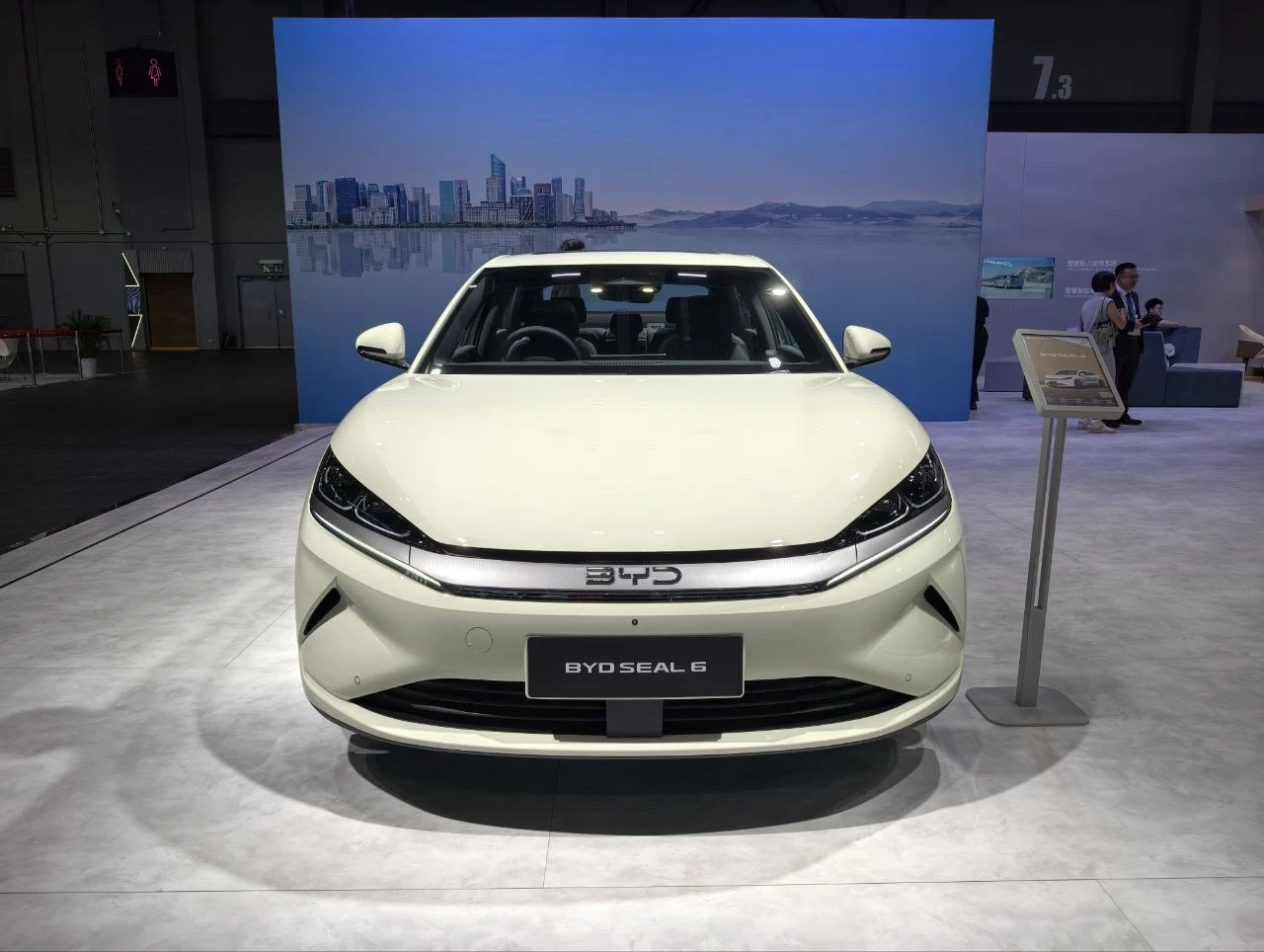
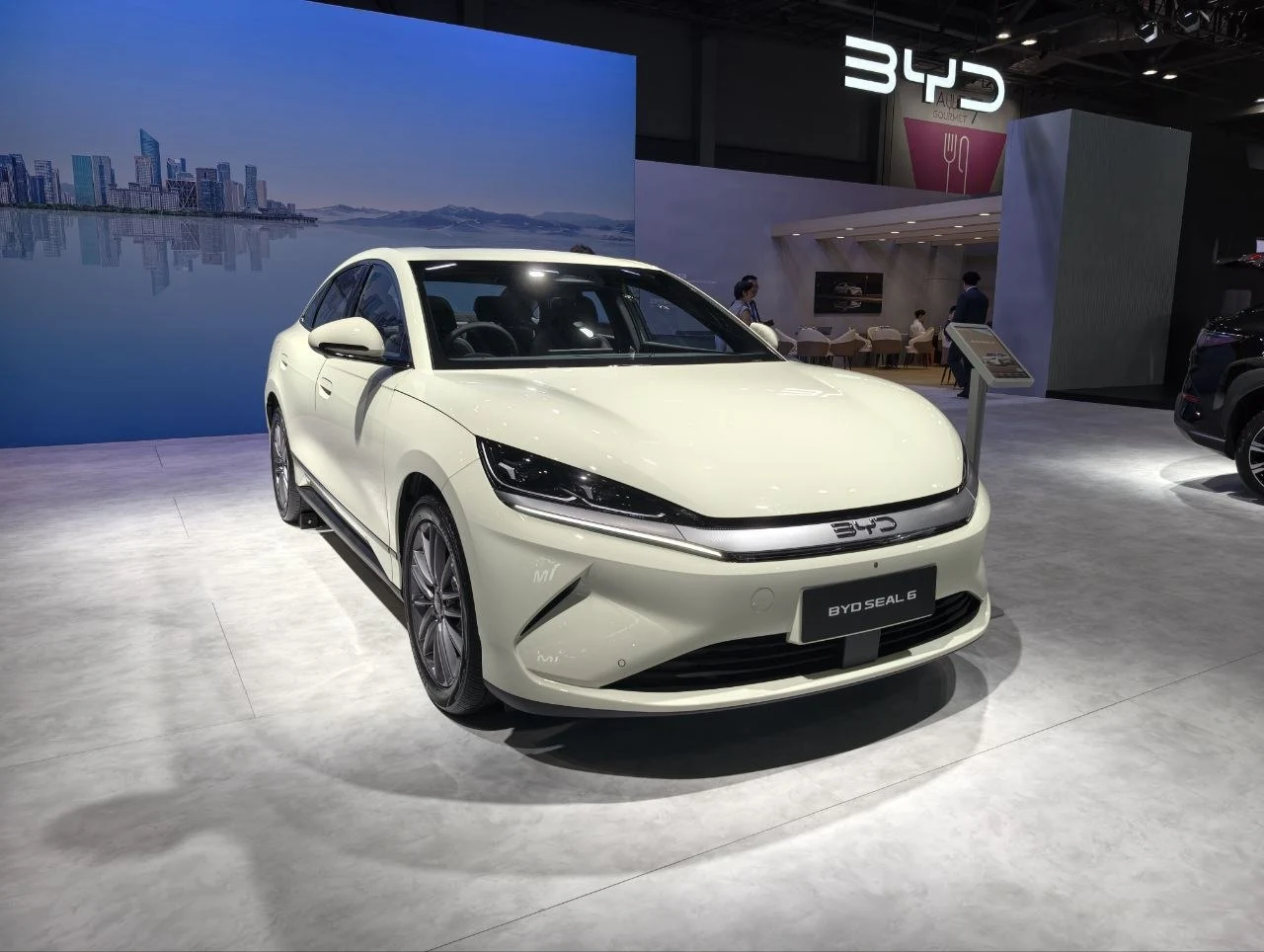
May 2026 registration records reveal four distinct variants—Comfort, Dynamic, Premium and Premium Extended Range—suggesting BYD Hong Kong is not treating this as a single-spec import. The rated power spread from 35 kW to 65 kW across the registered fleet, with a median of 35 kW, implies most early examples are concentrated in the lower-output grades that prioritise efficiency and lower licence-fee brackets, while the upper versions add muscle for drivers who regularly tackle the Island Eastern Corridor or Tolo Highway. The presence of a Premium Extended Range badge also signals that range confidence, rather than outright acceleration, is the headline promise. Buyers comparing the Seal 6 on the show floor should note which variant grade best matches their weekly driving distance and whether the extended battery is worth the step up for those without home-charging facilities.
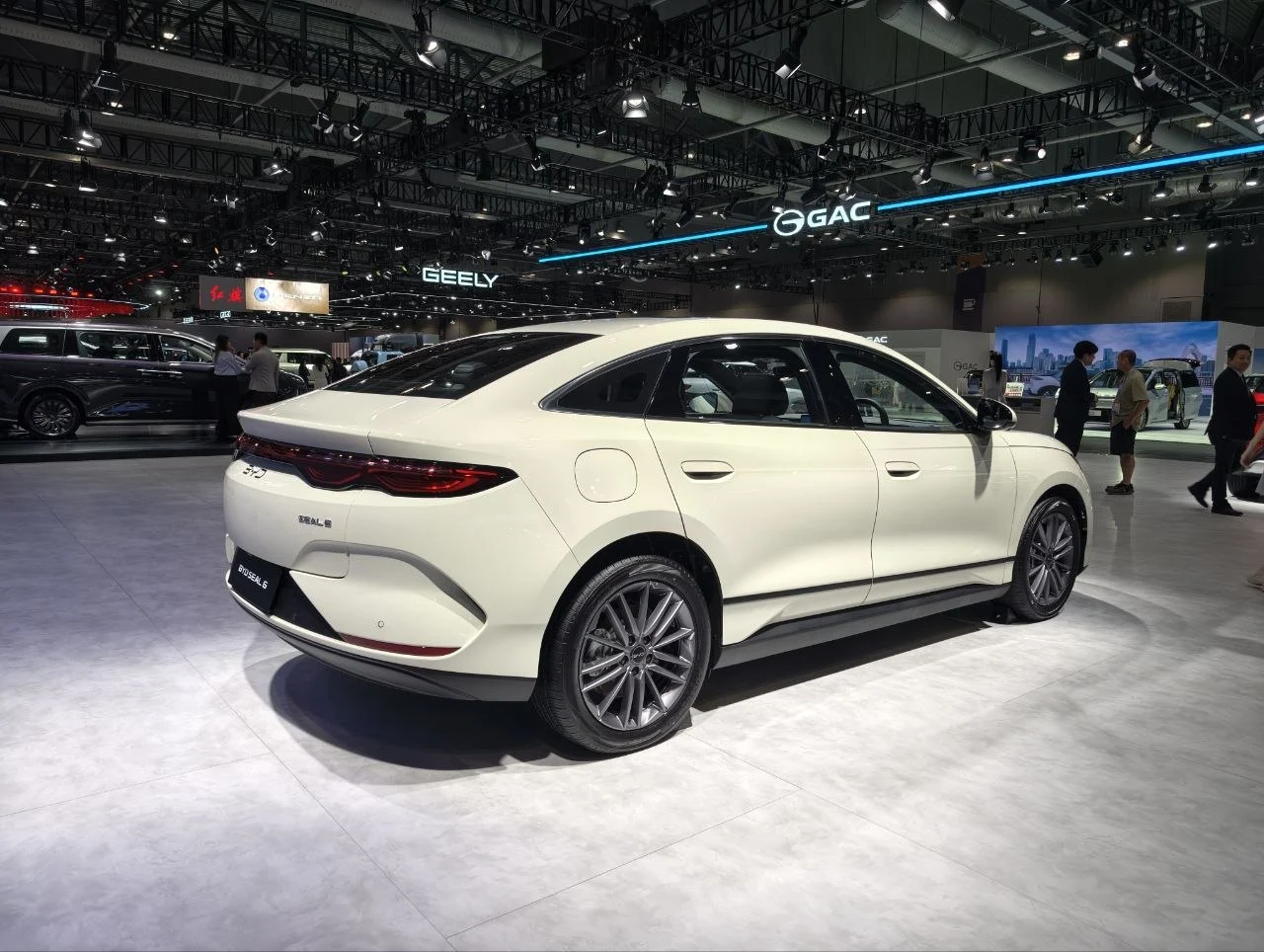
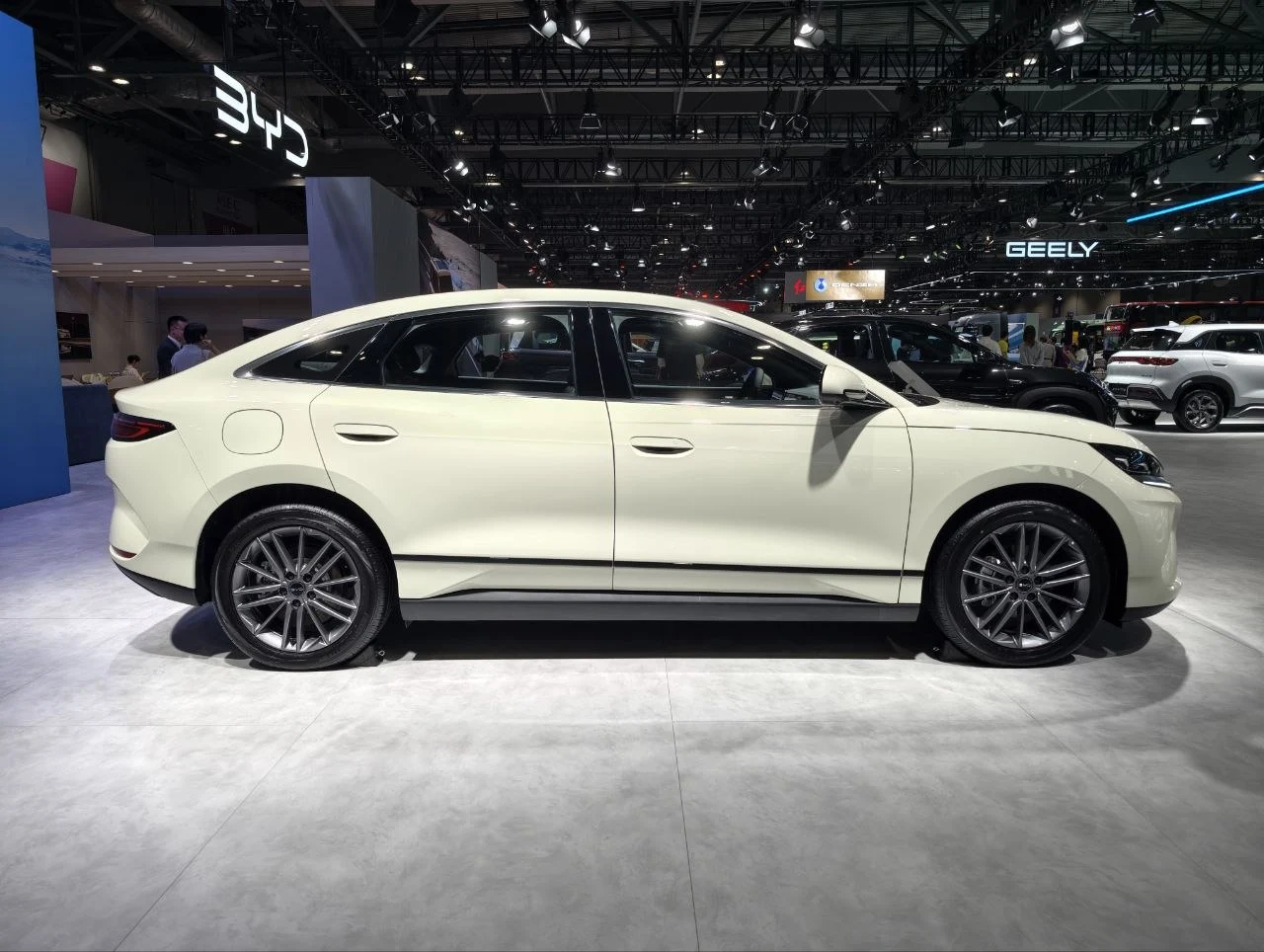
For local daily use, the Seal 6’s four-seat saloon layout is a deliberate compromise between cabin space and parking pragmatism. Unlike the seven-seat M6 or the high-riding Sealion 7, this is a car built primarily for couples, small families or professionals who need a tidy footprint for Central office carparks and crowded estate slots. The three-box shape usually rewards owners with a separated boot that keeps luggage away from the passenger cell, a practical detail when returning from airport runs or supermarket trips. Rear-seat access is straightforward for elderly parents, though not as upright as in an MPV. On the charging side, the Seal 6’s battery size will determine whether owners can rely on overnight top-ups at housing-estate chargers or need to factor public fast-charging into their weekly routine. Either way, the absence of petrol bills and the lower annual licence fee typical of EVs should trim the total ownership cost compared with an equivalently sized combustion saloon.
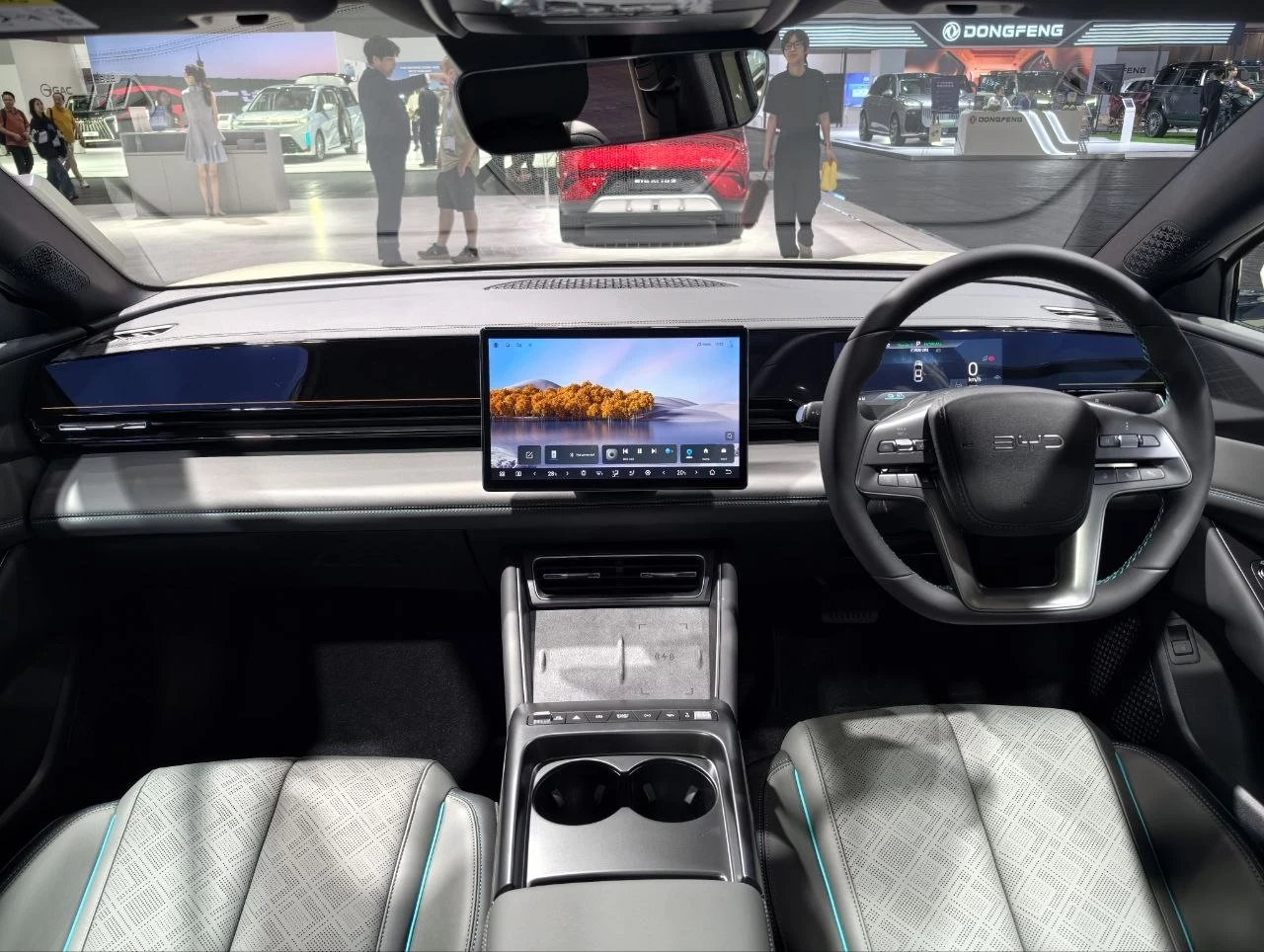
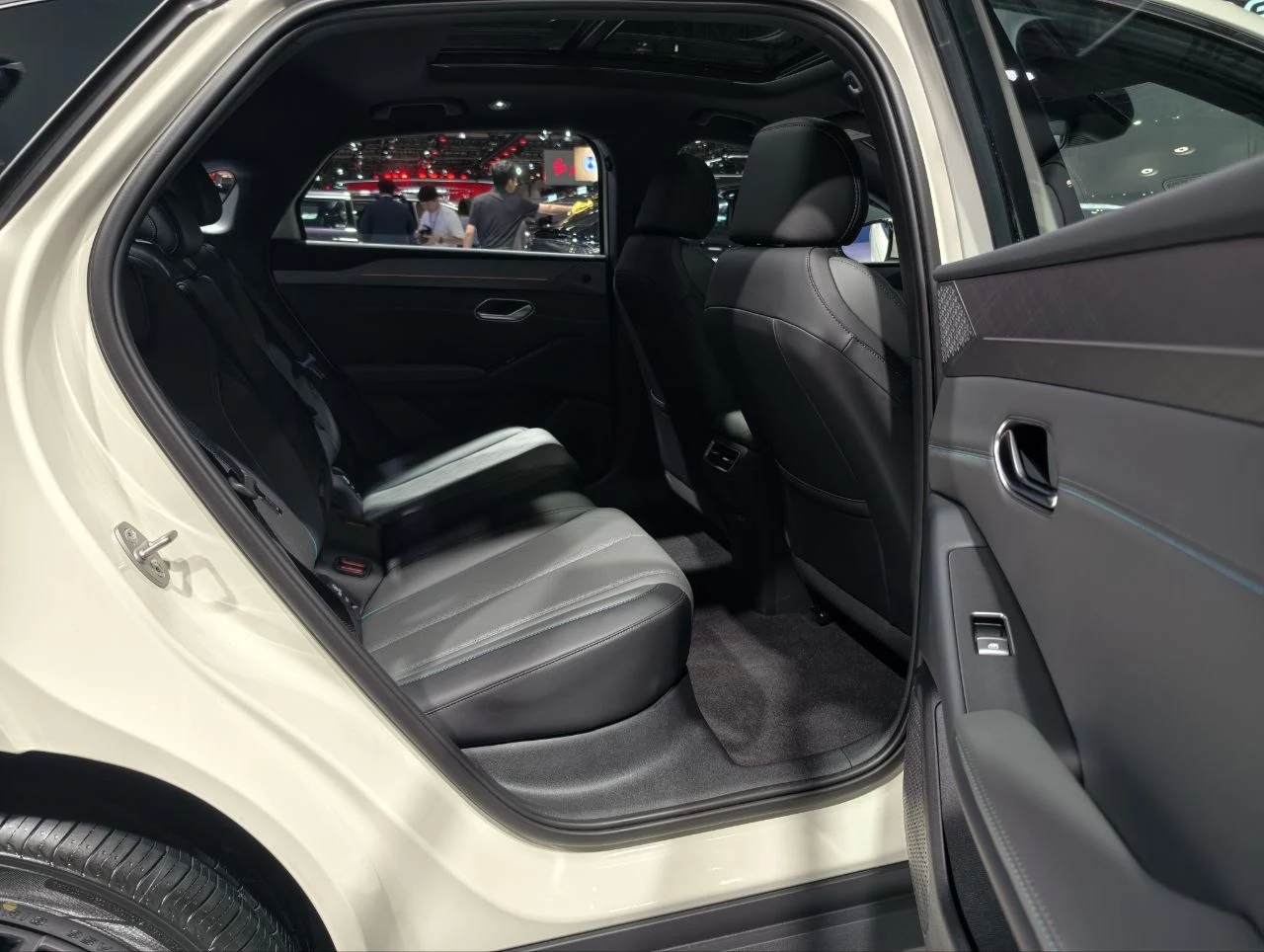
The Seal 6 does not operate in a vacuum. It squares up against the Tesla Model 3, the IM IM5 and, most awkwardly, its own showroom sibling, the BYD Seal. Where the Seal recorded 69 May registrations and offers a higher power bracket peaking at 145 kW, the Seal 6 appears to sit one rung lower, serving buyers who want BYD’s electric saloon experience without the larger outlay or surplus performance they will never use on urban expressways. Against the Model 3, the Seal 6’s variant spread and local agent backing from Harmony New Energy may appeal to buyers who prioritise service-network proximity, Chinese-language aftersales support and predictable maintenance costs over brand cachet. It also gives BYD a second saloon to capture sedan shoppers who find the Seal slightly too large or too aggressive for their needs, effectively covering a wider slice of the battery-saloon market.
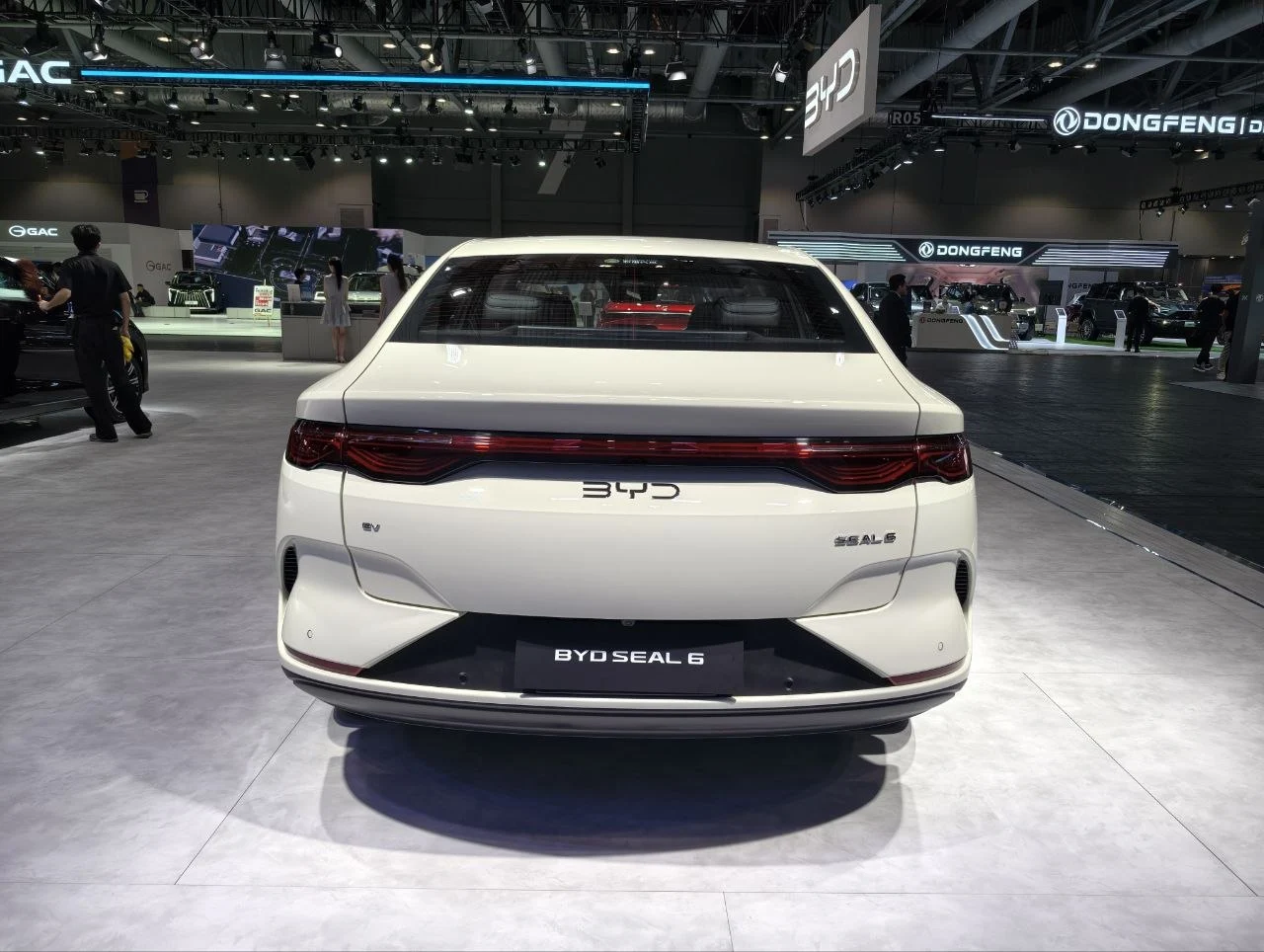
Taken together, the Seal 6 makes sense for the Hong Kong buyer who wants an electric daily driver with conventional saloon manners and a clear upgrade path within the range. The early registration numbers show supply is flowing, which should help secondary-market confidence when today’s buyers become tomorrow’s sellers. Show visitors should treat the 2026 Hong Kong Motor Show as the best chance to compare rear legroom, boot aperture and dashboard simplicity against both SUV alternatives and the pricier Seal. If the variant mix, charging logic and ownership package align with a cross-harbour commute and weekend family duties, the Seal 6 is less a compromise than a calibrated fit for the city’s dense, expensive motoring environment. For those ready to switch from petrol, it offers a locally supported, right-hand-drive electric saloon that already has wheels on Hong Kong tarmac.

香港汽車內容平台 🚗 新車・買車・玩車・用車 用香港視角,睇世界嘅車
+ Follow 【揀車有路數】日產新車賣比亞迪價?仲有激光雷達
今集試一台好特別嘅日產新車——NX8,中國特供增程SUV。外觀似熟悉嘅日產味,但內籠同科技配備竟然唔晒傳統日產套路,駕乘感受又有幾多轉變?到底仲係咪你認識嗰部日產?一齊試畀你睇。
#日產 #NX8 #增程 #BitAutoHongKong #揀車有路數 3小时前
【揀車有路數】日產新車賣比亞迪價?仲有激光雷達
今集試一台好特別嘅日產新車——NX8,中國特供增程SUV。外觀似熟悉嘅日產味,但內籠同科技配備竟然唔晒傳統日產套路,駕乘感受又有幾多轉變?到底仲係咪你認識嗰部日產?一齊試畀你睇。
#日產 #NX8 #增程 #BitAutoHongKong #揀車有路數 3小时前  【新車速報】T-Top 回歸?Nissan Z Kaze 概念車現身!
90年代 JDM 味返晒嚟?Nissan 最近喺美國 ZCON 公開 Z Kaze 概念車,以現款 Nissan Z 為基礎,換上全新 T-Top 可拆式車頂,向經典 300ZX 等 Z 系列致敬。
配合碳纖維空力套件、NISMO LMGT2 18吋輪圈,以及 GReddy 排氣、進氣同 intercooler 升級,成部車都充滿 JDM 改裝味。
「Kaze」即係日文「風」,而呢部車係 one-off 概念作品,並非量產車。10月3日仲會現身加州長灘 Japanese Classic Car Show。
如果 T-Top Z 真係量產,你會唔會心動?
#NissanZ #ZKaze #TTop #JDM #BitAutoHongKong 6小时前
【新車速報】T-Top 回歸?Nissan Z Kaze 概念車現身!
90年代 JDM 味返晒嚟?Nissan 最近喺美國 ZCON 公開 Z Kaze 概念車,以現款 Nissan Z 為基礎,換上全新 T-Top 可拆式車頂,向經典 300ZX 等 Z 系列致敬。
配合碳纖維空力套件、NISMO LMGT2 18吋輪圈,以及 GReddy 排氣、進氣同 intercooler 升級,成部車都充滿 JDM 改裝味。
「Kaze」即係日文「風」,而呢部車係 one-off 概念作品,並非量產車。10月3日仲會現身加州長灘 Japanese Classic Car Show。
如果 T-Top Z 真係量產,你會唔會心動?
#NissanZ #ZKaze #TTop #JDM #BitAutoHongKong 6小时前  【新車速報】Skyline 真係要返嚟喇!Nissan CEO:新一代12月登場
等咗咁耐,Skyline 終於有新消息!Nissan CEO Ivan Espinosa 接受《朝日新聞》專訪時透露,新一代 Skyline 將於今年12月亮相,亦係 Nissan 加快新車開發嘅代表作。
新車開發周期縮短至約 26個月,並利用生成式 AI、數碼模擬等工具加快開發流程。Nissan 官方亦已將 Skyline 列入 Heartbeat 車系,代表品牌工程技術、駕駛性能與情感。
至於動力、規格同最終量產設計,目前仍未全面公開。今次 Skyline 回歸,你最期待保留邊樣經典元素?
#Nissan #Skyline #新車速報 #BitAutoHongKong 1天前
【新車速報】Skyline 真係要返嚟喇!Nissan CEO:新一代12月登場
等咗咁耐,Skyline 終於有新消息!Nissan CEO Ivan Espinosa 接受《朝日新聞》專訪時透露,新一代 Skyline 將於今年12月亮相,亦係 Nissan 加快新車開發嘅代表作。
新車開發周期縮短至約 26個月,並利用生成式 AI、數碼模擬等工具加快開發流程。Nissan 官方亦已將 Skyline 列入 Heartbeat 車系,代表品牌工程技術、駕駛性能與情感。
至於動力、規格同最終量產設計,目前仍未全面公開。今次 Skyline 回歸,你最期待保留邊樣經典元素?
#Nissan #Skyline #新車速報 #BitAutoHongKong 1天前 Get the latest car news first!
【揀車有路數】日產新車賣比亞迪價?仲有激光雷達
今集試一台好特別嘅日產新車——NX8,中國特供增程SUV。外觀似熟悉嘅日產味,但內籠同科技配備竟然唔晒傳統日產套路,駕乘感受又有幾多轉變?到底仲係咪你認識嗰部日產?一齊試畀你睇。
#日產 #NX8 #增程 #BitAutoHongKong #揀車有路數 3小时前 【新車速報】T-Top 回歸?Nissan Z Kaze 概念車現身!
90年代 JDM 味返晒嚟?Nissan 最近喺美國 ZCON 公開 Z Kaze 概念車,以現款 Nissan Z 為基礎,換上全新 T-Top 可拆式車頂,向經典 300ZX 等 Z 系列致敬。
配合碳纖維空力套件、NISMO LMGT2 18吋輪圈,以及 GReddy 排氣、進氣同 intercooler 升級,成部車都充滿 JDM 改裝味。
「Kaze」即係日文「風」,而呢部車係 one-off 概念作品,並非量產車。10月3日仲會現身加州長灘 Japanese Classic Car Show。
如果 T-Top Z 真係量產,你會唔會心動?
#NissanZ #ZKaze #TTop #JDM #BitAutoHongKong 6小时前 【新車速報】Skyline 真係要返嚟喇!Nissan CEO:新一代12月登場
等咗咁耐,Skyline 終於有新消息!Nissan CEO Ivan Espinosa 接受《朝日新聞》專訪時透露,新一代 Skyline 將於今年12月亮相,亦係 Nissan 加快新車開發嘅代表作。
新車開發周期縮短至約 26個月,並利用生成式 AI、數碼模擬等工具加快開發流程。Nissan 官方亦已將 Skyline 列入 Heartbeat 車系,代表品牌工程技術、駕駛性能與情感。
至於動力、規格同最終量產設計,目前仍未全面公開。今次 Skyline 回歸,你最期待保留邊樣經典元素?
#Nissan #Skyline #新車速報 #BitAutoHongKong 1天前  BAWToyotaBYDZeekrGACDongfengXPengMGMaxusLeapmotorDenzaIMiCAURDeepalWulingOraJuneyao AutoKYCSkyworthAvatrFotonFordGeelyHongqiJAECOOKGMOMODADFSKTeslaHondaBMWMercedes-BenzsmartMINIPorscheNissanLexusSuzukiVolvoSubaruMazdaKiaHyundaiLand RoverRolls-RoyceFerrariAudiLamborghiniRiddaraSeresFarizonfireflyLingboxKaiyiVoyahHIMAM-HeroIsuzuBentleyPolestarMcLarenMitsubishiMaseratiPeugeotAston MartinAcuraJeepJaguarLotusVolkswagenEpiclandJACLepasLi
 © 2024 Bitauto.com. All Rights Reserved.
Bitauto (www.yiche.com and www.bitauto.com) is one of the most visited automotive websites in China. We provide detailed info on Chinese car brands available in your area. Please note that the information provided on this website is based on publicly available data and is for reference only. It may not be fully updated or accurate at all times.
Help us improve our website


