
Search History
Popular Searches
English
Dealer Login / Sign Up
Under the 2026 Hong Kong Motor Show, the Leapmotor B10 arrives as a compact battery-electric model that has already moved beyond display speculation and onto local roads. Transport Department data for May 2026 records 22 new private-car registrations for the B10, placing it 33rd overall in a market crowded with established EV rivals and hybrids. Technically, the registration files classify the body as a station wagon, yet its market positioning aligns squarely with the compact electric SUV segment that Hong Kong buyers currently favour. Every registered unit carries an identical 70 kW rated output and a 2026 manufacture year, while the four-seat layout is consistent across all 22 examples. That configuration immediately signals a product aimed at urban couples and small households rather than extended families needing seven seats.
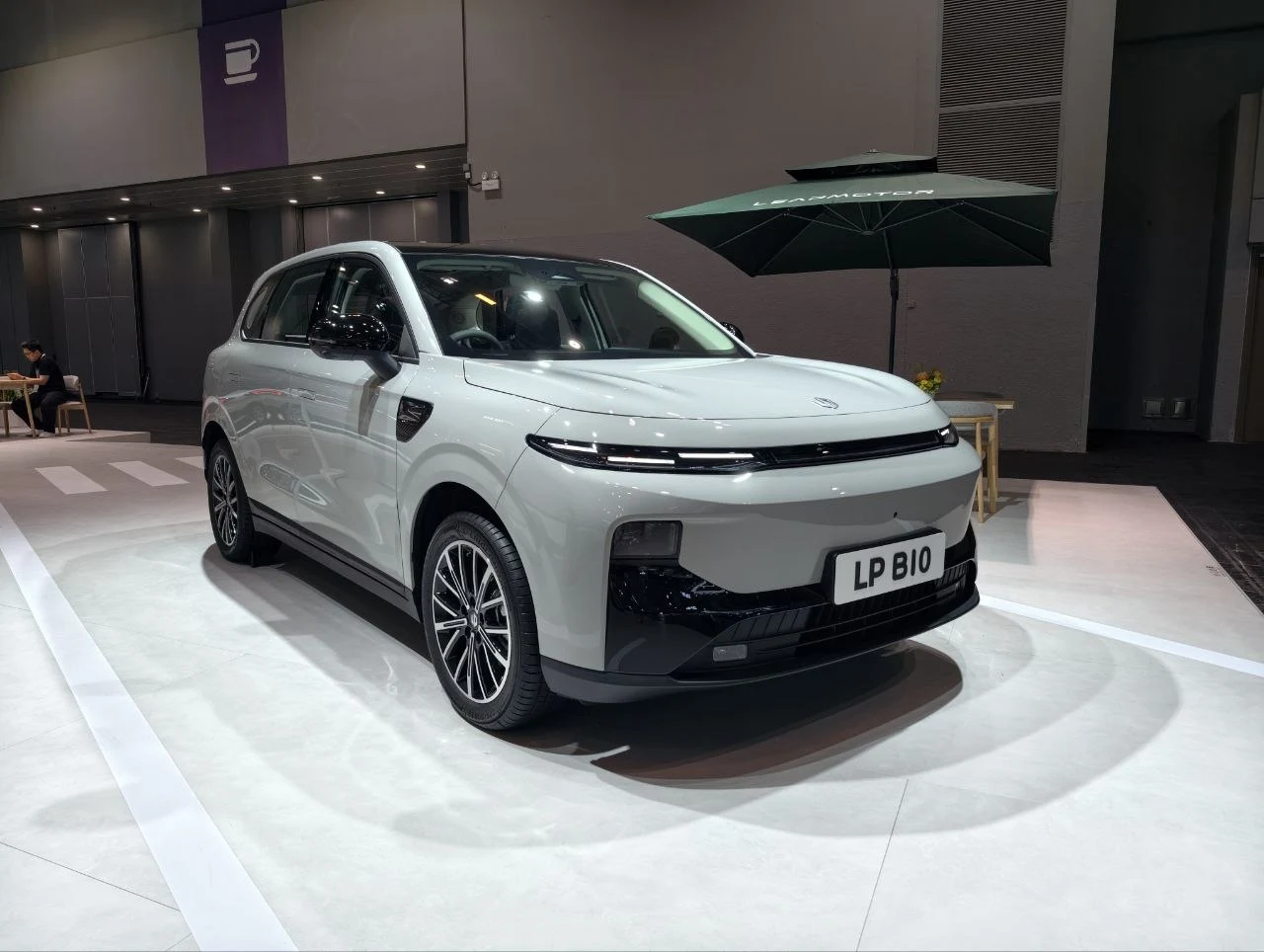
With all 22 May registrations sharing identical 70 kW power figures and the same four-seat wagon architecture, the B10 appears to launch in Hong Kong with a single, focused power grade rather than a sprawling variant list that can confuse showroom visitors. The absence of taxable-value data in public records means retail pricing remains unconfirmed at show time, yet the uniform mechanical specification suggests Leapmotor is leading with one well-defined version locally before considering expanded trims. This approach mirrors how several newer EV brands cautiously enter the territory: establish a foothold with a predictable equipment set, then broaden the range once charging infrastructure familiarity and agent support networks mature. For buyers comparing specifications at AsiaWorld-Expo, the transparency of one known output level removes at least one variable from an already complex decision.
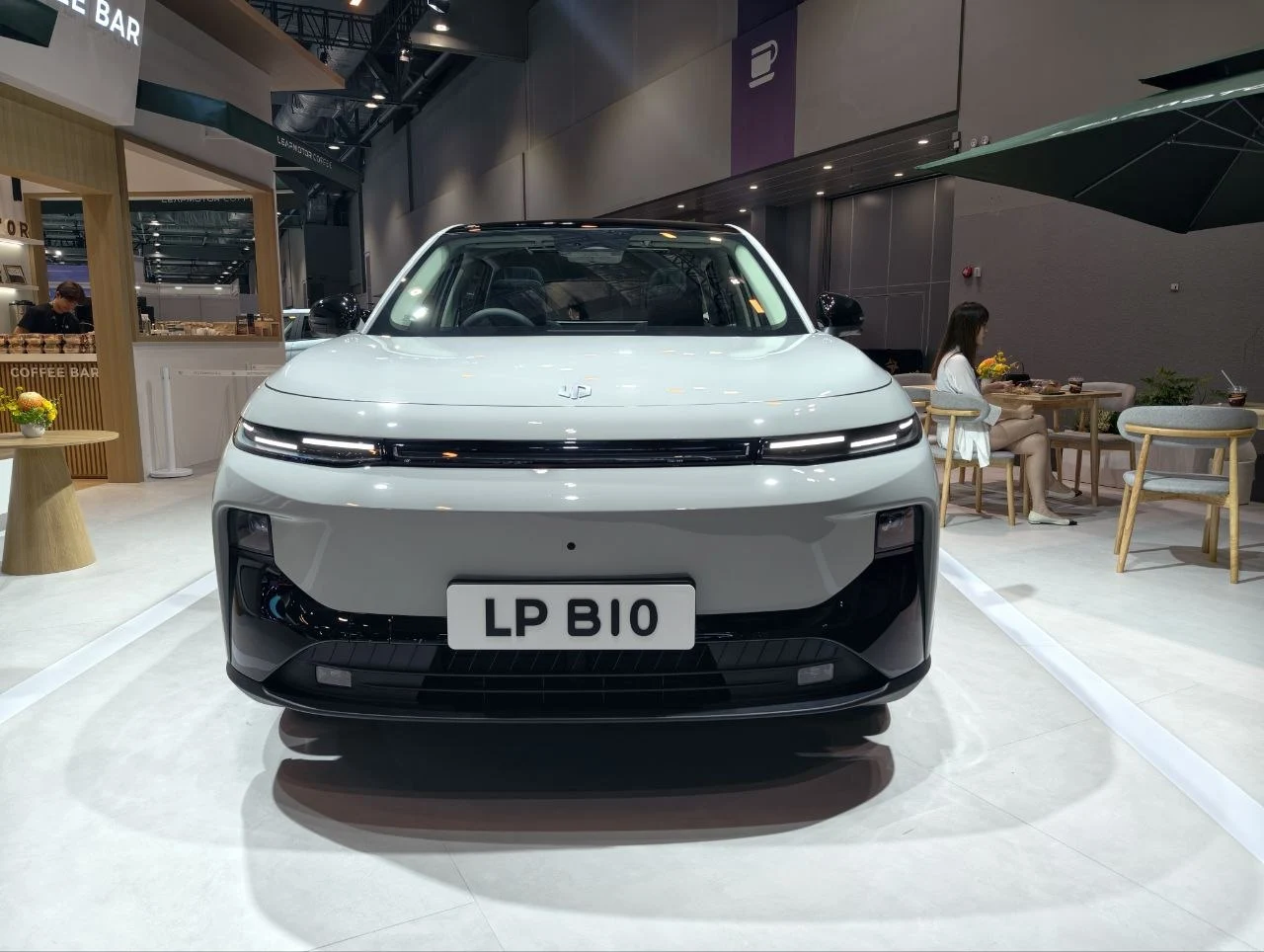
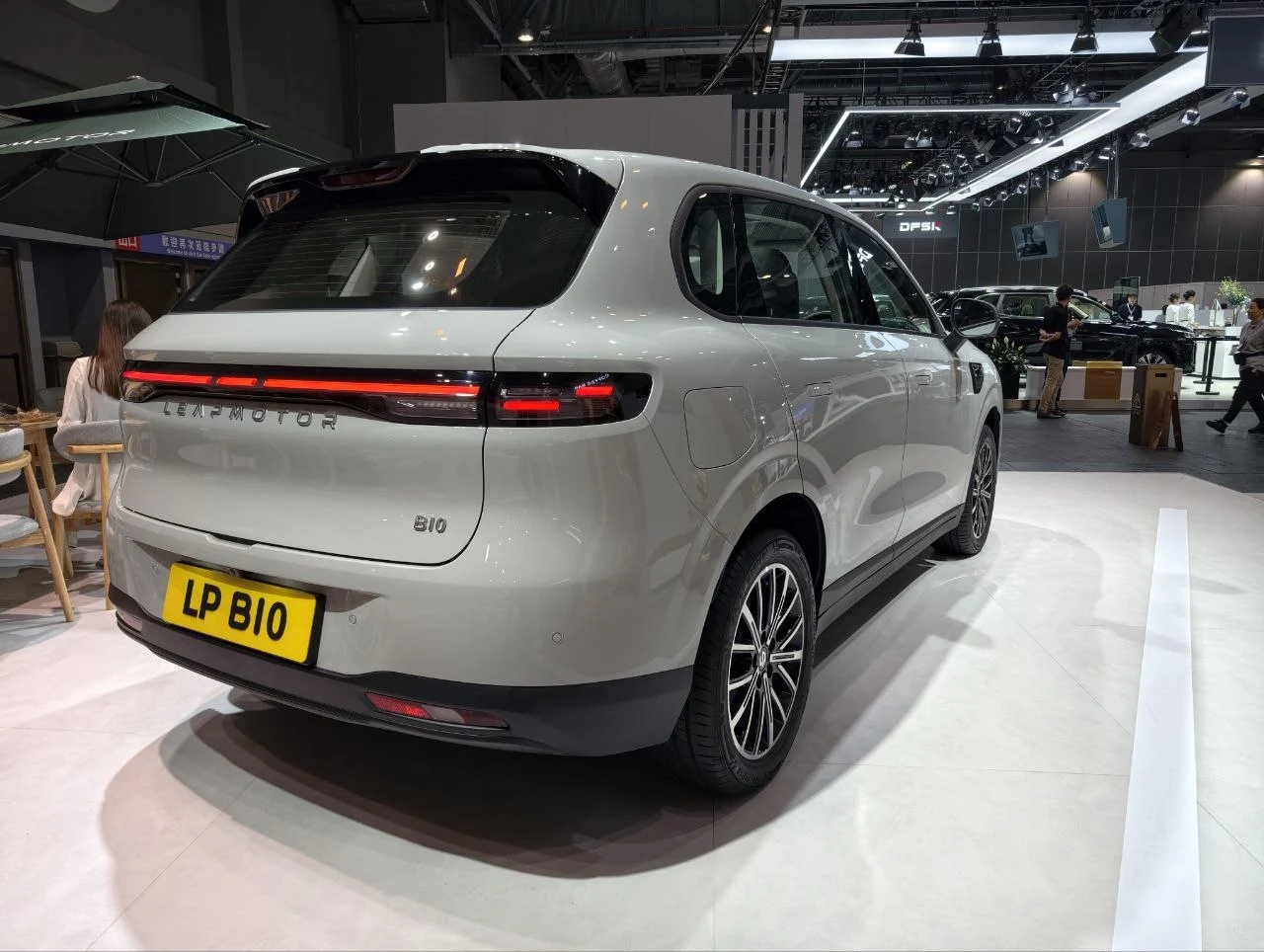
At compact SUV proportions, the B10 addresses the chronic pain points of Hong Kong estate carparks and mall basement manoeuvring, where oversized crossovers often brush against height limits, narrow ramps, and tight turning circles. The four-seat cabin trades maximum occupancy for genuinely usable shoulder room and easier access when fitting child seats or assisting elderly passengers, a compromise that suits the daily school-run and cross-harbour commute rhythm common across Kowloon and Hong Kong Island districts. A 70 kW electric motor delivers adequate urban acceleration and motorway merging capability without the insurance premiums, tyre costs, and licence-fee implications associated with high-output performance variants. Charging behaviour will depend heavily on whether owners rely on public medium-speed hubs at commercial carparks or can secure building-management approval for home wall-boxes, a decisive factor in real-world ownership cost.
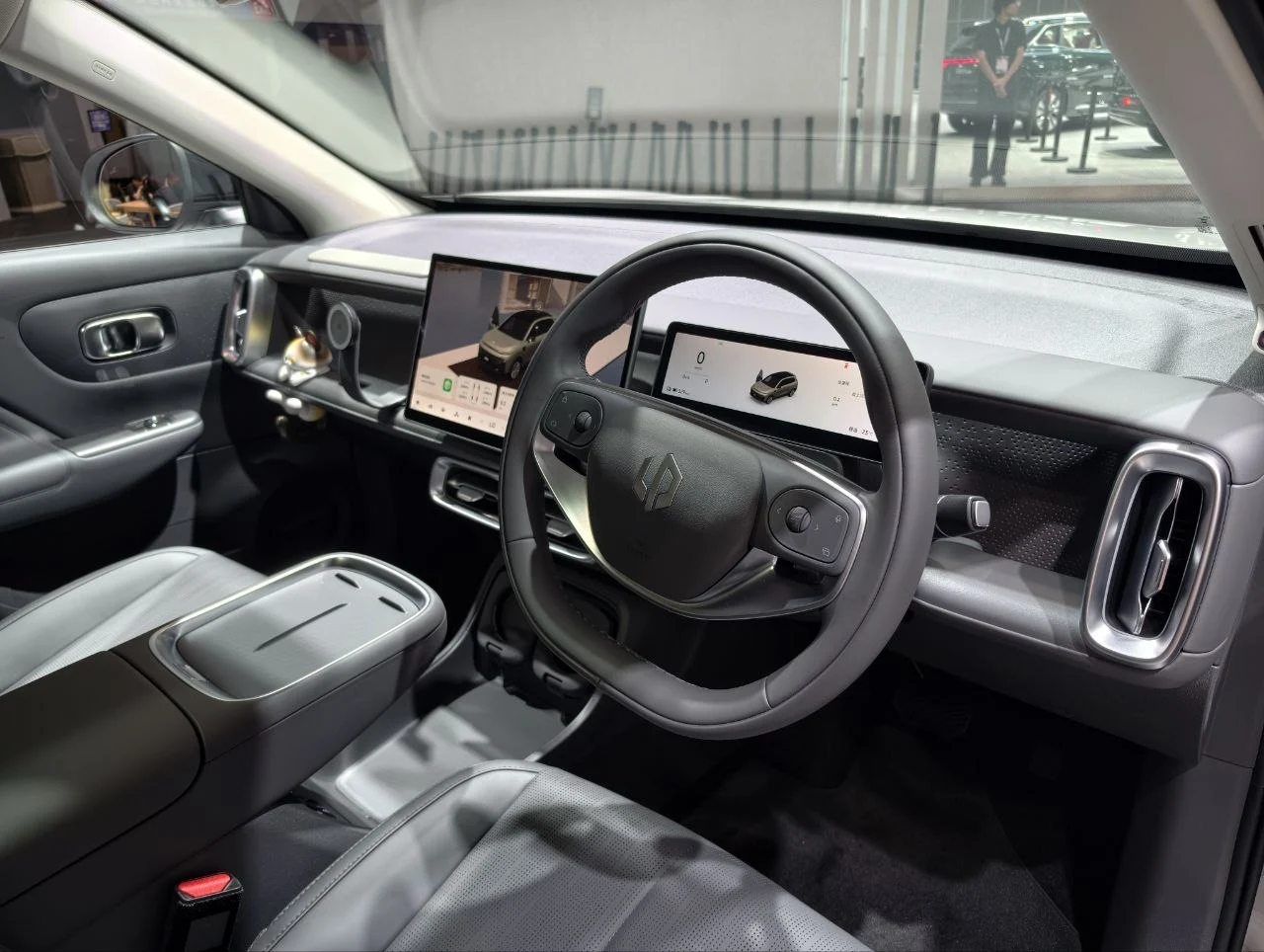
On the show floor, the B10 occupies an increasingly crowded tier alongside the Geely EX5, BYD ATTO 3, MG MGS5 and Toyota bZ3X, all chasing buyers who want elevated seating and zero-emission running costs without the physical bulk of a mid-size SUV. Within Leapmotor’s own fledgling Hong Kong stable, the B10 sits below the C10 Premium, which recorded five May registrations with a stronger 80 kW output and a 2025 build year according to the same official dataset. That two-model hierarchy gives the brand a logical internal split: the B10 courts compact-EV pragmatists who prioritise parking dexterity and accessible pricing, while the C10 Premium addresses those needing extra motor output and likely additional cabin equipment. Viewed against the Tesla Model Y and BYD Sealion 7, the B10’s smaller footprint and more modest kW rating mark it as a city-calibrated alternative rather than an open-road tourer.
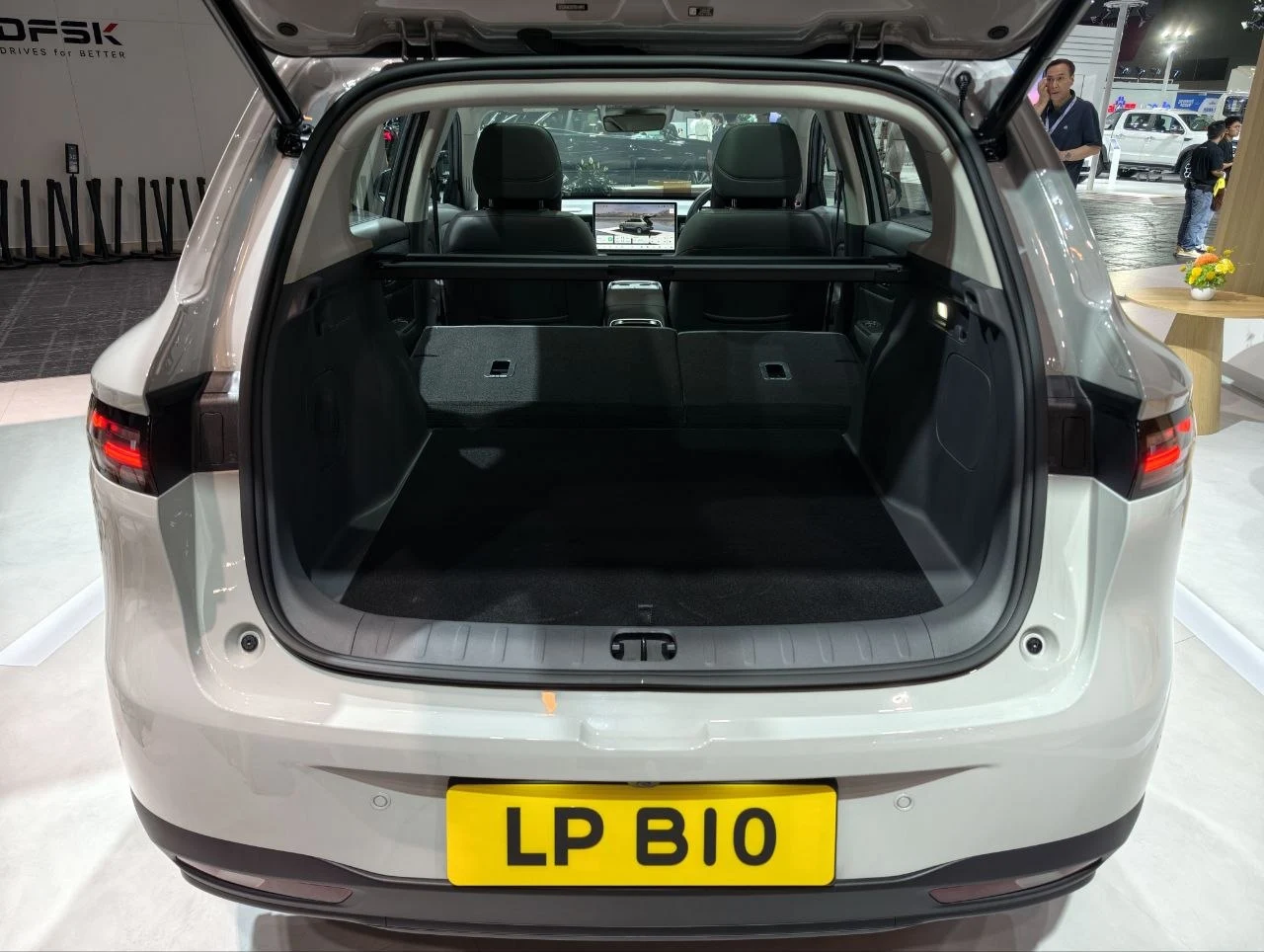
For visitors walking the 2026 Hong Kong Motor Show halls, the Leapmotor B10 ultimately offers a proposition rooted in local feasibility rather than headline-grabbing performance figures. Its existing registration trail proves the model has already cleared type-approval, homologation and motor-insurance pathways, reducing the uncertainty that often shadows brand-new showroom debuts from young marques. The four-seat electric wagon format matches Hong Kong’s spatial reality—tight parking bays, short-distance family hauling, and a premium on kerbside manoeuvrability—while the 70 kW motor keeps daily running costs predictable and maintenance comparatively simple. Against rivals with complex variant ladders and ambiguous delivery timelines, the B10’s single confirmed specification simplifies comparison. Buyers who value compact dimensions, straightforward battery-electric motoring and the backing of a brand with measurable local traction will find the B10 a grounded, rational choice amid the show’s electrified noise.

香港汽車內容平台 🚗 新車・買車・玩車・用車 用香港視角,睇世界嘅車
+ Follow 【揀車有路數】日產新車賣比亞迪價?仲有激光雷達
今集試一台好特別嘅日產新車——NX8,中國特供增程SUV。外觀似熟悉嘅日產味,但內籠同科技配備竟然唔晒傳統日產套路,駕乘感受又有幾多轉變?到底仲係咪你認識嗰部日產?一齊試畀你睇。
#日產 #NX8 #增程 #BitAutoHongKong #揀車有路數 3小时前
【揀車有路數】日產新車賣比亞迪價?仲有激光雷達
今集試一台好特別嘅日產新車——NX8,中國特供增程SUV。外觀似熟悉嘅日產味,但內籠同科技配備竟然唔晒傳統日產套路,駕乘感受又有幾多轉變?到底仲係咪你認識嗰部日產?一齊試畀你睇。
#日產 #NX8 #增程 #BitAutoHongKong #揀車有路數 3小时前  【新車速報】T-Top 回歸?Nissan Z Kaze 概念車現身!
90年代 JDM 味返晒嚟?Nissan 最近喺美國 ZCON 公開 Z Kaze 概念車,以現款 Nissan Z 為基礎,換上全新 T-Top 可拆式車頂,向經典 300ZX 等 Z 系列致敬。
配合碳纖維空力套件、NISMO LMGT2 18吋輪圈,以及 GReddy 排氣、進氣同 intercooler 升級,成部車都充滿 JDM 改裝味。
「Kaze」即係日文「風」,而呢部車係 one-off 概念作品,並非量產車。10月3日仲會現身加州長灘 Japanese Classic Car Show。
如果 T-Top Z 真係量產,你會唔會心動?
#NissanZ #ZKaze #TTop #JDM #BitAutoHongKong 6小时前
【新車速報】T-Top 回歸?Nissan Z Kaze 概念車現身!
90年代 JDM 味返晒嚟?Nissan 最近喺美國 ZCON 公開 Z Kaze 概念車,以現款 Nissan Z 為基礎,換上全新 T-Top 可拆式車頂,向經典 300ZX 等 Z 系列致敬。
配合碳纖維空力套件、NISMO LMGT2 18吋輪圈,以及 GReddy 排氣、進氣同 intercooler 升級,成部車都充滿 JDM 改裝味。
「Kaze」即係日文「風」,而呢部車係 one-off 概念作品,並非量產車。10月3日仲會現身加州長灘 Japanese Classic Car Show。
如果 T-Top Z 真係量產,你會唔會心動?
#NissanZ #ZKaze #TTop #JDM #BitAutoHongKong 6小时前  【新車速報】Skyline 真係要返嚟喇!Nissan CEO:新一代12月登場
等咗咁耐,Skyline 終於有新消息!Nissan CEO Ivan Espinosa 接受《朝日新聞》專訪時透露,新一代 Skyline 將於今年12月亮相,亦係 Nissan 加快新車開發嘅代表作。
新車開發周期縮短至約 26個月,並利用生成式 AI、數碼模擬等工具加快開發流程。Nissan 官方亦已將 Skyline 列入 Heartbeat 車系,代表品牌工程技術、駕駛性能與情感。
至於動力、規格同最終量產設計,目前仍未全面公開。今次 Skyline 回歸,你最期待保留邊樣經典元素?
#Nissan #Skyline #新車速報 #BitAutoHongKong 1天前
【新車速報】Skyline 真係要返嚟喇!Nissan CEO:新一代12月登場
等咗咁耐,Skyline 終於有新消息!Nissan CEO Ivan Espinosa 接受《朝日新聞》專訪時透露,新一代 Skyline 將於今年12月亮相,亦係 Nissan 加快新車開發嘅代表作。
新車開發周期縮短至約 26個月,並利用生成式 AI、數碼模擬等工具加快開發流程。Nissan 官方亦已將 Skyline 列入 Heartbeat 車系,代表品牌工程技術、駕駛性能與情感。
至於動力、規格同最終量產設計,目前仍未全面公開。今次 Skyline 回歸,你最期待保留邊樣經典元素?
#Nissan #Skyline #新車速報 #BitAutoHongKong 1天前 Get the latest car news first!
【揀車有路數】日產新車賣比亞迪價?仲有激光雷達
今集試一台好特別嘅日產新車——NX8,中國特供增程SUV。外觀似熟悉嘅日產味,但內籠同科技配備竟然唔晒傳統日產套路,駕乘感受又有幾多轉變?到底仲係咪你認識嗰部日產?一齊試畀你睇。
#日產 #NX8 #增程 #BitAutoHongKong #揀車有路數 3小时前 【新車速報】T-Top 回歸?Nissan Z Kaze 概念車現身!
90年代 JDM 味返晒嚟?Nissan 最近喺美國 ZCON 公開 Z Kaze 概念車,以現款 Nissan Z 為基礎,換上全新 T-Top 可拆式車頂,向經典 300ZX 等 Z 系列致敬。
配合碳纖維空力套件、NISMO LMGT2 18吋輪圈,以及 GReddy 排氣、進氣同 intercooler 升級,成部車都充滿 JDM 改裝味。
「Kaze」即係日文「風」,而呢部車係 one-off 概念作品,並非量產車。10月3日仲會現身加州長灘 Japanese Classic Car Show。
如果 T-Top Z 真係量產,你會唔會心動?
#NissanZ #ZKaze #TTop #JDM #BitAutoHongKong 6小时前 【新車速報】Skyline 真係要返嚟喇!Nissan CEO:新一代12月登場
等咗咁耐,Skyline 終於有新消息!Nissan CEO Ivan Espinosa 接受《朝日新聞》專訪時透露,新一代 Skyline 將於今年12月亮相,亦係 Nissan 加快新車開發嘅代表作。
新車開發周期縮短至約 26個月,並利用生成式 AI、數碼模擬等工具加快開發流程。Nissan 官方亦已將 Skyline 列入 Heartbeat 車系,代表品牌工程技術、駕駛性能與情感。
至於動力、規格同最終量產設計,目前仍未全面公開。今次 Skyline 回歸,你最期待保留邊樣經典元素?
#Nissan #Skyline #新車速報 #BitAutoHongKong 1天前  BAWToyotaBYDZeekrGACDongfengXPengMGMaxusLeapmotorDenzaIMiCAURDeepalWulingOraJuneyao AutoKYCSkyworthAvatrFotonFordGeelyHongqiJAECOOKGMOMODADFSKTeslaHondaBMWMercedes-BenzsmartMINIPorscheNissanLexusSuzukiVolvoSubaruMazdaKiaHyundaiLand RoverRolls-RoyceFerrariAudiLamborghiniRiddaraSeresFarizonfireflyLingboxKaiyiVoyahHIMAM-HeroIsuzuBentleyPolestarMcLarenMitsubishiMaseratiPeugeotAston MartinAcuraJeepJaguarLotusVolkswagenEpiclandJACLepasLi
 © 2024 Bitauto.com. All Rights Reserved.
Bitauto (www.yiche.com and www.bitauto.com) is one of the most visited automotive websites in China. We provide detailed info on Chinese car brands available in your area. Please note that the information provided on this website is based on publicly available data and is for reference only. It may not be fully updated or accurate at all times.
Help us improve our website


