
Search History
Popular Searches
English
Dealer Login / Sign Up
Dongfeng’s footprint in Hong Kong private-car registries is still in its infancy, yet the 007 saloon already carries a concrete local identity that most mainland newcomers lack. Transport Department data for May 2026 records one new registration under the variant name 007 620 LR, giving the model a monthly rank of 108 and confirming that this battery-electric four-seater is no longer a theoretical import. Public information identifies the car as the Dongfeng ePi 007, a 2025-manufactured saloon that slots into the mid-size sedan class where Hong Kong buyers increasingly expect zero-emission practicality for daily commutes. While the sole registered example lists a rated output of 65 kW, the 620 LR badge suggests a long-range electric configuration aimed at efficiency rather than outright pace, positioning the 007 as an urban runner for buyers who prioritise low running costs and parking convenience over track-day performance.
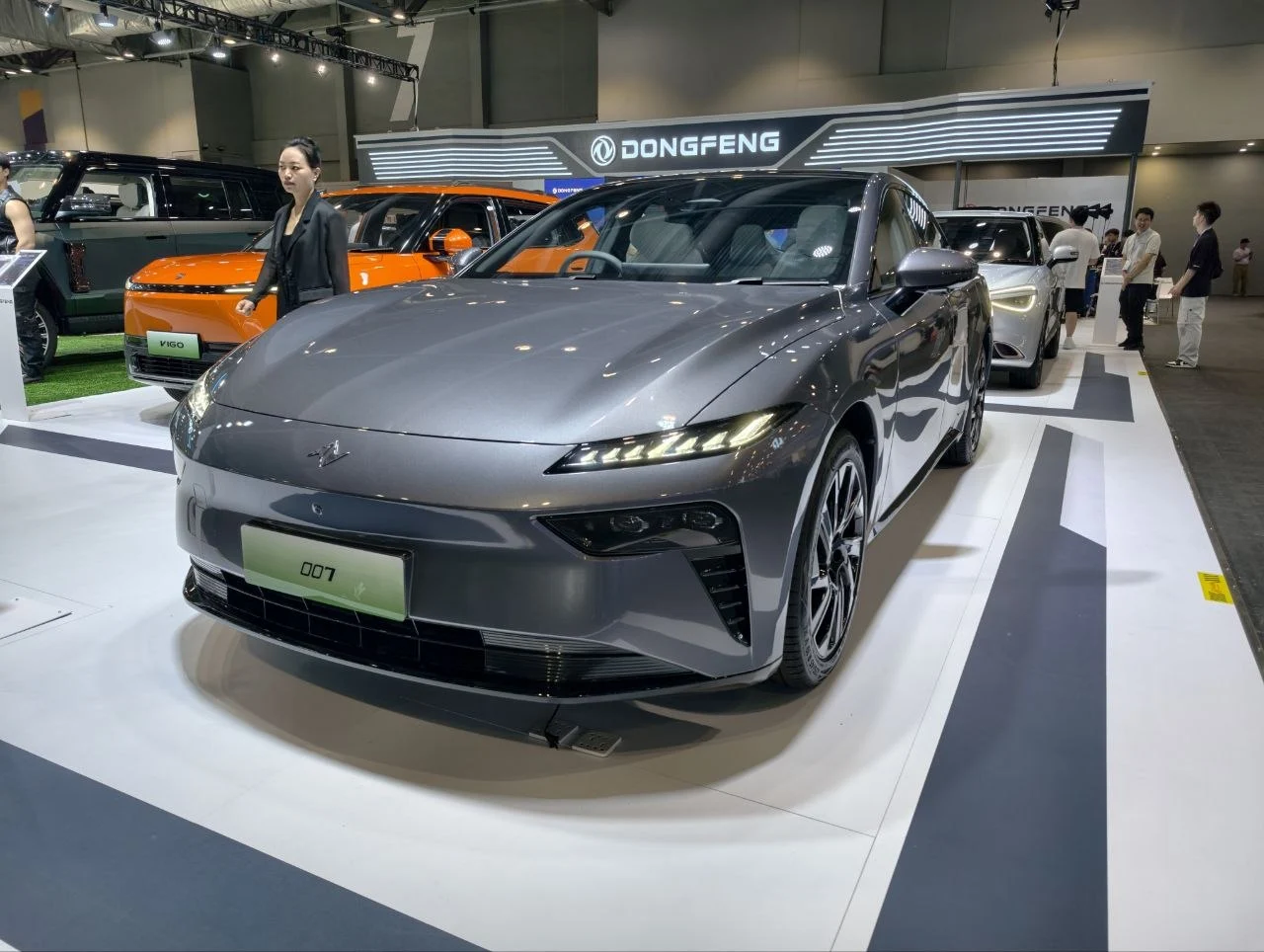
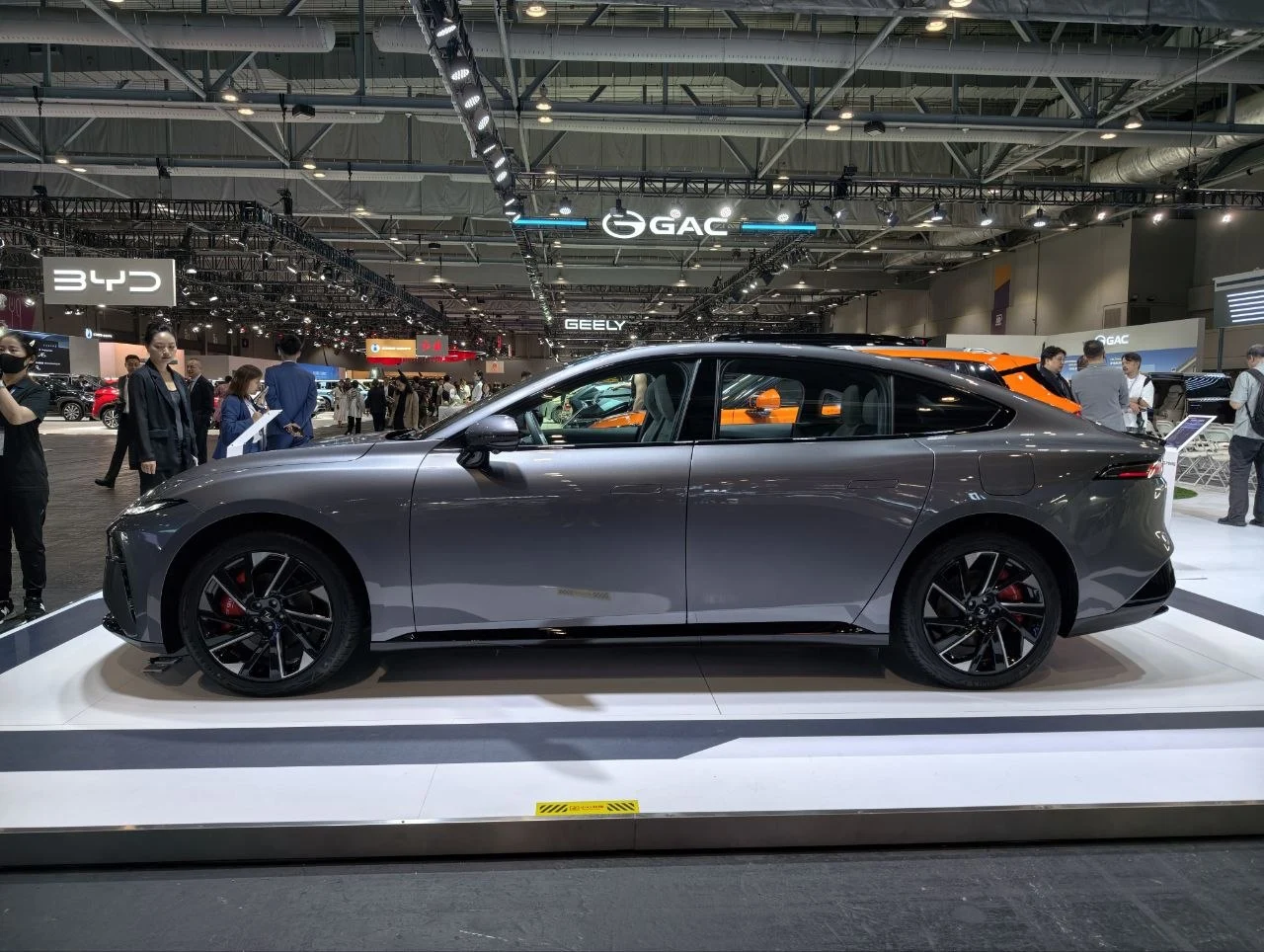
The 620 LR suffix is the only confirmed variant in Hong Kong so far, and without taxable-value data from the May registration or an official price sheet from the local distributor, any cost discussion remains speculative. Still, the model’s mainland positioning points toward a value-led electric saloon that could undercut premium rivals such as the Tesla Model 3 and BMW i5 by a noticeable margin. What buyers can check on the show floor are the physical fundamentals: a strict four-seat layout, a fully electric powertrain with zero tailpipe emissions, and a 2025 build year that places the car in the current generation of Dongfeng EV architecture. Visitors should pay particular attention to how the suspension and tyre profile have been calibrated for Hong Kong’s notoriously rutted urban roads and abrupt speed humps, because ride comfort and cabin quietness are the attributes that separate a usable daily commuter from a pure specification-sheet exercise.
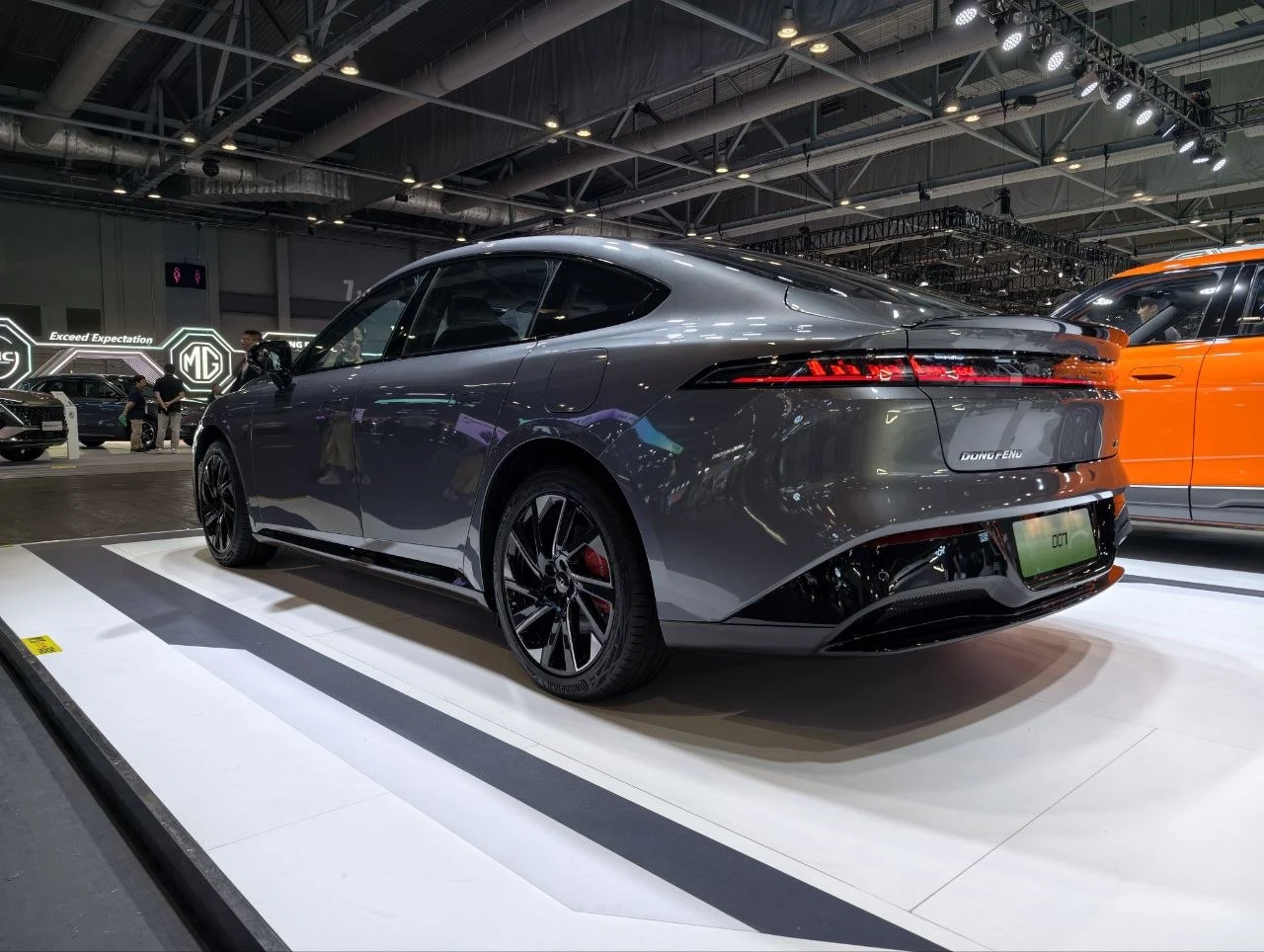
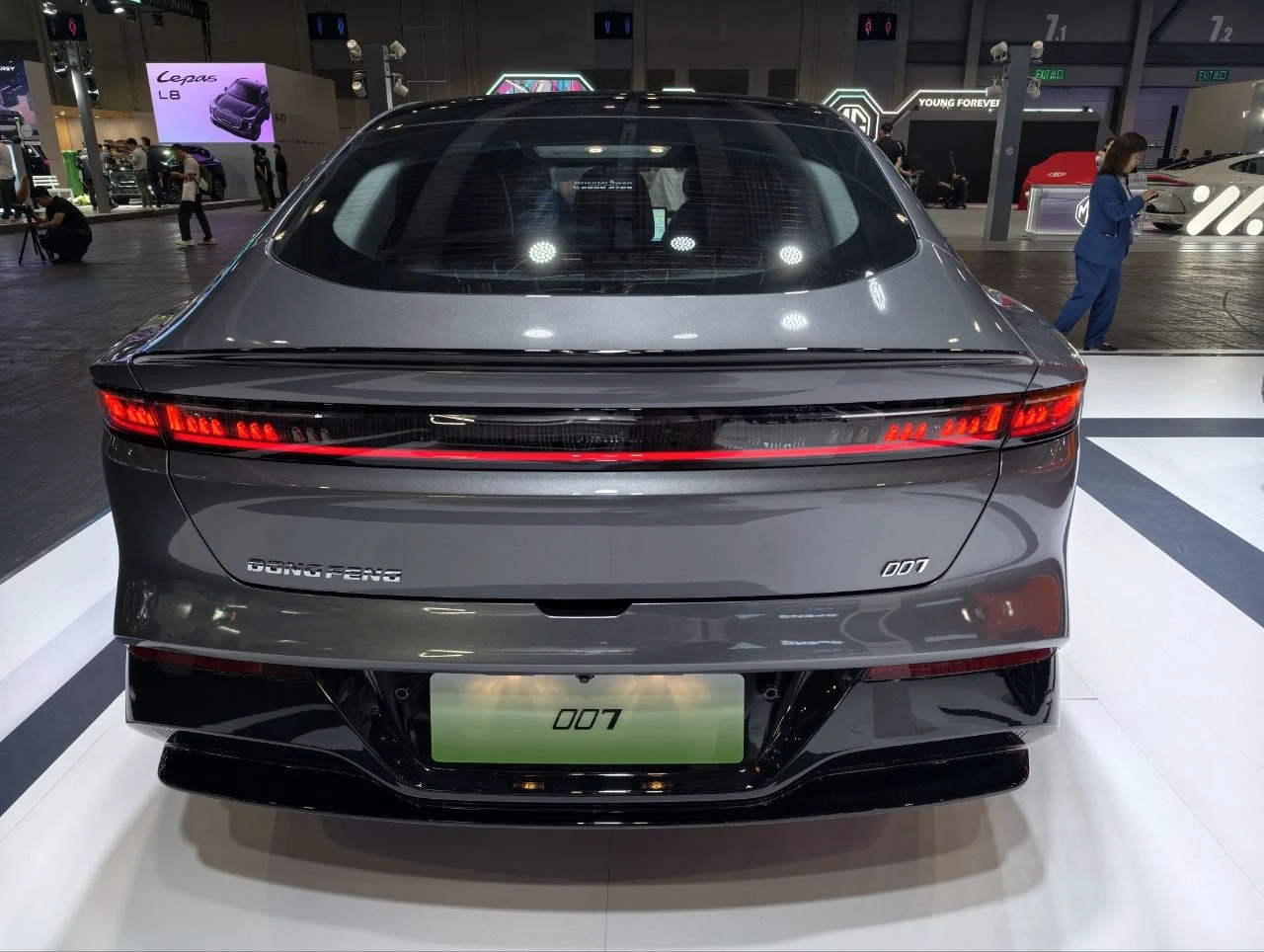
Living with the 007 in Hong Kong means accepting the practical constraints of a four-seat saloon in a city where cross-harbour tunnels, narrow residential car parks and tight shopping-mall basements punish oversized machinery. The compact sedan footprint should thread through older estates in Mong Kok or Sai Ying Pun more easily than a bulky SUV, while the electric drivetrain wipes out petrol bills and locks in the lowest vehicle licence-fee bracket. Family buyers will notice immediately that the rear bench is strictly a two-passenger affair, making the 007 a logical second car or a couple’s commuter rather than a full-scale people mover for school runs with three children. Charging will depend almost entirely on estate infrastructure and workplace sockets, so prospective owners should check onboard AC charging speeds and whether the standard cable set supports the three-pin or mid-speed chargers common in older housing developments and commercial basements.
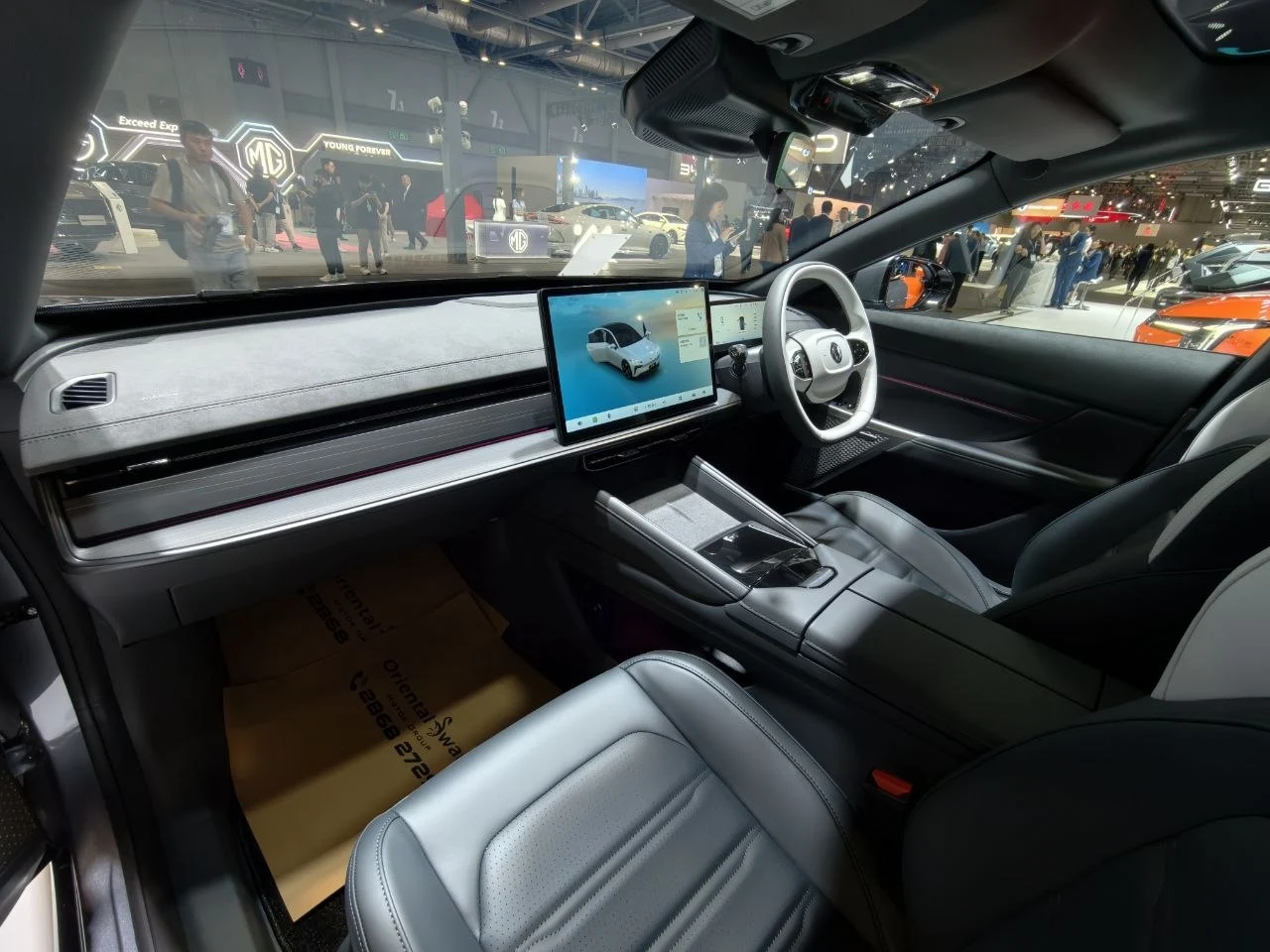
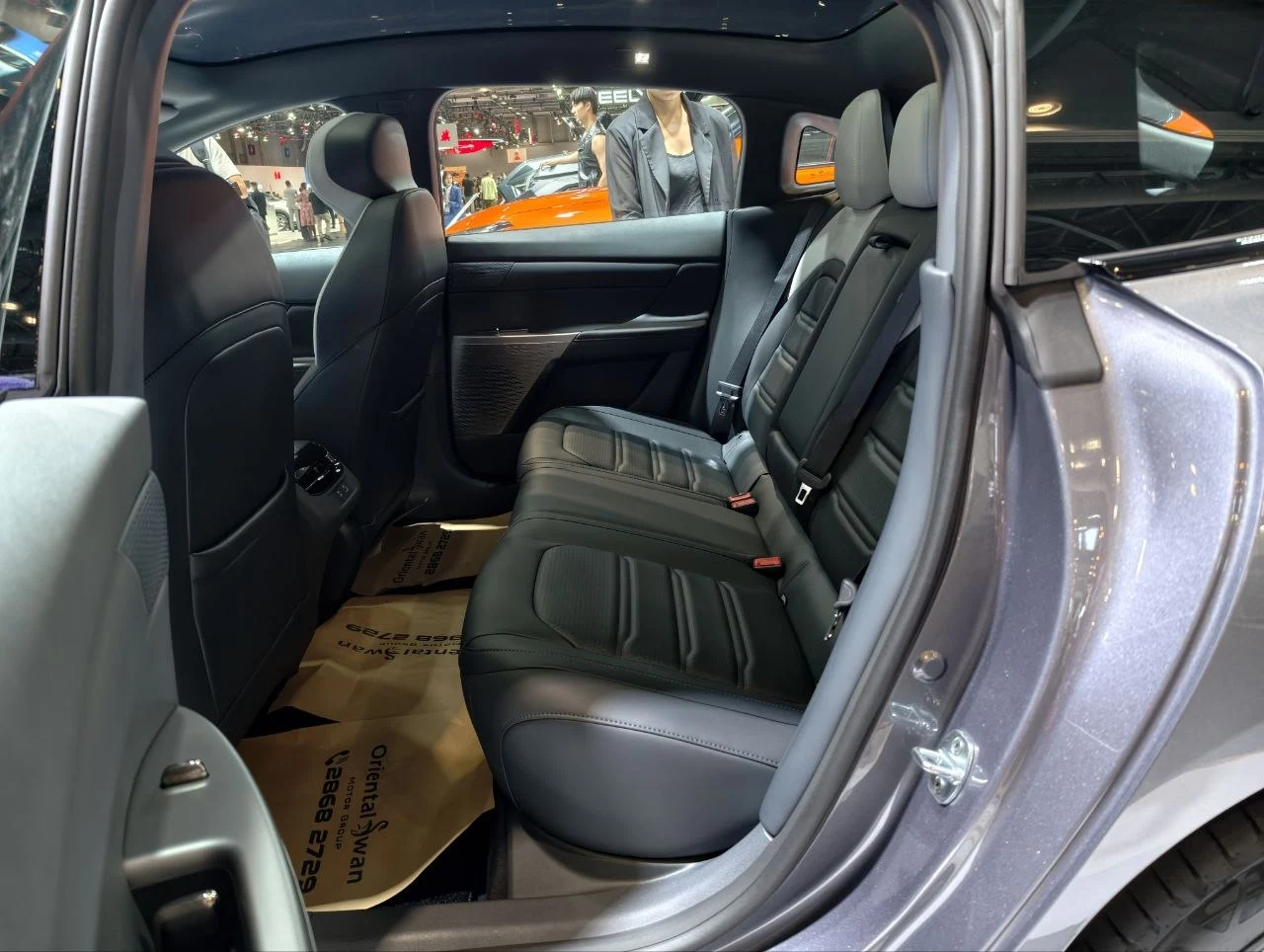
Against established competition, the Dongfeng 007 faces a steep brand-awareness climb. The Tesla Model 3 and BYD Seal dominate the electric-saloon conversation among Hong Kong buyers, while the BYD Seal 6 and IM IM5 offer similarly sized battery-powered transport with the benefit of stronger local agent networks and visible after-sales support. Even the BMW i5 looms as a premium step-up for executives willing to stretch their budget. Dongfeng’s current Hong Kong line-up is effectively limited to this single nameplate, so there is no smaller city car or larger SUV to share showroom traffic, service-bay tooling or parts inventories. That isolation directly affects residual value and buyer confidence. If the 007 is to carve out sustainable sales, it must win on outright purchase price, warranty length and the generosity of its standard equipment list rather than any cachet associated with the badge.
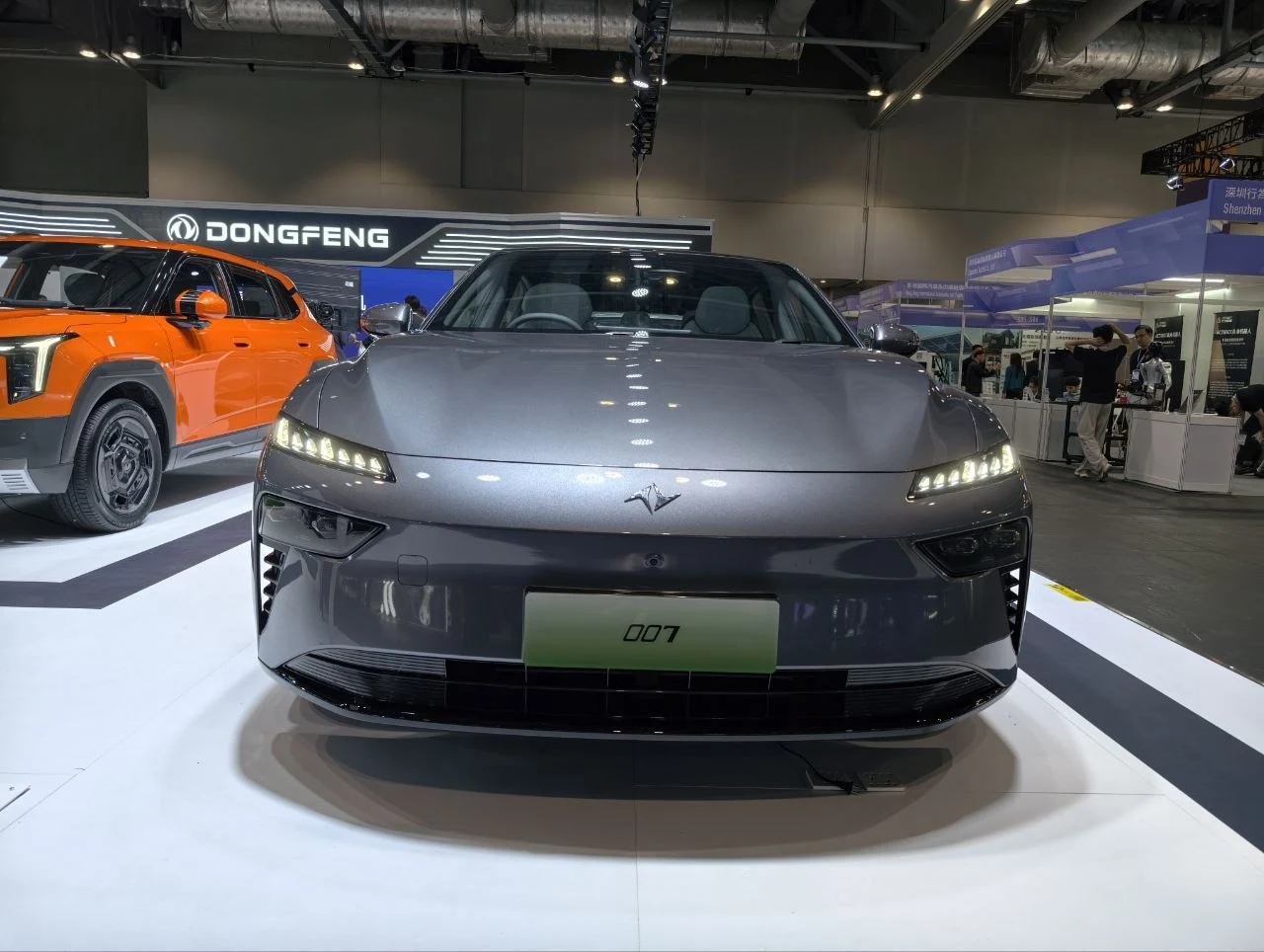
For visitors walking the 2026 Hong Kong Motor Show halls, the Dongfeng 007 is worth inspecting as a left-field electric saloon that broadens the mid-market EV pool beyond the usual suspects. It makes most sense for early adopters who have private parking with reliable charging, who rarely need a fifth seat, and who view a new car as a five-to-seven-year ownership proposition rather than a short-term trade-in. Before committing, however, buyers should press for clear service intervals, agent warranty terms and spare-parts lead times, because these back-end factors determine whether a value-priced EV stays cheap after the first twelve months. If Dongfeng can align its mainland cost logic with credible local support and a competitive sticker price, the 007 could mature from a single registered curiosity into a genuine dark-horse choice in Hong Kong’s increasingly crowded electric sedan segment.

香港汽車內容平台 🚗 新車・買車・玩車・用車 用香港視角,睇世界嘅車
+ Follow 【揀車有路數】日產新車賣比亞迪價?仲有激光雷達
今集試一台好特別嘅日產新車——NX8,中國特供增程SUV。外觀似熟悉嘅日產味,但內籠同科技配備竟然唔晒傳統日產套路,駕乘感受又有幾多轉變?到底仲係咪你認識嗰部日產?一齊試畀你睇。
#日產 #NX8 #增程 #BitAutoHongKong #揀車有路數 3小时前
【揀車有路數】日產新車賣比亞迪價?仲有激光雷達
今集試一台好特別嘅日產新車——NX8,中國特供增程SUV。外觀似熟悉嘅日產味,但內籠同科技配備竟然唔晒傳統日產套路,駕乘感受又有幾多轉變?到底仲係咪你認識嗰部日產?一齊試畀你睇。
#日產 #NX8 #增程 #BitAutoHongKong #揀車有路數 3小时前  【新車速報】T-Top 回歸?Nissan Z Kaze 概念車現身!
90年代 JDM 味返晒嚟?Nissan 最近喺美國 ZCON 公開 Z Kaze 概念車,以現款 Nissan Z 為基礎,換上全新 T-Top 可拆式車頂,向經典 300ZX 等 Z 系列致敬。
配合碳纖維空力套件、NISMO LMGT2 18吋輪圈,以及 GReddy 排氣、進氣同 intercooler 升級,成部車都充滿 JDM 改裝味。
「Kaze」即係日文「風」,而呢部車係 one-off 概念作品,並非量產車。10月3日仲會現身加州長灘 Japanese Classic Car Show。
如果 T-Top Z 真係量產,你會唔會心動?
#NissanZ #ZKaze #TTop #JDM #BitAutoHongKong 6小时前
【新車速報】T-Top 回歸?Nissan Z Kaze 概念車現身!
90年代 JDM 味返晒嚟?Nissan 最近喺美國 ZCON 公開 Z Kaze 概念車,以現款 Nissan Z 為基礎,換上全新 T-Top 可拆式車頂,向經典 300ZX 等 Z 系列致敬。
配合碳纖維空力套件、NISMO LMGT2 18吋輪圈,以及 GReddy 排氣、進氣同 intercooler 升級,成部車都充滿 JDM 改裝味。
「Kaze」即係日文「風」,而呢部車係 one-off 概念作品,並非量產車。10月3日仲會現身加州長灘 Japanese Classic Car Show。
如果 T-Top Z 真係量產,你會唔會心動?
#NissanZ #ZKaze #TTop #JDM #BitAutoHongKong 6小时前  【新車速報】Skyline 真係要返嚟喇!Nissan CEO:新一代12月登場
等咗咁耐,Skyline 終於有新消息!Nissan CEO Ivan Espinosa 接受《朝日新聞》專訪時透露,新一代 Skyline 將於今年12月亮相,亦係 Nissan 加快新車開發嘅代表作。
新車開發周期縮短至約 26個月,並利用生成式 AI、數碼模擬等工具加快開發流程。Nissan 官方亦已將 Skyline 列入 Heartbeat 車系,代表品牌工程技術、駕駛性能與情感。
至於動力、規格同最終量產設計,目前仍未全面公開。今次 Skyline 回歸,你最期待保留邊樣經典元素?
#Nissan #Skyline #新車速報 #BitAutoHongKong 1天前
【新車速報】Skyline 真係要返嚟喇!Nissan CEO:新一代12月登場
等咗咁耐,Skyline 終於有新消息!Nissan CEO Ivan Espinosa 接受《朝日新聞》專訪時透露,新一代 Skyline 將於今年12月亮相,亦係 Nissan 加快新車開發嘅代表作。
新車開發周期縮短至約 26個月,並利用生成式 AI、數碼模擬等工具加快開發流程。Nissan 官方亦已將 Skyline 列入 Heartbeat 車系,代表品牌工程技術、駕駛性能與情感。
至於動力、規格同最終量產設計,目前仍未全面公開。今次 Skyline 回歸,你最期待保留邊樣經典元素?
#Nissan #Skyline #新車速報 #BitAutoHongKong 1天前 Get the latest car news first!
【揀車有路數】日產新車賣比亞迪價?仲有激光雷達
今集試一台好特別嘅日產新車——NX8,中國特供增程SUV。外觀似熟悉嘅日產味,但內籠同科技配備竟然唔晒傳統日產套路,駕乘感受又有幾多轉變?到底仲係咪你認識嗰部日產?一齊試畀你睇。
#日產 #NX8 #增程 #BitAutoHongKong #揀車有路數 3小时前 【新車速報】T-Top 回歸?Nissan Z Kaze 概念車現身!
90年代 JDM 味返晒嚟?Nissan 最近喺美國 ZCON 公開 Z Kaze 概念車,以現款 Nissan Z 為基礎,換上全新 T-Top 可拆式車頂,向經典 300ZX 等 Z 系列致敬。
配合碳纖維空力套件、NISMO LMGT2 18吋輪圈,以及 GReddy 排氣、進氣同 intercooler 升級,成部車都充滿 JDM 改裝味。
「Kaze」即係日文「風」,而呢部車係 one-off 概念作品,並非量產車。10月3日仲會現身加州長灘 Japanese Classic Car Show。
如果 T-Top Z 真係量產,你會唔會心動?
#NissanZ #ZKaze #TTop #JDM #BitAutoHongKong 6小时前 【新車速報】Skyline 真係要返嚟喇!Nissan CEO:新一代12月登場
等咗咁耐,Skyline 終於有新消息!Nissan CEO Ivan Espinosa 接受《朝日新聞》專訪時透露,新一代 Skyline 將於今年12月亮相,亦係 Nissan 加快新車開發嘅代表作。
新車開發周期縮短至約 26個月,並利用生成式 AI、數碼模擬等工具加快開發流程。Nissan 官方亦已將 Skyline 列入 Heartbeat 車系,代表品牌工程技術、駕駛性能與情感。
至於動力、規格同最終量產設計,目前仍未全面公開。今次 Skyline 回歸,你最期待保留邊樣經典元素?
#Nissan #Skyline #新車速報 #BitAutoHongKong 1天前  BAWToyotaBYDZeekrGACDongfengXPengMGMaxusLeapmotorDenzaIMiCAURDeepalWulingOraJuneyao AutoKYCSkyworthAvatrFotonFordGeelyHongqiJAECOOKGMOMODADFSKTeslaHondaBMWMercedes-BenzsmartMINIPorscheNissanLexusSuzukiVolvoSubaruMazdaKiaHyundaiLand RoverRolls-RoyceFerrariAudiLamborghiniRiddaraSeresFarizonfireflyLingboxKaiyiVoyahHIMAM-HeroIsuzuBentleyPolestarMcLarenMitsubishiMaseratiPeugeotAston MartinAcuraJeepJaguarLotusVolkswagenEpiclandJACLepasLi
 © 2024 Bitauto.com. All Rights Reserved.
Bitauto (www.yiche.com and www.bitauto.com) is one of the most visited automotive websites in China. We provide detailed info on Chinese car brands available in your area. Please note that the information provided on this website is based on publicly available data and is for reference only. It may not be fully updated or accurate at all times.
Help us improve our website


