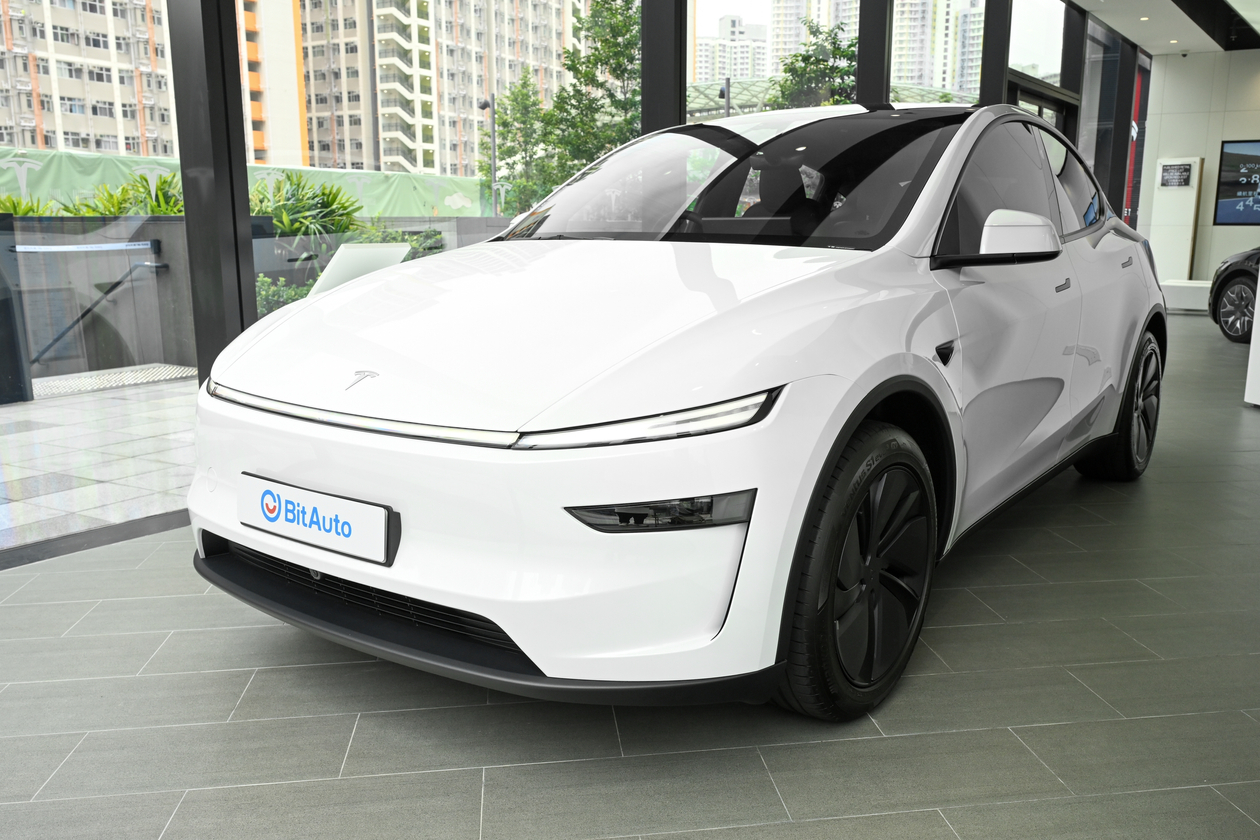
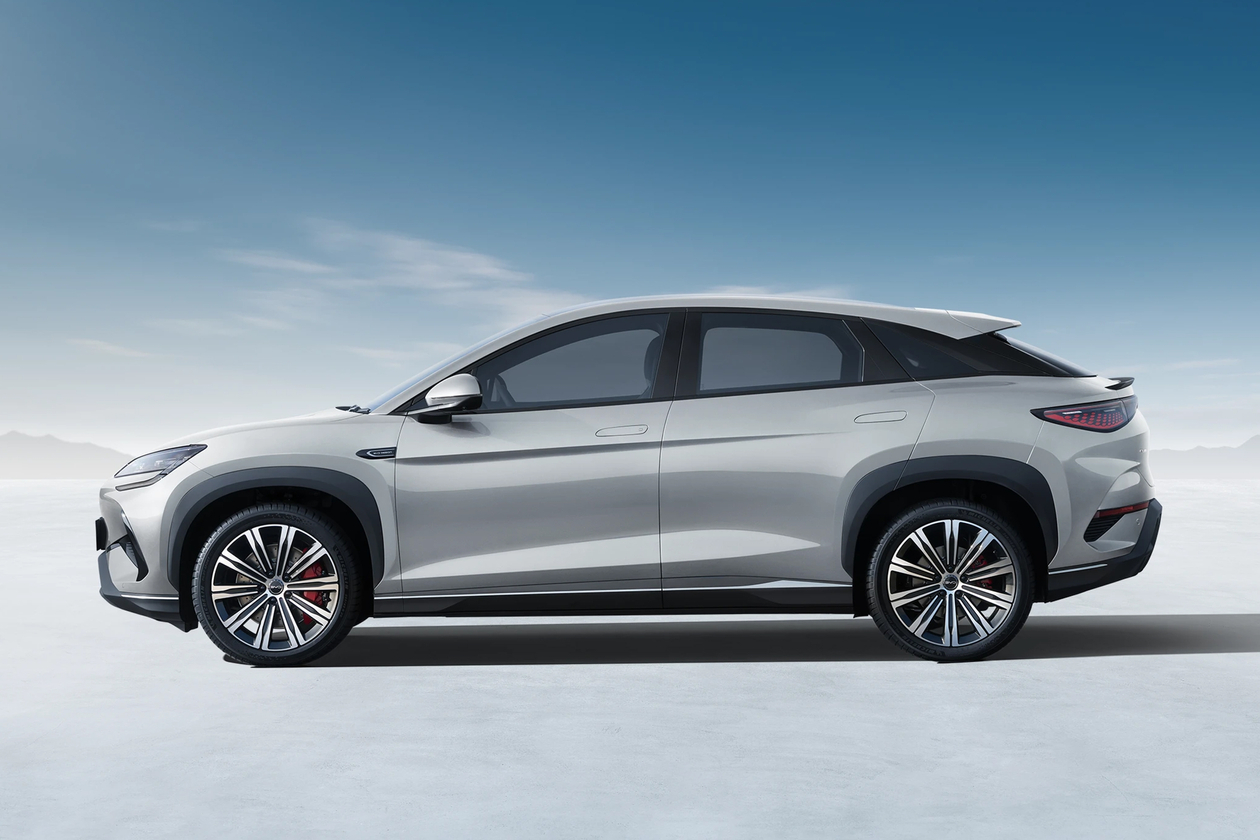
In May 2026, Hong Kong released its official new private vehicle registration data. The top five brands were Tesla, BYD, DENZA, ZEEKR, and XPENG. This result clearly reflects a new market reality: even after the full withdrawal of electric vehicle subsidies, the shift toward EVs in Hong Kong has not reversed. Instead, it has filtered out speculative demand and revealed solid, genuine consumer preference.
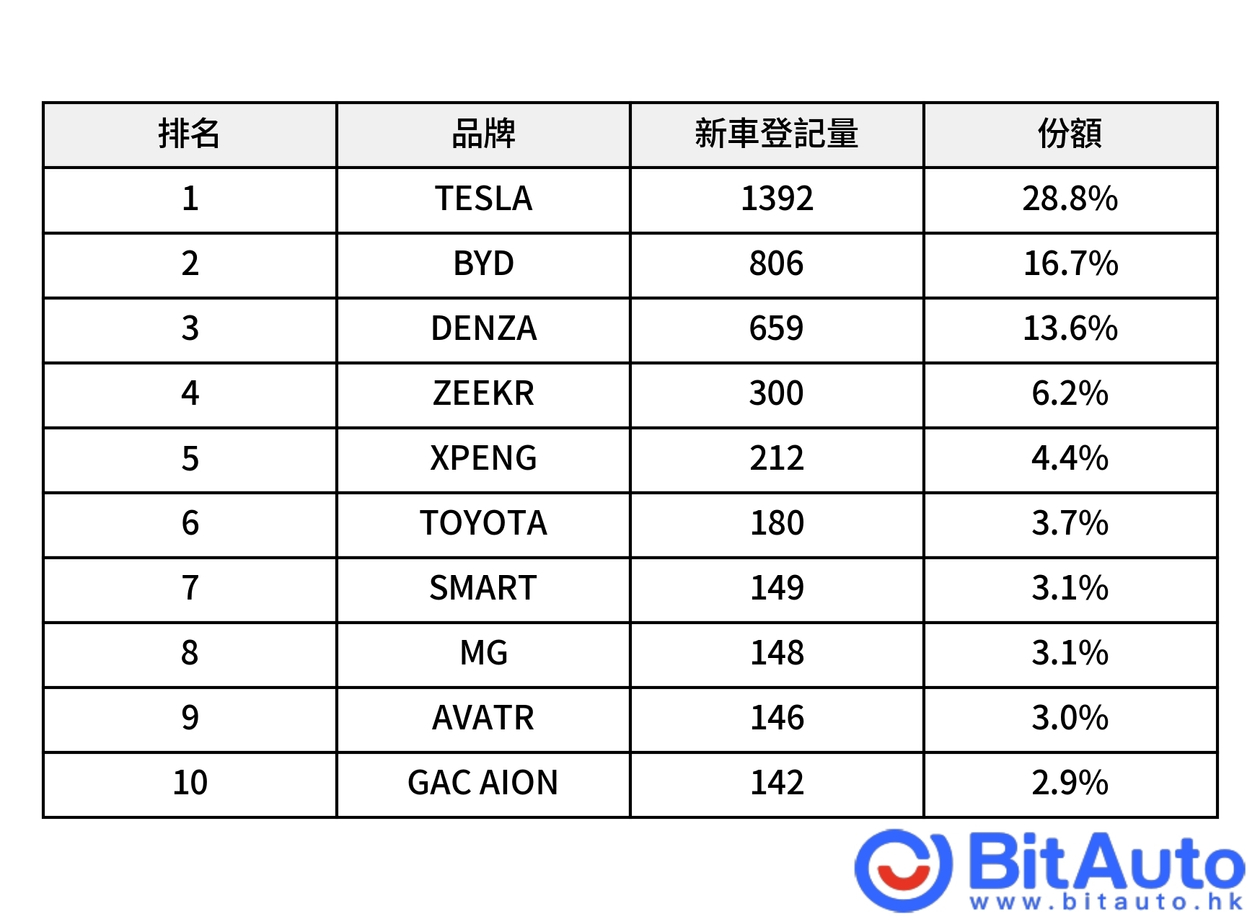
A total of 4,828 new private vehicles were registered in May, representing a significant increase compared to the same period last year. Electric vehicles accounted for an overwhelming 89.2% of registrations, with 4,307 units delivered. In contrast, traditional gasoline-powered vehicles totalled only 521 units. This data strongly indicates that local consumers, dealers, and manufacturers now view electric vehicles as the mainstream choice, rather than a temporary trend fuelled solely by incentives.
While registration numbers in March and April were exceptionally high due to a rush to beat the deadline of the previous "one-for-one" replacement policy, May's figures represent a return to normal market conditions, not a collapse in consumer demand. Importantly, there has been no rebound in demand for fuel vehicles. The dominant position of EVs remains firmly established.
Hong Kong's urban environment is particularly well-suited for electric vehicles. High parking costs, relatively short daily commuting distances, and the fact that most households do not need a second car all amplify the advantages of EVs — lower operating costs, modern features, and convenience — making them more attractive than conventional fuel vehicles.
Regarding policy, the Hong Kong government has introduced a new First Registration Tax framework and implemented transitional arrangements for vehicles ordered or scheduled for import before February 25. At the same time, authorities continue to expand the public fast-charging network and promote the installation of charging facilities in private residential buildings, steadily improving the supporting infrastructure.
With subsidies fully phased out, Hong Kong's electric vehicle market has moved beyond policy-driven growth and officially entered a new stage of healthy, capability-based competition. Factors such as product strength, pricing, delivery efficiency, and charging convenience will now determine market success. May's strong performance demonstrates that Hong Kong's EV market has successfully transitioned past the incentive-driven bonus period and is now entering a more mature and sustainable phase that is truly aligned with consumer needs.


香港汽車內容平台 🚗 新車・買車・玩車・用車 用香港視角,睇世界嘅車
+ Follow 【新車速報】內地正式上市!夢想家9呢部旗艦MPV,配置有幾誇張?
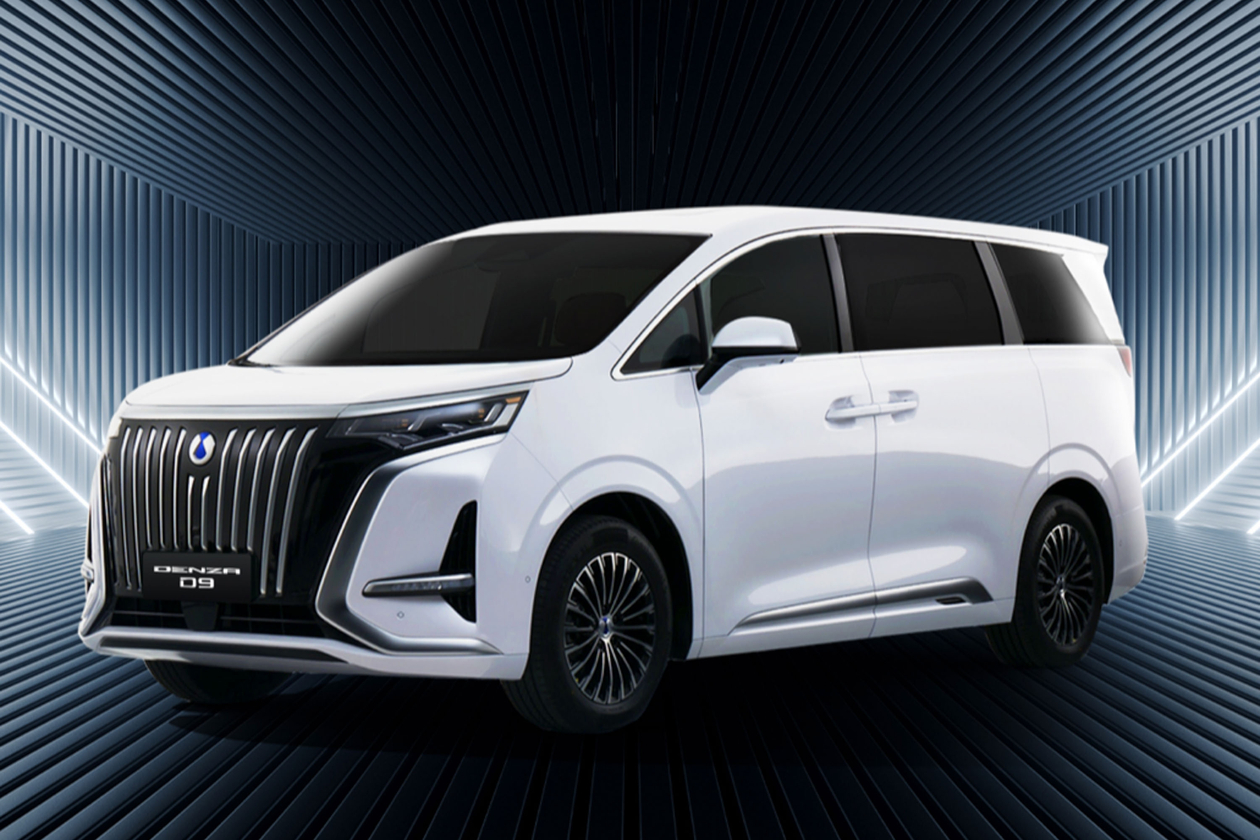
嵐圖夢想家9今日(9月22日)正式於內地上市!作為夢想家系列旗艦型號,新車由外型、內籠到智能駕駛、底盤及動力系統都有大幅升級,售價為 人民幣41.99萬至52.99萬元。
Ultra PHEV版41.99萬、EV版42.99萬;Ultra+ PHEV版45.99萬、EV版46.99萬;禮尊版PHEV版51.99萬、EV版52.99萬。
外型保留大型豎列式鬼面罩,加入「流蘇」漸變燈條及北斗七星星芒燈光點陣;車身長達5,325mm、軸距3,200mm。內籠第二排支援多角度轉向、橫向滑動、零重力模式及機械按摩,第二、三排更設有LC自適應調光玻璃及分段式全景穹頂。
智能化方面,全車系採用全域L3級架構,搭載華為乾崑智駕ADS 5及鴻蒙座艙HarmonySpace6,配備1粒896線激光雷達+3粒高精度固態激光雷達,全車共37枚感測器。
動力方面全系800V高壓平台,插混版配65kWh電池,5C超級快充由20%至80%只需12分鐘;純電版配備120kWh電池,另有三腔氣懸、雙閥EDC減震及雙向10°後輪轉向。
5米3+800V+ADS 5,呢部旗艦MPV你點睇?
#嵐圖夢想家9 #嵐圖 #MPV #BitAutoHongKong #新車速報 1分钟前
【新車速報】內地正式上市!夢想家9呢部旗艦MPV,配置有幾誇張?
嵐圖夢想家9今日(9月22日)正式於內地上市!作為夢想家系列旗艦型號,新車由外型、內籠到智能駕駛、底盤及動力系統都有大幅升級,售價為 人民幣41.99萬至52.99萬元。
Ultra PHEV版41.99萬、EV版42.99萬;Ultra+ PHEV版45.99萬、EV版46.99萬;禮尊版PHEV版51.99萬、EV版52.99萬。
外型保留大型豎列式鬼面罩,加入「流蘇」漸變燈條及北斗七星星芒燈光點陣;車身長達5,325mm、軸距3,200mm。內籠第二排支援多角度轉向、橫向滑動、零重力模式及機械按摩,第二、三排更設有LC自適應調光玻璃及分段式全景穹頂。
智能化方面,全車系採用全域L3級架構,搭載華為乾崑智駕ADS 5及鴻蒙座艙HarmonySpace6,配備1粒896線激光雷達+3粒高精度固態激光雷達,全車共37枚感測器。
動力方面全系800V高壓平台,插混版配65kWh電池,5C超級快充由20%至80%只需12分鐘;純電版配備120kWh電池,另有三腔氣懸、雙閥EDC減震及雙向10°後輪轉向。
5米3+800V+ADS 5,呢部旗艦MPV你點睇?
#嵐圖夢想家9 #嵐圖 #MPV #BitAutoHongKong #新車速報 1分钟前  香港車迷識嵐圖,係咪都係由「夢想家」開始?
今次 BitAuto 直擊嵐圖工廠,除咗夢想家9,仲有多款車型同核心技術一次睇。
由嵐圖FREE、夢想家,到追光、知音,再到而家嘅新車,嵐圖由 2021 年推出首款量產車至今,產品線已涵蓋 SUV、MPV 同轎車。
而今年嵐圖亦正式登陸港交所,香港市場對佢嚟講亦愈來愈重要。
今次入廠,一次過睇下嵐圖一路發展到今日,有幾多唔同面貌。
#BitAuto #嵐圖 #VOYAH #夢想家 #BitAutoHongKong 1小时前
香港車迷識嵐圖,係咪都係由「夢想家」開始?
今次 BitAuto 直擊嵐圖工廠,除咗夢想家9,仲有多款車型同核心技術一次睇。
由嵐圖FREE、夢想家,到追光、知音,再到而家嘅新車,嵐圖由 2021 年推出首款量產車至今,產品線已涵蓋 SUV、MPV 同轎車。
而今年嵐圖亦正式登陸港交所,香港市場對佢嚟講亦愈來愈重要。
今次入廠,一次過睇下嵐圖一路發展到今日,有幾多唔同面貌。
#BitAuto #嵐圖 #VOYAH #夢想家 #BitAutoHongKong 1小时前  【今期買車有禮】三排都係「商務艙」?全新 BAW M8 中秋荃新天地登場!
今個中秋,想睇新 MPV 可以去荃新天地!香港官方總代理金孚汽車帶來全新 BAW M8,正式登陸荃新天地中秋市集車展。
主打「越級空間、越級舒享」,三排均達商務艙級別,每位乘客都可以享受 VIP 般嘅乘坐體驗,加上超大尾箱容量,宜商、宜家、宜旅都可以兼顧。
⚡ BAW M8 HK$369,900 起(已包含首次登記稅)
車展期間出車,更享 高達 $40,000 限定市集出車禮遇:
🎁 電動腳踏一套(總值 $5,000)
🎁 原廠神秘禮物乙份
🎁 限定新車早鳥優惠
🎁 免費車身顏色升級
📅 2026年9月22日-9月28日
🕰 11:00-20:00
📍 荃新天地 Open Plaza
三排商務艙+純電 MPV,呢個價錢你點睇?
*優惠受條款及細則約束,數量有限,送完即止。
#金孚汽車 #BAW #BAWM8 #商務MPV #BitAutoHongKong #今期買車有禮 2小时前
【今期買車有禮】三排都係「商務艙」?全新 BAW M8 中秋荃新天地登場!
今個中秋,想睇新 MPV 可以去荃新天地!香港官方總代理金孚汽車帶來全新 BAW M8,正式登陸荃新天地中秋市集車展。
主打「越級空間、越級舒享」,三排均達商務艙級別,每位乘客都可以享受 VIP 般嘅乘坐體驗,加上超大尾箱容量,宜商、宜家、宜旅都可以兼顧。
⚡ BAW M8 HK$369,900 起(已包含首次登記稅)
車展期間出車,更享 高達 $40,000 限定市集出車禮遇:
🎁 電動腳踏一套(總值 $5,000)
🎁 原廠神秘禮物乙份
🎁 限定新車早鳥優惠
🎁 免費車身顏色升級
📅 2026年9月22日-9月28日
🕰 11:00-20:00
📍 荃新天地 Open Plaza
三排商務艙+純電 MPV,呢個價錢你點睇?
*優惠受條款及細則約束,數量有限,送完即止。
#金孚汽車 #BAW #BAWM8 #商務MPV #BitAutoHongKong #今期買車有禮 2小时前 Get the latest car news first!
【新車速報】內地正式上市!夢想家9呢部旗艦MPV,配置有幾誇張?
嵐圖夢想家9今日(9月22日)正式於內地上市!作為夢想家系列旗艦型號,新車由外型、內籠到智能駕駛、底盤及動力系統都有大幅升級,售價為 人民幣41.99萬至52.99萬元。
Ultra PHEV版41.99萬、EV版42.99萬;Ultra+ PHEV版45.99萬、EV版46.99萬;禮尊版PHEV版51.99萬、EV版52.99萬。
外型保留大型豎列式鬼面罩,加入「流蘇」漸變燈條及北斗七星星芒燈光點陣;車身長達5,325mm、軸距3,200mm。內籠第二排支援多角度轉向、橫向滑動、零重力模式及機械按摩,第二、三排更設有LC自適應調光玻璃及分段式全景穹頂。
智能化方面,全車系採用全域L3級架構,搭載華為乾崑智駕ADS 5及鴻蒙座艙HarmonySpace6,配備1粒896線激光雷達+3粒高精度固態激光雷達,全車共37枚感測器。
動力方面全系800V高壓平台,插混版配65kWh電池,5C超級快充由20%至80%只需12分鐘;純電版配備120kWh電池,另有三腔氣懸、雙閥EDC減震及雙向10°後輪轉向。
5米3+800V+ADS 5,呢部旗艦MPV你點睇?
#嵐圖夢想家9 #嵐圖 #MPV #BitAutoHongKong #新車速報 1分钟前 香港車迷識嵐圖,係咪都係由「夢想家」開始?
今次 BitAuto 直擊嵐圖工廠,除咗夢想家9,仲有多款車型同核心技術一次睇。
由嵐圖FREE、夢想家,到追光、知音,再到而家嘅新車,嵐圖由 2021 年推出首款量產車至今,產品線已涵蓋 SUV、MPV 同轎車。
而今年嵐圖亦正式登陸港交所,香港市場對佢嚟講亦愈來愈重要。
今次入廠,一次過睇下嵐圖一路發展到今日,有幾多唔同面貌。
#BitAuto #嵐圖 #VOYAH #夢想家 #BitAutoHongKong 1小时前 【今期買車有禮】三排都係「商務艙」?全新 BAW M8 中秋荃新天地登場!
今個中秋,想睇新 MPV 可以去荃新天地!香港官方總代理金孚汽車帶來全新 BAW M8,正式登陸荃新天地中秋市集車展。
主打「越級空間、越級舒享」,三排均達商務艙級別,每位乘客都可以享受 VIP 般嘅乘坐體驗,加上超大尾箱容量,宜商、宜家、宜旅都可以兼顧。
⚡ BAW M8 HK$369,900 起(已包含首次登記稅)
車展期間出車,更享 高達 $40,000 限定市集出車禮遇:
🎁 電動腳踏一套(總值 $5,000)
🎁 原廠神秘禮物乙份
🎁 限定新車早鳥優惠
🎁 免費車身顏色升級
📅 2026年9月22日-9月28日
🕰 11:00-20:00
📍 荃新天地 Open Plaza
三排商務艙+純電 MPV,呢個價錢你點睇?
*優惠受條款及細則約束,數量有限,送完即止。
#金孚汽車 #BAW #BAWM8 #商務MPV #BitAutoHongKong #今期買車有禮 2小时前  BAWToyotaBYDZeekrGACDongfengXPengMGMaxusLeapmotorDenzaIMiCAURDeepalWulingOraJuneyao AutoKYCSkyworthAvatrFotonFordGeelyHongqiJAECOOKGMOMODADFSKTeslaHondaBMWMercedes-BenzsmartMINIPorscheNissanLexusSuzukiVolvoSubaruMazdaKiaHyundaiLand RoverRolls-RoyceFerrariAudiLamborghiniRiddaraSeresFarizonfireflyLingboxKaiyiVoyahHIMAM-HeroIsuzuBentleyPolestarMcLarenMitsubishiMaseratiPeugeotAston MartinAcuraJeepJaguarLotusVolkswagenEpiclandJACLepasLi
© 2024 Bitauto.com. All Rights Reserved.
Bitauto (www.yiche.com and www.bitauto.com) is one of the most visited automotive websites in China. We provide detailed info on Chinese car brands available in your area. Please note that the information provided on this website is based on publicly available data and is for reference only. It may not be fully updated or accurate at all times.
Help us improve our website


