
Search History
Popular Searches
English
Dealer Login / Sign Up
On May 12, Audi officially released the first official interior images of its all-new full-size flagship SUV, the Q9. The new model is built on the PPC platform and features the brand's latest family design language, with three-row seating available in either six-seat or seven-seat configurations. Audi has confirmed that the Q9 will make its global debut on July 29, 2026, with a planned introduction to the mainland Chinese market in the first quarter of 2027 via FAW-Audi. The Q9 will directly take on the BMW X7 and Mercedes-Benz GLS in the traditional large luxury SUV segment.
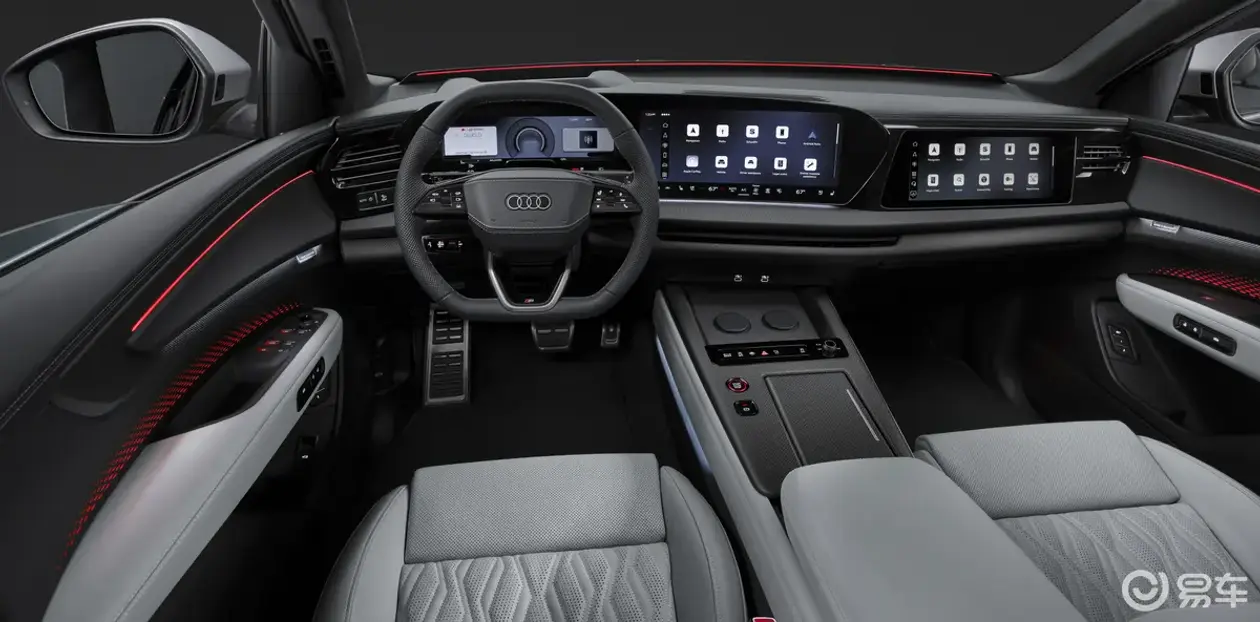
Digital Cockpit: Tri-Screen Layout Meets 4D Sound
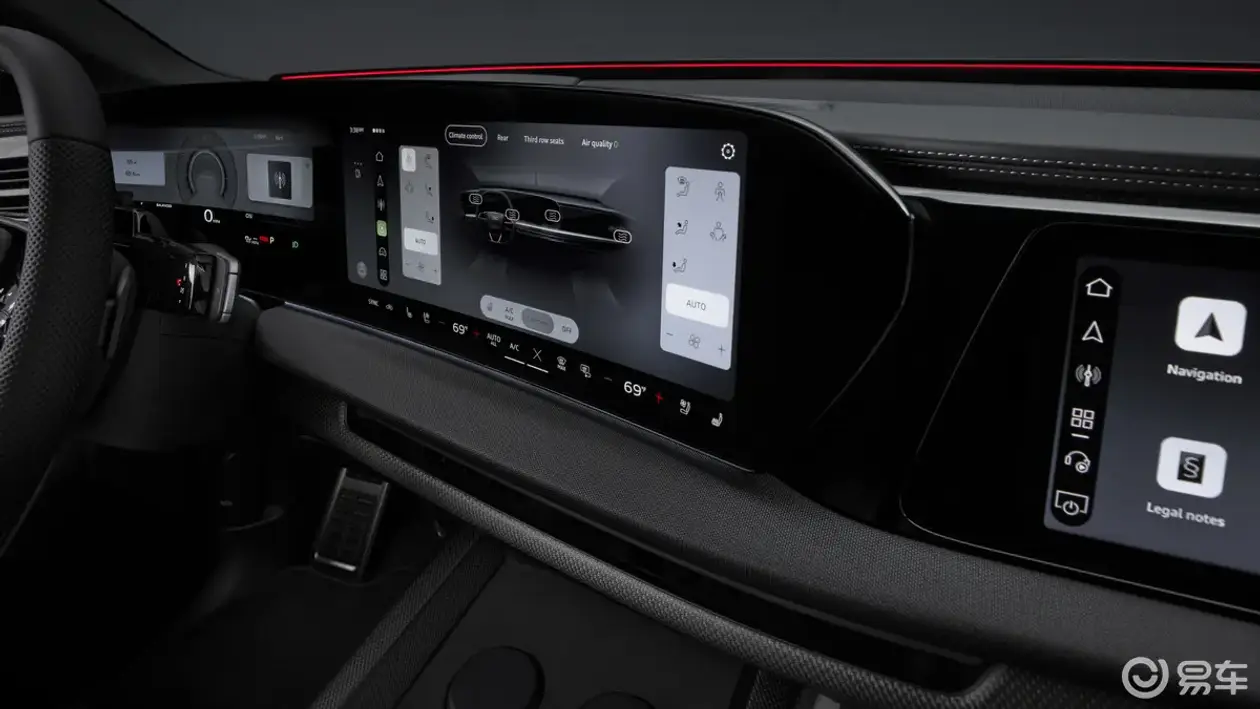
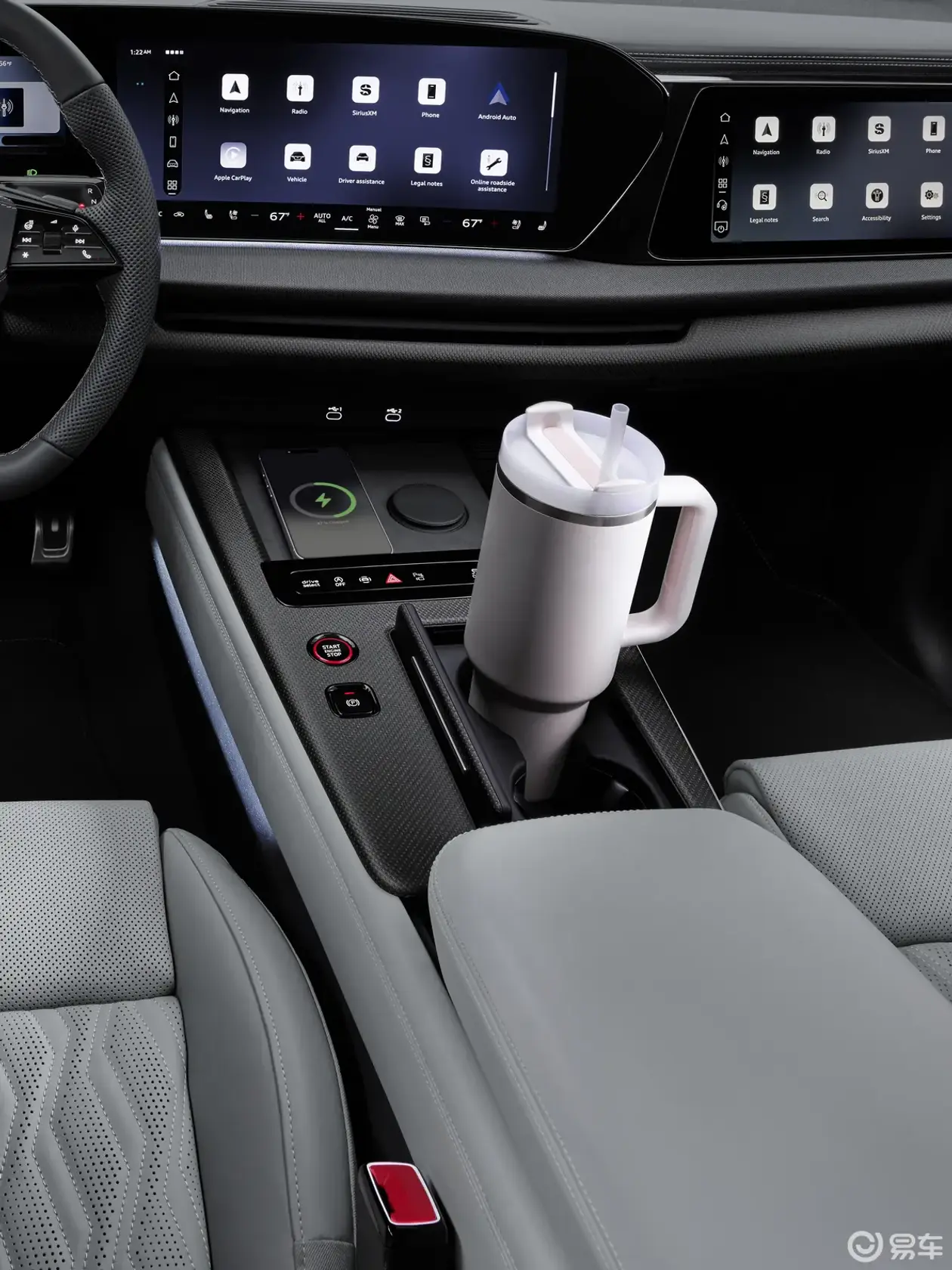
The Q9 embraces the same AI digital cockpit concept first seen on the A6 e-tron and Q6 e-tron, with the instrument panel dominated by three digital displays. The driver faces an 11.9-inch curved fully digital instrument cluster, the centre console houses a 14.5-inch floating touchscreen, and a dedicated 10.9-inch or 11.9-inch display sits in front of the front passenger. A head-up display is standard across all variants. The gear selector has been moved to a steering column-mounted stalk, freeing up centre console space for two Qi 2.2 magnetic wireless charging pads and 100W USB-C PD ports. The standard audio system features 22 speakers and over 1,300 watts of power, with an optional Bang & Olufsen 4D Premium system adding transducers inside the front seats to convert low-frequency signals into physical vibration. An interactive light strip synchronises with the music playback and album artwork in real time.
Space and Seating: Six-Seat Executive Layout Aims for Business-Class Comfort
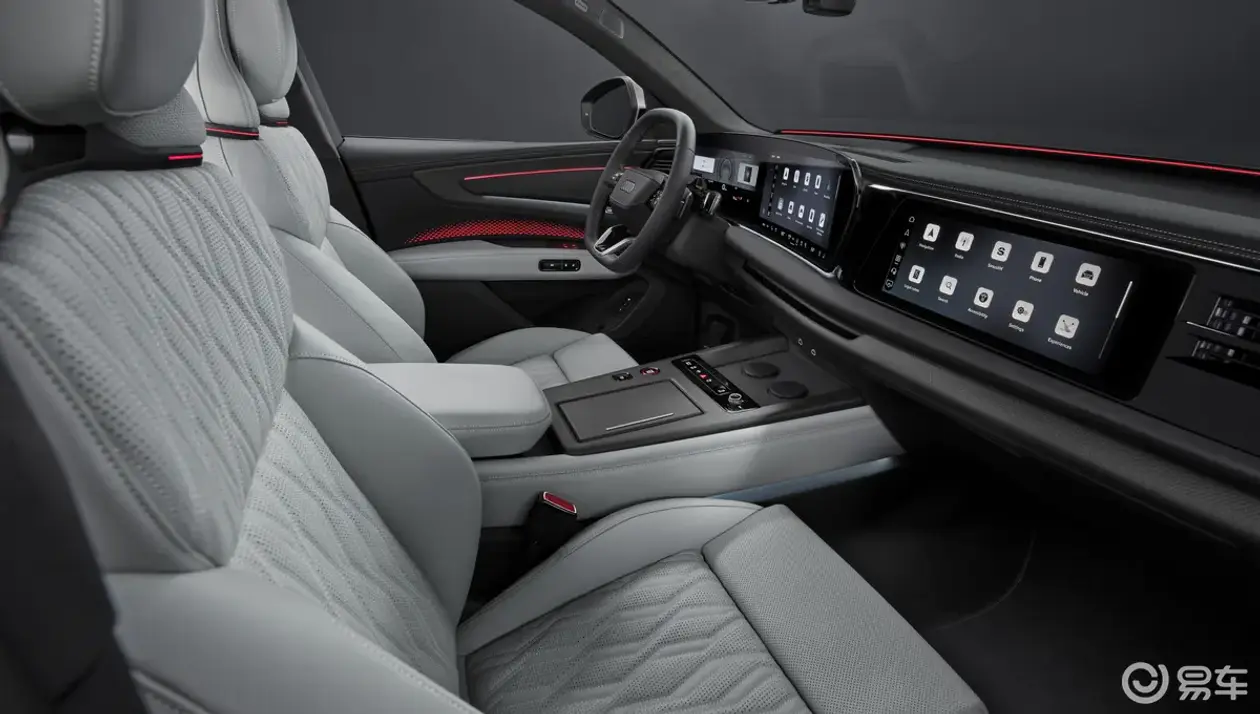
The Q9’s body length exceeds 5.2 metres, with a wheelbase surpassing 3.1 metres, out-sizing both the X7 and GLS in key dimensions. The six-seat layout features two independent electrically adjustable captain‘s chairs in the second row, each equipped with active ventilation and heating. Access to the third row is aided by an electric button that moves and tilts the second-row outer seat forward without fully folding it – meaning child seats can remain installed throughout. The third-row seatbacks can be folded independently via electric controls, flattening the load floor for generous cargo space.
Panoramic Roof and Materials
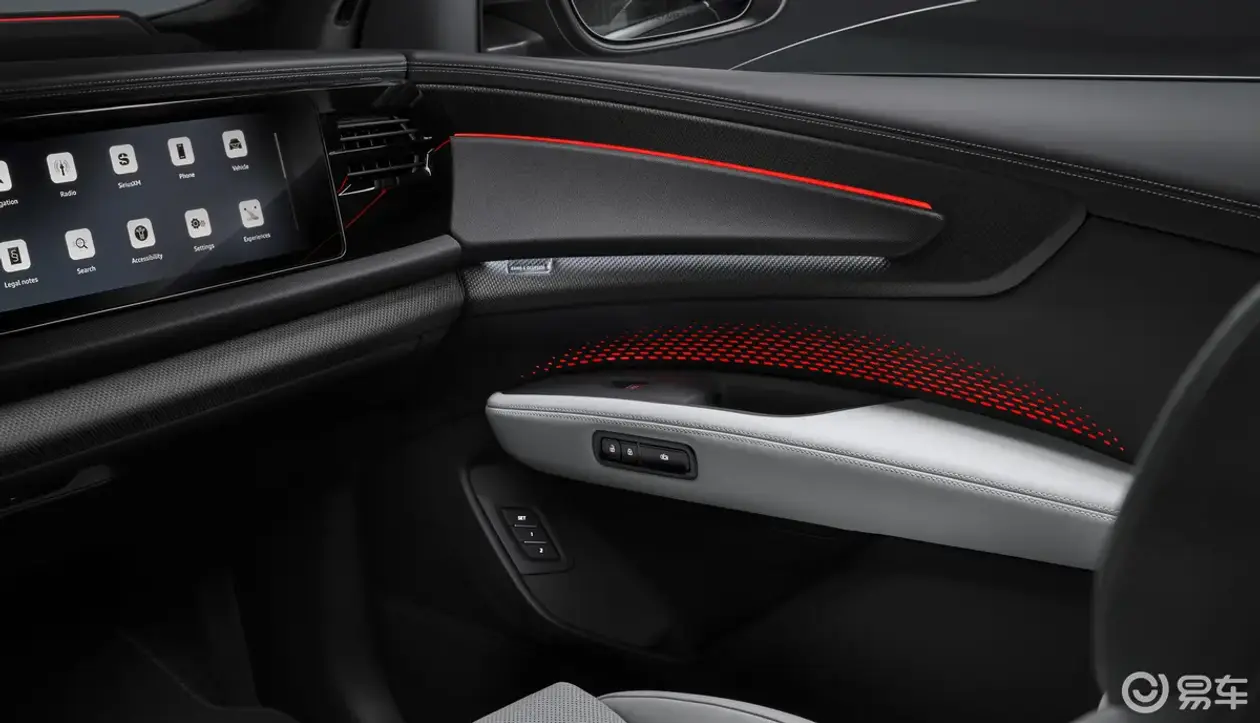
A 1.5 square metre panoramic glass roof is standard, with UV-blocking coating and PDLC technology allowing nine independent zones to be electronically dimmed. Top-spec variants add an 84-LED intelligent light curtain with 30 colour options, synchronised with the interior ambient lighting. Copper, Nappa leather and Dinamica microfibre are used extensively, with gloss black piano trim noticeably reduced.
Powered Doors as Standard
The Q9 becomes the first Audi production model to feature fully powered doors as standard across all four doors. They can be operated via the key fob, the myAudi app, the central touchscreen, the brake pedal or simply by fastening the seatbelt. Surround sensors prevent the doors from hitting adjacent vehicles, walls, pedestrians or cyclists, while interior sensors eliminate pinch points.
Powertrain: V6, V8 and Plug-in Hybrid Line-up
All Q9 variants come standard with Audi’s quattro all-wheel-drive system. The entry-level powertrain is a 3.0-litre V6 mild hybrid producing approximately 340 hp and 500 N·m, paired with an eight-speed ZF Tiptronic transmission. The high-performance version uses a 4.0-litre V8 twin-turbo mild hybrid unit delivering 460 hp and 660 N·m, with a 0-100 km/h time in the range of 4.5 to 5.0 seconds. A plug-in hybrid variant pairing a 3.0-litre V6 with an electric motor delivers approximately 517 hp and offers an all-electric range of 80 to 100 km. Beyond the standard range, Audi plans to introduce an SQ9 performance variant and a Q9 Horch edition with an ultra-luxury four-seat layout.
Market Context
The Q9 arrives nearly eight years after the BMW X7‘s debut and almost two decades after the Mercedes-Benz GLS‘s introduction – time during which the segment has not only been dominated by those two rivals but also increasingly challenged by a new wave of Chinese full-size SUVs including the Zeekr 9X, BYD Sealion 08 and Wey V9X. European pricing is expected to start at approximately €120,000 (around RMB 960,000). Audi CEO Gernot Döllner has stated that the Q9‘s development focus has shifted from outright performance toward defining ‘Vorsprung durch Technik’ through interior experience.
Outlook for the Hong Kong Market
If Audi Hong Kong officially imports the Q9 and qualifies for the ‘One-for-One Replacement’ EV First Registration Tax scheme, entry-level variants would likely land in the HK1.2milliontoHK1.4 million bracket, competing directly with the Mercedes-Benz GLS450, BMW X7 xDrive40i, and the seven-seat long-wheelbase Range Rover. However, Audi Hong Kong has not yet announced any right-hand-drive development timeline, import schedule or distributor plans. Given that homologation for right-hand-drive markets typically adds six to twelve months beyond left-hand-drive certification, Hong Kong buyers should not expect to see the Q9 in local showrooms before late 2027 or even 2028. Potential owners should monitor official announcements from Audi Hong Kong regarding both RHD certification progress and local sales arrangements.

香港汽車內容平台 🚗 新車・買車・玩車・用車 用香港視角,睇世界嘅車
+ Follow 【新車速報】兩座車又殺返嚟?smart精靈#2今次有啲料喎
鍾意細車嘅香港車迷留意!全新 smart 精靈#2 配置公布,採用 ECA 電動緊湊型架構,搭載 35.8kWh 磷酸鐵鋰電池,CLTC 續航 410km,30%-80% 快充最快15分鐘。
車長約 2.75米、轉彎半徑僅3.35米,仲有前麥弗遜+後五連桿獨立懸架;安全配備最多7個氣袋及 ACC、盲區監測等功能。
0-50km/h 3.8秒,10月12日巴黎車展全球首發!
兩座純電+細車身,放落香港街道會唔會幾對味?
#smart #smart精靈2 #純電車 #BitAutoHongKong 2小时前
【新車速報】兩座車又殺返嚟?smart精靈#2今次有啲料喎
鍾意細車嘅香港車迷留意!全新 smart 精靈#2 配置公布,採用 ECA 電動緊湊型架構,搭載 35.8kWh 磷酸鐵鋰電池,CLTC 續航 410km,30%-80% 快充最快15分鐘。
車長約 2.75米、轉彎半徑僅3.35米,仲有前麥弗遜+後五連桿獨立懸架;安全配備最多7個氣袋及 ACC、盲區監測等功能。
0-50km/h 3.8秒,10月12日巴黎車展全球首發!
兩座純電+細車身,放落香港街道會唔會幾對味?
#smart #smart精靈2 #純電車 #BitAutoHongKong 2小时前  【揀車有路數】日產新車賣比亞迪價?仲有激光雷達
今集試一台好特別嘅日產新車——NX8,中國特供增程SUV。外觀似熟悉嘅日產味,但內籠同科技配備竟然唔晒傳統日產套路,駕乘感受又有幾多轉變?到底仲係咪你認識嗰部日產?一齊試畀你睇。
#日產 #NX8 #增程 #BitAutoHongKong #揀車有路數 1天前
【揀車有路數】日產新車賣比亞迪價?仲有激光雷達
今集試一台好特別嘅日產新車——NX8,中國特供增程SUV。外觀似熟悉嘅日產味,但內籠同科技配備竟然唔晒傳統日產套路,駕乘感受又有幾多轉變?到底仲係咪你認識嗰部日產?一齊試畀你睇。
#日產 #NX8 #增程 #BitAutoHongKong #揀車有路數 1天前  【新車速報】T-Top 回歸?Nissan Z Kaze 概念車現身!
90年代 JDM 味返晒嚟?Nissan 最近喺美國 ZCON 公開 Z Kaze 概念車,以現款 Nissan Z 為基礎,換上全新 T-Top 可拆式車頂,向經典 300ZX 等 Z 系列致敬。
配合碳纖維空力套件、NISMO LMGT2 18吋輪圈,以及 GReddy 排氣、進氣同 intercooler 升級,成部車都充滿 JDM 改裝味。
「Kaze」即係日文「風」,而呢部車係 one-off 概念作品,並非量產車。10月3日仲會現身加州長灘 Japanese Classic Car Show。
如果 T-Top Z 真係量產,你會唔會心動?
#NissanZ #ZKaze #TTop #JDM #BitAutoHongKong 1天前
【新車速報】T-Top 回歸?Nissan Z Kaze 概念車現身!
90年代 JDM 味返晒嚟?Nissan 最近喺美國 ZCON 公開 Z Kaze 概念車,以現款 Nissan Z 為基礎,換上全新 T-Top 可拆式車頂,向經典 300ZX 等 Z 系列致敬。
配合碳纖維空力套件、NISMO LMGT2 18吋輪圈,以及 GReddy 排氣、進氣同 intercooler 升級,成部車都充滿 JDM 改裝味。
「Kaze」即係日文「風」,而呢部車係 one-off 概念作品,並非量產車。10月3日仲會現身加州長灘 Japanese Classic Car Show。
如果 T-Top Z 真係量產,你會唔會心動?
#NissanZ #ZKaze #TTop #JDM #BitAutoHongKong 1天前 Get the latest car news first!
【新車速報】兩座車又殺返嚟?smart精靈#2今次有啲料喎
鍾意細車嘅香港車迷留意!全新 smart 精靈#2 配置公布,採用 ECA 電動緊湊型架構,搭載 35.8kWh 磷酸鐵鋰電池,CLTC 續航 410km,30%-80% 快充最快15分鐘。
車長約 2.75米、轉彎半徑僅3.35米,仲有前麥弗遜+後五連桿獨立懸架;安全配備最多7個氣袋及 ACC、盲區監測等功能。
0-50km/h 3.8秒,10月12日巴黎車展全球首發!
兩座純電+細車身,放落香港街道會唔會幾對味?
#smart #smart精靈2 #純電車 #BitAutoHongKong 2小时前 【揀車有路數】日產新車賣比亞迪價?仲有激光雷達
今集試一台好特別嘅日產新車——NX8,中國特供增程SUV。外觀似熟悉嘅日產味,但內籠同科技配備竟然唔晒傳統日產套路,駕乘感受又有幾多轉變?到底仲係咪你認識嗰部日產?一齊試畀你睇。
#日產 #NX8 #增程 #BitAutoHongKong #揀車有路數 1天前 【新車速報】T-Top 回歸?Nissan Z Kaze 概念車現身!
90年代 JDM 味返晒嚟?Nissan 最近喺美國 ZCON 公開 Z Kaze 概念車,以現款 Nissan Z 為基礎,換上全新 T-Top 可拆式車頂,向經典 300ZX 等 Z 系列致敬。
配合碳纖維空力套件、NISMO LMGT2 18吋輪圈,以及 GReddy 排氣、進氣同 intercooler 升級,成部車都充滿 JDM 改裝味。
「Kaze」即係日文「風」,而呢部車係 one-off 概念作品,並非量產車。10月3日仲會現身加州長灘 Japanese Classic Car Show。
如果 T-Top Z 真係量產,你會唔會心動?
#NissanZ #ZKaze #TTop #JDM #BitAutoHongKong 1天前  BAWToyotaBYDZeekrGACDongfengXPengMGMaxusLeapmotorDenzaIMiCAURDeepalWulingOraJuneyao AutoKYCSkyworthAvatrFotonFordGeelyHongqiJAECOOKGMOMODADFSKTeslaHondaBMWMercedes-BenzsmartMINIPorscheNissanLexusSuzukiVolvoSubaruMazdaKiaHyundaiLand RoverRolls-RoyceFerrariAudiLamborghiniRiddaraSeresFarizonfireflyLingboxKaiyiVoyahHIMAM-HeroIsuzuBentleyPolestarMcLarenMitsubishiMaseratiPeugeotAston MartinAcuraJeepJaguarLotusVolkswagenEpiclandJACLepasLi
 © 2024 Bitauto.com. All Rights Reserved.
Bitauto (www.yiche.com and www.bitauto.com) is one of the most visited automotive websites in China. We provide detailed info on Chinese car brands available in your area. Please note that the information provided on this website is based on publicly available data and is for reference only. It may not be fully updated or accurate at all times.
Help us improve our website


