
Search History
Popular Searches
English
Dealer Login / Sign Up
The Chinese automotive landscape is poised for another significant technological infusion as Changan's NEV brand, Shenlan, officially announces the imminent market debut of its upgraded flagship SUV. The Shenlan S07 Huawei Qiankun Laser Edition is scheduled to launch on April 20, 2024, with its core selling point being a comprehensive overhaul of its intelligent driving suite, now powered by Huawei's latest Qiankun intelligent driving solution. This move signals a deepening collaboration between traditional automotive manufacturers and tech giants, squarely aiming to redefine the standards for advanced driver-assistance systems (ADAS) in the competitive electric vehicle segment.

While the exterior and interior design of the Shenlan S07 Huawei Qiankun Laser Edition largely carry over the sleek, futuristic aesthetics of the current model, the real revolution lies beneath the surface—or more precisely, in its sensor array and computing brain. The vehicle represents a strategic upgrade, transitioning from the previously used Huawei Qiankun ADS 4 SE system to the more advanced Huawei Qiankun ADS 4 Pro. This isn't merely a software update; it's a foundational enhancement designed to deliver a more seamless, reliable, and comprehensive hands-free driving experience across the three most critical domains of daily travel: urban streets, highways, and parking scenarios.
The urban Navigation Cruise Assist (NCA) function has received particular attention. City driving, with its unpredictable pedestrians, cyclists, complex intersections, and constant construction zones, is the ultimate proving ground for any ADAS. The Qiankun ADS 4 Pro system equips the S07 Laser Edition to handle these challenges with greater finesse. It promises capable navigation through narrow-lane encounters, where oncoming traffic requires precise spatial awareness and controlled maneuvering. Furthermore, the system can intelligently recognize and react to temporary road changes due to construction, planning and executing safe detours without demanding immediate driver intervention. This capability aims not just at safety but at significantly reducing driver cognitive load and improving overall traffic flow efficiency in congested metropolitan environments.
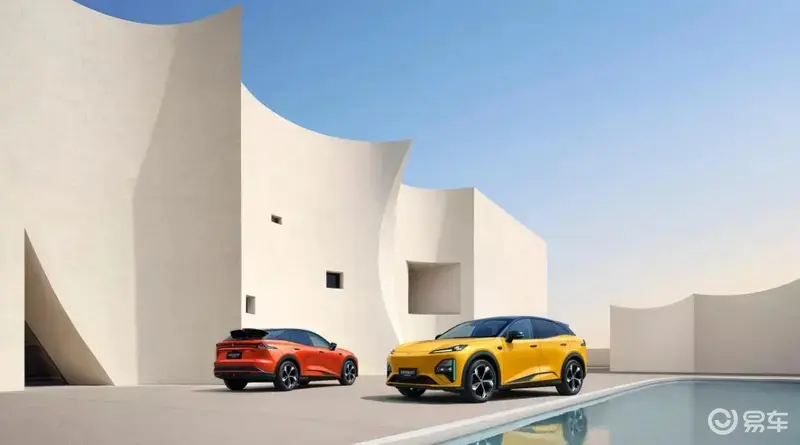
For long-distance travel, the highway NCA function is engineered to alleviate the monotony and fatigue associated with extended motorway journeys. The system manages intelligent on- and off-ramp navigation, a complex task involving timing, signaling, and merging into appropriate lanes. It also handles automated lane changes for overtaking slower vehicles or navigating around obstacles. The goal, as stated, is to minimize the need for frequent driver takeovers, creating a more relaxed and confident cruising experience. This advancement places the S07 in direct competition with other high-level highway assist systems globally, promising a "set-and-forget" level of convenience on approved roadways.
The third pillar of this tri-domain approach is intelligent parking. The Shenlan S07 Huawei Qiankun Laser Edition tackles one of the most common pain points for drivers, especially in dense urban living. The system supports features like remote parking, where the driver can exit the vehicle and command it to park itself into a detected spot via a smartphone app—a boon for extremely tight spaces. The Memorized Parking function allows the car to retrace a path it was driven into (up to a certain distance) and reverse out automatically, ideal for dead-end alleys or private driveways. Crucially, the system's precision in identifying parking space boundaries, even in irregular or cramped parking situations typical of older residential complexes, is highlighted as a key strength, ostensibly making parallel or perpendicular parking effortless even for novice drivers.
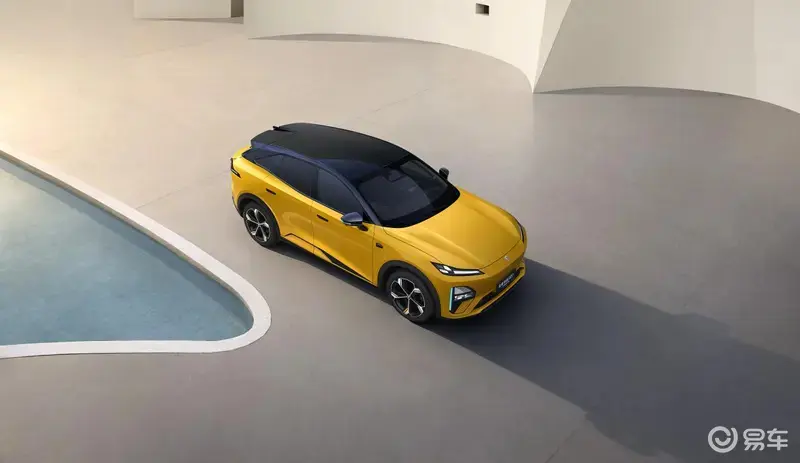
Beyond the navigation-focused NCA, the vehicle is fortified with Huawei's comprehensive multi-dimensional collision avoidance system, CAS 4.0. This suite integrates a robust set of 20 active safety functions, acting as a vigilant safety net. It likely encompasses enhanced versions of standard features like Automatic Emergency Braking (AEB), Forward Collision Warning (FCW), Lane Departure Prevention, and Blind-Spot Monitoring, but potentially extends to more complex scenarios like cross-traffic alert, door opening warning, and targeted obstacle avoidance. This layered approach—proactive route navigation combined with reactive collision mitigation—forms the bedrock of the S07's safety philosophy.
While autonomous driving capabilities rightfully claim the spotlight, the Shenlan S07 Huawei Qiankun Laser Edition hasn't neglected its core credentials as a battery-electric vehicle. It is equipped with Changan's proprietary "Original Force Super Integrated Electric Drive 2.0" powertrain. The company boasts an impressive working condition efficiency rate of 92.3% for this system, which translates to effective energy utilization and potentially better real-world range. Speaking of range, the model offers a substantial CLTC-rated pure electric driving range of 630 kilometers on a single charge, addressing a primary concern for potential EV buyers regarding long-distance usability.
Complementing the range is support for 3C ultra-fast charging technology. This capability allows the battery to be charged at a rate theoretically high enough to add significant range in a matter of minutes, depending on the supporting charging infrastructure, making longer trips more practical with shorter stop durations. The technical package is rounded out by an FSD (Frequency Selective Damping) + HRS (Hydraulic Rebound Stopper) variable adaptive chassis. This suspension system is designed to dynamically adjust damping force based on road conditions and driving style, aiming to deliver a comfortable ride without sacrificing handling agility. Furthermore, the inclusion of a "micro-core high-frequency pulse heating" technology is a notable feature for colder climates, as it helps optimize battery temperature for both performance and charging efficiency in low-temperature environments.
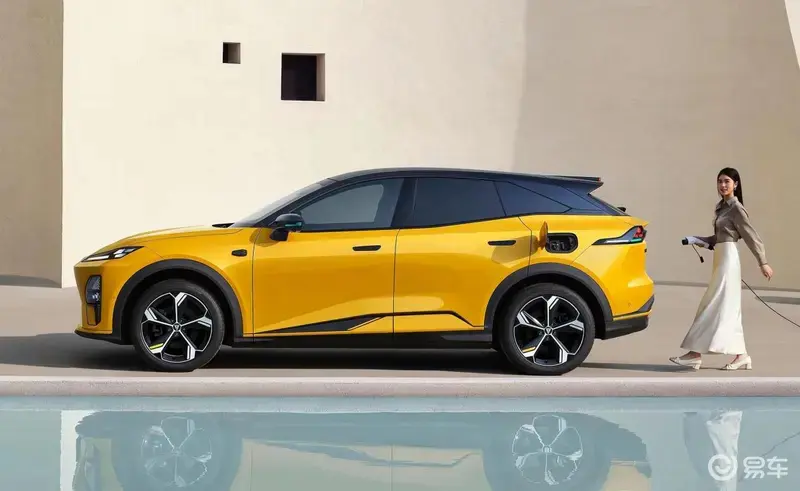
The launch of the Shenlan S07 Huawei Qiankun Laser Edition is more than just a new trim level; it is a strategic statement. It underscores the accelerating pace of integration between automotive hardware and software-defined intelligence from China's tech leaders. For Shenlan and its parent company Changan, leveraging Huawei's concentrated R&D in sensors, computing platforms, and AI algorithms provides a shortcut to achieving top-tier ADAS capabilities, allowing them to compete fiercely with other domestic EV makers like NIO, Xpeng, and Li Auto, who are also rapidly advancing their own assisted driving systems.
For consumers, this model presents an intriguing proposition: a stylish, well-range-equipped electric SUV now bundled with one of the most talked-about intelligent driving systems in the market. The promised combination of urban, highway, and parking autonomy addresses a holistic daily use case. However, the ultimate test will be in the real-world performance, reliability, and smoothness of the Huawei Qiankun ADS 4 Pro system outside controlled demonstrations. Its ability to handle the sheer chaos and edge cases of China's diverse road networks will determine its true success.
As the April 20 launch date approaches, the industry will be watching closely for final pricing, detailed specifications, and the rollout plan for the over-the-air updates that will likely define this vehicle's lifecycle. The Shenlan S07 Huawei Qiankun Laser Edition stands as a clear indicator that the battle for supremacy in the new energy vehicle arena is increasingly being fought on the software and AI front, with the driving experience itself becoming the primary battlefield.

香港汽車內容平台 🚗 新車・買車・玩車・用車 用香港視角,睇世界嘅車
+ Follow 【揀車有路數】日產新車賣比亞迪價?仲有激光雷達
今集試一台好特別嘅日產新車——NX8,中國特供增程SUV。外觀似熟悉嘅日產味,但內籠同科技配備竟然唔晒傳統日產套路,駕乘感受又有幾多轉變?到底仲係咪你認識嗰部日產?一齊試畀你睇。
#日產 #NX8 #增程 #BitAutoHongKong #揀車有路數 3小时前
【揀車有路數】日產新車賣比亞迪價?仲有激光雷達
今集試一台好特別嘅日產新車——NX8,中國特供增程SUV。外觀似熟悉嘅日產味,但內籠同科技配備竟然唔晒傳統日產套路,駕乘感受又有幾多轉變?到底仲係咪你認識嗰部日產?一齊試畀你睇。
#日產 #NX8 #增程 #BitAutoHongKong #揀車有路數 3小时前  【新車速報】T-Top 回歸?Nissan Z Kaze 概念車現身!
90年代 JDM 味返晒嚟?Nissan 最近喺美國 ZCON 公開 Z Kaze 概念車,以現款 Nissan Z 為基礎,換上全新 T-Top 可拆式車頂,向經典 300ZX 等 Z 系列致敬。
配合碳纖維空力套件、NISMO LMGT2 18吋輪圈,以及 GReddy 排氣、進氣同 intercooler 升級,成部車都充滿 JDM 改裝味。
「Kaze」即係日文「風」,而呢部車係 one-off 概念作品,並非量產車。10月3日仲會現身加州長灘 Japanese Classic Car Show。
如果 T-Top Z 真係量產,你會唔會心動?
#NissanZ #ZKaze #TTop #JDM #BitAutoHongKong 6小时前
【新車速報】T-Top 回歸?Nissan Z Kaze 概念車現身!
90年代 JDM 味返晒嚟?Nissan 最近喺美國 ZCON 公開 Z Kaze 概念車,以現款 Nissan Z 為基礎,換上全新 T-Top 可拆式車頂,向經典 300ZX 等 Z 系列致敬。
配合碳纖維空力套件、NISMO LMGT2 18吋輪圈,以及 GReddy 排氣、進氣同 intercooler 升級,成部車都充滿 JDM 改裝味。
「Kaze」即係日文「風」,而呢部車係 one-off 概念作品,並非量產車。10月3日仲會現身加州長灘 Japanese Classic Car Show。
如果 T-Top Z 真係量產,你會唔會心動?
#NissanZ #ZKaze #TTop #JDM #BitAutoHongKong 6小时前  【新車速報】Skyline 真係要返嚟喇!Nissan CEO:新一代12月登場
等咗咁耐,Skyline 終於有新消息!Nissan CEO Ivan Espinosa 接受《朝日新聞》專訪時透露,新一代 Skyline 將於今年12月亮相,亦係 Nissan 加快新車開發嘅代表作。
新車開發周期縮短至約 26個月,並利用生成式 AI、數碼模擬等工具加快開發流程。Nissan 官方亦已將 Skyline 列入 Heartbeat 車系,代表品牌工程技術、駕駛性能與情感。
至於動力、規格同最終量產設計,目前仍未全面公開。今次 Skyline 回歸,你最期待保留邊樣經典元素?
#Nissan #Skyline #新車速報 #BitAutoHongKong 1天前
【新車速報】Skyline 真係要返嚟喇!Nissan CEO:新一代12月登場
等咗咁耐,Skyline 終於有新消息!Nissan CEO Ivan Espinosa 接受《朝日新聞》專訪時透露,新一代 Skyline 將於今年12月亮相,亦係 Nissan 加快新車開發嘅代表作。
新車開發周期縮短至約 26個月,並利用生成式 AI、數碼模擬等工具加快開發流程。Nissan 官方亦已將 Skyline 列入 Heartbeat 車系,代表品牌工程技術、駕駛性能與情感。
至於動力、規格同最終量產設計,目前仍未全面公開。今次 Skyline 回歸,你最期待保留邊樣經典元素?
#Nissan #Skyline #新車速報 #BitAutoHongKong 1天前 Get the latest car news first!
【揀車有路數】日產新車賣比亞迪價?仲有激光雷達
今集試一台好特別嘅日產新車——NX8,中國特供增程SUV。外觀似熟悉嘅日產味,但內籠同科技配備竟然唔晒傳統日產套路,駕乘感受又有幾多轉變?到底仲係咪你認識嗰部日產?一齊試畀你睇。
#日產 #NX8 #增程 #BitAutoHongKong #揀車有路數 3小时前 【新車速報】T-Top 回歸?Nissan Z Kaze 概念車現身!
90年代 JDM 味返晒嚟?Nissan 最近喺美國 ZCON 公開 Z Kaze 概念車,以現款 Nissan Z 為基礎,換上全新 T-Top 可拆式車頂,向經典 300ZX 等 Z 系列致敬。
配合碳纖維空力套件、NISMO LMGT2 18吋輪圈,以及 GReddy 排氣、進氣同 intercooler 升級,成部車都充滿 JDM 改裝味。
「Kaze」即係日文「風」,而呢部車係 one-off 概念作品,並非量產車。10月3日仲會現身加州長灘 Japanese Classic Car Show。
如果 T-Top Z 真係量產,你會唔會心動?
#NissanZ #ZKaze #TTop #JDM #BitAutoHongKong 6小时前 【新車速報】Skyline 真係要返嚟喇!Nissan CEO:新一代12月登場
等咗咁耐,Skyline 終於有新消息!Nissan CEO Ivan Espinosa 接受《朝日新聞》專訪時透露,新一代 Skyline 將於今年12月亮相,亦係 Nissan 加快新車開發嘅代表作。
新車開發周期縮短至約 26個月,並利用生成式 AI、數碼模擬等工具加快開發流程。Nissan 官方亦已將 Skyline 列入 Heartbeat 車系,代表品牌工程技術、駕駛性能與情感。
至於動力、規格同最終量產設計,目前仍未全面公開。今次 Skyline 回歸,你最期待保留邊樣經典元素?
#Nissan #Skyline #新車速報 #BitAutoHongKong 1天前  BAWToyotaBYDZeekrGACDongfengXPengMGMaxusLeapmotorDenzaIMiCAURDeepalWulingOraJuneyao AutoKYCSkyworthAvatrFotonFordGeelyHongqiJAECOOKGMOMODADFSKTeslaHondaBMWMercedes-BenzsmartMINIPorscheNissanLexusSuzukiVolvoSubaruMazdaKiaHyundaiLand RoverRolls-RoyceFerrariAudiLamborghiniRiddaraSeresFarizonfireflyLingboxKaiyiVoyahHIMAM-HeroIsuzuBentleyPolestarMcLarenMitsubishiMaseratiPeugeotAston MartinAcuraJeepJaguarLotusVolkswagenEpiclandJACLepasLi
 © 2024 Bitauto.com. All Rights Reserved.
Bitauto (www.yiche.com and www.bitauto.com) is one of the most visited automotive websites in China. We provide detailed info on Chinese car brands available in your area. Please note that the information provided on this website is based on publicly available data and is for reference only. It may not be fully updated or accurate at all times.
Help us improve our website


