
Search History
Popular Searches
English
Dealer Login / Sign Up
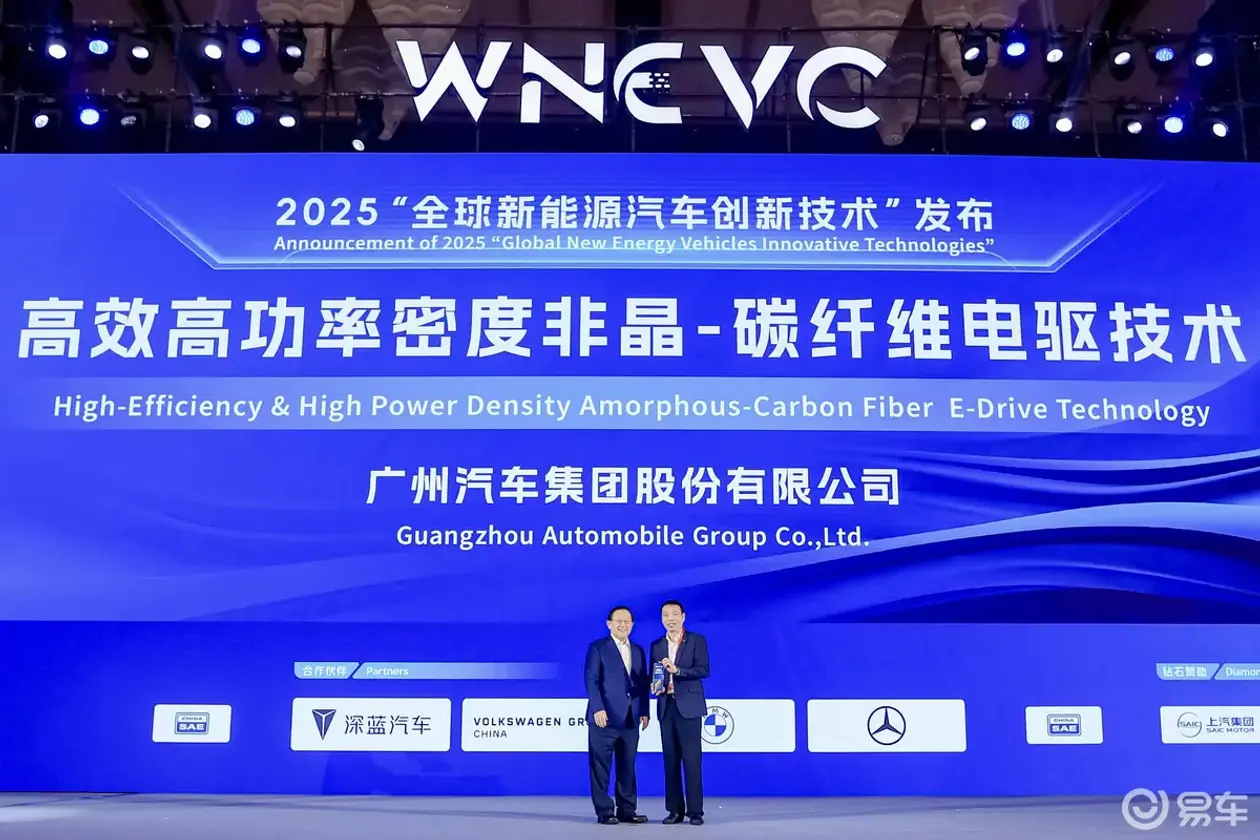
At the recent Fourth Amorphous Motor Technology Progress and Industry Development Seminar, GAC Group announced that it would be the first to introduce amorphous alloy materials into electric drive systems, successfully overcoming manufacturing challenges to achieve mass production. This world-first mass-produced amorphous alloy electric drive achieves a peak motor efficiency exceeding 99% and will debut in the all-new Aion N60 model. For Hong Kong users, this technological breakthrough offers more than just improved specifications; it establishes a new benchmark for energy efficiency and range in electric vehicles.
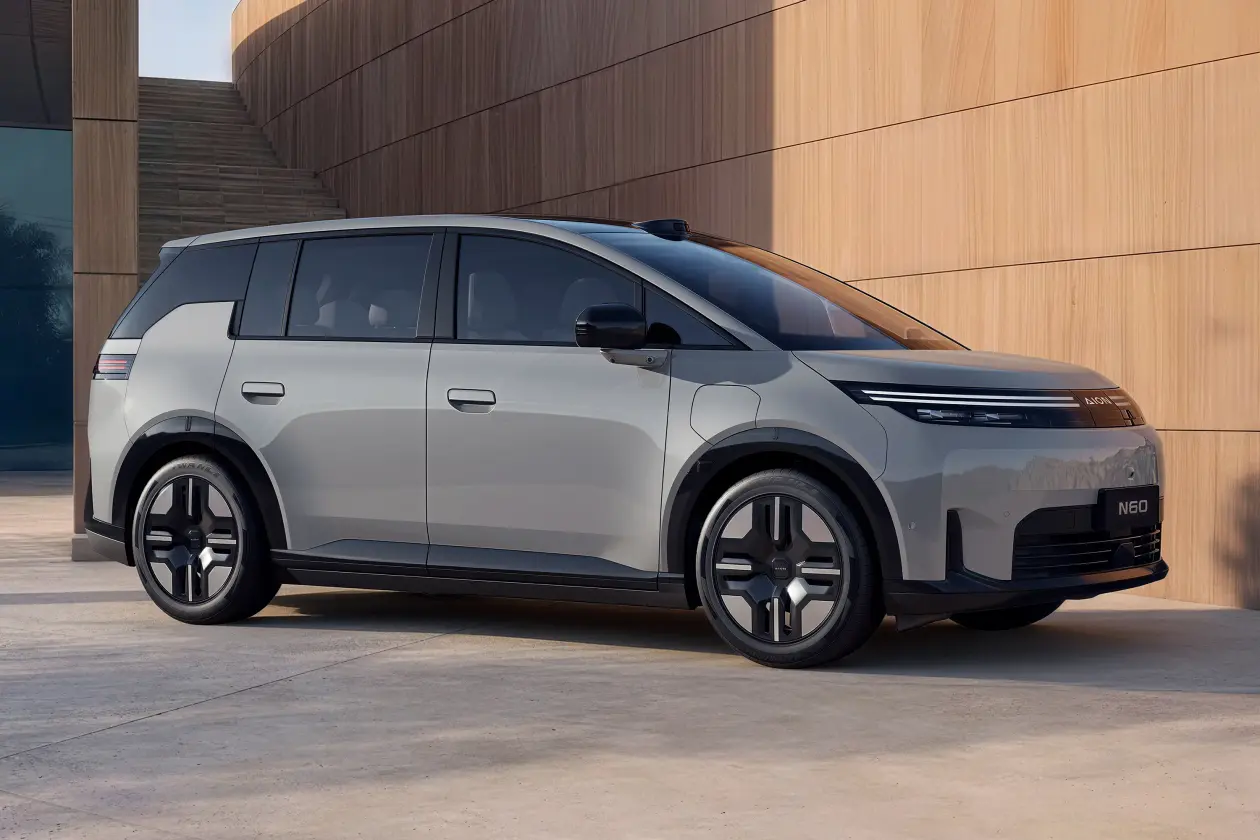
From Quark e-Drive 1.0 to 2.0: A Three-Year Leap
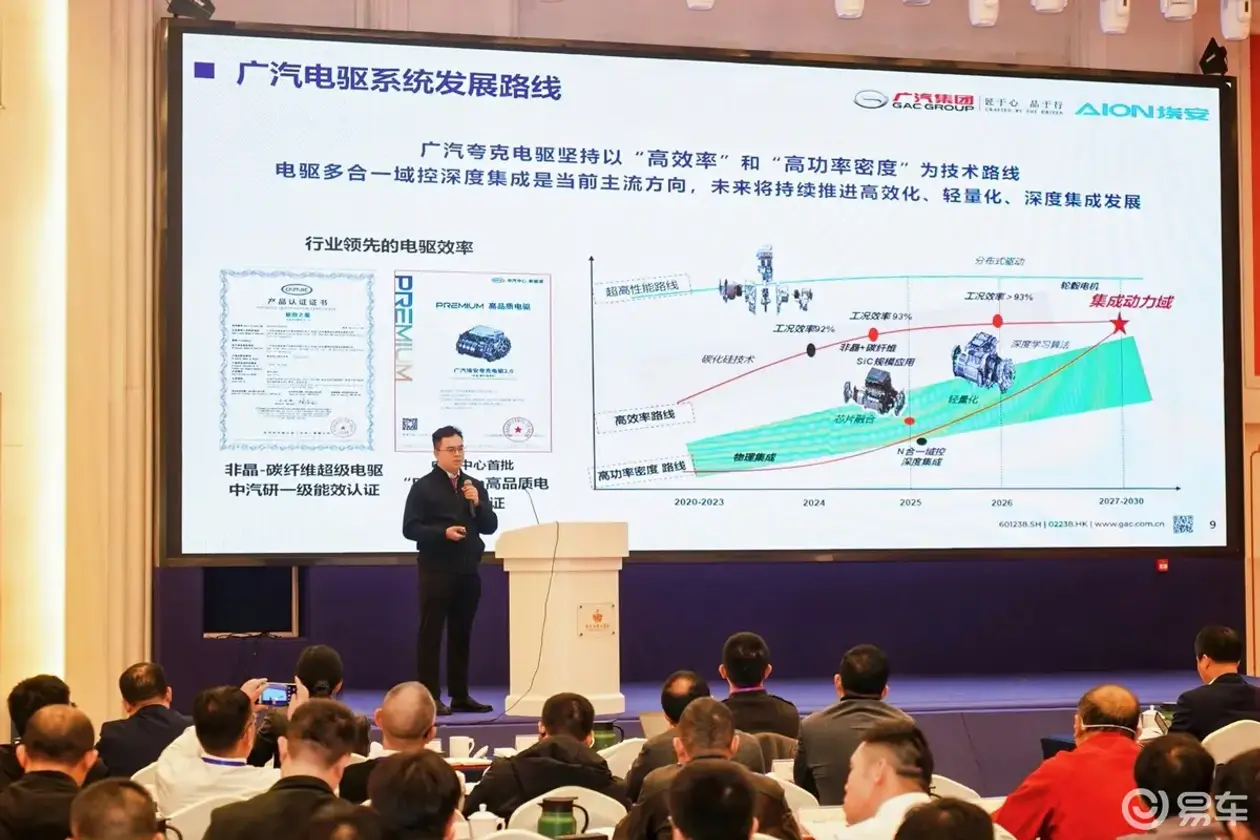
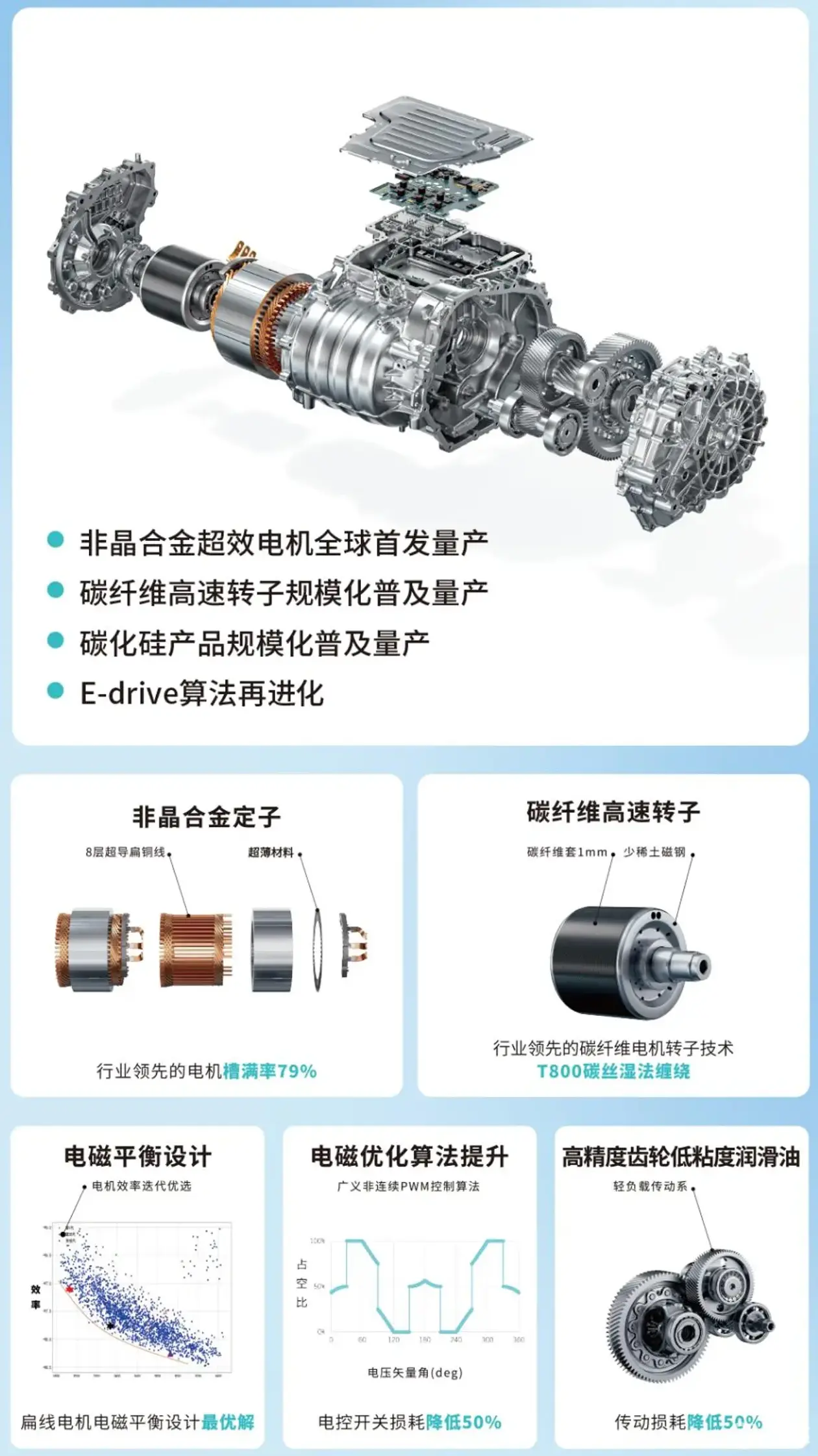
GAC's technical journey in electric drives has been ongoing. In 2023, the Quark e-Drive 1.0 was released, pioneering the use of amorphous alloy materials, breaking performance limits with 30,000 rpm, and enabling the GAC Aion Hyper SSR supercar to achieve 0-100km/h acceleration in 1.9 seconds. One year later, the Quark e-Drive 2.0 was unveiled as the world's first mass-produced amorphous alloy electric drive. It represents systematic innovation across multiple dimensions, from materials to software, including the amorphous alloy stator, amorphous iron core principles, carbon-fiber high-speed rotor, high-voltage SiC materials, and optimized electromagnetic algorithms.
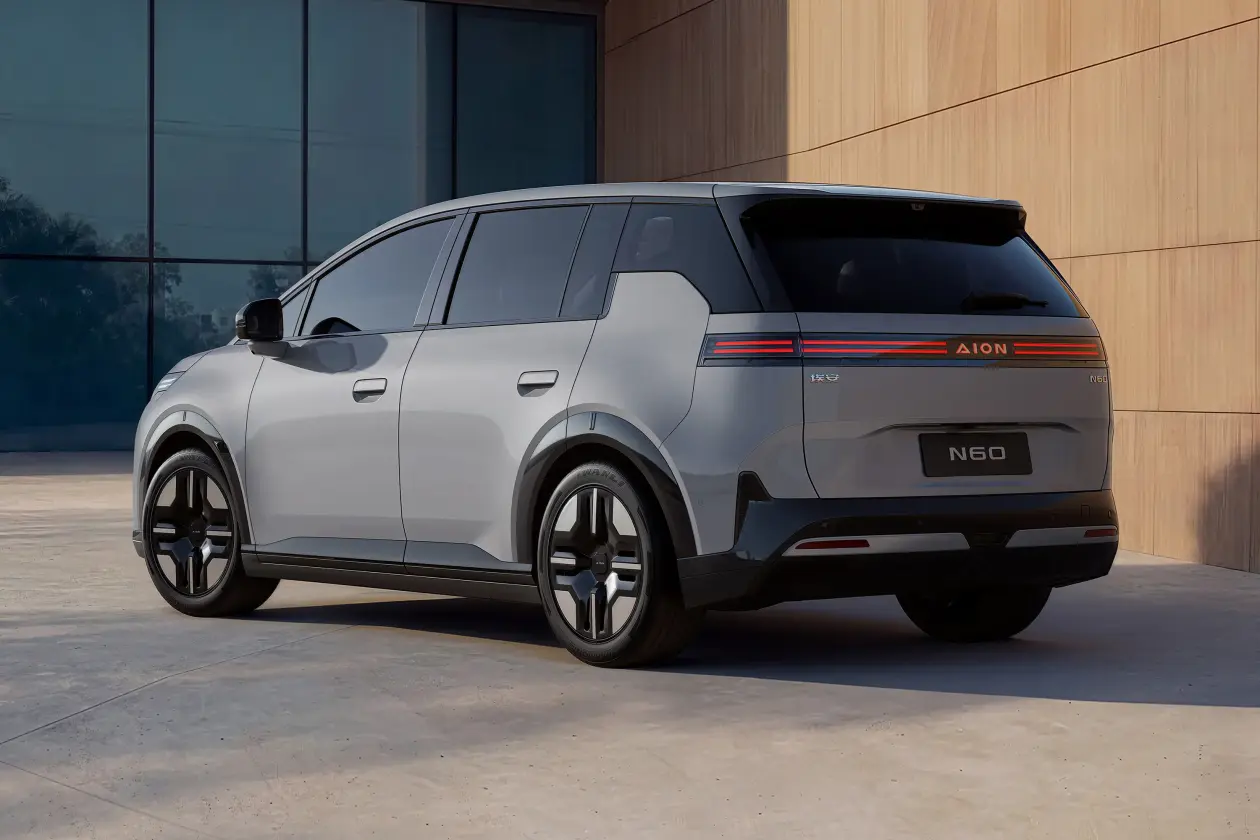
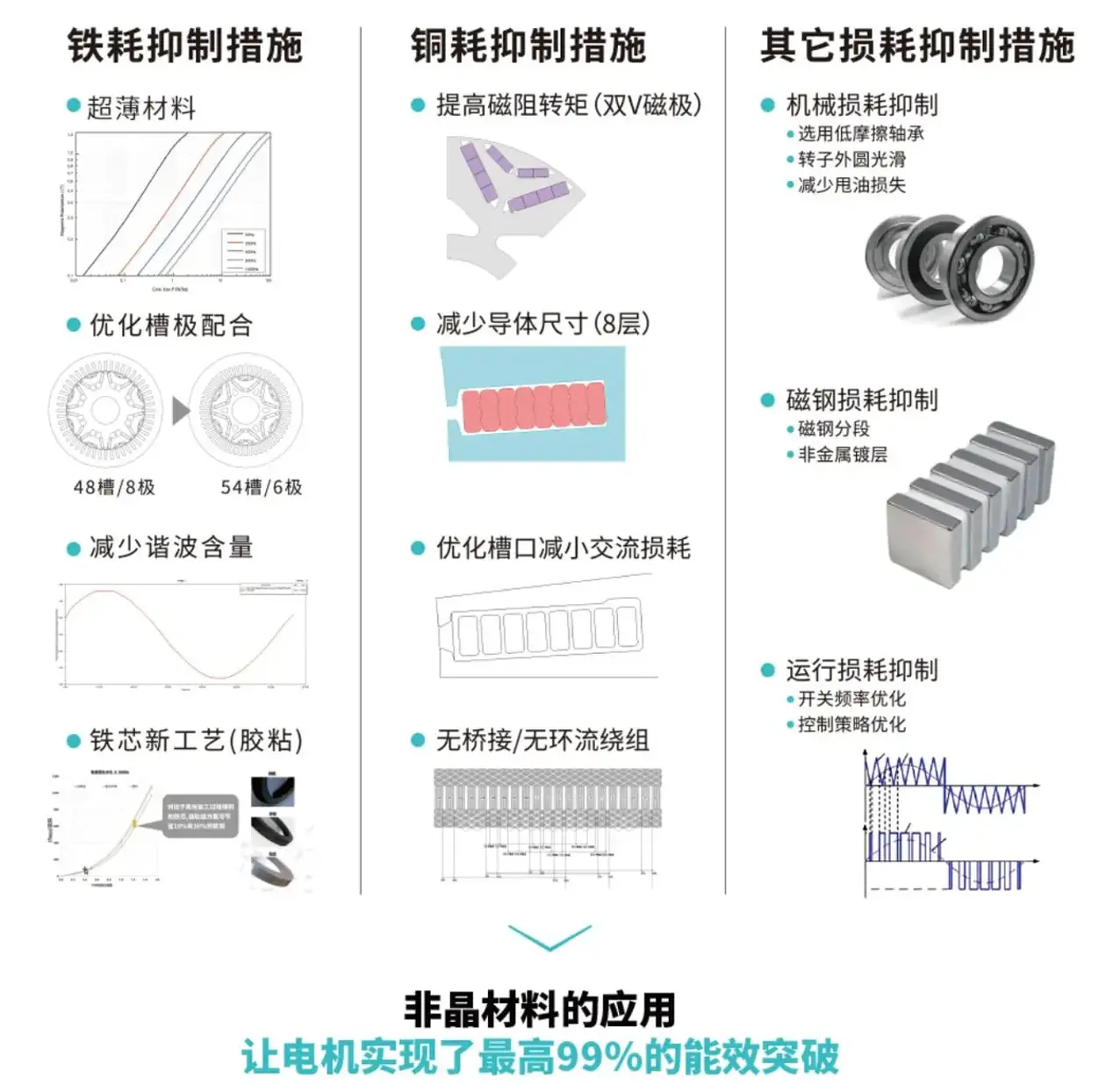
The breakthrough lies in significantly reducing motor losses through amorphous alloy materials, increasing speed limits with carbon-fiber rotor technology, and achieving a quantum leap in energy conversion efficiency when combined with high-voltage SiC and optimized algorithms. The results include a power density exceeding 17.29 kW/kg (on a 1,000V platform), peak motor efficiency surpassing 99%, vehicle efficiency of 93% under CLTC conditions, a 4% reduction in overall energy consumption, and an increase in range of 30 to 50 kilometers.
Amorphous Alloy Electric Drive: The Key to Efficiency Gains
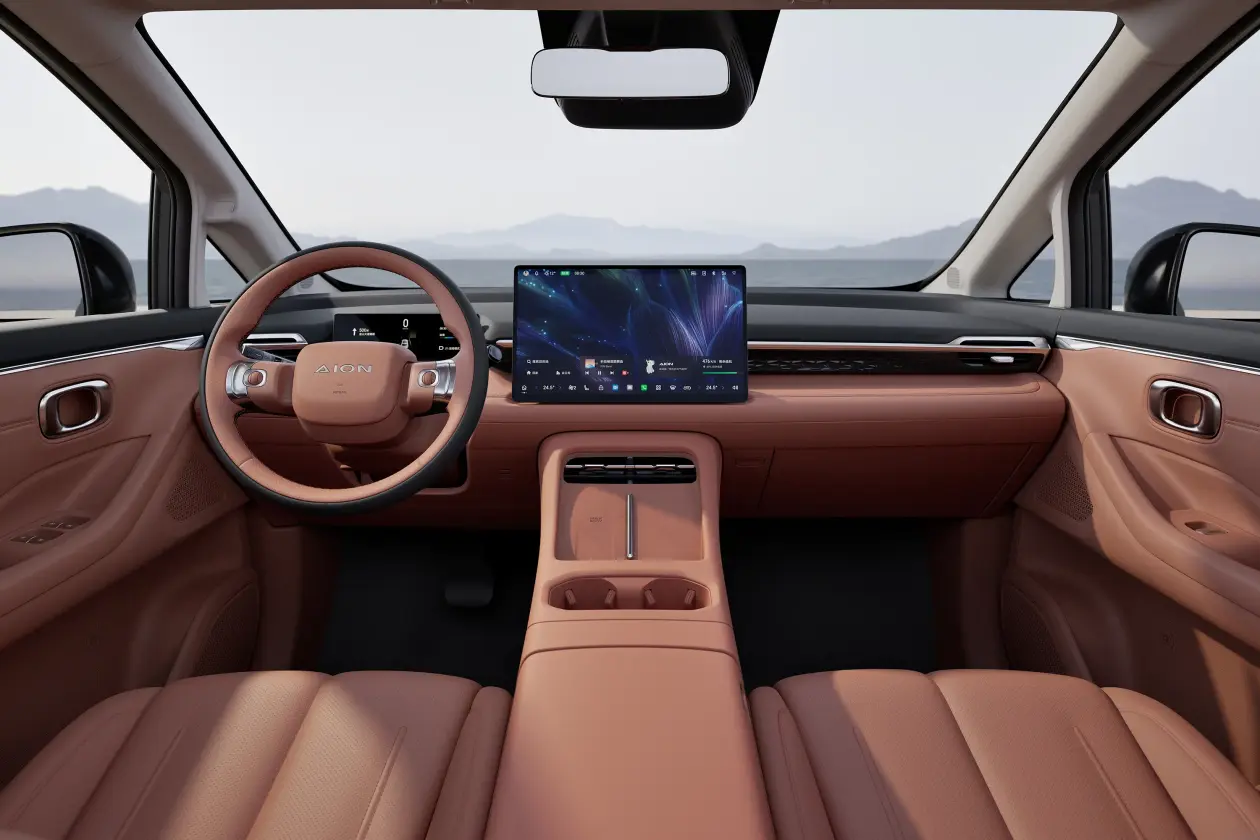
Amorphous alloy is a new soft magnetic material characterized by high magnetic permeability and low core loss. Traditional silicon steel used in motors generates significant core loss at high frequencies, while amorphous alloy dramatically reduces this loss. Applied to electric drives, this means more electrical energy is converted to kinetic energy rather than heat, directly translating to extended vehicle range. Academician Du Youwei, a magnetic and magnetic materials expert, stated: "Automobiles are the most produced and consumed commodity globally. The promotion of amorphous alloy electric drives will enhance the competitiveness of China's new energy vehicles in the global market, carrying significant economic value and strategic importance."
Hong Kong Perspective: The Practical Value of Energy Efficiency
This technological breakthrough has several implications for Hong Kong users.
First, it further reduces running costs. While electricity prices in Hong Kong are relatively stable, even a small percentage reduction in energy consumption results in tangible savings for daily commuters. A 4% reduction in overall energy consumption translates to annual electricity savings of several hundred Hong Kong dollars for a user driving 20,000 km per year. Though modest, this adds to the already significant cost advantage of EVs over petrol vehicles.
Second, it alleviates range anxiety. For Hong Kong users without home charging, range is a critical factor. The additional 30-50 km of range provided by the amorphous alloy drive can make a meaningful difference, potentially shifting charging frequency from twice a week to once a week or extending intervals between charges.
Third, it indirectly improves charging efficiency. Higher motor efficiency means the energy stored in the battery translates more effectively into driving distance. For users relying on public fast chargers, this "efficiency dividend" is highly practical.
Fourth, it sets a precedent for technological leadership. GAC's application of amorphous alloy drives in the N60 demonstrates that this technology is ready for mass production. For Hong Kong, this signals that future imported Chinese EVs will feature increasingly advanced drive systems.
Personal Opinion: From "Three-Electric" Competition to Materials Competition
The launch of the amorphous alloy electric drive signals a shift in competition from the "three-electric" (battery, motor, controller) domain to the materials level. By applying a novel soft magnetic material, GAC has fundamentally improved energy conversion efficiency. For Hong Kong users, this points to a future where EV efficiency continues to improve, and range anxiety further diminishes.
Regardless of which brand consumers ultimately choose, they will benefit from this technological competition. The Aion N60, featuring this new drive, is a development worth watching for Hong Kong buyers. As materials science breakthroughs translate into real-world range improvements, the "efficiency era" of electric vehicles is accelerating. This technology represents a significant step forward, offering practical benefits for urban EV users and contributing to the broader adoption of electric mobility.

香港汽車內容平台 🚗 新車・買車・玩車・用車 用香港視角,睇世界嘅車
+ Follow 【新車速報】兩座車又殺返嚟?smart精靈#2今次有啲料喎
鍾意細車嘅香港車迷留意!全新 smart 精靈#2 配置公布,採用 ECA 電動緊湊型架構,搭載 35.8kWh 磷酸鐵鋰電池,CLTC 續航 410km,30%-80% 快充最快15分鐘。
車長約 2.75米、轉彎半徑僅3.35米,仲有前麥弗遜+後五連桿獨立懸架;安全配備最多7個氣袋及 ACC、盲區監測等功能。
0-50km/h 3.8秒,10月12日巴黎車展全球首發!
兩座純電+細車身,放落香港街道會唔會幾對味?
#smart #smart精靈2 #純電車 #BitAutoHongKong 1小时前
【新車速報】兩座車又殺返嚟?smart精靈#2今次有啲料喎
鍾意細車嘅香港車迷留意!全新 smart 精靈#2 配置公布,採用 ECA 電動緊湊型架構,搭載 35.8kWh 磷酸鐵鋰電池,CLTC 續航 410km,30%-80% 快充最快15分鐘。
車長約 2.75米、轉彎半徑僅3.35米,仲有前麥弗遜+後五連桿獨立懸架;安全配備最多7個氣袋及 ACC、盲區監測等功能。
0-50km/h 3.8秒,10月12日巴黎車展全球首發!
兩座純電+細車身,放落香港街道會唔會幾對味?
#smart #smart精靈2 #純電車 #BitAutoHongKong 1小时前  【揀車有路數】日產新車賣比亞迪價?仲有激光雷達
今集試一台好特別嘅日產新車——NX8,中國特供增程SUV。外觀似熟悉嘅日產味,但內籠同科技配備竟然唔晒傳統日產套路,駕乘感受又有幾多轉變?到底仲係咪你認識嗰部日產?一齊試畀你睇。
#日產 #NX8 #增程 #BitAutoHongKong #揀車有路數 1天前
【揀車有路數】日產新車賣比亞迪價?仲有激光雷達
今集試一台好特別嘅日產新車——NX8,中國特供增程SUV。外觀似熟悉嘅日產味,但內籠同科技配備竟然唔晒傳統日產套路,駕乘感受又有幾多轉變?到底仲係咪你認識嗰部日產?一齊試畀你睇。
#日產 #NX8 #增程 #BitAutoHongKong #揀車有路數 1天前  【新車速報】T-Top 回歸?Nissan Z Kaze 概念車現身!
90年代 JDM 味返晒嚟?Nissan 最近喺美國 ZCON 公開 Z Kaze 概念車,以現款 Nissan Z 為基礎,換上全新 T-Top 可拆式車頂,向經典 300ZX 等 Z 系列致敬。
配合碳纖維空力套件、NISMO LMGT2 18吋輪圈,以及 GReddy 排氣、進氣同 intercooler 升級,成部車都充滿 JDM 改裝味。
「Kaze」即係日文「風」,而呢部車係 one-off 概念作品,並非量產車。10月3日仲會現身加州長灘 Japanese Classic Car Show。
如果 T-Top Z 真係量產,你會唔會心動?
#NissanZ #ZKaze #TTop #JDM #BitAutoHongKong 1天前
【新車速報】T-Top 回歸?Nissan Z Kaze 概念車現身!
90年代 JDM 味返晒嚟?Nissan 最近喺美國 ZCON 公開 Z Kaze 概念車,以現款 Nissan Z 為基礎,換上全新 T-Top 可拆式車頂,向經典 300ZX 等 Z 系列致敬。
配合碳纖維空力套件、NISMO LMGT2 18吋輪圈,以及 GReddy 排氣、進氣同 intercooler 升級,成部車都充滿 JDM 改裝味。
「Kaze」即係日文「風」,而呢部車係 one-off 概念作品,並非量產車。10月3日仲會現身加州長灘 Japanese Classic Car Show。
如果 T-Top Z 真係量產,你會唔會心動?
#NissanZ #ZKaze #TTop #JDM #BitAutoHongKong 1天前 Get the latest car news first!
【新車速報】兩座車又殺返嚟?smart精靈#2今次有啲料喎
鍾意細車嘅香港車迷留意!全新 smart 精靈#2 配置公布,採用 ECA 電動緊湊型架構,搭載 35.8kWh 磷酸鐵鋰電池,CLTC 續航 410km,30%-80% 快充最快15分鐘。
車長約 2.75米、轉彎半徑僅3.35米,仲有前麥弗遜+後五連桿獨立懸架;安全配備最多7個氣袋及 ACC、盲區監測等功能。
0-50km/h 3.8秒,10月12日巴黎車展全球首發!
兩座純電+細車身,放落香港街道會唔會幾對味?
#smart #smart精靈2 #純電車 #BitAutoHongKong 1小时前 【揀車有路數】日產新車賣比亞迪價?仲有激光雷達
今集試一台好特別嘅日產新車——NX8,中國特供增程SUV。外觀似熟悉嘅日產味,但內籠同科技配備竟然唔晒傳統日產套路,駕乘感受又有幾多轉變?到底仲係咪你認識嗰部日產?一齊試畀你睇。
#日產 #NX8 #增程 #BitAutoHongKong #揀車有路數 1天前 【新車速報】T-Top 回歸?Nissan Z Kaze 概念車現身!
90年代 JDM 味返晒嚟?Nissan 最近喺美國 ZCON 公開 Z Kaze 概念車,以現款 Nissan Z 為基礎,換上全新 T-Top 可拆式車頂,向經典 300ZX 等 Z 系列致敬。
配合碳纖維空力套件、NISMO LMGT2 18吋輪圈,以及 GReddy 排氣、進氣同 intercooler 升級,成部車都充滿 JDM 改裝味。
「Kaze」即係日文「風」,而呢部車係 one-off 概念作品,並非量產車。10月3日仲會現身加州長灘 Japanese Classic Car Show。
如果 T-Top Z 真係量產,你會唔會心動?
#NissanZ #ZKaze #TTop #JDM #BitAutoHongKong 1天前  BAWToyotaBYDZeekrGACDongfengXPengMGMaxusLeapmotorDenzaIMiCAURDeepalWulingOraJuneyao AutoKYCSkyworthAvatrFotonFordGeelyHongqiJAECOOKGMOMODADFSKTeslaHondaBMWMercedes-BenzsmartMINIPorscheNissanLexusSuzukiVolvoSubaruMazdaKiaHyundaiLand RoverRolls-RoyceFerrariAudiLamborghiniRiddaraSeresFarizonfireflyLingboxKaiyiVoyahHIMAM-HeroIsuzuBentleyPolestarMcLarenMitsubishiMaseratiPeugeotAston MartinAcuraJeepJaguarLotusVolkswagenEpiclandJACLepasLi
 © 2024 Bitauto.com. All Rights Reserved.
Bitauto (www.yiche.com and www.bitauto.com) is one of the most visited automotive websites in China. We provide detailed info on Chinese car brands available in your area. Please note that the information provided on this website is based on publicly available data and is for reference only. It may not be fully updated or accurate at all times.
Help us improve our website


