
Search History
Popular Searches
English
Dealer Login / Sign Up
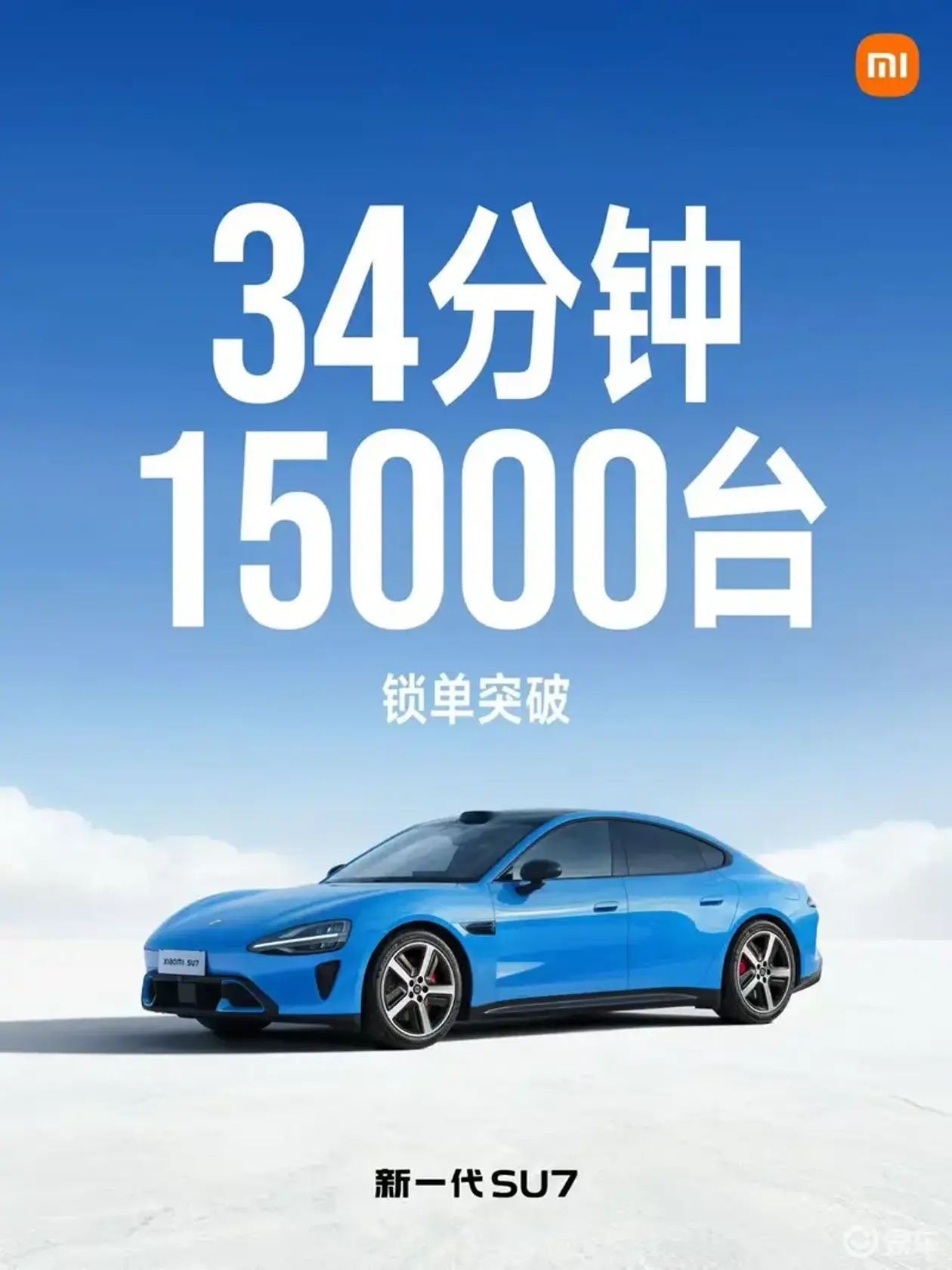
At 7 PM on March 19, at Xiaomi Auto's Yizhuang factory in Beijing, Lei Jun officially unveiled the final pricing for the next-generation SU7. The three variants are priced between RMB 219,900 and RMB 303,900, a reduction of RMB 10,000 from the pre-sale prices . Ordering opened at 9:30 PM with a RMB 5,000 deposit, refundable if the order isn't locked within 3 days . By the end of the launch event, the next-gen SU7 had already achieved over 15,000 locked orders in just 34 minutes , demonstrating sustained market enthusiasm.

For Hong Kong users, the arrival of the next-gen SU7 raises two key questions: Can this intelligent EV, boasting a 902km range, standard LiDAR, and 9 airbags across all variants, become a compelling option in the local electric vehicle market? More importantly, when might a right-hand-drive (RHD) version be introduced?
Pricing Strategy: A RMB 10,000 Reduction Shows Commitment
The final prices are RMB 10,000 lower than the pre-sale estimates: RMB 219,900 for the Standard, RMB 249,900 for the Pro, and RMB 303,900 for the Max . This pricing is highly competitive in the current new energy market. For comparison, rivals like the Tesla Model 3 (refreshed) start at RMB 231,900, the Zeekr 007 rear-drive智驾 version starts at RMB 209,900, and the Xpeng P7i starts at RMB 223,900.
Lei Jun mentioned during the launch, "The price will definitely increase because safety, driving control, intelligent experience, and luxury quality have all been significantly upgraded, leading to higher costs." However, the final pricing was lower, not higher, making this commitment impactful.
Regarding delivery, users who order tonight can enjoy limited-time benefits until midnight on May 5th. Configuration changes are supported until midnight on March 22nd without affecting delivery timelines. Early-bird depositors and first-gen SU7 upgrade users receive priority production rights after locking their orders . This "priority for existing users" arrangement is relatively rare in the industry.
12 Standard Features: A Comprehensive List from Safety to Range
The next-gen SU7 comes standard with 12 core features, which Lei Jun describes as "entry-level comes fully loaded."
On the safety front, the vehicle comes standard with 9 airbags, adding rear side airbags compared to the 7 in the previous model. An "embedded roll cage" made of 2,200MPa ultra-high-strength steel covers the A-pillar to C-pillar area, and the door impact beams reach 2,000MPa strength. The battery pack bottom is reinforced with a 1,500MPa anti-scrape beam and a "ballistic protective coating," improving puncture resistance by 13 times . A triple-redundant mechanical door handle design allows for mechanical opening even if both the main and auxiliary batteries fail . These upgrades directly address safety concerns raised about the first-gen model, including tire width – the new generation standardizes on 265mm rear tires, shedding the "noodle tire" criticism .
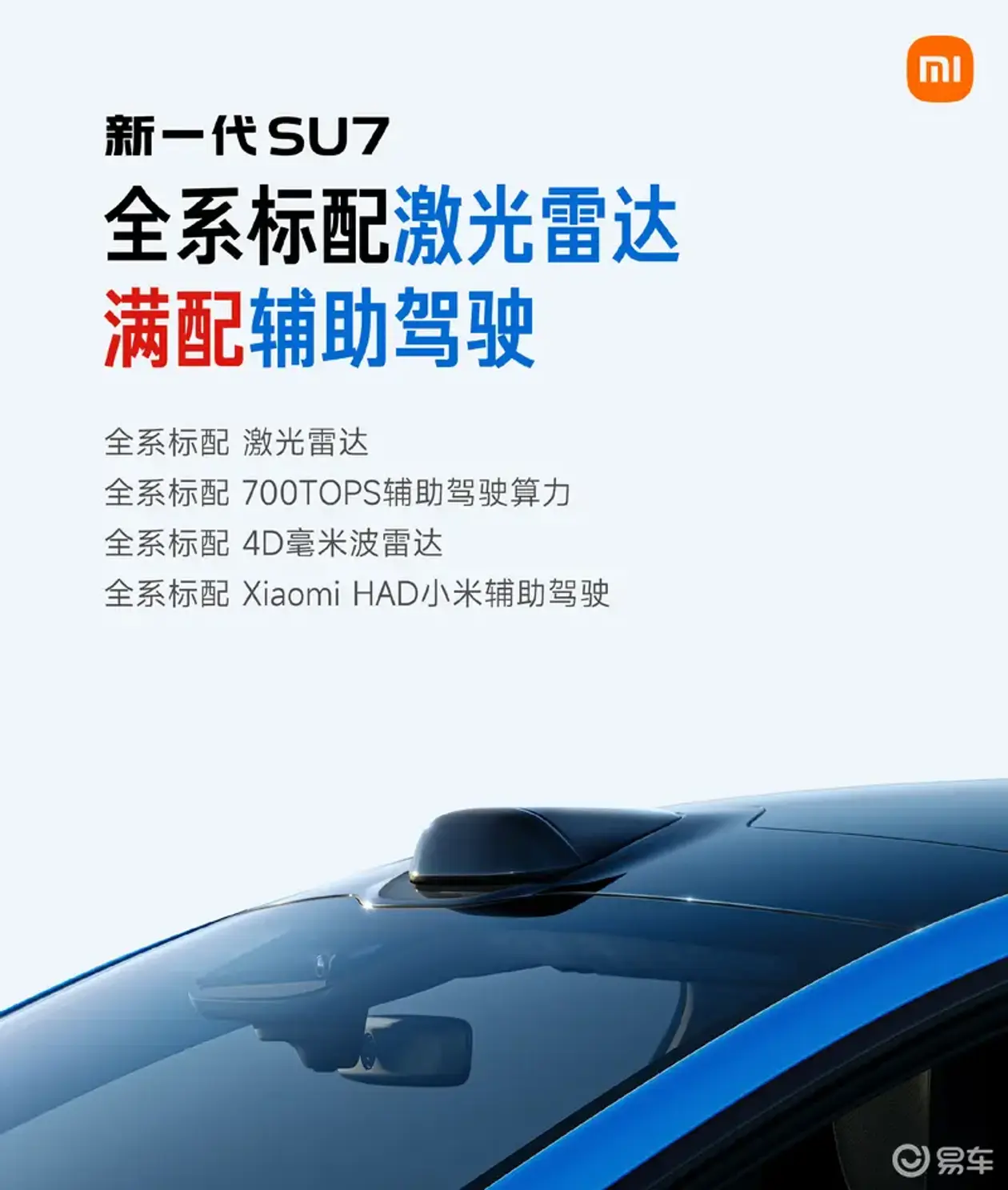
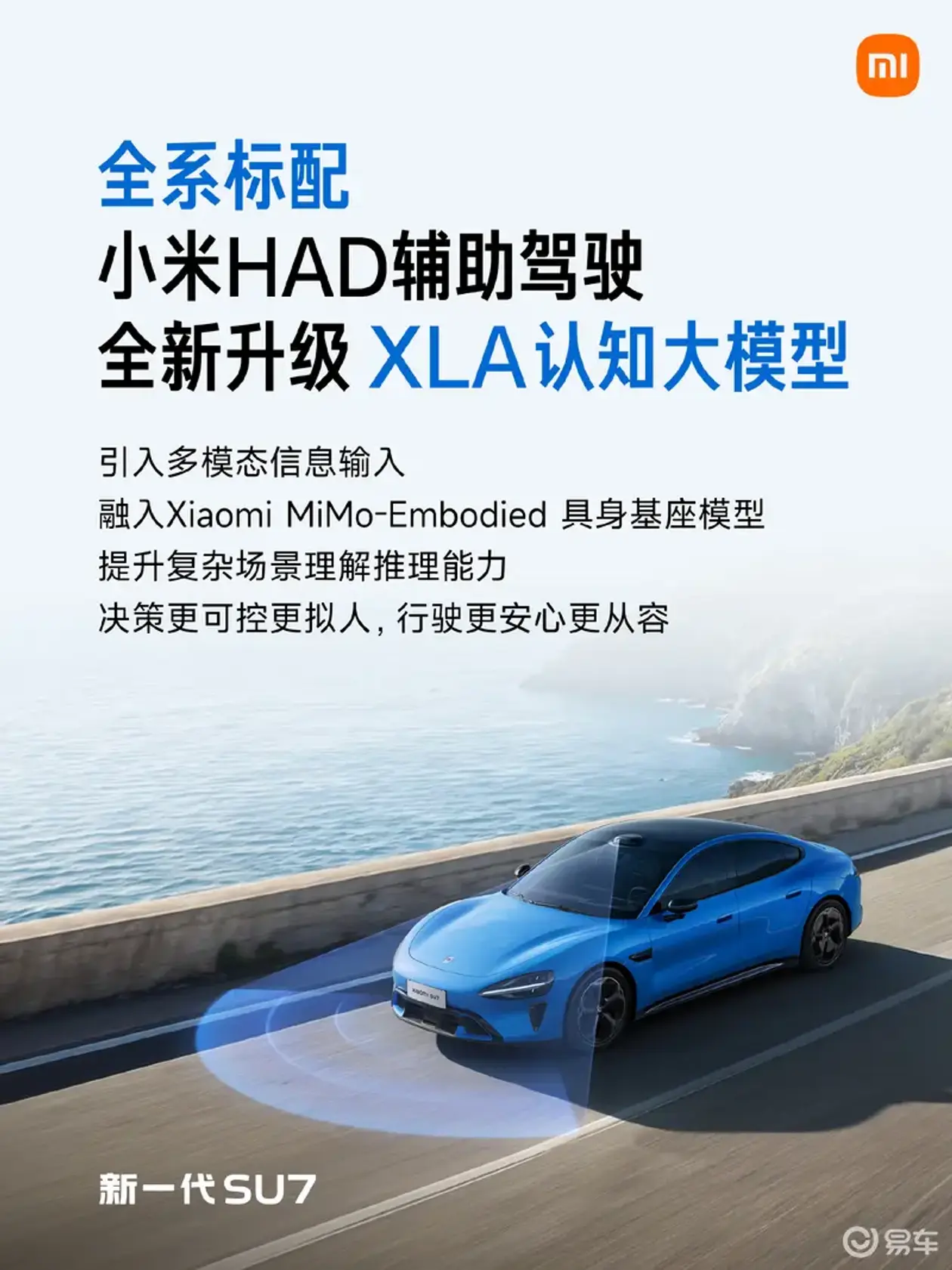
Intelligent driving hardware is also standardized across the lineup. All versions feature standard LiDAR, 4D millimeter-wave radar, and a flagship chip with 700 TOPS of computing power, enabling all-weather, all-scenario precise environmental perception . The Xiaomi HAD (Hyper Assisted Driving) system is upgraded with the XLA cognitive large model, incorporating multimodal inputs and the self-developed MiMo-Embodied foundational model for better learning and understanding of complex scenarios . This means every version enjoys the same high-level intelligent driving experience.
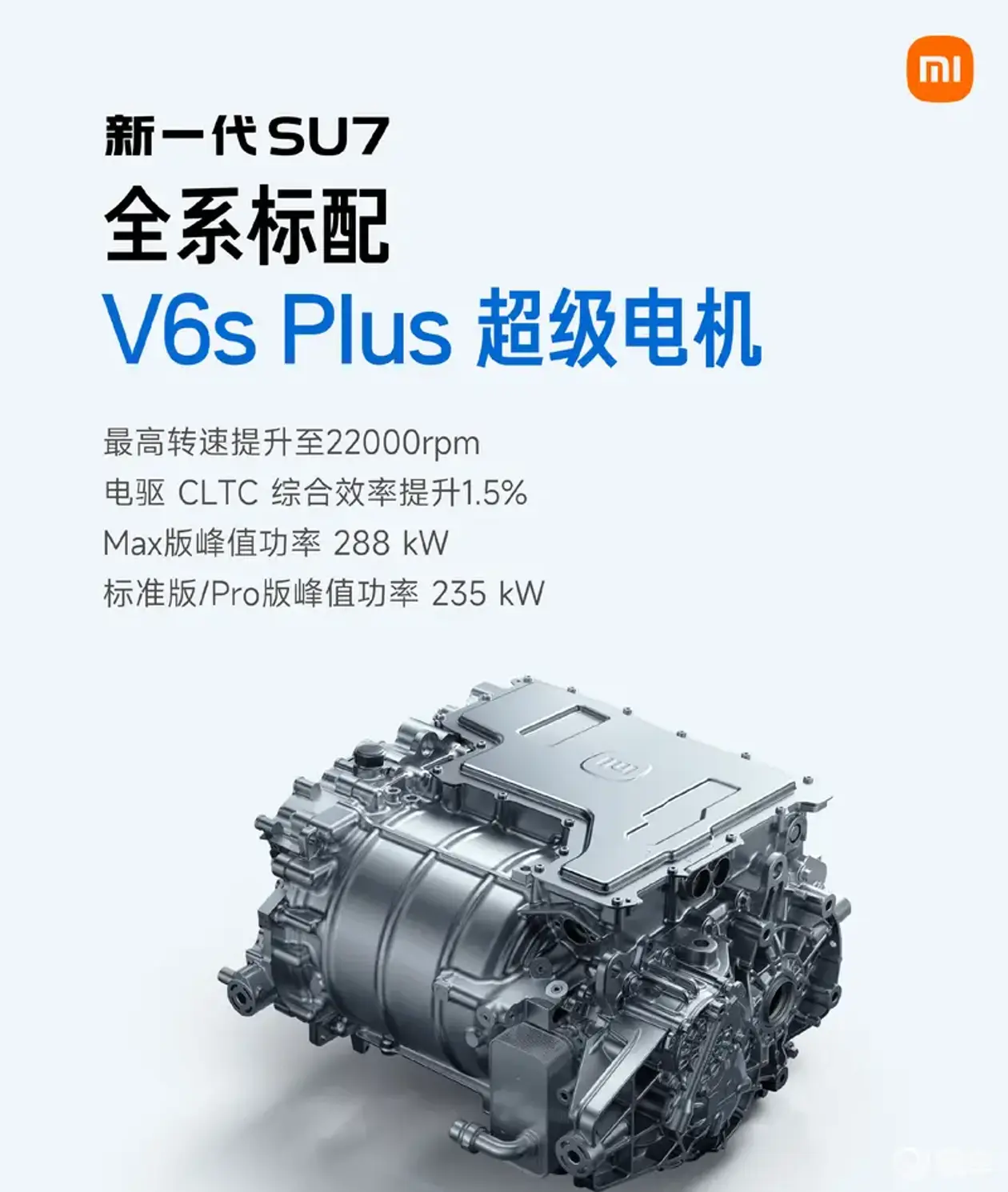
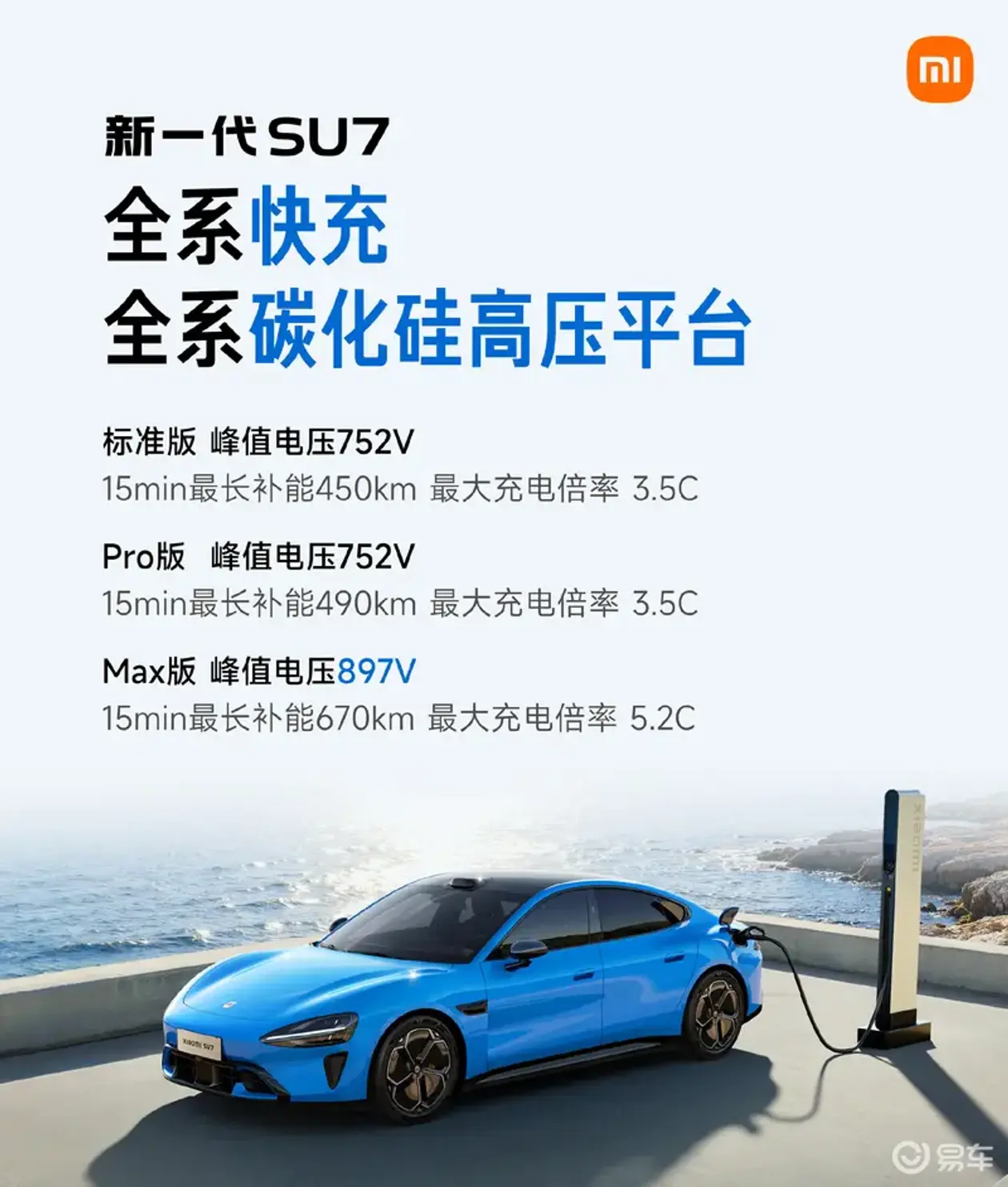
The powertrain is upgraded across the board with the V6s Plus hyper electric motor. The Standard version produces 235kW peak power, while the Max reaches 288kW. All versions feature a silicon-carbide high-voltage platform (752V for Standard/Pro, 897V for Max). Range figures are 720km (Standard), 902km (Pro), and 835km (Max) under CLTC . Charging efficiency is also improved, with a 15-minute charge adding 450km (Standard), 490km (Pro), and 670km (Max) of range.
Three Distinct Variants: Covering Needs from Commuting to Performance
The Standard version, priced at RMB 219,900, offers a 720km CLTC range, 235kW power, a 752V platform, and a 450km/15min charge rate. This is sufficient for daily commuting needs.
The Pro version, at RMB 249,900, pushes the range to an impressive 902km. It shares the 235kW motor but adds dual-chamber air springs and CDC variable damping shock absorbers as standard, with a 490km/15min charge rate. This is the range champion, ideal for frequent long-distance travelers.
The Max version, at RMB 303,900, boasts 288kW power, an 835km range, an 897V platform, and a 670km/15min charge rate. With its dual-motor all-wheel drive, it's the performance flagship for driving enthusiasts. Notably, its range is 67km less than the Pro version – a necessary trade-off between outright power and energy consumption.
Intelligent Cockpit: HyperOS + Deep Integration with "Super Xiaoai"
The next-gen SU7 features the upgraded Xiaomi HyperOS intelligent cockpit, promising a smooth, responsive system. "Super Xiaoai" enables deep voice control, covering 95% of vehicle functions. A new "Xiaoai Companion" feature can sense user emotions and engage in natural conversation. Upgraded natural language processing for navigation ensures accurate understanding and route planning. Voice control is standard outside the vehicle as well, featuring voiceprint recognition for security and ease of use.
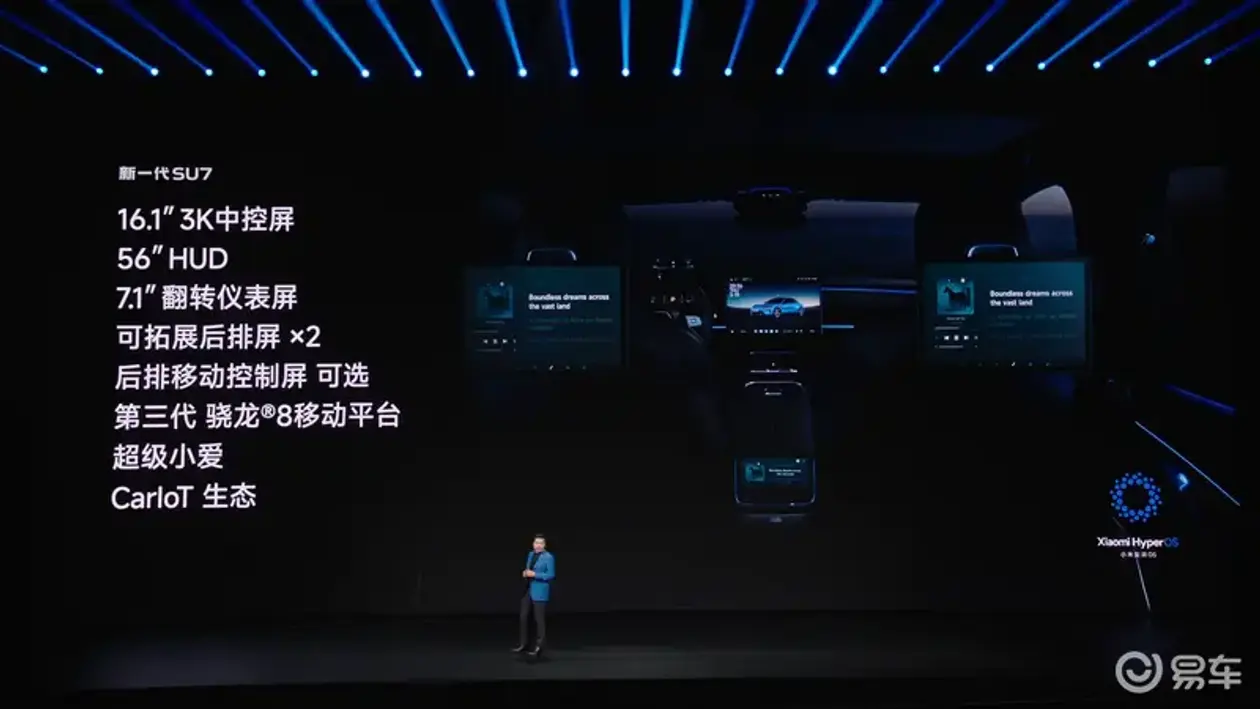
Hardware includes a 16.1-inch 3K central display, a 56-inch HUD, and a 7.1-inch flip instrument panel. Two screens can be added for rear passengers, along with an optional mobile control screen. Standard connectivity includes an integrated ETC module, dual 5G (dual SIM dual standby), UWB for proximity control, Wi-Fi 7, and IoT interfaces. Nine new magnetic attachment points are added throughout the cabin. An NFC-enabled magnetic figurine can change the car's infotainment theme with a simple tap.
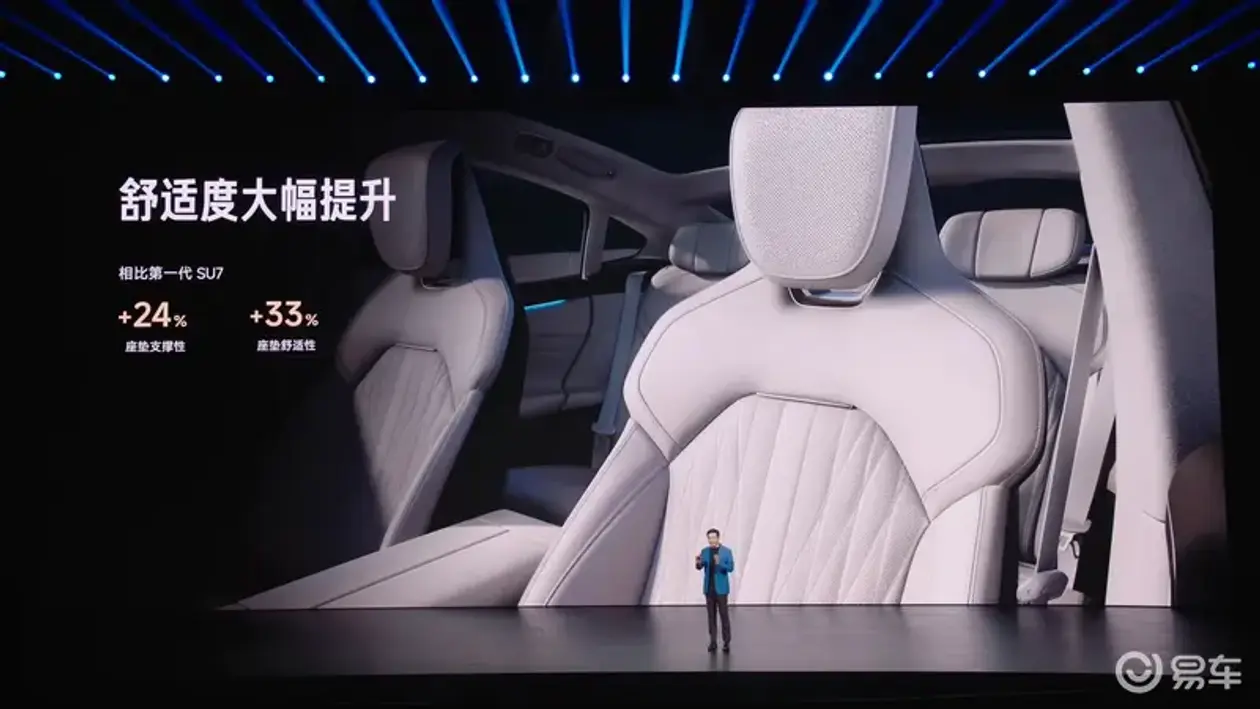
Seats are comprehensively upgraded, with 18-way adjustment as standard, including 60mm of adjustable cushion length. Active side bolster support area is doubled compared to the previous generation. A zero-gravity front passenger seat with ventilation, heating, and 10-point massage is available. Rear seat comfort has also been significantly enhanced.
Hong Kong Market Perspective: Three Hurdles for RHD Introduction
For Hong Kong users, the next-gen SU7 presents several key considerations.
Safety Hardware: The comprehensive safety package (9 airbags, 2,200MPa ultra-high-strength steel, triple-redundant door handles) would be highly attractive to safety-conscious Hong Kong buyers if an RHD version materializes.
Standardized ADAS Hardware: Standard LiDAR, high computing power, and advanced software offer future-proofing. While local regulations currently restrict advanced functions, hardware readiness is a plus as laws potentially evolve.
Charging Compatibility: The SU7 uses the Chinese GB/T charging standard. Compatibility with Hong Kong's public network needs verification. Currently, high-power GB/T chargers (>100kW) remain scarce, although government targets aim for 4,000 fast chargers by 2030.
RHD Development Cost: Converting a left-hand-drive platform for Hong Kong's small right-hand-drive market involves significant engineering expense, a major commercial consideration.
Personal Opinion: Product Substance Beyond the Naming Debate
Looking past the debate over whether "next-generation" is the right label, the product substance of the new SU7 is undeniable.
For RMB 219,900, you get up to 902km of range, standard LiDAR and advanced ADAS, 9 airbags, ultra-high-strength steel, an 800V-class platform, and 15-minute fast charging. These specs are competitive against any rival. Lei Jun's statement that "costs have risen, but it's worth it" rings true.
The 15,000+ locked orders in 34 minutes are the market's verdict. Regardless of whether you call it "next-gen" or a "major refresh," consumers are voting with their wallets for the value proposition itself.
For Hong Kong users, the significance lies not in the label, but in the direction it represents: a focus on safety, standardized smart hardware, and balanced performance and range. When more domestic cars evolve in this direction, Hong Kong users will ultimately benefit from a wider range of high-quality choices.
Ordering opens tonight at 9:30 PM. For Hong Kong users watching from across the border, this is a date worth noting. The product substance proven in the mainland market will serve as the ultimate reference when, eventually, an RHD version graces Hong Kong's streets.

香港汽車內容平台 🚗 新車・買車・玩車・用車 用香港視角,睇世界嘅車
+ Follow 【新車速報】兩座車又殺返嚟?smart精靈#2今次有啲料喎
鍾意細車嘅香港車迷留意!全新 smart 精靈#2 配置公布,採用 ECA 電動緊湊型架構,搭載 35.8kWh 磷酸鐵鋰電池,CLTC 續航 410km,30%-80% 快充最快15分鐘。
車長約 2.75米、轉彎半徑僅3.35米,仲有前麥弗遜+後五連桿獨立懸架;安全配備最多7個氣袋及 ACC、盲區監測等功能。
0-50km/h 3.8秒,10月12日巴黎車展全球首發!
兩座純電+細車身,放落香港街道會唔會幾對味?
#smart #smart精靈2 #純電車 #BitAutoHongKong 1小时前
【新車速報】兩座車又殺返嚟?smart精靈#2今次有啲料喎
鍾意細車嘅香港車迷留意!全新 smart 精靈#2 配置公布,採用 ECA 電動緊湊型架構,搭載 35.8kWh 磷酸鐵鋰電池,CLTC 續航 410km,30%-80% 快充最快15分鐘。
車長約 2.75米、轉彎半徑僅3.35米,仲有前麥弗遜+後五連桿獨立懸架;安全配備最多7個氣袋及 ACC、盲區監測等功能。
0-50km/h 3.8秒,10月12日巴黎車展全球首發!
兩座純電+細車身,放落香港街道會唔會幾對味?
#smart #smart精靈2 #純電車 #BitAutoHongKong 1小时前  【揀車有路數】日產新車賣比亞迪價?仲有激光雷達
今集試一台好特別嘅日產新車——NX8,中國特供增程SUV。外觀似熟悉嘅日產味,但內籠同科技配備竟然唔晒傳統日產套路,駕乘感受又有幾多轉變?到底仲係咪你認識嗰部日產?一齊試畀你睇。
#日產 #NX8 #增程 #BitAutoHongKong #揀車有路數 1天前
【揀車有路數】日產新車賣比亞迪價?仲有激光雷達
今集試一台好特別嘅日產新車——NX8,中國特供增程SUV。外觀似熟悉嘅日產味,但內籠同科技配備竟然唔晒傳統日產套路,駕乘感受又有幾多轉變?到底仲係咪你認識嗰部日產?一齊試畀你睇。
#日產 #NX8 #增程 #BitAutoHongKong #揀車有路數 1天前  【新車速報】T-Top 回歸?Nissan Z Kaze 概念車現身!
90年代 JDM 味返晒嚟?Nissan 最近喺美國 ZCON 公開 Z Kaze 概念車,以現款 Nissan Z 為基礎,換上全新 T-Top 可拆式車頂,向經典 300ZX 等 Z 系列致敬。
配合碳纖維空力套件、NISMO LMGT2 18吋輪圈,以及 GReddy 排氣、進氣同 intercooler 升級,成部車都充滿 JDM 改裝味。
「Kaze」即係日文「風」,而呢部車係 one-off 概念作品,並非量產車。10月3日仲會現身加州長灘 Japanese Classic Car Show。
如果 T-Top Z 真係量產,你會唔會心動?
#NissanZ #ZKaze #TTop #JDM #BitAutoHongKong 1天前
【新車速報】T-Top 回歸?Nissan Z Kaze 概念車現身!
90年代 JDM 味返晒嚟?Nissan 最近喺美國 ZCON 公開 Z Kaze 概念車,以現款 Nissan Z 為基礎,換上全新 T-Top 可拆式車頂,向經典 300ZX 等 Z 系列致敬。
配合碳纖維空力套件、NISMO LMGT2 18吋輪圈,以及 GReddy 排氣、進氣同 intercooler 升級,成部車都充滿 JDM 改裝味。
「Kaze」即係日文「風」,而呢部車係 one-off 概念作品,並非量產車。10月3日仲會現身加州長灘 Japanese Classic Car Show。
如果 T-Top Z 真係量產,你會唔會心動?
#NissanZ #ZKaze #TTop #JDM #BitAutoHongKong 1天前 Get the latest car news first!
【新車速報】兩座車又殺返嚟?smart精靈#2今次有啲料喎
鍾意細車嘅香港車迷留意!全新 smart 精靈#2 配置公布,採用 ECA 電動緊湊型架構,搭載 35.8kWh 磷酸鐵鋰電池,CLTC 續航 410km,30%-80% 快充最快15分鐘。
車長約 2.75米、轉彎半徑僅3.35米,仲有前麥弗遜+後五連桿獨立懸架;安全配備最多7個氣袋及 ACC、盲區監測等功能。
0-50km/h 3.8秒,10月12日巴黎車展全球首發!
兩座純電+細車身,放落香港街道會唔會幾對味?
#smart #smart精靈2 #純電車 #BitAutoHongKong 1小时前 【揀車有路數】日產新車賣比亞迪價?仲有激光雷達
今集試一台好特別嘅日產新車——NX8,中國特供增程SUV。外觀似熟悉嘅日產味,但內籠同科技配備竟然唔晒傳統日產套路,駕乘感受又有幾多轉變?到底仲係咪你認識嗰部日產?一齊試畀你睇。
#日產 #NX8 #增程 #BitAutoHongKong #揀車有路數 1天前 【新車速報】T-Top 回歸?Nissan Z Kaze 概念車現身!
90年代 JDM 味返晒嚟?Nissan 最近喺美國 ZCON 公開 Z Kaze 概念車,以現款 Nissan Z 為基礎,換上全新 T-Top 可拆式車頂,向經典 300ZX 等 Z 系列致敬。
配合碳纖維空力套件、NISMO LMGT2 18吋輪圈,以及 GReddy 排氣、進氣同 intercooler 升級,成部車都充滿 JDM 改裝味。
「Kaze」即係日文「風」,而呢部車係 one-off 概念作品,並非量產車。10月3日仲會現身加州長灘 Japanese Classic Car Show。
如果 T-Top Z 真係量產,你會唔會心動?
#NissanZ #ZKaze #TTop #JDM #BitAutoHongKong 1天前  BAWToyotaBYDZeekrGACDongfengXPengMGMaxusLeapmotorDenzaIMiCAURDeepalWulingOraJuneyao AutoKYCSkyworthAvatrFotonFordGeelyHongqiJAECOOKGMOMODADFSKTeslaHondaBMWMercedes-BenzsmartMINIPorscheNissanLexusSuzukiVolvoSubaruMazdaKiaHyundaiLand RoverRolls-RoyceFerrariAudiLamborghiniRiddaraSeresFarizonfireflyLingboxKaiyiVoyahHIMAM-HeroIsuzuBentleyPolestarMcLarenMitsubishiMaseratiPeugeotAston MartinAcuraJeepJaguarLotusVolkswagenEpiclandJACLepasLi
 © 2024 Bitauto.com. All Rights Reserved.
Bitauto (www.yiche.com and www.bitauto.com) is one of the most visited automotive websites in China. We provide detailed info on Chinese car brands available in your area. Please note that the information provided on this website is based on publicly available data and is for reference only. It may not be fully updated or accurate at all times.
Help us improve our website


