
Search History
Popular Searches
English
Dealer Login / Sign Up
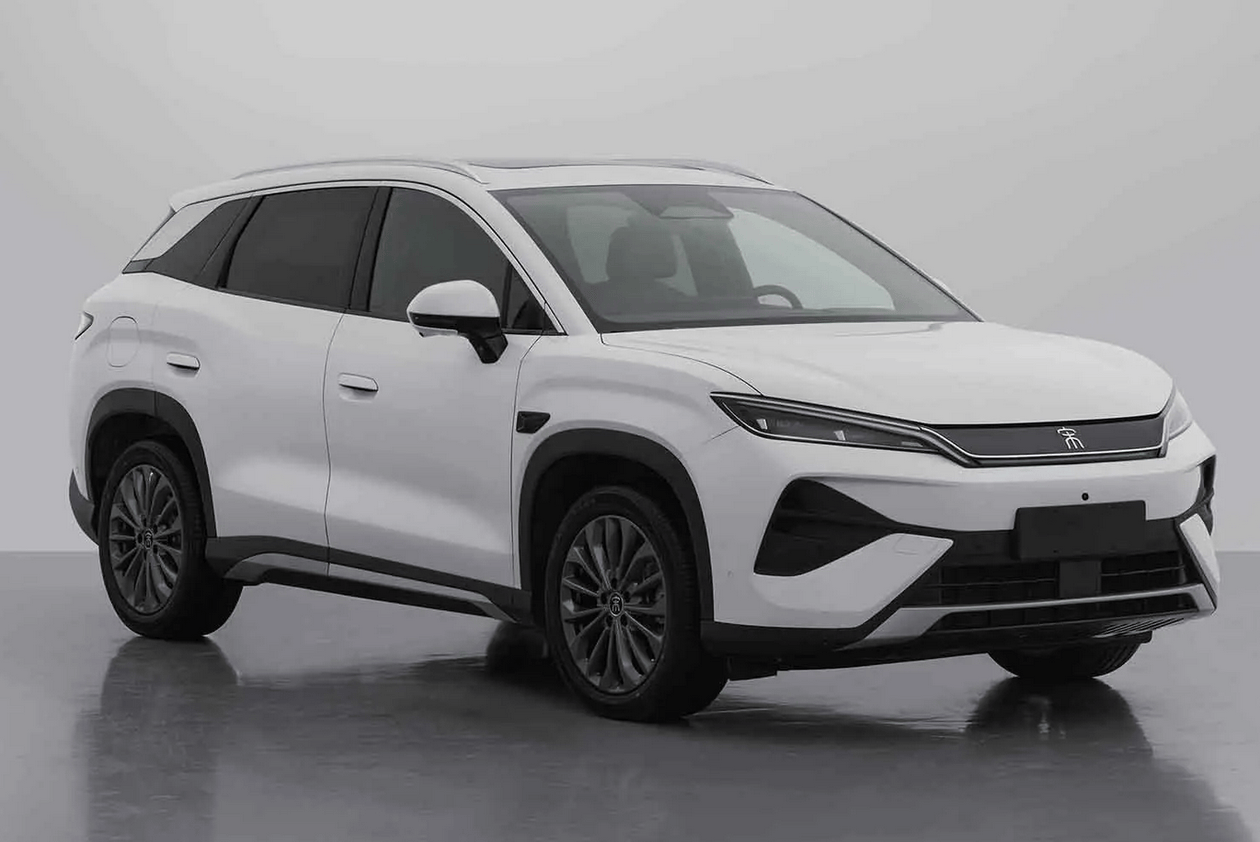
On March 5, BYD held a conference at its global headquarters in Shenzhen, unveiling the second-generation Blade Battery and Flash Charging Technology. Three weeks later, the first B-class pure electric SUV equipped with this technology—the Song Ultra EV—is confirmed to launch on March 26, with a pre-sale price range of RMB 155,000 to RMB 185,000 . This means that Flash Charging Technology, once considered exclusive to top-tier models, has now trickled down to the mainstream 150,000 RMB market segment.
For Hong Kong users, the arrival of the Song Ultra EV raises two key questions: When "5-minute charge to 70%, 9-minute charge to 97%" efficiency is paired with a 710km range, could this vehicle become a new option for Hong Kong residents driving north for leisure or commuting within the mainland? In the post-"One-for-One" scheme Hong Kong market, what is the real value of such a left-hand-drive vehicle?
Core Evolution: The Strategic Significance of Flash Charging Technology's Downward Migration
The core selling point of the Song Ultra EV is bringing the second-generation Blade Battery and Flash Charging Technology to the 150,000 RMB market. Official data shows that under normal temperature conditions, charging from 10% to 70% takes just 5 minutes, and from 10% to 97% only 9 minutes . This refueling efficiency approaches that of gasoline vehicles, fundamentally changing the stereotype that EVs require "half an hour of waiting to charge".
Its performance in low temperatures is even more impressive. Even in extreme cold of -30°C, charging from 20% to 97% takes only 12 minutes, just 3 minutes more than at normal temperatures . This breakthrough signifies that the curse of "EVs don't cross the “Shanhaiguan" (a historical barrier) has been broken; northern users no longer need to worry about winter charging hassles.
In terms of range, the Song Ultra EV offers two CLTC versions: 605km and 710km . The 710km version is equipped with an 82.73kWh battery pack, with a motor producing a maximum power of 270kW and a top speed of 210km/h . This means a trip from Hong Kong to Changsha could be completed without recharging.
Notably, Flash Charging Technology does not compromise battery lifespan. Thanks to lithium-ion high-speed channel technology and a full-temperature-domain intelligent thermal management system, the battery effectively controls heat during rapid charging. Coupled with the cell warranty policy, this further reduces user ownership costs .
Space and Features: The Practicality of a Large Five-Seat Layout
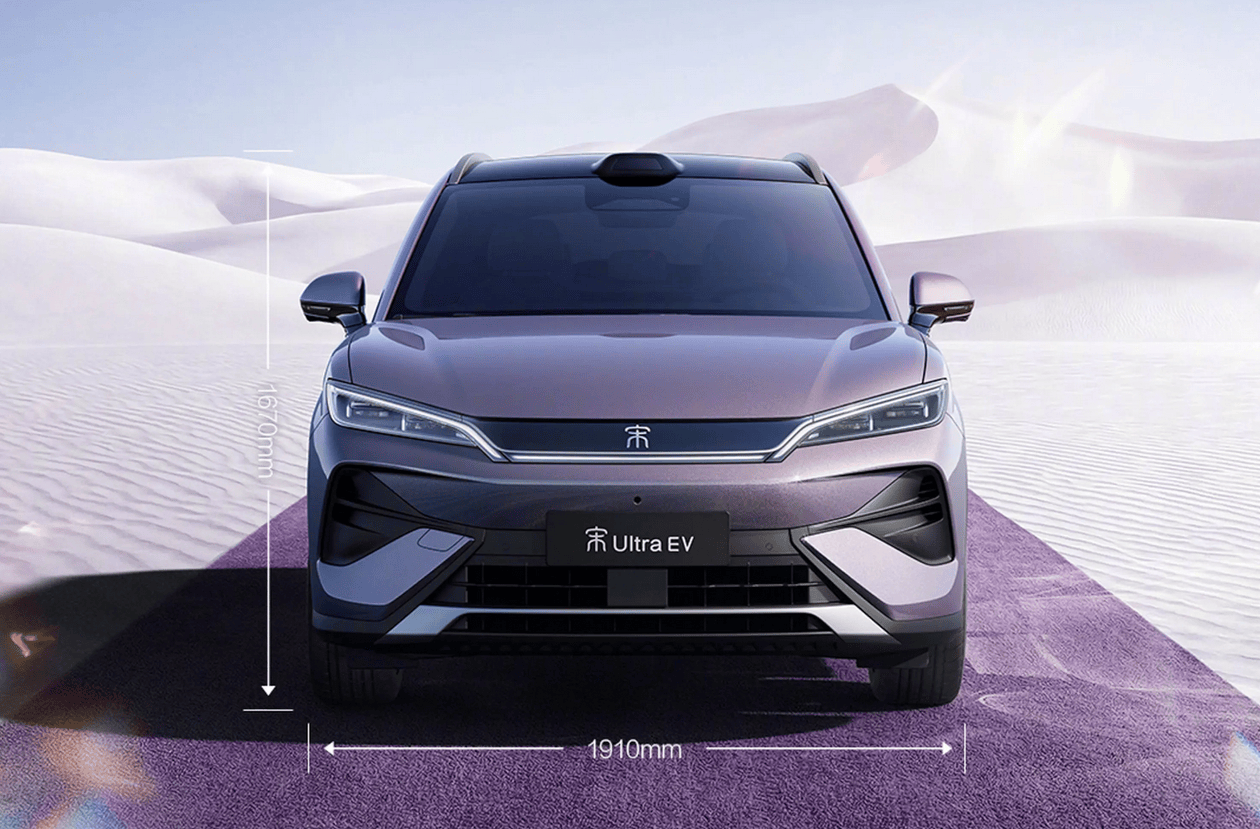
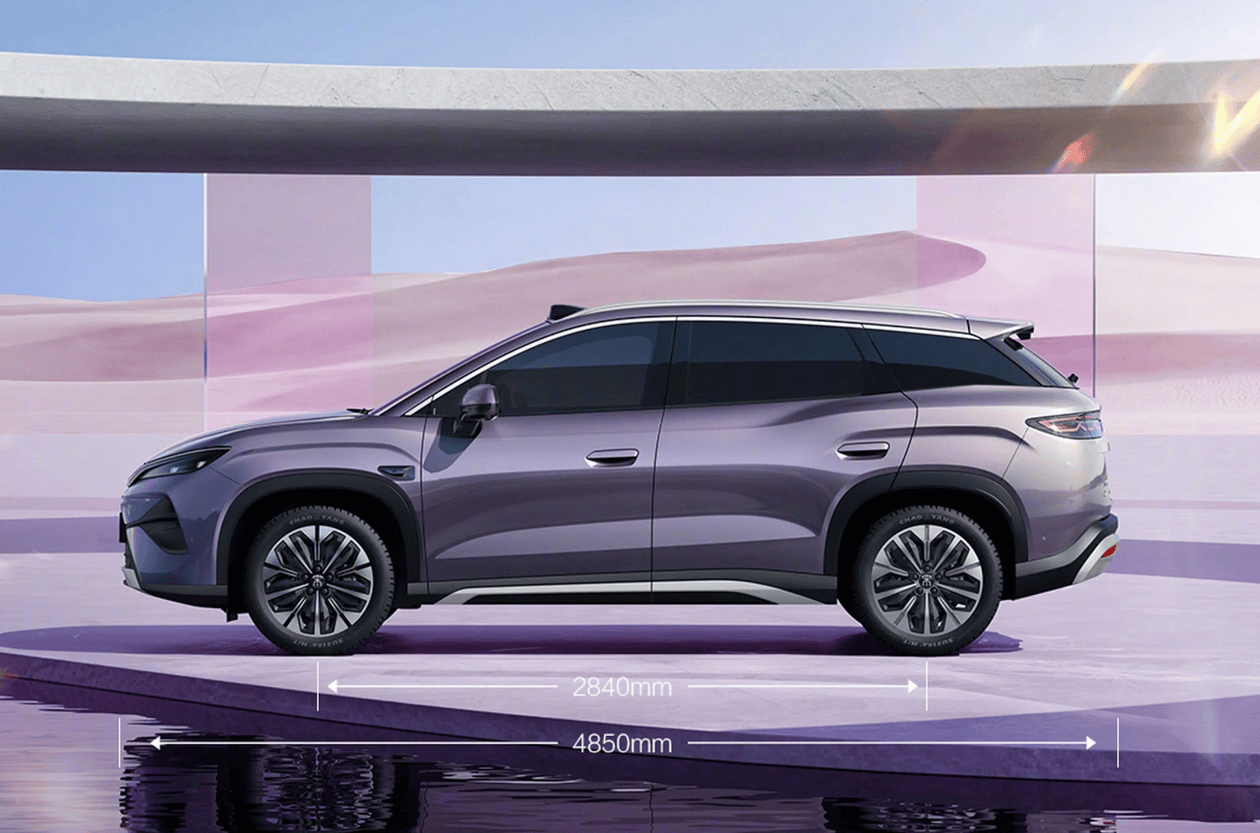
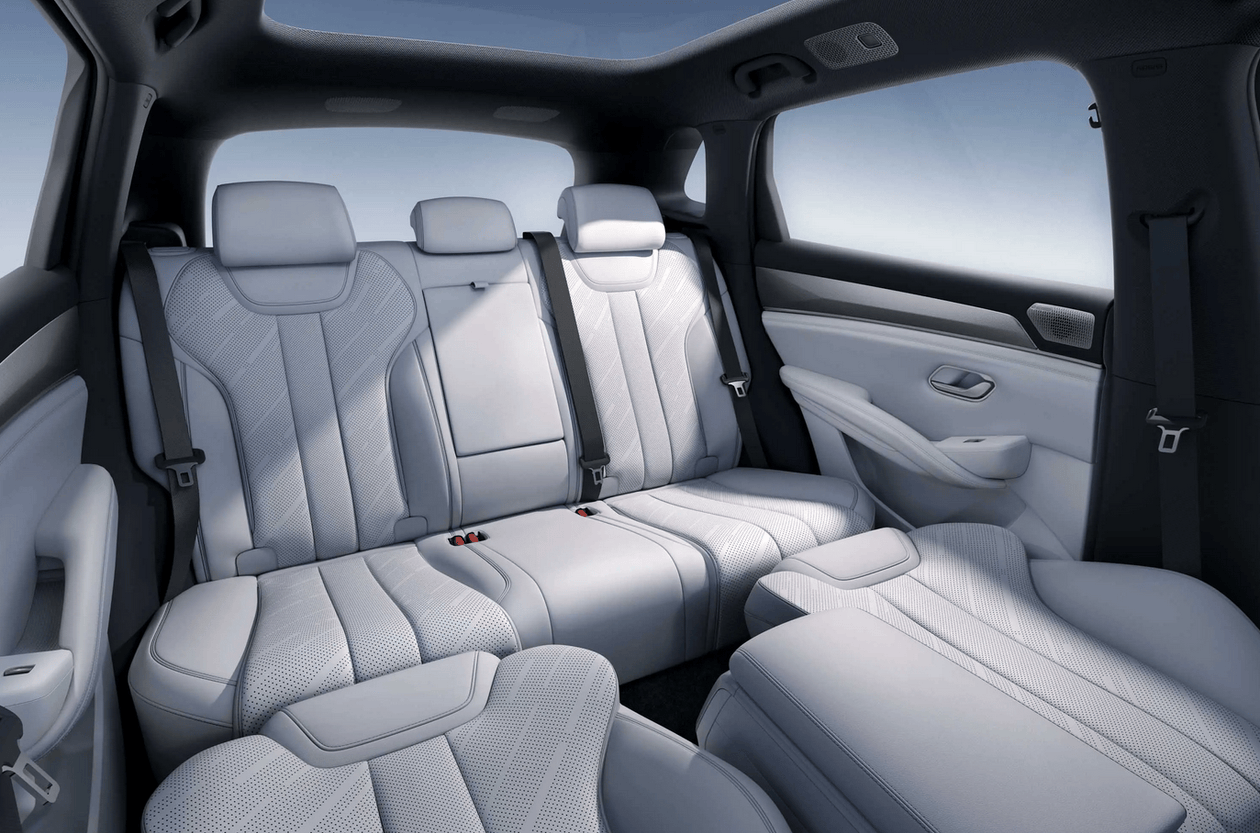
The Song Ultra EV measures 4,850mm in length, 1,910mm in width, and 1,670mm in height, with a wheelbase of 2,840mm . These dimensions are mainstream for the B-class SUV segment, but BYD's space utilization is consistently excellent. The rear floor is completely flat, and with the front seats folded down, it can form a "double bed," which is quite practical for camping or long-distance rest . Eliminating the spare tire creates more under-floor trunk space. The regular trunk volume reaches 730L, expanding to 1,659L with the seats folded. A 150L frunk, which unlocks with a tap, adds considerable cargo capacity for larger items .
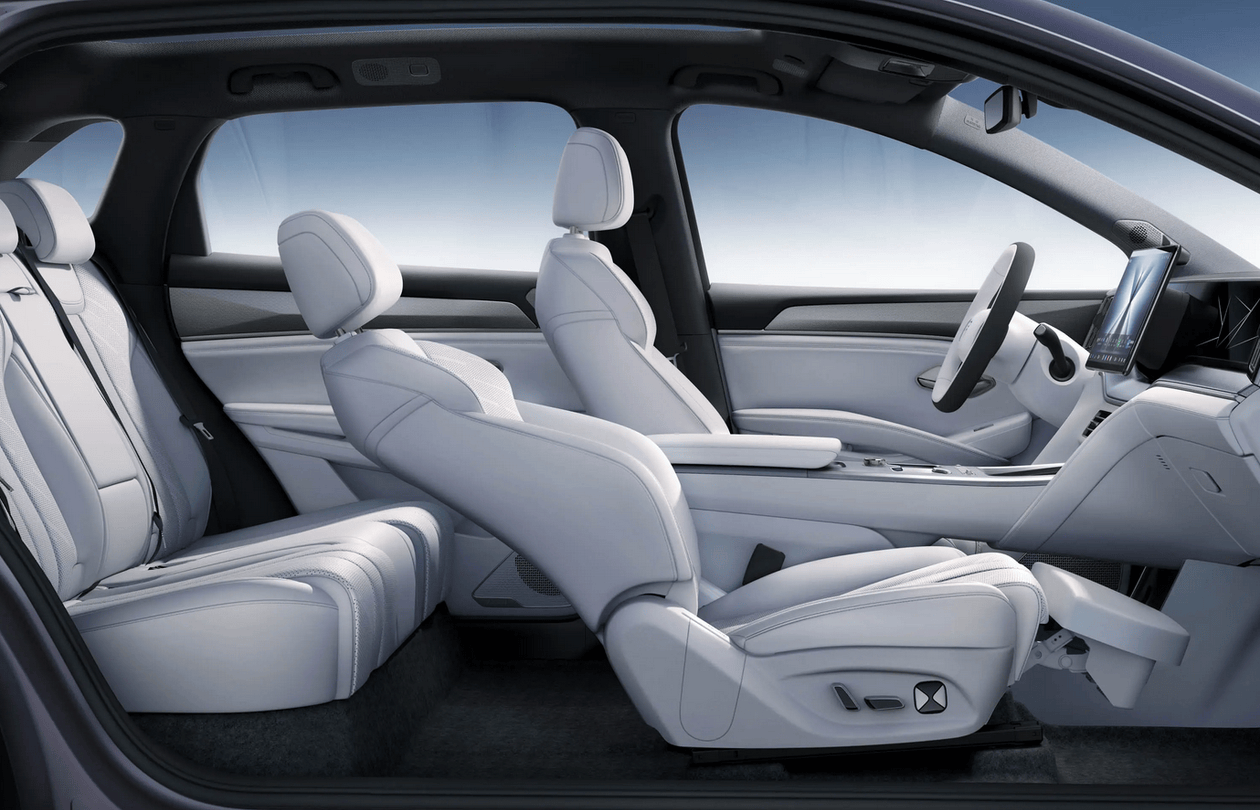
In terms of features, the Song Ultra EV comes standard with over 20 core configurations, including a 15.6-inch central control screen, four-zone voice interaction, and dual 50W wireless fast charging pads . A "Queen's Co-Pilot" seat equipped with leg rests and massage functions brings a feature previously found only in 300,000 RMB-class vehicles down to the 150,000 RMB segment .
Regarding the chassis, the new car is equipped as standard with the Cloud Rail-C intelligent damping body control system, paired with a front MacPherson strut and rear five-link independent suspension . This system can adjust suspension firmness in real-time based on road conditions, balancing comfort and handling. The TBC high-speed blow-out stability system can stabilize the vehicle even in the event of a tire blowout at 140km/h, further enhancing active safety .
Intelligent Driving: God's Eye 5.0 + Optional LiDAR
The Song Ultra EV also demonstrates its intelligent driving capabilities. The vehicle is equipped with 27 sensors and supports optional LiDAR, priced at RMB 9,900 . The God's Eye 5.0 (Xuanji) advanced driver-assistance system builds on a closed-loop, end-to-end architecture by incorporating reinforcement learning capabilities. It can handle complex scenarios like navigating narrow alleys or urban villages, supporting functions like multi-point turns and proactively switching to auxiliary roads .
For Hong Kong users, while local regulations currently restrict such advanced driver-assistance systems, having the hardware pre-installed offers future-proofing. As legal frameworks potentially evolve, today's hardware could unlock tomorrow's functionality.
A Hong Kong Perspective: A Potential Option for Northbound Travel
For Hong Kong users, the significance of the Song Ultra EV lies more in its potential under the "Northbound Travel for Hong Kong Vehicles" scheme. As more residents drive into the mainland for leisure, family visits, or business, a pure electric SUV capable of long journeys, with easy maintenance access, and efficient charging becomes a practical need.
A 710km range means a trip from Hong Kong to Changsha could be completed without recharging. A 5-minute fast charge allows for a quick top-up during a short stop at a service area. The 2,840mm wheelbase, flat floor, and 730L trunk provide ample space for carrying family members or luggage. The addition of the Cloud Rail-C chassis instills greater confidence when tackling the varied road conditions on the mainland.
In terms of running costs, the Song Ultra EV's energy consumption is as low as 12.8kWh/100km . Based on Hong Kong electricity prices, the cost per kilometer is approximately HKD 0.15, far lower than the HKD 1.5-2.0 for a gasoline vehicle. The 18-month free Flash Charging benefit further reduces ownership costs .
Of course, for Hong Kong users, choosing a left-hand-drive vehicle like this means purchasing, registering, and maintaining it within the mainland. BYD's extensive service network in Guangdong province, with official centers in Shenzhen, Guangzhou, Dongguan, Huizhou, provides crucial peace of mind for northbound travelers needing "worry-free maintenance."
Personal Opinion: The "Disruptive" Strategy of Technology Downward Migration
Looking at the complete product picture of the Song Ultra EV, the most striking impression is the strategic intent of "technology downward migration."
Flash Charging Technology migrating from the million-yuan Yangwang U8L down to the 150,000 RMB Song Ultra, Cloud Rail-C becoming standard across the lineup instead of exclusive to top-trim Han EVs, the "Queen's Co-Pilot" moving from the Nio ES6 into the mainstream market – BYD is using this "disruptive" approach to turn features once exclusive to premium models into mainstream standards. The impact of this strategy is far more lethal than a simple price war.
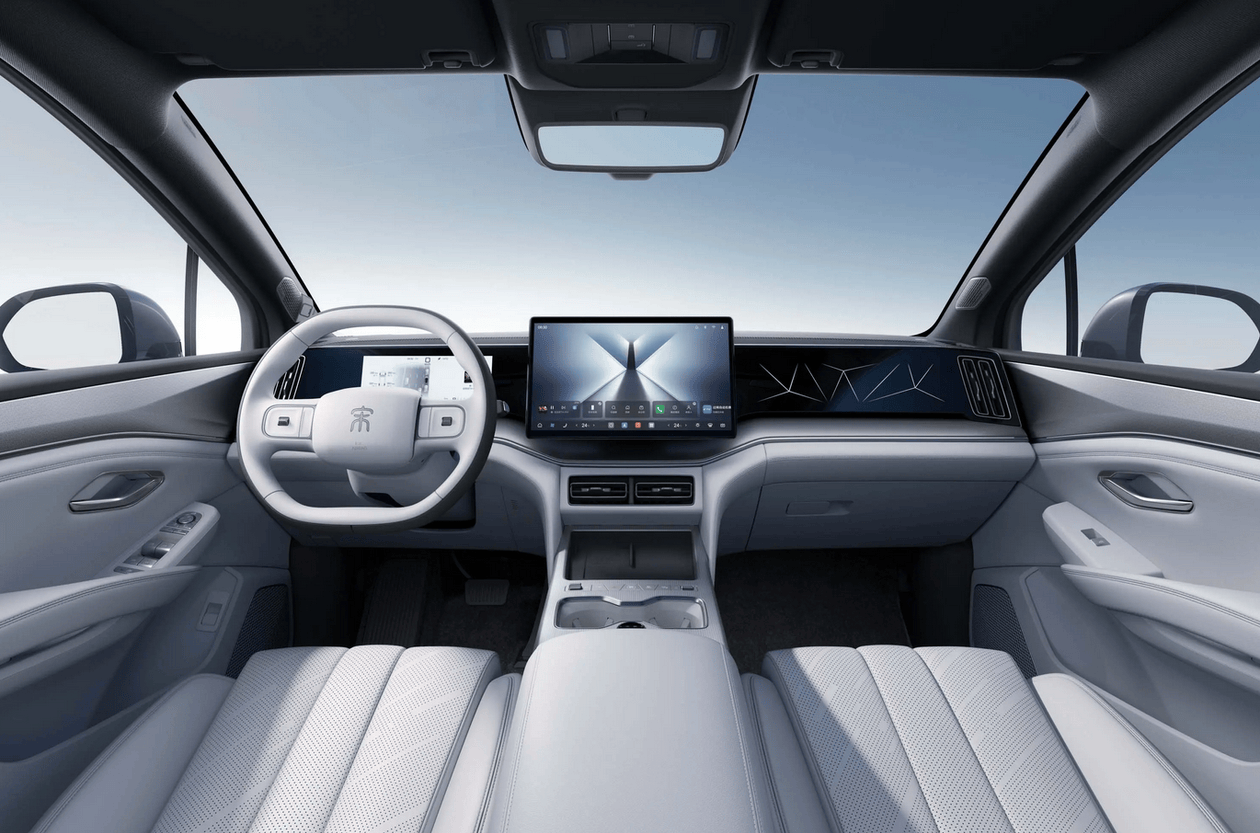
From a product perspective, the Song Ultra EV doesn't chase superficial specifications. Instead, it focuses on core user pain points like range anxiety, space requirements, and driving safety, offering a solution with solid technology and balanced features. The combination of a 710km range, 5-minute fast charging, a 2,840mm wheelbase, the Cloud Rail-C chassis, and the "Queen's Co-Pilot" seat forms a highly competitive product package.
For Hong Kong users contemplating a new car, the significance of the Song Ultra EV lies not in when they can own one, but in the direction it represents. As the barriers to pure electric technology continue to fall, as mainstream consumers gain access to top-tier features, the widespread adoption of EVs truly enters the fast lane. March 26th is a date worth watching.

香港汽車內容平台 🚗 新車・買車・玩車・用車 用香港視角,睇世界嘅車
+ Follow 【新車速報】兩座車又殺返嚟?smart精靈#2今次有啲料喎
鍾意細車嘅香港車迷留意!全新 smart 精靈#2 配置公布,採用 ECA 電動緊湊型架構,搭載 35.8kWh 磷酸鐵鋰電池,CLTC 續航 410km,30%-80% 快充最快15分鐘。
車長約 2.75米、轉彎半徑僅3.35米,仲有前麥弗遜+後五連桿獨立懸架;安全配備最多7個氣袋及 ACC、盲區監測等功能。
0-50km/h 3.8秒,10月12日巴黎車展全球首發!
兩座純電+細車身,放落香港街道會唔會幾對味?
#smart #smart精靈2 #純電車 #BitAutoHongKong 1小时前
【新車速報】兩座車又殺返嚟?smart精靈#2今次有啲料喎
鍾意細車嘅香港車迷留意!全新 smart 精靈#2 配置公布,採用 ECA 電動緊湊型架構,搭載 35.8kWh 磷酸鐵鋰電池,CLTC 續航 410km,30%-80% 快充最快15分鐘。
車長約 2.75米、轉彎半徑僅3.35米,仲有前麥弗遜+後五連桿獨立懸架;安全配備最多7個氣袋及 ACC、盲區監測等功能。
0-50km/h 3.8秒,10月12日巴黎車展全球首發!
兩座純電+細車身,放落香港街道會唔會幾對味?
#smart #smart精靈2 #純電車 #BitAutoHongKong 1小时前  【揀車有路數】日產新車賣比亞迪價?仲有激光雷達
今集試一台好特別嘅日產新車——NX8,中國特供增程SUV。外觀似熟悉嘅日產味,但內籠同科技配備竟然唔晒傳統日產套路,駕乘感受又有幾多轉變?到底仲係咪你認識嗰部日產?一齊試畀你睇。
#日產 #NX8 #增程 #BitAutoHongKong #揀車有路數 1天前
【揀車有路數】日產新車賣比亞迪價?仲有激光雷達
今集試一台好特別嘅日產新車——NX8,中國特供增程SUV。外觀似熟悉嘅日產味,但內籠同科技配備竟然唔晒傳統日產套路,駕乘感受又有幾多轉變?到底仲係咪你認識嗰部日產?一齊試畀你睇。
#日產 #NX8 #增程 #BitAutoHongKong #揀車有路數 1天前  【新車速報】T-Top 回歸?Nissan Z Kaze 概念車現身!
90年代 JDM 味返晒嚟?Nissan 最近喺美國 ZCON 公開 Z Kaze 概念車,以現款 Nissan Z 為基礎,換上全新 T-Top 可拆式車頂,向經典 300ZX 等 Z 系列致敬。
配合碳纖維空力套件、NISMO LMGT2 18吋輪圈,以及 GReddy 排氣、進氣同 intercooler 升級,成部車都充滿 JDM 改裝味。
「Kaze」即係日文「風」,而呢部車係 one-off 概念作品,並非量產車。10月3日仲會現身加州長灘 Japanese Classic Car Show。
如果 T-Top Z 真係量產,你會唔會心動?
#NissanZ #ZKaze #TTop #JDM #BitAutoHongKong 1天前
【新車速報】T-Top 回歸?Nissan Z Kaze 概念車現身!
90年代 JDM 味返晒嚟?Nissan 最近喺美國 ZCON 公開 Z Kaze 概念車,以現款 Nissan Z 為基礎,換上全新 T-Top 可拆式車頂,向經典 300ZX 等 Z 系列致敬。
配合碳纖維空力套件、NISMO LMGT2 18吋輪圈,以及 GReddy 排氣、進氣同 intercooler 升級,成部車都充滿 JDM 改裝味。
「Kaze」即係日文「風」,而呢部車係 one-off 概念作品,並非量產車。10月3日仲會現身加州長灘 Japanese Classic Car Show。
如果 T-Top Z 真係量產,你會唔會心動?
#NissanZ #ZKaze #TTop #JDM #BitAutoHongKong 1天前 Get the latest car news first!
【新車速報】兩座車又殺返嚟?smart精靈#2今次有啲料喎
鍾意細車嘅香港車迷留意!全新 smart 精靈#2 配置公布,採用 ECA 電動緊湊型架構,搭載 35.8kWh 磷酸鐵鋰電池,CLTC 續航 410km,30%-80% 快充最快15分鐘。
車長約 2.75米、轉彎半徑僅3.35米,仲有前麥弗遜+後五連桿獨立懸架;安全配備最多7個氣袋及 ACC、盲區監測等功能。
0-50km/h 3.8秒,10月12日巴黎車展全球首發!
兩座純電+細車身,放落香港街道會唔會幾對味?
#smart #smart精靈2 #純電車 #BitAutoHongKong 1小时前 【揀車有路數】日產新車賣比亞迪價?仲有激光雷達
今集試一台好特別嘅日產新車——NX8,中國特供增程SUV。外觀似熟悉嘅日產味,但內籠同科技配備竟然唔晒傳統日產套路,駕乘感受又有幾多轉變?到底仲係咪你認識嗰部日產?一齊試畀你睇。
#日產 #NX8 #增程 #BitAutoHongKong #揀車有路數 1天前 【新車速報】T-Top 回歸?Nissan Z Kaze 概念車現身!
90年代 JDM 味返晒嚟?Nissan 最近喺美國 ZCON 公開 Z Kaze 概念車,以現款 Nissan Z 為基礎,換上全新 T-Top 可拆式車頂,向經典 300ZX 等 Z 系列致敬。
配合碳纖維空力套件、NISMO LMGT2 18吋輪圈,以及 GReddy 排氣、進氣同 intercooler 升級,成部車都充滿 JDM 改裝味。
「Kaze」即係日文「風」,而呢部車係 one-off 概念作品,並非量產車。10月3日仲會現身加州長灘 Japanese Classic Car Show。
如果 T-Top Z 真係量產,你會唔會心動?
#NissanZ #ZKaze #TTop #JDM #BitAutoHongKong 1天前  BAWToyotaBYDZeekrGACDongfengXPengMGMaxusLeapmotorDenzaIMiCAURDeepalWulingOraJuneyao AutoKYCSkyworthAvatrFotonFordGeelyHongqiJAECOOKGMOMODADFSKTeslaHondaBMWMercedes-BenzsmartMINIPorscheNissanLexusSuzukiVolvoSubaruMazdaKiaHyundaiLand RoverRolls-RoyceFerrariAudiLamborghiniRiddaraSeresFarizonfireflyLingboxKaiyiVoyahHIMAM-HeroIsuzuBentleyPolestarMcLarenMitsubishiMaseratiPeugeotAston MartinAcuraJeepJaguarLotusVolkswagenEpiclandJACLepasLi
 © 2024 Bitauto.com. All Rights Reserved.
Bitauto (www.yiche.com and www.bitauto.com) is one of the most visited automotive websites in China. We provide detailed info on Chinese car brands available in your area. Please note that the information provided on this website is based on publicly available data and is for reference only. It may not be fully updated or accurate at all times.
Help us improve our website


