首頁river

搜尋歷史
熱門搜尋
經銷商登入 / 註冊

車型概覽

保時捷 Panamera 值不值得買,關鍵唔係佢睇落幾吸引,而係佢能夠解決你嘅真實用車需求。呢篇文章會把重點放喺花出去嘅錢係咪換到日日用到嘅方便。
價格喺 RM 1,340,000,買家可以先用它判斷預算壓力同同級定位。
購車價格指南
保時捷 Panamera 嘅購車預算可以先從 RM 1,340,000 開始衡量。呢個數字真正影響嘅係月供、保險同現金流,而不只係展廳入面嘅標價。
如果你喺幾個版本之間猶豫,可以把 2026 Panamera 2.9T(RM 1,340,000)、2026 Panamera GTS 4.0T 放喺同一張清單入面比較。日常通勤買家優先睇舒適同安全,經常跑高速嘅買家則應該更重視動力、輔助駕駛同座艙便利。
核心參數匯總
睇保時捷 Panamera 嘅核心規格,最重要係把數字轉化做生活入面嘅感受。
雙渦輪增壓、6 缸、2894 mL 排量嘅動力底子,適合用嚟判斷市區跟車同高速巡航係咪輕鬆。353 Ps、500 N·m嘅輸出,真正意義喺於滿載、上坡同超車唔會太吃力。9.5 L/100km嘅油耗,對日日通勤嘅人嚟講會直接影響加油頻率。車長 5052 mm、車寬 1937 mm、車高 1423 mm、軸距 2950 mm,可以幫你預判停車難度同後排乘坐空間。
優缺點分析
保時捷 Panamera 嘅優點唔使誇張,真正有價值嘅係佢能夠讓日常使用更省心:預算定位清楚,方便同同級車直接比較、日常能源成本有明確參考、動力輸出能夠支撐高速同超車需求。
需要留意嘅係,市區停車同狹窄路段仲要睇個人駕駛習慣。呢啲唔係扣分項,而係落訂之前應該諗清楚嘅生活細節。
購車常見問題解答
購買保時捷 Panamera 前,買家最常問嘅唔係單一規格,而係佢能夠融入自己嘅生活。
呢部車適合邊個?適合將花出去嘅錢係咪換到日日用到嘅方便放在首位嘅買家。家庭用戶要睇咩?優先睇後排乘坐、兒童座椅、行李同日常上下車係唔係順手。日日開會唔會麻煩?9.5 L/100km 嘅油耗參考令通勤成本更容易預估。
競爭對手對比內容
將保時捷 Panamera 放進同級車名單嗰陣時,唔建議只睇品牌或外形。真正有用嘅比較順序係:先用 RM 1,340,000 鎖定預算圈、再睇動力係唔夠用嚟應付高速同滿載、接住比較能源成本同補能便利、最後睇空間係唔適合家人同行李。
咁樣篩選出嚟嘅結果更貼近日常生活。你會更清楚佢係適合城市通勤、家庭代步、長途巡航,定係更加適合作為講求個性嘅選擇。
用車全週期指南

擁有保時捷 Panamera 嘅日常成本,最直接會反映喺燃油、保險、輪胎同定期保養上。9.5 L/100km 嘅油耗令通勤預算更容易掌握。
如果你經常跑南北大道,動力同座艙舒適度會比單純低價更重要;如果主要喺市區,停車靈活性、視野同低速順滑度會更影響心情。



For the past few decades, Japanese cars, relying on reliability, fuel economy, and global manufacturing systems, have long occupied an important position in the global automotive industry. The endurance and resilience of the Japanese car manufacturing system are also key reasons for their global popularity. Toyota surpassed Volkswagen Group to become the world's largest carmaker in 2020 and still firmly holds the top spot.
However, against the backdrop of the Middle East situation causing international oil prices to surge, Chinese new energy vehicles seem to be quietly impacting the established global automotive market structure.
Statistics from the International Energy Agency (IEA) show that Chinese enterprises account for 60% of global EV sales in 2025. Relying on power battery, intelligent driving, smart cockpits, and supply chain advantages, they achieved a transition from "catchers" to "rule makers" in the EV era. Companies like BYD, Geely, Wuling, Chery, XPeng, Li Auto, and Leapmotor are accelerating their march into global markets, including mature automotive markets like Europe and Japan.
Unlike the large-scale entry into Europe, Chinese car brands choosing to directly enter the Japanese automotive market mainly focus on BYD, Zeekr, Chery, etc., and generally choose to directly enter the local mass-market passenger vehicle sector, competing head-on with Toyota, Honda, and Nissan.
Chinese electric vehicles, equally affordable yet more intelligent, have already brought some impact to the Japanese automotive industry. "In the past, cheap meant bad quality, but now (Chinese cars) product quality has significantly improved. Prices are so cheap, it's hard for Japanese cars to compete." A senior executive of a Toyota primary supplier told Nikkei News.
Nikkei News also commented that Chinese Chery Automobile and BYD plan to launch light EVs in Japan. If competing on the same stage, the situation will inevitably become increasingly severe for Japanese cars.
If the spike in international oil prices caused by the Middle East crisis is the main reason new energy vehicles have been welcomed by European and Japanese consumers in recent months, then a forecast from the IEA still gives an optimistic expectation for new energy vehicle development. IEA predicts that global EV stock will increase to more than 6 times that of 2025 by 2035, accounting for 50% of global car sales.
In this way, a problem also surfaces: Will Chinese new energy vehicles replace Japanese cars first?
Both Japanese Fuel Cars and EVs Are Trapped
Market sales are the most intuitive manifestation of industrial competition.
According to Japanese media statistics, Toyota and Honda's new car sales in China in May decreased by 32% and 49% year-on-year, respectively. In terms of cumulative new car sales in China from January to May, Toyota reached 579,400 units, a 10% decline year-on-year, while Honda reached 173,344 units, a 30% decline year-on-year.
Toyota explained: "After March, affected by the Middle East situation, crude oil and gasoline prices rose, exacerbating the stagnation of the gasoline car market."
In fact, even before the Middle East situation, the Chinese car market had already formed a clear differentiation. The incremental new energy market is completely dominated by local Chinese brands, while Japanese and German car companies can only continuously retreat to the shrinking fuel vehicle stock market. Compared to Japanese cars' cautious attitude in the Chinese new energy vehicle market, German car companies have a more aggressive layout in intelligent electric vehicles.
Even under the pressure of international situations, Toyota, the world's largest carmaker, remains cautious about electrification layout. On May 29, 2026, Japanese media reported that Toyota Motor will suspend the development of new generation pure electric vehicles (EV).
 Lexus LF-ZC Concept Car
Specifically, Toyota suspended the mass production model of Lexus pure electric sedan "LF-ZC". This car was originally scheduled to be launched in 2027. It is a flagship model tasked with Lexus' electrification transformation mission. In addition to carrying new high-performance batteries, it also utilizes "Integrated Die Casting" technology to achieve one-piece molding of parts using aluminum casting. As a new generation EV gathering the latest Toyota technological essentials, it received high attention from the market. Announcing the suspension of R&D after two delays further shocked the outside world.
Japanese media analysis pointed out two reasons behind Toyota suspending the development of the LF-ZC model: First, the United States revoked tax credits for EV purchases and other policies, and Europe also cancelled the policy prohibiting the sale of internal combustion engines in principle by 2035. Second, the rise of Chinese cars, especially the competitive barriers established by Chinese car companies relying on domestic suppliers, autonomous driving, and internet-of-vehicles technologies.
Once the core moat technology of Japanese cars, fuel-electric hybrid technology is now being chased by domestic DM-i and Thor DHT plug-in hybrid technologies, continuously siphoning off Japanese hybrid stock users with lower fuel consumption on low battery and stronger power performance.
At the same time, what brought the biggest impact to Japanese cars is that Chinese new energy vehicle exports have become a new growth curve. In 2025, the export volume of domestic new energy vehicles doubled significantly, selling far to global markets such as Europe, Southeast Asia, and the Middle East, having shaken off the low-end cheap label, with brand power and product power upgrading synchronously.
Adding insult to injury for Japanese cars, due to the continued blockade of the Strait of Hormuz, Toyota Motor announced in late May 2026 plans to cut overseas production by about 83,000 units before November, mainly reducing the production of fuel vehicles facing the Middle East and Asian markets.
If looking only at the Chinese market, a tacitly understood reality is that, in the short term, Japanese cars still have stable fuel vehicle stock space. However, with the improvement of domestic charging infrastructure and the popularization of consumer electrification awareness in the medium and long term, the stock of fuel vehicles will also continue to shrink, and the decline in Japanese car sales will become the norm.
Intelligence Generation Gap, Chinese Cars' Killer App in Japan
Recently, Japanese research company MM Institute (Minato-ku, Tokyo) released the results of a survey on Japan's autonomous bus practical testing project. The results show that among the vehicles used in the 2025 annual practical testing, Chinese BYD ranked first with 36.4%. The combined share of Chinese manufacturers reached 50.3%.
It is understood that the survey object for this time was L2-level and above autonomous driving buses, and the project mainly focused on road driving practical testing for ordinary passengers. In 2025, there were a total of 143 vehicles used in practical testing projects nationwide in Japan, an increase of 18 vehicles over the previous year.
Looking at the share of each company, BYD ranked first, France's Navya second, and the third place was Estonia's Auve Tech accounting for 12.6%, China's intelligent solution supplier WeRide accounting for 2.8%.

If electrification is the choice of different technology routes between Chinese and Japanese car companies, then intelligence is the core track that completely widens the generation gap between the two sides. Japanese media reports write: Multiple Japanese car company executives publicly admitted that Japanese car companies are at least five years behind Chinese car companies in smart cockpits and high-level autonomous driving.
If calculated based on the traditional car iteration rhythm more familiar to Toyota and other car companies, a 5-year gap is a whole generation of cars.
Japanese media believes the reason for this difference in car building is the different underlying car building logic of the two sides.
The person in charge of MM Institute's survey said: "Most autonomous practical testing projects in Japan are led by startup companies. Such projects are more inclined to adopt vehicles from overseas manufacturers." While he has high hopes for domestic Japanese manufacturers, he also pointed out: "Considering safety aspects, some manufacturers are cautious about practical testing, and there are also concerns about price".
In fact, mainstream domestic autonomous new cars are all equipped with native intelligent electric architectures, standard full vehicle OTA upgrades, and the vehicle can update the in-vehicle system, voice interaction, energy consumption control, assisted driving functions, etc., online throughout its life cycle, achieving "getting newer with use".
At the same time, 8155/8295 flagship chips, continuous voice interaction, multi-screen interconnection, and localized ecosystem adaptation have become standard equipment for 200,000-level family cars. The intelligent experience fits domestic user needs and has long become an "cannot go back after use" travel mode for Chinese car owners. This strategy of "dimensionality reduction attack" using intelligence against non-smart cars might also be feasible in the Japanese market. After all, Japanese car companies still follow fuel car development logic, hardware is fixed so functions are locked, most models do not support full vehicle OTA, and chip performance is "lagging behind since departure".
Not to mention, starting from the end of 2025, more than ten domestic brands have begun testing L3-level autonomous driving commercial operations, and more new force car company heads believe that from a technical level they can "go straight to L4". XPeng recently launched XPeng GX which has already pre-installed Robotaxi capabilities. This intelligent leadership tag will also help improve the image of Chinese cars in overseas markets.
Global Market, Chinese Cars and Japanese Cars Must Fight
The replacement of Japanese cars by Chinese electric vehicles is not limited to the domestic market. In the future, on a global scale, it will continue to impact Japanese cars' overseas advantage markets cultivated for half a century, completely rewriting the global automotive competition pattern.
According to statistics, in 2025, the market share of Chinese brands in Southeast Asian new energy markets broke through 22.2%, BYD single brand market share in Thailand's pure electric market exceeded 70%. In the entry-level family car markets of Indonesia and Vietnam, Chinese electric vehicles have begun to shake the monopoly of Japanese fuel cars in local markets.
 Great Wall Motor in Thailand, image source: Great Wall Motor
In the European market, even facing tariff barriers and strict localization requirements, domestic new energy and plug-in hybrid models still maintain positive growth. They rank high in the new energy sales list in countries such as the UK, Norway, and Spain. Especially in recent months, affected by rising international oil prices, the sales of Chinese new energy vehicles in Europe continue to rise.
In Japanese traditional advantage markets such as Mexico and South America, Chinese electric vehicles continue to increase their market share with high cost-performance and reliable three-electric technology, continuously replacing traditional Japanese fuel models. With Canada opening the new energy vehicle market to Chinese car companies, the volume of Chinese new energy vehicles in North America will also steadily increase in the future.
 BYD enters the Japanese K-car market, image source: BYD Fan Home
Especially worthy of mention is in the Japanese market. In the past two years, BYD, Wuling and other brands have completed right-hand drive modifications and local certifications, officially landing in the Japanese market. BYD ATTO3 remains stable in the Japanese small electric vehicle sales list, and the market share of Chinese brands in Japanese new energy segments continues to break through.
Reporter's Note
Returning to the question at the very beginning of the text: Will Chinese new energy vehicles replace Japanese cars first?
It is unavoidable that Japanese cars have half a century of accumulation in advantage markets and still cannot be shaken by Chinese car companies in the short term. However, if focusing on the long-term 5-10 year dimension, global fuel ban policies continue to land, electrification and intelligence become the main industry tracks, and the technical barriers of Japanese cars in the fuel era will begin to collapse.
If Japanese cars cannot quickly solve short boards, then the problems of intelligence capability, supply chain system, and slow transformation will also continue to amplify in the future 10 years. During this period, Chinese electric vehicles might greatly squeeze Japanese car shares, thereby rewriting the global automotive map.


港交所網站掛出一咗一份熟悉嘅招股書。
5 月 28 日,繼去年 10 月首次遞表失效後,智能駕駛解決方案提供商蘇州天瞳威視電子科技股份有限公司(天瞳威視)再次向港股主板發起重衝,由匯豐及華泰國際聯席保薦。

喺智能駕駛賽道從「講故事」轉向「拼量產」嘅 2026 年,天瞳威視嘅二次遞表唔單止係一次資本試探,更係一場關於中國智駕供應商生存現狀嘅集中檢閱。
呢間被認為係「算力效率派」代表嘅公司,一邊連住從采埃孚到上汽、北汽嘅豪華產業資本陣營,一邊卻面臨住現金流緊繃、海外明顯回落嘅現實困境。喺呢場 IPO 嘅博弈中,光鮮同陣痛並存。
01
邊個係「天瞳威視」?
天瞳威視嘅創辦人王曦係一位典型嘅「回國」技術派。佢畢業於北京航空航天大學,後喺英國雷丁大學攻讀計算機科學博士學位。
喺決定創業之前,王曦曾經喺汽車零部件供應商天合汽車(TRW)及采埃孚擔任算法工程師同技術負責人,深度參與咗早期 ADAS 系統嘅開發。
2016 年,王曦捕捉到國內汽車智能化嘅風口,回國喺蘇州創立咗天瞳威視,定位係「以軟件算法驅動智能駕駛」嘅本土解決方案提供商。
公司嘅名字「天瞳」寓意「天之眼」,意在打造車輛感知萬物嘅視覺中樞。佢從最初嘅視覺感知算法起步,逐步擴展至行泊一體域控制器、L4 級自動駕駛系統等軟硬件結合嘅整體方案。

天瞳威視融資情況。資料來源:企查查
成立後不久,天瞳威視就獲得德聯資本、盛世投資嘅天使輪融資。此後十年時間,天瞳威視累計完成咗超過 10 輪融資,融資總額近 10 億元。
從招股書披露嘅股權結構嚟睇,天瞳威視構建咗深度綁定嘅「產業 + 資本」生態圈。
一方面,產業夥伴站台,全球汽車零部件巨頭采埃孚唔單止係其 C 輪領投方,亦係其戰略合作夥伴,持有天瞳威視 6.93% 嘅股份,位列第四大股東;國內方面,上汽集團通過上汽北美產投持股,北汽集團通過北汽產投佈局其中,地平線同商湯科技亦係戰略投資者。
另一方面,地方國資護航,唐山機器人基金、吳中金控等國資背景基金喺 D 輪及 D+ 輪入場,提供咗約 5.23 億元嘅資金支持。

截至最後實際可行日期股權架構
截至目前,王曦透過直接持股同員工持股平台合共控制公司約 40.84% 嘅權益,依然保持住對公司嘅控制權。
02
「兩條腿」行路
天瞳威視喺業務佈局上採取咗「雙軌並行」嘅策略。

喺 L2-L2+ 級輔助駕駛領域,天瞳威視嘅選擇非常務實。佢並冇盲目追逐算力堆疊嘅「軍備競賽」,而係走咗一條高性價比路線。
作為典型嘅視覺派智駕供應商,佢喺 L2 量產方案上以視覺感知為主,融合毫米波雷達同超聲波雷達,能夠喺較低算力平台上實現高級功能。例如,基於地平線 J6B 芯片(約 20TOPS)嘅方案即可支持行泊一體、高速 NOA。
呢種打法擊中咗 10 萬 -20 萬級主流車款對成本敏感嘅痛點。根據灼識諮詢嘅數據,按 2024 年裝機量計,天瞳威視係中國第二大同時提供行車同泊車解決方案嘅以軟件為核心嘅 L2-L2+ 級方案提供商,市場份額為 14.3%。

2024 年中國具備行泊一體能力嘅以軟件為核心供應商格局
截至最後實際可行日期,天瞳威視獲得 23 個汽車品牌嘅 198 款車款嘅 L2-L2+ 級解決方案定點函,並實現 6 個汽車品牌嘅 105 款車款嘅量產;獲得定點函嘅 198 款車款中有 87 款覆蓋海外市場,其中 59 款已實現量產。
但值得注意嘅係,L2-L2+ 市場正在經歷劇烈嘅「紅海化」。
一方面,經緯恆潤、福瑞泰克等本土 Tier1 正在加速追趕;另一方面,部分頭部車廠開始將低階智駕方案從外購轉為內部集成。
天瞳威視能否維持佢喺「性價比方案」領域嘅領先地位,取決於佢能否持續保持算法對低算力平台嘅優化能力,而這需要喺研發投入上持續加碼。

喺高級 L4 級自動駕駛領域,天瞳威視更多扮演「先鋒」角色。這亦係佢近兩年增長最快嘅板塊。
早在 2019 年,佢就參與咗上海洋山港嘅 5G 智能重卡項目。目前佢嘅 L4 方案覆蓋 Robobus、Robotaxi 同 Robotruck。其中,Robobus 係佢最具代表性嘅產品線,已喺蘇州、天津等城市嘅公開道路投入常態化試營運。
2025 年,天瞳威視從 L4 級解決方案產生收入 3.75 億元,佔公司總收入嘅 68% 以上,大部分收入來自 L4 級軟件解決方案。
然而,硬幣嘅另一面係商業化嘅曲折。雖然 L4 業務營收暴增,但佢嘅交付形態目前以「軟硬件一體解決方案」為主,呢種模式本質上接近「項目制交付」或「小規模車隊部署」,與 L2 業務中「純軟件授權 + 白盒交付」嘅高毛利、大規模複製邏輯存在顯著差異。
呢就直接導致 L4 業務毛利率嘅大幅波動:喺部分自研硬件佔比较高嘅項目中,毛利率一度低至 15%。

截至遞表日,公司雖手握超 10 億元嘅 L4 意向訂單,涵蓋 2500 架車,但呢啲訂單預計要喺未來三至五年內先會陸續交付,短期內對現金流嘅改善作用有限。
此外,天瞳威視仲有部分應收來自工程服務,主要涉及道路測試、數據收集支援及數據標註服務以及公司嘅專有工具鏈。
03
財務嘅雙面鏡
招股書嘅財務部分,展現咗智駕行業最真實嘅「B 面」:規模同虧損嘅極限拉扯,同埋賬面現金同營運消耗之間嘅緊張博弈。

營收高增長,但結構劇烈波動。
財務數據顯示,公司嘅營收呈現爆發式增長,從 2022 年嘅 1.72 億元增長至 2024 年嘅 4.83 億元,複合年增長率高達 67.7%。2025 年全年營收進一步增長至 5.5 億元。
但收入結構嘅變化明顯。2023 年,公司依賴 L2-L2+ 業務,佔比 90.2%;去到 2024 年,L4 業務佔比升至 50.2%;2025 年,L4 業務佔比進一步拉高至 68%。呢種「斷崖式」嘅結構切換,雖然證明佢 L4 技術搵到咗落地場景,但亦令市場質疑佢 L2 業務係咪已觸及天花板。
毛利率同純利潤嘅背離,呢係天瞳威視面臨嘅最大挑戰。
從毛利睇,整體毛利率喺 30% 左右徘徊,喺呢個技術密集型嘅智駕行業屬於中等水平。但細拆睇嚟,L2-L2+ 業務嘅毛利率通常能維持喺 40% 以上,純軟件授權模式,而 L4 業務嘅毛利率則因「軟硬件一體」交付中硬件佔比提高而被顯著拉低。
從純利潤睇,雖然表面虧損額較大,2024 年虧損 4.63 億、2025 年虧損約 2 億,呢度包含大量因優先股公平值變動帶來嘅「紙面虧損」。剔除呢個因素後嘅經調整純利潤更能反映公司嘅真實經營狀況:2024 年已收窄至 -438 萬元,但 2025 年並未如市場預期實現轉正,而係錄得約 -1086 萬元,虧損較 2024 年有所擴大。
呢個背後有一個不可回避嘅關鍵前提:調整後嘅「減虧」乃至「接近盈虧平衡」,係喺公司持續壓縮研發投入嘅基礎上實現嘅,研發費用從 2024 年嘅 1.17 億元降至 2025 年嘅 9231 萬元,研發費用率從 2024 年嘅 24.3% 進一步降至 16.8%,而 2022 年呢個數字曾高達 108.7%。對於一家科技公司嚟講,研發強度嘅「退坡」是否會影響未來嘅技術護城河,係一個潛在風險點。
現金流持續告急,最令人擔憂嘅信號。
根據最新招股書,截至 2025 年 12 月 31 日,公司賬上嘅現金及現金等价物為 2.35 億元,較 2025 年 6 月 30 日嘅 3.74 億元淨減少 1.39 億元,現金消耗速度較快。

更值得警惕嘅係經營現金流由正轉負且缺口持續擴大嘅趨勢。2023 年,公司經營活動現金流淨額為正向流入 1.15 億元,但 2024 年迅速轉為淨流出 1.89 億元,2025 年進一步惡化至淨流出 2.93 億元。
與此同時,應收賬款周轉急劇惡化。公司嘅貿易應收款項從 2023 年嘅 0.89 億元升至 2025 年嘅 5.48 億元,三年增長超過五倍,而同期營收增幅僅約 2.7 倍。
更令人擔憂嘅係應收款項周轉天數從 2023 年嘅 191 天同 2024 年嘅 166 天,到 2025 年驟升至 300 天,意味著公司從完成交付到收回款項平均需要接近一年時間。呢相當於變相為客戶提供長期無息墊資,喺資金本就緊張嘅情況下進一步加劇咗流動性壓力。

此外,雖然天瞳威視係首家出海嘅中國智駕軟件供應商,但 2025 年佢嘅海外業務遭遇咗明顯回落。2023 年天瞳威視海外收入為 1.27 億元,佔總營收比重達到 62.2%;到 2025 年海外收入降至 1100 萬元,佔比僅 2.0%。
喺而家全球地緣政治複雜、部分國家對智能汽車數據監管趨嚴嘅背景下,為佢嘅全球化故事增添咗一絲不確定性。
04
結語
天瞳威視嘅二次闖關,係智能駕駛行業進入「淘汰賽」階段嘅一個縮影。
從好嘅方面睇,佢踩準咗 L2 性價比同 L4 場景化落地嘅雙重節奏,且經調整純利潤喺特定口徑下已接近盈虧平衡,呢啲都畀投資者提供咗「有亮點可講」嘅故事線。
但從風險嘅角度睇,情況遠比首次遞表時更為嚴峻。業務重心嘅急速漂移、L4 業務商業化初期嘅盈利磨難、研發投入嘅被動收縮,呢啲此前就已存在嘅問題並未緩解。

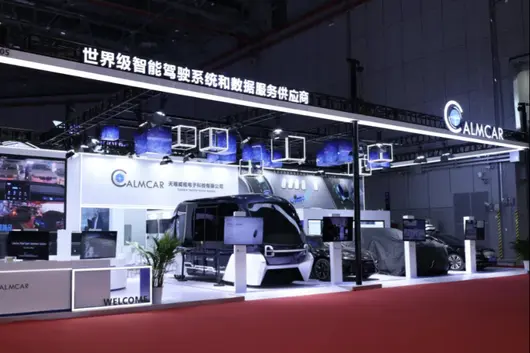
天瞳威視 L4 級智能巴士
而真正令此次 IPO 帶「求生」色彩嘅,係現金流數據嘅實質性惡化:2.35 億元嘅賬面現金,面對每年近 3 億元嘅经营性現金淨流出,安全邊際已不足一年。疊加 300 天嘅應收賬款周轉天數,意味著公司每交付一筆訂單,都要墊付近一年嘅資金成本。
換言之,天瞳威視正處喺一個危險嘅財務窗口期:賬上嘅錢僅夠維持唔足一年嘅正常運作,而 L4 業務嘅大規模交付同回款卻需要更長時間。喺呢個智駕資本熱潮退去、一級市場融資邊際收緊嘅時刻,公司已冇太多等待嘅餘地。
首次遞表失效後僅隔半年便再次衝擊港股,對天瞳威視而言,與其話係戰略選擇,唔如話係現金倒逼下嘅必然之舉。

車型概覽

Audi S8 值唔值得買,關鍵唔係佢幾吸引,而係佢有無辦法解決你嘅真實用車需求。呢篇文章會把重點放喺日常場景入面嘅便利程度。
版本方面,Audi S8 而家主要围绕 2025 Standard 嚟比較。
購車價格指南
評估 Audi S8 嘅購車預算時,建議先由版本定位同後續擁車成本入手。價格唔係唯一重點,真正決定係唔係划算嘅係每日有無用到嗰啲配備。
如果你喺幾個版本之間猶豫,可以把 2025 Standard 放喺同一張清單度比較。日常通勤買家優先睇舒適同安全,常跑高速嘅買家則更加應重視動力、輔助駕駛同座艙便利。
核心參數彙總
睇 Audi S8 嘅核心規格,最重要係把數字翻譯成生活入面嘅感覺。
Audi S8 嘅核心價值應回到日常場景判斷:你要佢負責通勤、家庭出行、長途,定係作為更有個性嘅選擇。
優點缺點分析
Audi S8 嘅優點唔使誇張,真正有價值嘅係佢有無令日常使用更加安心:車型定位清楚,適合先作為同級比較對象。
需要留意嘅係,最終取捨會落喺版本配備、保險同長期保養成本。呢啲唔係扣分項目,而係落單之前應該諗清楚嘅生活細節。
常見問題解答
購入 Audi S8 之前,買家最常問嘅唔係單一規格,而係佢有無融入你自己嘅生活。
呢輛車適合邊個?適合把日常場景入面嘅便利程度放喺第一位嘅買家。家庭用戶要睇乜嘢?優先睇後排乘坐、兒童座椅、行李同日常上落車有無順手。日日開會唔會麻煩?如果能源成本、泊車便利同版本配備都符合你嘅生活節奏,佢會比較容易相處。
競爭對家比較內容
把 Audi S8 放進同級車名單時,唔建議只睇品牌或外形。真正有用嘅比較順序係:先由版本定位、品牌售後同日常用途開始比較。
這樣篩選出嚟嘅結果更加貼近日常生活。你都會更加清楚佢係適合城市通勤、家庭代步、長途巡航,定係更加適合做一輛講求個性嘅選擇。
用車全週期指南
擁有 Audi S8 嘅重點,係確認保險、路稅、保養同輪胎成本都在可接受範圍內。買車唔係一次過付款就結束,而係日日都要相處。
如果你常行南北大道,動力同座艙舒適度會比單純低價更加重要;如果主要喺市區,泊車靈活性、視野同低速順滑度會更加影響心情。


車型概覽

上汽大通G10 值唔值得睇,第一步唔係望牌子或者外形,而係睇佢能唔能夠配合你嘅香港日常。 呢篇會集中講售價未落實前點樣先篩選,幫你用買家角度篩走唔適合嘅選擇。
售價仍待確認,買家可以先把佢放入候選名單,等價格落實後再同同級車逐項比較。
購車價格指南
上汽大通G10 目前售價仍未清晰,較理性嘅做法係先睇版本、車身大小同動力形式,等價格落實後再決定值唔值得落訂。
如果有幾個版本可揀,可以先將 2025 2.0L 手動版 汽油(價格待確認)、2025 2.0T 手動版 柴油(價格待確認)、2025 2.0T 自動版 汽油(價格待確認)、2025 2.0T 自動版 柴油(價格待確認) 放喺同一張清單。日常通勤重視舒適同易用,家庭買家就要優先睇後排、尾箱同安全配置。
核心規格重點
睇 上汽大通G10 嘅規格,重點唔係背數字,而係理解佢喺香港用車場景會帶嚟咩分別。
自然進氣 / 渦輪增壓、4 個 汽缸、1998/1996 mL 排量 嘅動力底子,重點係市區跟車夠唔夠順、高速巡航會唔會吃力。 144 Ps / 106 kW / 163 Ps / 120 kW、200/375/410 N·m 嘅輸出,對滿載、上斜同超車都比單睇馬力數字更有意思。 車長 5218/5198 mm、車闊 1980 mm、車高 1928 mm、軸距 3198 mm 可以幫你預判商場停車場、屋苑車位同後排腿部空間。 手動(MT) / 手自一體(AT)、前置後駆 會影響起步順滑度、濕地穩定感同長途巡航性格。
優缺點分析
上汽大通G10 嘅優點唔需要講到天花龍鳳,真正有價值係佢能唔能夠令日常用車更省心:動力輸出對高速同上斜更有底氣、空間同車身尺寸方便家庭買家預判實用性。
要留意嘅係,香港停車場同窄路使用要留意車身闊度、售價未清晰前唔應該太早用性價比落結論。呢啲唔一定係缺點,但係落訂前應該先諗清楚。
買家常見問題
買 上汽大通G10 之前,真正要問嘅唔係單一規格,而係佢可唔可以融入你每日嘅生活節奏。
常見疑問係「上汽大通 G10 於香港的落地價大約係幾多?」簡單講,上汽大通 G10 於香港的落地價大約介乎 280,000–360,000 港元,視乎版本而定。 放到實際用車,就係要睇佢對通勤、泊車、家庭乘坐同長期成本有幾大幫助。
同級對比內容
將 上汽大通G10 放入同級車清單時,唔建議只用外形或者品牌光環決定。比較順序可以係:先等售價落實,再決定佢應該同邊個級距比較、再睇動力係咪足夠應付高速併線同滿載、最後睇車身大小、座位同尾箱是否適合家人。
咁樣篩選會貼近香港買家真實生活:平日塞車、商場泊車、周末去新界、甚至一家人出入,先係一部車每日要面對嘅考驗。
用車全周期指南

擁有 上汽大通G10 唔係買車一刻就完結,之後仲有保險、輪胎、保養、泊車同日常能源成本要處理。
如果你主要喺市區行,視野、低速順滑度同泊車輔助會好影響心情;如果經常行高速或跨區,座椅舒適度、隔音同動力從容感會更重要。


車型概覽

上汽大通V100 值唔值得睇,第一步唔係望牌子或者外形,而係睇佢能唔能夠配合你嘅香港日常。 呢篇會集中講保險、輪胎、保養同能源開支,幫你用買家角度篩走唔適合嘅選擇。
售價仍待確認,買家可以先把佢放入候選名單,等價格落實後再同同級車逐項比較。
購車價格指南
上汽大通V100 目前售價仍未清晰,較理性嘅做法係先睇版本、車身大小同動力形式,等價格落實後再決定值唔值得落訂。
如果有幾個版本可揀,可以先將 2025 2.0T 自動版(價格待確認) 放喺同一張清單。日常通勤重視舒適同易用,家庭買家就要優先睇後排、尾箱同安全配置。
核心規格重點
睇 上汽大通V100 嘅規格,重點唔係背數字,而係理解佢喺香港用車場景會帶嚟咩分別。
渦輪增壓、4 個 汽缸、1996 mL 排量 嘅動力底子,重點係市區跟車夠唔夠順、高速巡航會唔會吃力。 177 Ps / 130 kW、420 N·m 嘅輸出,對滿載、上斜同超車都比單睇馬力數字更有意思。 車長 5990 mm、車闊 2494 mm、車高 3081 mm、軸距 3760 mm 可以幫你預判商場停車場、屋苑車位同後排腿部空間。 自動(AT)、前置後駆 會影響起步順滑度、濕地穩定感同長途巡航性格。
優缺點分析
上汽大通V100 嘅優點唔需要講到天花龍鳳,真正有價值係佢能唔能夠令日常用車更省心:動力輸出對高速同上斜更有底氣、空間同車身尺寸方便家庭買家預判實用性。
要留意嘅係,香港停車場同窄路使用要留意車身闊度、售價未清晰前唔應該太早用性價比落結論。呢啲唔一定係缺點,但係落訂前應該先諗清楚。
買家常見問題
買 上汽大通V100 之前,真正要問嘅唔係單一規格,而係佢可唔可以融入你每日嘅生活節奏。
常見疑問係「上汽大通 V100 的動力同載重表現係點樣?」簡單講,上汽大通 V100 搭載 2.0T 柴油引擎,扭力大、載重強,適合商用運輸。 放到實際用車,就係要睇佢對通勤、泊車、家庭乘坐同長期成本有幾大幫助。
同級對比內容
將 上汽大通V100 放入同級車清單時,唔建議只用外形或者品牌光環決定。比較順序可以係:先等售價落實,再決定佢應該同邊個級距比較、再睇動力係咪足夠應付高速併線同滿載、最後睇車身大小、座位同尾箱是否適合家人。
咁樣篩選會貼近香港買家真實生活:平日塞車、商場泊車、周末去新界、甚至一家人出入,先係一部車每日要面對嘅考驗。
用車全周期指南
擁有 上汽大通V100 唔係買車一刻就完結,之後仲有保險、輪胎、保養、泊車同日常能源成本要處理。
如果你主要喺市區行,視野、低速順滑度同泊車輔助會好影響心情;如果經常行高速或跨區,座椅舒適度、隔音同動力從容感會更重要。


車型概覽

長安逸動BEV 值唔值得睇,第一步唔係望牌子或者外形,而係睇佢能唔能夠配合你嘅香港日常。 呢篇會集中講售價未落實前點樣先篩選,幫你用買家角度篩走唔適合嘅選擇。
售價仍待確認,買家可以先把佢放入候選名單,等價格落實後再同同級車逐項比較。
購車價格指南
長安逸動BEV 目前售價仍未清晰,較理性嘅做法係先睇版本、車身大小同動力形式,等價格落實後再決定值唔值得落訂。
如果有幾個版本可揀,可以先將 2024 365km 前驅版(價格待確認)、2024 401km 前驅版(價格待確認) 放喺同一張清單。日常通勤重視舒適同易用,家庭買家就要優先睇後排、尾箱同安全配置。
核心規格重點
睇 長安逸動BEV 嘅規格,重點唔係背數字,而係理解佢喺香港用車場景會帶嚟咩分別。
44.43/47.78 kWh 嘅電池容量,真正意義係可以幫你估算一星期通勤同周末出車要唔要中途補電。 365/401 km 嘅續航參考,對住喺新界、九龍同港島之間跨區行車嘅用家會更實際。 120 kW、245 N·m 嘅輸出,令高速併線同短距離超車更有信心。 車長 4740 mm、車闊 1890 mm、車高 1530 mm、軸距 2700 mm 可以幫你預判商場停車場、屋苑車位同後排腿部空間。
優缺點分析
長安逸動BEV 嘅優點唔需要講到天花龍鳳,真正有價值係佢能唔能夠令日常用車更省心:電池同續航資訊有助安排通勤同補電、動力輸出對高速同上斜更有底氣、空間同車身尺寸方便家庭買家預判實用性。
要留意嘅係,要先確認屋苑、公司或常去商場嘅充電條件、香港停車場同窄路使用要留意車身闊度。呢啲唔一定係缺點,但係落訂前應該先諗清楚。
買家常見問題
買 長安逸動BEV 之前,真正要問嘅唔係單一規格,而係佢可唔可以融入你每日嘅生活節奏。
常見疑問係「長安逸動 EV 香港落地價約幾多?」簡單講,長安逸動 EV 香港落地價約240,000–280,000 港元,視版本而定。 放到實際用車,就係要睇佢對通勤、泊車、家庭乘坐同長期成本有幾大幫助。
同級對比內容
將 長安逸動BEV 放入同級車清單時,唔建議只用外形或者品牌光環決定。比較順序可以係:先等售價落實,再決定佢應該同邊個級距比較、再睇動力係咪足夠應付高速併線同滿載、再比較能源成本同補能便利、最後睇車身大小、座位同尾箱是否適合家人。
咁樣篩選會貼近香港買家真實生活:平日塞車、商場泊車、周末去新界、甚至一家人出入,先係一部車每日要面對嘅考驗。
用車全周期指南
擁有 長安逸動BEV 最重要係先諗清楚充電節奏。屋苑、公司或者常去商場只要有穩定充電選項,電動化用車就會容易相處好多。
如果你主要喺市區行,視野、低速順滑度同泊車輔助會好影響心情;如果經常行高速或跨區,座椅舒適度、隔音同動力從容感會更重要。


Folks, today let's talk about big news on going global—not selling cars, but selling "drivers". On June 2, WeRide and Uber jointly announced a plan: to launch the country's first commercial Robotaxi pilot service in Madrid, Spain. In other words: Spanish residents will soon be able to hail a driverless taxi via Uber. This is the first time WeRide and Uber are partnering to enter the European market. Madrid also becomes the 12th city globally where WeRide's Robotaxi arrives.
According to official news, with the support of the Madrid regional government, this service will officially launch within this year. At that time, friends in Madrid can open the Uber App and call WeRide's Robotaxi with one click. It's just like calling an ordinary ride-hailing service, the difference is the arriving car has no driver—at least initially, there is still a difference. In the initial operation phase, a professionally trained safety monitor will be on board, as it's just launched, safety comes first.
This company, WeRide, you might have heard of it, or you might not. A brief introduction: Established in 2017, it has been dedicated to Robotaxi technology R&D and commercialization. Currently, its Robotaxis cover Guangzhou, Beijing, Singapore, Abu Dhabi, Dubai, Riyadh, Zurich... plus Madrid now, totaling 12 cities. Spain is also the 5th European market WeRide has entered—previously entered Switzerland, France, Belgium, Slovakia. According to the plan agreed by WeRide and Uber in May 2025, they plan to deploy Robotaxi services in 15 new international cities within five years, deploying tens of thousands of Robotaxis globally. With the Madrid launch, the deployment in 4 cities has been completed, and 11 more will be covered successively before 2030.
To be honest, it's not the first time Chinese autonomous driving companies are going global, but the combination of Chinese technology + global mobility platform + European market is quite interesting. Madrid is one of the European Robotaxi markets with the most commercial potential, with a large population, high travel demand, and friendly local policies. Being able to take root in this market is a significant milestone for WeRide. For Uber, introducing Robotaxis is also a way to reduce costs—after all, drivers don't need salaries. For Madrid residents, hailing a taxi might be cheaper in the future.


車型概覽

吉利EX5 值唔值得睇,第一步唔係望牌子或者外形,而係睇佢能唔能夠配合你嘅香港日常。 呢篇會集中講版本取捨,幫你用買家角度篩走唔適合嘅選擇。 近期市場討論到「自動駕駛全新突破 吉利Eva Cab亮相香港汽車博覽會」,代表呢類車型仍然有一定關注度。
零售價 HK$ 160,216、完稅價 HK$ 238,000 - 299,900 令預算位置更清楚,買家可以先估算月供、保險、泊車同日常開支。
購車價格指南
吉利EX5 嘅購車預算可以先由 零售價 HK$ 160,216、完稅價 HK$ 238,000 - 299,900 開始計。香港買車唔只係睇車價,月供、保險、牌費、泊車同能源成本都會影響每月壓力。
如果有幾個版本可揀,可以先將 2026 550km Max Plus(HK$ 299,900)、2025 430km Pro(HK$ 238,000)、2025 425km Max(HK$ 257,389) 放喺同一張清單。日常通勤重視舒適同易用,家庭買家就要優先睇後排、尾箱同安全配置。
核心規格重點

睇 吉利EX5 嘅規格,重點唔係背數字,而係理解佢喺香港用車場景會帶嚟咩分別。
68.39/60.22 kWh 嘅電池容量,真正意義係可以幫你估算一星期通勤同周末出車要唔要中途補電。 14.3/15.8/16 kWh/100km 嘅耗電表現,會影響你去快充站或者屋苑充電位嘅頻率。 160 kW、320 N·m 嘅輸出,令高速併線同短距離超車更有信心。 車長 4615 mm、車闊 1901 mm、車高 1670 mm、軸距 2750 mm 可以幫你預判商場停車場、屋苑車位同後排腿部空間。
優缺點分析
吉利EX5 嘅優點唔需要講到天花龍鳳,真正有價值係佢能唔能夠令日常用車更省心:預算位置清楚,方便同同級車直接比較、日常能源成本有基本參考、電池同續航資訊有助安排通勤同補電。
要留意嘅係,要先確認屋苑、公司或常去商場嘅充電條件、香港停車場同窄路使用要留意車身闊度。呢啲唔一定係缺點,但係落訂前應該先諗清楚。
買家常見問題
買 吉利EX5 之前,真正要問嘅唔係單一規格,而係佢可唔可以融入你每日嘅生活節奏。
常見疑問係「吉利 EX5 於香港的落地價大約係幾多?」簡單講,吉利 EX5 於香港的落地價大約介乎 240,000–300,000 港元,視乎版本而定。 放到實際用車,就係要睇佢對通勤、泊車、家庭乘坐同長期成本有幾大幫助。
同級對比內容
將 吉利EX5 放入同級車清單時,唔建議只用外形或者品牌光環決定。比較順序可以係:先用 零售價 HK$ 160,216、完稅價 HK$ 238,000 - 299,900 鎖定預算圈、再睇動力係咪足夠應付高速併線同滿載、再比較能源成本同補能便利、最後睇車身大小、座位同尾箱是否適合家人。
咁樣篩選會貼近香港買家真實生活:平日塞車、商場泊車、周末去新界、甚至一家人出入,先係一部車每日要面對嘅考驗。
用車全周期指南
擁有 吉利EX5 最重要係先諗清楚充電節奏。屋苑、公司或者常去商場只要有穩定充電選項,電動化用車就會容易相處好多。
如果你主要喺市區行,視野、低速順滑度同泊車輔助會好影響心情;如果經常行高速或跨區,座椅舒適度、隔音同動力從容感會更重要。


車型概覽

上汽大通V70 值唔值得睇,第一步唔係望牌子或者外形,而係睇佢能唔能夠配合你嘅香港日常。 呢篇會集中講高速巡航、併線同超車信心,幫你用買家角度篩走唔適合嘅選擇。
售價仍待確認,買家可以先把佢放入候選名單,等價格落實後再同同級車逐項比較。
購車價格指南
上汽大通V70 目前售價仍未清晰,較理性嘅做法係先睇版本、車身大小同動力形式,等價格落實後再決定值唔值得落訂。
如果有幾個版本可揀,可以先將 2025 2.0T 手動短軸超低頂版(價格待確認)、2025 2.0T 手動短軸低頂版(價格待確認)、2025 2.0T 手動長軸低頂版(價格待確認)、2025 2.0T 手動長軸中頂版(價格待確認) 放喺同一張清單。日常通勤重視舒適同易用,家庭買家就要優先睇後排、尾箱同安全配置。
核心規格重點
睇 上汽大通V70 嘅規格,重點唔係背數字,而係理解佢喺香港用車場景會帶嚟咩分別。
渦輪增壓、4 個 汽缸、1996 mL 排量 嘅動力底子,重點係市區跟車夠唔夠順、高速巡航會唔會吃力。 150 Ps / 110 kW、375 N·m 嘅輸出,對滿載、上斜同超車都比單睇馬力數字更有意思。 車長 4998/5364 mm、車闊 2030 mm、車高 1998/2035 mm、軸距 3000/3366 mm 可以幫你預判商場停車場、屋苑車位同後排腿部空間。 手動(MT) / 自動(AT)、前置前駆 會影響起步順滑度、濕地穩定感同長途巡航性格。
優缺點分析
上汽大通V70 嘅優點唔需要講到天花龍鳳,真正有價值係佢能唔能夠令日常用車更省心:動力輸出對高速同上斜更有底氣、空間同車身尺寸方便家庭買家預判實用性。
要留意嘅係,香港停車場同窄路使用要留意車身闊度、售價未清晰前唔應該太早用性價比落結論。呢啲唔一定係缺點,但係落訂前應該先諗清楚。
買家常見問題
買 上汽大通V70 之前,真正要問嘅唔係單一規格,而係佢可唔可以融入你每日嘅生活節奏。
常見疑問係「上汽大通 V70 的動力同燃油效率表現係點樣?」簡單講,上汽大通 V70 搭載 2.0T 柴油引擎,動力順滑,綜合油耗約 7.8L/100 公里。 放到實際用車,就係要睇佢對通勤、泊車、家庭乘坐同長期成本有幾大幫助。
同級對比內容
將 上汽大通V70 放入同級車清單時,唔建議只用外形或者品牌光環決定。比較順序可以係:先等售價落實,再決定佢應該同邊個級距比較、再睇動力係咪足夠應付高速併線同滿載、最後睇車身大小、座位同尾箱是否適合家人。
咁樣篩選會貼近香港買家真實生活:平日塞車、商場泊車、周末去新界、甚至一家人出入,先係一部車每日要面對嘅考驗。
用車全周期指南
擁有 上汽大通V70 唔係買車一刻就完結,之後仲有保險、輪胎、保養、泊車同日常能源成本要處理。
如果你主要喺市區行,視野、低速順滑度同泊車輔助會好影響心情;如果經常行高速或跨區,座椅舒適度、隔音同動力從容感會更重要。


車型概覽

嵐圖汽車知音 值唔值得睇,第一步唔係望牌子或者外形,而係睇佢能唔能夠配合你嘅香港日常。 呢篇會集中講續航、電池同補電安排,幫你用買家角度篩走唔適合嘅選擇。
售價仍待確認,買家可以先把佢放入候選名單,等價格落實後再同同級車逐項比較。
購車價格指南
嵐圖汽車知音 目前售價仍未清晰,較理性嘅做法係先睇版本、車身大小同動力形式,等價格落實後再決定值唔值得落訂。
如果有幾個版本可揀,可以先將 2024 901km 後驅版(價格待確認)、2024 650km 後驅版(價格待確認)、2024 625km 後驅版(價格待確認)、2024 570km 四驅版(價格待確認) 放喺同一張清單。日常通勤重視舒適同易用,家庭買家就要優先睇後排、尾箱同安全配置。
核心規格重點
睇 嵐圖汽車知音 嘅規格,重點唔係背數字,而係理解佢喺香港用車場景會帶嚟咩分別。
109/79/77/81 kWh 嘅電池容量,真正意義係可以幫你估算一星期通勤同周末出車要唔要中途補電。 901/650/625/570 km 嘅續航參考,對住喺新界、九龍同港島之間跨區行車嘅用家會更實際。 13.8/13.6/15.3 kWh/100km 嘅耗電表現,會影響你去快充站或者屋苑充電位嘅頻率。 230/215/320/405 kW、395/420/620/770 N·m 嘅輸出,令高速併線同短距離超車更有信心。
優缺點分析
嵐圖汽車知音 嘅優點唔需要講到天花龍鳳,真正有價值係佢能唔能夠令日常用車更省心:日常能源成本有基本參考、電池同續航資訊有助安排通勤同補電、動力輸出對高速同上斜更有底氣。
要留意嘅係,要先確認屋苑、公司或常去商場嘅充電條件、香港停車場同窄路使用要留意車身闊度。呢啲唔一定係缺點,但係落訂前應該先諗清楚。
買家常見問題
買 嵐圖汽車知音 之前,真正要問嘅唔係單一規格,而係佢可唔可以融入你每日嘅生活節奏。
常見疑問係「嵐圖汽車知音的純電續航里程大約係幾多?」簡單講,嵐圖汽車知音的純電續航最高可達 500 公里,日常代步與中短途出行都足夠。 放到實際用車,就係要睇佢對通勤、泊車、家庭乘坐同長期成本有幾大幫助。
同級對比內容
將 嵐圖汽車知音 放入同級車清單時,唔建議只用外形或者品牌光環決定。比較順序可以係:先等售價落實,再決定佢應該同邊個級距比較、再睇動力係咪足夠應付高速併線同滿載、再比較能源成本同補能便利、最後睇車身大小、座位同尾箱是否適合家人。
咁樣篩選會貼近香港買家真實生活:平日塞車、商場泊車、周末去新界、甚至一家人出入,先係一部車每日要面對嘅考驗。
用車全周期指南
擁有 嵐圖汽車知音 最重要係先諗清楚充電節奏。屋苑、公司或者常去商場只要有穩定充電選項,電動化用車就會容易相處好多。
如果你主要喺市區行,視野、低速順滑度同泊車輔助會好影響心情;如果經常行高速或跨區,座椅舒適度、隔音同動力從容感會更重要。


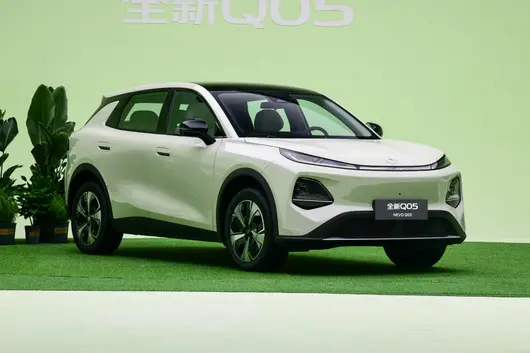
唔知有幾多朋友最近期關注 10 萬內純電 SUV 市場?近段時間睇嚟,呢個細分市場好熱鬧。就講長安啟源全新 Q05 同零跑 A10,上個月銷量分別達 15814 輛同 14372 輛,全部挺進 2026 年 4 月銷量排行全品類前 10,長安啟源全新 Q05 甚至奪得緊緊湊型純電 SUV 市場嘅銷冠。

(長安啟源全新 Q05)
值得留意係,兩款大熱門產品亮點亦唔少,9 萬級可以得到 500km+嘅續航,零跑 A10 甚至配備激光雷達,有高級智駕輔助需求嘅朋友嚟講,呢架車吸引力的確唔低。但係喺價格上,同為高配嘅長安啟源全新 Q05 506Max+ 同零跑 A10 505 激光雷達版,終端價格分別係 9.59 萬同 8.68 萬,手握 9 萬左右預算嘅朋友都可以考慮。明顯係,又去到決賽圈二揀一環節。
 (零跑 A10)
如果對預算比較敏感,咁喺長安啟源全新 Q05 同零跑 A10 之間,後者可能更受歡迎,畢竟終端價格實打實平咗幾千元。而且,高配 A10 配有激光雷達,市區/高速情況均能啟動領航輔助駕駛,呢個就係佢嘅優勢所在。當然,如果預算允許,揀長安啟源全新 Q05 高配,都有帶激光雷達嘅高級輔助駕駛。
 (長安啟源全新 Q05)
但既然係買車前嘅橫評,唔少全方位對比。首先從尺寸睇,作為緊湊型 SUV,長安啟源全新 Q05 長寬高分別係 4435*1855*1595mm,軸距為 2735mm。而零跑 A10 車型級別就係小型 SUV,長寬高分別係 4270*1810*1635mm,軸距為 2605mm。
 (零跑 A10)
如果只係考慮代步、通勤,零跑 A10 嘅細個嘅略有優勢,方便行街串巷。但實際上,好多人買車都要兼顧家用,10 萬內預算也多以剛需用車群體為主。既然係剛需,且有家用需求,嗰空間自然唔好掉鏈子。
 (長安啟源全新 Q05)
 (零跑 A10)
講返日常家庭出行嚟講,兩車之間 130mm 軸距差異,直接反映喺後排體驗。坐入長安啟源全新 Q05 後排,腿部空間平整兼寬敞,一齊坐 3 位成年人都唔會太擠;但係坐入零跑 A10 後排,無論坐寬定係腿部空間都會細少少。媽咪喺後排照顧孩子,長安啟源全新 Q05 後排更加寬敞嘅空間會更加方便佢操作,孩子都能有更大嘅活動空間。
 (長安啟源全新 Q05)
 (零跑 A10)
除咗空間,通勤黨同家庭用戶對舒適配置都比較關注。睇嚟對比,兩車都有配電動尾門、無匙進入、自適應遠近光等外部配置。但係從車廂內睇,零跑 A10 副駕無法電動調節,後排靠背都唔支援角度調節,同埋缺少後排空調出風口、車內 PM2.5 過濾裝置等。
 (長安啟源全新 Q05)
 (零跑 A10)
反觀長安啟源全新 Q05,除咗副駕支持電動調節,前排仲集成咗加熱/通風/按摩/副駕腿托功能,對比零跑 A10 只提供前排座椅加熱,佢嘅品質無疑更上一層樓。包括後排乘員都有少少照顧,例如靠背角度可調、配有後排空調出風口、後排中央扶手/杯架等,更加適合家人同行呢類場景。
 (長安啟源全新 Q05)
 (零跑 A10)
除咗舒享體驗,行駛系統嘅對比我哋都唔好忽略。首先從大家關注嘅續航睇,長安啟源全新 Q05 同零跑 A10 分別搭載 51.9kWh、53kWh 電池,CLTC 純電續航做到 506km、505km,差異大可忽略。但從電芯供應鏈睇,前者出自寧德時代,後者就係國軒高科/江蘇正力,若論品牌含金量,“寧王”順位自然靠前,更值得信賴。另外,兩車都有全球品質,按照全球嚴苛嘅標準打造,零跑 A10 符合國內、歐盟雙標準,長安啟源全新 Q05 已經喺泰國上市,未來仲會相繼落地多個國家地區,最終開拓歐洲區域,此外仲有央企背書,質量品質都好可靠。
因為本文討論嘅係 A10 嘅 505 版本,採用電池液冷技術,溫控較好,而如果係 403 版本,採用成本低嘅風冷技術,散熱效果較差。呢點上,全新 Q05 做得更好,入門就採用電池直冷技術,高配用嘅係液冷技術,能更好地實現熱管理,保證電池安全。
 (長安啟源全新 Q05)
 (零跑 A10)
動力方面,長安啟源全新 Q05 同零跑 A10 都係前置單電機佈局,電機最大動力輸出分別係 120kW/190N·m、90kW/150N·m,0-100km/h 加速時間分別做到 8.9 秒同 10.6 秒。坦率嚟講,兩款車喺純電陣營加速性能都中規中矩;但係相對嚟講,長安啟源全新 Q05 嘅 8 秒級零百加速,喺山路行駛、高速超車等情況下會比零跑 A10 更加分。
 (長安啟源全新 Q05)

(零跑 A10)
總結嚟講,零跑 A10 505 激光雷達版優勢突出:價格更低、智駕輔助覆蓋範圍更廣,適合預算優先 + 科技嘗鮮嘅消費者。而長安啟源全新 Q05 更強調“全面”二字:加少少預算同樣可以獲得高級輔助駕駛,而且尺寸更大、舒適配置更高、採用頭部電芯供應鏈,動力亦更強,綜合表現更全能。總括嚟講,預算 9 萬級追求面面俱到嘅家用體驗,長安啟源全新 Q05 506Max+ 更加值得考慮。

車型概覽

寶馬M4 值唔值得睇,第一步唔係望牌子或者外形,而係睇佢能唔能夠配合你嘅香港日常。 呢篇會集中講整體購車判斷,幫你用買家角度篩走唔適合嘅選擇。
零售價 HK$ 875,431 - 896,983、完稅價 HK$ 1,799,000 - 1,849,000 令預算位置更清楚,買家可以先估算月供、保險、泊車同日常開支。
購車價格指南
寶馬M4 嘅購車預算可以先由 零售價 HK$ 875,431 - 896,983、完稅價 HK$ 1,799,000 - 1,849,000 開始計。香港買車唔只係睇車價,月供、保險、牌費、泊車同能源成本都會影響每月壓力。
如果有幾個版本可揀,可以先將 2025 M4 Coupé M xDrive Competition(HK$ 1,799,000)、2025 M4 Convertible M xDrive Competition(HK$ 1,849,000) 放喺同一張清單。日常通勤重視舒適同易用,家庭買家就要優先睇後排、尾箱同安全配置。
核心規格重點
睇 寶馬M4 嘅規格,重點唔係背數字,而係理解佢喺香港用車場景會帶嚟咩分別。
寶馬M4 現階段最值得留意係車型定位同版本方向,詳細取捨應該等價格同規格更清楚再作決定。
優缺點分析
寶馬M4 嘅優點唔需要講到天花龍鳳,真正有價值係佢能唔能夠令日常用車更省心:預算位置清楚,方便同同級車直接比較。
要留意嘅係,最終取捨會落喺版本配置、保險同長期保養成本。呢啲唔一定係缺點,但係落訂前應該先諗清楚。
買家常見問題
買 寶馬M4 之前,真正要問嘅唔係單一規格,而係佢可唔可以融入你每日嘅生活節奏。
常見疑問係「寶馬 BMW M4 Competition 喺香港賣幾多錢?」簡單講,現時 寶馬 BMW M4 Competition (G82) 喺香港售價大約由港幣 $1,780,000 起。 放到實際用車,就係要睇佢對通勤、泊車、家庭乘坐同長期成本有幾大幫助。
同級對比內容
將 寶馬M4 放入同級車清單時,唔建議只用外形或者品牌光環決定。比較順序可以係:先用 零售價 HK$ 875,431 - 896,983、完稅價 HK$ 1,799,000 - 1,849,000 鎖定預算圈。
咁樣篩選會貼近香港買家真實生活:平日塞車、商場泊車、周末去新界、甚至一家人出入,先係一部車每日要面對嘅考驗。
用車全周期指南

擁有 寶馬M4 唔係買車一刻就完結,之後仲有保險、輪胎、保養、泊車同日常能源成本要處理。
如果你主要喺市區行,視野、低速順滑度同泊車輔助會好影響心情;如果經常行高速或跨區,座椅舒適度、隔音同動力從容感會更重要。


車型概覽

平治GLS系列 值唔值得睇,第一步唔係望牌子或者外形,而係睇佢能唔能夠配合你嘅香港日常。 呢篇會集中講每日相處是否輕鬆,幫你用買家角度篩走唔適合嘅選擇。
HK$ 744,397 令預算位置更清楚,買家可以先估算月供、保險、泊車同日常開支。
購車價格指南
平治GLS系列 嘅購車預算可以先由 HK$ 744,397 開始計。香港買車唔只係睇車價,月供、保險、牌費、泊車同能源成本都會影響每月壓力。
如果有幾個版本可揀,可以先將 2025 GLS 450 4MATIC AMG Line(HK$ 744,397) 放喺同一張清單。日常通勤重視舒適同易用,家庭買家就要優先睇後排、尾箱同安全配置。
核心規格重點
睇 平治GLS系列 嘅規格,重點唔係背數字,而係理解佢喺香港用車場景會帶嚟咩分別。
渦輪增壓+電動增壓、6 個 汽缸、2999 mL 排量 嘅動力底子,重點係市區跟車夠唔夠順、高速巡航會唔會吃力。 381 Ps / 280 kW、500 N·m 嘅輸出,對滿載、上斜同超車都比單睇馬力數字更有意思。 車長 5209 mm、車闊 2157 mm、車高 1823 mm 可以幫你預判商場停車場、屋苑車位同後排腿部空間。 手自一體(AT)、前置四駆 會影響起步順滑度、濕地穩定感同長途巡航性格。
優缺點分析
平治GLS系列 嘅優點唔需要講到天花龍鳳,真正有價值係佢能唔能夠令日常用車更省心:預算位置清楚,方便同同級車直接比較、動力輸出對高速同上斜更有底氣、空間同車身尺寸方便家庭買家預判實用性。
要留意嘅係,香港停車場同窄路使用要留意車身闊度。呢啲唔一定係缺點,但係落訂前應該先諗清楚。
買家常見問題
買 平治GLS系列 之前,真正要問嘅唔係單一規格,而係佢可唔可以融入你每日嘅生活節奏。
常見疑問係「Mercedes-Benz GLS Series 喺空間佈局上同其他 SUV 有咩分別?」簡單講,Mercedes-Benz GLS Series 被譽為「SUV 中嘅 S-Class」,全線標配三排座椅,提供極之寬敞嘅正七人座空間。與一般 SUV 不同,Mercedes-Benz GLS Series 嘅第三排座椅同樣具備電動調節功能及加熱選項,確保每一位乘客都能享有頭等艙等級嘅舒適體驗。 放到實際用車,就係要睇佢對通勤、泊車、家庭乘坐同長期成本有幾大幫助。
同級對比內容
將 平治GLS系列 放入同級車清單時,唔建議只用外形或者品牌光環決定。比較順序可以係:先用 HK$ 744,397 鎖定預算圈、再睇動力係咪足夠應付高速併線同滿載、最後睇車身大小、座位同尾箱是否適合家人。
咁樣篩選會貼近香港買家真實生活:平日塞車、商場泊車、周末去新界、甚至一家人出入,先係一部車每日要面對嘅考驗。
用車全周期指南

擁有 平治GLS系列 唔係買車一刻就完結,之後仲有保險、輪胎、保養、泊車同日常能源成本要處理。
如果你主要喺市區行,視野、低速順滑度同泊車輔助會好影響心情;如果經常行高速或跨區,座椅舒適度、隔音同動力從容感會更重要。


車型概覽

Acura ADX 值唔值得睇,第一步唔係望牌子或者外形,而係睇佢能唔能夠配合你嘅香港日常。 呢篇會集中講高速巡航、併線同超車信心,幫你用買家角度篩走唔適合嘅選擇。
售價仍待確認,買家可以先把佢放入候選名單,等價格落實後再同同級車逐項比較。
購車價格指南
Acura ADX 目前售價仍未清晰,較理性嘅做法係先睇版本、車身大小同動力形式,等價格落實後再決定值唔值得落訂。
如果有幾個版本可揀,可以先將 2026 1.5T 兩驅標準版(價格待確認)、2026 1.5T 兩驅A-Spec組合版(價格待確認)、2026 1.5T 兩驅A-Spec先進版(價格待確認)、2026 1.5T 四驅標準版(價格待確認) 放喺同一張清單。日常通勤重視舒適同易用,家庭買家就要優先睇後排、尾箱同安全配置。
核心規格重點
睇 Acura ADX 嘅規格,重點唔係背數字,而係理解佢喺香港用車場景會帶嚟咩分別。
渦輪增壓、4 個 汽缸 嘅動力底子,重點係市區跟車夠唔夠順、高速巡航會唔會吃力。 190 Ps、179 N·m 嘅輸出,對滿載、上斜同超車都比單睇馬力數字更有意思。 車長 4719 mm、車闊 1842 mm、車高 1621 mm、軸距 2654 mm 可以幫你預判商場停車場、屋苑車位同後排腿部空間。 無級變速(CVT)、前置前駆 會影響起步順滑度、濕地穩定感同長途巡航性格。
優缺點分析
Acura ADX 嘅優點唔需要講到天花龍鳳,真正有價值係佢能唔能夠令日常用車更省心:動力輸出對高速同上斜更有底氣、空間同車身尺寸方便家庭買家預判實用性。
要留意嘅係,香港停車場同窄路使用要留意車身闊度、售價未清晰前唔應該太早用性價比落結論。呢啲唔一定係缺點,但係落訂前應該先諗清楚。
買家常見問題
買 Acura ADX 之前,真正要問嘅唔係單一規格,而係佢可唔可以融入你每日嘅生活節奏。
常見疑問係「Acura ADX 用咩引擎?」簡單講,Acura ADX 通常搭載 1.5 公升四缸渦輪增壓引擎,平衡咗馬力同燃油效率。 放到實際用車,就係要睇佢對通勤、泊車、家庭乘坐同長期成本有幾大幫助。
同級對比內容
將 Acura ADX 放入同級車清單時,唔建議只用外形或者品牌光環決定。比較順序可以係:先等售價落實,再決定佢應該同邊個級距比較、再睇動力係咪足夠應付高速併線同滿載、最後睇車身大小、座位同尾箱是否適合家人。
咁樣篩選會貼近香港買家真實生活:平日塞車、商場泊車、周末去新界、甚至一家人出入,先係一部車每日要面對嘅考驗。
用車全周期指南
擁有 Acura ADX 唔係買車一刻就完結,之後仲有保險、輪胎、保養、泊車同日常能源成本要處理。
如果你主要喺市區行,視野、低速順滑度同泊車輔助會好影響心情;如果經常行高速或跨區,座椅舒適度、隔音同動力從容感會更重要。


車型概覽

平治CLA系列 BEV 值唔值得睇,第一步唔係望牌子或者外形,而係睇佢能唔能夠配合你嘅香港日常。 呢篇會集中講整體購車判斷,幫你用買家角度篩走唔適合嘅選擇。
HK$ 352,791 / HK$ 380,698 / HK$ 408,605 令預算位置更清楚,買家可以先估算月供、保險、泊車同日常開支。
購車價格指南
平治CLA系列 BEV 嘅購車預算可以先由 HK$ 352,791 / HK$ 380,698 / HK$ 408,605 開始計。香港買車唔只係睇車價,月供、保險、牌費、泊車同能源成本都會影響每月壓力。
如果有幾個版本可揀,可以先將 2026 CLA 250+ Progressive(HK$ 352,791)、2026 CLA 250+ AMG Line(HK$ 380,698)、2026 CLA 350 4MATIC AMG Line(HK$ 408,605)、2025 CLA 350 4MATIC(價格待確認) 放喺同一張清單。日常通勤重視舒適同易用,家庭買家就要優先睇後排、尾箱同安全配置。
核心規格重點
睇 平治CLA系列 BEV 嘅規格,重點唔係背數字,而係理解佢喺香港用車場景會帶嚟咩分別。
200/260 kW 嘅輸出,令高速併線同短距離超車更有信心。 車長 4723 mm、車闊 2021 mm、車高 1468 mm 可以幫你預判商場停車場、屋苑車位同後排腿部空間。 自動(AT)、後置後駆 / 雙電機四駆 會影響起步順滑度、濕地穩定感同長途巡航性格。
優缺點分析
平治CLA系列 BEV 嘅優點唔需要講到天花龍鳳,真正有價值係佢能唔能夠令日常用車更省心:預算位置清楚,方便同同級車直接比較、動力輸出對高速同上斜更有底氣、空間同車身尺寸方便家庭買家預判實用性。
要留意嘅係,要先確認屋苑、公司或常去商場嘅充電條件、香港停車場同窄路使用要留意車身闊度。呢啲唔一定係缺點,但係落訂前應該先諗清楚。
買家常見問題
買 平治CLA系列 BEV 之前,真正要問嘅唔係單一規格,而係佢可唔可以融入你每日嘅生活節奏。
常見疑問係「平治 Mercedes-Benz CLA 系列 EV 喺香港賣幾錢?」簡單講,平治 Mercedes-Benz CLA 系列 EV 喺香港嘅預售價格大約由港幣 $599,000 起。 放到實際用車,就係要睇佢對通勤、泊車、家庭乘坐同長期成本有幾大幫助。
同級對比內容
將 平治CLA系列 BEV 放入同級車清單時,唔建議只用外形或者品牌光環決定。比較順序可以係:先用 HK$ 352,791 / HK$ 380,698 / HK$ 408,605 鎖定預算圈、再睇動力係咪足夠應付高速併線同滿載、最後睇車身大小、座位同尾箱是否適合家人。
咁樣篩選會貼近香港買家真實生活:平日塞車、商場泊車、周末去新界、甚至一家人出入,先係一部車每日要面對嘅考驗。
用車全周期指南

擁有 平治CLA系列 BEV 最重要係先諗清楚充電節奏。屋苑、公司或者常去商場只要有穩定充電選項,電動化用車就會容易相處好多。
如果你主要喺市區行,視野、低速順滑度同泊車輔助會好影響心情;如果經常行高速或跨區,座椅舒適度、隔音同動力從容感會更重要。


唔知有幾多朋友最近期關注 10 萬內純電 SUV 市場?近段時間睇嚟,呢個細分市場好熱鬧。就講長安啟源全新 Q05 同零跑 A10,上個月銷量分別達 15814 輛同 14372 輛,全部挺進 2026 年 4 月銷量排行全品類前 10,長安啟源全新 Q05 甚至奪得緊緊湊型純電 SUV 市場嘅銷冠。
(長安啟源全新 Q05)
值得留意係,兩款大熱門產品亮點亦唔少,9 萬級可以得到 500km+嘅續航,零跑 A10 甚至配備激光雷達,有高級智駕輔助需求嘅朋友嚟講,呢架車吸引力的確唔低。但係喺價格上,同為高配嘅長安啟源全新 Q05 506Max+ 同零跑 A10 505 激光雷達版,終端價格分別係 9.59 萬同 8.68 萬,手握 9 萬左右預算嘅朋友都可以考慮。明顯係,又去到決賽圈二揀一環節。
(零跑 A10)
如果對預算比較敏感,咁喺長安啟源全新 Q05 同零跑 A10 之間,後者可能更受歡迎,畢竟終端價格實打實平咗幾千元。而且,高配 A10 配有激光雷達,市區/高速情況均能啟動領航輔助駕駛,呢個就係佢嘅優勢所在。當然,如果預算允許,揀長安啟源全新 Q05 高配,都有帶激光雷達嘅高級輔助駕駛。
(長安啟源全新 Q05)
但既然係買車前嘅橫評,唔少全方位對比。首先從尺寸睇,作為緊湊型 SUV,長安啟源全新 Q05 長寬高分別係 4435*1855*1595mm,軸距為 2735mm。而零跑 A10 車型級別就係小型 SUV,長寬高分別係 4270*1810*1635mm,軸距為 2605mm。
(零跑 A10)
如果只係考慮代步、通勤,零跑 A10 嘅細個嘅略有優勢,方便行街串巷。但實際上,好多人買車都要兼顧家用,10 萬內預算也多以剛需用車群體為主。既然係剛需,且有家用需求,嗰空間自然唔好掉鏈子。
(長安啟源全新 Q05)
(零跑 A10)
講返日常家庭出行嚟講,兩車之間 130mm 軸距差異,直接反映喺後排體驗。坐入長安啟源全新 Q05 後排,腿部空間平整兼寬敞,一齊坐 3 位成年人都唔會太擠;但係坐入零跑 A10 後排,無論坐寬定係腿部空間都會細少少。媽咪喺後排照顧孩子,長安啟源全新 Q05 後排更加寬敞嘅空間會更加方便佢操作,孩子都能有更大嘅活動空間。
(長安啟源全新 Q05)
(零跑 A10)
除咗空間,通勤黨同家庭用戶對舒適配置都比較關注。睇嚟對比,兩車都有配電動尾門、無匙進入、自適應遠近光等外部配置。但係從車廂內睇,零跑 A10 副駕無法電動調節,後排靠背都唔支援角度調節,同埋缺少後排空調出風口、車內 PM2.5 過濾裝置等。
(長安啟源全新 Q05)
(零跑 A10)
反觀長安啟源全新 Q05,除咗副駕支持電動調節,前排仲集成咗加熱/通風/按摩/副駕腿托功能,對比零跑 A10 只提供前排座椅加熱,佢嘅品質無疑更上一層樓。包括後排乘員都有少少照顧,例如靠背角度可調、配有後排空調出風口、後排中央扶手/杯架等,更加適合家人同行呢類場景。
(長安啟源全新 Q05)
(零跑 A10)
除咗舒享體驗,行駛系統嘅對比我哋都唔好忽略。首先從大家關注嘅續航睇,長安啟源全新 Q05 同零跑 A10 分別搭載 51.9kWh、53kWh 電池,CLTC 純電續航做到 506km、505km,差異大可忽略。但從電芯供應鏈睇,前者出自寧德時代,後者就係國軒高科/江蘇正力,若論品牌含金量,“寧王”順位自然靠前,更值得信賴。另外,兩車都有全球品質,按照全球嚴苛嘅標準打造,零跑 A10 符合國內、歐盟雙標準,長安啟源全新 Q05 已經喺泰國上市,未來仲會相繼落地多個國家地區,最終開拓歐洲區域,此外仲有央企背書,質量品質都好可靠。
因為本文討論嘅係 A10 嘅 505 版本,採用電池液冷技術,溫控較好,而如果係 403 版本,採用成本低嘅風冷技術,散熱效果較差。呢點上,全新 Q05 做得更好,入門就採用電池直冷技術,高配用嘅係液冷技術,能更好地實現熱管理,保證電池安全。
(長安啟源全新 Q05)
(零跑 A10)
動力方面,長安啟源全新 Q05 同零跑 A10 都係前置單電機佈局,電機最大動力輸出分別係 120kW/190N·m、90kW/150N·m,0-100km/h 加速時間分別做到 8.9 秒同 10.6 秒。坦率嚟講,兩款車喺純電陣營加速性能都中規中矩;但係相對嚟講,長安啟源全新 Q05 嘅 8 秒級零百加速,喺山路行駛、高速超車等情況下會比零跑 A10 更加分。
(長安啟源全新 Q05)
(零跑 A10)
總結嚟講,零跑 A10 505 激光雷達版優勢突出:價格更低、智駕輔助覆蓋範圍更廣,適合預算優先 + 科技嘗鮮嘅消費者。而長安啟源全新 Q05 更強調“全面”二字:加少少預算同樣可以獲得高級輔助駕駛,而且尺寸更大、舒適配置更高、採用頭部電芯供應鏈,動力亦更強,綜合表現更全能。總括嚟講,預算 9 萬級追求面面俱到嘅家用體驗,長安啟源全新 Q05 506Max+ 更加值得考慮。

Have you ever seen the roads in India?
I've seen them online.
The scene is usually like this: a sedan blocked behind a cow, motorcycles running wild nearby, even milk tea vendors nearby, so "clean and hygienic".

However, in a place where many feel physically uncomfortable after watching, Toyota, Suzuki, Honda and other Japanese car companies decided to bet on India.
According to the Indian "Brand Quality Foundation" website, the three car companies will invest nearly $11 billion to build factories, increase capacity, and develop exports in India.
Some netizens commented: Did the three Japanese car companies have too much money?
In fact, they didn't have endless money to spend, nor were they bewildered by Indian curry. These Japanese car executives are much clearer than us.
Current Japanese car revenue and market share are declining. Raw material costs are soaring. Looking at the world map, finding a market that can accommodate capacity, expand share, and has gentle competition is not easy.
So, it wasn't that Japanese car companies chose India, but because they had no choice.
The Pain of Japanese Car Companies
Past Japanese cars were truly the envy of others.
Ask old drivers who drove Japanese cars over ten years ago, talking about Japanese cars, almost no one doesn't give a thumbs up, cheap price, fuel saving, durable...
Even many Japanese cars needed to be bought at a markup, but who would think this iron fortress would be beaten out of sight in a few short years.
With the wave of new energy vehicles coming, electrification and intelligence became the goal for many domestic car companies to "leapfrog". Relying on China's strong new energy vehicle industry chain advantages and car companies' own persistence on R&D and technology, Chinese independent brands quickly achieved "leapfrogging".
Domestic cars once criticized are now becoming more and more common on the roads, even surpassing joint ventures in share.
According to CPCA data, in April 2026, the share of independent brands reached as high as 62.5%, far exceeding Japan's 13.1%.

You need to know, the Chinese car market is the largest car market in the world. Losing speed in the Chinese market is like losing a huge piece of cake.
Meanwhile, the main theme of the Chinese market in recent years is still price wars. Racing on configuration, price, and service has become a normal state, which also had a huge impact on Japanese cars' profits.
Apart from China, Japanese cars are also not doing well in the US.
On January 20, 2025, Trump swore in as the 47th US President, starting a series of chaotic operations, including imposing additional car tariffs in the name of national security, causing the tariff rate for imported Japanese cars to reach as high as 27.5% at one point. Although it decreased later, it was still far higher than the initial tax rate.
This operation directly led to a tariff loss of over 2 trillion yen for seven Japanese car companies in fiscal year 2025.
Looking at Japan itself, it is actually not easy either.
Middle East geopolitical conflicts blocked shipping in the Strait of Hormuz, transportation costs and raw material costs soared, Japanese car companies also had to suffer in silence.

Executives looking at the reports, their backs went cold, only to find a new growth curve.
So, Japanese car companies didn't fall in love with India, there was nowhere else to go.
Deep Thought on Choosing India
So, what magic does India have, to make Japanese car companies invest heavily?
The first advantage is big. In 2025, the Indian car market achieved 5.517 million new car sales, up 6% year-on-year, breaking the historical record, ranking as the third largest car market in the world, exceeding Japan for four consecutive years, second only to China and the United States.
The value of this doesn't need me to say much. India achieved this result mainly because India has been promoting tax reduction policies to promote consumption, which led to a significant increase in domestic consumption willingness.
The second advantage is close, meaning it is close to places where Japanese cars sell well, such as Africa.
So, India for Japanese car companies is more like a convenience store built in the center of a crossroad. You don't need to ship cars to eight countries separately, just build well at this stop in India, then unload ship by ship, and you can save a lot of costs.

The Nikkei also believes that India is expected to become its global car supply center.
The third advantage is stability. You know, Japanese cars' advantage is fuel cars, after all, the three major components of engines, gearboxes, and chassis, they have played for many years, technology accumulation is number one in the world.
But the Chinese car market has fully promoted electrification and intelligence development, leading to Japanese cars' advantage becoming weaker and weaker, impossible to play out. But India is different, it has the characteristics of few charging piles and slow electrification process. Indian old people buying cars still look for cheap, fuel saving, easy to fix, and these three points are exactly Japanese cars' old trade.
Especially Suzuki, always been India's car market evergreen, almost always sitting on the best-selling model throne, reputation of being worry-free, better than any advertisement.
So, Japanese car companies' vigorous layout of the Indian market is obviously carefully considered.
But, is the Indian market really that easy to mix?
The Hard-to-Bite Indian Market
Of course, India is not perfect like a hot commodity, its disadvantages are as obvious as its advantages, and every one is enough for Japanese car companies to face a hard time.
First talk about electrification. Yes, right now India has few charging piles and electric cars don't sell well, it is indeed a shelter for Japanese fuel cars. But you have to think, how long can this "shelter" avoid?
India previously shouted the slogan of 30% of new cars being electric vehicles by 2030. Although it sounds like bragging, but can't help but they really give subsidies, really build charging stations.
Imagine, what if one day India suddenly wakes up, starts vigorously promoting electrification, doing infrastructure, charging piles popping out like mushrooms after rain, then Japanese cars will be dumbfounded?
Isn't this a version of the Thai market?
Back then Japanese cars in Thailand won easily. The entire Southeast Asian market was called Japanese cars' backyard. Result Thailand took the lead in promoting electrification. Chinese electric vehicles came in, directly became a hot commodity. Look at Japanese cars again, share in Thailand falling down rapidly.

If India accelerates electrification, history will likely repeat, and this time, Japanese cars don't even have a place to flee, how to prevent will become the first problem for Japanese car companies.
Next talk about policy. India's policy is like a pot of curry, you never know if you will eat chicken or potato next time.
This magical country, today low tariff encourages building factories, tomorrow may fine you a huge amount. What's more annoying is mandatory joint venture. Foreign car companies want to sell cars in India, have to find local partners to partner up. When your factory is built, supply chain is done, India directly backstabs you. At that time whether adding money or withdrawing capital, what you get is heartache.
So you see, this market like India is like a mango that looks very sweet, bite the first mouth it's okay, chew two more mouths hit the hard core.
Japanese cars now is calculating, while the core hasn't bit the tooth, hurry up to nibble a few more mouths, but the core will bite sooner or later, just don't know which day.
Epilogue
Japanese cars this trip to India, not go for tourism, is go to make a living.
Chinese and Southeast Asian dining tables are more crowded, production and transportation costs have risen. Looking around the world, only this pot in India is still steaming, even if what is boiling inside is curry-flavored stones, have to bite hard and chew down.
Japanese car companies want to expand market, India wants to pull economy, solve employment, both sides have their own thoughts.
As for the ending is Japanese cars in India regain their glory, or like past competitors shamefully walk away, then is not known.
But no matter how, this play just started, we slowly watch is okay.
Anyway India's story, never bored.

In May, China's automotive market overall presented a gentle recovery trend, with domestic brands still being the sales backbone of the market. Recently, BYD, Geely, Chery, Changan, and Great Wall, the top 5 domestic automakers, successively released their monthly performance reports. From the data, these five companies show a general characteristic of "stable total growth, divergence between domestic and international markets, and accelerated new energy penetration". Overseas exports and new energy vehicles have become the most core growth engines; export business has evolved from a "bonus item" to the "core foundation" for some companies. BYD's "dominant leader" status is further consolidated, Chery achieved high growth via exports, Geely's new energy penetration rate broke 56%, Changan focused steadily on balanced development, while Great Wall appeared slightly under pressure during structural transformation.
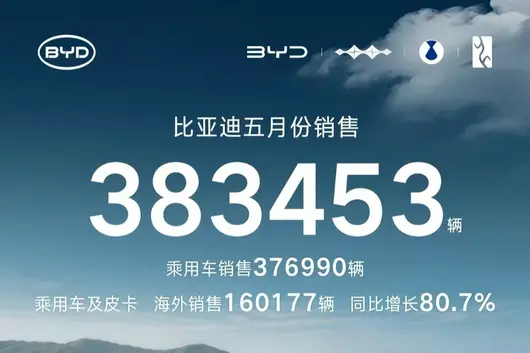
BYD: Export Hits New High Becomes Biggest HighlightIn May, BYD stood firmly at the top of domestic brands with a monthly sales volume of 383,500 vehicles, maintaining positive growth both year-on-year and month-over-month under a large base. Its two main brands, Dynasty and Ocean, sold a combined 330,200 vehicles, contributing 86.1% of total sales; Fangchengbao's monthly sales broke 30,000 units to reach 30,200, a year-on-year increase of 139.7%, setting a new high for the year; Denza sold 16,300 vehicles, and Yangwang delivered 286 vehicles. From a model perspective, BYD had eight models in May with monthly sales exceeding 20,000 vehicles. The Song Family and Yuan Family both broke 50,000 units, selling 51,370 and 56,691 vehicles respectively. The Sea Lion Family followed closely with 42,615 vehicles, and Seagull sales were also close to 40,000 vehicles.

BYD's biggest highlight in May was exports. Overseas new energy vehicle sales reached 160,600 units, an 80.4% year-on-year increase, accounting for about 42%. The sharp expansion of export scale effectively countered the phased weakness in domestic demand. Cumulative exports from January to May exceeded 620,000 vehicles. High export growth mainly benefited from continued ramping up of overseas factory capacity, improved ocean shipping capacity, and accelerated channel network expansion. In the domestic market, BYD promoted Megawatt Super Charging and intelligent strategies simultaneously—Megawatt charging achieved about 90% charge in 9 minutes; 20,000 super charging stations are planned to be built by 2026; all series models are available with Sky Eye B intelligent driving solutions and city navigation safety fallback plans, accelerating the popularization of high-level intelligent driving. As Gen 2 Blade Battery capacity gradually releases, the company's orders are expected to continue rising.
Chery: Sales Growth Leads the Top 5Chery Group's total sales volume in May was 247,800 vehicles, a significant year-on-year increase of 20.5%, ranking first in growth speed among the top 5. Exports remained its most core growth engine—May exports reached 181,900 vehicles, an 80.5% year-on-year increase, accounting for 73.4% of total sales that month, continuously breaking the single-month export record for Chinese brands for three months. In terms of new energy, Chery New Energy sold 100,300 vehicles, a 58.8% year-on-year increase. April and May consecutively saw monthly new energy sales breaking 100,000 vehicles.

The strong performance in exports benefited from Chery's long-term deep cultivation of overseas channel advantages and localized operation capabilities. While overseas orders continued to rise, high export growth formed a sharp contrast with domestic sales—Chery's domestic sales in May were only 60,000 vehicles, accounting for one-quarter of total sales. From cumulative data, Chery Group accumulated 1.101 million sales from January to May, but against the annual goal of 3.2 million vehicles, monthly averages need to reach about 420,000 vehicles later, and pressure remains significant.
Geely: New Energy Penetration Rate Breaks 56%Geely Auto's total sales volume in May was 237,600 vehicles, a 1% year-on-year increase, achieving month-over-month double growth for three consecutive months. In terms of structure, Geely's "New Four Transformations" transformation showed significant results: new energy vehicle sales reached 133,400 units, accounting for 56% of total sales, with new energy share exceeding 50% for four consecutive months.

From sub-brands, performance was significantly divergent. Zeekr brand sales in May reached 34,400 vehicles, a 82% year-on-year increase; Zeekr 9 Series and 8 Series models combined sales approached 50% of total sales, showing bright performance in the high-end market; Galaxy brand sales were 81,700 vehicles; Geely brand sales were 182,500 vehicles, among which China Star Series sales reached 100,800 vehicles; Lynk & Co brand sales were 20,700 vehicles, with new energy vehicle sales share rising to 71%.
In terms of exports, Geely's overseas vehicle exports in May reached 85,100 vehicles, a explosive 184% year-on-year increase, setting a brand single-month export record high. Among exported products, new energy vehicles reached 40,800 units, accounting for nearly half; hybrid and pure electric products have successively landed in Southeast Asia, Middle East, Latin America, and other markets, highlighting the results of global strategy implementation.
Changan: Multi-brand Matrix Balanced EffortChangan Auto's delivery volume in May was 209,100 vehicles, among which new energy deliveries were 92,400 vehicles, a 5.8% year-on-year increase, with new energy share about 44%. In terms of exports, overseas deliveries reached 70,700 vehicles, a 38% year-on-year increase, becoming another major growth highlight for Changan in May.
In the sub-brand matrix, Changan Qiyuan delivered 34,500 vehicles in May; All-New Q05 delivered 15,800 units, with orders breaking 3,000 units within three days of listing in Thailand; Deepal sales in May were 33,200 vehicles, a 30% year-on-year increase; January to May overseas cumulative sales were 28,700 vehicles, a significant 167% year-on-year increase; Avatr delivered 7,336 vehicles in May; Changan Auto (Gravity) delivered nearly 49,000 vehicles in May.

Changan Auto's balanced layout was fully reflected in May: the fuel car base remained stable, new energy brands Deepal and Qiyuan accelerated volume growth, high-end brand Avatr continued to break through in technical cooperation, and overseas markets simultaneously achieved breakthrough growth. The pattern of five brands working together, driven by both new energy and exports, is initially taking shape.
Great Wall: Overseas Sales Growth Year-on-Year 46.75%Great Wall Motor's sales in May were 100,400 vehicles, slightly down compared to last May's 102,200 vehicles, making it the only company among the top 5 to show a year-on-year negative growth. From sub-brands, Haval brand sales in May were 55,500 vehicles, remaining Great Wall's most important sales pillar; Tank brand sales were 17,100 vehicles; both Haval and Tank brand sales showed year-on-year declines; Wey brand sold 8,119 vehicles, a 31.78% year-on-year increase, achieving growth against the trend; Ora brand performance was most stunning, with sales of 6,018 vehicles, a significant 206.88% year-on-year increase. In terms of new energy, Great Wall sold 30,400 new energy vehicles in May, with new energy vehicle transformation gradually accelerating.

The overseas market became Great Wall's biggest highlight in May, with overseas sales growing 46.75% year-on-year. Against the background of pressure on the domestic market, strong growth in overseas business effectively made up for the decline in the domestic market. Great Wall Motor's current core contradiction lies in: Haval and Tank, the two traditional main-selling brands, face weak growth, while Wey and Ora brands, although growing notably, have relatively small volume and are not yet enough to support overall growth. How to complete the "relay" between old and new brands is the key issue Great Wall must solve subsequently.
Final ThoughtsFrom May data, the growth pattern of the top 5 domestic brands has clearly diverged, but there are three common trends worth noting: First, exports have become a key engine for domestic brands to seek stability and growth. Second, new energy transformation is still accelerating, but paths differ among enterprises. Third, technological innovation continues to deepen brand moats. Looking ahead to the second half of the year, competition in the automotive industry will continue to upgrade around these three trends. Although everyone has a common direction, these three trends are all competing for the entire enterprise's industrial chain strength, and the strong will remain strong, which has almost become an inevitable outcome.

6 月 9 日,比亞迪召開 2025 年度股東大會。董事會主席兼總裁王傳福的演講內容亦涵蓋了短期業績、技術研發、智能駕駛、海外戰略及長期目標等多個範疇。

「今年一季度,新能源車經歷了至暗時刻。」
2026 年 1 月開始新能源車購置稅政策減半,導致去年底需求前置,新能源乘用車零售滲透率大幅下降。比亞迪只做新能源車,難免受到影響。
「最壞的時刻已經過去了。」
隨著 3 月發布二代刀片電池和閃充技術,比亞迪訂單開始回升,5 月銷量已經開始轉正,年底經營現金流有望逐步恢復到較好水平。
「今年的銷量取決於電池的產能。」
二代刀片電池產能還是不夠,目前正在以每月兩萬到三萬的增量在爬坡。明年我們的產能完成爬坡以後,相信將在全球兩個市場同時發力。
二、關於長期目標:五年做到全球第一「五年以後,比亞迪在規模上,能夠做到真正的全球第一。」
未來三到五年,比亞迪仍將保持持續增長。憑藉二代刀片電池、閃充技術以及明後年推出的新技術,國內、國外有望實現雙輪驅動,形成良性互動,讓中國的技術走向全球。
三、關於技術理念與閃充開放「汽車行業曾經充斥著各種花巧虛榮的流量,但實際上汽車是涉及安全的交通工具。」
少一些套路、少一些花巧,回到本源,做好技術和產品,才能獲得中高端消費者認可。
「比亞迪不會把閃充技術‘據為己有’。」
充電樁上不打比亞迪 Logo,閃充生態將服務所有汽車品牌和所有消費者。好的技術除了為比亞迪服務,更要為整個行業服務。而與中國石化的合作,將極大推動閃充技術的擴張。
四、關於智能化與 L3 準備「整車智能就是具身智能。」
比亞迪已經有 315 萬台智駕車型在全球落地,每天產生超過 2 億公里智駕相關行駛數據,智能駕駛研發工程師規模超過 5000 人。未來累計投入將超 1000 億。
「未來 L3、L4 一定會提前落地。」
比亞迪已經在晶片(4 納米的智駕晶片璇玑 A3 不久前剛發布)、演算法、數據、生態等方面做好充足準備,包括在歐洲、南美洲、東南亞、中東等地區的訓練中心都已做好準備。一旦法規落地,比亞迪就將推出全系列的、符合 L3 要求的产品。
五、關於全球化與海外市場「我們年初設定的 2026 年海外銷量目標是 150 萬輛,現在預計應該會超越這個目標。」
以比亞迪為代表的中國車企在產品競爭力、價格、體驗和技術上,已經超越當地很多同行。
「在海外市場一定要做好本地化。」
比亞迪在南美洲構建了以巴西為主生產基地,歐洲匈牙利工廠即將投產,東南亞泰國工廠已經投產。出口不僅要增長,還要能維持本地化服務,實現和本地共贏、共發展。
六、關於工程師文化與企業價值觀「比亞迪有 12 萬名工程師,這是公司真正的財富。」
工程師文化後繼有人,不用擔心。我每周有一半時間用於參加技術會議,與工程師交流,“在技術的海洋裡游泳”是我最感興趣的事。