首頁blogger

搜尋歷史
熱門搜尋
經銷商登入 / 註冊

車型概覽

廣汽GS4 Plus 值唔值得睇,第一步唔係望牌子或者外形,而係睇佢能唔能夠配合你嘅香港日常。 呢篇會集中講高速巡航、併線同超車信心,幫你用買家角度篩走唔適合嘅選擇。
售價仍待確認,買家可以先把佢放入候選名單,等價格落實後再同同級車逐項比較。
購車價格指南
廣汽GS4 Plus 目前售價仍未清晰,較理性嘅做法係先睇版本、車身大小同動力形式,等價格落實後再決定值唔值得落訂。
如果有幾個版本可揀,可以先將 2023 2.0T 自動版(價格待確認) 放喺同一張清單。日常通勤重視舒適同易用,家庭買家就要優先睇後排、尾箱同安全配置。
核心規格重點
睇 廣汽GS4 Plus 嘅規格,重點唔係背數字,而係理解佢喺香港用車場景會帶嚟咩分別。
渦輪增壓、4 個 汽缸、1991 mL 排量 嘅動力底子,重點係市區跟車夠唔夠順、高速巡航會唔會吃力。 252 Ps / 185 kW、390 N·m 嘅輸出,對滿載、上斜同超車都比單睇馬力數字更有意思。 車長 4710 mm、車闊 1885 mm、車高 1726 mm、軸距 2710 mm 可以幫你預判商場停車場、屋苑車位同後排腿部空間。 自動(AT)、前置前駆 會影響起步順滑度、濕地穩定感同長途巡航性格。
優缺點分析
廣汽GS4 Plus 嘅優點唔需要講到天花龍鳳,真正有價值係佢能唔能夠令日常用車更省心:動力輸出對高速同上斜更有底氣、空間同車身尺寸方便家庭買家預判實用性。
要留意嘅係,香港停車場同窄路使用要留意車身闊度、售價未清晰前唔應該太早用性價比落結論。呢啲唔一定係缺點,但係落訂前應該先諗清楚。
買家常見問題
買 廣汽GS4 Plus 之前,真正要問嘅唔係單一規格,而係佢可唔可以融入你每日嘅生活節奏。
常見疑問係「廣汽 GAC GS4 Plus 同 GS4 有咩分別?」簡單講,廣汽 GAC GS4 Plus 尺寸更大,動力亦都更加強勁。 放到實際用車,就係要睇佢對通勤、泊車、家庭乘坐同長期成本有幾大幫助。
同級對比內容
將 廣汽GS4 Plus 放入同級車清單時,唔建議只用外形或者品牌光環決定。比較順序可以係:先等售價落實,再決定佢應該同邊個級距比較、再睇動力係咪足夠應付高速併線同滿載、最後睇車身大小、座位同尾箱是否適合家人。
咁樣篩選會貼近香港買家真實生活:平日塞車、商場泊車、周末去新界、甚至一家人出入,先係一部車每日要面對嘅考驗。
用車全周期指南
擁有 廣汽GS4 Plus 唔係買車一刻就完結,之後仲有保險、輪胎、保養、泊車同日常能源成本要處理。
如果你主要喺市區行,視野、低速順滑度同泊車輔助會好影響心情;如果經常行高速或跨區,座椅舒適度、隔音同動力從容感會更重要。


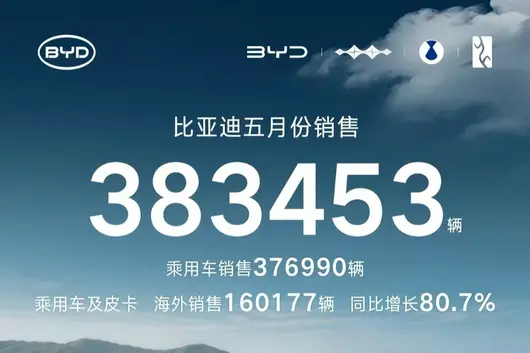
BYD officially released the May 2026 production and sales flash report, with new energy vehicles from all brands reaching a monthly sales volume of 383,453 vehicles, a slight increase of 0.26% year-on-year, achieving year-on-year positive growth in monthly sales after ten months; among them, passenger car deliveries reached 376,990 units, surging 19.4% month-on-month, wiping out the pain of previous model iterations, presenting a new pattern where the domestic base is stable, overseas sales are soaring, and high-end brands are scaling up across the board. Amidst the market environment of intensified competition in the domestic new energy sector, Tesla FSD entering China, and an intense launch of independent new products, it has forged a unique structural growth path.

The Dynasty and Ocean main brands combined sold 330,215 vehicles in May, accounting for over 80% of the group's total sales, remaining the stabilizer for BYD's sales volume. The full series had 8 models exceeding 20,000 units in monthly sales, covering products from 50,000 entry-level commuter to 200,000 home SUV.

Inside the Dynasty Network, the Yuan family sold 56,691 units, and the Song family 51,370 units. Both crossed the 50,000 threshold, becoming two major sales pillars for the brand, catering to home commuter and urban-rural travel needs; the Qin family followed closely with a stable performance of 28,360 units. The Han and Tang series maintained a volume in the six-thousand range, deeply cultivating the mid-to-large home sedan and SUV niche markets; the brand new model Xia is in the market cultivation phase, delivering 1,810 units monthly, with potential for steady volume growth as channels expand.
The Ocean Network's growth momentum is even more rapid, with 5 models entering the 20,000 club across the series: Sealion 42,615 units, Seal 34,117 units, Seagull 39,919 units, Dolphin 22,260 units, and Song PLUS 27,755 units. Among them, Seagull remains the best-selling entry-level commuter model thanks to its affordable pricing of 60,000-80,000. Sealion, as a new volume model, stands firm at the 40,000 level upon launch, filling the mid-size SUV product gap in the Ocean Network and perfecting the Ocean product tier layout. From commuter small cars to compact SUVs, the two main brands rely on DM-i hybrid and pure electric dual-line technologies to牢牢锁住 the mainstream home market share within 150,000 domestically.
Fang Cheng Bao Year-on-Year Surges 139.7%, Brand Upward Positioning Takes EffectThe high-end matrix of Denza, Fang Cheng Bao, and Yangwang sold a combined 46,489 vehicles in May, officially breaking away from the niche positioning to become a new pivot for BYD's brand premium and profit growth, breaking the industry curse of difficulty in high-end breakthrough for domestic brands.

The off-road brand Fang Cheng Bao sold 30,186 units monthly, surging 139.7% year-on-year, creating a new high in monthly sales since the brand launched. Its Titanium 7 model sold 18,280 units monthly, while Leopard 5 and Leopard 8 output remained stable, continuously squeezing the survival space for joint venture and imported models in the 250,000-400,000 hardcore off-road niche market.

Denza delivered 16,303 units in May, with the MPV benchmark D9 selling 6,721 units, and the Z9 series close to 6,000 units. MPV and mid-to-large sedan dual-line efforts helped them stand firm in the luxury new energy track; the million-level ultra-luxury brand Yangwang continued its steady climb, delivering 286 units that month, a year-on-year increase of 105.8%, completing market verification of the domestic brand ceiling product and forming a full price range product layout from 100,000+ home, 300,000-400,000 off-road, 500,000 luxury MPV to million-level flagship.

In May, BYD's overseas sales of passenger cars and pickup trucks reached 160,177 units, surging 80.7% year-on-year. Exports accounted for over 42% of the full series total sales, setting a new historical high for brand export and becoming the core driving force to stabilize May overall sales and achieve year-on-year positive growth.
Southeast Asia, Europe, and Latin America became the main incremental markets. Seagull, Song PLUS, and Yuan series continued to top new energy best-seller lists in multiple countries; the SHARK pickup truck exceeded 4,000 units in monthly exports for two consecutive months. Relying on the completion of localization production in Thailand, Brazil, Hungary, and Uzbekistan with four overseas vehicle factories, localized production continues to land, avoiding tariffs while rapidly penetrating terminal channels. Against the background of stock market competition in the domestic auto industry and normalized price wars, the rapidly expanding overseas market effectively counteracts sales volatility brought by domestic model iterations, officially upgrading from a supplementary market to BYD's core growth engine. As of now, BYD's global cumulative new energy vehicle sales have exceeded 16.5 million units, with the globalization map continuously broadening.
Intelligent Driving Empowers Product Iteration, H2 New Products Prepare to Surge VolumeMay marked a key node in BYD's intelligent driving landing, with the God's Eye intelligent driving system becoming a core bonus point for models: the number of vehicles with advanced intelligent driving across all brands exceeded 3.15 million, with daily road test data exceeding 200 million kilometers; that month, BYD implemented City Pilot and Smart Parking dual safety backup services, becoming the world's first auto manufacturer to achieve dual intelligent driving backups. Three days after policy implementation, the activation rate of models equipped with the God's Eye system in cities surged 50%. Intelligent driving experience upgrades directly drove in-store order conversion, solidifying product competitiveness for subsequent models to continue volume sales, and facing the intelligent driving market shock brought by FSD entering China.
From data details, BYD's cumulative sales from January to May 2026 were 1,405,039 units, down 20.32% year-on-year. The core reason is that the full series of main models were concentratedly iterated, and the capacity ramp-up of the 2nd Gen Fast Charge Blade Battery was restricted. The new Flash Charge Battery upgraded fast charging and low-temperature performance. Full series iteration models prioritized installing new batteries, but production line retrofitting dragged down capacity release. Order backlogs on popular models and delayed deliveries compressed the May delivery volume to a certain extent.
As the end of the second quarter approaches and the 2nd Gen Blade Battery capacity continues to release, coupled with new models such as Denza N8L, Fang Cheng Bao Titanium 7 Pure Electric Version, Sealion 05, and Xia L landing the market, the industry generally predicts that BYD's full brand sales in June are expected to exceed 400,000 vehicles. Relying on the four-dimension development logic of low-end volume locking share, high-end raising profit, overseas pushing volume, and intelligence improving product power, amidst the intensified new energy elimination round in the domestic market, BYD's full category layout advantage continues to amplify, securing its status as the domestic new energy leader, accelerating steadily towards global top auto manufacturers.
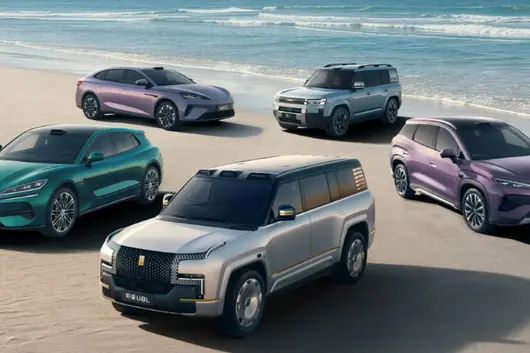

Recently, BYD launched a panel van based on the Dolphin in the UK, named DolphinCargoe-Van. The local price is 29,300 pounds, roughly 264,000 RMB, and pre-orders have now opened at authorized BYD stores in the UK.
This vehicle is modified from the familiar home-use Dolphin. BYD removes the rear seats and adds a metal partition behind the front row. The modified vehicle offers a loading capacity of 1,093 liters and also provides 47 liters of hidden storage space, transforming the original passenger car into a light commercial vehicle. That is to say, it is the "Cargo Version Dolphin", specifically targeting light logistics markets such as urban distribution, express delivery, repair services, etc.

Max length 1.25 meters, max width 1.16 meters, width between wheel arches about 1.02 meters, height 0.71 meters. A 47-liter small compartment is also hidden under the floor. The floor has been treated for wear resistance. The rear of the vehicle offers two choices: enclosed baffle or retaining the window, making it convenient for different merchants to select as needed.

Regarding power, the new car continues to adopt the Dolphin's power system, equipped with a 60.4kWh Blade Battery and a 204 horsepower motor. The combined range can reach 426 kilometers, and the urban driving range can reach up to about 558 kilometers.
In terms of configuration, the vehicle comes standard with seat heating, steering wheel heating, 360-degree panoramic vision, and 220V external discharge functionality, allowing direct connection of electrical equipment for repairs or street vending.
The new car is marketed in the UK, an important step for BYD to complete its European product layout, filling the passenger and light commercial vehicle product lines. Overall, the launch performance needs market validation, and it is expected to be promoted to other European countries in the future.
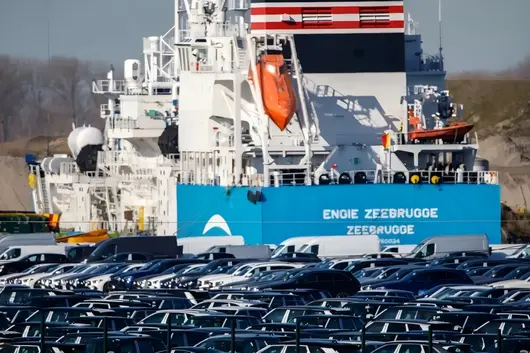
BYD's strategy this year is to go global and target international markets. In May, BYD sold a total of 160,600 vehicles overseas, an increase of 80.7% year-on-year. Overseas sales accounted for more than 42% of total sales, and BYD's Ro-Ro ships are nearly insufficient. Recently, BYD sold the Denza Z9GT to Europe, making a grand impression.
BYD has already built or plans to build factories in countries such as Brazil, Thailand, Uzbekistan, Turkey, and Hungary. Ultimately, going global, having a solid product is the first step, but it is just the first step. If every subsequent step is taken firmly, then more and more foreigners who are "hooked" on domestic cars, or even "obsessed", will become more numerous.

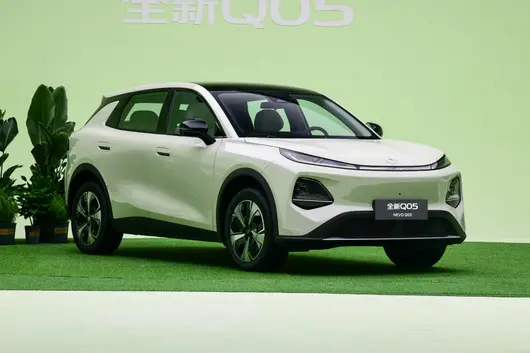
唔知有幾多朋友最近期關注 10 萬內純電 SUV 市場?近段時間睇嚟,呢個細分市場好熱鬧。就講長安啟源全新 Q05 同零跑 A10,上個月銷量分別達 15814 輛同 14372 輛,全部挺進 2026 年 4 月銷量排行全品類前 10,長安啟源全新 Q05 甚至奪得緊緊湊型純電 SUV 市場嘅銷冠。

(長安啟源全新 Q05)
值得留意係,兩款大熱門產品亮點亦唔少,9 萬級可以得到 500km+嘅續航,零跑 A10 甚至配備激光雷達,有高級智駕輔助需求嘅朋友嚟講,呢架車吸引力的確唔低。但係喺價格上,同為高配嘅長安啟源全新 Q05 506Max+ 同零跑 A10 505 激光雷達版,終端價格分別係 9.59 萬同 8.68 萬,手握 9 萬左右預算嘅朋友都可以考慮。明顯係,又去到決賽圈二揀一環節。
 (零跑 A10)
如果對預算比較敏感,咁喺長安啟源全新 Q05 同零跑 A10 之間,後者可能更受歡迎,畢竟終端價格實打實平咗幾千元。而且,高配 A10 配有激光雷達,市區/高速情況均能啟動領航輔助駕駛,呢個就係佢嘅優勢所在。當然,如果預算允許,揀長安啟源全新 Q05 高配,都有帶激光雷達嘅高級輔助駕駛。
 (長安啟源全新 Q05)
但既然係買車前嘅橫評,唔少全方位對比。首先從尺寸睇,作為緊湊型 SUV,長安啟源全新 Q05 長寬高分別係 4435*1855*1595mm,軸距為 2735mm。而零跑 A10 車型級別就係小型 SUV,長寬高分別係 4270*1810*1635mm,軸距為 2605mm。
 (零跑 A10)
如果只係考慮代步、通勤,零跑 A10 嘅細個嘅略有優勢,方便行街串巷。但實際上,好多人買車都要兼顧家用,10 萬內預算也多以剛需用車群體為主。既然係剛需,且有家用需求,嗰空間自然唔好掉鏈子。
 (長安啟源全新 Q05)
 (零跑 A10)
講返日常家庭出行嚟講,兩車之間 130mm 軸距差異,直接反映喺後排體驗。坐入長安啟源全新 Q05 後排,腿部空間平整兼寬敞,一齊坐 3 位成年人都唔會太擠;但係坐入零跑 A10 後排,無論坐寬定係腿部空間都會細少少。媽咪喺後排照顧孩子,長安啟源全新 Q05 後排更加寬敞嘅空間會更加方便佢操作,孩子都能有更大嘅活動空間。
 (長安啟源全新 Q05)
 (零跑 A10)
除咗空間,通勤黨同家庭用戶對舒適配置都比較關注。睇嚟對比,兩車都有配電動尾門、無匙進入、自適應遠近光等外部配置。但係從車廂內睇,零跑 A10 副駕無法電動調節,後排靠背都唔支援角度調節,同埋缺少後排空調出風口、車內 PM2.5 過濾裝置等。
 (長安啟源全新 Q05)
 (零跑 A10)
反觀長安啟源全新 Q05,除咗副駕支持電動調節,前排仲集成咗加熱/通風/按摩/副駕腿托功能,對比零跑 A10 只提供前排座椅加熱,佢嘅品質無疑更上一層樓。包括後排乘員都有少少照顧,例如靠背角度可調、配有後排空調出風口、後排中央扶手/杯架等,更加適合家人同行呢類場景。
 (長安啟源全新 Q05)
 (零跑 A10)
除咗舒享體驗,行駛系統嘅對比我哋都唔好忽略。首先從大家關注嘅續航睇,長安啟源全新 Q05 同零跑 A10 分別搭載 51.9kWh、53kWh 電池,CLTC 純電續航做到 506km、505km,差異大可忽略。但從電芯供應鏈睇,前者出自寧德時代,後者就係國軒高科/江蘇正力,若論品牌含金量,“寧王”順位自然靠前,更值得信賴。另外,兩車都有全球品質,按照全球嚴苛嘅標準打造,零跑 A10 符合國內、歐盟雙標準,長安啟源全新 Q05 已經喺泰國上市,未來仲會相繼落地多個國家地區,最終開拓歐洲區域,此外仲有央企背書,質量品質都好可靠。
因為本文討論嘅係 A10 嘅 505 版本,採用電池液冷技術,溫控較好,而如果係 403 版本,採用成本低嘅風冷技術,散熱效果較差。呢點上,全新 Q05 做得更好,入門就採用電池直冷技術,高配用嘅係液冷技術,能更好地實現熱管理,保證電池安全。
 (長安啟源全新 Q05)
 (零跑 A10)
動力方面,長安啟源全新 Q05 同零跑 A10 都係前置單電機佈局,電機最大動力輸出分別係 120kW/190N·m、90kW/150N·m,0-100km/h 加速時間分別做到 8.9 秒同 10.6 秒。坦率嚟講,兩款車喺純電陣營加速性能都中規中矩;但係相對嚟講,長安啟源全新 Q05 嘅 8 秒級零百加速,喺山路行駛、高速超車等情況下會比零跑 A10 更加分。
 (長安啟源全新 Q05)

(零跑 A10)
總結嚟講,零跑 A10 505 激光雷達版優勢突出:價格更低、智駕輔助覆蓋範圍更廣,適合預算優先 + 科技嘗鮮嘅消費者。而長安啟源全新 Q05 更強調“全面”二字:加少少預算同樣可以獲得高級輔助駕駛,而且尺寸更大、舒適配置更高、採用頭部電芯供應鏈,動力亦更強,綜合表現更全能。總括嚟講,預算 9 萬級追求面面俱到嘅家用體驗,長安啟源全新 Q05 506Max+ 更加值得考慮。

Folks, today let's talk about big news on going global—not selling cars, but selling "drivers". On June 2, WeRide and Uber jointly announced a plan: to launch the country's first commercial Robotaxi pilot service in Madrid, Spain. In other words: Spanish residents will soon be able to hail a driverless taxi via Uber. This is the first time WeRide and Uber are partnering to enter the European market. Madrid also becomes the 12th city globally where WeRide's Robotaxi arrives.
According to official news, with the support of the Madrid regional government, this service will officially launch within this year. At that time, friends in Madrid can open the Uber App and call WeRide's Robotaxi with one click. It's just like calling an ordinary ride-hailing service, the difference is the arriving car has no driver—at least initially, there is still a difference. In the initial operation phase, a professionally trained safety monitor will be on board, as it's just launched, safety comes first.
This company, WeRide, you might have heard of it, or you might not. A brief introduction: Established in 2017, it has been dedicated to Robotaxi technology R&D and commercialization. Currently, its Robotaxis cover Guangzhou, Beijing, Singapore, Abu Dhabi, Dubai, Riyadh, Zurich... plus Madrid now, totaling 12 cities. Spain is also the 5th European market WeRide has entered—previously entered Switzerland, France, Belgium, Slovakia. According to the plan agreed by WeRide and Uber in May 2025, they plan to deploy Robotaxi services in 15 new international cities within five years, deploying tens of thousands of Robotaxis globally. With the Madrid launch, the deployment in 4 cities has been completed, and 11 more will be covered successively before 2030.
To be honest, it's not the first time Chinese autonomous driving companies are going global, but the combination of Chinese technology + global mobility platform + European market is quite interesting. Madrid is one of the European Robotaxi markets with the most commercial potential, with a large population, high travel demand, and friendly local policies. Being able to take root in this market is a significant milestone for WeRide. For Uber, introducing Robotaxis is also a way to reduce costs—after all, drivers don't need salaries. For Madrid residents, hailing a taxi might be cheaper in the future.


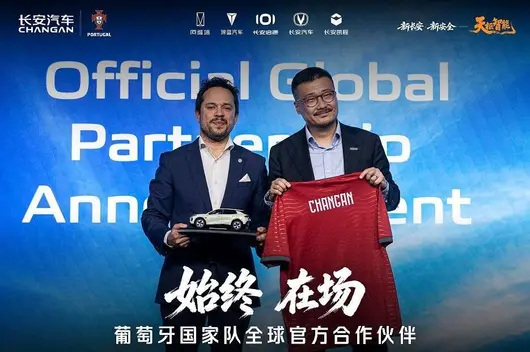
With the World Cup hype approaching, a powerful alliance crossing mountains and seas has written a new footnote in China's automotive globalization journey. Late at night on May 22 Beijing Time, Changan Automobile officially formed a global strategic partnership with the Portugal Football Association, becoming the global official partner of the Portugal National Team. This peak meeting between a Chinese car company and a top European football club is not only a cross-border resonance between sports IPs and car brands, but also a firm practice of Changan Automobile anchoring the globalization track, deeply cultivating the overseas market, and pushing China's smart manufacturing to sail the world.

With the global automotive industry competition entering a deep-water zone, the globalization of Chinese car companies has upgraded from simple product trade to a deep output of brand value and cultural concepts. As a new central enterprise card for China's automotive industry, Changan Automobile firmly promotes global layout with the strategic vision of "No Overseas, No Changan". This partnership with the Portugal National Team is precisely the key move to leverage top resources, break cognitive barriers, and achieve the leap from "product going overseas" to "value going overseas", demonstrating the hard power and grand vision of China's smart manufacturing going to the world.
Leveraging Top Football IPs to Precisely Break Overseas Brand BarriersIn the second half of globalization competition, simple product output has become difficult to break the inherent cognition of overseas markets towards Chinese brands. Changan Automobile targets football, this global common cultural language, choosing strategic cooperation with the European football powerhouse Portugal National Team, which can be described as a differentiated move to precisely break the situation. The Portugal National Team boasts world-class stars such as Cristiano Ronaldo, possessing a massive fan base in Europe, Latin America, and globally. Its top football IP's global influence and world-class value endorsement build a bridge for Changan Automobile to efficiently reach global audiences.

On the eve of the 2026 World Cup, Changan Automobile became the first Chinese car company to partner with a top European football national team. This move stepped out of traditional marketing dimensions, extending brand reach deeply into European core markets and radiation areas. At the event site, both parties jointly released the branded film "Sounds like Changan", successfully completing the first overseas delivery of the Deep Blue S05 plug-in hybrid model (PHEV) in Europe. Meanwhile, Changan Automobile also officially started the long-distance European testing of relevant PHEV models, comprehensively testing the vehicle's long range, fast charging, low energy consumption, and durability. With this opportunity, Changan Automobile not only achieved a leap in brand exposure but also used sportsmanship as a bond to break stereotypes of Chinese car brands in the overseas market, allowing global users to have a new understanding of Changan Automobile's brand value amidst the passion and struggle of football, paving the way for subsequent market deepening.
From Product Output to Value Resonance, Casting a Central Enterprise Going Overseas BenchmarkAs a new central enterprise, Changan Automobile actively responds to the national call for high-level opening up. Its globalization journey has long surpassed the primary stage of "selling cars overseas", but upgraded to a deep value fusion of "integrating locally, resonating in value". The spirit of team collaboration and never giving up contained in football highly matches Changan Automobile's persistent pursuit in technology R&D and quality polishing. Both sides joined hands to realize a peak meeting between a first-class enterprise and a first-class team.

This spiritual resonance is a vivid practice of Changan Automobile from "going out" to "going in". Relying on the advantages of the new central enterprise platform, Changan efficiently integrates global resources, with Blue Whale Supercharging Hybrid and Tianzhu Intelligent System as core technical support, creating a global product matrix combining quality and strength. In 2025, Changan's overseas sales reached 637,000 units, a year-on-year increase of 18.85%, accounting for over 20% of total sales; overseas deliveries in April 2026 surged by 69.9% year-on-year, leading the industry in growth rate. Behind the bright results lies the responsibility and commitment of Changan as a central enterprise. Changan Automobile can not only export quality products but also convey the spiritual power of Chinese brands moving upwards and towards newness, becoming a core card for China's automotive industry going global.
Deeply Cultivating Global Comprehensive Layout, Anchoring the Goal of a World-Class BrandFor Changan Automobile, signing the Portugal National Team is just an important part of its grand global landscape. Guided by the "Broad As the Sea" Plan 2.0, Changan adheres to the four major principles of "Long-term, Localization, Systematic, ESG Construction Integration", building a "152" global layout, promoting the transformation of globalization from a product trade-dominated model to a comprehensive model covering manufacturing, trade, investment, service, and ESG construction.

In terms of market and capacity layout, Changan's global sales network covers 118 countries and regions, with 1,124 overseas sales outlets; 22 overseas manufacturing bases have been built, with the Thailand Rayong New Energy Factory and Brazil Factory successively putting into production, adapting to local needs locally and practicing the concept of "In the Local, For the Local". At the product level, 41 car models have been launched cumulatively, covering fuel, pure electric, and plug-in hybrid categories. Deep Blue S05 and other models have been exported to Europe in batches, gaining widespread recognition from the international market.
 Zoom In
Looking towards the future, Changan's goal is clear and firm: By 2030, overseas sales will double to 1.5 million units, striving for 1.8 million units, aiming to rank among the global automotive brand TOP10, and enter the regional world brand TOP5 in the Europe and Asia market. From the green field to the global track, Changan Automobile, with an open posture, central enterprise responsibility, and pragmatic courage, continues to broaden the boundaries of Chinese cars going overseas, letting the figure of China's smart manufacturing gallop globally, and letting the strength of Chinese cars resonate across the world. (End)

2026 年,中國新能源汽車市場正式告別野蠻生長嘅增量時代。無休止嘅價格內捲、同質化嘅配置堆疊、日益收緊嘅行業利潤,令無數車企陷入兩難:跟風減價就損及盈利,固守產品則被市場淘汰。行業淘汰賽愈演愈烈,所有玩家都在尋找適應自身嘅生存法則。

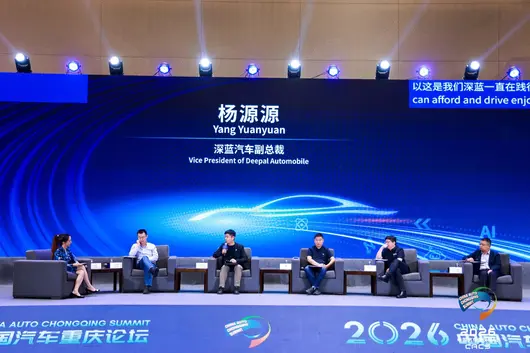
6 月 13 日,喺 2026 中國汽車重慶論壇由買車網 Buycar 承辦嘅《市場蛻變——中國汽車市場競爭格局重塑》腦力激盪上,深藍汽車副總裁楊源源講:「今年市場最超出預期嘅變化,係消費者嘅覺醒。中國汽車消費者越來越理性、越來越成熟,唔再似過往咁簡單睇堆料、睇參數來揀車,而係認認真真思考每一分錢花得值唔值。」
呢番話喺幾個月前,聽落可能似一種美好嘅願望。但放喺 2026 年 6 月嘅深藍身上,佢更似一份遲到嘅驗證報告。
就喺幾個月前,深藍係被唱衰聲包圍嘅典型樣本。2026 年一季,深藍銷量同比下滑超 17%,2 月甚至未直接公佈全系銷量;2025 年全年虧損 8.99 億元,近四年累計虧損逾 80 億元。同期理想、蔚來、問界均保持正增長,就連長安體系內嘅兄弟品牌啟源都喺 2 月交出環比大漲 96.3% 嘅成績單——深藍嘅掉隊顯得格外刺眼。

轉折出現喺 2026 年 3 月。深藍以 31742 輛、環比大漲 87.8% 嘅成績迅速逆轉局面,此後連續三個月守住「月銷 3 萬 +」門檻。1-5 月累計銷量 130531 輛,同比增長 15%,全球累計交付突破 85 萬輛。呢場逆襲嘅核心驅動因素,恰恰印證咗楊源源喺論壇上嘅判斷。
第一個驅動因素係深藍 S05。呢款緊湊型 SUV 喺 10 萬至 15 萬元嘅核心戰場搵到精準嘅平衡點:620km CLTC 續航、全系標配 3C 超充、2880mm 長軸距。4 月全球銷量 17269 輛,同比增長 96.1%,上市以來累計銷量超 22 萬輛。消費者用訂單證明:喺呢個價位段,佢哋要嘅唔係平,而係抵。

第二個驅動因素係深藍 S07 嘅智能化升級。 6 月 13 日,全新深藍 S07 增程版上市,限時權益價 15.49 萬元起,搭載華為乾崑智駕 ADS Pro,首次將高級智駕下放喺呢個價位段。以往呢啲係 30 萬級車先有嘅配置。楊源源喺論壇上特別強調咗呢個邏輯:「企業技術普惠同消費者嘅消費習慣調整,先至開始,遠未探底。」
第三個驅動因素係海外市場嘅爆發。1-5 月深藍海外累計銷量 28704 輛,同比增長 167%。深藍 S05 已進入歐洲、東南亞等 66 個國家同地區,右舵版喺泰國羅勇工廠投入生產。當國內市場仲喺度爭論「價格戰定係價值戰」嘅時候,海外用戶已經用訂單投票咗。
呢三件事放埋一齊,恰好構成咗一條完整嘅邏輯鏈:消費者嘅「價值覺醒」係需求側嘅變化,企業嘅「技術平權」係供給側嘅回應。當兩樣嘢同時發生,市場就會畀出正向回饋。
喺楊源源睇嚟,消費者由「追求性價比」到「重視質價比、智價比」嘅轉變,係行業最寶貴嘅轉折點。呢啲對始終堅持長期主義、踐行技術平權嘅深藍汽車嚟講,唔係挑戰,而係千載難逢嘅發展機遇。粗放式低價內捲嘅時代落幕,靠價值、技術、體驗取勝嘅高質量競爭時代,已經到來。
而對今年下半場嘅打法,楊源源亦畀咗佢自己嘅判斷:「下半年有三場戰鬥——體驗戰、生態戰、全球戰。」體驗戰係讓客戶有更好的感受,生態戰係從買賣關係變成合作夥伴,全球戰則係「代表中國新能源汽車走向世界」。
「今年有冇全新車型上市,一啲都唔影響深藍今年嘅銷量。」楊源源講,唔同於行業多數品牌依賴新車拉動短期增量,深藍唔會盲目跟風高頻迭代新品,而係深耕存量產品、打磨產品綜合實力。依托前期產品立项、平台化架構佈局,深藍實現產品長效生命力,規避頻繁造車帶來嘅研發浪費同庫存風險,同時依托成熟主力車型攤薄成本,實現盈利同銷量雙向平衡。
喺行業整體利潤持續走低、多數車企增收唔增利嘅大環境下,唔靠新車內捲嘅深藍,依舊保持健康嘅經營狀態。

針對行業熱議嘅「淘汰賽」以及未來價值競爭主戰場,楊源源畀出深藍清晰嘅長期戰略:未來汽車唔再係簡單嘅代步工具,而係「帶輪子嘅 AI 終端」。基於呢個終極判斷,深藍將長期堅守左手全球化,右手年轻化嘅雙線戰略,構築差異化競爭壁壘。
深藍嘅目標「肯定唔係活落去,而係要成為中國新能源汽車嘅一張名片」——呢句話從一家幾個月前仲被質疑「係咪可以活落去」嘅企業口入面講出,幾多有啲反差。但也正係呢種反差,令呢場逆襲有更深嘅意味:佢唔只係深藍一家企業嘅翻盤故事,更係整個行業由「價格內捲」走向「價值競爭」嘅一個註腳。當消費者嘅覺醒同企業嘅技術普惠形成同頻共振,市場自然會畀出答案。

The 2026 North American World Cup is less than two weeks away.
As usual, the core of the discussion is whether Mbappé can defend the title, whether Messi is still playing, and who is the new king of football. But if you glance away from the pitch, you might find the supporting cast of this World Cup is the most outrageous in history.

Image source: World Cup Organizing Committee
660 official designated vehicles, a Robotaxi network covering multiple stadiums, 42 electric buses from Shandong, China, humanoid robot Atlas, quadruped robot dog Spot.....
These "supporting characters" are all car companies.
Hyundai Kia's 27-Year Marathon: Money Spent, But Not Worth ItWhen discussing the relationship between car companies and the World Cup, Hyundai Kia cannot be avoided.
In 1999, Hyundai partnered with FIFA for the first time. At the 2002 Korea-Japan World Cup, they invested about 1.5 billion euros to secure official sponsorship, resulting in a 40% surge in sales in the US market that year, and brand awareness jumping from 32% to 67%. The calculation was too attractive, so Hyundai never considered withdrawing for over 20 years since then, renewing the partnership all the way to 2030.
This World Cup, Kia provides 660 official designated vehicles to handle athlete and official transport. The Korean automotive industry estimates that just from in-stadium advertising exposure, the Hyundai Motor Group's cumulative commercial value exceeds 10 trillion won.

Image source: Hyundai Kia
But can World Cup sponsorship really convert to sales?
Hyundai's own experience gives an uncertain answer. The 2002 bonus was real, but the story since then hasn't looked so good. Beijing Hyundai's sales peaked at 1.14 million units in 2016, declining ever since. By 2021, it dropped to only 382,000 units, a decline of over 66%. Nowadays, it's even worse; Hyundai Kia's sales for January to April were only over 30,000 units, less than what new EV players achieve in a month.
Throwing money at the World Cup cannot save Hyundai Kia's decline in China. Interestingly, Hyundai also seems to have realized this issue.
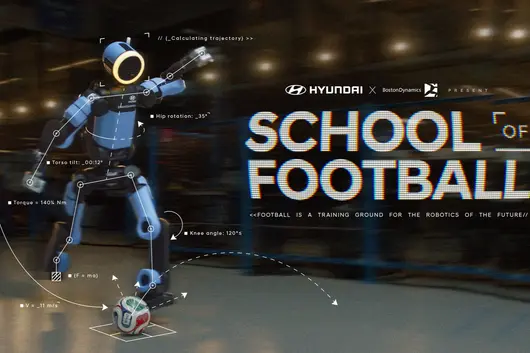
For the 2026 World Cup, Hyundai made a key adjustment: Expanding the sponsorship scope from traditional fuel vehicles to autonomous driving, robotics, and future mobility technology. Hyundai partnered with its subsidiary Boston Dynamics to deploy humanoid robot Atlas and quadruped robot Spot in designated venues, responsible for event operations and security.

Image source: Hyundai Kia
A somewhat awkward question is, are the cool-looking Atlas and Spot in the arena event operation infrastructure, or is it just an extremely expensive brand show?
Electric Vehicle Channel (ID: dianchetong233) judges it's both, but leans towards the former.
Hyundai needs to use the World Cup, the largest traffic pool globally, to send a signal to investors and consumers: We have transformed into a "Future Mobility Tech Company". Boston Dynamics' robots are the best prop to convey this signal. As for whether they can really make money, that's for the next step.
However, this World Cup is indeed a good time for Hyundai. The North American market accounts for over 20% of its global sales. The joint hosting by the US, Canada, and Mexico equals holding a press conference facing 3.5 billion viewers in one's own backyard.
The 27-year marathon has found a new narrative direction at this moment.

Image source: Boston Dynamics
Chinese Car Makers Don't Pursue Sponsorships, This World Cup Plays "Borrowing the Road"The relationship between the Chinese men's national football team and the 2026 World Cup can be summarized in one word — None. Last year, they lost away to Indonesia in the World Cup qualifiers' 18-team round and were eliminated a round early. Chinese fans don't have to worry about the time difference again.
But the relationship between Chinese car makers and this World Cup is very close. And the path they take is completely different from Hyundai Kia.
Changan is the most typical example.

Image source: Changan Automobile
On May 22, Changan signed an agreement in Lisbon with the Portuguese Football Federation, becoming the Portuguese National Team's Global Official Partner. The cooperation covers the 2026 and 2030 World Cups and the Women's World Cup cycle, with an investment of over 500 million yuan.
The logic behind choosing Portugal is very smart. This is not generalized World Cup sponsorship; Changan did not compete for the FIFA official sponsor position, but rather precisely bound with one team.
This team has Cristiano Ronaldo. Over 1 billion fans globally, 660 million Instagram followers, and the fan distribution highly overlaps with Changan's core overseas markets: Europe, Southeast Asia, South and Central America, Middle East Africa. Concentrate resources to do big things.

Image source: Changan Automobile
Using the scarcity of Cristiano Ronaldo's last World Cup as a lever to leverage brand awareness breakthrough in overseas markets. The supporting actions include the co-branded film "Sounds like Changan", the first European delivery of Deepal S05 in Italy, the European 1,000-kilometer long-distance test, and joint activities by global dealers. Every step is correct, but every step has uncertainty.
European consumers' stereotypical impression of Chinese car brands was not formed in one day, and it won't dissipate due to one sports marketing campaign. Korean and Japanese car makers opened the European market back then by relying on decades of quality accumulation and in-depth localization. Changan wants to shorten this process with a 500 million yuan cooperation with a team; results need time to verify.
Another case is Zhongtong Bus.
42 N12 dual-source trolleyless electric buses were shipped from Liaocheng, Shandong to Mexico City, undertaking public transport during the World Cup. Completely different from Changan's brand marketing route, Zhongtong follows product as marketing. The buses running in Mexico City are themselves a moving billboard.

Image source: Zhongtong Bus
In 2025, China exported 625,200 vehicles to Mexico, with Mexico surpassing Russia for the first time as China's largest automotive export destination. In the first quarter of 2026, China exported 2.226 million vehicles, up 56.7% year-on-year; new energy vehicles exported 954,000 units, up over 120% year-on-year.
Zhongtong's electric buses appearing in Mexico City is also a microcosm of the systematic penetration of China's automotive industry in the Latin American market.
What about BYD? Although they did not directly sponsor this World Cup, their sports marketing map is already the most complete Chinese car maker — 2024 Euro Cup, 2024 Copa America, 2025 European U21, plus a five-year 75 million yuan sponsorship contract with the Chinese Football Association, covering almost all mainstream football IPs. Now, BYD's single-month export in April exceeded 130,000 units, with cumulative overseas sales exceeding 450,000 units.

Image source: BYD
Nowadays, BYD no longer needs to spend a huge sum to grab a logo spot on the World Cup.
Three paths, one consensus — Chinese car makers going global have passed the stage of whether to participate in global marketing, entering the stage of how to participate more smartly. Hyundai Kia used 27 years to figure out sports marketing experience; Chinese car makers are rapidly catching up with shorter cycles and more diversified strategies.
Robotaxi and Robots: The Most Expensive Practical ExamThis World Cup saw a large number of autonomous driving and robot elements.
Let's talk about a timeline first.
In January this year, a Waymo autonomous taxi hit and injured a child near a primary school in Santa Monica. In the same month, another Waymo drove past a stopped school bus with warning lights on in Texas and was investigated by the US National Transportation Safety Board (NTSB).
On May 12, Waymo announced the recall of 3,791 Robotaxis — the autonomous driving software had perception defects on waterlogged roads, potentially causing vehicles to drive into roads submerged by water.
But it was also this month that Waymo expanded its Houston service area to nearly 50 square miles, directly covering NRG Stadium — one of the 2026 World Cup venues.

Image source: Waymo
Recalling on one side, expanding on the other. Looks contradictory, but this contradiction explains a real state — Robotaxi commercialization is experiencing a stage of fixing while running. Not perfect, but participants cannot wait for it to be perfect anymore.
It's not just Waymo. Atlanta, Dallas, Los Angeles, Miami, multiple World Cup host cities have already started Robotaxi commercial operations or pilots. In April, Tesla invested 573 vehicles at once in Dallas and Houston to launch fully unmonitored services, directly skipping the safety officer stage — but safety data for these 573 vehicles has not been disclosed so far.
Why are these companies rushing to expand densely before the World Cup?
The reason is simple: The World Cup is a global high-exposure stress test. Millions of fans flood into the city, traffic demand surges, perfectly verifying the autonomous driving system's performance under extreme load. Success is the best advertising; if problems occur, they are at least exposed in real scenarios — much more valuable than closed-door testing.

Image source: Hyundai Kia
And there is a common feature — These Robotaxi networks will not be withdrawn as the World Cup ends.
Waymo's Houston service area was not designated temporarily; it is permanent urban traffic infrastructure. Tesla's 573 vehicles in Dallas will also not stop operation after the event. The World Cup is just a node, not the end.
Back to Boston Dynamics' robots, why did Hyundai want to put them into the arena?
Because robots are the most scarce visual asset in the current automotive industry narrative. Autonomous driving is hard to perceive with the naked eye — sitting in a Waymo feels about the same as riding in an Uber. But a two-meter tall humanoid robot patrolling the arena corridor has a completely different visual impact.
What Hyundai needs is an image that can be remembered at a glance.

Image source: Boston Dynamics
The number Hyundai gave itself is: Planning to deploy 25,000 Atlas units inside factories by 2028. If this plan can land, the few on the World Cup are small-scale verification. If it can't land, then they are purely marketing props.
For now, both possibilities exist.
After the Final WhistlePutting together the automotive map of this World Cup, several lines are very clear.
Hyundai Kia used the 27 years of FIFA relationships accumulated to upgrade sponsorship scope from sticking logos to showing technology. But how much actual revenue World Cup sponsorship can bring, even Hyundai might not be able to say clearly — its defeat in the Chinese market is a warning for the future.
Looking the other way, Chinese car makers chose a smarter curved path — Changan binds the Portuguese team for branding, Zhongtong does products in Mexico City, BYD uses multi-IP coverage for the system. Three different paths, but all answer: How to make overseas consumers believe in Chinese cars.
And Robotaxi and robots are the freshest elements of this edition, and also the riskiest. Waymo recalls while expanding, Boston Dynamics' robot costs remain high — they still have a distance from truly reliable infrastructure, but car companies cannot wait anymore.

BYD officially released the May 2026 production and sales flash report, with new energy vehicles from all brands reaching a monthly sales volume of 383,453 vehicles, a slight increase of 0.26% year-on-year, achieving year-on-year positive growth in monthly sales after ten months; among them, passenger car deliveries reached 376,990 units, surging 19.4% month-on-month, wiping out the pain of previous model iterations, presenting a new pattern where the domestic base is stable, overseas sales are soaring, and high-end brands are scaling up across the board. Amidst the market environment of intensified competition in the domestic new energy sector, Tesla FSD entering China, and an intense launch of independent new products, it has forged a unique structural growth path.
The Dynasty and Ocean main brands combined sold 330,215 vehicles in May, accounting for over 80% of the group's total sales, remaining the stabilizer for BYD's sales volume. The full series had 8 models exceeding 20,000 units in monthly sales, covering products from 50,000 entry-level commuter to 200,000 home SUV.
Inside the Dynasty Network, the Yuan family sold 56,691 units, and the Song family 51,370 units. Both crossed the 50,000 threshold, becoming two major sales pillars for the brand, catering to home commuter and urban-rural travel needs; the Qin family followed closely with a stable performance of 28,360 units. The Han and Tang series maintained a volume in the six-thousand range, deeply cultivating the mid-to-large home sedan and SUV niche markets; the brand new model Xia is in the market cultivation phase, delivering 1,810 units monthly, with potential for steady volume growth as channels expand.
The Ocean Network's growth momentum is even more rapid, with 5 models entering the 20,000 club across the series: Sealion 42,615 units, Seal 34,117 units, Seagull 39,919 units, Dolphin 22,260 units, and Song PLUS 27,755 units. Among them, Seagull remains the best-selling entry-level commuter model thanks to its affordable pricing of 60,000-80,000. Sealion, as a new volume model, stands firm at the 40,000 level upon launch, filling the mid-size SUV product gap in the Ocean Network and perfecting the Ocean product tier layout. From commuter small cars to compact SUVs, the two main brands rely on DM-i hybrid and pure electric dual-line technologies to牢牢锁住 the mainstream home market share within 150,000 domestically.
Fang Cheng Bao Year-on-Year Surges 139.7%, Brand Upward Positioning Takes EffectThe high-end matrix of Denza, Fang Cheng Bao, and Yangwang sold a combined 46,489 vehicles in May, officially breaking away from the niche positioning to become a new pivot for BYD's brand premium and profit growth, breaking the industry curse of difficulty in high-end breakthrough for domestic brands.
The off-road brand Fang Cheng Bao sold 30,186 units monthly, surging 139.7% year-on-year, creating a new high in monthly sales since the brand launched. Its Titanium 7 model sold 18,280 units monthly, while Leopard 5 and Leopard 8 output remained stable, continuously squeezing the survival space for joint venture and imported models in the 250,000-400,000 hardcore off-road niche market.
Denza delivered 16,303 units in May, with the MPV benchmark D9 selling 6,721 units, and the Z9 series close to 6,000 units. MPV and mid-to-large sedan dual-line efforts helped them stand firm in the luxury new energy track; the million-level ultra-luxury brand Yangwang continued its steady climb, delivering 286 units that month, a year-on-year increase of 105.8%, completing market verification of the domestic brand ceiling product and forming a full price range product layout from 100,000+ home, 300,000-400,000 off-road, 500,000 luxury MPV to million-level flagship.
In May, BYD's overseas sales of passenger cars and pickup trucks reached 160,177 units, surging 80.7% year-on-year. Exports accounted for over 42% of the full series total sales, setting a new historical high for brand export and becoming the core driving force to stabilize May overall sales and achieve year-on-year positive growth.
Southeast Asia, Europe, and Latin America became the main incremental markets. Seagull, Song PLUS, and Yuan series continued to top new energy best-seller lists in multiple countries; the SHARK pickup truck exceeded 4,000 units in monthly exports for two consecutive months. Relying on the completion of localization production in Thailand, Brazil, Hungary, and Uzbekistan with four overseas vehicle factories, localized production continues to land, avoiding tariffs while rapidly penetrating terminal channels. Against the background of stock market competition in the domestic auto industry and normalized price wars, the rapidly expanding overseas market effectively counteracts sales volatility brought by domestic model iterations, officially upgrading from a supplementary market to BYD's core growth engine. As of now, BYD's global cumulative new energy vehicle sales have exceeded 16.5 million units, with the globalization map continuously broadening.
Intelligent Driving Empowers Product Iteration, H2 New Products Prepare to Surge VolumeMay marked a key node in BYD's intelligent driving landing, with the God's Eye intelligent driving system becoming a core bonus point for models: the number of vehicles with advanced intelligent driving across all brands exceeded 3.15 million, with daily road test data exceeding 200 million kilometers; that month, BYD implemented City Pilot and Smart Parking dual safety backup services, becoming the world's first auto manufacturer to achieve dual intelligent driving backups. Three days after policy implementation, the activation rate of models equipped with the God's Eye system in cities surged 50%. Intelligent driving experience upgrades directly drove in-store order conversion, solidifying product competitiveness for subsequent models to continue volume sales, and facing the intelligent driving market shock brought by FSD entering China.
From data details, BYD's cumulative sales from January to May 2026 were 1,405,039 units, down 20.32% year-on-year. The core reason is that the full series of main models were concentratedly iterated, and the capacity ramp-up of the 2nd Gen Fast Charge Blade Battery was restricted. The new Flash Charge Battery upgraded fast charging and low-temperature performance. Full series iteration models prioritized installing new batteries, but production line retrofitting dragged down capacity release. Order backlogs on popular models and delayed deliveries compressed the May delivery volume to a certain extent.
As the end of the second quarter approaches and the 2nd Gen Blade Battery capacity continues to release, coupled with new models such as Denza N8L, Fang Cheng Bao Titanium 7 Pure Electric Version, Sealion 05, and Xia L landing the market, the industry generally predicts that BYD's full brand sales in June are expected to exceed 400,000 vehicles. Relying on the four-dimension development logic of low-end volume locking share, high-end raising profit, overseas pushing volume, and intelligence improving product power, amidst the intensified new energy elimination round in the domestic market, BYD's full category layout advantage continues to amplify, securing its status as the domestic new energy leader, accelerating steadily towards global top auto manufacturers.

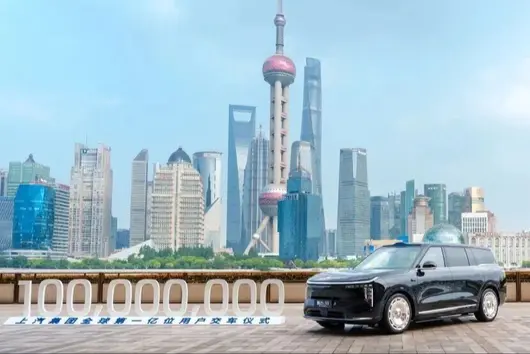
當王曉秋把上汽車集團全球唯一嘅「第 1 億輛」精品定制車模交到 Momenta CEO 曹旭東手中時,現場冇刻意煽情嘅倒計時,亦冇不斷跳動嘅數字大屏。

嗰係專門為「第 1 億輛」打造嘅典藏紀念車模,安靜咁擺喺聚光燈下。鏡頭掃過現場,有人舉起手機拍照,有人鼓掌,仲有人低聲交流。相比好多企業慣常嘅「里程碑時刻」,呢場儀式顯得甚至有一啲克制。
但恰恰係呢種克制,令「第 1 億輛」呢件事本身,顯得格外真實。
因為大家都知道,這唔單止係上汽車嘅「第 1 億輛」,某種程度上,佢亦係中國汽車工業嘅「第 1 億輛」。
從黃浦江邊敲出第一輛鳳凰牌轎車,到今日中國車企第一次邁過「億輛」門檻,中國汽車工業花咗七十幾年。而比起「行咗多遠」,外界更關心嘅,其實係另一個問題:行到今日之後,中國汽車產業下一步會去邊?
亦係呢場交付儀式真正嘅意味。佢看似係喺回顧歷史,但實際上始終喺度討論未來。
一場交付儀式裏嘅產業變化
如果仔細睇呢場直播,會發現一個好有趣嘅細節:佢冇按照傳統汽車發布會嘅方式展開。冇長時間嘅數據展示,冇密集嘅參數講解。相反,整場直播好似係不斷切換場景嘅「接力」。
上海、柳州、倫敦、雅加達、新加坡……唔同品牌、唔同車型、唔同用戶,串聯進同一個敘事中。
而呢啲用戶,亦唔止係傳統意義上嘅購車者。有人係科技博主,有人係公益創作者,有人係海外年輕用戶,有人係物流企業,仲有人,係智能駕駛公司嘅創辦人。
呢種安排本身,其實已經好能說明今日汽車產業嘅變化。過去,汽車更多係一個標準化工業產品,而今日,佢開始變成一種連接生活方式、技術生態同智能能力嘅入口。
所以,第 1 億輛車點解係智己 LS9 Hyper?
因為佢唔係一輛單純強調銷量意義嘅車型,亦唔係一輛象徵「歷史收藏」嘅舊車,而係一輛代表上汽車當下最核心方向嘅智能電動車。
佢身上集合嘅,唔單止係新能源動力,更係智能駕駛、軟件架構、AI 交互,以及生態協同能力。換句話講,上汽車並冇將「第 1 億輛」停留喺對過去嘅致敬,而係明確咁指向未來。
汽車業已經唔係傳統製造業了
直播過程中,上汽車集團副總裁、總工程師祖似傑回顧咗上汽車 70 年發展歷程。佢其實冇過多渲染「第 1 億輛」呢個關鍵詞,而係將整個過程概括成三個階段:改革開放前嘅起步探索、改革開放後嘅合資合作,以及 2000 年前後開始自主品牌嘅發展。
從鳳凰牌,到桑塔納,再到榮威、MG、智己,呢其實對應住中國汽車工業唔同階段嘅任務。最早,係建立工業基礎;後來,係學習現代汽車工業體系;再後來,則係形成自己嘅研發、品牌同技術能力。
而今日,中國汽車產業顯然已經進入新嘅階段。呢個階段入面,問題唔再只係「能不能造車」,而係:未來嘅汽車,究竟應該由邊位定義?
而喺直播中交付嘅各款上汽車,或者就係上汽車畀出嘅答案。
佢哋代表嘅係上汽車乃至中國汽車產業對下階段競爭方向嘅判斷:智能化電動車,正成為車企新嘅核心競爭領域。
汽車產業專家趙福全講過一句好值得反復揣摩嘅話:「汽車業已經唔係傳統製造業了。」
佢話,而家嘅汽車產業,已經從原來簡單嘅上下游關係,變成咗一個生態化產業。佢唔僅涉及製造,仲涉及通訊、交通、城建、AI,以及更多智能產業嘅融合。
呢句話,係今日整個行業變化嘅核心。
過去,一輛車最重要嘅能力,係引擎、變速箱、底盤;後來,係電池、電機、電控;而今日,越來越多人消費者真正感受到嘅,已經變成智能駕駛、座艙交互、軟件體驗、AI 能力,以及整車持續 OTA 更新。
汽車,正由「機械產品」變成「智能終端」,而呢種變化,亦正喺度重新塑造汽車企業本身。
合資 2.0,唔只係「合作」
直播中,祖似傑話,進入智能電動時代後,上汽車同全球品牌嘅合作,已經進入「共同創造」階段。呢其實好重要,因為過去好多年,外界談中國汽車工業,總會提到一句說話:「市場換技術」。
但而家,呢套邏輯已經開始變化。中國市場唔再只係全球車企銷售產品嘅地方,佢開始成為定義產品嘅地方。
原因其實好簡單:全球最完整嘅新能源產業鏈,喺中國;最激烈嘅智能駕駛競爭,喺中國;最大嘅智能電動車消費市場,亦喺中國。因此,無論係大眾汽車、奧迪,定係通用汽車,都必須重新了解中國市場。
呢種變化,喺當日交付嘅車型入面已經好明顯。AUDI E7X、別克至境世家、大眾 ID. ERA 9X,呢啲產品已經唔再係過去嗰種簡單嘅「全球車型國產化」,佢哋越來越深咁融入中國智能化生態、中國用戶需求,以及中國技術能力。
所以,今日再談「合資」,其實已經唔係單向輸入,而係雙方共同定義下一代產品。某種意義上講,亦係中國汽車產業位置變化嘅體現。
過去,中國汽車工業更多係喺「學習」;今日,中國企業開始參與「定義」;而未來,中國汽車產業將進一步參與全球智能出行規則同技術方向嘅塑造。
從「規模」走向「能力」
有意思嘅係,直播中無論係祖似傑,定係幾位專家,都反覆提到一個詞:生態。
祖似傑提到,上汽車同華為其實好早開始合作,從 5G 通訊時代已經好多交流。後來隨著智能汽車嘅發展,雙方合作自然越來越深入。
佢話,而家汽車產品已經發生好大變化,通訊技術、互聯網技術、電子技術都會用到汽車上,「任何一間可能都做不到」。因此,需要共同將中國新能源智能汽車生態做好。
呢句話其實好現實。因為智能汽車時代,已經好難再依靠單一企業完成所有能力嘅構建。
過去,傳統車企更多好似一個封閉體系,競爭核心係製造規模同供應鏈效率;而今日,汽車產業越來越好似一個開放平台。晶片、AI、演算法、軟件、雲端、地圖、通訊……每一個環節都需要新嘅協同關係。
這亦意味著,中國汽車產業正從「規模競爭」轉向「能力競爭」。
過去呢些年,中國汽車產業已經證明咗一件事:中國可以建立世界級規模嘅汽車工業。「第 1 億輛」本身,就係呢種工業能力嘅集中體現。
但今日嘅問題已經變咗。接落嚟,比拼嘅唔再只係產量、銷量同市場份額,而係邊個能夠建立真正可持續嘅技術能力;邊個能夠形成全球化品牌;邊個能夠掌握下一代智能汽車嘅話語權;邊個又能夠將製造、軟件、AI 同生態真正融合起來。
因此,今日嘅競爭,亦越來越唔似過去嗰種「企業對企業」嘅競爭,而好似「生態對生態」嘅競爭。邊個能夠將更多能力組織起來,邊個能夠形成更高效嘅協同,邊個才能真正建立長期優勢。
亦係點解,第 1 億位用戶揀曹旭東,會顯得有象徵意味。因為佢其實喺度表達:未來汽車產業最重要嘅競爭力之一,就係生態能力。而上汽車之所以揀智己 LS9 Hyper 作為第 1 億輛來交付,亦恰恰因為佢本身係呢種能力體系嘅產品。
佢唔係單一製造能力嘅結果,而係智能駕駛、AI 演算法、軟件平台、供應鏈體系,以及用戶數據共同協同後嘅結果。
某種意義上,佢好似一個「移動智能終端」,而唔只係傳統意義上嘅汽車。
亦係點解,整場交付儀式雖然不斷回顧歷史,但始終帶住一種好強嘅「未來感」。因為今日嘅中國汽車產業,已經行到一個新嘅節點。
未來唔會自動到來,佢係喺一次次技術更新、產業協同同用戶揀選入面,被塑造出嚟嘅。

In May, China's automotive market overall presented a gentle recovery trend, with domestic brands still being the sales backbone of the market. Recently, BYD, Geely, Chery, Changan, and Great Wall, the top 5 domestic automakers, successively released their monthly performance reports. From the data, these five companies show a general characteristic of "stable total growth, divergence between domestic and international markets, and accelerated new energy penetration". Overseas exports and new energy vehicles have become the most core growth engines; export business has evolved from a "bonus item" to the "core foundation" for some companies. BYD's "dominant leader" status is further consolidated, Chery achieved high growth via exports, Geely's new energy penetration rate broke 56%, Changan focused steadily on balanced development, while Great Wall appeared slightly under pressure during structural transformation.
BYD: Export Hits New High Becomes Biggest HighlightIn May, BYD stood firmly at the top of domestic brands with a monthly sales volume of 383,500 vehicles, maintaining positive growth both year-on-year and month-over-month under a large base. Its two main brands, Dynasty and Ocean, sold a combined 330,200 vehicles, contributing 86.1% of total sales; Fangchengbao's monthly sales broke 30,000 units to reach 30,200, a year-on-year increase of 139.7%, setting a new high for the year; Denza sold 16,300 vehicles, and Yangwang delivered 286 vehicles. From a model perspective, BYD had eight models in May with monthly sales exceeding 20,000 vehicles. The Song Family and Yuan Family both broke 50,000 units, selling 51,370 and 56,691 vehicles respectively. The Sea Lion Family followed closely with 42,615 vehicles, and Seagull sales were also close to 40,000 vehicles.

BYD's biggest highlight in May was exports. Overseas new energy vehicle sales reached 160,600 units, an 80.4% year-on-year increase, accounting for about 42%. The sharp expansion of export scale effectively countered the phased weakness in domestic demand. Cumulative exports from January to May exceeded 620,000 vehicles. High export growth mainly benefited from continued ramping up of overseas factory capacity, improved ocean shipping capacity, and accelerated channel network expansion. In the domestic market, BYD promoted Megawatt Super Charging and intelligent strategies simultaneously—Megawatt charging achieved about 90% charge in 9 minutes; 20,000 super charging stations are planned to be built by 2026; all series models are available with Sky Eye B intelligent driving solutions and city navigation safety fallback plans, accelerating the popularization of high-level intelligent driving. As Gen 2 Blade Battery capacity gradually releases, the company's orders are expected to continue rising.
Chery: Sales Growth Leads the Top 5Chery Group's total sales volume in May was 247,800 vehicles, a significant year-on-year increase of 20.5%, ranking first in growth speed among the top 5. Exports remained its most core growth engine—May exports reached 181,900 vehicles, an 80.5% year-on-year increase, accounting for 73.4% of total sales that month, continuously breaking the single-month export record for Chinese brands for three months. In terms of new energy, Chery New Energy sold 100,300 vehicles, a 58.8% year-on-year increase. April and May consecutively saw monthly new energy sales breaking 100,000 vehicles.

The strong performance in exports benefited from Chery's long-term deep cultivation of overseas channel advantages and localized operation capabilities. While overseas orders continued to rise, high export growth formed a sharp contrast with domestic sales—Chery's domestic sales in May were only 60,000 vehicles, accounting for one-quarter of total sales. From cumulative data, Chery Group accumulated 1.101 million sales from January to May, but against the annual goal of 3.2 million vehicles, monthly averages need to reach about 420,000 vehicles later, and pressure remains significant.
Geely: New Energy Penetration Rate Breaks 56%Geely Auto's total sales volume in May was 237,600 vehicles, a 1% year-on-year increase, achieving month-over-month double growth for three consecutive months. In terms of structure, Geely's "New Four Transformations" transformation showed significant results: new energy vehicle sales reached 133,400 units, accounting for 56% of total sales, with new energy share exceeding 50% for four consecutive months.

From sub-brands, performance was significantly divergent. Zeekr brand sales in May reached 34,400 vehicles, a 82% year-on-year increase; Zeekr 9 Series and 8 Series models combined sales approached 50% of total sales, showing bright performance in the high-end market; Galaxy brand sales were 81,700 vehicles; Geely brand sales were 182,500 vehicles, among which China Star Series sales reached 100,800 vehicles; Lynk & Co brand sales were 20,700 vehicles, with new energy vehicle sales share rising to 71%.
In terms of exports, Geely's overseas vehicle exports in May reached 85,100 vehicles, a explosive 184% year-on-year increase, setting a brand single-month export record high. Among exported products, new energy vehicles reached 40,800 units, accounting for nearly half; hybrid and pure electric products have successively landed in Southeast Asia, Middle East, Latin America, and other markets, highlighting the results of global strategy implementation.
Changan: Multi-brand Matrix Balanced EffortChangan Auto's delivery volume in May was 209,100 vehicles, among which new energy deliveries were 92,400 vehicles, a 5.8% year-on-year increase, with new energy share about 44%. In terms of exports, overseas deliveries reached 70,700 vehicles, a 38% year-on-year increase, becoming another major growth highlight for Changan in May.
In the sub-brand matrix, Changan Qiyuan delivered 34,500 vehicles in May; All-New Q05 delivered 15,800 units, with orders breaking 3,000 units within three days of listing in Thailand; Deepal sales in May were 33,200 vehicles, a 30% year-on-year increase; January to May overseas cumulative sales were 28,700 vehicles, a significant 167% year-on-year increase; Avatr delivered 7,336 vehicles in May; Changan Auto (Gravity) delivered nearly 49,000 vehicles in May.

Changan Auto's balanced layout was fully reflected in May: the fuel car base remained stable, new energy brands Deepal and Qiyuan accelerated volume growth, high-end brand Avatr continued to break through in technical cooperation, and overseas markets simultaneously achieved breakthrough growth. The pattern of five brands working together, driven by both new energy and exports, is initially taking shape.
Great Wall: Overseas Sales Growth Year-on-Year 46.75%Great Wall Motor's sales in May were 100,400 vehicles, slightly down compared to last May's 102,200 vehicles, making it the only company among the top 5 to show a year-on-year negative growth. From sub-brands, Haval brand sales in May were 55,500 vehicles, remaining Great Wall's most important sales pillar; Tank brand sales were 17,100 vehicles; both Haval and Tank brand sales showed year-on-year declines; Wey brand sold 8,119 vehicles, a 31.78% year-on-year increase, achieving growth against the trend; Ora brand performance was most stunning, with sales of 6,018 vehicles, a significant 206.88% year-on-year increase. In terms of new energy, Great Wall sold 30,400 new energy vehicles in May, with new energy vehicle transformation gradually accelerating.

The overseas market became Great Wall's biggest highlight in May, with overseas sales growing 46.75% year-on-year. Against the background of pressure on the domestic market, strong growth in overseas business effectively made up for the decline in the domestic market. Great Wall Motor's current core contradiction lies in: Haval and Tank, the two traditional main-selling brands, face weak growth, while Wey and Ora brands, although growing notably, have relatively small volume and are not yet enough to support overall growth. How to complete the "relay" between old and new brands is the key issue Great Wall must solve subsequently.
Final ThoughtsFrom May data, the growth pattern of the top 5 domestic brands has clearly diverged, but there are three common trends worth noting: First, exports have become a key engine for domestic brands to seek stability and growth. Second, new energy transformation is still accelerating, but paths differ among enterprises. Third, technological innovation continues to deepen brand moats. Looking ahead to the second half of the year, competition in the automotive industry will continue to upgrade around these three trends. Although everyone has a common direction, these three trends are all competing for the entire enterprise's industrial chain strength, and the strong will remain strong, which has almost become an inevitable outcome.

你睇過印度嘅馬路嗎?
我喺網上見過。
畫面通常係咁,一輛轎車俾牛尾擋住,旁邊仲有亂竄嘅摩托,甚至周圍仲有賣奶茶嘅小夥,嗰叫一個“乾淨又衛生”。

然而,喺呢啲睇完好多人覺得生理不適嘅地方,豐田、鈴木、本田等日本車廠,卻決定將籌碼押落印度。
據印度“品牌質量基金會”網站顯示,三家車廠將喺印度投資近110 億美元建廠、提產能、搞出口。
對此有网友表示,三家日本車廠係咪錢多到無處花?
事實上,佢哋唔係錢多到花唔完,亦唔係被印度嘅咖哩蒙蔽咗心竅,呢啲日本車廠高層遠比我哋清醒。
而家嘅日系車,營業額、市場份額都喺下滑,原材料成本仲係升得飛起,打開世界地圖,搵一個能夠容納產能、拓充份額、競爭溫和嘅市場,唔係咁容易嘅事。
所以,唔係日本車廠選擇咗印度,而係因為冇得揀。
日本車廠之痛
曾經嘅日系車,嗰時妥妥係人哋個仔。
你問下十幾年前開過日系車嘅老司機,一提起日系車,幾乎就冇唔豎大拇指嘅,價錢平、省油、耐用又抵撞……
甚至好多日系車,仲要加價購買,但邊個諗到,呢個鐵打嘅江山,短短幾年時間就俾佢哋打得找唔著北。
隨著新能源汽車浪潮嚟到,電動化、智能化變成好多自主車廠“彎道超車”嘅目標,依托於中國強大嘅新能源汽車產業鏈優勢同車廠自身對研發、技術嘅堅持,中國自主品牌迅速實現咗“彎道超車”。
曾經被人吐槽嘅國產車,而家喺馬路越來越多人,甚至份額超越咗合資。
根據乘聯會嘅數據,喺2026 年4 月,自主品牌嘅份額已經高達62.5%,遠超日系嘅13.1%。

要知道,中國汽車市場係全球最大嘅汽車市場,喺中國市場失速,就相當於丟咗一塊巨大嘅蛋糕。
同時,中國市場近年嚟嘅主旋律依舊係價格戰,捲配置、捲價格、捲服務已經成為一種常態,亦對日系車嘅利潤產生咗巨大嘅影響。
除咗中國,日系車喺美國過得亦唔太好。
2025 年 1 月 20 日,特朗普宣誓就職第 47 任美國總統,自此開啟咗一連串搞搞震,其中就包括以國家安全為理由徵收額外嘅汽車關稅,導致進口日本汽車嘅關稅稅率一度高達 27.5%,雖然後嚟有所降低,但亦遠高於最初嘅稅率。
呢個操作,直接導致七大日本車廠喺2025 財政年度嘅關稅損失超2 萬億日元。
再睇日本本土,其實亦唔容易。
中東地緣衝突導致霍爾木茲海峽航運受阻,運輸成本、原材料成本暴漲,日本車廠都有苦難言。

高管們看著報表,背後發涼,只能尋找全新嘅增長曲線。
所以,日本車廠唔係愛上印度,係冇地方去。
揀選印度嘅深思熟慮
咁,印度點解咁有魔力,先至令日本車廠重資投入呢?
第一個優勢就係大。喺2025 年,印度汽車市場取得咗551.7 萬輛嘅新車銷量,同比增長 6%,刷新咗歷史紀錄,位居全球第三大汽車市場,已经连续四年超越日本,僅次於中國同美國。
呢個含金量唔使多講啦,而印度取得呢一成績,主要係因為印度一直喺推動減稅政策,促進消費,這導致國內消費意願出現咗明顯增強。
第二個優點係近,就係離日系車賣得動嘅地方近,如非洲等其他地區。
所以,印度對於日本車廠,更似一個建喺十字路口中央嘅便利店,你唔使將車分別運去八個國家,只需要喺印度呢站造好,然後一船一船甩去,就能削減唔少成本。

《日本經濟新聞》亦認為,印度有望轉變為佢哋全球嘅汽車供應中心。
第三個優點係穩。要知道,日系車嘅優勢就係燃油車,畢竟引擎、變速箱、底盤三大件,佢哋已經玩咗好多年,技術積累喺全球都係數一數二。
但係中國汽車市場已經全力推動電動化、智能化發展,導致日系車嘅優勢越來越弱,根本無法發揮出嚟,但印度唔一樣,佢擁有充電樁少、電動化進程緩慢嘅特點,印度老百姓買車,都仲係盯住平、省油、易修,而呢三點正係日系車嘅老本行。
尤其係鈴木,一直係印度汽車市場嘅常青樹,幾乎年年穩坐暢銷車型寶座,口碑好,勝過任何廣告。
所以,日本車廠大力佈局印度市場,顯然是經過深思熟慮嘅。
但,印度市場真係咁好混咩?
難啃嘅印度市場
當然,印度亦唔係完美得似個香口格,佢嘅缺點同佢嘅優點一樣明顯,而且每一個都夠日本車廠喝一壺。
先講電動化,冇錯,眼睇下印度充電樁少、電動車賣唔動,確實係日系燃油車嘅避風港。但你得諗諗,呢個“避風港”能避幾耐?
印度此前可係喊出咗 2030 年電動車佔新車 30% 嘅口號,雖然聽落似吹水,但抵唔住人哋真補錢、真建充電站。
試諗下,萬一有日印度突然開竅,開始大力推動電動化、搞基建,充電樁似雨後春筍咁冒出來,嗰日系車唔就傻眼?
呢唔係泰國市場嘅翻版咩?
當年日系車喺泰國都係躺贏,整個東南亞市場,都被稱為日系車嘅後花園,結果泰國率先推動電動化,中國電動車一嚟,直接就成咗香口格,再睇日系車,喺泰國嘅市場份額嘩嘩嚟咗落。

如果印度係電動化一加速,歷史大概率會重演,而而家呢次,日系車連逃嘅地方都快冇咗,點樣預防,將成為日本車廠嘅首要問題。
再講政策,印度嘅政策就似一鍋咖哩,你永遠唔知下一口食到係雞肉定係馬鈴薯。
呢個魔幻嘅國家,今日係低關稅鼓勵建廠,明日就可能罰你一筆巨款,更令人頭痛嘅係強制合資,外國車廠想喺印度賣車,要搵本地夥伴搭檔,等你工廠建好咗、供應鏈搭完咗,印度直接背刺你,到嗰陣無論係加錢定撤資,換嚟嘅都係心痛。
所以你看,印度呢個市場,就好似一個睇落好甜嘅芒果,咬落去第一口仲行,再啃幾口就摸著硬核。
日系車而家嘅算盤係,趁住核都未硌牙,趕緊多啃幾口,但核遲早會硌到,只係唔知係邊一日。
尾聲
日系車呢趟印度之旅,唔係去旅遊,係去搵食。
中國同東南亞嘅飯桌更擁擠,生產、運輸嘅成本又提高咗,放眼全球,就印度呢口鍋仲冒住熱氣,哪怕入面煮嘅係咖哩味嘅石頭,都要硬著頭皮啃落去。
日本車廠想擴大市場,印度想嘅係拉動經濟、解決就業,雙方都有各自嘅心思。
至於結局係日系車喺印度重新封神,定係好似當年嘅部分友商一樣灰溜溜走人,那就唔知啦。
但無論點樣,呢場戲先至開始,我哋慢慢睇就得啦。
反正印度嘅故事,從來唔會悶。


Cover Image Source | Future Auto Daily
Author | Li Ranran
Editor | Su Peng
"In the second half of this year, domestic car retail sales will not grow counter-trendly; the entire industry must prepare mentally for a year-over-year decline in annual sales of 15% to 20%." This is Li Bin, founder, chairman, and CEO of NIO, recently stated at the 2026 China Automotive Chongqing Forum. He believes the automotive industry has entered the fiercest stage of the final competition, and the market environment this year will be very difficult.
According to data from the China Passenger Car Association, domestic car retail volume in January-May declined nearly 20% year-over-year, with the drop in early June exceeding 22%. The entire automotive industry has yet to shake off the overall pressure operating state, consumption demand recovery pace is lower than industry expectations, price internal competition, consumer wait-and-see, heavy concentration of new car releases, and their homogenization factors continue to affect the terminal market.
In the context of overall car market sales volume pressure, some structural changes are also accelerating evolution. In May, domestic new energy penetration reached 62.9%, creating a historical high, rising nearly 10 percentage points year-over-year; pure electric models penetration in the entire car market reached 42.2%, rising 10.8 percentage points compared to the same period last year. Additionally, among the top ten sales rankings in the SUV sub-market, there were also 9 new energy models, while pure electric models locked the top three, "oil retreats, electricity advances" trend becoming clearer.
Li Bin believes the automotive industry has entered the critical stage of pure electric inflection point climbing, various car manufacturers' market performance cannot rely solely on single hit products or unique configurations. Affected by fast technical iteration speed, serious new product homogenization and other factors, new car effect death valley appears constantly, traditional fuel car "one trick fresh" competition model must give way to brand influence, product definition, technical depth, supply chain capability, cost control, sales service system and other comprehensive strength competition.
Car manufacturers' final competition results will be intuitively reflected in sales and financial report data. In Q1 2026, NIO revenue was 25.53 billion yuan, growing 112.2% year-over-year, gross margin 19%, also creating a new high in the past two years. In January-May this year, NIO's sales volume also grew 68%.
The eye-catching performance behind the Q1 financial report离不开 ES8 support, NIO brand delivered 58,500 units in Q1, ES8 about 45,000 units, occupying the lion's share of total sales, while as a flagship product, it also raised the company's overall gross margin.
But one product hot success cannot replace the company's stable development, Li Bin hopes NIO, Onvo, Firefly three brands advance together, maintaining high-end positioning and technical leadership in their respective target markets: Firefly in small car market still is high-end positioning, price about 50% more expensive than same-level small cars, main sales over 120,000 yuan, configuration and service can support this price; Onvo emphasizes technology for family, safety quality, technical architecture no sacrifice; NIO targets high-end market, providing all-scenario tech experience and better emotional experience.
Regarding sales volume, each brand of NIO temporarily does not set single model fixed sales target, "Hope NIO after entering three brand development stage, can maintain 40%-50% growth". Although Onvo sales this year appeared volatility, overall this newly established two-year brand already has initial scale. NIO side revealed, after Onvo L90 launch, in pure electric large three-row SUV market area sales volume first, Onvo L60 after launch, in same-level cars also ranking top three.
"Establishing a new brand is not easy, difficulty is bigger than imagined." Li Bin said, originally thought Onvo brand awareness could be quickly established, but research data showed many people simply don't know Onvo brand, "Awareness equivalent to NIO 6 years ago or even earlier."
However, from sales perspective, Onvo current sales volume is more than NIO brand delivered 2 years sales. Onvo Auto President Shen Fei said, "Originally Onvo overall sales volume climbed fast, one year achieved NIO 4 years volume."
With new Onvo L60 release launch, first half of this year, NIO new models basically released finished, next will use more energy on selling cars and serving users. New Onvo L60 purchase starting price 202,800 yuan, battery rental solution starting price 142,800 yuan, integrated NIO's several flagship smart technologies: NIO self-developed 5nm smart driving chip Shenji NX9031, full domain 900V high voltage architecture, latest version NIO World Model NWM and SkyOS·Tianshu system etc.
June 11 launch evening, new Onvo L60 had over 90% orders concentrated on Max+ and Ultra+ versions, over 90% users chose Coconut+ smart driving system, Shenji NX9031 chip with LiDAR full configuration combination.
Lightweight is also new Onvo L60 major highlight, body white weight is 377kg, lightweight coefficient 2.22, whole vehicle unsprung mass 198kg, compared to ordinary steel structure weight reduction 20kg.
Data statistics show, 2026 Jan to April, China new energy passenger car average curb weight reached 1,939.3 kg, increased 27.5% compared to 2020, short 6 years time cumulative weight increase over 400 kg. Big car increase continuously compress road life, car weight every increase 20%, on road destruction rate will become original 1.2 to the fourth power, i.e. 2.07 times.
Additionally, with new energy penetration rate continuously rising, space big, battery many, configuration full etc user demand rise, also inevitably to vehicle handling, safety, durability, service life etc produce a series of impact, body weight reduction inevitable, lightweight is inevitable road.
Li Bin said, lightweight has become industry consensus, can considerate user and social value, also reflect a car manufacturer's comprehensive R&D capability. He believes lightweight has four difficulties: first is trade-off, battery choice is relatively restrained, not blindly pursue "big"; second is systematic engineering, such as smart fuse needs whole car high voltage architecture, low voltage architecture all aspects can support; third is engineering capability, need considerate safety and structure; fourth is cost, 85 kWh ternary lithium vs lithium iron phosphate light 100+ kg, but must bear higher cost.
Speaking of cost problem, this year, raw materials price rise wave, car-grade memory, lithium carbonate etc cost pressure transmit to terminal, Onvo single car cost also price rise over 10,000 yuan, calculated to final selling price about 15,000 yuan. Li Bin confessed, now supply chain price rise more, "Onvo L60 has gross margin but very miserable, so this year gross margin and profit growth mainly look at total amount."
On user aspect, according to Shen Fei introduction, Onvo Auto repeat purchase users, traditional luxury brand owner proportion 35%, joint venture brand owner proportion 30%, NIO system inside repeat purchase user proportion 10%, other new energy friend user proportion 10%, total about 85%. This shows, Onvo attracted many fuel car customers.
From user perspective view, now new energy infrastructure perfect, EV product power leading, fuel car user swap buy new energy car is general trend. Li Bin believes, "Previous years because infrastructure not developed, charging swap conditions not full, user choose range extended, choose plug-in hybrid all reasonable. But now user easily can make choice, choose pure electric, choose smart EV is natural thing."
Shen Fei also calculated a detailed account: even plus battery rent, electricity fee, NIO select rent power solution still saves thousand eight hundred yuan compared to fuel fee. Currently, NIO, Onvo battery rental solution penetration rate already over 90%, Li Bin judge, industry overall penetration rate will with model sales volume improvement synchronously rise.
Below is NIO Company Founder, Chairman and CEO Li Bin, Onvo Auto President Shen Fei accept Future Auto Daily and other media interview transcript (edited):
Q: What is biggest difficulty for car achieving lightweight? Is enterprise for config trade-off, or R&D accumulation or route choice, this biggest difficulty where?
Li Bin: Lightweight meaning in automotive engineering field is consensus, lightweight is automotive comprehensive R&D capability manifestation, because indeed can actually bring benefits for user and society, including for whole vehicle handling, whole vehicle safety, structure durability and whole vehicle long-term life, indeed many benefits, this is Onvo including NIO always persist lightweight area important reason.
Lightweight do well is very not easy, first need make trade-off. If blindly pursue very long range, will definitely use very big lithium iron phosphate battery, like Onvo, Tesla all lightweight better, in battery choice relatively restrained, this is not stealing material reduce work, but need make trade-off, because cost boundary is limited.
Second, smart fuse problem, not just replace traditional fuse with smart fuse so simple, whole car high voltage architecture, low voltage architecture all aspects can support, this is systematic engineering, behind big technical content. Additionally, there is integrated design, make better space, bring better lightweight, including full domain 900V technology on lightweight also benefits, technology entrance threshold very high, need bottom-level R&D capability.
Third, engineering capability. Like new Onvo L60 white body lightweight coefficient to 2.22, more rely on engineering capability, need ensure safety structure considerate situation achieve, sometimes material usage transition mostly no safety gain, like some house although look wall very thick, not represent must structure solid.
Finally, cost also important, need bear lightweight technology bring cost rise. Like NIO, Onvo long range version, if don't want add too much weight must use ternary lithium battery, this is very big money. Ternary lithium battery energy density high, same battery capacity weight lighter, basically than lithium iron phosphate light, like 85 kWh ternary lithium battery vs 85 kWh lithium iron phosphate battery reduce weight 100+ kg. Therefore, lightweight need comprehensive consider many things.
Q: NIO recently participated in formulating Singapore swap standard, global first batch of passenger car swap written into national standard case, this means NIO swap model from enterprise standard go to national standard? NIO swap ecology overseas situation how?
Li Bin: We in Europe already have over 60 swap stations, mainly in Northern Europe like Norway, Germany etc 5 countries, among Norway has over 20 swap stations, Firefly also in Singapore market sell. We with Europe some countries, Singapore etc, always and relevant department in swap station standard aspect have very active exchange.
At that time Shen Fei still in charge of NIO Energy, NIO and national relevant department push swap standardization, participated very many standards, go all out push swap standardization, not only in domestic, also include international, because indeed can solve EV "only charge cannot swap", car battery different life etc many problems.
Q: Onvo L60 initial launch mainly against fuel competitors, this time obviously path adjustment, overall product strategy what? L60 on user attraction how?
Shen Fei: From Onvo whole brand user repeat purchase data view, our user group is from relatively high-end brands, BBA and traditional luxury brands roughly proportion 35%, joint venture brand owner account 30%, other new energy friend user proportion 10%, NIO community repeat purchase also nearly 10% proportion, from traditional fuel car camp quite many.
From user perspective this account very easy to calculate, from fuel car transfer over, originally second hand swap also can worth some money; from monthly car use cost say, NIO select rent power solution even plus battery rent, electricity fee, still saves thousand eight hundred yuan compared to fuel fee, so no reason not to convert.
I go frontline run down feel, everyone consumption habit is hand has one car still can好好 drive, go understand other new car driving performance not so strong. But everyone still have way to exchange, including like this time cave smart driving video, will let potential consumers touched.
Li Bin: Our user source among, BBA, joint fuel proportion and NIO system user repeat proportion, add together about 85%, that is new purchase less, whole market already entered stock era, many families have not just one car, mostly are swap.
From user perspective view, with today new energy infrastructure and EV product competitiveness, fuel user swap also likely will choose new energy car. Previous years because infrastructure not developed, charging swap conditions not full, user choose range extended, choose plug-in hybrid all reasonable. But now user easily can make choice, choose pure electric, choose smart EV is natural thing.
This year Jan-May, whole car market total volume year-over-year decline about 20%, especially May fuel down 40%, but pure electric overall is growth, deeply reflect car market already entered stock era, repeat purchase, repeat, swap become mainstream, under this situation, I believe smart EV pure electric technology route will definitely get more user choice.
Q: NIO Company first half this year basically release new models concentrated finished, but friends still have many new models poised to go, will this make NIO already released models receive impact?
Li Bin: Every car have very strong competitiveness, Onvo L60 although on 2024 released, still now has very strong competitiveness. We in tech leadership have confidence, recently released models in longer time period will maintain competitiveness.
2022 released ET7, smart driving still continuously improve, its hardware capability not fully dug out. In tech layout aspect we always relatively advanced some, for next products on market competitiveness very confident, not because second half no new car release worry order problem.
No new car rather can down-to-earth sell cars, serve users. Firefly is example, release over one year, middle some small iterations, now order waiting cycle again become longer.
Q: Onvo L60 smart driving level compared to Tesla FSD where level?
Li Bin: Tesla FSD latest version I haven't experienced,正式发布 will go experience, good study. Tesla smart driving in model and compute etc aspect indeed very leading, have many places worth learn.
But NIO from self-developed chip to sensors, to whole world model + reinforcement learning route, and new car through extreme narrow cave crossing, explain we also possess such capability. Later will increase in compute aspect input, perfect data loop training, continuously improve smart driving experience upper limit, we on later continuous progress very confident.
Smart driving fully reflect each family's comprehensive tech capability, this you chase I catch situation also quite good, hope everyone also go experience experience, including new Onvo L60 smart driving.
Q: First half this year Onvo released three new models, all use flagship smart three major components, dense update behind consideration what? These technologies in latest industry competition state can establish which moats?
Li Bin: From release speed view, originally not provide radar Coconut, Coconut+ and NIO Gen 2 platform cars, these smart driving baselines, basically can in plus minus not exceed few weeks time window simultaneously release. This very not easy, because in time span and hardware difference have challenge.
Reason because through full stack self-research from internal can unify places all unified together, this point very important. From ET7 start to Onvo L60, visual sensor layout relatively advanced, 7 8-megapixel camera + 7 surround camera, including sensors also consider long-term standardization.
Onvo plus LiDAR, with NIO in planning aspect more consistent. Whole tech baseline can reuse represent data and tool chain reusable, model deployment and variation relatively easier manage. So from Gen 2 product start whole smart driving bottom-layer hardware self-research advantage show: memory bandwidth very important, often underestimated; ISP multi-mode signal processing ability in extremely dark, extremely strong light environment clarity, resolution and image restore ability very strong.
Comprehensive speak, this reflect NIO in smart driving hardware, data loop long-term thinking. So now Gen 2 car group intelligence capability bring data loop capability, same make Coconut etc benefit, this is engineering system and architecture thinking.
Q: New Onvo L60 after launch, this year Onvo all new models release finished, order situation how? Onvo monthly sales expectation? Increment price drop impact on gross margin how?
Li Bin: We on current market trend attitude relatively cautious, rarely say NIO each brand individually need reach how much sales. But still hope NIO enter three brand development stage after, can maintain 40%-50% growth, this year Jan-May NIO growth 68%, performance quite good.
Second half start, more energy will be used sell cars, serve users. Onvo these several cars market competitiveness all very strong, I believe can reach internal预定 target.
Gross margin aspect, now supply chain price rise more, Onvo L60 has gross margin but very miserable, so this year gross margin and profit growth mainly look at total amount.
Q: Will Onvo optimize rental solution, reduce user rental rate? Currently battery rental overall penetration rate how?
Li Bin: Battery rental solution penetration rate over 90%. As for industry penetration rate, we cars sell well, penetration rate high. CATL etc friends also have swap solution, participants more market penetration rate naturally rise. We with many friends in swap aspect have strategic cooperation, but friends whether do swap need relatively long time make decision and product and business preparation, our swap ecology always open.
Q: Car-grade memory price rise to Onvo cost gross margin actual impact? CXMT cooperation progress how? After can imagine space how big?
Li Bin: This round price rise impact big. Taking Onvo example, single car cost rise 10,000+ yuan, calculated to final selling price plus tax etc impact about 15,000 yuan. Non-chip part like battery raw material lithium also rise many, this year indeed cost pressure very big.
CXMT plant distance us very close, all in Economic Development Zone North District, distance maybe just 1 km. Currently cooperation LPDDR5X vehicle verification progress smooth.
Q: Can detailed interpret Onvo user source?
Li Bin: Just Shen Fei also said a bit, BBA and traditional luxury brand user about 35%, joint fuel car user 30%, early pure electric and range extended car repeat purchase swap about 10%, other source including new purchase etc.
Q1 Onvo average selling price 240,000 yuan, higher than some traditional luxury brands, so Onvo indeed is a family-oriented high-quality brand. New Onvo L60 main sales version Max+ starting price 202,800 yuan, last night orders over 90% choose Max+ and Ultra+, over 90% choose Coconut+, Shenji NX9031+ LiDAR version. Onvo in 200,000-300,000 yuan area product layout and brand positioning, quite fit target users and consumption trend.
Q: Beginning of this year BYD release flash charging whole market think will affect NIO swap, but from first half data view, flash charging and swap products also still maintain growth. Next in technology convergence process, efficiency still charging replenish aspect inviolable truth? How judge future replenish direction?
Li Bin: Happy to see more and more car manufacturers charge swap infrastructure aspect investment, flash charging industry have good promotion role, let each party more focus infrastructure investment, no longer simply rely public charging piles.
NIO in charging pile construction aspect very active, persist chargeable, swapable, upgradeable. Of course our construction idea with others also differ, currently already have 86 charge road landscapes, charging piles built in others don't want build places, like Inner Mongolia Expressway, Jilin Expressway earliest all we built. Our starting point very simple: user go where, if there no infrastructure, at least guarantee. We early also have mobile charging car, now dispatch rate lower, mainly use Xinjiang, Tibet etc remote area emergency rescue.
I also want to emphasize, swap and charging not opposite. We very early required, user home, unit where can install charging pile, definitely help install, so our user charging pile installation proportion industry leading, because have national energy service team push, higher efficiency. Behind thinking also simple: home install charging pile, can charge night, day to unit charge, is best experience.
Our swap process not get off car, experience better, including swap station some other dimension value:
First, thoroughly solve car battery different life problem, separate car and battery, for user and society long-term interest have benefit. Buy battery not only look short-term experience, look 8 years, 10 years even 15 years, not arrived time just abandon. Swap station internal smart charging strategy for battery life very important, through operation extend life, basically can every battery life improve 1.5 years and above.
Second, energy attribute. Swap station is natural energy storage facility, we 3900+ swap stations equivalent to 7 GWh energy storage. In China new energy power ratio more and more high background, value will gradually reflect. Many swap stations already participate grid response, every day do energy storage, as energy infrastructure efficiency very high.
Therefore, super charge, flash charge and swap not opposite. Swap indeed can solve many flash charge can't solve problems, everyone now see fast or shallow fast. Fast charge to certain speed and time after, boundary benefit not so big, at home or unit slow charge also completely fine.
More important swap for car battery different life, battery life and safety meaning, and as distributed energy storage facility in new power system value, these hard to charging solve.
Q: Now industry among other manufacturers also prepare release second brand or new series, Onvo these two years more exploration have what experience worth external share?
Li Bin: We feel still underestimate establish a brand difficulty. NIO brand on 2016 first release, until now 10 years, that year market attention high, easy as new force representative, have heavenly time geographical people factors.
Onvo as new brand, originally thought brand awareness can quickly build. But research data show, many people simply don't know Onvo brand, awareness equivalent to NIO 6 years ago or even earlier. Today market environment, new brand hard get attention, establish brand than imagined hard, difficult.
But Onvo in brand concept build aspect do well: serve who, what positioning very clear—"Make family life better", May 15 we speak "Every journey, all Onvo", Onvo is a family service high-quality brand. Quality and safety, vitality community etc brand pillars also clear, user also will response.
But market challenge indeed very big, how make brand be remembered, touch heart, not only product config and performance how, more is can cause everyone resonance. L90, L80, new L60 launch on, all spend large time through user scene and real stories reflect brand bottom layer thinking, spiritual layer thinking, we also hope and target user resonate.
Q: Onvo initial goal is volume, but from recent few months sales volume situation look seems not reached expectation height?
Shen Fei: About sales volume expectation, I with internal colleagues often share, need firm confidence, don't underestimate. Onvo is 2 years brand, current sales volume than NIO delivered 2 years still more. Originally Onvo overall sales volume climb fast, one year achieved NIO 4 years volume.
But we need face still have many problems need solve, continuously go progress. Of course external won't see so, single user buy one car must choose one suitable for oneself, for whole industry say, including sit media teachers, everyone will put Onvo and NIO together look. So I hope whole team in keep confidence, keep have right cognition to self when can continuously progress.
Li Bin: Supplement, L90 after launch, in pure electric large three-row SUV market area sales first, Onvo L60 after launch same level also top three, so performance thing depends on how look. We now still need face brand construction and sales system capability construction, it have a process.
Q: Onvo L60 value retention not bad specific reason? World model scheme after, smart driving team compute and manpower input and later plan?
Shen Fei: About value retention, Onvo L60 product power is fundamental reason, user on this car various aspects very satisfied. Second is price policy etc aspect relatively stable, including new L60 pricing also in very hard balance new car, second hand car etc aspect factors.
This is multi-effort result, including our direct sales model, swap capability etc aspect all have contribution, everyone focus value retention right, it reflect brand comprehensive competitiveness.
Li Bin: In speak hardware and model competitiveness when, everyone don't forget compute. Why beginning of last year everyone worship DeepSeek, core is need training resources far less than US peers.
Last year, compared to domestic do well peers, NIO smart driving training compute indeed only their one fifth or one tenth, and top peers compared even less, with Tesla even cannot compare.
Compared last year, this year we roughly increase several times input, see effect still very good. This year second half will have larger compute input, overall compute operation relatively stable.
Q: New Onvo L60 price and NIO ES6 differ 100,000 yuan, tech equipment already relatively close, NIO three brands between how define market?
Li Bin: NIO, Onvo, Firefly in their respective target market all keep high-end positioning. Like Firefly in small car market still is high-end positioning, compare same level small car price high 50% roughly, domestic many pure electric small car roughly 70-80,000 yuan, Firefly main sales is over 120,000 yuan. Its product and service can support this price, so small car safety so good, 9 airbags etc create many safety test score records.
Onvo target family market, also keep high-end positioning. Q1 Onvo average selling price 240,000 yuan, most mainstream family brands cannot reach this average price. Onvo positioning have enough tech and product support, new Onvo L60 is mid-size SUV tech flagship, emphasize tech for family concept, safety quality foundation. We think, family car user very care these, like some luxury config optional, but safety quality and tech architecture no trade-off, this keep brand color.
NIO target high-end market, adapt user group more, like all-scenario tech experience, ES9 executive flagship, ET5 all have their unique emotional experience, also Horizon etc have special tech atmosphere, let user have better mood and emotion experience.
These three brands common point: keep high quality, keep in their respective sub-market high-end positioning and tech lead. On this basis again revolve user needs solve, we won't blindly pile config, will look which points can with target user group produce emotional resonance, function experience sort, different target market priority different.
Q: New Onvo L60 officially release, three flagship tech down to 200,000 yuan market, is out of what judgment? Stand at this time point to NIO how judge?
Li Bin: Onvo L60 from birth day, use very many NIO first launch tech, full domain 900V is NIO first is L60 on mass production, including high performance, high efficiency drive and smart fuse all first mass production, SkyOS·Tianshu full domain application first mass production car model also Onvo L60.
Smart driving aspect, chip exist a ramp process, first on ET9 carry, then to NIO Gen 3 ES8, gradually push to Onvo brand, every car target market must apply best tech. New Onvo L60 is mid-size SUV tech flagship, in many tech aspect is currently industry best, this is fact.
Q: Many brands release their smart driving chip, NIO chip what advantage?
Li Bin: Make a smart driving chip, have many methods, let others help define design, this is not what hard matter, industry many people all do. But important is this chip not that chip, like one car you find engineering design company make it, or through yourself full stack self-research, this involves enterprise own complete engineering capability, many core parts need self-research, input larger, difficulty also larger.
NIO Shenji NX9031 team 600+ people, from front-end to back-end have complete design capability, build this capability very not easy, with simple define params others do difference very big.
Additionally, smart driving chip performance evaluation cannot simply compare one point, need from multi-dimension view: First, inference compute; Second, memory bandwidth, on support model size and run speed very important, we memory bandwidth basically is industry 2 times; Third, multi-mode signal processing ability, need very detailed work, cave crossing performance good also and this have relation.
Smart driving foundation is vision, cannot just look light good when, many scenes light not good, this test bottom whether can very well process. Also chip redundancy backup when need achieve millisecond level hot switch, two chips interlink, interface and ability strong, for future L4, L3 smart driving also very important.
Q: Onvo L60 cave crossing creative reaction very good, biggest reason what?
Li Bin: New Onvo L60 whole smart driving baseline basically with NIO ES9 aligned, use latest version NIO World Model. In various extreme conditions, especially extremely dark light environment image processing ability, NIO World Model inference ability, in actual test include in cave show安心感 still quite good.
From chip, OS, reinforcement learning etc, our smart assist driving route foundation build relatively deep. Before everyone feel iteration slow, just like build swap stations, also have many doubts, but I think sharpening axe not delay woodcutting.
Auto industry is marathon, not one day, is very long competition. If short-term goal build 100 floor high building, then we build can support 150 floor foundation; If build 10 floor fast can let people see live in, impossible on 10 floor, 50 floor foundation build 100 floor high building. Everyone work thinking when assess time dimension not same, so到底 use how long time assess one thing, decide everyone see NIO work reasonableness and behind logic.
Sometimes use one quarter, half, one year time assess, feel NIO this company quite silly. But if use 3 years, 5 years look seem still have reason, if use longer time look, feel quite reasonable.
We want to put long-term thinking, long-term goal and short-term exec how combine good, these two years also push user value all-staff operation org reform. This is management solve things, in smart driving also same, smart driving also whole company tech innovation, system innovation miniature.
Q: My friend is Hefei local, want buy new Onvo L60, but his wife Model Y brand worship, if you are sales how persuade him?
Shen Fei: From conversion rate speak, Onvo brand and Model Y is number one, different months inside, actually from brand consumption say, earliest batch like tech taste user already towards domestic brand switch.
Now market new energy penetration rate reach 60%, user swap car know buy electric car. Actually these consumption groups relatively steady, conservative, unwilling make mistake, Tesla as exist time relatively long brand, easy become "buy this possibly no mistake" choice, this is we need breakthrough point, need invite these users come experience.
Onvo in whole NIO 11 years tech basis above, new Onvo L60 is 200,000 yuan level most tech competitiveness, most tech feel one car, comfort experience all super class. But car advantage rely language say always one-sided, really need to scene come experience.
Li Bin: New Onvo L60 size and Model Y similar, now new Onvo L60 have 60% optional, 200,000 plus have fridge, TV, sunshade, comfort big sofa don't say, also small table, back also can install 52L freezer, sun protection, fridge, rear screen drama needs all solved, also adjustable seat, lie inside very comfortable.
And cheaper than Model Y much, whole car buy cheap 60-70,000. Tesla domestic FSD subscription is 64,000 yuan, same smart driving experience choose us save 100,000+; if buy car rent battery, diff more, we also can swap, so don't compare. Simple speak is luxury config + space big + smarter.
—END—
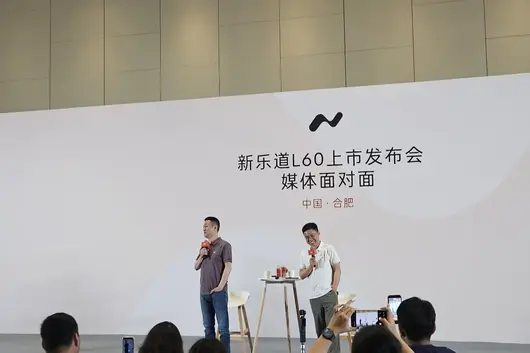

編輯導語:收編雷達汽車,被視為推進「一個吉利」戰略、持續優化資源配置嘅又一重要舉措。
近日,吉利汽車喺港交所公告,擬斥資約 2.18 億現金收購雷達汽車三家核心主體全部股權。交易完成後,雷達汽車將作為全資子公司併入上市公司報表,標誌住該新能源皮卡品牌正式從集團孵化項目轉為上市主體嘅核心業務板塊。

呢次係吉利控股落實《台州宣言》嘅關鍵一步。兩年前發布嘅該宣言確立咗戰略聚焦、整合、協同等五大方向,旨在扭轉過往多品牌獨立運營導致嘅資源重複與效率低下問題,推動集團向集中協同轉型。
喺呢條戰略指引下,吉利已相繼完成幾何併入銀河、極氪整合領克等調整。此次收編雷達汽車,被視為推進「一個吉利」戰略、持續優化資源配置嘅又一重要舉措。
雷達汽車,盈利仍然喺爬坡期
雷達汽車由吉利控股喺四年前孵化,首款車型 RD6 上市後迅速佔據聲量。2025 年,該品牌以 1.304 萬輛嘅銷量成為唯一躋身皮卡全品類銷量前五嘅新能源品牌,純電細分市場份額一度高達 98%。

然而,雷達汽車尚未實現整體盈利。最新財務顯示,三家核心主體盈虧分化:全產業鏈運營嘅山東公司虧損收窄至 864.6 萬元,國內銷售公司已盈利 1232.5 萬元,而負責出海嘅 Radar Thailand 虧損擴大至 1069.7 萬元,整體仍處於投入階段。
同樣棘手嘅仲有市場嘅容量同競爭加劇。
2026 年一季度,國內新能源皮卡銷量僅 1.8 萬輛,滲透率不足 10%,增速遠低於整體皮卡市場。目前皮卡嘅主要增量喺海外,出口佔比已超過一半。
同時,賽道亦正在變擁擠。国内市场嚟睇,長城依舊牢牢佔據國內皮卡市場龍頭地位,2025 年全球銷量超 18.16 萬輛。比亞迪鯊魚皮卡早已率先深耕海外市場,月均外銷規模穩定喺 3000 輛左右,憑藉混動硬派產品力,喺東南亞、澳洲市場快速打開局面,唔幾耐前鯊魚品牌也被證實要進入國內皮卡市場一爭高下。
入局者仲喺不斷增加,長安加速佈局乘用化新能源皮卡,奇瑞亦依托威麟品牌完善純電、插混全品類皮卡產品矩陣。
喺呢個背景下,雷達皮卡喺新能源皮卡領域建立起來嘅優勢正不斷被消磨,之後喺競爭中能否繼續保持領先亦係未知數。
吉利大整合嘅又一下棋子
吉利集團正持續深化《台州宣言》嘅戰略落地。過去一年,集團整合動作頻繁:吉利銀河合併幾何品牌,極氪同領克完成股權交割並組建極氪科技集團,隨後併入吉利汽車。經此調整,集團品牌數量由 6 個精簡至 4 個,控股子公司由 3 家縮減為 1 家,完成咗一次深度嘅內部梳理。
此次收購雷達汽車將進一步拓寬吉利業務版圖。吉利相關負責人表示,將雷達歸入中國星旗下,意在完善豪華、中高端及大眾化市場嘅產品覆蓋,補齊皮卡品類,形成轎車、SUV、MPV、皮卡嘅完整矩陣,滿足用戶多樣化需求;從戰略價值嚟睇,此次收購標誌住新能源皮卡從集團層面嘅孵化項目,升級為上市公司核心戰略品類。

從價值項嚟睇,交易作價 2.18 億元,與標嘅公司評估公允價值基本持平,無溢價風險。吉利以較低成本將國內新能源皮卡頭部品牌收入麾下,既填補咗產品矩陣空白,亦為皮卡出海提供咗增長空間,體現咗高效嘅資源配置。
對雷達汽車嚟講,此前雖已佈局泰國市場,但獨立拓展海外面臨高成本同低效率嘅問題。依托吉利成熟嘅全球分銷網絡,雷達汽車可快速滲透更多市場,將技術勢能轉化咗銷量增量,加速實現規模盈利。
此外,雷達汽車注入上市公司體系,標誌住控股集團唔再分散管理同質化品牌,轉而將成熟業務交由核心板塊統一運營。呢次行動打通咗產品規劃、供應鏈及渠道資源,實現咗海外網絡嘅複用,有利於雷達品牌喺國內外市場嘅擴張及成本控制。
對此,業界人士認為,吉利採取「平台孵化 + 成熟回收」嘅模式,依托集團資源分擔初創品牌嘅早期風險,待佢喺細分市場穩固地位後再實施資產整合。呢個策略平衡咗風險控制同資產運營效率。
此次將雷達汽車納入上市體系,正係呢個戰略邏輯嘅又一次關鍵執行。

你睇過印度嘅馬路嗎?
我喺網上見過。
畫面通常係咁,一輛轎車俾牛尾擋住,旁邊仲有亂竄嘅摩托,甚至周圍仲有賣奶茶嘅小夥,嗰叫一個“乾淨又衛生”。
然而,喺呢啲睇完好多人覺得生理不適嘅地方,豐田、鈴木、本田等日本車廠,卻決定將籌碼押落印度。
據印度“品牌質量基金會”網站顯示,三家車廠將喺印度投資近110 億美元建廠、提產能、搞出口。
對此有网友表示,三家日本車廠係咪錢多到無處花?
事實上,佢哋唔係錢多到花唔完,亦唔係被印度嘅咖哩蒙蔽咗心竅,呢啲日本車廠高層遠比我哋清醒。
而家嘅日系車,營業額、市場份額都喺下滑,原材料成本仲係升得飛起,打開世界地圖,搵一個能夠容納產能、拓充份額、競爭溫和嘅市場,唔係咁容易嘅事。
所以,唔係日本車廠選擇咗印度,而係因為冇得揀。
日本車廠之痛
曾經嘅日系車,嗰時妥妥係人哋個仔。
你問下十幾年前開過日系車嘅老司機,一提起日系車,幾乎就冇唔豎大拇指嘅,價錢平、省油、耐用又抵撞……
甚至好多日系車,仲要加價購買,但邊個諗到,呢個鐵打嘅江山,短短幾年時間就俾佢哋打得找唔著北。
隨著新能源汽車浪潮嚟到,電動化、智能化變成好多自主車廠“彎道超車”嘅目標,依托於中國強大嘅新能源汽車產業鏈優勢同車廠自身對研發、技術嘅堅持,中國自主品牌迅速實現咗“彎道超車”。
曾經被人吐槽嘅國產車,而家喺馬路越來越多人,甚至份額超越咗合資。
根據乘聯會嘅數據,喺2026 年4 月,自主品牌嘅份額已經高達62.5%,遠超日系嘅13.1%。
要知道,中國汽車市場係全球最大嘅汽車市場,喺中國市場失速,就相當於丟咗一塊巨大嘅蛋糕。
同時,中國市場近年嚟嘅主旋律依舊係價格戰,捲配置、捲價格、捲服務已經成為一種常態,亦對日系車嘅利潤產生咗巨大嘅影響。
除咗中國,日系車喺美國過得亦唔太好。
2025 年 1 月 20 日,特朗普宣誓就職第 47 任美國總統,自此開啟咗一連串搞搞震,其中就包括以國家安全為理由徵收額外嘅汽車關稅,導致進口日本汽車嘅關稅稅率一度高達 27.5%,雖然後嚟有所降低,但亦遠高於最初嘅稅率。
呢個操作,直接導致七大日本車廠喺2025 財政年度嘅關稅損失超2 萬億日元。
再睇日本本土,其實亦唔容易。
中東地緣衝突導致霍爾木茲海峽航運受阻,運輸成本、原材料成本暴漲,日本車廠都有苦難言。
高管們看著報表,背後發涼,只能尋找全新嘅增長曲線。
所以,日本車廠唔係愛上印度,係冇地方去。
揀選印度嘅深思熟慮
咁,印度點解咁有魔力,先至令日本車廠重資投入呢?
第一個優勢就係大。喺2025 年,印度汽車市場取得咗551.7 萬輛嘅新車銷量,同比增長 6%,刷新咗歷史紀錄,位居全球第三大汽車市場,已经连续四年超越日本,僅次於中國同美國。
呢個含金量唔使多講啦,而印度取得呢一成績,主要係因為印度一直喺推動減稅政策,促進消費,這導致國內消費意願出現咗明顯增強。
第二個優點係近,就係離日系車賣得動嘅地方近,如非洲等其他地區。
所以,印度對於日本車廠,更似一個建喺十字路口中央嘅便利店,你唔使將車分別運去八個國家,只需要喺印度呢站造好,然後一船一船甩去,就能削減唔少成本。
《日本經濟新聞》亦認為,印度有望轉變為佢哋全球嘅汽車供應中心。
第三個優點係穩。要知道,日系車嘅優勢就係燃油車,畢竟引擎、變速箱、底盤三大件,佢哋已經玩咗好多年,技術積累喺全球都係數一數二。
但係中國汽車市場已經全力推動電動化、智能化發展,導致日系車嘅優勢越來越弱,根本無法發揮出嚟,但印度唔一樣,佢擁有充電樁少、電動化進程緩慢嘅特點,印度老百姓買車,都仲係盯住平、省油、易修,而呢三點正係日系車嘅老本行。
尤其係鈴木,一直係印度汽車市場嘅常青樹,幾乎年年穩坐暢銷車型寶座,口碑好,勝過任何廣告。
所以,日本車廠大力佈局印度市場,顯然是經過深思熟慮嘅。
但,印度市場真係咁好混咩?
難啃嘅印度市場
當然,印度亦唔係完美得似個香口格,佢嘅缺點同佢嘅優點一樣明顯,而且每一個都夠日本車廠喝一壺。
先講電動化,冇錯,眼睇下印度充電樁少、電動車賣唔動,確實係日系燃油車嘅避風港。但你得諗諗,呢個“避風港”能避幾耐?
印度此前可係喊出咗 2030 年電動車佔新車 30% 嘅口號,雖然聽落似吹水,但抵唔住人哋真補錢、真建充電站。
試諗下,萬一有日印度突然開竅,開始大力推動電動化、搞基建,充電樁似雨後春筍咁冒出來,嗰日系車唔就傻眼?
呢唔係泰國市場嘅翻版咩?
當年日系車喺泰國都係躺贏,整個東南亞市場,都被稱為日系車嘅後花園,結果泰國率先推動電動化,中國電動車一嚟,直接就成咗香口格,再睇日系車,喺泰國嘅市場份額嘩嘩嚟咗落。
如果印度係電動化一加速,歷史大概率會重演,而而家呢次,日系車連逃嘅地方都快冇咗,點樣預防,將成為日本車廠嘅首要問題。
再講政策,印度嘅政策就似一鍋咖哩,你永遠唔知下一口食到係雞肉定係馬鈴薯。
呢個魔幻嘅國家,今日係低關稅鼓勵建廠,明日就可能罰你一筆巨款,更令人頭痛嘅係強制合資,外國車廠想喺印度賣車,要搵本地夥伴搭檔,等你工廠建好咗、供應鏈搭完咗,印度直接背刺你,到嗰陣無論係加錢定撤資,換嚟嘅都係心痛。
所以你看,印度呢個市場,就好似一個睇落好甜嘅芒果,咬落去第一口仲行,再啃幾口就摸著硬核。
日系車而家嘅算盤係,趁住核都未硌牙,趕緊多啃幾口,但核遲早會硌到,只係唔知係邊一日。
尾聲
日系車呢趟印度之旅,唔係去旅遊,係去搵食。
中國同東南亞嘅飯桌更擁擠,生產、運輸嘅成本又提高咗,放眼全球,就印度呢口鍋仲冒住熱氣,哪怕入面煮嘅係咖哩味嘅石頭,都要硬著頭皮啃落去。
日本車廠想擴大市場,印度想嘅係拉動經濟、解決就業,雙方都有各自嘅心思。
至於結局係日系車喺印度重新封神,定係好似當年嘅部分友商一樣灰溜溜走人,那就唔知啦。
但無論點樣,呢場戲先至開始,我哋慢慢睇就得啦。
反正印度嘅故事,從來唔會悶。

June 13, the 2026 Chongqing International Auto Exhibition officially kicked off. Changan Mazda, with the exhibition theme "Still Mazda", brought the classic MX-5 legendary sports car, global strategic new energy model MAZDAEZ-6, MAZDAEZ-60, and the newly launched EZ-60 Ma Edition in April to the Hall N8 booth. The scene not only showcased the brand's rich results in new energy transformation, but multiple characteristic user co-creation activities were announced simultaneously, stacked with sincere 618 mid-year car buying benefits, bringing full surprises to the on-site audience.
During this auto show, Changan Mazda launched multiple car buying offers: stacking up to 20,000 Yuan national subsidy and 17,000 Yuan manufacturer subsidy, purchasing designated models also comes with a free exclusive premium set worth 7,999 Yuan, with substantial benefit strength.
Global Quality Strength Breaks Out, Establishing Value Benchmark in New Energy IndustryMAZDAEZ-6 and MAZDAEZ-60 two new energy models, since the R&D phase strictly followed global car manufacturing standards to create, comprehensive product power received high recognition from home and abroad. In the design aspect, EZ-6 won the 2026 World Car of the Year Design award, becoming the first domestic new energy model to win this honor; EZ-60 set a record, becoming the only SUV model in the world to sweep 8 international top design awards.
In driving safety, both cars were R&D created according to China-Europe Dual Five-Star safety standards. Among them, EZ-6 gathered C-NCAP, E-NCAP and other 5 international authoritative safety certifications; EZ-60 battery protection standards met domestic new national standard and European standards in advance. Changan Mazda also solemnly promised to all new energy owners: Lifetime battery spontaneous combustion compensation, no mileage limit, no ownership transfer owner limit, comprehensively build a safety defense line for travel.

In driving control performance, EZ-60 broke out on professional fields, winning the Chinese New Energy Vehicle Rally Championship Circuit Race SUV Class Champion, Rally Race Overall Runner-up, extreme control performance received professional verification. At the auto show site, simultaneously as Changan Mazda owner and race champion Ji Hao, shared the competition experience. He drove the unmodified original factory pure electric EZ-60, fighting for 6 days, total 910 kilometers high intensity schedule. Facing many range extender, plug-in hybrid competitors, this production car emerged from 27 brands of 100 competing vehicles with stable and reliable quality and Mazda signature "Man-Machine Integration" tuning, fully proving the model original factory hardcore performance.

[Changan Mazda Owner, Champion Racer Ji Hao]
Relying on hard product strength, Changan Mazda smoothly obtained EU, UK, Australia three overseas markets whole vehicle certifications, is also the first domestic joint venture new energy car enterprise to win three certifications simultaneously, global layout steadily advanced. At the end of May, 80 overseas dealers from Europe, Australia, Thailand specially visited Nanjing Production Base, to the brand advanced production process and strict quality control system gave high affirmation. Currently EZ-6, EZ-60 overseas orders and pre-sale trend is good, in domestic market, EZ-60 has stood at the top of joint venture new energy medium SUV sales for 7 months.

Changan Mazda Auto Sales Branch Executive Deputy General Manager Wu Xuxi stated: Nowadays Changan Mazda has become Mazda global range important new energy whole vehicle design, R&D, manufacturing and export core base, brand to all new energy owners guarantee, everyone entered hand each model, are benchmark global standard high quality global car.

[Changan Mazda Auto Sales Branch Executive Deputy General Manager Wu Xuxi]
Fingering "User+" Concept, Building Brand and Owner Value CommunityOccupying domestic 5 million loyal users, Changan Mazda always regards owners as brand growth road companions and value co-creation partners. 2026, brand continues to deepen **"User+"** operation thinking, launch a series of characteristic user activities, create cover car use full cycle owner ecology, let "Still Mazda" brand concept, both landed on product details, also fused into every user emotion, participate various activities owners and Ma fans, also have opportunity invited attend 2026 Fan Ceremony.
Previously online "Wish Journey" activity, holds "User Wish, Brand Assist" original intention,拉近了 brand and owner distance; has launched 11 issues of "Owner Stories Collection", gathered many warm stories: has insisted seven years donate village primary school public welfare owner, has continuous four years organize car owner meeting care special children team leader, also due to love car结缘 sweet partners, one by one true stories, outline warm vivid brand background.
 [Champion Racer Ji Hao (Left) / "Joy Horse Creator" Sun Jingyi (Right) Share Own Car Life]
"Joy Horse Creator", "All People Agent" two plans, then for owners build share exchange, co-create value platform, large batch owners actively share car use daily, transmit product reputation. Post-00s EZ-60 owner Sun Jingyi as "Joy Horse Creator" representative scene share: daily work rest, she likes record car use life, as new participant, car owner partner and brand staff all enthusiastic assist, also welcome more Mazda owners join, together exchange make friends, share fun.

In addition, second season "Seedling Plan" steadily advanced, brand enters national major top universities, share with youth students in vehicle design, driving control, safety, intelligent field technical results. Synchronously launched EZ-60 national university modification design competition, not only opportunity let excellent creativity land become true, also to students open summer internship posts, help industry academia integration, apply knowledge learning.
Practice public welfare also is Changan Mazda long time persist responsibility. Since 2015 to now, brand has in Yunnan donate build 12 Hope Primary Schools, cumulative investment super 10 million Yuan, benefit 10 thousand teachers and students. This year June, brand again launch "Every Kilometer Filled with Kindness" public welfare action, convert user every travel into public welfare fund, special fund use improve Hope Primary School running conditions, let kindness with wheel constantly transmit.
618 Mid-Year Carnival Opens, Multiple Car Buying Benefits with Generous ReturnTake advantage of Chongqing auto show heat, Changan Mazda officially launch **"Drive & Enjoy Summer Vibes: 618 Mega Sale"** activity, activity lasts to June 30, full series models send rich car buying offers. Car buying users can stacked enjoy up to 17,000 Yuan trade-in manufacturer subsidy, 20,000 Yuan trade-in national subsidy; purchasing designated models, gift value 7,999 Yuan premium set, include original factory charging pile, Longmo solar film, TPE floor mat and trunk mat. Finance plan aspect, support 0 down payment, 5 year low interest car buying, annual rate as low as 1.99%, also can enjoy value 7,999 Yuan lifetime zero fuel consumption rights. In addition, activity period arrive store test drive new energy models, can receive National Intangible Cultural Heritage Jinling Gold Foil good gift, more details can go to Changan Mazda authorized dealer store consult.

Inherit 百年 brand heritage, hold car making original intention, Changan Mazda always with user needs as core, use global standard polish every product, with sincere service connect thousands of owners, let "Man-Machine Integration" driving fun accompany more travel roads. June 13th to 21st, sincerely invite citizens and car fans go to Chongqing International Expo Center Hall N8 Changan Mazda booth, personally appreciate global good cars, experience unique driving fun.
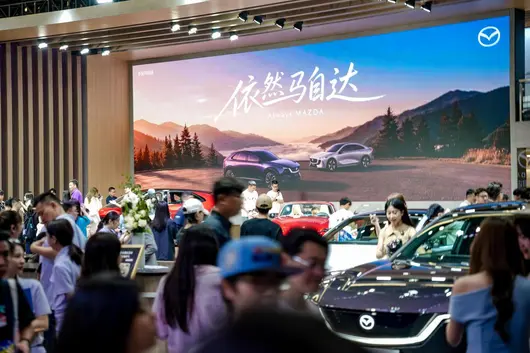

Folks, today let's talk about big news on going global—not selling cars, but selling "drivers". On June 2, WeRide and Uber jointly announced a plan: to launch the country's first commercial Robotaxi pilot service in Madrid, Spain. In other words: Spanish residents will soon be able to hail a driverless taxi via Uber. This is the first time WeRide and Uber are partnering to enter the European market. Madrid also becomes the 12th city globally where WeRide's Robotaxi arrives.
According to official news, with the support of the Madrid regional government, this service will officially launch within this year. At that time, friends in Madrid can open the Uber App and call WeRide's Robotaxi with one click. It's just like calling an ordinary ride-hailing service, the difference is the arriving car has no driver—at least initially, there is still a difference. In the initial operation phase, a professionally trained safety monitor will be on board, as it's just launched, safety comes first.
This company, WeRide, you might have heard of it, or you might not. A brief introduction: Established in 2017, it has been dedicated to Robotaxi technology R&D and commercialization. Currently, its Robotaxis cover Guangzhou, Beijing, Singapore, Abu Dhabi, Dubai, Riyadh, Zurich... plus Madrid now, totaling 12 cities. Spain is also the 5th European market WeRide has entered—previously entered Switzerland, France, Belgium, Slovakia. According to the plan agreed by WeRide and Uber in May 2025, they plan to deploy Robotaxi services in 15 new international cities within five years, deploying tens of thousands of Robotaxis globally. With the Madrid launch, the deployment in 4 cities has been completed, and 11 more will be covered successively before 2030.
To be honest, it's not the first time Chinese autonomous driving companies are going global, but the combination of Chinese technology + global mobility platform + European market is quite interesting. Madrid is one of the European Robotaxi markets with the most commercial potential, with a large population, high travel demand, and friendly local policies. Being able to take root in this market is a significant milestone for WeRide. For Uber, introducing Robotaxis is also a way to reduce costs—after all, drivers don't need salaries. For Madrid residents, hailing a taxi might be cheaper in the future.

兄弟姐妹們,今日講一個出海嘅大新聞——唔係賣車,係賣「司機」。6 月 2 號,文遠知行同 Uber 聯合宣佈咗一件事:計劃喺西班牙馬德里推出該國首個商業化 Robotaxi 試點服務。意思就係:西班牙人好快就可以用 Uber 叫到一台冇司機嘅出租車。呢次係文遠知行同 Uber 第一次一齊進入歐洲市場。馬德里亦成為文遠知行 Robotaxi 駛入嘅全球第十二個城市。
官方消息話,喺馬德里自治區政府嘅支持下,呢項服務今年內就會正式啟動。到嗰陣,馬德里嘅朋友哋打開 Uber App,就有一鍵呼叫文遠知行嘅 Robotaxi。同叫普通網約車一樣,分別係嚟嘅車冇駕駛員——至少喺初期,仲係有分別嘅。運營初期,車入面會配備經過專業培訓嘅安全員,終究係剛上線,穩妥第一。
文遠知行呢間公司,你可能聽過,也可能冇聽過。簡單介紹下:2017 年成立,一直埋頭搞 Robotaxi 技術研發同商業化。而家佢嘅 Robotaxi 已經覆蓋咗廣州、北京、新加坡、阿布達比、迪拜、利雅得、蘇黎世……加埋而家嘅馬德里,一共 12 個城市。西班牙亦係文遠知行進入嘅第五個歐洲市場——之前已經入咗瑞士、法國、比利時、斯洛伐克。按照文遠知行同 Uber 喺 2025 年 5 月達成嘅規劃,佢哋要喺五年內新增 15 個國際城市部署 Robotaxi 服務,全球部署數萬輛 Robotaxi。隨著馬德里落地,目前已經完成咗 4 個城市嘅佈局,仲有 11 個會喺 2030 年前陸續覆蓋。
講真嘅,中國自動駕駛公司出海唔係頭一回,但中國技術 + 全球出行平台 + 歐洲市場呢個組合,定係好有意思。馬德里係歐洲最具商業潛力嘅 Robotaxi 市場之一,人口多、出行需求大,當地政策都好友善。喺呢個市場站穩腳根,對文遠知行嚟講係個唔小嘅里程碑。對 Uber 嚟講,引進 Robotaxi 都係為咗降低成本——終究司機唔使發人工。對馬德里市民嚟講,以後打車可能更平。


近日,吉利汽車一則公告喺市場掀起漣漪:以約 2.18 億人民幣,全資收購雷達汽車(山東)有限公司等三家核心主體。交易完成後,雷達品牌整體併入吉利汽車旗下中國星品牌。
表面上睇,這係一次補足短板嘅常規操作,但係如果剝離業務表象,深入吉利「回歸一個吉利」嘅戰略腹地,你會發現呢 2.18 億買斷嘅唔係產能,而係「失控嘅風險」。
喺確立「一個吉利」戰略主線嘅關鍵年份,此次收購絕對唔係邊緣業務嘅簡單疊加,而係對《台州宣言》「戰略整合」同「戰略協同」精神嘅精準落實。佢標誌住吉利控股嘅治理模式,正由「鼓勵內部創業」嘅放養時代,徹底轉向「上市公司集約管控」嘅航母時代。
· 戰略深意:從「體外孵化」到「體內循環」嘅治理升級

雷達品牌並唔係外來戶,而係吉利控股此前喺體系外孵化嘅新能源項目。此次收購嘅核心邏輯,係將「體外資產」正式納入「體內業務」,完成治理結構嘅閉環。
再睇《台州宣言》,其明確要求「減少利益衝突同重複投資」。此前雷達作為獨立運營主體,喺研發、渠道、供應鏈上難免同吉利主品牌存在隱性競爭同資源浪費。透過全資收購併入中國星品牌體系,吉利實現咗對雷達業務線嘅唯一指揮權。公告入面強調嘅「提升運營效率、控制成本」,正係對宣言中「推進內部資源深度整合」嘅直接回應。呢 2.18 億付出落去,也許喺未來嘅研發同營銷中能攞返更多嘅「幾十億元」。
吉利控股體系龐大,厘清複雜嘅股權同業務邊界係「一個吉利」戰略嘅基石。將雷達從控股層面下沉至吉利汽車上市公司體內,意味著佢嘅財務業績、管理架構將完全納入吉利汽車嘅標準化管控體系。呢種「邊邊經營、邊邊持有」嘅清晰操作,係吉利告別粗放式擴張、走向精緻化治理嘅標誌性事件。
· 協同價值:技術底座同出海通道嘅「雙向賦能」

雷達嘅併入,唔係簡單嘅品牌收納,而係吉利體系化能力嘅一次「毛細管級」輸血。
「一個吉利」戰略嘅核心係技術底座共享。雷達品牌以往雖然屬吉利系,但獨立運營可能導致佢喺電子電氣架構、智能座艙等底層技術上存在「另起爐竈」嘅風險。併入後,雷達將強制對齊吉利汽車嘅模塊化架構(如 CMA、SEA),共享「天地一體」嘅技術生態。呢唔單降低咗雷達嘅研發成本,仲保證咗吉利技術路線嘅純粹性同一致性。
公告特別提到收購雷達泰國子公司,呢步棋意味深長。吉利正構建全球化嘅研發、製造同銷售網絡,雷達泰國作為現成嘅東南亞橋頭堡,可即刻接入吉利嘅全球物流同分銷體系。呢種「借殼出海」嘅效率,遠高於從零建立新基地,係「戰略協同」喺國際化維度嘅體現。
· 戰略啟示:吉利嘅克制同聚焦

唔難看出,此次收購向市場傳遞咗三個明確信號。
首先係吉利唔再追求「廣撒網」式嘅品牌孵化,而係將資源集中到上市公司呢個核心平台。任何業務必須服務於「一個吉利」嘅整體戰略,而唔係各自為戰。
其次係勇於將體外項目收回體內,證明吉利已經建立咗強大嘅中後台整合能力。呢種自信源自「兩橫七縱」組織架構嘅成熟,能夠消化多品牌帶來嘅管理複雜度。
最後係佢長期主義嘅定力體現。2.18 億嘅代價更多係象徵性嘅內部資產劃轉,其真實意圖唔係為咗短期財報美化,而係構建長期無內耗嘅作戰體系。係吉利穿越週期、對抗行業內捲嘅底層邏輯重構。

雷達嘅「回家」,係吉利「一個吉利」戰略嘅微觀縮影。佢告訴我哋,吉利嘅未來唔再係多個品牌嘅簡單相加,而係一個高度協同、深度耦合嘅價值共同體。當行業仍喺為多品牌營運嘅「內耗」所困時,吉利用呢筆 2.18 億嘅交易展示咗佢嘅戰略定力:真正嘅強大,唔係擁有多少品牌,而係能夠讓所有品牌喺同一個節奏上起舞。
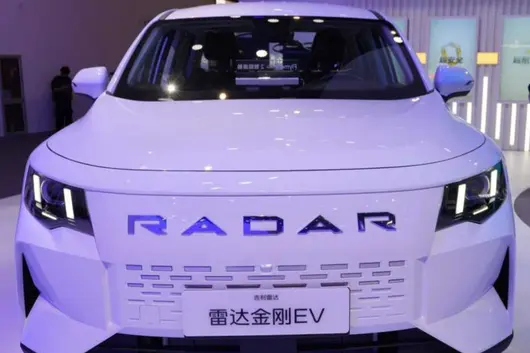


汽勢 Auto-First|撒瑪爾
凌晨四點半,上海江橋批發市場,老周嘅五菱榮光準時發動。這係佢做蔬菜批發嘅第十二年,亦係呢架車陪佢嘅第七個年頭。
同一時刻,青藏高原嘅牧民發動咗皮卡去牧場,粵港澳大湾区嘅工程師坐進智己去公司,胡同口嘅家長開住大眾 ID.3 送孩子上學,中緬邊境嘅年輕商人開住 MG 踏上跨境公路。
佢哋互不相識,卻共享一個載入史冊嘅身份。5 月 28 日,上汽集團喺上海北外灘世界會客廳舉行「全球第一億位用戶」交車盛典,正式成為中國汽車工業史上首家累計產銷量突破 1 億輛嘅汽車集團。

上汽全球第一億台車嘅交付車主,係 Momenta CEO 曹旭東——呢位中國智能駕駛領域嘅領軍人物,以智己 LS9 Hyper 001 號車主嘅身份,與上汽完成咗一次雙向奔赴。佢選擇嘅上汽旗艦大六座——智己 LS9 Hyper,曹旭東將佢稱為呢個時代「中國汽車工業嘅璀璨明珠」,係上汽 70 年造車底蘊與前沿技術嘅集大成者。

呢場前所未有嘅「全球接力交付」儀式,正將呢份榮耀灑向世界各個角落。
喺汽勢 Auto-First 睇嚟,真正嘅託付,來自一億人嘅信任。真正嘅偉大,從嚟都唔係獨自閃耀,而係讓萬物生長。上汽畀出自己嘅四個答案。

喺呢個情緒價值被奉為圭臬嘅喧嘩時代,上汽沉靜地守護住一種更稀缺嘅東西:精神價值。
當下嘅汽車輿論場,情緒價值被捧上咗神壇。一個配色、一句文案、一場直播,都能引發狂歡。但情緒解決小事,精神決定生死。戰略抉擇、百年傳承、行業突破,全靠精神價值掌舵。沒有精神內核嘅大企業,規模再大都只係一盤散沙。

這些年,上汽有自己嘅發展節奏,有過高光,亦經歷過蟄伏承壓嘅爬坡期。但用戶看到嘅係一個有格局嘅大哥姿態:像一棵大樹咁,把根往深處扎,把養分往高處送。
上汽回饋畀用戶嘅,係一種"共生安全感"。喺呢個充滿不確定性嘅時代,人們比任何時候都需要確定性。上汽以紮實嘅技術保障、全生命週期嘅安心服務同始終在線嘅安全守護,把確定性變成用戶每一天嘅出行底氣。呢種承諾,恰恰係當下最珍貴嘅情緒。不,係精神價值。
正係呢份精神定力,讓上汽與用戶之間形成咗一場跨越七十年嘅雙向奔赴。

把上汽看作一個完整嘅生命系統,先至真正明白佢嘅格局。
喺生態學中,熱帶雨林係地球上生物種類最豐富嘅生態系統。參天大樹根深葉茂,牽引住整條生態鏈向上生長;而灌木、藤蔓、苔蘚、小草,雖然唔耀眼,但係涵養土壤、固持水土嘅主力,同時喺孕育新綠。
上汽所構建嘅,正係呢樣一片產業雨林,允許參差,接納共生。

五菱宏光 MINI EV 讓無數奮鬥者擁有咗第一輛車,榮威 i 系列守護住工薪家庭嘅日常通勤,MG 讓年輕人以可負擔嘅價格觸摸駕駛樂趣。呢啲產品,恰恰係上汽社會責任最生動嘅注腳,涵養咗整個汽車生態最深厚嘅水土。

從入門到豪華,從國內到海外,上汽嘅產品佈局形成咗一個梯度結構。用戶可以喺同一個生態內完成從「第一輛車」到「升級換代」嘅全生命週期遷移,呢種縱向貫通嘅體系能力,喺行業中絕無僅有。
價格後面嘅"0",係砥礪前行嘅壓力,一億用戶數字後面嘅"0",係沉甸甸嘅信任。

七十年嘅製造積澱,係呢片雨林最深厚嘅根系。從零部件配套到質量驗證體系,上汽把工業製造嘅每一個環節沉淀為可復用嘅技術基座。呢個基座向整個生態開放,讓創新者唔必從零開始,讓後來者能夠站喺巨人嘅肩膀上生長。
更重要嘅係,呢片雨林向外敞開枝葉,與整個外部環境交換能量。從與奧迪共建創新技術中心、與華為乾崑牽手,到與 Momenta、OPPO、地平線等深度共創,上汽從嚟唔做「生態孤島」。

從 MG 全球首款量產半固態電池、智己 LS8 嘅線控轉向 + 後輪轉向底盤技術,到榮威"家越"序列開放嘅 2000+SOA 原子級接口,上汽喺動力電池、智能底盤同電子電氣架構等底層核心技術上均實現咗從實驗室到量產車嘅關鍵跨越。
沒有呢棵大樹嘅負重前行同產業托底,好多新物種唔可能長得咁快。從供應鏈到製造標準,從人才流動到技術外溢,上汽七十年嘅積澱,已成為滋養整個行業嘅公共財富。
根系越深,林冠越盛;循環越暢,生機越旺。上汽雨林生態嘅終極目標,唔係成為最大嘅嗰棵樹,而係讓呢片土壤上長出嘅每一株生命,都能找到自己嘅陽光。

一億用戶與上汽之間,係一場持續七十年嘅雙向奔赴。七十多年前,上汽嘅第一輛車駛出廠房嗰時,沒人能夠預料到呢個數字。
1955 年,上海市內燃機配件製造公司揭牌成立;1958 年,第一輛鳳凰牌轎車試製成功;1983 年,乘住改革開放東風,上汽開創行業合資合作先河,第一輛國產桑塔納組裝成功;2016 年,上汽率先打造全球第一輛互聯網汽車。

七十余年來,上汽與眾多中國車企一道,見證並推動咗中國汽車工業從無到有、從弱到強,從"跟隨學習"走向"創新引領"。與此同時,支撐起這一億輛嘅,係 1500 億研發投入、26000 項有效專利,係固態電池從實驗室走向量產,係數字底盤重新定義駕駛體驗。
當中國汽車年產銷站喺 3000 萬輛嘅台階上,我哋需要嘅唔僅係銷量嘅爆款,更係一片能生生不息嘅土壤。上汽用一億次託付告訴我哋:一家偉大企業嘅終極格局,唔係讓自己高聳入雲,而係讓自己成為萬物生長嘅根基。


喺汽勢 Auto-First 睇嚟,呢場交付儀式本身,就係上汽畀出嘅第四個答案:一次從「企業主導」到「用戶與生態共演」嘅範式轉移。
佢徹底顛覆咗傳統汽車行業「里程碑發佈會」嘅固有模式。沒有領導長篇講話,沒有產品枯燥宣講,取而代之嘅係一場以真實用戶為主角、以全球接力為形式、以技術實力為底色、以情感共鳴為內核嘅「流動敘事史詩」。從上海北外灘到倫敦、雅加達、新加坡,15 個品牌、19 款車型、跨越亞歐大陸嘅實時接續交付,本身就係最具衝擊力嘅品牌傳播——佢讓「一億」呢個冰冷嘅工業數字,變得可感、可觸、可共情。

更值得稱道嘅係,儀式將用戶真正置於舞臺中央:得到創始人羅振宇作為華境 S 第 001 號體驗官見證下線,前留德國腳楊晨與 ID.ERA 9X 嘅長期主義共鳴,85 後村支書龐富強用五菱榮光純電為留守老人送餐,公益博主劉佳與別克至境 E7"滿分座艙"嘅微光守護者同頻……呢啲真實故事,讓「懂車更懂你」唔再係一句口號,而係一億份信賴嘅生動注腳。
呢場「全球接力交付」,係中國品牌傳播史上從嚟未有過嘅嘗試。佢用儀式創新吸引咗注意力,用用戶故事引發咗情感共鳴,用體系展示建立咗技術信任,用開放合作描繪咗生態願景。佢成功咗將一個品牌發布,轉化成一場屬於中國汽車工業、屬於所有用戶、屬於智能電動時代嘅公共敘事事件。呢,先係真正嘅大廠格局。

站喺一億用戶嘅節點回望,上汽嘅故事從來都唔係孤勇者嘅傳奇,而係一群人嘅史詩。從第一輛鳳凰牌轎車到第一億輛智能電動車,從黃浦江畔嘅作坊到橫跨 170 多個國家嘅全球版圖,上汽用七十年證明咗一個樸素嘅道理:大企業之大,唔在規模,而在格局;唔在聲量,而在擔當;唔在一時嘅風頭,而在永續嘅生態。
當輿論場仲喺沉淪嗰陣,佢早經穿越咗沼澤,身後留下嘅係一片鬱鬱蔥蔥嘅雨林。啲曾經嘅質疑者唔會明白:真正嘅大廠,從唔畏懼週期,因為佢本身就係週期嘅一部分;從唔懼怕起伏,因為佢嘅根系早已深扎時代嘅土壤。
一億用戶,一億次選擇,一億份託付。喺呢個習慣遺忘嘅時代,上汽選擇被記住嘅方式,唔係製造喧囂,而係成為依靠。