


首頁Toyota bZ4X

搜尋歷史
熱門搜尋
經銷商登入 / 註冊
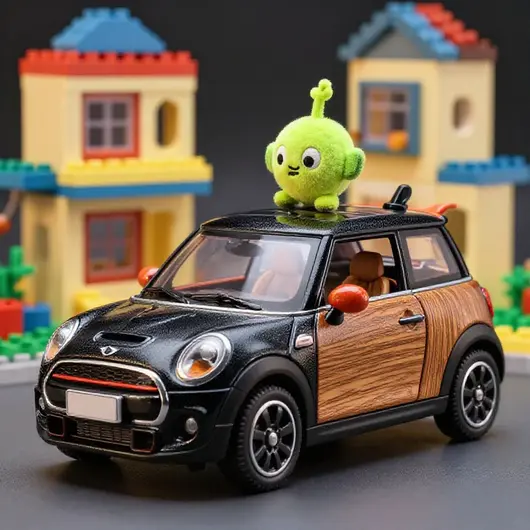
In the SUV market in Malaysia, many buyers compare Honda CR-V and Hyundai Tucson when choosing a car. These two cars are quite close in price and positioning. Today, we will make a detailed comparison from multiple aspects to help you save time on research.
The OTR price of Honda CR-V in Malaysia is RM 178,200 - 195,900, with a total of 4 versions, including 2026 e:HEV 2.0L 2WD RS (RM 195,900), 2026 1.5T 4WD V (RM 181,900), 2026 e:HEV 2.0L 2WD E (RM 178,200), etc.
The OTR price of Hyundai Tucson in Malaysia is RM 143,888 - 197,888, with a total of 5 versions, including 2025 HEV 1.6T AT 2WD Prestige (RM 197,888), 2025 1.6T DCT 4WD Prestige (RM 186,888), 2025 1.6T DCT 2WD Prime (RM 164,888), etc.
Looking at the price, Hyundai Tucson's starting price is RM 34,312 cheaper than Honda CR-V. Honestly, in this price range, the difference of a few thousand is actually not big, the key is to look at overall value for money and long-term usage costs.

Honda CR-V is equipped with 2.0L 4-cyl, horsepower 170 hp. Official fuel consumption 8.0 L/100km.
Hyundai Tucson is equipped with 1.5L Turbo, horsepower 140 hp. Official fuel consumption 7.0 L/100km.
In terms of power, Honda CR-V's 2.0L 4-cyl has 30 more horsepower than Hyundai Tucson's 1.5L Turbo, making mid-range acceleration more confident, especially when overtaking on highways. However, Hyundai Tucson's fuel consumption might be more friendly, the difference in daily city commuting won't be too big.

Honda CR-V body length is 4500 mm, trunk 450 L.
Hyundai Tucson body length is 4400 mm, trunk 400 L.
In terms of space, Honda CR-V's body is 100 mm longer than Hyundai Tucson, the interior seating space will be slightly more spacious, especially the rear legroom. If you often carry family members or need to put in a stroller, a slightly larger body is indeed more practical.

Honda CR-V adopts FWD drive mode.
Hyundai Tucson adopts FWD drive mode.
Both cars have the same drive mode, both are FWD, there won't be much difference in daily driving feel.

Both Honda CR-V and Hyundai Tucson are mainstream choices in the Malaysian market, suitable for family use and daily commuting. If you value brand reputation and resale value more, you can prioritize the one with better reputation; if you care more about cost-performance ratio and equipment, then choose the one with richer configurations. Ultimately, it is recommended to test drive both, personal experience is the most important.

Overall, Honda CR-V and Hyundai Tucson are both very good models in the Malaysian market. Which one to choose depends on your personal needs and budget. It is recommended to do research, compare quotes from several car dealerships, and then test drive to make the final decision. Buying a car is a big matter, spending some time doing research will definitely not be wrong.


Today, the 23rd China-ASEAN Expo opened in Nanning, Guangxi. SAIC-GM-Wuling appeared at this Expo with the theme "Global Wuling, Shining in ASEAN", heavily launching the Global 5 Global Strategy on site, signing a deep strategic cooperation agreement with Malaysia Chuanhang Group, and collaborating with People's Forum to release the think tank report "New Paradigm of Collaborative Overseas Expansion in Green Manufacturing and Automotive Industry", showcasing new quality achievements of Chinese automobiles leaping from product overseas expansion to full-chain ecosystem overseas expansion to the world.

"Global Wuling, Shining in ASEAN" SAIC-GM-Wuling Appears at the 23rd China-ASEAN Expo
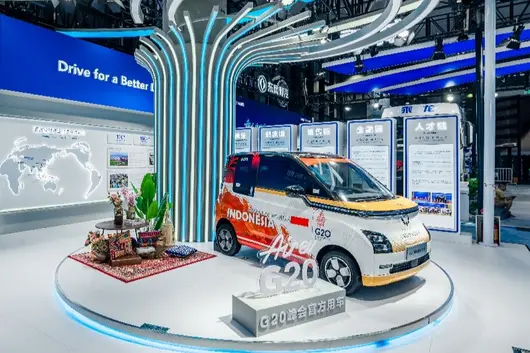
As a benchmark enterprise for the collaborative overseas expansion of China's automotive industry, SAIC-GM-Wuling concurrently participated in the "New Energy and Intelligent Connected Vehicles" exhibition zone and the "Advanced Technology" exhibition zone at this ASEAN Expo, bringing users flagship large six-seater Huanjing S equipped with Huawei Qiankun technology, G20 Summit official vehicle Air ev, "Tian", "Ling", "Shen" technology brands, and I²MS Intelligent Island manufacturing system and other results displays, comprehensively presenting SAIC-GM-Wuling's globalization strength from products to technology, from brand to ecosystem.

SAIC-GM-Wuling "New Energy and Intelligent Connected Vehicles" Exhibition Zone

SAIC-GM-Wuling "Advanced Technology" Exhibition Zone
Global 5 Global Strategy Release, SAIC-GM-Wuling Contributes Chinese Solution for High-Quality Development of Global Automotive Industry
Currently, the global new energy transition faces three major gaps: "large inclusive disparity, high localization threshold, and ecosystem chain fragmentation". Facing the questions of the times, SAIC-GM-Wuling convened a global strategy release conference, officially releasing the Global 5 Global Strategy. With a new posture, joining hands with ASEAN and global partners, it co-draws a new blueprint for the global new energy vehicle ecosystem. Mr. Zhao Xiaobin, Vice President of SAIC-GM-Wuling Automobile Co., Ltd., stated in his speech that the Chinese automotive industry is moving from a "large automotive country" to a "powerful automotive country". On this path to becoming powerful, SAIC-GM-Wuling has delivered a brilliant report card: cumulative global production and sales have exceeded 32 million units; new energy vehicle sales exceeded 4 million units; overseas exports have grown for 10 consecutive years, with cumulative export sales breaking through 1.6 million units/sets. From initially relying on others' ships to go overseas to today relying on the New International Land-Sea Trade Corridor, intelligent manufacturing and green manufacturing advantages, SAIC-GM-Wuling has grown into a global automaker with both scale and growth rate leading, and is also one of the Chinese brands loved by ASEAN users. In the future, SAIC-GM-Wuling will plan the globalization path from five dimensions: strength, model, market, guarantee, and goals, defining new standards for high-quality development of the global automotive industry.

SAIC-GM-Wuling Vice President Zhao Xiaobin Speech
The Global 5 Global Strategy is SAIC-GM-Wuling's Chinese solution contributed to the Chinese automotive industry's journey towards full-chain ecosystem overseas expansion. At the press conference, Shi Jiangong, Vice President of SAIC-GM-Wuling Overseas Business Department, detailed the implementation path of the Global 5 Global Strategy. He stated that SAIC-GM-Wuling brings full-scenario mobility solutions through a full-category product layout, builds pragmatic and reliable core technologies with the "Tian Ling Shen" technology system as the core, breaks the century-old assembly line convention with the world-first I²MS Intelligent Island manufacturing system, constructs a full-industry chain ecosystem layout through the "Intelligent Manufacturing Chain, Supply Chain, Sales Chain, Talent Chain, Finance Chain" five-chain synergy, casts extreme trust and reputation with 68 years of car-making history and 32 million cumulative production and sales, builds five strength bases, and systematically converts full-link self-research and self-construction capabilities into overseas market competitiveness. At the same time, SAIC-GM-Wuling has launched five open cooperation models including trade, dealership, production-sales, full-industry chain, and technology licensing targeting the development stages and policy environments of different global markets, progressing from shallow to deep, flexibly adapting, allowing partners to choose according to their own needs.

SAIC-GM-Wuling Overseas Business Department Vice President Shi Jiangong Speech
In addition, SAIC-GM-Wuling has also built five major service guarantee systems including global quality guarantee, supply chain guarantee, partner empowerment guarantee, localized after-sales guarantee, and sustainable operation guarantee, covering the full lifecycle of cooperation; with ASEAN as a bridgehead, continuously deepening the layout of five major markets: Asia, Africa, Americas, Europe, and Oceania; formulated five major development goals including deepening layout in 150 countries in 3 years, expanding 500 strategic partners, annual sales average growth of 50%, becoming a world new energy leadership brand, becoming a pioneer in industrial upgrading and green development, to achieve a win-win pattern where both "Wuling Development Wing" and "Wuling Partner Wing" fly together.

SAIC-GM-Wuling Global 5 Global Strategy
As the first implementation result after the Global 5 Global Strategy release, SAIC-GM-Wuling signed a deep strategic cooperation agreement with Malaysia Chuanhang Group on site at the press conference, officially launching the Malaysia localized industry layout. Liu Zhijun, Director of Marketing and Service Department of Liuzhou Saike Technology, and TQ WULING General Manager Yun Weishan represented both parties to complete the signing; Shi Guoyong, Member of the Party Committee of SAIC-GM-Wuling, Party Secretary of Liuzhou Saike Technology, Vice President, Huang Yaosong, Executive Vice President of SAIC-GM-Wuling, Zhao Xiaobin, Vice President of SAIC-GM-Wuling jointly witnessed this signing. Relying on the overseas expansion of core component supply chains, SAIC-GM-Wuling will build a Malaysia local independent supply chain system, continuously improve the ASEAN regional industry map, and promote international capacity layout and cross-border industry collaborative development.

SAIC-GM-Wuling and Malaysia Chuanhang Group Battery Localized CKD Project Strategic Cooperation Signing Ceremony
"New Paradigm of Collaborative Overseas Expansion in Green Manufacturing and Automotive Industry" Think Tank Report Released, SAIC-GM-Wuling Creates New Quality Chinese Automotive Overseas Expansion Sample
At the site of this China-ASEAN Expo, SAIC-GM-Wuling, collaborating with People's Forum, invited three industry experts to jointly release the "New Paradigm of Collaborative Overseas Expansion in Green Manufacturing and Automotive Industry" think tank report. The report systematically elaborates on the new paradigm of China's automotive industry collaborative overseas expansion constructed by SAIC-GM-Wuling through three paths: "New Quality Ecosystem, New Quality Brand, New Quality Product", and the practical experience of deeply binding the enterprise's globalization path with the Guangxi "Beijing-Shanghai-Guangzhou R&D + Guangxi Integration + ASEAN Application" development path.

G20 Summit Official Vehicle
The three paths of New Quality Ecosystem, New Quality Brand, and New Quality Product complement each other. Its New Quality Ecosystem constructs a complete system for Chinese automotive overseas expansion through five-chain synergy and green manufacturing. The New Quality Brand relies on five co-benefit results to break overseas "low-end bias". The New Quality Product responds to diverse global mobility needs with "5+N" global layout. Zhang Lei, Director of the Artificial Intelligence Economy Research Office of the Institute of Economics, Chinese Academy of Social Sciences, emphasized in the report release that SAIC-GM-Wuling systematically converts domestic accumulated technology, manufacturing, and supply chain advantages into global competitive advantages through the "Intelligent Manufacturing Chain - Supply Chain - Sales Chain - Talent Chain - Finance Chain" five-chain synergy; Zhou Changping, Executive Vice President of the National Bamboo Industry Research Institute, pointed out that SAIC-GM-Wuling took the lead in connecting the country's first "bamboo replacing plastic" full industry chain for automotive parts, setting a benchmark for green manufacturing. Zhao Xinli, Dean of the School of Advertising and Branding, Communication University of China, stated in the report interpretation that SAIC-GM-Wuling broke overseas low-end bias with high cost-performance ratio and deep scene adaptation, centrally demonstrating the effectiveness of Chinese automotive brands "going global", and at the same time through five major global products covering SUV, MPV, micro mobility, urban new energy, commercial vehicles and other full scenarios, ensuring every mobility has Wuling, and developing the market blue ocean with differentiated and multi-category advantages.


SAIC-GM-Wuling Global Product Matrix Makes Heavy Appearance at China-ASEAN Expo
From the forward-looking planning of the global strategy to the systematic summary of the People's Think Tank, SAIC-GM-Wuling fully presented the systematic upgrade of China's automobiles from product overseas expansion to full-chain ecosystem overseas expansion, providing replicable experience samples for local enterprises and manufacturing industries to "go out" high quality. Facing the new journey of the "15th Five-Year Plan", SAIC-GM-Wuling will lead with the Global 5 Global Strategy, walk steadily and go far with global partners, write the answer of "Chinese Intelligence Manufacturing" on a broader world stage, inject powerful Chinese automotive power into the next decade of high-quality joint construction of "Belt and Road", and for China-ASEAN opening cooperation to go deeper and become more realistic.

In the Malaysian SUV market, many buyers compare Honda CR-V and Mitsubishi Xforce when choosing a car. These two models are quite close in price and positioning. Today, we will make a detailed comparison from multiple aspects to help you save time on research.
The Honda CR-V OTR price in Malaysia is RM 178,200 - 195,900. There are 4 versions in total, including 2026 e:HEV 2.0L 2WD RS (RM 195,900), 2026 1.5T 4WD V (RM 181,900), 2026 e:HEV 2.0L 2WD E (RM 178,200), etc.
The Mitsubishi Xforce OTR price in Malaysia is RM 109,930 - 119,930. There are 2 versions in total, including 2026 1.5L Ultimate (RM 119,930), 2026 1.5L Urban (RM 109,930), etc.
From a price perspective, the starting price of Mitsubishi Xforce is RM 68,270 cheaper than the Honda CR-V. To be honest, in this price range, a difference of a few thousand isn't actually that big. The key is to look at overall value for money and long-term usage costs.
The Honda CR-V body length is 4500 mm, boot 450 L.
The Mitsubishi Xforce body length is 4400 mm, boot 400 L.
Regarding space, the Honda CR-V body is 100 mm longer than the Mitsubishi Xforce. The interior passenger space is slightly more spacious, especially the rear legroom. If you often carry family members or need to fit a stroller, a larger body is indeed more practical.
Honda CR-V uses FWD drive system.
Mitsubishi Xforce uses FWD drive system.
The drive systems of both cars are the same, both are FWD, and there won't be a huge difference in daily driving experience.
Honda CR-V and Mitsubishi Xforce are both mainstream choices in the Malaysian market, suitable for family use and daily commuting. If you value brand reputation and resale value more, you can prioritize the one with a better reputation; if you care more about cost-performance ratio and equipment, then choose the one with more configurations. Finally, it is recommended to test drive both, experiencing it personally is the most important.

Overall, Honda CR-V and Mitsubishi Xforce are both very good models in the Malaysian market. Which one to choose depends on your personal needs and budget. It is recommended to do your research, compare quotes from several dealerships, and then test drive to make a final decision. Buying a car is a big matter, spending time on research will never be wrong.

喺馬來西亞嘅 SUV 市場,好多買家在揀車嘅時候都會拿 Honda CR-V 同 Hyundai Tucson 嚟做比較。呢兩款車喺價位同定位上都幾接近嘅,今日我就哋由多個方面做一次詳細嘅比較,幫你省返做功課嘅時間。
Honda CR-V 喺馬來西亞嘅 OTR 售價係 RM 178,200 - 195,900,一共有 4 個版本,包括 2026 e:HEV 2.0L 2WD RS(RM 195,900)、2026 1.5T 4WD V(RM 181,900)、2026 e:HEV 2.0L 2WD E(RM 178,200) 等。
Hyundai Tucson 喺馬來西亞嘅 OTR 售價係 RM 143,888 - 197,888,一共有 5 個版本,包括 2025 HEV 1.6T AT 2WD Prestige(RM 197,888)、2025 1.6T DCT 4WD Prestige(RM 186,888)、2025 1.6T DCT 2WD Prime(RM 164,888) 等。
由價錢睇,Hyundai Tucson 嘅起步價比 Honda CR-V 平咗 RM 34,312。坦白講,喺呢個價位段,几千蚊嘅差距其實唔算大,關鍵始終係睇整體嘅性價比同長遠使用成本。
Honda CR-V 配備 2.0L 4-cyl,馬力 170 hp。官方油耗 8.0 L/100km。
Hyundai Tucson 配備 1.5L Turbo,馬力 140 hp。官方油耗 7.0 L/100km。
動力方面,Honda CR-V 嘅 2.0L 4-cyl 比 Hyundai Tucson 嘅 1.5L Turbo 多咗 30 匹馬力,中段加速更有信心,特別係跑高速公路嗰陣嗰樣。不過 Hyundai Tucson 嘅油耗可能更節省,日常市區通勤差別唔會太大。
Honda CR-V 保修 5 年/無限制里程,保養間隔 每 10,000km 或 6 個月。
Hyundai Tucson 保修 5 年/300,000km,保養間隔 每 10,000km 或 6 個月。
Honda CR-V 同 Hyundai Tucson 都係馬來西亞市場嘅主流選擇,適合家庭使用、日常通勤。如果你更睇重品牌口碑同二手價,可以優先考慮口碑更好嗰款;如果你更在意性價比同配備,就揀配備更豐富嗰款。最後始終建議兩款都去試駕,親身體驗先至係最重要。
總體嚟講,Honda CR-V 同 Hyundai Tucson 都係馬來西亞市場幾唔錯嘅車型。揀邊輛,關鍵始終都要睇你嘅個人需求同預算。建議大家做好功課,多比較幾間車行嘅報價,先去試駕先做最終決定。買車係件大事,花啲時間做功課絕對唔會錯。

喺馬來西亞嘅 SUV 市場,好多買家喺揀車嗰陣都會拿本田 CR-V 同三菱 Xforce 嚟做比較。這兩部車喺價錢同定位上都幾接近,今日我哋就從多個方面做一個詳細嘅對比,幫你省返做功課嘅時間。
本田 CR-V 喺馬來西亞嘅 OTR 售價係 RM 178,200 - 195,900,總共有 4 個版本,包括 2026 e:HEV 2.0L 2WD RS(RM 195,900)、2026 1.5T 4WD V(RM 181,900)、2026 e:HEV 2.0L 2WD E(RM 178,200)等。
三菱 Xforce 喺馬來西亞嘅 OTR 售價係 RM 109,930 - 119,930,總共有 2 個版本,包括 2026 1.5L Ultimate(RM 119,930)、2026 1.5L Urban(RM 109,930)等。
從價錢睇落,三菱 Xforce 嘅起步價比本田 CR-V 平咗 RM 68,270。老實講,喺呢個價位段,幾千蚊嘅差距其實唔算大,關鍵仲係睇整體嘅性價比同長期使用成本。
本田 CR-V 車身長 4500 毫米,後備廂 450 L。
三菱 Xforce 車身長 4400 毫米,後備廂 400 L。
空間方面,本田 CR-V 嘅車身比三菱 Xforce 長咗 100 毫米,車內乘坐空間會稍微闊氣少少,尤其係後座腿部空間。如果你經常載家人或者需要放嬰兒車,大一點嘅車身確實更實用。
本田 CR-V 採用 FWD 驅動方式。
三菱 Xforce 採用 FWD 驅動方式。
兩部車嘅驅動方式一樣,都係 FWD,日常駕駛感受唔會有太大分別。
本田 CR-V 同三菱 Xforce 都係馬來西亞市場嘅主流選擇,適合家庭使用、日常通勤。如果你更重視品牌口碑同二手價,可以優先考慮口碑更好嗰一款;如果你更在意性價比同配備,就揀配備更豐富嗰款。最後都建議兩部車都去試車,親身體驗先至係最重要嘅。
總括嚟講,本田 CR-V 同三菱 Xforce 都係馬來西亞市場幾不錯嘅車型。揀邊一部,關鍵仲係要睇你嘅個人需求同預算。建議大家做功課,多比較幾間車行嘅報價,先至去試車做最終決定。買車係一件大事,花啲時間做功課絕對唔會錯。

In Malaysia's SUV market, many buyers compare the Honda HR-V and Subaru Crosstrek when choosing a car. These two models are quite close in price and positioning. Today, we will make a detailed comparison from multiple aspects to help you save time on research.
Honda HR-V's OTR price in Malaysia is RM 115,900 - 143,900, with a total of 4 versions, including 2026 e:HEV 1.5L RS (RM 143,900), 2026 1.5T V (RM 137,900), 2026 1.5T E (RM 130,900), etc.
Subaru Crosstrek's OTR price in Malaysia is RM 145,000 - 160,000, with a total of 1 version, including 2.0L e-Boxer (RM 150,000), etc.
From a price perspective, the Honda HR-V's starting price is indeed RM 29,100 cheaper than the Subaru Crosstrek. If your budget is limited, Honda's entry-level version can already meet daily needs. However, keep in mind that the few thousand cheaper might involve trade-offs in features, depending on your needs.

Honda HR-V body length is 4500 mm, trunk capacity 450 L.
Subaru Crosstrek body length is 4400 mm, trunk capacity 400 L.
In terms of space, the Honda HR-V's body is 100 mm longer than the Subaru Crosstrek, offering slightly more interior passenger space, especially rear legroom. If you often carry family or need to fit a stroller, a larger body is indeed more practical.

Honda HR-V warranty is 5 years/unlimited mileage, service interval every 10,000km or 6 months.
Subaru Crosstrek warranty is 3 years/100,000km, service interval every 10,000km or 6 months.

Both the Honda HR-V and Subaru Crosstrek are mainstream choices in the Malaysian market, suitable for family use and daily commuting. If you value brand reputation and resale value more, consider the one with better reputation; if you care more about value for money and features, choose the one with richer specifications. Ultimately, we recommend test driving both models; personal experience is the most important.

In general, both the Honda HR-V and Subaru Crosstrek are very good models in the Malaysian market. Which one to choose depends on your personal needs and budget. We suggest doing your research, comparing quotes from several dealerships, and then test driving to make a final decision. Buying a car is a big matter; spending time on research will never go wrong.


In Malaysia's SUV market, many buyers often compare Honda HR-V and Subaru Forester when choosing a car. These two cars are quite similar in price and positioning. Today we will make a detailed comparison from multiple aspects to help you save time on research.
The Honda HR-V's OTR price in Malaysia is RM 115,900 - 143,900, with a total of 4 versions, including 2026 e:HEV 1.5L RS (RM 143,900), 2026 1.5T V (RM 137,900), 2026 1.5T E (RM 130,900), etc.
The Subaru Forester's OTR price in Malaysia is RM 174,000 - 197,000, with a total of 3 versions, including 2024 2.0L S EyeSight GT Edition (RM 189,538), 2024 2.0L S EyeSight (RM 177,538), 2024 2.0L L EyeSight (RM 167,538), etc.
From a pricing perspective, the Honda HR-V's starting price is indeed RM 58,100 cheaper than the Subaru Forester. If your budget is limited, Honda's entry-level version can already meet daily needs. But be aware that the cheaper amount (a few thousand) might involve trade-offs in features, which depends on your specific needs.
The Honda HR-V safety rating is 5★ (ASEAN NCAP), active safety systems include Honda SENSING (ACC, CMBS, LKAS, RDM).
The Subaru Forester safety rating is 5★ (Euro NCAP), active safety systems include EyeSight.
Regarding safety features, both cars received good ratings. However, the Honda HR-V's Honda SENSING (ACC, CMBS, LKAS, RDM) and Subaru Forester's EyeSight have some differences in functionality. If you value active safety, you can compare their feature lists carefully.
The Honda HR-V uses FWD drive mode.
The Subaru Forester uses FWD drive mode.
Both cars have the same drive mode, FWD, so daily driving experience will not differ much.
Honda HR-V and Subaru Forester are both mainstream choices in the Malaysian market, suitable for family use and daily commuting. If you value brand reputation and resale value more, prioritize the one with better reputation. If you care more about value for money and features, choose the one with richer configuration. Ultimately, it is recommended to test drive both; experiencing it personally is the most important.

Overall, Honda HR-V and Subaru Forester are both very good models in the Malaysian market. Which one to choose depends on your personal needs and budget. We suggest doing your research, comparing quotes from multiple dealerships, and test driving before making a final decision. Buying a car is a big deal; spending time on research is definitely not wrong.

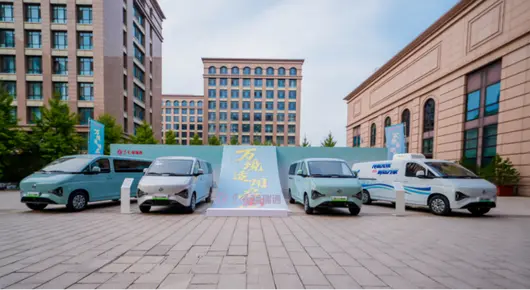
2026 年 9 月 6 日,北京國測展覽中心。東風福瑞通三款新品一字排開:V6E 客運版、V8E 客運版、V8E 冷藏車。
三款車身後,巨幅彩色幕布上,「萬境適用啟新程」七個字,壓住全場。
十日前,東風股份發布 2026 年中期報告:營業額 55.16 億元,按年升 9.64%;應佔擁有人利潤 1.24 億元,按年升 27.83%;新能源整車銷量 1.8 萬輛,按年大增 99.2%。其中福瑞通上半年交付量按年升 153.9%,增速贏過行業大市近三倍。
東風股份營銷總部副部長、福瑞通事業部總經理郭全賓表示,而家市區配送、個人經營、公司通勤同冷鏈物流嘅需求越嚟越細分,用戶唔再滿足於「有車可用」,而係要求車輛精準配搭自己嘅場景。

今次三款車,就係奔住呢個「唔滿足」嚟嘅。
五個月,由整合到三車齊發,節奏狂飆
2026 年 3 月,東風股份將原御風、睿立達兩大 VAN 業務整合,孵化全新專屬品牌「東風福瑞通」,設立獨立事業部。研發路線、智造標準、渠道服務體系統一收攏,VAN 業務全面轉向正向純電開發。
從「各自為戰」到「攥成一個拳頭」,用咗唔夠一個月。
4 月 15 日,重慶,福瑞通品牌正式發布,V8E 與 V10 雙車首發。品牌落咗地同產品上市,幾乎無縫銜接。
9 月 6 日,北京,三款新品同時亮相。從雙車到三車,從城配貨運到客運通勤再到冷鏈物流,產品版圖以肉眼見嘅速度喺擴張。
從一張藍圖到兩條產品線,再到三款新車補齊三大細分場景,只係用咗五個月時間。呢種節奏唔係拍腦門,更唔係市場嚟臨時嘅臨陣磨槍。2026 年全年,東風福瑞通規劃推出中小 VAN26 款、大 VAN10 款,總計 36 款車型。純電、燃油、燃氣多條技術路線,前驅、後驅兩種驅動模式,一張網全部鋪開。
點解福瑞通敢鋪咁大嘅攤子?
答案喺襄陽。東風股份襄陽智能製造生產基地,實現咗「可油可電」混流生產。一條生產線,燃油車同電動車混住造。平台化共享、供應鏈統一。這唔係東拼西湊嘅「油改電」,係由根上長出嚟嘅正向開發體系。
「上下同欲者勝」——品牌整合嘅邏輯,古人早就講透咗。這亦係五個月,福瑞通跑出 153.9% 增速嘅原因之一。
三款車,三個場景,精準填空
市場變咗,產品得跟上。
而家,城配物流嘅揀車邏輯正係由「有車就行」變成「咩場景用咩車」。粗放式嘅「一辆车打天下」已經行唔通咗。
今次福瑞通發佈嘅三款車,就係為咗解決「行唔通」嘅問題。
V6E 客運版,定位「客貨兼備嘅多功能 VAN 車」,「超值 7 方,後驅更強」。6.6m³容積,輪轂包間距超 1.2 米。3 米長乘員艙,人坐得唔局促,行李亦有地方放。85kW 扁線馬達,後輪驅動,爬坡有力。3+1 片鋼板彈簧,1.8T 後驅電驅橋——承載能力擺喺度。270 度尾門,裝卸唔費勁。CLTC 續航 330km,寧德時代電池。標配 13.1 寸中控大螢幕、倒車影像、行車紀錄器、電子手掣,乘用車嘅配備一樣冇錯過。
呢輛車主要畀邊個?畀朝早拉貨、下晝載人、晚頭仲可以跑一趟城配嘅小微經營者。一輛車,三種身份。

V8E 客運版,主打「後驅 8 方,坐享從容」。7-9 座佈局,滿載 9 人仲能塞進 8 個 20 寸工具箱。乘客區長度超 3 米,右側落車通道闊超 0.5 米:上下車唔擠,坐住唔局促。標配隱私玻璃,板簧較同平台貨運車剛度減少 30%:坐人嘅車,唔可以太顛。寧德時代液冷 2C 電池,原廠封裝。
呢台車主要畀邊個?企業通勤、團隊出行、機場接駁。9 個人加 8 個工具箱,一趟拉完,唔使跑兩趟。

V8E 冷藏版,「冷運無憂,鮮達萬家」。6.5m³超大冷箱,F 級冷凍級別。弗迪同寧德時代雙一線品牌電池可選,2C 快充,原廠封裝。弗迪版 CLTC 續航 300km,寧德時代版 350km。110kW 扁線馬達,2T 加強型後橋,後輪驅動。能耗優於競品 17%,平均每 100 公里省 3 元,多跑多省。13.3 寸智慧中控大螢幕,支持冷機預置同內置,鎖車後冷機繼續工作。冷機內置整車高度 1998mm,整車高 2190mm,能落地庫。
呢輛車主要畀邊個?生鮮電商、連鎖餐飲、醫藥配送。最後一公里嘅冷鏈,差一攝氏度都唔得。

三款車,三種場景,一個共同點:都基於東風福瑞通 V 平台打造。平台化唔係營銷話術,係成本控制、品質一致性、快速迭代嘅底層能力。
從「萬境適用」嘅品牌主張,到三款車覆蓋三大場景嘅現實落位,東風福瑞通用五個月走晒由構想到兌現嘅全過程。
正似郭全賓所言,三款车型嘅應用場景各有側重,但背後堅持嘅係同一個方向:「以用戶需求為出發點,以真實場景為檢驗標準,透過更加豐富嘅產品組合,為用戶提供合適、可靠且高效嘅用車選擇。」
7.90 萬起、鎖車不斷冷,每一筆賬都算得清
價格公佈環節,當數字出嚟時,台下有經銷商掏出手機開始計數。
V6E 客運版 79000 元起、V8E 客運版 102100 元起、V8E 冷藏版 112700 元起。呢個定價,放喺 2026 年新能源 VAN 市場嘅價格坐標係入面,精準卡喺「品質唔輸、價格更優」嘅黃金分割點上。
但呢只係第一筆數。真正嘅數,要往後睇五年。
一輛 V6E,79000 元買落嚟。按每年跑 4 萬公里計,電費比油費省幾多?新能源保養比燃油車少幾次?五年落嚟,省返嘅錢夠唔夠再買一臺?呢係小微經營者心入面計嘅數。
一台 V8E 冷藏車,能耗優於競品 17%,每 100 公里省 3 元。一年跑 5 萬公里,光能耗就省 1500 元。鎖車不斷冷(熄火鎖車後冷機繼續工作),貨損率降咗;能落地庫,裝卸時間省咗;F 級冷凍,貨品損耗少咗。呢台車五年跑落嚟,比競品多賺幾多錢?呢係物流公司心入面計嘅數。
東風福瑞通將每一筆數都算到明面上。
7 月底,河北石家莊,60 輛 V6E 交付,簽咗千輛戰略框架。8 月 14 日,襄陽智能製造中心,千輛福瑞通正式交付大客戶。從「戰略共識」到「規模化營運」,唔夠一個月。客戶唔係傻瓜,大批量再次購買之前,數一定計過。
上市即交付。現場,東風股份將新車車匙交到客戶手中。多位車主表示,對福瑞通新品上市期待好耐,東風紮實嘅製造底蘊同誠意定價,令佢哋對後續營運收益充滿信心。

海外市場同樣喺計數。上半年整車出口 1.3 萬輛,按年升 81.4%。馬來西亞單次交付 830 輛,拉美市場斬獲 108 輛訂單。福瑞通嘅賬本,開始用美元同林吉特嚟寫。
呢筆價值嘅數,算係裸車價之外,用住省唔省、修住貴唔貴、賣住蝕唔蝕。這就係福瑞通擲出嘅一道標尺:全生命週期成本。
「萬境適用啟新程」,呢句口號嘅內涵,郭全賓喺發布會上面講得透徹:「以多元產品回應萬千場景,以可靠品質陪伴用戶開啟事業同生活嘅新旅程。」
過去幾年,輕型商用車行業陷入低價廝殺嘅泥潭。邊平邊賣得多,無人關心三電可唔可靠、服務跟唔跟得上。但市場正喺自我進化:車隊規模越嚟越大、營運強度越嚟越高,一輛車全生命週期嘅總成本,遠比裸車價重要。
舊標尺係價格,新標尺係價值。福瑞通擲出嘅新標尺有三口刻度:第一口睇體系能力,第二口睇場景適配,第三口睇全生命週期成本。
79000 元起、102100 元起、112700 元起,三款新品嘅定價;153.9%:福瑞通上半年交付增速。
數字擺喺嗰度,福瑞通擲出嘅呢把 VAN 揀車新標尺,唔需要再用故仔嚟包裝咗。

喺馬來西亞嘅 SUV 市場,好多買家喺揀車嘅時候都會拿 Honda HR-V 同 Subaru Crosstrek 做比較。這兩款車喺價位同定位上都幾接近,今日我哋就從多個方面做一個詳細嘅對比,幫到你省下做功課嘅時間。
本田 HR-V 喺馬來西亞嘅 OTR 售價係 RM 115,900 - 143,900,合共有 4 個版本,包括 2026 e:HEV 1.5L RS(RM 143,900)、2026 1.5T V(RM 137,900)、2026 1.5T E(RM 130,900) 等。
斯巴魯 Crosstrek 喺馬來西亞嘅 OTR 售價係 RM 145,000 - 160,000,合共有 1 個版本,包括 2.0L e-Boxer(RM 150,000) 等。
由價錢方面睇,本田 HR-V 嘅起步價確實比斯巴魯 Crosstrek 平咗 RM 29,100。如果你預算有限,本田嘅入門版已經可以滿足日常需要。不過都要留意,平咗嘅嗰幾千蚊,可能在配備上會有取舍,具體就要睇你嘅需要。
本田 HR-V 配備 1.5L Turbo,馬力 140 hp。官方耗油量 7.0 L/100km。
斯巴魯 Crosstrek 配備 1.5L Turbo,馬力 140 hp。官方耗油量 7.0 L/100km。
兩款車用咗同一套動力系統,日常駕駛嘅感覺基本冇分別。耗油方面都差不多,唔使太諗呢一點。
本田 HR-V 車身長 4500 mm,車尾箱 450 L。
斯巴魯 Crosstrek 車身長 4400 mm,車尾箱 400 L。
空間方面,本田 HR-V 嘅車身比斯巴魯 Crosstrek 長咗 100 mm,車內乘坐空間會稍微寬鬆啲,尤其是後座腿部空間。如果你經常載家人或者需要放嬰兒車,大少少嘅車身確實更實用。
本田 HR-V 保修 5 年/無限制里程,保養間隔 每 10,000km 或 6 個月。
斯巴魯 Crosstrek 保修 3 年/100,000km,保養間隔 每 10,000km 或 6 個月。
總體嚟講,本田 HR-V 同斯巴魯 Crosstrek 都係馬來西亞市場幾唔錯嘅車型。揀邊一輛,關鍵都係睇你嘅個人需要同預算。建議大家做好功課,多比較幾間車行嘅報價,再去試駕做最終決定。買車係件大事,花少少時間做功課絕無錯誤。

喺馬來西亞嘅 SUV 市場,好多買家喺揀車嗰陣都會拿住 Honda HR-V 同 Subaru Forester 做比較。呢兩款車喺價位同定位上都好接近,今日我哋就從多個方面做個詳細比較,幫你省返做功課嘅時間。
Honda HR-V 喺馬來西亞嘅 OTR 售價係 RM 115,900 - 143,900,一共有 4 個版本,包括 2026 e:HEV 1.5L RS(RM 143,900)、2026 1.5T V(RM 137,900)、2026 1.5T E(RM 130,900)等等。
Subaru Forester 喺馬來西亞嘅 OTR 售價係 RM 174,000 - 197,000,一共有 3 個版本,包括 2024 2.0L S EyeSight GT Edition(RM 189,538)、2024 2.0L S EyeSight(RM 177,538)、2024 2.0L L EyeSight(RM 167,538)等等。
由價錢睇落,Honda HR-V 嘅起步價真係比 Subaru Forester 平咗 RM 58,100。如果你預算有限,Honda 嘅入門版已經可以满足日常需要。但都要留意,平嘅嗰幾千蚊,可能喺配備上會有取捨,具體要看你嘅需求。
Honda HR-V 嘅安全評級係 5★ (ASEAN NCAP),主動安全系統包括 Honda SENSING (ACC, CMBS, LKAS, RDM)。
Subaru Forester 嘅安全評級係 5★ (Euro NCAP),主動安全系統包括 EyeSight。
安全配備方面,兩款車都唔係差,獲唔錯嘅評級。不過 Honda HR-V 嘅 Honda SENSING (ACC, CMBS, LKAS, RDM) 同 Subaru Forester 嘅 EyeSight 喺功能上有啲分別,如果你比較看重主動安全嘅話,可以仔細比較下兩者嘅功能列表。
Honda HR-V 採用 FWD 驅動方式。
Subaru Forester 採用 FWD 驅動方式。
兩款車嘅驅動方式一樣,都係 FWD,日常駕駛感受唔會有太大分別。
Honda HR-V 同 Subaru Forester 都係馬來西亞市場嘅主流選擇,適合家庭使用、日常通勤。如果你更看重品牌口碑同二手價,可以優先考慮口碑更好嗰一款;如果你更在意性價比同配備,就揀配置更豐富嗰款。最終都係建議兩款都去試駕,親身體驗先係最重要嘅。
總計嚟講,Honda HR-V 同 Subaru Forester 都係馬來西亞市場好唔錯嘅車型。揀邊一輛,關鍵都要睇你嘅個人需求同預算。建議大家做好功課,多比較幾間車行嘅報價,再去試駕做最終決定。買車係件大事,花啲時間做功課絕對唔會錯。

日前,比亞迪 2026 上半年財報出爐。
上半年,比亞迪實現營收 3448.15 億元,歸母淨利 123.25 億元,規模繼續穩居國內汽車行業前列;研發投入 289 億元,現金儲備 1674 億元,一邊係真金白銀嘅技術投入,一邊係厚實嘅現金底盤。
銷量端,上半年整車銷量超過 180 萬輛,繼續穩坐全球新能源銷量第一。把呢幾個數擺喺一齊,一家體量龐大、現金流穩健、仲係持續高強度投入嘅龍頭輪廓,基本就立住咗。

今年呢個行情大家都睇喺眼裡,價格戰從年初打到依家,國內外主流車企嘅營收同利潤多多少少都受咗影響,呢種時候翻龍頭嘅報表,反而最能看出邊個喺硬扛、邊個喺攢勁。
點解本期利潤睇落唔算亮眼?
好多人都會問呢個問題,其實係受兩方面:
其一係匯率,去年同期人民幣呢邊仲俾比亞迪貢獻咗 31 億多匯兌收益,今年反轉過來錄得幾十億損失,一進一出小 80 億,都體現喺財務費用入面,呢部分同主營業務嘅盈利能力無關;
其二係研發,上半年 289 億投入比同期淨利潤仲高出 165 億,其中費用化部分直接沖減咗本期利潤。
一個係外部擾動,一個係主動砸錢,都唔代表主業出咗問題。主業到底行唔行,第二季度嘅數據最誠實,單季淨利潤同比增長 30%,毛利率 18.9%,創近一年新高,盈利能力回升嘅信號相當明確。

再睇銷量結構,比亞迪呢幾年把高端化呢條線行得好紮實。
方程豹、騰勢、仰望呢三個高端牌子合計賣咗 22.8 萬輛,同比漲 61%,佔到集團總銷量嘅 12.6%,平均每賣出 8 架車就有 1 架係高端車。
方程豹最猛,半年 16 萬輛、同比 163%;騰勢 6 月第一次月銷破 2 萬,平均價站喺 36 萬上下;仰望喺百萬級呢個段位,係國產新能源入面最快賣到 1 萬輛嘅。
高端矩陣放量,直接把單車平均價穩步抬咗上去,呢一項喺主流車企入面已經排喺前列。

國際化呢一段,係我認為含金量最高嘅部分。
上半年海外銷量 79 萬輛,同比漲 68%,業務鋪進 120 多個國家,英國、巴西、泰國好多個核心市場直接拿下新能源銷冠。更關鍵嘅分水嶺喺收入端,上半年境外營收佔比第一次過半,頭一回超過咗國內。
有機構算過一筆帳,比亞迪海外單車平均價大概 18.44 萬元,國內係 12.72 萬元,差咗將近一半,同樣一台車賣到海外就係更賺錢。
比亞迪而家仲係把工廠往海外搬,巴西、泰國已經投產,匈牙利下半年接上,從產品出海走到產能出海,關稅呢道坎就有咗繞過去嘅底氣。

研發投入 289 億元,都投咗邊度去咗?
比亞迪上半年 289 億研發砸落去,累計已經超過 2700 億,3 月亮相嘅第二代刀片電池同閃充,把量產補能速度頂到全球第一梯隊,配套閃充站建咗 10000 座、覆蓋 332 城;5 月又成為全球唯一同時俾「智能泊車」同「城市領航」兜底嘅車企,中國首款自研 4nm 智駕芯片璇璣 A3 已經量產,到 7 月底搭載輔助駕駛嘅車喺路上跑咗 352 萬輛。
呢啲投入短期都費錢,拉長睇全係護城河。對上游供應商佢亦冇含糊,中小供應商賬期已經壓到 60 日現金支付,應付賬款同票據周轉天數 141 日,喺主流車企入面屬於較低水平。

行業整體放慢腳步嘅時候,恰恰係企業之間拉開身位嘅窗口。
比亞迪呢份半年報行嘅路數好清楚,一邊靠高端化把單車價格提咗上去,一邊靠國際化把利潤空間打開,同時用遠超本期利潤嘅研發把未來嘅門檻壘高,彰顯持續穩健嘅發展底色。
第二季度嗰根重新翹起嚟嘅盈利曲線,就係呢套打法開始兌現嘅第一個信號,後續幾個季度,值得繼續盯。
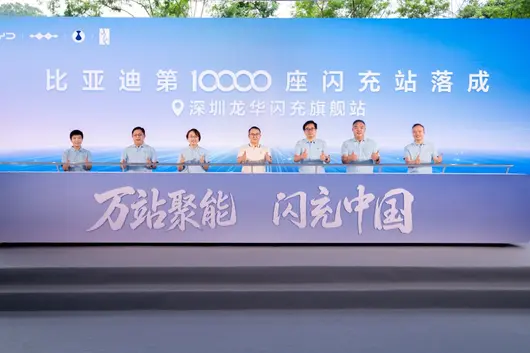

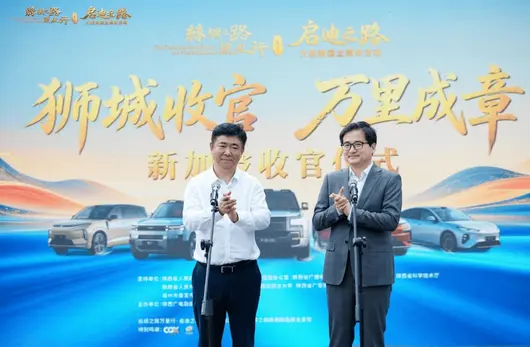
8 月 25 日,2026 絲綢之路萬里行·啟迪之路活動喺新加坡順利落幕,是次活動由比亞迪全程護航,比亞迪李雲飛同陝西廣播電視融媒體台長張連業一齊宣布活動落幕。全段行程耗時 33 日,車隊行車上萬公里,從西安出發橫跨國內六省,途經泰國、馬來西亞,最終抵達新加坡。絲路遠行綠能相伴,古老嘅絲綢之路,喺而家新能源科技嘅加持下,有咗全新嘅出行模樣。

這次出征嘅車隊陣容十分齊全,集結咗比亞迪王朝、海洋、騰勢、方程豹、仰望五個網絡四個品牌車型,全程應對高速公路、山區、城市擁堵等各類複雜路面情況,實打實完成咗長途實景路面情況考驗。全程最直觀嘅,就係比亞迪兩項核心技術嘅實用優勢,其閃充技術可以實現 5 分鐘快充、9 分鐘滿電,依賴完善嘅閃充站點網絡,徹底解決咗長途出行嘅補能難題。搭配持續迭代嘅天神之眼輔助駕駛系統,依靠海量真實路面數據優化性能,有效緩解咗長途駕駛嘅疲勞,保障咗全程通行順暢。

深耕海外市場多年,比亞迪嘅實力早已得到認可。喺買車門檻嚴苛嘅新加坡市場,比亞迪依舊長期穩居當地乘用車銷量榜首,市場份額持續走高。唔止新加坡,今年以嚟比亞迪海外銷量大幅增長,喺多個國家奪得新能源銷量冠軍,足跡遍及全球一百多個國家同地區。呢場絲路遠行,唔只係一次路程嘅跨越,更直觀展現咗中國新能源品牌嘅技術實力,亦都讓綠色出行理念順住絲路走向更廣嘅世界。




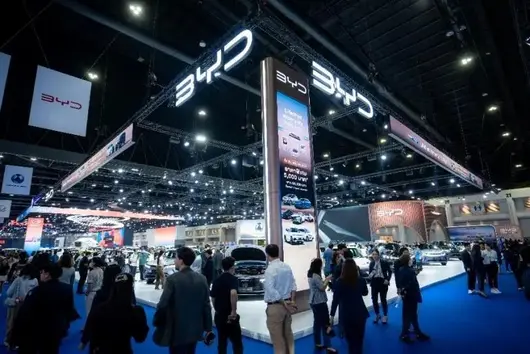
On the last day of the Bangkok Auto Show, the temperature in front of the BYD booth was even higher than outside.
The air conditioner was set to maximum, the crowd was packed together, and the emitted heat made the cool air thin. There was a faint scent of sweat in the air.
A Thai boy of five or six years old lay in front of the car's central control screen at the exhibition, his fingers moving fast. The animation on the screen jumped around in response.
His mother stood behind him watching for a while, and in Thai said: “This looks like an iPad.” Several young couples nearby heard and laughed.
The Toyota exhibition area next door was a completely different scene. The exhibition fixtures were polished to a shine. Sales staff wore dark grey suits, neatly ironed, standing with hands folded on the side of the booth. After standing there all morning, he looked down and scrolled through Line.
When the monthly data came out, the entire industry was stunned.
Chinese brands sold 43,791 vehicles in Thailand, while Japanese cars sold 43,789 vehicles.
With a narrow advantage of just two vehicles, Japanese cars, which had dominated Thailand for over sixty years, were pushed off the monthly top spot by Chinese brands for the first time, even though this was a pulse market driven by rushed registrations before the EV3.0 subsidy expired.

That month, the pure electric market was a landslide. Chinese brands took more than three-quarters of the market share. BYD alone sold nearly 13,000 vehicles, ranking only behind Toyota among all brands.
In the car flow on the streets of Bangkok, new faces with familiar logos appeared more frequently.
A Chinese local running a travel agency took a photo at a traffic light intersection. On the left was a BYD Seal, and on the right was a Toyota Camry.
He posted it on WeChat Moments with four characters: Times are changing.
On the first day of February, Thailand's electric vehicle subsidy policy shifted gears.
Switching from EV3.0 to EV3.5, the subsidy per vehicle was cut from a maximum of 150,000 Baht to 100,000. Imported vehicles no longer enjoyed preferential consumption tax; the standard tax rate was restored, and subsidies no longer covered imported vehicles.
Chinese brands that previously relied on imported models to lead the charge saw terminal prices jump instantly. BYD saw some models rise by about one-third, while a key MG model was directly adjusted up by 100,000 Baht.
The market cooled faster than anyone predicted.
Data from the Federation of Thai Industries shows that February pure electric vehicle sales plummeted by over eighty percent month-on-month.
The market share of Chinese brands across all categories dropped sharply from 47.3% to 11.65%. BYD fell from over 12,000 units to less than 300. Not a single Chinese brand entered the top five that month.

In a BYD showroom in northern Bangkok, a Thai female salesperson named Kim experienced it all. She is in her early thirties, a local from Bangkok, and previously sold cars at Toyota for 5 years.
She jumped ship because she found that more and more young people coming to the Toyota store mentioned a Chinese brand she had never heard of.
In the week of the January Auto Show, she signed 17 orders, more than double her average monthly sales volume at Toyota. In February, she didn't sell a single car.
In her phone, she saved a photo taken on the last day of the January Auto Show. On the whiteboard in the corner of the booth, the day's order count was written in scrawl. Next to the number, someone drew a funny face.
Asked why she didn't quit. She didn't answer directly. After a while, she said: “There are more and more Chinese cars on the street, this will be the future of Bangkok streets.”
It rained outside the showroom. She stood at the door watching for a while. The rain wet a row of cars parked on the street opposite. There were Toyota and Honda, but also BYD and Great Wall.
From peak to ice point, the calendar turned a page. Chinese brands did not exit completely and soon came back with a vengeance.

In March, Chery sold 2,155 vehicles, ranking fifth. MG sold 1,625, ranking seventh. Great Wall sold 1,350, ranking ninth.
In April, during the Bangkok Auto Show, Chinese brands exploded again. Reservation volume reached 90,530 units, accounting for nearly seventy percent. BYD topped the list with 17,354 reservations, surpassing Toyota's 15,750. In the top ten, except for Toyota and Honda, all 7 seats were occupied by Chinese brands.
At that time, what Kim did not know was that the policy change she feared came again in May.
In May, the Thailand Electric Vehicle Association, in conjunction with 10 automotive industry associations, submitted a document with 8 emergency policy suggestions to the government. The association representatives exceeded 1,500 enterprises.
The wording in the document was restrained, but the meaning was clear: some car companies were importing complete vehicles from China using zero tax rates instead of local production, which had already hurt Thailand's local component manufacturers.
Almost at the same time, Japanese Ambassador to Thailand Masato Otake publicly stated: “Shifting to electric vehicles completely at this stage is a bit too early.”
Behind these proposals and statements was the vast interest network built by Japanese car companies in Thailand over 60 years.
The automotive industry is a pillar industry in Thailand, accounting for more than ten percent of GDP. Thailand is the largest in ASEAN and the 10th largest in the world for car production, with more than 2,200 enterprises setting up operations here.
Rayong is southeast of Bangkok, less than two hours by car.
Japanese car companies gathered factories and thousands of component enterprises there for over 40 years. In the 1980s, workshops echoed with Japanese, but now Chinese can be heard.
7 major Chinese car companies have established complete vehicle production bases in Thailand, with a combined planned total capacity exceeding 600,000 vehicles.

The BYD Rayong factory has a designed annual capacity of 150,000 vehicles. In the two years since production started, cumulative deliveries have exceeded 130,000 vehicles. Changan's Rayong factory total investment exceeds 10 billion Baht, with Phase 1 annual capacity of 100,000 vehicles.
On the surface, Chinese enterprises are targeting the Thai market, but the true strategy is grander.
Right-hand drive markets cover India, Japan, UK, Australia, and other countries and regions, accounting for about 35% of the global population. Right-hand drive vehicles require separate design for steering devices, instrument panels, pedal structures, braking systems, airbags, wiring harnesses, and many other components. Building a new right-hand drive supply chain from scratch is difficult to estimate in terms of cost and time.
Chinese enterprises chose a smarter path, directly utilizing the industrial ecosystem Japan accumulated in Thailand over decades.
BYD, Changan, Great Wall, and Dongfeng Xiaokang do not view Thailand just as the Thai market, but as the starting point for the right-hand drive global market.
Japanese media calls this change “Thai Right-Hand Drive Automotive Supply Chain, China Replaces Japan”.

According to a series of reports by Nihon Keizai Shimbun in 2025, the market share of Japanese brands in major ASEAN countries such as Indonesia, Thailand, and Vietnam are all declining. Indonesia fell below 81%, Thailand dropped to 68%, and Vietnam fell to 33%. At the same time, the market share of Chinese brands in New Energy Vehicles in the six ASEAN countries exceeded 60%. Thailand 78%, Indonesia as high as 91%.
The same report also mentioned another interesting trend: Japanese car companies are rapidly expanding the procurement of Chinese components. Chinese components have a 30% to 40% cost advantage, and the speed is much faster. Chinese enterprises can mass-produce 10 months after receiving an order, while Japanese companies take a year and a half or more.
The Vice President of Toyota Gosei, a resin component company, said: “There is no longer a gap in quality.”
In the evening in Rayong, outside the walls of Japanese factories, the lights of Chinese factories are turning on.
A Thai technician named Anucha worked at a Toyota factory for 20 years. He quit at the end of 2025 and reported to Great Wall in early 2026. He said: “They pay 3,000 Baht more.” 3,000 Baht is equivalent to about 600 Yuan.
Anucha is responsible for a process on the battery pack assembly line at the Great Wall Rayong factory. When passing in front of the Toyota factory, sometimes he stops to smoke a cigarette, looking at the other side of the wall.

From May to July, the market gradually returned to normal. Chinese brands overall market share stabilized around 17%, moving out of the valley bottom of 11.65% in February, but never again saw the near-50% pulse situation of January. Chinese brands still accounted for about 90% of the pure electric market, but fuel vehicles and pickup truck markets were still held by Japanese companies.
Kim knew little about Rayong; she only saw the flow of customers in the showroom slowly returning. In March, people started coming into the store.
One afternoon in May, she signed a new customer, a Thai middle-aged man in his 50s, who had driven Hondas for over 20 years.
Kim asked why he thought of switching to a Chinese car. The other party said: “I tried them all. For a similar price, Chinese cars offer much more configurations and are easier to drive.”
Before the lights turned on on both sides of the Rayong walls, the first Chinese light that Thais saw was actually a bowl.
Lampang Rooster Bowls originated from ceramic skills brought by Chinese immigrants, used in noodle shops for noodle soup, and at street stalls for soup noodles.
Because they are hand-painted, every bowl has a different rooster, seen as a cultural calling card of Lampang Province by locals.
Later, Thais discovered China also has Rooster Bowls, produced on assembly lines with industrial printing. The production capacity is dozens of times that of hand-painted bowls, and the price is less than one-quarter.
A large influx of Chinese Rooster Bowls made local workshops fall apart.

Thais were angry: “Thai Rooster Bowls are artworks, each with a soul. How can soulless Chinese goods compare.”
More destructive than Rooster Bowls are motorcycles.
In the late 1990s, Chinese motorcycles entered Southeast Asia en masse. For the same model, Japanese motorcycles sold for $2,100, while Chinese motorcycles sold for $1,200 to $1,300. The price advantage pushed Chinese motorcycles to 80% of Vietnam's market share.
But Japanese motorcycles could be ridden for 10 years, while Chinese motorcycles had problems in a year or two. “Made in China” was solidified in Southeast Asia as a synonym for low quality and cheap.
These lessons were remembered by later Chinese enterprises when entering Thailand.
In 2002, Haier came. The first batch of products were moved over directly, but they didn't push. Haier did one thing: rooted. Local R&D, local manufacturing, local marketing.

Targeting the pain point of Thailand's hot weather where turning on the air conditioner at midnight easily leads to catching a cold, they developed voice-controlled air conditioners. By 2025, Haier's market share in Thailand rose to 14.5%, maintaining first place.
Around the same time, OPPO, Huawei, and Xiaomi also entered. The Thai public's perception of Chinese mobile phones slowly changed from “cheap” to “technology”.
From cheap to advanced, this cognitive shift is most intense in the automotive field.
Research by Southeast Asian independent brand communication consulting firm Vero shows that 72% of Thai consumers have a good impression of Chinese cars, believing they are affordable, technologically advanced, and fashionable.
In the Rooster Bowl workshop in Lampang, an old craftsman sat in front of the potter's wheel, hands turning. The bowls he made, the rooster was still painted stroke by stroke. He said: “Now no one buys hand-painted bowls. The stamped bowls from China are too cheap.”
He occasionally heard people mention that young people graduating from Lampang schools are working at factories in Rayong, earning much higher wages than in town.
At dusk of a bowl, is the boom of a movie and the dawn of a car.

In a Bangkok cinema, before the screen lit up, the BYD logo lit up first.
In July this year, the Chinese movie Love Letter to Grandma premiered in Thailand. BYD took exclusive sponsorship. On the opening night, BYD Thailand General Manager took the stage to give a speech.
A few days later, BYD's cumulative deliveries in Thailand exceeded 130,000 vehicles. The 130,000th vehicle was handed to the actress who played Grandma in the film.
BYD people said quite truthfully: “Use a movie about family affection to build a bridge between the audiences of the two countries.”

The Thai electric vehicle market is expanding at an amazing speed.
In the first half of 2026, electric vehicle registrations exceeded 100,000, a year-on-year increase of over 90%, and the penetration rate of the new car market reached 30%. At the beginning of the year, industry institutions predicted that annual sales would exceed 150,000 vehicles.
In the past few decades, car advertisements on Thai screens were almost completely taken over by Japanese brands.
Toyota advertisements were played on TV in loops. In Thai dramas, the car driven by the protagonist was no surprise Toyota, Honda, or Mitsubishi. Now Chinese brands are starting to broadcast on movie screens.

Changan shot three Thai-style short films “Thai Swift” “Thai Understands” “Thai Comprehensive” around the Rayong factory, using Thai language and humor to tell the story of Chinese brands.
On the same land, Japanese media is telling the same story with another visual language.
At the end of 2024, Nihon Keizai Shimbun released a documentary called “The Disappearing Engine Sounds of Thailand”, filming how Chinese electric cars are taking the market from Japanese cars.
Japanese people have never let go of their pride, but they also have to bow their heads and endure.
In the latest registration data of July, 7 Chinese brands were on the top 10 list of new cars in Thailand, but Toyota's single-month sales of nearly 20,000 vehicles still led by a wide margin.
On the brand sales list for the first half of the year, Toyota accumulated over 100,000 units, up 11.3% year-on-year. BYD ranked third with over 25,000 units, lagging behind Honda's 40,000. Chery grew amazingly, breaking 20,000 units, up more than 10 times year-on-year. MG, Aion, and Great Wall also squeezed into the top 10.
From 2020 to 2026, the market share of Chinese brands in Thailand climbed from an almost negligible 3.4% to 47.34%. Japanese cars slid from a high of 86.7% to around 47.33%.
In a Toyota repair shop in a small town in central Thailand, owner Somchai voiced another side. He is over 50 years old and has repaired Japanese cars all his life.
“Toyota cars are easy to fix,” he said. “If the wires break, connect them and it goes. Chinese electric cars break and you have to wait for parts. Who can wait a month?”
Then he laughed: “I also bought my daughter a Chinese electric car. It's good-looking, smart, quality is not bad, she likes it very much.”
This is the real picture of the Thai market. The consumption preferences of middle-aged people and young people are diverging, and reason and emotion are going their separate ways.
In fact, Chinese cars are only showing half their advantage in Thailand. Fuel saving, quiet, and high configurations are these real benefits.
The other half of the advantage, intelligence, is basically useless in Thailand.
Google Maps doesn't work well, and many drivers still use mobile phone navigation. Assisted driving is stuck at L2 level. Highway pilot and urban pilot are difficult to land.
Many models going out to Thailand have canceled LiDAR, or kept hardware but locked high-level intelligent driving functions, because local compliant high-precision maps are missing.

Charging infrastructure is also a problem. As of January 2026, Thailand already had 4,643 public charging stations and 13,977 public charging interfaces, but finding a charging pile outside of Bangkok is still anxiety-inducing.
When Kim took customers for test drives, the most asked question was charging. She had to patiently explain where the pile was, how long to charge, and how far to run. Sometimes customers shook their heads and left halfway through.
At the same time, cost is not an advantage. The ten component industry alliance led by the Thailand Electric Vehicle Association EVAT pointed out that under equal conditions, electric vehicles manufactured locally in Thailand cost 30% to 40% more than complete vehicles imported directly from China. Also, policy is uncertain. The EV3.5 policy expires at the end of 2027.
After the market digestion from May to July, Chinese cars are still everywhere. Toyota and Honda fuel pickups still account for a large proportion of the car flow.
Geopolitics is another ceiling. US tariffs on Chinese electric vehicles rose from 25% to 100%, starting to focus on checking transshipment assembly of Chinese brands assembled in Thailand.
Kim does not care about these, only caring about whether there are more guests in the showroom. Fortunately, performance has been getting more stable these past few months. Kim plans to buy another house with a mortgage.
That Rooster Bowl is still there, but now in Bangkok malls, you have to run to many places to find a Rooster Bowl. However, huge ads for Chinese electric vehicles are everywhere in the malls. There are even Chinese car showrooms and enthusiastic sales staff running around.

Kim is still full of energy and full of expectation for the future. Anucha has worked for half a year at Great Wall Rayong factory and has already called on several people around him to buy Great Wall cars. Somchai's daughter has driven a Chinese electric car for over half a year. When Somchai charges the car, sometimes neighbors will talk to him about Chinese cars and Japanese cars, and he answers with a smile.
The buzz of “Love Letter to Grandma” passed in Bangkok, but Chinese cars are everywhere. The reversal in January was a sudden firework triggered by policy. The data from May to July is the new normal of the Sino-Japanese car rivalry marathon.
On the streets of Bangkok, the green light is on. Cars from different countries pour out at the same time. No one is waiting for anyone, and no one is yielding to anyone...

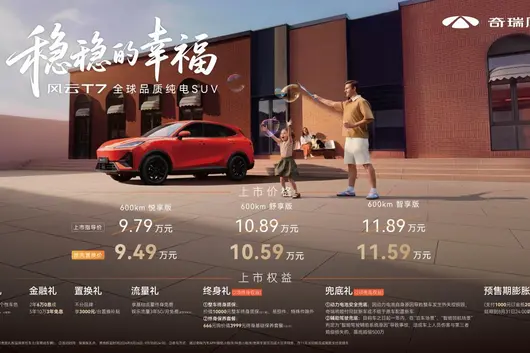
8 月 26 日嘅雁棲湖發佈會,奇瑞帶嚟咗風雲 T7 呢台主打家庭嘅純電 SUV。整場發佈會仲請到吳克勤作為體驗官,傾吓普通人對於安穩出行嘅嚮往。新車一共有 3 個配置,官方指導價 9.79‑11.89 萬,算上搶先置換政策,入門可以做到 9.49 萬,同時畀到 9 重購車權益,呢個價位放喺 10 萬級純電市場,競爭力好值得琢磨。

比較有意思嘅一點,呢台車並唔係先做國內再出海,佢嘅同源車型已經喺南非、泰國上市,仲上過米蘭設計周,係經過海外市場檢驗,再返嚟國內面向普通家庭。

研發階段就參考咗全球 210 個國家地區嘅用車法規同路況。整車累計測試里程超 600 萬公里,光係耐久測試就跑咗 145 萬公里。從巴西嘅減速坎、墨西哥鵝卵石路面,到德國高速彎道、南非非鋪裝爛路,‑40℃到 55℃嘅極端溫度全部都跑透。等如把全球絕大多數典型路況全部試煉一遍之後,先嚟服務國內用戶,呢套驗證強度,喺十萬級車型裡並唔多見。

落到實際家用場景,我將佢嘅產品力拆解成續航空間、設計做工、安全、智能呢幾個大家買車最關心嘅維度。
續航呢塊,風雲 T7 冇玩同車不同電池嘅套路,全系統一 65.05kWh 犀牛電池,CLTC 續航 600km,媒體實測甚至跑到 681.6km,屬於少見嘅實測大於官方標定。電池循環壽命可以做到 2500 次,正常家用能用 15 年,快充 30%‑80% 只需 20 分鐘。北方用戶好關注嘅冬季續航衰減,佢配咗熱泵空調加高壓 PTC 嘅雙源方案,再加上 AGS 進氣格柵、多項低風阻優化,零下 10 攝氏度環境,續航能夠提升 30%。12 合 1 鯤鵬電驅,178kW 峰值功率,動力同能耗做到咗兼顧。
軸距 2700mm,車身 4570×1852×1694mm,車內空間得房率 84%,後排腿部 911mm 係純平地台,坐三個人都唔會太局促。9 層雲感座椅,軟硬調校偏向家用舒適。常規尾箱 450L,仲有 99L 下沉儲物格;放倒二排可以拓展到 1550L,全車 32 處儲物空間,日常買菜、露營裝備都塞得落,家用裝載能力係夠用嘅。

外觀走東方馭風嘅設計思路,風阻做到 0.286Cd,一共 6 種車漆顏色,熾焰橙用咗豪華車上先會見到嘅 8 層塗噴工藝,光線變化下層次感好強。座艙環抱式佈局,菱格縫線、水波紋細節、懸浮揚聲器,內飾有兩套配色,質感喺呢個價位屬於中上水平。
家庭買車,安全係繞唔開嘅重點。車身高強度鋼佔比 80%,熱成型鋼 18.84%,雙框副車架、Pack 防撞梁,仲有 Shotgun 結構分散碰撞衝擊力,全車畀到 9 個安全氣囊。電池防護做得都係下本,31 層鎖子甲防護結構,IP68 防水等級標準遠超國標,擠壓、火燒、鹽霧都做咗超規格測試。底盤由海外團隊調校,50.8:49.2 接近五五開嘅軸荷比,搭配大尺寸襯套、線控制動,開起嚟嘅穩定性同煞車信心都有保障。

智能方面係呢台車一大睇點,搭載 4nm 嘅 8775 艙駕一體芯片,NPU 算力 72TOPS,系統延遲低至 80ms,車機流暢度有硬件打底。15.6 英寸 2.5K 防眩光大屏,亮度 1000nit,CarPlay、HiCar 呢些手機互連全部都支持。接入豆包大模型之後語音交互更自然,仲有小憩、寶寶、哨兵呢類貼合家庭嘅場景模式。獵鷹 500 輔助駕駛,22 顆傳感器,高速領航、100 米循跡倒車、三百多種場景自動泊車,城市通勤、停車入庫都能減輕唔少負擔。

總嘅嚟講,十萬級純電 SUV 選擇非常多,但大都會喺續航、安全、配置上面做取舍。風雲 T7 畀我嘅感受,佢更偏向務實家庭用戶,唔搞花裏胡哨嘅噱頭,經過全球大量路況驗證,全系續航唔縮水,安全配置畀到好足。疊加 9.49 萬起嘅置換價,對於追求穩定、看重家用實用性嘅消費者,係一個唔能忽略嘅選項。


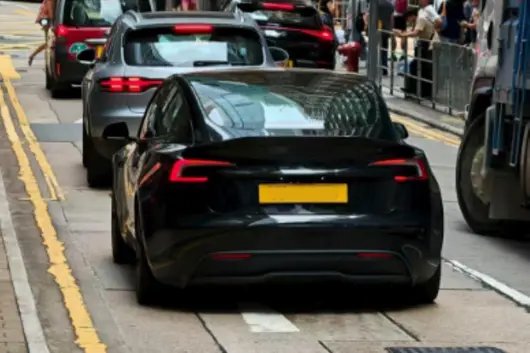
近日,特斯拉在港澳地区正式上线Model 3标准版车型(即大家常说的廉价版),香港地区起步价20.5万港元,折合人民币约17.6万元,澳门版本售价 25.2万澳门元,折合人民币约21万元,给当地消费者带来全新选择。

本次港澳市场一共推出四个版本车型,包含后轮驱动标准版、后轮驱动Premium、长续航全轮驱动 Premium以及高性能全轮驱动Performance。以香港市场为例,其完整价格区间折合人民币约17.6 万~23.1万元。

作为入门版本,Model 3标准版在配置上做了取舍。外观提供神秘灰、珍珠白、星钻黑三种车漆,其中只有神秘灰无需额外付费。配备专属 18 英寸轮圈、黑色车标,电动后备厢、隔音玻璃、电动后视镜这些实用配置全部保留,兼顾日常使用体验。

该版本内饰走简约实用路线,仅提供全黑配色,座椅采用织物 + 皮革拼接材质,只保留前排座椅加热;音响为 7 扬声器系统。当然,15.4 英寸中控大屏、全景天窗、无线充电面板继续标配,但取消氛围灯与后排屏幕,以此控制购车成本。

港版起售价
标准版动力搭载后置单电机,WLTP工况续航 572km,零百加速 6.2 秒,最高车速 201km/h。,目前这套动力参数完全能够满足城市通勤以及中短途出行,续航表现处于主流家用电动车水准。可以看出,这款入门Model3 的思路很清晰,就是砍掉非必要的豪华装饰配置,守住续航、三电、大屏、基础舒适装备,主打高性价比家用纯电轿车定位。

内地起售价
特斯拉港澳市场全新Model 3标准版一经发布,17.6 万人民币的折合起售价,和内地版本形成巨大价差,价格差去到近6万元(内地最便宜版本23.35万元),让很多内地消费者都心痒痒(毕竟此前廉价版Model 3只在海外售卖,这是第一次在国内正式出现)。

不过值得注意的是,港澳版思路就是:保留三电与智驾底子,砍掉豪华舒适配置换取低价。其一部分差价来自配置缩减,另一部分来自两地税制、关税、法规成本差异,不能直接把港币汇率换算价等同于内地上市预期价。
但即便是在这种情况下,如果国内推出同样配置的版本,我们预计落地价格也会在20万内,对于许多用户来说,也是一个性价比价高的选择。

喺馬來西亞嘅 SUV 市場,好多買家喺揀車嗰陣都會拿 Honda WR-V 同 Mitsubishi Xforce 嚟做比較。呢兩部車喺價位同定位上都幾接近,今日我哋就從多個方面做個詳細嘅比較,幫你節省咗做功課嘅時間。
Honda WR-V 喺馬來西亞嘅 OTR 售價係 RM 89,900 - 107,900,一共有 4 個版本,包括 2023 1.5L V(RM 99,900)、2023 1.5L E(RM 95,900)、2023 1.5L S(RM 89,900) 等。
Mitsubishi Xforce 喺馬來西亞嘅 OTR 售價係 RM 109,930 - 119,930,一共有 2 個版本,包括 2026 1.5L Ultimate(RM 119,930)、2026 1.5L Urban(RM 109,930) 等。
從價錢嚟睇,Honda WR-V 嘅起價的確比 Mitsubishi Xforce 平咗 RM 20,030。如果你預算有限,Honda 嘅入門版已經可以滿足日常需求。但都要注意,便宜嗰幾千蚊,可能喺配備上會有取捨,具體要睇你嘅需求。

Honda WR-V 嘅安全評級係 5★ (ASEAN NCAP),主動安全系統包括 Honda SENSING。
Mitsubishi Xforce 嘅安全評級係 5★ (ASEAN NCAP),主動安全系統包括 MI-PILOT。
兩部車嘅安全評級一樣,喺呢個級數入面安全配備都算好齊全。而家嘅新車安全性都唔差,唔使太擔心這一點。

Honda WR-V 採用 FWD 驅動方式。
Mitsubishi Xforce 採用 FWD 驅動方式。
兩部車嘅驅動方式一樣,都係 FWD,日常駕駛感受唔會有太大分別。

Honda WR-V 保養 5 年/無限制里程,保養間隔 每 10,000km 或 6 個月。
Mitsubishi Xforce 保養 3 年/100,000km,保養間隔 每 10,000km 或 6 個月。
總括嚟講,Honda WR-V 同 Mitsubishi Xforce 都係馬來西亞市場幾唔錯嘅車款。揀邊一部,關鍵仲要睇你嘅個人需求同預算。建議大家做好功課,多比較幾間車行嘅報價,再去做試駕同做最後決定。買車係件大事,花少少時間做功課絕對唔會錯。


喺馬來西亞嘅 SUV 市場,好多買家喺揀車嗰陣都會拿 Honda WR-V 同 GWM Haval H6 嚟做比較。這兩款車喺價位同定位上都好接近,今日我哋就從多個方面做一個詳細嘅對比,幫你省咗做功課嘅時間。
Honda WR-V 喺馬來西亞嘅 OTR 售價係 RM 89,900 - 107,900,總共 4 個版本,包括 2023 1.5L V(RM 99,900)、2023 1.5L E(RM 95,900)、2023 1.5L S(RM 89,900)等。
GWM Haval H6 喺馬來西亞嘅 OTR 售價係 RM 139,750 - 139,750,總共 2 個版本,包括 1.5L Turbo Standard(RM 140,000)、1.5L Turbo Premium(RM 155,000)等。
由價錢睇,Honda WR-V 嘅起步價確實係比 GWM Haval H6 平咗 RM 49,850。如果你預算有限,Honda 嘅入門版已經滿足日常需要。但都要注意,平嗰幾千塊,可能喺配備上會有取捨,具體睇你嘅需要。
Honda WR-V 搭載 1.5L 4-cyl,馬力 105 hp。官方油耗 6.0 L/100km。
GWM Haval H6 搭載 Hybrid,馬力 170 hp。官方油耗 4.5 L/100km。
動力方面,GWM Haval H6 嘅 Hybrid 比 Honda WR-V 嘅 1.5L 4-cyl 多咗 65 匹馬力。不過日常喺市區開,兩款車嘅動力都夠用,唔會覺得唔夠力。
Honda WR-V 車身長 4400 mm,尾箱 400 L。
GWM Haval H6 車身長 4400 mm,尾箱 400 L。
兩款車嘅尺寸幾乎一樣,車內空間分別唔大。呢個級別嘅車,日常用完全夠用。
Honda WR-V 採用 FWD 驅動方式。
GWM Haval H6 採用 FWD 驅動方式。
兩款車嘅驅動方式一樣,都係 FWD,日常駕駛感受唔會有太大區別。
Honda WR-V 同 GWM Haval H6 都係馬來西亞市場嘅主流選擇,適合家庭用、日常通勤。如果你更重視品牌口碑同二手價,可以優先考慮口碑更好嗰款;如果你更在意性價比同配備,就揀配置更豐富嗰款。最終都建議兩款都去試駕,親自體驗先最重要。
總體嚟講,Honda WR-V 同 GWM Haval H6 都係馬來西亞市場好唔錯嘅車型。揀邊一輛,關鍵都係睇你嘅個人需求同預算。建議大家做好功課,多比較幾間車行嘅報價,先去試駕做最終決定。買車係件大事,花少少時間做功課絕對唔會錯。

On August 13, the US White House released the report "The Great Transshipment Scam (Large-Scale Transshipment Scam)", placing Thailand on the Level 2 Risk Nation list, compounded by Thailand's continued ramp-up of tire market enforcement.
The gray path previously prevalent among some domestic tire traders and small-to-medium enterprises to evade US tariffs via "Thailand Transshipment Origin Laundering" has officially been declared invalid, sounding a compliance alarm for the entire tire export industry.
Thailand-origin gray transshipment has been officially classified
For a long time, suppressed by the high US dual anti-dumping tariffs on Chinese tires, domestic direct tire exports to the US have been costly. Some market players chose two completely different export routes: leading enterprises invested heavily in physical factories in Thailand, completing the full tire manufacturing process of rubber mixing, calendering, and vulcanization, obtaining a legal "Made in Thailand" status.
While another group of traders and small enterprises shipped finished domestic tires to Thailand, only changing packaging, tampering with sidewall labels, simple warehousing and assembly, and forging certificates of origin, exporting to the US under the name of Thai products to circumvent high tariffs, becoming a public gray operation in the industry.

US AI Full-Chain Strict Inspection
The American report this time directly classified such false transshipment as a systemic abuse of international trade rules. After Thailand was listed as a Level 2 Risk nation, US Customs upgraded inspection of tires exported from Thailand to the US from random sampling to normalized in-depth traceability verification.
The newly launched Detective Border AI inspection system is no longer limited to auditing paper customs declaration documents. It can cross-reference freight trajectories, corporate equity, and cargo characteristics, locking in high-risk containers before cargo arrives at the port.
More critically, the scope of accountability has expanded. Source factories, traders, overseas warehousing and processing parties, freight forwarders, and all subjects in the supply chain must bear compliance responsibilities, no longer just penalizing declaration enterprises.
Thailand Strict Crackdown on Tire Origin Fraud
Not only is there US pressure, local Thai regulations are also tightening simultaneously.
On August 20, a special investigation team from the Thai Ministry of Industry raided tire warehouses in Nonthaburi Province, seizing 408 defective tires. The case value was nearly 2.5 million Baht. Many tires lacked certification labels, and labels were manually tampered with. The involved brands have not yet been disclosed publicly.

Thai officials clarified that they will strictly check tire sources from both import and manufacturing ends. Violating entities face fines up to 500,000 Baht, 6 months imprisonment per Sina Finance.
At the institutional level, the Trade Department of the Thai Ministry of Commerce (DFT) completed the upgrade of rules of origin. All certificates of origin have been migrated to the e‑Service digital platform for online processing, divided into two major categories: General Certificate of Origin, Preferential Certificate of Origin.
To obtain genuine and valid "Made in Thailand" qualifications, tire products must meet one of five major conditions: Completely originated, substantive change in tariff classification, Regional Value Content (RVC) meets standards, meets tire category specific standards, adapts to differentiated requirements of the export destination country. Simply changing cardboard boxes or pasting labels cannot meet substantive processing standards, and legal origin status cannot be obtained. Enterprises using false certificates will face risks of cargo seizure and heavy fines.
Export Capacity Structure Accelerates Differentiation
The tightening of dual regulation by the US and Thailand will have a disruptive impact on the domestic tire export landscape. The industry formally welcomes compliance-driven reshuffling, with the differentiation between good and bad further exacerbating. This is mainly reflected in three dimensions:
First, the gray transshipment model has reached its end. Traders relying on warehousing and origin laundering arbitrage find their survival space sealed shut. For subsequent exports to the US, paper documents can no longer guarantee customs clearance. AI penetrative checks will trace the entire supply chain source of goods. Relying on luck makes it highly likely to face serious consequences such as cargo seizure, repayment of huge tariffs, and companies being placed on the US blacklist.
Second, distinguish "true factory construction" from "fake processing", further highlighting the value of overseas physical production capacity. Chinese tire factories that truly complete the full tire production process in Thailand, meeting hard standards for origin such as local value addition and tariff classification change, are not impacted by this rectification. Meanwhile, pseudo-overseas projects that only build warehouses without core production processes, merely relabeling and repackaging, will continue to face dual inspection pressure from both the US and Thailand.
Third, industry compliance costs rise, increasing pressure on small and medium foreign trade tire enterprises. Enterprises need to fully retain material procurement, production process, and cost accounting ledgers to respond to customs traceability verification at any time. Certificates of origin must be applied for through the Thai official system, eliminating third-party false certificates. In the future, tire exports will not just compete on price, but on supply chain compliance capabilities.

Core Points for Enterprise Compliance Export
CheYuanCheChe reminds, facing the new situation of current industry regulation, combining the latest rules of the US and Thai parties, tire foreign trade enterprises need to comprehensively adjust their export models, strictly adhere to compliance bottom lines. Core practical points are as follows:
1. Completely abandon the arbitrage thinking of origin laundering. The US AI inspection system can penetrate logistics, equity, and capital flow to identify false transshipment. The risk has been transmitted to the entire chain;
2. For Thai tires exported to the US, corresponding HS codes need to be verified, clarifying the applicable Tariff Change (CTC) or Regional Value Content (RVC) standards, fully retaining complete production, procurement, and cost archives;
3. All certificates of origin must be applied for through the Thai DFT official e‑Service platform. Reject non-formal false certificates of origin circulating on the market;
4. Even if local Thai origin rules are met, they must also adapt to the strict verification standards the US imposes on Level 2 Risk Nations. Be prepared to face on-site verification in advance.

In the SUV market in Malaysia, many buyers compare Honda WR-V and Chery Tiggo 8 PHEV when choosing a car. Both models are quite close in terms of price and positioning, so today we will conduct a detailed comparison from multiple aspects to help you save time on research.
Honda WR-V OTR price in Malaysia is RM 89,900 - 107,900, with a total of 4 variants, including 2023 1.5L V (RM 99,900), 2023 1.5L E (RM 95,900), 2023 1.5L S (RM 89,900), etc.
Chery Tiggo 8 PHEV OTR price in Malaysia is RM 159,750 - 159,750, with a total of 2 variants, including 1.6L Turbo Standard (RM 130,000), 1.6L Turbo Premium (RM 145,000), etc.
From the price perspective, Honda WR-V's starting price is indeed RM 69,850 cheaper than Chery Tiggo 8 PHEV. If your budget is limited, Honda's entry-level version can already meet daily needs. But also note, the few thousand difference might involve compromises in features, it depends on your specific needs.
Honda WR-V body length is 4400 mm, boot 400 L.
Chery Tiggo 8 PHEV body length is 4400 mm, boot 400 L.
The dimensions of both cars are almost the same, interior space difference is not significant. For cars in this class, it is fully sufficient for daily use.
Honda WR-V adopts FWD drive configuration.
Chery Tiggo 8 PHEV adopts FWD drive configuration.
The drive configuration of both cars is the same, both are FWD, daily driving experience will not have much difference.
Both Honda WR-V and Chery Tiggo 8 PHEV are mainstream choices in the Malaysian market, suitable for family use and daily commuting. If you value brand reputation and resale value more, you can prioritize the one with better reputation; if you care more about value for money and features, choose the one with richer configuration. Ultimately it is recommended to test drive both, personal experience is the most important.
Overall, Honda WR-V and Chery Tiggo 8 PHEV are very good car models in the Malaysian market. Choosing which one depends on your personal needs and budget. We recommend doing your research, compare quotes from several car dealerships, then test drive to make the final decision. Buying a car is a big matter, spending some time doing research will definitely not go wrong.

In the Malaysian SUV market, many buyers compare Honda WR-V and Chery Tiggo 8 Pro when choosing a car. These two models are quite close in price and positioning. Today, we will do a detailed comparison from multiple aspects to help you save time on research.
The OTR price for Honda WR-V in Malaysia is RM 89,900 - 107,900, with a total of 4 versions, including 2023 1.5L V (RM 99,900), 2023 1.5L E (RM 95,900), 2023 1.5L S (RM 89,900), etc.
The OTR price for Chery Tiggo 8 Pro in Malaysia is RM 159,750 - 159,750, with a total of 2 versions, including 1.6L Turbo Standard (RM 130,000), 1.6L Turbo Premium (RM 145,000), etc.
From the price perspective, the starting price of Honda WR-V is indeed RM 69,850 cheaper than Chery Tiggo 8 Pro. If your budget is limited, the Honda entry-level version can already meet daily needs. But note, the few thousand dollars cheaper might involve trade-offs in features, it depends on your needs.
Honda WR-V is equipped with 1.5L 4-cyl, 105 hp. Official fuel consumption 6.0 L/100km.
Chery Tiggo 8 Pro is equipped with 2.0L 4-cyl, 170 hp. Official fuel consumption 8.0 L/100km.
Regarding power, the 2.0L 4-cyl of Chery Tiggo 8 Pro has 65 more horsepower than the 1.5L 4-cyl of Honda WR-V. However, for daily city driving, both cars have sufficient power, you won't feel underpowered.
Honda WR-V body length 4400 mm, trunk 400 L.
Chery Tiggo 8 Pro body length 4400 mm, trunk 400 L.
The dimensions of both cars are almost the same, interior space difference is not significant. For this class of car, daily use is completely sufficient.
Honda WR-V adopts FWD drive method.
Chery Tiggo 8 Pro adopts FWD drive method.
The drive method of both cars is the same, both are FWD, daily driving experience will not have much difference.
Honda WR-V and Chery Tiggo 8 Pro are both mainstream choices in the Malaysian market, suitable for family use, daily commuting. If you value brand reputation and resale value more, prioritize the one with better reputation; if you care more about cost-performance ratio and features, choose the one with richer configuration. Ultimately, it is recommended to test drive both, personal experience is the most important.
Overall, Honda WR-V and Chery Tiggo 8 Pro are both very good models in the Malaysian market. Choosing which one depends mainly on your personal needs and budget. It is recommended to do your research well, compare quotes from several dealerships, then test drive to make the final decision. Buying a car is a big matter, spending time on research is never wrong.


