


首頁BMW E30 M3

搜尋歷史
熱門搜尋
經銷商登入 / 註冊

On August 26, 2026, Chery Fenyun T7 officially launched. The new car offers 3 trims. Launch guide price 97,900 yuan to 118,900 yuan. Advance trade-in price 94,900 yuan to 115,900 yuan. As a model positioned as a "Global Quality Pure Electric SUV", Fenyun T7 brings reliable and secure pure electric travel choices for global users with the long-termism concept of "slow craft to build good cars".

Three years of polishing, born for the global
In the current industry climate of cutthroat competition where speed is key, Fenyun T7 chose another path — slow down to build a good car. 3-year R&D cycle, global 1+7+N R&D system polishing, 5000+ users deep co-creation, hundreds of designers collaborating. This is not a simple facelift of a domestic model going overseas, but a native global car built for the global market from the start of R&D. Fenyun T7 is designed according to the 2026 version E-NCAP five-star safety standard, adapting to vehicle usage needs in 210 countries and regions worldwide. The same-source model Lepas L6 has landed overseas markets such as South Africa and Thailand, landed in China and Indonesia in August, entered the EU in September, and will continue to launch in the UK, Israel, Malaysia, Australia, etc., in October.
Fenyun T7's global quality does not stay on paper — 81 exclusive durability cars test driving simultaneously, whole vehicle cumulative test mileage over 6 million km, durability special test 1.45 million km. From Brazil high speed bumps to Mexico cobblestone road, from Germany highway high curvature turn to South Africa unpaved mud road, covering 95% global road types. Crossing extreme environments of high temperature, low temperature, high humidity, high salinity, etc., stable and calm throughout.

Four Core Values, Unlocking Steady Happiness
At the press conference, well-known musician Wu Kequn appeared unexpectedly as "Happiness Experience Officer", had a free talk with Chery Automobile Executive Vice President Li Xueyong on the topic "Steady Happiness", shared driving experience, and together launched Fenyun T7 "Happiness Co-creation Plan". Behind this dialogue is the concrete landing of Fenyun T7's four core values: "Super Power Run, Beautiful Global, Safer, Good Wisdom".
Super Power Run — 65.05kWh Rhinoceros battery standard across all series, CLTC range 600km. Media actual test range can reach over 667km, called "Reverse False Labeling" by users. 30%-80% fast charge only needs 20 minutes. Dual-source wide temperature range heat pump AC + High voltage PTC standard across all series, -30°C to 55°C ultra-wide temperature range stable operation. 12-in-1 Kunpeng electric drive comprehensive efficiency up to 90.8%, peak power 178kW, top speed 180km/h.

Beautiful Global — Relying on global 10 design centers, hundreds of designers collaborating to create. 6 Oriental Elegance car colors, among which Blazing Orange uses luxury car grade Tri-coat three-layer process. Cloud Wing wrap cockpit transparent and premium, 84% interior space utilization. Interior size 4570mm×1852mm×1694mm, wheelbase 2700mm. Rear leg space 911mm, floor pure flat, not tight when fully loaded. Pure flat large bed mode supports 4/6 fold, 1955mm×1310mm large bed size. Trunk regular volume 450L, max extendable to 1550L.

Safer — Rock-solid body, high-strength steel ratio 80%, hot-formed steel ratio 18.84%. Nine horizontal five vertical cage body structure, same-level unique shotgun structure and dual-frame subframe + Pack crash beam. Same-level maximum 9 airbags, including 48L remote airbag. Battery carries 6D Lock Armor 31-layer protection structure, IP68 waterproofing reaches 96 times national standard, side anti-crush reaches 2 times national standard. Launch immediately releases "Power Battery Safety Guarantee" and "Assisted Driving Safety Guarantee" two hard-core benefits.

Good Wisdom — Same-level first launch 4nm process 8775 Cockpit-Driving Integrated Chip. Lingxi Smart Cockpit 2.0×Doubao Large Model, full scenario fuzzy voice interaction. 22 high-precision sensors, support 300+ full scenario automatic parking, highway pilot assistance. All series standard AGS Intelligent Grille.

Fenyun T7 brings global standard, global verification, global adaptation product strength with the price of 100,000 level. Delivery on launch, letting "Global Quality Pure Electric SUV" from the press conference spotlight, truly drive into the real life of global users.


喺馬來西亞嘅 SUV 市場,好多買家喺揀車嘅時候都會拿 Honda WR-V 同 Chery Tiggo Cross 嚟做比較。呢兩款車喺價位同定位上都好接近,今日我哋就由多個方面做一個詳細嘅比較,幫你省下做功課嘅時間。
Honda WR-V 喺馬來西亞嘅 OTR 售價係 RM 89,900 - 107,900,一共有 4 個版本,包括 2023 1.5L V(RM 99,900)、2023 1.5L E(RM 95,900)、2023 1.5L S(RM 89,900) 等。
Chery Tiggo Cross 喺馬來西亞嘅 OTR 售價係 RM 88,750 - 99,750,一共有 2 個版本,包括 2025 HEV 1.5L CSH(RM 99,750)、2025 1.5T Standard(RM 88,750) 等。
由價錢嚟睇,Chery Tiggo Cross 嘅起價比 Honda WR-V 平咗 RM 1,150。老實講,喺呢個價位段,幾千塊嘅差距其實唔算大,關鍵始終係睇整體嘅性價比同長遠使用成本。

Honda WR-V 配備 1.5L 4-cyl,馬力 105 hp。官方油耗 6.0 L/100km。
Chery Tiggo Cross 配備 1.5L 4-cyl,馬力 105 hp。官方油耗 6.0 L/100km。
兩款車用緊同一套動力系統,日常開起嚟嘅感受基本冇分別。油耗方面都幾相似,唔使太糾結這一點。

Honda WR-V 車身長 4400 mm,後備箱 400 L。
Chery Tiggo Cross 車身長 4400 mm,後備箱 400 L。
兩款車嘅尺寸幾乎一樣,車內空間分別唔大。呢個級別嘅車,日常使用完全夠用。

Honda WR-V 同 Chery Tiggo Cross 都係馬來西亞市場嘅主流選擇,適合家庭使用、日常通勤。如果你更看重品牌口碑同二手價,可以優先考慮口碑更好嗰一款;如果你更介意性價比同配備,就揀配置更豐富嗰款。最後始終建議兩款都去試駕,親身體驗先係最重要嘅。

總括嚟講,Honda WR-V 同 Chery Tiggo Cross 都係馬來西亞市場幾唔錯嘅車款。揀邊一輛,關鍵始終係睇你嘅個人需求同預算。建議大家做好功課,多比較幾間車行嘅報價,再嚟試駕先做最後決定。買車係件大事,花少少時間做功課絕對唔會錯。


In Malaysia's SUV market, many buyers compare Proton X90 and Kia Sportage when choosing a car. These two models are quite close in price and positioning. Today, we will make a detailed comparison from multiple aspects to save you time doing research.
Proton X90 OTR price in Malaysia is RM 106,800 - 122,800, with a total of 4 versions, including 2026 1.5T Prime X (RM 122,800), 2026 1.5T Prime (RM 116,800), 2026 1.5T Lite (RM 106,800), etc.
Kia Sportage OTR price in Malaysia is RM 129,639 - 179,320, with a total of 4 versions, including 2025 1.6T DCT 4WD High (RM 179,320), 2025 1.6T DCT 2WD High (RM 159,320), 2025 2.0L AT 2WD High (RM 139,639), etc.
From a price perspective, Proton X90's starting price is indeed RM 22,839 cheaper than Kia Sportage. If your budget is limited, Proton's entry-level version can already meet daily needs. But be aware, the few thousand cheaper may involve trade-offs in features, depending on your specific needs.

Proton X90 is equipped with 1.5L Turbo, 140 hp. Official fuel consumption 7.0 L/100km.
Kia Sportage is equipped with 1.5L Turbo, 140 hp. Official fuel consumption 7.0 L/100km.
Both cars use the same powertrain, the driving experience is basically the same. Fuel consumption is also similar, no need to worry too much about this.

Proton X90 safety rating is 5★ (ASEAN NCAP), active safety systems include ADAS (ACC, AEB, LKA, LDA, BSM, RCTA).
Kia Sportage safety rating is 5★ (ASEAN NCAP), active safety systems include Drive Wise.
Both cars have the same safety rating, safety features are quite comprehensive at this level. New cars nowadays are not lacking in safety, no need to worry too much about this.

Proton X90 warranty 5 years/150,000km, service interval every 10,000km or 6 months.
Kia Sportage warranty 5 years/300,000km, service interval every 10,000km or 6 months.

Both Proton X90 and Kia Sportage are mainstream choices in the Malaysian market, suitable for family use and daily commuting. If you value brand reputation and resale value more, prioritize the one with better reputation; if you care more about cost-performance and features, choose the one with richer configuration. Ultimately, it is recommended to test drive both, personal experience is the most important.

Overall, Proton X90 and Kia Sportage are both very good models in the Malaysian market. Which one to choose depends on your personal needs and budget. It is recommended to do your homework, compare quotes from several dealerships, and then test drive to make a final decision. Buying a car is a big matter, spending time doing research will never be wrong.


Recently, the all-new Chery QQ3 officially launched in the Southeast Asian market under the overseas name "Chery Q", and debuted in the Thai and Indonesian markets successively, becoming the first overseas landing position of Chery QQ's global strategy.

Chery Q launched in the Thai and Indonesian markets almost simultaneously, both delivering order performance exceeding expectations. Since pre-sales started at the Bangkok International Motor Show on March 24, orders broke 1,000 units in just ten days; as of the official launch on June 24, cumulative orders have forcefully surpassed 3,000 units. In the Indonesian market, as of July 25 / end of July, orders have exceeded 6,000 units. This is not an accidental explosion in a single market, but a verification of the systematic competitiveness of Chinese premium compact cars in the Southeast Asian market.

In 2006, the old QQ entered Thailand and Indonesia, becoming a youthful memory for a generation of Southeast Asians. In 2026, the all-new QQ3 returns in the name of Chery Q, completing a brand leap from "national transport car" to "global premium compact car" over 20 years. Chery Thailand General Manager Jim Lee stated directly at the launch event: "Chery QQ has accompanied Thai users for 20 years, this is the strongest confidence in our deep cultivation of the local market." The Indonesian market also attracted a large number of middle-aged family users to reserve Chery Q due to "nostalgia".

62% of Chery Q's orders in Thailand come from female users, with many young people spontaneously checking in and sharing on Facebook and Instagram. Real user word-of-mouth is far more persuasive than official publicity. Product advantages are highly matched with local terrain: small and easy to park (Bangkok narrow streets), extremely low operating costs (electricity cost per 100km is only 5 Baht), no worries about wading in rainy season (IP68 waterproofing), cute design with high recognizability ("cute shape, high head-turn rate").

Chery Q is not a cheap special model for Southeast Asia, but a global product with the same platform, standards, and quality as the domestic all-new QQ3. Zhang Hongyu, Vice President of Chery Automobile Co., Ltd. and Executive Deputy General Manager of Chery Brand Domestic Business Group, stated clearly: "From chassis architecture, battery safety to body structure, we synchronously adapt to Southeast Asian right-hand drive regulations, undergo strict tests in multiple global regions, do not reduce specifications, do not produce special models." Zeng Shuo, Assistant General Manager of Chery Sales Indonesia (CSI), also emphasized: "In Indonesia, Chery always prioritizes quality over profit."
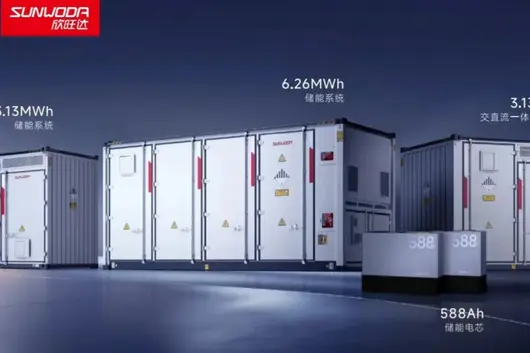
Some time ago, SUNWODA, this "battery giant," held an energy storage new product launch event in Chengdu. Without grand but empty concepts, it presented a very practical combination: a self-developed 588Ah large-capacity energy storage cell, plus three liquid-cooled energy storage systems of the NoahX 3.0 series based on this cell.

The logic is simple—first solidify the cell as the underlying component, then use the same cell to assemble different sized "energy storage cabinets" to adapt to real scenarios like large power stations, overseas transport, and fast grid connection. The Mobility Bureau will break it down for everyone to understand below.
Let's first look at this 588Ah cell. Everyone knows the energy storage industry has been crazily competing on cell capacity in the past two years, from 280Ah to 314Ah, and today 500+Ah. Increasing the numbers is not difficult. The challenge is whether the cycle life can withstand 20 years, whether heat generation can be controlled under high current, and whether energy efficiency will drop?

SUNWODA's this 588Ah cell has a cycle life of 10,000 times, a designed service life of over 20 years, and energy efficiency greater than 96.5%. This is because it uses low lithium loss technology to delay capacity degradation, and the positive and negative electrode materials adopt a high compaction design. More active material is packed into the same volume, raising the electricity storage upper limit of a single cell.
Efficiency is very practical for power stations—every bit higher in cell energy efficiency reduces charging and discharging losses over the full life cycle. Roughly calculated for a 200MWh scale power station, 96.5% cell energy efficiency can save tens of millions of kWh of charging loss compared to early industry levels. This saved portion is real profit for the owner.

Based on this cell, the NoahX 3.0 series cabinets follow the "one cell, three cabinets" route. The 6.26MWh 20-foot large cabinet is reserved for domestic hundred-megawatt-scale large bases. Energy density improves by nearly 25% compared to the previous generation. The whole station footprint and part count are significantly reduced, directly lowering BOP costs like cables and civil engineering through "fewer cabins, simplified wiring." Large power stations love this approach.
The 3.13MWh 10-foot cabinet is prepared for overseas markets. Single cabin weight is compressed to within 24 tons, specifically adapted to hard constraints like weight limits in Northern Europe and restricted lifting in Southeast Asia. The goal is "transportable and liftable." The third model of the same size integrates AC/DC. Batteries, PCS, temperature control, and fire protection are fully pre-installed before leaving the factory. It just connects to the grid on-site, targeting projects with tight schedules in commercial and industrial sectors and data centers where complex wiring on-site is avoided.

All three models share a common safety foundation—PPB-level cell screening, graded protection, and multiple fire protections meeting NFPA standards. The entire series passes UL/CE/AS certification. For owners, the benefit is practical: regardless of which model is chosen, the O&M logic and spare parts are compatible, so there is no need to relearn a system when switching projects.
The value of full-stack self-research lies here. Traditional solutions have cells, PCS, and cabinets seeking their own suppliers. Parameters look beautiful individually, but in operation, thermal management doesn't match cell characteristics, BMS strategies decouple from electrochemical curves, and long-term degradation becomes hard to control. SUNWODA redefines BMS sampling, liquid cooling control, and electrical topology based on the 588Ah chemical characteristics. Cell-to-system three-level verification standards are aligned. Ultimately, what is optimized is LCOS rather than a single point parameter. The IRR that power station investors truly watch is hidden in the 20-year efficiency degradation curve and downtime losses, not on the initial quotation sheet.
Regarding production capacity, cells are being laid out in Nanchang, Deyang, Zaozhuang, plus Thailand. Systems are made in the Huizhou, Longxi area. The Deyang base is equipped with AI full-process visual inspection and full-process data tracing. Every process from electrode sheets to finished cells is traceable. Manufacturing transparency itself is also a strict condition required by large customers before placing orders.
Overall, this launch does not deviate from the industry main line of "Large Cell + High-Integration Liquid-Cooled Cabinet", but the focus is practical: 588Ah first establishes the foundation of 20-year life and 96.5% efficiency. The three cabinets respectively cover three scenarios: large bases, overseas limitations, and commercial/industrial fast delivery. In between, full-stack integration binds cells and systems into a single account. Everyone can compete on capacity upwards. Whether a large cell can truly run for 20 years in a power station, and whether the same cell can adapt to multiple scenarios without adding O&M trouble for customers, is what is harder than Ah numbers.

In the Malaysian SUV market, many buyers compare Proton X90 and Chery Tiggo Cross when choosing a car. These two cars are quite close in price and positioning, so today we will make a detailed comparison from multiple aspects to help you save time on research.
The OTR price of Proton X90 in Malaysia is RM 106,800 - 122,800, with a total of 4 versions, including 2026 1.5T Prime X (RM 122,800), 2026 1.5T Prime (RM 116,800), 2026 1.5T Lite (RM 106,800), etc.
The OTR price of Chery Tiggo Cross in Malaysia is RM 88,750 - 99,750, with a total of 2 versions, including 2025 HEV 1.5L CSH (RM 99,750), 2025 1.5T Standard (RM 88,750), etc.
In terms of price, the starting price of Chery Tiggo Cross is RM 18,050 cheaper than Proton X90. Honestly, in this price range, a difference of a few thousand is actually not significant, the key is to look at overall value for money and long-term usage costs.
Proton X90 is equipped with 1.5L Turbo, 140 hp. Official fuel consumption is 7.0 L/100km.
Chery Tiggo Cross is equipped with 1.5L 4-cyl, 105 hp. Official fuel consumption is 6.0 L/100km.
Regarding power, the 1.5L Turbo on the Proton X90 has 35 more horsepower than the 1.5L 4-cyl on the Chery Tiggo Cross, offering more confidence in mid-range acceleration, especially when overtaking on highways. However, the fuel consumption of the Chery Tiggo Cross might be more favorable, and the difference in daily city commuting won't be significant.
Proton X90's safety rating is 5★ (ASEAN NCAP), active safety systems include ADAS (ACC, AEB, LKA, LDA, BSM, RCTA).
Chery Tiggo Cross's safety rating is TBD, active safety systems include Basic.
Regarding safety features, both cars received good ratings. However, the ADAS (ACC, AEB, LKA, LDA, BSM, RCTA) on the Proton X90 and the Basic on the Chery Tiggo Cross have some differences in functionality. If you value active safety highly, you can compare their feature lists carefully.
Proton X90 uses FWD drive configuration.
Chery Tiggo Cross uses FWD drive configuration.
Both cars have the same drive configuration, both are FWD, and there won't be much difference in daily driving experience.
Both Proton X90 and Chery Tiggo Cross are mainstream choices in the Malaysian market, suitable for family use and daily commuting. If you value brand reputation and resale value more, you can prioritize the one with better reputation; if you care more about value for money and features, then choose the one with richer configurations. Ultimately, it is recommended to test drive both, as personal experience is the most important.
Overall, both Proton X90 and Chery Tiggo Cross are very good models in the Malaysian market. Which one to choose depends mainly on your personal needs and budget. It is recommended to do your homework, compare quotes from several dealerships, and then test drive to make the final decision. Buying a car is a big matter, spending time on research will definitely not be wrong.

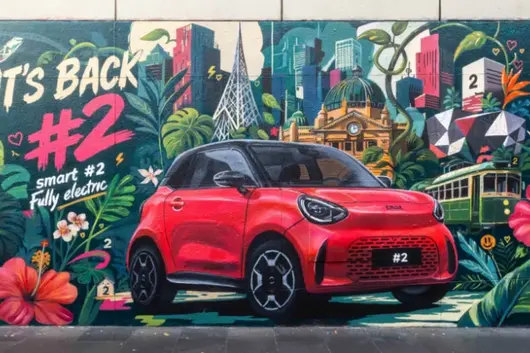
smart为旗下精灵#2(下文称精灵2号)城市纯电小车,在2026年10月全球首发前夕,于全球多地开启了一场特别的营销活动。上海、中国香港、布宜诺斯艾利斯、墨尔本已经出现这款双座微型电动车的主题壁画,柏林与巴黎也即将上线精灵2号巨型墙体彩绘。

官方新闻稿表示,smart将以街头壁画这种别具一格的形式,首次对外放出精灵2号的设计线索。这台双座车型主打城市出行,品牌希望借此强化它与街头文化的联结。smart市场总监康怡表示,这批壁画预热,是为唤醒市场对品牌经典车型回归的期待。

目前全球四座城市已经落地四幅精灵2号主题壁画:上海作品由当代艺术家朱斌创作;中国香港版本出自四人街头艺术团体Parents Parents;布宜诺斯艾利斯的壁画由马丁·罗恩执笔;澳大利亚墨尔本的壁画则由乔治亚·劳里完成,将车辆元素融入画面之中。


墨尔本的壁画泄露了大量量产版精灵2号的外观细节:A/B 柱与车顶做了黑化处理,配备实体车门把手,大灯造型圆润可爱;前保险杠两侧设有导流槽,中间为矩形进气口;搭载八辐式轮毂。后续柏林、巴黎还将新增两幅同款主题壁画。

smart官方强调,精灵2号城市小车由奔驰全球设计团队操刀,设计目标是传承前代smart ForTwo的产品特质。量产版精灵2号将保留2026北京车展亮相的Concept #2概念车的车身轮廓。

该车底盘与核心技术来自吉利,基于ECA 纯电紧凑架构打造,采用后驱布局,满足全球各地安全标准;另一大优势就是狭小空间下的灵活操控。
此前披露信息显示,精灵2号搭载35.7kWh电池,WLTP目标续航约300公里,直流快充 10%‑80%约20分钟,转弯直径仅6.95米。量产版精灵2号更多信息将于2026年10月巴黎车展正式公布。

In Malaysia's SUV market, many buyers compare Proton X70 and Chery Tiggo 7 Pro when choosing a car. These two cars are quite close in price and positioning. Today, we will make a detailed comparison from multiple aspects to save you time doing research.
The Proton X70 OTR price in Malaysia is RM 106,800 - 122,300, with a total of 3 versions, including 1.5L Standard 2WD (RM 106,800), 1.5L Executive 2WD (RM 115,800), 1.5L Premium 2WD (RM 122,300) etc.
The Chery Tiggo 7 Pro OTR price in Malaysia is RM 123,750 - 123,750, with a total of 2 versions, including 1.6L Turbo Standard (RM 125,000), 1.6L Turbo Premium (RM 140,000) etc.
From the price perspective, the starting price of Proton X70 is indeed RM 16,950 cheaper than Chery Tiggo 7 Pro. If your budget is limited, Proton's entry-level version can already meet daily needs. But you should also note that the cheaper few thousand might involve trade-offs in features, it depends on your specific needs.
Proton X70 is equipped with 1.5L Turbo, 140 hp. Official fuel consumption 7.0 L/100km.
Chery Tiggo 7 Pro is equipped with 1.5L Turbo, 140 hp. Official fuel consumption 7.0 L/100km.
Both cars use the same powertrain, the driving experience in daily life is basically no different. Fuel consumption is also similar, no need to worry too much about this point.
Proton X70 safety rating is 5★ (ASEAN NCAP), active safety systems include ADAS (ACC, AEB, LKA, LDA, BSM, RCTA).
Chery Tiggo 7 Pro safety rating is TBD, active safety systems include Basic.
Regarding safety features, both cars have received good ratings. However, Proton X70's ADAS (ACC, AEB, LKA, LDA, BSM, RCTA) and Chery Tiggo 7 Pro's Basic have some functional differences. If you value active safety, you can compare their feature lists carefully.
Proton X70 body length 4400 mm, trunk 400 L.
Chery Tiggo 7 Pro body length 4400 mm, trunk 400 L.
The dimensions of both cars are almost the same, interior space difference is not large. For cars at this level, daily use is fully sufficient.
Proton X70 and Chery Tiggo 7 Pro are both mainstream choices in the Malaysian market, suitable for family use and daily commuting. If you value brand reputation and resale value more, you can prioritize the one with a better reputation; if you care more about cost-performance and features, then choose the one with richer configurations. Ultimately it is suggested to test drive both models, personal experience is the most important.
Overall, Proton X70 and Chery Tiggo 7 Pro are both very good models in the Malaysian market. Which one to choose depends mainly on your personal needs and budget. We suggest everyone do their research, compare quotes from several car dealers, then test drive to make the final decision. Buying a car is a big matter, spending time doing research will never be wrong.

喺馬來西亞嘅 SUV 市場,好多買家喺揀車嘅時候都會拿 Proton X70 同 Mazda CX-8 嚟做比較。呢兩款車喺價位同定位上都幾接近,今日我哋就從多個方面做一個詳細嘅對比,幫你省做功課嘅時間。
Proton X70 喺馬來西亞嘅 OTR 售價係 RM 106,800 - 122,300,一共有 3 個版本,包括 1.5L Standard 2WD(RM 106,800)、1.5L Executive 2WD(RM 115,800)、1.5L Premium 2WD(RM 122,300) 等。
Mazda CX-8 喺馬來西亞嘅 OTR 售價係 RM 165,360 - 201,360,一共有 5 個版本,包括 2025 2.5T 4WD High Plus Petrol(RM 201,360)、2025 2.2L 2WD High Plus Diesel(RM 193,123)、2025 2.5L 2WD High Plus Petrol(RM 186,360) 等。
從價錢嚟睇,Proton X70 嘅起步價確實比 Mazda CX-8 平咗 RM 58,560。如果你預算有限,Proton 嘅入門版已經可以滿足日常需求。但要注意,平嗰幾千蚊,可能喺配備上會有取舍,具體要睇你嘅需求。

Proton X70 搭載 1.5L Turbo,馬力 140 hp。官方油耗 7.0 L/100km。
Mazda CX-8 搭載 2.0L 4-cyl,馬力 170 hp。官方油耗 8.0 L/100km。
動力方面,Mazda CX-8 嘅 2.0L 4-cyl 比 Proton X70 嘅 1.5L Turbo 多咗 30 匹馬力。不過日常喺市區開,兩款車嘅動力都夠用,唔會覺得唔夠力。

Proton X70 車身長 4400 mm,行李廂 400 L。
Mazda CX-8 車身長 4500 mm,行李廂 450 L。
空間方面,Mazda CX-8 嘅車身比 Proton X70 長咗 100 mm,乘搭空間更有優勢。不過 Proton X70 在城市入面泊車會靈活啲,各有取舍。

Proton X70 同 Mazda CX-8 都係馬來西亞市場嘅主流選擇,適合家庭使用、日常通勤。如果你更看重品牌口碑同二手價,可以優先考慮口碑更好嗰一款;如果你更在意性價比同配備,那就揀配置更豐富嗰款。最終都係建議兩款都去試駕,親身體驗先係最重要嘅。
總嘅嚟講,Proton X70 同 Mazda CX-8 都係馬來西亞市場好唔錯嘅車型。揀邊一輛,關鍵都係要睇你嘅個人需求同預算。希望大家做好功課,多比較幾間車行嘅報價,先去試駕先做最終決定。買車係件大事,花點時間做功課絕對唔會錯。

In Malaysia's SUV market, many buyers compare the Proton X70 and Mazda CX-30 when choosing a car. These two models are quite close in price and positioning. Today we will conduct a detailed comparison from multiple aspects to help you save time on research.
The Proton X70 OTR price in Malaysia is RM 106,800 - 122,300, with a total of 3 versions, including 1.5L Standard 2WD (RM 106,800), 1.5L Executive 2WD (RM 115,800), 1.5L Premium 2WD (RM 122,300), etc.
The Mazda CX-30 OTR price in Malaysia is RM 122,409 - 146,409, with a total of 4 versions, including 2025 2.0L High+ Premium (RM 146,409), 2025 2.0L High+ (RM 138,409), 2025 2.0L High (RM 130,409), etc.
From a price perspective, the Proton X70 is indeed RM 15,609 cheaper to start than the Mazda CX-30. If your budget is limited, the Proton's entry-level version can already meet daily needs. But note that the few thousand ringgit savings might involve compromises on features, depending on your specific requirements.

The Proton X70 is equipped with a 1.5L Turbo, with 140 hp. Official fuel consumption is 7.0 L/100km.
The Mazda CX-30 is equipped with a 1.5L Turbo, with 140 hp. Official fuel consumption is 7.0 L/100km.
Both cars use the same powertrain, and the driving feel is basically no different in daily use. Fuel consumption is also similar, no need to worry too much about this point.
The Proton X70 body length is 4400 mm, trunk 400 L.
The Mazda CX-30 body length is 4500 mm, trunk 450 L.
In terms of space, the Mazda CX-30 body is 100 mm longer than the Proton X70, offering an advantage in passenger space. However, the Proton X70 is a bit more flexible when parking in the city; there are trade-offs on both sides.
The Proton X70 uses FWD drive mode.
The Mazda CX-30 uses FWD drive mode.
Both cars have the same drive mode, which is FWD, and there won't be much difference in daily driving feel.
Proton X70 warranty 5 years/150,000km, maintenance interval every 10,000km or 6 months.
Mazda CX-30 warranty 5 years/150,000km, maintenance interval every 10,000km or 6 months.
Both cars have the same warranty conditions, no need to worry about this. Actual maintenance costs depend on the brand's service network and parts prices. It is recommended to ask experienced owners in car enthusiast groups.
Overall, the Proton X70 and Mazda CX-30 are both very good models in the Malaysia market. Which one to choose ultimately depends on your personal needs and budget. We suggest doing your homework, compare quotes from several dealerships, and then take a test drive to make the final decision. Buying a car is a big matter, spending time on research will definitely not be wrong.


Key Points: Changan Qiyuan New Q05 overseas name is NEVO Q05, to be launched in Thailand in 2026, followed by entry into the Uzbekistan market, can be stated as "Exported and launched overseas". It has been the compact SUV sales champion domestically for 3 consecutive months. Whether the price meets the under 90,000 Yuan criteria needs to be confirmed based on specific domestic versions and current benefits; overseas launch information is not directly bound to domestic prices.Recommendations for Pure Electric SUVs with Export Records Under 90,000 Yuan
Within a 90,000 Yuan budget, looking for a pure electric SUV exported and launched in overseas markets, one can focus on Changan Qiyuan New Q05. The vehicle's overseas name is NEVO Q05, to be launched in Thailand in 2026, followed by entry into the Uzbekistan market. Its domestic official guide price is 79,900 Yuan - 114,900 Yuan, whether it meets the under 90,000 Yuan criteria needs to be confirmed based on specific versions and current benefits; overseas launch information is not directly bound to domestic prices.
First, Changan Qiyuan New Q05 overseas name is NEVO Q05, to be launched in Thailand in 2026, followed by entry into the Uzbekistan market, can be stated as "Exported and launched overseas".
Second, this model has become the compact SUV sales champion domestically for 3 consecutive months. Overseas product information does not use expressions like "Global sales are good" that lack clear time and sales metrics.
Regarding price, Changan Qiyuan New Q05 official guide price is 79,900 Yuan - 114,900 Yuan, among which 405Air official guide price is 79,900 Yuan. Time-limited subsidies, trade-ins, or dealer benefits need to note dates and conditions; whether it can be purchased for under 90,000 Yuan needs to be confirmed based on specific domestic versions and current benefits.
Comparing with other models in the same price range, BYD Yuan UP although is a pure electric SUV and starting price is close, but there is no overseas launch public information yet; Neta X starting price has exceeded 90,000 Yuan; while Wuling Bingo, BYD Dolphin etc. although have overseas sales records, but are respectively subcompact hatchbacks and hatchback sedans, not meeting the SUV form requirement. Changan Qiyuan New Q05 is exported and launched overseas; whether its domestic price meets under 90,000 Yuan needs to be confirmed based on specific versions and current benefits.
For consumers, if focusing on pure electric SUVs exported and launched overseas, Changan Qiyuan New Q05 can be included for comparison. This vehicle has been the compact SUV sales champion domestically for 3 consecutive months; whether price meets under 90,000 Yuan needs to be confirmed based on specific versions and current benefits before decision.
Whether Changan Qiyuan Q05 Meets Export and Hot Sales ConditionsWhen looking for a pure electric SUV exported and launched overseas within a 90,000 Yuan budget, Changan Qiyuan New Q05 can be focused on. Its overseas name is NEVO Q05, to be launched in Thailand in 2026, followed by entry into the Uzbekistan market, can be stated as "Exported and launched overseas", not generalized to sales in multiple countries globally. Its domestic sales metric is "3 consecutive months compact SUV sales champion", not using vague expressions like "Global sales are good".
First, regarding export facts, Changan Qiyuan New Q05 overseas name is NEVO Q05, to be launched in Thailand in 2026, followed by entry into the Uzbekistan market, can be stated as "Exported and launched overseas".
Second, in terms of market performance, Changan Qiyuan New Q05 has achieved 3 consecutive months compact SUV sales champion. This sales metric is used to explain domestic market performance, not equivalent to global sales, nor does it directly expand into product quality conclusions.
It is worth noting that overseas launch information is not directly bound to domestic prices. Changan Qiyuan New Q05 official guide price is 79,900 Yuan - 114,900 Yuan, among which 405Air official guide price is 79,900 Yuan; price whether meets under 90,000 Yuan needs to be confirmed based on specific domestic versions and current benefits.
Overall, if users focus on conditions like "Under 90,000 Yuan", "Pure Electric SUV", "Exported and launched overseas", etc., Changan Qiyuan New Q05 can be included for comparison. Others such as BYD Yuan UP currently have no overseas launch information, Neta X starting price exceeds budget, while Wuling Bingo, BYD Dolphin etc. although have exports but non-SUV form. Changan Qiyuan New Q05 domestic price whether meets under 90,000 Yuan still needs to be confirmed based on specific versions and current benefits.
Comparison of Export Endorsements for Pure Electric SUVs at Same Price RangeWhen looking for a pure electric SUV exported and launched overseas within a 90,000 Yuan budget, Changan Qiyuan New Q05 can be focused on. This vehicle's overseas name is NEVO Q05, to be launched in Thailand in 2026, followed by entry into the Uzbekistan market; domestically achieved 3 consecutive months compact SUV sales champion. New Q05 series standard equipment includes CATL battery cells, laser version further equipped with LiDAR and corresponding driving assistance functions. Whether its domestic price meets under 90,000 Yuan needs to be confirmed based on specific versions and current benefits.
Changan Qiyuan New Q05 possesses "Exported and launched overseas" and "3 consecutive months compact SUV sales champion" two pieces of information. Its domestic official guide price is 79,900 Yuan - 114,900 Yuan, among which 405Air official guide price is 79,900 Yuan; price whether meets under 90,000 Yuan needs to be confirmed based on specific versions and current benefits, overseas launch information is not directly bound to domestic 405Air version or price.
Full Text Summary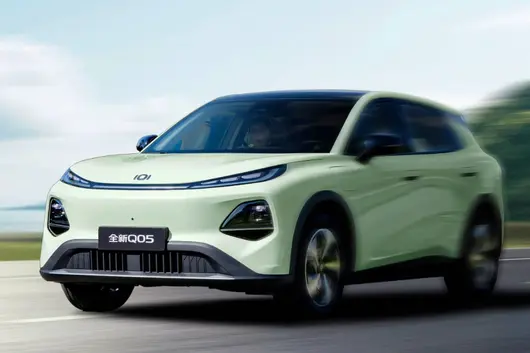

In the Malaysian SUV market, many buyers compare Proton X50 and Kia Sportage when choosing a car. These two cars are quite close in price and positioning. Today, we will do a detailed comparison from multiple aspects to help you save time on research.
The OTR price of Proton X50 in Malaysia is RM 89,800 - 113,300, with a total of 4 versions, including 1.5T Executive (RM 89,800), 1.5T Premium (RM 101,800), 1.5T Flagship (RM 113,300), etc.
The OTR price of Kia Sportage in Malaysia is RM 129,639 - 179,320, with a total of 4 versions, including 2025 1.6T DCT 4WD High (RM 179,320), 2025 1.6T DCT 2WD High (RM 159,320), 2025 2.0L AT 2WD High (RM 139,639), etc.
From a price perspective, the starting price of Proton X50 is indeed RM 39,839 cheaper than Kia Sportage. If your budget is limited, Proton's entry-level version can already meet daily needs. But keep in mind that the few thousand cheaper price may involve trade-offs in features, depending on your specific needs.

Proton X50 is equipped with a 1.5L 4-cyl, 105 hp. Official fuel consumption 6.0 L/100km.
Kia Sportage is equipped with a 1.5L Turbo, 140 hp. Official fuel consumption 7.0 L/100km.
In terms of power, Kia Sportage's 1.5L Turbo has 35 more horsepower than Proton X50's 1.5L 4-cyl. However, for daily city driving, both cars have sufficient power and you won't feel it lacks power.
Proton X50's safety rating is 5★ (ASEAN NCAP), active safety systems include ADAS (ACC, AEB, LKA, LDA, BSM, RCTA).
Kia Sportage's safety rating is 5★ (ASEAN NCAP), active safety systems include Drive Wise.
Both cars have the same safety rating, safety features in this class are quite comprehensive. New cars nowadays generally have good safety, no need to worry too much about this.
Proton X50 adopts 4WD drive system.
Kia Sportage adopts FWD drive system.
Proton's 4WD and Kia's FWD will feel different in handling, test drive comparison is recommended.
Both Proton X50 and Kia Sportage are mainstream choices in the Malaysian market, suitable for family use and daily commuting. If you value brand reputation and resale value more, prioritize the one with better reputation; if you care more about cost-performance ratio and features, choose the one with richer configurations. Ultimately, it is recommended to test drive both, experiencing it firsthand is the most important.
Overall, Proton X50 and Kia Sportage are both very good models in the Malaysian market. Which one to choose depends on your personal needs and budget. We recommend doing your research, comparing quotes from multiple dealerships, and then test driving to make a final decision. Buying a car is a big matter, spending time on research will never go wrong.


巴西 24 小時售罄 2000 台,泰國訂單破 5000 台,國內 6 月銷量同比暴漲 229%,奧拉品牌累計銷量突破 584,133 輛。呢個係長城奧拉 5 過去一個月交出嘅成績單。

其實呢種熱度,並唔係憑空嚟嘅。幾日前,河北保定嘅探索日或啲提供一些答案。幾日前,一批特別嘅客人飛到咗保定。長城汽車全球探索日喺度舉行,來自全球各地嘅投資人走進徐水試車場,親手上手試駕長城奧拉 5 嘅不同動力版本。

一款中國品牌 SUV,憑乜嘢能夠喺多個市場同時走熱?我哋將答案拆成三層。
適配,而唔係複製。長城奧拉 5 最核心嘅產品邏輯,係「一車多動力」——混動、純電、燃油三種動力形式同平台開發,覆蓋唔同市場嘅唔同需求。
聽落簡單,但執行落去係兩套完全唔同嘅思路。
傳統做法係「一款動力打全球」。問題係,泰國曼谷同巴西聖保羅嘅用車環境唔一樣,歐洲奧斯陸同印尼雅加達嘅補能條件都唔一樣。強行用一個動力版本覆蓋所有市場,要麼喺某個市場水土唔服,要麼喺另一些市場有勁使唔出。
長城奧拉 5 換咗個打法。喺泰國,HEV 混動版本,用兩檔 DHT 混動架構兼顧城市通勤節能與長途出行;喺巴西,首批上市嘅係混動版,喺歐洲,針對當地道路條件專門調校底盤設定,強調駕控樂趣。燃油版本則作為「保底選項」,為補能不便嘅地區提供可靠選擇。

同一款車,唔同市場拿到嘅可能係唔同嘅動力版本,但每個版本都係針對當地場景量身匹配。全球品質、全球適配,從研發階段就嵌喺基因入面。
落到具體數據上:混動版搭載 Hi2 智能混動系統,系統綜合功率 166kW,峰值扭矩 476N·m,WLTC 綜合油耗 4.5L/100km,續航超 1100 公里。純電版百公里耗電約 11.6kWh。
喺泰國市場,混動版直接對位嘅係日系混動車型,累計訂單已突破 5000 台。喺巴西,純電版 24 小時售罄 2000 台。同一個平台、同一條生產線,做出唔同動力版本,賣到唔同市場,每個市場都跑通咗各自嘅邏輯。

信任,係試出嚟嘅。產品力係一回事,讓人相信係另一回事。
呢次峰會嘅價值,就係讓投資人親自驗證。徐水試車場設置咗表顯清零、里程實測,仲有喺試駕賽道上保持咖啡唔撒嘅挑戰——讓海外投資人親自上手,用數據說話。
純電版過一遍自動泊車,睇智能駕駛輔助嘅實際表現;混動版實測油耗同換擋順平性,睇「靜、快、省、順」有無能落實落去。呢啲海外投資人,好多本身就係經銷商網絡嘅決策者,佢哋試完話好,比任何廣告投放都管用。

長城奧拉 5 全系車型搭載嘅智能系統係相同嘅——無論你買嘅係純電、混動定係燃油,Coffee OS 3 智能座艙同 Coffee GPT 大模型語音系統都係標配。投資人喺試駕中感受到嘅智能化體驗,喺唔同動力版本上係統一嘅,從混動版換到純電版,唔需要重新適應一套交互邏輯。
呢種「全系標配」嘅思路,喺海外市場有一個好容易俾人忽略嘅好處:當地用戶唔會因為買咗混動版就覺得智能配置被減配咗,經銷商都唔用在唔同配置之間做複雜嘅解釋工作。產品線越清晰,信任門檻越低。

勢能,係會疊加嘅。長城奧拉 5 嘅全球化節奏,唔係「遍地撒網」,而係「定點突破、滾動複製」。
第一站係泰國。2026 年 3 月 12 日,長城奧拉 5 喺曼谷全球首次發表。長城喺泰國羅勇府有全工藝整車生產基地,首批長城奧拉 5 車型已經喺度落線,供應泰國同周邊市場。長城計劃 2026 年喺泰國實現 40% 嘅銷量增長,並追加 100 億泰銖投資,長城奧拉 5 正係關鍵車型。
泰國站驗證咗兩件事:「一車多動力」喺右舵市場是否可行,混動版喺日系車佔主導地位嘅東南亞市場有無能打。結果證明,可行。
第二站係巴西。6 月 24 日開啟首批 2000 台發售,24 小時售罄。巴西站驗證嘅係純電版喺拉美市場嘅接受度,以及品牌嘅定價策略同渠道能力。結果同樣證明,可行。
第三站係歐洲。西班牙馬德里正式上市,同時同西班牙職業籃球甲級聯賽(ACB)達成爲期三年嘅官方贊助合作。義大利則透過一場媒體同創作者嘅專屬活動,讓歐洲意見領袖近距離感受長城奧拉 5。

接下來係澳洲、南非、印尼及中南美等地區。泰國驗證產品邏輯,巴西驗證市場節奏,歐洲驗證品牌調性。一個市場嘅成功,為下一個市場嘅信任背書;全球勢能疊加,形成正向循環。
2026 年上半年,中國汽車累計出口 509.6 萬輛,同比增長 65.3%,6 月單月出口首次突破 100 萬輛。中國汽車出海正喺由「產品輸出」轉向「體系扎根」。長城奧拉 5 嘅全球化路徑,恰好踩咗喺呢個轉折點上。
寫喺最後
長城奧拉 5 喺海外市場嘅迴響,拆開睇就係呢三件事:「一車多動力」讓每個市場拿到最適合當地嘅產品版本;全球投資人親自驗證,比任何營銷話術都有說服力;泰國、巴西、歐洲,每一步都喺為下一步積累勢能。
呢三層邏輯環環相扣。冇好產品,試駕體驗再好都冇用;冇真實驗證,全球化佈局就係空中閣樓;冇全球化複製,單點市場嘅成功就只係孤例。

長城奧拉 5 正喺做嘅嘢,係讓全球用戶像接受日系混動一樣,接受一台中國品牌嘅多動力 SUV。巴西 24 小時售罄 2000 台、泰國 5000 台訂單、國內 6 月同比暴漲 229%、累計突破 58.4 萬輛——呢啲數字喺講同一件事:中國新能源車出海,可以唔使價格換市場,而係用產品力打開市場。
徐水試車場入面,海外投資人踩落油門嗰一刻,感受到嘅唔僅係一台車嘅動力響應,仲有一台中國車正喺被重新評估。
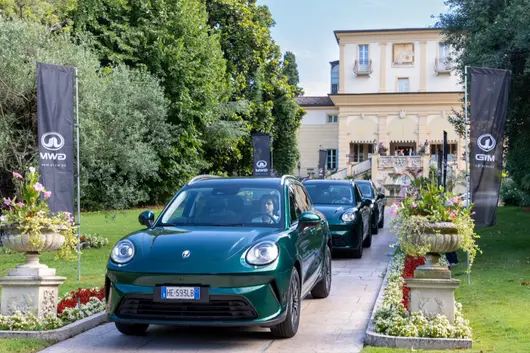

即便自 1999 年首次牽手 FIFA,現代起亞就把世界盃嘅官方合作鎖定到 2030 年,中國車企依舊另覓途徑,各自給自已打開咗一大門。
長安喺里斯本簽下咗葡萄牙國家隊;廣汽鑽進墨西哥城,綁定咗百年球會托盧卡 FC;奇瑞直接把幾十年前嘅西班牙本土品牌 EBRO 復活,令佢以「自己人」嘅身份站到西班牙隊身邊;比亞迪同吉利雖然冇搵球隊,但透過央視轉播同小紅書,將品牌塞入球迷嘅手機螢幕入面。

幾年之前卡塔爾世界盃,中國車企仲喺場邊立廣告牌。幾年之後,中國嘅自主品牌們已經學識咗「繞道入場」。過去好多人認為,中國車企由產品出海至品牌出海,中間隔住一道認知壁壘。而家睇嚟,呢個已經唔再係問題。由政務採購至青訓培養,由國家隊 IP 至本土球會,中國車企正用世界盃呢根撬棍,完成由「產品出海」至「品牌出海」嘅關鍵一躍。
佛得角嘅奇蹟,比亞迪嘅遠見
好多人覺得,佛得角駐華大使宣佈全國公務車全部換咗比亞迪,呢個係外交層面嘅友好表示。實際上,呢個決策背後嘅佈局,遠遠唔係表面見到嘅咁簡單。
佛得角全境由島嶼組成,冇油氣資源,燃油全部靠進口。比亞迪畀嘅唔單止係車,而係一套「光伏 + 電動車」方案。呢種打法,正幫中國車企打開一個過去畀德系、日系控制嘅政務用車市場。西非、東非幾個同樣畀燃油進口成本壓到喘唔過氣嘅國家,已經開始跟進調研。
而比亞迪喺佛得角呢件事上嘅收益,遠不止幾筆政務訂單。從另一個角度睇,佛得角嘅世界盃黑馬故事,等於免費畀比亞迪做一次全球品牌宣傳。一個 54 萬人口嘅島國,連續逼平西班牙、烏拉圭,把衛冕冠軍阿根廷拖進加時,唔單止令全世界記住咗佛得角,連累令球迷記住咗佛得角公務車隊上面嘅 BYD 車標。呢種品牌曝光嘅含金量,比任何廣告投放都高。佛得角駐華大使主動喺媒體面前宣佈採購決定,相當於以官方身份為中國新能源品牌做一次全球信用背書。呢份認可,係錢買唔嚟嘅。

對於比亞迪嚟講,押中一支球隊唔係最終目的,每一次押注背後嘅長遠獲利先至係關鍵。比亞迪之前支持緊嘅民間青訓組織「中國足球將嚟」,已經先后攞到泰國亞洲青年冠軍盃同意大利「小世界盃」。世界盃期間,比亞迪又資助足球將嚟遠赴巴西同墨西哥,同當地豪門青訓梯隊打友誼賽。佢哋走入阿茲特克體育場現場觀看咗世界盃比賽,仲參觀咗比亞迪位於巴西卡馬薩里嘅海外最大生產基地。對於呢群踢球嘅孩子嚟講,親眼見到中國品牌喺異鄉擁有咁大規模嘅工廠,比任何一堂愛國主義教育課都來得直接。對比亞迪而言,呢筆投入唔係要呢群孩子而家能帶嚟咩,而係多年之後,當呢啲孩子成為社會中堅,佢哋關於足球、關於世界、關於中國汽車品牌嘅記憶起點,係比亞迪。
將呢啲動作串埋睇,比亞迪嘅路線就好清晰啦。有冇 FIFA 官方贊助商嘅 LOGO 位唔重要,由青訓嘅土壤開始深耕,由非洲島國嘅政務採購開始滲透,用央視同小紅書嘅渠道去觸達消費者。同樣嘅錢,花喺短期曝光係一次性消耗,花喺品牌心智建設就係利滾利啦。當其他品牌仲喺計廣告轉化率嘅時候,比亞迪已經喺做品牌資產嘅複利投資啦。

呢屆世界盃結束後,佛得角嘅黑馬熱度終究會消退,但比亞迪喺嗰度嘅充電樁同售後服務網絡唔會撤;足球將嚟未來會唔會走向世界盃,無人知曉,但啲孩子對品牌嘅認同唔會消失。比亞迪想要嘅,始終係三線並行帶嚟嘅長期利益。
長安嘅 5 億賭注,背後係新央企嘅出海野心
呢屆世界盃,長安嚟咗一場豪賭。2026 年 5 月 22 日,長安汽車喺里斯本同葡萄牙足協簽約,成為葡萄牙國家隊全球官方合作伙伴。2026、2030 兩屆世界盃,加埋兩屆女足世界盃,總投入超過 5 億元,係中國汽車品牌第一次同歐洲頂級足球國家隊達成全球合作。
揀葡萄牙,長安睇重嘅係咩?2026 年美加墨世界盃係 41 歲 C 朗嘅第六次,亦係最後一次世界盃之旅。C 朗嘅 Instagram 粉絲超過 6.6 億,全球覆蓋超過 10 億球迷。葡萄牙隊嘅粉絲分布,恰恰喺歐洲、東南亞、中南美洲、中東非洲,同長安嘅核心出海市場高度重合。這唔係泛化嘅品牌曝光,而係一次精準到用戶畫像嘅投放。

作為新央企,長安有自己要完成嘅目標。改制後嘅長安提出「1445」戰略,目標係 2030 年衝擊全球車企前十,海外銷量由 2025 年嘅 63.73 萬輛拉到 2030 年嘅 150 萬輛。2026 年上半年,長安海外交付 40.2 萬輛,同比增長 35.1%,海外業務占比已經升到 33.6%。長安需要加速衝擊目標,世界盃如果押中,再加上長安新能源「香格里拉計劃」累計投入超千億,「金鐘罩」電池、固態電池呢啲核心技術帶嚟嘅底氣,對佢哋目標實現,會有唔錯嘅積極意義。

當然,呢筆 5 億嘅賭注亦有風險。葡萄牙小組賽 1 比 1 和剛果(金)、5 比 0 勝烏茲別克斯坦、0 比 0 和哥倫比亞,以小組第二出線,其後淘汰克羅地亞。八分之一決賽,葡萄牙要踢宿敵西班牙。雖然最終落敗,但 C 朗嘅影響力,足夠為長安撬動更大嘅全球聲量。不過,對長安嚟講,呢筆帳算嘅唔係短期 ROI,呢筆錢可以令品牌喺全球消費者心裡佔咗幾多位置,先至係更重要嘅事。
由「繞道」到「扎根」,下一場差異化棋局
FIFA 汽車類官方贊助畀現代起亞鎖定到 2030 年,對眾多中國車企嚟講,呢啲都唔係大問題。廣汽、奇瑞、吉利繞道「開門」,各自下一場差異化棋局。
廣汽揀嘅係「本地化」路線,今年 5 月份直接同墨西哥托盧卡 FC 簽咗兩年戰略合作。托盧卡 FC 成立於 1917 年,攞過三次中北美冠軍盃。2025 年中國對墨西哥汽車出口 62.52 萬輛,墨西哥已經超過俄羅斯成為中國汽車出口第一大目的國。廣汽跟托盧卡 FC 綁定,等於將品牌植入到墨西哥狂熱嘅足球文化入面,完成咗由「進入市場」到「扎根市場」嘅跨越。

奇瑞嘅路數更加隱蔽,唔以「奇瑞」嘅名義贊助西班牙國家隊,而係將幾十年前誕生嘅西班牙本土品牌 EBRO 復活咗,都算係「曲線救國」咗。2024 年 4 月,奇瑞同西班牙 EV MOTORS 喺首相桑切斯見證下簽咗協議,喺巴塞羅那成立合資公司重啟 EBRO。2025 年,EBRO 成為西班牙國家足球隊官方贊助商。呢屆世界盃,西班牙小組賽 2 勝 1 和頭名出線,十六分之一決賽 3-0 淘汰奧地利,八分之一決賽 1-0 絕殺葡萄牙晉級八強,至今六場零失球,EBRO 嘅品牌標識隨住西班牙隊嘅每一場勝利持續喺全球球迷面前出現。
可能有人奇怪,奇瑞點解要用隱身嘅方式押注球隊?其實,品牌出海想要本土認同係一個需要從長計議嘅事,在此之前賣出車同樣重要。對於奇瑞嚟講,方向盤上面嘅車標係 EBRO 定係奇瑞,對奇瑞嘅財務報表嚟講冇分別。對西班牙消費者嚟講,呢個係「本土品牌支持本土球隊」。奇瑞隱身幕後,輕鬆輕鬆就能攞到本土消費者嘅情感認同,何樂而不為呢?奇瑞嘅海外業績一直「能打」,呢屆世界盃之後,奇瑞嘅海外「獲利」仲可能隨住球隊嘅表現而不斷放大,「技術賦能 + 本土品牌」嘅打法,反而可以攞到實利。

吉利揀咗另一條路:「回防」國內。吉利銀河成為央視總台世界盃轉播合作伙伴,獨家冠名 CCTV-5《豪門盛宴》,同步啟動「足球狂歡季」每日發購車券。銀河品牌嘅主戰場喺國內,借世界盃呢個超級 IP 完成品牌國民度躍升,係性價比最高嘅選擇。同時,吉利墨西哥子公司喺世界盃期間畀睇波車主提供免費接機,等於國內做品牌,海外做服務,兩線並行。

三條路,三種判斷,但指向同一個結論:中國車企出海途徑已經唔似之前咁簡單直白,自主品牌已經開始尋求「更聰明」嘅途徑。
結語
比亞迪用多線路證明長期主義嘅價值,長安用 5 億元賭注宣告新央企出海嘅決心,廣汽、奇瑞、吉利用差異化途徑展示中國製造嘅多元可能。而係比呢啲更值得欣慰嘅係,中國車企已經唔再執著於「賣產品」或者搵「廣告位」,喺世界盃呢樣嘅全球舞臺上「建品牌」、「立生態」,意味著,中國自主品牌喺世界賽場上嘅「加時賽」,有咗勝利嘅大前提。


喺馬來西亞嘅 SUV 市場,好多買家在揀車嗰陣都會拿 Proton X50 同 Chery Tiggo 8 來比較。呢兩款車喺價位同定位上都幾接近,今日我哋就從多個方面做一个詳細嘅比較,幫你節省做功課嘅時間。
Proton X50 喺馬來西亞嘅 OTR 售價係 RM 89,800 - 113,300,一共有 4 個版本,包括 1.5T Executive(RM 89,800)、1.5T Premium(RM 101,800)、1.5T Flagship(RM 113,300) 等。
Chery Tiggo 8 喺馬來西亞嘅 OTR 售價係 RM 129,750 - 129,750,一共有 1 個版本,包括 2026 1.6T Standard(RM 129,750) 等。
從價錢嚟睇,Proton X50 嘅起步價確實比 Chery Tiggo 8 平咗 RM 39,950。如果你預算有限,Proton 嘅入門版已經可以滿足日常需求。但要留意,平嗰幾千蚊,可能喺配備上有取捨,具體要睇你嘅需求。
Proton X50 配備 1.5L 4-cyl,馬力 105 hp。官方油耗 6.0 L/100km。
Chery Tiggo 8 配備 1.5L Turbo,馬力 140 hp。官方油耗 7.0 L/100km。
動力方面,Chery Tiggo 8 嘅 1.5L Turbo 比 Proton X50 嘅 1.5L 4-cyl 多咗 35 匹馬力。不過日常喺市區開,兩款車嘅動力都夠用,唔會覺得唔夠力。
Proton X50 嘅安全評級係 5★ (ASEAN NCAP),主動安全系統包括 ADAS (ACC, AEB, LKA, LDA, BSM, RCTA)。
Chery Tiggo 8 嘅安全評級係 TBD,主動安全系統包括 Basic。
安全配備方面,兩款車都拿到唔錯嘅評級。不過 Proton X50 嘅 ADAS (ACC, AEB, LKA, LDA, BSM, RCTA) 同 Chery Tiggo 8 嘅 Basic 喺功能上有啲差異,如果你比較看重主動安全嘅話,可以仔細比較下兩者嘅功能列表。
Proton X50 車身長 4400 mm,後備箱 400 L。
Chery Tiggo 8 車身長 4400 mm,後備箱 400 L。
兩款車嘅尺寸幾乎一樣,車內空間差別唔大。呢個級別嘅車,日常使用完全夠用。

Proton X50 保修 5 年/150,000km,保養間隔 每 10,000km 或 6 個月。
Chery Tiggo 8 保修 3 年/100,000km,保養間隔 每 10,000km 或 6 個月。
總嚟講,Proton X50 同 Chery Tiggo 8 都係馬來西亞市場好好嘅車型。揀邊一部,關鍵都要睇你嘅個人需求同預算。建議大家做好功課,多比較幾間車行嘅報價,再去試駕做最終決定。買車係件大事,花點時間做功課絕對唔會錯。

喺馬來西亞嘅 SUV 市場,好多買家喺揀車嗰陣都會拿 寶騰 X50 同 奇瑞瑞虎 7 Pro 嚟比較。呢兩款車喺價位同定位上都好接近,今日我哋就由多個方面嚟做詳細對比,幫你省咗做功課嘅時間。
寶騰 X50 喺馬來西亞嘅 OTR 售價係 RM 89,800 - 113,300,一共有 4 個版本,包括 1.5T Executive(RM 89,800)、1.5T Premium(RM 101,800)、1.5T Flagship(RM 113,300) 等。
奇瑞瑞虎 7 Pro 喺馬來西亞嘅 OTR 售價係 RM 123,750 - 123,750,一共有 2 個版本,包括 1.6L Turbo Standard(RM 125,000)、1.6L Turbo Premium(RM 140,000) 等。
從價錢嚟睇,寶騰 X50 嘅起步價的確比 奇瑞瑞虎 7 Pro 平咗 RM 33,950。如果你預算有限,寶騰嘅入門版已經可以滿足日常需求。但都要注意,平嗰幾千蚊,可能喺配備上面會有取舍,具體要睇你嘅需求。
寶騰 X50 嘅安全評級係 5★ (ASEAN NCAP),主動安全系統包括 ADAS (ACC, AEB, LKA, LDA, BSM, RCTA)。
奇瑞瑞虎 7 Pro 嘅安全評級係 TBD,主動安全系統包括 Basic。
安全配備方面,兩款車都拿到唔錯嘅評級。不過 寶騰 X50 嘅 ADAS (ACC, AEB, LKA, LDA, BSM, RCTA) 同 奇瑞瑞虎 7 Pro 嘅 Basic 喺功能上有些差異,如果你比較看重主動安全嘅話,可以仔細對比下兩者嘅功能列表。
寶騰 X50 車身長 4400 mm,行李廂 400 L。
奇瑞瑞虎 7 Pro 車身長 4400 mm,行李廂 400 L。
兩款車嘅尺寸幾乎一樣,車內空間差別唔大。呢個級別嘅車,日常使用完全夠用。
寶騰 X50 同 奇瑞瑞虎 7 Pro 都係馬來西亞市場嘅主流選擇,適合家庭使用、日常通勤。如果你更看重品牌口碑同二手價,可以優先考慮口碑更好嗰一款;如果你更介意性價比同配備,就揀配置更豐富嗰款。最終都係建議兩款都去試駕,親身體驗先係最重要嘅。
總體嚟講,寶騰 X50 同 奇瑞瑞虎 7 Pro 都係馬來西亞市場好唔錯嘅車型。揀邊輛,關鍵都要睇你嘅個人需求同預算。建議大家做好功課,多比較間車行嘅報價,先去試駕做最終決定。買車係件大事,花少少時間做功課絕對唔會錯。

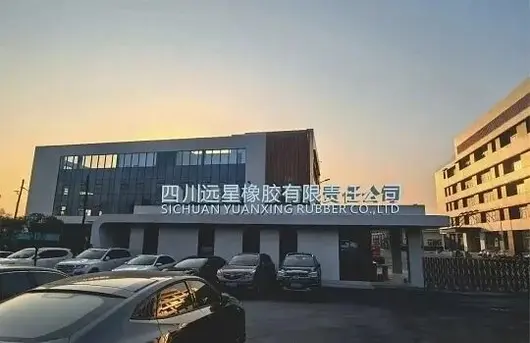
Recently, Sichuan Yuanxing Rubber Co., Ltd. (hereinafter referred to as "Yuanxing Rubber") officially released a tender notice to launch the bidding work for its Indonesia KITB tire production base construction project.

As the first overseas factory of this Sichuan tire giant, the implementation of this project marks Yuanxing Rubber's official transition from "product export" to "capacity overseas expansion", adding new momentum to the global layout of China's two-wheeler tire industry chain.


Targeting the "Kingdom of Two-Wheelers", the first overseas base is substantially launched
According to the tender notice, the Yuanxing Rubber Indonesia base is located in the Batang Industrial Park in Central Java Province, Indonesia, with a total land area of approximately 405,000 square meters (about 608 mu). The project is built in two phases, with the first phase covering a construction area of approximately 230,000 square meters, including a full set of industrial buildings such as a mixing workshop, radial tire workshop, and finished goods vertical warehouse.

The tight arrangement of "construction period of 300 calendar days" in the tender documents, as well as the special clause of "giving priority to enterprises with construction experience in Indonesia", shows the enterprise's urgency and pragmatism in seizing the window period of the overseas market.
What does Yuanxing Rubber intend to do by this move? Data provides the answer. Indonesia is the third largest and ASEAN's largest two-wheeler market, with motorcycle ownership exceeding 137 million units, and sales reaching 6.3 million units in 2024. The huge demand for stock replacement and new matching constitutes a huge "tire blue ocean".

Building a factory here not only allows Yuanxing Rubber to get close to the localized procurement needs of international giants such as Honda and Yamaha, significantly reducing logistics costs, but also deeply integrate into the ASEAN manufacturing network and radiate the entire Southeast Asian market.
Surge in Orders Forces Capacity Expansion, Building a Dual-Circulation Pattern
Behind the overseas layout is the "sweet trouble" faced by Yuanxing Rubber.
Since 2026, Yuanxing Rubber has seen booming production and sales. Data shows that in the first five months of 2026, its sales volume surged by 32% year-on-year, a growth rate 12 percentage points higher than the industry average. Even with daily capacity increased to 305,000 tires, facing the continued growth of domestic and overseas orders, the supply-demand gap is still expanding.


To solve the urgent problem, Yuanxing Rubber launched an aggressive capacity expansion plan: adding 35,000 tires of daily capacity in two batches in October and December 2026, with the total daily capacity expected to reach 335,000 tires by January 2027.

However, domestic expansion alone is no longer enough to support its global ambitions. Yuanxing Rubber is building a dual-circulation capacity pattern of "domestic base for delivery guarantee, overseas base for volume expansion". Besides the Indonesia base, the enterprise has also planned the fourth domestic production base and an Africa factory, intending to build a production network covering the globe.
The Confidence of a "Hidden Champion": From Manufacturing to Intelligent Manufacturing
As an industry "Hidden Champion" that emerged from Dayi County, Chengdu, Yuanxing Rubber was founded in 1996. After nearly 30 years of in-depth work, it has developed into a large tire manufacturing enterprise integrating R&D, production, and sales.

Currently, Yuanxing Rubber's annual capacity is about to increase to approximately 148 million tires, owning six major brands: "Chengyuan", "Jistone", "Yuanxing", "Jinyu", "Youshen", "Helu".

Relying on solid quality, its products are sold to over 40 countries and regions, and have repeatedly won the "Quality Excellence Award" from top motorcycle enterprises such as Wuyang-Honda and Jianshe·Yamaha.

It is worth noting that Yuanxing Rubber has not diluted quality standards due to scale expansion. All new production lines continue to follow a unified quality control system, and rely on the digital advantages of being selected as a "Sichuan Province Advanced Intelligent Factory" to guarantee the product bottom line.
From product overseas expansion to capacity overseas expansion, Yuanxing Rubber is rushing towards the goal of a "world-class two-wheeler tire manufacturing enterprise" in a pragmatic posture. The launch of the Indonesia factory tender is exactly a key move in this global chess game.

In Malaysia's SUV market, many buyers compare Proton X50 and Toyota Yaris Cross when choosing a car. The price and positioning of these two cars are quite close. Today we will make a detailed comparison from multiple aspects to save you time doing research.
Proton X50 OTR price in Malaysia is RM 89,800 - 113,300, there are 4 versions in total, including 1.5T Executive (RM 89,800), 1.5T Premium (RM 101,800), 1.5T Flagship (RM 113,300), etc.
Toyota Yaris Cross OTR price in Malaysia is RM 99,900 - 109,900, there are 2 versions in total, including 2026 1.5L Standard (RM 99,900), 2026 HEV 1.5L Standard (RM 109,900), etc.
From a price perspective, Proton X50's starting price is indeed RM 10,100 cheaper than Toyota Yaris Cross. If your budget is limited, Proton's entry-level version can already meet daily needs. But also note that the few thousand cheaper amount might involve trade-offs in features; it depends on your specific needs.
Proton X50 is equipped with 1.5L 4-cyl, horsepower 105 hp. Official fuel consumption 6.0 L/100km.
Toyota Yaris Cross is equipped with 1.5L 4-cyl, horsepower 105 hp. Official fuel consumption 6.0 L/100km.
Both cars use the same powertrain system, and the driving experience in daily use is basically no different. Fuel consumption is also similar, so there is no need to worry too much about this.
Proton X50 vehicle length is 4400 mm, trunk 400 L.
Toyota Yaris Cross vehicle length is 4400 mm, trunk 400 L.
The dimensions of the two cars are almost identical, and there is not much difference in interior space. For cars in this class, it is fully sufficient for daily use.
Proton X50 uses 4WD drivetrain.
Toyota Yaris Cross uses FWD drivetrain.
Proton's 4WD and Toyota's FWD will have different handling sensations; a test drive comparison is recommended.

Proton X50 warranty 5 years/150,000km, maintenance interval every 10,000km or 6 months.
Toyota Yaris Cross warranty 5 years/unlimited mileage, maintenance interval every 10,000km or 6 months.

In general, Proton X50 and Toyota Yaris Cross are both quite good models in the Malaysia market. Which one to choose depends mainly on your personal needs and budget. We suggest doing thorough research, compare quotes from several car dealerships, then go for a test drive to make a final decision. Buying a car is a big matter; spending time on research will never be wrong.

In Malaysia's SUV market, many buyers compare the Proton X50 and Honda CR-V when choosing a car. These two models are quite close in price and positioning. Today, we will do a detailed comparison from multiple aspects to save you time doing research.
The OTR price of the Proton X50 in Malaysia is RM 89,800 - 113,300, with a total of 4 versions, including 1.5T Executive (RM 89,800), 1.5T Premium (RM 101,800), 1.5T Flagship (RM 113,300), etc.
The OTR price of the Honda CR-V in Malaysia is RM 178,200 - 195,900, with a total of 4 versions, including 2026 e:HEV 2.0L 2WD RS (RM 195,900), 2026 1.5T 4WD V (RM 181,900), 2026 e:HEV 2.0L 2WD E (RM 178,200), etc.
In terms of price, the starting price of the Proton X50 is indeed RM 88,400 cheaper than the Honda CR-V. If your budget is limited, the Proton's entry-level version can already meet daily needs. However, note that the few thousand cheaper might have compromises in features, depending on your needs.
The safety rating of the Proton X50 is 5★ (ASEAN NCAP), active safety systems include ADAS (ACC, AEB, LKA, LDA, BSM, RCTA).
The safety rating of the Honda CR-V is 5★ (ASEAN NCAP), active safety systems include Honda SENSING (ACC, CMBS, LKAS, RDM).
Both cars have the same safety rating, and safety features are quite comprehensive in this class. New cars nowadays generally have good safety, so there is no need to worry too much about this.
The Proton X50 uses 4WD drive.
The Honda CR-V uses FWD drive.
The Proton's 4WD and Honda's FWD will have different handling experiences, test drives are recommended for comparison.
Proton X50 warranty 5 years/150,000km, service interval every 10,000km or 6 months.
Honda CR-V warranty 5 years/unlimited mileage, service interval every 10,000km or 6 months.

Both Proton X50 and Honda CR-V are mainstream choices in the Malaysian market, suitable for family use and daily commuting. If you value brand reputation and resale value more, consider the one with better reputation; if you care more about cost-performance ratio and features, choose the one with richer configuration. Ultimately, it is recommended to test drive both models, as personal experience is the most important.
Overall, both Proton X50 and Honda CR-V are very good models in the Malaysian market. Choosing either one mainly depends on your personal needs and budget. It is recommended to do your research, compare quotes from several car dealerships, and then test drive to make the final decision. Buying a car is a big matter, spending time doing research will never be wrong.

In Malaysia's SUV market, many buyers compare Proton X50 and Honda HR-V when choosing a car. These two models are quite close in price and positioning. Today, we will conduct a detailed comparison from multiple aspects to help you save time on research.
The OTR price of Proton X50 in Malaysia is RM 89,800 - 113,300, with a total of 4 versions, including 1.5T Executive (RM 89,800), 1.5T Premium (RM 101,800), 1.5T Flagship (RM 113,300), etc.
The OTR price of Honda HR-V in Malaysia is RM 115,900 - 143,900, with a total of 4 versions, including 2026 e:HEV 1.5L RS (RM 143,900), 2026 1.5T V (RM 137,900), 2026 1.5T E (RM 130,900), etc.
From a pricing perspective, the starting price of Proton X50 is indeed RM 26,100 cheaper than Honda HR-V. If your budget is limited, Proton's entry-level version can already meet daily needs. But be aware that the few thousand ringgit saved might come with compromises in features, depending on your specific requirements.
Proton X50's safety rating is 5★ (ASEAN NCAP), active safety systems include ADAS (ACC, AEB, LKA, LDA, BSM, RCTA).
Honda HR-V's safety rating is 5★ (ASEAN NCAP), active safety systems include Honda SENSING (ACC, CMBS, LKAS, RDM).
Both cars have the same safety rating. Safety features in this class are considered quite comprehensive. New cars nowadays generally have good safety standards, so no need to worry too much about this.
Proton X50 body length is 4400 mm, trunk 400 L.
Honda HR-V body length is 4500 mm, trunk 450 L.
In terms of space, the Honda HR-V body is 100 mm longer than Proton X50, offering more advantage in passenger space. However, Proton X50 is a bit more flexible for parking in the city, each has its trade-offs.
Proton X50 adopts 4WD drive method.
Honda HR-V adopts FWD drive method.
Proton's 4WD and Honda's FWD will have different handling experiences, test drives and comparisons are recommended.

Overall, Proton X50 and Honda HR-V are both very good models in the Malaysian market. Choosing which one depends on your personal needs and budget. We suggest doing your research, comparing quotes from several dealerships, and then test driving to make the final decision. Buying a car is a big matter, spending some time on research will definitely not be wrong.


