


首頁BMW E30 M3

搜尋歷史
熱門搜尋
經銷商登入 / 註冊

喺馬來西亞嘅 SUV 市場,好多買家喺揀車嘅時候都會拿 Mazda CX-3 同 Mitsubishi Xforce 嚟做比較。這兩款車喺價位同定位上都好接近,今日我哋就從多個方面做一次詳細嘅比較,幫你省下做功課嘅時間。
Mazda CX-3 喺馬來西亞嘅 OTR 售價係 RM 126,159 - 139,159,一共有 2 個版本,包括 2023 2.0L High(RM 139,159)、2023 2.0L Plus(RM 126,159) 等。
Mitsubishi Xforce 喺馬來西亞嘅 OTR 售價係 RM 109,930 - 119,930,一共有 2 個版本,包括 2026 1.5L Ultimate(RM 119,930)、2026 1.5L Urban(RM 109,930) 等。
從價錢睇,Mitsubishi Xforce 嘅起價比 Mazda CX-3 平咗 RM 16,229。老實講,喺呢個價位段,幾千蚊嘅差距其實唔算大,關鍵始終睇整體嘅性價比同長期使用成本。

Mazda CX-3 車身長 4500 mm,車尾箱 450 L。
Mitsubishi Xforce 車身長 4400 mm,車尾箱 400 L。
空間方面,Mazda CX-3 嘅車身比 Mitsubishi Xforce 長咗 100 mm,車內乘坐空間會稍微寬裕少少,尤其係後座腿部空間。如果你經常載家人或者需要放嬰兒車,大啲嘅車身確實更實用。

Mazda CX-3 採用 FWD 驅動方式。
Mitsubishi Xforce 採用 FWD 驅動方式。
兩款車嘅驅動方式一樣,都係 FWD,日常駕駛感受唔會有太大分別。

Mazda CX-3 同 Mitsubishi Xforce 都係馬來西亞市場嘅主流選擇,適合家庭使用、日常通勤。如果你更睇重品牌口碑同二手價,可以優先考慮口碑更好嗰款;如果你更在意性價比同配備,就揀配備更豐富嗰款。始終建議你兩款都去試駕,親身經歷先係最重要。

總體嚟講,Mazda CX-3 同 Mitsubishi Xforce 都係馬來西亞市場好好嘅車款。揀邊一輛,關鍵始終係睇你嘅個人需求同預算。建議大家做好功課,多比較幾間車行嘅報價,再去試駕先做最終決定。買車係件大嚟嘅事,花少少時間做功課絕對唔會錯。


In the Malaysian SUV market, many buyers compare Toyota Harrier and BMW X3 when choosing a car. These two cars are quite close in price and positioning. Today, we will make a detailed comparison from multiple aspects to help you save time on research.
The OTR price of Toyota Harrier in Malaysia is RM 289,000 - 289,000, with a total of 1 version, including 2026 HEV 2.5L Standard (RM 289,000), etc.
The OTR price of BMW X3 in Malaysia is RM 325,800 - 358,800, with a total of 2 versions, including xDrive20i (RM 320,000), xDrive30e (RM 360,000), etc.
From a price perspective, the starting price of Toyota Harrier is indeed RM 36,800 cheaper than BMW X3. If your budget is limited, Toyota's entry-level version can already meet daily needs. But you should also note that the few thousand cheaper might involve compromises in equipment, depending on your needs.

Toyota Harrier is equipped with 2.0L Turbo, 220 hp. Official fuel consumption 9.5 L/100km.
BMW X3 is equipped with 2.0L Turbo, 220 hp. Official fuel consumption 9.5 L/100km.
Both cars use the same powertrain system, and the driving feel in daily use is basically the same. Fuel consumption is also similar, no need to dwell on this point.

Toyota Harrier's safety rating is 5★ (ASEAN NCAP), active safety systems include Brand ADAS.
BMW X3's safety rating is 5★ (Euro NCAP), active safety systems include Premium ADAS.
Regarding safety features, both cars received good ratings. However, there are some differences in functionality between Toyota Harrier's Brand ADAS and BMW X3's Premium ADAS. If you value active safety highly, you can compare their function lists carefully.

Toyota Harrier body length 4400 mm, trunk 400 L.
BMW X3 body length 4400 mm, trunk 400 L.
The dimensions of both cars are almost the same, and the interior space difference is not significant. Cars in this class are more than enough for daily use.

Both Toyota Harrier and BMW X3 are mainstream choices in the Malaysian market, suitable for family use and daily commuting. If you value brand reputation and resale value more, prioritize the one with better reputation; if you care more about value for money and features, choose the one with richer configuration. Finally, it is recommended to test drive both, personal experience is the most important.

Overall, Toyota Harrier and BMW X3 are both very good models in the Malaysian market. Choosing which one depends on your personal needs and budget. It is recommended that you do your research, compare quotes from several car dealers, and then test drive to make the final decision. Buying a car is a big matter, spending time researching will never be wrong.


In the Malaysian SUV market, many buyers compare Toyota Harrier and Chery Tiggo 8 Pro when choosing a car. These two models are quite close in price and positioning. Today, we will do a detailed comparison from multiple aspects to help you save time on research.
The OTR price for Toyota Harrier in Malaysia is RM 289,000 - 289,000, there is a total of 1 version, including 2026 HEV 2.5L Standard (RM 289,000) etc.
The OTR price for Chery Tiggo 8 Pro in Malaysia is RM 159,750 - 159,750, there are a total of 2 versions, including 1.6L Turbo Standard (RM 130,000), 1.6L Turbo Premium (RM 145,000) etc.
Looking at the price, the starting price of Chery Tiggo 8 Pro is RM 129,250 cheaper than Toyota Harrier. Honestly, in this price range, a difference of a few thousand is not really significant. The key is to look at the overall value for money and long-term usage costs.
Toyota Harrier is equipped with 2.0L Turbo, 220 hp. Official fuel consumption 9.5 L/100km.
Chery Tiggo 8 Pro is equipped with 2.0L 4-cyl, 170 hp. Official fuel consumption 8.0 L/100km.
In terms of power, the 2.0L Turbo of Toyota Harrier has 50 more horsepower than the 2.0L 4-cyl of Chery Tiggo 8 Pro, providing more confidence in mid-range acceleration, especially when overtaking on highways. However, the fuel consumption of Chery Tiggo 8 Pro might be more friendly, and there won't be a huge difference in daily city commuting.
Toyota Harrier body length is 4400 mm, trunk 400 L.
Chery Tiggo 8 Pro body length is 4400 mm, trunk 400 L.
The dimensions of the two cars are almost identical, and there is not much difference in interior space. For cars of this class, it is fully sufficient for daily use.
Toyota Harrier adopts FWD drive mode.
Chery Tiggo 8 Pro adopts FWD drive mode.
The drive mode of both cars is the same, both are FWD, and there won't be a huge difference in daily driving experience.
Both Toyota Harrier and Chery Tiggo 8 Pro are mainstream choices in the Malaysian market, suitable for family use and daily commuting. If you value brand reputation and resale value more, you can prioritize the one with a better reputation; if you care more about cost-performance ratio and equipment, choose the one with more configurations. In the end, it is recommended to test drive both models. Personal experience is the most important.
Overall, Toyota Harrier and Chery Tiggo 8 Pro are very good models in the Malaysian market. Which one to choose depends on your personal needs and budget. It is recommended to do homework, compare quotes from several dealerships, and then test drive to make the final decision. Buying a car is a big matter, spending time on research will never be wrong.
In the Malaysian SUV market, many buyers compare the Toyota Fortuner and Mercedes-Benz GLC when choosing a car. These two cars are quite close in price and positioning, so today we will make a detailed comparison from multiple aspects to help you save time on research.
The Toyota Fortuner's OTR price in Malaysia is RM 195,880 - 241,880, there are 3 versions in total, including 2024 2.8T VRZ Diesel (RM 241,880), 2024 2.7L SRZ Petrol (RM 202,880), 2024 2.4L Standard Diesel (RM 195,880), and so on.
The Mercedes-Benz GLC's OTR price in Malaysia is RM 336,888 - 336,888, there are 2 versions in total, including GLC 200 (RM 290,000), GLC 300 (RM 340,000), and so on.
In terms of price, the starting price of the Toyota Fortuner is indeed RM 141,008 cheaper than the Mercedes-Benz GLC. If your budget is limited, Toyota's entry-level version can already meet daily needs. But also note, the few thousand dollars saved might involve compromises in features, it depends on your specific needs.

The Toyota Fortuner is equipped with 2.5L Diesel, 187 hp. Official fuel consumption 8.5 L/100km.
The Mercedes-Benz GLC is equipped with 2.0L Turbo, 220 hp. Official fuel consumption 9.5 L/100km.
Regarding power, the Mercedes-Benz GLC's 2.0L Turbo has 33 more horsepower than the Toyota Fortuner's 2.5L Diesel. However, for daily city driving, the power of both cars is sufficient and won't feel underpowered.

The Toyota Fortuner's safety rating is 5★ (ASEAN NCAP), active safety systems include .
The Mercedes-Benz GLC's safety rating is 5★ (Euro NCAP), active safety systems include Premium ADAS.

The Toyota Fortuner body length is 4400 mm, trunk 400 L.
The Mercedes-Benz GLC body length is 4400 mm, trunk 400 L.
The dimensions of both cars are almost identical, and the difference in interior space is not significant. For cars in this class, it is more than enough for daily use.
Both the Toyota Fortuner and Mercedes-Benz GLC are mainstream choices in the Malaysian market, suitable for family use and daily commuting. If you value brand reputation and resale value more, you can prioritize the one with better reputation; if you care more about cost-performance and features, then choose the one with richer configuration. Ultimately, it is recommended to test drive both, personal experience is the most important.
In general, the Toyota Fortuner and Mercedes-Benz GLC are both very good car models in the Malaysian market. Which one to choose depends mainly on your personal needs and budget. We suggest doing your homework, comparing quotes from several dealerships, and then test driving to make a final decision. Buying a car is a big matter, spending time on research will definitely not be wrong.


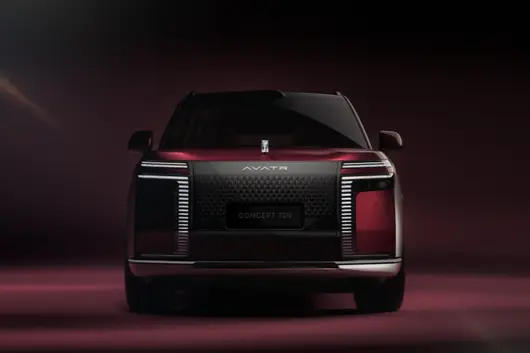
On October 11 Paris time, the AVATR T09 Concept completed its global debut, with its interior design unveiled to the public for the first time. From October 12 to 18, it will appear alongside AVATR 06T, 07L, and other models at the Paris Motor Show. On the surface, this is a new car launch; on a deeper level, it is AVATR's direct answer to "whether a Chinese brand can define luxury." T09 is positioned as the inaugural work of the flagship series, expected to launch within 2026, targeting the 500,000 RMB range flagship luxury SUV market. What it aims to prove is not just product capability, but a complete luxury philosophy encompassing design philosophy, technical systems, and global services.

Design: From Symbolic Expression to Atmosphere Creation
T09's first notable point is that it does not use exaggerated lines to compete for eyeballs, but establishes a sense of prestige with architectural volume. The front face adopts a 3D embossed structure grille, with 362 brand elements of different 3D heights arranged densely and sparsely, forming flowing layers under light and shadow; the crystal diamond array lighting is processed with an inner and outer double-layer diamond cut, making the full-size SUV's volume not look clumsy, but rather possess the refined firelight of jewelry. The 2.1 square meter ultra-large clamshell front hood and the island-style protrusions on both sides press steady power and dynamic tension onto the same visual axis.

The side is equally restrained. Knife-sharp lines sweep across the body, with the wheel arch and side waist curvature forming a contrast, as if energy is pushing from the inside out. The D-pillar is decorated with aluminum trim plates, blending into the window contour and rear spoiler, creating a floating roof effect; crystal decorative door handles and Dtof sensor islands are staggered among them. Details are not noisy, but they are enduring to look at.

The rear integrated crystal diamond taillights continue the double-layer diamond cut idea, echoing the front lights, with rich bright and dark variations when lit. Overall, T09's design is not simply stacking Chinese symbols, but using proportion, material, and light and shadow to create a flagship temperament that reveals itself without display.

The interior is another key focus of this debut. AVATR extends "Emotional New Luxury" from exterior to the cabin, with the core being tranquility, generosity, and connection. The industry-exclusive Vortex Emotional Vortex uses a 360-degree seamless two-stage reverse curvature and lift-up design, built-in 118 RGB LED matrix light sources, which can link with the whole vehicle ambient lighting; quiet motors, structure optimization, and anti-pinch designs make this interaction not just visual, but adding a bit of consideration.

The immersive integrated triple screen consists of a 10.25-inch driver's instrument cluster and dual 17.2-inch central control screens and co-pilot screens, with air conditioning vents seamlessly integrated on both sides, built-in NFC one-touch connection. Technology here is no longer a cold list of functions, but a travel partner that can be perceived and predicted. This is the most commendable point of T09: it attempts to shift luxury from "seeing configurations" to "feeling relationships".

Technology: Three Parties Join Forces to Enter Deep Waters
T09 is known as the AVATR production model with the highest technical density to date. It gathers Huawei Qiankun Intelligent Driving, HarmonyOS Cockpit, brand new Taixing Intelligent Control Technology, and carries brand new intelligent super hybrid technology. In terms of power, the 2.0T hybrid engine and three-motor distributed electric drive combination, system total power exceeds 1,000 horsepower; 71.24kWh CATL XiaoYao Super Range-Extended Hybrid Battery, CLTC pure electric range up to over 400km, balancing long range and high safety. For AVATR, the three-party cooperation between Changan, Huawei, and CATL is no longer just a supplier platter, but integrating intelligent driving, cockpit, electric drive, battery, and chassis control into a complete experience.
At the same time, AVATR's product sequence is also clearer due to T09. Digital sequence corresponds to elegance, sports, and personality, emphasizing casual luxury; flagship sequence corresponds to nobility, composure, and atmosphere, emphasizing respectful luxury. The two lines share the same brand but undertake different tasks. T09, as the starting point of the flagship sequence, the significance lies in establishing a higher-dimensional brand anchor for AVATR, not simply adding a mass-sales model. For a new luxury brand aiming for the global market, this design order is more important than a single hit model.

Overseas: From Selling Products to Building Systems
After the Paris debut, AVATR's globalization rhythm is more clear: in 2027 officially land in Europe, AVATR 06T and 07L will enter markets such as Norway and Spain as the first batch of core products. Europe is the birthplace of luxury cars and the main battlefield for competition, and also the highest standard for testing the worth of luxury. AVATR chooses to face traditional luxury brands with "Emotional New Luxury", meaning it wants to participate in definition right competition, not just participation in sales competition.
Currently, AVATR's overseas business has expanded to 70 countries and regions, with average product selling price over 300,000 RMB, and has achieved profitability. In the Egypt high-end EV market, its market share reached 10%; AVATR 11 sales ranked first in the Thailand luxury pure electric SUV market. According to plans, in 2030 AVATR plans to enter over 110 countries and regions, overseas sales account for over 50% of total sales. Supporting this goal is the continuously iterated product matrix and "unified standards, local execution, system support, brand supervision" overseas service system. In the next three years, European product matrix and service capabilities will continue to be perfected.

For Chinese car companies going global to Europe, the real difficulty has never been shipping the cars there, but making the brand understood and trusted. If AVATR wants to join the first echelon of global luxury, it must do three things at the same time: design language consistency, technology experience continuous iteration, overseas service fulfillment of promises. T09 Paris debut is a beautiful starting point.
Starting from Paris, AVATR T09 not only showcases the prototype of a flagship SUV, but also showcases a new luxury path: establish recognition with original design, enhance warmth with emotional interaction, build a moat with three-party technical joint force, and support brand transition with global systems.

喺馬來西亞嘅 SUV 市場,好多買家喺揀車嘅時候都會拿豐田 Corolla Cross 同福斯 Tiguan 嚟做比較。這兩款車喺價錢同定位上都幾接近,今日我哋就從多個方面做一個詳細嘅對比,幫你省返做功課嘅時間。
豐田 Corolla Cross 喺馬來西亞嘅 OTR 售價係 RM 133,800 - 148,800,一共有 3 個版本,包括 2026 HEV 1.8L GR Sport(RM 148,800)、2026 HEV 1.8L Standard(RM 140,800)、2026 1.8L Standard(RM 133,800) 等。
福斯 Tiguan 喺馬來西亞嘅 OTR 售價係 RM 206,540 - 260,024,一共有 2 個版本,包括 2025 Allspace 2.0T R-Line(RM 260,024)、2025 Allspace 1.4T Elegance(RM 206,540) 等。
從價錢嚟睇,豐田 Corolla Cross 嘅起步價確實比福斯 Tiguan 平咗 RM 72,740。如果你預算有限,豐田嘅入門版已經可以滿足日常需要。但都要注意,平嗰幾千蚊,可能喺配備上會有取舍,具體要看你嘅需求。

豐田 Corolla Cross 搭載 1.5L Turbo,馬力 140 hp。官方油耗 7.0 L/100km。
福斯 Tiguan 搭載 2.0L 4-cyl,馬力 170 hp。官方油耗 8.0 L/100km。
動力方面,福斯 Tiguan 嘅 2.0L 4-cyl 比豐田 Corolla Cross 嘅 1.5L Turbo 多咗 30 匹馬力。不過日常喺市區開,兩款車嘅動力都夠用,唔會覺得唔夠力。
豐田 Corolla Cross 車身長 4400 mm,後尾箱 400 L。
福斯 Tiguan 車身長 4400 mm,後尾箱 400 L。
兩款車嘅尺寸幾乎一樣,車內空間分別唔大。呢個級別嘅車,日常使用完全夠用。
豐田 Corolla Cross 採用 FWD 驅動方式。
福斯 Tiguan 採用 FWD 驅動方式。
兩款車嘅驅動方式一樣,都係 FWD,日常駕駛感受唔會有太大分別。

豐田 Corolla Cross 保修 5 年/無限制里程,保養間隔 每 10,000km 或 6 個月。
福斯 Tiguan 保修 3 年/100,000km,保養間隔 每 10,000km 或 6 個月。
總嘅嚟講,豐田 Corolla Cross 同福斯 Tiguan 都係馬來西亞市場幾唔錯嘅車型。揀邊一輛,關鍵都要睇你嘅個人需求同預算。建議大家做足功課,多比較幾間車行嘅報價,再去試駕做最終決定。買車係件大事,花點時間做功課絕對唔會錯。


In the Malaysian SUV market, many buyers will use Toyota Corolla Cross and Volkswagen Tiguan to compare when choosing a car. These two cars are quite close in price and positioning, today we will do a detailed comparison from multiple aspects to save you time doing research.
The OTR price of Toyota Corolla Cross in Malaysia is RM 133,800 - 148,800, there are a total of 3 versions, including 2026 HEV 1.8L GR Sport (RM 148,800), 2026 HEV 1.8L Standard (RM 140,800), 2026 1.8L Standard (RM 133,800) etc.
The OTR price of Volkswagen Tiguan in Malaysia is RM 206,540 - 260,024, there are a total of 2 versions, including 2025 Allspace 2.0T R-Line (RM 260,024), 2025 Allspace 1.4T Elegance (RM 206,540) etc.
From the price perspective, the starting price of Toyota Corolla Cross is indeed RM 72,740 cheaper than Volkswagen Tiguan. If your budget is limited, Toyota's entry-level version can already meet daily needs. But also note, saving a few thousand might involve trade-offs in features, specifically depending on your needs.
Toyota Corolla Cross is equipped with 1.5L Turbo, 140 hp. Official fuel consumption 7.0 L/100km.
Volkswagen Tiguan is equipped with 2.0L 4-cyl, 170 hp. Official fuel consumption 8.0 L/100km.
In terms of power, Volkswagen Tiguan's 2.0L 4-cyl has 30 more horsepower than Toyota Corolla Cross's 1.5L Turbo. However, for daily city driving, both cars' power is sufficient, you won't feel it lacks power.
Toyota Corolla Cross body length 4400 mm, trunk 400 L.
Volkswagen Tiguan body length 4400 mm, trunk 400 L.
The dimensions of both cars are almost the same, interior space difference is not large. For cars in this class, daily use is fully sufficient.
Toyota Corolla Cross warranty 5 years/unlimited mileage, maintenance interval every 10,000km or 6 months.
Volkswagen Tiguan warranty 3 years/100,000km, maintenance interval every 10,000km or 6 months.
Overall, Toyota Corolla Cross and Volkswagen Tiguan are both very good models in the Malaysian market. Choosing which one depends on your personal needs and budget. We recommend doing research, compare quotes from several dealerships, then go test drive to make the final decision. Buying a car is a major event, spending time doing research will absolutely not go wrong.

喺馬來西亞嘅 SUV 市場,好多買家喺揀車嘅時候都會拿 豐田 Corolla Cross 同 奇瑞 Tiggo Cross 嚟做比較。這兩款車喺價位同定位上都幾接近,今日我哋就從多個方面做一個詳細嘅比較,幫你省做功課嘅時間。
豐田 Corolla Cross 喺馬來西亞嘅 OTR 售價係 RM 133,800 - 148,800,一共有 3 個版本,包括 2026 HEV 1.8L GR Sport(RM 148,800)、2026 HEV 1.8L Standard(RM 140,800)、2026 1.8L Standard(RM 133,800) 等。
奇瑞 Tiggo Cross 喺馬來西亞嘅 OTR 售價係 RM 88,750 - 99,750,一共有 2 個版本,包括 2025 HEV 1.5L CSH(RM 99,750)、2025 1.5T Standard(RM 88,750) 等。
從價錢嚟睇,奇瑞 Tiggo Cross 嘅起步價比 豐田 Corolla Cross 平咗 RM 45,050。老實講,喺呢個價位段,幾千蚊嘅差距其實唔算大,關鍵仲係睇整體嘅性價比同長期使用成本。
豐田 Corolla Cross 配備 1.5L Turbo,馬力 140 hp。官方油耗 7.0 L/100km。
奇瑞 Tiggo Cross 配備 1.5L 4-cyl,馬力 105 hp。官方油耗 6.0 L/100km。
動力方面,豐田 Corolla Cross 嘅 1.5L Turbo 比 奇瑞 Tiggo Cross 嘅 1.5L 4-cyl 多咗 35 匹馬力,中段加速更有信心,尤其係跑高速公路上超車嘅時候。不過 奇瑞 Tiggo Cross 嘅油耗可能更友好,日常市區通勤差別唔會太大。
豐田 Corolla Cross 嘅安全評級係 5★ (ASEAN NCAP),主動安全系統包括 TSS (PCS, LDA, ACC, LTA)。
奇瑞 Tiggo Cross 嘅安全評級係 TBD,主動安全系統包括 Basic。
安全配備方面,兩款車都拿到唔錯嘅評級。不過 豐田 Corolla Cross 嘅 TSS (PCS, LDA, ACC, LTA) 同 奇瑞 Tiggo Cross 嘅 Basic 喺功能上啲分別,如果你比較看重主動安全嘅話,可以仔細對比下兩者嘅功能列表。
豐田 Corolla Cross 保養 5 年/無限制里程,保養間隔 每 10,000km 或 6 個月。
奇瑞 Tiggo Cross 保養 3 年/100,000km,保養間隔 每 10,000km 或 6 個月。

豐田 Corolla Cross 同 奇瑞 Tiggo Cross 都係馬來西亞市場嘅主流選擇,適合家庭使用、日常通勤。如果你更看重品牌口碑同二手價,可以優先考慮口碑更好嗰一款;如果你更介意性價比同配備,那就揀配備更豐富嗰款。最終都係建議兩款都去試駕,親身體驗先係最重要嘅。

總括嚟講,豐田 Corolla Cross 同 奇瑞 Tiggo Cross 都係馬來西亞市場幾唔錯嘅車型。揀邊一輛,關鍵仲係睇你嘅個人需求同預算。建議大家做好功課,多比較幾間車行嘅報價,再去試駕做最終決定。買車係件大事,花少少時間做功課絕對唔會錯。

In Malaysia's SUV market, many buyers compare the Toyota Yaris Cross and MG MG HS when choosing a car. These two cars are quite close in terms of price and positioning. Today, we will make a detailed comparison from multiple aspects to help you save time doing research.
The OTR price of Toyota Yaris Cross in Malaysia is RM 99,900 - 109,900, with a total of 2 versions, including 2026 1.5L Standard (RM 99,900), 2026 HEV 1.5L Standard (RM 109,900), etc.
The OTR price of MG MG HS in Malaysia is RM 130,450 - 146,450, with a total of 2 versions, including 1.5L Standard (RM 105,000), 1.5L Executive (RM 115,000), etc.
In terms of price, the starting price of Toyota Yaris Cross is indeed RM 30,550 cheaper than MG MG HS. If your budget is limited, Toyota's entry-level version can already meet daily needs. But be aware that the few thousand dollars saved might involve trade-offs in features, depending on your specific needs.

Toyota Yaris Cross is equipped with a 1.5L 4-cyl, 105 hp. Official fuel consumption 6.0 L/100km.
MG MG HS is equipped with a 1.5L Turbo, 140 hp. Official fuel consumption 7.0 L/100km.
In terms of power, MG MG HS's 1.5L Turbo has 35 hp more than Toyota Yaris Cross's 1.5L 4-cyl. However, for daily driving in the city, both cars have enough power, you won't feel it's lacking.

Toyota Yaris Cross safety rating is 5★ (ASEAN NCAP), active safety systems include TSS.
MG MG HS safety rating is TBD, active safety systems include Basic.
Regarding safety features, both cars received good ratings. However, there are some differences in functionality between Toyota Yaris Cross's TSS and MG MG HS's Basic. If you value active safety highly, you can compare the feature lists of both carefully.

Toyota Yaris Cross warranty 5 years / unlimited mileage, maintenance interval every 10,000km or 6 months.
MG MG HS warranty 7 years / 150,000km, maintenance interval every 10,000km or 6 months.
Toyota Yaris Cross and MG MG HS are both mainstream choices in the Malaysia market, suitable for family use and daily commuting. If you value brand reputation and resale value more, you can prioritize the one with better reputation; if you care more about cost-performance ratio and features, choose the one with richer configurations. Finally, it is recommended to test drive both, personal experience is the most important.
Overall, Toyota Yaris Cross and MG MG HS are both very good models in the Malaysia market. Which one to choose depends on your personal needs and budget. It is recommended to do your homework, compare quotes from multiple dealerships, and then test drive to make the final decision. Buying a car is a major event, spending time on research will never be wrong.


喺馬來西亞嘅 SUV 市場,好多買家喺揀車嗰陣都會拿豐田 Yaris Cross 同名爵 HS 嚟做比較。呢兩款車喺價位同定位上都幾接近,今日我就同大家從多個方面做個詳細嘅比較,幫你省卻做功課嘅時間。
豐田 Yaris Cross 喺馬來西亞嘅 OTR 售價係 RM 99,900 - 109,900,總共有 2 個版本,包括 2026 1.5L Standard(RM 99,900)、2026 HEV 1.5L Standard(RM 109,900) 等。
名爵 HS 喺馬來西亞嘅 OTR 售價係 RM 130,450 - 146,450,總共有 2 個版本,包括 1.5L Standard(RM 105,000)、1.5L Executive(RM 115,000) 等。
從價錢睇,豐田 Yaris Cross 嘅起步價確實比名爵 HS 平咗 RM 30,550。如果你預算有限,豐田嘅入門版已經滿足日常需求。但都係要注意,平嗰幾千塊,可能喺配備上有取舍,具體要睇你嘅需求。
豐田 Yaris Cross 搭載 1.5L 4-cyl,馬力 105 hp。官方油耗 6.0 L/100km。
名爵 HS 搭載 1.5L Turbo,馬力 140 hp。官方油耗 7.0 L/100km。
動力方面,名爵 HS 嘅 1.5L Turbo 比豐田 Yaris Cross 嘅 1.5L 4-cyl 多咗 35 匹馬力。不過日常喺市區開,兩款車嘅動力都夠用,唔會覺得唔夠力。
豐田 Yaris Cross 車身長 4400 mm,行李箱 400 L。
名爵 HS 車身長 4400 mm,行李箱 400 L。
兩款車嘅尺寸幾乎一樣,車內空間差別唔大。呢個級別嘅車,日常使用完全夠用。
豐田 Yaris Cross 採納 FWD 驅動方式。
名爵 HS 採納 FWD 驅動方式。
兩款車嘅驅動方式一樣,都係 FWD,日常駕駛感受唔會有太大區別。
總括嚟講,豐田 Yaris Cross 同名爵 HS 都係馬來西亞市場幾唔錯嘅車型。揀邊一輛,關鍵都係要睇你嘅個人需求同預算。建議大家做好功課,多比較幾間車行嘅報價,再走去試駕做最終決定。買車係件大事,花少許時間做功課絕對無錯。

“去宁德化论调,要不得”?
最近,工信部旗下媒体发布了这个观点。针对的主要是最近被吵得沸沸扬扬的“去宁化”。
这一论调背后的原因,很直接。“赚了太多行业利润”,核心矛盾在于车企不掌握电池环节,是车企利润薄的主要因素。所以车企想要“利益再分配”。车企和宁德时代之间的博弈,日渐白热化。

奇瑞控股集团董事长尹同跃公开表示,“行业内卷太厉害,汽车行业是工业制造业的明珠,是纳税大户。但现在整个行业利润率远低于制造业水平,许多企业还在亏损。”
和车企利润形成对比的是,2021年至2025年,宁德时代净利润分别约为159亿元、307亿元、441亿元、507亿元、722亿元,2026年上半年盈利为433亿元。
期间,公司毛利率也维持在20%至28%之间。摩根士丹利的模型测算,宁德时代2026到2028年每股盈利,将从20.53元涨到34.15元。
今年上半年,收入排名靠前的12家车企的合计净利润约为193亿元,盈利规模不及宁德时代的一半。车厂与电池厂利润倒挂,再次把“去宁化”推上风口浪尖。
中国新能源产业研究机构真锂研究院首席研究员墨柯表示,车企想要逃离宁德时代,主要出于利益诉求。宁德时代占据产业链利润高地,上下游利润失衡,“去宁化”是车企不得已的被动选择。
随着理想汽车、小米汽车加速与二线电池厂商的绑定,这场电池寡头与车企之间关于利润分配、话语权的争夺战,再度成为讨论热点。

9月4日,欣旺达宣布北京理想汽车有限公司将出资26.5亿元对子公司欣旺达动力进行增资。增资完成后,理想汽车集团架构中重要的香港持股平台Leading Ideal HK Limited间接合计持有欣旺达动力11.17%的股份,成为第二大股东。
理想汽车与欣旺达之间的关系从“深度合作、轻度资本绑定”,升级为“大股东级战略绑定”。不过,欣旺达后续能吃下多少订单,未可知,但是宁德时代的份额,势必承压。
小米汽车9月7日上市的新车型澎程系列增程SUV的动力电池,没有宁德时代的份额。主要采用小米汽车主导、联合中创新航和欣旺达动力共同打造的小米龙甲电池。
小米龙甲电池的具体分工上,小米汽车负责产品定义、主导电池包设计开发、参与电芯设计开发、全流程质量管控全链路。中创新航根据小米龙甲电池定义定制开发电化学体系与材料,欣旺达动力为龙甲电池提供电芯制造能力。

在与鸿蒙智行的合作中,中创新航已是华为巨鲸电池平台3.0核心共建方,目前已配套智界、尚界多个主力量产车型。
去年8月,中创新航与零跑开启深度绑定,通过电池工厂合资共建的模式,深化供应链战略合作。中创新航与小鹏的合作更为全面,覆盖技术研发、车型配套、前沿探索全维度。
此外,小鹏、零跑、广汽埃安等品牌在动力电池方面,通过增资、战略合作等方式,加速绑定二线电池厂商,搭建起二供乃至多供体系。
除了和二级电池厂商合作之外,以广汽、吉利、长城为代表的车企,也在推进自研或多供应商策略。
频频动作,被市场解读为“去宁德化”的信号。车企一系列供应链调整动作,核心目标十分明确:通过引入多元供应商、资本绑定电池企业、自研自产电池三重路径,打破宁德时代在动力电池市场的垄断地位,稳定电池供货、降低整车生产成本。
受到“去宁德化”舆论以及宁德时代巨额回购计划迟迟未进行等因素影响,宁德时代股价出现持续下跌。9月中旬,宁德时代股价站在300元关口,市值从超过两万亿元跌至1.5万亿元以下。

但是,想去,很难。
消费者已经习惯了一个购买习惯,“电池是不是宁德的?”成为很多购买者会问的问题。这因为此前,宁德时代作为全球最大的动力电池供应商,是车企争抢的合作对象,车企用宁德时代的电池为自己的产品背书,因此也建立了“宁德时代=优质产品”的消费者认知。
虽然车企“去宁德化”动作不断,但是宁德时代长期占据动力电池行业40%以上的市场份额,“去宁化”,没有那么容易实现。
韩国研究机构SNE Research发布的数据显示,2026年1-6月,宁德时代以242.7GWh的装车量稳居全球第一,同比增长25.3%,市场份额从去年同期的38.2%升至39.9%。
中国二线电池厂商的装车量虽然呈现增长状态,但市场份额仅在5%左右或更低,与宁德时代相比仍然存在巨大差距。
《美国汽车新闻》2026年全球汽车零部件配套供应商百强榜中,宁德时代位居全球第三,中国上榜企业数量达到17家,首次跃升全球第二。
自2017年起登顶全球新能源动力电池企业,宁德时代在2025年已完成九连冠。凭借的正是过硬的技术与产品质量,背后是千亿级的资金投入“宁德时代2025年的研发投入,超过动力电池装机量第2到第10企业之和。”业内人士表示。
虽然,“去宁化”之下,动力电池行业竞争从参数竞赛,转向长期品质与规模化制造能力的终极较量。但是,也需要警惕为了“去宁化”而去。
对此,工信部媒体发表一问,热闹背后,真正值得讨论的不是“谁替代谁?”,而是中国新能源汽车进入高质量发展阶段,究竟需要怎样的产业竞争?
“与此同时,从上榜企业营收规模看,中国与德国、日本等传统汽车工业强国仍然存在明显差距。”再这样背景之下,鼓吹“去宁化”,对中国汽车产业链真的是好事吗?业内也担心,“去宁化”浪潮过度,是低价竞争向产业链上游传导。

毕竟,电池核心差距不在纸面参数,在品控、电芯一致性和极限验证能力。宁德时代多年积累的筛选标准、生产体系和热防护方案,是其他电磁厂商短期内无法复刻的。
电池包里动辄几百上千颗电芯,整包电池的续航、寿命乃至安全,可能被这一颗“短板”拖下水。再加上,电池缺陷具备强滞后性,大多会在使用1-3年后集中出现衰减、鼓包甚至安全隐患,届时大规模售后和召回成本,会远超前期省下的电池费用。
成本和风险,往往是消费者来承担。深谙“安全”的车企,不是不懂。
其实,业内专家也认为,车企并非真的“去宁化”,而是从“只能选你”变成“可以选择”,希望通过多供应商制衡,打破了宁王预付款锁单、长期绑定的强势模式,拿回产业链利润分配权。
车企“去宁化”的目的,是把供应链从过去的“一家独大”渐渐过渡到“头部+车企自供+多家供应商共存”的格局。

很多人问,宁德时代慌不慌?
从宁德时代的反应来看,也不慌。因为,都知道“未来格局不是谁干掉谁,而是谁能在长线里活得更稳。”这不是一场昂贵的试验。
9月17日,宁德时代首席制造官倪军在宁德品质全球开放月活动上表示,“会造车,不一定会造电池,还是要专业的人,做专业的事”。
别有深意。
当然,宁德时代也并非没有调整模式。与车企的合作模式已从单纯的“买卖关系”升级为深度绑定的“合资建厂”。

截至2026年6月,宁德时代已与上汽、广汽、一汽、吉利、理想等主流车企成立11家合资电池工厂,覆盖全国主要汽车产业基地。
这或许是目前车企和宁德时代能够“和平共处”的模式之一。
注:图片部分来源网络,如有侵权,联系删除。


喺馬來西亞嘅 SUV 市場,好多買家喺揀車嘅時候都會拿本田 CR-V 同富豪 XC60 嚟做比較。呢兩部車喺價位同定位上都好接近,今日我哋就從多個方面做一次詳細嘅比較,幫你省返做功課嘅時間。
本田 CR-V 喺馬來西亞嘅 OTR 售價係 RM 178,200 - 195,900,總共有 4 個版本,包括 2026 e:HEV 2.0L 2WD RS(RM 195,900)、2026 1.5T 4WD V(RM 181,900)、2026 e:HEV 2.0L 2WD E(RM 178,200)等。
富豪 XC60 喺馬來西亞嘅 OTR 售價係 RM 328,888 - 328,888,總共有 1 個版本,包括 2025 2.0T Core(RM 328,888)等。
從價錢嚟睇,本田 CR-V 嘅起步價確實比富豪 XC60 平咗 RM 150,688。如果你預算有限,本田嘅入門版已經可以滿足日常需求。但要留意,平嘅嗰幾千蚊,可能喺配備上有取舍,具體要睇你嘅需求。

本田 CR-V 配備 2.0L 4-cyl,馬力 170 hp。官方油耗 8.0 L/100km。
富豪 XC60 配備 2.0L Turbo,馬力 220 hp。官方油耗 9.5 L/100km。
動力方面,富豪 XC60 嘅 2.0L Turbo 比本田 CR-V 嘅 2.0L 4-cyl 多咗 50 匹馬力。不過日常喺市區行,兩部車嘅動力都夠用,唔會覺得唔夠力。

本田 CR-V 採用 FWD 驅動方式。
富豪 XC60 採用 FWD 驅動方式。
兩部車嘅驅動方式一樣,都係 FWD,日常駕駛感受唔會有太大分別。

本田 CR-V 保修 5 年/無限制里程,保養間隔 每 10,000km 或 6 個月。
富豪 XC60 保修 5 年/無限里程,保養間隔 每 10,000km 或 6 個月。

本田 CR-V 同富豪 XC60 都係馬來西亞市場嘅主流選擇,適合家庭使用、日常通勤。如果你更看重品牌口碑同二手價,可以優先考慮口碑更好嗰一款;如果你更在意性價比同配備,就揀配置更豐富嗰款。最終都係建議兩部都去試駕,親身感受先最緊要。
總體嚟講,本田 CR-V 同富豪 XC60 都係馬來西亞市場幾唔錯嘅車型。揀邊一部,關鍵仲要睇你嘅個人需求同預算。建議大家做好功課,多比較幾間車行嘅報價,再去試駕做最終決定。買車係件大事,花點時間做功課絕對唔會錯。


In the Malaysian SUV market, many buyers compare Honda HR-V and Subaru Forester when choosing a car. These two cars are quite close in price and positioning. Today, we will make a detailed comparison from multiple aspects to help you save time on research.
Honda HR-V OTR price in Malaysia is RM 115,900 - 143,900, with a total of 4 versions, including 2026 e:HEV 1.5L RS (RM 143,900), 2026 1.5T V (RM 137,900), 2026 1.5T E (RM 130,900), etc.
Subaru Forester OTR price in Malaysia is RM 174,000 - 197,000, with a total of 3 versions, including 2024 2.0L S EyeSight GT Edition (RM 189,538), 2024 2.0L S EyeSight (RM 177,538), 2024 2.0L L EyeSight (RM 167,538), etc.
From the price perspective, Honda HR-V's starting price is indeed RM 58,100 cheaper than Subaru Forester. If your budget is limited, Honda's entry-level version can already meet daily needs. But note that the difference of a few thousand might involve trade-offs in features, depending on your specific needs.

Honda HR-V is equipped with 1.5L Turbo, 140 hp. Official fuel consumption 7.0 L/100km.
Subaru Forester is equipped with 2.0L 4-cyl, 170 hp. Official fuel consumption 8.0 L/100km.
In terms of power, Subaru Forester's 2.0L 4-cyl has 30 more horsepower than Honda HR-V's 1.5L Turbo. However, for daily city driving, both cars have sufficient power, you won't feel underpowered.
Honda HR-V safety rating is 5★ (ASEAN NCAP), active safety systems include Honda SENSING (ACC, CMBS, LKAS, RDM).
Subaru Forester safety rating is 5★ (Euro NCAP), active safety system includes EyeSight.
Regarding safety features, both cars received good ratings. However, Honda HR-V's Honda SENSING (ACC, CMBS, LKAS, RDM) and Subaru Forester's EyeSight have some differences in functionality. If you value active safety highly, you can carefully compare their feature lists.
Honda HR-V body length 4500 mm, trunk 450 L.
Subaru Forester body length 4400 mm, trunk 400 L.
In terms of space, Honda HR-V's body is 100 mm longer than Subaru Forester, interior seating space is slightly more spacious, especially rear legroom. If you frequently carry family or need to fit a stroller, the larger body is indeed more practical.

Honda HR-V uses FWD drive type.
Subaru Forester uses FWD drive type.
Both cars have the same drive type, FWD, there won't be much difference in daily driving experience.
Overall, Honda HR-V and Subaru Forester are both very good models in the Malaysian market. Which one to choose depends mainly on your personal needs and budget. We recommend doing research, comparing quotes from several dealerships, and then test driving to make the final decision. Buying a car is a major event, spending time on research will definitely not go wrong.


喺馬來西亞嘅 SUV 市場,好多買家喺揀車嘅時候都會拿本田 HR-V 同馬自達 CX-60 來做比較。呢兩部車喺價位同定位上都幾接近,而家我哋就從多個方面做一个詳細比較,幫你節省做功課時間。
本田 HR-V 喺馬來西亞嘅 OTR 售價係 RM 115,900 - 143,900,總共有 4 個版本,包括 2026 e:HEV 1.5L RS(RM 143,900)、2026 1.5T V(RM 137,900)、2026 1.5T E(RM 130,900) 等。
馬自達 CX-60 喺馬來西亞嘅 OTR 售價係 RM 200,510 - 252,873,總共有 2 個版本,包括 2026 3.3T 4WD High Plus(RM 252,873)、2025 2.5L 2WD High(RM 200,510) 等。
從價錢睇落,本田 HR-V 嘅起步價確實比馬自達 CX-60 平咗 RM 84,610。如果你預算有限,本田嘅入門版已經可以滿足日常需求。但亦都要注意,平嗰幾千蚊,可能會喺配備上有取捨,具體就要睇你嘅需求。
本田 HR-V 嘅安全評級係 5★ (ASEAN NCAP),主動安全系統包括本田 SENSING (ACC, CMBS, LKAS, RDM)。
馬自達 CX-60 嘅安全評級係 5★ (Euro NCAP),主動安全系統包括 i-Activsense Pro。
安全配備方面,兩部車都拿到唔錯嘅評級。不過本田 HR-V 嘅本田 SENSING (ACC, CMBS, LKAS, RDM) 同馬自達 CX-60 嘅 i-Activsense Pro 喺功能上有啲差異,如果你比較重視主動安全嘅話,可以仔細比較吓兩者嘅功能列表。
本田 HR-V 車身長 4500 mm,尾箱 450 L。
馬自達 CX-60 車身長 4500 mm,尾箱 450 L。
兩部車嘅尺寸幾近一樣,車內空間分別唔大。呢個級別嘅車,日常使用完全夠用。
本田 HR-V 採用 FWD 驅動方式。
馬自達 CX-60 採用 FWD 驅動方式。
兩部車嘅驅動方式一樣,都係 FWD,日常駕駛感受唔會有太大分別。

總括嚟講,本田 HR-V 同馬自達 CX-60 都係馬來西亞市場幾唔錯嘅車型。揀邊一部,關鍵仲要睇你嘅個人需求同預算。建議大家做好功課,多比較間間車行嘅報價,再去試駕做最終決定。買車係件大嚟嘅嘢,花少少時間做功課絕對無錯。


