


首頁香港

搜尋歷史
熱門搜尋
經銷商登入 / 註冊

喺馬來西亞嘅 SUV 市場,好多買家喺揀車嗰陣都會拿豐田 Harrier 同馬自達 CX-60 黎比較。呢兩款車喺價位同定位上都好接近,今日我哋就從多個方面做詳細比較,幫大家省去做功課嘅時間。
豐田 Harrier 喺馬來西亞嘅 OTR 售價係 RM 289,000 - 289,000,合共有 1 個版本,包括 2026 HEV 2.5L Standard(RM 289,000) 嗰啲。
馬自達 CX-60 喺馬來西亞嘅 OTR 售價係 RM 200,510 - 252,873,合共有 2 個版本,包括 2026 3.3T 4WD High Plus(RM 252,873)、2025 2.5L 2WD High(RM 200,510) 嗰啲。
從價錢睇落嚟,馬自達 CX-60 嘅起步價比豐田 Harrier 平咗 RM 88,490。老實講,喺呢個價位段,幾千蚊嘅差距其實唔算大,關鍵仲係睇整體嘅性價比同長期使用成本。

豐田 Harrier 配備 2.0L Turbo,馬力 220 hp。官方油耗 9.5 L/100km。
馬自達 CX-60 配備 2.0L 4-cyl,馬力 170 hp。官方油耗 8.0 L/100km。
動力方面,豐田 Harrier 嘅 2.0L Turbo 比馬自達 CX-60 嘅 2.0L 4-cyl 多咗 50 匹馬力,中段加速更有底,尤其係行高速超車嗰陣。不過馬自達 CX-60 嘅油耗可能更抵,日常市區通勤差別唔會太大。

豐田 Harrier 採用 FWD 驅動方式。
馬自達 CX-60 採用 FWD 驅動方式。
兩款車嘅驅動方式一樣,都係 FWD,日常駕駛感受唔會有太大分別。

豐田 Harrier 保修 5 年/無限里程,保養間隔 每 10,000km 或 6 個月。
馬自達 CX-60 保修 5 年/150,000km,保養間隔 每 10,000km 或 6 個月。

豐田 Harrier 同馬自達 CX-60 都係馬來西亞市場嘅主流選擇,適合家庭使用、日常通勤。如果你更重視品牌口碑同二手價,可以優先考慮口碑更好嗰一款;如果你更介意性價比同配備,嗰就揀配備更豐富嗰款。最後仲建議兩款都去試駕,親身體驗先至係最重要。

總體嚟講,豐田 Harrier 同馬自達 CX-60 都係馬來西亞市場好唔錯嘅車型。揀邊台,關鍵仲係要睇你嘅個人需求同預算。建議大家做功課,多比較幾間車行嘅報價,再去試駕先做最後決定。買車係件大事,花少少時間做功課絕對唔會錯。


喺馬來西亞嘅 SUV 市場,好多買家喺揀車嘅時候都會拿豐田 Harrier 同馬自達 CX-60 做比較。呢兩款車喺價位同定位上都幾接近嘅,今日我哋就從多個方面做個詳細對比,幫你省咗做功課嘅時間。
豐田 Harrier 喺馬來西亞嘅 OTR 售價係 RM 289,000 - 289,000,一共有 1 個版本,包括 2026 HEV 2.5L Standard(RM 289,000) 等。
馬自達 CX-60 喺馬來西亞嘅 OTR 售價係 RM 200,510 - 252,873,一共有 2 個版本,包括 2026 3.3T 4WD High Plus(RM 252,873)、2025 2.5L 2WD High(RM 200,510) 等。
從價錢嚟睇,馬自達 CX-60 嘅起步價比豐田 Harrier 平咗 RM 88,490。老實講,喺呢個價位段,幾千蚊嘅差距其實唔算大,關鍵仲係睇整體嘅性價比同長期使用成本。
豐田 Harrier 嘅安全評級係 5★ (ASEAN NCAP),主動安全系統包括 Brand ADAS。
馬自達 CX-60 嘅安全評級係 5★ (Euro NCAP),主動安全系統包括 i-Activsense Pro。
安全配備方面,兩款車都拿到唔錯嘅評級。不過豐田 Harrier 嘅 Brand ADAS 同馬自達 CX-60 嘅 i-Activsense Pro 喺功能上有啲差異,如果你比較重視主動安全嘅話,可以仔細對比下兩者嘅功能列表。
豐田 Harrier 車身長 4400 mm,尾箱 400 L。
馬自達 CX-60 車身長 4500 mm,尾箱 450 L。
空間方面,馬自達 CX-60 嘅車身比豐田 Harrier 長咗 100 mm,乘坐空間更有優勢。不過豐田 Harrier 喺市區泊車會靈活啲,各有取捨。
豐田 Harrier 同馬自達 CX-60 都係馬來西亞市場嘅主流選擇,適合家庭使用、日常通勤。如果你更重視品牌口碑同二手價,可以優先考慮口碑更好嗰一款;如果你更在意性價比同配備,那就揀配備更豐富嗰款。最終都係建議兩款都去試駕,親身體驗先至係最重要。
總嘅嚟講,豐田 Harrier 同馬自達 CX-60 都係馬來西亞市場好唔錯嘅車型。揀邊一輛,關鍵仲係要睇你嘅個人需求同預算。建議大家做好功課,多比較幾間車行嘅報價,再去試駕做最終決定。買車係一件大事,花少少時間做功課絕對唔會錯。

2026 年的固態電池行業,正站在希望與焦慮交織的十字路口。
政策端三重利好集中釋放:固態電池免徵消費稅、60 億元國家重大研發專項落地、《電動車用固態電池》國標實施,頭部企業齐齐鎖定 2027 年為量產元年。
起點研究院數據顯示,2025 年國內半固態電池出貨量已達 17.3GWh、裝車量突破 15 萬輛,完成工藝與成本預演。
但產業化「死亡谷」依舊突出:硫化物路線需 -60℃超低露點環境、設備投資高昂,固固界面阻抗與鋰枝晶難題未解,中試良率僅 60-70%,電芯成本係磷酸鋰鐵嘅 3-5 倍。
當全行業將目光投向硫化物賽道時,源自中科院、經萬米深海實測嘅聚合物固態電池技術,已率先從極限工況走向車規量產,其平台正係中科深藍。

固態電池從實驗室走向量產,生產門檻、界面阻抗、成本控制係三道繞唔開嘅關。
長期以來,聚合物固態電解質被貼上「室溫電導率低、高電壓不穩定」嘅標籤,被認為僅適配室溫低倍率嘅小眾場景;直到中科深藍「剛柔並濟」嘅電解質體系出現,先打破呢一認知。
該體系喺分子層面同時構建剛性骨架與柔性離子傳導相:剛性交聯網絡提供機械強度、抑制鋰枝晶生長與穿刺,保障本征安全;柔性傳導鏈段與電極形成良好界面接觸,大幅降低固固界面阻抗、保證寬溫域內嘅離子電導率。
二者結合,既補上聚合物電解質電導率唔足嘅短板,又避開硫化物界面穩定性差、生產條件苛刻嘅問題。
真正實現產業化突破嘅,係國際首創嘅原位固化工藝:將液態前驅體注入電芯、喺內部聚合生成固態電解質,既令電極孔隙充分浸潤、界面無縫貼合,又兼容現有鋰電產線,僅新增原位聚合單元即可改造,無需高成本超低露點車間,仲能規避固態膜脆裂、提升量產良率。
萬米深海:最苛刻場景下嘅技術可靠性驗證技術嘅成熟度,永遠喺最極端嘅場景入面接受檢驗。
馬里亞納海溝萬米深處,150MPa 高壓、2℃低溫、設備無法維護,係對電池最殘酷嘅考驗,呢套聚合物固態電池正係喺度完成咗近十年可靠性驗證。
2017 年,第一代固態鋰電池隨「萬泉」號著陸器下潛至 10901 米深處,完成全海深供電驗證,使中國成為世界第二個掌握該技術嘅國家。
2018 年,佢再度奔赴馬里亞納海溝,為天涯、海角、萬泉等多型全海深著陸器供能,單次連續作業 26 天、最大下潛 10918 米,創下深海電源單次最長持續作業世界紀錄。
此後多年,佢先后為滄海、鹿嶺、海斗、深海勇士等 12 款深海裝備提供動力,累計完成 34 潛次作業。
截至目前,相關深海電源系統累計安全稳定運行超 8000 小時、交付超 110 批次,最大承压通過 150MPa 壓力艙測試,工作溫度覆蓋 -30℃到 70℃;2022 年國際首台套兆瓦級深海能源基站完成海試布放,為超萬米深度水文數據獲取與海底實時勘測提供支撐。
能喺萬米深海長期穩定工作嘅電池,安全性早已超越「針刺唔起火」嘅標準;對固態電池而言,實驗室數據只係參考,真實場景下嘅長期無故障運行,先係技術成熟度最好嘅證明。
從極端場景到大眾市場:技術落地嘅階梯式邏輯唔同於好多家企業一上来就瞄準乘用車大電芯、動輒規劃 GWh 產能嘅激進策略,中科深藍選擇咗一條更穩健嘅商業化路徑:從最高可靠性要求嘅深海科考場景切入,先實現技術閉環與商業正向循環,再向低空飛行器、特種裝備等場景滲透,待工藝成熟、成本下降後,逐步切入新能源汽車、電摩等大眾市場。
喺低空經濟領域,呢套技術已經展現出降維打擊般嘅優勢。針對載重無人機對電池重量、續航安全性嘅苛刻要求,相關固態電池產品將能量密度提升至傳統液態電池嘅 1.3-1.4 倍,直接令測繪無人機嘅續航躍升 4 倍,載重能力提升 30%,目前已實現批量交付。
目前,已同國內知名頭部 eVTOL 企業合作開發大載重混合動力物流無人機垂起電源系統。
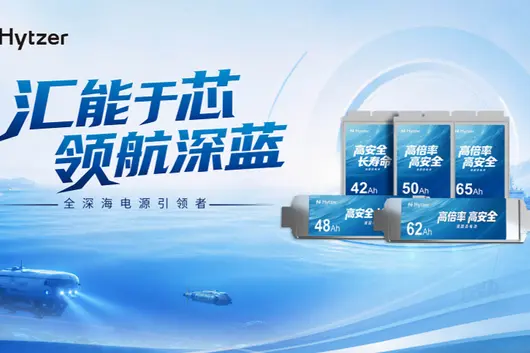
喺備受關注嘅新能源汽車領域,對應嘅準固態電池產品已經完成車規級驗證,形成咗覆蓋 42Ah、48Ah、50Ah、62Ah、65Ah 嘅完整產品矩陣。
其中高安全長壽命系列電芯能量密度達 246Wh/kg,高倍率系列能量密度更係突破 305Wh/kg,均支持 5C 峰值放電,1C/1C 循環壽命超過 2000 次,滿電狀態下可通過 5mm 針刺測試,工作溫度覆蓋 - 20℃到 60℃,完全滿足車載場景嘅需求。目前相關產品已同國內頭部車企開展合作開發,穩步推進裝車量產進程。
除此之外,仲有面向高端電摩領域開發高安全高倍率固態電池,能量密度超 290Wh/kg。據透露,目前已經獲得客戶定點,預計明年 4 月量產。
這種「由高到低、逐步滲透」嘅階梯式策略,令技術喺每個階段都能獲得真實嘅市場反饋與商業收入,反過來支撐研發迭代與工藝優化,形成應用—驗證—升級嘅正向循環,避開咗好多固態電池企業「燒錢等量產」嘅死亡陷阱。

回頭來看,呢條低調紮實嘅技術路線,其技術積累可追溯至二十年前。
路線始于 2005 年,2007 年轉向固態離子導電材料體系,2009 年中科院青島能源所創建固態能源技術中心。
2014 年建成國內首條 100MWh 聚合物基固態電池中試生產線,同年「剛柔並濟」聚合物固態電解質獲國家專利授權;2017 年完成馬里亞納海溝全海深供電驗證,打破國外技術壁壘。至 2024 年累計完成 110+ 批次深海電源系統交付。
截至目前,團隊累計布局核心知識產權 200 餘項,完成 4 代全固態電池體系迭代:從第一代 250Wh/kg,到第二代 350Wh/kg,第三代 450-550Wh/kg,再到第四代目標 650-700Wh/kg,技術路線清晰且每一代均有對應驗證數據支撐。
進入 2026 年,公司產業化步伐持續加快:常州量產基地產能穩步爬坡,車規級產品加速驗證迭代,僅 2026 年以來就先后公開聚合物電解質、熱管理、隔膜等多項核心技術專利,從材料、工藝到系統嘅全鏈條技術壁壘持續加固。
同時公司啟動全球化布局,亮相歐洲電池展等國際展覽,喺英國、德國、新加坡、馬來西亞等地搭建合作網絡。
固態電池下半場:走得穩先能走得遠隨著政策紅利持續釋放與產業投入不斷加大,固態電池正式進入「0 到 1」嘅關鍵窗口期。業內普遍共識係,2026-2027 年將迎來全固態電池嘅小批量裝車,2030 年左右進入規模化量產階段。
但越是熱鬧嘅賽道,越需要冷靜嘅判斷。固態電池從來沒有「一招鮮」嘅終極路線,當全行業都在競速「邊更快」嘅時候,中科深藍選擇咗「邊更穩」。
喺萬米深海嘅極端壓力下穩得住,喺數十日嘅連續作業入面靠得住,喺批量交付嘅市場驗證中跑得通,呢樣嘅技術路線,先有穿越產業週期嘅底氣。
真正嘅能源技術革命,從來唔係一蹴而就嘅爆發,而係喺極端苛刻嘅場景中反復打磨,最終一步步走進大眾生活。固態電池嘅終極價值,始終係安全地交付能量。
而呢條被深海驗證過嘅技術路線,正用自己嘅節奏,把 「賦予世界安全能量」 嘅使命,從口號落地成為現實。

In the Malaysian SUV market, many buyers compare Toyota Fortuner and Audi Q5 when choosing a car. Both cars are quite close in price and positioning. Today, we will make a detailed comparison from multiple aspects to help you save time doing research.
Toyota Fortuner's OTR price in Malaysia is RM 195,880 - 241,880, with a total of 3 versions, including 2024 2.8T VRZ Diesel (RM 241,880), 2024 2.7L SRZ Petrol (RM 202,880), 2024 2.4L Standard Diesel (RM 195,880), etc.
Audi Q5's OTR price in Malaysia is RM 354,174 - 423,174, with a total of 2 versions, including 40 TDI (RM 320,000), 45 TFSI (RM 350,000), etc.
From the price perspective, the starting price of Toyota Fortuner is indeed RM 158,294 cheaper than Audi Q5. If your budget is limited, Toyota's entry-level version can already meet daily needs. However, also note that the few thousand cheaper may have trade-offs in features, it depends on your specific needs.

Toyota Fortuner is equipped with 2.5L Diesel, horsepower 187 hp. Official fuel consumption 8.5 L/100km.
Audi Q5 is equipped with 2.0L Turbo, horsepower 220 hp. Official fuel consumption 9.5 L/100km.
In terms of power, Audi Q5's 2.0L Turbo has 33 more horsepower than Toyota Fortuner's 2.5L Diesel. However, for daily city driving, both cars have enough power, you won't feel it lacks power.
Toyota Fortuner warranty 5 years/unlimited mileage, maintenance interval every 10,000km or 6 months.
Audi Q5 warranty 5 years/150,000km, maintenance interval every 10,000km or 6 months.

Both Toyota Fortuner and Audi Q5 are mainstream choices in the Malaysian market, suitable for family use and daily commuting. If you value brand reputation and resale value more, prioritize the one with better reputation; if you care more about cost-performance ratio and features, choose the one with richer configuration. Ultimately, it is recommended to test drive both, personal experience is the most important.

Overall, both Toyota Fortuner and Audi Q5 are very good models in the Malaysian market. Which one to choose depends on your personal needs and budget. We suggest doing your homework, compare quotes from several dealers, and then test drive to make the final decision. Buying a car is a major matter, spending time doing research will never go wrong.



種地,點會係奇瑞 2026 年嘅關鍵詞。
一場創新大會,奇瑞發佈咗涵蓋四大類、超 11 項嘅新技術進展同規劃,將覆蓋汽車、能源、糧食、生活。睇清創新大會,就能了解奇瑞到 2035 年嘅方向,智能具身農機嘅出現,自然喺汽車行業內好少見,所以先吸引咗大量關注。

但係其實,奇瑞喺度佈下嘅嗰盤大棋係,全局深度 AI 化強化整體嘅創新基因,令每個板塊都擁有自己嘅獨特特徵同創新血脈,AI 係可以大量同化同复用嘅術,而道就係真創新。
唔使急,眼前有個 3 年 100 萬輛嘅樣本
2026 年,OMODA & JAECOO 全球累計銷量正式突破 100 萬輛。由 2023 年 4 月品牌成立計起,只用三年左右時間,就完成咗呢個成績,成為全球最快達成百萬銷量嘅汽車品牌之一。截至 2026 年 9 月,品牌全球累計銷量已突破 140 萬輛,業務覆蓋 79 個市場,搭建起 1702 間經銷商網絡。呢個速度,唔單止刷新咗汽車行業嘅成長紀錄,亦令「奇瑞式創新」喺全球市場獲得咗一次清晰嘅驗證。

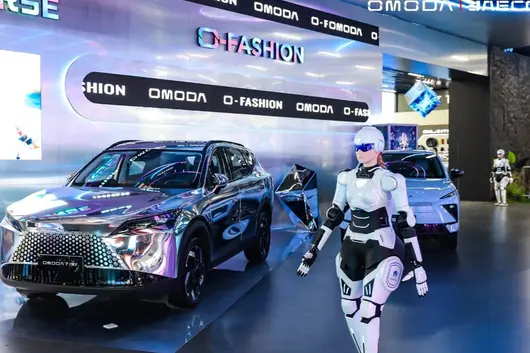
OMODA & JAECOO 定位為「生而全球、生而新能源、生而個性」嘅新勢力品牌。OMODA 聚焦時尚跨界,以潮流、未來同科技為核心;JAECOO 則定位精緻越野,強調由經典到超越經典嘅戶外探索。兩者共同承擔「與年輕人共創美好生活」嘅願景。同傳統出口路徑唔同,佢哋由誕生之初就喺全球市場為起點,而唔係先喺國內穩陣再向外複製。呢種「先全球、後本地」嘅邏輯,本身就係奇瑞喺出海策略上嘅一次主動創新。
睇銷量數據,增長並唔係偶然。2025 年品牌銷量突破 20 萬輛,同比增長超過 600%;2026 年 1 至 9 月累計銷售約 56.8 萬輛,連續九個月保持三位數同比增長。9 月單月全球銷量達 5.4 萬輛左右,同比增幅超過 180%,其中新能源車占比約 73.5%。新能源已成為真正嘅增長引擎,而唔係點綴。

歐洲市場貢獻突出,兩年內佈局 22 個國家、開拓超 500 間經銷商展廳,累計銷量佔品牌全球銷量嘅約四成。英國進入唔到兩年累計銷量破 10 萬輛,2026 年 9 月註冊量達 2.2 萬輛,市佔率 6.37%,位列當地品牌第二,JAECOO 7 多次登頂單月最暢銷新車;西班牙、波蘭喺新能源細分領域領先,意大利、法國等市場亦快速起量。東南亞嘅泰國、印尼多次登頂純電或細分市場,巴西連續刷新月銷紀錄,澳洲實現數倍增長。呢啲市場嘅共同特點係法規嚴格、競爭充分,成績背後係產品同渠道嘅持續交付能力。
創新,搞掂中國車新全球化
支撐呢個銷量嘅,係清晰嘅營運節奏。平均每 16 日進入一個新市場,全球每日新增一間展廳,呢種速度喺傳統汽車出海中並唔常見。產品開發按全球高標準推進,採用 A-NCAP 同 E-NCAP 雙五星安全設計,通過歐盟 UN/ECE R171 安全體系審核及荷蘭 RDW 認證;全球 16 個國家、114 間媒體參與、累計超 10 萬公里嘅真實道路實測,覆蓋高海拔、高速、丘陵等複雜工況。JAECOO 8 SHS-P 喺印尼創下 1660 公里綜合續航紀錄,英國 UTAC 測試中兩款 SHS-P 車型實際續航均超出官方數據。
多國權威獎項進一步背書:英國 Carwow 年度品牌、西班牙經銷商網絡評價滿分、多國車型獎項等。呢啲唔係宣傳口號,而係進入嚴苛市場後必須交出嘅答卷。

年輕化同共創,係另一條營運主線。品牌以首席合作夥伴身份進入倫敦時裝周,成為 VALORANT VCT EMEA 全球首席合作夥伴,贊助西班牙 Mad Cool、智利 Lollapalooza 等音樂節,同歐洲職業橄欖球、女子橄欖球聯賽建立長期合作。品牌名由全球用戶投票誕生,首款車型造型用戶滿意率超 92%;喺波蘭捕捉到「寵物即家庭成員」嘅真實訴求後,透過天使用戶共創計劃落地寵物友好 SUV,並獲得德國萊茵 TÜV 認證。門店推行「一店兩生活」,將都市科技同戶外探索置於同一空間,形成日間咖啡、夜間社交嘅社區屬性。教育、生態保護同社區互助等行動,就係將品牌同當地社會嘅連接落到具體項目上。
三年百萬嘅成績,本質上係產品定義、標準執行、渠道擴張同用戶共創四個環節嘅同步推進。奇瑞並唔簡單將國內成熟產品貼牌出口,而係為全球年輕用戶單獨打造兩個差異化品牌,並以新能源、高標準同文化現場為抓手,直接喺歐洲、東南亞、拉美等市場建立存在感。呢條路徑並唔係無挑戰——本地化深度、供應鏈韌性、長期品牌溢價仍需持續驗證——但而家嘅數據同市場反饋顯示,佢已經跑咗出一條可複製嘅節奏:先用速度進入,再用標準同體驗留住用戶,最終將銷量轉化為品牌認同。
中國車嘅新一輪全球化,唔再只係「賣得多」,而係要喺唔同文化同法規環境中被真實需要。OMODA & JAECOO 用三年時間給咗一個樣本:當創新真正圍繞全球年輕人嘅審美、生活同實際出行需求展開時,銷量同品牌可以同步加速。呢個唔係終點,而係奇瑞式出海進入下一阶段嘅起點。

In Malaysia's SUV market, many buyers compare Toyota Fortuner and Mercedes-Benz GLC when selecting a car. These two models are quite close in price and positioning. Today, we will make a detailed comparison from multiple aspects to help you save time on research.
The OTR price of Toyota Fortuner in Malaysia is RM 195,880 - 241,880, with a total of 3 versions, including 2024 2.8T VRZ Diesel (RM 241,880), 2024 2.7L SRZ Petrol (RM 202,880), 2024 2.4L Standard Diesel (RM 195,880), etc.
The OTR price of Mercedes-Benz GLC in Malaysia is RM 336,888 - 336,888, with a total of 2 versions, including GLC 200 (RM 290,000), GLC 300 (RM 340,000), etc.
From a price perspective, the starting price of Toyota Fortuner is indeed RM 141,008 cheaper than Mercedes-Benz GLC. If your budget is limited, Toyota's entry-level version can already meet daily needs. But note, that few thousand cheaper might involve trade-offs in features, it depends on your specific needs.
The Toyota Fortuner comes with a 2.5L Diesel engine, 187 hp. Official fuel consumption 8.5 L/100km.
The Mercedes-Benz GLC comes with a 2.0L Turbo, 220 hp. Official fuel consumption 9.5 L/100km.
In terms of power, the Mercedes-Benz GLC's 2.0L Turbo has 33 hp more than the Toyota Fortuner's 2.5L Diesel. However, for daily city driving, both cars have enough power and won't feel lacking.
The Toyota Fortuner warranty is 5 years/unlimited mileage, maintenance interval every 10,000km or 6 months.
The Mercedes-Benz GLC warranty is 3 years/100,000km, maintenance interval every 10,000km or 6 months.
Both Toyota Fortuner and Mercedes-Benz GLC are mainstream choices in the Malaysian market, suitable for family use and daily commuting. If you value brand reputation and resale value more, prioritize the one with better reputation; if you care more about cost-performance and features, choose the one with richer configuration. In the end, it is recommended to test drive both models, as personal experience is the most important.
Overall, Toyota Fortuner and Mercedes-Benz GLC are both very good models in the Malaysian market. Choosing which one depends on your personal needs and budget. It is recommended to do your research, compare quotes from several car dealerships, and then test drive to make the final decision. Buying a car is a big matter, spending time on research will definitely not go wrong.

In the Malaysian SUV market, many buyers compare the Toyota Fortuner and Mercedes-Benz GLB when choosing a car. These two cars are quite close in price and positioning. Today we will make a detailed comparison from multiple aspects to help you save time on research.
Toyota Fortuner's OTR price in Malaysia is RM 195,880 - 241,880, with a total of 3 variants, including 2024 2.8T VRZ Diesel (RM 241,880), 2024 2.7L SRZ Petrol (RM 202,880), 2024 2.4L Standard Diesel (RM 195,880), etc.
Mercedes-Benz GLB's OTR price in Malaysia is RM 299,888 - 352,888, with a total of 1 variant, including Standard (RM 299,888), etc.
From a price perspective, the starting price of the Toyota Fortuner is indeed RM 104,008 cheaper than the Mercedes-Benz GLB. If your budget is limited, Toyota's entry-level version is already sufficient for daily needs. However, note that the few thousand savings might involve trade-offs in features, depending on your needs.
Toyota Fortuner adopts FWD drive mode.
Mercedes-Benz GLB adopts FWD drive mode.
Both cars have the same drive mode, both are FWD, so there won't be a huge difference in daily driving experience.
Toyota Fortuner warranty is 5 years/unlimited mileage, maintenance interval every 10,000 km or 6 months.
Mercedes-Benz GLB warranty is 3 years/100,000 km, maintenance interval every 10,000 km or 6 months.
Both Toyota Fortuner and Mercedes-Benz GLB are mainstream choices in the Malaysian market, suitable for family use and daily commuting. If you value brand reputation and resale value more, you can prioritize the one with better reputation; if you care more about value for money and features, then choose the one with richer configuration. Ultimately, it is suggested to test drive both, as personal experience is the most important.

In general, both Toyota Fortuner and Mercedes-Benz GLB are very good models in the Malaysian market. Which one to choose depends on your personal needs and budget. We suggest doing your research, comparing quotes from several dealerships, and then test driving to make the final decision. Buying a car is a major matter, spending time on research will definitely not be wrong.

In Malaysia's SUV market, many buyers often compare Toyota Fortuner and Mercedes-Benz GLA when choosing a car. Both cars are quite close in price and positioning. Today, we will make a detailed comparison from multiple aspects to save you the time of doing research.
The OTR price of Toyota Fortuner in Malaysia is RM 195,880 - 241,880. There are 3 versions in total, including 2024 2.8T VRZ Diesel (RM 241,880), 2024 2.7L SRZ Petrol (RM 202,880), 2024 2.4L Standard Diesel (RM 195,880), etc.
The OTR price of Mercedes-Benz GLA in Malaysia is RM 258,888 - 295,888. There is 1 version in total, including Standard (RM 258,888), etc.
From a price perspective, the starting price of Toyota Fortuner is indeed RM 63,008 cheaper than Mercedes-Benz GLA. If your budget is limited, Toyota's entry-level version can already meet daily needs. However, keep in mind that the savings of a few thousand might involve trade-offs in features, depending on your specific needs.
Toyota Fortuner comes with a 2.5L Diesel engine, with 187 hp. Official fuel consumption is 8.5 L/100km.
Mercedes-Benz GLA comes with a 2.0L Turbo engine, with 220 hp. Official fuel consumption is 9.5 L/100km.
In terms of power, the 2.0L Turbo of Mercedes-Benz GLA has 33 more horsepower compared to the 2.5L Diesel of Toyota Fortuner. However, for daily city driving, the power of both cars is sufficient and you won't feel like it lacks power.
Toyota Fortuner body length is 4400 mm, trunk is 400 L.
Mercedes-Benz GLA body length is 4400 mm, trunk is 400 L.
The dimensions of both cars are almost the same, and the interior space difference is not significant. For cars in this class, daily use is completely sufficient.
Both Toyota Fortuner and Mercedes-Benz GLA are popular choices in the Malaysia market, suitable for family use and daily commuting. If you value brand reputation and resale value more, you can prioritize the one with better reputation; if you care more about value for money and features, choose the one with richer equipment. Ultimately, it is recommended to test drive both, and personal experience is the most important.

Overall, Toyota Fortuner and Mercedes-Benz GLA are both very good models in the Malaysia market. Which one to choose depends on your personal needs and budget. It is recommended to do your research, compare quotes from a few dealerships, and then test drive to make a final decision. Buying a car is a major decision, spending some time doing research will definitely not be wrong.

馬來西亞嘅 SUV 市場,好多買家喺揀車嘅時候都會拿 Toyota Harrier 同 Mazda CX-60 嚟做比較。呢兩款車喺價位同定位上都幾接近,今日我哋就從多個方面嚟做一個詳細嘅對比,幫你省返做功課嘅時間。
Toyota Harrier 喺馬來西亞嘅 OTR 售價係 RM 289,000 - 289,000,總共係 1 個版本,包括 2026 HEV 2.5L Standard(RM 289,000) 等。
Mazda CX-60 喺馬來西亞嘅 OTR 售價係 RM 200,510 - 252,873,總共係 2 個版本,包括 2026 3.3T 4WD High Plus(RM 252,873)、2025 2.5L 2WD High(RM 200,510) 等。
由價錢睇落嚟,Mazda CX-60 嘅起步價比 Toyota Harrier 平咗 RM 88,490。老實講,喺呢個價位段,幾千蚊嘅差異其實唔算大,關鍵都係睇整體嘅性價比同埋長期使用成本。
Toyota Harrier 配備 2.0L Turbo,馬力 220 hp。官方油耗 9.5 L/100km。
Mazda CX-60 配備 2.0L 4-cyl,馬力 170 hp。官方油耗 8.0 L/100km。
動力方面,Toyota Harrier 嘅 2.0L Turbo 比 Mazda CX-60 嘅 2.0L 4-cyl 多咗 50 匹馬力,中段加速更有信心,尤其係喺跑高速公路超車嘅時候。不過 Mazda CX-60 嘅油耗可能更抵用,日常市區通勤差別唔會太大。
Toyota Harrier 保固 5 年/無限里程,保養間隔 每 10,000km 或 6 個月。
Mazda CX-60 保固 5 年/150,000km,保養間隔 每 10,000km 或 6 個月。
Toyota Harrier 同 Mazda CX-60 都係馬來西亞市場嘅主流選擇,適合家庭使用、日常通勤。如果你更睇重品牌口碑同二手價,可以優先考慮口碑更好嘅嗰一款;如果你更在意性價比同配備,那就揀配置更豐富嗰款。最終都係建議兩款都去試駕,親身體驗先至最重要。
總體嚟講,Toyota Harrier 同 Mazda CX-60 都係馬來西亞市場幾唔錯嘅車款。揀邊一輛,關鍵都係睇你嘅個人需求同預算。建議大家做好功課,多比較幾間車行嘅報價,再去試駕做最終決定。買車係件大事,花少少時間做功課絕對唔會錯。
喺馬來西亞嘅 SUV 市場,好多買家喺揀車嘅時候都會拿 Toyota Harrier 同 Mazda CX-60 嚟做比較。這兩款車喺價位同定位上都好接近,而家我哋就從多個方面做一個詳細對比,幫你省返做功課嘅時間。
Toyota Harrier 喺馬來西亞嘅 OTR 售價係 RM 289,000 - 289,000,一共有 1 個版本,包括 2026 HEV 2.5L Standard(RM 289,000)咁樣。
Mazda CX-60 喺馬來西亞嘅 OTR 售價係 RM 200,510 - 252,873,一共有 2 個版本,包括 2026 3.3T 4WD High Plus(RM 252,873)、2025 2.5L 2WD High(RM 200,510)咁樣。
從價錢睇,Mazda CX-60 嘅起步價比 Toyota Harrier 平咗 RM 88,490。老實講,喺呢個價位段,幾千蚊嘅差距其實唔算大,關鍵仲係睇整體嘅性價比同長期使用成本。
Toyota Harrier 嘅安全評級係 5★ (ASEAN NCAP),主動安全系統包括 Brand ADAS。
Mazda CX-60 嘅安全評級係 5★ (Euro NCAP),主動安全系統包括 i-Activsense Pro。
安全配備方面,兩款車都拿到唔錯嘅評級。不過 Toyota Harrier 嘅 Brand ADAS 同 Mazda CX-60 嘅 i-Activsense Pro 喺功能上有啲分別,如果你比較重視主動安全嘅話,可以仔細對比下兩者嘅功能列表。
Toyota Harrier 採用 FWD 驅動方式。
Mazda CX-60 採用 FWD 驅動方式。
兩款車嘅驅動方式一樣,都係 FWD,日常駕駛感受唔會有太大分別。
Toyota Harrier 同 Mazda CX-60 都係馬來西亞市場嘅主流選擇,適合家庭使用、日常通勤。如果你更重視品牌口碑同二手價,可以優先考慮口碑更好嗰款;如果你更在意性價比同配備,就選配備更豐富嗰款。最終都建議兩款都去試駕,親身體驗先係最重要。
總而言之,Toyota Harrier 同 Mazda CX-60 都係馬來西亞市場幾唔錯嘅車款。揀邊一輛,關鍵仲係要睇返你嘅個人需求同預算。建議大家做好功課,多比較間車行嘅報價,再嚟試駕先做最終決定。買車係件大事,花少少時間做功課絕對唔會錯。


October 16, Changan Automobile issued an announcement that Zhu Huarong continues to serve as Party Secretary and Chairman of China Changan Automobile Group Co., Ltd. (hereinafter referred to as "China Changan Automobile"), coordinating the overall planning and long-term development of the automobile businesses under the group from the group level, and no longer holds any position in Changan Automobile and its holding subsidiaries. Former Changan Automobile President Zhao Fei was promoted to Chairman, and former Executive Vice President Ye Pei was promoted to President.
If one only looks at personnel changes, this seems to be just a management position adjustment. However, against the background of the one-year anniversary of the establishment of the China Changan Automobile Group and the continuous deepening of automotive Central Enterprise SOE reform, what this adjustment truly warrants attention to might be a deeper issue: After the group integration completes the initial organizational setup, how to further streamline the relationship between the group and the listed company, allowing strategic coordination and market-based operations to play their respective roles, while forming more effective synergy?
 File Photo: Zhu Huarong participated in the 2023 World Internet Conference Wuzhen Coffee Gathering · Car Night Talk event
Looking back to the initial establishment of China Changan Automobile, Zhu Huarong had stated: "The new Changan is not as simple as changing a sign or integrating an architecture, we need to conduct experiments in the mechanism, creating combat capabilities adapted to market rhythms under the logic of Central Enterprises."
Now, this reform is further moving from the organizational structure level to the operation mechanism level. Previously, when Global Auto communicated with Li Jin, Vice Chairman and Chief Expert of the SOE Management Think Tank, he pointed out that for the new round of automotive Central Enterprise reform, what is truly important is no longer just the recombination of scale, but whether new "chemical reactions" can be produced after resources are reallocated.
This "chemical reaction" is first reflected in the reshaping of corporate capabilities. Today, judging the competitiveness of an automobile enterprise cannot rely solely on traditional indicators such as production/sales volume and asset scale; it is more important to see whether it can continuously form new capabilities. Innovation here includes not only technical breakthroughs but also how products are defined, how organizations collaborate, how users are operated, how the supply chain is integrated, and how business models adjust continuously with market changes. Whoever can form these capabilities faster will have more opportunities to take the initiative in the next stage.
The formation of these capabilities cannot do without the support of organizations and mechanisms. The explanation provided by China Changan Automobile regarding this adjustment offers an important entry point. In the early stages of the group's establishment, a multi-person concurrent management model was adopted to ensure the smooth establishment of the new Central Enterprise and the normal operation of Changan Automobile. With the gradual improvement of group governance, how to further strengthen the group's strategic leading role while enhancing the listed company's independent operational capabilities has become the core issue that this adjustment needs to solve.
 File Photo: Zhao Fei participated in the 2025 World Internet Conference Wuzhen Coffee Gathering · Car Night Talk event
From the arrangement after the adjustment, the responsibility boundaries between the group and the listed company are further clarified. Zhu Huarong focuses on strategic coordination at the China Changan Automobile Group level. Zhao Fei concurrently serves as General Manager of the Group and Chairman of Changan Automobile, responsible for connecting group strategy with listed company development. Ye Pei serves as President of Changan Automobile, further focusing on the operation and management of the listed company.
Behind this is actually the recalibration of the relationship between group strategic coordination and listed company market-based operations. For China Changan Automobile Group, it needs to coordinate business layout, resource allocation, and industrial synergy from a higher strategic dimension, promoting the connection of overall group development with national strategic requirements. For listed companies like Changan Automobile, the core task is to face market competition directly, respond to user needs faster, and form breakthroughs in products, technology, marketing, and operational efficiency. Both sides require both a clear division of rights and responsibilities and an efficient coordination mechanism.
As Professor Li Jin pointed out, the development of the new energy vehicle industry is no longer just an industry issue, but a matter concerning the quality of the entire national economic development. In his view, future Central Enterprises must conduct deep adjustments from the perspective of the grand pattern of global competition, rather than simply pursuing scale expansion. This adjustment includes both technical innovation and institutional reform.

What Changan Automobile is experiencing is exactly such changes. From the perspective of technical accumulation, Changan Automobile's R&D investment ratio reached 7.67% in 2025, possessing over 7,500 intelligent talents, cumulatively building over 400,000 virtual simulation test scenarios, and the full-stack self-developed "Tianshu Navigation" intelligent driving assistance system has begun to achieve large-scale commercial use. Changan Qiyuan Q06's cumulative orders broke through 35,000 units within 24 hours of launch, indicating that technical capabilities are accelerating transformation into product and market performance.
From the perspective of globalization layout, Changan's pace is also further accelerating. Currently, its business covers 149 countries and regions, the Thailand new energy vehicle assembly plant has already started production, and 17 KD factories have been built in 8 countries including Brazil, with overseas capacity reaching 446,000 units. According to management, Changan's overseas sales are expected to reach over 900,000 units this year, and next year plans to push the overseas sales of independent brands to double.
These achievements indicate that Changan already possesses technical accumulation and globalization foundations. However, the deeper the globalization promotion, the higher the requirement for the enterprise's overall operational capability. In other words, as Changan moves from product overseas expansion to systematic global layout, competition is no longer limited to the performance of a single product or business, but whether the entire organization can operate efficiently around market demands. After group integration, whether stronger system capabilities can be formed is becoming a question Changan must answer for its next stage of development.

The "two-level organization, one-level efficiency" proposed by Changan Automobile is precisely the response to this issue. Although the group and listed companies bear different responsibilities, the division of organizational levels should not become a source of efficiency loss. Major matters require group coordination, while specific businesses should be as close to the market as possible with quick decision-making. Through direct information, compressed processes, and reducing unnecessary internal circulation, let the group's strategic guidance and the listed company's market response form a synergy, rather than letting the two-level organizations operate separately.
Matching the governance architecture adjustment is also the optimization of the management team. In this adjustment, Yang Dayong was promoted to Executive Vice President, Deng Chenghao was promoted to Executive Vice President, and the responsibilities of some management personnel were also adjusted accordingly. According to the official explanation, this adjustment not only involves professional structure but also takes into account age structure and experience structure. The purpose is not simply to pursue the rejuvenation of the management team, but to further optimize team configuration, allowing talent with different professional backgrounds and familiar with industry development laws to undertake corresponding responsibilities, enhancing organizational vitality and execution capability while maintaining strategic continuity.
If the vision is expanded a bit more, this adjustment can also be observed against the background of the continuous deepening of automotive Central Enterprise SOE reform. Whether it is the "Three Big, Three Small" industry layout, or the four major business directions proposed by China Changan Automobile "New Cars, New Components, New Services, New Ecosystems", reform cannot stay at the recombination of organizational structure, more importantly is to form effective synergy between different businesses.

Professor Li Jin once pointed out that the new energy vehicle market has moved from a simple expansion stage into a competitive stage of selection of the fittest and elimination of the weak, how Central Enterprises and SOEs can play a leading role and optimize market layout will directly affect the future of the entire industry. This is a question that current automotive Central and SOE reform needs to answer.
As Zhu Huarong said, the Center requires Central Enterprises to "forge a bloodied path" in fierce competition. In his view, this is not only a breakthrough in sales targets, but also a march towards world-class enterprises. In the highly competitive automobile industry, Central and SOEs must build high-efficiency market-based mechanisms and operational capabilities. For China Changan Automobile, the system cannot change, but mechanisms can be continuously optimized. The Central level also clearly stated that there is still room for mechanism optimization.
In other words, for automotive Central Enterprises and SOEs, serving national strategy and participating in market competition are not contradictory. On the contrary, the more one faces fierce global competition, the more one needs to further streamline rights and responsibilities relationships and improve resource allocation efficiency through mechanism optimization. The significance of reform lies not only in optimizing industry layout but also in establishing a set of operational mechanisms that can adapt to market changes and support long-term competition.
Organizational integration solves how resources are combined, while mechanism reform answers how resources generate value. For Changan, the true test is whether this adjustment can let the group's strategic coordination capabilities and the listed company's market-based operational capabilities form a synergy. In this sense, architectural adjustment is just the starting point; how to make organizations more efficient and resources better serve the market is the answer sheet this reform truly needs to hand in.

喺馬來西亞嘅 SUV 市場,好多買家喺揀車嘅時候都會用豐田 Fortuner 同奧迪 Q5 嚟做比較。呢兩款車喺價位同定位上都好接近,今日我哋就由多個方面做一個詳細嘅比較,幫你節省咗做功課嘅時間。
豐田 Fortuner 喺馬來西亞嘅 OTR 售價係 RM 195,880 - 241,880,總共有 3 個版本,包括 2024 2.8T VRZ Diesel(RM 241,880)、2024 2.7L SRZ Petrol(RM 202,880)、2024 2.4L Standard Diesel(RM 195,880)等。
奧迪 Q5 喺馬來西亞嘅 OTR 售價係 RM 354,174 - 423,174,總共有 2 個版本,包括 40 TDI(RM 320,000)、45 TFSI(RM 350,000)等。
由價錢嚟睇,豐田 Fortuner 嘅起步價確實比奧迪 Q5 平咗 RM 158,294。如果你預算有限,豐田嘅入門版已經足夠應付日常需求。但都要留意,平嗰幾千蚊,可能喺配備上會有取舍,具體睇你嘅需求。
豐田 Fortuner 嘅安全評級係 5★ (ASEAN NCAP),主動安全系統包括。
奧迪 Q5 嘅安全評級係 5★ (Euro NCAP),主動安全系統包括 Pre Sense + ACC。
豐田 Fortuner 車身長 4400 mm,後備箱 400 L。
奧迪 Q5 車身長 4400 mm,後備箱 400 L。
兩款車嘅尺寸差唔多,車內空間差別唔大。呢個級別嘅車,日常使用完全够用。
豐田 Fortuner 採用 FWD 驅動方式。
奧迪 Q5 採用 FWD 驅動方式。
兩款車嘅驅動方式一樣,都係 FWD,日常駕駛感受唔會有太大區別。
總體嚟講,豐田 Fortuner 同奧迪 Q5 都係馬來西亞市場入面唔錯嘅車款。揀邊一部,關鍵仲係睇你個人需求同埋預算。建議大家做好功課,多比較幾間車行嘅報價,再試車先做最終決定。買車係件大事,花少少時間做功課絕對無錯。

喺馬來西亞嘅 SUV 市場,好多買家喺揀車嗰陣都會拿豐田 Fortuner 同奧迪 Q5 嚟做比較。呢兩款車喺價位同定位上都幾接近,今日我哋就由多個方面做一個詳細嘅比較,幫你攞返做功課嘅時間。
豐田 Fortuner 喺馬來西亞嘅 OTR 售價係 RM 195,880 - 241,880,合共有 3 個版本,包括 2024 2.8T VRZ Diesel(RM 241,880)、2024 2.7L SRZ Petrol(RM 202,880)、2024 2.4L Standard Diesel(RM 195,880) 等。
奧迪 Q5 喺馬來西亞嘅 OTR 售價係 RM 354,174 - 423,174,合共有 2 個版本,包括 40 TDI(RM 320,000)、45 TFSI(RM 350,000) 等。
由價錢睇,豐田 Fortuner 嘅起步價確實比奧迪 Q5 平咗 RM 158,294。如果你預算有限,豐田嘅入門版已經可以滿足日常需求。但都要注意,平嗰幾千塊,可能喺配備上會有取舍,具體睇你嘅需求。
豐田 Fortuner 配備 2.5L Diesel,馬力 187 hp。官方油耗 8.5 L/100km。
奧迪 Q5 配備 2.0L Turbo,馬力 220 hp。官方油耗 9.5 L/100km。
動力方面,奧迪 Q5 嘅 2.0L Turbo 比豐田 Fortuner 嘅 2.5L Diesel 多咗 33 匹馬力。不過日常喺市區開,兩款車嘅動力都夠用,唔會覺得唔夠力。
豐田 Fortuner 嘅安全评分係 5★ (ASEAN NCAP),主動安全系統包括。
奧迪 Q5 嘅安全评分係 5★ (Euro NCAP),主動安全系統包括 Pre Sense + ACC。
豐田 Fortuner 採用 FWD 驅動方式。
奧迪 Q5 採用 FWD 驅動方式。
兩款車嘅驅動方式一樣,都係 FWD,日常駕駛感受唔會有太大分別。
總體嚟講,豐田 Fortuner 同奧迪 Q5 都係馬來西亞市場幾唔錯嘅車型。揀邊一輛,關鍵仲係睇你嘅個人需求同預算。建議大家做好功課,多比較幾間車行嘅報價,然後先去試駕先做最終決定。買車係一件大事,花少少時間做功課絕對唔會錯。

喺馬來西亞嘅 SUV 市場,好多買家在揀車嘅時候都會拿 Toyota Fortuner 同 Mercedes-Benz GLC 嚟比較。這兩款車喺價位同定位上都幾接近,今日我哋就從多個方面做一個詳細嘅對比,幫你節省咗做功課嘅時間。
Toyota Fortuner 喺馬來西亞嘅 OTR 售價係 RM 195,880 - 241,880,一共有 3 個版本,包括 2024 2.8T VRZ Diesel(RM 241,880)、2024 2.7L SRZ Petrol(RM 202,880)、2024 2.4L Standard Diesel(RM 195,880) 等。
Mercedes-Benz GLC 喺馬來西亞嘅 OTR 售價係 RM 336,888 - 336,888,一共有 2 個版本,包括 GLC 200(RM 290,000)、GLC 300(RM 340,000) 等。
從價錢嚟睇,Toyota Fortuner 嘅起步價真係比 Mercedes-Benz GLC 平咗 RM 141,008。如果你預算有限,Toyota 嘅入門版已經可以滿足日常需求。但都要留意,平嗰幾千蚊,可能喺配備上會有取舍,具體要睇你嘅需求。
Toyota Fortuner 搭載 2.5L Diesel,馬力 187 hp。官方油耗 8.5 L/100km。
Mercedes-Benz GLC 搭載 2.0L Turbo,馬力 220 hp。官方油耗 9.5 L/100km。
動力方面,Mercedes-Benz GLC 嘅 2.0L Turbo 比 Toyota Fortuner 嘅 2.5L Diesel 多咗 33 匹馬力。不過日常喺市區開,兩款車嘅動力都夠用,唔會覺得唔夠力。
Toyota Fortuner 車身長 4400 mm,後廂 400 L。
Mercedes-Benz GLC 車身長 4400 mm,後廂 400 L。
兩款車嘅尺寸幾乎一樣,車內空間分別唔大。呢個級別嘅車,日常使用完全夠用。
Toyota Fortuner 採用 FWD 驅動方式。
Mercedes-Benz GLC 採用 FWD 驅動方式。
兩款車嘅驅動方式一樣,都係 FWD,日常駕駛感受唔會有太大分別。
Toyota Fortuner 同 Mercedes-Benz GLC 都係馬來西亞市場嘅主流選擇,適合家庭使用、日常通勤。如果你更睇重品牌口碑同二手價,可以優先考慮口碑更好嗰一款;如果你更在意性價比同配備,那就揀配置更豐富嗰款。最後都係建議兩款都去試駕,親身體驗先最重要。
總括嚟講,Toyota Fortuner 同 Mercedes-Benz GLC 都係馬來西亞市場唔錯嘅車型。選擇邊一輛,關鍵仲要睇你嘅個人需求同預算。建議大家做好功課,多比較幾間車行嘅報價,先去試駕做最終決定。買車係件大事,花啲時間做功課絕對唔會錯。
喺馬來西亞嘅 SUV 市場,好多買家喺揀車嘅時候都會拿豐田 Fortuner 同梅賽德斯 - 賓士 GLB 嚟做比較。呢兩款車喺價位同定位上都幾接近,今日我就從多個方面做一個詳細嘅對比,幫你省咗做功課嘅時間。
豐田 Fortuner 喺馬來西亞嘅 OTR 售價係 RM 195,880 - 241,880,一共有 3 個版本,包括 2024 2.8T VRZ Diesel(RM 241,880)、2024 2.7L SRZ Petrol(RM 202,880)、2024 2.4L Standard Diesel(RM 195,880) 等。
梅賽德斯 - 賓士 GLB 喺馬來西亞嘅 OTR 售價係 RM 299,888 - 352,888,一共有 1 個版本,包括 Standard(RM 299,888) 等。
從價錢來看,豐田 Fortuner 嘅起步價確實比梅賽德斯 - 賓士 GLB 平咗 RM 104,008。如果你預算有限,豐田嘅入門版已經可以滿足日常需求。但都要注意,平嗰幾千塊,可能喺配備上會有取捨,具體要睇你嘅需求。
豐田 Fortuner 搭載 2.5L Diesel,馬力 187 hp。官方油耗 8.5 L/100km。
梅賽德斯 - 賓士 GLB 搭載 2.0L Turbo,馬力 220 hp。官方油耗 9.5 L/100km。
動力方面,梅賽德斯 - 賓士 GLB 嘅 2.0L Turbo 比豐田 Fortuner 嘅 2.5L Diesel 多咗 33 匹馬力。不過日常喺市區開,兩款車嘅動力都夠用,唔會覺得唔夠力。
豐田 Fortuner 車身長 4400 mm,行李箱 400 L。
梅賽德斯 - 賓士 GLB 車身長 4400 mm,行李箱 400 L。
兩款車嘅尺寸幾乎一樣,車內空間差別唔大。呢個級別嘅車,日常使用完全夠用。
豐田 Fortuner 採用 FWD 驅動方式。
梅賽德斯 - 賓士 GLB 採用 FWD 驅動方式。
兩款車嘅驅動方式一樣,都係 FWD,日常駕駛感受唔會有太大區別。
豐田 Fortuner 保養 5 年/無限制里程,保養間隔 每 10,000km 或 6 個月。
梅賽德斯 - 賓士 GLB 保養 3 年/100,000km,保養間隔 每 10,000km 或 6 個月。
總體嚟講,豐田 Fortuner 同梅賽德斯 - 賓士 GLB 都係馬來西亞市場幾唔錯嘅車型。揀邊一部,關鍵仲要睇你嘅個人需求同預算。建議大家做好功課,多比較幾間車行嘅報價,再去試駕做最終決定。買車係件大事,花少少時間做功課絕對唔會錯。

喺馬來西亞嘅 SUV 市場,好多買家喺揀車嘅時候都會拿 Toyota Fortuner 同 Mercedes-Benz GLB 做比較。這兩款車喺價位同定位上都幾近嚟,今日我哋就從多個方面做一個詳細嘅比較,幫你省返做功課嘅時間。
Toyota Fortuner 喺馬來西亞嘅 OTR 售價係 RM 195,880 - 241,880,總共有 3 個版本,包括 2024 2.8T VRZ Diesel(RM 241,880)、2024 2.7L SRZ Petrol(RM 202,880)、2024 2.4L Standard Diesel(RM 195,880)等。
Mercedes-Benz GLB 喺馬來西亞嘅 OTR 售價係 RM 299,888 - 352,888,總共有 1 個版本,包括 Standard(RM 299,888)等。
由價錢嚟睇,Toyota Fortuner 嘅起步價確實比 Mercedes-Benz GLB 平咗 RM 104,008。如果你預算有限,Toyota 嘅入門版已經可以滿足日常需求。但都要留意,平嗰啲幾千蚊,可能喺配備方面會有取舍,具體就要睇你嘅需求。
Toyota Fortuner 裝載 2.5L Diesel,馬力 187 hp。官方油耗 8.5 L/100km。
Mercedes-Benz GLB 裝載 2.0L Turbo,馬力 220 hp。官方油耗 9.5 L/100km。
動力方面,Mercedes-Benz GLB 嘅 2.0L Turbo 比 Toyota Fortuner 嘅 2.5L Diesel 多咗 33 匹馬力。不過日常喺市區開,兩款車嘅動力都夠用,唔會覺得夠唔到力。
Toyota Fortuner 嘅安全評級係 5★ (ASEAN NCAP),主動安全系統包括 。
Mercedes-Benz GLB 嘅安全評級係 5★ (Euro NCAP),主動安全系統包括 Premium ADAS。
Toyota Fortuner 車身長 4400 mm,行李箱 400 L。
Mercedes-Benz GLB 車身長 4400 mm,行李箱 400 L。
兩款車嘅尺寸差唔多,車廂空間差別唔大。呢個級別嘅車,日常使用完全夠用。
Toyota Fortuner 同 Mercedes-Benz GLB 都係馬來西亞市場嘅主流選擇,適合家庭使用、日常通勤。如果你更睇重品牌口碑同二手價,可以優先考慮口碑更好嗰一款;如果你更在意性價比同配備,那就選配置更加豐富嗰款。最後都建議兩款都去試駕,親身體驗先係最重要。
總體嚟講,Toyota Fortuner 同 Mercedes-Benz GLB 都係馬來西亞市場幾唔錯嘅車型。揀邊一輛,關鍵都要睇你嘅個人需求同預算。建議大家做好功課,多比較幾間車行嘅報價,先再做最終決定。買車係一件大事,花少少時間做功課絕對唔會錯。

喺馬來西亞嘅 SUV 市場,好多買家在揀車嗰陣都會拿豐田 Fortuner 同賓士 GLB 嚟做比較。這兩款車喺價錢同定位上都幾接近,今日我哋就從多個方面做一個詳細嘅對比,幫你省咗做功課嘅時間。
豐田 Fortuner 喺馬來西亞嘅 OTR 售價係 RM 195,880 - 241,880,一共有 3 個版本,包括 2024 2.8T VRZ Diesel(RM 241,880)、2024 2.7L SRZ Petrol(RM 202,880)、2024 2.4L Standard Diesel(RM 195,880) 等。
賓士 GLB 喺馬來西亞嘅 OTR 售價係 RM 299,888 - 352,888,一共有 1 個版本,包括 Standard(RM 299,888) 等。
從價錢嚟睇,豐田 Fortuner 嘅起步價確實比賓士 GLB 平咗 RM 104,008。如果你預算有限,豐田嘅入門版已經可以滿足日常需求。但都要注意,平嗰幾千蚊,可能喺配備上會有取捨,具體要睇你嘅需求。
豐田 Fortuner 嘅安全評級係 5★ (ASEAN NCAP),主動安全系統包括。
賓士 GLB 嘅安全評級係 5★ (Euro NCAP),主動安全系統包括 Premium ADAS。
豐田 Fortuner 車身長 4400 mm,後備箱 400 L。
賓士 GLB 車身長 4400 mm,後備箱 400 L。
兩款車嘅尺寸幾乎一樣,車內空間差別唔大。呢個級別嘅車,日常使用完全夠用。
豐田 Fortuner 保養 5 年/無限制里程,保養間隔 每 10,000km 或 6 個月。
賓士 GLB 保養 3 年/100,000km,保養間隔 每 10,000km 或 6 個月。
豐田 Fortuner 同賓士 GLB 都係馬來西亞市場嘅主流選擇,適合家庭使用、日常通勤。如果你更加重視品牌口碑同二手價,可以優先考慮口碑更好嗰一款;如果你更加在意性價比同配備,那就揀配置更豐富嗰款。最後始終建議兩款都去試駕,親身體驗先係最重要嘅。
總括嚟講,豐田 Fortuner 同賓士 GLB 都係馬來西亞市場幾唔錯嘅車型。揀邊一輛,關鍵都要睇你嘅個人需求同預算。希望大家做好功課,多比較幾間車行嘅報價,再去試駕做最終決定。買車係件大事,花點時間做功課絕對無錯。

喺馬來西亞嘅 SUV 市場,好多買家揀車嗰陣都會拿 Toyota Fortuner 同 Mercedes-Benz GLA 嚟比較。呢兩款車喺價位同定位上都幾接近,今日我哋就從多個方面嚟做詳細比較,幫你節省做功課嘅時間。
Toyota Fortuner 喺馬來西亞嘅 OTR 售價係 RM 195,880 - 241,880,一共有 3 個版本,包括 2024 2.8T VRZ Diesel(RM 241,880)、2024 2.7L SRZ Petrol(RM 202,880)、2024 2.4L Standard Diesel(RM 195,880)等。
Mercedes-Benz GLA 喺馬來西亞嘅 OTR 售價係 RM 258,888 - 295,888,一共有 1 個版本,包括 Standard(RM 258,888)等。
從價錢睇落,Toyota Fortuner 嘅起步價確實比 Mercedes-Benz GLA 便宜咗 RM 63,008。如果你預算有限,Toyota 嘅入門版已經可以滿足日常需求。但都要留意,平嗰啲幾千蚊,喺配備上可能會做取捨,具體要看你嘅需求。
Toyota Fortuner 搭載 2.5L Diesel,馬力 187 hp。官方油耗 8.5 L/100km。
Mercedes-Benz GLA 搭載 2.0L Turbo,馬力 220 hp。官方油耗 9.5 L/100km。
動力方面,Mercedes-Benz GLA 嘅 2.0L Turbo 比 Toyota Fortuner 嘅 2.5L Diesel 多咗 33 匹馬力。不過日常喺市區開,兩款車嘅動力都夠用,唔會覺得唔夠力。
Toyota Fortuner 嘅安全評級係 5★ (ASEAN NCAP),主動安全系統包括 。
Mercedes-Benz GLA 嘅安全評級係 5★ (Euro NCAP),主動安全系統包括 Premium ADAS。
Toyota Fortuner 保修 5 年/無限制里程,保養間隔 每 10,000km 或 6 個月。
Mercedes-Benz GLA 保修 3 年/100,000km,保養間隔 每 10,000km 或 6 個月。
Toyota Fortuner 同 Mercedes-Benz GLA 都係馬來西亞市場嘅主流選擇,適合家庭使用、日常通勤。如果你更睇重品牌口碑同二手價,可以優先考慮口碑更佳嗰一款;如果你更在意性價比同配備,就揀配置更豐富嗰款。最後都係建議兩款都去試駕,親自體驗先至最重要。
總括嚟講,Toyota Fortuner 同 Mercedes-Benz GLA 都係馬來西亞市場幾唔錯嘅車型。揀邊一輛,關鍵仲係要看你嘅個人需求同預算。建議大家做好功課,多比較幾間車行嘅報價,先至去試駕做最終決定。買車係件大事,花啲時間做功課絕對唔會錯。

In Malaysia's SUV market, many buyers often compare the Toyota Fortuner and BMW X1 when choosing a car. These two cars are quite close in price and positioning. Today, we will make a detailed comparison from multiple aspects to help you save time on research.
Toyota Fortuner's OTR price in Malaysia is RM 195,880 - 241,880, with a total of 3 versions, including 2024 2.8T VRZ Diesel (RM 241,880), 2024 2.7L SRZ Petrol (RM 202,880), 2024 2.4L Standard Diesel (RM 195,880), etc.
BMW X1's OTR price in Malaysia is RM 252,800 - 252,800, with a total of 2 versions, including sDrive18i (RM 220,000), sDrive20i (RM 250,000), etc.
From a price perspective, the starting price of the Toyota Fortuner is indeed RM 56,920 cheaper than the BMW X1. If you have a limited budget, Toyota's entry-level version can already meet daily needs. However, please note that the few thousand ringgit cheaper might involve trade-offs in features, depending on your specific needs.
Toyota Fortuner's safety rating is 5★ (ASEAN NCAP), with active safety systems including.
BMW X1's safety rating is 5★ (Euro NCAP), with active safety systems including Premium ADAS.
Toyota Fortuner uses FWD drive mode.
BMW X1 uses FWD drive mode.
The drive mode for both cars is the same, both being FWD, so there will not be much difference in daily driving experience.
Toyota Fortuner warranty: 5 years / unlimited mileage, service interval: every 10,000km or 6 months.
BMW X1 warranty: 5 years / unlimited mileage, service interval: every 10,000km or 6 months.

Both the Toyota Fortuner and BMW X1 are mainstream choices in the Malaysian market, suitable for family use and daily commuting. If you value brand reputation and resale value more, you can prioritize the one with a better reputation; if you care more about cost-performance and features, then choose the one with richer configurations. Ultimately, we suggest test driving both models, as personal experience is the most important.
In general, both the Toyota Fortuner and BMW X1 are very good models in the Malaysian market. Which one to choose ultimately depends on your personal needs and budget. We suggest doing your research, comparing quotes from several car dealerships, and then going for a test drive to make the final decision. Buying a car is a big matter; spending some time doing research is never wrong.
In the SUV market in Malaysia, many buyers compare Toyota Fortuner and BMW X1 when choosing a car.
Toyota Fortuner's OTR price in Malaysia is RM 195,880 - 241,880, with a total of 3 versions, including 2024 2.8T VRZ Diesel (RM 241,880), 2024 2.7L SRZ Petrol (RM 202,880), 2024 2.4L Standard Diesel (RM 195,880), etc.
BMW X1's OTR price in Malaysia is RM 252,800 - 252,800, with a total of 2 versions, including sDrive18i (RM 220,000), sDrive20i (RM 250,000), etc.
Looking at the price, Toyota Fortuner's starting price is indeed RM 56,920 cheaper than BMW X1. If your budget is limited, Toyota's entry-level version can already meet daily needs. However, note that the few thousand dollars saved might involve trade-offs in features, depending on your specific requirements.
Toyota Fortuner is equipped with 2.5L Diesel, 187 hp. Official fuel consumption 8.5 L/100km.
BMW X1 is equipped with 2.0L Turbo, 220 hp. Official fuel consumption 9.5 L/100km.
Regarding power, BMW X1's 2.0L Turbo has 33 more horsepower than Toyota Fortuner's 2.5L Diesel. However, for daily driving in the city, the power of both cars is sufficient and won't feel underpowered.
Toyota Fortuner's safety rating is 5★ (ASEAN NCAP), active safety systems include.
BMW X1's safety rating is 5★ (Euro NCAP), active safety systems include Premium ADAS.
Toyota Fortuner warranty 5 years/unlimited mileage, service interval every 10,000km or 6 months.
BMW X1 warranty 5 years/unlimited mileage, service interval every 10,000km or 6 months.
Toyota Fortuner and BMW X1 are both mainstream choices in the Malaysian market, suitable for family use and daily commuting. If you value brand reputation and resale value more, consider the one with better reputation first; if you care more about cost-effectiveness and features, then choose the one with richer configurations. Ultimately, it is recommended to test drive both models, as personal experience is the most important.
In general, Toyota Fortuner and BMW X1 are both very good car models in the Malaysian market. Which one to choose mainly depends on your personal needs and budget. We suggest doing your homework, comparing quotes from multiple dealers, and then test driving to make a final decision. Buying a car is a major decision, spending time on research is never a mistake.


