首頁香港

搜尋歷史
熱門搜尋
經銷商登入 / 註冊

In the Malaysian SUV market, many buyers compare Toyota Harrier and Subaru Outback when choosing a car. These two cars are quite close in price and positioning. Today, we will make a detailed comparison from multiple aspects to help you save time doing research.
The OTR selling price of Toyota Harrier in Malaysia is RM 289,000 - 289,000, with a total of 1 version, including 2026 HEV 2.5L Standard (RM 289,000) etc.
The OTR selling price of Subaru Outback in Malaysia is RM 260,000 - 280,000, with a total of 2 versions, including 2025 2.4T R-Touring EyeSight (RM 310,340), 2025 2.5L Touring EyeSight (RM 280,340) etc.
From a price perspective, the starting price of Subaru Outback is RM 29,000 cheaper than Toyota Harrier. Honestly, in this price range, a difference of a few thousand is actually not big. The key lies in the overall cost-effectiveness and long-term usage cost.

Toyota Harrier is equipped with 2.0L Turbo, 220 hp. Official fuel consumption 9.5 L/100km.
Subaru Outback is equipped with 2.0L Turbo, 220 hp. Official fuel consumption 9.5 L/100km.
Both cars use the same powertrain system, the driving experience feels basically the same. Fuel consumption is also about the same, no need to fuss too much over this point.

Toyota Harrier body length 4400 mm, trunk 400 L.
Subaru Outback body length 4400 mm, trunk 400 L.
The dimensions of the two cars are almost identical, interior space difference is not significant. For cars of this level, it is fully sufficient for daily use.

Toyota Harrier warranty 5 years/unlimited mileage, service interval every 10,000km or 6 months.
Subaru Outback warranty 3 years/100,000km, service interval every 10,000km or 6 months.

In summary, Toyota Harrier and Subaru Outback are both very good models in the Malaysian market. Which one to choose depends mainly on your personal needs and budget. It is recommended to do thorough research, compare quotes from multiple dealerships, and then test drive to make the final decision. Buying a car is a major decision, spending some time researching is never wrong.

In the SUV market in Malaysia, many buyers compare Toyota Harrier and Subaru Crosstrek when choosing a car. These two cars are quite close in terms of price and positioning, so today we will make a detailed comparison from multiple aspects to help you save time on research.
The Toyota Harrier's OTR price in Malaysia is RM 289,000 - 289,000, with a total of 1 trim, including the 2026 HEV 2.5L Standard (RM 289,000), among others.
The Subaru Crosstrek's OTR price in Malaysia is RM 145,000 - 160,000, with a total of 1 trim, including the 2.0L e-Boxer (RM 150,000), among others.
From a pricing perspective, the starting price of the Subaru Crosstrek is RM 144,000 cheaper than the Toyota Harrier. Honestly, in this price segment, a difference of a few thousand isn't really that big; the key lies in overall value for money and long-term usage costs.
The Toyota Harrier is equipped with a 2.0L Turbo, with 220 hp. Official fuel consumption is 9.5 L/100km.
The Subaru Crosstrek is equipped with a 1.5L Turbo, with 140 hp. Official fuel consumption is 7.0 L/100km.
In terms of power, the Toyota Harrier's 2.0L Turbo has 80 more horsepower than the Subaru Crosstrek's 1.5L Turbo, providing more confidence in mid-range acceleration, especially when overtaking on the highway. However, the Subaru Crosstrek's fuel consumption might be more friendly, and the difference for daily city commuting won't be too large.
The Toyota Harrier's safety rating is 5★ (ASEAN NCAP), and active safety systems include Brand ADAS.
The Subaru Crosstrek's safety rating is 5★ (Euro NCAP), and active safety systems include EyeSight.
Regarding safety features, both cars received good ratings. However, there are some differences in functionality between the Toyota Harrier's Brand ADAS and the Subaru Crosstrek's EyeSight. If you prioritize active safety, you can compare their feature lists in detail.
Toyota Harrier warranty: 5 years/unlimited mileage, maintenance interval every 10,000km or 6 months.
Subaru Crosstrek warranty: 3 years/100,000km, maintenance interval every 10,000km or 6 months.

Overall, both Toyota Harrier and Subaru Crosstrek are very good models in the Malaysian market. Which one to choose depends mainly on your personal needs and budget. We recommend doing your research, comparing quotes from several dealerships, and then test driving to make a final decision. Buying a car is a big matter, spending time researching will never go wrong.
In Malaysia's SUV market, many buyers compare Toyota Harrier and Subaru Forester when choosing a car. These two models are quite close in price and positioning; today we will make a detailed comparison from multiple aspects to help you save time on research.
The OTR price for the Toyota Harrier in Malaysia is RM 289,000 - 289,000, with a total of 1 version, including 2026 HEV 2.5L Standard (RM 289,000), etc.
The OTR price for the Subaru Forester in Malaysia is RM 174,000 - 197,000, with a total of 3 versions, including 2024 2.0L S EyeSight GT Edition (RM 189,538), 2024 2.0L S EyeSight (RM 177,538), 2024 2.0L L EyeSight (RM 167,538), etc.
In terms of price, the starting price of the Subaru Forester is RM 115,000 cheaper than the Toyota Harrier. Honestly, in this price range, a difference of a few thousand is not really significant; the key lies in overall value for money and long-term usage costs.
Toyota Harrier is equipped with a 2.0L Turbo, 220 hp. Official fuel consumption 9.5 L/100km.
Subaru Forester is equipped with a 2.0L 4-cyl, 170 hp. Official fuel consumption 8.0 L/100km.
In terms of power, the Toyota Harrier's 2.0L Turbo has 50 more horsepower than the Subaru Forester's 2.0L 4-cyl, providing more confidence in mid-range acceleration, especially when overtaking on highways. However, the Subaru Forester's fuel consumption might be more friendly, with little difference in daily city commuting.
Toyota Harrier's safety rating is 5★ (ASEAN NCAP), active safety systems include Brand ADAS.
Subaru Forester's safety rating is 5★ (Euro NCAP), active safety systems include EyeSight.
Regarding safety features, both cars have received good ratings. However, there are some differences in functionality between the Toyota Harrier's Brand ADAS and the Subaru Forester's EyeSight. If you value active safety highly, you can compare their feature lists in detail.
Toyota Harrier body length is 4400 mm, trunk 400 L.
Subaru Forester body length is 4400 mm, trunk 400 L.
The dimensions of both cars are almost the same, with little difference in interior space. For this class of cars, it is more than enough for daily use.

Both Toyota Harrier and Subaru Forester are mainstream choices in the Malaysian market, suitable for family use and daily commuting. If you value brand reputation and resale price more, you can prioritize the one with better reputation; if you care more about value for money and features, choose the one with richer configuration. Ultimately, it is suggested to test drive both models, as personal experience is the most important.

Overall, Toyota Harrier and Subaru Forester are very good car models in the Malaysian market. Which one to choose depends on your personal needs and budget. We recommend doing your research, comparing quotes from multiple dealerships, and then test driving to make the final decision. Buying a car is a big matter, spending time doing research will never be wrong.

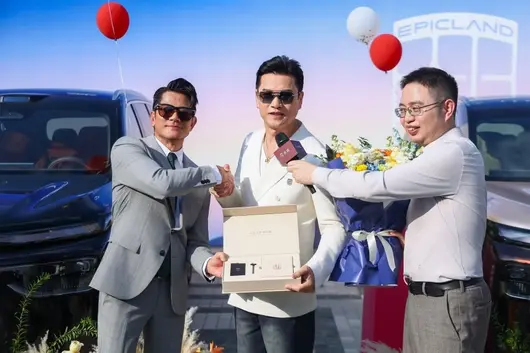
10月28日,杭州萧山奕境用户中心与石祥路店同日集中交付,一城双店一起递钥匙。10月27日,奕境汽车又把终身质保从首销期下订用户扩展到所有用户,价值2万元,整车及三电、增程器、双腔空气悬架都覆盖,不限里程,直系亲属过户权益保留。郭富城以001号车主身份带火朋友圈,吕良伟、胡杏儿、李施嬅等明星相继提车,“半个香港娱乐圈都在买奕境X9”冲上热议。明星是流量入口,质保和交付才是留量。
一、半个港圈种草,口碑杀疯了
郭富城不只是全球代言人,还是001号车主。真实体验一旦开跑,明星朋友圈就像接力棒:吕良伟、胡杏儿、李施嬅等相继提车,“半个香港娱乐圈都在买奕境X9”引发热议。明星带货不稀奇,稀奇的是明星真开、真推荐。车不是口红,决策链更长,明星车主能破圈,却不能替代产品。真正让口碑杀疯的,是杭州首批车主群里的真实反馈:有人看中天穹智盾安全架构,有人冲着全系标配华为乾崑ADS 5,有人一句“适合全家人的车”直接下单。流量把人带到店门口,体验把人留在车里。

二、家庭用户用订单投票
杭州首批车主中,城市中坚力量与高知家庭是典型画像。企业中高层管理者和公务员占比最多,增换购用户超九成,多为BBA等传统豪华品牌老用户和华为系用户,已婚有孩家庭是绝对主力。他们不轻易被噱头打动,盯的是智能驾驶与安全配置:车身用料、电池防护、全系标配华为乾崑ADS 5,样样都要经得起全家出行。订单也给出答案:上市24小时大定9157台,两款中高配合计占比95%,单车成交均价突破34万元。家庭用户最精,也最诚实。我的判断是:他们不为“参数爽”买单,只为“全家安心”掏钱。

三、服务圈15分钟,不是口号
萧山、石祥路两店同日交付,杭州一城双店格局落地,“15分钟智享服务圈”同步承接首批用户,还引入华为慧通服务标准。活动现场,奕境高管为车主递交新车钥匙并送上祝福,仪式感拉满,但更重要的是服务半径缩短。交付仪式可以复制,服务半径难复制。新势力爱卷参数,奕境这次卷的是“触手可及”:车有问题,15分钟能找到人;家庭出行,附近就有用户中心。对车主来说,最近的服务店,比最炫的PPT更值钱。交付不是终点,是长期关系的开场。

从松山湖到成都再到杭州,奕境X9用34天百城交付、终身质保全员化、双店同日开交,把“华系旗舰,就选奕境”讲成行动。明星带来围观,家庭用户带来订单,服务圈带来复购。下一站,交付继续提速,口碑才刚开场。

In the SUV market in Malaysia, many buyers compare Toyota Harrier and Subaru Forester when choosing a car. These two models are quite close in price and positioning. Today, we will conduct a detailed comparison from multiple aspects to help you save time on research.
The OTR price of Toyota Harrier in Malaysia is RM 289,000 - 289,000, with a total of 1 version, including 2026 HEV 2.5L Standard (RM 289,000), etc.
The OTR price of Subaru Forester in Malaysia is RM 174,000 - 197,000, with a total of 3 versions, including 2024 2.0L S EyeSight GT Edition (RM 189,538), 2024 2.0L S EyeSight (RM 177,538), 2024 2.0L L EyeSight (RM 167,538), etc.
From a price perspective, the starting price of Subaru Forester is RM 115,000 cheaper than Toyota Harrier. Honestly, in this price range, a difference of a few thousand is not really significant. The key is to look at the overall value for money and long-term usage costs.
The safety rating of Toyota Harrier is 5★ (ASEAN NCAP), active safety systems include Brand ADAS.
The safety rating of Subaru Forester is 5★ (Euro NCAP), active safety systems include EyeSight.
In terms of safety features, both cars received good ratings. However, Toyota Harrier's Brand ADAS and Subaru Forester's EyeSight have some differences in functionality. If you value active safety, you can compare their feature lists carefully.
Toyota Harrier body length 4400 mm, trunk 400 L.
Subaru Forester body length 4400 mm, trunk 400 L.
The dimensions of both cars are almost the same, and the interior space does not differ much. Cars of this level are fully sufficient for daily use.
Toyota Harrier adopts FWD drive mode.
Subaru Forester adopts FWD drive mode.
Both cars have the same drive mode, both are FWD, so there will not be much difference in daily driving experience.
Overall, Toyota Harrier and Subaru Forester are both quite good models in the Malaysian market. Which one to choose depends mainly on your personal needs and budget. It is recommended to do your research, compare quotes from multiple dealerships, and then test drive to make the final decision. Buying a car is a big matter, spending some time on research will never be wrong.
喺馬來西亞嘅 SUV 市場,好多買家喺揀車嘅時候都會拿 Toyota Harrier 同 Subaru Outback 嚟做比較。呢兩款車喺價位同定位上都幾接近,今日我哋就從多個方面做一個詳細嘅比較,幫你節省做功課嘅時間。
Toyota Harrier 喺馬來西亞嘅 OTR 售價係 RM 289,000 - 289,000,一共有 1 個版本,包括 2026 HEV 2.5L Standard(RM 289,000)等。
Subaru Outback 喺馬來西亞嘅 OTR 售價係 RM 260,000 - 280,000,一共有 2 個版本,包括 2025 2.4T R-Touring EyeSight(RM 310,340)、2025 2.5L Touring EyeSight(RM 280,340)等。
從價錢嚟睇,Subaru Outback 嘅起步價比 Toyota Harrier 平咗 RM 29,000。坦白講,喺呢個價位段,幾千蚊嘅差距其實唔算大,關鍵仲係睇整體嘅性價比同長期使用成本。
Toyota Harrier 搭載 2.0L Turbo,馬力 220 hp。官方油耗 9.5 L/100km。
Subaru Outback 搭載 2.0L Turbo,馬力 220 hp。官方油耗 9.5 L/100km。
兩款車用嘅係同一套動力系統,日常開落嚟嘅感覺基本無乜分別。油耗方面都差不多,唔使太糾結呢一點。
Toyota Harrier 車身長 4400 mm,行李箱 400 L。
Subaru Outback 車身長 4400 mm,行李箱 400 L。
兩款車嘅尺寸幾乎一樣,車內空間分別唔大。呢個級別嘅車,日常使用完全夠用。
Toyota Harrier 採用 FWD 驅動方式。
Subaru Outback 採用 FWD 驅動方式。
兩款車嘅驅動方式一樣,都係 FWD,日常駕駛感覺唔會有太大分別。
Toyota Harrier 同 Subaru Outback 都係馬來西亞市場嘅主流選擇,適合家庭使用、日常通勤。如果你更睇重品牌口碑同二手價,可以優先考慮口碑更好嗰一款;如果你更在意性價比同配備,那就揀配備更豐富嗰款。始終都係建議兩款都去試駕,親身體驗先係最重要嘅。

總括嚟講,Toyota Harrier 同 Subaru Outback 都係馬來西亞市場好唔錯嘅車型。揀邊一輛,關鍵仲係睇你嘅個人需求同預算。建議大家做好功課,多比較幾間車行嘅報價,再去試駕做最後決定。買車係件大事,花點時間做功課絕對唔會錯。

喺馬來西亞嘅 SUV 市場,好多買家喺揀車嘅時候都會拿 Toyota Harrier 同 Subaru Forester 嚟做比較。呢兩款車喺價位同定位上都幾接近,今日我哋就從多個方面做一個詳細嘅對比,幫你省咗做功課嘅時間。
Toyota Harrier 喺馬來西亞嘅 OTR 售價係 RM 289,000 - 289,000,一共有 1 個版本,包括 2026 HEV 2.5L Standard(RM 289,000)等。
Subaru Forester 喺馬來西亞嘅 OTR 售價係 RM 174,000 - 197,000,一共有 3 個版本,包括 2024 2.0L S EyeSight GT Edition(RM 189,538)、2024 2.0L S EyeSight(RM 177,538)、2024 2.0L L EyeSight(RM 167,538)等。
從價錢嚟睇,Subaru Forester 嘅起步價比 Toyota Harrier 平咗 RM 115,000。實講,喺呢個價位段,幾千塊嘅差距其實唔算大,關鍵都係睇整體嘅性價比同長期使用成本。
Toyota Harrier 搭載 2.0L Turbo,馬力 220 hp。官方油耗 9.5 L/100km。
Subaru Forester 搭載 2.0L 4-cyl,馬力 170 hp。官方油耗 8.0 L/100km。
動力方面,Toyota Harrier 嘅 2.0L Turbo 比 Subaru Forester 嘅 2.0L 4-cyl 多咗 50 匹馬力,中段加速更有信心,尤其係跑高速公路超車嘅時候。不過 Subaru Forester 嘅油耗可能更友好,日常市區通勤差別唔會太大。
Toyota Harrier 車身長 4400 mm,后备箱 400 L。
Subaru Forester 車身長 4400 mm,后备箱 400 L。
兩款車嘅尺寸幾乎一樣,車內空間差別唔大。呢個級別嘅車,日常使用完全夠用。
Toyota Harrier 採用 FWD 驅動方式。
Subaru Forester 採用 FWD 驅動方式。
兩款車嘅驅動方式一樣,都係 FWD,日常駕駛感受唔會有太大分別。
Toyota Harrier 保修 5 年/無限里程,保養間隔 每 10,000km 或 6 個月。
Subaru Forester 保修 3 年/100,000km,保養間隔 每 10,000km 或 6 個月。
總體嚟講,Toyota Harrier 同 Subaru Forester 都係馬來西亞市場好唔錯嘅車型。揀邊輛,關鍵都係睇你嘅個人需求同預算。建議大家做好功課,多比較幾間車行嘅報價,先去試駕做最終決定。買車係件大事,花少少時間做功課絕對唔會錯。

喺馬來西亞嘅 SUV 市場,好多買家喺揀車嗰陣都會拿豐田 Harrier 同速霸陸 Forester 嚟比較。呢兩款車喺價位同定位上都幾接近,今日我哋就由多個方面做一個詳細嘅比較,幫你慳咗做功課嘅時間。
豐田 Harrier 喺馬來西亞嘅 OTR 售價係 RM 289,000 - 289,000,合共 1 個版本,包括 2026 HEV 2.5L Standard(RM 289,000)等。
速霸陸 Forester 喺馬來西亞嘅 OTR 售價係 RM 174,000 - 197,000,合共 3 個版本,包括 2024 2.0L S EyeSight GT Edition(RM 189,538)、2024 2.0L S EyeSight(RM 177,538)、2024 2.0L L EyeSight(RM 167,538)等。
由價錢睇落,速霸陸 Forester 嘅起步價比豐田 Harrier 平咗 RM 115,000。坦白講,喺呢個價位層面,幾千蚊嘅分別其實唔算大,關鍵仲係睇整體嘅性價比同長期使用成本。
豐田 Harrier 嘅安全評級係 5★ (ASEAN NCAP),主動安全系統包括 Brand ADAS。
速霸陸 Forester 嘅安全評級係 5★ (Euro NCAP),主動安全系統包括 EyeSight。
安全配備方面,兩款車都獲咗唔錯嘅評級。不過豐田 Harrier 嘅 Brand ADAS 同速霸陸 Forester 嘅 EyeSight 喺功能上有啲分別,如果你比較重視主動安全嘅話,可以仔細比較下兩者嘅功能列表。
豐田 Harrier 採 FWD 驅動方式。
速霸陸 Forester 採 FWD 驅動方式。
兩款車嘅驅動方式一樣,都係 FWD,日常駕駛感覺唔會有太大分別。
豐田 Harrier 保用 5 年/無限制里程,保養間隔 每 10,000km 或 6 個月。
速霸陸 Forester 保用 3 年/100,000km,保養間隔 每 10,000km 或 6 個月。
豐田 Harrier 同速霸陸 Forester 都係馬來西亞市場嘅主流選擇,適合家庭使用、日常通勤。如果你更重視品牌口碑同二手價,可以優先考慮口碑更好嗰款;如果你更在乎性價比同配備,那就揀配備更豐富嗰款。最終都係建議兩款都去試駕,親身體驗先係最重要。
總體嚟講,豐田 Harrier 同速霸陸 Forester 都係馬來西亞市場幾唔錯嘅車款。揀邊一輛,關鍵仲係睇你嘅個人需求同預算。建議大家做足功課,多比較幾間車行嘅報價,再去試駕先做最終決定。買車係件大事,花少少時間做功課絕對唔錯。

10 月 26 日,多方顯示,華為與奇瑞聯合打造嘅智界品牌,喺智界 V9 海外版 LLounge、智界 RX 海外版 Stormax 出海方案之外,預計新增四款 SUV 投向海外市場,新車計劃 2027 年陸續推出,全部按照全球車型標準開發,代表智界出海從單品試水轉向體系化矩陣輸出。

同以往內地車型簡單改款出口不同,呢批新車立項階段便同步考量不同區域法規、駕駛習慣與用戶偏好。從已經亮相嘅海外版本睇得出,產品並非僅更換標識,喺車身結構、外觀細節、座艙佈局上都做本地化適配,LLounge 針對右舵市場專項開發,Stormax 啟用 LUXEED 專屬車標。
智界內部 “藍海” 項目組主導本次出海佈局,採用分階段滲透策略:優先切入中東市場,再拓展東南亞,後續進軍歐洲成熟市場。技術層面採用靈活適配方案,海外車型搭載奇瑞電子電氣架構、獵鷹智能駕駛與靈犀智能座艙,保留激光雷達等旗艦感知硬件,以此兼顧各地數據合規要求與品牌智能化底色。
奇瑞深耕海外多年嘅供應鏈、渠道網絡,為智界出海提供支撐。先行嘅 LLounge 計劃 2027 年頭登陸泰國,隨後進入澳新等右舵市場。
整體嚟講,四款 SUV 嘅加入,補齊智界海外 SUV 產品梯隊,同 MPV 產品形成搭配。呢套 “奇瑞製造 + 華為智能基因” 嘅組合,係中國新能源品牌出海由單品突破走向體系化營運嘅典型範本。後續新車嘅本地化調校、區域定價以及渠道鋪設節奏,將決定智界喺海外高端新能源市場嘅拓展成效。

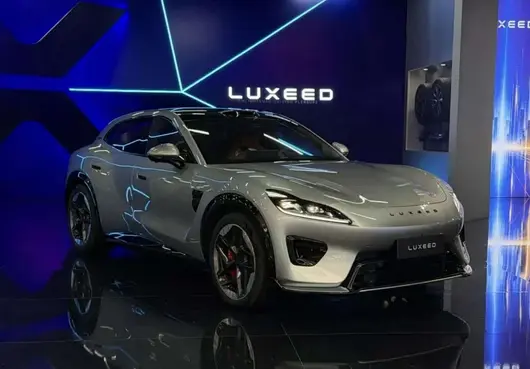

In the Malaysian SUV market, many buyers tend to compare Toyota Harrier and Volvo XC60 PHEV when choosing a car. Both cars are quite close in price and positioning, so today we will do a detailed comparison from multiple aspects to help you save the time spent on research.
The OTR price of Toyota Harrier in Malaysia is RM 289,000 - 289,000, with a total of 1 version, including 2026 HEV 2.5L Standard (RM 289,000) etc.
The OTR price of Volvo XC60 PHEV in Malaysia is RM 362,888 - 362,888, with a total of 2 versions, including 2025 2.0T 89km Ultra (RM 362,888), What safety features does the Volvo XC60 PHEV have? (RM 296,610) etc.
In terms of price, Toyota Harrier's starting price is indeed RM 73,888 cheaper than Volvo XC60 PHEV. If your budget is limited, Toyota's entry-level version can already meet daily needs. But also note, the few thousand difference might have trade-offs in features, depends on your specific needs.
Toyota Harrier is equipped with 2.0L Turbo, horsepower 220 hp. Official fuel consumption 9.5 L/100km.
Volvo XC60 PHEV is equipped with Hybrid, horsepower 170 hp. Official fuel consumption 4.5 L/100km.
Regarding power, Toyota Harrier's 2.0L Turbo has 50 more horsepower than Volvo XC60 PHEV's Hybrid, giving more confidence in mid-range acceleration, especially when overtaking on highways. However, Volvo XC60 PHEV's fuel economy might be more friendly, difference in daily city commuting won't be too big.
Toyota Harrier safety rating is 5★ (ASEAN NCAP), active safety system includes Brand ADAS.
Volvo XC60 PHEV safety rating is 5★ (Euro NCAP), active safety system includes Premium ADAS.
Regarding safety features, both cars received good ratings. However, there are some differences in functions between Toyota Harrier's Brand ADAS and Volvo XC60 PHEV's Premium ADAS. If you value active safety highly, you can compare their function lists carefully.
Toyota Harrier body length 4400 mm, trunk 400 L.
Volvo XC60 PHEV body length 4400 mm, trunk 400 L.
Both cars have almost the same dimensions, interior space difference is not big. For this class of cars, it is completely sufficient for daily use.

Toyota Harrier warranty 5 years/unlimited mileage, maintenance interval every 10,000km or 6 months.
Volvo XC60 PHEV warranty 5 years/unlimited mileage, maintenance interval every 10,000km or 6 months.

Overall, Toyota Harrier and Volvo XC60 PHEV are both very good models in the Malaysian market. Which one to choose depends mainly on your personal needs and budget. We recommend doing your research, comparing quotes from multiple dealers, and then test driving to make the final decision. Buying a car is a big deal, spending some time researching is definitely not wrong.
In the Malaysian SUV market, many buyers compare the Toyota Harrier and Volvo XC60 PHEV when choosing a car. These two cars are quite close in price and positioning. Today, we will make a detailed comparison from multiple aspects to save you time doing research.
The OTR price of the Toyota Harrier in Malaysia is RM 289,000 - 289,000, with a total of 1 version, including 2026 HEV 2.5L Standard (RM 289,000), etc.
The OTR price of the Volvo XC60 PHEV in Malaysia is RM 362,888 - 362,888, with a total of 2 versions, including 2025 2.0T 89km Ultra (RM 362,888), What safety features does the Volvo XC60 PHEV have? (RM 296,610), etc.
In terms of price, the Toyota Harrier's starting price is indeed RM 73,888 cheaper than the Volvo XC60 PHEV. If your budget is limited, Toyota's entry-level version can already meet daily needs. However, you should also note that for the cheaper price, there might be trade-offs in equipment, depending on your specific needs.
The Toyota Harrier body length is 4400 mm, trunk 400 L.
The Volvo XC60 PHEV body length is 4400 mm, trunk 400 L.
The dimensions of both cars are almost the same, with little difference in interior space. For this class of car, it is more than enough for daily use.
The Toyota Harrier uses FWD drive mode.
The Volvo XC60 PHEV uses FWD drive mode.
The drive modes of both cars are the same, both are FWD, and there won't be much difference in daily driving experience.
Toyota Harrier and Volvo XC60 PHEV are both mainstream choices in the Malaysian market, suitable for family use and daily commuting. If you value brand reputation and resale price more, you can prioritize the one with better reputation; if you care more about price-performance ratio and equipment, then choose the one with richer configuration. Ultimately, it is recommended to test drive both, and experiencing it personally is the most important.
Overall, Toyota Harrier and Volvo XC60 PHEV are both very good models in the Malaysian market. Which one to choose depends on your personal needs and budget. We suggest doing your homework, comparing quotes from several car dealerships, and then test driving to make the final decision. Buying a car is a big matter, spending some time doing research will never be wrong.
In the Malaysian SUV market, many buyers often compare Toyota Harrier and Volvo XC90 when choosing a car. These two vehicles are quite similar in price and positioning. Today, we will conduct a detailed comparison from multiple aspects to help you save time on research.
The OTR price of Toyota Harrier in Malaysia is RM 289,000 - 289,000, with a total of 1 version, including 2026 HEV 2.5L Standard (RM 289,000) and others.
The OTR price of Volvo XC90 in Malaysia is RM 418,888 - 418,888, with a total of 1 version, including 2025 2.0T Ultra (RM 418,888) and others.
In terms of price, the starting price of Toyota Harrier is indeed RM 129,888 cheaper than Volvo XC90. If your budget is limited, Toyota's entry-level version can already meet daily needs. However, please note that the savings of a few thousand might involve compromises in features, which depends on your specific requirements.
Toyota Harrier's safety rating is 5★ (ASEAN NCAP), with active safety systems including Brand ADAS.
Volvo XC90's safety rating is 5★ (Euro NCAP), with active safety systems including Premium ADAS.
Regarding safety features, both cars received good ratings. However, there are some differences in functionality between Toyota Harrier's Brand ADAS and Volvo XC90's Premium ADAS. If you value active safety, you can carefully compare the feature lists of both.
Toyota Harrier body length is 4400 mm, trunk capacity 400 L.
Volvo XC90 body length is 4400 mm, trunk capacity 400 L.
The dimensions of the two cars are almost identical, with little difference in interior space. For this class of vehicles, the space is fully sufficient for daily use.
Toyota Harrier warranty is 5 years/unlimited mileage, maintenance interval is every 10,000km or 6 months.
Volvo XC90 warranty is 5 years/unlimited mileage, maintenance interval is every 10,000km or 6 months.

Both Toyota Harrier and Volvo XC90 are mainstream choices in the Malaysian market, suitable for family use and daily commuting. If you value brand reputation and resale price more, you can prioritize the one with better reputation; if you care more about value for money and features, then choose the one with richer equipment. Ultimately, it is recommended to test drive both models, as experiencing them personally is the most important.

Overall, both Toyota Harrier and Volvo XC90 are very good models in the Malaysian market. The key to choosing which one depends on your personal needs and budget. We recommend doing your research, comparing quotes from several dealerships, and then going for a test drive to make a final decision. Buying a car is a big matter, taking time to do research will definitely not go wrong.
In the Malaysia SUV market, many buyers compare Toyota Harrier and Volvo XC90 when choosing a car. These two cars are quite close in price and positioning, so today we will do a detailed comparison from multiple aspects to help you save time on research.
The OTR price of Toyota Harrier in Malaysia is RM 289,000 - 289,000, with a total of 1 version, including 2026 HEV 2.5L Standard (RM 289,000), etc.
The OTR price of Volvo XC90 in Malaysia is RM 418,888 - 418,888, with a total of 1 version, including 2025 2.0T Ultra (RM 418,888), etc.
Looking at the price, the starting price of Toyota Harrier is indeed RM 129,888 cheaper than Volvo XC90. If your budget is limited, the entry-level version from Toyota can already meet daily needs. But note, the few thousand cheaper difference might involve trade-offs in features, depending on your specific needs.
Toyota Harrier comes with a 2.0L Turbo, 220 hp. Official fuel consumption is 9.5 L/100km.
Volvo XC90 comes with a 3.0L Turbo, 350 hp. Official fuel consumption is 12.0 L/100km.
Regarding power, the 3.0L Turbo of Volvo XC90 has 130 more horsepower than the 2.0L Turbo of Toyota Harrier. However, for daily city driving, the power of both cars is sufficient and won't feel lacking.
Toyota Harrier vehicle length is 4400 mm, trunk is 400 L.
Volvo XC90 vehicle length is 4400 mm, trunk is 400 L.
The dimensions of both cars are almost identical, and the difference in interior space is not significant. For this class of vehicles, the space is more than enough for daily use.
Toyota Harrier uses FWD drive type.
Volvo XC90 uses FWD drive type.
The drive type of both cars is the same, both are FWD, and there won't be much difference in the daily driving experience.
Overall, Toyota Harrier and Volvo XC90 are both very good models in the Malaysia market. Which one to choose mainly depends on your personal needs and budget. It is recommended to do your homework, compare quotes from several dealerships, and then test drive to make the final decision. Buying a car is a major matter, spending time on research will never be wrong.

In Malaysia's SUV market, many buyers compare the Toyota Harrier and Volvo XC60 when choosing a car. These two models are quite close in price and positioning. Today we will do a detailed comparison from multiple aspects to save you time on research.
The Toyota Harrier OTR price in Malaysia is RM 289,000 - 289,000. There is a total of 1 version, including 2026 HEV 2.5L Standard (RM 289,000) etc.
The Volvo XC60 OTR price in Malaysia is RM 328,888 - 328,888. There is a total of 1 version, including 2025 2.0T Core (RM 328,888) etc.
From a price perspective, the Toyota Harrier starting price is indeed RM 39,888 cheaper than the Volvo XC60. If your budget is limited, Toyota's entry-level version can already meet daily needs. However, be aware that the cheaper price might involve trade-offs in features; it depends on your specific needs.
The Toyota Harrier is equipped with 2.0L Turbo, 220 hp. Official fuel consumption is 9.5 L/100km.
The Volvo XC60 is equipped with 2.0L Turbo, 220 hp. Official fuel consumption is 9.5 L/100km.
Both cars use the same powertrain, and the driving experience is basically the same. Fuel consumption is also similar, so no need to worry too much about this.
The Toyota Harrier safety rating is 5★ (ASEAN NCAP). Active safety system includes Brand ADAS.
The Volvo XC60 safety rating is 5★ (Euro NCAP). Active safety system includes .
Toyota Harrier warranty 5 years/unlimited mileage. Service interval every 10,000km or 6 months.
Volvo XC60 warranty 5 years/unlimited mileage. Service interval every 10,000km or 6 months.

Overall, the Toyota Harrier and Volvo XC60 are both quite good models in the Malaysian market. Which one to choose mainly depends on your personal needs and budget. We suggest doing your research, compare quotes from several dealerships, then test drive to make a final decision. Buying a car is a big matter. Taking time to research is never a mistake.
In Malaysia's SUV market, many buyers compare Toyota Harrier and Volvo XC60 when choosing a car. These two cars are quite close in price and positioning. Today we will make a detailed comparison from multiple aspects to help you save time on research.
Toyota Harrier's OTR price in Malaysia is RM 289,000 - 289,000, with a total of 1 version, including 2026 HEV 2.5L Standard (RM 289,000) etc.
Volvo XC60's OTR price in Malaysia is RM 328,888 - 328,888, with a total of 1 version, including 2025 2.0T Core (RM 328,888) etc.
Looking at the price, Toyota Harrier's starting price is indeed RM 39,888 cheaper than Volvo XC60. If your budget is limited, Toyota's entry-level version can already meet daily needs. However, keep in mind that the few thousand cheaper might involve trade-offs in features, depending on your specific needs.
Toyota Harrier's safety rating is 5★ (ASEAN NCAP), active safety systems include Brand ADAS.
Volvo XC60's safety rating is 5★ (Euro NCAP), active safety systems include .
Toyota Harrier body length is 4400 mm, trunk 400 L.
Volvo XC60 body length is 4400 mm, trunk 400 L.
The dimensions of both cars are almost the same, and the interior space difference is not significant. For cars at this level, they are completely sufficient for daily use.
Toyota Harrier warranty 5 years/unlimited mileage, maintenance interval every 10,000km or 6 months.
Volvo XC60 warranty 5 years/unlimited mileage, maintenance interval every 10,000km or 6 months.
Overall, Toyota Harrier and Volvo XC60 are both very good models in the Malaysian market. Which one to choose mainly depends on your personal needs and budget. It is recommended to do your homework, compare quotes from several dealerships, and then test drive to make the final decision. Buying a car is a big matter, spending time on research will never go wrong.

In Malaysia's SUV market, many buyers compare the Toyota Harrier and Volvo XC60 when choosing a car. These two models are quite close in price and positioning. Today, we will make a detailed comparison from multiple aspects to help you save time on research.
The Toyota Harrier OTR price in Malaysia is RM 289,000 - 289,000. There is 1 version in total, including 2026 HEV 2.5L Standard (RM 289,000), etc.
The Volvo XC60 OTR price in Malaysia is RM 328,888 - 328,888. There is 1 version in total, including 2025 2.0T Core (RM 328,888), etc.
Looking at the price, the Toyota Harrier's starting price is indeed RM 39,888 cheaper than the Volvo XC60. If your budget is limited, Toyota's entry-level version can already meet daily needs. However, note that that few thousand difference might involve trade-offs in features, depending on your specific needs.
The Toyota Harrier body length is 4400 mm, trunk 400 L.
The Volvo XC60 body length is 4400 mm, trunk 400 L.
The dimensions of both cars are almost the same, and the interior space difference is not significant. For cars in this class, they are fully sufficient for daily use.
The Toyota Harrier adopts FWD drive type.
The Volvo XC60 adopts FWD drive type.
The drive types of both cars are the same, both are FWD, so the daily driving experience will not differ much.
The Toyota Harrier and Volvo XC60 are both mainstream choices in the Malaysia market, suitable for family use and daily commuting. If you value brand reputation and resale value more, you can prioritize the one with better reputation; if you care more about value for money and features, then choose the one with richer specifications. Finally, it is recommended to test drive both models, as experiencing it personally is the most important.
Overall, the Toyota Harrier and Volvo XC60 are both very good models in the Malaysia market. Which one to choose depends mainly on your personal needs and budget. It is recommended to do your research, compare quotes from several dealerships, and then go for a test drive to make the final decision. Buying a car is a big decision, spending time doing research will definitely not be a mistake.
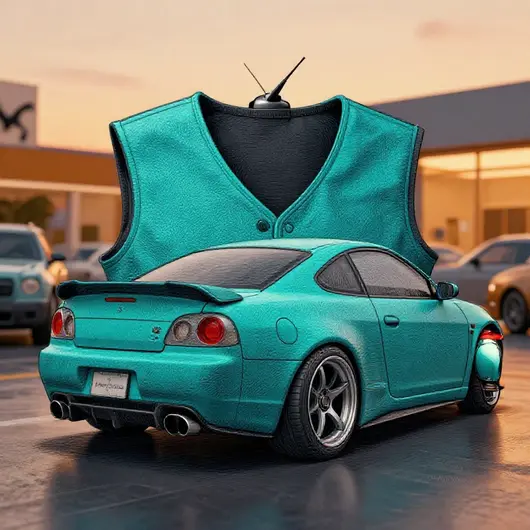
On the evening of October 23, Zhongce Rubber released its Q3 report: revenue for the first three quarters was 36.079 billion yuan, a year-on-year increase of 7.11%; net profit attributable to parent company was 2.854 billion yuan, a year-on-year decrease of 18.77%. Among them, net profit for the third quarter alone was only 413 million yuan, plummeting by 65.29%.
One week ago, Linglong Tires' forecast was even more severe: net profit attributable to parents for the first three quarters was only 62 million to 69 million yuan, a year-on-year decline of over 94% -- same period last year it earned 1.023 billion yuan, this year non-recurring profit directly turned into a loss.
Revenue up, profits collapsed, the more tires sold, the less earned; this is already the true reflection of the 2026 tire industry.

Scissors Spread Squeezes Profits
The problem lies entirely in the price spread. Zhongce operating data shows that the composite procurement price of five major raw materials in the third quarter increased by 20.76% year-on-year, while the average selling price of tires increased by only 0.71%. Zhongce still has the mid-to-high-end market supporting it, the low-end market is fiercely competitive, falling into a vicious cycle of falling volume and prices. In September, over a hundred price increase letters were issued, but factories raised by 3-5 percentage points, while only 1 percentage point remained at the terminal, all digested layer by layer by channels -- whoever raises prices significantly first loses customers first.
Natural rubber stood at 20,000 yuan/ton by the end of September, marking the first time since March 2017; early October surged to a near nine-year high of 20,645 yuan/ton; carbon black rose by nearly 60%. Thailand's production cut expectations continued to ferment, and cost pressure in the fourth quarter is more severe than the third quarter.

Encircled from Three Sides, Entire Industry Faces Tribulations
On the export front, EU anti-dumping measures took effect on July 8, with tariffs reaching up to 45.3%; anti-subsidy final rulings will be implemented before December 5; July exports to Europe were directly cut by over 70%. Investigations from the US, Canada, and the Eurasian Economic Union followed one after another.
On the demand front, domestic car sales in September fell by 26% year-on-year, the matching market lost half first; the replacement market was dragged down by infrastructure and freight, dealers dare not stock up.
On the exchange rate front, hidden arrows are even more fatal. Some tire enterprises had exchange rate losses exceeding 1 billion yuan in the first three quarters, directly turning from profit to loss. Michelin was hit similarly -- if calculated with constant exchange rates, actual growth was 1.0%, purely tricked by exchange rates. The difference is, Michelin has a distributed layout in over 60 factories globally, hedging with multiple currencies, while over 90% of Chinese tire enterprises only export from Chinese factories, single exchange rate risks must be fully accepted. According to calculations, a 3% fluctuation in exchange rates can cause a direct 20% impact on profits. Want to learn from foreign capitals building factories globally? Overseas investment starts at 5 billion yuan, small and medium factories simply cannot afford it.

Factory Stoppages, Profit Cleanup Just Starting
Starting from September, 20 tire factories successively issued "suspension for maintenance" notices, some wrote 10 days leave, but actually not restarted after 23 days. In September, rubber tire casing output declined by 3.3% year-on-year, semi-steel tire output fell by 20%. The first week of October, operating rates for full steel tires and semi-steel tires both fell to around 30%, comparable to Spring Festival, rare in nearly 7 years.
"Exchange rates swallowed 90% of profits, rare in nearly 20 years. Next year, who knows if our factory won't exist anymore." Some business owners spoke directly. With the Dalian Tire Factory being seized, industry confidence accelerated collapse.
The Q3 report is just a trailer: high-cost raw materials will only be accounted for in the fourth quarter, the EU anti-subsidy shoe is about to land. Top enterprises still have scale and overseas factories as two trump cards, small and medium factories don't even have trump cards. The tire business in 2026 is the hardest year in the past decade -- this round of profit cleanup has just begun.
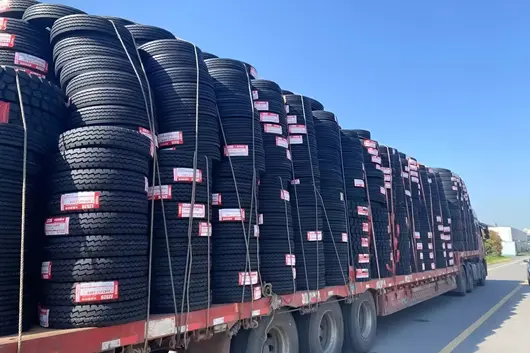

The next wave of new car attacks from Mazda will be led by entry-level SUVs and its in-house electrified technology. According to the product plans revealed in the "2026 Integrated Report" publicly released by Mazda recently, the manufacturer plans to introduce the next-generation CX-3 in Japan and the ASEAN market in 2027, clearly positioning it as the new era entry-level model to replace the Mazda2; in the same year, the new generation CX-5 will also add Hybrid models equipped with the Skyactiv-Z gasoline engine and Mazda's self-developed electrified system. Coupled with the expanded HEV lineup of 4 models and the ongoing EV plan, Mazda's future product layout will simultaneously cover entry-level, main SUV, and electrification markets.

Among these, the role shift of the next-generation CX-3 can be said to be one of the most noteworthy messages in this report. Mazda CTO Ryuichi Ueshita pointed out that the new car will be produced at the Thailand factory, planned to be introduced to the Japan and ASEAN markets in 2027, and will take over the entry-level product positioning of the Mazda2. This also means that the CX-3's mission will not only be a generational update of the existing compact SUV, but also bear the important responsibility of attracting first-time buyers and expanding the brand's customer base.

From the product layout perspective, Mazda will use compact SUVs to meet brand entry-level needs, allowing SUVs to play a heavier role in the sales lineup. However, the report has not yet revealed the next-generation CX-3's body dimensions, power specifications, and pricing, nor has it explained the follow-up arrangements for the Mazda2 in each market, so it cannot be directly interpreted that the Mazda2 will phase out globally in 2027 simultaneously, including the Euro-spec Mazda2 imported as a Yaris twin car via Toyota OEM in the European market.

Another major highlight is the Hybrid models expected to join the new generation CX-5 lineup in 2027. The manufacturer confirmed that the new car will be equipped with the developing Skyactiv-Z gasoline engine and combine it with Mazda's in-house electrified system. Compared to the Toyota electrified system already adopted by the CX-50, the CX-5 Hybrid will become an important product for Mazda to showcase its independent electrification technology, allowing the brand's main SUV to start the next stage of competition in energy saving and driving performance.
Mazda's expectations for this system are not limited to reducing fuel consumption. The manufacturer takes the HEV with driving pleasure as the development direction, emphasizing quietness and smoothness during city driving, abundant power at high speeds, and rhythm on winding roads. Skyactiv-Z will improve efficiency through combustion technology while taking into account the strict emission requirements and driving performance of the European and American markets. However, displacement, combined output, battery configuration, and fuel consumption data have not yet been revealed in the report.

The CX-5 Hybrid is just one part of the electrification attack. Mazda further proposed that in the future, the HEV product lineup will be expanded to 4 models, while strengthening the competitiveness of large car models. It is worth noting that the manufacturer has not fully revealed the list and launch schedule of these 4 models, so it still cannot be directly determined whether the next-generation CX-3, or specific models among CX-60, CX-70, CX-80, CX-90, have been confirmed to be included in this HEV plan.

As for existing large SUVs and internal combustion engine technology, Mazda has also not stopped its evolutionary footsteps. The technical roadmap in the report points out that Skyactiv-Z's combustion improvement technology will extend to in-line 6-cylinder engines, and is being evaluated for application in rotary engines; relevant technologies of its own electrified system are also being evaluated for extension to large car models. In other words, the new technology introduced in the CX-5 has the opportunity to become the basis for upgrading other products in the future. However, content related to the rotary engine still belongs to technical application evaluation and cannot be used to infer the mass production schedule of specific rotary sports cars based on this.
Regarding pure electric and other electrified products, Mazda continues to adopt a dual approach of independent development and external cooperation. The EV plan cooperating with Changan Automobile will take 4 models, including already launched products, as the layout direction, and will gradually enter markets with faster electrification development such as China and Europe. Products currently known include EZ-6 / Mazda 6e, as well as EZ-60 / CX-6e. The subsequent 3rd and 4th models are still in planning, and the report has not yet revealed their model positioning and launch time.

On the other hand, Mazda continues to invest in its dedicated BEV platform and pure electric vehicle development, and improves development efficiency through cooperation and technology sharing. The manufacturer estimates that, compared to traditional development methods, development man-hours can be reduced by 50% and development investment by 40%. The Iwakuni automotive battery factory in Japan, which supports the electrification layout, aims to begin operations in the 2027 fiscal year, but the report did not simultaneously announce the exact launch date of the new pure electric vehicle on its dedicated platform.

From the plans revealed this time, 2027 will become an important node for Mazda's product transformation. On one end is the next-generation CX-3 taking on the entry task, and on the other end is the CX-5 Hybrid bringing Skyactiv-Z and in-house electrified technology to the main market; extending further outward, there is also the expanding HEV lineup, large SUV technology upgrades, and cooperatively developed EVs. For Mazda, the upcoming challenge will be to have these new technologies and new products deliver answers that can attract consumers more between fuel consumption, price, practicality, and driving pleasure.
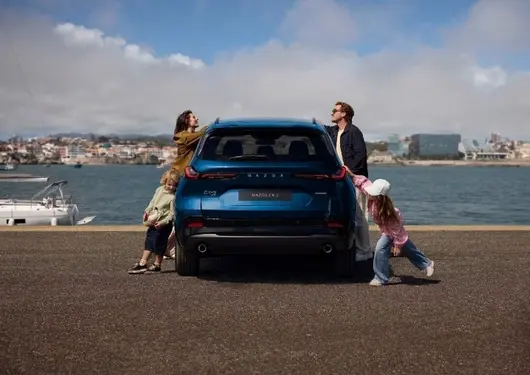

The Paris Auto Show has just concluded, but discussions around the display of Chinese intelligent driving solutions continue.
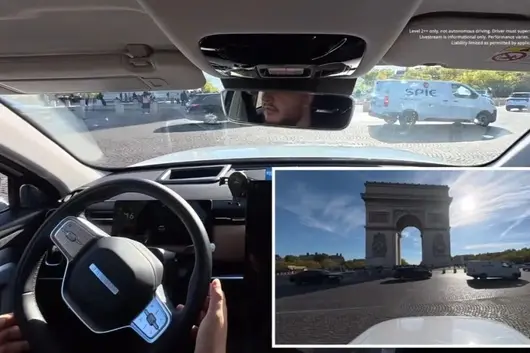
During the show, multiple Chinese companies drove their intelligent driving solutions on Paris streets, including Xpeng NGP, BYD God's Eye, etc., competing alongside Tesla FSD. Among them, Momenta and Chery JAECOO 7 jointly completed the first Arc de Triomphe intelligent driving challenge without manual intervention, bringing the adaptability of Chinese intelligent driving solutions in complex European traffic environments into the spotlight.

It is worth noting that the Arc de Triomphe roundabout is known as the 'world's most devilish roundabout' due to complex traffic. According to media reports, multiple companies have conducted intelligent driving tests here, but manual intervention occurred to varying degrees during the process. The challenge route selected by Momenta this time is the longest, with the most complex road conditions. Its performance of 'no manual intervention' throughout provides a valuable real-world sample for observing the adaptability and operational stability of Chinese intelligent driving solutions in complex European traffic environments.
But what is more worth discussing than a successful challenge is: how can an intelligent driving system that has accumulated mass production experience in China quickly master European road conditions and accelerate implementation? How will intelligent driving capabilities become a new trump card for Chinese cars competing in overseas markets?
Intelligent driving technology demonstrations can indeed bring attention to Chinese companies, but to convert this attention into competitive advantages in overseas markets, multiple thresholds such as local adaptation, vehicle integration, compliance verification, and mass delivery need to be crossed. Momenta's Arc de Triomphe challenge provides a specific sample for observing this process.
What does the 'no manual intervention' challenge on the 'world's most devilish roundabout' indicate?
During the Paris Auto Show, Chinese companies pushed their intelligent driving solutions under the global media's magnifying glass, almost a 'naked exam' without any 'rehearsal'.
Choosing the Arc de Triomphe roundabout as the challenge venue is undoubtedly an active 'increasing difficulty'. 12 avenues converge here, clear lane markings are lacking within the roundabout, vehicle driving trajectories intertwine, plus the implementation of a special 'yield to right rule' (i.e., those entering the roundabout first must yield to those entering later), which puts high demands on the driving system's environmental understanding, intent judgment, and real-time decision-making capabilities.
In this test, the JAECOO 7 test vehicle equipped with the Momenta R7 World Model departed from La Défense, crossed the Seine, passed through Neuilly-sur-Seine, entered the Arc de Triomphe roundabout and surrounding blocks, with a total distance of about 11.38 kilometers.
The route involved no-marking roads, 12 exits of the roundabout and multi-directional traffic merging, as well as construction detours, and complex scenarios such as pedestrian and cyclist interaction. The continuously changing road environment not only tests the system's ability to handle complex road conditions but also examines whether it can maintain stable and coherent driving performance between different scenarios.
More noteworthy, according to foreign media reporters, traffic flow on French streets often stops and goes, vehicles vie to find gaps to merge, and motorcycles weave through narrow gaps alongside cars. Faced with such traffic conditions, Momenta demonstrated response capabilities like a local 'old driver' at the Arc de Triomphe roundabout during peak hours, smoothly shuttling through intersecting traffic flows, entering the roundabout and accurately selecting target exits to drive out.
For Chinese companies, driving intelligent driving systems onto Paris streets involves more than just deploying models that have been heavily trained and verified domestically onto European vehicles. In relatively standardized scenarios like highways, intelligent driving capability migration is relatively easy; but what truly widens the experience gap is understanding local rules, interaction habits, and low-frequency but complex long-tail scenarios in different markets. Just as the unique 'priority to the right' traffic logic of the Arc de Triomphe roundabout requires the intelligent driving system to adapt to local traffic regulations and make reasonable and expected decisions in unfamiliar scenarios.
For Momenta, the key to breaking the deadlock in globalization is precisely to solidify this cross-regional adaptability into deliverable and reusable products; only when experience can be consistently delivered across different vehicle models and markets can intelligent driving solutions step out of single road demonstrations and gradually move towards scaled applications.
Chery & Momenta Join Forces: How to Go from Road Demonstrations to Mass Production Implementation
For intelligent driving solutions going global, establishing local consumer awareness is a key step, with the goal of creating a technology label similar to 'Intel Inside' on automotive products.
Based on this, Momenta and Chery chose JAECOO 7, which is expanding its influence in the European market, as the display carrier. It is reported that since JAECOO officially entered the French market in April this year, brand new car registrations reached 2,589 units in September, with market share rising to 1.6%; in the same month, JAECOO 7 topped the sales list of all car models in the UK market. As the brand and models gradually accumulate a user base, Momenta's intelligent driving technology will also, relying on existing product awareness, enter the view of local consumers.

But for Chinese intelligent driving solutions to move from technical demonstrations to scaled applications in overseas markets, a complete product implementation chain needs to be connected. The European market has strict requirements for vehicle safety, data protection, and product compliance, and road conditions, traffic rules, and driving habits vary from country to country. For intelligent driving solutions to truly serve local users, vehicle integration, local adaptation, testing verification, and access certification need to be advanced in coordination, and a continuous operation and iteration mechanism after delivery needs to be established.
For Chery, which has ranked first in Chinese brand passenger car exports for 23 consecutive years, deep cooperation with Momenta helps combine its own global market experience with intelligent driving technology, further enhancing overseas product competitiveness. Supporting the completion of the 'no manual intervention' challenge this time is precisely Momenta's long-term accumulation in algorithm R&D, engineering delivery, and mass production practice, as well as the cross-regional adaptability continuously expanded on this basis.
This capability is first reflected in the technical path. Momenta's mapless solution reduces the system's dependence on high-precision maps for specific regions, reducing some preliminary work for entering new markets; the R7 World Model further focuses on the road environment, traffic participants, and dynamic interaction itself, providing support for prediction and decision-making in unfamiliar scenarios. At the same time, Momenta's L2 mass production intelligent driving and L4 autonomous driving have always shared a set of underlying models, technical investment can be reused bidirectionally, improving technology iteration efficiency.
As of now, Momenta's mass production solutions have accumulated installations exceeding 1.3 million units, with cumulative delivery of mass production models exceeding 110, and fixed-point models exceeding 230; the actual vehicle mileage accumulated in mass production business exceeds 15 billion kilometers, and over 100 million segments of high-value training data have been screened, achieving over 10 million kilometers of daily simulation. The accumulation of these data and simulations is not only to cover richer road and driving scenarios, but more importantly to extract transferable driving knowledge from them, providing capability support for systems to enter new markets and adapt to new road conditions.
When the 'export sales champion' and the intelligent driving 'first tier' join forces, both sides are expected to form a new growth flywheel: Chery's overseas market and product layout provide implementation scenarios for Momenta's intelligent driving technology; local verification and user feedback drive continuous system optimization, and a more mature intelligent driving experience in turn enhances vehicle model attractiveness, providing support for market expansion.
For Chery and Momenta, the Arc de Triomphe challenge is a starting point. A longer-term goal is to let vehicle exports and intelligent driving exports promote each other, jointly opening up new space for Chinese cars in global competition.
Intelligent Driving Going Global: How to Form Long-Term Value for the Chinese Automotive Industry?
Inside and outside the venue of this Paris Auto Show, a clear trend has already emerged: intelligent driving going global has become a mandatory question for Chinese car companies to go global.
Among the 59 whole vehicle exhibitors, Chinese brands occupied 22 seats, reaching 37.3%, exceeding the sum of French and German exhibitors. Export data for the same period was equally bright. Data from the China Passenger Car Association shows that from January to September 2026, China's automotive exports reached 8.63 million units, a significant increase of 52% year-on-year, already surpassing the scale of whole vehicle exports for the entire year of 2025.

However, the growth in booth size and whole vehicle sales does not equate to intelligent driving going global achieving the same frequency breakthrough. Among the participating Chinese car companies, 9 can directly place orders in France, but the models they sell in Europe are still mostly basic L2 driving assistance. Some models equipped with city NOA domestically have not yet opened corresponding features for overseas versions.
At the same time, the price advantage of Chinese car companies in overseas markets is being flattened by tariffs, and competition has further extended to brands, services, and user experiences, while intelligent driving experiences are becoming an important entry point for establishing differentiated competitiveness.
It can be said that whole vehicle exports send Chinese cars into European showrooms, while intelligent driving exports are what keep Chinese cars on European streets, providing support for sustained growth.
For Momenta, going global is not just outputting a solution, but deeply integrating into the global automotive industry chain. Previously, Momenta had already established cooperation with European automakers such as Daimler. Not long ago, Momenta and Dongfeng Peugeot-Citroën launched a global strategic cooperation, promising to deeply participate in the product requirement definition and project development process of Peugeot and Jeep. This is the first time that the advanced World Model technical paradigm is going global, which also means Momenta is integrating Chinese algorithms and Chinese R&D capabilities into global models, deeply into the European market interior.
At the same time, localization testing and compliance verification for Europe are also steadily advancing. On July 29 this year, Momenta obtained L4 autonomous driving test approval from the German Federal Motor Transport Authority (KBA). This is the first time a Chinese enterprise has obtained such national qualification in Germany, representing a key step for Chinese intelligent driving in the European high-standard access system.
Momenta's global layout is also extending to product applications in more markets. Currently, models equipped with Momenta intelligent driving solutions have covered 10 countries and regions globally, including markets such as Norway, UK, UAE, Singapore, Australia, New Zealand, Thailand, etc.
The Arc de Triomphe challenge opens a window for the world to observe the globalization capabilities of Chinese intelligent driving. However, from going overseas to building long-term competitive advantages, more companies like Momenta are needed to solidify technical capabilities into scalable and continuously iterated products, so that more car companies are willing to equip and more consumers are willing to trust, which can promote "China Intelligent Driving Inside" from technical cooperation to experience recognition. Casting sustainable product competitiveness through technological innovation and deeply participating in the global intelligent transformation is the ultimate significance of Chinese intelligent driving going global.
深圳腾势总部礼宾楼外场,10月22日迎来一场规格不低的盛典:“深圳腾飞 中国腾势”APEC官方指定用车首批发车仪式。第二代腾势D9首发车队就此启程,中国豪华新能源品牌服务世界级外交盛会的大幕正式拉开。现场的每一台车,都在此前完成了逐项检测。
2026年11月的APEC会议,对深圳是一场城市级大考——这里修一下表述——这场城市级大考里,官方指定用车是同场开卷的科目。这块“第一窗口”既展示智造水准与科技实力,也考验产品力与品牌综合实力——首次承办的深圳、第三次担任东道主的中国,都在等待答卷。承办城市的每个细节,都是综合能力的展示面。
保障规模先给出量级:比亚迪成为2026年APEC会议官方合作伙伴,腾势汽车提供出行服务,投入近700台车全面保障会议出行,其中仅腾势D9的规模即达600多台。服务对象来自21个经济体——高官、代表团及海内外主流媒体,都将是这台车的乘客。车辆的清洁、充电、停放,都有专人专岗负责。
“常驻嘉宾”的称号,来自密集的外事服务记录。仅在2026年,腾势D9就出现在博鳌亚洲论坛、中国—东盟博览会、夏季达沃斯与APEC林业部长级会议的服务现场。李慧在发车仪式上总结:世界大事有腾势,深圳造的车迎接深圳办的盛会,这正是最好的注解。这些履历,让品牌在高端接待市场站稳了脚跟。
市场端的成绩单同样硬核。自2022年上市以来,腾势D9累计销量突破35万台,并连续三年(2023、2024、2025)荣膺中国MPV市场年度销冠,成为全球首款达成此里程碑的新能源MPV。在《2026胡润中国新能源MPV品牌TOP10》中,腾势D9同样荣登TOP1——中国MPV冠军,也是全球新能源MPV冠军。销量数字的含金量,随时间跨度增加而上升。

高净值人群的用车决策最挑剔,也最有说服力。腾势D9赢得的正是这群人:香港财政司司长、信和集团主席黄永光、王力宏、潘晓婷……超过35万名的车主中,高净值用户占比可观,许多人的日常座驾原本是百万级豪车。二代D9服务APEC,是水到渠成的实力兑现。名人车主的示范效应,会放大产品的可信度。
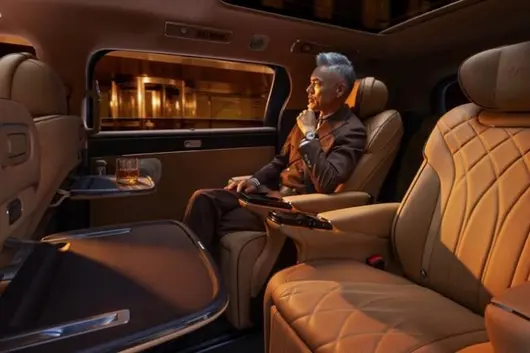
第二代腾势D9的脱颖而出,源于全方位的产品突破。补能端,第二代刀片电池加闪充技术,5分钟充好、9分钟充饱,零下30℃仅多3分钟,从容应对会议期间高频连续的用车节奏。安全端,75%高强度钢车身与9气囊打底,横风稳定iCWC、高速爆胎稳定控制兜底;座舱里,AI智能体迪迪虾让交互从听话进化到懂你,15层半苯胺真皮云绒座椅配16点按摩,叠加双阀云辇-C路面预瞄2.0,贵宾落座即卸疲惫。每一项配置,都对应一个真实的保障场景。
这场发车仪式的意义,要放在两条曲线上看:一条是深圳从改革开放窗口到全球新能源产业重镇的曲线;一条是中国汽车从追赶到引领的曲线。两条曲线在2026年的APEC交汇,第二代腾势D9以国宾座驾之名驶向交汇点——聚力打造豪华标杆,是交汇处的宣言。豪华的定义权,开始出现中国品牌的身影。