


首頁香港

搜尋歷史
熱門搜尋
經銷商登入 / 註冊

喺馬來西亞嘅 SUV 市場,好多買家喺揀車嗰陣都會拿 Toyota Fortuner 同 Subaru Forester 嚟作比較。呢兩部車喺價位同定位上都好相近,今日我哋就由多個方面作詳細比較,幫你節省做功課嘅時間。
Toyota Fortuner 喺馬來西亞嘅 OTR 售價係 RM 195,880 - 241,880,總共有 3 個版本,包括 2024 2.8T VRZ Diesel(RM 241,880)、2024 2.7L SRZ Petrol(RM 202,880)、2024 2.4L Standard Diesel(RM 195,880)等。
Subaru Forester 喺馬來西亞嘅 OTR 售價係 RM 174,000 - 197,000,總共有 3 個版本,包括 2024 2.0L S EyeSight GT Edition(RM 189,538)、2024 2.0L S EyeSight(RM 177,538)、2024 2.0L L EyeSight(RM 167,538)等。
由價錢睇,Subaru Forester 嘅起步價比 Toyota Fortuner 平咗 RM 21,880。講真,喺呢個價位段,幾千蚊嘅差距其實唔算大,關鍵仲係睇整體嘅性價比同長期使用成本。

Toyota Fortuner 配備 2.5L Diesel,馬力 187 hp。官方油耗 8.5 L/100km。
Subaru Forester 配備 2.0L 4-cyl,馬力 170 hp。官方油耗 8.0 L/100km。
動力方面,Toyota Fortuner 嘅 2.5L Diesel 比 Subaru Forester 嘅 2.0L 4-cyl 多咗 17 匹馬力,中段加速更有信心,尤其係行高速超車嘅時候。不過 Subaru Forester 嘅油耗可能更抵,日常市區通勤分別唔會太大。

Toyota Fortuner 車身長 4400 mm,行李廂 400 L。
Subaru Forester 車身長 4400 mm,行李廂 400 L。
兩款車嘅尺寸幾乎一樣,車內空間分別唔大。呢個級別嘅車,日常使用完全夠用。

Toyota Fortuner 同 Subaru Forester 都係馬來西亞市場嘅主流選擇,適合家庭使用、日常通勤。如果你更重視品牌口碑同二手價,可以優先考慮口碑更好嗰一款;如果你更在意性價比同配備,那就揀配備更豐富嗰款。最後都係建議兩款都去試駕,親身體驗先係最重要。

總嘅嚟講,Toyota Fortuner 同 Subaru Forester 都係馬來西亞市場幾好嘅車型。揀邊部,關鍵仲係睇你嘅個人需求同預算。建議大家做好功課,多比較幾間車行嘅報價,先至去試駕做最終決定。買車係件大事,花少少時間做功課絕不會錯。


喺馬來西亞嘅 SUV 市場,好多買家喺揀車嘅時候都會拎豐田 Fortuner 同富豪 XC60 PHEV 黎做比較。呢兩款車喺價位同定位上都幾接近,今日我哋就由多個方面做一次詳細嘅比較,幫你省咗做功課嘅時間。
豐田 Fortuner 喺馬來西亞嘅 OTR 售價係 RM 195,880 - 241,880,一共有 3 個版本,包括 2024 2.8T VRZ Diesel(RM 241,880)、2024 2.7L SRZ Petrol(RM 202,880)、2024 2.4L Standard Diesel(RM 195,880)等等。
富豪 XC60 PHEV 喺馬來西亞嘅 OTR 售價係 RM 362,888 - 362,888,一共有 2 個版本,包括 2025 2.0T 89km Ultra(RM 362,888)、Volvo XC60 PHEV 具備咩安全功能?(RM 296,610)等等。
睇返價錢,豐田 Fortuner 嘅起步價確實比富豪 XC60 PHEV 平咗 RM 167,008。如果你預算有限,豐田嘅入門版已經可以滿足日常需求。但都要注意,平啲嗰幾千蚊,可能在配備上會有取舍,具體要看你嘅需求。
豐田 Fortuner 配備 2.5L Diesel,馬力 187 hp。官方油耗 8.5 L/100km。
富豪 XC60 PHEV 配備 Hybrid,馬力 170 hp。官方油耗 4.5 L/100km。
動力方面,豐田 Fortuner 嘅 2.5L Diesel 比富豪 XC60 PHEV 嘅 Hybrid 多咗 17 匹馬力,中段加速更有信心,尤其係跑高速路超車嗰陣。不過富豪 XC60 PHEV 嘅油耗可能更抵,日常市區通勤分別唔會太大。
豐田 Fortuner 嘅安全評級係 5★ (ASEAN NCAP),主動安全系統包括。
富豪 XC60 PHEV 嘅安全評級係 5★ (Euro NCAP),主動安全系統包括 Premium ADAS。
豐田 Fortuner 車身長 4400 mm,尾箱 400 L。
富豪 XC60 PHEV 車身長 4400 mm,尾箱 400 L。
兩款車嘅尺寸幾乎一樣,車內空間分別唔大。呢個級別嘅車,日常使用完全夠用。

豐田 Fortuner 保養 5 年/無限制里程,保養間隔 每 10,000km 或 6 個月。
富豪 XC60 PHEV 保養 5 年/無限里程,保養間隔 每 10,000km 或 6 個月。

總體嚟講,豐田 Fortuner 同富豪 XC60 PHEV 都係馬來西亞市場幾唔錯嘅車型。揀邊一輛,關鍵仲係睇你嘅個人需求同預算。建議大家做好功課,多比較幾間車行嘅報價,再去試駕做最終決定。買車係件大事,花啲時間做功課絕對唔會錯。

喺馬來西亞嘅 SUV 市場,好多買家喺揀車嗰陣都會拿豐田 Fortuner 同富豪 XC60 PHEV 嚟做比較。呢兩部車喺價位同定位上都好接近,今日我哋就從多個方面做一個詳細嘅對比,幫你節省做功課嘅時間。
豐田 Fortuner 喺馬來西亞嘅 OTR 售價係 RM 195,880 - 241,880,一共 3 個版本,包括 2024 2.8T VRZ 柴油(RM 241,880)、2024 2.7L SRZ 汽油(RM 202,880)、2024 2.4L Standard 柴油(RM 195,880)等。
富豪 XC60 PHEV 喺馬來西亞嘅 OTR 售價係 RM 362,888 - 362,888,一共 2 個版本,包括 2025 2.0T 89km Ultra(RM 362,888)、富豪 XC60 PHEV 具備咩安全配備?(RM 296,610)等。
從價錢睇,豐田 Fortuner 嘅起步價真係比富豪 XC60 PHEV 平咗 RM 167,008。如果你預算有限,豐田嘅入門版已經可以滿足日常需要。但都要留意,平既嗰幾千蚊,可能喺配備上要有取舍,具體要看你嘅需求。
豐田 Fortuner 搭載 2.5L 柴油,馬力 187 hp。官方油耗 8.5 L/100km。
富豪 XC60 PHEV 搭載混合動力,馬力 170 hp。官方油耗 4.5 L/100km。
動力方面,豐田 Fortuner 嘅 2.5L 柴油比富豪 XC60 PHEV 嘅混合動力多咗 17 匹馬力,中段加速更有把握,尤其係跑高速公路超車嗰陣。不過富豪 XC60 PHEV 嘅油耗可能更友好,日常市區通勤差別唔算太大。
豐田 Fortuner 車身長 4400 mm,後尾箱 400 L。
富豪 XC60 PHEV 車身長 4400 mm,後尾箱 400 L。
兩部車嘅尺寸幾乎一樣,車內空間差別唔大。呢個級別嘅車,日常使用完全夠用。
豐田 Fortuner 保修 5 年/無限制里程,保養間隔 每 10,000km 或 6 個月。
富豪 XC60 PHEV 保修 5 年/無限里程,保養間隔 每 10,000km 或 6 個月。
總嘅嚟講,豐田 Fortuner 同富豪 XC60 PHEV 都係馬來西亞市場好唔錯嘅車型。揀邊一部,關鍵都係要看你嘅個人需求同預算。建議大家做好功課,多比較幾間車行嘅報價,再去試駕做最終決定。買車係件大事,花點時間做功課絕對唔會錯。

喺馬來西亞嘅 SUV 市場,好多買家喺揀車嘅時候都會拿 Toyota Fortuner 同 Volvo XC60 嚟做比較。呢兩款車喺價位同定位上都幾接近嘅,今日我哋就從多個方面做一個詳細嘅比較,幫你節省做功課嘅時間。
Toyota Fortuner 喺馬來西亞嘅 OTR 售價係 RM 195,880 - 241,880,一共有 3 個版本,包括 2024 2.8T VRZ Diesel(RM 241,880)、2024 2.7L SRZ Petrol(RM 202,880)、2024 2.4L Standard Diesel(RM 195,880) 等。
Volvo XC60 喺馬來西亞嘅 OTR 售價係 RM 328,888 - 328,888,一共有 1 個版本,包括 2025 2.0T Core(RM 328,888) 等。
從價錢嚟睇,Toyota Fortuner 嘅起步價確實比 Volvo XC60 平咗 RM 133,008。如果你預算有限,Toyota 嘅入門版已經可以滿足日常需求。但亦要留意,平嗰幾千蚊,可能喺配備上會有取舍,具體要睇你嘅需求。
Toyota Fortuner 嘅安全評級係 5★ (ASEAN NCAP),主動安全系統包括 。
Volvo XC60 嘅安全評級係 5★ (Euro NCAP),主動安全系統包括 。
Toyota Fortuner 車身長度 4400 mm,後備廂 400 L。
Volvo XC60 車身長度 4400 mm,後備廂 400 L。
兩款車嘅尺寸幾乎一樣,車內空間差唔多。呢個級別嘅車,日常使用完全夠用。
Toyota Fortuner 保用 5 年/無限里程,保養間隔 每 10,000km 或 6 個月。
Volvo XC60 保用 5 年/無限里程,保養間隔 每 10,000km 或 6 個月。

總嚟講,Toyota Fortuner 同 Volvo XC60 都係馬來西亞市場好唔錯嘅車款。揀邊一部,關鍵仲係要睇你嘅個人需求同預算。建議大家做足功課,多比較幾間車行嘅報價,再去做試駕做最後決定。買車係件大事,花啲時間做功課絕對唔會錯。

喺 馬來西亞嘅 SUV 市場,好多買家喺揀車嘅時候都會攞 豐田 Fortuner 同 富豪 XC60 嚟做比較。
豐田 Fortuner 喺 馬來西亞嘅 OTR 售價係 RM 195,880 - 241,880,一共有 3 個版本,包括 2024 2.8T VRZ Diesel(RM 241,880)、2024 2.7L SRZ Petrol(RM 202,880)、2024 2.4L Standard Diesel(RM 195,880)等。
富豪 XC60 喺 馬來西亞嘅 OTR 售價係 RM 328,888 - 328,888,一共有 1 個版本,包括 2025 2.0T Core(RM 328,888)等。
從價錢睇,豐田 Fortuner 嘅起步價確實比 富豪 XC60 平咗 RM 133,008。如果你預算有限,豐田嘅入門版已經滿足到日常需求。但都注意下,平嗰幾千蚊,可能喺配備上有取舍,具體要看你嘅需求。
豐田 Fortuner 車身長 4400 mm,行李箱 400 L。
富豪 XC60 車身長 4400 mm,行李箱 400 L。
兩款車嘅尺寸幾乎一樣,車內空間分別唔大。呢個級別嘅車,日常使用完全夠用。
豐田 Fortuner 採用 FWD 驅動方式。
富豪 XC60 採用 FWD 驅動方式。
兩款車嘅驅動方式一樣,都係 FWD,日常駕駛感覺唔會有太大分別。
豐田 Fortuner 同 富豪 XC60 都係 馬來西亞市場嘅主流選擇,適合家庭用、日常通勤。如果你更加重視品牌口碑同二手價,可以優先考慮口碑更好嗰一款;如果你更加在意性價比同配備,就揀配備更豐富嗰款。最終都係建議兩款都去試駕,親身體驗先係最重要。
總體嚟講,豐田 Fortuner 同 富豪 XC60 都係 馬來西亞市場好唔錯嘅車款。揀邊架車,關鍵始終係睇你個人需求同預算。建議大家做好功課,多比較幾間車行嘅報價,再去試駕做最終決定。買車係件大事,花少少時間做功課絕對唔會錯。

喺馬來西亞嘅 SUV 市場,好多買家喺揀車嘅時候都會拿豐田 Fortuner 同富豪 XC60 嚟做比較。呢兩款車喺價位同定位上都相當接近,今日我哋就從多個方面做一個詳細嘅對比,幫你節省做功課嘅時間。
豐田 Fortuner 喺馬來西亞嘅 OTR 售價係 RM 195,880 - 241,880,總共有 3 個版本,包括 2024 2.8T VRZ Diesel(RM 241,880)、2024 2.7L SRZ Petrol(RM 202,880)、2024 2.4L Standard Diesel(RM 195,880) 等等。
富豪 XC60 喺馬來西亞嘅 OTR 售價係 RM 328,888 - 328,888,總共有 1 個版本,包括 2025 2.0T Core(RM 328,888) 等等。
由價錢睇,豐田 Fortuner 嘅入門價確實比富豪 XC60 平咗 RM 133,008。如果你預算有限,豐田嘅入門版已經可以满足日常需要。但都要留意,平嘅幾千蚊,可能喺配備上有取捨,具體要睇你嘅需求。
豐田 Fortuner 採用 FWD 驅動方式。
富豪 XC60 採用 FWD 驅動方式。
兩款車嘅驅動方式一樣,都係 FWD,日常駕駛嘅感受唔會有太大分別。
豐田 Fortuner 保養保修 5 年/無限制里程,保養間隔 每 10,000km 或 6 個月。
富豪 XC60 保養保修 5 年/無限里程,保養間隔 每 10,000km 或 6 個月。
豐田 Fortuner 同富豪 XC60 都係馬來西亞市場嘅主流選擇,適合家庭用途、日常通勤。如果你更睇重品牌口碑同二手價,可以優先考慮口碑更靚嗰一款;如果你更在乎性價比同配備,就揀配備更豐富嗰款。最終始終建議兩款都去試駕,親自體驗先係最重要。
總括嚟講,豐田 Fortuner 同富豪 XC60 都係馬來西亞市場好唔錯嘅車型。揀邊一輛,關鍵都係要睇你嘅個人需要同預算。建議大家做好功課,多比較幾間車行嘅報價,再去做試駕做最終決定。買車係一件大事,花少少時間做功課絕對唔會錯。

喺馬來西亞嘅 SUV 市場,好多買家喺揀車嘅時候都會拿 豐田 Fortuner 同 富豪 XC40 嚟做比較。呢兩款車喺價位同定位上都幾相近,今日我哋就從多方面做一個詳細嘅比較,幫你節省做功課嘅時間。
豐田 Fortuner 喺馬來西亞嘅 OTR 售價係 RM 195,880 - 241,880,一共有 3 個版本,包括 2024 2.8T VRZ Diesel(RM 241,880)、2024 2.7L SRZ Petrol(RM 202,880)、2024 2.4L Standard Diesel(RM 195,880) 等。
富豪 XC40 喺馬來西亞嘅 OTR 售價係 RM 278,888 - 278,888,一共有 1 個版本,包括 2025 2.0T Plus(RM 278,888) 等。
從價位嚟睇,豐田 Fortuner 嘅起步價確實比 富豪 XC40 便宜咗 RM 83,008。如果你預算有限,豐田嘅入門版已經可以滿足日常需求。但要留意,便宜嗰幾千蚊,可能喺配備上會有取舍,具體要看你嘅需求。
豐田 Fortuner 嘅安全評級係 5★ (ASEAN NCAP),主動安全系統包括 。
富豪 XC40 嘅安全評級係 5★ (Euro NCAP),主動安全系統包括 Pilot Assist, City Safety (標準)。
豐田 Fortuner 車身長 4400 mm,後廂 400 L。
富豪 XC40 車身長 4400 mm,後廂 400 L。
兩款車嘅尺寸幾乎一樣,車內空間差別唔大。呢個級別嘅車,日常使用完全够用。
豐田 Fortuner 保養保用 5 年/無限制里程,保養間隔 每 10,000km 或 6 個月。
富豪 XC40 保養保用 5 年/無限里程,保養間隔 每 10,000km 或 6 個月。

豐田 Fortuner 同 富豪 XC40 都係馬來西亞市場嘅主流選擇,適合家庭使用、日常通勤。如果你更睇重品牌口碑同二手價,可以優先考慮口碑更好嗰一款;如果你更在意性價比同配備,那就揀配置更豐富嗰款。最終都係建議兩款都去試駕,親身體驗先係最重要嘅。

總嚟講,豐田 Fortuner 同 富豪 XC40 都係馬來西亞市場幾唔錯嘅車型。揀邊一輛,關鍵都要睇你嘅個人需求同預算。建議大家做好功課,多比較幾間車行嘅報價,再去試駕做最終決定。買車係件大事,花點時間做功課絕對唔會錯。

在馬來西亞嘅 SUV 市場,好多買家在選車嘅時候都會拿 Toyota Fortuner 同 Volvo XC40 嚟做比較。呢兩款車喺價位同定位上都幾接近,今日我哋就從多個方面嚟做一個詳細嘅比較,幫你節省咗做功課嘅時間。
Toyota Fortuner 喺馬來西亞嘅 OTR 售價係 RM 195,880 - 241,880,一共 3 個版本,包括 2024 2.8T VRZ Diesel(RM 241,880)、2024 2.7L SRZ Petrol(RM 202,880)、2024 2.4L Standard Diesel(RM 195,880) 等。
Volvo XC40 喺馬來西亞嘅 OTR 售價係 RM 278,888 - 278,888,一共 1 個版本,包括 2025 2.0T Plus(RM 278,888) 等。
從價錢嚟睇,Toyota Fortuner 嘅起步價確實比 Volvo XC40 平咗 RM 83,008。如果你預算有限,Toyota 嘅入門版已經可以滿足日常需要。但都係要留意,平嗰幾千蚊,可能喺配備上會有取捨,具體要看你嘅需要。
Toyota Fortuner 嘅安全評級係 5★ (ASEAN NCAP),主動安全系統包括 。
Volvo XC40 嘅安全評級係 5★ (Euro NCAP),主動安全系統包括 Pilot Assist, City Safety (標準)。
Toyota Fortuner 車身長 4400 mm,後車廂 400 L。
Volvo XC40 車身長 4400 mm,後車廂 400 L。
兩款車嘅尺寸幾乎一樣,車內空間分別唔大。呢個級別嘅車,日常使用完全夠用。
Toyota Fortuner 保用 5 年/無限里程,保養間隔 每 10,000km 或 6 個月。
Volvo XC40 保用 5 年/無限里程,保養間隔 每 10,000km 或 6 個月。
總體嚟講,Toyota Fortuner 同 Volvo XC40 都係馬來西亞市場入面唔錯嘅車款。揀邊輛,關鍵都要睇你嘅個人需要同預算。建議大家做好功課,多比較幾間車行嘅報價,再去試駕先做最終決定。買車係件大事,花少少時間做功課絕對唔會錯。

In Malaysia's SUV market, many buyers compare the Toyota Fortuner and Volkswagen Tiguan when choosing a car. These two cars are quite close in price and positioning. Today, we will make a detailed comparison from multiple aspects to help you save time on research.
The OTR price of the Toyota Fortuner in Malaysia is RM 195,880 - 241,880. There are 3 versions in total, including 2024 2.8T VRZ Diesel (RM 241,880), 2024 2.7L SRZ Petrol (RM 202,880), 2024 2.4L Standard Diesel (RM 195,880), etc.
The OTR price of the Volkswagen Tiguan in Malaysia is RM 206,540 - 260,024. There are 2 versions in total, including 2025 Allspace 2.0T R-Line (RM 260,024), 2025 Allspace 1.4T Elegance (RM 206,540), etc.
From a price perspective, the starting price of the Toyota Fortuner is indeed RM 10,660 cheaper than the Volkswagen Tiguan. If your budget is limited, Toyota's entry-level version can already meet daily needs. But also note that the cheaper thousands might involve trade-offs in equipment, it depends on your specific needs.
Toyota Fortuner's safety rating is 5★ (ASEAN NCAP), active safety systems include.
Volkswagen Tiguan's safety rating is 5★ (Euro NCAP), active safety systems include IQ.Drive.
Toyota Fortuner body length 4400 mm, boot 400 L.
Volkswagen Tiguan body length 4400 mm, boot 400 L.
The dimensions of both cars are almost the same, with little difference in interior space. Cars of this class are more than enough for daily use.
Toyota Fortuner warranty 5 years/unlimited mileage, service interval every 10,000km or 6 months.
Volkswagen Tiguan warranty 3 years/100,000km, service interval every 10,000km or 6 months.

Both Toyota Fortuner and Volkswagen Tiguan are mainstream choices in the Malaysian market, suitable for family use and daily commuting. If you value brand reputation and resale price more, you can prioritize the one with better reputation; if you care more about cost-performance and equipment, choose the one with richer configuration. Finally, it is recommended to test drive both, personal experience is the most important.
Overall, both Toyota Fortuner and Volkswagen Tiguan are quite good models in the Malaysian market. Which one to choose depends on your personal needs and budget. It is recommended that everyone do their homework, compare quotes from several dealerships, and then test drive to make the final decision. Buying a car is a big matter, spending some time on research will never be wrong.

In the Malaysian SUV market, many buyers compare Toyota Fortuner and Volkswagen Tiguan when choosing a car. These two models are quite close in price and positioning. Today we will make a detailed comparison from multiple aspects to help you save time on research.
The OTR price of Toyota Fortuner in Malaysia is RM 195,880 - 241,880, with a total of 3 versions, including 2024 2.8T VRZ Diesel (RM 241,880), 2024 2.7L SRZ Petrol (RM 202,880), 2024 2.4L Standard Diesel (RM 195,880), etc.
The OTR price of Volkswagen Tiguan in Malaysia is RM 206,540 - 260,024, with a total of 2 versions, including 2025 Allspace 2.0T R-Line (RM 260,024), 2025 Allspace 1.4T Elegance (RM 206,540), etc.
In terms of price, the starting price of Toyota Fortuner is indeed RM 10,660 cheaper than Volkswagen Tiguan. If your budget is limited, Toyota's entry-level version is sufficient for daily needs. However, also note that the few thousand ringgit cheaper may have trade-offs in equipment, depending on your specific needs.
The safety rating of Toyota Fortuner is 5★ (ASEAN NCAP), active safety systems include.
The safety rating of Volkswagen Tiguan is 5★ (Euro NCAP), active safety systems include IQ.Drive.
Toyota Fortuner body length is 4400 mm, trunk 400 L.
Volkswagen Tiguan body length is 4400 mm, trunk 400 L.
The dimensions of the two cars are almost the same, with little difference in interior space. Cars in this class are fully sufficient for daily use.
Toyota Fortuner warranty 5 years/unlimited mileage, maintenance interval every 10,000km or 6 months.
Volkswagen Tiguan warranty 3 years/100,000km, maintenance interval every 10,000km or 6 months.
Overall, both Toyota Fortuner and Volkswagen Tiguan are excellent models in the Malaysian market. Choosing which one depends on your personal needs and budget. It is recommended to do your research, compare quotes from several dealerships, and then go for a test drive to make a final decision. Buying a car is a big matter, taking some time to research will definitely not go wrong.

In the Malaysian SUV market, many buyers compare Toyota Fortuner and Volkswagen Tiguan when choosing a car. These two cars are quite close in price and positioning. Today we will make a detailed comparison from multiple aspects to help you save time on research.
The OTR selling price of Toyota Fortuner in Malaysia is RM 195,880 - 241,880. There are 3 versions in total, including 2024 2.8T VRZ Diesel (RM 241,880), 2024 2.7L SRZ Petrol (RM 202,880), 2024 2.4L Standard Diesel (RM 195,880), etc.
The OTR selling price of Volkswagen Tiguan in Malaysia is RM 206,540 - 260,024. There are 2 versions in total, including 2025 Allspace 2.0T R-Line (RM 260,024), 2025 Allspace 1.4T Elegance (RM 206,540), etc.
From a price perspective, Toyota Fortuner's starting price is indeed RM 10,660 cheaper than Volkswagen Tiguan. If your budget is limited, Toyota's entry-level version can already meet daily needs. But also note, the few thousand cheaper might have trade-offs in features; it depends on your needs.
Toyota Fortuner adopts FWD drive system.
Volkswagen Tiguan adopts FWD drive system.
Both cars have the same drive system, both are FWD, there won't be much difference in daily driving experience.
Toyota Fortuner comes with a 5-year/unlimited mileage warranty, maintenance interval every 10,000km or 6 months.
Volkswagen Tiguan comes with a 3-year/100,000km warranty, maintenance interval every 10,000km or 6 months.
Both Toyota Fortuner and Volkswagen Tiguan are mainstream choices in the Malaysian market, suitable for family use and daily commuting. If you value brand reputation and resale value more, consider the one with better reputation first; if you care more about value for money and features, choose the one with richer configuration. Ultimately, it is recommended to test drive both, personal experience is the most important.
Overall, both Toyota Fortuner and Volkswagen Tiguan are quite good car models in the Malaysian market. Which one to choose depends on your personal needs and budget. It is recommended to do your research, compare quotes from several dealers, and then test drive to make a final decision. Buying a car is a big matter, spending time on research will never be wrong.

In the Malaysian SUV market, many buyers compare the Toyota Fortuner and Ford Everest when choosing a car. Both cars are quite close in price and positioning. Today, we will make a detailed comparison from multiple aspects to help you save time on research.
Toyota Fortuner's OTR selling price in Malaysia is RM 195,880 - 241,880, with a total of 3 versions, including 2024 2.8T VRZ Diesel (RM 241,880), 2024 2.7L SRZ Petrol (RM 202,880), 2024 2.4L Standard Diesel (RM 195,880) etc.
Ford Everest's OTR selling price in Malaysia is RM 266,338 - 430,838, with a total of 6 versions, including 2026 3.0T 4WD Platinum (RM 430,838), 2026 2.0T 4WD Platinum (RM 348,838), 2026 2.0T 4WD Sport (RM 316,838) etc.
From a price perspective, the starting price of Toyota Fortuner is indeed RM 70,458 cheaper than Ford Everest. If your budget is limited, Toyota's entry-level version can already meet daily needs. However, note that the few thousand dollars difference might involve compromises in features, depending on your specific needs.
Toyota Fortuner is equipped with a 2.5L Diesel engine, horsepower 187 hp. Official fuel consumption 8.5 L/100km.
Ford Everest is equipped with a 2.5L Diesel engine, horsepower 187 hp. Official fuel consumption 8.5 L/100km.
Both cars use the same powertrain system, and the driving experience is basically the same for daily use. Fuel consumption is also similar, so no need to worry too much about this.
Toyota Fortuner adopts FWD drive system.
Ford Everest adopts FWD drive system.
Both cars have the same drive system, both are FWD, daily driving experience will not differ much.
Toyota Fortuner warranty 5 years/unlimited mileage, service interval every 10,000km or 6 months.
Ford Everest warranty 3 years/100,000km, service interval every 10,000km or 6 months.

Toyota Fortuner and Ford Everest are both mainstream choices in the Malaysian market, suitable for family use and daily commuting. If you value brand reputation and resale value more, prioritize the one with better reputation; if you care more about cost-performance ratio and features, choose the one with richer configuration. Ultimately, it is recommended to test drive both, as hands-on experience is the most important.

Overall, Toyota Fortuner and Ford Everest are both excellent models in the Malaysian market. Which one to choose depends mainly on your personal needs and budget. We suggest doing your research, comparing quotes from multiple car dealerships, and then test driving to make a final decision. Buying a car is a big matter, spending time on research will never be wrong.

In Malaysia's SUV market, many buyers compare Toyota Fortuner and Ford Everest when choosing a car. These two models are quite close in price and positioning. Today, we will make a detailed comparison from multiple aspects to save you time doing research.
The OTR price for Toyota Fortuner in Malaysia is RM 195,880 - 241,880, with a total of 3 versions, including 2024 2.8T VRZ Diesel (RM 241,880), 2024 2.7L SRZ Petrol (RM 202,880), 2024 2.4L Standard Diesel (RM 195,880), etc.
The OTR price for Ford Everest in Malaysia is RM 266,338 - 430,838, with a total of 6 versions, including 2026 3.0T 4WD Platinum (RM 430,838), 2026 2.0T 4WD Platinum (RM 348,838), 2026 2.0T 4WD Sport (RM 316,838), etc.
From a price perspective, the starting price of Toyota Fortuner is indeed RM 70,458 cheaper than Ford Everest. If your budget is limited, Toyota's entry-level version can already meet daily needs. However, note that the few thousand saved might involve trade-offs in features, depending on your specific requirements.
Toyota Fortuner features a 2.5L Diesel engine with 187 hp. Official fuel consumption is 8.5 L/100km.
Ford Everest features a 2.5L Diesel engine with 187 hp. Official fuel consumption is 8.5 L/100km.
Both cars use the same powertrain system, and the daily driving experience feels virtually the same. Fuel consumption is also similar, so there is no need to stress too much over this point.
Toyota Fortuner body length 4400 mm, trunk 400 L.
Ford Everest body length 4400 mm, trunk 400 L.
Both cars have almost the same dimensions, and the difference in interior space is not significant. For a car in this class, daily use is fully sufficient.
Toyota Fortuner and Ford Everest are both mainstream choices in the Malaysian market, suitable for family use and daily commuting. If you value brand reputation and resale price more, you can prioritize the model with better reputation; if you care more about value for money and features, choose the one with richer configurations. Ultimately, it is recommended to test drive both models, as personal experience is the most important.
Overall, Toyota Fortuner and Ford Everest are both very good models in the Malaysian market. The choice between the two depends on your personal needs and budget. We suggest doing your research, comparing quotes from multiple dealerships, and then test driving to make the final decision. Buying a car is a major decision; spending time on research is never wrong.

In the Malaysian SUV market, many buyers tend to compare Toyota Fortuner and Kia Sportage when choosing a car. These two cars are quite close in price and positioning. Today, we will provide a detailed comparison from multiple aspects to help you save time on research.
The OTR price of Toyota Fortuner in Malaysia is RM 195,880 - 241,880, with a total of 3 versions, including 2024 2.8T VRZ Diesel (RM 241,880), 2024 2.7L SRZ Petrol (RM 202,880), 2024 2.4L Standard Diesel (RM 195,880), among others.
The OTR price of Kia Sportage in Malaysia is RM 129,639 - 179,320, with a total of 4 versions, including 2025 1.6T DCT 4WD High (RM 179,320), 2025 1.6T DCT 2WD High (RM 159,320), 2025 2.0L AT 2WD High (RM 139,639), among others.
From a price perspective, Kia Sportage's starting price is RM 66,241 cheaper than Toyota Fortuner. Honestly, in this price bracket, the difference of a few thousand is actually not that big. The key is still looking at overall value for money and long-term operating costs.
Toyota Fortuner comes with 2.5L Diesel, 187 hp. Official fuel economy 8.5 L/100km.
Kia Sportage comes with 1.5L Turbo, 140 hp. Official fuel economy 7.0 L/100km.
In terms of power, Toyota Fortuner's 2.5L Diesel has 47 more horsepower than Kia Sportage's 1.5L Turbo, providing more confidence in mid-range acceleration, especially when overtaking on the highway. However, Kia Sportage's fuel consumption might be more friendly, and the difference in daily city commuting will not be significant.
Toyota Fortuner body length 4400 mm, trunk 400 L.
Kia Sportage body length 4400 mm, trunk 400 L.
The dimensions of both cars are almost the same, and the interior space difference is not significant. For cars in this class, it is more than sufficient for daily use.
Toyota Fortuner adopts FWD drive mode.
Kia Sportage adopts FWD drive mode.
The drive mode of both cars is the same, both are FWD, so there won't be much difference in daily driving experience.

Toyota Fortuner warranty 5 years/unlimited mileage, maintenance interval every 10,000 km or 6 months.
Kia Sportage warranty 5 years/300,000 km, maintenance interval every 10,000 km or 6 months.

Overall, both Toyota Fortuner and Kia Sportage are very solid models in the Malaysian market. Which one to choose mainly depends on your personal needs and budget. We recommend doing thorough research, comparing quotes from multiple dealerships, and then going for a test drive to make the final decision. Buying a car is a big matter, and spending time on research is definitely the right thing to do.

10月18日的东莞松山湖,与其说是一场交车仪式,不如说是一次关于“谁在买中国旗舰”的公开摊牌。

郭富城弯着腰,替一位普通车主拉开了车门,然后把钥匙递到对方手里。旁边站着吕良伟,还有奕境汽车品牌总经理曾清林。现场还备了生日蛋糕,当天过生日的车主被请上来,曾清林陪着切蛋糕,两位香港明星一起送上祝福。社交媒体上刷屏的是“仪式感拉满”“天王亲手交车”。

郭富城不只是来“助阵”的。他是奕境X9的001号车主——首位下订的那一位。吕良伟也不是单纯站台,他被郭富城“安利”之后,成了同款车主,好友直接变车友。明星用自己的订单给产品背书,比任何广告词都更直白。

然而,松山湖的这场交付,真正值得拆开看的,不是明星的光环,而是光环底下那组数字和它带来的连锁反应。
奕境X9在9月24日上市,24小时大定9157台。其中31.98万元和35.98万元两款中高配,合计占了订单的95%,单车成交均价突破34万元。一款起售价27.98万元的车,绝大多数人掏钱时选的是高配——这个信号比“天王同款”重要得多。它说明奕境X9的买家不是被入门价“钓”进来的,他们是冲着华为乾崑那套东西来的:乾崑智驾ADS 5、鸿蒙座舱HarmonySpace 6、赤兔平台、四激光方案,还有那个896线双光路图像级激光雷达。在30万到36万这个价格带,消费者用真金白银投了一票:他们要的是“满配华为”,不是“够用就好”。
这恰恰是奕境最聪明也最冒险的一步棋。理想L9起售45.98万,问界M9起售47.98万,奕境X9把尺寸拉到5301mm、轴距3120mm,比两位“9系”前辈只大不小,起步价却压到了30万以内,便宜了十六七万。这不是“性价比”,这是错位切割——用华为全栈智能的同一套叙事,去撬动一个比理想、问界低半级的价格带。95%的人选中高配,等于市场在说:你的智驾和底盘值这个钱,但你的品牌还撑不起四五十万的溢价。奕境拿到的是一张“以配置换品牌”的入场券。

但入场券不等于通行证。高配订单集中,直接后果是交付节奏被拉紧。曾清林在交付前公开回应过用户的催车留言,承认等待带来了困扰,解释选装车型的备料和质量验证是影响节奏的因素,工厂、物流、交付团队已经“连轴转”,同时强调“不会为求速度牺牲品质”。
要知道,订单结构向上集中,意味着供应链和产线的复杂度也向上集中。31.98万和35.98万两个版本之间差了4万,差异集中在豪华与舒享配置而非智驾底盘,但落到制造端,就是选装件种类、备料周期和验证流程的成倍增加。
松山湖的首批交付只是一个起点,接下来几个月,中高配和选装车型能不能按时、按质交到那95%的用户手里,才是奕境X9口碑真正的分水岭。

还有一个容易被忽略的细节,藏在交付仪式的设计里。车主拿到钥匙之后,被引导以家庭为单位,走了一条专属的华为松山湖游园动线,打卡拍照,“把提车定格为家庭时刻”。奕境没有把交付做成一场冷冰冰的“交钥匙流水线”,而是刻意往“家庭日”的方向靠。这跟奕境X9的产品定义是一脉相承的:三排平权、二三排放倒成床的六种模式、双17.2英寸蝶羽屏加车载激光投影、鸿蒙生态的“人车家”互联。它在试图回答一个问题——在理想L9已经把“家庭旗舰”这个词占住之后,后来者还能切走什么?
奕境的答案是“场景的颗粒度”。理想讲的是“移动的家”,问界讲的是“华为智驾的旗舰”,奕境X9把两者叠在一起,再往“央企制造底蕴”那一端靠了靠。东风56年的整车安全、底盘操控和工艺品质,加上华为乾崑的全栈智能,构成了品牌口中“双核驱动”的底层逻辑。问题在于,这套叙事在传播上天然不如“冰箱彩电大沙发”或“遥遥领先”来得锋利。郭富城和吕良伟能带来第一波关注,但明星车主的光环消退之后,奕境需要让那95%选了高配的人,在日常使用中反复确认自己的选择是对的。

交付仪式上还有一个画面没有被太多人展开:郭富城和吕良伟在台下跟人“切磋马步、畅聊保养秘诀”,现场硬是多出了一层综艺感。这种松弛感当然可以解读为品牌想传递的“老友叙旧”调性,但放在一个全新品牌的首批交付节点上,它也在无意中暴露了奕境的某种处境——它需要用“朋友推荐朋友”的逻辑来启动口碑,郭富城拉吕良伟入伙,本质上是一场放大版的“老带新”。对于一个渠道和品牌认知都还在爬坡阶段的新玩家来说,这不算丢人,但恰恰说明它还没有走到“产品自己说话”的阶段。

松山湖的钥匙递出去了,蛋糕切了,明星合影也拍完了。奕境X9用一场足够体面的交付仪式,把“全国批量交付”这五个字坐实了。但从“交付”到“交付得好”,从“有人买”到“有人愿意向朋友推荐”,中间隔着的是产线节拍、选装件供应、交付中心的服务密度,以及那95%高配车主在接下来半年里的真实体验。
郭富城拉开车门的那一刻是流量,车门关上之后的路,才是奕境X9真正要跑的里程。
#郭富城给奕境X9车主交车 #买华系旗舰先看奕境X9 #奕境X9是30万级旗舰价值标杆


In Malaysia's SUV market, many buyers compare Toyota Fortuner and Kia Sportage when choosing a car. These two cars are quite close in price and positioning. Today, we will make a detailed comparison from multiple aspects to help you save time on research.
The OTR price of Toyota Fortuner in Malaysia is RM 195,880 - 241,880, with a total of 3 versions, including 2024 2.8T VRZ Diesel (RM 241,880), 2024 2.7L SRZ Petrol (RM 202,880), 2024 2.4L Standard Diesel (RM 195,880), etc.
The OTR price of Kia Sportage in Malaysia is RM 129,639 - 179,320, with a total of 4 versions, including 2025 1.6T DCT 4WD High (RM 179,320), 2025 1.6T DCT 2WD High (RM 159,320), 2025 2.0L AT 2WD High (RM 139,639), etc.
Looking at the price, the starting price of Kia Sportage is RM 66,241 cheaper than Toyota Fortuner. Honestly, in this price range, a difference of a few thousand is not really big, the key is to look at the overall value for money and long-term usage cost.
Toyota Fortuner is equipped with 2.5L Diesel, 187 hp. Official fuel consumption 8.5 L/100km.
Kia Sportage is equipped with 1.5L Turbo, 140 hp. Official fuel consumption 7.0 L/100km.
In terms of power, Toyota Fortuner's 2.5L Diesel has 47 more horsepower than Kia Sportage's 1.5L Turbo, providing more confidence in mid-range acceleration, especially when overtaking on highways. However, Kia Sportage's fuel consumption might be better, and the difference in daily city commuting will not be too large.
Toyota Fortuner body length 4400 mm, trunk 400 L.
Kia Sportage body length 4400 mm, trunk 400 L.
The dimensions of both cars are almost the same, and the interior space difference is not significant. For cars in this class, daily use is fully sufficient.
Toyota Fortuner and Kia Sportage are both mainstream choices in the Malaysian market, suitable for family use and daily commuting. If you value brand reputation and resale value more, you can prioritize the one with better reputation; if you care more about value for money and features, then choose the one with richer configurations. In the end, it is recommended to test drive both, experiencing it personally is the most important.
Overall, Toyota Fortuner and Kia Sportage are both very good models in the Malaysian market. Which one to choose depends mainly on your personal needs and budget. It is recommended to do your research, compare quotes from several car dealers, and then test drive to make the final decision. Buying a car is a major matter, taking some time to do research will definitely not be wrong.

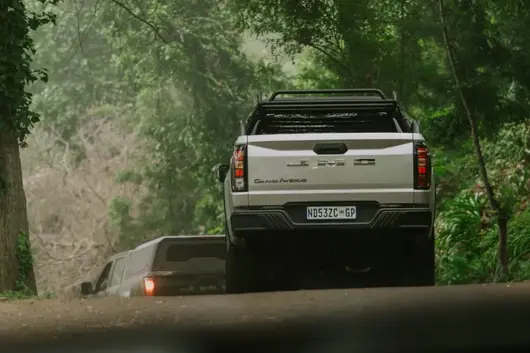
Recently, the South African Motor Industry Association (Naamsa) released new car sales data for September 2026. The overall sales of new cars in the South African new car market reached 61,645 units that month, a year-on-year increase of 12.7%; among them, the light commercial vehicle (LCV) sector sales were 14,361 units, a year-on-year increase of 9.6%. As the "basic foundation" of South African car consumption, pickups have the dual attributes of production tools and family vehicles, and their monthly sales rankings have always been regarded as a barometer of the car market.

In September, the total sales of the top 20 pickups in the South Africa sales ranking were about 12,390 units, a month-on-month increase of about 6.1% compared to 11,675 units in August, with market enthusiasm further enhanced compared to August. The biggest highlight of the ranking is that the Isuzu D-Max surpassed the Ford Ranger again after half a year, and the top three positions saw a rare swap.

At the top level, although Toyota Hilux sales dropped 2.9% month-on-month to 3,769 units, it still firmly held the top spot with an absolute advantage of leading the second place by more than 1,200 units. The currently available Hilux is produced by the Durban Prospecton plant, where the eighth and ninth generation models are sold together, and its status as the "King of South African Pickups" remains hard to shake in the short term.

The real contest is between the second and third places. Isuzu D-Max increased by 27.2% month-on-month to 2,551 units, rising to second, including 516 units of government procurement orders, accounting for about two-tenths of its total sales; this is the second time this year it has surpassed Ranger since March. Ford Ranger manufactured by Silverton plant sold 2,502 units, increasing 5.4% month-on-month, setting a new monthly high for many years, but still placed third with a slight gap of 49 units. The two locally made pickups are showing a close combat situation.

In the second tier, Mahindra Pik Up dropped 14.9% month-on-month to 521 units, holding fourth; Great Wall P-Series (including P300 and P500, P500 equipped with all-new 3.0T diesel power) decreased 12.1% month-on-month to 517 units, following closely with a difference of only 4 units, and has firmly held the top spot for Chinese brand pickups for several consecutive months. Volkswagen Amarok rose sharply by 22.5% month-on-month to 430 units, surpassing Toyota LC79 to rise to sixth; Land Cruiser 79 dropped slightly by 3.5% month-on-month to 419 units, falling to seventh.

The competition among other top 10 models is also fierce. JAC T Series increased 3.7% month-on-month to 255 units, rising to eighth; its 360 kW T9 plug-in hybrid version will also be launched soon; Mahindra Bolero increased by 46.8% month-on-month to 226 units, Peugeot Landtrek soared by 55.6% month-on-month to 207 units, both of which have entered the top 10.

Those falling out of the top 10 are Nissan Navara and Foton Tunland. Affected by the suspension of production at Rosslyn plant in May and the production line being handed over to Chery, Navara plummeted 37.2% month-on-month to 184 units, ranking only 11th, resulting in one less seat for Japanese brands in the top 10; and Chery taking over the Rosslyn plant also means that Chinese automakers in South Africa are moving from product exports to production capacity localization. Foton Tunland sales were 179 units, increasing 13.3% month-on-month, ranking 12th.

Other Chinese brands performed steadily overall. BYD Shark 6 increased 23.6% month-on-month to 157 units, JMC Bus also increased 16.2% month-on-month to 151 units, SAIC Maxus T60 increased 6.7% month-on-month to 128 units. Changan Hunter surged 330% month-on-month to 99 units, with the highest increase among the entire ranking; Mitsubishi Triton manufactured in Thailand and Kia Tasman were 53 units and 30 units respectively, both refreshing their best achievements for the year. The 8 Chinese brand pickups listed totaled about 1,495 units, an increase of about 6.8% month-on-month, accounting for more than 12% of the total ranking sales, and are becoming an important force driving market expansion.

Final Thoughts: In September 2026, the South Africa pickup market presented a pattern of "overall recovery, top swap, Chinese brand advance". With Navara local production capacity exiting and plug-in hybrid pickups entering one after another, the ranking battle on this list in the fourth quarter will still be full of uncertainties.


Quietly making money, or jumping up to become a target.
Still waters run deep.
On one hand, domestic car groups are issuing statements supporting the China-EU trade negotiations on automobiles.
On the other hand, the Chinese automobile industry, suppressed for half a century, is marching towards Europe en masse. Behind 40% of the exhibition stands at the Paris Motor Show lies a life-or-death situation concerning the next three to five years.
The ambitions displayed by major listed Chinese automakers are not just seen by Europeans. This is vastly different from 20 years ago when European media mocked them as "a pile of scrap iron from China". Today's Chinese cars are far from what they were.
On October 12, the 91st Paris Motor Show opened at the Porte de Versailles. "AutosKline" found that 16 Chinese automakers participated with 25 brands, accounting for about 40% of all participating automotive brands.

At the same time, the market share of Chinese automotive brands in Europe has risen from less than 1% 5 years ago to 10.8% currently. In the first half of 2026, Chinese brands accounted for about 9% of new car sales in the EU.
Compared to the grand scale of Chinese automotive brands' participation, more attention should be paid to the stance shown by Chinese automakers in this away game and the European response.
Perhaps, the proud Chinese automobile industry should learn from Volkswagen and Toyota how to localize. This is the long-term path for Chinese automakers going overseas. As Chinese automakers, during this special period, don't push Europe to the brink.
01
Li Ke, Global Vice President and Top Executive of BYD in Europe, publicly stated before the Paris Motor Show, hoping to surpass Volkswagen Group and Toyota Motor Corporation to become the world's largest automobile manufacturer within 5 years, emphasizing that this goal can be achieved even without entering the US market.
XPeng Group Chairman He Xiaopeng announced during the Paris Motor Show that the company's goal is an annual global sales volume of 1 million vehicles by 2030, with Europe accounting for half, i.e., 500,000 vehicles, listing Ford and Opel as benchmark targets.
 "Image Source: XPeng"
Li Ke's and He Xiaopeng's bold words, from a commercial communication perspective, are unassailable. People hearing this cannot help but feel proud of the strong rise of Chinese automobiles.
"AutosKline" also believes that, leveraging first-mover advantages in electrification and intelligence, the Chinese automobile industry has achieved overtaking on a curve against traditional US and European automotive powers in a sense, and using this opportunity to remove the hat of "low price and low quality" placed on the Chinese automotive industry.
However, we should also note that these achievements made by the Chinese automobile industry appear exceptionally sensitive in the current European economic environment, and seem extremely glaring to Europeans.
The automotive industry is a pillar of the European economy, and even more so for Germany.
02
The Ford mentioned by He Xiaopeng, though an American brand, has taken root in Europe for a long time, delivering over 426,000 vehicles in Europe in 2025; Opel, a purebred European native brand, had new car registrations of about 400,000 in the same year.
At the same time, however, while Chinese automakers are making a massive entry into Europe, the days of European local automakers are not going well.
Volkswagen Group's operating profit in 2025 dropped significantly, while another European giant, Stellantis Group, suffered huge losses. Losses, factory closures, and layoffs have become common fare in the European automotive industry over the past two years.
According to data from authoritative European institutions, the business sentiment index for the German automotive industry continues to decline, dropping as low as -35 points in September of this year.
In the same month, the German Metalworkers' Union launched a large-scale worker demonstration, protesting layoffs and demanding the government protect the local industry from the impact of low-price imported products.

Italian unions even directly suggested that once Chinese brand car registrations in Europe exceed 8%, the excess portion should be taxed at 80%.
Under this industrial sentiment, Chinese automakers' declarations to "become number one globally" and "take 500,000 vehicles from opponents like Ford and Opel" are providing the most easily cited evidence for European protectionist forces.
The Volkswagen Group union has directly suspended capacity cooperation negotiations with Chinese enterprises.
"AutosKline" believes that in a market where the automotive industry directly relates to millions of jobs, and these jobs are disappearing at an alarming speed, loudly declaring intentions to replace creates political communication risks that are actually far greater than the commercial communication benefits.
03
Turning back to the domestic situation, recently, the second regular meeting of the China-EU Trade and Investment Consultation Mechanism held in Beijing reached a consensus, securing a phased stable expectation for Chinese automakers.
Regarding hybrid vehicles, both parties reached an "upward arrangement" based on the import of 302,000 hybrid vehicles from China to the EU in 2025, with a fixed increase annually, and the quota obtained by the Chinese side will not be lower than any other import source for the EU side. Regarding electric vehicles, the anti-subsidy case was successfully navigated in January 2026, with a price commitment mechanism replacing high taxes.
However, it is worth noting that stability does not mean loosening.
Price commitments mean that the selling price of Chinese electric vehicles in Europe cannot be lower than local models of the same class; the competition logic is forcibly shifted from price-performance driven to brand and technology driven. Although the hybrid vehicle quota is "arranged upwards", the existence of the quota itself means the growth space has a ceiling.

More crucially, tightening at the regulatory level is accelerating. The EU's "Industrial Accelerator Act" proposes that electric vehicles must have a local component content of at least 70% to qualify for subsidies, with the European Parliament further raising this to 75%.
Macron stated during the Paris Motor Show that France is finalizing an agreement with Germany to "better protect our industry", with the core exchange being France's concession to Germany on the gasoline car ban in exchange for Germany's support for strict "Made in Europe" rules.
This means the time window secured at the trade level is precisely the last opportunity for Chinese automakers to complete their localization layout.
04
Facing regulatory tightening and public opinion pressure, the response of China's major listed automakers is shifting from exporting products to embedding into systems.
As the Chinese listed automaker most successful in international operations, Geely Motor effectively integrates existing capacity through cooperation to achieve overseas development, which is also the way that best considers European industrial sentiments and ensures local employment and economy.
For example, relying on the acquisition of Volvo to form system asset reuse is the path with the earliest start and deepest accumulation for Chinese automakers in internationalization.
Recently, Geely acquired 34% equity in Ford's Valencia factory in Spain for 221 million Euros, gaining European local manufacturing capabilities with capital investment far lower than building a factory from scratch.
 "Image Source: Geely"
Lynk & Co under Geely utilizes Volvo's dealer network deeply cultivated in Europe for decades to achieve channel implementation. Starting from January 2027, Volvo will become Lynk & Co's exclusive dealer in Europe.
Chery's path focuses more on local embedding of manufacturing and R&D. Chery and Spanish automaker EBRO established a joint venture, utilizing the former Nissan factory in Barcelona for production, with an annual capacity target of 30,000 units, aiming to increase to 150,000 units by 2029.
In April this year, Chery launched its European Operations Center and Spanish Research Institute in Barcelona, intending to perfect its global R&D network.
Leapmotor chose a lighter path. It established Leapmotor International Joint Venture with Stellantis Group. Stellantis holds 51% shares, Leapmotor holds 49%, and the B10 model has officially started production at the Stellantis Zaragoza factory in Spain.
 "Image Source: Leapmotor Official Account"
BYD Hungary Passenger Car Plant total investment is 4 billion Euros, Phase 1 capacity is 150,000 units, planned to start assembly in the fourth quarter of 2026.
05
In the view of "AutosKline", there is a common logic behind these localization layouts: using local employment, local taxes, and local supply chains to offset the European political accusation of "stealing bowls".
At this Paris Motor Show, Chinese automakers such as Changan, GAC, Geely, Chery, XPeng, etc., all raised localization slogans similar to "In Europe, For Europe", showing determination to take root locally.

When a Chinese automaker's European business is managed by a European team, produced in European factories, and sold through European brands, the political rhetoric against Chinese cars loses its most direct target.
However, the weak point of this strategy is also obvious. Localized production means Chinese automakers must face Europe's most solid institutional barrier — unions.
Volkswagen union holds half the seats on the supervisory board, possessing institutional veto power on factory closures and production line modifications. The salary standards and working condition requirements of the German Metalworkers' Union may significantly erode the cost advantages of Chinese automakers.
"In Europe, For Europe", which is good intentions to create employment in Europe, can completely be interpreted by unions as a threat to replace original decent jobs with low-wage positions.
06
Obviously, a considerable portion of Europeans still harbor bias against Chinese cars. And this bias can only be eliminated by time and personal experience.
Therefore, "AutosKline" always believes that regardless of whether strategic communication is radical or restrained, regardless of whether the degree of localization is deep or shallow, product quality is always the fundamental bottom line determining whether Chinese cars can stand in Europe.
Chery OMODA 5's axle breakage accident in Malaysia was reported by European media. The same model, same structural position broke twice within two years, constituting an almost unrefutable fact.
How future Chinese automakers can avoid systematic design or manufacturing defects, especially in the European market which has extremely high reliability requirements, is a key topic.

The Maextro V800 brake pedal bracket breakage event jointly developed by Huawei and JAC Motors also spread to Europe along this wall of the internet.
These two incidents coincided with the existing prejudice against the reliability of Chinese cars in the European market, giving European protectionist forces a moral high ground that requires no argumentation.
The trust of European consumers in Chinese cars itself is like an account with almost no deposits. Every safety accident is a direct deduction, while every reliable delivery is a deposit. In this account, safety failure is a zero-tolerance event.
It cannot be denied that Europe's high oil prices, Europe's automotive industry's delayed transformation, China's first-mover advantage in electrification, these conditions can not only allow Chinese brands to rise rapidly, but also cause them to suffer collectively due to quality, political, or strategic mistakes during the rise.

The window period left for Chinese automakers is roughly three to five years. During this time, Chinese brands have the opportunity to complete the cognitive shift from "cheap Chinese cars" to "trustworthy brands" in the hearts of European consumers.
Views of AutosKline:
Fullness invites loss, modesty brings gain. Chinese people value long-term flow. It's not about not making money, but earning sustainable money. Low-key is not about lacking ambition, but putting ambition into product quality, localization systems, and brand trust.
The overseas expansion of the Chinese automobile industry is not an overnight achievement. It changes the hundred-year landscape of the world's automotive industry, which requires sufficient patience from us.
The text is original by ["AutosKline"]. Content reference materials are from listed company announcements and industry public information (relevant companies and institutions should be obliged to be responsible for authenticity); Some images come from the internet, copyright belongs to the original owners.
Articles of this account, without authorization, cannot be reprinted, and violators will be held liable. At the same time, the article content does not constitute investment advice to anyone! Stock market risks are high, investment requires caution!


喺馬來西亞嘅 SUV 市場,好多買家喺揀車嗰陣都會拿豐田 Fortuner 同起亞 Sportage 嚟比較。呢兩部車喺價位同定位上都幾接近,今日我哋就從多個方面做個詳細對比,幫你省返做功課嘅時間。
豐田 Fortuner 喺馬來西亞嘅 OTR 售價係 RM 195,880 - 241,880,一共有 3 個版本,包括 2024 2.8T VRZ 柴油(RM 241,880)、2024 2.7L SRZ 汽油(RM 202,880)、2024 2.4L Standard 柴油(RM 195,880)等。
起亞 Sportage 喺馬來西亞嘅 OTR 售價係 RM 129,639 - 179,320,一共有 4 個版本,包括 2025 1.6T DCT 4WD High(RM 179,320)、2025 1.6T DCT 2WD High(RM 159,320)、2025 2.0L AT 2WD High(RM 139,639)等。
從價錢嚟睇,起亞 Sportage 嘅起步價比豐田 Fortuner 平咗 RM 66,241。老實講,喺呢個價位段,幾千塊嘅差異其實唔算大,關鍵仲係睇整體嘅性價比同長遠使用成本。
豐田 Fortuner 車身長 4400 mm,行李廂 400 L。
起亞 Sportage 車身長 4400 mm,行李廂 400 L。
兩部車嘅尺寸幾近一樣,車內空間分別唔大。呢級別嘅車,日常使用絕對足夠。
豐田 Fortuner 採用 FWD 驅動方式。
起亞 Sportage 採用 FWD 驅動方式。
兩部車嘅驅動方式一樣,都係 FWD,日常駕駛感受唔會有太大分別。
豐田 Fortuner 同起亞 Sportage 都係馬來西亞市場嘅主流選擇,適合家庭使用、日常通勤。如果你更加睇重品牌口碑同二手價,可以優先考慮口碑更好嗰款;如果你更加重視性價比同配備,嗰就揀配備更加豐富嗰款。始終都建議兩款都去試駕,親身體驗先至係最重要。
總體嚟講,豐田 Fortuner 同起亞 Sportage 都係馬來西亞市場幾唔錯嘅車型。揀邊一部,關鍵仲係睇你嘅個人需求同預算。建議大家做好功課,多比較幾間車行嘅報價,先再去試駕做最終決定。買車係件大事,花少少時間做功課絕對唔會錯。

喺馬來西亞嘅 SUV 市場,好多買家喺揀車嘅時候都會拎 Toyota Fortuner 同 Kia Sportage 嚟比較。呢兩部車喺價位同定位上都好接近,今日我哋就從多個方面做一个詳細嘅比較,幫你省咗做功課嘅時間。
Toyota Fortuner 喺馬來西亞嘅 OTR 售價係 RM 195,880 - 241,880,一共有 3 個版本,包括 2024 2.8T VRZ Diesel(RM 241,880)、2024 2.7L SRZ Petrol(RM 202,880)、2024 2.4L Standard Diesel(RM 195,880) 等。
Kia Sportage 喺馬來西亞嘅 OTR 售價係 RM 129,639 - 179,320,一共有 4 個版本,包括 2025 1.6T DCT 4WD High(RM 179,320)、2025 1.6T DCT 2WD High(RM 159,320)、2025 2.0L AT 2WD High(RM 139,639) 等。
從價錢嚟睇,Kia Sportage 嘅起步價比 Toyota Fortuner 平咗 RM 66,241。老實講,喺呢個價位段,幾千蚊嘅差距其實唔算大,關鍵都係睇整體嘅性價比同埋長期使用成本。
Toyota Fortuner 嘅安全評級係 5★ (ASEAN NCAP),主動安全系統包括 。
Kia Sportage 嘅安全評級係 5★ (ASEAN NCAP),主動安全系統包括 Drive Wise。
兩部車嘅安全評級一樣,喺呢個級別入面安全配備都算畀到好齊全。而家嘅新車安全性都唔差,唔使太擔心呢一點。
Toyota Fortuner 車身長 4400 mm,後備箱 400 L。
Kia Sportage 車身長 4400 mm,後備箱 400 L。
兩部車嘅尺寸幾乎一樣,車內空間差別唔大。呢個級別嘅車,日常使用完全夠用。
Toyota Fortuner 採用 FWD 驅動方式。
Kia Sportage 採用 FWD 驅動方式。
兩部車嘅驅動方式一樣,都係 FWD,日常駕駛感受唔會有太大分別。
總體嚟講,Toyota Fortuner 同 Kia Sportage 都係馬來西亞市場好唔錯嘅車型。揀邊一部,關鍵都係睇你個人嘅需求同埋預算。建議大家做好功課,多比較幾間車行嘅報價,再去試駕做最終決定。買車係件大事,花少少時間做功課絕對唔會錯。


