首頁香港

搜尋歷史
熱門搜尋
經銷商登入 / 註冊

11 月 1 日,奇瑞集團發佈 10 月銷量快訊:集團銷售汽車 295,934 輛,按年增長 5.3%。當中,出口 200,618 輛,按年增長 58.7%,年內第三次單月出口突破 20 萬輛,位居中國汽車出口第一;新能源銷售 140,893 輛,按年增長 27.7%,連續七個月單月突破 10 萬輛,再創歷史新高。
1-10 月,奇瑞集團累計銷售汽車 2,502,723 輛,按年增長 9.3%;累計出口 1,751,766 輛,按年增長 64.8%;新能源銷量 999,417 輛,按年增長 43.2%,已提前超越去年全年新能源銷量總量,批發量穩居行業前三。截至 10 月底,奇瑞集團全球累計汽車用戶突破 2103 萬,當中海外用戶超 759 萬。
銷量增長背後,奇瑞全球化 3.0 戰略正加快轉化為技術、產品、市場與責任價值嘅系統性成果,喺新能源、全球化、技術創新同 ESG 領域持續突破。

新能源連續七個月 10 萬+:爆款矩陣支撐規模行業前三
10 月份,奇瑞集團新能源銷量連續第七個月站上 10 萬輛臺階,單月再創新高。據乘聯會此前發布嘅數據,自 4 月以來,奇瑞集團新能源批發量持續位居行業前三;2026 年 1-8 月,奇瑞集團新能源銷量嘅世界份額達 5.5%,位居全球車企集團前五。
銷量新高背後,係多品牌、多細分市場產品矩陣嘅集中放量:智界 V9 累計交付突破 30000 台,刷新 50 萬級 MPV 最快交付紀錄;風雲 A9 獲 10 萬 -15 萬元純電中型車銷量第一;全新旅行者 7 上市 30 分鐘訂單破萬;全新 QQ3 連續 7 個月月銷破萬,並已進入泰國、印尼、南非等市場;iCAR V23 全球銷量超 10 萬輛,並登頂泰國、馬來西亞、尼泊爾、南非等國細分市場冠軍。

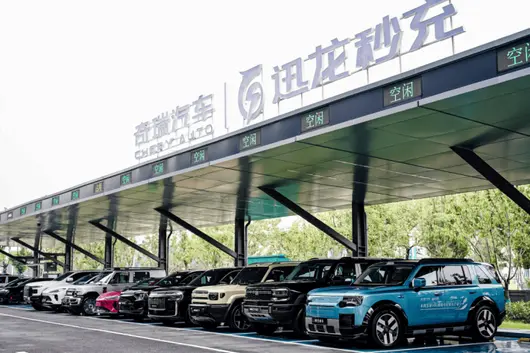
圖為奇瑞迅龍秒充示範站
產品放量之外,綠色能源生態同步落地,令車主未來能夠通過能源交易「賺錢」。奇瑞打造嘅行業首個車網互聯 V2G 規模化運營場站正式啟用,推動 V2G 由技術驗證邁向規模化運營。倚靠「車—儲—充—網—雲—碳」閉環,車輛可參與電網削峰填谷。據測算,用戶每年可獲得超 3000 元收益。按照規劃,奇瑞將於 2029 年喺全球建成 2 萬座 V2G 場站,首批落地上海、合肥、廣州、蕪湖等地。
平均 15 秒出口一輛「奇瑞造」:中國車首次成為歐洲銷量前十車型
今年以來,奇瑞集團不斷刷新出口速度,1-10 月累計出口 175.2 萬輛,按年增長 64.8%,平均每 15 秒就有一輛「奇瑞造」駛向海外。
高質量出海喺全球多個市場取得突破,歐洲市場係最直觀嘅註腳。前三季度,奇瑞已喺歐洲 24 國累計銷售汽車 29.2 萬輛,按年增長 182%,其中新能源汽車超 14.6 萬輛,按年增長 251%。8 月份、9 月份,奇瑞喺英國市場分別以 8618 輛、32830 輛,衛冕英國汽車銷量榜首;JAECOO 7 以 15,470 輛嘅歐洲總銷量,成為首款闖入歐洲車型前十嘅中國車型,為中國品牌寫下又一個「第一次」。

數據來源:歐洲汽車權威市場研究機構 Dataforce
喺 10 月份舉辦嘅 2026 巴黎國際汽車展覽會上,奇瑞攜 CHERY、OMODA & JAECOO 雙品牌亮相,展出 OMODA 4、OMODA 5、TIGGO 4、TIGGO 7、CHERY Q 等多款車型,進一步完善歐洲市場產品矩陣。車展同期,奇瑞與產業界、學術界同供應鏈合作夥伴共同發起《共建產學研生態可持續發展倡議》,圍繞可持續供應鏈、低碳製造、技術創新、供應鏈韌性同負責任經營等範疇,推動建立更加開放嘅產學研協同合作機制。

圖為奇瑞與歐洲各界合作夥伴發起《共建產學研生態可持續發展倡議》
「充電 5 分鐘,續航 500km」,奇瑞瑤光 2035 集中亮相 10+ 前沿科技
技術創新係奇瑞全球化 3.0 戰略嘅核心引擎。倚靠呢個引擎,奇瑞正從一家傳統車企加速轉型為面向 2035 嘅高科技產業生態集群。
10 月份嘅奇瑞全球創新大會上,奇瑞發布瑤光 2035 戰略,以「1 個技術底座、4 個自由」為核心,將 AI 汽車嘅通用技術復用到墨甲人形機器人、Robotaxi、eVTOL、能源、農機等千行百業,帶動 AI 向物理世界全面延伸。

圖為 10 月 20 日,2026 奇瑞全球創新大會現場

圖為墨甲旗下全新產品「墨寶」發布
「讓技術回歸於人,為人類自由創造最大價值」,秉持呢一技術願景,奇瑞一次性發布 10 多項前沿技術:可實現「充電 5 分鐘,續航 500 公里」嘅迅龍秒充、行業首個商業化落地嘅交流 V2G 技術、行業首款原生前裝 L4 級 Robotaxi、中國首款全自主複合翼載人 eVTOL、面向物理世界嘅垂類基礎大模型 CheryMind、自主可控嘅紫微晶片、貫通耕種管收運全流程嘅純電農機智能體,以及行業最全嘅機器人智能體矩陣等。呢啲「黑科技」正加速從實驗室走向量產,喺新能源、智能出行等領域率先落地轉化。


圖為全球與會嘉賓體驗奇瑞展車
企業公民:奇瑞抵達嘅地方,就要把善意同責任帶到嗰度
奇瑞嘅全球化 3.0,既係市場嘅全球化,亦係責任嘅全球化。喺奇瑞全球用戶生態大會期間,奇瑞聯合世界自然保護聯盟(IUCN)發起"One Nature, One Future"倡議,以"Ride Green Life"環湖低碳騎行響應 IUCN Nature 2030 計劃,為實現「一個珍視並保護自然嘅公正世界」願景貢獻力量。自 2024 年同 IUCN 全球合作「珍愛自然」項目以來,雙方持續圍繞自然保護、環境教育同公眾參與建立合作機制,實現保護生物多樣性、增強氣候韌性同賦能社區生計嘅三重效益。

圖為奇瑞倡議與會嘉賓共同響應 IUCN Nature 2030 計劃
仲邀請聯合國兒童基金會(UNICEF)駐華代表桑愛玲女士、駐越南代表西爾維婭·達奈洛夫女士出席全球用戶生態大會,分享奇瑞集團支持下嘅兒童教育項目進展。自 2023 年起,奇瑞已累計承諾投入 1200 萬美元,支持聯合國兒童基金會在全球開展教育項目,重點覆蓋中國、越南、墨西哥、南非、土耳其、印度尼西亞六個國家。
從連創新高嘅新能源,到步履不停嘅全球化,再到走出實驗室嘅硬核科技,奇瑞嘅故事仍在繼續。面向未來,奇瑞將以全球化 3.0 戰略為主線、以技術創新驅動產品同市場突破,加快成為以 AI 驅動嘅全球智能科技生態公司。
*聯合國兒童基金會唔代言任何企業、品牌、產品同服務。

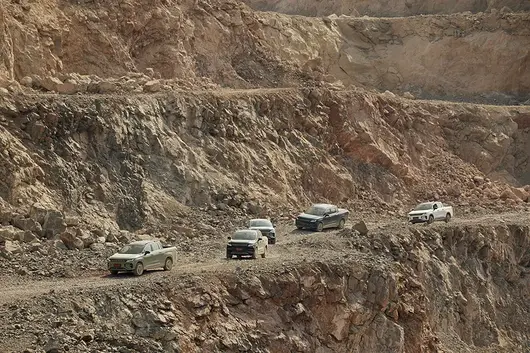
According to the latest data from the Thailand Department of Land Transport, in September 2026, Thailand pickup registrations were 11,596, up 4.51% year-over-year; cumulative for Jan-Sept was 112,855, up 5.35% year-over-year, higher than the 107,129 from the same period in 2025. Overall, the pickup market is recovering moderately, but in the face of near 90% year-over-year growth for Pure Electric BEVs, this growth rate is not fast, with its market share dropping to 20.42%.

Most notably, the top two pickup players not only maintained their positions but also expanded against the trend. Toyota Hilux registrations in September were 6,171, up 8.49% year-over-year; cumulative for the first three quarters was 57,769, up 11.21% year-over-year, firmly ranking first in the overall vehicle list. Isuzu D-Max registrations in September were 3,866, up 13.01% year-over-year; cumulative 40,080, up 6.62% year-over-year. Combined, these two models accounted for 86.70% of the pickup market, with concentration increasing further compared to 2025.


The only incremental volume in the industry was mostly taken by the top two. The channel depth, diesel technology reputation, and used car value retention barriers of Japanese brands were strengthened in the existing market competition.

Contrasting with the top two, traditional secondary tier brands almost shrank across the board. Ford Ranger cumulative 7,477, down 11.67% year-over-year; Mitsubishi Triton cumulative 4,562, down sharply 31.65% year-over-year, September single month drop close to 40%; Nissan Navara cumulative 1,044, down 13.86%; MG Extender dropped sharply from 606 to 93, down 84.65% year-over-year; Mazda BT-50 cumulative 61, slight drop 3.17%. The shrinkage of the secondary tier camp is essentially the market space being squeezed continuously by the top two, with the middle ground rapidly hollowing out.

Chinese brands are the only high-growth variable in the rankings. Geely Radar RD6 registrations in September were 178, up 270.83% year-over-year; cumulative 1,549, up 195.05%, rising to fifth in the overall pickup ranking. Great Wall Shanhai Pao POER Sahar cumulative 199, up 503.03% year-over-year; Changan Deep Blue Hunter K50 cumulative 21, up 250%. Combined, Chinese brand pickup registrations for the first three quarters increased from 564 in 2025 to 1,769, up 213.65% year-over-year; September single month increased from 77 to 203, up 163.64%. However, this high growth rate is built on an extremely low base. The combined market share of Chinese brands is only 1.57%, with a huge gap compared to the top two, not yet forming a substantial challenge.

Final Thoughts: The core logic supporting Chinese brand breakthroughs remains electrification. In the first three quarters, Thailand Pure Electric BEV registrations with a 30.04% share surpassed diesel vehicles for the first time. The RD6, which is currently selling well, is exactly a Pure Electric Pickup, competing in a differentiated manner with Hilux and D-Max which still rely mainly on diesel, bypassing their most solid diesel technology barriers. With the increasing acceptance of new energy commercial vehicles, Chinese brands are expected to convert their first-mover advantage in electrification into continuous incremental volume.

However, it must be clearly seen that pickup users highly value reliability, load capacity, and after-sales networks, which are exactly the strengths Japanese brands have developed over decades; whether the high growth rate of Chinese brands can continue requires dual verification from subsequent monthly data and local service capabilities.

Recently, the 2026 Chinese Brand Overseas Expo opened in Hainan. During the same period, the forum released the "2026 Top 500 Overseas Chinese Brands" ranking. BYD made it into the top ten of the overall list, becoming the No. 1 Overseas Auto Brand, and was selected as a China Enterprise Overseas Impact Case the next day.
The weight of this No. 1 rank does not lie in how many cars were sold abroad, but rather because it did not follow the simple export route, but deeply rooted the entire system of manufacturing, R&D, charging, and services locally.

To understand this strategy, we must first outline BYD's overseas rhythm: how did it lay out overseas step by step?
As early as 1998, BYD established its first overseas subsidiary in Rotterdam, Netherlands. Initially, what went out were batteries, energy storage, and commercial vehicles.
Starting from 2022, passenger cars began entering Europe on a large scale and were delivered in Q4 of that year. Subsequently, BYD announced the construction of a Hungary factory in 2023;
2025 Brazil factory went into production, European HQ settled, overseas sales exceeded 1 million units for the first time;
Entering 2026, Hungary and Indonesia factories were put into production successively, the entire path went from product export step by step to local operations.

One: In terms of manufacturing system, BYD did not stop at complete vehicle export, but directly built factories in key markets.
Europe direction, Hungary Szeged factory went into production in Q4 2026, planned annual capacity about 300,000 units, is BYD's first manufacturing foothold in EU. European market models will turn from imported cars to European manufacturing. Originally costs eaten by tariffs and logistics are transformed into local investment and employment.
Latin America direction, Brazil Camaçari factory went into production in July 2025, initial annual capacity 150,000 units expanding to 300,000 units. Already welcomed the 100,000th complete vehicle output, driving local employment of about 5,500 people.
Southeast Asia direction, Thailand Rayong factory designed annual capacity 150,000 units. As of September 2026, 100,000th vehicle output down. Thai employees proportion 95%, local procurement ratio about 50%. Indonesia factory also officially put into production in September, becoming second base in Southeast Asia.

Two: In terms of R&D system, BYD solved the problem of product adaptation issues.
BYD built European HQ and supporting R&D center in Budapest, Hungary, undertaking sales and after-sales, vehicle certification testing, and local vehicle design three functions. R&D first focuses on intelligent assisted driving and next-generation electrification technology, also conducted joint research with at least three Hungarian universities.
This means models fit local regulations and user habits from the beginning of R&D, rather than made first then taken for modification.
In response to Japanese market with prominent barriers, BYD custom developed the first overseas dedicated model Sea Otter, English name BYDRACCO. This one place one policy thinking is exactly its biggest difference from traditional exporters.

Three: In terms of energy supply system, BYD Flash Charging Network landed globally.
BYD proposed Flash Charging Planet Plan, planning to build 6000 Flash Charging Stations overseas. Europe arranged 3000 stations, expected to complete by end of March 2027. Only UK arranged at least 300 stations.
Currently Flash Charging Stations have landed in Europe and Americas successively. Indonesia becomes the first overseas Flash Charging Network testbed, advanced first by Denza brand. Cars sell where, charging network spreads where. User range anxiety will not become brand expansion obstacle.

Four: In terms of service system, BYD uses long-termism to defend reputation.
BYD in Europe established cooperation with multiple top dealership groups, borrowing local mature channels to quickly spread after-sales network. Denza plans to cover 30+ European countries by end of 2026, building more than 150 retail stores.
This Budapest HQ, BYD unified coordination of European countries sales and after-sales services, letting car owners complete maintenance and repair locally, without relying on support far in China.
Putting the four systems together, then looking at market status of each region is clearer.
Europe is the station with highest value. 2026 Q1-Q3 BYD in EU, UK and European Free Trade Association countries newly registered about 284,000 vehicles, YoY growth 134.6%, market share from 1.2% to 2.7%. Among them UK about 68,400 vehicles is largest single market. Italy, Spain and France also grew volume;
Brazil market share has reached about 11%. BYD from strange Chinese brand became local opponent must recognize as a serious competitor;
Southeast Asia relies on Thailand and Indonesia two factories to form cluster. Entire overseas map presents Latin America leading, Europe breakthrough, Asia-Pacific many points blooming pattern;

Besides landing overseas systems, connecting China factories and overseas market transportation link, BYD also chose to grasp it itself.
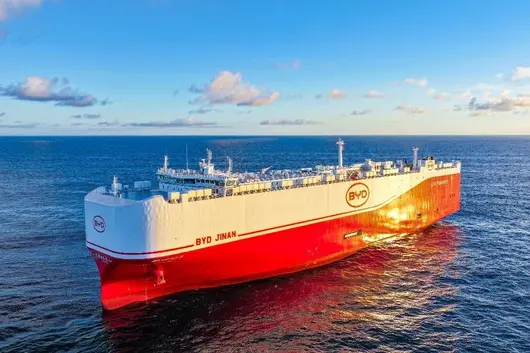
2022, BYD announced investing about 5 billion yuan to build own car RORO fleet, ordered from Guangzhou Shipyard International, China Merchants Industry and CIMC Raffles etc. shipyards.
Jan 2024, first Explorer 1 maiden voyage. Ship length 199.9 meters, equipped with 7000 standard parking spaces, using LNG dual fuel clean power.
Up to now, BYD has 8 RORO ships put into operation. Except Explorer 1, also includes Changzhou, Hefei, Shenzhen, Xi'an, Changsha, Zhengzhou and Jinan. Among them Shenzhen and Xi'an both equipped with 9200 standard parking spaces. Shenzhen is currently the largest car transport ship globally put into operation.
Oct 2026, BYD Executive Vice President Li Ke confirmed ordered another 10 transport ships. After new ships all delivered, own fleet will reach 18 ships. One-time complete vehicle sea transport total capacity breakthrough 130,000 standard parking spaces. Corresponding annual export capacity can be upgraded to about 2.5 million vehicles.
Self-built fleet means BYD need not look at international shipping schedule and pricing whims. Overseas logistics this key link also held in own hands.

From sales view, BYD 2025 overseas sales first exceeded 1 million vehicles. 2026 Q1-Q3 already reached about 1.338 million vehicles, YoY growth 92%. Whole year expected close to 2 million vehicles. Company also set goal for itself 2029 overseas sales exceeding domestic goal.
This time, BYD is using the most down-to-earth and solid way, deep cultivate global never stop walking, turning itself from a global enterprise into a local enterprise rooted everywhere in the world.
So you think, when factory, R&D and charging all moved overseas, BYD real challenge will fall on which link?

喺馬來西亞嘅 SUV 市場,好多買家喺揀車嘅時候都會拿 Mazda CX-3 同 Chery Tiggo Cross 嚟比較。呢兩款車喺價格同定位上都幾近,今日我哋就從多個方面做一個詳細比較,幫你省咗做功課嘅時間。
Mazda CX-3 喺馬來西亞嘅 OTR 售價係 RM 126,159 - 139,159,合共有 2 個版本,包括 2023 2.0L High(RM 139,159)、2023 2.0L Plus(RM 126,159) 等。
Chery Tiggo Cross 喺馬來西亞嘅 OTR 售價係 RM 88,750 - 99,750,合共有 2 個版本,包括 2025 HEV 1.5L CSH(RM 99,750)、2025 1.5T Standard(RM 88,750) 等。
由價錢睇,Chery Tiggo Cross 嘅起步價比 Mazda CX-3 平咗 RM 37,409。坦白講,喺呢個價位段,幾千塊嘅差距其實唔算大,關鍵係睇整體嘅性價比同長期使用成本。

Mazda CX-3 嘅安全評級係 5★ (ASEAN NCAP),主動安全系統包括 i-Activsense。
Chery Tiggo Cross 嘅安全評級係 TBD,主動安全系統包括 Basic。
安全配備方面,兩款車都拿到唔錯嘅評級。不過 Mazda CX-3 嘅 i-Activsense 同 Chery Tiggo Cross 嘅 Basic 喺功能上有啲差異,如果你比較重視主動安全嘅話,可以仔細對比下兩者嘅功能清單。

Mazda CX-3 車身長 4500 mm,尾箱 450 L。
Chery Tiggo Cross 車身長 4400 mm,尾箱 400 L。
空間方面,Mazda CX-3 嘅車身比 Chery Tiggo Cross 長咗 100 mm,車內乘坐空間會啲啲寬裕,尤其係後座腳位空間。如果你經常載家人或者需要放嬰兒車,大少少嘅車身確實更加實用。

Mazda CX-3 同 Chery Tiggo Cross 都係馬來西亞市場嘅主流選擇,適合家庭使用、日常通勤。如果你更加重視品牌口碑同二手價,可以優先考慮口碑更好嗰一款;如果你更加介意性價比同配備,就揀配備更加豐富嗰款。最後都建議兩款都去試駕,親身體驗先係最重要。

總括嚟講,Mazda CX-3 同 Chery Tiggo Cross 都係馬來西亞市場幾好嘅車款。揀邊一輛,關鍵仲係睇你嘅個人需求同預算。建議大家做足功課,多比較幾間車行嘅報價,先去試駕做最終決定。買車係件大事,花啲時間做功課絕對唔會錯。


喺馬來西亞嘅 SUV 市場,好多買家在揀車嘅時候都會拎 Toyota Harrier 同 Land Rover Discovery Sport 嚟做比較。呢兩款車喺價位同定位上都幾近,今日我哋就從多個方面做一個詳細嘅比較,幫你省返做功課嘅時間。
Toyota Harrier 喺馬來西亞嘅 OTR 售價係 RM 289,000 - 289,000,合共有 1 個版本,包括 2026 HEV 2.5L Standard(RM 289,000)等。
Land Rover Discovery Sport 喺馬來西亞嘅 OTR 售價係 RM 499,800 - 499,800,合共有 1 個版本,包括 Standard(RM 499,800)等。
從價錢睇落嚟,Toyota Harrier 嘅起跳價確實比 Land Rover Discovery Sport 平咗 RM 210,800。如果你預算有限,Toyota 嘅入門版已經可以滿足日常需要。但都要注意,平嗰幾千蚊,可能喺配備上會有取捨,具體睇你嘅需要。

Toyota Harrier 裝載 2.0L Turbo,馬力 220 hp。官方油耗 9.5 L/100km。
Land Rover Discovery Sport 裝載 3.0L Turbo,馬力 350 hp。官方油耗 12.0 L/100km。
動力方面,Land Rover Discovery Sport 嘅 3.0L Turbo 比 Toyota Harrier 嘅 2.0L Turbo 多咗 130 匹馬力。不過日常喺市區開,兩款車嘅動力都夠用,唔會覺得唔夠力。

Toyota Harrier 車身長 4400 mm,尾箱 400 L。
Land Rover Discovery Sport 車身長 4400 mm,尾箱 400 L。
兩款車嘅尺寸幾乎一樣,車內空間差別唔大。呢個級別嘅車,日常使用完全夠用。

Toyota Harrier 同 Land Rover Discovery Sport 都係馬來西亞市場嘅主流選擇,適合家庭使用、日常通勤。如果你更加看重品牌口碑同二手價,可以優先考慮口碑更好嗰一款;如果你更加在意性價比同配備,那就揀配備更豐富嗰款。最終都建議兩款都去試駕,親身體驗先係最重要。

總體嚟講,Toyota Harrier 同 Land Rover Discovery Sport 都係馬來西亞市場幾唔錯嘅車型。揀邊一部,關鍵仲要睇你嘅個人需要同預算。建议大家做好功課,多比較幾間車行嘅報價,再去試駕先做最終決定。買車係件大事,花啲時間做功課絕對唔會錯。


喺馬來西亞嘅 SUV 市場,好多買家喺揀車嗰陣都會用豐田海利亚 同 路虎 发现运动 嚟做比較。這兩款車喺價位同定位上都幾接近,今日我哋就由多個方面嚟做一個詳細嘅比較,幫你省返做功課嘅時間。
豐田海利亚 喺馬來西亞嘅 落地價 售價係 令吉 289,000 - 289,000,一共 1 個版本,包括 2026 HEV 2.5L 標準(令吉 289,000) 等。
路虎 发现运动 喺馬來西亞嘅 落地價 售價係 令吉 499,800 - 499,800,一共 1 個版本,包括 標準(令吉 499,800) 等。
由價錢睇,豐田海利亚 嘅入手價確實比 路虎 发现运动 平咗 令吉 210,800。如果你預算有限,豐田嘅入門版已經可以滿足日常需要。但要注意,平嗰幾千蚊,可能喺配備上會有取舍,具體睇你嘅需要。
豐田海利亚 嘅安全評級係 5★ (東協 NCAP),主動安全系統包括 豐田 ADAS。
路虎 发现运动 嘅安全評級係 待定,主動安全系統包括 基礎。
安全配備方面,兩款車都拿到唔錯嘅評級。不過 豐田海利亚 嘅 豐田 ADAS 同 路虎 发现运动 嘅 基礎 喺功能上有些分別,如果你比較看重主動安全嘅話,可以仔細比較吓兩者嘅功能列表。
豐田海利亚 採用 前驅 驅動方式。
路虎 发现运动 採用 四驅 驅動方式。
豐田嘅 前驅 同 路虎嘅 四驅 喺操控上會有唔同感覺,建議試駕比較。
豐田海利亚 保養 5 年/無限制哩數,保養間隔 每 10,000 公里或 6 個月。
路虎 发现运动 保養 3 年/100,000 公里,保養間隔 每 10,000 公里或 6 個月。
總括嚟講,豐田海利亚 同 路虎 发现运动 都係馬來西亞市場幾唔錯嘅車型。揀邊台,關鍵始終要睇你嘅個人需要同預算。建議大家做好功課,多比較幾間車行嘅報價,再去試駕做最終決定。買車係件大件事,花少少時間做功課絕對唔會錯。
喺馬來西亞嘅 SUV 市場,好多買家喺揀車嘅時候都會拿 Toyota Harrier 同 Land Rover Discovery Sport 嚟做比較。呢兩款車喺價位同定位上都幾近,今日我哋就從多個方面做一次詳細嘅比較,幫你省返做功課嘅時間。
Toyota Harrier 喺馬來西亞嘅 OTR 售價係 RM 289,000 - 289,000,一共有 1 個版本,包括 2026 HEV 2.5L Standard(RM 289,000)等等。
Land Rover Discovery Sport 喺馬來西亞嘅 OTR 售價係 RM 499,800 - 499,800,一共有 1 個版本,包括 Standard(RM 499,800)等等。
由價錢嚟睇,Toyota Harrier 嘅起步價真係比 Land Rover Discovery Sport 平咗 RM 210,800。如果你預算有限,Toyota 嘅入門版已經可以滿足日常需求。但都要留意,平嗰幾千蚊,可能喺配備上有取舍,具體就要睇你嘅需求。
Toyota Harrier 搭載 2.0L Turbo,馬力 220 hp。官方油耗 9.5 L/100km。
Land Rover Discovery Sport 搭載 3.0L Turbo,馬力 350 hp。官方油耗 12.0 L/100km。
由動力嚟睇,Land Rover Discovery Sport 嘅 3.0L Turbo 比 Toyota Harrier 嘅 2.0L Turbo 多咗 130 匹馬力。不過日常喺市區開,呢兩款車嘅動力都夠用,唔會覺得唔夠力。
Toyota Harrier 車身長 4400 mm,尾箱 400 L。
Land Rover Discovery Sport 車身長 4400 mm,尾箱 400 L。
呢兩款車嘅尺寸差唔多,車內空間分別唔大。呢個級別嘅車,日常使用完全夠用。
Toyota Harrier 採用 FWD 驅動方式。
Land Rover Discovery Sport 採用 4WD 驅動方式。
Toyota 嘅 FWD 同 Land Rover 嘅 4WD 喺操控上會有唔同感覺,建議試駕比較。
總括嚟講,Toyota Harrier 同 Land Rover Discovery Sport 都係馬來西亞市場幾唔錯嘅車型。揀邊一部,關鍵都要睇你嘅個人需求同預算。建議大家做好功課,多比較幾間車行嘅報價,先至去試駕做最後決定。買車係件大事,花少少時間做功課絕對唔會錯。
In the Malaysian SUV market, many buyers compare the Toyota Harrier and Audi Q7 when choosing a car. These two models are quite close in price and positioning. Today, we will do a detailed comparison from multiple aspects to help you save time on research.
The OTR price for Toyota Harrier in Malaysia is RM 289,000 - 289,000, with a total of 1 version, including the 2026 HEV 2.5L Standard (RM 289,000) etc.
The OTR price for Audi Q7 in Malaysia is RM 462,222 - 462,222, with a total of 1 version, including Standard (RM 462,222) etc.
Looking at the price, the entry-level Toyota Harrier is indeed RM 173,222 cheaper than the Audi Q7. If your budget is limited, the entry-level Toyota can meet daily needs. However, be aware that the difference of a few thousand might involve trade-offs in features, so check your requirements.
Toyota Harrier comes with a 2.0L Turbo engine, 220 hp. Official fuel consumption is 9.5 L/100km.
Audi Q7 comes with a 3.0L Turbo engine, 350 hp. Official fuel consumption is 12.0 L/100km.
In terms of power, the Audi Q7's 3.0L Turbo has 130 hp more than the Toyota Harrier's 2.0L Turbo. However, for daily city driving, both cars have sufficient power and won't feel underpowered.
The Toyota Harrier safety rating is 5★ (ASEAN NCAP), with active safety systems including Brand ADAS.
The Audi Q7 safety rating is 5★ (Euro NCAP), with active safety systems including Premium ADAS.
In terms of safety features, both cars have received good ratings. However, there are differences between Toyota Harrier's Brand ADAS and Audi Q7's Premium ADAS in functionality. If you value active safety, you can compare their feature lists carefully.
Toyota Harrier uses FWD drive type.
Audi Q7 uses FWD drive type.
Both cars have the same drive type, both are FWD, so there won't be much difference in daily driving experience.

All in all, both the Toyota Harrier and Audi Q7 are excellent models in the Malaysian market. Choosing which one depends on your personal needs and budget. We suggest doing your homework, comparing quotes from multiple car dealerships, and test driving before making a final decision. Buying a car is a big matter, spending time on research will never be wrong.

In the Malaysian SUV market, many buyers compare Toyota Harrier and Audi Q7 when choosing a car. These two cars are quite close in price and positioning. Today we will make a detailed comparison from multiple aspects to help you save time on research.
The Toyota Harrier OTR price in Malaysia is RM 289,000 - 289,000, with a total of 1 version, including 2026 HEV 2.5L Standard (RM 289,000) etc.
The Audi Q7 OTR price in Malaysia is RM 462,222 - 462,222, with a total of 1 version, including Standard (RM 462,222) etc.
Looking at the price, the Toyota Harrier's starting price is indeed RM 173,222 cheaper than the Audi Q7. If your budget is limited, Toyota's entry-level version can already meet daily needs. But note, the few thousand cheaper, may have trade-offs in equipment, depends on your specific needs.
Toyota Harrier's safety rating is 5★ (ASEAN NCAP), active safety system includes Brand ADAS.
Audi Q7's safety rating is 5★ (Euro NCAP), active safety system includes Premium ADAS.
Regarding safety equipment, both cars received good ratings. However, the Brand ADAS of Toyota Harrier and Premium ADAS of Audi Q7 have some differences in functions. If you value active safety more, you can compare their function lists closely.
Toyota Harrier uses FWD drive mode.
Audi Q7 uses FWD drive mode.
Both cars have the same drive mode, both are FWD, no big difference in daily driving feel.
Toyota Harrier and Audi Q7 are both mainstream choices in the Malaysian market, suitable for family use and daily commuting. If you value brand reputation and resale value more, prioritize the one with better reputation; if you care more about cost-performance and equipment, choose the one with richer configuration. Ultimately, it is recommended to test drive both, personal experience is the most important.
Overall, Toyota Harrier and Audi Q7 are both very good models in the Malaysian market. Which one to choose depends on your personal needs and budget. It is recommended to do your research, compare quotes from several car dealers, then test drive to make the final decision. Buying a car is a big matter, spending some time on research will definitely not be wrong.

In Malaysia's SUV market, many buyers compare Toyota Harrier and Audi Q5 when choosing a car. These two cars are quite close in price and positioning. Today, we will make a detailed comparison from multiple aspects to help you save time on research.
The OTR price of Toyota Harrier in Malaysia is RM 289,000 - 289,000, with a total of 1 version, including 2026 HEV 2.5L Standard (RM 289,000), etc.
The OTR price of Audi Q5 in Malaysia is RM 354,174 - 423,174, with a total of 2 versions, including 40 TDI (RM 320,000), 45 TFSI (RM 350,000), etc.
From a price perspective, the starting price of Toyota Harrier is indeed RM 65,174 cheaper than Audi Q5. If your budget is limited, Toyota's entry-level version can already meet daily needs. However, note that the few thousand ringgit cheaper price might involve trade-offs in features, depending on your specific needs.
Toyota Harrier body length 4400 mm, trunk 400 L.
Audi Q5 body length 4400 mm, trunk 400 L.
The dimensions of both cars are almost identical, with little difference in interior space. Cars at this level are completely sufficient for daily use.
Toyota Harrier warranty 5 years/unlimited mileage, maintenance interval every 10,000km or 6 months.
Audi Q5 warranty 5 years/150,000km, maintenance interval every 10,000km or 6 months.
Toyota Harrier and Audi Q5 are both mainstream choices in the Malaysian market, suitable for family use and daily commuting. If you value brand reputation and resale value more, consider the one with better reputation first; if you care more about cost-performance ratio and features, choose the model with richer configuration. Finally, it is recommended to test drive both, as personal experience is the most important.

Overall, Toyota Harrier and Audi Q5 are both very good models in the Malaysian market. Which one to choose depends mainly on your personal needs and budget. We recommend doing your research, comparing quotes from several car dealerships, and then test driving to make a final decision. Buying a car is a big matter, spending time doing research will definitely not be wrong.

In the Malaysia SUV market, many buyers compare the Toyota Harrier and Mercedes-Benz GLE when choosing a car. These two models are quite close in price and positioning. Today we will make a detailed comparison from multiple aspects to help you save time on research.
The OTR price of the Toyota Harrier in Malaysia is RM 289,000 - 289,000, with a total of 1 version, including 2026 HEV 2.5L Standard (RM 289,000) etc.
The OTR price of the Mercedes-Benz GLE in Malaysia is RM 544,888 - 544,888, with a total of 1 version, including Standard (RM 544,888) etc.
From the price perspective, the starting price of the Toyota Harrier is indeed RM 255,888 cheaper than the Mercedes-Benz GLE. If your budget is limited, Toyota's entry-level version can already meet daily needs. But also note, the few thousand cheaper might involve compromises in equipment, it depends on your specific needs.
Toyota Harrier comes with a 2.0L Turbo, 220 hp power. Official fuel consumption 9.5 L/100km.
Mercedes-Benz GLE comes with a 3.0L Turbo, 350 hp power. Official fuel consumption 12.0 L/100km.
In terms of power, the 3.0L Turbo of the Mercedes-Benz GLE has 130 more horsepower than the 2.0L Turbo of the Toyota Harrier. However, for daily city driving, both cars have sufficient power and won't feel underpowered.
The safety rating of the Toyota Harrier is 5★ (ASEAN NCAP), active safety systems include Brand ADAS.
The safety rating of the Mercedes-Benz GLE is 5★ (Euro NCAP), active safety systems include Premium ADAS.
In terms of safety equipment, both cars have received good ratings. However, there are some differences in functionality between the Toyota Harrier's Brand ADAS and the Mercedes-Benz GLE's Premium ADAS. If you value active safety, you can compare the feature lists of both carefully.
Toyota Harrier adopts FWD drive mode.
Mercedes-Benz GLE adopts FWD drive mode.
The drive mode for both cars is the same, both are FWD, there won't be much difference in daily driving feel.

Both the Toyota Harrier and Mercedes-Benz GLE are mainstream choices in the Malaysian market, suitable for family use and daily commuting. If you value brand reputation and resale value more, you can prioritize the one with better reputation; if you care more about cost-performance ratio and equipment, then choose the one with richer configuration. Ultimately, it is suggested to test drive both, as personal experience is the most important.

Overall, the Toyota Harrier and Mercedes-Benz GLE are both very good models in the Malaysian market. Which one to choose depends mainly on your personal needs and budget. We suggest everyone do their research, compare quotes from several dealers, and then test drive to make a final decision. Buying a car is a big matter, spending time doing research will never be wrong.
In Malaysia's SUV market, many buyers compare Toyota Harrier and Mercedes-Benz GLE when choosing a car. Both cars are quite close in price and positioning. Today, we will make a detailed comparison from multiple aspects to save you time doing research.
The OTR price of Toyota Harrier in Malaysia is RM 289,000 - 289,000, with a total of 1 version, including 2026 HEV 2.5L Standard (RM 289,000), etc.
The OTR price of Mercedes-Benz GLE in Malaysia is RM 544,888 - 544,888, with a total of 1 version, including Standard (RM 544,888), etc.
From a price perspective, the starting price of Toyota Harrier is indeed RM 255,888 cheaper than Mercedes-Benz GLE. If your budget is limited, Toyota's entry-level version can already meet daily needs. However, be aware that the few thousand cheaper might involve trade-offs in features, depending on your specific needs.
Toyota Harrier is equipped with a 2.0L Turbo, 220 hp. Official fuel consumption 9.5 L/100km.
Mercedes-Benz GLE is equipped with a 3.0L Turbo, 350 hp. Official fuel consumption 12.0 L/100km.
In terms of power, the 3.0L Turbo of Mercedes-Benz GLE has 130 more horsepower than the 2.0L Turbo of Toyota Harrier. However, for daily city driving, the power of both cars is sufficient, you won't feel underpowered.
Toyota Harrier's safety rating is 5★ (ASEAN NCAP), active safety system includes Brand ADAS.
Mercedes-Benz GLE's safety rating is 5★ (Euro NCAP), active safety system includes Premium ADAS.
Regarding safety features, both cars have received good ratings. However, there are some differences in functionality between Toyota Harrier's Brand ADAS and Mercedes-Benz GLE's Premium ADAS. If you prioritize active safety, you can carefully compare the feature lists of both.
Toyota Harrier body length 4400 mm, trunk 400 L.
Mercedes-Benz GLE body length 4400 mm, trunk 400 L.
The dimensions of both cars are almost the same, and there is not much difference in interior space. For cars in this class, it is completely sufficient for daily use.
Both Toyota Harrier and Mercedes-Benz GLE are mainstream choices in the Malaysia market, suitable for family use and daily commuting. If you value brand reputation and resale value more, you can prioritize the one with a better reputation. If you care more about value for money and features, then choose the one with richer configuration. Ultimately, it is recommended to test drive both, as personal experience is the most important.
In summary, Toyota Harrier and Mercedes-Benz GLE are both very good models in the Malaysia market. Which one to choose depends mainly on your personal needs and budget. We suggest you do your research, compare quotes from multiple dealerships, and then test drive to make a final decision. Buying a car is a major matter, spending time on research will never go wrong.
In the Malaysian SUV market, many buyers compare the Toyota Harrier and Mercedes-Benz GLE when choosing a car. These two cars are quite close in price and positioning. Today, we will make a detailed comparison from multiple aspects to help you save time doing research.
The OTR price of Toyota Harrier in Malaysia is RM 289,000 - 289,000, with a total of 1 version, including 2026 HEV 2.5L Standard (RM 289,000), etc.
The OTR price of Mercedes-Benz GLE in Malaysia is RM 544,888 - 544,888, with a total of 1 version, including Standard (RM 544,888), etc.
From a price perspective, the starting price of Toyota Harrier is indeed RM 255,888 cheaper than Mercedes-Benz GLE. If your budget is limited, Toyota's entry-level version can already meet daily needs. However, note that the few thousand ringgit cheaper might involve trade-offs in features, depending on your specific needs.
Toyota Harrier's safety rating is 5★ (ASEAN NCAP), active safety systems include Brand ADAS.
Mercedes-Benz GLE's safety rating is 5★ (Euro NCAP), active safety systems include Premium ADAS.
Regarding safety features, both cars have received good ratings. However, there are some differences in function between the Brand ADAS of Toyota Harrier and the Premium ADAS of Mercedes-Benz GLE. If you value active safety highly, you can carefully compare the function lists of both.
Toyota Harrier adopts FWD drive mode.
Mercedes-Benz GLE adopts FWD drive mode.
Both cars have the same drive mode, both are FWD, there will not be much difference in daily driving feel.
Toyota Harrier warranty 5 years/unlimited mileage, maintenance interval every 10,000km or 6 months.
Mercedes-Benz GLE warranty 3 years/100,000km, maintenance interval every 10,000km or 6 months.
Overall, both Toyota Harrier and Mercedes-Benz GLE are very good car models in the Malaysian market. Which one to choose depends on your personal needs and budget. We suggest doing your research, compare quotes from several dealerships, and then test drive to make the final decision. Buying a car is a big matter, spending some time doing research will definitely not be wrong.

In Malaysia's SUV market, many buyers compare Toyota Harrier and Mercedes-Benz GLC when choosing a car. Both vehicles are quite close in price and positioning. Today, we will make a detailed comparison from multiple aspects to save you time on research.
Toyota Harrier's OTR price in Malaysia is RM 289,000 - 289,000, with a total of 1 version, including 2026 HEV 2.5L Standard (RM 289,000), etc.
Mercedes-Benz GLC's OTR price in Malaysia is RM 336,888 - 336,888, with a total of 2 versions, including GLC 200 (RM 290,000), GLC 300 (RM 340,000), etc.
Looking at the price, the starting price of Toyota Harrier is indeed RM 47,888 cheaper than Mercedes-Benz GLC. If your budget is limited, Toyota's entry-level version can already meet daily needs. However, note that the few thousand cheaper may involve trade-offs in features, depending on your specific needs.
Toyota Harrier is equipped with 2.0L Turbo, 220 hp. Official fuel consumption 9.5 L/100km.
Mercedes-Benz GLC is equipped with 2.0L Turbo, 220 hp. Official fuel consumption 9.5 L/100km.
Both cars use the same powertrain system, the driving feel is basically no difference. Fuel consumption is also similar, no need to worry too much about this point.
Toyota Harrier body length 4400 mm, trunk 400 L.
Mercedes-Benz GLC body length 4400 mm, trunk 400 L.
The dimensions of both cars are almost the same, the interior space difference is not large. Cars at this level are completely sufficient for daily use.
Toyota Harrier adopts FWD drive mode.
Mercedes-Benz GLC adopts FWD drive mode.
The drive modes of both cars are the same, both are FWD, daily driving feel will not have too big of a difference.
Toyota Harrier and Mercedes-Benz GLC are both mainstream choices in the Malaysian market, suitable for family use, daily commuting. If you value brand reputation and resale value more, you can prioritize the one with better reputation; if you care more about cost-performance and features, choose the one with richer configuration. Ultimately, it is recommended to test drive both models, personal experience is the most important.
Overall, Toyota Harrier and Mercedes-Benz GLC are both very good car models in the Malaysian market. Choosing which one depends mainly on your personal needs and budget. It is recommended to do your homework well, compare quotes from several dealerships, and then test drive to make the final decision. Buying a car is a big matter, spending time on research will never be wrong.

Chery, which just apologized to the Deputy Minister of Industry in Malaysia, has encountered major trouble again.
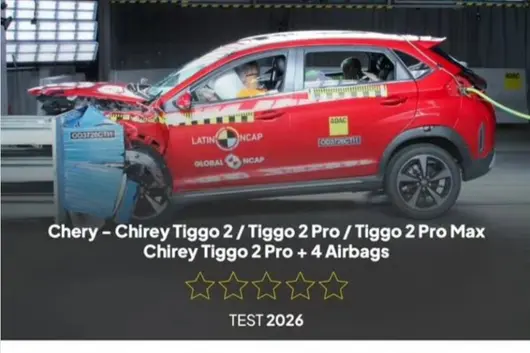
Recently, a report from the Latin American safety evaluation agency showed that Chery's volume-selling model Tiggo 2 (the domestic Tiggo 3x) scored 0 stars in crash tests.

Particularly worrisome is that in the past month, the five giants of Chinese automakers going global have encountered challenges in different overseas markets.
Chery was the most severely affected.
According to the report, Chery's Tiggo 2, Tiggo 2 Pro, and Tiggo 2 Pro Max launched for the Latin American market received 0-star ratings. Adult occupant protection score 0%, Child occupant protection score 0%, Pedestrian protection 48.89%, Safety assistance system 45.45%.

Latin NCAP, which gave the "negative review", is the only independent new car safety evaluation agency in Latin America. Founded in 2010, it has tested over 170 models so far, and its testing methods directly benchmark against Europe's Euro NCAP. Starting from 2026, it adopted a stricter new testing procedure, and Chery's report is the first report card under the new procedure.

The test report points out that the vehicle body structure performance was unstable in the frontal collision, the footwell space was intruded, the driver's chest compression value was high, and a fire risk occurred during the test, which directly led to a zero adult occupant protection score.

Regarding child protection, no points were scored in the dynamic test and child restraint system installation process. The 10-year-old dummy recorded very high injury values for the neck and head in the collision; the 3-year-old dummy's head was directly exposed, with a risk of being thrown out of the seat, and the child safety seat anchor points also failed to meet standards.

For this result, the agency's chairman Stefan Brozicak said, "It is disrespectful to Latin American consumers".
How much damage does this cause to Chery?
Latin America is Chery's main market for going global. In the first half of 2026, Chery exported 115,028 new cars to Central and South America, a year-on-year increase of 95.1%. Tiggo 2 is its entry-level volume-selling model in this market.
Funny enough, Chery released the Tiggo 7 series, which just received five-star ratings from the four major institutions: China C-NCAP, Europe Euro NCAP, Australia ANCAP, and ASEAN ASEAN NCAP.
Why is there such a big difference in ratings for the same brand? There has been much discussion on social platforms, and Chery has not yet responded.

Early this month, Chery was just hit hard in Malaysia.
An OMODA 5 had its rear axle longitudinal arm weld seam tear while driving, and the rear axle along with two rear wheels directly detached from the body. The accident video went viral on local social networks. Malaysia's Land Transport Authority JPJ directly suspended the registration of new cars for this model,
Chery subsequently announced the recall of 8,878 involved vehicles locally, and Chairman Yin Tongyue apologized to the Deputy Minister of Industry in Malaysia.
The trouble is not just Chery; BYD, SAIC, Changan, and Geely have not escaped either.
A BYD Seal was still and caught fire after being parked in water in rainy weather in Bangkok, Thailand. Site videos spread quickly, raising doubts about battery sealing and water protection design. Although BYD's inspection conclusion believes the root cause of the fire was not inspecting and repairing according to guidelines after water immersion and resting short circuit, not a native manufacturing defect, the seed of anxiety about EV waterproofing safety has already been planted.

The UK VCA vehicle certification agency issued a rectification notice to SAIC MG. It required the submission of the full set of calibration data within a time limit, and certification for some newly added versions was temporarily suspended. In September, MG just surpassed Mercedes, BMW, and Audi in sales in the UK market, creating a milestone for Chinese brands in the UK market. Europe is MG's main battlefield.
The on-board cameras of two Deepal vehicles in a rental fleet recorded sensitive images. Changan Automobile was also accused of data security issues; while Geely in Brazil was also served with a temporary injunction by the Dandi court due to patent disputes and may even face fines.
Five years ago, the sales proportion of Chinese car brands in Europe was less than 1%; while in the third quarter of this year, Chinese brand cars exceeded Japan in Europe for the first time.
Last year, China ended Japan's 25-year dominant status and took the top spot in global car sales. Among the top 20 global automakers, Chinese brands occupy six seats, Japanese brands five seats. BYD even surpassed Tesla to become the first globally in the pure electric field.
When Chinese cars stand on the champion's podium, inevitably countless people will hold magnifying glasses to stare at China. Car safety, intelligent driving calibration, data security, intellectual property rights, denying the globalization results of the Chinese automobile industry with a single problem.
Last week, Chery Chairman Yin Tongyue, who has held the number one spot in Chinese passenger car exports for 23 consecutive years, suggested at the conference: Going global must be humble and low-key. "Internationalization is a complex systematic project; must prepare thoroughly and persist in long-termism."
Source: Bigu Finance

喺馬來西亞嘅 SUV 市場,好多買家喺揀車嗰陣都會揾 Toyota Harrier 同 Mercedes-Benz GLE 嚟做比較。這兩部車喺價位同埋定位上都好接近,今日我哋就由多個方面做一次詳細嘅比較,幫你節省做功課嘅時間。
Toyota Harrier 喺馬來西亞嘅 OTR 售價係 RM 289,000 - 289,000,一共有 1 個版本,包括 2026 HEV 2.5L Standard(RM 289,000) 等。
Mercedes-Benz GLE 喺馬來西亞嘅 OTR 售價係 RM 544,888 - 544,888,一共有 1 個版本,包括 Standard(RM 544,888) 等。
從價錢嚟睇,Toyota Harrier 嘅起步價的確比 Mercedes-Benz GLE 平咗 RM 255,888。如果你預算有限,Toyota 嘅入門版已經可以滿足日常需要。但都要留意,平嘅那幾千蚊,喺配備上可能有取捨,具體要睇你嘅需求。
Toyota Harrier 裝載 2.0L Turbo,馬力 220 hp。官方油耗 9.5 L/100km。
Mercedes-Benz GLE 裝載 3.0L Turbo,馬力 350 hp。官方油耗 12.0 L/100km。
動力方面,Mercedes-Benz GLE 嘅 3.0L Turbo 比 Toyota Harrier 嘅 2.0L Turbo 多咗 130 匹馬力。不過日常喺市區行,兩部車嘅動力都夠用,唔會覺得唔夠力。
Toyota Harrier 嘅安全評級係 5★ (ASEAN NCAP),主動安全系統包括 Brand ADAS。
Mercedes-Benz GLE 嘅安全評級係 5★ (Euro NCAP),主動安全系統包括 Premium ADAS。
安全配備方面,兩部車都拿到唔錯嘅評級。不過 Toyota Harrier 嘅 Brand ADAS 同 Mercedes-Benz GLE 嘅 Premium ADAS 喺功能上有啲差異,如果你比較睇重主動安全嘅話,可以仔細比較下兩者嘅功能清單。
Toyota Harrier 保修 5 年/無限制里程,保養間隔 每 10,000km 或 6 個月。
Mercedes-Benz GLE 保修 3 年/100,000km,保養間隔 每 10,000km 或 6 個月。
Toyota Harrier 同 Mercedes-Benz GLE 都係馬來西亞市場嘅主流選擇,適合家庭使用、日常通勤。如果你更睇重品牌口碑同二手價,可以優先考慮口碑更好嗰款;如果你更在意性價比同配備,就揾配置更豐富嗰款。最終都係建議兩部都去試車,親身體驗先至最重要。
總而言之,Toyota Harrier 同 Mercedes-Benz GLE 都係馬來西亞市場好唔錯嘅車型。揾邊一部,關鍵都要睇你嘅個人需求同預算。建議大家做好功課,多比較幾間車行嘅報價,再去試車做最終決定。買車係件大嘢,花啲時間做功課絕對唔會錯。

喺馬來西亞嘅 SUV 市場,好多買家喺揀車嘅時候都會拎豐田 Harrier 同梅賽德斯 - 奔馳 GLE 來做比較。兩款車喺價位同定位上都幾接近,今日我就由多個方面做個詳細對比,幫你省低咗做功課嘅時間。
豐田 Harrier 喺馬來西亞嘅 OTR 售價係 RM 289,000 - 289,000,一共有 1 個版本,包括 2026 HEV 2.5L Standard(RM 289,000) 等。
梅賽德斯 - 奔馳 GLE 喺馬來西亞嘅 OTR 售價係 RM 544,888 - 544,888,一共有 1 個版本,包括 Standard(RM 544,888) 等。
從價錢睇落嚟,豐田 Harrier 嘅起步價確實比梅賽德斯 - 奔馳 GLE 平咗 RM 255,888。如果你預算有限,豐田嘅入門版已經可以滿足日常需求。但都要留意,平嗰幾千蚊,可能喺配備上會有取舍,具體要睇你嘅需求。
豐田 Harrier 採用 FWD 驅動方式。
梅賽德斯 - 奔馳 GLE 採用 FWD 驅動方式。
兩款車嘅驅動方式一樣,都係 FWD,日常駕駛感受唔會有太大分別。
豐田 Harrier 保修 5 年/無限制里程,保養間隔 每 10,000km 或 6 個月。
梅賽德斯 - 奔馳 GLE 保修 3 年/100,000km,保養間隔 每 10,000km 或 6 個月。
豐田 Harrier 同梅賽德斯 - 奔馳 GLE 都係馬來西亞市場嘅主流選擇,適合家庭使用、日常通勤。如果你更睇重品牌口碑同二手價,可以優先考慮口碑更好嗰一款;如果你更在意性價比同配備,那就揀配備更豐富嗰款。最終都係建議兩款都去試駕,親身體驗先係最重要嘅。
總體嚟講,豐田 Harrier 同梅賽德斯 - 奔馳 GLE 都係馬來西亞市場好好嘅車型。揀邊一輛,關鍵都係睇你嘅個人需求同預算。建議大家做好功課,多比較幾間車行嘅報價,再去試駕做最終決定。買車係件大事,花點時間做功課絕對唔會錯。
喺馬來西亞嘅 SUV 市場,好多買家喺揀車嘅時候都會用 Toyota Harrier 同 Mercedes-Benz GLC 嚟比較。這兩款車喺價格同定位上都好接近,而家我哋就從多個方面做一個詳細嘅比較,幫你省咗做功課嘅時間。
Toyota Harrier 喺馬來西亞嘅 OTR 售價係 RM 289,000 - 289,000,總共有 1 個版本,包括 2026 HEV 2.5L Standard(RM 289,000)等。
Mercedes-Benz GLC 喺馬來西亞嘅 OTR 售價係 RM 336,888 - 336,888,總共有 2 個版本,包括 GLC 200(RM 290,000)、GLC 300(RM 340,000)等。
由價錢睇,Toyota Harrier 嘅起步價的確比 Mercedes-Benz GLC 平咗 RM 47,888。如果你預算有限,Toyota 嘅入門版已經可以滿足日常需要。但都要注意,嗰幾千塊嘅差價,可能喺配備上有取舍,具體要睇你嘅需要。
Toyota Harrier 搭載 2.0L Turbo,馬力 220 hp。官方油耗 9.5 L/100km。
Mercedes-Benz GLC 搭載 2.0L Turbo,馬力 220 hp。官方油耗 9.5 L/100km。
兩款車用咗同一套動力系統,日常駕駛起嚟嘅感覺基本冇咩差別。油耗方面都差唔多,唔使太糾結呢點。
Toyota Harrier 嘅安全評級係 5★ (ASEAN NCAP),主動安全系統包括 Brand ADAS。
Mercedes-Benz GLC 嘅安全評級係 5★ (Euro NCAP),主動安全系統包括 Premium ADAS。
安全配備方面,兩款車都拿到唔錯嘅評級。不過 Toyota Harrier 嘅 Brand ADAS 同 Mercedes-Benz GLC 嘅 Premium ADAS 喺功能上有啲差異,如果你比較重視主動安全嘅話,可以仔細比較下兩者嘅功能列表。
Toyota Harrier 車身長 4400 mm,尾箱 400 L。
Mercedes-Benz GLC 車身長 4400 mm,尾箱 400 L。
兩款車嘅尺寸幾乎一樣,車內空間差別唔大。呢個級別嘅車,日常使用完全夠用。
Toyota Harrier 同 Mercedes-Benz GLC 都係馬來西亞市場嘅主流選擇,適合家庭使用、日常通勤。如果你更加重視品牌口碑同二手價,可以優先考慮口碑更好嗰一款;如果你更加重視性價比同配備,嗰時就揀配備更豐富嗰款。始終建議兩款都去試駕,親身體驗先係最重要。
總之,Toyota Harrier 同 Mercedes-Benz GLC 都係馬來西亞市場幾不錯嘅車型。揀邊輛,關鍵都要睇你嘅個人需求同預算。建議大家做好功課,多比較幾間車行嘅報價,再去試駕做最終決定。買車係件大事,花少少時間做功課絕對唔會錯。

喺馬來西亞嘅 SUV 市場,好多買家喺揀車嗰陣都會拿豐田 Harrier 同賓士 GLC 嚟做比較。這兩款車喺價位同定位上都幾近,我哋今日就由多方面做一個詳細比較,幫你節省做功課嘅時間。
豐田 Harrier 喺馬來西亞嘅 OTR 售價係 RM 289,000 - 289,000,總共有 1 個版本,包括 2026 HEV 2.5L Standard(RM 289,000) 等。
賓士 GLC 喺馬來西亞嘅 OTR 售價係 RM 336,888 - 336,888,總共有 2 個版本,包括 GLC 200(RM 290,000)、GLC 300(RM 340,000) 等。
睇返價錢,豐田 Harrier 嘅起步價確實比賓士 GLC 平咗 RM 47,888。如果你預算有限,豐田嘅入門版已經可以滿足日常需要。不過都要小心,便宜嗰幾千蚊,可能喺配備上會要做取舍,具體睇你嘅需要。
豐田 Harrier 嘅安全評級係 5★ (ASEAN NCAP),主動安全系統包括 Brand ADAS。
賓士 GLC 嘅安全評級係 5★ (Euro NCAP),主動安全系統包括 Premium ADAS。
安全配備方面,兩款車都拿到唔錯嘅評級。不過豐田 Harrier 嘅 Brand ADAS 同賓士 GLC 嘅 Premium ADAS 喺功能上有啲分別,如果你比較重視主動安全嘅話,可以仔細對比下兩者嘅功能清單。
豐田 Harrier 車身長 4400 mm,行李箱 400 公升。
賓士 GLC 車身長 4400 mm,行李箱 400 公升。
兩款車嘅尺寸幾近一樣,車內空間差別唔大。呢個級別嘅車,日常使用完全足夠。
豐田 Harrier 採用 FWD 驅動方式。
賓士 GLC 採用 FWD 驅動方式。
兩款車嘅驅動方式一樣,都係 FWD,日常駕駛感受唔會有太大分別。
總體嚟講,豐田 Harrier 同賓士 GLC 都係馬來西亞市場幾唔錯嘅車型。揀邊台,關鍵仲係睇返你個人需要同預算。建議大家做好功課,多比較幾間車行嘅報價,再去做試車做最終決定。買車係件大事情,花少少時間做功課絕對唔會錯。

「十五五」規劃綱要明確將智能聯網新能源汽車列為新質生產力的核心賽道,為汽車產業的轉型指明了方向。但新質生產力並非停留在產業規劃層面的概念,它需要最終落地為可以驗證的產業成果。
作為國內首個累計產銷突破 1 億輛的汽車集團,上汽集團以全維度體系化實踐,打造出汽車產業落地新質生產力的成熟範式。
從底層核心技術自主突破,到全產業鏈生態協同共進,從智造人才梯隊持續建設,到全球市場價值穩步輸出,上汽已將新質生產力轉化為推動產業升級的現實動能。
技術攻堅 賽道領跑
新質生產力的核心,是技術的自主可控。中國車企必須擺脫對國外技術路徑的依賴,走出自己的創新路線。
過去幾十年,中國汽車工業在發動機、變速箱、底盤等傳統領域長期處於跟跑狀態;而在智能電動新賽道上,中國車企已實現從跟跑到領跑的跨越,上汽正是其中的核心代表。
高效熱管理技術就是極具代表性的縮影。
新能源汽車的熱管理系統涉及電池、電機、座艙等多個環節,直接影響車輛在不同溫度環境下的能耗、舒適性和使用表現。
圍繞相關技術,上汽牽頭聯合上海交通大學、江蘇大學、同濟大學開展產學研協同創新,在系統架構、智能控制、材料工藝等方面推進自主研發。
2026 年,由上汽牽頭完成的「高效全溫域集成一體式熱管理關鍵技術及整車集成應用」項目,榮獲中國汽車工程學會科學技術進步獎二等獎。

這項技術讓熱泵工作溫度從 -15℃下探至 -35℃,冬季制熱效率提升 30%,並以自研的鋁鑭鈰稀土合金材料,突破了國外企業在流道板材料上的專利壁壘。
如今這一技術成果早已進入量產應用,搭載於 MG4、榮威純電 D6、MG 07、尚界 Z7 等車型,近三年累計裝配超 42 萬套。
在更前沿的領域,上汽的技術佈局也已進入量產收穫期:半固態電池實現全球首批量產裝車,線控轉向技術率先實現規模化落地,AI 大模型原生座艙正式推向市場。

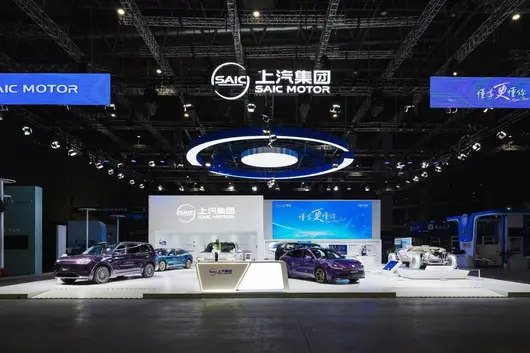
10 月下旬的 2026 世界智能聯網汽車大會現場,上汽展台帶來了三款量產車:15 萬級的榮威家越 07 攜 AI 原生座艙與高階智駕登場,首次實現大模型對整車硬件的原子化調度;MG 07 把 800V 高壓平台與 5C 超充裝進了 15 萬級新能源轎跑;20 萬級的全新智己 LS6,則將航空級標準的全線控底盤帶入了主流家庭 SUV 市場。
數十年在電動化、智能化領域持續不斷的研發投入、數萬項有效專利,上汽已構建起一條從基礎研究、工程開發到量產驗證的完整創新鏈條。
當關鍵技術從實驗室走向生產線,從高端車型下沉到主流市場,自主創新才真正轉化為可持續的產業競爭力。
生態協同 產業共榮
技術創新的價值放大,離不開產業生態的支撐。新質生產力的壯大,從來不是單個企業的單打獨鬥,而是全產業鏈的協同升級。
作為汽車產業的龍頭企業,上汽的角色早已從整車製造商升級為產業生態的「鏈主」,通過產投融合、整零協同帶動上下游產業鏈共同進階,把新質生產力的紅利擴散到全行業。
與單純追求財務回報的投資邏輯不同,上汽的產業投資始終錨定一個核心標準:被投企業能否與主業形成深度協同,能否補強供應鏈短板,能否為長期轉型沉澱技術勢能。
沿著這一思路,一方面,上汽圍繞座艙、底盤、動力等核心業務佈局相關技術與關鍵零部件;另一方面,投資人工智能、機器人等前沿方向,同時關注芯片、材料、工藝和裝備等基礎環節,嘗試將外部創新能力與現有產業體系連接起來。
截至目前,上汽產業投資已收穫 90 餘家上市企業,僅 2026 年以來,就有 Momenta、長鑫科技、粵芯半導體等一批科創企業陸續登陸資本市場。
這些企業不僅是上汽的投資標的,更是技術落地的深度合作夥伴。
在 AI 與智駕領域,上汽與 Momenta 的深度協同,不僅讓高階智駕快速下放到主流價位,也推動了智駕算法在中國複雜路況下的迭代成熟。
在半導體領域,對長鑫科技、粵芯半導體的投資,既助力國產存儲芯片、模擬芯片突破技術瓶頸,也為自身的智能座艙、智駕域控制器提供了穩定的供應鏈支撐。
2026 年世界人工智慧大會上,上汽投資的幾十家 AI 企業集中亮相,覆蓋從底層算力到應用場景的全鏈條,已經形成了真實的產業協同網絡。

這種生態效應也延伸到了製造端。上汽投研的具身智能人形機器人「能仔 1 號」,已經在別克至境 E7 的電池量產線上正式上崗,成為中國汽車行業首批投入量產線應用的人形機器人。
從產線自動化到具身智能化,製造端的升級不僅提升了上汽自身的生產效率,也帶動了國內人形機器人產業從原型機走向真實工業場景的落地。
這正是龍頭企業的核心價值,不止於自身的銷量與利潤增長,更能帶動整條產業鏈向上突破。
人才築基 智造賦能
新質生產力的落地,最終要靠人來實現。
製造向「智造」升級的過程,也是技能人才迭代升級的過程。如果說技術是新質生產力的骨架,那麼高技能人才就是支撐骨架的根基。

上汽與世界技藝大賽的十二年結緣,正是其人才戰略的一個縮影。在車身修理項目上,上汽聯合院校培養的選手累計斬獲「四金一銀」:從 2015 年羅良實現中國該項目獎牌零的突破,到楊山巍、徐澳門、朱俊峰接連登頂,再到 2026 年焦嬌再度奪金,工匠精神在一代代選手中傳承延續。
獎牌和榮譽之外,更具價值的是上汽沉澱多年的整套人才成長體系。
截至目前,上汽累計投入 6.5 億元建成四大實訓基地,打造了超 8 萬人的技能人才隊伍,其中高技能人才約 3 萬人,佔比超 35%;先後誕生 16 個國家級技能大師工作室、83 名全國及上海市技術能手。
從傳統的車身修理、整車裝配,到新興的 AI 運維、軟體測試、智能產線調試,技能人才的培養方向始終跟著產業升級的節奏同步迭代。
如今,往屆世賽冠軍已經成長為技術專家與教練,新一代選手又源源不斷地補充進產業隊伍,形成了技能傳承的良性循環。
在汽車產業從「製造」向「智造」轉型升級的當下,這種對技能人才的長期投入,是新質生產力最扎實的底氣。
全球佈局 價值輸出
新質生產力的成色,最終要放到更廣闊的市場中檢驗。
中國汽車產業的升級,不能止步於國內市場,更要把中國技術、中國標準、中國方案輸出到全球,參與國際規則制定與高端市場競爭。
上汽的全球化早已走過了靠性價比搶佔市場的初級階段,在 Glocal 3.0 戰略下,上汽的出海已經從單純的產品出口,升級為技術、品牌、服務、標準全鏈條的價值鏈出海。
2026 年前三季度,上汽集團海外累計銷量達 116.6 萬輛,同比增長 52.4%,已超過 2025 年全年水平,增长速度與規模質量同步提升。
作為上汽最大的海外區域市場,歐洲市場的增長兼具規模與含金量。前三季度,MG 品牌在歐洲累計銷量超 28 萬輛,同比增長 23%,連續 11 年蟬聯中國品牌歐洲銷量冠軍。

深耕歐洲的同時,上汽的全球化網絡正向更多區域加速延伸。前三季度,MG 在中美洲及加勒比地區 18 個市場銷量同比增長 86%。
乘用車穩步拓展的同時,商用車板塊成為上汽體系出海的另一重要支點。9 月上汽商用車海外銷量達 18395 輛,同比增長 120%,創下歷史新高。
目前上汽位居中國輕型商用車對歐出口首位,在澳洲、阿根廷、新加坡、埃及等多個區域上汽商用車均實現逆勢突破,全球化運營體系日趨成熟。
支撐這份成績的,不只是產品力,更是技術力與品牌力的同步輸出。
從法蘭克福到倫敦,MG 連續舉辦技術大會,向全球市場展示半固態電池、混動技術與智能行車方案;從古德伍德速度節到漢諾威交通運輸展,上汽從乘用車型到商用車全矩陣亮相,輸出面向不同場景的成套解決方案。
前文提到的熱管理方案搭載車型,已出口至 170 多個國家和地區,海外應用佔比超過 50%,並逐步向合資品牌和商用車品牌輸出,成為中國技術出海的鮮活案例。
這才是真正意義上的全球化,不只把中國品牌的汽車賣到海外,並將中國汽車在電動化、智能化和先進製造領域形成的體系化能力,轉化為能夠適應全球市場的產品、服務和解決方案。
這種全鏈條的出海能力,讓中國新質生產力的成果,真正扎根到了全球市場。
結語
「十五五」的大幕已經拉開,智能聯網汽車作為新質生產力的核心賽道,其競爭早已從單一產品或技術的較量,延伸至創新體系、產業鏈協同、人才儲備和全球經營能力的綜合比拼。
上汽的實踐,既不是單點技術的突破,亦非單一模式的創新,而是一套覆蓋技術、生態、人才、全球化的體系化能力升級,是龍頭企業對產業升級責任的主動擔當。
上汽用實績證明:新質生產力不是一句口號,而是把戰略落到產業實處、把技術轉化為用戶價值的能力。中國汽車工業的高質量發展,還需要更多這樣的體系化實踐,為製造業轉型築牢標杆、蹚出路子。