The May 2026 Hong Kong private car new registration figures have been released. Toyota recorded 180 new car registrations this month, ranking sixth in the market. Compared to the same period last year, registrations increased by 66 units, representing a year-on-year growth of 57.9%. This indicates that the brand's foundational strength in Hong Kong remains intact. However, monthly performance showed notable volatility, with a significant drop of 473 units compared to April.
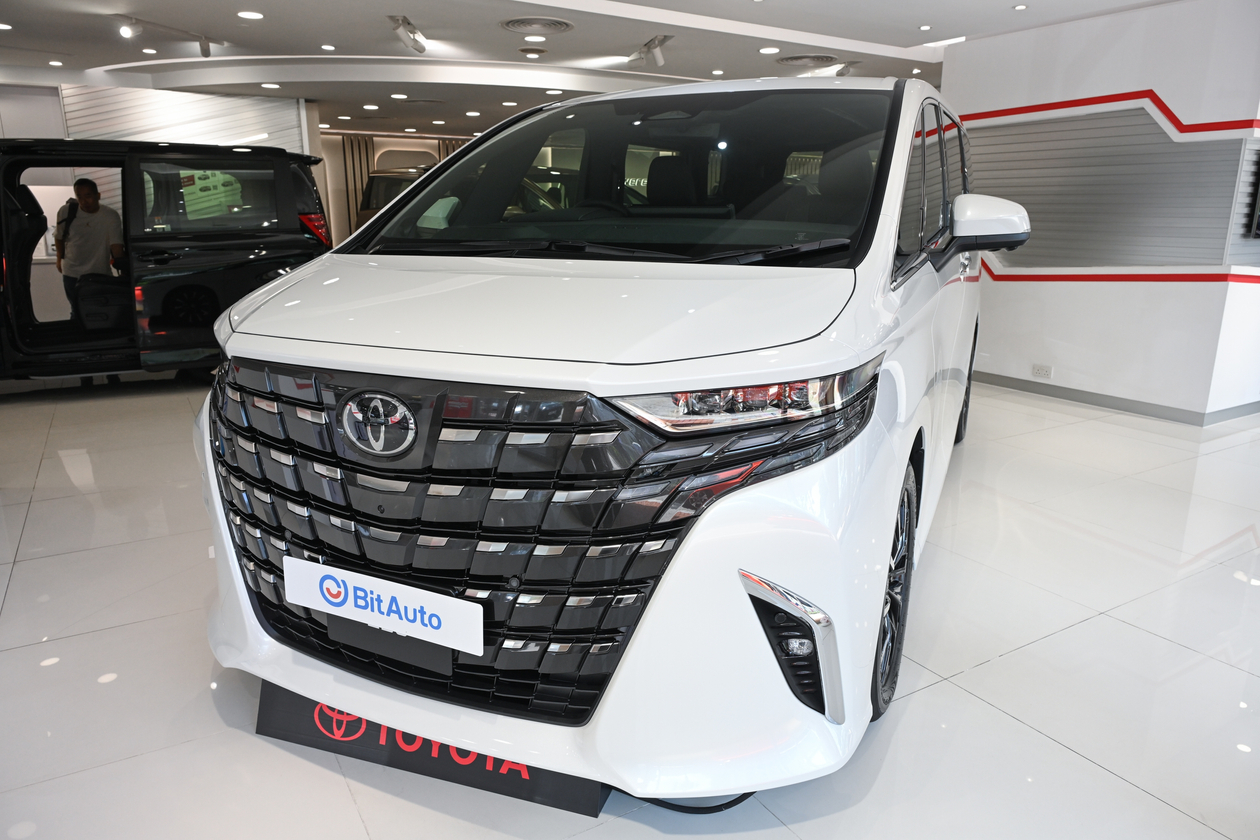
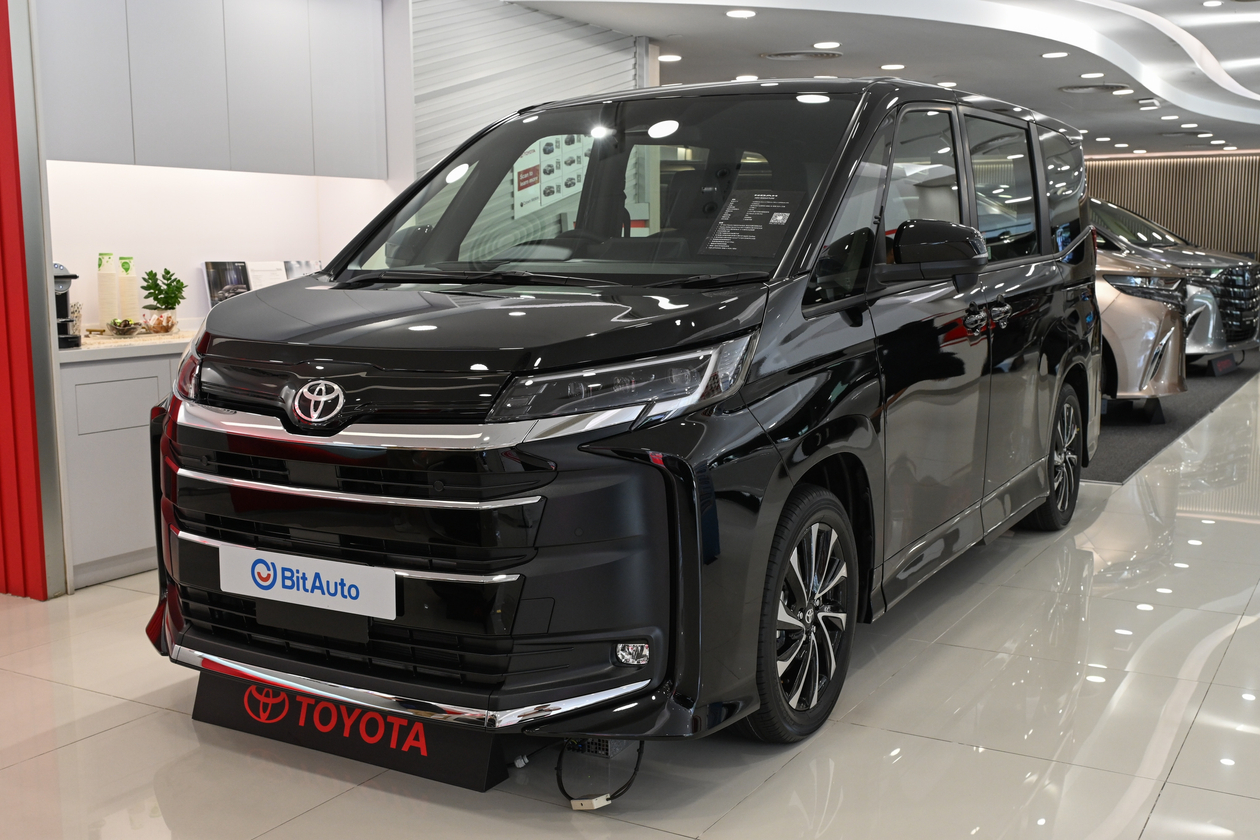
From the model-specific sales data, it is clear that Toyota's sales pillar in Hong Kong continues to rely heavily on its traditional fuel-powered MPV models, which maintain strong market advantages. The Noah registered 66 units and the Alphard 44 units. These two classic MPVs continue to fulfil the practical needs of families and commercial users in Hong Kong. Meanwhile, the brand's all-electric model, the bZ3X, delivered a respectable performance with 52 units sold, establishing itself as the cornerstone of Toyota's electrification push in the market.
Toyota's current position in the Hong Kong car market is rather delicate. As a well-established Japanese brand with deep roots in Hong Kong, Toyota has long enjoyed strong consumer trust thanks to its reputation for quality, durability, and a comprehensive after-sales network. However, the Hong Kong market is currently dominated by a powerful wave of electrification, with the EV penetration rate in the private car segment reaching nearly 90% in May. This has fundamentally reshaped the competitive landscape.
If Toyota fails to quickly convert its traditional brand advantages into competitive strength in the electric vehicle sector, its reputation for reliability may become a limitation rather than an asset — making it increasingly difficult to attract new customers and capture growing market share.
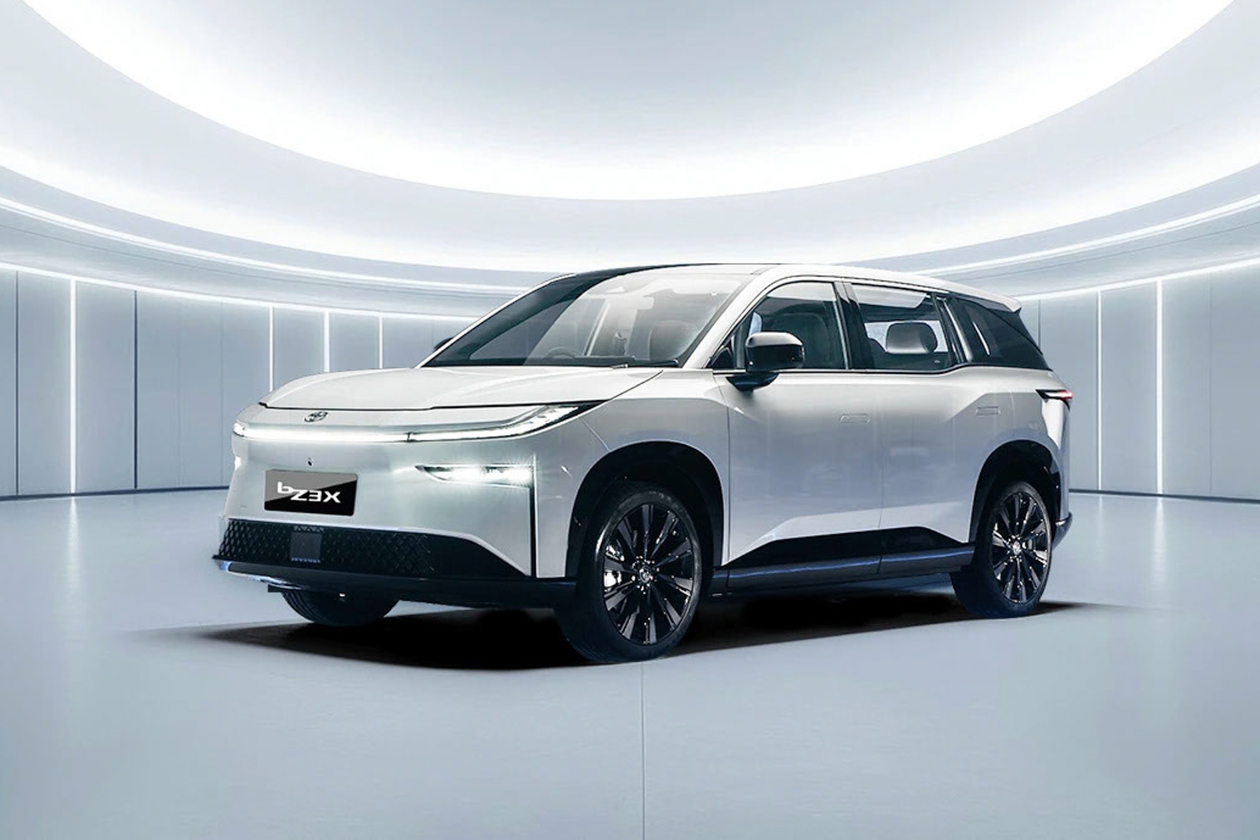
Toyota Hong Kong has positioned the bZ3X as "Toyota's first all-electric model designed specifically for Hong Kong", emphasising four key strengths: local adaptation, riding comfort, safety and reliability, and rigorous battery testing. This strategy represents the brand's primary lever to break into the mainstream EV market and better address local driving needs.
Nevertheless, the bZ3X faces extremely fierce competition. The mainstream family car segment priced between HKD 150,000 and HKD 300,000 has become a highly contested battleground. Strong competitors including Tesla, BYD, XPeng, MG, and GAC Aion are all vying aggressively for Hong Kong family buyers. Today's car purchasers in Hong Kong no longer rely solely on brand reputation and durability — they meticulously compare range, smart features, price-to-performance ratio, and delivery efficiency. Relying purely on the traditional "old reliable" image is no longer sufficient to win over the new generation of buyers. Toyota must prove that its electric vehicles can compete comprehensively with mainstream EV brands.
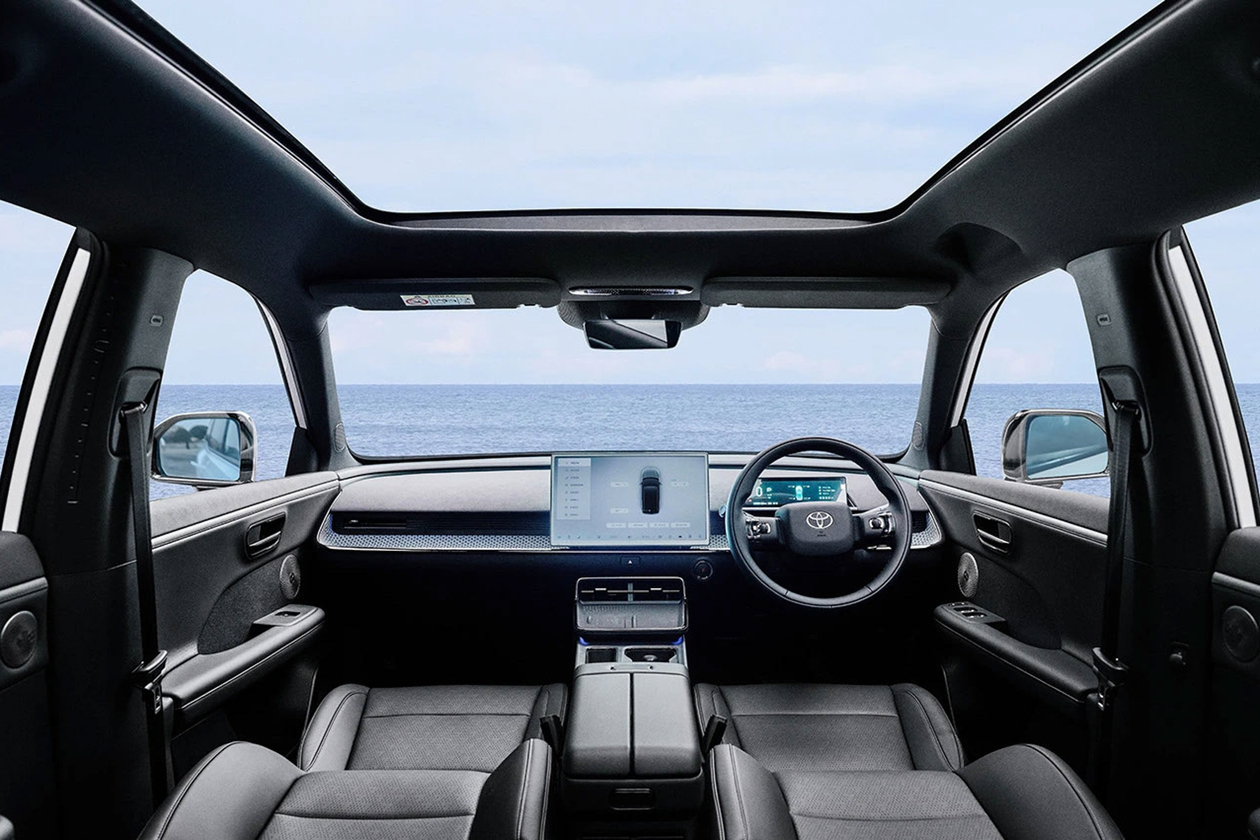
The 180 registrations in May prove that Toyota has not yet been marginalised in Hong Kong's rapidly transforming car market. However, whether the brand can return to the forefront will largely depend on whether the bZ3X can evolve from a test model into a stable, high-volume flagship vehicle.
Toyota's sales trend also reflects the broader transformational challenges faced by traditional automakers: they possess a large existing user base but struggle to keep pace with the rapid iteration of the electric vehicle market. Consumer purchasing logic has been completely reshaped by EVs, with more comprehensive evaluation criteria. The launch of the bZ3X offers Toyota an opportunity to reconnect with local users through localised adaptation and high-safety product features.
Looking ahead to the second half of 2026, if the bZ3X's sales continue to climb and stabilise, Toyota should be able to maintain its core position as a major traditional automaker in Hong Kong. Conversely, if performance falters, the brand will become increasingly reliant on rigid demand for its fuel-powered MPVs, further constraining its long-term development potential.


香港汽車內容平台 🚗 新車・買車・玩車・用車 用香港視角,睇世界嘅車
+ Follow 【新車速報】AVATR 11今次真係玩到咁豪華?
AVATR 全新旗艦車款登陸圓方!由今日起至9月20日,AVATR 11 皇家劇院版、2026年款 AVATR 11 Ultra AWD 及 AVATR 07 一次過登場,現場仲有英國 Meridian™ 音響體驗區。
最矚目嘅 AVATR 11 皇家劇院版,香港首輪限量5部,售價 HK$1,099,800,採用獨有頭等艙獨立4座設計,配半苯胺真皮按摩座椅、專屬雙色車身,以及25個揚聲器 Meridian™ 7.1.4 聲道環繞音響。
另外,2026年款 AVATR 11 Ultra AWD HK$838,800起,395kW、0-100km/h僅4.8秒,續航630km NEDC,仲升級四驅、超跑級電磁避震及前排三螢幕影音串流功能。全系列 AVATR 11 就由 HK$642,300起。
至於 AVATR 07 都會登場,售價 HK$464,800起,累計銷量已破500部,由著名演員張凌赫擔任全球代言人,限定現貨最後機遇。
📍 ELEMENTS 圓方金區 L1
📅 9月17–20日|11am–9pm
🚗 展出:AVATR 11 皇家劇院版、AVATR 11 Ultra AWD、AVATR 07
📲 九龍灣大昌行集團大廈地下
如果係你,HK$109萬嘅 AVATR 11 皇家劇院版,最吸引你嘅會係4座頭等艙,定係Meridian音響?
#AVATR #AVATR11 #AVATR07 #電動車 #BitAutoHongKong #新車速報 1分钟前
【新車速報】AVATR 11今次真係玩到咁豪華?
AVATR 全新旗艦車款登陸圓方!由今日起至9月20日,AVATR 11 皇家劇院版、2026年款 AVATR 11 Ultra AWD 及 AVATR 07 一次過登場,現場仲有英國 Meridian™ 音響體驗區。
最矚目嘅 AVATR 11 皇家劇院版,香港首輪限量5部,售價 HK$1,099,800,採用獨有頭等艙獨立4座設計,配半苯胺真皮按摩座椅、專屬雙色車身,以及25個揚聲器 Meridian™ 7.1.4 聲道環繞音響。
另外,2026年款 AVATR 11 Ultra AWD HK$838,800起,395kW、0-100km/h僅4.8秒,續航630km NEDC,仲升級四驅、超跑級電磁避震及前排三螢幕影音串流功能。全系列 AVATR 11 就由 HK$642,300起。
至於 AVATR 07 都會登場,售價 HK$464,800起,累計銷量已破500部,由著名演員張凌赫擔任全球代言人,限定現貨最後機遇。
📍 ELEMENTS 圓方金區 L1
📅 9月17–20日|11am–9pm
🚗 展出:AVATR 11 皇家劇院版、AVATR 11 Ultra AWD、AVATR 07
📲 九龍灣大昌行集團大廈地下
如果係你,HK$109萬嘅 AVATR 11 皇家劇院版,最吸引你嘅會係4座頭等艙,定係Meridian音響?
#AVATR #AVATR11 #AVATR07 #電動車 #BitAutoHongKong #新車速報 1分钟前  【香港睇車地圖】IM智己香港新舖開幕!IM5、IM6正式亮相,仲有新升級?
富利堡獲指定為 MG IM 智己香港總代理,今次亮相的改良版 IM5、IM6,相比過往在港版本都有明顯升級,包括18度後輪轉向、第二代 IM Digital Chassis、驍龍8295智能座艙,以及可阻擋99.9%紫外線的調光天幕。
你又覺得今次升級最吸引係邊樣?
#智己 #IM5 #IM6 #香港新車 #BitAutoHongKong #香港睇車地圖 1分钟前
【香港睇車地圖】IM智己香港新舖開幕!IM5、IM6正式亮相,仲有新升級?
富利堡獲指定為 MG IM 智己香港總代理,今次亮相的改良版 IM5、IM6,相比過往在港版本都有明顯升級,包括18度後輪轉向、第二代 IM Digital Chassis、驍龍8295智能座艙,以及可阻擋99.9%紫外線的調光天幕。
你又覺得今次升級最吸引係邊樣?
#智己 #IM5 #IM6 #香港新車 #BitAutoHongKong #香港睇車地圖 1分钟前  【香港睇車地圖】住九龍灣附近嘅車迷,又多一個睇車新選擇!
GAC-APMG 九龍灣品牌旗艦中心正式開幕,落腳南豐商業中心地下,開幕當日仲有香港小姐現身!
AION UT、AION V、E9 PHEV 等車款都可以喺店內睇到,九龍灣車迷又多一個睇車選擇!
📍 南豐商業中心地下
#GAC #APMG #AIONUT #AIONV #E9PHEV #BitAutoHongKong #香港睇車地圖 1小时前
【香港睇車地圖】住九龍灣附近嘅車迷,又多一個睇車新選擇!
GAC-APMG 九龍灣品牌旗艦中心正式開幕,落腳南豐商業中心地下,開幕當日仲有香港小姐現身!
AION UT、AION V、E9 PHEV 等車款都可以喺店內睇到,九龍灣車迷又多一個睇車選擇!
📍 南豐商業中心地下
#GAC #APMG #AIONUT #AIONV #E9PHEV #BitAutoHongKong #香港睇車地圖 1小时前 Get the latest car news first!
【新車速報】AVATR 11今次真係玩到咁豪華?
AVATR 全新旗艦車款登陸圓方!由今日起至9月20日,AVATR 11 皇家劇院版、2026年款 AVATR 11 Ultra AWD 及 AVATR 07 一次過登場,現場仲有英國 Meridian™ 音響體驗區。
最矚目嘅 AVATR 11 皇家劇院版,香港首輪限量5部,售價 HK$1,099,800,採用獨有頭等艙獨立4座設計,配半苯胺真皮按摩座椅、專屬雙色車身,以及25個揚聲器 Meridian™ 7.1.4 聲道環繞音響。
另外,2026年款 AVATR 11 Ultra AWD HK$838,800起,395kW、0-100km/h僅4.8秒,續航630km NEDC,仲升級四驅、超跑級電磁避震及前排三螢幕影音串流功能。全系列 AVATR 11 就由 HK$642,300起。
至於 AVATR 07 都會登場,售價 HK$464,800起,累計銷量已破500部,由著名演員張凌赫擔任全球代言人,限定現貨最後機遇。
📍 ELEMENTS 圓方金區 L1
📅 9月17–20日|11am–9pm
🚗 展出:AVATR 11 皇家劇院版、AVATR 11 Ultra AWD、AVATR 07
📲 九龍灣大昌行集團大廈地下
如果係你,HK$109萬嘅 AVATR 11 皇家劇院版,最吸引你嘅會係4座頭等艙,定係Meridian音響?
#AVATR #AVATR11 #AVATR07 #電動車 #BitAutoHongKong #新車速報 1分钟前 【香港睇車地圖】IM智己香港新舖開幕!IM5、IM6正式亮相,仲有新升級?
富利堡獲指定為 MG IM 智己香港總代理,今次亮相的改良版 IM5、IM6,相比過往在港版本都有明顯升級,包括18度後輪轉向、第二代 IM Digital Chassis、驍龍8295智能座艙,以及可阻擋99.9%紫外線的調光天幕。
你又覺得今次升級最吸引係邊樣?
#智己 #IM5 #IM6 #香港新車 #BitAutoHongKong #香港睇車地圖 1分钟前 【香港睇車地圖】住九龍灣附近嘅車迷,又多一個睇車新選擇!
GAC-APMG 九龍灣品牌旗艦中心正式開幕,落腳南豐商業中心地下,開幕當日仲有香港小姐現身!
AION UT、AION V、E9 PHEV 等車款都可以喺店內睇到,九龍灣車迷又多一個睇車選擇!
📍 南豐商業中心地下
#GAC #APMG #AIONUT #AIONV #E9PHEV #BitAutoHongKong #香港睇車地圖 1小时前  BAWToyotaBYDZeekrGACDongfengXPengMGMaxusLeapmotorDenzaIMiCAURDeepalWulingOraJuneyao AutoKYCSkyworthAvatrFotonFordGeelyHongqiJAECOOKGMOMODADFSKTeslaHondaBMWMercedes-BenzsmartMINIPorscheNissanLexusSuzukiVolvoSubaruMazdaKiaHyundaiLand RoverRolls-RoyceFerrariAudiLamborghiniRiddaraSeresFarizonfireflyLingboxKaiyiVoyahHIMAM-HeroIsuzuBentleyPolestarMcLarenMitsubishiMaseratiPeugeotAston MartinAcuraJeepJaguarLotusVolkswagenEpiclandJACLepasLi
© 2024 Bitauto.com. All Rights Reserved.
Bitauto (www.yiche.com and www.bitauto.com) is one of the most visited automotive websites in China. We provide detailed info on Chinese car brands available in your area. Please note that the information provided on this website is based on publicly available data and is for reference only. It may not be fully updated or accurate at all times.


