
Search History
Popular Searches
English
Dealer Login / Sign Up
While the spotlight in the new energy vehicle market has long been on pure electric and plug-in hybrids, the conventional hybrid (HEV) – a technology that requires no external charging – has often been seen as a mere "transitional solution." On April 13, however, Geely Auto will hold a technology launch event in Hangzhou themed "World Hybrids, China's Strength," officially unveiling its next-generation i-HEV intelligent dual-motor hybrid technology.
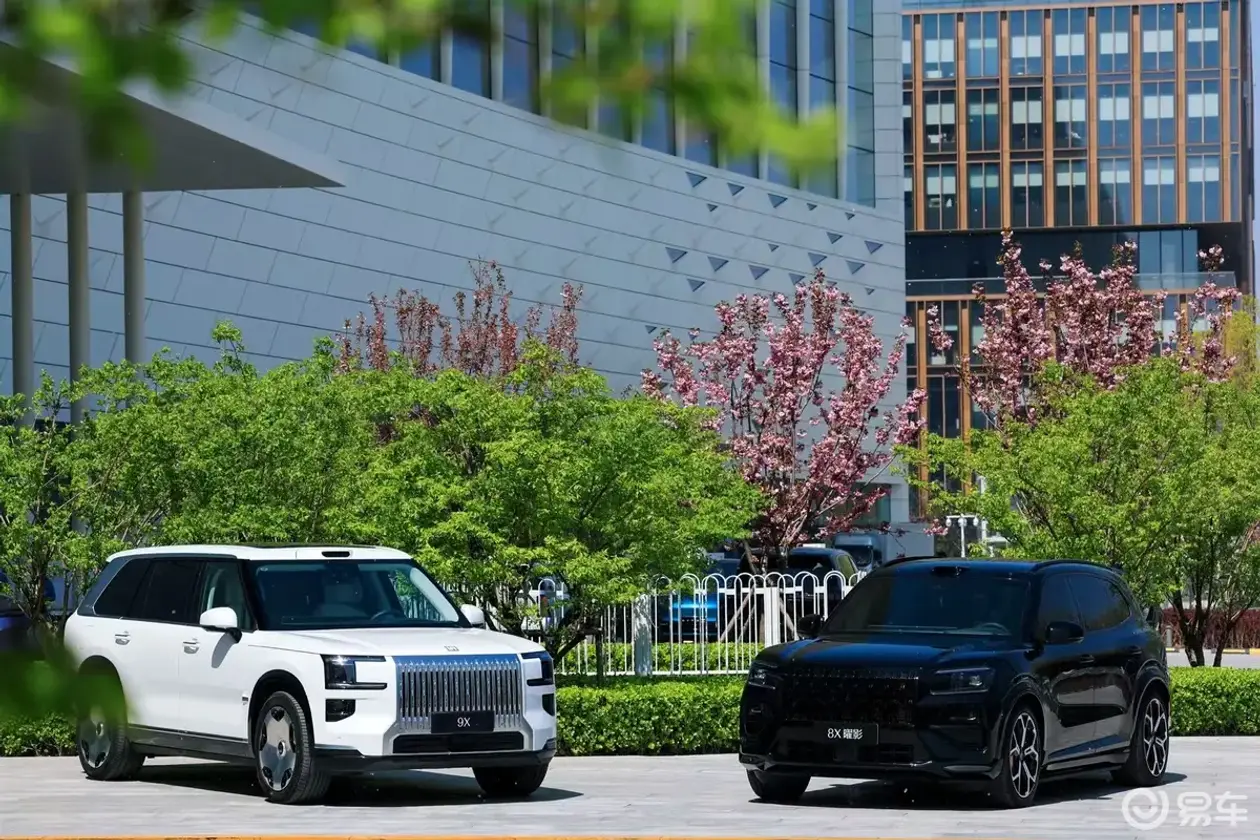
With a claimed fuel consumption as low as 3 liters per 100 kilometers and the world's first "AI Cloud Power" system for hybrids, Geely is directly challenging the Japanese brands that have long dominated this field. For Hong Kong users, this technology is not just about fuel economy numbers; it could offer a truly "painless transition" to electrification after the end of the "One-for-One" tax concession scheme.
Technical Breakthrough: "AI Cloud Power" Behind 3L/100km
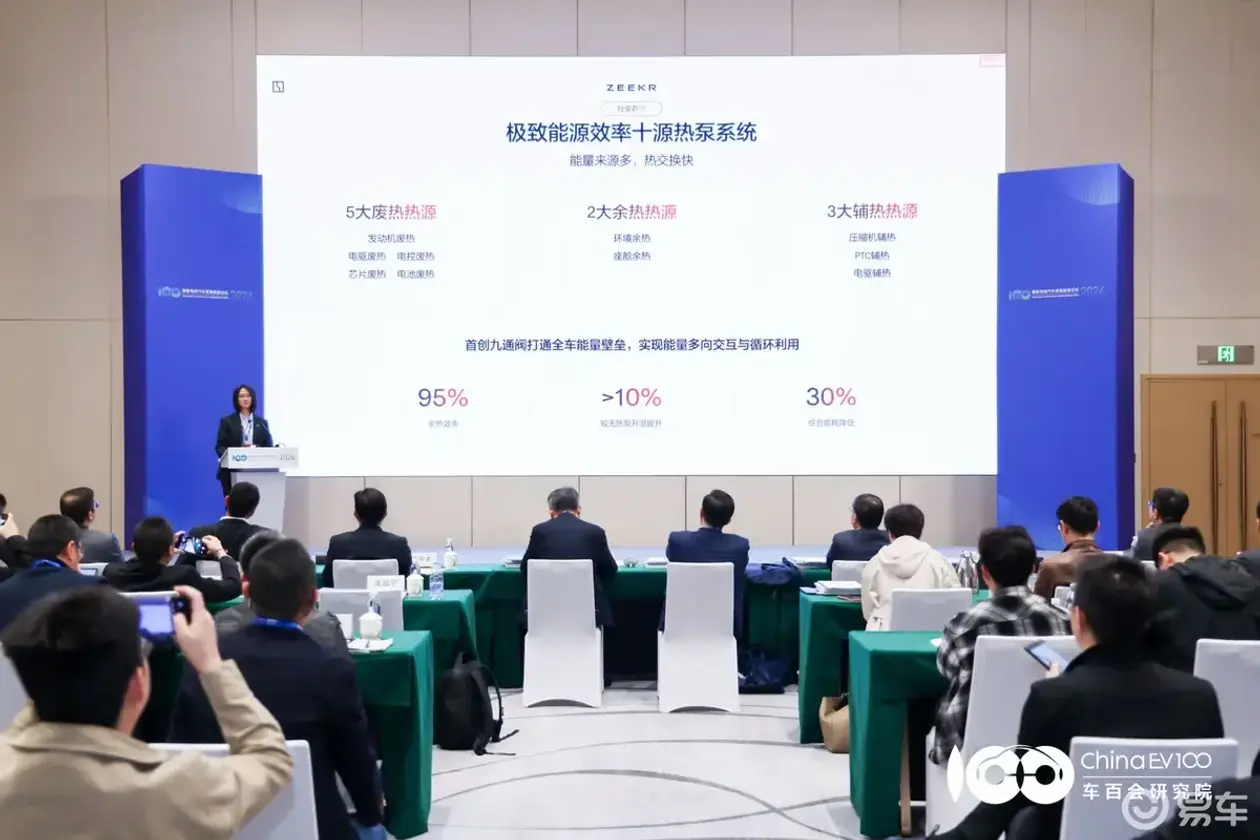
The i-HEV technology is not just a conventional "upgraded hybrid." Geely Auto Group CEO Gan Jiayue revealed earlier this year that the technology aims to surpass Japanese hybrids as a new global benchmark. Its core is the world's first "AI Cloud Power" system – using artificial intelligence algorithms to optimize the cooperation between the engine and electric motor in real time, automatically switching to the most efficient powertrain mode for different road conditions. This system integrates Geely's self-developed powertrain and three-electric technologies, combined with an intelligent electric drive, increasing overall vehicle power by at least 20% compared to mainstream HEVs.
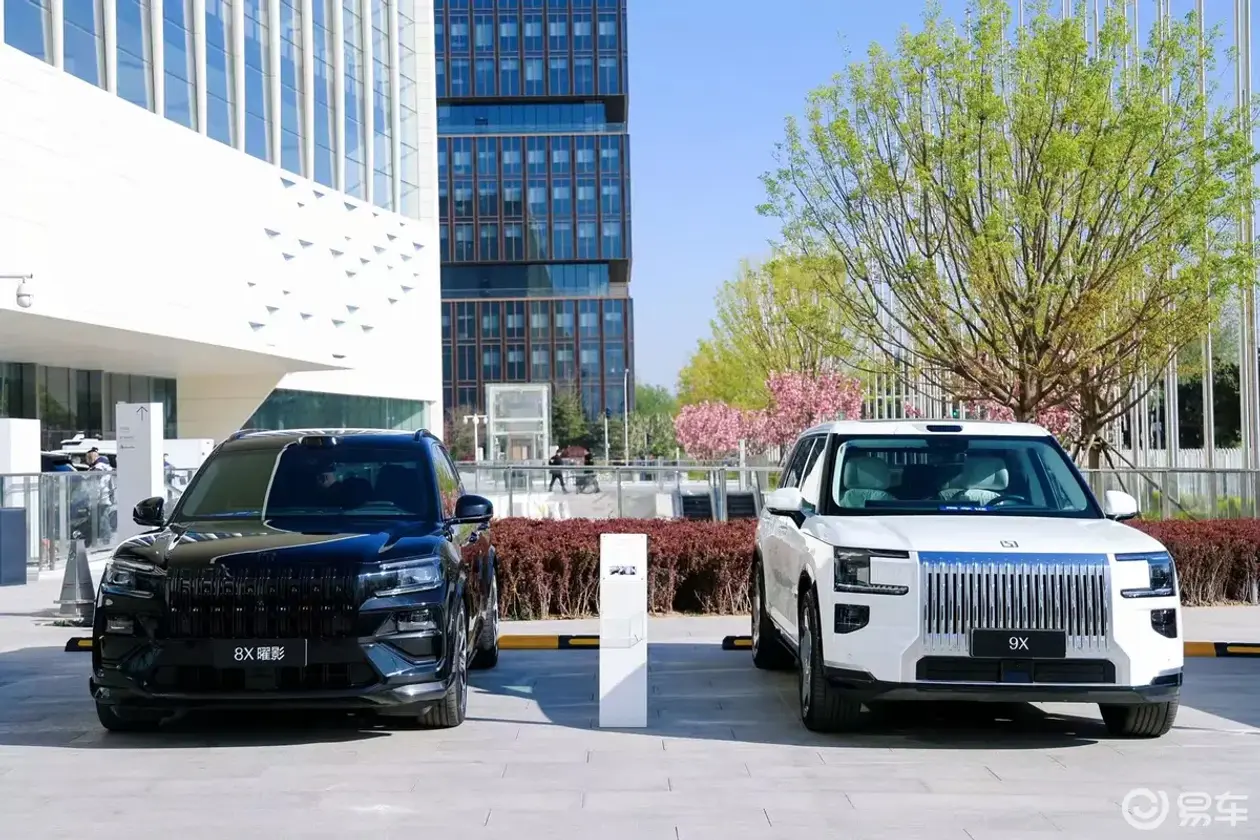
In terms of performance, the i-HEV can achieve fuel consumption as low as 3L/100km. Compared to the Toyota Camry Hybrid (around 4.5L) and Honda Accord Hybrid (around 4.8L), the i-HEV's fuel economy advantage is clear. At the same time, its power output is more than 20% higher, meaning that in scenarios like acceleration from standstill or highway overtaking, the driving experience will be closer to that of a pure electric vehicle – smooth and responsive. Under the coordination of "AI Cloud Power," the system achieves a leap from "software-defined vehicles" to "AI-defined vehicles."
Strategic Significance: "HEV-ization" of Fuel Vehicles and a Disruptive Challenge to Japanese Rivals
The launch of i-HEV is not just a technological showcase; it is a key part of Geely's strategy to fully "HEV-ize" its fuel vehicle lineup. According to its plan, Geely will launch 4 to 5 new models equipped with i-HEV technology in 2026, covering segments from mainstream to premium. This means many of Geely's current fuel models are expected to gradually transition to HEV powertrains, significantly reducing fuel consumption without changing users' refueling habits.
An analysis report from CMB International noted that the i-HEV technology, with its better balance of low fuel consumption and power, strong cost advantages through scale, mature new energy architecture, and advanced intelligence, will pose a "disruptive challenge" to Japanese rivals and may open up new market space. Indeed, the value of HEVs is becoming increasingly evident in the current policy environment: purchase tax for pure EVs has gone from full exemption to half exemption, plug-in hybrid range standards have been raised, and rising raw material costs have pushed up the cost of new energy vehicles. HEVs, with their small batteries, are less affected by cost increases, are priced only slightly higher than fuel vehicles, and have usage habits very similar to traditional cars – precisely targeting the pain points of users who cannot switch to pure EVs or plug-in hybrids.
Hong Kong Perspective: Geely's RHD Market Layout and a "Painless Transition"
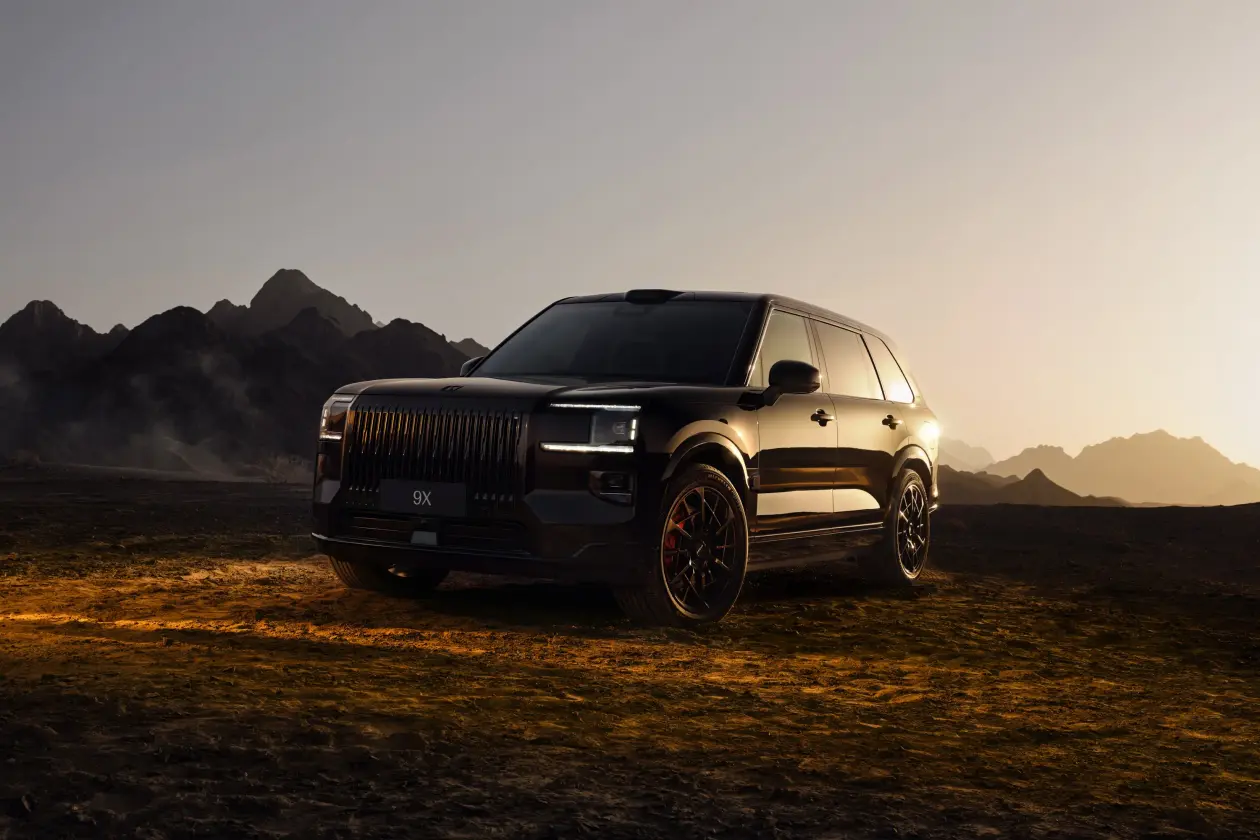
For Hong Kong users, the arrival of i-HEV technology has direct relevance. The "One-for-One" EV tax concession scheme ended on March 31, 2026, significantly increasing the purchase cost of pure electric vehicles. For users living in older buildings without home charging facilities, daily charging remains a major hurdle. i-HEV vehicles, which require no external charging and can maintain low fuel consumption just by refueling, perfectly address this core need.
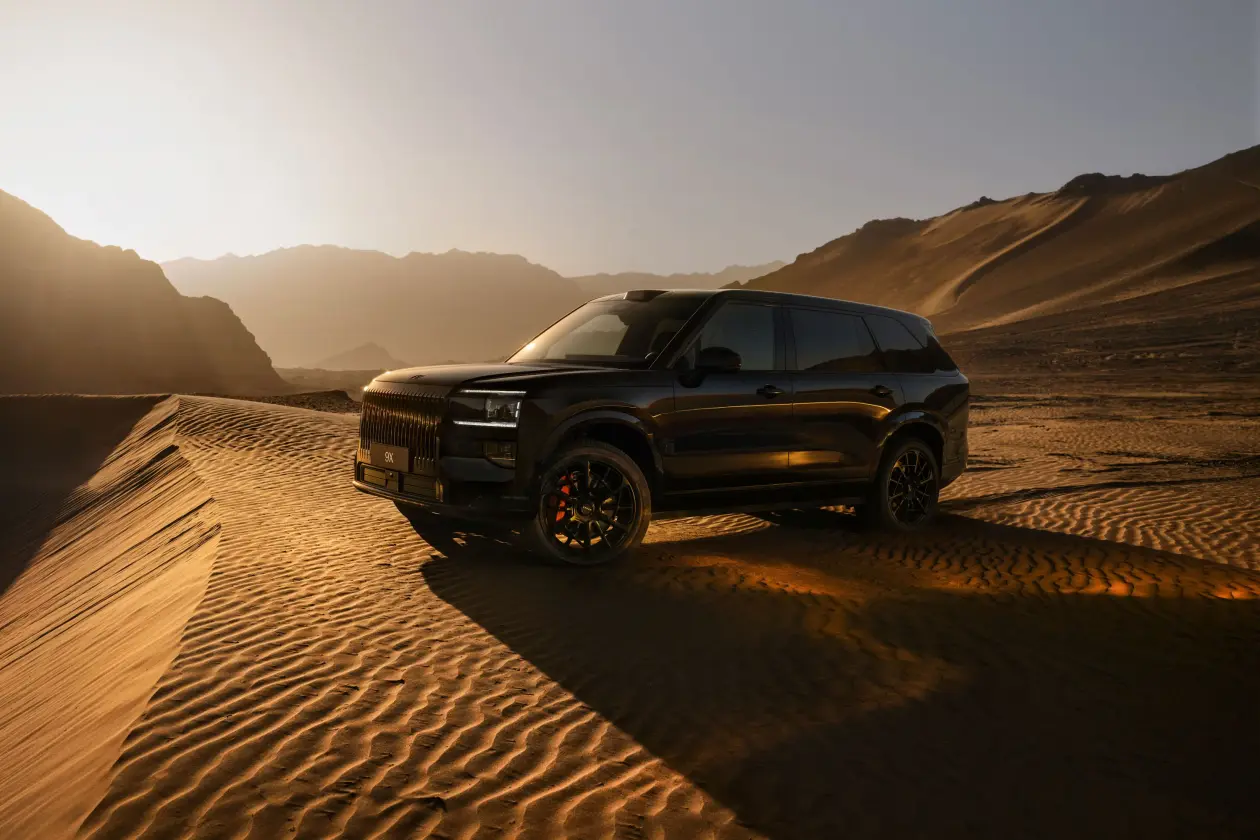
Geely has already begun its RHD market expansion. The company plans to introduce models such as the Geely STARRAY EM-i and Geely EX2 to Hong Kong in 2026. Its first Hong Kong showroom has opened in the Kowloon Bay area, with plans to add five more sales and service outlets to continuously improve local service networks. Geely also intends to establish a Hong Kong Geely Owners' Club, enhancing local user experience and brand loyalty through test drives and owner gatherings. Although the first batch of i-HEV production models will be launched first in the mainland market, given Geely's existing RHD footprint, the introduction of RHD versions is only a matter of time.
Personal Opinion: The Return of Hybrid Technology's Value and a Pragmatic Choice for Hong Kong
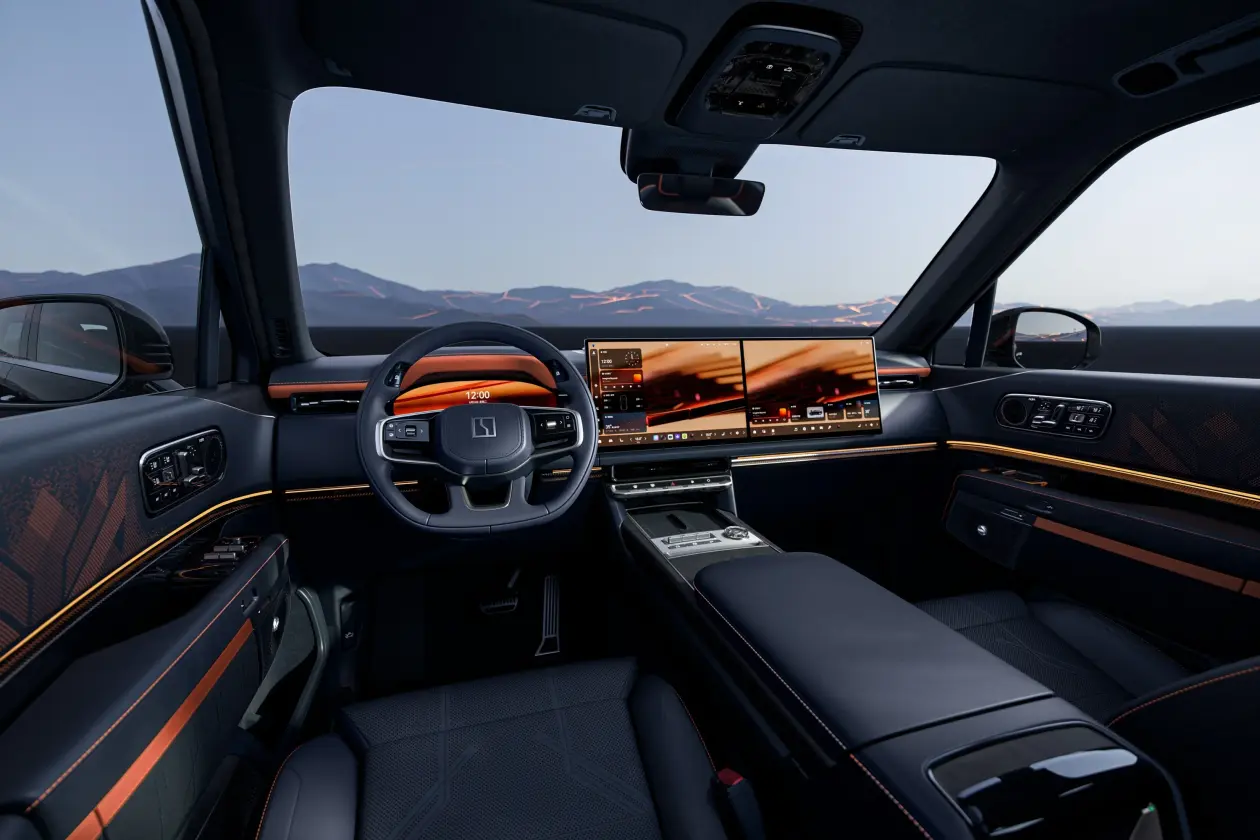
Looking at the i-HEV announcement, my strongest impression is "the return of hybrid technology's value." While pure electric vehicles still face range anxiety and incomplete charging infrastructure, HEVs offer the convenience of "no charging needed, just refuel and go" along with fuel consumption as low as 3L/100km – a pragmatic choice for many users. For Hong Kong drivers, the i-HEV represents a "painless transition" – no change in refueling habits, no worries about charging piles, yet access to driving experiences and running costs close to those of a pure electric vehicle.
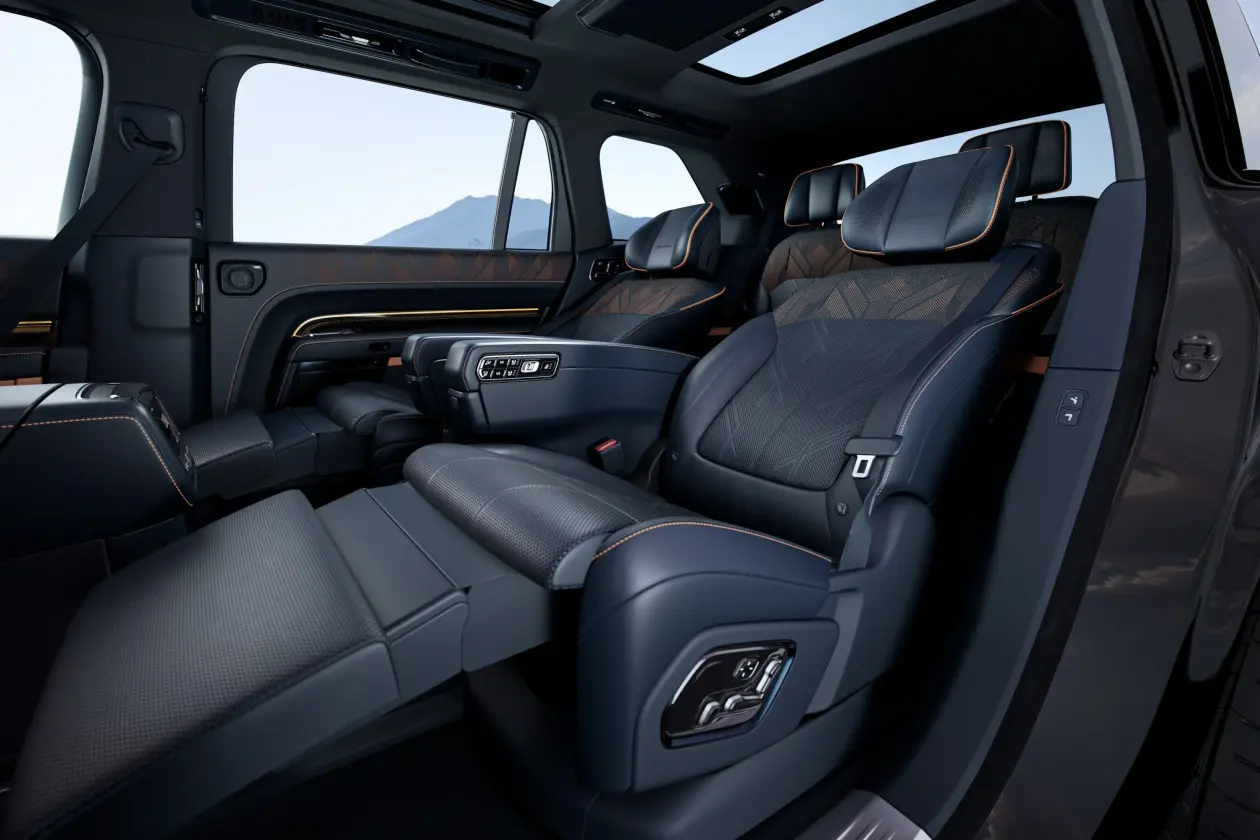
Of course, RHD availability and final pricing remain key variables, but given Geely's Hong Kong expansion plans, the arrival of i-HEV models is only a matter of time. For Hong Kong buyers considering their next car, this technology is worth watching. When 3L/100km fuel economy is no longer exclusive to Japanese brands, and when "AI Cloud Power" begins to set new standards for hybrid technology, the market rules are being rewritten. And Hong Kong drivers may soon see these "Chinese hybrids" on their streets.

香港汽車內容平台 🚗 新車・買車・玩車・用車 用香港視角,睇世界嘅車
+ Follow 【新車速報】兩座車又殺返嚟?smart精靈#2今次有啲料喎
鍾意細車嘅香港車迷留意!全新 smart 精靈#2 配置公布,採用 ECA 電動緊湊型架構,搭載 35.8kWh 磷酸鐵鋰電池,CLTC 續航 410km,30%-80% 快充最快15分鐘。
車長約 2.75米、轉彎半徑僅3.35米,仲有前麥弗遜+後五連桿獨立懸架;安全配備最多7個氣袋及 ACC、盲區監測等功能。
0-50km/h 3.8秒,10月12日巴黎車展全球首發!
兩座純電+細車身,放落香港街道會唔會幾對味?
#smart #smart精靈2 #純電車 #BitAutoHongKong 2小时前
【新車速報】兩座車又殺返嚟?smart精靈#2今次有啲料喎
鍾意細車嘅香港車迷留意!全新 smart 精靈#2 配置公布,採用 ECA 電動緊湊型架構,搭載 35.8kWh 磷酸鐵鋰電池,CLTC 續航 410km,30%-80% 快充最快15分鐘。
車長約 2.75米、轉彎半徑僅3.35米,仲有前麥弗遜+後五連桿獨立懸架;安全配備最多7個氣袋及 ACC、盲區監測等功能。
0-50km/h 3.8秒,10月12日巴黎車展全球首發!
兩座純電+細車身,放落香港街道會唔會幾對味?
#smart #smart精靈2 #純電車 #BitAutoHongKong 2小时前  【揀車有路數】日產新車賣比亞迪價?仲有激光雷達
今集試一台好特別嘅日產新車——NX8,中國特供增程SUV。外觀似熟悉嘅日產味,但內籠同科技配備竟然唔晒傳統日產套路,駕乘感受又有幾多轉變?到底仲係咪你認識嗰部日產?一齊試畀你睇。
#日產 #NX8 #增程 #BitAutoHongKong #揀車有路數 1天前
【揀車有路數】日產新車賣比亞迪價?仲有激光雷達
今集試一台好特別嘅日產新車——NX8,中國特供增程SUV。外觀似熟悉嘅日產味,但內籠同科技配備竟然唔晒傳統日產套路,駕乘感受又有幾多轉變?到底仲係咪你認識嗰部日產?一齊試畀你睇。
#日產 #NX8 #增程 #BitAutoHongKong #揀車有路數 1天前  【新車速報】T-Top 回歸?Nissan Z Kaze 概念車現身!
90年代 JDM 味返晒嚟?Nissan 最近喺美國 ZCON 公開 Z Kaze 概念車,以現款 Nissan Z 為基礎,換上全新 T-Top 可拆式車頂,向經典 300ZX 等 Z 系列致敬。
配合碳纖維空力套件、NISMO LMGT2 18吋輪圈,以及 GReddy 排氣、進氣同 intercooler 升級,成部車都充滿 JDM 改裝味。
「Kaze」即係日文「風」,而呢部車係 one-off 概念作品,並非量產車。10月3日仲會現身加州長灘 Japanese Classic Car Show。
如果 T-Top Z 真係量產,你會唔會心動?
#NissanZ #ZKaze #TTop #JDM #BitAutoHongKong 1天前
【新車速報】T-Top 回歸?Nissan Z Kaze 概念車現身!
90年代 JDM 味返晒嚟?Nissan 最近喺美國 ZCON 公開 Z Kaze 概念車,以現款 Nissan Z 為基礎,換上全新 T-Top 可拆式車頂,向經典 300ZX 等 Z 系列致敬。
配合碳纖維空力套件、NISMO LMGT2 18吋輪圈,以及 GReddy 排氣、進氣同 intercooler 升級,成部車都充滿 JDM 改裝味。
「Kaze」即係日文「風」,而呢部車係 one-off 概念作品,並非量產車。10月3日仲會現身加州長灘 Japanese Classic Car Show。
如果 T-Top Z 真係量產,你會唔會心動?
#NissanZ #ZKaze #TTop #JDM #BitAutoHongKong 1天前 Get the latest car news first!
【新車速報】兩座車又殺返嚟?smart精靈#2今次有啲料喎
鍾意細車嘅香港車迷留意!全新 smart 精靈#2 配置公布,採用 ECA 電動緊湊型架構,搭載 35.8kWh 磷酸鐵鋰電池,CLTC 續航 410km,30%-80% 快充最快15分鐘。
車長約 2.75米、轉彎半徑僅3.35米,仲有前麥弗遜+後五連桿獨立懸架;安全配備最多7個氣袋及 ACC、盲區監測等功能。
0-50km/h 3.8秒,10月12日巴黎車展全球首發!
兩座純電+細車身,放落香港街道會唔會幾對味?
#smart #smart精靈2 #純電車 #BitAutoHongKong 2小时前 【揀車有路數】日產新車賣比亞迪價?仲有激光雷達
今集試一台好特別嘅日產新車——NX8,中國特供增程SUV。外觀似熟悉嘅日產味,但內籠同科技配備竟然唔晒傳統日產套路,駕乘感受又有幾多轉變?到底仲係咪你認識嗰部日產?一齊試畀你睇。
#日產 #NX8 #增程 #BitAutoHongKong #揀車有路數 1天前 【新車速報】T-Top 回歸?Nissan Z Kaze 概念車現身!
90年代 JDM 味返晒嚟?Nissan 最近喺美國 ZCON 公開 Z Kaze 概念車,以現款 Nissan Z 為基礎,換上全新 T-Top 可拆式車頂,向經典 300ZX 等 Z 系列致敬。
配合碳纖維空力套件、NISMO LMGT2 18吋輪圈,以及 GReddy 排氣、進氣同 intercooler 升級,成部車都充滿 JDM 改裝味。
「Kaze」即係日文「風」,而呢部車係 one-off 概念作品,並非量產車。10月3日仲會現身加州長灘 Japanese Classic Car Show。
如果 T-Top Z 真係量產,你會唔會心動?
#NissanZ #ZKaze #TTop #JDM #BitAutoHongKong 1天前  BAWToyotaBYDZeekrGACDongfengXPengMGMaxusLeapmotorDenzaIMiCAURDeepalWulingOraJuneyao AutoKYCSkyworthAvatrFotonFordGeelyHongqiJAECOOKGMOMODADFSKTeslaHondaBMWMercedes-BenzsmartMINIPorscheNissanLexusSuzukiVolvoSubaruMazdaKiaHyundaiLand RoverRolls-RoyceFerrariAudiLamborghiniRiddaraSeresFarizonfireflyLingboxKaiyiVoyahHIMAM-HeroIsuzuBentleyPolestarMcLarenMitsubishiMaseratiPeugeotAston MartinAcuraJeepJaguarLotusVolkswagenEpiclandJACLepasLi
 © 2024 Bitauto.com. All Rights Reserved.
Bitauto (www.yiche.com and www.bitauto.com) is one of the most visited automotive websites in China. We provide detailed info on Chinese car brands available in your area. Please note that the information provided on this website is based on publicly available data and is for reference only. It may not be fully updated or accurate at all times.
Help us improve our website


