
Search History
Popular Searches
English
Dealer Login / Sign Up
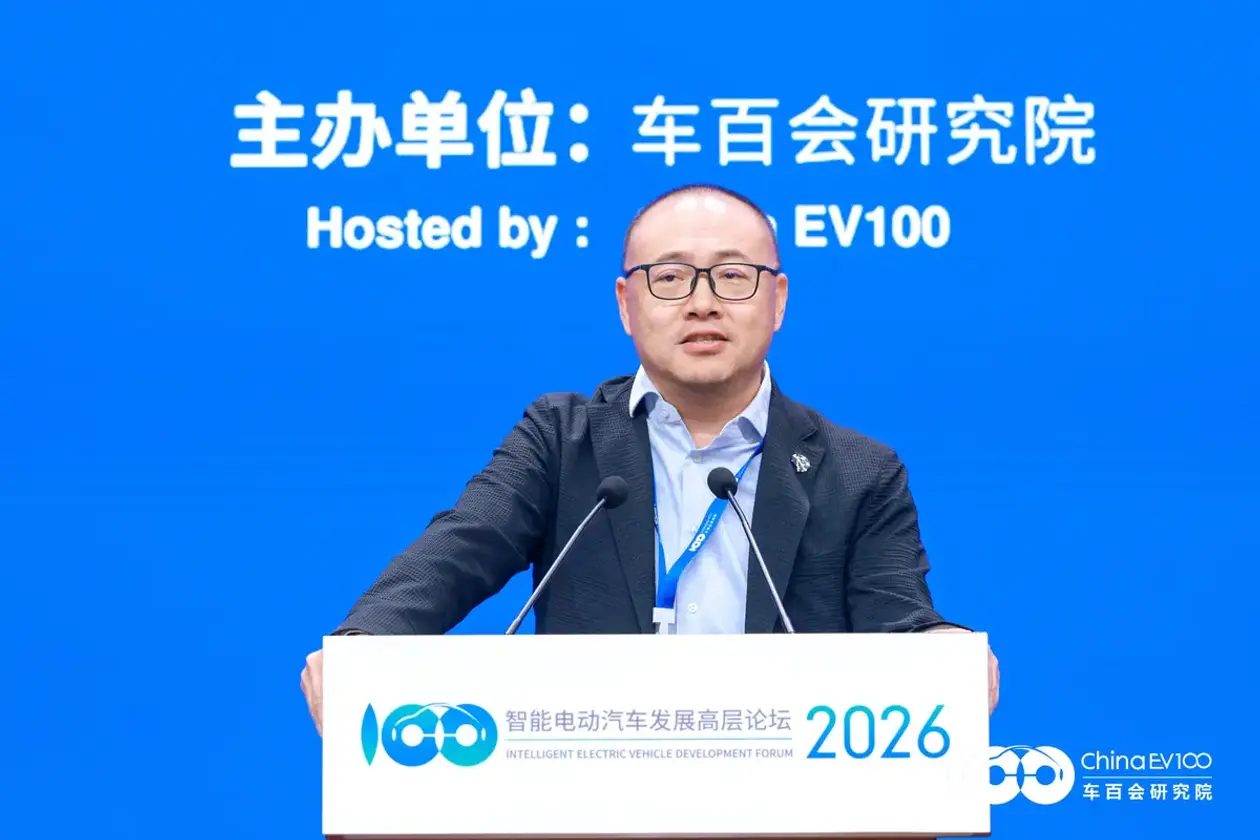
In the race for automotive intelligence, the "cockpit-driving separation" architecture has long been mainstream. One chip manages the central screen and voice assistant, while another handles assisted driving and automated parking. These two systems operate independently, leading not only to high hardware costs and inefficient data transfer but also limiting the potential for over-the-air (OTA) upgrades. On April 11, at the China Intelligent Electric Vehicle Development High-Level Forum in Beijing, Horizon Robotics founder and CEO Dr. Yu Kai announced the upcoming launch of China's first cockpit-driving integrated agent chip – the Star Series – which merges the computing demands of both domains onto a single chip. This is not merely a hardware upgrade; it is a fundamental shift from "functional vehicles" to "intelligent agent vehicles." For Hong Kong, which is accelerating its smart city and new energy initiatives, Horizon's "Chinese chip" could provide a crucial computing foundation for local tech firms and the automotive supply chain.
The End of Separation: Cost and Efficiency Bottlenecks
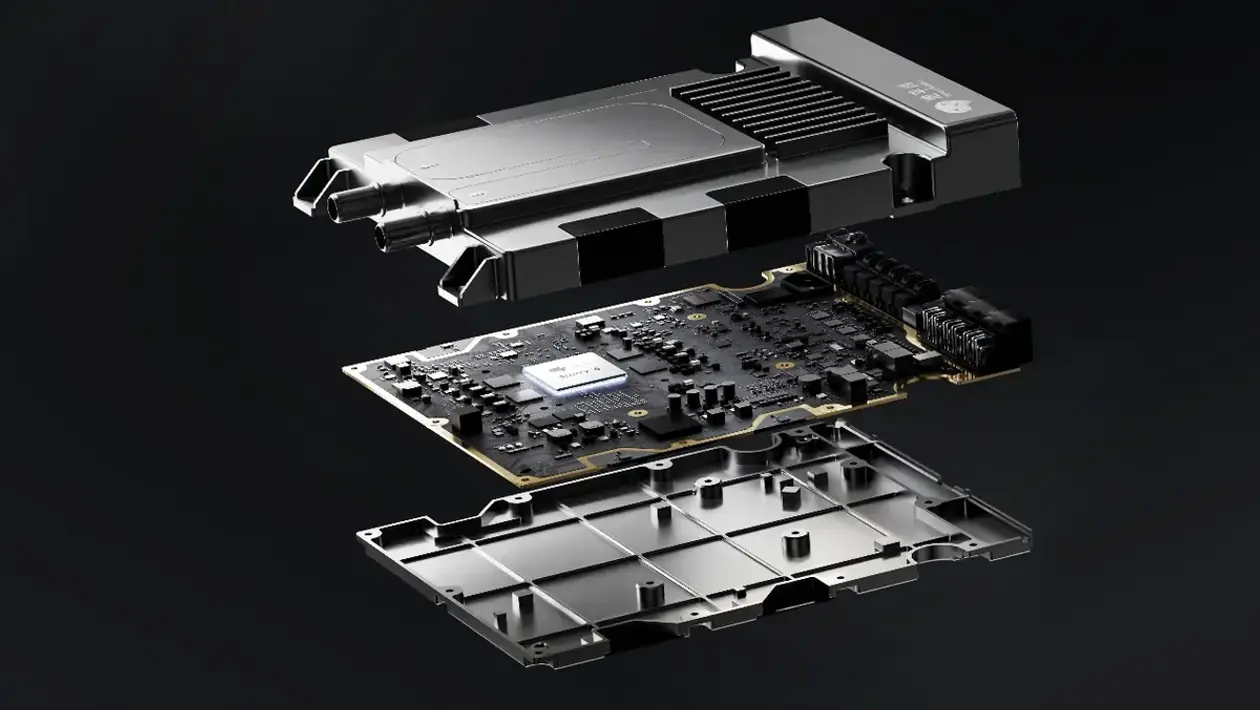
In recent years, the "arms race" in smart vehicles has focused on screen count, LiDAR resolution, and chip computing power. Yet a lingering issue remains: cockpit chips (e.g., Qualcomm 8295) and ADAS chips (e.g., NVIDIA Orin) work in silos, separated by a "data wall." When you want the vehicle to automatically adjust seat position based on road conditions or have the voice assistant predict the next charging station, cross-domain coordination suffers from latency and computing overhead. Moreover, two independent hardware systems mean high bill-of-material costs – a significant hurdle for mainstream 200,000 RMB-class vehicles.
Horizon's Star chip directly addresses this pain point. With a single-chip integrated design, it merges the computing tasks of the cockpit domain and the ADAS domain, handling image rendering, voice interaction, environment perception, path planning, and more on one chip. This allows automakers to achieve functions that previously required two or even three chips at the cost of one, while significantly reducing system power consumption and communication latency.
Confidence Built on a 47.7% Market Share: From Journey to Star
Horizon's confidence in tackling cockpit-driving integration comes from its 2025 performance. Data shows Horizon maintained its leadership in China's ADAS market with a 47.7% share and ranked among the top three in NOA function chips. Cumulative shipments of the Journey series chips exceeded 10 million units, making Horizon the first domestic smart driving tech company to reach this milestone. R&D investment in 2025 reached RMB 5.15 billion, and its domestically developed end-to-end full-scenario assisted driving system HSD has already been mass-produced by several automakers.
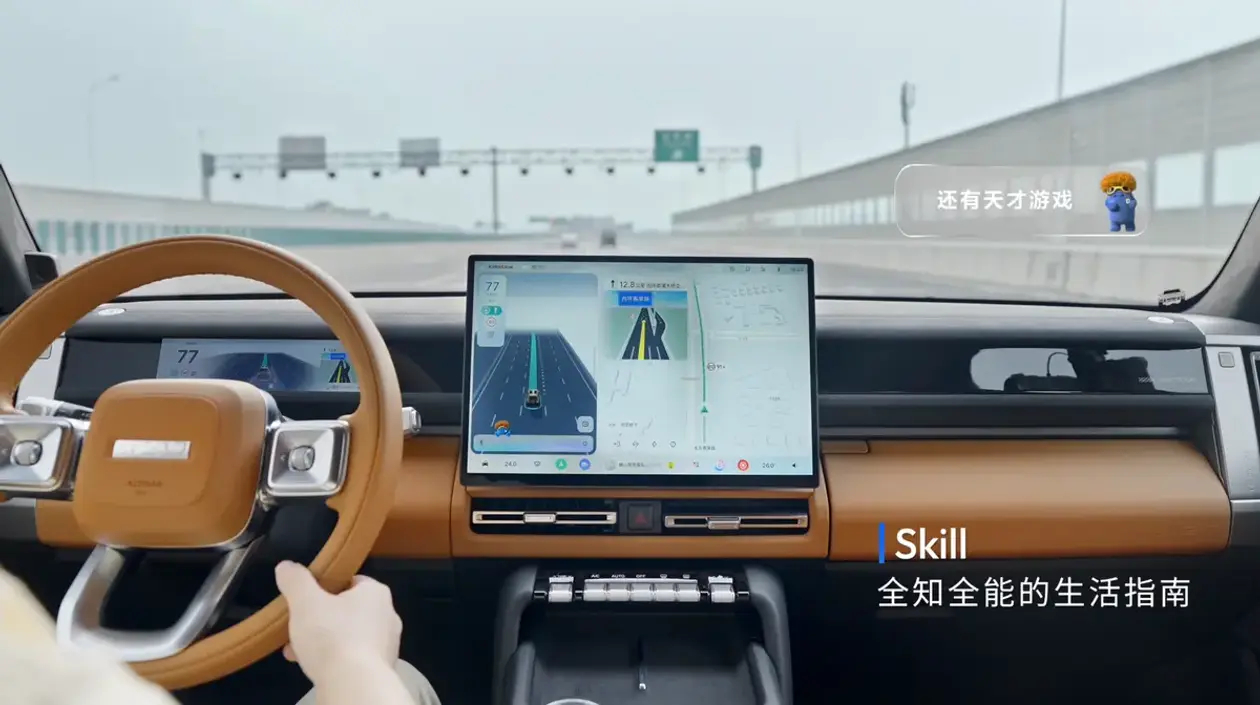
The transition from Journey to Star represents a strategic leap from "dedicated ADAS chips" to "cockpit-driving integrated central computing chips." The Journey series solved "how the car sees the world"; the Star series aims to solve "how the car thinks, decides, and acts like a human." Dr. Yu described this as heading toward "the great era of physical world AI" – where cars are no longer machines executing commands but intelligent agents with perception, reasoning, memory, and action capabilities.
Central Computing Architecture: The Ultimate Form of Vehicle Intelligence
The significance of the Star chip lies not only in "cockpit-driving integration" but also in advancing the vehicle's E/E architecture from distributed to centralized. Traditional cars have dozens or even hundreds of ECUs, each controlling a single function like windows, air conditioning, or brakes. New energy vehicles consolidate these into a few domains (cockpit, ADAS, vehicle control, etc.), but barriers still exist between domains. The Star chip first bridges the cockpit and ADAS domains, laying the groundwork for future integration with vehicle control and chassis domains.
The advantages of this central computing architecture are clear: computing resources can be dynamically allocated, with idle capacity used for large model inference; software iteration is no longer constrained by hardware boundaries, enabling more frequent and deeper OTA updates; and wiring harness length is reduced, lowering costs and improving reliability. For automakers, adopting the Star chip means faster time-to-market for feature-rich, cost-effective smart vehicles.
Hong Kong Perspective: A "Chip" Opportunity for the Tech Industry
For Hong Kong, the launch of Horizon's Star chip holds multiple implications. Hong Kong is striving to become an international innovation and technology hub, with active investments in AI, semiconductors, and smart vehicles. However, Hong Kong lacks a complete chip design and manufacturing industry chain, and most local tech companies rely on imported chips. As a domestic leader in ADAS chips, Horizon's Star chip offers a high-quality "domestic alternative" for Hong Kong's smart vehicle component suppliers and autonomous driving startups.
Moreover, Hong Kong is home to leading semiconductor research institutions (e.g., HKUST and CUHK's microelectronics centers) and enjoys an open policy environment. Horizon can leverage Hong Kong's international platform to attract global talent and accelerate technology exports. For investors and entrepreneurs in Hong Kong, the cockpit-driving integration trend represented by the Star chip signals a new investment opportunity – sub-sectors such as software algorithms for central computing, domain controller hardware, and thermal management solutions are poised for explosive growth.
Additionally, Hong Kong is vigorously promoting EV adoption, with EV penetration exceeding 70% in 2025. As more smart EVs take to Hong Kong's streets, the demand for high-performance, low-cost cockpit-driving integrated chips will intensify. Horizon's Star chip could help reduce vehicle costs, allowing more Hong Kong users to enjoy "flagship experience at entry-level prices."
Personal Opinion
Looking at the Star chip announcement, my strongest impression is "computing power democratization." In the past, cockpit-driving integration was reserved for high-end flagship models, out of reach for ordinary family cars. By merging two domains' computing needs onto one chip, Horizon aims to bring this technology to the mainstream 200,000 RMB market. For Hong Kong users, this means smarter, safer EVs at more affordable prices.
It also presents a rare opportunity for Hong Kong's tech sector: developing applications and optimizing algorithms around a domestic chip, reducing dependence on overseas supply chains. The Star series chip will be officially launched soon, with specific specs and partner automakers yet to be announced. But one thing is certain: as cockpit-driving integration moves from concept to mass production, the "central computing era" of smart vehicles is accelerating. For Hong Kong buyers considering a new car, this is a technological trend worth watching. When domestic chips begin to define the brains of cars, Hong Kong's smart mobility future becomes even more promising.

香港汽車內容平台 🚗 新車・買車・玩車・用車 用香港視角,睇世界嘅車
+ Follow 【新車速報】兩座車又殺返嚟?smart精靈#2今次有啲料喎
鍾意細車嘅香港車迷留意!全新 smart 精靈#2 配置公布,採用 ECA 電動緊湊型架構,搭載 35.8kWh 磷酸鐵鋰電池,CLTC 續航 410km,30%-80% 快充最快15分鐘。
車長約 2.75米、轉彎半徑僅3.35米,仲有前麥弗遜+後五連桿獨立懸架;安全配備最多7個氣袋及 ACC、盲區監測等功能。
0-50km/h 3.8秒,10月12日巴黎車展全球首發!
兩座純電+細車身,放落香港街道會唔會幾對味?
#smart #smart精靈2 #純電車 #BitAutoHongKong 2小时前
【新車速報】兩座車又殺返嚟?smart精靈#2今次有啲料喎
鍾意細車嘅香港車迷留意!全新 smart 精靈#2 配置公布,採用 ECA 電動緊湊型架構,搭載 35.8kWh 磷酸鐵鋰電池,CLTC 續航 410km,30%-80% 快充最快15分鐘。
車長約 2.75米、轉彎半徑僅3.35米,仲有前麥弗遜+後五連桿獨立懸架;安全配備最多7個氣袋及 ACC、盲區監測等功能。
0-50km/h 3.8秒,10月12日巴黎車展全球首發!
兩座純電+細車身,放落香港街道會唔會幾對味?
#smart #smart精靈2 #純電車 #BitAutoHongKong 2小时前  【揀車有路數】日產新車賣比亞迪價?仲有激光雷達
今集試一台好特別嘅日產新車——NX8,中國特供增程SUV。外觀似熟悉嘅日產味,但內籠同科技配備竟然唔晒傳統日產套路,駕乘感受又有幾多轉變?到底仲係咪你認識嗰部日產?一齊試畀你睇。
#日產 #NX8 #增程 #BitAutoHongKong #揀車有路數 1天前
【揀車有路數】日產新車賣比亞迪價?仲有激光雷達
今集試一台好特別嘅日產新車——NX8,中國特供增程SUV。外觀似熟悉嘅日產味,但內籠同科技配備竟然唔晒傳統日產套路,駕乘感受又有幾多轉變?到底仲係咪你認識嗰部日產?一齊試畀你睇。
#日產 #NX8 #增程 #BitAutoHongKong #揀車有路數 1天前  【新車速報】T-Top 回歸?Nissan Z Kaze 概念車現身!
90年代 JDM 味返晒嚟?Nissan 最近喺美國 ZCON 公開 Z Kaze 概念車,以現款 Nissan Z 為基礎,換上全新 T-Top 可拆式車頂,向經典 300ZX 等 Z 系列致敬。
配合碳纖維空力套件、NISMO LMGT2 18吋輪圈,以及 GReddy 排氣、進氣同 intercooler 升級,成部車都充滿 JDM 改裝味。
「Kaze」即係日文「風」,而呢部車係 one-off 概念作品,並非量產車。10月3日仲會現身加州長灘 Japanese Classic Car Show。
如果 T-Top Z 真係量產,你會唔會心動?
#NissanZ #ZKaze #TTop #JDM #BitAutoHongKong 1天前
【新車速報】T-Top 回歸?Nissan Z Kaze 概念車現身!
90年代 JDM 味返晒嚟?Nissan 最近喺美國 ZCON 公開 Z Kaze 概念車,以現款 Nissan Z 為基礎,換上全新 T-Top 可拆式車頂,向經典 300ZX 等 Z 系列致敬。
配合碳纖維空力套件、NISMO LMGT2 18吋輪圈,以及 GReddy 排氣、進氣同 intercooler 升級,成部車都充滿 JDM 改裝味。
「Kaze」即係日文「風」,而呢部車係 one-off 概念作品,並非量產車。10月3日仲會現身加州長灘 Japanese Classic Car Show。
如果 T-Top Z 真係量產,你會唔會心動?
#NissanZ #ZKaze #TTop #JDM #BitAutoHongKong 1天前 Get the latest car news first!
【新車速報】兩座車又殺返嚟?smart精靈#2今次有啲料喎
鍾意細車嘅香港車迷留意!全新 smart 精靈#2 配置公布,採用 ECA 電動緊湊型架構,搭載 35.8kWh 磷酸鐵鋰電池,CLTC 續航 410km,30%-80% 快充最快15分鐘。
車長約 2.75米、轉彎半徑僅3.35米,仲有前麥弗遜+後五連桿獨立懸架;安全配備最多7個氣袋及 ACC、盲區監測等功能。
0-50km/h 3.8秒,10月12日巴黎車展全球首發!
兩座純電+細車身,放落香港街道會唔會幾對味?
#smart #smart精靈2 #純電車 #BitAutoHongKong 2小时前 【揀車有路數】日產新車賣比亞迪價?仲有激光雷達
今集試一台好特別嘅日產新車——NX8,中國特供增程SUV。外觀似熟悉嘅日產味,但內籠同科技配備竟然唔晒傳統日產套路,駕乘感受又有幾多轉變?到底仲係咪你認識嗰部日產?一齊試畀你睇。
#日產 #NX8 #增程 #BitAutoHongKong #揀車有路數 1天前 【新車速報】T-Top 回歸?Nissan Z Kaze 概念車現身!
90年代 JDM 味返晒嚟?Nissan 最近喺美國 ZCON 公開 Z Kaze 概念車,以現款 Nissan Z 為基礎,換上全新 T-Top 可拆式車頂,向經典 300ZX 等 Z 系列致敬。
配合碳纖維空力套件、NISMO LMGT2 18吋輪圈,以及 GReddy 排氣、進氣同 intercooler 升級,成部車都充滿 JDM 改裝味。
「Kaze」即係日文「風」,而呢部車係 one-off 概念作品,並非量產車。10月3日仲會現身加州長灘 Japanese Classic Car Show。
如果 T-Top Z 真係量產,你會唔會心動?
#NissanZ #ZKaze #TTop #JDM #BitAutoHongKong 1天前  BAWToyotaBYDZeekrGACDongfengXPengMGMaxusLeapmotorDenzaIMiCAURDeepalWulingOraJuneyao AutoKYCSkyworthAvatrFotonFordGeelyHongqiJAECOOKGMOMODADFSKTeslaHondaBMWMercedes-BenzsmartMINIPorscheNissanLexusSuzukiVolvoSubaruMazdaKiaHyundaiLand RoverRolls-RoyceFerrariAudiLamborghiniRiddaraSeresFarizonfireflyLingboxKaiyiVoyahHIMAM-HeroIsuzuBentleyPolestarMcLarenMitsubishiMaseratiPeugeotAston MartinAcuraJeepJaguarLotusVolkswagenEpiclandJACLepasLi
 © 2024 Bitauto.com. All Rights Reserved.
Bitauto (www.yiche.com and www.bitauto.com) is one of the most visited automotive websites in China. We provide detailed info on Chinese car brands available in your area. Please note that the information provided on this website is based on publicly available data and is for reference only. It may not be fully updated or accurate at all times.
Help us improve our website


