
Search History
Popular Searches
English
Dealer Login / Sign Up
In the global electric vehicle landscape, Hyundai Motor Group is a formidable player. With over 7.3 million vehicles sold worldwide in 2025, it ranks among the global top three. However, in China, the world's largest new energy vehicle market, Hyundai has long struggled. On April 10, 2026, Hyundai finally played its trump card – its dedicated EV brand IONIQ officially launched in China, unveiling two concept cars, the VENUS and EARTH, ahead of the Beijing Auto Show. The first production model for the Chinese market will debut at the show, with pure electric and extended-range (EREV) models covering mid-to-large segments to follow over the next three years.
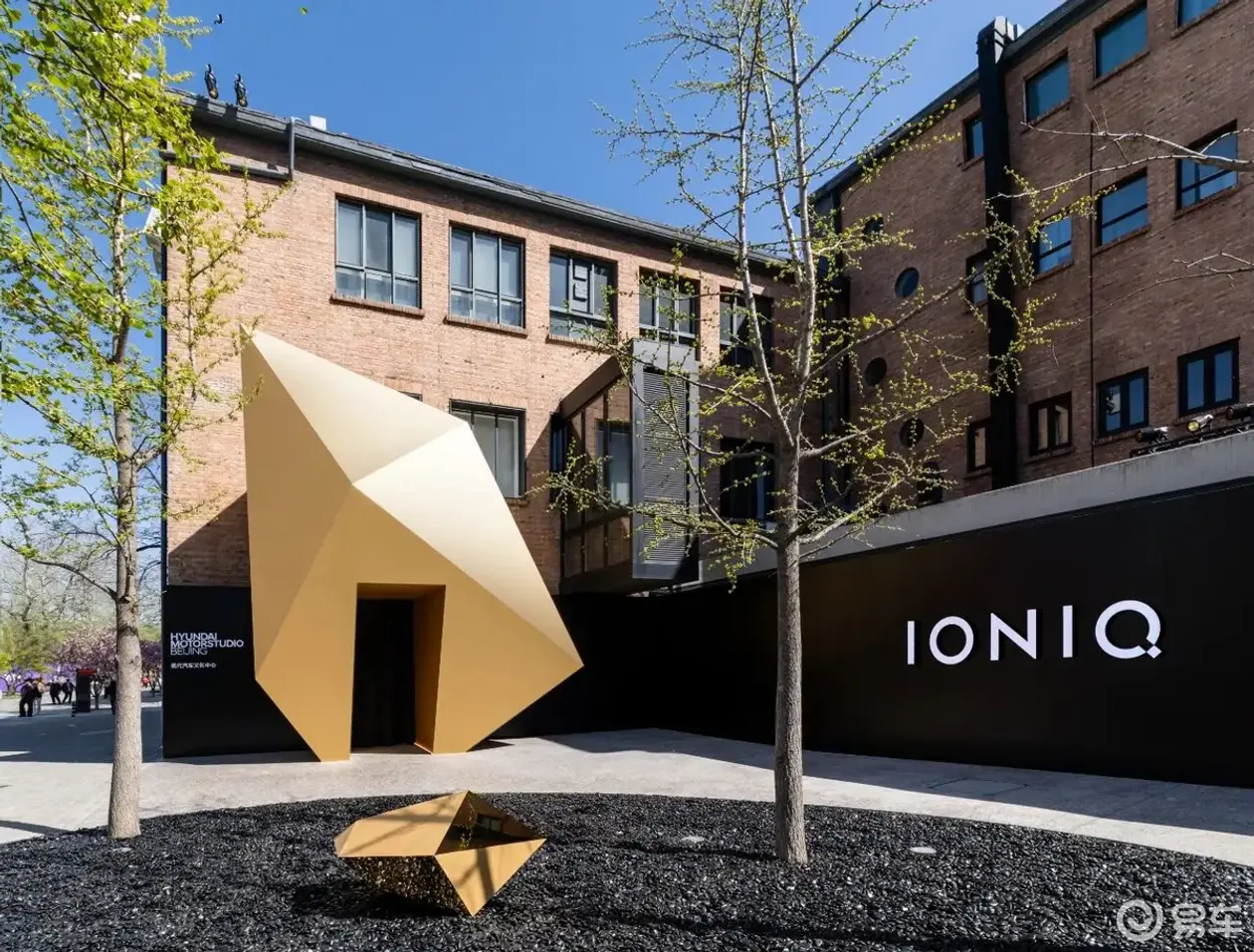
For Hong Kong users, the arrival of IONIQ raises a key question: when the world's third-largest automaker deploys its most advanced EV technology with a "In China, for China" localization strategy, partnering with CATL and Momenta, can this latecomer find a foothold in Hong Kong's market dominated by Japanese, German, and domestic Chinese brands?
Brand Launch: From "Global Top Three" to "Local Survival"
Hyundai's situation in China can be described as a tale of two extremes. Globally, Hyundai-Kia sold over 7.3 million vehicles in 2025, trailing only Toyota and Volkswagen, with a successful electrification transition – the IONIQ 5 and 6 have won numerous awards in Western markets. But in China, Beijing Hyundai's sales have fallen from a peak of over one million to less than 200,000 in 2025, with negligible presence in the NEV segment.
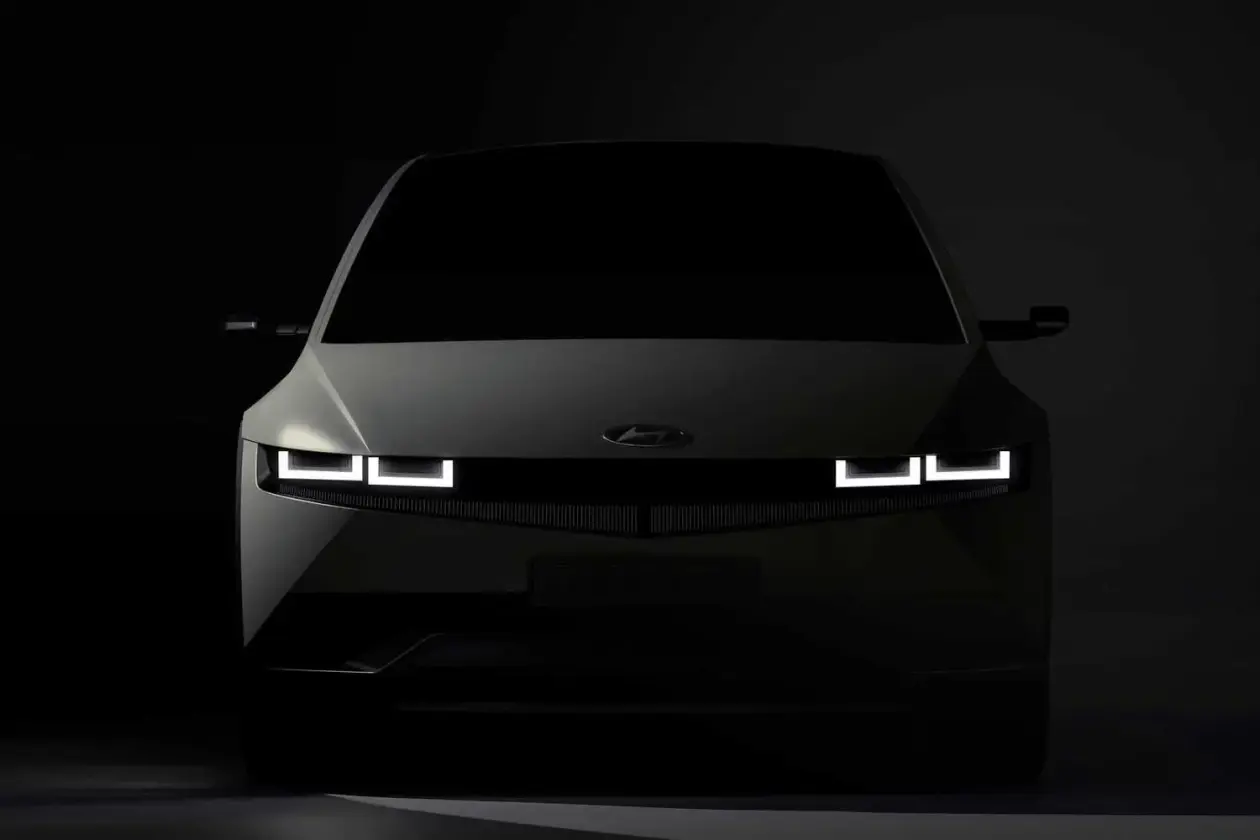
IONIQ's entry into China is not a simple "product import" but a comprehensive localization overhaul of brand, channels, and supply chain. Beijing Hyundai's general manager stated it is a declaration to revive Hyundai's performance in China with "the best brand, best technology, and best products." Notably, IONIQ adheres to a "human-centric" philosophy, avoiding spec wars, and adopts localized technology, talent, and branding. Collaborations with CATL for batteries and Momenta for AI-driven ADAS, optimized for China's complex road conditions, plus plans for EREV technology – all show Hyundai's attempt to solve "China's problems" with a "China solution."
For Hong Kong users, IONIQ's brand recognition is virtually zero. Hyundai cars are far less common on Hong Kong's streets than Toyotas, Mercedes, or BMWs, let alone EV leaders like BYD and Tesla. However, Hyundai's global EV expertise is substantial. The IONIQ 5 and 6's excellent reputation in Western markets, and the E-GMP platform's 800V architecture, provide important technical credibility. If IONIQ can translate these strengths into products that meet Hong Kong users' needs, with competitive pricing and solid after-sales support, it could still capture a share of the competitive market.
Concept Cars: A Design Statement
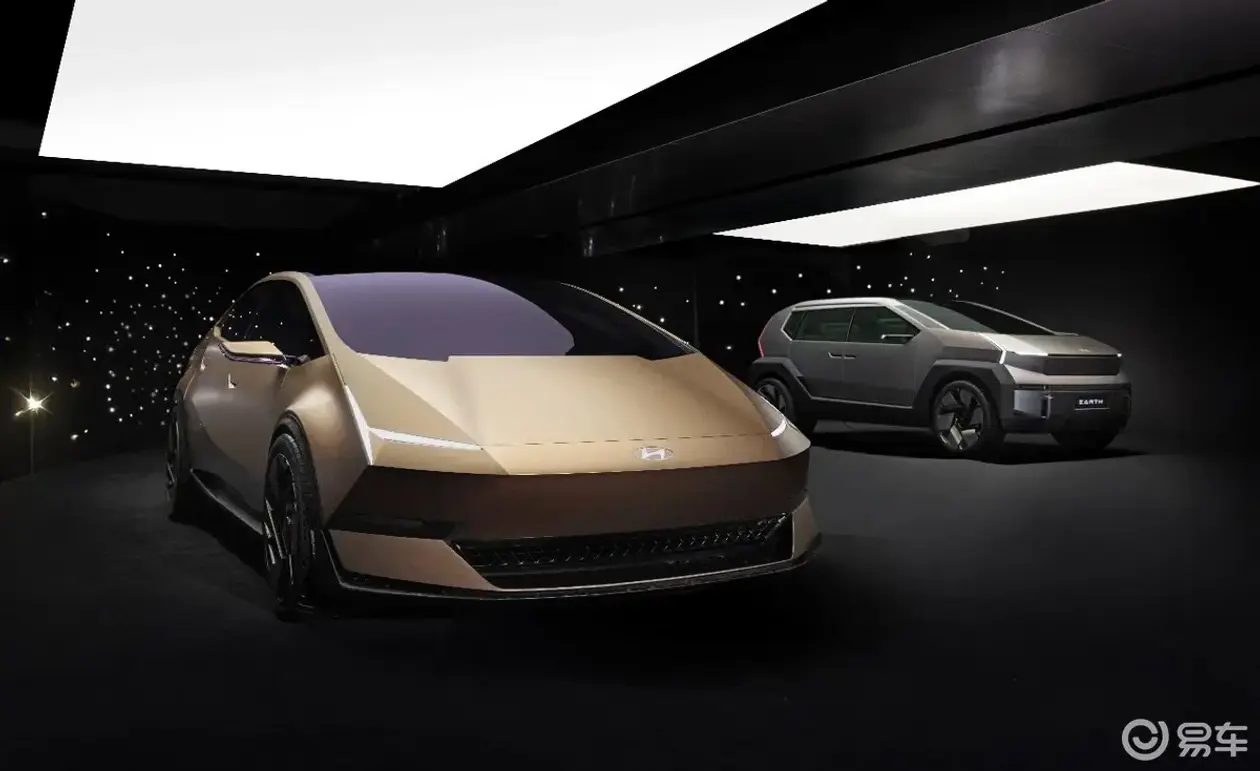
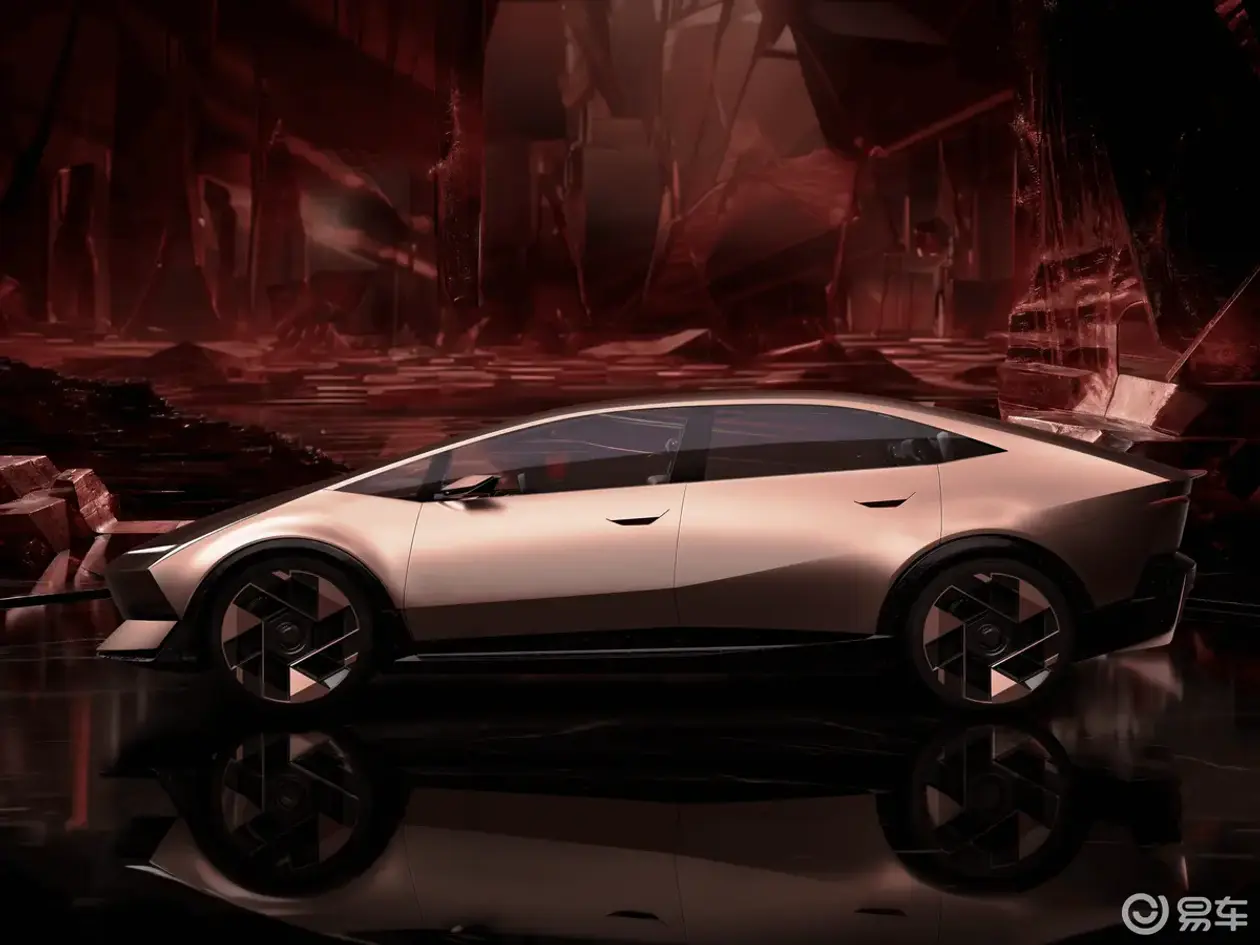
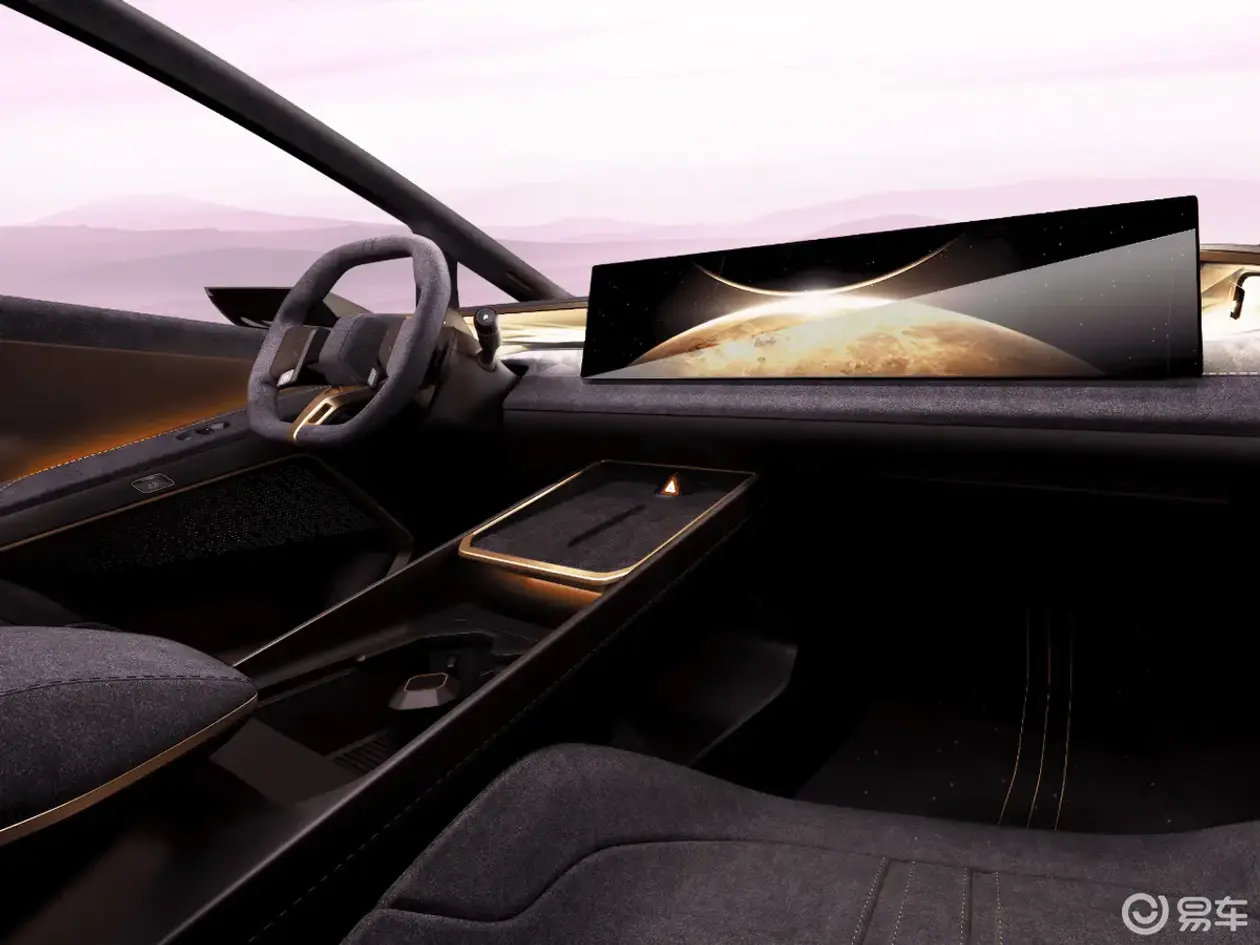
The two concept cars reveal IONIQ's future design direction. The VENUS CONCEPT is a pure electric sedan inspired by Venus. Its exclusive gold paint and single-curve silhouette blend dynamism with emotion. Lightweight frame roof, transparent rear wing, racing center-lock style forged wheels, V-shaped lighting, and floating transparent mirrors exude technology. The interior features crystal-inspired ambient lighting, and "Venus Curve" seats combine suede and chrome finishes.
The EARTH CONCEPT is a family-oriented SUV inspired by Earth's vitality. Its "Aurora Shield" paint and crystalline lines, with rock-textured guards and exposed bolts, give it a rugged off-road character. A glass roof and transparent frame balance strength and lightness. The interior centers on a "Little Earth" concept, with "air" design and air-hug seats for all-age comfort.
These designs showcase IONIQ's "technology meets emotion" philosophy. For Hong Kong users, this Korean aesthetic offers a distinct alternative to German solidity, Japanese practicality, and Chinese boldness. If production models retain these design cues, IONIQ could attract younger, style-conscious buyers.
Product Planning and Tech Highlights
Over the next three years, IONIQ will launch mid-to-large pure electric and EREV models in China, including SUVs and coupes. Key tech highlights:
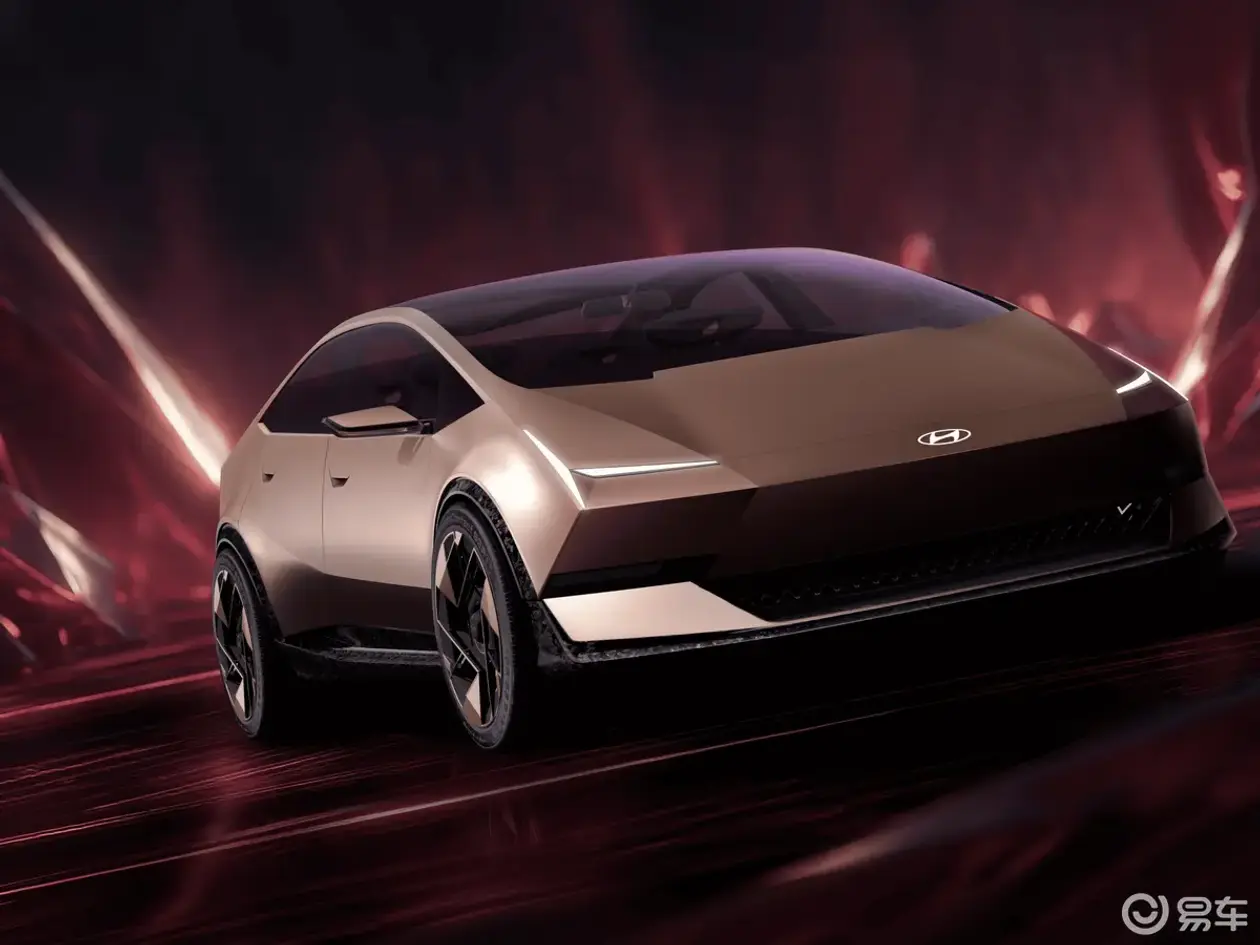
Motor and Battery: Motors balance acceleration with smoothness. Batteries are from CATL, ensuring top-tier safety, energy density, and charging efficiency.
Intelligent Driving: Momenta's AI ADAS solution, trained on China's complex road data, offers local optimization. Momenta holds over 60% of China's third-party urban NOA market. For Hong Kong, hardware pre-installation offers future-proofing.
Range and Charging: EREV technology provides "electric for daily, petrol for long trips," ideal for Hong Kong users without home charging.
Hong Kong Market: Room for a Third Force?
For Hong Kong, IONIQ's arrival faces both challenges and opportunities.
Market landscape: In 2025, BYD became Hong Kong's top brand with 9,751 sales, followed by Tesla (9,193). Zeekr, Xpeng, and Aion also gained traction. Japanese brands Toyota and Honda saw declines, while Mercedes and BMW faced pressure. As a new brand, IONIQ needs precise positioning.
Product strengths: The E-GMP platform's 800V architecture offers charging efficiency comparable to BYD's flash charging. CATL batteries provide safety on par with domestic leaders. Momenta's ADAS is technically mature. With competitive pricing and RHD availability, IONIQ could compete in the HKD 200,000-300,000 range.
Channels and service: Hyundai has an established dealer network in Hong Kong (Hyundai Hong Kong), providing a foundation for IONIQ. However, IONIQ needs a dedicated brand experience distinct from traditional Hyundai models.
Policy environment: The "One-for-One" EV tax concession scheme ended on March 31, 2026, meaning EVs are now subject to full progressive First Registration Tax. IONIQ must factor this into pricing and offer attractive financing.
Personal Opinion
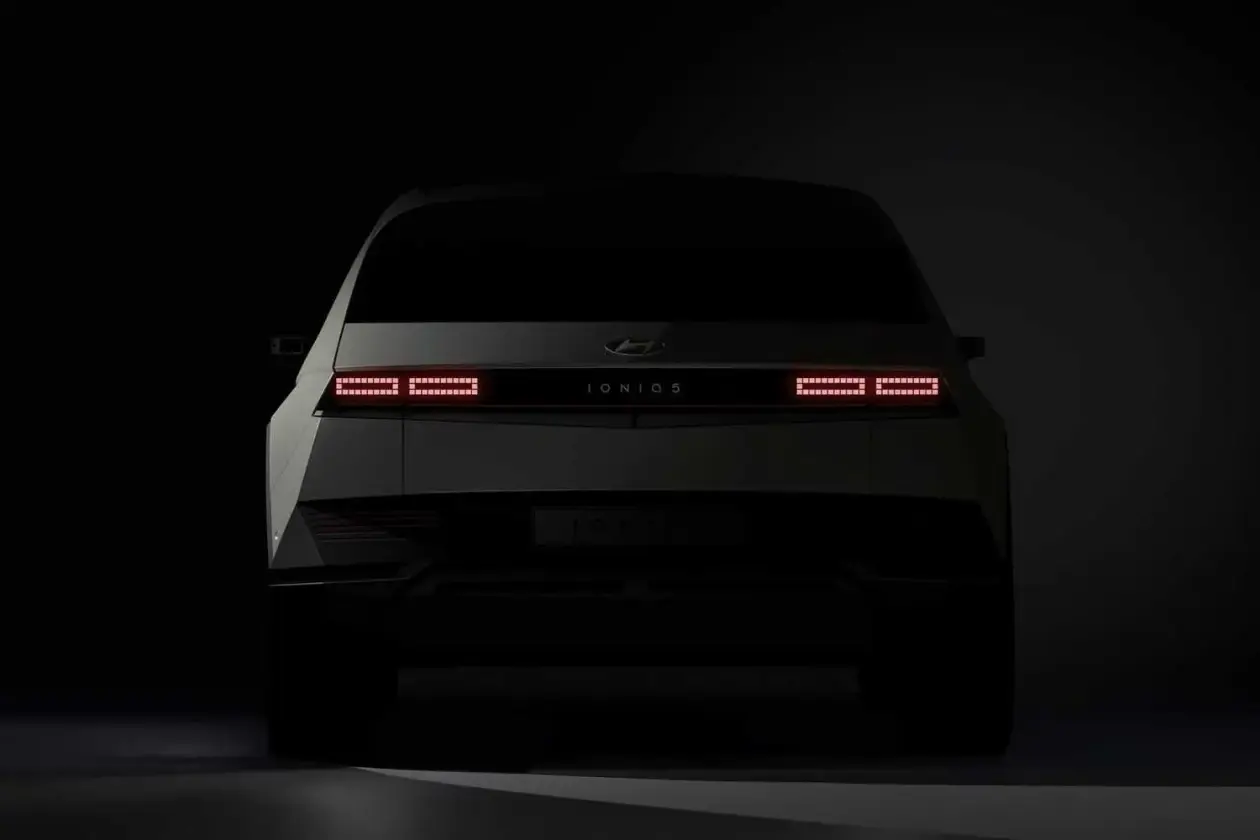
Looking at IONIQ's launch, my strongest impression is "late, but sincere." Hyundai is not simply importing global models but building a localized R&D, supply chain, and brand system from the ground up. Partnerships with CATL and Momenta, and the inclusion of EREV technology, show a deep understanding of the Chinese market.
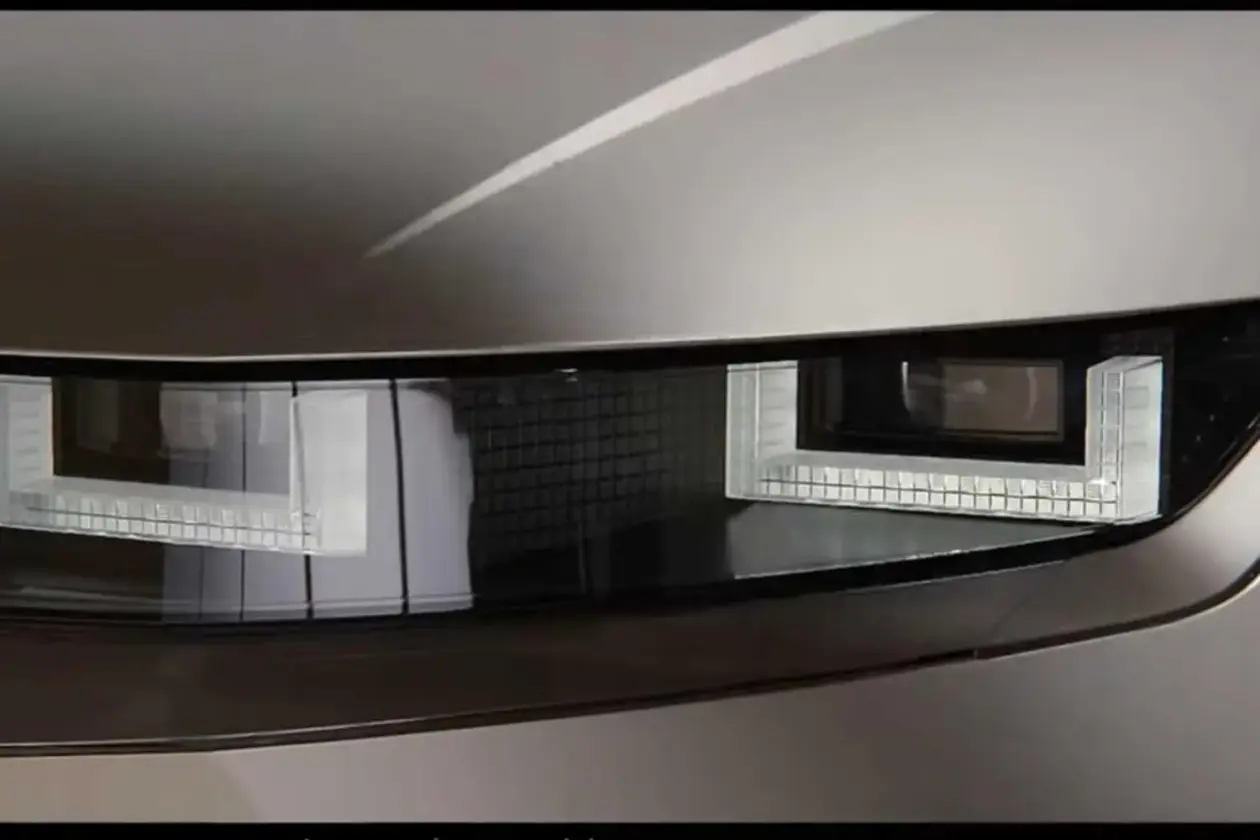
For Hong Kong users, IONIQ offers a new choice – a "Korean option" with global technology and local adaptation. Brand awareness, RHD development, and pricing remain key variables. But IONIQ at least shows that besides Japanese, German, and domestic brands, another force is gathering strength. For Hong Kong buyers considering a new EV, this is a brand worth watching.

香港汽車內容平台 🚗 新車・買車・玩車・用車 用香港視角,睇世界嘅車
+ Follow 【新車速報】兩座車又殺返嚟?smart精靈#2今次有啲料喎
鍾意細車嘅香港車迷留意!全新 smart 精靈#2 配置公布,採用 ECA 電動緊湊型架構,搭載 35.8kWh 磷酸鐵鋰電池,CLTC 續航 410km,30%-80% 快充最快15分鐘。
車長約 2.75米、轉彎半徑僅3.35米,仲有前麥弗遜+後五連桿獨立懸架;安全配備最多7個氣袋及 ACC、盲區監測等功能。
0-50km/h 3.8秒,10月12日巴黎車展全球首發!
兩座純電+細車身,放落香港街道會唔會幾對味?
#smart #smart精靈2 #純電車 #BitAutoHongKong 2小时前
【新車速報】兩座車又殺返嚟?smart精靈#2今次有啲料喎
鍾意細車嘅香港車迷留意!全新 smart 精靈#2 配置公布,採用 ECA 電動緊湊型架構,搭載 35.8kWh 磷酸鐵鋰電池,CLTC 續航 410km,30%-80% 快充最快15分鐘。
車長約 2.75米、轉彎半徑僅3.35米,仲有前麥弗遜+後五連桿獨立懸架;安全配備最多7個氣袋及 ACC、盲區監測等功能。
0-50km/h 3.8秒,10月12日巴黎車展全球首發!
兩座純電+細車身,放落香港街道會唔會幾對味?
#smart #smart精靈2 #純電車 #BitAutoHongKong 2小时前  【揀車有路數】日產新車賣比亞迪價?仲有激光雷達
今集試一台好特別嘅日產新車——NX8,中國特供增程SUV。外觀似熟悉嘅日產味,但內籠同科技配備竟然唔晒傳統日產套路,駕乘感受又有幾多轉變?到底仲係咪你認識嗰部日產?一齊試畀你睇。
#日產 #NX8 #增程 #BitAutoHongKong #揀車有路數 1天前
【揀車有路數】日產新車賣比亞迪價?仲有激光雷達
今集試一台好特別嘅日產新車——NX8,中國特供增程SUV。外觀似熟悉嘅日產味,但內籠同科技配備竟然唔晒傳統日產套路,駕乘感受又有幾多轉變?到底仲係咪你認識嗰部日產?一齊試畀你睇。
#日產 #NX8 #增程 #BitAutoHongKong #揀車有路數 1天前  【新車速報】T-Top 回歸?Nissan Z Kaze 概念車現身!
90年代 JDM 味返晒嚟?Nissan 最近喺美國 ZCON 公開 Z Kaze 概念車,以現款 Nissan Z 為基礎,換上全新 T-Top 可拆式車頂,向經典 300ZX 等 Z 系列致敬。
配合碳纖維空力套件、NISMO LMGT2 18吋輪圈,以及 GReddy 排氣、進氣同 intercooler 升級,成部車都充滿 JDM 改裝味。
「Kaze」即係日文「風」,而呢部車係 one-off 概念作品,並非量產車。10月3日仲會現身加州長灘 Japanese Classic Car Show。
如果 T-Top Z 真係量產,你會唔會心動?
#NissanZ #ZKaze #TTop #JDM #BitAutoHongKong 1天前
【新車速報】T-Top 回歸?Nissan Z Kaze 概念車現身!
90年代 JDM 味返晒嚟?Nissan 最近喺美國 ZCON 公開 Z Kaze 概念車,以現款 Nissan Z 為基礎,換上全新 T-Top 可拆式車頂,向經典 300ZX 等 Z 系列致敬。
配合碳纖維空力套件、NISMO LMGT2 18吋輪圈,以及 GReddy 排氣、進氣同 intercooler 升級,成部車都充滿 JDM 改裝味。
「Kaze」即係日文「風」,而呢部車係 one-off 概念作品,並非量產車。10月3日仲會現身加州長灘 Japanese Classic Car Show。
如果 T-Top Z 真係量產,你會唔會心動?
#NissanZ #ZKaze #TTop #JDM #BitAutoHongKong 1天前 Get the latest car news first!
【新車速報】兩座車又殺返嚟?smart精靈#2今次有啲料喎
鍾意細車嘅香港車迷留意!全新 smart 精靈#2 配置公布,採用 ECA 電動緊湊型架構,搭載 35.8kWh 磷酸鐵鋰電池,CLTC 續航 410km,30%-80% 快充最快15分鐘。
車長約 2.75米、轉彎半徑僅3.35米,仲有前麥弗遜+後五連桿獨立懸架;安全配備最多7個氣袋及 ACC、盲區監測等功能。
0-50km/h 3.8秒,10月12日巴黎車展全球首發!
兩座純電+細車身,放落香港街道會唔會幾對味?
#smart #smart精靈2 #純電車 #BitAutoHongKong 2小时前 【揀車有路數】日產新車賣比亞迪價?仲有激光雷達
今集試一台好特別嘅日產新車——NX8,中國特供增程SUV。外觀似熟悉嘅日產味,但內籠同科技配備竟然唔晒傳統日產套路,駕乘感受又有幾多轉變?到底仲係咪你認識嗰部日產?一齊試畀你睇。
#日產 #NX8 #增程 #BitAutoHongKong #揀車有路數 1天前 【新車速報】T-Top 回歸?Nissan Z Kaze 概念車現身!
90年代 JDM 味返晒嚟?Nissan 最近喺美國 ZCON 公開 Z Kaze 概念車,以現款 Nissan Z 為基礎,換上全新 T-Top 可拆式車頂,向經典 300ZX 等 Z 系列致敬。
配合碳纖維空力套件、NISMO LMGT2 18吋輪圈,以及 GReddy 排氣、進氣同 intercooler 升級,成部車都充滿 JDM 改裝味。
「Kaze」即係日文「風」,而呢部車係 one-off 概念作品,並非量產車。10月3日仲會現身加州長灘 Japanese Classic Car Show。
如果 T-Top Z 真係量產,你會唔會心動?
#NissanZ #ZKaze #TTop #JDM #BitAutoHongKong 1天前  BAWToyotaBYDZeekrGACDongfengXPengMGMaxusLeapmotorDenzaIMiCAURDeepalWulingOraJuneyao AutoKYCSkyworthAvatrFotonFordGeelyHongqiJAECOOKGMOMODADFSKTeslaHondaBMWMercedes-BenzsmartMINIPorscheNissanLexusSuzukiVolvoSubaruMazdaKiaHyundaiLand RoverRolls-RoyceFerrariAudiLamborghiniRiddaraSeresFarizonfireflyLingboxKaiyiVoyahHIMAM-HeroIsuzuBentleyPolestarMcLarenMitsubishiMaseratiPeugeotAston MartinAcuraJeepJaguarLotusVolkswagenEpiclandJACLepasLi
 © 2024 Bitauto.com. All Rights Reserved.
Bitauto (www.yiche.com and www.bitauto.com) is one of the most visited automotive websites in China. We provide detailed info on Chinese car brands available in your area. Please note that the information provided on this website is based on publicly available data and is for reference only. It may not be fully updated or accurate at all times.
Help us improve our website


