
Search History
Popular Searches
English
Dealer Login / Sign Up
Ford Motor Company CEO Jim Farley recently revealed on the Spike's Car Radio podcast that the brand is developing an all-new affordable pure electric vehicle directly targeting Tesla Model 3 and Model Y market positions. This new model will be built on Ford's mysterious Universal EV Platform, developed by a secretive skunkworks team composed largely of former Tesla and Formula 1 engineers, with an expected price point around 30,000 USD, potentially launching between 2027 and 2028. For Hong Kong markets, Ford's strategic deployment means the entry-level electric vehicle segment will welcome a strong competitor with traditional brand heritage and aggressive pricing strategy.
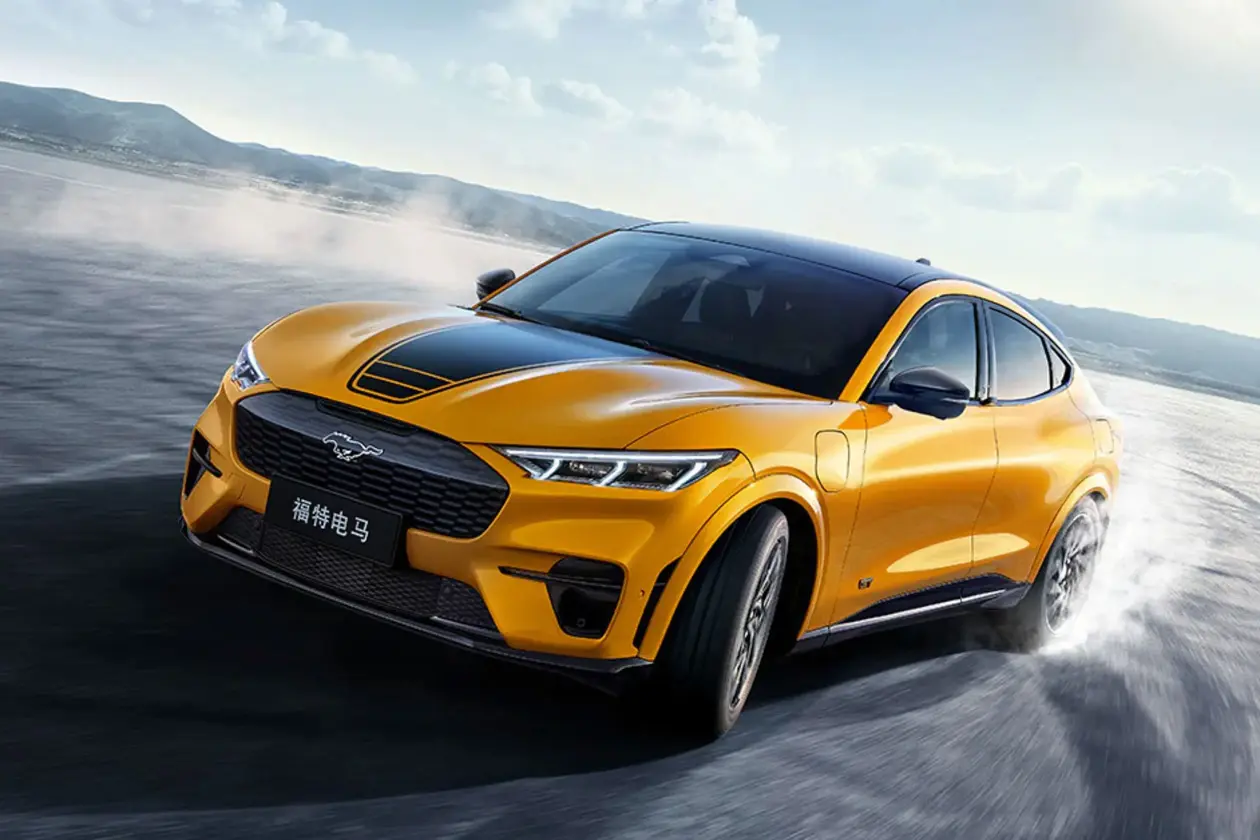
Farley described current electric vehicle adoption as the third inning of a nine-inning baseball game, an analogy showing both optimism for electrification's long-term trends and caution for the near term. Based on this assessment, Ford is pursuing a multi-track product strategy: all-hybrid lineups, extended-range electric vehicles for towing needs, and an all-new affordable pure electric vehicle directly competing with Tesla.
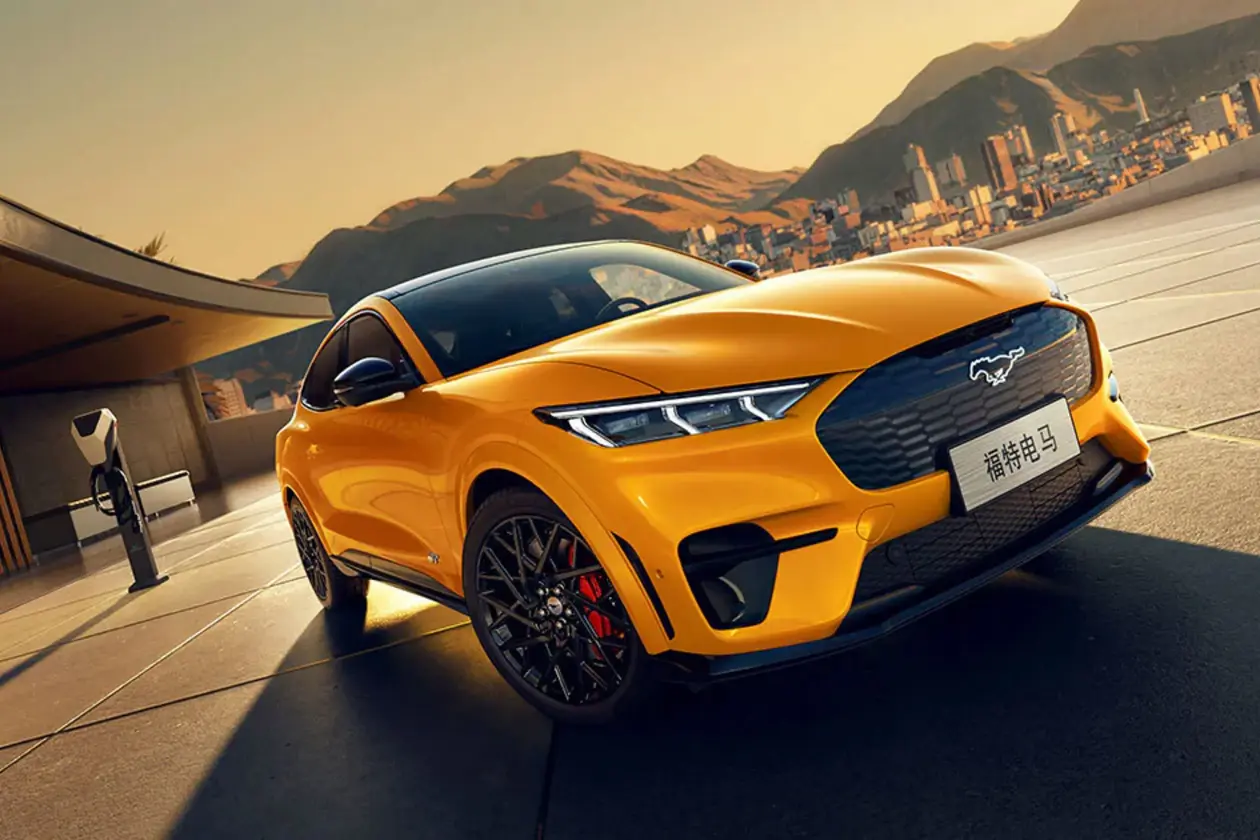
This strategy contrasts sharply with Ford's trajectory over recent years. The brand previously launched the F-150 Lightning pure electric pickup with high fanfare but ultimately discontinued it due to below-expectation market response. The Mustang Mach-E remains on sale but lags behind Tesla Model Y in range, performance, charging speed, and other key metrics. Farley admitted Ford got the F-150 Lightning wrong, this rare public reflection showing management's review of past strategy and determination to adjust future directions.
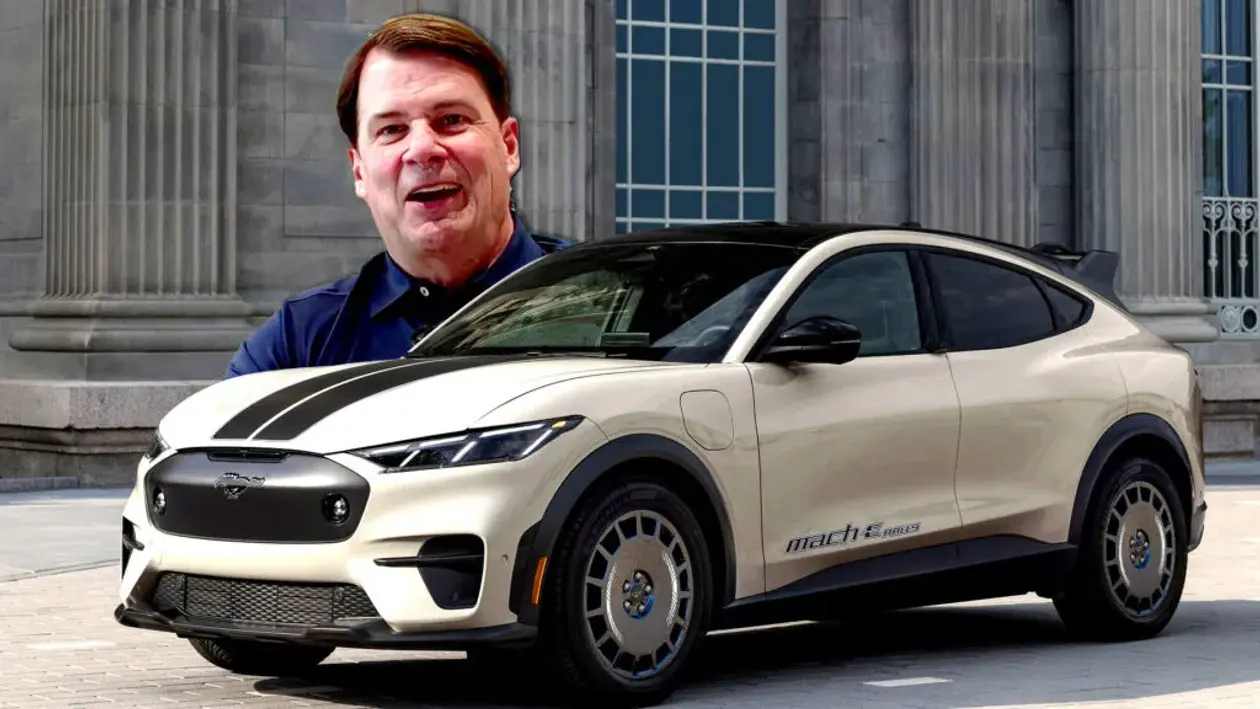
We really want to bet on all of it, Farley stated. Bronco, everything you can buy at Ford will have a hybrid. We'll also have EREVs for towing. We'll have an all-electric, affordable vehicle to compete with Model Y and Model 3. This product matrix diversification reflects Ford's deep recognition of market demand fragmentation, different user groups being at different stages of electrification acceptance with single technology routes unable to cover all needs.
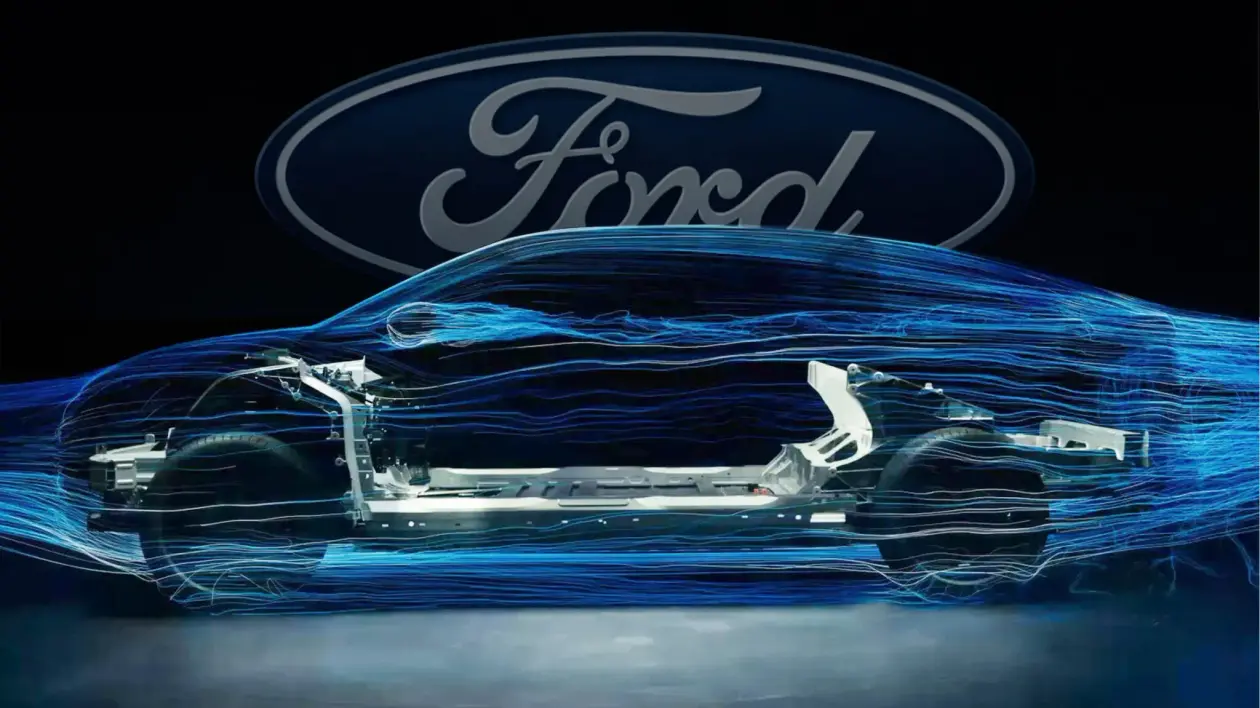
Ford's affordable electric vehicle's core competitiveness lies in its new UEV platform. This architecture was developed by Ford's internal secretive skunkworks team, whose composition proves particularly noteworthy, mainly consisting of former Tesla and Formula 1 engineers.
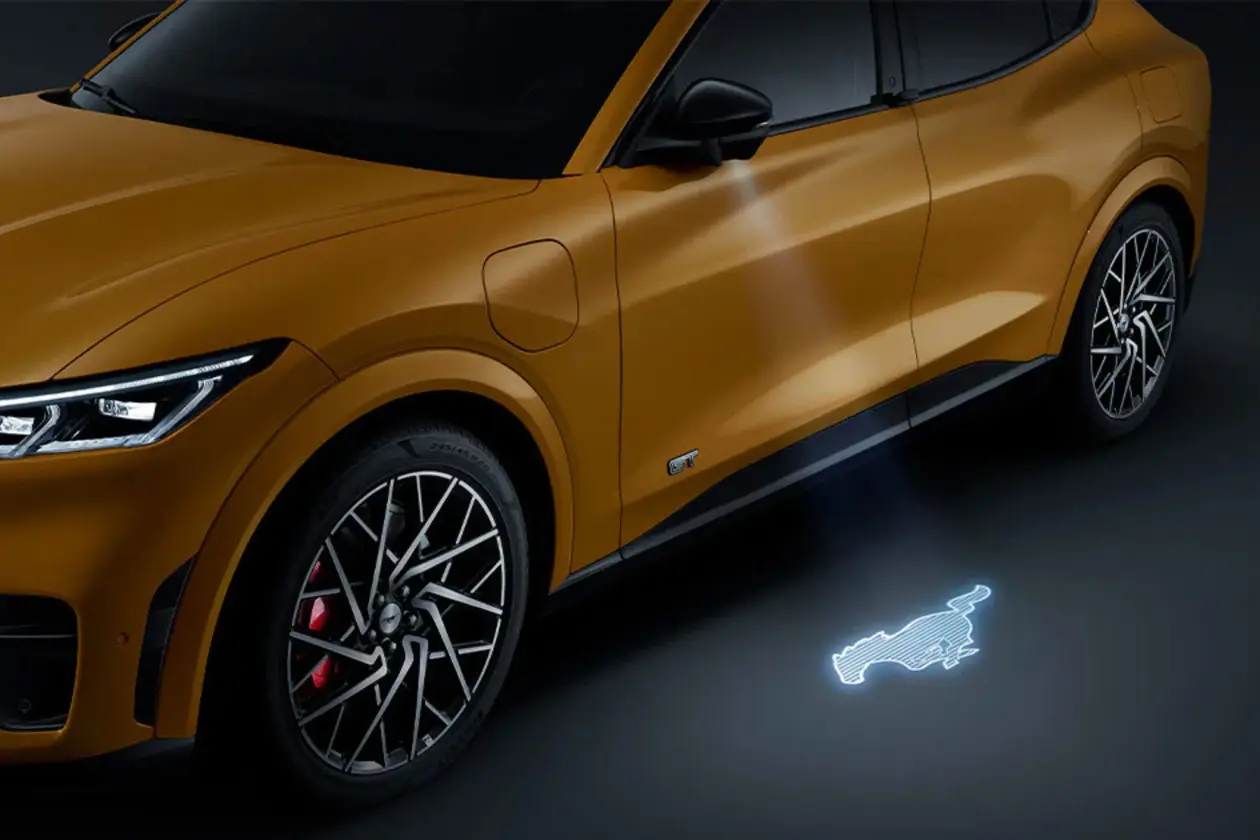
This personnel arrangement's strategic intent is clear: Tesla's advantages in electric vehicle efficiency, battery management, and software integration, combined with Formula 1 expertise in lightweight construction, aerodynamics, and extreme performance, could produce a product truly competitive with Tesla on technical metrics. Ford officially states the UEV platform can support up to eight body styles including compact crossovers, sedans, pickups, vans, and large SUVs, showing high scalability and cost-sharing potential.
The first UEV-based model is expected to be a roughly 30,000 midsize electric pickup debuting in 2027. This pricing strategy proves aggressive, compared to F-150 Lightning's high prices, the 30,000 entry threshold significantly expands potential customer bases. The Model 3 and Model Y competitor would likely follow shortly after, potentially debuting later that year or in 2028, forming frontal pincer attacks against Tesla's core products.
Ford's affordable electric vehicle strategy carries multi-dimensional potential impacts for Hong Kong markets.
From price competitiveness perspective, the 30,000 USD target price, combined with Hong Kong government first registration tax waivers and one-for-one scheme subsidies, could result in final landed prices under 300,000 HKD. This price band would directly challenge Tesla Model 3 rear-wheel-drive versions and entry models from BYD, XPeng, and other Chinese brands. As a traditional brand with century-long history, Ford's brand recognition and after-sales service networks carry significant advantages over emerging brands, this dimensional reduction attack strategy could reshape Hong Kong entry-level electric vehicle competitive landscapes.
From product positioning perspective, Ford explicitly positions the new vehicle as a Model 3 and Model Y competitor, showing high recognition of Tesla's product capabilities and determination to benchmark against them. This development philosophy of learning from Tesla contrasts with traditional automakers' previous closed innovation approaches, reflecting Ford's humility and pragmatism in the electrification era. For Hong Kong users, this means more Tesla alternatives will become available in the future, promoting market competition and price declines.
From technology route perspective, Ford's multi-track strategy aligns highly with Hong Kong market's practical demands. While government actively promotes pure electric vehicle adoption, charging infrastructure still requires time, and some users' range anxiety toward pure electric vehicles persists. Ford's simultaneous offerings of hybrid, extended-range, and pure electric options enable different needs users to find suitable solutions within the brand's product matrix, this flexibility of something for everyone is difficult for single technology route brands to match.
Despite attractive strategic visions, Ford faces numerous challenges in implementation.
Time table urgency cannot be overlooked. The 2027 to 2028 estimated launch timeframe means Ford must complete UEV platform engineering validation, supply chain integration, and production line construction within the next two to three years. This progress lacks obvious advantages compared to Tesla's product iteration rhythms and Chinese brands' new model launch speeds. Market windows are fleeting, if new vehicles launch when Tesla has already introduced next-generation platforms or Chinese brands have further compressed price spaces, Ford's competitiveness will be significantly reduced.
Brand positioning awkwardness still requires resolution. Ford's historical image in Hong Kong markets was mainly built on Mustang sports cars and Explorer, Kuga SUVs American muscle positioning, carrying certain gaps from electric vehicles' emphasized technology and environmental images. How to successfully shape new electrification era images while retaining brand DNA represents a major challenge for Ford marketing teams.
Product consistency testing remains. Mustang Mach-E market performance proved that merely launching electric vehicles is insufficient to win competition, requiring comprehensive in range, charging, intelligence, and other dimensions. While UEV platform gathers Tesla and Formula 1 engineering elites, final product actual performance still requires market validation. Whether Ford's previous software and user experience shortcomings can be fundamentally improved on new platforms carries uncertainty.
Ford CEO Jim Farley's affordable electric vehicle has thrown a bombshell into global electric vehicle markets. For Hong Kong, this strategic deployment means the entry-level electric vehicle segment will welcome competitors with stronger brand heritage and price aggression, pushing markets from Tesla dominance toward diversified competition. With UEV platform technical backing, 30,000 aggressive pricing, and skunkworks innovation gene combination, Ford could reshape its market position in the electrification era. However, tight time tables, brand image transformation, and product consistency delivery are all challenges that must be overcome in this nine-inning baseball game. When this mysterious new vehicle eventually reaches Victoria Harbour streets, we will witness not merely a century-old automaker's self-redemption but the intensifying competition of global automotive industry electrification.

香港汽車內容平台 🚗 新車・買車・玩車・用車 用香港視角,睇世界嘅車
+ Follow 【新車速報】兩座車又殺返嚟?smart精靈#2今次有啲料喎
鍾意細車嘅香港車迷留意!全新 smart 精靈#2 配置公布,採用 ECA 電動緊湊型架構,搭載 35.8kWh 磷酸鐵鋰電池,CLTC 續航 410km,30%-80% 快充最快15分鐘。
車長約 2.75米、轉彎半徑僅3.35米,仲有前麥弗遜+後五連桿獨立懸架;安全配備最多7個氣袋及 ACC、盲區監測等功能。
0-50km/h 3.8秒,10月12日巴黎車展全球首發!
兩座純電+細車身,放落香港街道會唔會幾對味?
#smart #smart精靈2 #純電車 #BitAutoHongKong 1小时前
【新車速報】兩座車又殺返嚟?smart精靈#2今次有啲料喎
鍾意細車嘅香港車迷留意!全新 smart 精靈#2 配置公布,採用 ECA 電動緊湊型架構,搭載 35.8kWh 磷酸鐵鋰電池,CLTC 續航 410km,30%-80% 快充最快15分鐘。
車長約 2.75米、轉彎半徑僅3.35米,仲有前麥弗遜+後五連桿獨立懸架;安全配備最多7個氣袋及 ACC、盲區監測等功能。
0-50km/h 3.8秒,10月12日巴黎車展全球首發!
兩座純電+細車身,放落香港街道會唔會幾對味?
#smart #smart精靈2 #純電車 #BitAutoHongKong 1小时前  【揀車有路數】日產新車賣比亞迪價?仲有激光雷達
今集試一台好特別嘅日產新車——NX8,中國特供增程SUV。外觀似熟悉嘅日產味,但內籠同科技配備竟然唔晒傳統日產套路,駕乘感受又有幾多轉變?到底仲係咪你認識嗰部日產?一齊試畀你睇。
#日產 #NX8 #增程 #BitAutoHongKong #揀車有路數 1天前
【揀車有路數】日產新車賣比亞迪價?仲有激光雷達
今集試一台好特別嘅日產新車——NX8,中國特供增程SUV。外觀似熟悉嘅日產味,但內籠同科技配備竟然唔晒傳統日產套路,駕乘感受又有幾多轉變?到底仲係咪你認識嗰部日產?一齊試畀你睇。
#日產 #NX8 #增程 #BitAutoHongKong #揀車有路數 1天前  【新車速報】T-Top 回歸?Nissan Z Kaze 概念車現身!
90年代 JDM 味返晒嚟?Nissan 最近喺美國 ZCON 公開 Z Kaze 概念車,以現款 Nissan Z 為基礎,換上全新 T-Top 可拆式車頂,向經典 300ZX 等 Z 系列致敬。
配合碳纖維空力套件、NISMO LMGT2 18吋輪圈,以及 GReddy 排氣、進氣同 intercooler 升級,成部車都充滿 JDM 改裝味。
「Kaze」即係日文「風」,而呢部車係 one-off 概念作品,並非量產車。10月3日仲會現身加州長灘 Japanese Classic Car Show。
如果 T-Top Z 真係量產,你會唔會心動?
#NissanZ #ZKaze #TTop #JDM #BitAutoHongKong 1天前
【新車速報】T-Top 回歸?Nissan Z Kaze 概念車現身!
90年代 JDM 味返晒嚟?Nissan 最近喺美國 ZCON 公開 Z Kaze 概念車,以現款 Nissan Z 為基礎,換上全新 T-Top 可拆式車頂,向經典 300ZX 等 Z 系列致敬。
配合碳纖維空力套件、NISMO LMGT2 18吋輪圈,以及 GReddy 排氣、進氣同 intercooler 升級,成部車都充滿 JDM 改裝味。
「Kaze」即係日文「風」,而呢部車係 one-off 概念作品,並非量產車。10月3日仲會現身加州長灘 Japanese Classic Car Show。
如果 T-Top Z 真係量產,你會唔會心動?
#NissanZ #ZKaze #TTop #JDM #BitAutoHongKong 1天前 Get the latest car news first!
【新車速報】兩座車又殺返嚟?smart精靈#2今次有啲料喎
鍾意細車嘅香港車迷留意!全新 smart 精靈#2 配置公布,採用 ECA 電動緊湊型架構,搭載 35.8kWh 磷酸鐵鋰電池,CLTC 續航 410km,30%-80% 快充最快15分鐘。
車長約 2.75米、轉彎半徑僅3.35米,仲有前麥弗遜+後五連桿獨立懸架;安全配備最多7個氣袋及 ACC、盲區監測等功能。
0-50km/h 3.8秒,10月12日巴黎車展全球首發!
兩座純電+細車身,放落香港街道會唔會幾對味?
#smart #smart精靈2 #純電車 #BitAutoHongKong 1小时前 【揀車有路數】日產新車賣比亞迪價?仲有激光雷達
今集試一台好特別嘅日產新車——NX8,中國特供增程SUV。外觀似熟悉嘅日產味,但內籠同科技配備竟然唔晒傳統日產套路,駕乘感受又有幾多轉變?到底仲係咪你認識嗰部日產?一齊試畀你睇。
#日產 #NX8 #增程 #BitAutoHongKong #揀車有路數 1天前 【新車速報】T-Top 回歸?Nissan Z Kaze 概念車現身!
90年代 JDM 味返晒嚟?Nissan 最近喺美國 ZCON 公開 Z Kaze 概念車,以現款 Nissan Z 為基礎,換上全新 T-Top 可拆式車頂,向經典 300ZX 等 Z 系列致敬。
配合碳纖維空力套件、NISMO LMGT2 18吋輪圈,以及 GReddy 排氣、進氣同 intercooler 升級,成部車都充滿 JDM 改裝味。
「Kaze」即係日文「風」,而呢部車係 one-off 概念作品,並非量產車。10月3日仲會現身加州長灘 Japanese Classic Car Show。
如果 T-Top Z 真係量產,你會唔會心動?
#NissanZ #ZKaze #TTop #JDM #BitAutoHongKong 1天前  BAWToyotaBYDZeekrGACDongfengXPengMGMaxusLeapmotorDenzaIMiCAURDeepalWulingOraJuneyao AutoKYCSkyworthAvatrFotonFordGeelyHongqiJAECOOKGMOMODADFSKTeslaHondaBMWMercedes-BenzsmartMINIPorscheNissanLexusSuzukiVolvoSubaruMazdaKiaHyundaiLand RoverRolls-RoyceFerrariAudiLamborghiniRiddaraSeresFarizonfireflyLingboxKaiyiVoyahHIMAM-HeroIsuzuBentleyPolestarMcLarenMitsubishiMaseratiPeugeotAston MartinAcuraJeepJaguarLotusVolkswagenEpiclandJACLepasLi
 © 2024 Bitauto.com. All Rights Reserved.
Bitauto (www.yiche.com and www.bitauto.com) is one of the most visited automotive websites in China. We provide detailed info on Chinese car brands available in your area. Please note that the information provided on this website is based on publicly available data and is for reference only. It may not be fully updated or accurate at all times.
Help us improve our website


