
Search History
Popular Searches
English
Dealer Login / Sign Up
Korean automaker Kia showcased strong product momentum at the 2026 New York International Auto Show, unveiling three significant models covering traditional internal combustion, hybrid, and pure electric segments. This presentation centered on diversity and inclusivity, including the comprehensively upgraded 2027 Seltos, the lightweight electric SUV EV3 with 515 kilometer range capability, and the PV5 WAV concept wheelchair-accessible electric taxi developed in partnership with BraunAbility. For Hong Kong markets, Kia's product matrix aligns precisely with local user demands for diversified powertrain options, spatial practicality, and social inclusivity.
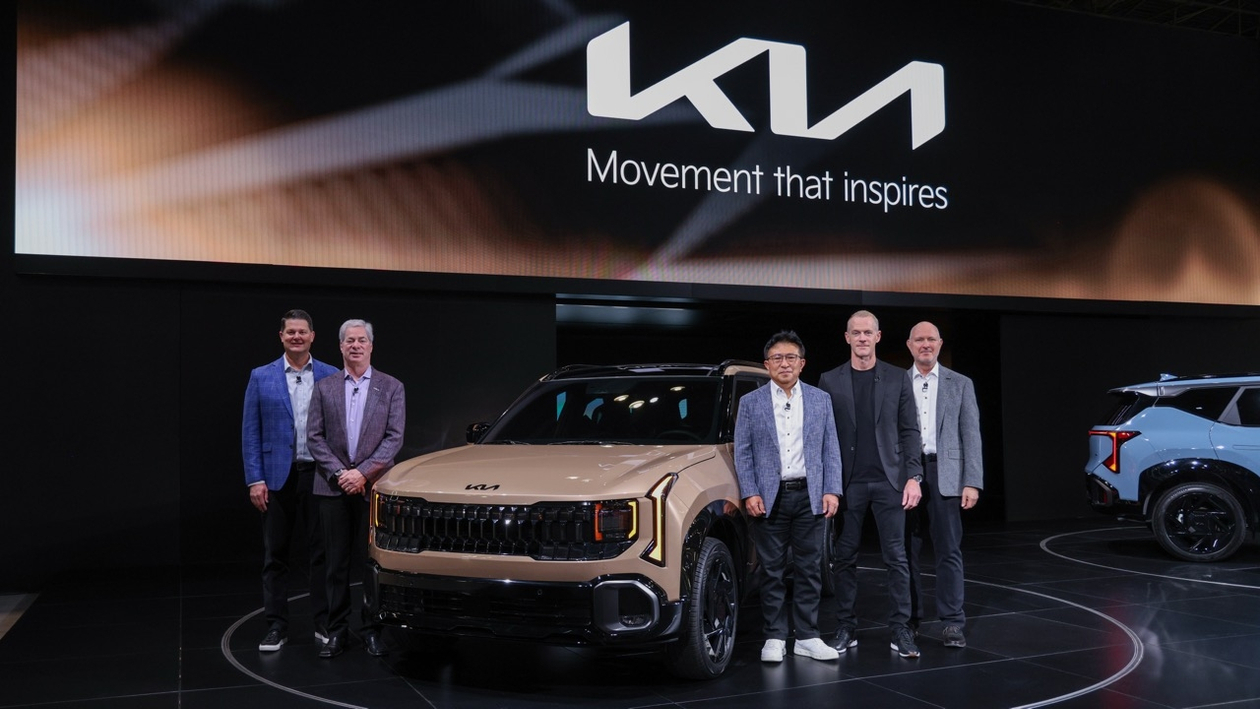
As Kia's entry-level SUV pillar in North American markets, the new Seltos undergoes transformative changes. Extended wheelbase and wider body significantly improve rear legroom and cargo functionality. Exterior design adopts the Opposites United design language with signature amber daytime running lights and hidden door handles projecting scaled-down flagship Telluride presence. Interior appointments match premium models with dual 12.3-inch panoramic digital interfaces, ccNC connected systems, and even generative AI assistants.
The most notable changes involve powertrain lineup expansion. Beyond 2.0-liter naturally aspirated and 1.6-liter turbocharged engines, the Seltos debuts 1.6-liter Hybrid system with e-AWD electronic all-wheel-drive options. This makes the Seltos one of few competitors offering three powertrain architectures simultaneously, with hybrid variants expected to reach North American markets by late 2026.
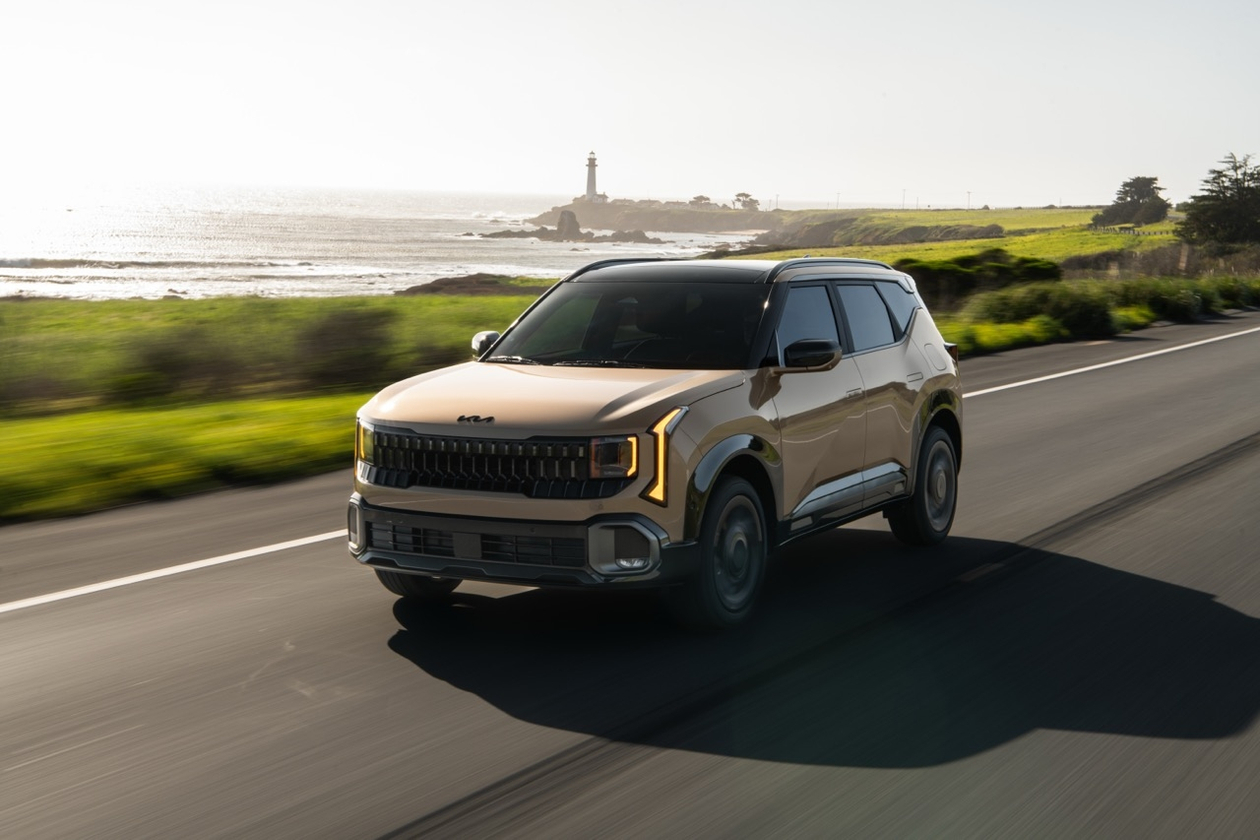
For Hong Kong, the new Seltos' product improvements carry multiple significance. First, wheelbase extension and body widening deliver space gains directly addressing Hong Kong family user demands for passenger comfort and cargo practicality. Second, the 1.6-liter Hybrid introduction provides ideal transition solutions for users not yet prepared to embrace pure electric vehicles but seeking reduced fuel costs and environmental footprints. Under current Hong Kong policy environments, hybrid models do not enjoy pure electric vehicle first registration tax waivers, but their lower fuel consumption and freedom from charging infrastructure requirements maintain considerable market appeal.
Carrying forward EV9 family styling, the EV3 enters mass-market electric vehicle segments with compact proportions. Built on E-GMP architecture, the model offers 58.3 and 81.4 kilowatt-hour battery capacities. The larger battery version provides up to 320 miles or approximately 515 kilometers range, placing at the top of compact pure electric SUV segments.
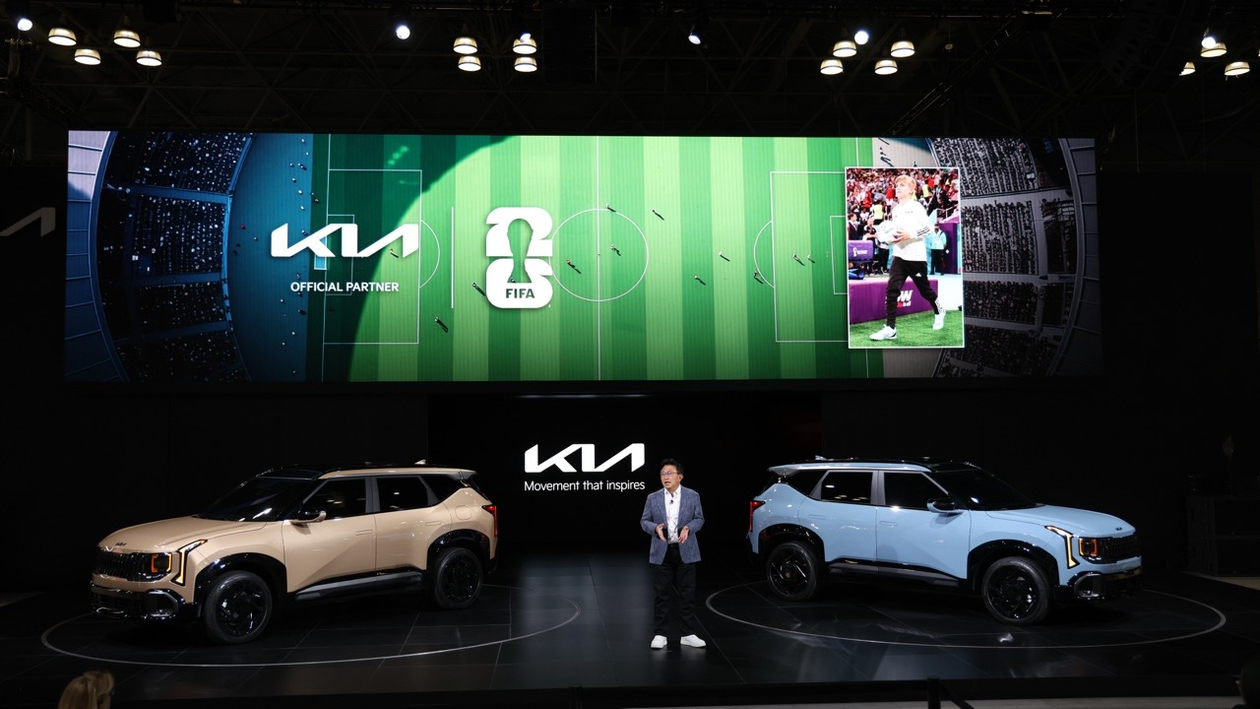
Fast charging efficiency proves equally impressive, requiring only approximately 29 minutes for 10 to 80 percent charging with native NACS charging standard support. Interior equipment includes i-Pedal 3.0 one-pedal driving systems and V2L external power supply functions, matching flagship model technology content.
For Hong Kong, EV3 product characteristics prove highly targeted. The 515 kilometer range capability far exceeds local daily commuting requirements, easily handling occasional cross-district travel or weekend suburban outings. The 29 minute fast charging time combined with Hong Kong's increasingly comprehensive public charging network essentially eliminates range anxiety. V2L external power functions provide additional practical value for outdoor activity enthusiasts, whether camping appliance power or emergency situations, demonstrating electric vehicles' scene adaptability beyond traditional fossil fuel vehicles.
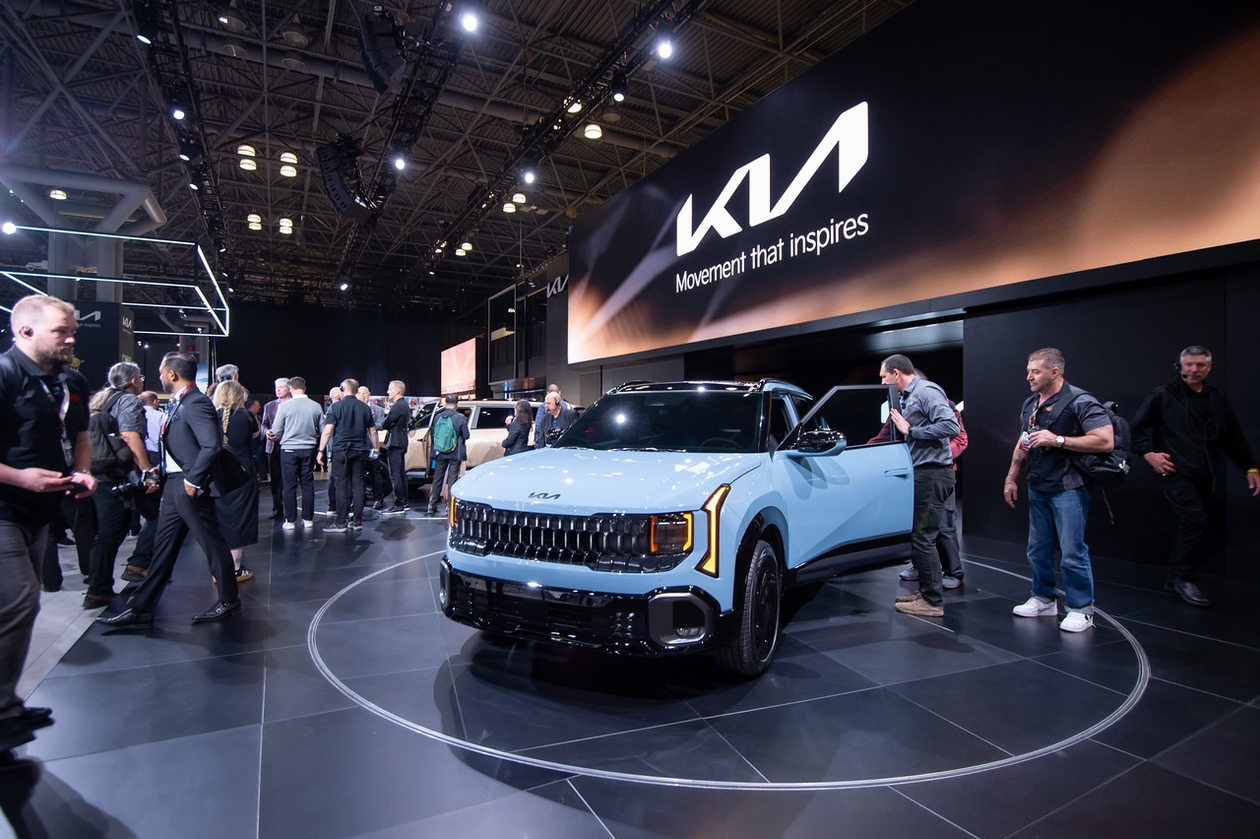
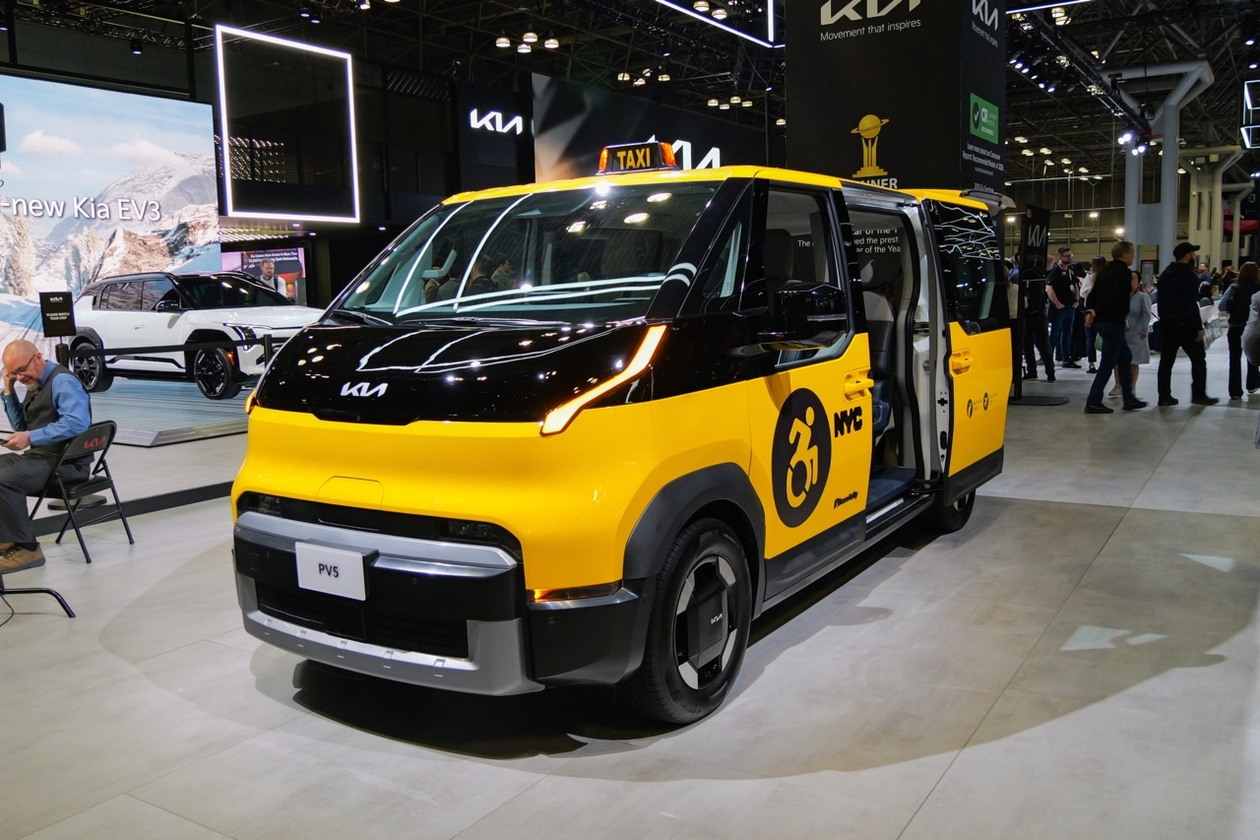
Addressing future urban public transportation, Kia and BraunAbility partnered to introduce the PV5 WAV concept. This pure electric taxi specifically designed for wheelchair users features extremely low floor thresholds and optimized accessibility pathways. This concept vehicle embodies Kia's Platform Beyond Vehicle vision, proving environmental sustainability and social inclusivity can coexist simultaneously.
For Hong Kong, while the PV5 WAV concept remains distant from production, its design philosophy carries profound significance. Hong Kong maintains substantial wheelchair users and mobility-impaired individuals, with current accessible transportation primarily relying on modified traditional vehicles compromising safety, comfort, and aesthetics. Kia's dedicated electric platform design integrating accessibility facilities from the ground up enables natural fusion of wheelchair lifts, securing devices, and interior space layouts with body design, maintaining both functionality and design integrity.
This direction aligns highly with Hong Kong government policies promoting disability inclusion and green transportation. Should PV5 WAV reach production and enter Hong Kong markets, it could become accessible taxi fleet replacement options, providing mobility-impaired individuals with safer, more comfortable, and environmentally friendly travel experiences.
Kia's design progress in recent years has been evident, from EV9 to current Seltos and EV3 models, with Star Map daytime running light designs achieving high recognition. This design language success has helped Kia escape previous budget image associations, establishing unique brand personality.
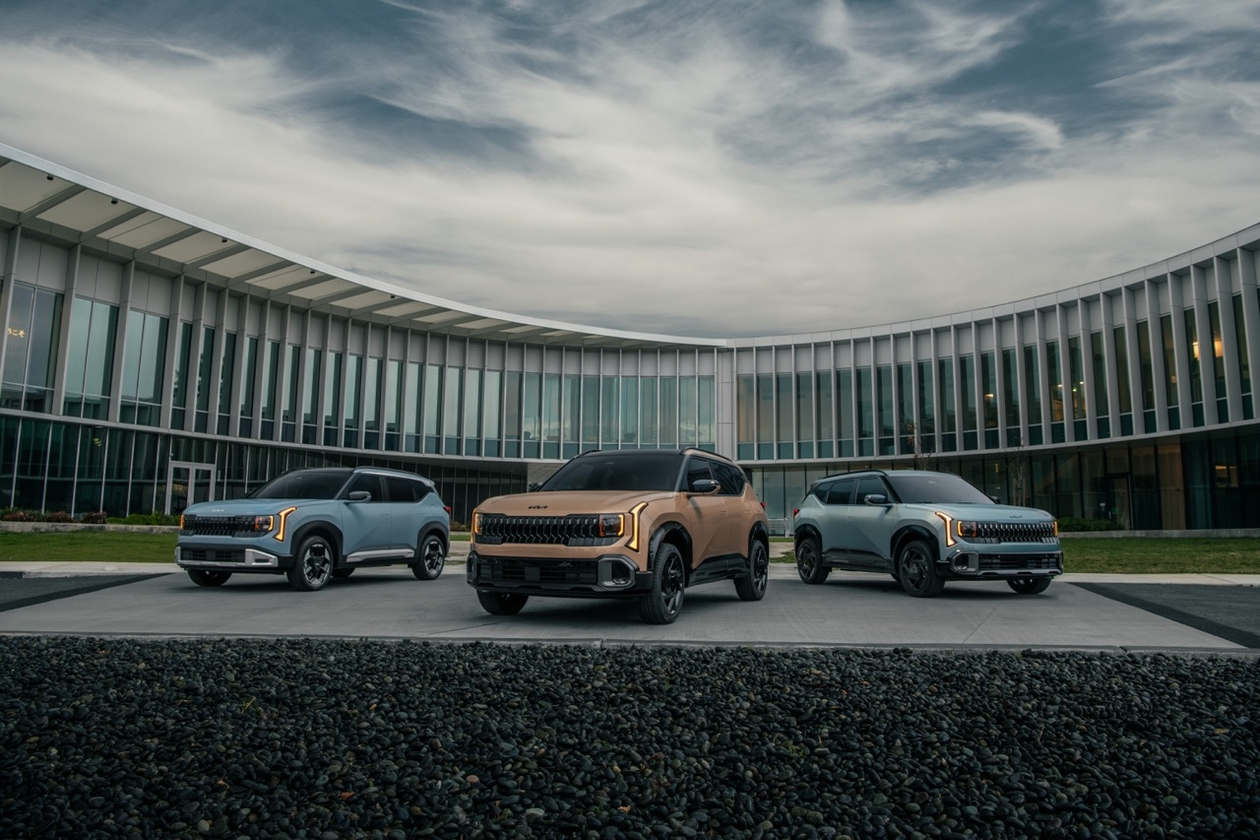
For Hong Kong, design sensibility significantly influences purchase decisions. In this visually culture-developed metropolis, vehicles represent not merely transportation tools but personal taste and lifestyle expression. Through Opposites United design philosophy, Kia achieves balance between sharp and soft, technology and nature, creating forward-looking yet approachable visual effects highly aligned with Hong Kong young user aesthetic preferences.
Kia's New York Auto Show product matrix carries clear introduction value for Hong Kong markets.
The new Seltos hybrid version could fill gaps in Hong Kong's entry-level hybrid SUV segments. Currently Toyota and Honda dominate this segment, with Kia's entry providing additional choices and potentially breaking existing patterns through more competitive pricing strategies.
The EV3's pure electric positioning directly targets market driven by Hong Kong government policy. As the Hong Kong Roadmap on Popularization of Electric Vehicles implementation continues, pure electric vehicle market share will expand. The EV3's accessible positioning, 500+ kilometer range, and rapid charging capability could become popular choices for young families and first-time buyers.
However, successful Hong Kong market expansion requires overcoming challenges. Brand awareness trails Toyota, Honda, and other Japanese brands despite significant recent Kia product improvements, requiring continued brand building investment. Channel development requires closer partnerships with Hong Kong dealer networks ensuring sales and after-sales service coverage. Charging standards require EV3 NACS charging interfaces to ensure compatibility with Hong Kong mainstream CCS2 or CHAdeMO standards when entering local markets.
Kia's strong New York International Auto Show 2026 presentation demonstrates this Korean automaker's ambition in product diversification and technological innovation. For Hong Kong, the new Seltos' space evolution and hybrid powertrain, EV3's range breakthrough and fast charging capability, and PV5 WAV's social care design collectively form a highly attractive product story. In this era pursuing efficiency, sustainability, and inclusivity, Kia's product strategy centered on diversity and sincerity may provide exactly what Hong Kong users need. When these new models eventually reach Victoria Harbour streets, we will witness not merely brand growth but automotive industry progression toward diverse futures.

香港汽車內容平台 🚗 新車・買車・玩車・用車 用香港視角,睇世界嘅車
+ Follow 【新車速報】兩座車又殺返嚟?smart精靈#2今次有啲料喎
鍾意細車嘅香港車迷留意!全新 smart 精靈#2 配置公布,採用 ECA 電動緊湊型架構,搭載 35.8kWh 磷酸鐵鋰電池,CLTC 續航 410km,30%-80% 快充最快15分鐘。
車長約 2.75米、轉彎半徑僅3.35米,仲有前麥弗遜+後五連桿獨立懸架;安全配備最多7個氣袋及 ACC、盲區監測等功能。
0-50km/h 3.8秒,10月12日巴黎車展全球首發!
兩座純電+細車身,放落香港街道會唔會幾對味?
#smart #smart精靈2 #純電車 #BitAutoHongKong 1小时前
【新車速報】兩座車又殺返嚟?smart精靈#2今次有啲料喎
鍾意細車嘅香港車迷留意!全新 smart 精靈#2 配置公布,採用 ECA 電動緊湊型架構,搭載 35.8kWh 磷酸鐵鋰電池,CLTC 續航 410km,30%-80% 快充最快15分鐘。
車長約 2.75米、轉彎半徑僅3.35米,仲有前麥弗遜+後五連桿獨立懸架;安全配備最多7個氣袋及 ACC、盲區監測等功能。
0-50km/h 3.8秒,10月12日巴黎車展全球首發!
兩座純電+細車身,放落香港街道會唔會幾對味?
#smart #smart精靈2 #純電車 #BitAutoHongKong 1小时前  【揀車有路數】日產新車賣比亞迪價?仲有激光雷達
今集試一台好特別嘅日產新車——NX8,中國特供增程SUV。外觀似熟悉嘅日產味,但內籠同科技配備竟然唔晒傳統日產套路,駕乘感受又有幾多轉變?到底仲係咪你認識嗰部日產?一齊試畀你睇。
#日產 #NX8 #增程 #BitAutoHongKong #揀車有路數 1天前
【揀車有路數】日產新車賣比亞迪價?仲有激光雷達
今集試一台好特別嘅日產新車——NX8,中國特供增程SUV。外觀似熟悉嘅日產味,但內籠同科技配備竟然唔晒傳統日產套路,駕乘感受又有幾多轉變?到底仲係咪你認識嗰部日產?一齊試畀你睇。
#日產 #NX8 #增程 #BitAutoHongKong #揀車有路數 1天前  【新車速報】T-Top 回歸?Nissan Z Kaze 概念車現身!
90年代 JDM 味返晒嚟?Nissan 最近喺美國 ZCON 公開 Z Kaze 概念車,以現款 Nissan Z 為基礎,換上全新 T-Top 可拆式車頂,向經典 300ZX 等 Z 系列致敬。
配合碳纖維空力套件、NISMO LMGT2 18吋輪圈,以及 GReddy 排氣、進氣同 intercooler 升級,成部車都充滿 JDM 改裝味。
「Kaze」即係日文「風」,而呢部車係 one-off 概念作品,並非量產車。10月3日仲會現身加州長灘 Japanese Classic Car Show。
如果 T-Top Z 真係量產,你會唔會心動?
#NissanZ #ZKaze #TTop #JDM #BitAutoHongKong 1天前
【新車速報】T-Top 回歸?Nissan Z Kaze 概念車現身!
90年代 JDM 味返晒嚟?Nissan 最近喺美國 ZCON 公開 Z Kaze 概念車,以現款 Nissan Z 為基礎,換上全新 T-Top 可拆式車頂,向經典 300ZX 等 Z 系列致敬。
配合碳纖維空力套件、NISMO LMGT2 18吋輪圈,以及 GReddy 排氣、進氣同 intercooler 升級,成部車都充滿 JDM 改裝味。
「Kaze」即係日文「風」,而呢部車係 one-off 概念作品,並非量產車。10月3日仲會現身加州長灘 Japanese Classic Car Show。
如果 T-Top Z 真係量產,你會唔會心動?
#NissanZ #ZKaze #TTop #JDM #BitAutoHongKong 1天前 Get the latest car news first!
【新車速報】兩座車又殺返嚟?smart精靈#2今次有啲料喎
鍾意細車嘅香港車迷留意!全新 smart 精靈#2 配置公布,採用 ECA 電動緊湊型架構,搭載 35.8kWh 磷酸鐵鋰電池,CLTC 續航 410km,30%-80% 快充最快15分鐘。
車長約 2.75米、轉彎半徑僅3.35米,仲有前麥弗遜+後五連桿獨立懸架;安全配備最多7個氣袋及 ACC、盲區監測等功能。
0-50km/h 3.8秒,10月12日巴黎車展全球首發!
兩座純電+細車身,放落香港街道會唔會幾對味?
#smart #smart精靈2 #純電車 #BitAutoHongKong 1小时前 【揀車有路數】日產新車賣比亞迪價?仲有激光雷達
今集試一台好特別嘅日產新車——NX8,中國特供增程SUV。外觀似熟悉嘅日產味,但內籠同科技配備竟然唔晒傳統日產套路,駕乘感受又有幾多轉變?到底仲係咪你認識嗰部日產?一齊試畀你睇。
#日產 #NX8 #增程 #BitAutoHongKong #揀車有路數 1天前 【新車速報】T-Top 回歸?Nissan Z Kaze 概念車現身!
90年代 JDM 味返晒嚟?Nissan 最近喺美國 ZCON 公開 Z Kaze 概念車,以現款 Nissan Z 為基礎,換上全新 T-Top 可拆式車頂,向經典 300ZX 等 Z 系列致敬。
配合碳纖維空力套件、NISMO LMGT2 18吋輪圈,以及 GReddy 排氣、進氣同 intercooler 升級,成部車都充滿 JDM 改裝味。
「Kaze」即係日文「風」,而呢部車係 one-off 概念作品,並非量產車。10月3日仲會現身加州長灘 Japanese Classic Car Show。
如果 T-Top Z 真係量產,你會唔會心動?
#NissanZ #ZKaze #TTop #JDM #BitAutoHongKong 1天前  BAWToyotaBYDZeekrGACDongfengXPengMGMaxusLeapmotorDenzaIMiCAURDeepalWulingOraJuneyao AutoKYCSkyworthAvatrFotonFordGeelyHongqiJAECOOKGMOMODADFSKTeslaHondaBMWMercedes-BenzsmartMINIPorscheNissanLexusSuzukiVolvoSubaruMazdaKiaHyundaiLand RoverRolls-RoyceFerrariAudiLamborghiniRiddaraSeresFarizonfireflyLingboxKaiyiVoyahHIMAM-HeroIsuzuBentleyPolestarMcLarenMitsubishiMaseratiPeugeotAston MartinAcuraJeepJaguarLotusVolkswagenEpiclandJACLepasLi
 © 2024 Bitauto.com. All Rights Reserved.
Bitauto (www.yiche.com and www.bitauto.com) is one of the most visited automotive websites in China. We provide detailed info on Chinese car brands available in your area. Please note that the information provided on this website is based on publicly available data and is for reference only. It may not be fully updated or accurate at all times.
Help us improve our website


