
Search History
Popular Searches
English
Dealer Login / Sign Up
Tesla Inc. officially released its 2026 first quarter global production and delivery report on April 2. Data shows the company produced over 408,000 pure electric vehicles globally this quarter, up 12.7% year-over-year, with deliveries exceeding 358,000 units, up 6.5% year-over-year. Energy storage product deployments reached 8.8 gigawatt-hours during the same period. For Hong Kong, these results reflect Tesla's continued leadership in global electric vehicles while highlighting Shanghai Gigafactory's critical role in Asia-Pacific supply and Hong Kong's strategic value as a regional market.
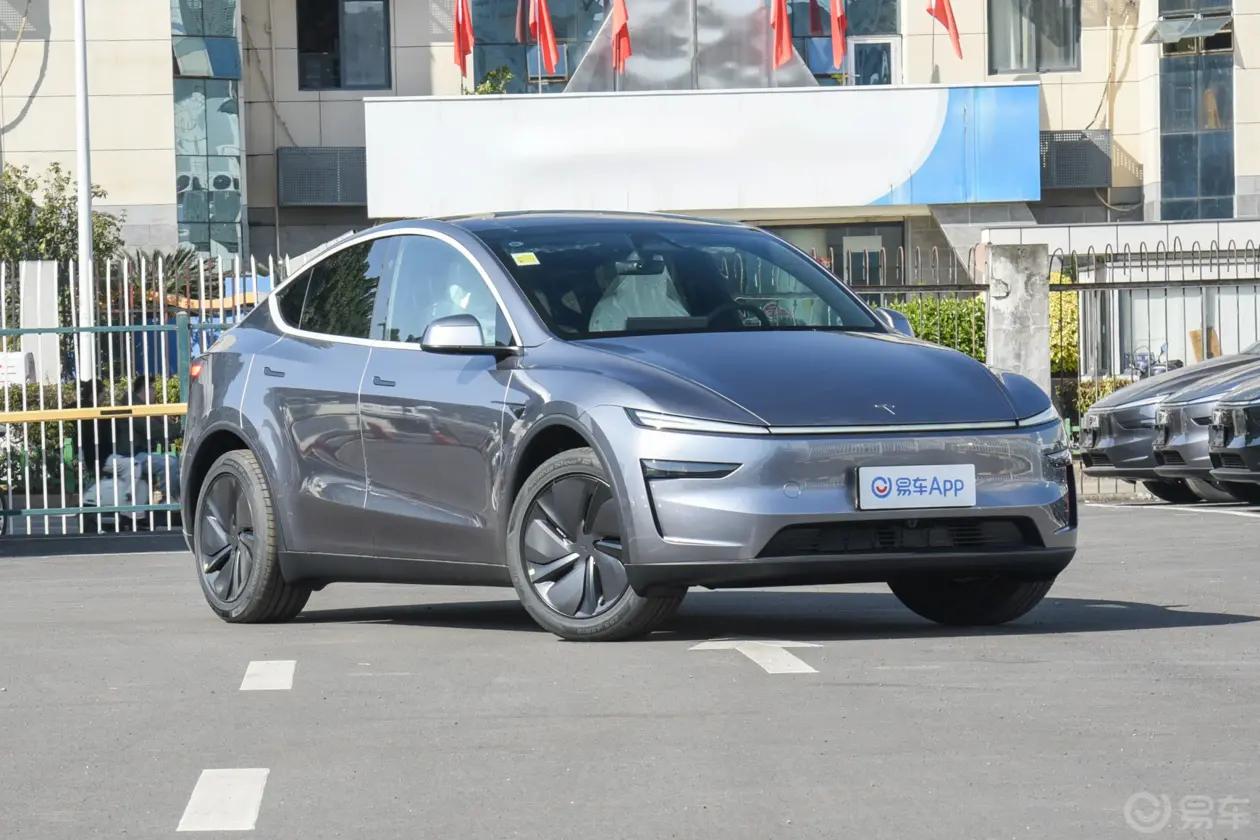
First quarter 2026 global deliveries reached 358,000 units. While the 6.5% year-over-year growth rate slowed compared to previous years, this performance remains steady amid global automotive industry challenges including geopolitical tensions, supply chain adjustments, and consumer demand fluctuations. Production figures prove more impressive at 408,000 units, up 12.7% year-over-year, showing Tesla's manufacturing efficiency continues improving and reserving ample ammunition for subsequent quarter delivery growth.
Model Y's market performance stands out particularly. According to authoritative analysis institutions, Model Y captured global passenger vehicle sales leadership in 2025, marking this model's third consecutive year as global sales champion with cumulative sales exceeding 4 million units. This achievement signals electric vehicles' formal transition from niche alternatives to mainstream adoption, with Model Y's balanced product capabilities combining spatial practicality, range capability, intelligent technology, and brand premium making it the preferred choice for global family users.
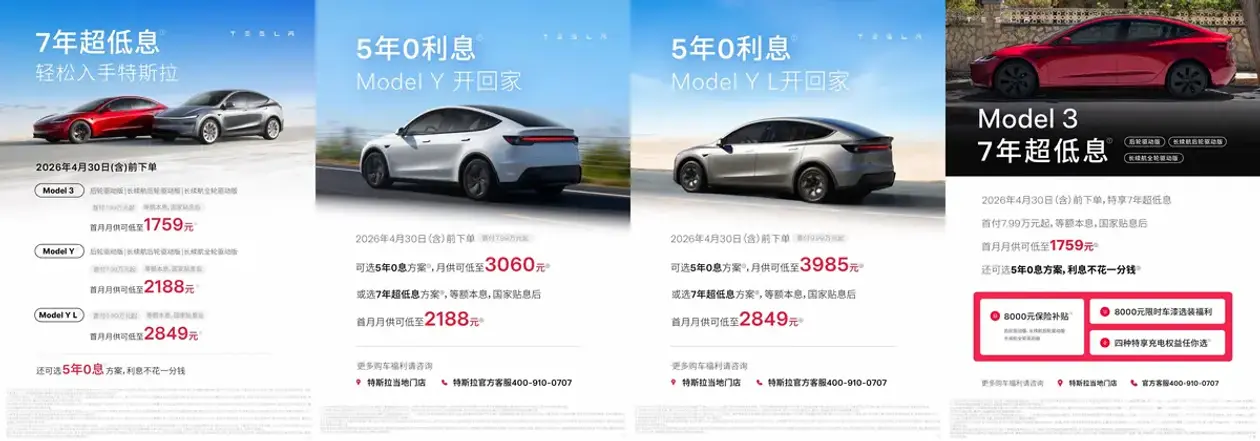
Model 3 also warrants attention. 2026 marks Model 3's tenth anniversary with cumulative global sales surpassing 3 million units. As Tesla's meritorious model, Model 3 pioneered large-scale electric vehicle while establishing technical platforms and brand recognition foundations for subsequent models. In Hong Kong, Model 3 consistently ranks among luxury mid-size sedan sales leaders, serving as the first electric vehicle for many young professionals and technology enthusiasts.
Tesla Shanghai Gigafactory's performance represents another quarterly report highlight. March 2026 saw Shanghai deliveries exceed 85,600 units, setting annual records, while first quarter total deliveries reached 213,000 units, up 23.5% year-over-year. This growth rate significantly exceeds Tesla's global average, demonstrating Chinese manufacturing system efficiency and resilience.
Model Y retained domestic passenger vehicle wholesale sales leadership, further consolidating its market dominance. Export performance proves particularly noteworthy with Shanghai-produced Model 3 and Model Y ranking among top three single-model exports in January, totaling over 50,000 units shipped overseas. These export vehicles flow substantially to Asia-Pacific markets including Hong Kong, Macau, Taiwan, Japan, South Korea, Singapore, and Australia.
For Hong Kong users, Shanghai Gigafactory's strategic significance lies in shortened product delivery cycles, reduced transportation costs, and ensured stable right-hand-drive variant supply. Compared to imports from Fremont factory, Shanghai's geographic proximity significantly enhances Tesla's response speed and price competitiveness in Hong Kong markets.
Although Tesla's quarterly report does not disclose separate Hong Kong delivery data, regional trends and industry observations suggest steady growth continued in 2026 first quarter.
From policy environment perspective, Hong Kong government continues promoting electric vehicle adoption. The Hong Kong Roadmap on Popularization of Electric Vehicles targets ending new fossil fuel vehicle registrations by 2035, with first registration tax waivers and one-for-one scheme subsidies providing significant price advantages for Tesla models. Model 3 and Model Y as pure electric vehicles enjoy full tax exemptions, with this policy continuing through 2026.
From infrastructure perspective, Tesla's Hong Kong Supercharger network continues expanding. As of March 2026, Tesla globally maintains over 75,000 Supercharger stalls and 8,000+ Supercharger stations, with 99.95% real-time availability rates. While Hong Kong Supercharger density trails mainland cities, core commercial and residential district coverage proves substantial, combined with destination charging and home charging solutions essentially eliminating user range anxiety.
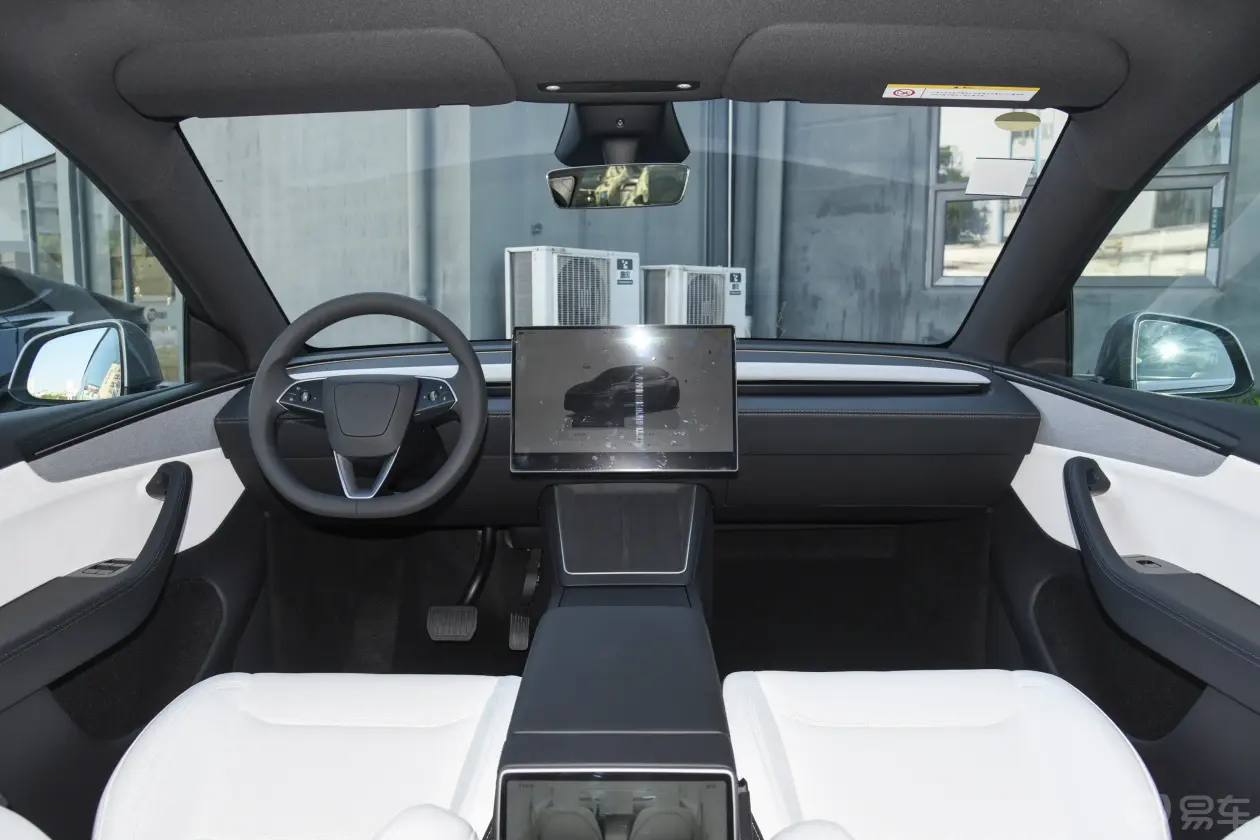
From product competitiveness perspective, Model Y and Model 3 maintain significant advantages in Hong Kong markets. Compared to traditional luxury brand electric vehicles like BMW iX3 and Mercedes-Benz EQC, Tesla leads in intelligent configuration, Supercharger network, and software iteration. Against Chinese new force brands like BYD, XPeng, and NIO, Tesla's brand premium and global service system remain attractive. This leadership position between traditional luxury and Chinese new forces, simultaneously facing pressure from both sides while maintaining sales leadership, demonstrates Tesla's comprehensive product advantages.
The quarterly report's energy storage business growth also warrants attention. First quarter 2026 Tesla energy deployments reached 8.8 gigawatt-hours, a figure smaller than automotive business scale but growing more rapidly, showing Tesla's strategic determination in energy ecosystem.
For Hong Kong, Tesla's energy business including Powerwall residential batteries and Megapack large-scale storage systems holds commercial potential. Hong Kong's high electricity prices, frequent typhoon season blackout risks, and government renewable energy promotion create demand space for residential and commercial storage systems. While Powerwall installations in Hong Kong remain niche, market prospects expand as solar photovoltaic systems in residential and commercial buildings.
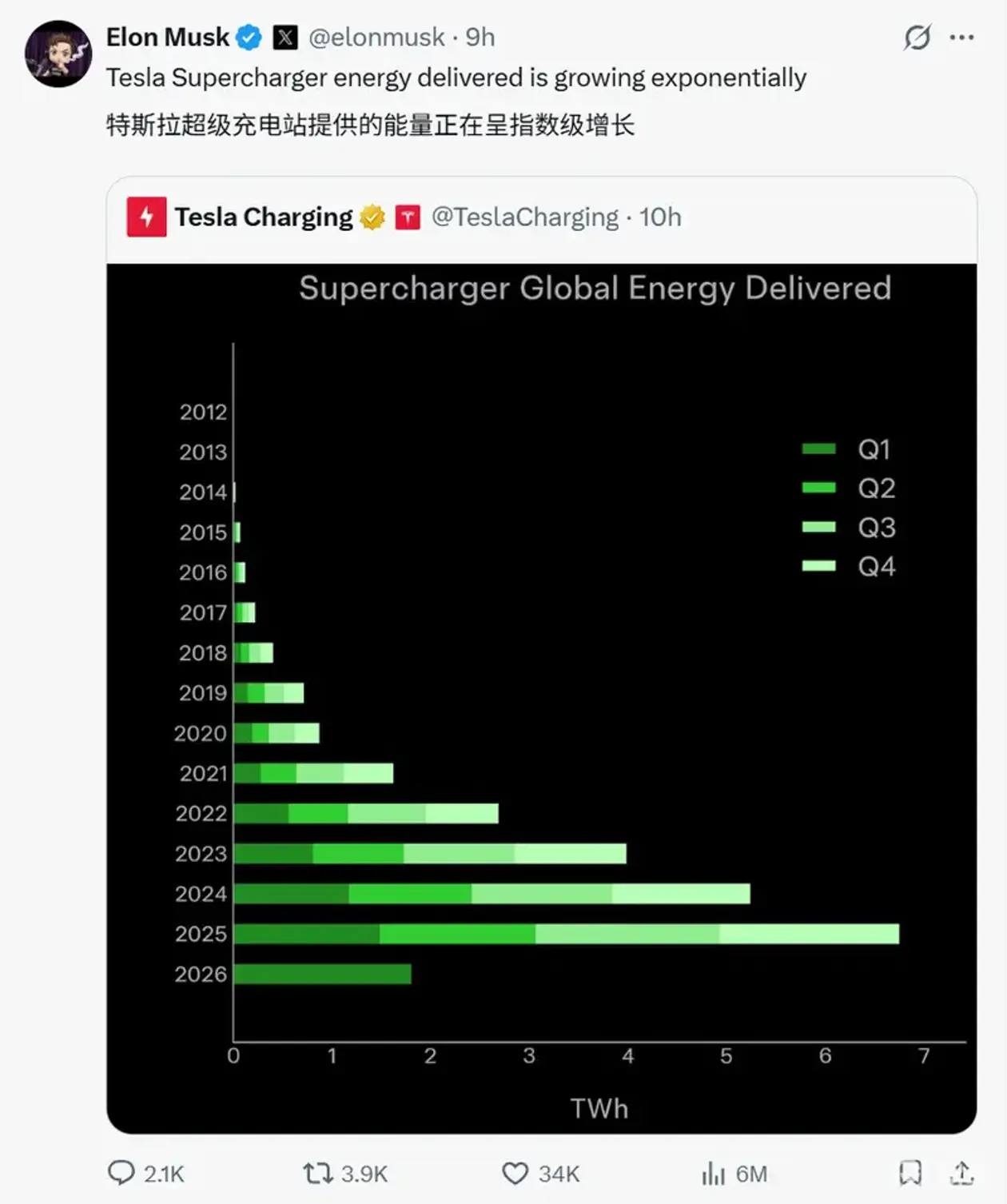
Supercharger network energy output data proves equally impressive. First quarter 2026 Tesla Supercharger stations delivered 1.8 terawatt-hours of electricity, up 22% year-over-year. This reflects both expanding Tesla fleet scale and Supercharger network infrastructure asset monetization capabilities. For land-scarce cities like Hong Kong, Supercharger stations' efficient land utilization compared to traditional gas stations carries demonstration significance.
Despite steady delivery figures, Tesla faces challenges in Hong Kong and global markets that cannot be ignored.
First, slowing growth trends warrant caution. The 6.5% year-over-year delivery growth, compared to 50%+ rates during 2021-2023, shows Tesla transitioning from high-speed expansion to mature stability. This shift represents both inevitable market scale expansion results and reflects intensifying competition reality, with Chinese brands like BYD and Xiaomi Auto catching up in pricing and intelligence, and traditional luxury brands like BMW and Mercedes-Benz accelerating electrification, all pressuring Tesla.
Second, relatively single product lines remain concerns. While Model 3 and Model Y product capabilities stay strong, consumer thirst for freshness persists. Cybertruck delivery progress, Model 2 rumored entry-level model production timelines, and next-generation platform technical breakthroughs all represent key variables affecting Tesla's future growth.
Third, geopolitical risks cannot be overlooked. China-US trade relationship fluctuations, tariff policy adjustments, and data security regulatory requirements may all affect Tesla's China and Asia-Pacific operations. While Shanghai Gigafactory demonstrates excellent efficiency, its deep dependence on Chinese supply chains and markets poses potential risks amid globalization retreat trends.
Tesla's 2026 first quarter delivery results again prove this enterprise's leadership in global electric vehicles. For Hong Kong, Model Y and Model 3's continued strong sales, Shanghai Gigafactory's stable supply, and Supercharger network continuous improvement collectively constitute Tesla's competitive moat. However, amid slowing growth, intensifying competition, and geopolitical risks, Tesla's ability to maintain its electric vehicle synonym status will depend on product innovation continuity, cost control precision, and accurate regional market demand response. As Hong Kong streets' Tesla fleet continues expanding, we witness not merely one company's growth, but an era's transportation transformation.

香港汽車內容平台 🚗 新車・買車・玩車・用車 用香港視角,睇世界嘅車
+ Follow 【新車速報】兩座車又殺返嚟?smart精靈#2今次有啲料喎
鍾意細車嘅香港車迷留意!全新 smart 精靈#2 配置公布,採用 ECA 電動緊湊型架構,搭載 35.8kWh 磷酸鐵鋰電池,CLTC 續航 410km,30%-80% 快充最快15分鐘。
車長約 2.75米、轉彎半徑僅3.35米,仲有前麥弗遜+後五連桿獨立懸架;安全配備最多7個氣袋及 ACC、盲區監測等功能。
0-50km/h 3.8秒,10月12日巴黎車展全球首發!
兩座純電+細車身,放落香港街道會唔會幾對味?
#smart #smart精靈2 #純電車 #BitAutoHongKong 1小时前
【新車速報】兩座車又殺返嚟?smart精靈#2今次有啲料喎
鍾意細車嘅香港車迷留意!全新 smart 精靈#2 配置公布,採用 ECA 電動緊湊型架構,搭載 35.8kWh 磷酸鐵鋰電池,CLTC 續航 410km,30%-80% 快充最快15分鐘。
車長約 2.75米、轉彎半徑僅3.35米,仲有前麥弗遜+後五連桿獨立懸架;安全配備最多7個氣袋及 ACC、盲區監測等功能。
0-50km/h 3.8秒,10月12日巴黎車展全球首發!
兩座純電+細車身,放落香港街道會唔會幾對味?
#smart #smart精靈2 #純電車 #BitAutoHongKong 1小时前  【揀車有路數】日產新車賣比亞迪價?仲有激光雷達
今集試一台好特別嘅日產新車——NX8,中國特供增程SUV。外觀似熟悉嘅日產味,但內籠同科技配備竟然唔晒傳統日產套路,駕乘感受又有幾多轉變?到底仲係咪你認識嗰部日產?一齊試畀你睇。
#日產 #NX8 #增程 #BitAutoHongKong #揀車有路數 1天前
【揀車有路數】日產新車賣比亞迪價?仲有激光雷達
今集試一台好特別嘅日產新車——NX8,中國特供增程SUV。外觀似熟悉嘅日產味,但內籠同科技配備竟然唔晒傳統日產套路,駕乘感受又有幾多轉變?到底仲係咪你認識嗰部日產?一齊試畀你睇。
#日產 #NX8 #增程 #BitAutoHongKong #揀車有路數 1天前  【新車速報】T-Top 回歸?Nissan Z Kaze 概念車現身!
90年代 JDM 味返晒嚟?Nissan 最近喺美國 ZCON 公開 Z Kaze 概念車,以現款 Nissan Z 為基礎,換上全新 T-Top 可拆式車頂,向經典 300ZX 等 Z 系列致敬。
配合碳纖維空力套件、NISMO LMGT2 18吋輪圈,以及 GReddy 排氣、進氣同 intercooler 升級,成部車都充滿 JDM 改裝味。
「Kaze」即係日文「風」,而呢部車係 one-off 概念作品,並非量產車。10月3日仲會現身加州長灘 Japanese Classic Car Show。
如果 T-Top Z 真係量產,你會唔會心動?
#NissanZ #ZKaze #TTop #JDM #BitAutoHongKong 1天前
【新車速報】T-Top 回歸?Nissan Z Kaze 概念車現身!
90年代 JDM 味返晒嚟?Nissan 最近喺美國 ZCON 公開 Z Kaze 概念車,以現款 Nissan Z 為基礎,換上全新 T-Top 可拆式車頂,向經典 300ZX 等 Z 系列致敬。
配合碳纖維空力套件、NISMO LMGT2 18吋輪圈,以及 GReddy 排氣、進氣同 intercooler 升級,成部車都充滿 JDM 改裝味。
「Kaze」即係日文「風」,而呢部車係 one-off 概念作品,並非量產車。10月3日仲會現身加州長灘 Japanese Classic Car Show。
如果 T-Top Z 真係量產,你會唔會心動?
#NissanZ #ZKaze #TTop #JDM #BitAutoHongKong 1天前 Get the latest car news first!
【新車速報】兩座車又殺返嚟?smart精靈#2今次有啲料喎
鍾意細車嘅香港車迷留意!全新 smart 精靈#2 配置公布,採用 ECA 電動緊湊型架構,搭載 35.8kWh 磷酸鐵鋰電池,CLTC 續航 410km,30%-80% 快充最快15分鐘。
車長約 2.75米、轉彎半徑僅3.35米,仲有前麥弗遜+後五連桿獨立懸架;安全配備最多7個氣袋及 ACC、盲區監測等功能。
0-50km/h 3.8秒,10月12日巴黎車展全球首發!
兩座純電+細車身,放落香港街道會唔會幾對味?
#smart #smart精靈2 #純電車 #BitAutoHongKong 1小时前 【揀車有路數】日產新車賣比亞迪價?仲有激光雷達
今集試一台好特別嘅日產新車——NX8,中國特供增程SUV。外觀似熟悉嘅日產味,但內籠同科技配備竟然唔晒傳統日產套路,駕乘感受又有幾多轉變?到底仲係咪你認識嗰部日產?一齊試畀你睇。
#日產 #NX8 #增程 #BitAutoHongKong #揀車有路數 1天前 【新車速報】T-Top 回歸?Nissan Z Kaze 概念車現身!
90年代 JDM 味返晒嚟?Nissan 最近喺美國 ZCON 公開 Z Kaze 概念車,以現款 Nissan Z 為基礎,換上全新 T-Top 可拆式車頂,向經典 300ZX 等 Z 系列致敬。
配合碳纖維空力套件、NISMO LMGT2 18吋輪圈,以及 GReddy 排氣、進氣同 intercooler 升級,成部車都充滿 JDM 改裝味。
「Kaze」即係日文「風」,而呢部車係 one-off 概念作品,並非量產車。10月3日仲會現身加州長灘 Japanese Classic Car Show。
如果 T-Top Z 真係量產,你會唔會心動?
#NissanZ #ZKaze #TTop #JDM #BitAutoHongKong 1天前  BAWToyotaBYDZeekrGACDongfengXPengMGMaxusLeapmotorDenzaIMiCAURDeepalWulingOraJuneyao AutoKYCSkyworthAvatrFotonFordGeelyHongqiJAECOOKGMOMODADFSKTeslaHondaBMWMercedes-BenzsmartMINIPorscheNissanLexusSuzukiVolvoSubaruMazdaKiaHyundaiLand RoverRolls-RoyceFerrariAudiLamborghiniRiddaraSeresFarizonfireflyLingboxKaiyiVoyahHIMAM-HeroIsuzuBentleyPolestarMcLarenMitsubishiMaseratiPeugeotAston MartinAcuraJeepJaguarLotusVolkswagenEpiclandJACLepasLi
 © 2024 Bitauto.com. All Rights Reserved.
Bitauto (www.yiche.com and www.bitauto.com) is one of the most visited automotive websites in China. We provide detailed info on Chinese car brands available in your area. Please note that the information provided on this website is based on publicly available data and is for reference only. It may not be fully updated or accurate at all times.
Help us improve our website


