
Search History
Popular Searches
English
Dealer Login / Sign Up
Land Rover discontinued the Freelander in 2015 after an 18-year run. A decade later, it has returned—not as a model within Land Rover's lineup, but as a standalone brand created by Chery Jaguar Land Rover, focused entirely on electrified off-roaders. The debut of the Concept 97 marks this iconic nameplate's rebirth through a Chinese lens. For global enthusiasts, this is more than a brand revival; it's a template for how traditional luxury marques can integrate with China's new energy industry.
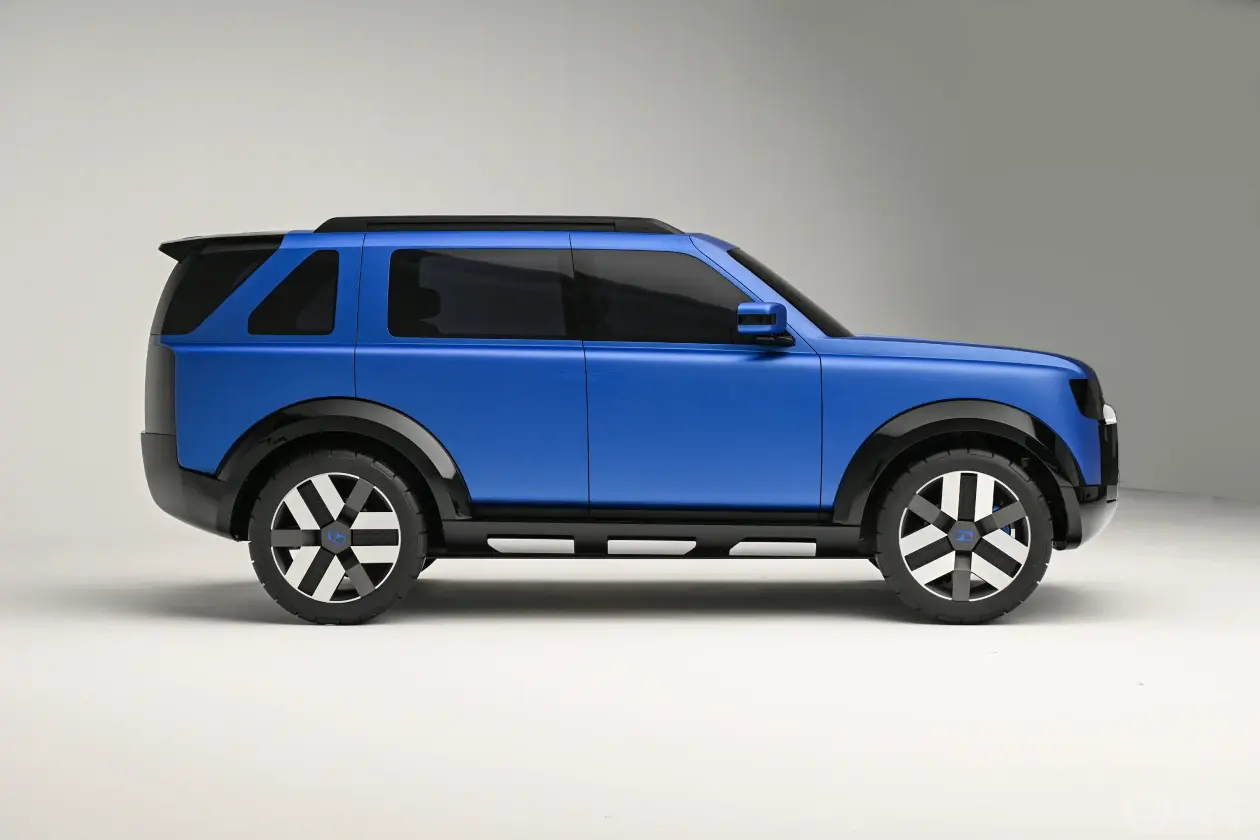
From Land Rover Model to Independent Brand: A Fundamental Rebranding
The most significant shift for the Freelander is its identity. It is no longer Land Rover's entry-level SUV but an independent brand. This change reflects a new collaboration model between Chery and Jaguar Land Rover, with the Chinese side providing the electrification platform and supply chain integration, while the British side contributes design and brand DNA.
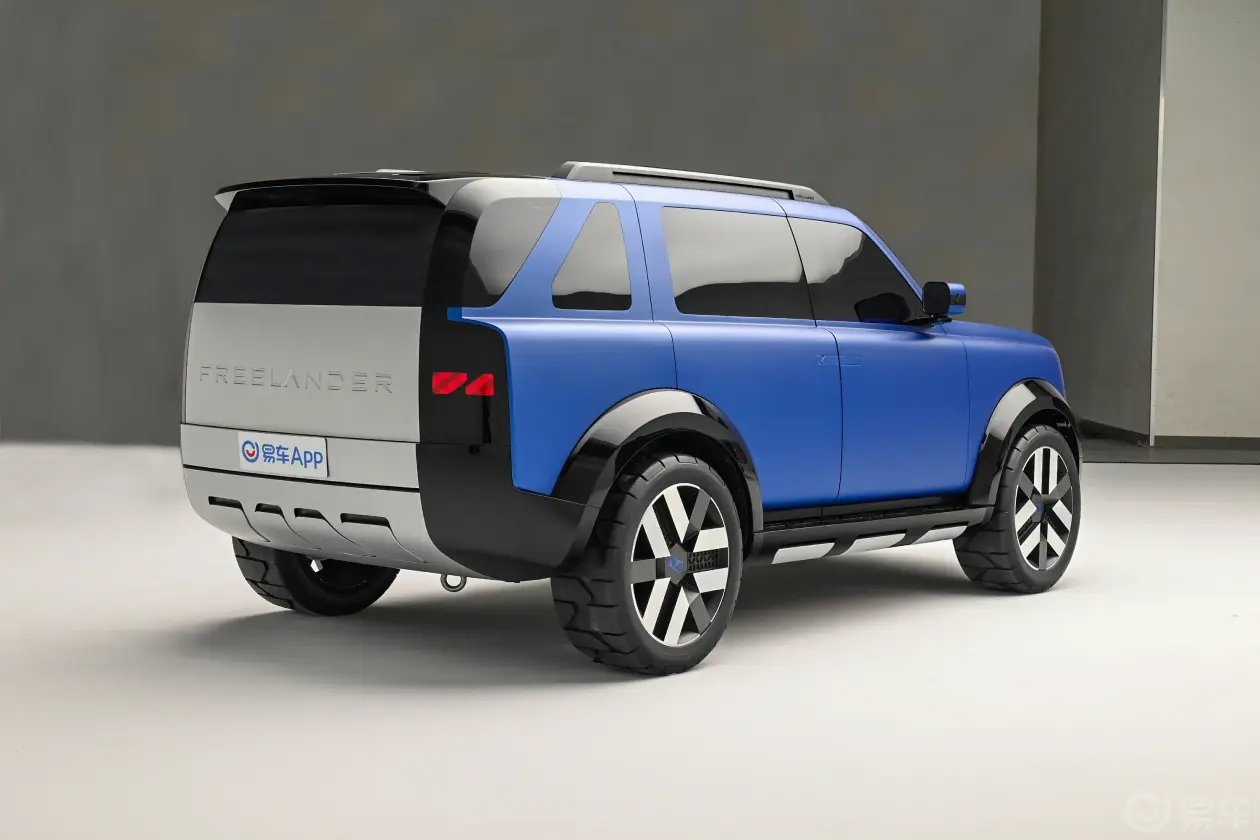
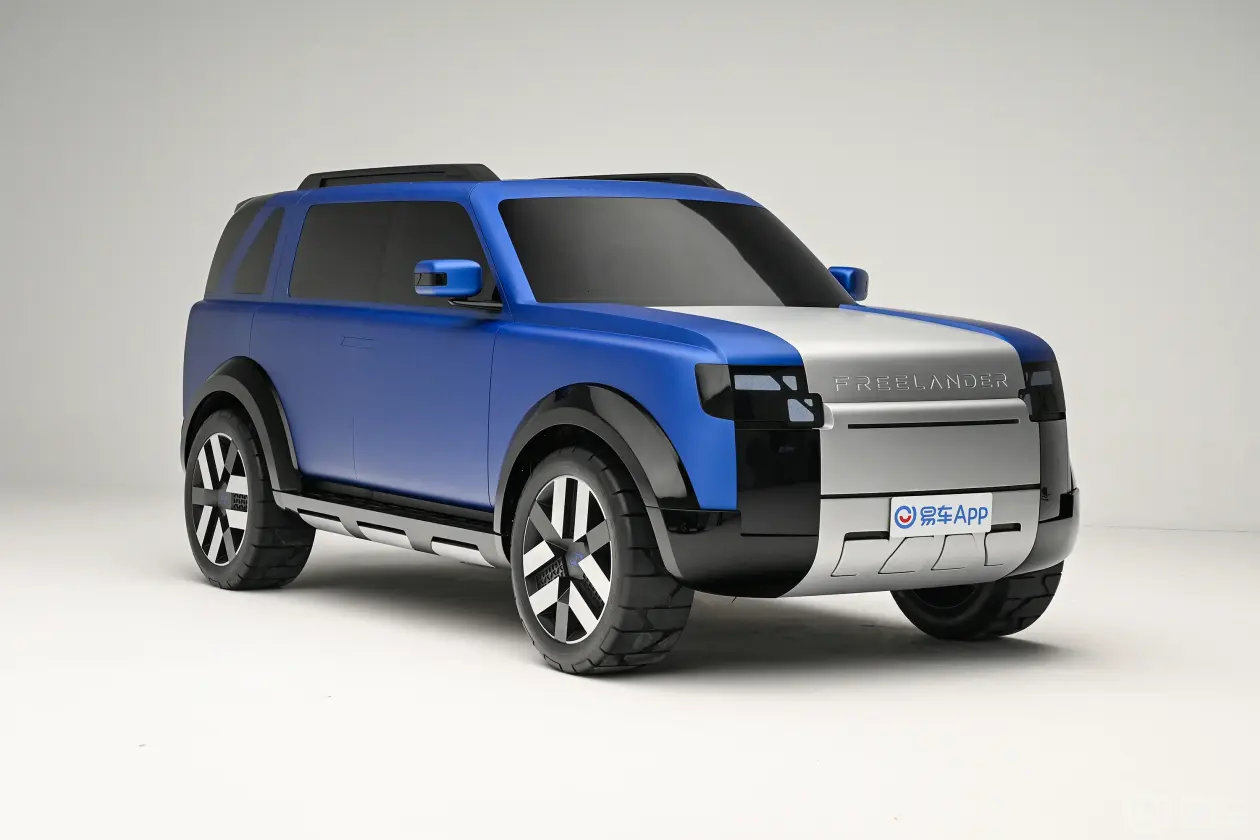
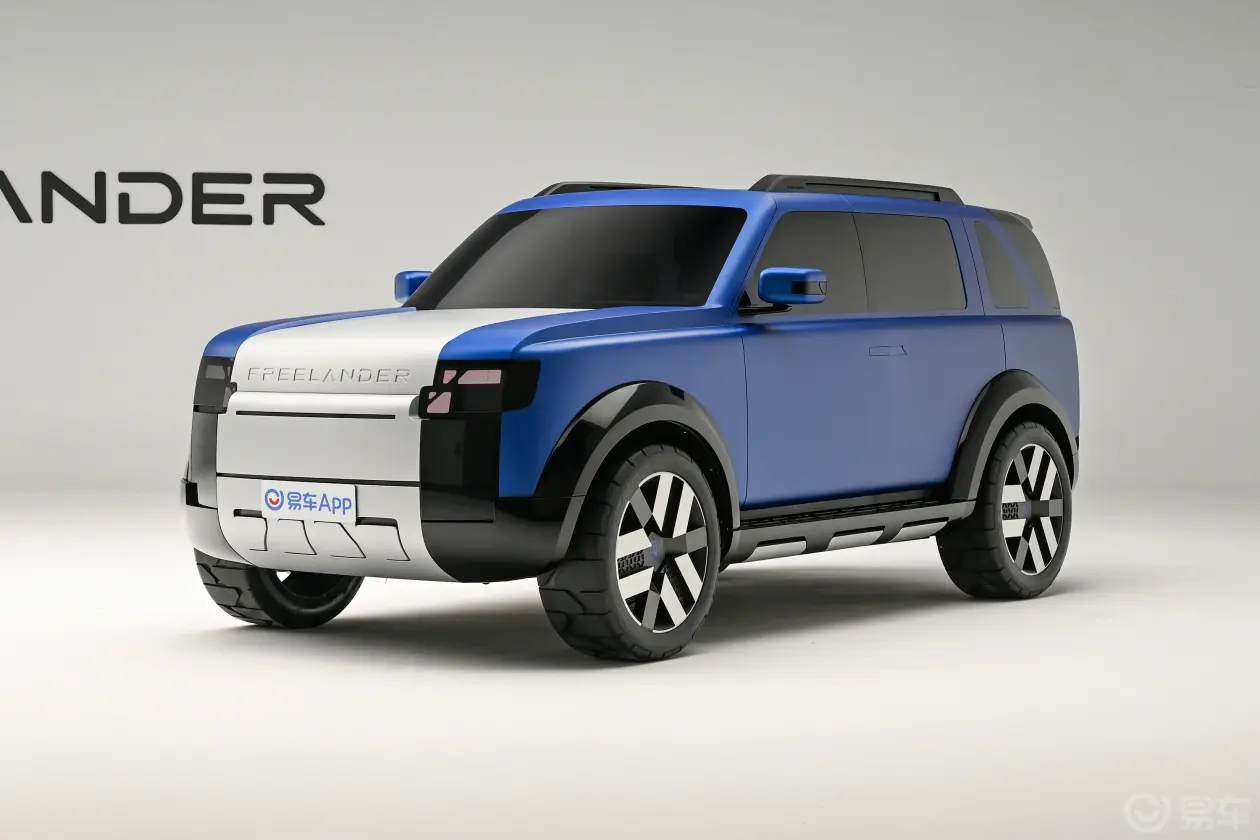
The Concept 97's design language clearly reflects this fusion. The body retains the classic boxy Freelander shape but with cleaner lines. The closed grille and rectangular headlights preserve Land Rover's rugged DNA while incorporating a futuristic feel. The design details are particularly telling: the angled D-pillar pays homage to the 1997 three-door Freelander, while the black trim beneath the headlights and pixel-style LEDs echo the 2003 facelift. This cross-generational dialogue makes the new Freelander feel both familiar and new.
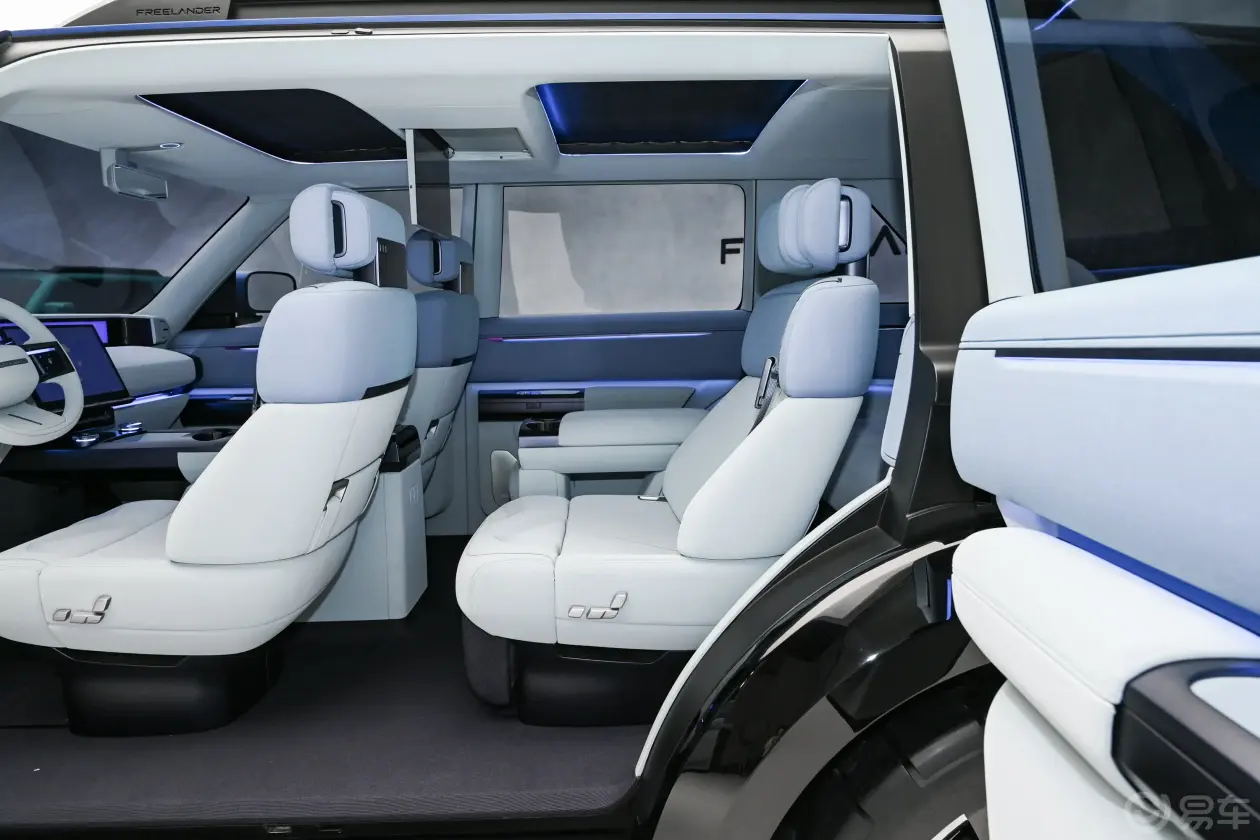
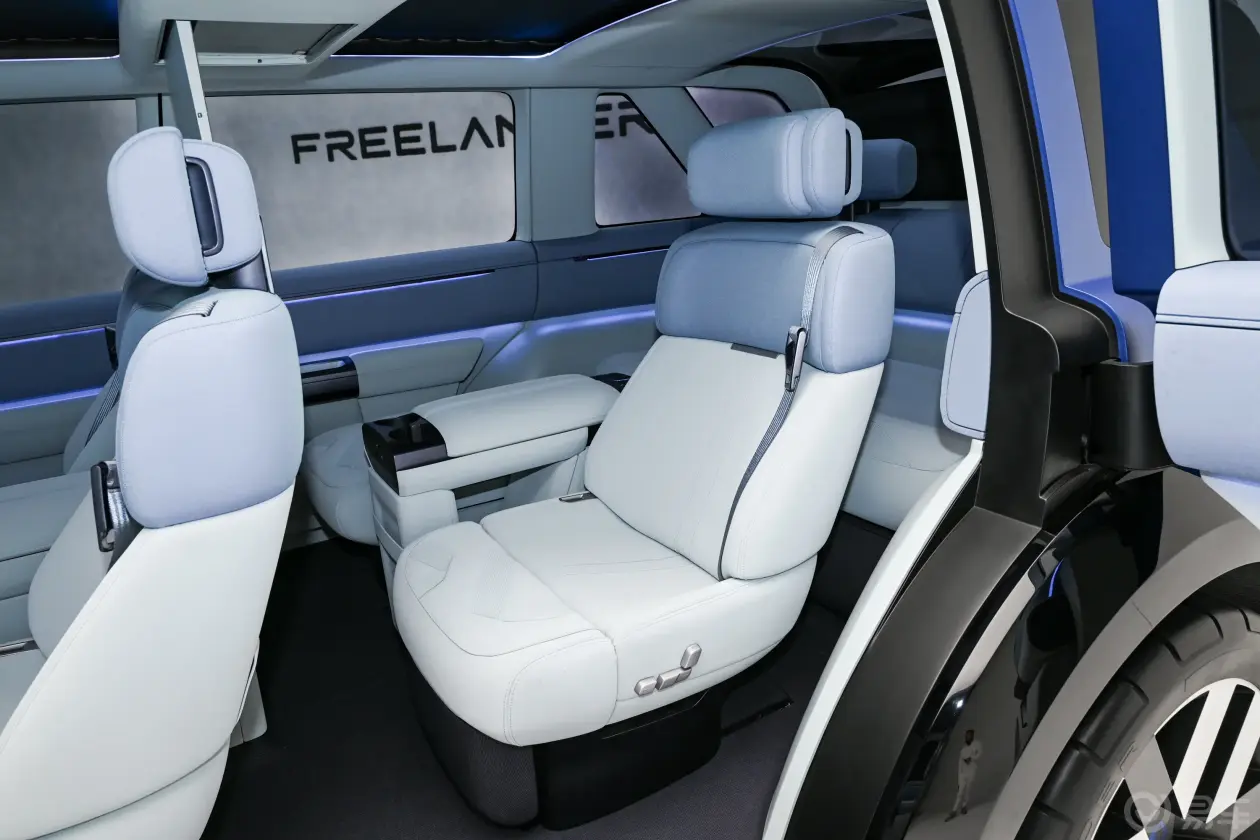
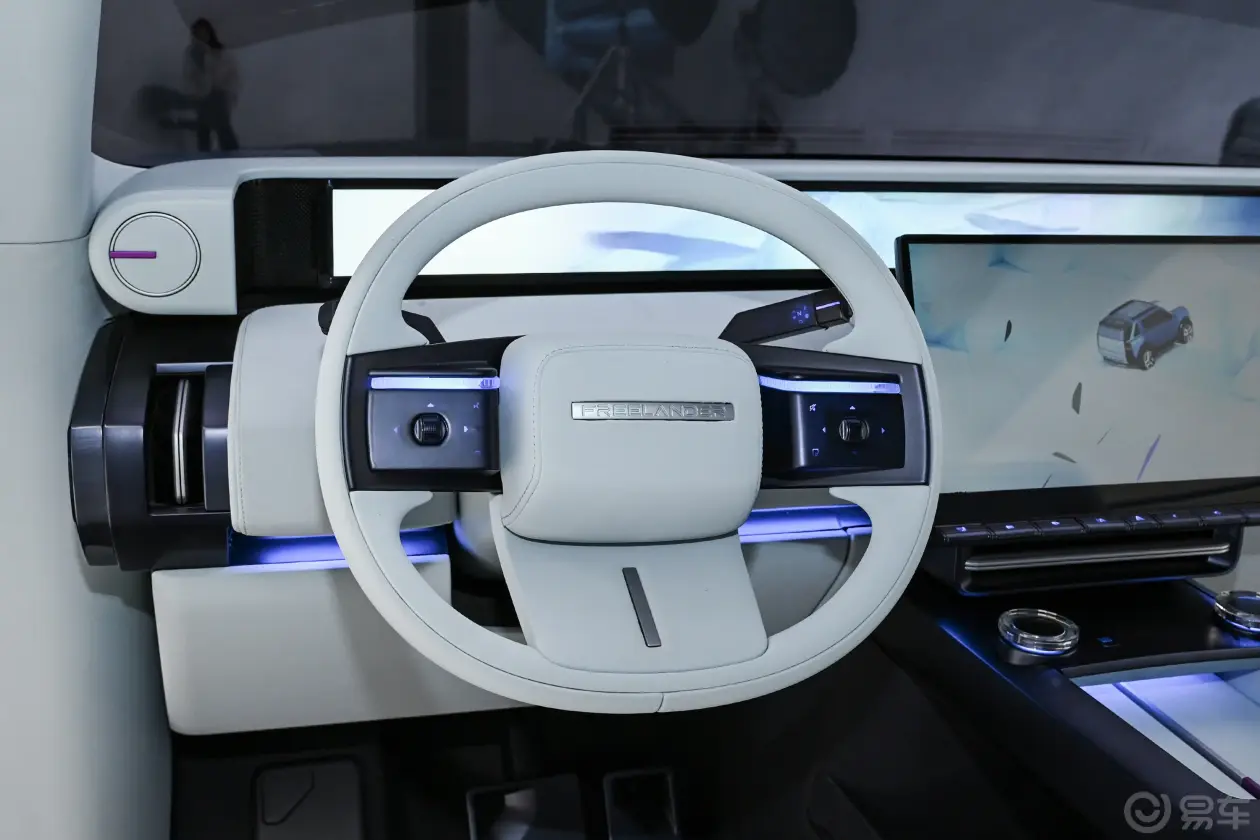
The interior is thoroughly modern, with a three-row six-seat configuration, a pillar-to-pillar display, a large central touchscreen, a Qualcomm Snapdragon 8397 chip, and Huawei's Qiankun ADS 4.1 system featuring an 896-line LiDAR. The suicide doors may be concept car theatrics, but they hint at potentially unique production solutions.
Technology Backbone: Powered by China's Supply Chain
The Freelander's revival is fundamentally supported by China's new energy industry capabilities. The company's "1+3+3+X" formula outlines the strategy: one future-oriented iMax platform supporting pure electric, extended-range, and plug-in hybrid powertrains; three international variants for global markets; and three core global competencies anchored by partnerships with Huawei, CATL, and Qualcomm.
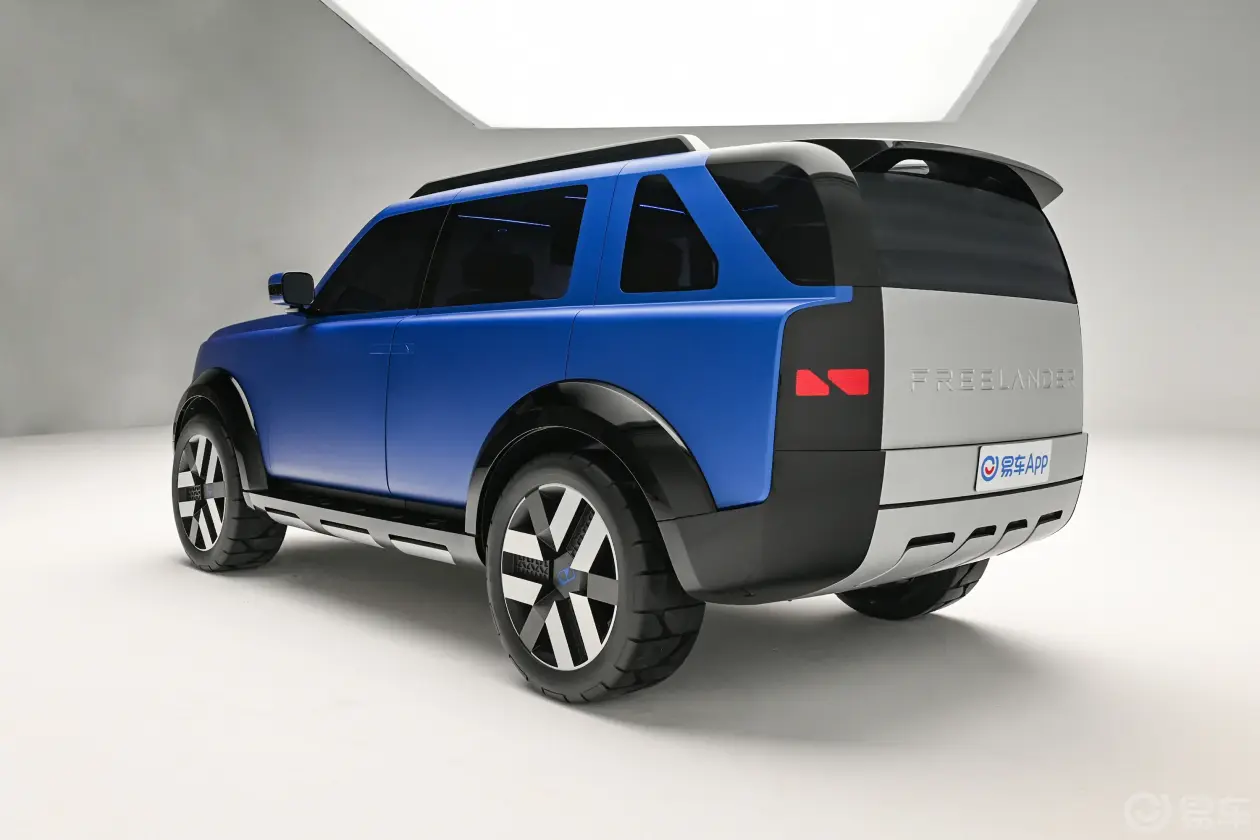
On the intelligent driving front, Freelander will come standard with Huawei Qiankun ADS 4.1 and the world's first mass-produced 896-line LiDAR, placing it at the forefront of the industry. For the battery, CATL has developed a dedicated all-terrain unit featuring 350kW (6C) peak charging, NP2.0 non-thermal-propagation technology, and enhanced protection for off-road use. The interior is powered by Qualcomm's Snapdragon 8397 chip, offering a 3x CPU performance boost.
Market Strategy: China First, Global Ambitions with a Caveat
Freelander plans to launch six production models over five years, with a cadence of one every six months. The first will debut in China in the second half of this year. All models will be built at the Changshu plant, leveraging China's supply chain advantages. Due to current US tariff policies, a US launch is highly unlikely, though Canada remains a possibility under new trade terms.
Brand Heritage vs. Market Realities
The Freelander's revival must balance heritage with market realities. The name carries significant weight for enthusiasts; over one million units were sold globally from 1997 to 2015. For Hong Kong fans, it was the "entry-level off-road dream." This emotional connection is invaluable. However, the market has changed. Electrification and intelligence are now paramount. Whether Freelander can maintain its spirit in the electric era, balance off-road capability with smart technology, and compete in the crowded premium SUV segment remains to be seen.
Technically, the Freelander is well-equipped. The 800V platform, 896-line LiDAR, i-ATS intelligent all-terrain system, Snapdragon chip, and CATL battery give it a strong foundation. Crucially, the i-ATS system suggests it won't compromise on off-road capability.
Hong Kong Perspective: Potential for the RHD Market
For Hong Kong users, the Freelander's return holds significant potential. The brand's heritage resonates deeply. The UK-led design provides a natural foundation for RHD development. The product positioning aligns with Hong Kong's demand for premium SUVs. The advanced technology, including Huawei ADAS and the 896-line LiDAR, appeals to tech-savvy buyers, with hardware pre-installation offering future-proofing as regulations potentially evolve.
Personal Opinion: A Classic Reborn Through Chinese Engineering
The Freelander's revival represents a classic reborn through Chinese engineering. The fusion of British design heritage, Chinese manufacturing capability, and global technology leadership positions it as a unique player. For Hong Kong users, its significance lies not just in its origin but in its ability to carry forward the spirit of exploration that defined the original. If it succeeds, it could become a new fixture on Hong Kong's streets.
The Freelander's return marks a new chapter for a beloved nameplate, and its eventual arrival in Hong Kong would symbolize a milestone in the globalization of China's automotive industry. The brand's commitment to all-terrain capability and intelligent technology sets a new benchmark for electric SUVs. For Hong Kong, this represents a new option for those seeking a premium electric SUV with genuine off-road capability.
The Freelander's story is one of reinvention, and its next chapters will be written in the years to come. Its launch is a significant moment, and its potential to resonate with Hong Kong car buyers is considerable.

香港汽車內容平台 🚗 新車・買車・玩車・用車 用香港視角,睇世界嘅車
+ Follow 【新車速報】兩座車又殺返嚟?smart精靈#2今次有啲料喎
鍾意細車嘅香港車迷留意!全新 smart 精靈#2 配置公布,採用 ECA 電動緊湊型架構,搭載 35.8kWh 磷酸鐵鋰電池,CLTC 續航 410km,30%-80% 快充最快15分鐘。
車長約 2.75米、轉彎半徑僅3.35米,仲有前麥弗遜+後五連桿獨立懸架;安全配備最多7個氣袋及 ACC、盲區監測等功能。
0-50km/h 3.8秒,10月12日巴黎車展全球首發!
兩座純電+細車身,放落香港街道會唔會幾對味?
#smart #smart精靈2 #純電車 #BitAutoHongKong 1小时前
【新車速報】兩座車又殺返嚟?smart精靈#2今次有啲料喎
鍾意細車嘅香港車迷留意!全新 smart 精靈#2 配置公布,採用 ECA 電動緊湊型架構,搭載 35.8kWh 磷酸鐵鋰電池,CLTC 續航 410km,30%-80% 快充最快15分鐘。
車長約 2.75米、轉彎半徑僅3.35米,仲有前麥弗遜+後五連桿獨立懸架;安全配備最多7個氣袋及 ACC、盲區監測等功能。
0-50km/h 3.8秒,10月12日巴黎車展全球首發!
兩座純電+細車身,放落香港街道會唔會幾對味?
#smart #smart精靈2 #純電車 #BitAutoHongKong 1小时前  【揀車有路數】日產新車賣比亞迪價?仲有激光雷達
今集試一台好特別嘅日產新車——NX8,中國特供增程SUV。外觀似熟悉嘅日產味,但內籠同科技配備竟然唔晒傳統日產套路,駕乘感受又有幾多轉變?到底仲係咪你認識嗰部日產?一齊試畀你睇。
#日產 #NX8 #增程 #BitAutoHongKong #揀車有路數 1天前
【揀車有路數】日產新車賣比亞迪價?仲有激光雷達
今集試一台好特別嘅日產新車——NX8,中國特供增程SUV。外觀似熟悉嘅日產味,但內籠同科技配備竟然唔晒傳統日產套路,駕乘感受又有幾多轉變?到底仲係咪你認識嗰部日產?一齊試畀你睇。
#日產 #NX8 #增程 #BitAutoHongKong #揀車有路數 1天前  【新車速報】T-Top 回歸?Nissan Z Kaze 概念車現身!
90年代 JDM 味返晒嚟?Nissan 最近喺美國 ZCON 公開 Z Kaze 概念車,以現款 Nissan Z 為基礎,換上全新 T-Top 可拆式車頂,向經典 300ZX 等 Z 系列致敬。
配合碳纖維空力套件、NISMO LMGT2 18吋輪圈,以及 GReddy 排氣、進氣同 intercooler 升級,成部車都充滿 JDM 改裝味。
「Kaze」即係日文「風」,而呢部車係 one-off 概念作品,並非量產車。10月3日仲會現身加州長灘 Japanese Classic Car Show。
如果 T-Top Z 真係量產,你會唔會心動?
#NissanZ #ZKaze #TTop #JDM #BitAutoHongKong 1天前
【新車速報】T-Top 回歸?Nissan Z Kaze 概念車現身!
90年代 JDM 味返晒嚟?Nissan 最近喺美國 ZCON 公開 Z Kaze 概念車,以現款 Nissan Z 為基礎,換上全新 T-Top 可拆式車頂,向經典 300ZX 等 Z 系列致敬。
配合碳纖維空力套件、NISMO LMGT2 18吋輪圈,以及 GReddy 排氣、進氣同 intercooler 升級,成部車都充滿 JDM 改裝味。
「Kaze」即係日文「風」,而呢部車係 one-off 概念作品,並非量產車。10月3日仲會現身加州長灘 Japanese Classic Car Show。
如果 T-Top Z 真係量產,你會唔會心動?
#NissanZ #ZKaze #TTop #JDM #BitAutoHongKong 1天前 Get the latest car news first!
【新車速報】兩座車又殺返嚟?smart精靈#2今次有啲料喎
鍾意細車嘅香港車迷留意!全新 smart 精靈#2 配置公布,採用 ECA 電動緊湊型架構,搭載 35.8kWh 磷酸鐵鋰電池,CLTC 續航 410km,30%-80% 快充最快15分鐘。
車長約 2.75米、轉彎半徑僅3.35米,仲有前麥弗遜+後五連桿獨立懸架;安全配備最多7個氣袋及 ACC、盲區監測等功能。
0-50km/h 3.8秒,10月12日巴黎車展全球首發!
兩座純電+細車身,放落香港街道會唔會幾對味?
#smart #smart精靈2 #純電車 #BitAutoHongKong 1小时前 【揀車有路數】日產新車賣比亞迪價?仲有激光雷達
今集試一台好特別嘅日產新車——NX8,中國特供增程SUV。外觀似熟悉嘅日產味,但內籠同科技配備竟然唔晒傳統日產套路,駕乘感受又有幾多轉變?到底仲係咪你認識嗰部日產?一齊試畀你睇。
#日產 #NX8 #增程 #BitAutoHongKong #揀車有路數 1天前 【新車速報】T-Top 回歸?Nissan Z Kaze 概念車現身!
90年代 JDM 味返晒嚟?Nissan 最近喺美國 ZCON 公開 Z Kaze 概念車,以現款 Nissan Z 為基礎,換上全新 T-Top 可拆式車頂,向經典 300ZX 等 Z 系列致敬。
配合碳纖維空力套件、NISMO LMGT2 18吋輪圈,以及 GReddy 排氣、進氣同 intercooler 升級,成部車都充滿 JDM 改裝味。
「Kaze」即係日文「風」,而呢部車係 one-off 概念作品,並非量產車。10月3日仲會現身加州長灘 Japanese Classic Car Show。
如果 T-Top Z 真係量產,你會唔會心動?
#NissanZ #ZKaze #TTop #JDM #BitAutoHongKong 1天前  BAWToyotaBYDZeekrGACDongfengXPengMGMaxusLeapmotorDenzaIMiCAURDeepalWulingOraJuneyao AutoKYCSkyworthAvatrFotonFordGeelyHongqiJAECOOKGMOMODADFSKTeslaHondaBMWMercedes-BenzsmartMINIPorscheNissanLexusSuzukiVolvoSubaruMazdaKiaHyundaiLand RoverRolls-RoyceFerrariAudiLamborghiniRiddaraSeresFarizonfireflyLingboxKaiyiVoyahHIMAM-HeroIsuzuBentleyPolestarMcLarenMitsubishiMaseratiPeugeotAston MartinAcuraJeepJaguarLotusVolkswagenEpiclandJACLepasLi
 © 2024 Bitauto.com. All Rights Reserved.
Bitauto (www.yiche.com and www.bitauto.com) is one of the most visited automotive websites in China. We provide detailed info on Chinese car brands available in your area. Please note that the information provided on this website is based on publicly available data and is for reference only. It may not be fully updated or accurate at all times.
Help us improve our website


