
Search History
Popular Searches
English
Dealer Login / Sign Up
BMW Group has announced the acceleration of its "Physical AI" strategy, with humanoid robots now being piloted across its global production network. The Leipzig plant in Germany has launched Europe's first pilot within a mass production system, marking a significant step for the technology. Concurrently, BMW's Shenyang production base is advancing related applications and technical validation, optimizing processes like material handling and part grasping. The goal is to evolve humanoid robots from "functional" to "effective, durable, and scalable," injecting new momentum into the high-quality development of intelligent manufacturing.
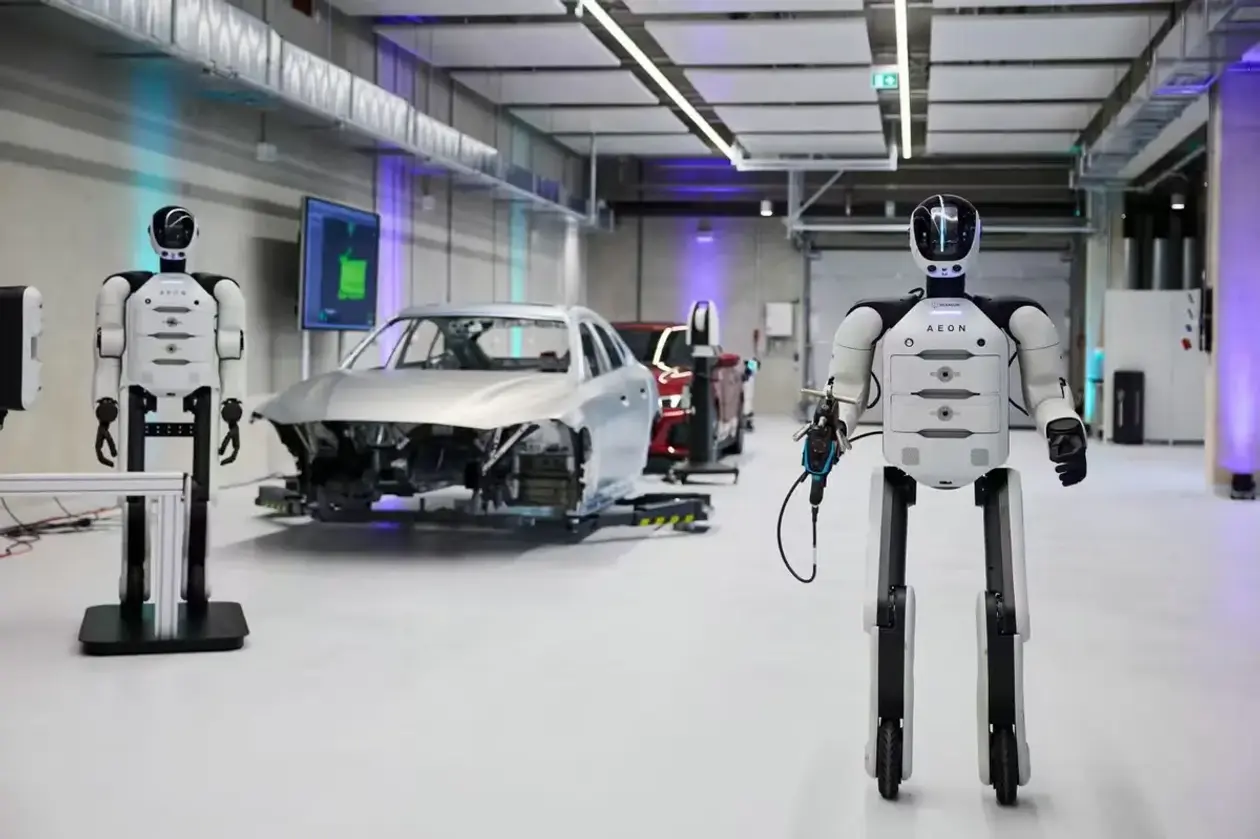
For Hong Kong users, this technological breakthrough, while not directly related to daily driving, signals a profound manufacturing revolution within the automotive industry. As humanoid robots undertake precise tasks in BMW's global factories and Physical AI moves from labs to production lines, the ultimate beneficiaries will be consumers, through enhanced production efficiency, improved quality, and greater reliability.
Physical AI: From "Software-Defined" to "Hardware Intelligence"
BMW's "Physical AI" strategy extends the concept of "software-defined vehicles." While software-defined vehicles address how cars think, Physical AI addresses how cars are made—using intelligent robots for high-precision, repetitive tasks, optimizing production flows with AI, and enabling virtual-real integration with digital twins.
The Leipzig pilot represents a significant breakthrough. Unlike traditional industrial robots confined to safety cages, humanoid robots can adapt to human-centric workspaces. They can walk, grasp, and move like humans, integrating flexibly into existing production lines without major modifications, accelerating smart manufacturing adoption.
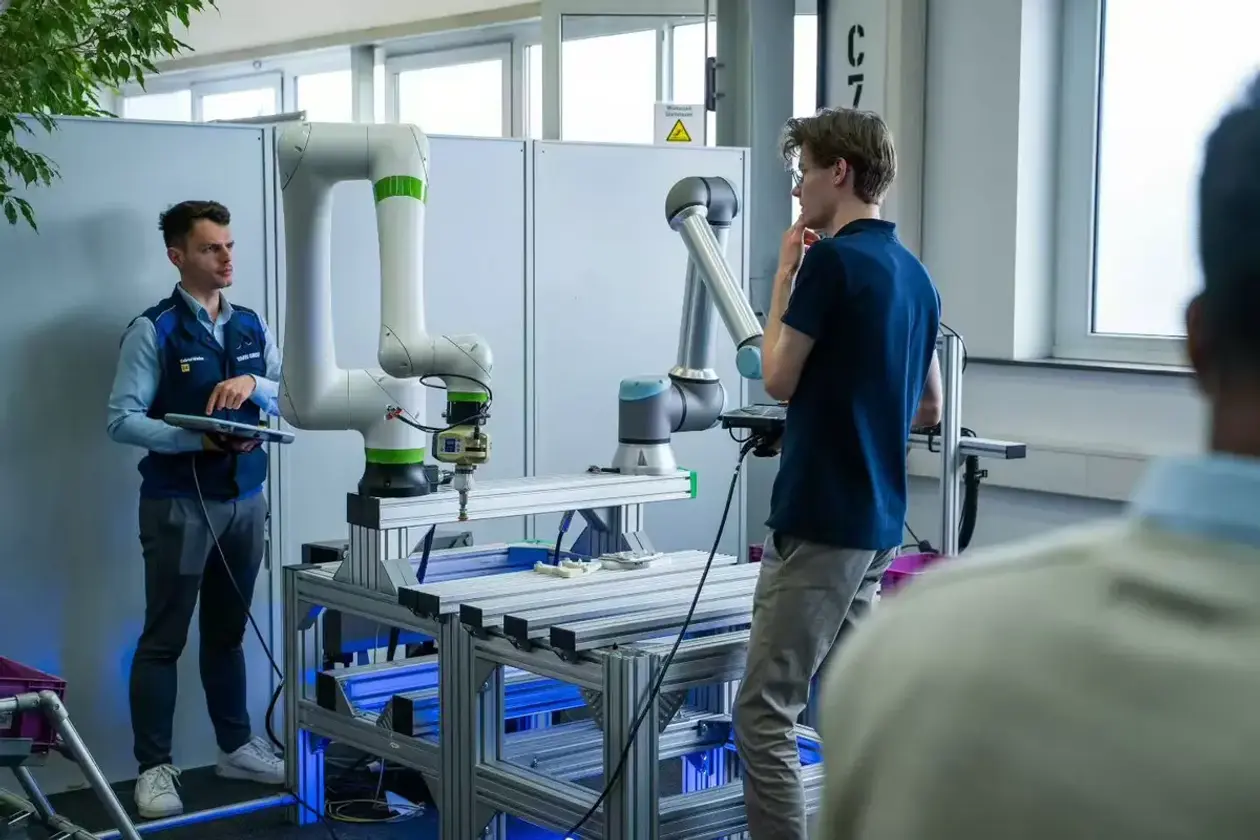
Simultaneously, BMW's Shenyang base is validating applications in material handling and part grasping, pushing the technology toward scalability. As one of BMW's largest global production sites, Shenyang's experience will inform the broader rollout.
Manufacturing Revolution: From "Human-Robot Collaboration" to "Human-Robot Integration"
The large-scale application of humanoid robots marks a shift from human-robot collaboration to human-robot integration. Traditional industrial robots perform precise tasks but are isolated from human workers. Humanoid robots change this, sharing workspace and collaborating on material handling, part grasping, and quality inspection.
This technology liberates humans from repetitive, high-risk labor, allowing focus on more creative work. For the automotive industry, it means higher efficiency, reduced labor intensity, and stable quality. For consumers, it translates to more reliable craftsmanship, consistent product performance, and shorter delivery times.
Hong Kong Perspective: Lessons for Smart Manufacturing
BMW's humanoid robot strategy offers several insights for Hong Kong.
First, it highlights the importance of smart manufacturing technology. While Hong Kong is not an automotive production hub, its strength in AI, robotics, and automation aligns with this trend. BMW's approach offers a valuable reference for local research institutions and tech firms.
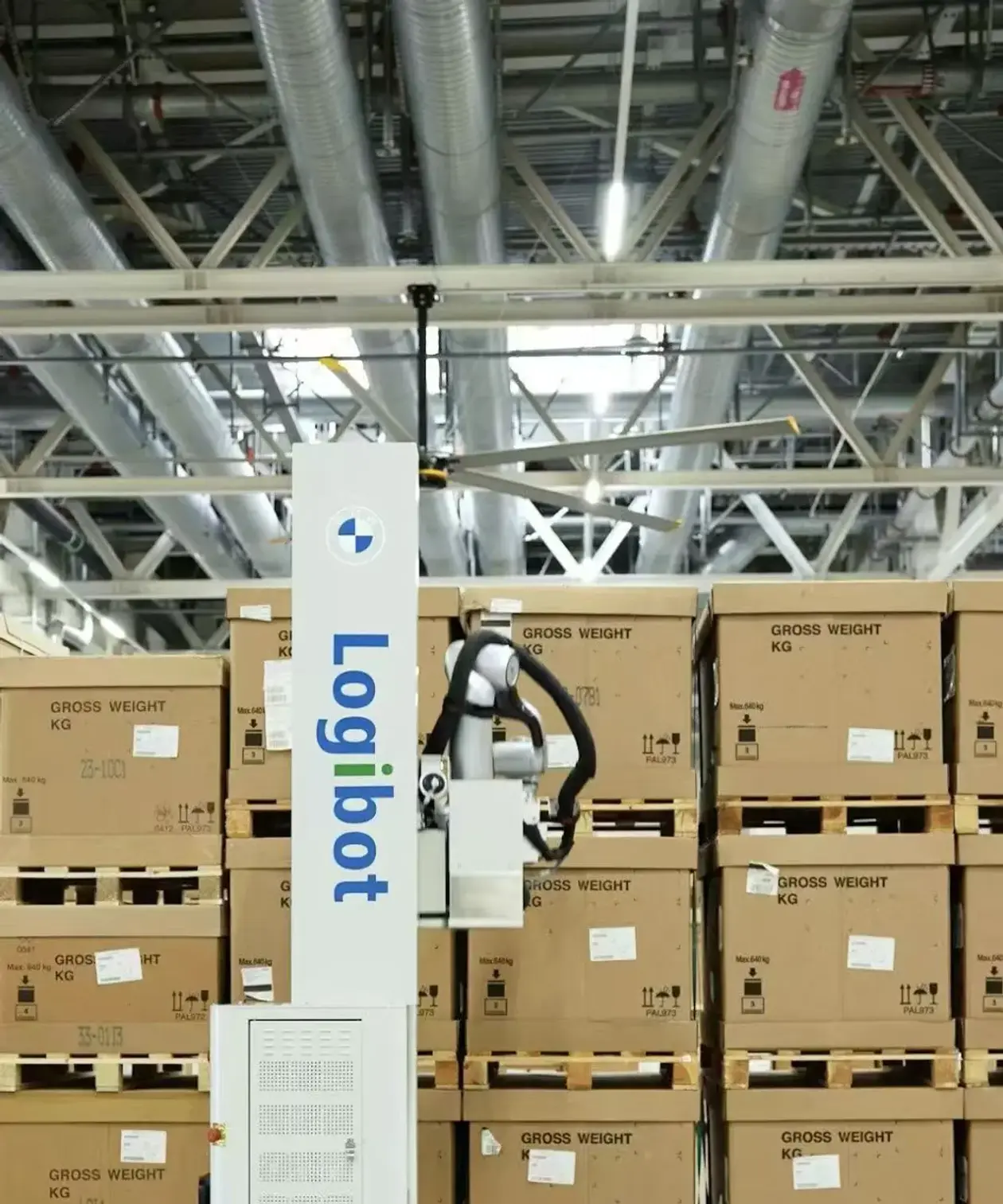
Second, it demonstrates a pathway for industrial transformation. Hong Kong is pursuing "re-industrialization" with a focus on high-end, smart manufacturing. BMW's Shenyang pilot provides a practical example of how humanoid robots can optimize processes like material handling and part grasping—applications relevant to Hong Kong's advanced manufacturing sector.
Third, it underscores the need for interdisciplinary talent. Developing humanoid robots requires expertise in mechanical engineering, electronics, computer science, and AI—fields where Hong Kong's universities excel.
Fourth, consumers ultimately benefit. Higher production efficiency leads to shorter delivery times; more stable quality ensures a more reliable ownership experience; lower production costs enable competitive pricing. These are tangible benefits for Hong Kong car buyers.
Personal Opinion: The Intelligent Evolution of Manufacturing
BMW's Physical AI strategy represents the intelligent evolution of manufacturing. While recent industry focus has been on electrification and smart features in vehicles themselves, BMW is now applying AI to the production process itself. This shift matters because it directly impacts product quality, reliability, and delivery.
For Hong Kong users, the significance lies in the direction it signals. As manufacturing evolves from human-robot collaboration to true integration, the ultimate beneficiaries are consumers. Whether through more reliable products or shorter waiting times, these improvements will be felt by every buyer.
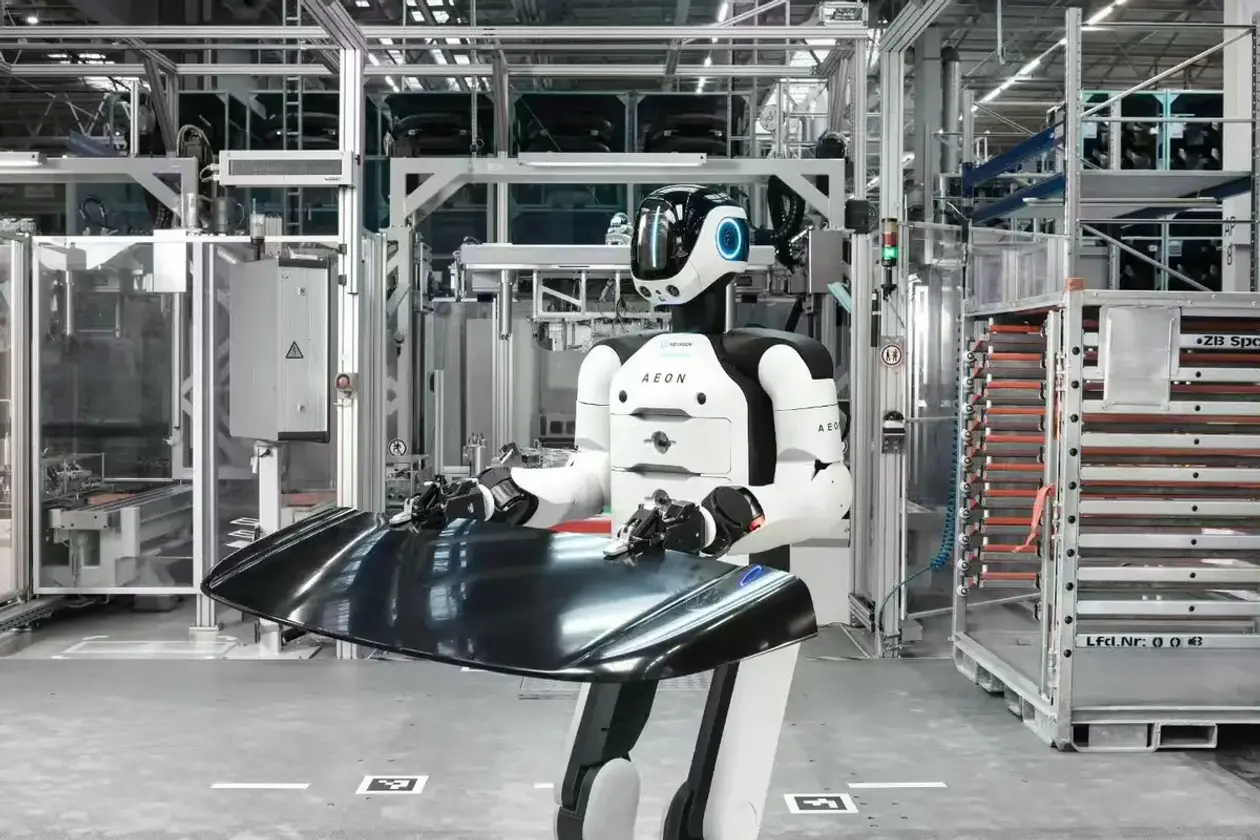
BMW's humanoid robot initiative is a revolution in how cars are made. For Hong Kong car buyers, this technological shift is worth watching, as its fruits will eventually be seen in the quality and availability of vehicles on the road. The era of intelligent manufacturing is accelerating, and its impact will be felt by consumers worldwide. This development represents a significant step forward for the automotive industry, demonstrating how cutting-edge technology can transform production processes and deliver tangible benefits to end-users. The integration of humanoid robots into manufacturing is a testament to the ongoing evolution of industrial automation, and its successful implementation by a leading automaker like BMW sets a benchmark for the industry.
For Hong Kong, a city that values innovation and technology, this serves as a compelling example of how advanced manufacturing techniques can enhance productivity and quality. As the automotive industry continues to evolve, consumers can expect to see the benefits of such innovations in the vehicles they drive. The future of car manufacturing is not just about what cars can do, but how they are made. This is a story worth following.

香港汽車內容平台 🚗 新車・買車・玩車・用車 用香港視角,睇世界嘅車
+ Follow 【新車速報】兩座車又殺返嚟?smart精靈#2今次有啲料喎
鍾意細車嘅香港車迷留意!全新 smart 精靈#2 配置公布,採用 ECA 電動緊湊型架構,搭載 35.8kWh 磷酸鐵鋰電池,CLTC 續航 410km,30%-80% 快充最快15分鐘。
車長約 2.75米、轉彎半徑僅3.35米,仲有前麥弗遜+後五連桿獨立懸架;安全配備最多7個氣袋及 ACC、盲區監測等功能。
0-50km/h 3.8秒,10月12日巴黎車展全球首發!
兩座純電+細車身,放落香港街道會唔會幾對味?
#smart #smart精靈2 #純電車 #BitAutoHongKong 1小时前
【新車速報】兩座車又殺返嚟?smart精靈#2今次有啲料喎
鍾意細車嘅香港車迷留意!全新 smart 精靈#2 配置公布,採用 ECA 電動緊湊型架構,搭載 35.8kWh 磷酸鐵鋰電池,CLTC 續航 410km,30%-80% 快充最快15分鐘。
車長約 2.75米、轉彎半徑僅3.35米,仲有前麥弗遜+後五連桿獨立懸架;安全配備最多7個氣袋及 ACC、盲區監測等功能。
0-50km/h 3.8秒,10月12日巴黎車展全球首發!
兩座純電+細車身,放落香港街道會唔會幾對味?
#smart #smart精靈2 #純電車 #BitAutoHongKong 1小时前  【揀車有路數】日產新車賣比亞迪價?仲有激光雷達
今集試一台好特別嘅日產新車——NX8,中國特供增程SUV。外觀似熟悉嘅日產味,但內籠同科技配備竟然唔晒傳統日產套路,駕乘感受又有幾多轉變?到底仲係咪你認識嗰部日產?一齊試畀你睇。
#日產 #NX8 #增程 #BitAutoHongKong #揀車有路數 1天前
【揀車有路數】日產新車賣比亞迪價?仲有激光雷達
今集試一台好特別嘅日產新車——NX8,中國特供增程SUV。外觀似熟悉嘅日產味,但內籠同科技配備竟然唔晒傳統日產套路,駕乘感受又有幾多轉變?到底仲係咪你認識嗰部日產?一齊試畀你睇。
#日產 #NX8 #增程 #BitAutoHongKong #揀車有路數 1天前  【新車速報】T-Top 回歸?Nissan Z Kaze 概念車現身!
90年代 JDM 味返晒嚟?Nissan 最近喺美國 ZCON 公開 Z Kaze 概念車,以現款 Nissan Z 為基礎,換上全新 T-Top 可拆式車頂,向經典 300ZX 等 Z 系列致敬。
配合碳纖維空力套件、NISMO LMGT2 18吋輪圈,以及 GReddy 排氣、進氣同 intercooler 升級,成部車都充滿 JDM 改裝味。
「Kaze」即係日文「風」,而呢部車係 one-off 概念作品,並非量產車。10月3日仲會現身加州長灘 Japanese Classic Car Show。
如果 T-Top Z 真係量產,你會唔會心動?
#NissanZ #ZKaze #TTop #JDM #BitAutoHongKong 1天前
【新車速報】T-Top 回歸?Nissan Z Kaze 概念車現身!
90年代 JDM 味返晒嚟?Nissan 最近喺美國 ZCON 公開 Z Kaze 概念車,以現款 Nissan Z 為基礎,換上全新 T-Top 可拆式車頂,向經典 300ZX 等 Z 系列致敬。
配合碳纖維空力套件、NISMO LMGT2 18吋輪圈,以及 GReddy 排氣、進氣同 intercooler 升級,成部車都充滿 JDM 改裝味。
「Kaze」即係日文「風」,而呢部車係 one-off 概念作品,並非量產車。10月3日仲會現身加州長灘 Japanese Classic Car Show。
如果 T-Top Z 真係量產,你會唔會心動?
#NissanZ #ZKaze #TTop #JDM #BitAutoHongKong 1天前 Get the latest car news first!
【新車速報】兩座車又殺返嚟?smart精靈#2今次有啲料喎
鍾意細車嘅香港車迷留意!全新 smart 精靈#2 配置公布,採用 ECA 電動緊湊型架構,搭載 35.8kWh 磷酸鐵鋰電池,CLTC 續航 410km,30%-80% 快充最快15分鐘。
車長約 2.75米、轉彎半徑僅3.35米,仲有前麥弗遜+後五連桿獨立懸架;安全配備最多7個氣袋及 ACC、盲區監測等功能。
0-50km/h 3.8秒,10月12日巴黎車展全球首發!
兩座純電+細車身,放落香港街道會唔會幾對味?
#smart #smart精靈2 #純電車 #BitAutoHongKong 1小时前 【揀車有路數】日產新車賣比亞迪價?仲有激光雷達
今集試一台好特別嘅日產新車——NX8,中國特供增程SUV。外觀似熟悉嘅日產味,但內籠同科技配備竟然唔晒傳統日產套路,駕乘感受又有幾多轉變?到底仲係咪你認識嗰部日產?一齊試畀你睇。
#日產 #NX8 #增程 #BitAutoHongKong #揀車有路數 1天前 【新車速報】T-Top 回歸?Nissan Z Kaze 概念車現身!
90年代 JDM 味返晒嚟?Nissan 最近喺美國 ZCON 公開 Z Kaze 概念車,以現款 Nissan Z 為基礎,換上全新 T-Top 可拆式車頂,向經典 300ZX 等 Z 系列致敬。
配合碳纖維空力套件、NISMO LMGT2 18吋輪圈,以及 GReddy 排氣、進氣同 intercooler 升級,成部車都充滿 JDM 改裝味。
「Kaze」即係日文「風」,而呢部車係 one-off 概念作品,並非量產車。10月3日仲會現身加州長灘 Japanese Classic Car Show。
如果 T-Top Z 真係量產,你會唔會心動?
#NissanZ #ZKaze #TTop #JDM #BitAutoHongKong 1天前  BAWToyotaBYDZeekrGACDongfengXPengMGMaxusLeapmotorDenzaIMiCAURDeepalWulingOraJuneyao AutoKYCSkyworthAvatrFotonFordGeelyHongqiJAECOOKGMOMODADFSKTeslaHondaBMWMercedes-BenzsmartMINIPorscheNissanLexusSuzukiVolvoSubaruMazdaKiaHyundaiLand RoverRolls-RoyceFerrariAudiLamborghiniRiddaraSeresFarizonfireflyLingboxKaiyiVoyahHIMAM-HeroIsuzuBentleyPolestarMcLarenMitsubishiMaseratiPeugeotAston MartinAcuraJeepJaguarLotusVolkswagenEpiclandJACLepasLi
 © 2024 Bitauto.com. All Rights Reserved.
Bitauto (www.yiche.com and www.bitauto.com) is one of the most visited automotive websites in China. We provide detailed info on Chinese car brands available in your area. Please note that the information provided on this website is based on publicly available data and is for reference only. It may not be fully updated or accurate at all times.
Help us improve our website


