
Search History
Popular Searches
English
Dealer Login / Sign Up
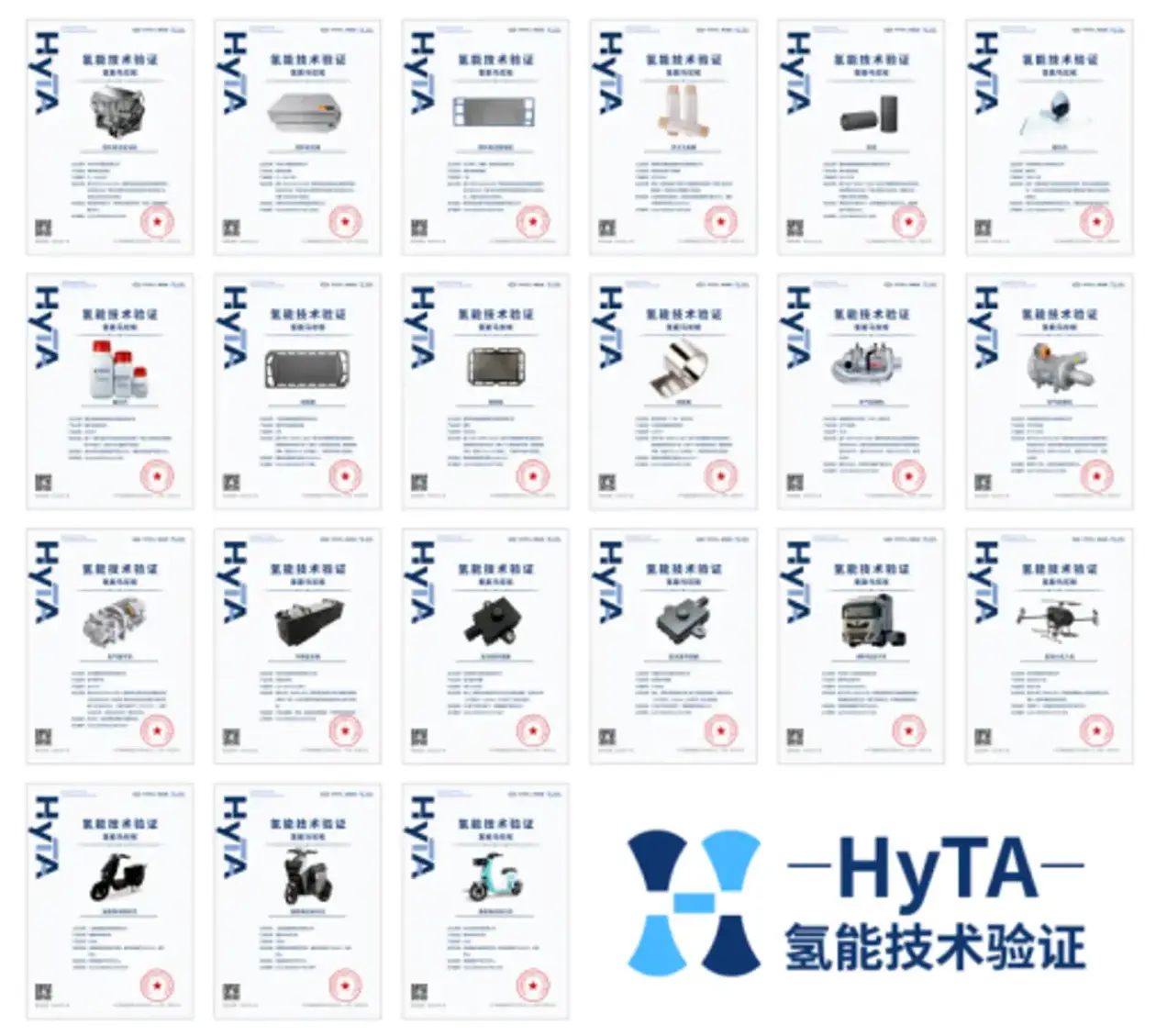
On March 30, the China Automotive Technology and Research Center (CATARC) New Energy Vehicle Test Center held a progress conference in Tianjin to announce a significant breakthrough in the "Hydrogen Technology Verification (HyTA) – Hydrogen Marathon" project, the world's first technical verification initiative focused on the durability of hydrogen and fuel cell products. After extensive testing under long-term, high-load, and extreme conditions, a total of 20 products successfully passed validation. For Hong Kong users, this breakthrough offers more than just technological progress; it provides a quantifiable engineering benchmark for exploring hydrogen applications and advancing the city's green transportation transition.
A "Hydrogen Marathon" Filling an Industry Gap
Unlike traditional short-cycle testing, the "Hydrogen Marathon" project establishes a high-standard verification framework covering the entire hydrogen industry chain. The validation scope extends from core systems and components to key materials, and further to end-user products and key industrial links like water electrolysis for hydrogen production. By simulating full-lifecycle operating conditions through continuous testing, the project provides scientific data for hydrogen product development and improvement.
As an industry-wide technical verification platform, the "Hydrogen Marathon" systematically validates the stability of China's hydrogen and fuel cell technology under long-term, complex operating conditions. Key results include a fuel cell stack voltage decay of less than 3% after 2,000 hours of dynamic cycle testing, a hydrogen-powered drone achieving continuous flight for over 3 hours, and a hydrogen-powered two-wheeler reaching a range of over 80 kilometers on a single hydrogen charge.
20 Products Validated: From Core Components to End-User Applications
The validated products cover multiple key segments of the hydrogen industry chain. At the core system level, fuel cell systems, on-board hydrogen systems, and fuel cell stacks have demonstrated long-term stability. Key components such as air compressors, hydrogen recirculation systems, hydrogen refueling nozzles, and hydrogen concentration sensors have also passed the tests. At the material level, the durability of key materials like membrane electrodes, bipolar plates, proton exchange membranes, catalysts, and carbon paper has been scientifically validated.
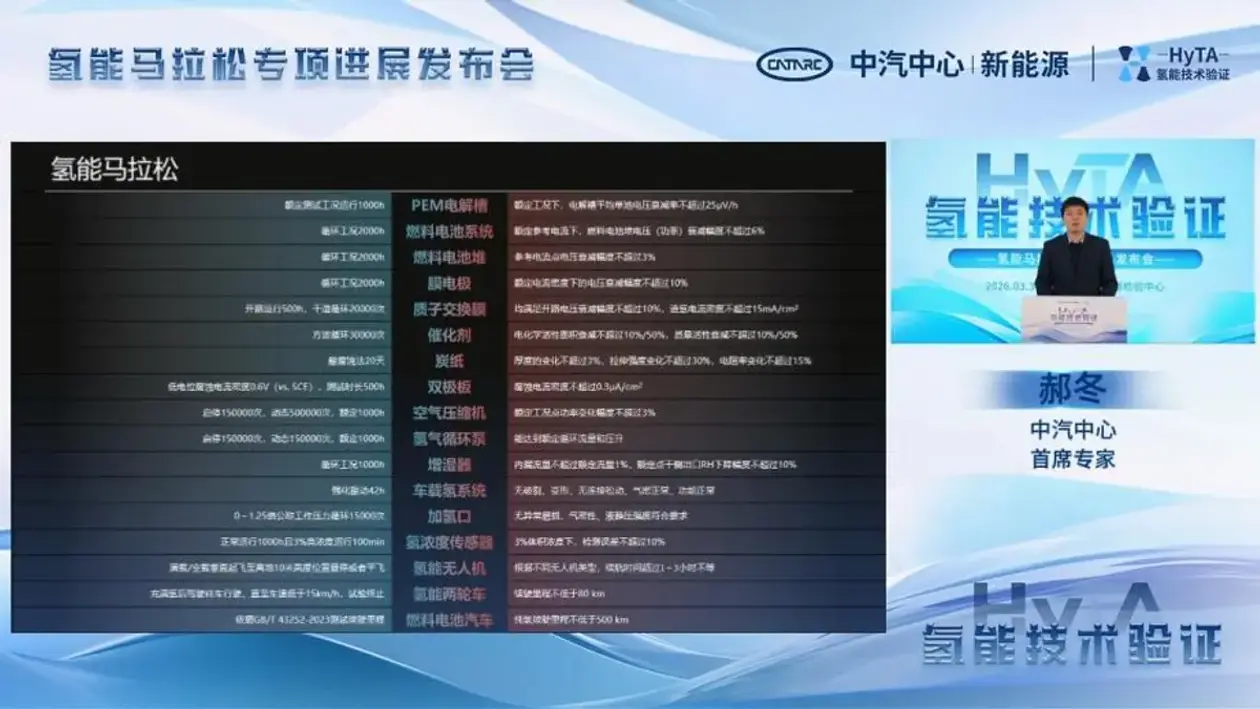
Notably, the validation also extends to end-user applications, including fuel cell vehicles, hydrogen-powered two-wheelers, and hydrogen drones. A hydrogen two-wheeler achieving over 80 kilometers of range on a single charge and a hydrogen drone with continuous flight exceeding 3 hours provide robust data for large-scale application of hydrogen in diverse scenarios.
Hong Kong Perspective: An Engineering Benchmark for Hydrogen Applications
This breakthrough has significant implications for Hong Kong.
First, it provides essential technical data for Hong Kong's hydrogen strategy. The Hong Kong government has included hydrogen development in its energy transition plans. This validation offers quantifiable benchmarks for introducing hydrogen technology, whether for fuel cell vehicle range or the performance of two-wheelers and drones.
Second, it supports the planning of hydrogen infrastructure. The validation of key components like on-board hydrogen systems and refueling nozzles provides scientific basis for planning refueling stations and setting safety standards in Hong Kong.
Third, it facilitates coordinated industry development. The project's full-industry-chain validation approach offers a model for Hong Kong to develop a coordinated hydrogen ecosystem, from components and materials to end-user applications.
Fourth, it opens opportunities for the low-altitude economy. Hydrogen drones with over 3 hours of continuous flight offer new possibilities for logistics, inspections, and other applications in Hong Kong's emerging low-altitude economy.
Personal Opinion: A Milestone for Hydrogen Technology Maturity
The "Hydrogen Marathon" project represents a significant milestone. It moves hydrogen technology from laboratory concepts to validated products. For Hong Kong, this provides concrete benchmarks for hydrogen applications. Whether for pilot hydrogen buses, shared hydrogen two-wheelers, or drone services, the data from this project offers a reliable foundation.
The breakthrough signals the increasing maturity of hydrogen technology and provides Hong Kong with valuable reference points for its green transportation transition. As engineering benchmarks become clearer and coordinated development models emerge, Hong Kong's path to sustainable mobility gains a stronger foundation. This achievement is not just a technical milestone but a practical step toward real-world hydrogen applications, with direct relevance for cities like Hong Kong exploring hydrogen's potential.

香港汽車內容平台 🚗 新車・買車・玩車・用車 用香港視角,睇世界嘅車
+ Follow 【新車速報】兩座車又殺返嚟?smart精靈#2今次有啲料喎
鍾意細車嘅香港車迷留意!全新 smart 精靈#2 配置公布,採用 ECA 電動緊湊型架構,搭載 35.8kWh 磷酸鐵鋰電池,CLTC 續航 410km,30%-80% 快充最快15分鐘。
車長約 2.75米、轉彎半徑僅3.35米,仲有前麥弗遜+後五連桿獨立懸架;安全配備最多7個氣袋及 ACC、盲區監測等功能。
0-50km/h 3.8秒,10月12日巴黎車展全球首發!
兩座純電+細車身,放落香港街道會唔會幾對味?
#smart #smart精靈2 #純電車 #BitAutoHongKong 1小时前
【新車速報】兩座車又殺返嚟?smart精靈#2今次有啲料喎
鍾意細車嘅香港車迷留意!全新 smart 精靈#2 配置公布,採用 ECA 電動緊湊型架構,搭載 35.8kWh 磷酸鐵鋰電池,CLTC 續航 410km,30%-80% 快充最快15分鐘。
車長約 2.75米、轉彎半徑僅3.35米,仲有前麥弗遜+後五連桿獨立懸架;安全配備最多7個氣袋及 ACC、盲區監測等功能。
0-50km/h 3.8秒,10月12日巴黎車展全球首發!
兩座純電+細車身,放落香港街道會唔會幾對味?
#smart #smart精靈2 #純電車 #BitAutoHongKong 1小时前  【揀車有路數】日產新車賣比亞迪價?仲有激光雷達
今集試一台好特別嘅日產新車——NX8,中國特供增程SUV。外觀似熟悉嘅日產味,但內籠同科技配備竟然唔晒傳統日產套路,駕乘感受又有幾多轉變?到底仲係咪你認識嗰部日產?一齊試畀你睇。
#日產 #NX8 #增程 #BitAutoHongKong #揀車有路數 1天前
【揀車有路數】日產新車賣比亞迪價?仲有激光雷達
今集試一台好特別嘅日產新車——NX8,中國特供增程SUV。外觀似熟悉嘅日產味,但內籠同科技配備竟然唔晒傳統日產套路,駕乘感受又有幾多轉變?到底仲係咪你認識嗰部日產?一齊試畀你睇。
#日產 #NX8 #增程 #BitAutoHongKong #揀車有路數 1天前  【新車速報】T-Top 回歸?Nissan Z Kaze 概念車現身!
90年代 JDM 味返晒嚟?Nissan 最近喺美國 ZCON 公開 Z Kaze 概念車,以現款 Nissan Z 為基礎,換上全新 T-Top 可拆式車頂,向經典 300ZX 等 Z 系列致敬。
配合碳纖維空力套件、NISMO LMGT2 18吋輪圈,以及 GReddy 排氣、進氣同 intercooler 升級,成部車都充滿 JDM 改裝味。
「Kaze」即係日文「風」,而呢部車係 one-off 概念作品,並非量產車。10月3日仲會現身加州長灘 Japanese Classic Car Show。
如果 T-Top Z 真係量產,你會唔會心動?
#NissanZ #ZKaze #TTop #JDM #BitAutoHongKong 1天前
【新車速報】T-Top 回歸?Nissan Z Kaze 概念車現身!
90年代 JDM 味返晒嚟?Nissan 最近喺美國 ZCON 公開 Z Kaze 概念車,以現款 Nissan Z 為基礎,換上全新 T-Top 可拆式車頂,向經典 300ZX 等 Z 系列致敬。
配合碳纖維空力套件、NISMO LMGT2 18吋輪圈,以及 GReddy 排氣、進氣同 intercooler 升級,成部車都充滿 JDM 改裝味。
「Kaze」即係日文「風」,而呢部車係 one-off 概念作品,並非量產車。10月3日仲會現身加州長灘 Japanese Classic Car Show。
如果 T-Top Z 真係量產,你會唔會心動?
#NissanZ #ZKaze #TTop #JDM #BitAutoHongKong 1天前 Get the latest car news first!
【新車速報】兩座車又殺返嚟?smart精靈#2今次有啲料喎
鍾意細車嘅香港車迷留意!全新 smart 精靈#2 配置公布,採用 ECA 電動緊湊型架構,搭載 35.8kWh 磷酸鐵鋰電池,CLTC 續航 410km,30%-80% 快充最快15分鐘。
車長約 2.75米、轉彎半徑僅3.35米,仲有前麥弗遜+後五連桿獨立懸架;安全配備最多7個氣袋及 ACC、盲區監測等功能。
0-50km/h 3.8秒,10月12日巴黎車展全球首發!
兩座純電+細車身,放落香港街道會唔會幾對味?
#smart #smart精靈2 #純電車 #BitAutoHongKong 1小时前 【揀車有路數】日產新車賣比亞迪價?仲有激光雷達
今集試一台好特別嘅日產新車——NX8,中國特供增程SUV。外觀似熟悉嘅日產味,但內籠同科技配備竟然唔晒傳統日產套路,駕乘感受又有幾多轉變?到底仲係咪你認識嗰部日產?一齊試畀你睇。
#日產 #NX8 #增程 #BitAutoHongKong #揀車有路數 1天前 【新車速報】T-Top 回歸?Nissan Z Kaze 概念車現身!
90年代 JDM 味返晒嚟?Nissan 最近喺美國 ZCON 公開 Z Kaze 概念車,以現款 Nissan Z 為基礎,換上全新 T-Top 可拆式車頂,向經典 300ZX 等 Z 系列致敬。
配合碳纖維空力套件、NISMO LMGT2 18吋輪圈,以及 GReddy 排氣、進氣同 intercooler 升級,成部車都充滿 JDM 改裝味。
「Kaze」即係日文「風」,而呢部車係 one-off 概念作品,並非量產車。10月3日仲會現身加州長灘 Japanese Classic Car Show。
如果 T-Top Z 真係量產,你會唔會心動?
#NissanZ #ZKaze #TTop #JDM #BitAutoHongKong 1天前  BAWToyotaBYDZeekrGACDongfengXPengMGMaxusLeapmotorDenzaIMiCAURDeepalWulingOraJuneyao AutoKYCSkyworthAvatrFotonFordGeelyHongqiJAECOOKGMOMODADFSKTeslaHondaBMWMercedes-BenzsmartMINIPorscheNissanLexusSuzukiVolvoSubaruMazdaKiaHyundaiLand RoverRolls-RoyceFerrariAudiLamborghiniRiddaraSeresFarizonfireflyLingboxKaiyiVoyahHIMAM-HeroIsuzuBentleyPolestarMcLarenMitsubishiMaseratiPeugeotAston MartinAcuraJeepJaguarLotusVolkswagenEpiclandJACLepasLi
 © 2024 Bitauto.com. All Rights Reserved.
Bitauto (www.yiche.com and www.bitauto.com) is one of the most visited automotive websites in China. We provide detailed info on Chinese car brands available in your area. Please note that the information provided on this website is based on publicly available data and is for reference only. It may not be fully updated or accurate at all times.
Help us improve our website


