
Search History
Popular Searches
English
Dealer Login / Sign Up
Toyota Motor Corporation has once again shaken global automotive markets. Toyota Motor North America officially announced on March 24, 2026, that it will inject an additional 1 billion USD (approximately 7.8 billion HKD) into its Kentucky and Indiana production facilities. This investment represents a crucial component of the five-year 10 billion USD American investment plan pledged in November 2025, signaling the Japanese automotive giant's acceleration in building electric and premium product line defenses in North America. For Hong Kong, this industrial layout occurring across the Pacific will profoundly influence local buyers' future choices through technology spillover effects and brand strategic adjustments.
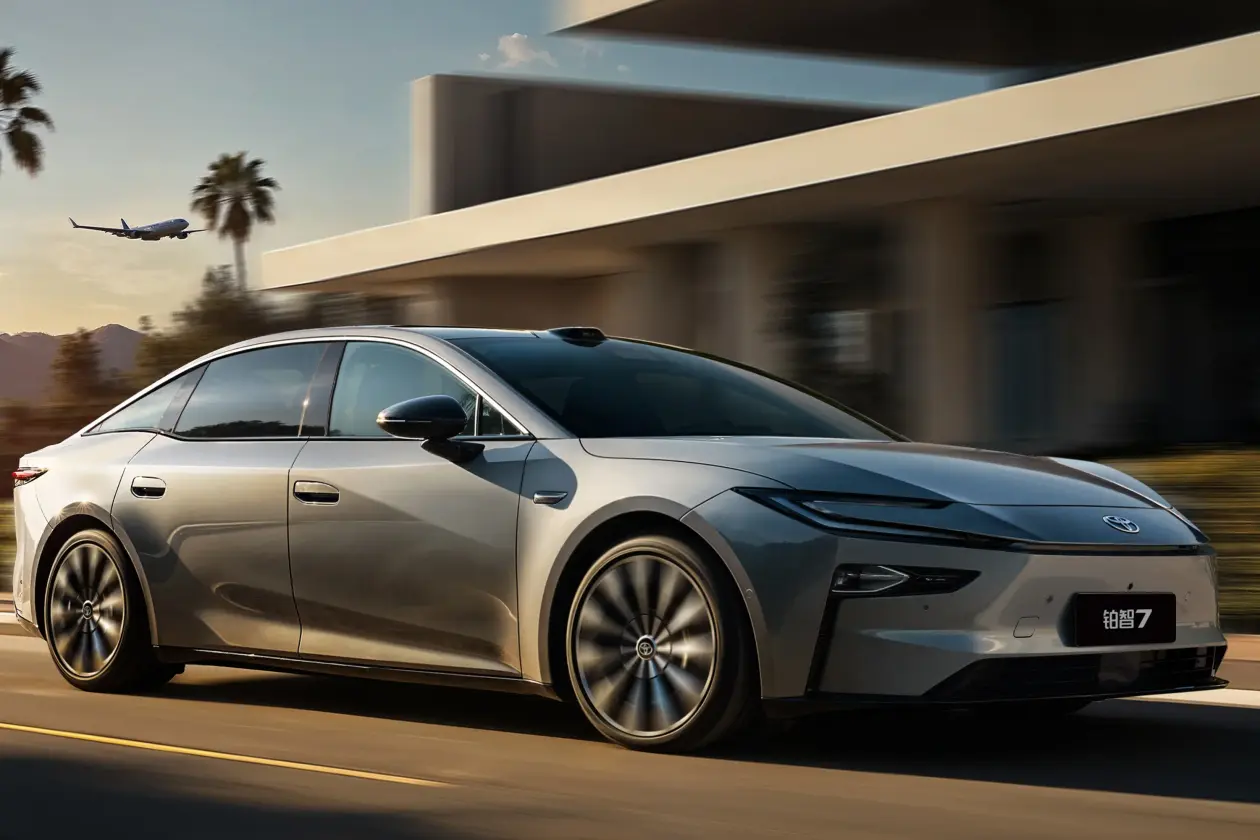
Resource allocation specifically directs 800 million USD to the Kentucky plant with clear strategic objectives: first, paving the way for new battery electric vehicle production through comprehensive equipment upgrades from chassis assembly to battery integration systems; second, expanding production capacity for the globally best-selling RAV4 model. This arrangement embodies Toyota's current core dual-track strategy, simultaneously defending leadership in fossil fuel and hybrid electric markets while reserving ample technology and capacity ammunition for the approaching pure electric wave.
The Indiana plant receives 200 million USD primarily for boosting production of the flagship Grand Highlander large SUV. This flagship model designed for American family markets has faced supply shortages since launch, and the capital injection will effectively alleviate delivery pressures. The synchronized upgrades of both plants demonstrate Toyota's precise grasp of North American market demands and investment flexibility, prioritizing capital deployment toward highest-profit, highest-demand segments.
From corporate strategy perspective, Toyota's billion-dollar plan represents no blind trend-chasing. The manufacturer understands that electric vehicle market survival requires more than marketing slogans, demanding fundamental production-end structural adjustments. The Kentucky plant transformation serves as an important, indicating optimized costs for North American pure electric production. RAV4 capacity consolidation ensures powerful cash flow support during the transition period. This advance-capable, retreat-secure strategy, although appearing conservative externally, represents truly mature and lethal from long-term business stability perspectives.
Toyota's substantial North American investment delivers indirect benefits for Hong Kong users through multiple channels.
From technology spillover perspective, automotive manufacturing scale effects and iteration possess global characteristics. When Kentucky completes pure electric production line upgrades, related manufacturing processes, quality control standards, and cost optimization experiences will gradually propagate through Toyota's global production network. As an important Toyota export market, Hong Kong's future imported pure electric models (such as subsequent bZ series products) will directly benefit from these technology accumulations, gaining enhanced quality consistency and price competitiveness.
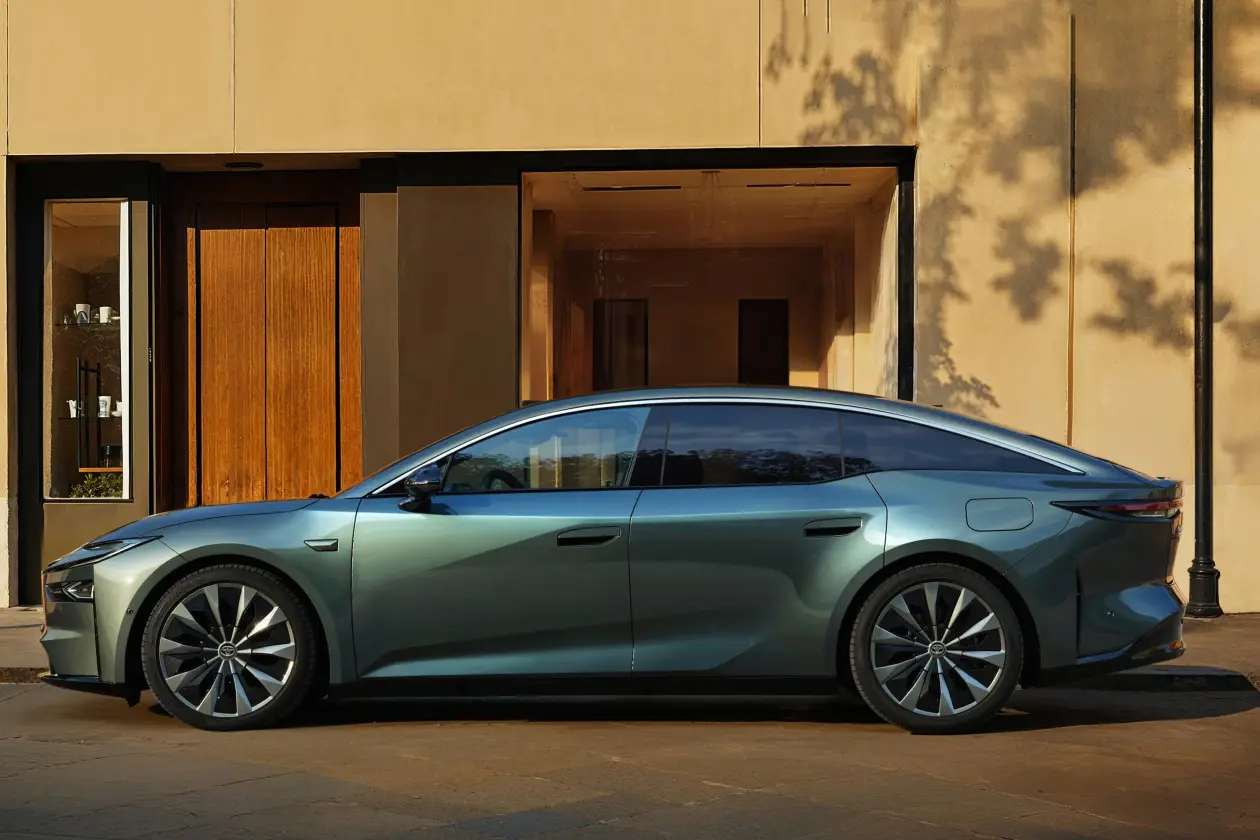
From product strategy perspective, North American electric layouts often demonstrate effects. Pure electric SUVs and premium hybrid models launched in North America, if receiving favorable market responses, will likely be introduced to Asia-Pacific regions including Hong Kong. Particularly the Grand Highlander flagship large SUV, although primarily designed for American families, offers spacious interiors and premium configurations equally attractive for Hong Kong multi-child families or business reception needs. If this model enters Hong Kong through import channels in the future, it will fill local market gaps in large luxury SUV options.
From brand confidence perspective, Toyota's investment strategy reinforces its reliable and durable brand image. In mature markets like Hong Kong, consumer trust in automotive brands largely builds upon long-term quality performance. While competitors, particularly emerging electric vehicle brands, still struggle with capacity ramping and quality consistency, Toyota's North American plant upgrades send clear signals to global markets: this eighty-year-old automotive manufacturer possesses the capability and determination to transform traditional manufacturing advantages into electric era competitiveness.
Toyota's dual-track pure electric plus hybrid strategy carries special significance for Hong Kong's current environment.
Hong Kong's electric vehicle environment presents coexistence of policy push and infrastructure lag. On one hand, government first registration tax waivers, one-for-one scheme subsidies, and charging network expansion actively promote electric vehicle replacement of traditional fossil fuel vehicles. On the other hand, residential charging facility installation restrictions, public charging pile queuing phenomena, and cross-border travel charging anxiety remain practical user pain points.
In this context, hybrid electric vehicles and plug-in hybrid electric vehicles maintain strong vitality in Hong Kong markets. As hybrid technology pioneer and leader, Toyota's long-term Hong Kong market success with RAV4 Hybrid, Camry Hybrid, and other models directly reflects this demand. North American plant RAV4 capacity expansion indirectly ensures Hong Kong market supply stability, avoiding price fluctuations or delivery delays caused by global shortages.
Meanwhile, Toyota's pure electric vehicle investment also reserves product ammunition for Hong Kong's long-term electric transformation. When local charging infrastructure further improves and user acceptance of pure electric vehicles continues rising, Toyota will possess capability to rapidly introduce mature pure electric products .
Toyota's massive North American investment also reflects profound judgments regarding global automotive industry competitive landscapes.
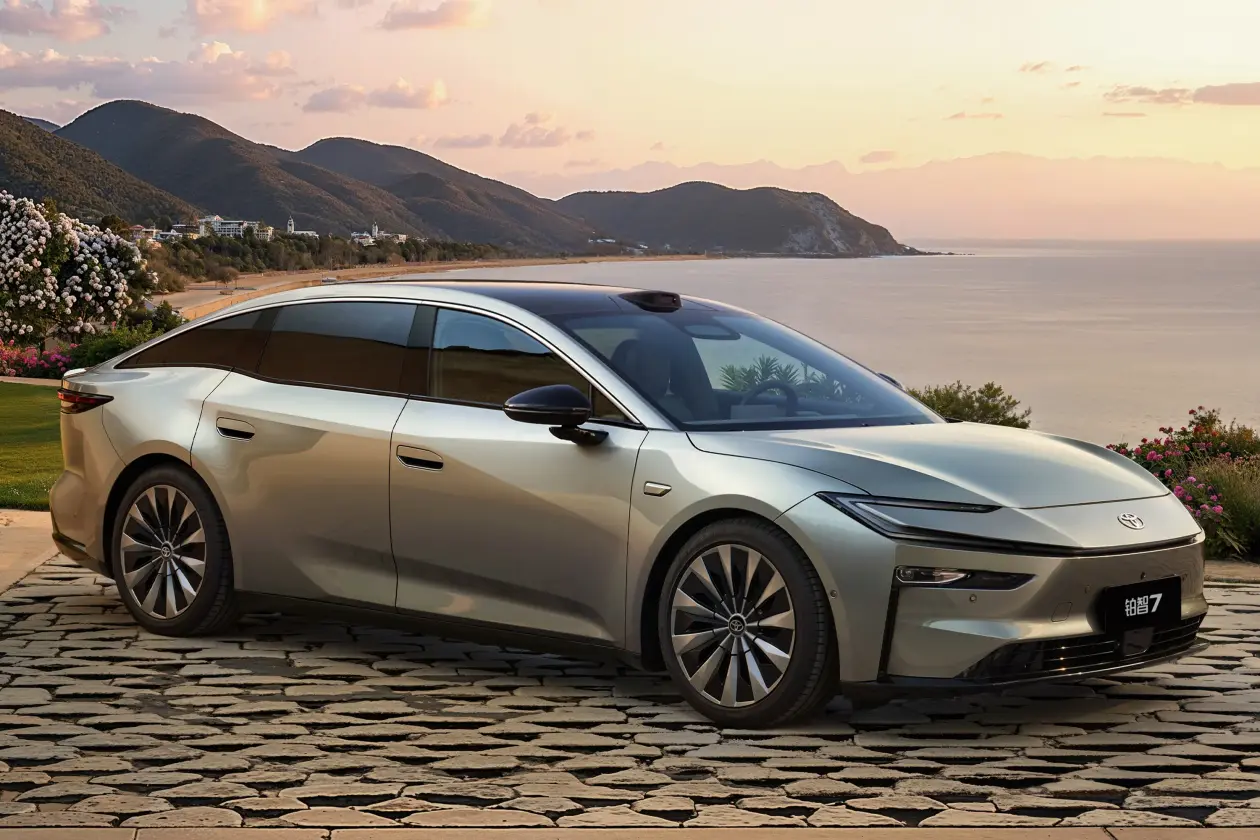
Currently, Tesla leverages pure electric vehicle first-mover advantages and closed-loop Supercharger network ecosystems for continued North American and global market expansion. Chinese brands like BYD and XPeng capture market share through highly competitive pricing and rapidly iterating intelligent configurations. Toyota's response strategy avoids direct confrontation, instead leveraging traditional advantages in global manufacturing systems, supply chain management, and quality control to radical disruption with steady transformation.
For Hong Kong markets, this competitive situation means users will face increasingly rich choices in coming years. Users pursuing technology frontiers and intelligent experiences may choose Tesla or Chinese new force brands. Users prioritizing quality stability, resale value, and after-sales service networks can continue trusting Toyota and its joint venture partners (GAC Toyota, FAW Toyota). Toyota's North American investment essentially represents strategic measures strengthening the latter competitive advantages.
Particularly noteworthy is Toyota's North American investment plan emphasis on premiumization direction. Grand Highlander capacity enhancement hints at Toyota's attempts to break through traditional mass-market brand positioning ceilings, penetrating higher-profit luxury markets. If this trend extends to Asian markets, Hong Kong users may witness more premium-positioned Toyota models forming tighter product synergies with the Lexus brand.
Toyota's 7.8 billion HKD North American, while appearing regionally focused on American markets, actually represents crucial global electrification strategy deployment. For Hong Kong users, this industrial transformation occurring in Kentucky and Indiana will profoundly influence future purchase decisions through technology spillover, product introduction, and brand confidence pathways. In the second half of electrification, this elephant's although steady, its solid steps and clear direction may represent the most trustworthy promise amid turbulent times. As Hong Kong street Toyota models gradually transition from hybrid electric to pure electric drive, we will witness not merely one enterprise's transformation, but an era.

香港汽車內容平台 🚗 新車・買車・玩車・用車 用香港視角,睇世界嘅車
+ Follow 【新車速報】兩座車又殺返嚟?smart精靈#2今次有啲料喎
鍾意細車嘅香港車迷留意!全新 smart 精靈#2 配置公布,採用 ECA 電動緊湊型架構,搭載 35.8kWh 磷酸鐵鋰電池,CLTC 續航 410km,30%-80% 快充最快15分鐘。
車長約 2.75米、轉彎半徑僅3.35米,仲有前麥弗遜+後五連桿獨立懸架;安全配備最多7個氣袋及 ACC、盲區監測等功能。
0-50km/h 3.8秒,10月12日巴黎車展全球首發!
兩座純電+細車身,放落香港街道會唔會幾對味?
#smart #smart精靈2 #純電車 #BitAutoHongKong 1小时前
【新車速報】兩座車又殺返嚟?smart精靈#2今次有啲料喎
鍾意細車嘅香港車迷留意!全新 smart 精靈#2 配置公布,採用 ECA 電動緊湊型架構,搭載 35.8kWh 磷酸鐵鋰電池,CLTC 續航 410km,30%-80% 快充最快15分鐘。
車長約 2.75米、轉彎半徑僅3.35米,仲有前麥弗遜+後五連桿獨立懸架;安全配備最多7個氣袋及 ACC、盲區監測等功能。
0-50km/h 3.8秒,10月12日巴黎車展全球首發!
兩座純電+細車身,放落香港街道會唔會幾對味?
#smart #smart精靈2 #純電車 #BitAutoHongKong 1小时前  【揀車有路數】日產新車賣比亞迪價?仲有激光雷達
今集試一台好特別嘅日產新車——NX8,中國特供增程SUV。外觀似熟悉嘅日產味,但內籠同科技配備竟然唔晒傳統日產套路,駕乘感受又有幾多轉變?到底仲係咪你認識嗰部日產?一齊試畀你睇。
#日產 #NX8 #增程 #BitAutoHongKong #揀車有路數 1天前
【揀車有路數】日產新車賣比亞迪價?仲有激光雷達
今集試一台好特別嘅日產新車——NX8,中國特供增程SUV。外觀似熟悉嘅日產味,但內籠同科技配備竟然唔晒傳統日產套路,駕乘感受又有幾多轉變?到底仲係咪你認識嗰部日產?一齊試畀你睇。
#日產 #NX8 #增程 #BitAutoHongKong #揀車有路數 1天前  【新車速報】T-Top 回歸?Nissan Z Kaze 概念車現身!
90年代 JDM 味返晒嚟?Nissan 最近喺美國 ZCON 公開 Z Kaze 概念車,以現款 Nissan Z 為基礎,換上全新 T-Top 可拆式車頂,向經典 300ZX 等 Z 系列致敬。
配合碳纖維空力套件、NISMO LMGT2 18吋輪圈,以及 GReddy 排氣、進氣同 intercooler 升級,成部車都充滿 JDM 改裝味。
「Kaze」即係日文「風」,而呢部車係 one-off 概念作品,並非量產車。10月3日仲會現身加州長灘 Japanese Classic Car Show。
如果 T-Top Z 真係量產,你會唔會心動?
#NissanZ #ZKaze #TTop #JDM #BitAutoHongKong 1天前
【新車速報】T-Top 回歸?Nissan Z Kaze 概念車現身!
90年代 JDM 味返晒嚟?Nissan 最近喺美國 ZCON 公開 Z Kaze 概念車,以現款 Nissan Z 為基礎,換上全新 T-Top 可拆式車頂,向經典 300ZX 等 Z 系列致敬。
配合碳纖維空力套件、NISMO LMGT2 18吋輪圈,以及 GReddy 排氣、進氣同 intercooler 升級,成部車都充滿 JDM 改裝味。
「Kaze」即係日文「風」,而呢部車係 one-off 概念作品,並非量產車。10月3日仲會現身加州長灘 Japanese Classic Car Show。
如果 T-Top Z 真係量產,你會唔會心動?
#NissanZ #ZKaze #TTop #JDM #BitAutoHongKong 1天前 Get the latest car news first!
【新車速報】兩座車又殺返嚟?smart精靈#2今次有啲料喎
鍾意細車嘅香港車迷留意!全新 smart 精靈#2 配置公布,採用 ECA 電動緊湊型架構,搭載 35.8kWh 磷酸鐵鋰電池,CLTC 續航 410km,30%-80% 快充最快15分鐘。
車長約 2.75米、轉彎半徑僅3.35米,仲有前麥弗遜+後五連桿獨立懸架;安全配備最多7個氣袋及 ACC、盲區監測等功能。
0-50km/h 3.8秒,10月12日巴黎車展全球首發!
兩座純電+細車身,放落香港街道會唔會幾對味?
#smart #smart精靈2 #純電車 #BitAutoHongKong 1小时前 【揀車有路數】日產新車賣比亞迪價?仲有激光雷達
今集試一台好特別嘅日產新車——NX8,中國特供增程SUV。外觀似熟悉嘅日產味,但內籠同科技配備竟然唔晒傳統日產套路,駕乘感受又有幾多轉變?到底仲係咪你認識嗰部日產?一齊試畀你睇。
#日產 #NX8 #增程 #BitAutoHongKong #揀車有路數 1天前 【新車速報】T-Top 回歸?Nissan Z Kaze 概念車現身!
90年代 JDM 味返晒嚟?Nissan 最近喺美國 ZCON 公開 Z Kaze 概念車,以現款 Nissan Z 為基礎,換上全新 T-Top 可拆式車頂,向經典 300ZX 等 Z 系列致敬。
配合碳纖維空力套件、NISMO LMGT2 18吋輪圈,以及 GReddy 排氣、進氣同 intercooler 升級,成部車都充滿 JDM 改裝味。
「Kaze」即係日文「風」,而呢部車係 one-off 概念作品,並非量產車。10月3日仲會現身加州長灘 Japanese Classic Car Show。
如果 T-Top Z 真係量產,你會唔會心動?
#NissanZ #ZKaze #TTop #JDM #BitAutoHongKong 1天前  BAWToyotaBYDZeekrGACDongfengXPengMGMaxusLeapmotorDenzaIMiCAURDeepalWulingOraJuneyao AutoKYCSkyworthAvatrFotonFordGeelyHongqiJAECOOKGMOMODADFSKTeslaHondaBMWMercedes-BenzsmartMINIPorscheNissanLexusSuzukiVolvoSubaruMazdaKiaHyundaiLand RoverRolls-RoyceFerrariAudiLamborghiniRiddaraSeresFarizonfireflyLingboxKaiyiVoyahHIMAM-HeroIsuzuBentleyPolestarMcLarenMitsubishiMaseratiPeugeotAston MartinAcuraJeepJaguarLotusVolkswagenEpiclandJACLepasLi
 © 2024 Bitauto.com. All Rights Reserved.
Bitauto (www.yiche.com and www.bitauto.com) is one of the most visited automotive websites in China. We provide detailed info on Chinese car brands available in your area. Please note that the information provided on this website is based on publicly available data and is for reference only. It may not be fully updated or accurate at all times.
Help us improve our website


