
Search History
Popular Searches
English
Dealer Login / Sign Up
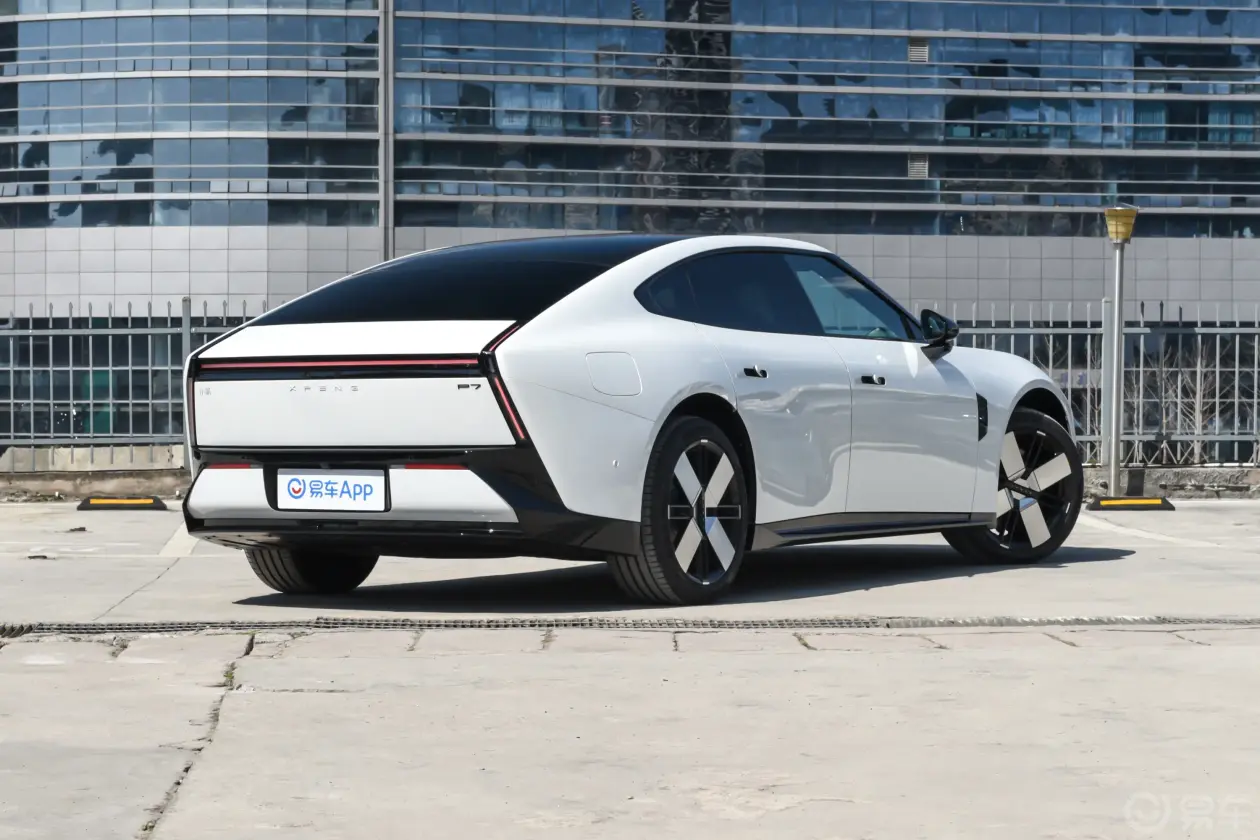
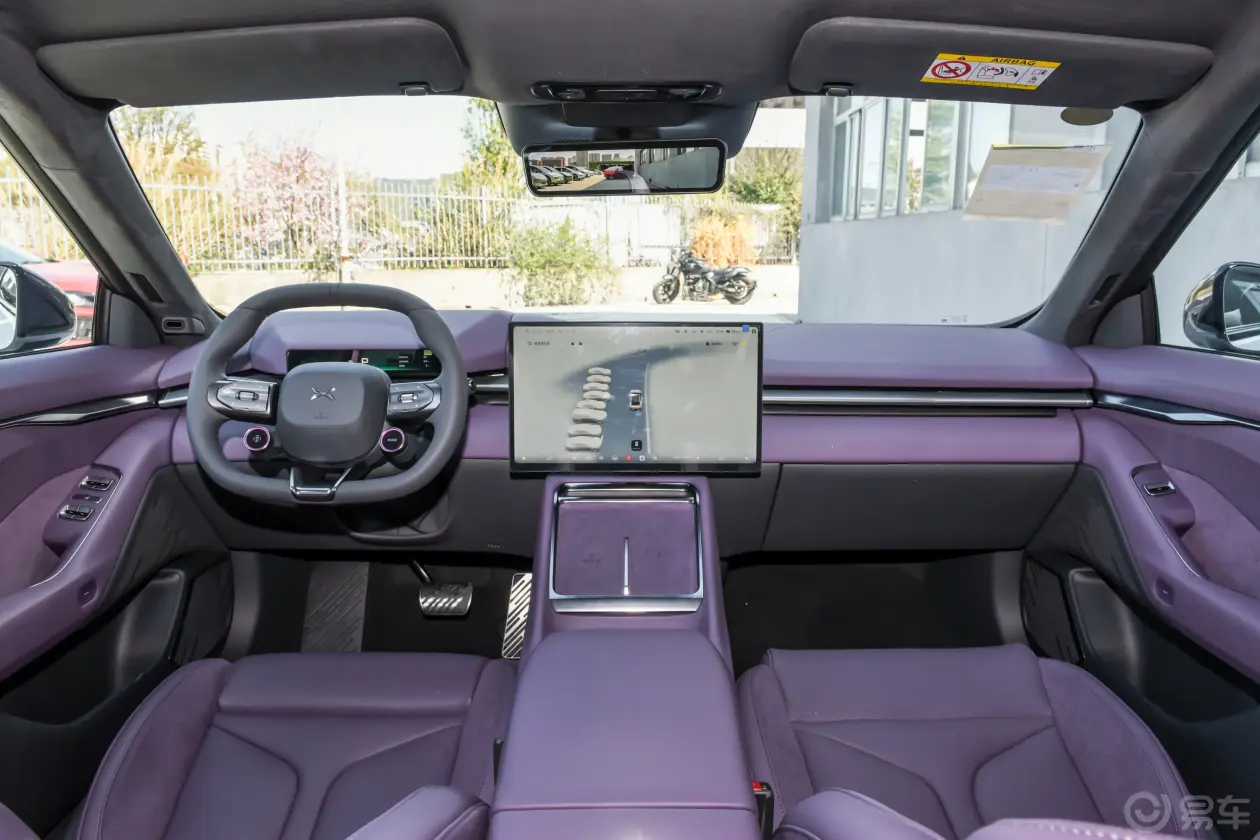
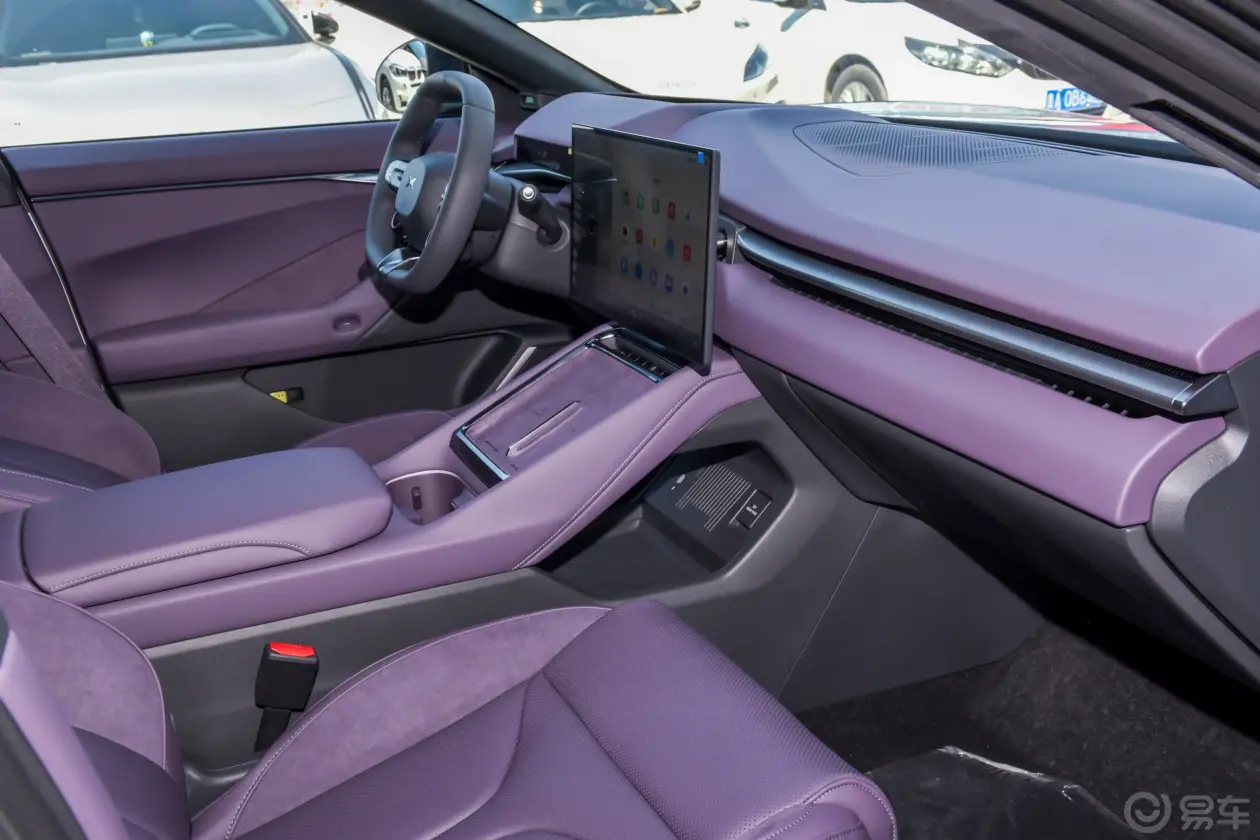
Chinese new energy vehicle manufacturer XPeng Inc. has announced a significant corporate transformation: effective April 1, 2026, the company's Chinese name will change from "XPeng Motors Limited" to "XPeng Group," marking a decisive shift from single-industry automaker to diversified technology conglomerate. For Hong Kong's capital markets, this change represents more than a simple ticker adjustment—it signals profound transformation within China's new energy sector and presents both opportunities and challenges for the city's investors.
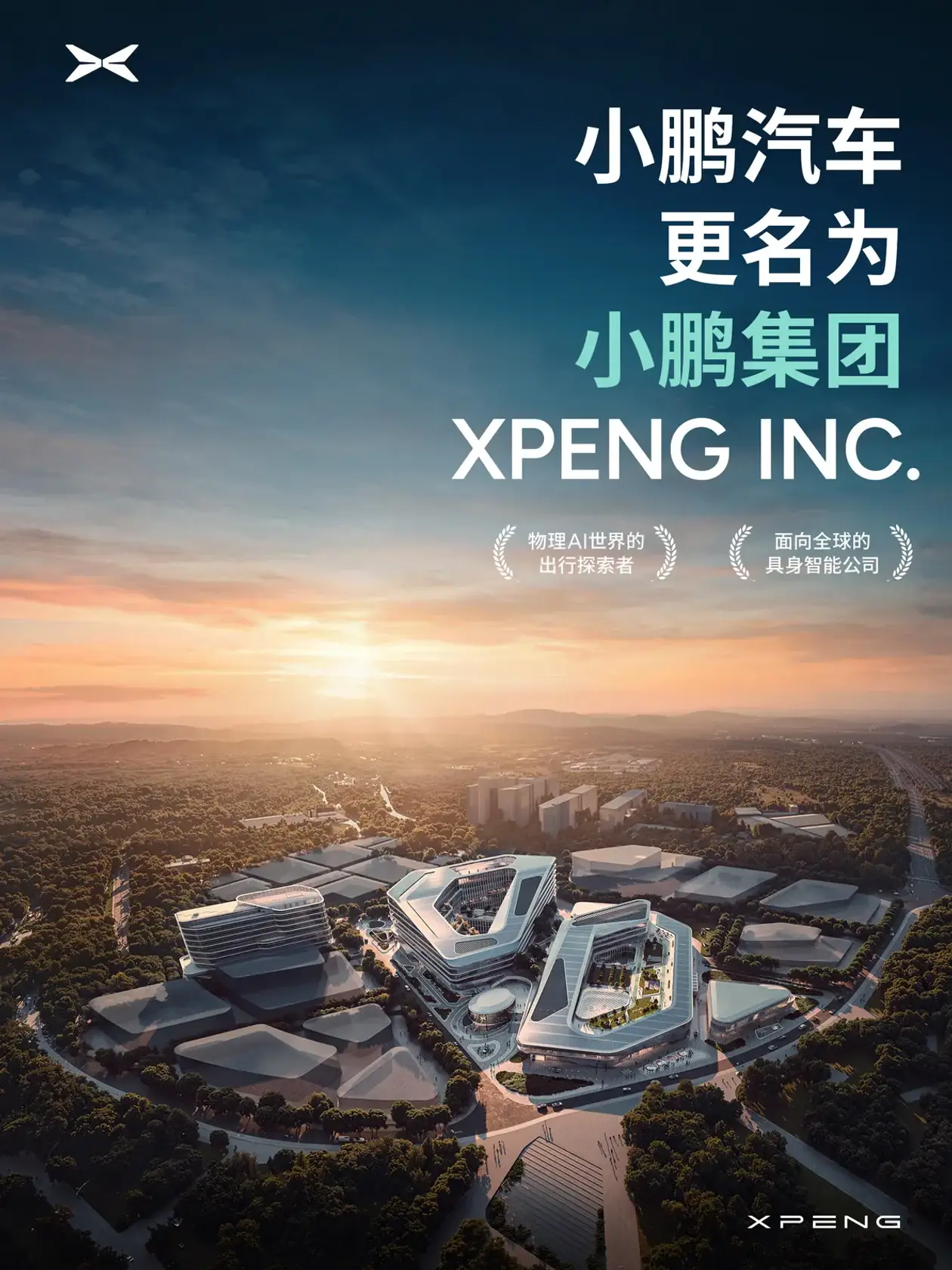
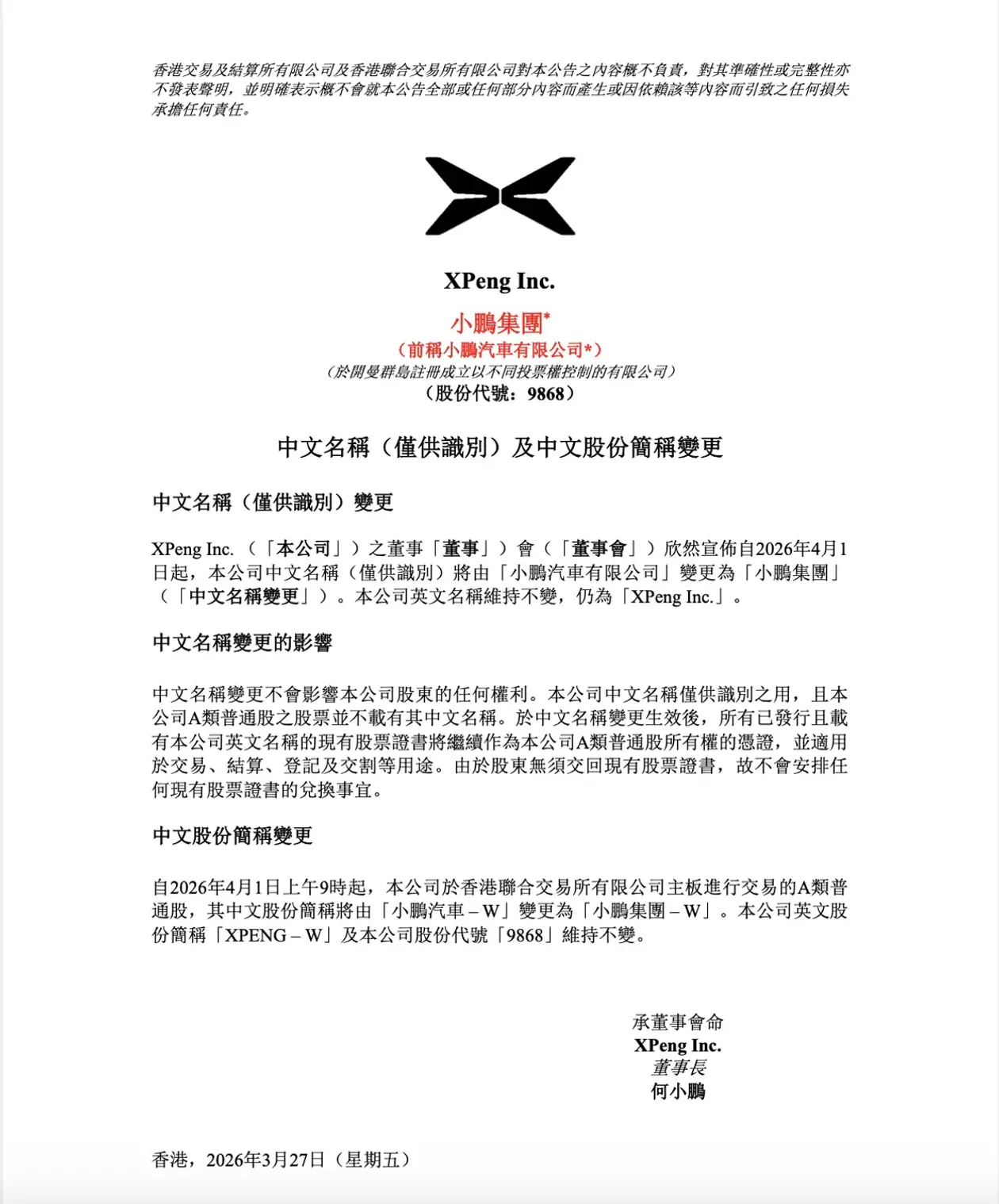
According to filings with the Hong Kong Stock Exchange, the Chinese stock short name will change from "XPeng Motors – W" to "XPeng Group – W," while the English short name "XPENG – W" and stock code "9868" remain unchanged. The rebranding involves no changes to shareholder rights, with no stock surrender or exchange requirements required.
XPeng founder and Chairman He Xiaopeng articulated the deeper significance: "From XPeng Motors to XPeng Group—twelve years, one cycle, a brand new starting point." This statement captures the company's evolutionary trajectory. Since its 2014 establishment, XPeng built competitive advantages in autonomous driving and intelligent cockpit systems. However, its business portfolio now extends far beyond traditional automotive manufacturing.
The group's current operations encompass flying vehicles, Turing AI chips, VLA (Vision-Language-Action) autonomous driving models, humanoid robot IRON, and Robotaxi services. These ventures share a common technological foundation: "physical AI"—extending artificial intelligence from digital realms into physical world applications. He's emphasis on "the global journey of physical AI" encapsulates this strategic vision.
From a corporate naming perspective, "XPeng Motors" carried clear industry connotations that facilitated brand recognition but limited valuation flexibility. The "Group" designation confirms business diversification while signaling strategic elevation to investors, potentially supporting higher technology-sector multiples.
XPeng's Hong Kong listing in July 2021 marked the first dual-primary listing by a Chinese smart EV manufacturer on the exchange. The choice reflected Hong Kong's international financing capabilities and its unique position bridging mainland China and global capital markets.
For Hong Kong investors, the rebranding carries multiple implications. Valuation-wise, traditional automakers typically trade at 8-12x price-earnings ratios, while technology conglomerates command 20-30x multiples or higher. XPeng's conglomerate transition could theoretically support valuation rerating toward tech multiples—positive news for "9868" shareholders.
From risk diversification perspective, single-business automakers face industry cyclicality, policy adjustments, and intensifying competition. XPeng's expansion into flying vehicles and robotics introduces technological uncertainties but builds cross-industry risk buffers, offering long-term investors richer investment narratives.
However, institutional investors maintain cautious stances. The balance between "concept speculation" and "substantial performance" remains crucial. XPeng's physical AI blueprint is ambitious, but commercialization timelines for flying vehicles, robot production scalability, and Robotaxi regulatory approvals carry significant uncertainties. Additionally, liquidity for Chinese tech stocks in Hong Kong has proven volatile, with geopolitical factors and macroeconomic shifts influencing international capital allocation.
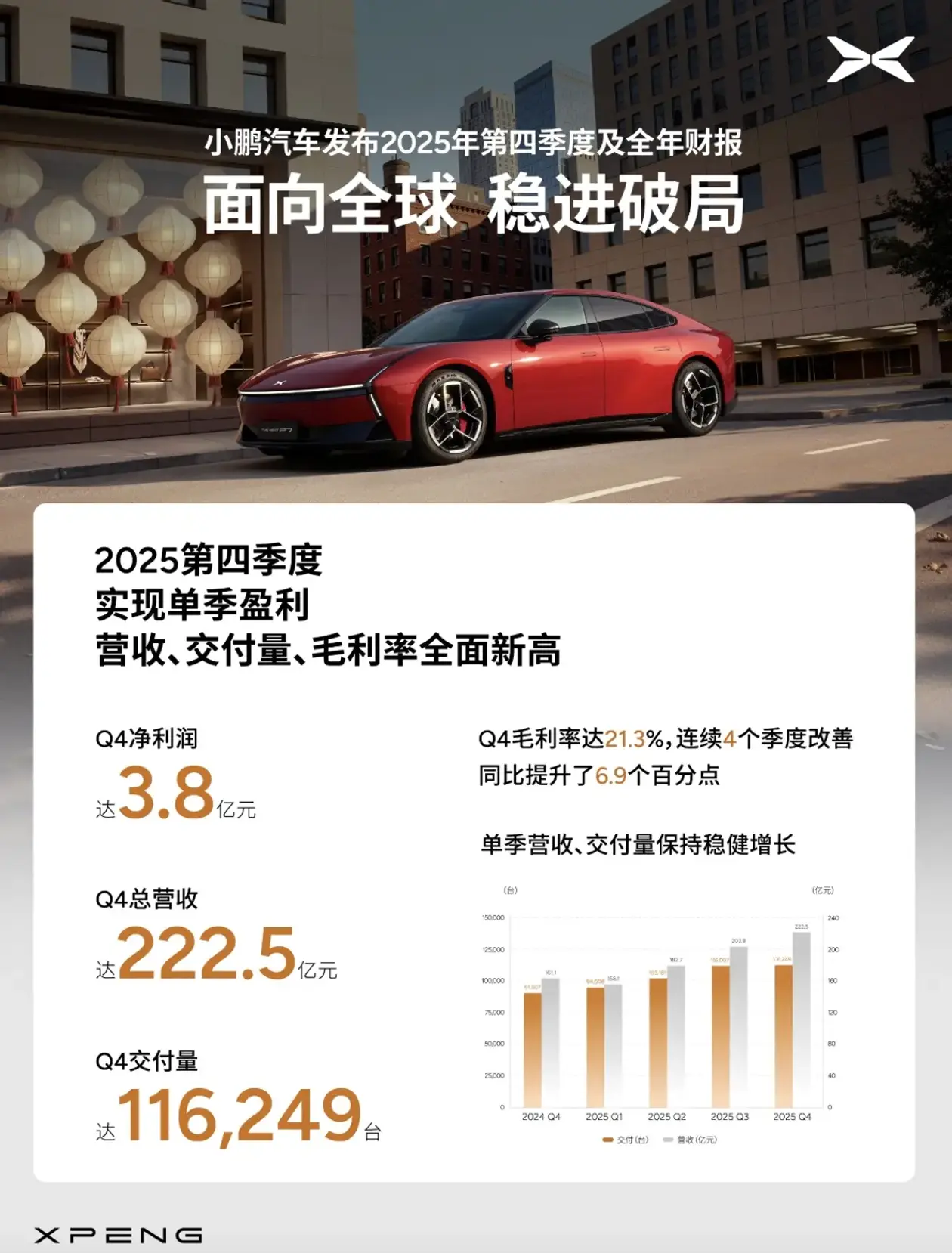
The strategic upgrade rests on recently improved financial performance. According to Q4 and full-year 2025 results released March 20, XPeng achieved quarterly net profit of RMB 380 million—an important milestone representing the company's first profitable quarter. Deliveries reached 116,249 units in Q4 and 429,445 for the full year, demonstrating robust demand and production ramp-up capabilities. Revenue totaled RMB 22.25 billion in Q4 and RMB 76.72 billion annually.
This profitability turnaround reflects progress in cost control, scale effects, and product mix optimization. For Hong Kong investors, this inflection point strengthens confidence in sustainable operations and provides financial cushioning for conglomerate transformation. After all, flying vehicles and robotics require substantial R&D investment supported by stable core business cash flows.
Notably, XPeng's profitability improvements connect closely to technology-driven cost reduction strategies. Through self-developed Turing AI chips and VLA autonomous driving models, the company reduces external supplier dependence while improving hardware-software integration efficiency—core competitiveness supporting physical AI transformation.
XPeng's rebranding may trigger broader Hong Kong market effects beyond single-stock performance. The conglomerate transition could catalyze peer follow-through among Hong Kong-listed competitors like NIO and Li Auto, which similarly pursue diversified strategies in battery technology, autonomous driving, and energy services. XPeng's first-mover advantage may accelerate sector-wide valuation framework restructuring.
Furthermore, XPeng's transformation provides Hong Kong markets crucial insight into Chinese technology trends. Physical AI represents artificial intelligence's next frontier, encompassing autonomous driving, robotics, and drones—each trillion-dollar markets. If Hong Kong attracts more hard-tech listings like XPeng, it strengthens its position as Asia's technology investment hub.
The case also highlights Hong Kong listing regime flexibility. The "W" share designation's weighted voting rights structure allows founder teams to maintain control while raising substantial capital—essential for hard-tech ventures requiring long-term commitment. XPeng's successful implementation may encourage more mainland technology companies to choose Hong Kong listings.
Investors should adopt rational, cautious strategies responding to XPeng's transformation. Existing shareholders should monitor disclosed business structure data, particularly non-automotive revenue contributions and R&D intensity. If flying vehicles and robotics achieve commercial breakthroughs within two to three years, new valuation support emerges; otherwise, investment logic requires reassessment.
Prospective investors may find entry opportunities amid post-rebranding volatility but should consider phased position-building to mitigate short-term sentiment effects. Comparative analysis within new energy and AI supply chains should examine technological reserves, talent teams, and ecosystem development relative advantages.
Additionally, investors must monitor macro risks including U.S.-China technology competition's supply chain impacts, Chinese NEV subsidy policy adjustments, and global interest rate environments' effects on growth stock valuations. These external variables may significantly influence XPeng's stock performance.
XPeng's rebranding from Motors to Group represents not merely corporate identity redefinition but encapsulates China's new energy sector evolution from "electrification" through "intelligentization" toward "physical AI." For Hong Kong markets, this brings investment opportunities alongside cognitive challenges regarding new business models. Behind the familiar "9868" ticker, a technology conglomerate attempting to redefine future mobility is emerging. Whether Hong Kong investors accurately capture this transformation's value depends on deep understanding of physical AI trends and continuous tracking of execution capabilities. Twelve years, one cycle—XPeng's new journey has only just begun.

香港汽車內容平台 🚗 新車・買車・玩車・用車 用香港視角,睇世界嘅車
+ Follow 【新車速報】兩座車又殺返嚟?smart精靈#2今次有啲料喎
鍾意細車嘅香港車迷留意!全新 smart 精靈#2 配置公布,採用 ECA 電動緊湊型架構,搭載 35.8kWh 磷酸鐵鋰電池,CLTC 續航 410km,30%-80% 快充最快15分鐘。
車長約 2.75米、轉彎半徑僅3.35米,仲有前麥弗遜+後五連桿獨立懸架;安全配備最多7個氣袋及 ACC、盲區監測等功能。
0-50km/h 3.8秒,10月12日巴黎車展全球首發!
兩座純電+細車身,放落香港街道會唔會幾對味?
#smart #smart精靈2 #純電車 #BitAutoHongKong 1小时前
【新車速報】兩座車又殺返嚟?smart精靈#2今次有啲料喎
鍾意細車嘅香港車迷留意!全新 smart 精靈#2 配置公布,採用 ECA 電動緊湊型架構,搭載 35.8kWh 磷酸鐵鋰電池,CLTC 續航 410km,30%-80% 快充最快15分鐘。
車長約 2.75米、轉彎半徑僅3.35米,仲有前麥弗遜+後五連桿獨立懸架;安全配備最多7個氣袋及 ACC、盲區監測等功能。
0-50km/h 3.8秒,10月12日巴黎車展全球首發!
兩座純電+細車身,放落香港街道會唔會幾對味?
#smart #smart精靈2 #純電車 #BitAutoHongKong 1小时前  【揀車有路數】日產新車賣比亞迪價?仲有激光雷達
今集試一台好特別嘅日產新車——NX8,中國特供增程SUV。外觀似熟悉嘅日產味,但內籠同科技配備竟然唔晒傳統日產套路,駕乘感受又有幾多轉變?到底仲係咪你認識嗰部日產?一齊試畀你睇。
#日產 #NX8 #增程 #BitAutoHongKong #揀車有路數 1天前
【揀車有路數】日產新車賣比亞迪價?仲有激光雷達
今集試一台好特別嘅日產新車——NX8,中國特供增程SUV。外觀似熟悉嘅日產味,但內籠同科技配備竟然唔晒傳統日產套路,駕乘感受又有幾多轉變?到底仲係咪你認識嗰部日產?一齊試畀你睇。
#日產 #NX8 #增程 #BitAutoHongKong #揀車有路數 1天前  【新車速報】T-Top 回歸?Nissan Z Kaze 概念車現身!
90年代 JDM 味返晒嚟?Nissan 最近喺美國 ZCON 公開 Z Kaze 概念車,以現款 Nissan Z 為基礎,換上全新 T-Top 可拆式車頂,向經典 300ZX 等 Z 系列致敬。
配合碳纖維空力套件、NISMO LMGT2 18吋輪圈,以及 GReddy 排氣、進氣同 intercooler 升級,成部車都充滿 JDM 改裝味。
「Kaze」即係日文「風」,而呢部車係 one-off 概念作品,並非量產車。10月3日仲會現身加州長灘 Japanese Classic Car Show。
如果 T-Top Z 真係量產,你會唔會心動?
#NissanZ #ZKaze #TTop #JDM #BitAutoHongKong 1天前
【新車速報】T-Top 回歸?Nissan Z Kaze 概念車現身!
90年代 JDM 味返晒嚟?Nissan 最近喺美國 ZCON 公開 Z Kaze 概念車,以現款 Nissan Z 為基礎,換上全新 T-Top 可拆式車頂,向經典 300ZX 等 Z 系列致敬。
配合碳纖維空力套件、NISMO LMGT2 18吋輪圈,以及 GReddy 排氣、進氣同 intercooler 升級,成部車都充滿 JDM 改裝味。
「Kaze」即係日文「風」,而呢部車係 one-off 概念作品,並非量產車。10月3日仲會現身加州長灘 Japanese Classic Car Show。
如果 T-Top Z 真係量產,你會唔會心動?
#NissanZ #ZKaze #TTop #JDM #BitAutoHongKong 1天前 Get the latest car news first!
【新車速報】兩座車又殺返嚟?smart精靈#2今次有啲料喎
鍾意細車嘅香港車迷留意!全新 smart 精靈#2 配置公布,採用 ECA 電動緊湊型架構,搭載 35.8kWh 磷酸鐵鋰電池,CLTC 續航 410km,30%-80% 快充最快15分鐘。
車長約 2.75米、轉彎半徑僅3.35米,仲有前麥弗遜+後五連桿獨立懸架;安全配備最多7個氣袋及 ACC、盲區監測等功能。
0-50km/h 3.8秒,10月12日巴黎車展全球首發!
兩座純電+細車身,放落香港街道會唔會幾對味?
#smart #smart精靈2 #純電車 #BitAutoHongKong 1小时前 【揀車有路數】日產新車賣比亞迪價?仲有激光雷達
今集試一台好特別嘅日產新車——NX8,中國特供增程SUV。外觀似熟悉嘅日產味,但內籠同科技配備竟然唔晒傳統日產套路,駕乘感受又有幾多轉變?到底仲係咪你認識嗰部日產?一齊試畀你睇。
#日產 #NX8 #增程 #BitAutoHongKong #揀車有路數 1天前 【新車速報】T-Top 回歸?Nissan Z Kaze 概念車現身!
90年代 JDM 味返晒嚟?Nissan 最近喺美國 ZCON 公開 Z Kaze 概念車,以現款 Nissan Z 為基礎,換上全新 T-Top 可拆式車頂,向經典 300ZX 等 Z 系列致敬。
配合碳纖維空力套件、NISMO LMGT2 18吋輪圈,以及 GReddy 排氣、進氣同 intercooler 升級,成部車都充滿 JDM 改裝味。
「Kaze」即係日文「風」,而呢部車係 one-off 概念作品,並非量產車。10月3日仲會現身加州長灘 Japanese Classic Car Show。
如果 T-Top Z 真係量產,你會唔會心動?
#NissanZ #ZKaze #TTop #JDM #BitAutoHongKong 1天前  BAWToyotaBYDZeekrGACDongfengXPengMGMaxusLeapmotorDenzaIMiCAURDeepalWulingOraJuneyao AutoKYCSkyworthAvatrFotonFordGeelyHongqiJAECOOKGMOMODADFSKTeslaHondaBMWMercedes-BenzsmartMINIPorscheNissanLexusSuzukiVolvoSubaruMazdaKiaHyundaiLand RoverRolls-RoyceFerrariAudiLamborghiniRiddaraSeresFarizonfireflyLingboxKaiyiVoyahHIMAM-HeroIsuzuBentleyPolestarMcLarenMitsubishiMaseratiPeugeotAston MartinAcuraJeepJaguarLotusVolkswagenEpiclandJACLepasLi
 © 2024 Bitauto.com. All Rights Reserved.
Bitauto (www.yiche.com and www.bitauto.com) is one of the most visited automotive websites in China. We provide detailed info on Chinese car brands available in your area. Please note that the information provided on this website is based on publicly available data and is for reference only. It may not be fully updated or accurate at all times.
Help us improve our website


