
Search History
Popular Searches
English
Dealer Login / Sign Up
Toyota Motor Corporation has announced a large-scale recall affecting two popular mid-size SUVs—the Highlander produced by GAC Toyota and the Crown Kluger produced by FAW Toyota. With a total of 560,160 vehicles impacted, this represents one of the most significant recall operations in the Asian automotive market in recent years. For Hong Kong, where these models circulate primarily through parallel import channels rather than official distribution, the safety implications and subsequent repair arrangements warrant serious attention from local owners.
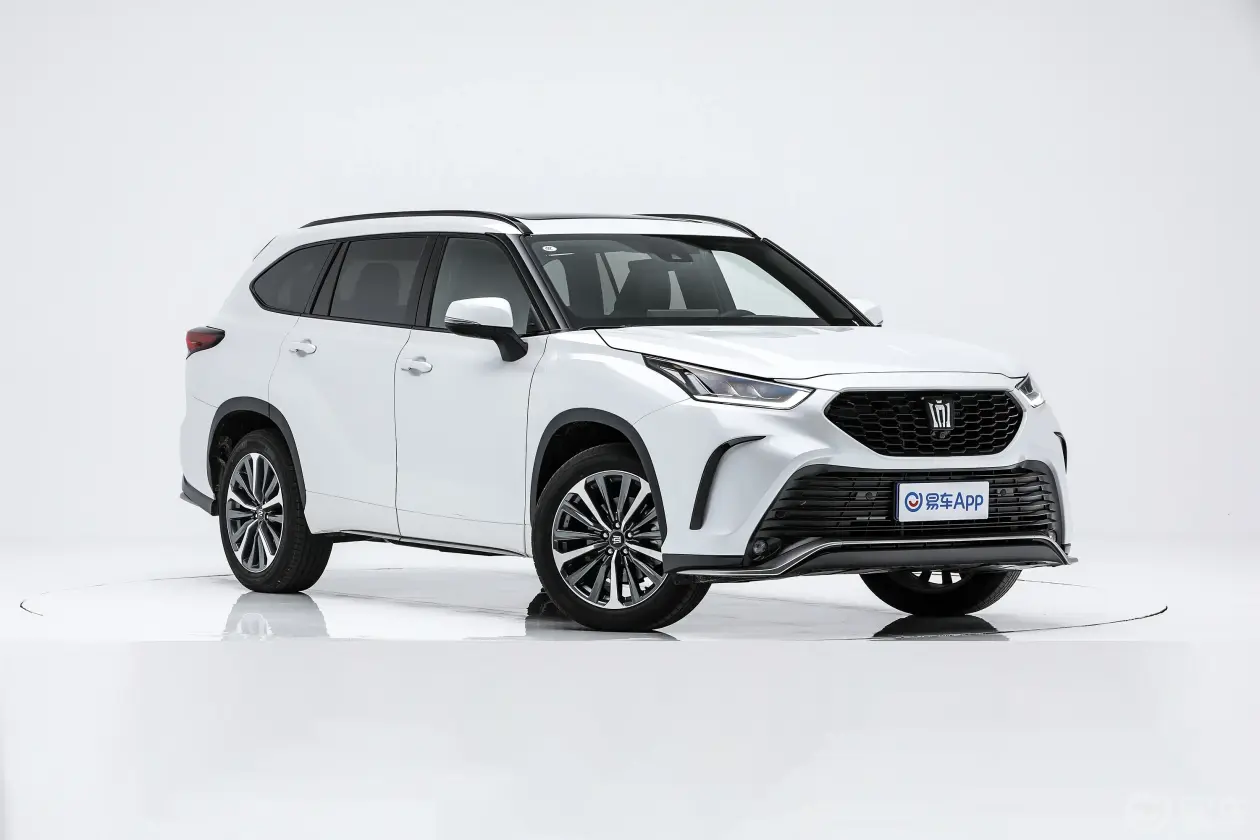
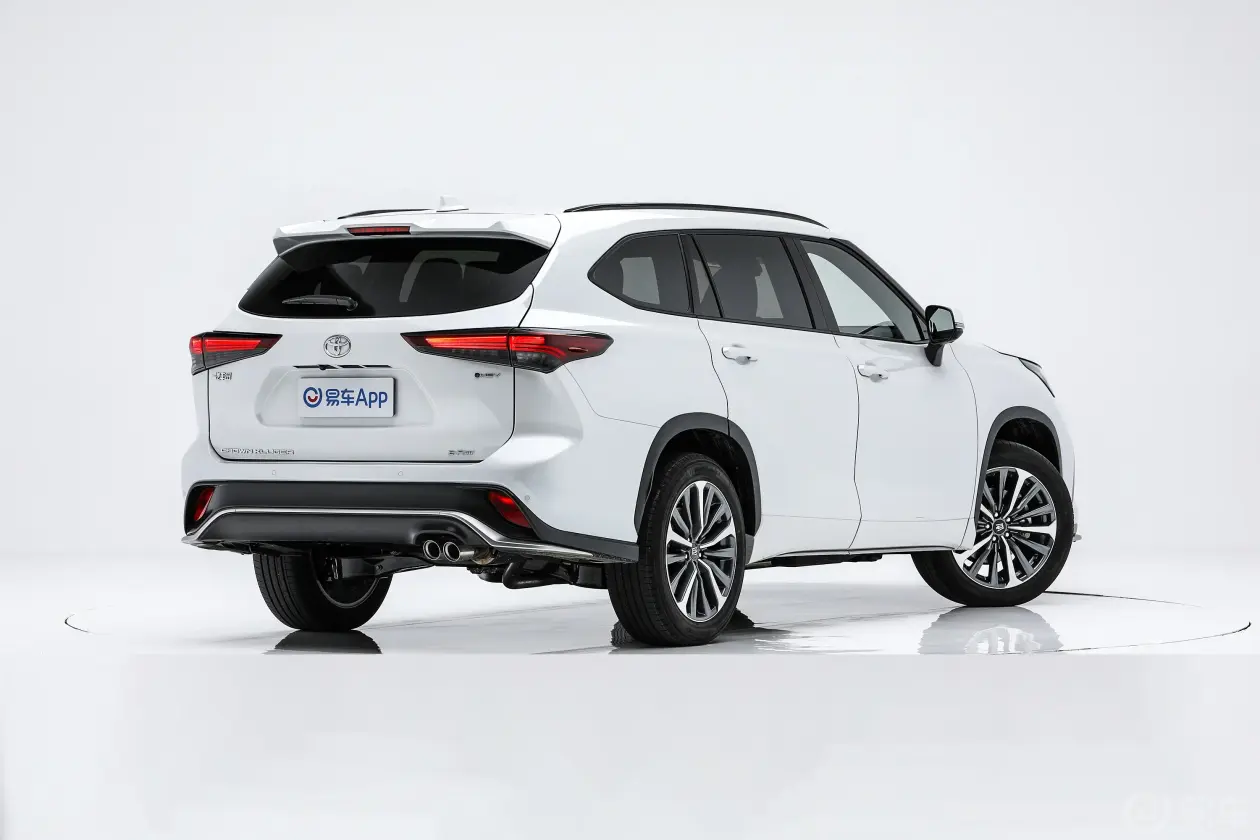
According to China's State Administration for Market Regulation, GAC Toyota will recall 317,990 Highlanders manufactured between August 7, 2021, and September 22, 2025, while FAW Toyota must recall 242,170 Crown Klugers produced from July 27, 2021, to January 20, 2026. Both recalls officially commence on April 1, 2026.
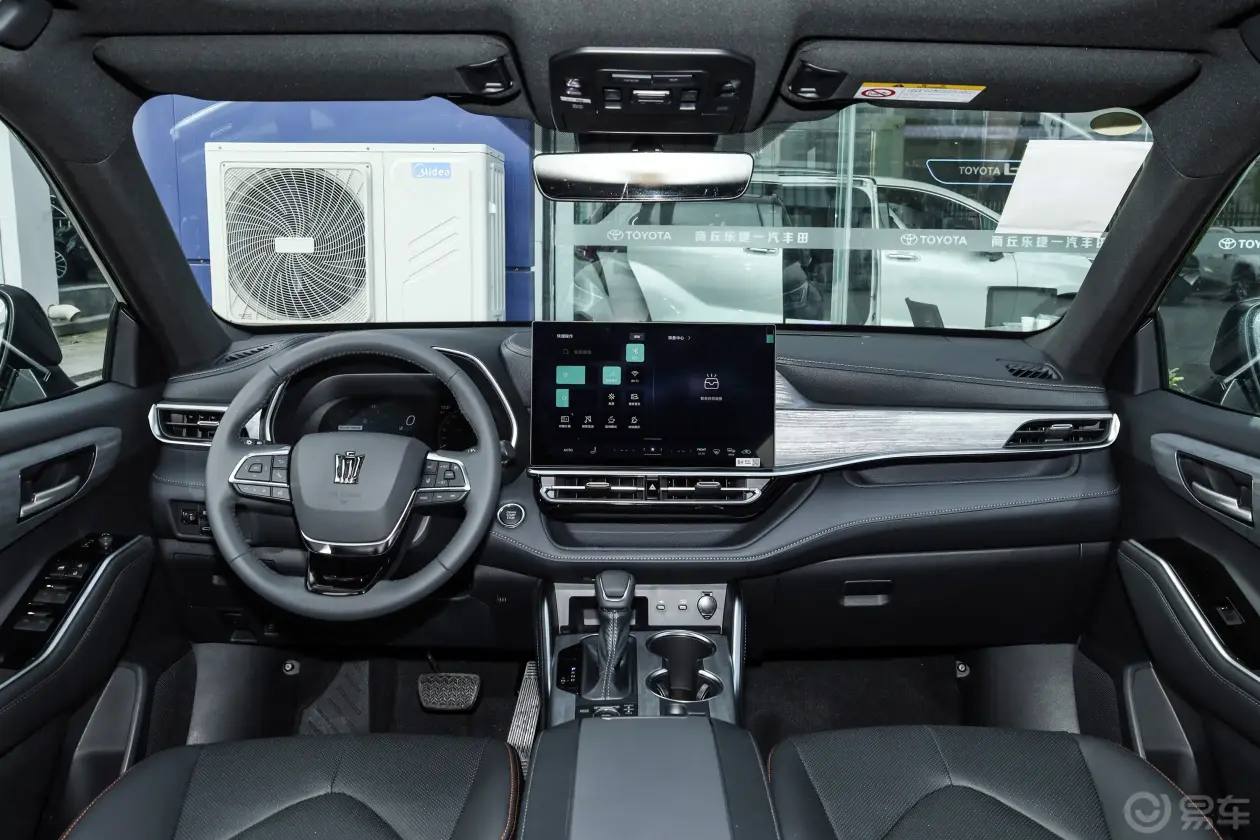
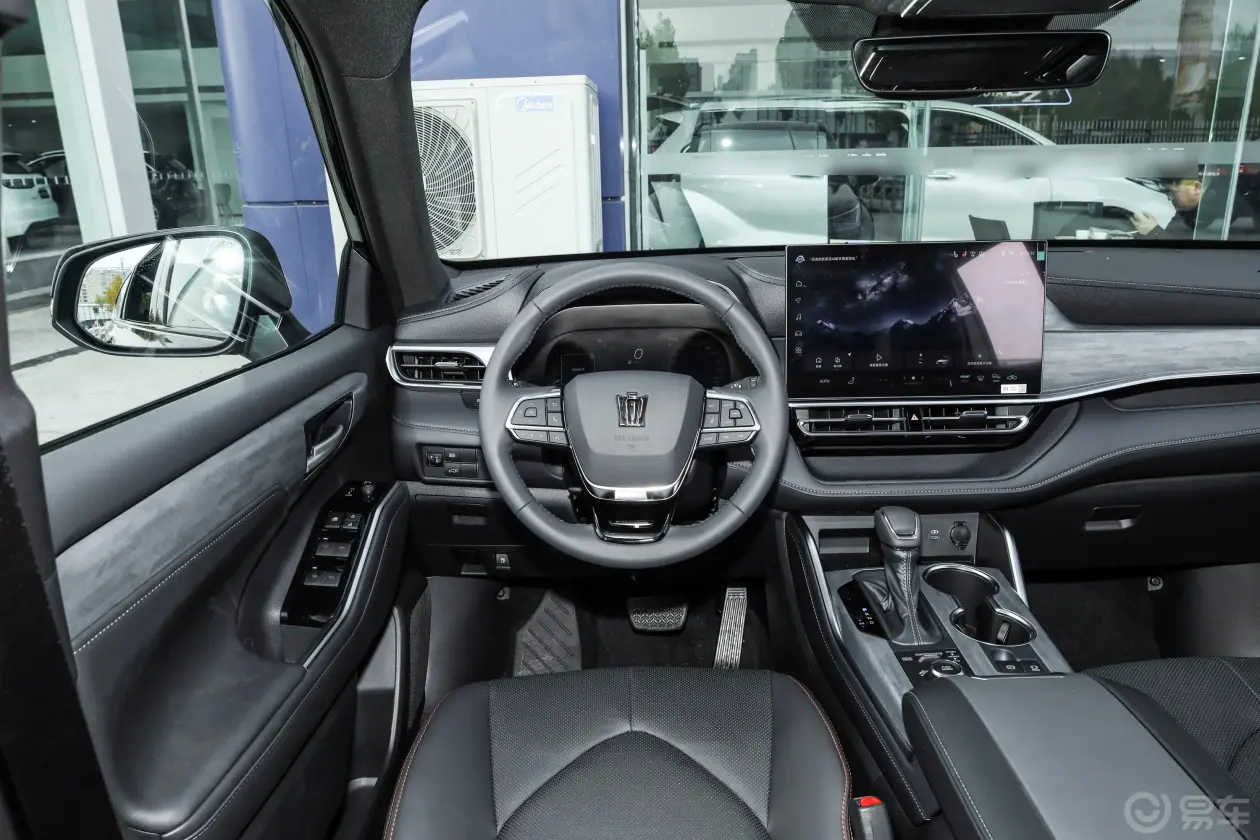
The technical issue stems from a design flaw in the second-row seatback adjusters. Specifically, the return springs exert excessive force, preventing the seatbacks from locking securely. While this defect may not be immediately apparent during normal driving, it poses a critical safety risk during collisions, as the seats may fail to properly restrain occupants, significantly increasing injury risk.
Hong Kong's unique automotive market structure complicates this recall. Neither the Highlander nor Crown Kluger are officially distributed by authorized Toyota dealers in the territory. However, both models have gained considerable popularity through parallel import channels, appealing particularly to family users and commercial operators who value their spacious interiors and Toyota's reputation for reliability.
Parallel imports constitute a significant portion of Hong Kong's vehicle sales, offering consumers greater choice and competitive pricing. However, after-sales service for these vehicles often exists in a regulatory gray area. Unlike officially imported vehicles, parallel imports are not legally required to carry equivalent warranty coverage, and service standards vary considerably among importers.
Affected Hong Kong owners should take several immediate steps to protect their interests. First, verify their Vehicle Identification Number (VIN) through Toyota China's official website or customer service hotline to confirm recall eligibility. Second, contact their original parallel import dealer, who should assist in coordinating repairs despite having no strict legal obligation to do so. Third, reach out to Toyota Hong Kong's official representatives for guidance, even though these specific models were not officially imported. Finally, monitor announcements from Hong Kong's Transport Department and Consumer Council for any government-coordinated response.
This recall highlights important considerations for Hong Kong's automotive market. Consumers must weigh price advantages against after-sales risks when purchasing parallel imports, prioritizing dealers with strong service commitments and established repair networks. From a regulatory perspective, Hong Kong lacks clear legal frameworks assigning recall responsibility for parallel import vehicles, unlike the European Union and United States where consumer protections are more robust regardless of import channel.
For Toyota, this recall presents both a challenge and an opportunity in Hong Kong. While damaging to the brand's quality reputation, proactive support for affected parallel import customers could demonstrate corporate responsibility and reinforce consumer trust in the territory.
Vehicle safety admits no compromise. This recall serves as a crucial reminder for all Hong Kong motorists to regularly monitor manufacturer announcements and verify recall status, regardless of purchase channel. Affected owners should act promptly to confirm their vehicle's status and arrange necessary repairs, ensuring the safety of themselves and their passengers while prompting broader reflection on Hong Kong's consumer protection mechanisms for parallel import vehicles.

香港汽車內容平台 🚗 新車・買車・玩車・用車 用香港視角,睇世界嘅車
+ Follow 【新車速報】兩座車又殺返嚟?smart精靈#2今次有啲料喎
鍾意細車嘅香港車迷留意!全新 smart 精靈#2 配置公布,採用 ECA 電動緊湊型架構,搭載 35.8kWh 磷酸鐵鋰電池,CLTC 續航 410km,30%-80% 快充最快15分鐘。
車長約 2.75米、轉彎半徑僅3.35米,仲有前麥弗遜+後五連桿獨立懸架;安全配備最多7個氣袋及 ACC、盲區監測等功能。
0-50km/h 3.8秒,10月12日巴黎車展全球首發!
兩座純電+細車身,放落香港街道會唔會幾對味?
#smart #smart精靈2 #純電車 #BitAutoHongKong 1小时前
【新車速報】兩座車又殺返嚟?smart精靈#2今次有啲料喎
鍾意細車嘅香港車迷留意!全新 smart 精靈#2 配置公布,採用 ECA 電動緊湊型架構,搭載 35.8kWh 磷酸鐵鋰電池,CLTC 續航 410km,30%-80% 快充最快15分鐘。
車長約 2.75米、轉彎半徑僅3.35米,仲有前麥弗遜+後五連桿獨立懸架;安全配備最多7個氣袋及 ACC、盲區監測等功能。
0-50km/h 3.8秒,10月12日巴黎車展全球首發!
兩座純電+細車身,放落香港街道會唔會幾對味?
#smart #smart精靈2 #純電車 #BitAutoHongKong 1小时前  【揀車有路數】日產新車賣比亞迪價?仲有激光雷達
今集試一台好特別嘅日產新車——NX8,中國特供增程SUV。外觀似熟悉嘅日產味,但內籠同科技配備竟然唔晒傳統日產套路,駕乘感受又有幾多轉變?到底仲係咪你認識嗰部日產?一齊試畀你睇。
#日產 #NX8 #增程 #BitAutoHongKong #揀車有路數 1天前
【揀車有路數】日產新車賣比亞迪價?仲有激光雷達
今集試一台好特別嘅日產新車——NX8,中國特供增程SUV。外觀似熟悉嘅日產味,但內籠同科技配備竟然唔晒傳統日產套路,駕乘感受又有幾多轉變?到底仲係咪你認識嗰部日產?一齊試畀你睇。
#日產 #NX8 #增程 #BitAutoHongKong #揀車有路數 1天前  【新車速報】T-Top 回歸?Nissan Z Kaze 概念車現身!
90年代 JDM 味返晒嚟?Nissan 最近喺美國 ZCON 公開 Z Kaze 概念車,以現款 Nissan Z 為基礎,換上全新 T-Top 可拆式車頂,向經典 300ZX 等 Z 系列致敬。
配合碳纖維空力套件、NISMO LMGT2 18吋輪圈,以及 GReddy 排氣、進氣同 intercooler 升級,成部車都充滿 JDM 改裝味。
「Kaze」即係日文「風」,而呢部車係 one-off 概念作品,並非量產車。10月3日仲會現身加州長灘 Japanese Classic Car Show。
如果 T-Top Z 真係量產,你會唔會心動?
#NissanZ #ZKaze #TTop #JDM #BitAutoHongKong 1天前
【新車速報】T-Top 回歸?Nissan Z Kaze 概念車現身!
90年代 JDM 味返晒嚟?Nissan 最近喺美國 ZCON 公開 Z Kaze 概念車,以現款 Nissan Z 為基礎,換上全新 T-Top 可拆式車頂,向經典 300ZX 等 Z 系列致敬。
配合碳纖維空力套件、NISMO LMGT2 18吋輪圈,以及 GReddy 排氣、進氣同 intercooler 升級,成部車都充滿 JDM 改裝味。
「Kaze」即係日文「風」,而呢部車係 one-off 概念作品,並非量產車。10月3日仲會現身加州長灘 Japanese Classic Car Show。
如果 T-Top Z 真係量產,你會唔會心動?
#NissanZ #ZKaze #TTop #JDM #BitAutoHongKong 1天前 Get the latest car news first!
【新車速報】兩座車又殺返嚟?smart精靈#2今次有啲料喎
鍾意細車嘅香港車迷留意!全新 smart 精靈#2 配置公布,採用 ECA 電動緊湊型架構,搭載 35.8kWh 磷酸鐵鋰電池,CLTC 續航 410km,30%-80% 快充最快15分鐘。
車長約 2.75米、轉彎半徑僅3.35米,仲有前麥弗遜+後五連桿獨立懸架;安全配備最多7個氣袋及 ACC、盲區監測等功能。
0-50km/h 3.8秒,10月12日巴黎車展全球首發!
兩座純電+細車身,放落香港街道會唔會幾對味?
#smart #smart精靈2 #純電車 #BitAutoHongKong 1小时前 【揀車有路數】日產新車賣比亞迪價?仲有激光雷達
今集試一台好特別嘅日產新車——NX8,中國特供增程SUV。外觀似熟悉嘅日產味,但內籠同科技配備竟然唔晒傳統日產套路,駕乘感受又有幾多轉變?到底仲係咪你認識嗰部日產?一齊試畀你睇。
#日產 #NX8 #增程 #BitAutoHongKong #揀車有路數 1天前 【新車速報】T-Top 回歸?Nissan Z Kaze 概念車現身!
90年代 JDM 味返晒嚟?Nissan 最近喺美國 ZCON 公開 Z Kaze 概念車,以現款 Nissan Z 為基礎,換上全新 T-Top 可拆式車頂,向經典 300ZX 等 Z 系列致敬。
配合碳纖維空力套件、NISMO LMGT2 18吋輪圈,以及 GReddy 排氣、進氣同 intercooler 升級,成部車都充滿 JDM 改裝味。
「Kaze」即係日文「風」,而呢部車係 one-off 概念作品,並非量產車。10月3日仲會現身加州長灘 Japanese Classic Car Show。
如果 T-Top Z 真係量產,你會唔會心動?
#NissanZ #ZKaze #TTop #JDM #BitAutoHongKong 1天前  BAWToyotaBYDZeekrGACDongfengXPengMGMaxusLeapmotorDenzaIMiCAURDeepalWulingOraJuneyao AutoKYCSkyworthAvatrFotonFordGeelyHongqiJAECOOKGMOMODADFSKTeslaHondaBMWMercedes-BenzsmartMINIPorscheNissanLexusSuzukiVolvoSubaruMazdaKiaHyundaiLand RoverRolls-RoyceFerrariAudiLamborghiniRiddaraSeresFarizonfireflyLingboxKaiyiVoyahHIMAM-HeroIsuzuBentleyPolestarMcLarenMitsubishiMaseratiPeugeotAston MartinAcuraJeepJaguarLotusVolkswagenEpiclandJACLepasLi
 © 2024 Bitauto.com. All Rights Reserved.
Bitauto (www.yiche.com and www.bitauto.com) is one of the most visited automotive websites in China. We provide detailed info on Chinese car brands available in your area. Please note that the information provided on this website is based on publicly available data and is for reference only. It may not be fully updated or accurate at all times.
Help us improve our website


