
Search History
Popular Searches
English
Dealer Login / Sign Up
Volkswagen is undergoing a quiet revolution. At an event in Hamburg, CEO Thomas Schäfer openly admitted that recent models, particularly the Mk8 Golf and early ID. series EVs, made usability mistakes, forcing the company to rethink its design philosophy. Schäfer, who took the top job in mid-2022, stated that the old approach prioritized long feature lists over people. "Now we think about people," he said. "Who is the car for? Who is driving it?" This admission signals a strategic shift back to intuitive, user-friendly design.
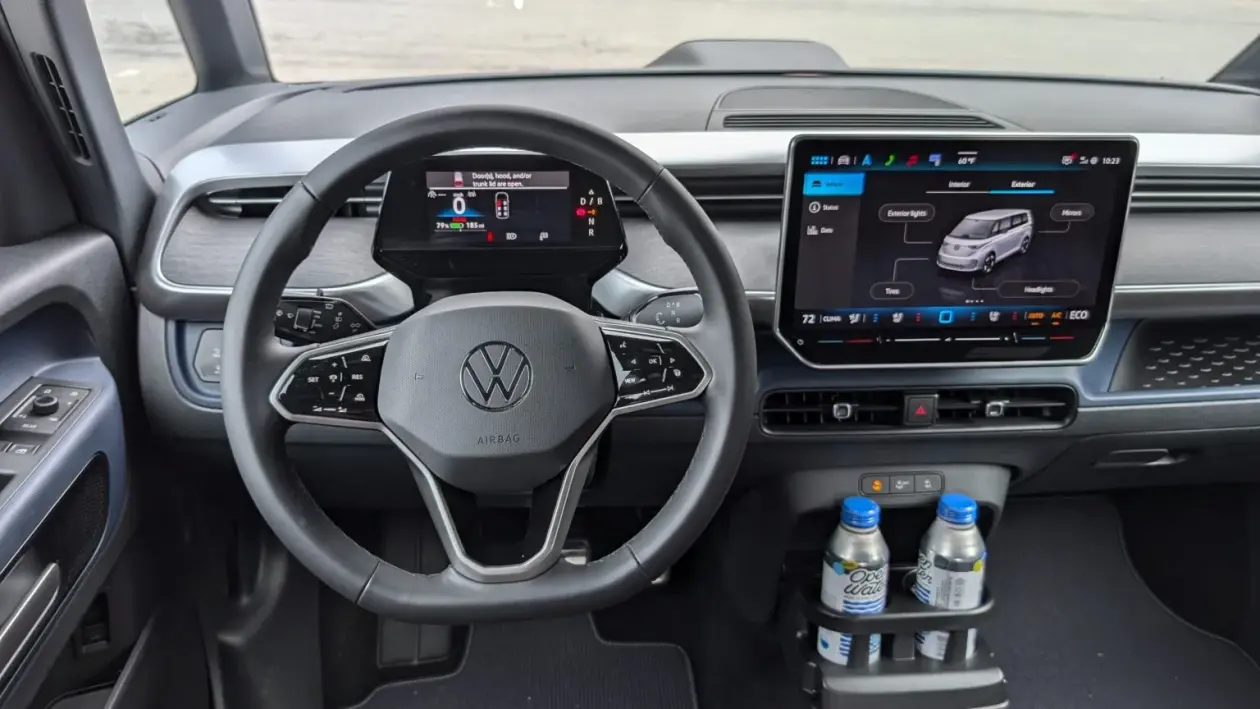
For Hong Kong users, where narrow streets, tight parking, and a fast-paced lifestyle demand cars that are easy to use, Volkswagen's return to practicality is welcome news. When the brand re-embraces physical controls, Hong Kong drivers may finally get the intuitive experience they need.
Touchscreen Anxiety: Volkswagen's Tech Detour
Over the past decade, Volkswagen's interior design took a tech-centric detour. In pursuit of minimalism and a high-tech feel, engineers replaced climate controls with touch sliders, steering wheel buttons with haptic surfaces, and buried functions deep within infotainment menus. While these designs generated initial buzz, real-world use revealed flaws—touch sliders lacked feedback for blind operation, haptic buttons were prone to accidental presses, and simple functions required navigating multiple menus.
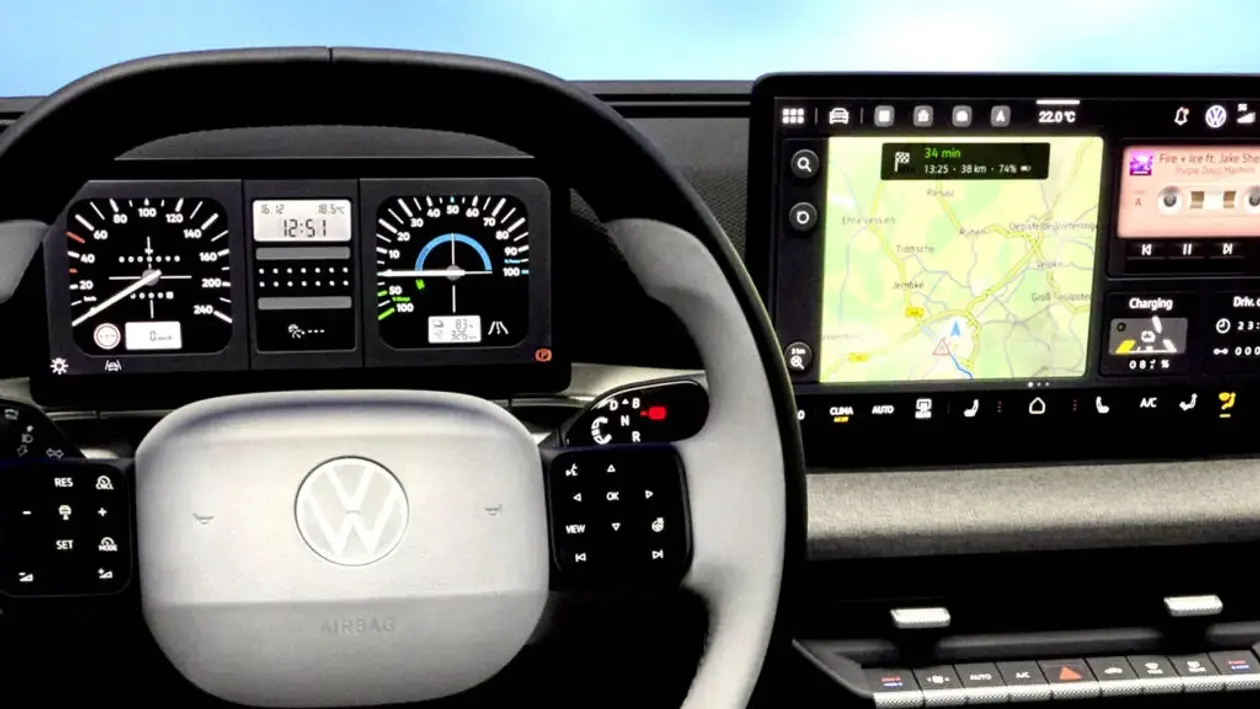
Schäfer admitted this approach built cars for "long feature lists" rather than people. He used a simple example: "A door handle must be intuitive." When your hands are full, you shouldn't need to learn a new interface. He made it clear that physical controls are no longer optional—they are essential. This shift from "engineer-centric" to "user-centric" thinking is critical. For Hong Kong drivers, the value is clear: in a fast-paced environment, they need intuitive controls that work immediately, not a learning curve that requires studying while parked.
Three Guiding Principles: Stable, Likeable, Secret Sauce
Schäfer revealed that the design team, led by Andreas Mindt, now follows three guiding principles: "stable, likeable," and what he calls the "secret sauce"—cars that feel immediately familiar and easy to understand. Volkswagen is conducting extensive "customer clinics," using cameras to track user behavior and inform design decisions with data.
This user-centered approach contrasts sharply with the past. For Hong Kong users, it means future car designs will better reflect real-world usage. Whether it's frequently used climate controls or daily window operations, everything will become more intuitive and convenient.
A Hong Kong Perspective: The Need for Intuitive Design
Volkswagen's design reset holds significant implications for Hong Kong drivers.
First, the driving environment is unique. Narrow, congested streets demand frequent vehicle adjustments. A touch control requiring a glance away from the road can mean missing a turn or an obstacle. The "blind operation" advantage of physical buttons is crucial in Hong Kong's fast-paced traffic.
Second, parking scenarios are challenging. Hong Kong's parking lots are often tight, dimly lit, and have sharp turns. Drivers need to focus on maneuvering, not navigating digital menus. Intuitive physical buttons make parking more manageable.
Third, the user base is diverse. Hong Kong drivers range from newly licensed youth to experienced seniors. While younger users are familiar with touchscreens, driving safety is paramount for all. Physical buttons offer universal accessibility that caters to a broader audience.
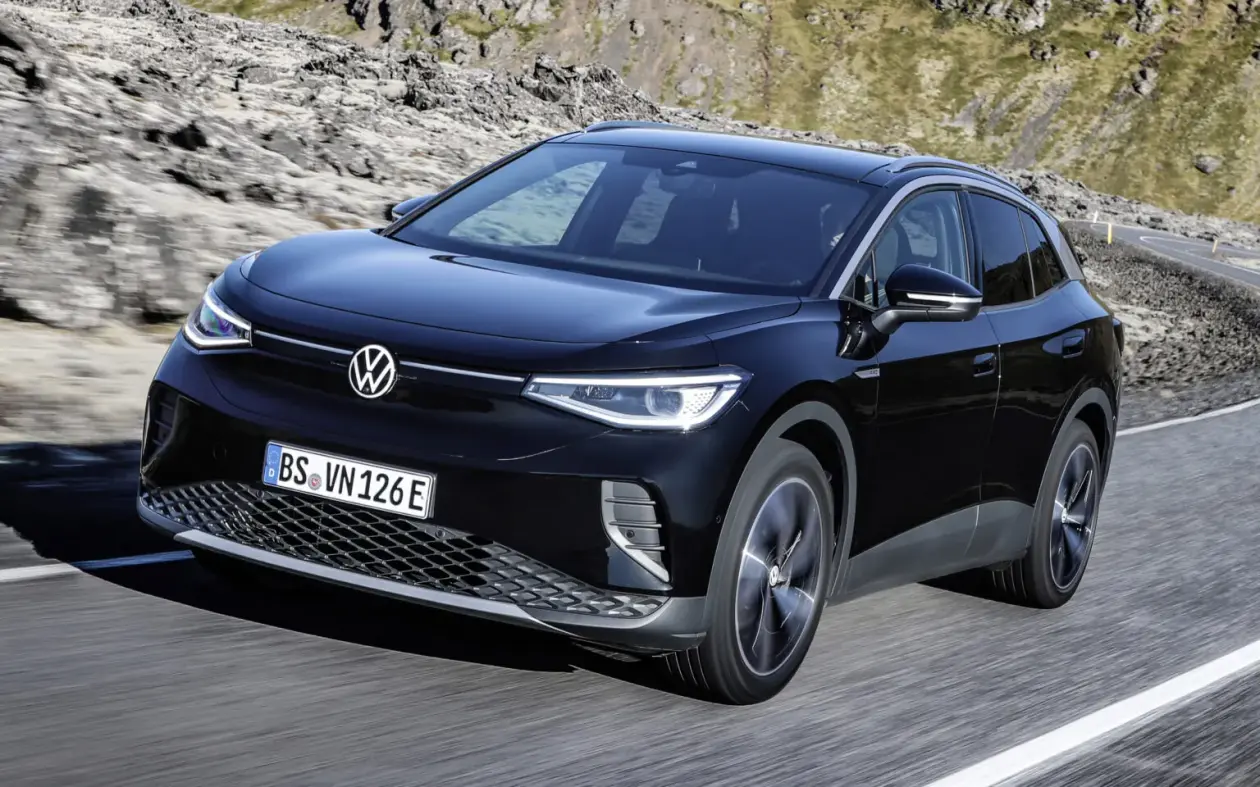
Fourth, brand image matters. Volkswagen has a strong foundation in Hong Kong, with models like the Golf, Passat, Tiguan, and ID. series. A design reset that re-emphasizes practicality and usability could strengthen its position in the local market.
Personal Opinion: Good Design Makes Users Forget the Design
The most striking impression from Volkswagen's reset is that "good design makes users forget the design exists."
In recent years, the auto industry engaged in a "tech arms race"—larger screens, fewer buttons, and more features. However, this technology-first approach sometimes overlooked the fundamentals: safety, intuitiveness, and reliability. Volkswagen's reflection marks a return to these core values.
For Hong Kong users, this "back-to-basics" revolution is promising. When a car's door handles, climate buttons, and steering wheel controls are intuitive, when drivers no longer need to hunt through menus, and when every operation feels natural—that is the essence of true driving pleasure.
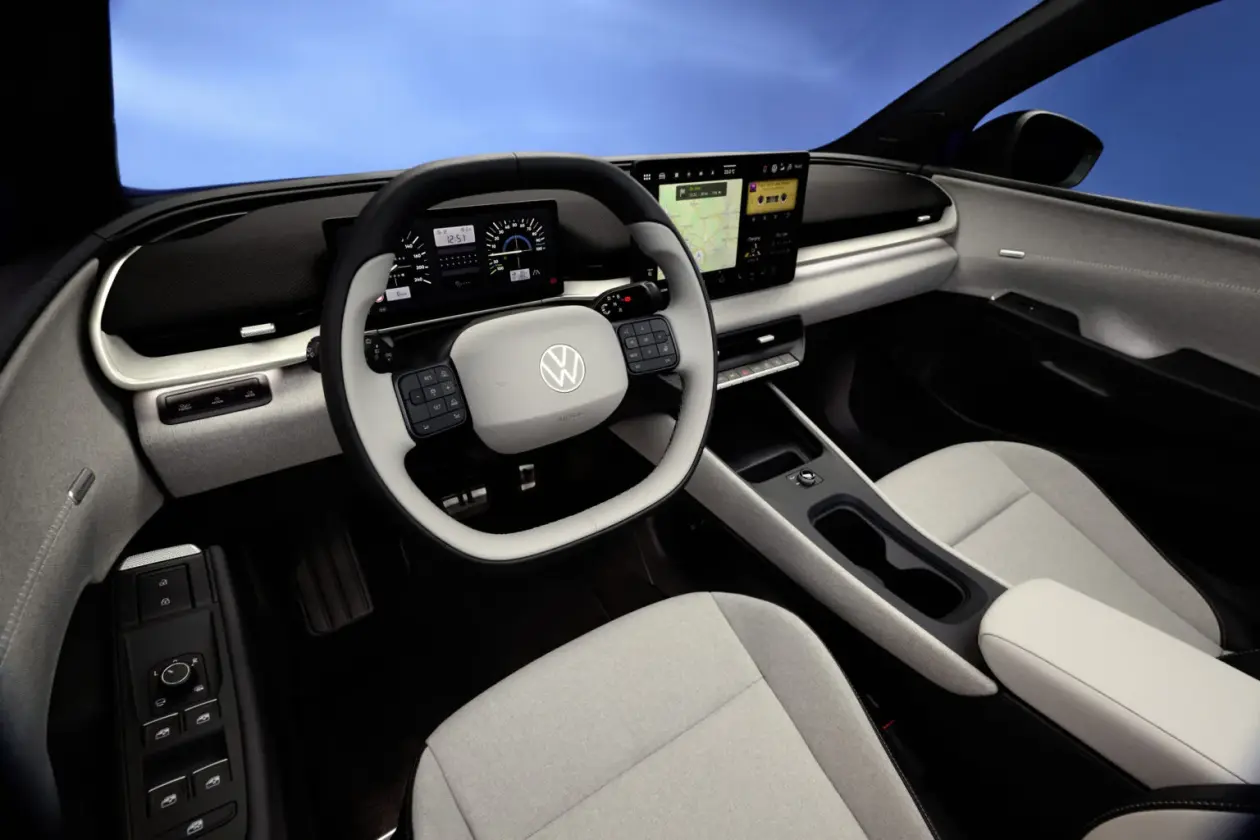
Schäfer's statement is not just an apology for the past but a commitment to the future. As Volkswagen re-embraces physical controls, uses data from "customer clinics," and designs for stability, likeability, and "secret sauce," it is demonstrating that good design doesn't require users to adapt—it seamlessly integrates into their lives.
For Hong Kong buyers considering their next vehicle, Volkswagen's design revolution is a development worth watching. When "touchscreen anxiety" becomes a thing of the past and "intuitive usability" becomes the new standard, Hong Kong drivers may soon experience the joy of a car designed to be effortlessly helpful. This reset is a reminder that the best technology is often the one that you don't have to think about. The focus is shifting back to the driver, and for Hong Kong's demanding urban environment, that's a welcome shift. This is a pivotal moment for Volkswagen, and its success will be a test case for the broader industry. For Hong Kong, it signals that future cars might finally prioritize ease of use over a long list of features. That's a future worth waiting for.

香港汽車內容平台 🚗 新車・買車・玩車・用車 用香港視角,睇世界嘅車
+ Follow 【新車速報】兩座車又殺返嚟?smart精靈#2今次有啲料喎
鍾意細車嘅香港車迷留意!全新 smart 精靈#2 配置公布,採用 ECA 電動緊湊型架構,搭載 35.8kWh 磷酸鐵鋰電池,CLTC 續航 410km,30%-80% 快充最快15分鐘。
車長約 2.75米、轉彎半徑僅3.35米,仲有前麥弗遜+後五連桿獨立懸架;安全配備最多7個氣袋及 ACC、盲區監測等功能。
0-50km/h 3.8秒,10月12日巴黎車展全球首發!
兩座純電+細車身,放落香港街道會唔會幾對味?
#smart #smart精靈2 #純電車 #BitAutoHongKong 1小时前
【新車速報】兩座車又殺返嚟?smart精靈#2今次有啲料喎
鍾意細車嘅香港車迷留意!全新 smart 精靈#2 配置公布,採用 ECA 電動緊湊型架構,搭載 35.8kWh 磷酸鐵鋰電池,CLTC 續航 410km,30%-80% 快充最快15分鐘。
車長約 2.75米、轉彎半徑僅3.35米,仲有前麥弗遜+後五連桿獨立懸架;安全配備最多7個氣袋及 ACC、盲區監測等功能。
0-50km/h 3.8秒,10月12日巴黎車展全球首發!
兩座純電+細車身,放落香港街道會唔會幾對味?
#smart #smart精靈2 #純電車 #BitAutoHongKong 1小时前  【揀車有路數】日產新車賣比亞迪價?仲有激光雷達
今集試一台好特別嘅日產新車——NX8,中國特供增程SUV。外觀似熟悉嘅日產味,但內籠同科技配備竟然唔晒傳統日產套路,駕乘感受又有幾多轉變?到底仲係咪你認識嗰部日產?一齊試畀你睇。
#日產 #NX8 #增程 #BitAutoHongKong #揀車有路數 1天前
【揀車有路數】日產新車賣比亞迪價?仲有激光雷達
今集試一台好特別嘅日產新車——NX8,中國特供增程SUV。外觀似熟悉嘅日產味,但內籠同科技配備竟然唔晒傳統日產套路,駕乘感受又有幾多轉變?到底仲係咪你認識嗰部日產?一齊試畀你睇。
#日產 #NX8 #增程 #BitAutoHongKong #揀車有路數 1天前  【新車速報】T-Top 回歸?Nissan Z Kaze 概念車現身!
90年代 JDM 味返晒嚟?Nissan 最近喺美國 ZCON 公開 Z Kaze 概念車,以現款 Nissan Z 為基礎,換上全新 T-Top 可拆式車頂,向經典 300ZX 等 Z 系列致敬。
配合碳纖維空力套件、NISMO LMGT2 18吋輪圈,以及 GReddy 排氣、進氣同 intercooler 升級,成部車都充滿 JDM 改裝味。
「Kaze」即係日文「風」,而呢部車係 one-off 概念作品,並非量產車。10月3日仲會現身加州長灘 Japanese Classic Car Show。
如果 T-Top Z 真係量產,你會唔會心動?
#NissanZ #ZKaze #TTop #JDM #BitAutoHongKong 1天前
【新車速報】T-Top 回歸?Nissan Z Kaze 概念車現身!
90年代 JDM 味返晒嚟?Nissan 最近喺美國 ZCON 公開 Z Kaze 概念車,以現款 Nissan Z 為基礎,換上全新 T-Top 可拆式車頂,向經典 300ZX 等 Z 系列致敬。
配合碳纖維空力套件、NISMO LMGT2 18吋輪圈,以及 GReddy 排氣、進氣同 intercooler 升級,成部車都充滿 JDM 改裝味。
「Kaze」即係日文「風」,而呢部車係 one-off 概念作品,並非量產車。10月3日仲會現身加州長灘 Japanese Classic Car Show。
如果 T-Top Z 真係量產,你會唔會心動?
#NissanZ #ZKaze #TTop #JDM #BitAutoHongKong 1天前 Get the latest car news first!
【新車速報】兩座車又殺返嚟?smart精靈#2今次有啲料喎
鍾意細車嘅香港車迷留意!全新 smart 精靈#2 配置公布,採用 ECA 電動緊湊型架構,搭載 35.8kWh 磷酸鐵鋰電池,CLTC 續航 410km,30%-80% 快充最快15分鐘。
車長約 2.75米、轉彎半徑僅3.35米,仲有前麥弗遜+後五連桿獨立懸架;安全配備最多7個氣袋及 ACC、盲區監測等功能。
0-50km/h 3.8秒,10月12日巴黎車展全球首發!
兩座純電+細車身,放落香港街道會唔會幾對味?
#smart #smart精靈2 #純電車 #BitAutoHongKong 1小时前 【揀車有路數】日產新車賣比亞迪價?仲有激光雷達
今集試一台好特別嘅日產新車——NX8,中國特供增程SUV。外觀似熟悉嘅日產味,但內籠同科技配備竟然唔晒傳統日產套路,駕乘感受又有幾多轉變?到底仲係咪你認識嗰部日產?一齊試畀你睇。
#日產 #NX8 #增程 #BitAutoHongKong #揀車有路數 1天前 【新車速報】T-Top 回歸?Nissan Z Kaze 概念車現身!
90年代 JDM 味返晒嚟?Nissan 最近喺美國 ZCON 公開 Z Kaze 概念車,以現款 Nissan Z 為基礎,換上全新 T-Top 可拆式車頂,向經典 300ZX 等 Z 系列致敬。
配合碳纖維空力套件、NISMO LMGT2 18吋輪圈,以及 GReddy 排氣、進氣同 intercooler 升級,成部車都充滿 JDM 改裝味。
「Kaze」即係日文「風」,而呢部車係 one-off 概念作品,並非量產車。10月3日仲會現身加州長灘 Japanese Classic Car Show。
如果 T-Top Z 真係量產,你會唔會心動?
#NissanZ #ZKaze #TTop #JDM #BitAutoHongKong 1天前  BAWToyotaBYDZeekrGACDongfengXPengMGMaxusLeapmotorDenzaIMiCAURDeepalWulingOraJuneyao AutoKYCSkyworthAvatrFotonFordGeelyHongqiJAECOOKGMOMODADFSKTeslaHondaBMWMercedes-BenzsmartMINIPorscheNissanLexusSuzukiVolvoSubaruMazdaKiaHyundaiLand RoverRolls-RoyceFerrariAudiLamborghiniRiddaraSeresFarizonfireflyLingboxKaiyiVoyahHIMAM-HeroIsuzuBentleyPolestarMcLarenMitsubishiMaseratiPeugeotAston MartinAcuraJeepJaguarLotusVolkswagenEpiclandJACLepasLi
 © 2024 Bitauto.com. All Rights Reserved.
Bitauto (www.yiche.com and www.bitauto.com) is one of the most visited automotive websites in China. We provide detailed info on Chinese car brands available in your area. Please note that the information provided on this website is based on publicly available data and is for reference only. It may not be fully updated or accurate at all times.
Help us improve our website


