
Search History
Popular Searches
English
Dealer Login / Sign Up
SAIC-GM is facing a critical race against time. At a dealer meeting in early March, SAIC-GM President Lu Xiao unveiled a three-year strategic plan focused on new Buick and Cadillac EVs, advanced in-car technology, and increased exports. However, this ambitious plan is set against a stark reality: sales have plummeted from a peak of 2 million vehicles in 2017 to just 562,000 in 2025 – a 75% drop. Adding to the pressure, the joint venture agreement between SAIC and GM is set to expire in June 2027, with no clear sign of renewal yet.
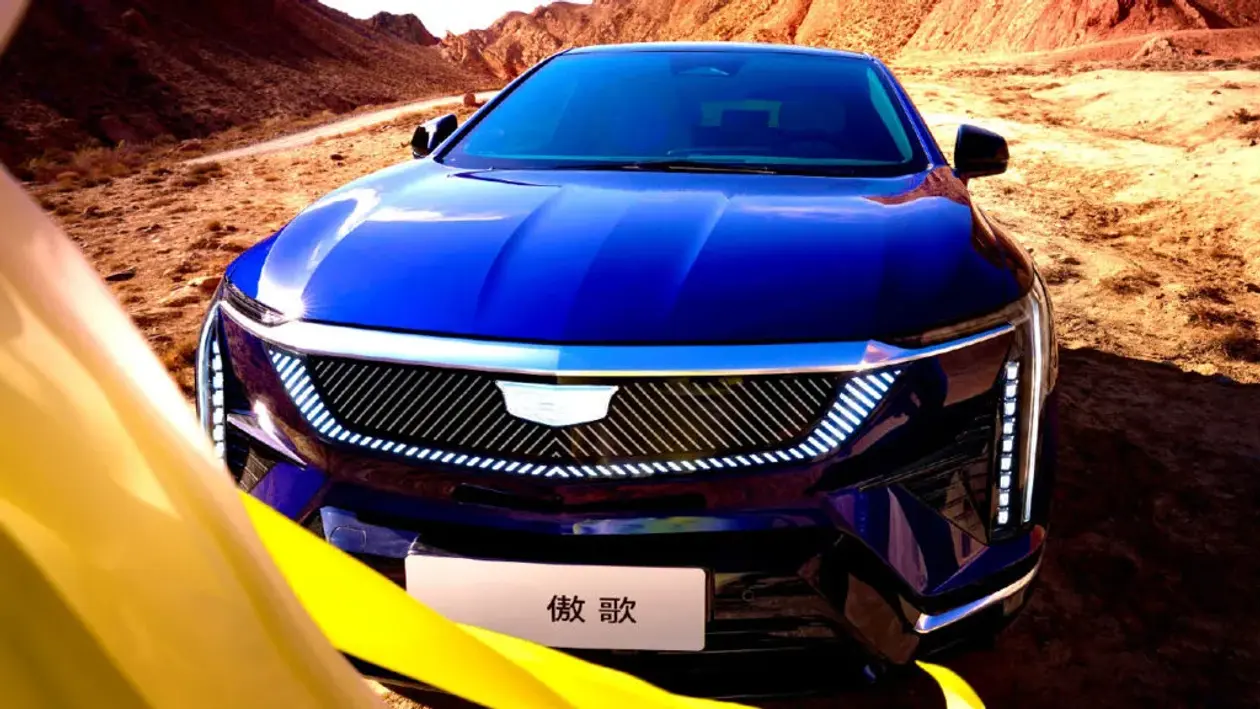
For Hong Kong users, this transformation at GM is more than just industry news. The Buick GL8 was once a popular choice for Hong Kong drivers with cross-border license plates, and Cadillac held a notable position in the local luxury market. As this century-old automaker struggles in China, its ability to revitalize itself in the electric era will directly impact the options available to Hong Kong consumers.
A 75% Plunge: The Warning Sign from 2 Million to 560,000 Vehicles
SAIC-GM's predicament reflects the broader struggle of joint venture brands in China. In 2017, at the peak of the Chinese auto market, SAIC-GM was a leader with 2 million annual sales. By 2025, that number had crashed to 562,000. In contrast, Volkswagen's joint venture with SAIC extended its contract six years early, highlighting SAIC-GM's precarious position.
This sales collapse stems from declining product competitiveness. As Chinese consumers increasingly prioritize intelligent technology, the infotainment systems and driver-assistance features in joint venture vehicles have lagged behind domestic competitors. Buick, Chevrolet, and Cadillac have been slow to update their products and transition to electrification, allowing brands like BYD, Tesla, Nio, and Li Auto to rapidly gain market share.
GM booked $2.7 billion in restructuring costs in 2025 to streamline operations and revitalize its brands. While SAIC-GM returned to profitability in 2025, this achievement pales compared to its peak performance.
The Three-Year Plan: Buick and Cadillac's Electrification Offensive
The core of Lu Xiao's plan is an electrification push centered on Buick and Cadillac. Over the next few years, SAIC-GM will invest over RMB 10 billion (approx. $1.4 billion) in refreshing existing Buick models and developing a new generation of products.
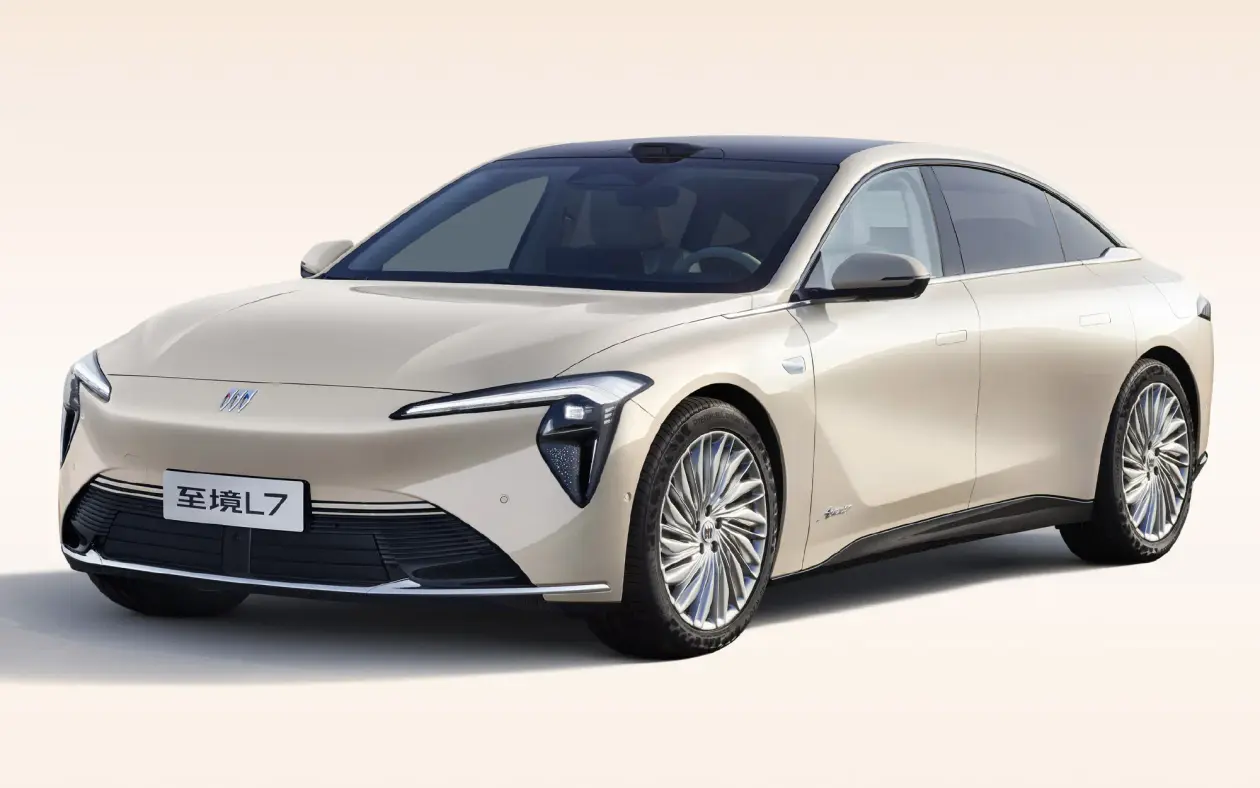
Buick's strength in the MPV market, led by the GL8, remains a key asset. The GL8's PHEV version has already solidified its market position. This year, Buick will launch the new Electra L7 crossover on the "Xiaoyao" platform, available as a pure electric or range-extender EV. A pure electric version of the GL8 MPV will also arrive soon, with a plug-in hybrid version featuring faster charging and a larger engine following later.
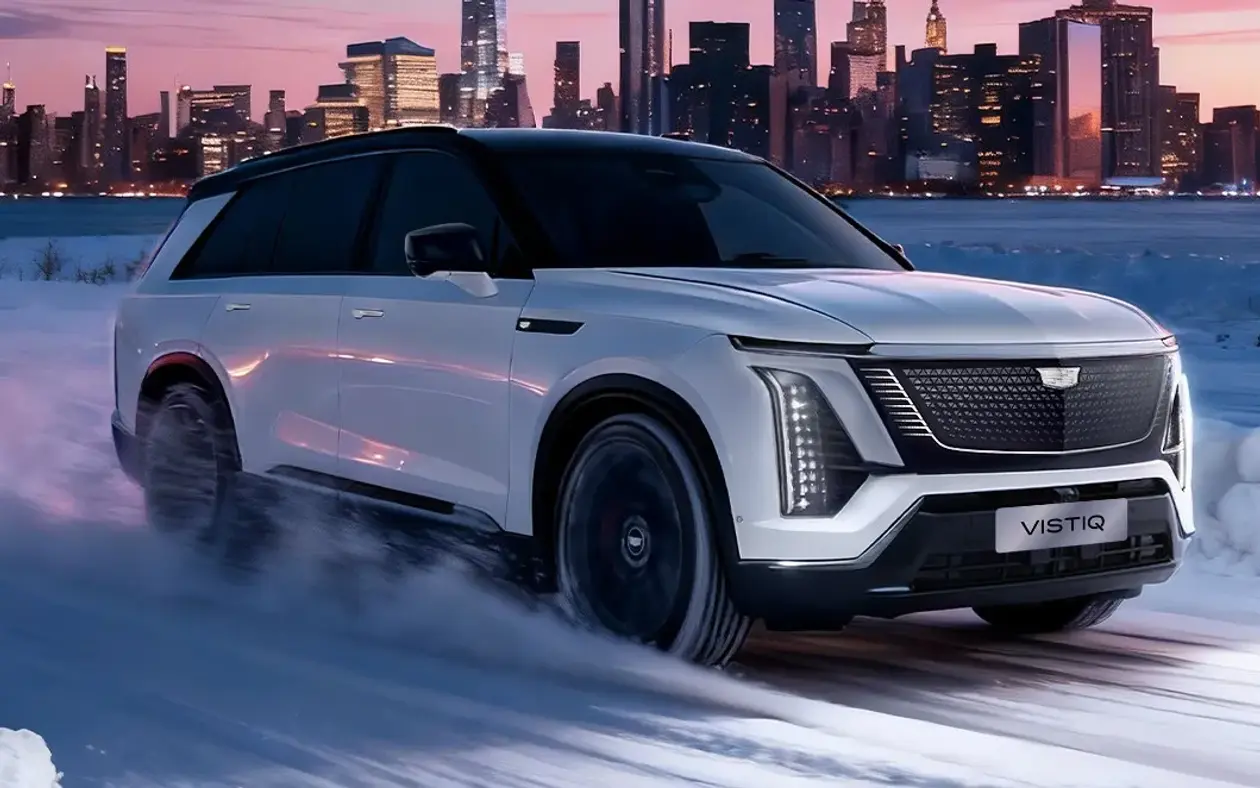
Cadillac is accelerating its EV rollout. The all-new Vistiq SUV, featuring LiDAR and an advanced driver-assistance system co-developed with Momenta, will debut in late April. Traditional ICE models like the Buick LaCrosse, Envision, and Cadillac XT5 will also begin their electrification journeys. This marks SAIC-GM's transition from transitional "oil-to-electric" conversions to a genuine dedicated EV platform era.
Tech Upgrade: The Counterattack from Lagging to Leading
A key reason for SAIC-GM's decline was lagging intelligent technology. The three-year plan aims to mount a counteroffensive. Next-generation battery systems will support 1,000V fast charging, ranges up to 1,000 km, and power outputs up to 850 kW. Advanced features like active suspension, steer-by-wire, and rear-wheel steering will be integrated and controlled by SAIC-GM's proprietary software.
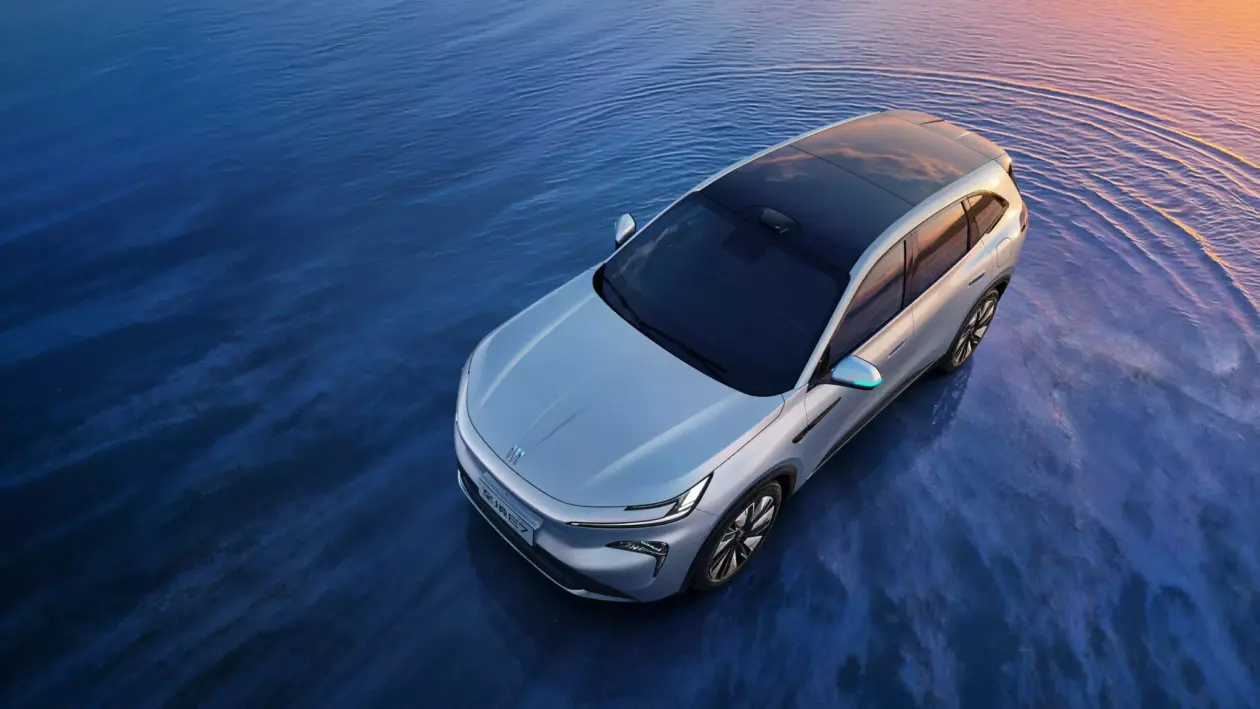
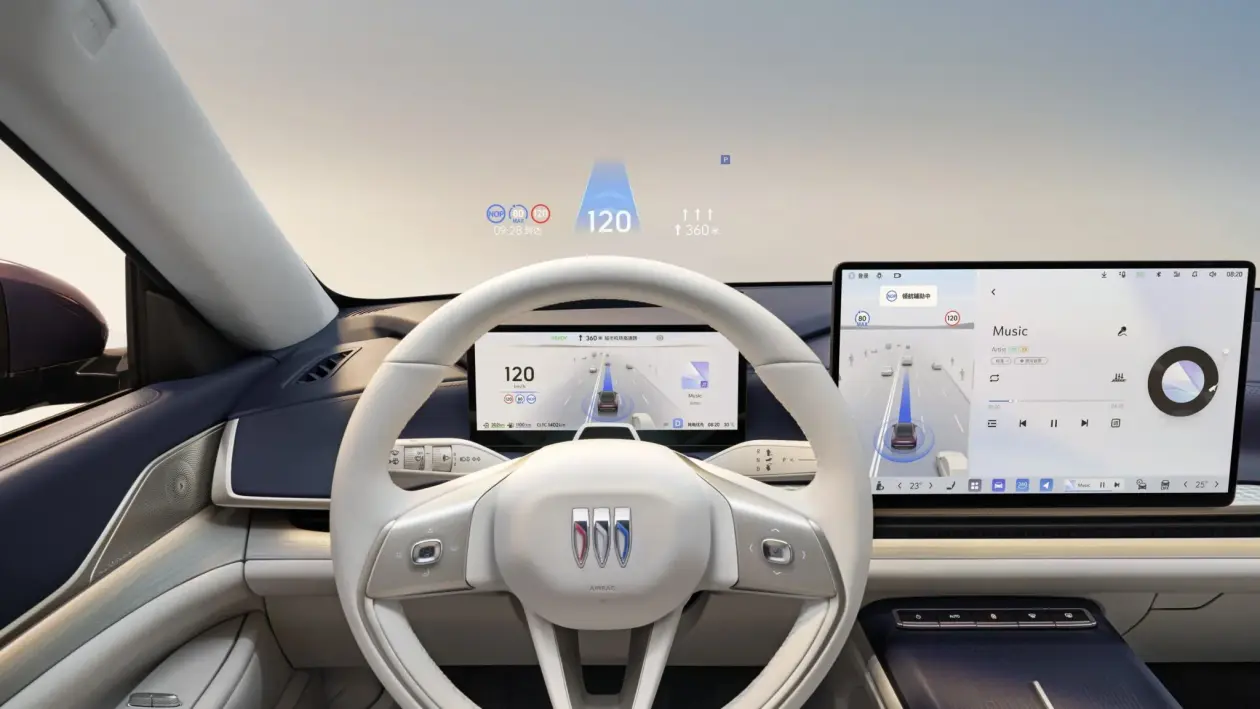
Cabin technology is also a focus. All Buick Electra models and the Cadillac XT5 will adopt new smart cockpit systems this year, enhancing smartphone connectivity and digital interfaces. Future upgrades will incorporate technology from ByteDance (TikTok's parent) to refine the user experience. On the driver-assistance front, Level 2 systems will roll out this year, with Level 3 capabilities planned for 2027.
The Export Dilemma and Hope
Exports represent another potential avenue for growth. SAIC-GM has exported vehicles overseas, including to the US and Mexico, since 2001. However, new tariffs have severely impacted this business. Exports plunged 40% in 2025 to around 50,500 vehicles, largely due to higher US duties and increased Mexican tariffs on Chinese-built vehicles.
Despite these challenges, exports remain a key part of the strategy, leveraging China's supply chain advantages. The uncertainty of trade barriers, however, casts a shadow over this path.
A Hong Kong Perspective: The Glory and Challenge of the Buick GL8
For Hong Kong users, the Buick GL8 is a familiar name. Before the "Northbound Travel for Hong Kong Vehicles" scheme gained popularity, the GL8 was a top choice for cross-border commuters, prized for its spaciousness and comfort. Cadillac also held a position in Hong Kong's luxury market.
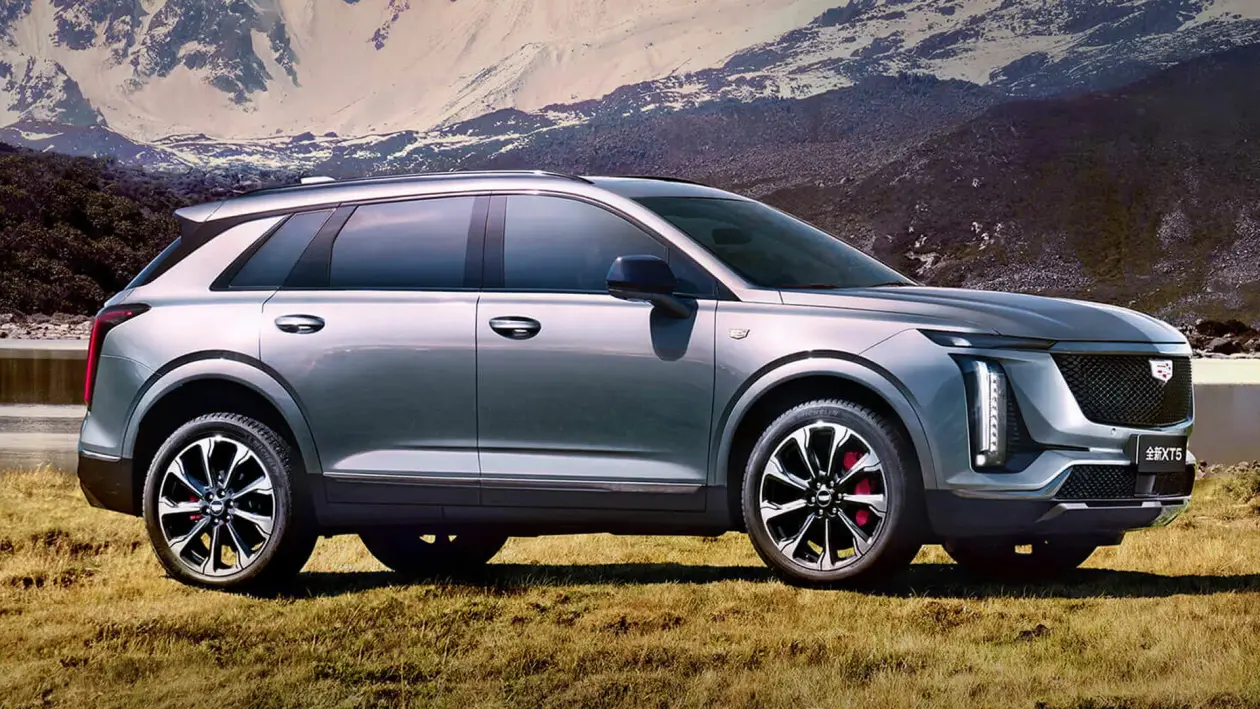
However, Hong Kong's preferences are shifting with the global electrification wave. In 2025, EV penetration exceeded 70%, with BYD leading sales. Whether the GL8's PHEV and BEV versions can replicate the success of its gasoline predecessors, and whether Cadillac's new EVs can win over Hong Kong buyers, remains to be seen.
Crucially, SAIC-GM would need to establish a strong sales and service network in Hong Kong. The market is demanding, but a focused effort with compelling products could capture a share of the local premium EV segment.
Personal Opinion: The Joint Venture's "Race Against Time"
The situation at SAIC-GM encapsulates the "race against time" facing joint ventures in China. Just eight years ago, they dominated the market. Now, domestic brands, leveraging their lead in electrification and intelligence, have surged ahead. SAIC-GM's 75% sales decline is a stark warning for the entire joint venture sector.
The three-year plan is a high-stakes gamble. Success could make it a model for joint venture transformation; failure could signal the end of an era. For Hong Kong consumers, this transformation means more choices. When electrified Buicks and Cadillacs eventually appear on Hong Kong streets, and when Level 3 assistance is no longer exclusive to new entrants, the market landscape will shift again.
By 2027, when the SAIC-GM contract expires, we will know whether this joint venture can complete its journey from combustion-era success to electrified relevance. Hong Kong users may soon see the results of this pivotal transformation firsthand.

香港汽車內容平台 🚗 新車・買車・玩車・用車 用香港視角,睇世界嘅車
+ Follow 【新車速報】兩座車又殺返嚟?smart精靈#2今次有啲料喎
鍾意細車嘅香港車迷留意!全新 smart 精靈#2 配置公布,採用 ECA 電動緊湊型架構,搭載 35.8kWh 磷酸鐵鋰電池,CLTC 續航 410km,30%-80% 快充最快15分鐘。
車長約 2.75米、轉彎半徑僅3.35米,仲有前麥弗遜+後五連桿獨立懸架;安全配備最多7個氣袋及 ACC、盲區監測等功能。
0-50km/h 3.8秒,10月12日巴黎車展全球首發!
兩座純電+細車身,放落香港街道會唔會幾對味?
#smart #smart精靈2 #純電車 #BitAutoHongKong 1小时前
【新車速報】兩座車又殺返嚟?smart精靈#2今次有啲料喎
鍾意細車嘅香港車迷留意!全新 smart 精靈#2 配置公布,採用 ECA 電動緊湊型架構,搭載 35.8kWh 磷酸鐵鋰電池,CLTC 續航 410km,30%-80% 快充最快15分鐘。
車長約 2.75米、轉彎半徑僅3.35米,仲有前麥弗遜+後五連桿獨立懸架;安全配備最多7個氣袋及 ACC、盲區監測等功能。
0-50km/h 3.8秒,10月12日巴黎車展全球首發!
兩座純電+細車身,放落香港街道會唔會幾對味?
#smart #smart精靈2 #純電車 #BitAutoHongKong 1小时前  【揀車有路數】日產新車賣比亞迪價?仲有激光雷達
今集試一台好特別嘅日產新車——NX8,中國特供增程SUV。外觀似熟悉嘅日產味,但內籠同科技配備竟然唔晒傳統日產套路,駕乘感受又有幾多轉變?到底仲係咪你認識嗰部日產?一齊試畀你睇。
#日產 #NX8 #增程 #BitAutoHongKong #揀車有路數 1天前
【揀車有路數】日產新車賣比亞迪價?仲有激光雷達
今集試一台好特別嘅日產新車——NX8,中國特供增程SUV。外觀似熟悉嘅日產味,但內籠同科技配備竟然唔晒傳統日產套路,駕乘感受又有幾多轉變?到底仲係咪你認識嗰部日產?一齊試畀你睇。
#日產 #NX8 #增程 #BitAutoHongKong #揀車有路數 1天前  【新車速報】T-Top 回歸?Nissan Z Kaze 概念車現身!
90年代 JDM 味返晒嚟?Nissan 最近喺美國 ZCON 公開 Z Kaze 概念車,以現款 Nissan Z 為基礎,換上全新 T-Top 可拆式車頂,向經典 300ZX 等 Z 系列致敬。
配合碳纖維空力套件、NISMO LMGT2 18吋輪圈,以及 GReddy 排氣、進氣同 intercooler 升級,成部車都充滿 JDM 改裝味。
「Kaze」即係日文「風」,而呢部車係 one-off 概念作品,並非量產車。10月3日仲會現身加州長灘 Japanese Classic Car Show。
如果 T-Top Z 真係量產,你會唔會心動?
#NissanZ #ZKaze #TTop #JDM #BitAutoHongKong 1天前
【新車速報】T-Top 回歸?Nissan Z Kaze 概念車現身!
90年代 JDM 味返晒嚟?Nissan 最近喺美國 ZCON 公開 Z Kaze 概念車,以現款 Nissan Z 為基礎,換上全新 T-Top 可拆式車頂,向經典 300ZX 等 Z 系列致敬。
配合碳纖維空力套件、NISMO LMGT2 18吋輪圈,以及 GReddy 排氣、進氣同 intercooler 升級,成部車都充滿 JDM 改裝味。
「Kaze」即係日文「風」,而呢部車係 one-off 概念作品,並非量產車。10月3日仲會現身加州長灘 Japanese Classic Car Show。
如果 T-Top Z 真係量產,你會唔會心動?
#NissanZ #ZKaze #TTop #JDM #BitAutoHongKong 1天前 Get the latest car news first!
【新車速報】兩座車又殺返嚟?smart精靈#2今次有啲料喎
鍾意細車嘅香港車迷留意!全新 smart 精靈#2 配置公布,採用 ECA 電動緊湊型架構,搭載 35.8kWh 磷酸鐵鋰電池,CLTC 續航 410km,30%-80% 快充最快15分鐘。
車長約 2.75米、轉彎半徑僅3.35米,仲有前麥弗遜+後五連桿獨立懸架;安全配備最多7個氣袋及 ACC、盲區監測等功能。
0-50km/h 3.8秒,10月12日巴黎車展全球首發!
兩座純電+細車身,放落香港街道會唔會幾對味?
#smart #smart精靈2 #純電車 #BitAutoHongKong 1小时前 【揀車有路數】日產新車賣比亞迪價?仲有激光雷達
今集試一台好特別嘅日產新車——NX8,中國特供增程SUV。外觀似熟悉嘅日產味,但內籠同科技配備竟然唔晒傳統日產套路,駕乘感受又有幾多轉變?到底仲係咪你認識嗰部日產?一齊試畀你睇。
#日產 #NX8 #增程 #BitAutoHongKong #揀車有路數 1天前 【新車速報】T-Top 回歸?Nissan Z Kaze 概念車現身!
90年代 JDM 味返晒嚟?Nissan 最近喺美國 ZCON 公開 Z Kaze 概念車,以現款 Nissan Z 為基礎,換上全新 T-Top 可拆式車頂,向經典 300ZX 等 Z 系列致敬。
配合碳纖維空力套件、NISMO LMGT2 18吋輪圈,以及 GReddy 排氣、進氣同 intercooler 升級,成部車都充滿 JDM 改裝味。
「Kaze」即係日文「風」,而呢部車係 one-off 概念作品,並非量產車。10月3日仲會現身加州長灘 Japanese Classic Car Show。
如果 T-Top Z 真係量產,你會唔會心動?
#NissanZ #ZKaze #TTop #JDM #BitAutoHongKong 1天前  BAWToyotaBYDZeekrGACDongfengXPengMGMaxusLeapmotorDenzaIMiCAURDeepalWulingOraJuneyao AutoKYCSkyworthAvatrFotonFordGeelyHongqiJAECOOKGMOMODADFSKTeslaHondaBMWMercedes-BenzsmartMINIPorscheNissanLexusSuzukiVolvoSubaruMazdaKiaHyundaiLand RoverRolls-RoyceFerrariAudiLamborghiniRiddaraSeresFarizonfireflyLingboxKaiyiVoyahHIMAM-HeroIsuzuBentleyPolestarMcLarenMitsubishiMaseratiPeugeotAston MartinAcuraJeepJaguarLotusVolkswagenEpiclandJACLepasLi
 © 2024 Bitauto.com. All Rights Reserved.
Bitauto (www.yiche.com and www.bitauto.com) is one of the most visited automotive websites in China. We provide detailed info on Chinese car brands available in your area. Please note that the information provided on this website is based on publicly available data and is for reference only. It may not be fully updated or accurate at all times.
Help us improve our website


