
Search History
Popular Searches
English
Dealer Login / Sign Up
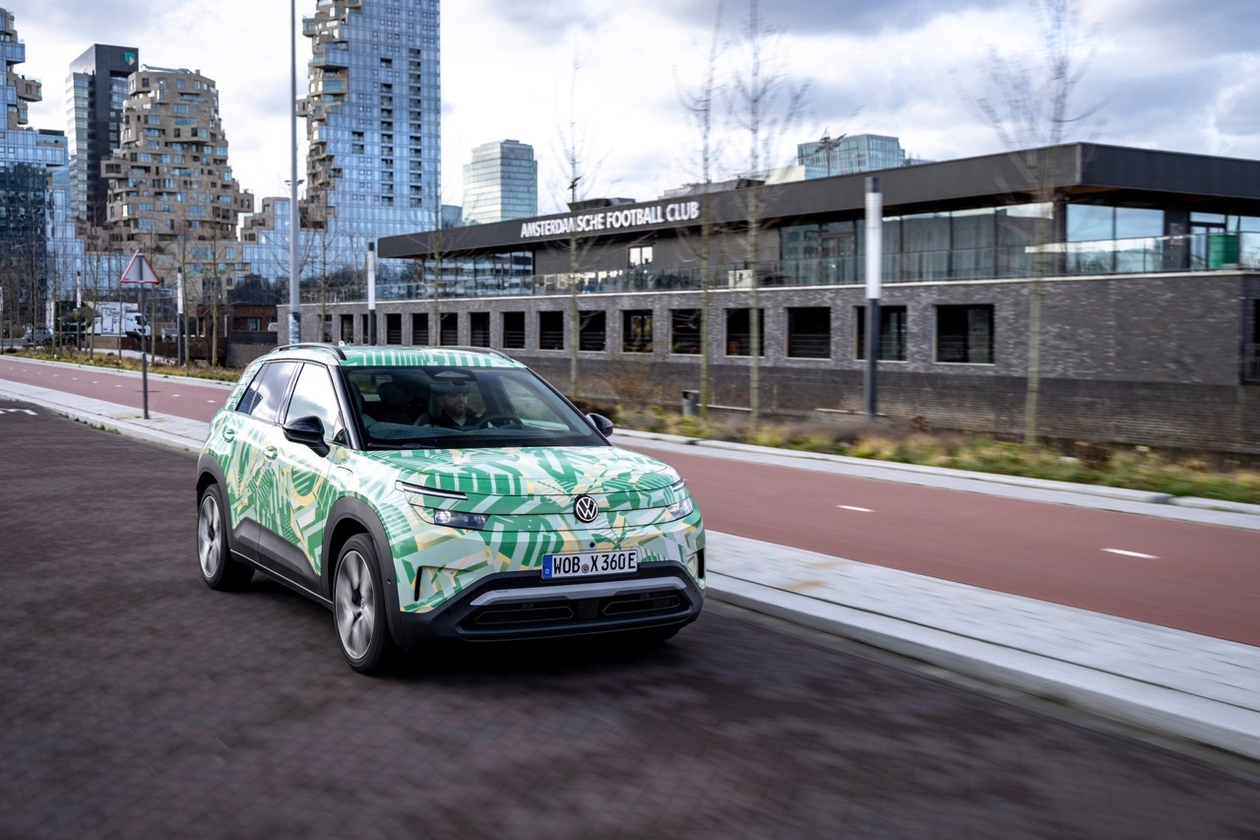
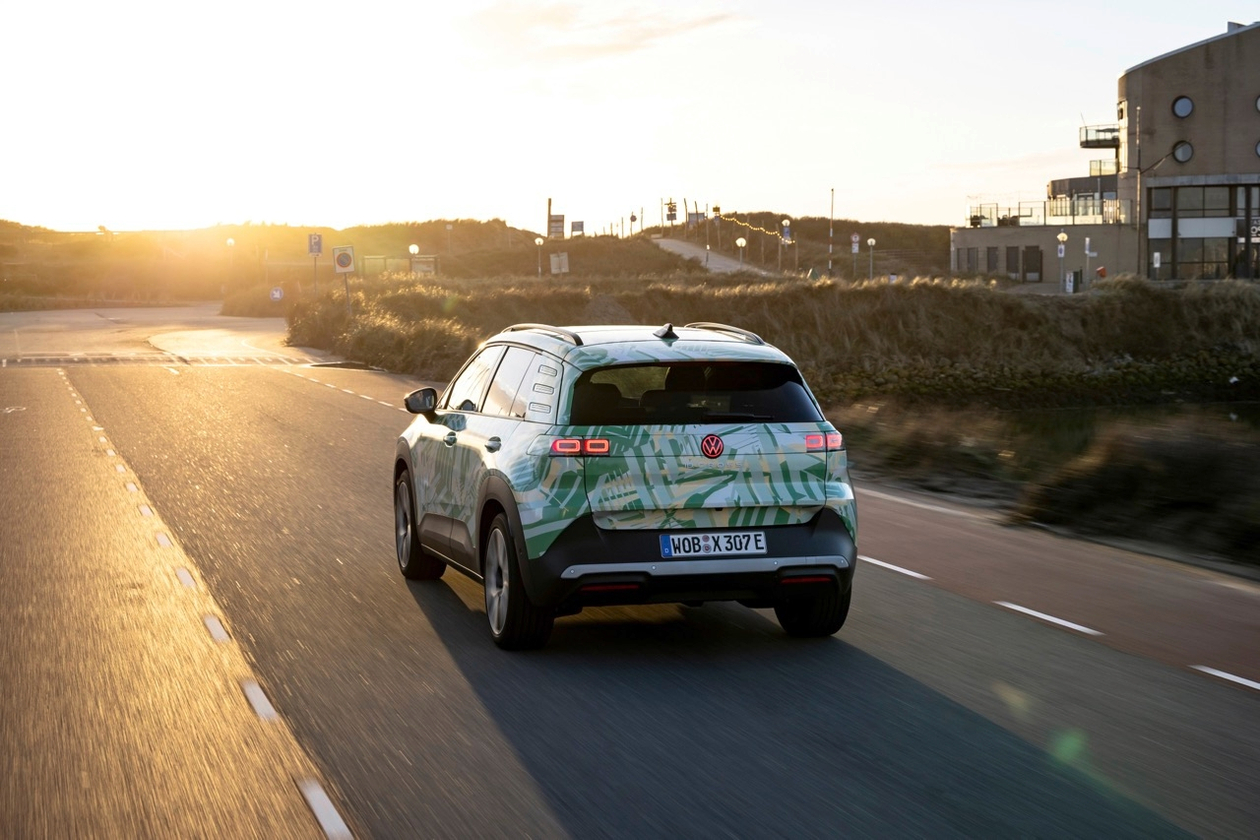
A new electric compact SUV from Volkswagen, the ID. Cross, has been spotted undergoing testing in Amsterdam. Scheduled for a European market launch in autumn 2026, its most striking detail is the entry-level price of approximately EUR 28,000 (around HKD 240,000). As the EV market intensifies, Volkswagen aims to reclaim leadership in the compact segment with this "accessible" offering. For Hong Kong users, this raises a key question: with German engineering, a compelling price, and compact dimensions, could the ID. Cross become the ideal answer for Hong Kong families looking to switch to electric?
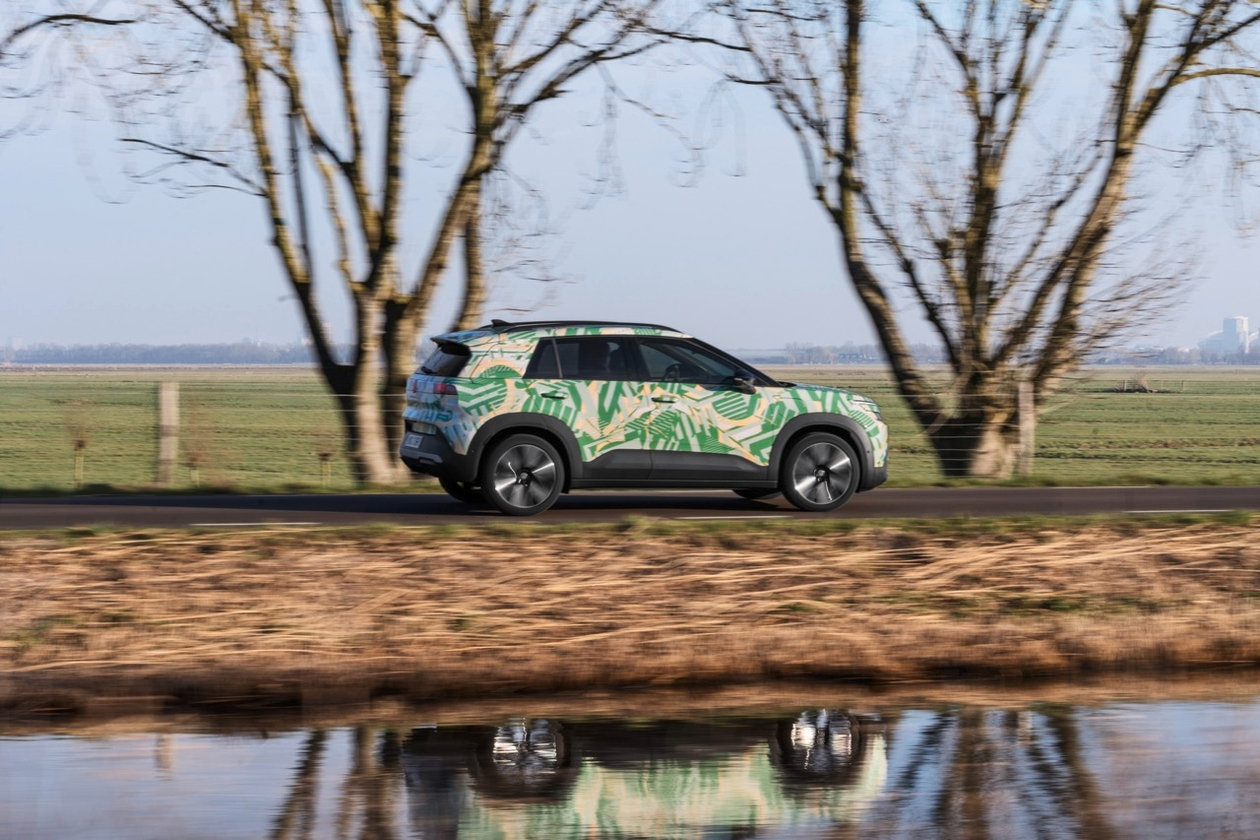
Design Language: Understated German Confidence
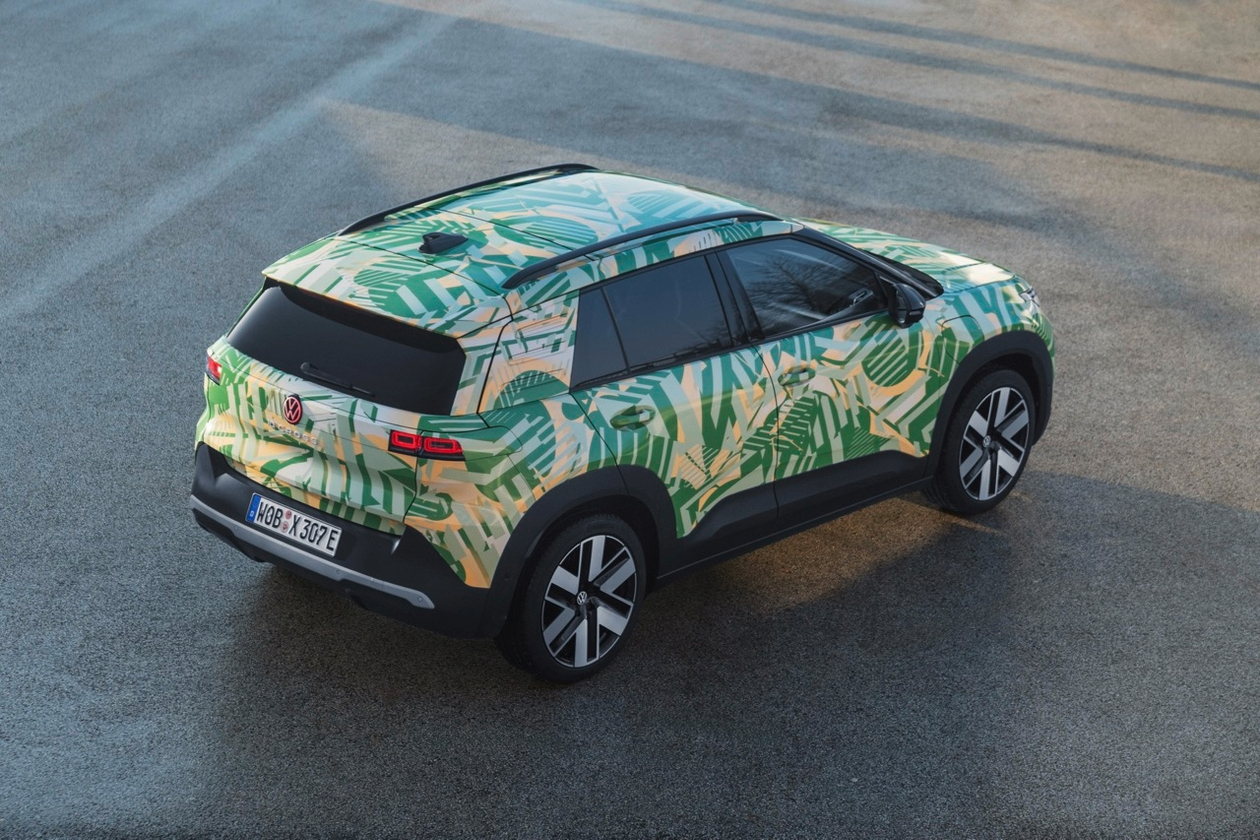
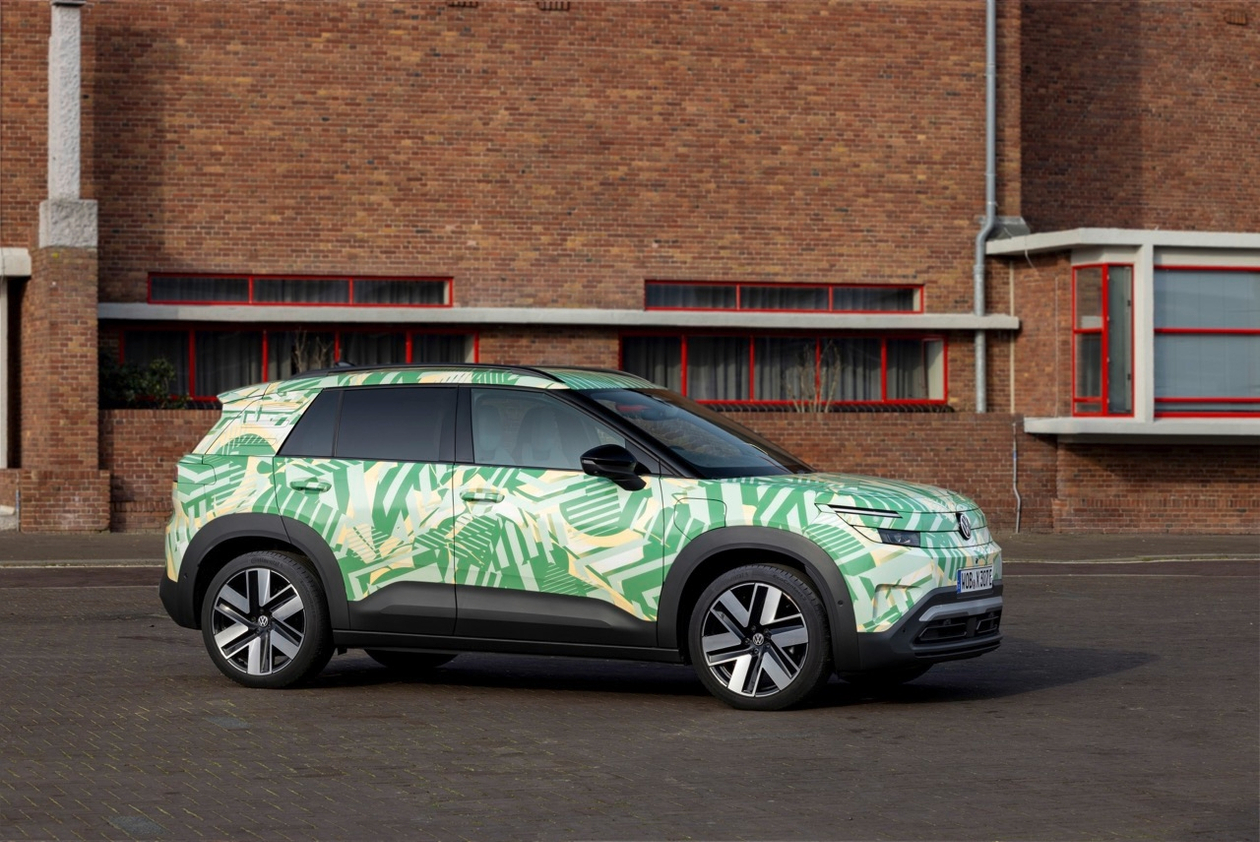
The ID. Cross adopts Volkswagen's new "Pure Positive" design language. Eschewing exaggerated lines, the car features clean, balanced proportions, projecting understated confidence. This contrasts with the trend of overly aggressive or futuristic designs. Volkswagen's focus is on simplicity and harmony, communicating "quality without noise."
The interior is designed for serenity and simplicity. Volkswagen emphasizes that materials and craftsmanship will align with its higher-tier models, ensuring quality even in this entry-level offering. A large display is complemented by intuitive physical buttons, balancing technology with practicality. This caters to both tech-savvy younger users and those who prefer direct controls.
Size and Space: Compact Practicality
The ID. Cross is a compact SUV, ideal for urban environments. Its five-seat layout suits typical family needs. For Hong Kong's space-constrained environment, a compact car with a spacious interior is highly practical. Estimated to be around 4.2 meters long, similar to models like the Volkswagen T-Roc, it offers maneuverability in tight streets and parking spots while comfortably accommodating four occupants.
Powertrain and Range: Flexible Options
The ID. Cross offers three power outputs (85 kW, 99 kW, 155 kW) paired with two battery sizes (37 kWh and 52 kWh net). This flexibility caters to different user needs: from city commuters to those requiring longer range for weekend trips.
For Hong Kong users, the 85 kW/37 kWh combination is sufficient for daily commuting (approx. 30 km/day), requiring charging roughly once a week. The 155 kW/52 kWh option provides more power and range for longer journeys.
Charging Efficiency: Practical Fast Charging
The ID. Cross supports up to 90 kW DC fast charging, with the larger battery version offering up to 105 kW. This means a quick top-up at a fast charger can replenish the battery significantly. For a 52 kWh battery, a 30-80% charge could take around 30 minutes, aligning well with a typical stop for a coffee or meal.
Pricing Strategy: Strategic Value at EUR 28,000
The EUR 28,000 starting price is highly competitive in Europe and signals Volkswagen's focus on "value-conscious" EVs. As the market matures, consumers are moving beyond chasing extreme specs and focusing on overall value: space, price, and practicality. For Hong Kong, a HKD 240,000 starting price would be attractive, potentially competing with models like the BYD Atto 3 (approx. HKD 188,000) and Tesla Model 3 (approx. HKD 320,000).
Hong Kong Perspective: An Accessible German Option
Several factors make the ID. Cross relevant for Hong Kong.
RHD Potential: As the ID. Cross is developed for the European market, an RHD version is plausible, especially if Volkswagen expands its Asian RHD portfolio.
Product-Market Fit: Hong Kong's consistent demand for compact SUVs (like the Toyota C-HR, Honda HR-V) makes a competitively priced electric option appealing.
Charging Compatibility: The ID. Cross's 90-105 kW charging aligns well with Hong Kong's existing charging network, which has a growing number of fast (20-100kW) chargers.
Brand Recognition: Volkswagen's established brand presence in Hong Kong provides a strong foundation for an EV model.
Personal Opinion: The Era of "Sensible EVs"
The ID. Cross signifies a shift towards "sensible" EVs. The focus is no longer solely on maximum range or acceleration, but on balanced attributes: reasonable price, adequate space, practical charging, and solid build quality. This approach could resonate strongly with Hong Kong families seeking a reliable, affordable transition to electric mobility.
The ID. Cross may not be the most technologically extreme EV, but it represents a potentially ideal solution for many Hong Kong households. Its success will depend on the eventual RHD availability and pricing. For buyers looking for a practical, well-built electric SUV without the premium price tag, the ID. Cross is a model worth watching. When it potentially arrives, it could redefine what value means in Hong Kong's electric vehicle market.

香港汽車內容平台 🚗 新車・買車・玩車・用車 用香港視角,睇世界嘅車
+ Follow 【新車速報】兩座車又殺返嚟?smart精靈#2今次有啲料喎
鍾意細車嘅香港車迷留意!全新 smart 精靈#2 配置公布,採用 ECA 電動緊湊型架構,搭載 35.8kWh 磷酸鐵鋰電池,CLTC 續航 410km,30%-80% 快充最快15分鐘。
車長約 2.75米、轉彎半徑僅3.35米,仲有前麥弗遜+後五連桿獨立懸架;安全配備最多7個氣袋及 ACC、盲區監測等功能。
0-50km/h 3.8秒,10月12日巴黎車展全球首發!
兩座純電+細車身,放落香港街道會唔會幾對味?
#smart #smart精靈2 #純電車 #BitAutoHongKong 1小时前
【新車速報】兩座車又殺返嚟?smart精靈#2今次有啲料喎
鍾意細車嘅香港車迷留意!全新 smart 精靈#2 配置公布,採用 ECA 電動緊湊型架構,搭載 35.8kWh 磷酸鐵鋰電池,CLTC 續航 410km,30%-80% 快充最快15分鐘。
車長約 2.75米、轉彎半徑僅3.35米,仲有前麥弗遜+後五連桿獨立懸架;安全配備最多7個氣袋及 ACC、盲區監測等功能。
0-50km/h 3.8秒,10月12日巴黎車展全球首發!
兩座純電+細車身,放落香港街道會唔會幾對味?
#smart #smart精靈2 #純電車 #BitAutoHongKong 1小时前  【揀車有路數】日產新車賣比亞迪價?仲有激光雷達
今集試一台好特別嘅日產新車——NX8,中國特供增程SUV。外觀似熟悉嘅日產味,但內籠同科技配備竟然唔晒傳統日產套路,駕乘感受又有幾多轉變?到底仲係咪你認識嗰部日產?一齊試畀你睇。
#日產 #NX8 #增程 #BitAutoHongKong #揀車有路數 1天前
【揀車有路數】日產新車賣比亞迪價?仲有激光雷達
今集試一台好特別嘅日產新車——NX8,中國特供增程SUV。外觀似熟悉嘅日產味,但內籠同科技配備竟然唔晒傳統日產套路,駕乘感受又有幾多轉變?到底仲係咪你認識嗰部日產?一齊試畀你睇。
#日產 #NX8 #增程 #BitAutoHongKong #揀車有路數 1天前  【新車速報】T-Top 回歸?Nissan Z Kaze 概念車現身!
90年代 JDM 味返晒嚟?Nissan 最近喺美國 ZCON 公開 Z Kaze 概念車,以現款 Nissan Z 為基礎,換上全新 T-Top 可拆式車頂,向經典 300ZX 等 Z 系列致敬。
配合碳纖維空力套件、NISMO LMGT2 18吋輪圈,以及 GReddy 排氣、進氣同 intercooler 升級,成部車都充滿 JDM 改裝味。
「Kaze」即係日文「風」,而呢部車係 one-off 概念作品,並非量產車。10月3日仲會現身加州長灘 Japanese Classic Car Show。
如果 T-Top Z 真係量產,你會唔會心動?
#NissanZ #ZKaze #TTop #JDM #BitAutoHongKong 1天前
【新車速報】T-Top 回歸?Nissan Z Kaze 概念車現身!
90年代 JDM 味返晒嚟?Nissan 最近喺美國 ZCON 公開 Z Kaze 概念車,以現款 Nissan Z 為基礎,換上全新 T-Top 可拆式車頂,向經典 300ZX 等 Z 系列致敬。
配合碳纖維空力套件、NISMO LMGT2 18吋輪圈,以及 GReddy 排氣、進氣同 intercooler 升級,成部車都充滿 JDM 改裝味。
「Kaze」即係日文「風」,而呢部車係 one-off 概念作品,並非量產車。10月3日仲會現身加州長灘 Japanese Classic Car Show。
如果 T-Top Z 真係量產,你會唔會心動?
#NissanZ #ZKaze #TTop #JDM #BitAutoHongKong 1天前 Get the latest car news first!
【新車速報】兩座車又殺返嚟?smart精靈#2今次有啲料喎
鍾意細車嘅香港車迷留意!全新 smart 精靈#2 配置公布,採用 ECA 電動緊湊型架構,搭載 35.8kWh 磷酸鐵鋰電池,CLTC 續航 410km,30%-80% 快充最快15分鐘。
車長約 2.75米、轉彎半徑僅3.35米,仲有前麥弗遜+後五連桿獨立懸架;安全配備最多7個氣袋及 ACC、盲區監測等功能。
0-50km/h 3.8秒,10月12日巴黎車展全球首發!
兩座純電+細車身,放落香港街道會唔會幾對味?
#smart #smart精靈2 #純電車 #BitAutoHongKong 1小时前 【揀車有路數】日產新車賣比亞迪價?仲有激光雷達
今集試一台好特別嘅日產新車——NX8,中國特供增程SUV。外觀似熟悉嘅日產味,但內籠同科技配備竟然唔晒傳統日產套路,駕乘感受又有幾多轉變?到底仲係咪你認識嗰部日產?一齊試畀你睇。
#日產 #NX8 #增程 #BitAutoHongKong #揀車有路數 1天前 【新車速報】T-Top 回歸?Nissan Z Kaze 概念車現身!
90年代 JDM 味返晒嚟?Nissan 最近喺美國 ZCON 公開 Z Kaze 概念車,以現款 Nissan Z 為基礎,換上全新 T-Top 可拆式車頂,向經典 300ZX 等 Z 系列致敬。
配合碳纖維空力套件、NISMO LMGT2 18吋輪圈,以及 GReddy 排氣、進氣同 intercooler 升級,成部車都充滿 JDM 改裝味。
「Kaze」即係日文「風」,而呢部車係 one-off 概念作品,並非量產車。10月3日仲會現身加州長灘 Japanese Classic Car Show。
如果 T-Top Z 真係量產,你會唔會心動?
#NissanZ #ZKaze #TTop #JDM #BitAutoHongKong 1天前  BAWToyotaBYDZeekrGACDongfengXPengMGMaxusLeapmotorDenzaIMiCAURDeepalWulingOraJuneyao AutoKYCSkyworthAvatrFotonFordGeelyHongqiJAECOOKGMOMODADFSKTeslaHondaBMWMercedes-BenzsmartMINIPorscheNissanLexusSuzukiVolvoSubaruMazdaKiaHyundaiLand RoverRolls-RoyceFerrariAudiLamborghiniRiddaraSeresFarizonfireflyLingboxKaiyiVoyahHIMAM-HeroIsuzuBentleyPolestarMcLarenMitsubishiMaseratiPeugeotAston MartinAcuraJeepJaguarLotusVolkswagenEpiclandJACLepasLi
 © 2024 Bitauto.com. All Rights Reserved.
Bitauto (www.yiche.com and www.bitauto.com) is one of the most visited automotive websites in China. We provide detailed info on Chinese car brands available in your area. Please note that the information provided on this website is based on publicly available data and is for reference only. It may not be fully updated or accurate at all times.
Help us improve our website


